
All Activity
- Past hour
-
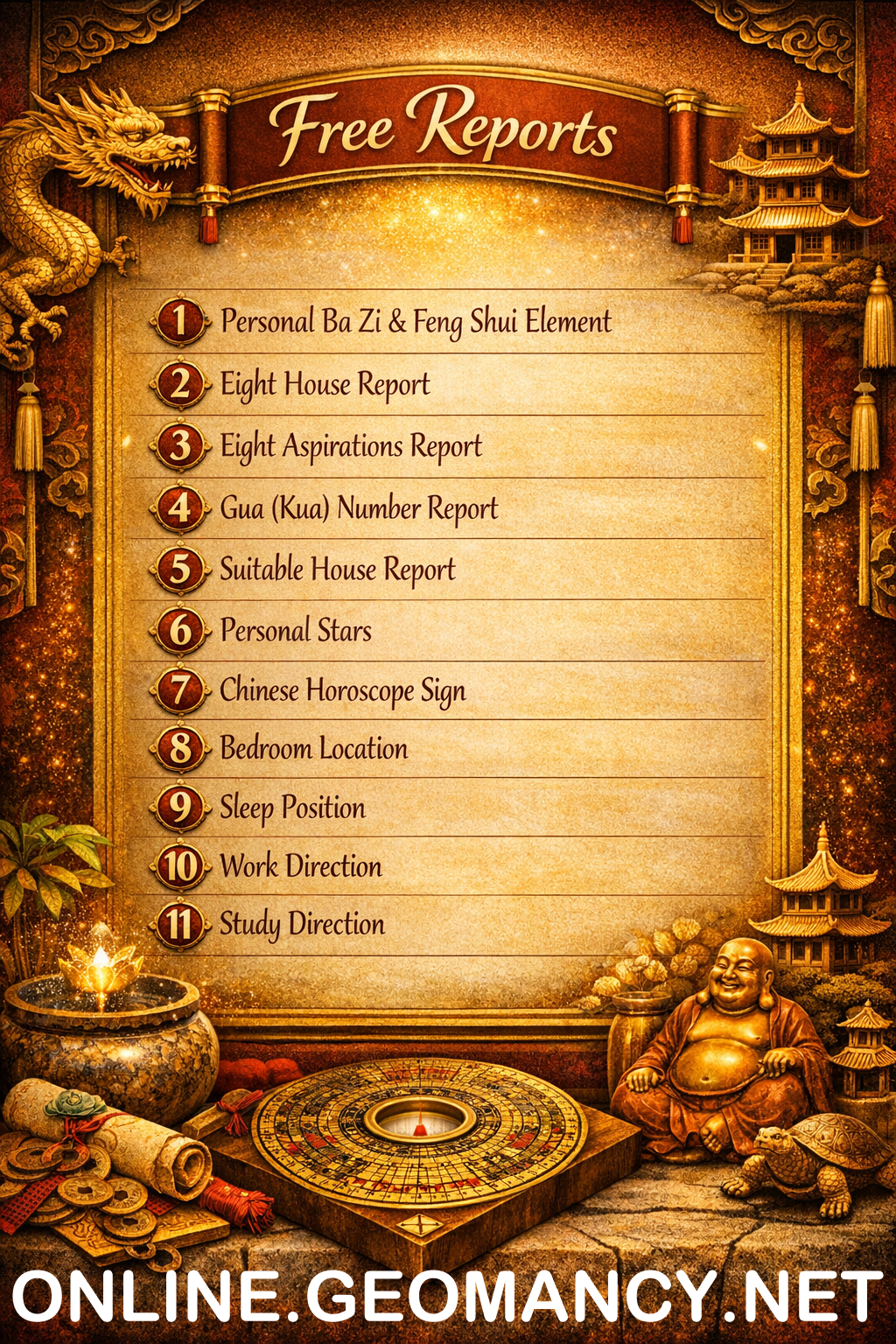
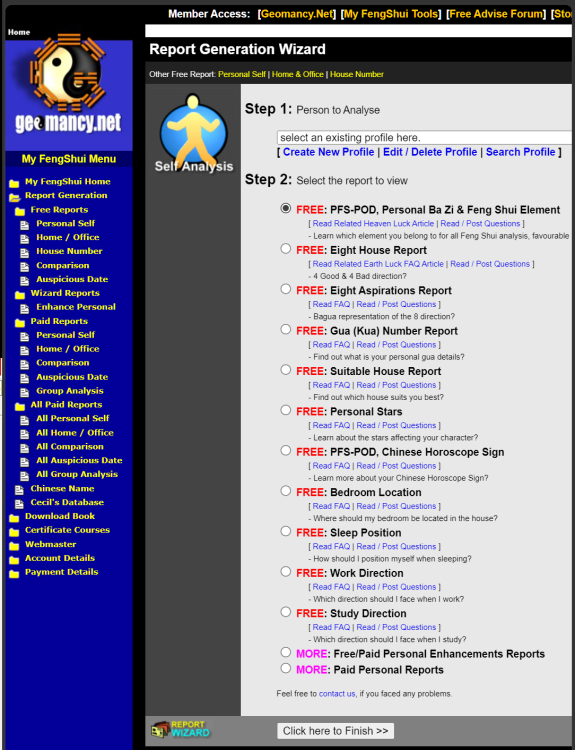
FengShui.Geomancy.NetMembers Login - FengShui.Geomancy.NetLogin Wizard Account Provide the e-mail address & password. Press 'Finish' to login to your account. Step 1: Provide your E-mail Address & Password E-mail: Pass...https://freereport.geomancy.net/ 1. Personal Ba Zi & Feng Shui Element 2. Eight House Report 3. Eight Aspirations Report 4. Gua (Kua) Number Report 5. Suitable House Report 6. Personal Stars 7. Chinese Horoscope Sign 8. Bedroom Location 9. Sleep Position 10. Work Direction 11. Study Direction
-
FengShui.Geomancy.NetMembers Login - FengShui.Geomancy.NetLogin Wizard Account Provide the e-mail address & password. Press 'Finish' to login to your account. Step 1: Provide your E-mail Address & Password E-mail: Pass...https://freereport.geomancy.net/ 1. Personal Ba Zi & Feng Shui Element 2. Eight House Report 3. Eight Aspirations Report 4. Gua (Kua) Number Report 5. Suitable House Report 6. Personal Stars 7. Chinese Horoscope Sign 8. Bedroom Location 9. Sleep Position 10. Work Direction 11. Study Direction
-
FengShui.Geomancy.NetMembers Login - FengShui.Geomancy.NetLogin Wizard Account Provide the e-mail address & password. Press 'Finish' to login to your account. Step 1: Provide your E-mail Address & Password E-mail: Pass...https://freereport.geomancy.net/ 1. Personal Ba Zi & Feng Shui Element 2. Eight House Report 3. Eight Aspirations Report 4. Gua (Kua) Number Report 5. Suitable House Report 6. Personal Stars 7. Chinese Horoscope Sign 8. Bedroom Location 9. Sleep Position 10. Work Direction 11. Study Direction
-
FengShui.Geomancy.NetMembers Login - FengShui.Geomancy.NetLogin Wizard Account Provide the e-mail address & password. Press 'Finish' to login to your account. Step 1: Provide your E-mail Address & Password E-mail: Pass...https://freereport.geomancy.net/ 1. Personal Ba Zi & Feng Shui Element 2. Eight House Report 3. Eight Aspirations Report 4. Gua (Kua) Number Report 5. Suitable House Report 6. Personal Stars 7. Chinese Horoscope Sign 8. Bedroom Location 9. Sleep Position 10. Work Direction 11. Study Direction
-
FengShui.Geomancy.NetMembers Login - FengShui.Geomancy.NetLogin Wizard Account Provide the e-mail address & password. Press 'Finish' to login to your account. Step 1: Provide your E-mail Address & Password E-mail: Pass...https://freereport.geomancy.net/ 1. Personal Ba Zi & Feng Shui Element 2. Eight House Report 3. Eight Aspirations Report 4. Gua (Kua) Number Report 5. Suitable House Report 6. Personal Stars 7. Chinese Horoscope Sign 8. Bedroom Location 9. Sleep Position 10. Work Direction 11. Study Direction
-
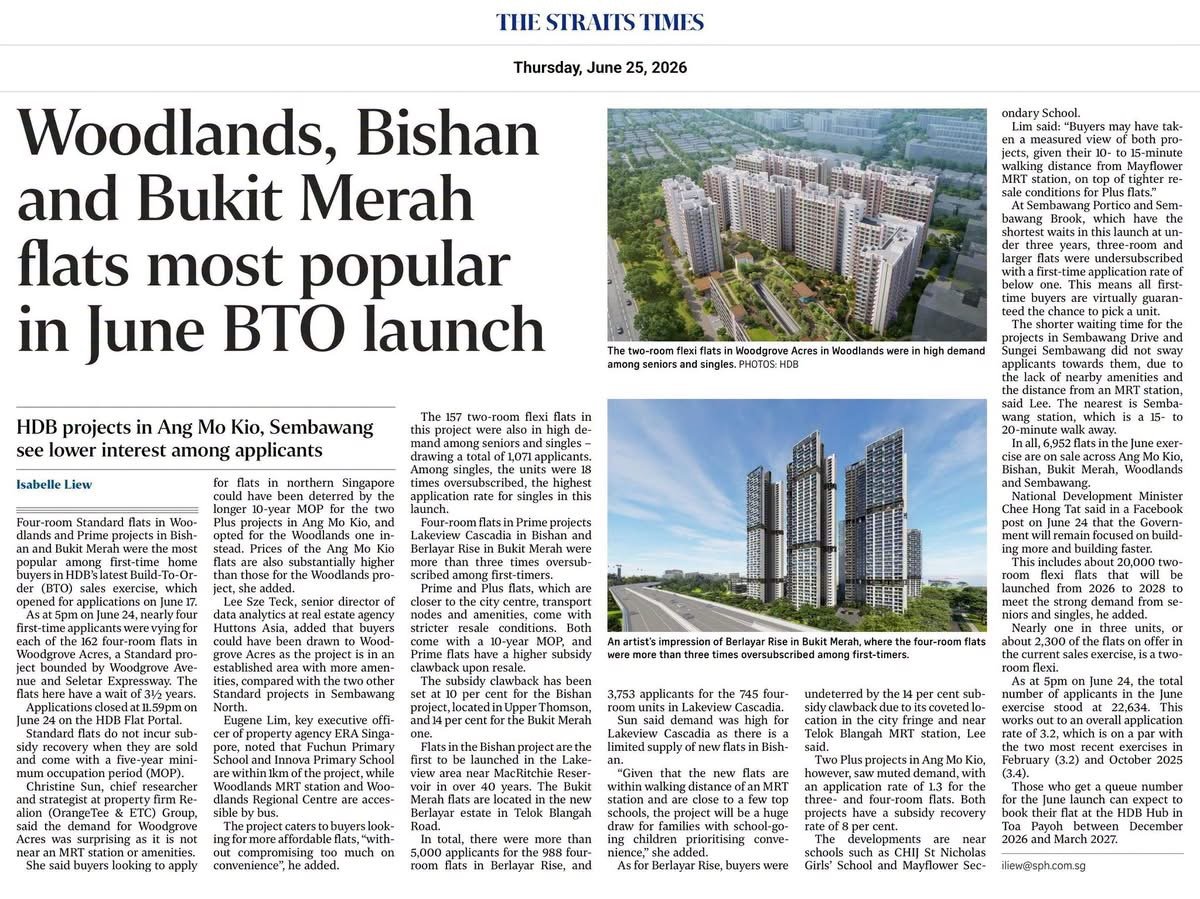
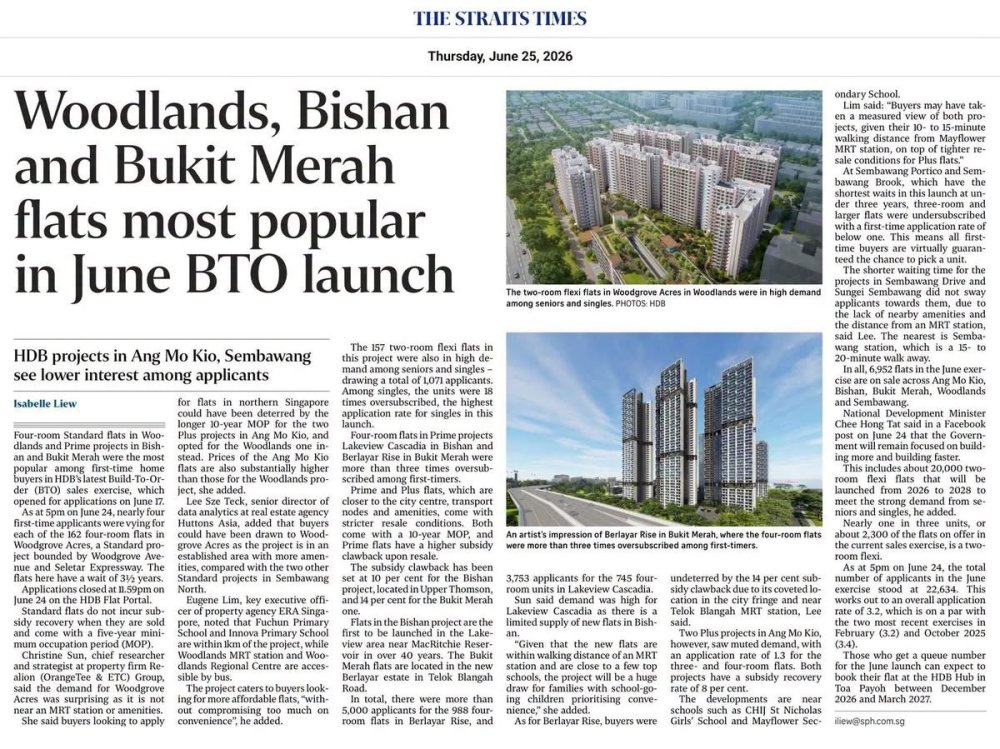
June 2026’s HDB BTO draw was strongest in Bishan and Bukit Merah (Prime projects) and Woodlands, while Ang Mo Kio and Sembawang saw noticeably lower interest. Bishan/Bukit Merah were popular mainly for central locations, strong transport links and amenities, plus limited new flat supply (even though Prime flats have stricter rules like a 10‑year MOP and subsidy clawbacks). Woodlands drew big demand because it’s seen as more affordable yet still convenient, with two-room Flexi units especially sought after by seniors and singles. Overall, there were about 21,634 applicants for 6,952 flats, an application rate of ~3.2, similar to recent launches. Source & Credit: - Most sought-after projects: In the June 2026 BTO exercise, the strongest demand came from Bishan and Bukit Merah (both centrally located) and Woodlands. - Why they were popular: Buyers were drawn mainly by location and amenities. Bishan and Bukit Merah are seen as mature, well-connected towns with limited new flat supply, so demand stayed high even though these are Prime projects with tighter rules. - Prime projects still heavily oversubscribed: The four-room flats at Lakeview Cascadia (Bishan/Upper Thomson area) and Beleray Rise (Bukit Merah/Telok Blangah area) drew around three times the number of applicants compared with available units. The article notes that Prime flats come with a 10-year minimum occupation period and a subsidy “clawback” on resale (set at 10% for the Bishan project and 14% for the Bukit Merah project). - Woodlands also drew strong interest (especially smaller flats): Woodgrove Acres (Woodlands) saw high demand, including very strong interest in two-room Flexi units from seniors and singles. Woodlands was seen as a more affordable option while still being reasonably convenient. - Lower interest in some other towns: Projects in Ang Mo Kio and Sembawang generally saw weaker demand, with some larger-flat categories in Sembawang drawing fewer first-timer applications than the number of units—meaning first-timers there had a very good chance of getting a flat. - Overall demand level: By the afternoon of the first application day, the exercise had about 21,600 applicants, translating to an overall application rate of roughly 3.2, similar to recent BTO exercises. If you want, I can also produce a 3–5 sentence “ultra-short” version or list the key numbers by project/town.
-
June 2026’s HDB BTO draw was strongest in Bishan and Bukit Merah (Prime projects) and Woodlands, while Ang Mo Kio and Sembawang saw noticeably lower interest. Bishan/Bukit Merah were popular mainly for central locations, strong transport links and amenities, plus limited new flat supply (even though Prime flats have stricter rules like a 10‑year MOP and subsidy clawbacks). Woodlands drew big demand because it’s seen as more affordable yet still convenient, with two-room Flexi units especially sought after by seniors and singles. Overall, there were about 21,634 applicants for 6,952 flats, an application rate of ~3.2, similar to recent launches. Source & Credit: - Most sought-after projects: In the June 2026 BTO exercise, the strongest demand came from Bishan and Bukit Merah (both centrally located) and Woodlands. - Why they were popular: Buyers were drawn mainly by location and amenities. Bishan and Bukit Merah are seen as mature, well-connected towns with limited new flat supply, so demand stayed high even though these are Prime projects with tighter rules. - Prime projects still heavily oversubscribed: The four-room flats at Lakeview Cascadia (Bishan/Upper Thomson area) and Beleray Rise (Bukit Merah/Telok Blangah area) drew around three times the number of applicants compared with available units. The article notes that Prime flats come with a 10-year minimum occupation period and a subsidy “clawback” on resale (set at 10% for the Bishan project and 14% for the Bukit Merah project). - Woodlands also drew strong interest (especially smaller flats): Woodgrove Acres (Woodlands) saw high demand, including very strong interest in two-room Flexi units from seniors and singles. Woodlands was seen as a more affordable option while still being reasonably convenient. - Lower interest in some other towns: Projects in Ang Mo Kio and Sembawang generally saw weaker demand, with some larger-flat categories in Sembawang drawing fewer first-timer applications than the number of units—meaning first-timers there had a very good chance of getting a flat. - Overall demand level: By the afternoon of the first application day, the exercise had about 21,600 applicants, translating to an overall application rate of roughly 3.2, similar to recent BTO exercises. If you want, I can also produce a 3–5 sentence “ultra-short” version or list the key numbers by project/town.
-
June 2026’s HDB BTO draw was strongest in Bishan and Bukit Merah (Prime projects) and Woodlands, while Ang Mo Kio and Sembawang saw noticeably lower interest. Bishan/Bukit Merah were popular mainly for central locations, strong transport links and amenities, plus limited new flat supply (even though Prime flats have stricter rules like a 10‑year MOP and subsidy clawbacks). Woodlands drew big demand because it’s seen as more affordable yet still convenient, with two-room Flexi units especially sought after by seniors and singles. Overall, there were about 21,634 applicants for 6,952 flats, an application rate of ~3.2, similar to recent launches. Source & Credit: - Most sought-after projects: In the June 2026 BTO exercise, the strongest demand came from Bishan and Bukit Merah (both centrally located) and Woodlands. - Why they were popular: Buyers were drawn mainly by location and amenities. Bishan and Bukit Merah are seen as mature, well-connected towns with limited new flat supply, so demand stayed high even though these are Prime projects with tighter rules. - Prime projects still heavily oversubscribed: The four-room flats at Lakeview Cascadia (Bishan/Upper Thomson area) and Beleray Rise (Bukit Merah/Telok Blangah area) drew around three times the number of applicants compared with available units. The article notes that Prime flats come with a 10-year minimum occupation period and a subsidy “clawback” on resale (set at 10% for the Bishan project and 14% for the Bukit Merah project). - Woodlands also drew strong interest (especially smaller flats): Woodgrove Acres (Woodlands) saw high demand, including very strong interest in two-room Flexi units from seniors and singles. Woodlands was seen as a more affordable option while still being reasonably convenient. - Lower interest in some other towns: Projects in Ang Mo Kio and Sembawang generally saw weaker demand, with some larger-flat categories in Sembawang drawing fewer first-timer applications than the number of units—meaning first-timers there had a very good chance of getting a flat. - Overall demand level: By the afternoon of the first application day, the exercise had about 21,600 applicants, translating to an overall application rate of roughly 3.2, similar to recent BTO exercises. If you want, I can also produce a 3–5 sentence “ultra-short” version or list the key numbers by project/town.
-
June 2026’s HDB BTO draw was strongest in Bishan and Bukit Merah (Prime projects) and Woodlands, while Ang Mo Kio and Sembawang saw noticeably lower interest. Bishan/Bukit Merah were popular mainly for central locations, strong transport links and amenities, plus limited new flat supply (even though Prime flats have stricter rules like a 10‑year MOP and subsidy clawbacks). Woodlands drew big demand because it’s seen as more affordable yet still convenient, with two-room Flexi units especially sought after by seniors and singles. Overall, there were about 21,634 applicants for 6,952 flats, an application rate of ~3.2, similar to recent launches. Source & Credit: - Most sought-after projects: In the June 2026 BTO exercise, the strongest demand came from Bishan and Bukit Merah (both centrally located) and Woodlands. - Why they were popular: Buyers were drawn mainly by location and amenities. Bishan and Bukit Merah are seen as mature, well-connected towns with limited new flat supply, so demand stayed high even though these are Prime projects with tighter rules. - Prime projects still heavily oversubscribed: The four-room flats at Lakeview Cascadia (Bishan/Upper Thomson area) and Beleray Rise (Bukit Merah/Telok Blangah area) drew around three times the number of applicants compared with available units. The article notes that Prime flats come with a 10-year minimum occupation period and a subsidy “clawback” on resale (set at 10% for the Bishan project and 14% for the Bukit Merah project). - Woodlands also drew strong interest (especially smaller flats): Woodgrove Acres (Woodlands) saw high demand, including very strong interest in two-room Flexi units from seniors and singles. Woodlands was seen as a more affordable option while still being reasonably convenient. - Lower interest in some other towns: Projects in Ang Mo Kio and Sembawang generally saw weaker demand, with some larger-flat categories in Sembawang drawing fewer first-timer applications than the number of units—meaning first-timers there had a very good chance of getting a flat. - Overall demand level: By the afternoon of the first application day, the exercise had about 21,600 applicants, translating to an overall application rate of roughly 3.2, similar to recent BTO exercises. If you want, I can also produce a 3–5 sentence “ultra-short” version or list the key numbers by project/town.
-
June 2026’s HDB BTO draw was strongest in Bishan and Bukit Merah (Prime projects) and Woodlands, while Ang Mo Kio and Sembawang saw noticeably lower interest. Bishan/Bukit Merah were popular mainly for central locations, strong transport links and amenities, plus limited new flat supply (even though Prime flats have stricter rules like a 10‑year MOP and subsidy clawbacks). Woodlands drew big demand because it’s seen as more affordable yet still convenient, with two-room Flexi units especially sought after by seniors and singles. Overall, there were about 21,634 applicants for 6,952 flats, an application rate of ~3.2, similar to recent launches. Source & Credit: - Most sought-after projects: In the June 2026 BTO exercise, the strongest demand came from Bishan and Bukit Merah (both centrally located) and Woodlands. - Why they were popular: Buyers were drawn mainly by location and amenities. Bishan and Bukit Merah are seen as mature, well-connected towns with limited new flat supply, so demand stayed high even though these are Prime projects with tighter rules. - Prime projects still heavily oversubscribed: The four-room flats at Lakeview Cascadia (Bishan/Upper Thomson area) and Beleray Rise (Bukit Merah/Telok Blangah area) drew around three times the number of applicants compared with available units. The article notes that Prime flats come with a 10-year minimum occupation period and a subsidy “clawback” on resale (set at 10% for the Bishan project and 14% for the Bukit Merah project). - Woodlands also drew strong interest (especially smaller flats): Woodgrove Acres (Woodlands) saw high demand, including very strong interest in two-room Flexi units from seniors and singles. Woodlands was seen as a more affordable option while still being reasonably convenient. - Lower interest in some other towns: Projects in Ang Mo Kio and Sembawang generally saw weaker demand, with some larger-flat categories in Sembawang drawing fewer first-timer applications than the number of units—meaning first-timers there had a very good chance of getting a flat. - Overall demand level: By the afternoon of the first application day, the exercise had about 21,600 applicants, translating to an overall application rate of roughly 3.2, similar to recent BTO exercises. If you want, I can also produce a 3–5 sentence “ultra-short” version or list the key numbers by project/town.
-
June 2026’s HDB BTO draw was strongest in Bishan and Bukit Merah (Prime projects) and Woodlands, while Ang Mo Kio and Sembawang saw noticeably lower interest. Bishan/Bukit Merah were popular mainly for central locations, strong transport links and amenities, plus limited new flat supply (even though Prime flats have stricter rules like a 10‑year MOP and subsidy clawbacks). Woodlands drew big demand because it’s seen as more affordable yet still convenient, with two-room Flexi units especially sought after by seniors and singles. Overall, there were about 21,634 applicants for 6,952 flats, an application rate of ~3.2, similar to recent launches. Source & Credit: - Most sought-after projects: In the June 2026 BTO exercise, the strongest demand came from Bishan and Bukit Merah (both centrally located) and Woodlands. - Why they were popular: Buyers were drawn mainly by location and amenities. Bishan and Bukit Merah are seen as mature, well-connected towns with limited new flat supply, so demand stayed high even though these are Prime projects with tighter rules. - Prime projects still heavily oversubscribed: The four-room flats at Lakeview Cascadia (Bishan/Upper Thomson area) and Beleray Rise (Bukit Merah/Telok Blangah area) drew around three times the number of applicants compared with available units. The article notes that Prime flats come with a 10-year minimum occupation period and a subsidy “clawback” on resale (set at 10% for the Bishan project and 14% for the Bukit Merah project). - Woodlands also drew strong interest (especially smaller flats): Woodgrove Acres (Woodlands) saw high demand, including very strong interest in two-room Flexi units from seniors and singles. Woodlands was seen as a more affordable option while still being reasonably convenient. - Lower interest in some other towns: Projects in Ang Mo Kio and Sembawang generally saw weaker demand, with some larger-flat categories in Sembawang drawing fewer first-timer applications than the number of units—meaning first-timers there had a very good chance of getting a flat. - Overall demand level: By the afternoon of the first application day, the exercise had about 21,600 applicants, translating to an overall application rate of roughly 3.2, similar to recent BTO exercises. If you want, I can also produce a 3–5 sentence “ultra-short” version or list the key numbers by project/town.
- Today
-
June 2026’s HDB BTO draw was strongest in Bishan and Bukit Merah (Prime projects) and Woodlands, while Ang Mo Kio and Sembawang saw noticeably lower interest. Bishan/Bukit Merah were popular mainly for central locations, strong transport links and amenities, plus limited new flat supply (even though Prime flats have stricter rules like a 10‑year MOP and subsidy clawbacks). Woodlands drew big demand because it’s seen as more affordable yet still convenient, with two-room Flexi units especially sought after by seniors and singles. Overall, there were about 21,634 applicants for 6,952 flats, an application rate of ~3.2, similar to recent launches. Source & Credit: - Most sought-after projects: In the June 2026 BTO exercise, the strongest demand came from Bishan and Bukit Merah (both centrally located) and Woodlands. - Why they were popular: Buyers were drawn mainly by location and amenities. Bishan and Bukit Merah are seen as mature, well-connected towns with limited new flat supply, so demand stayed high even though these are Prime projects with tighter rules. - Prime projects still heavily oversubscribed: The four-room flats at Lakeview Cascadia (Bishan/Upper Thomson area) and Beleray Rise (Bukit Merah/Telok Blangah area) drew around three times the number of applicants compared with available units. The article notes that Prime flats come with a 10-year minimum occupation period and a subsidy “clawback” on resale (set at 10% for the Bishan project and 14% for the Bukit Merah project). - **Woodlands also drew strong interest (especially smaller flats):** Woodgrove Acres (Woodlands) saw high demand, including very strong interest in two-room Flexi units from seniors and singles. Woodlands was seen as a more affordable option while still being reasonably convenient. - Lower interest in some other towns: Projects in Ang Mo Kio and Sembawang generally saw weaker demand, with some larger-flat categories in Sembawang drawing fewer first-timer applications than the number of units—meaning first-timers there had a very good chance of getting a flat. - Overall demand level: By the afternoon of the first application day, the exercise had about 21,600 applicants, translating to an overall application rate of roughly 3.2, similar to recent BTO exercises. If you want, I can also produce a 3–5 sentence “ultra-short” version or list the key numbers by project/town.
-
Mitch. joined the community
-
NEA
-
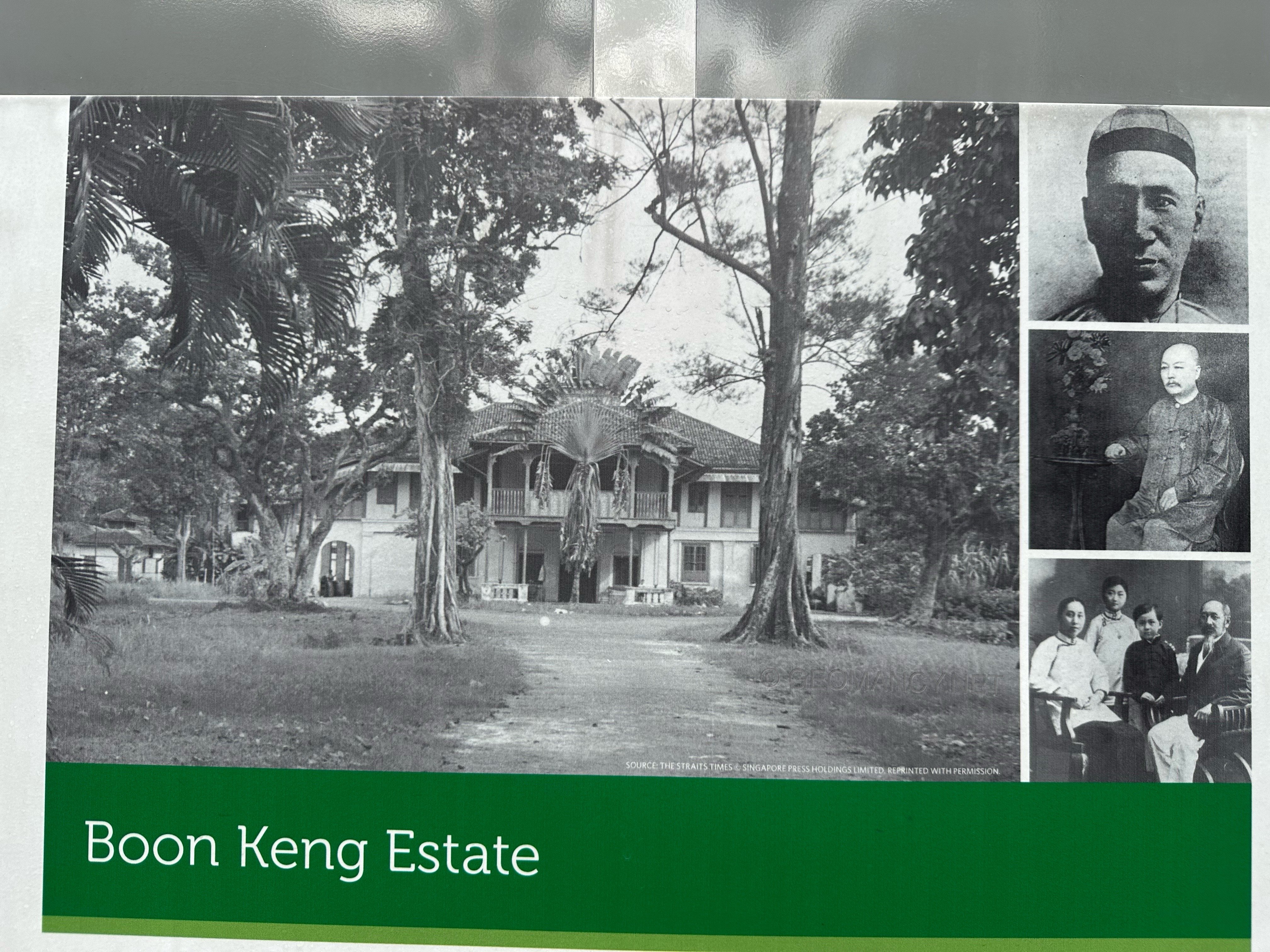
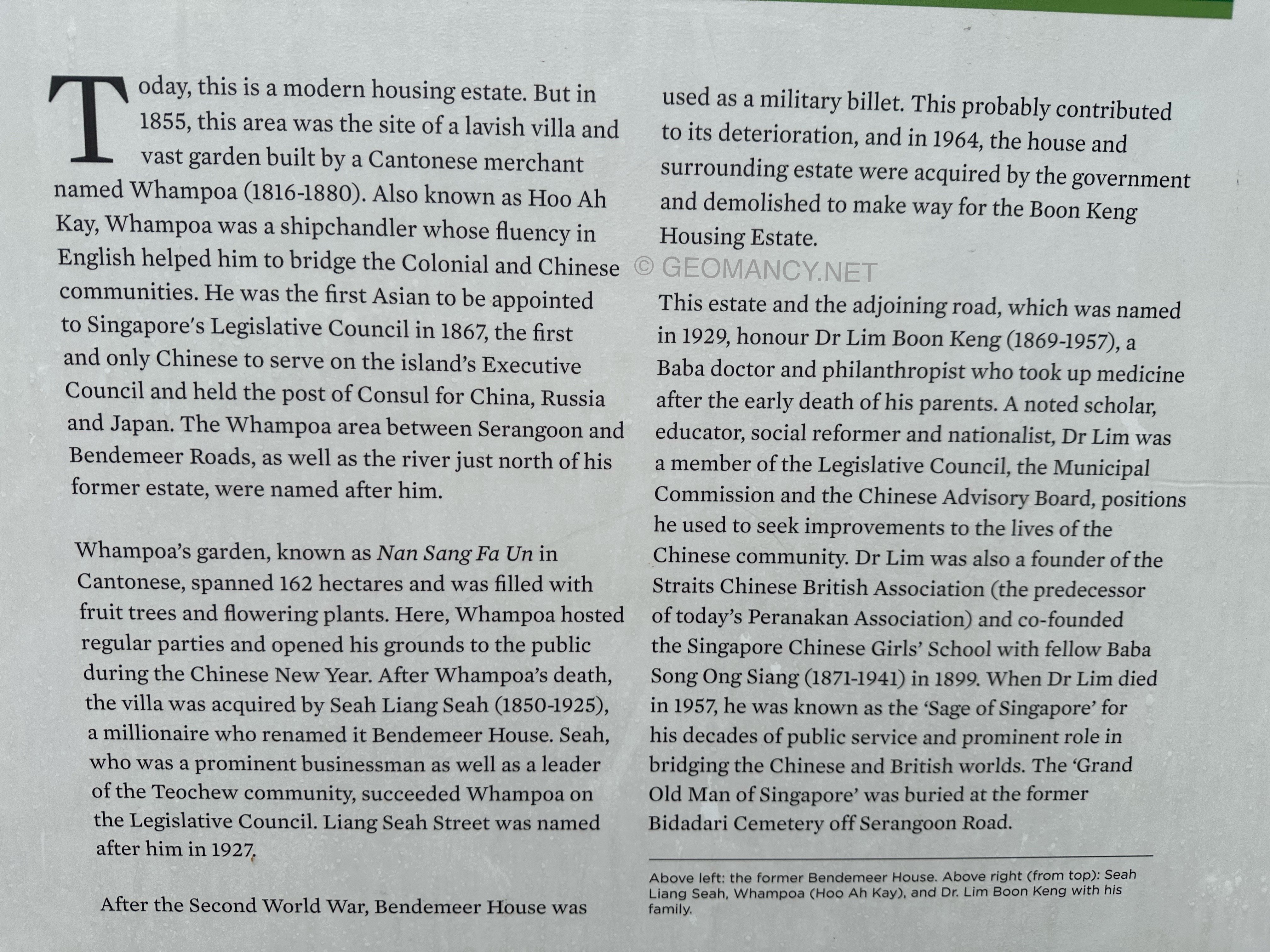
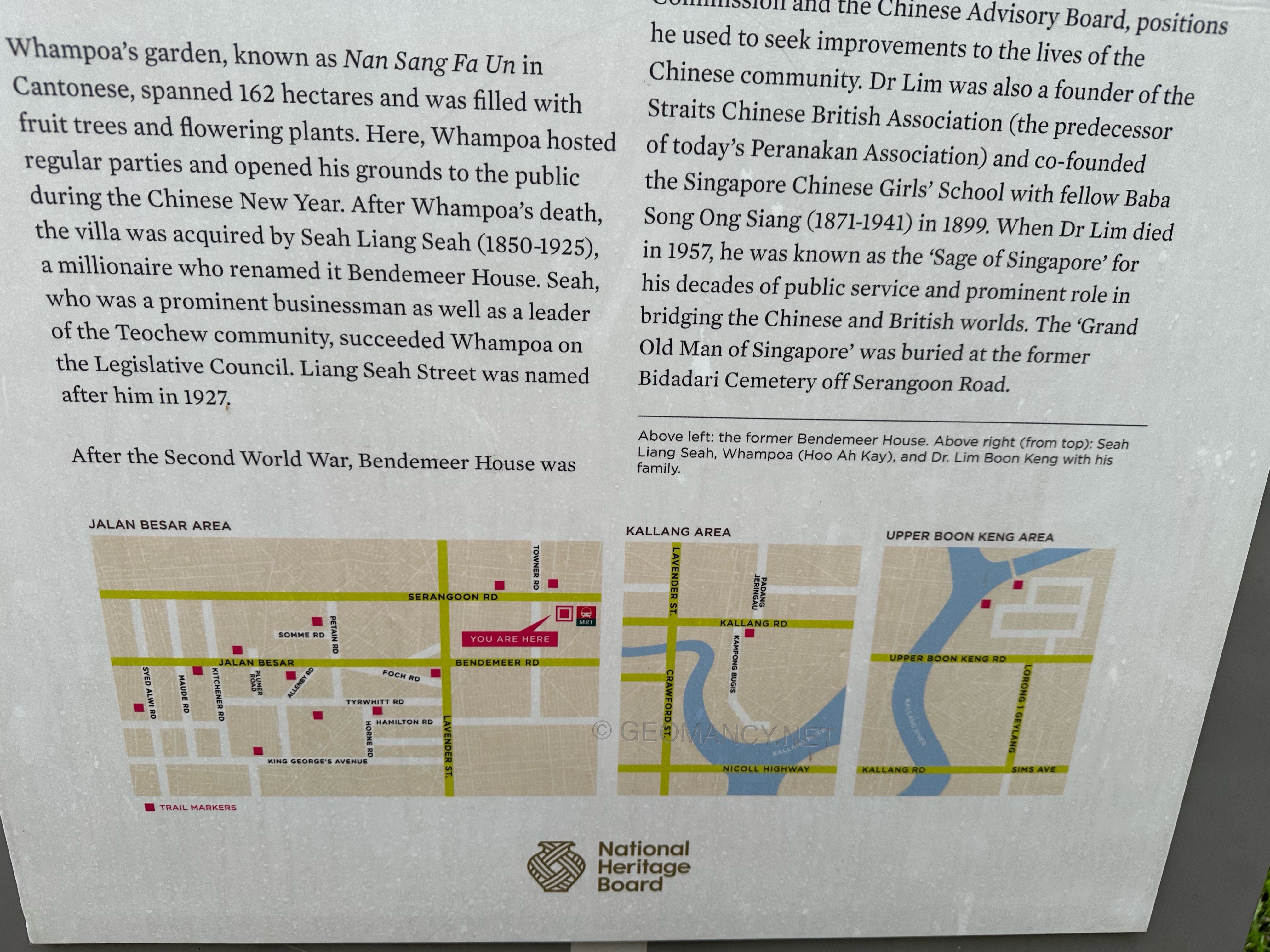
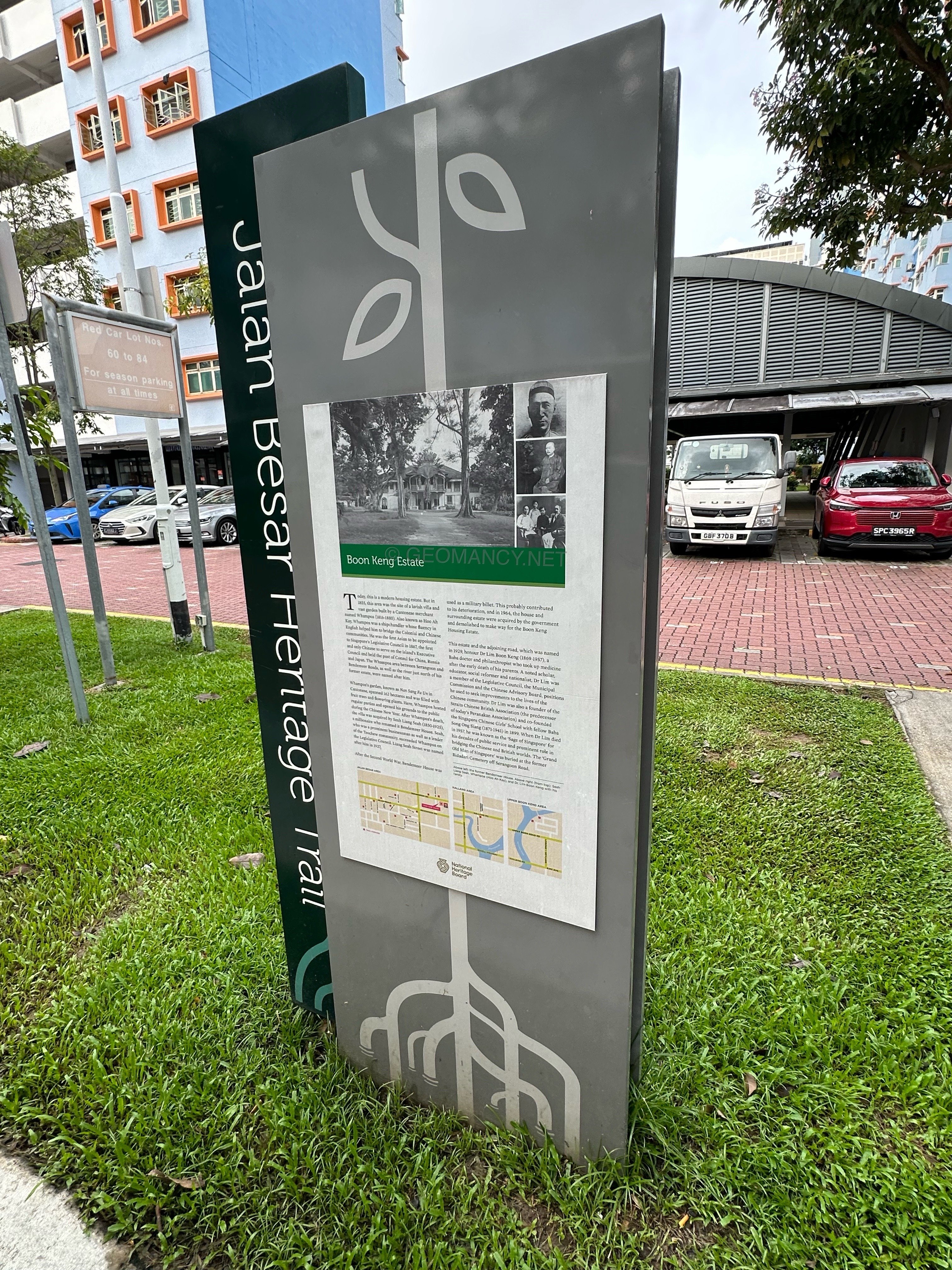
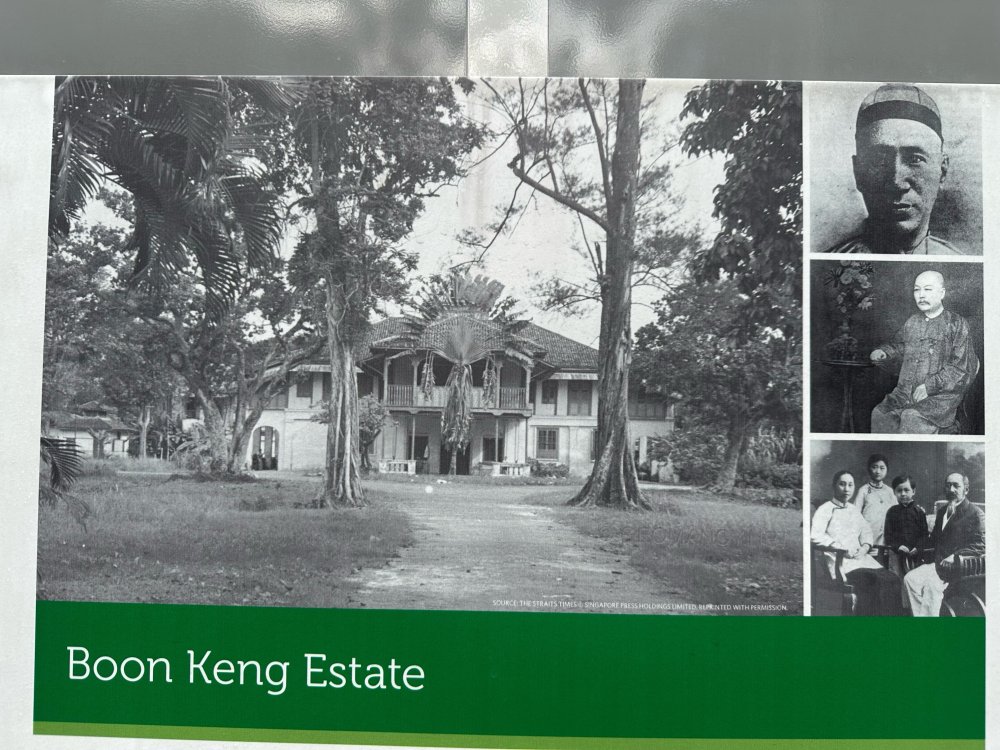
Boon Keng Estate
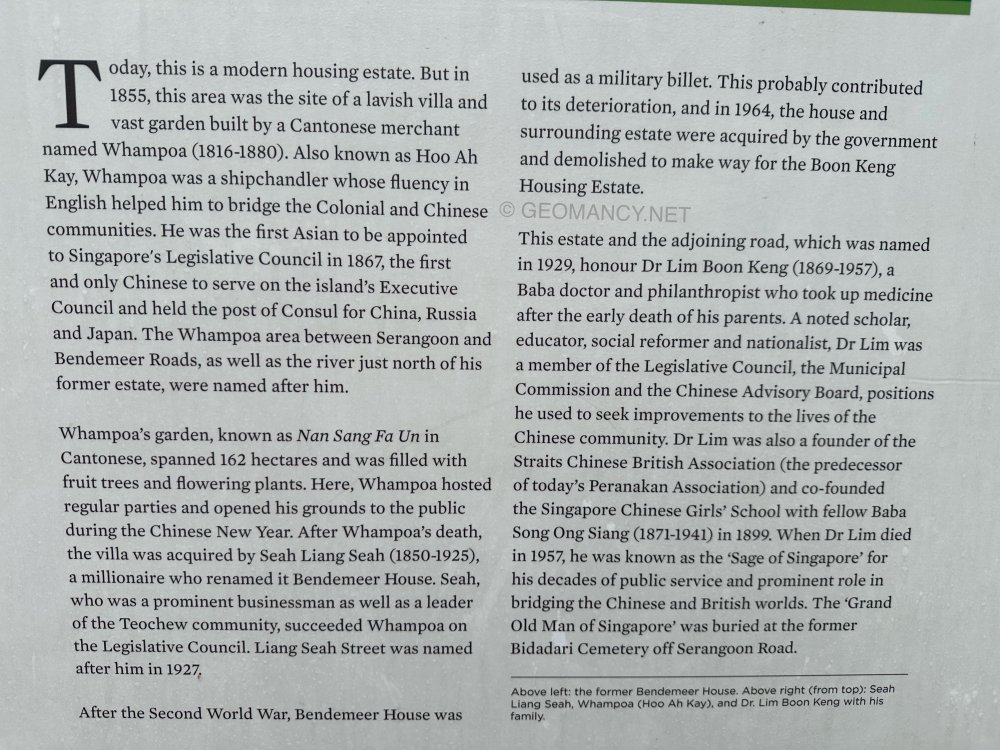
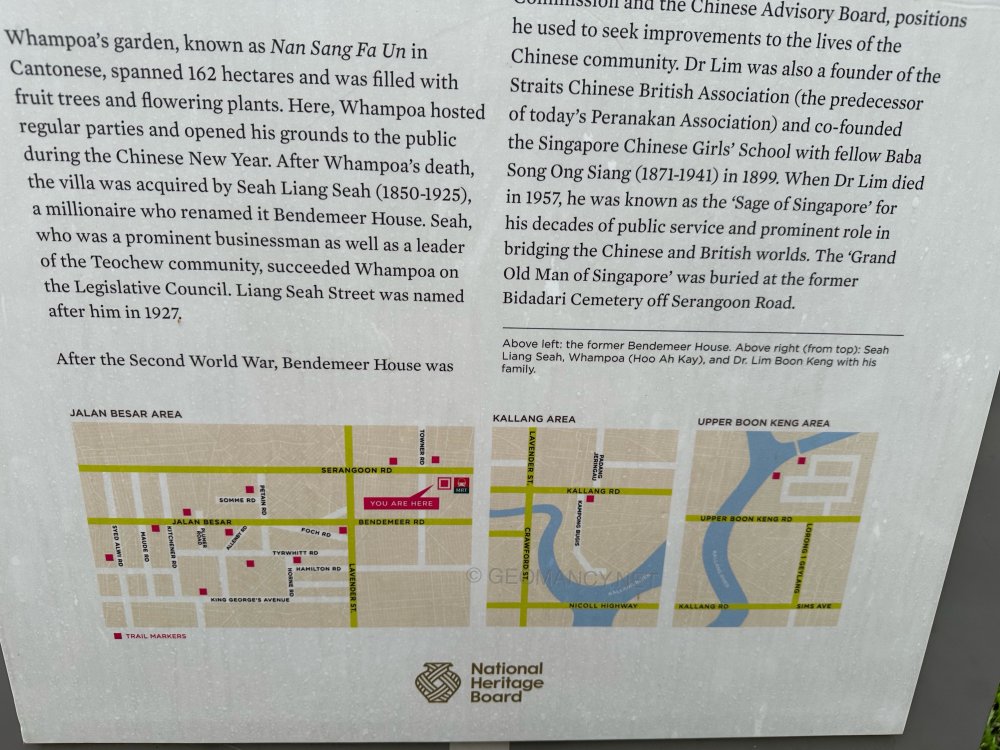
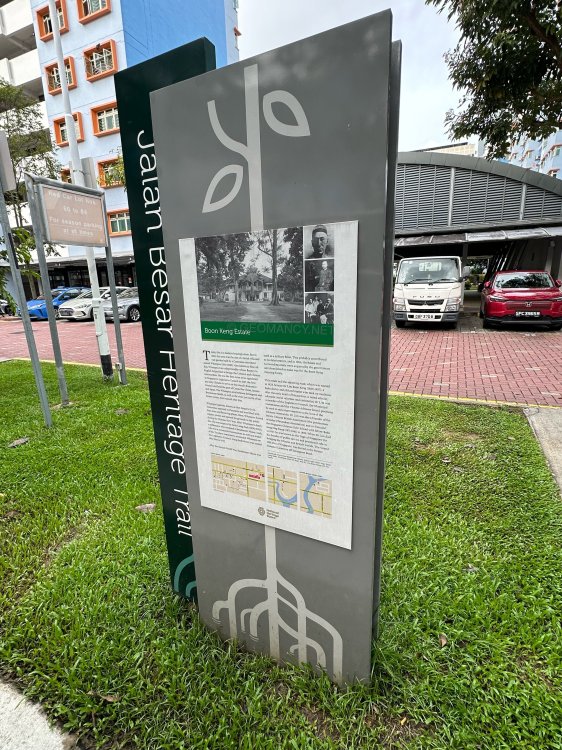
- Yesterday
-
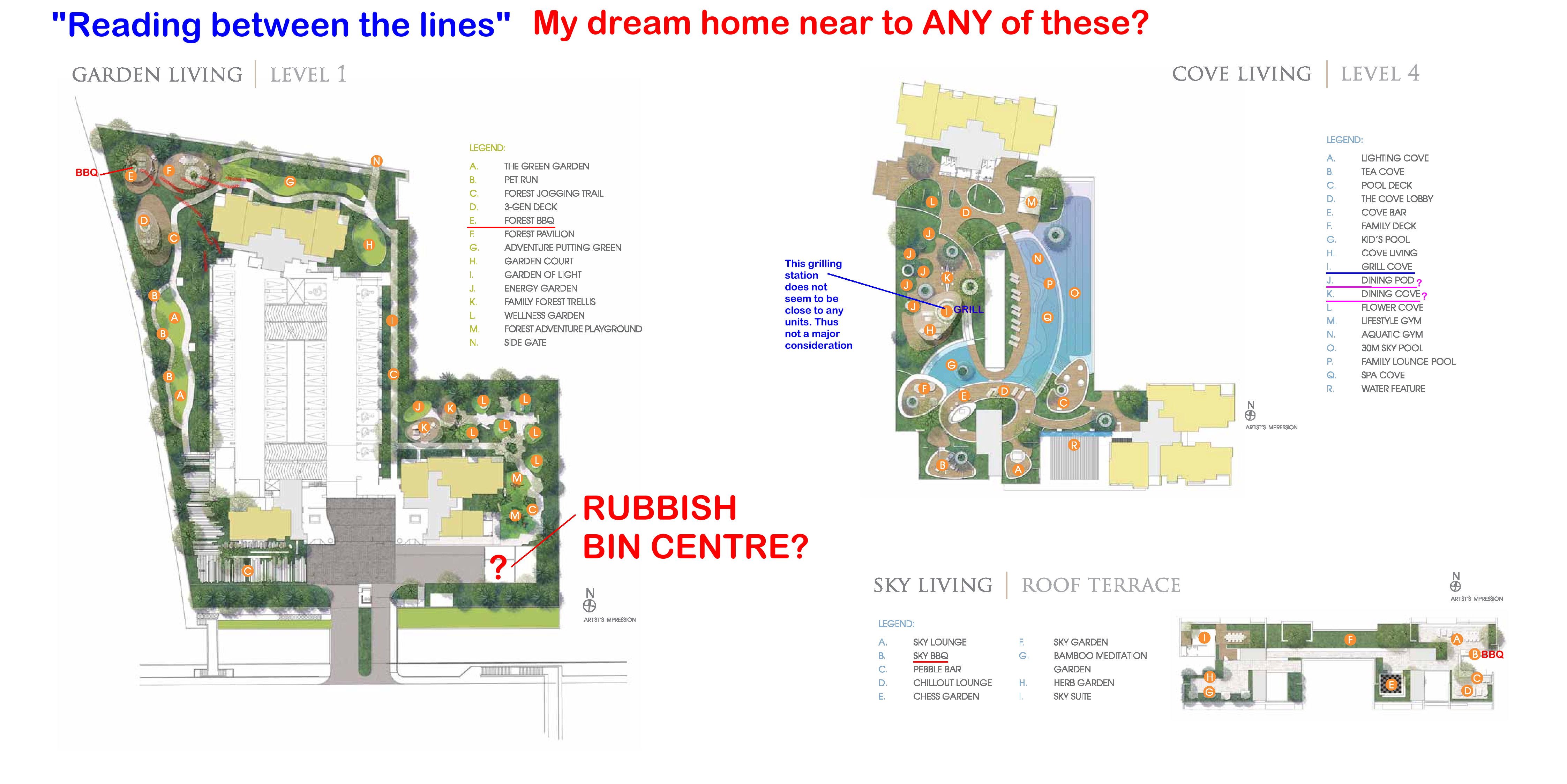
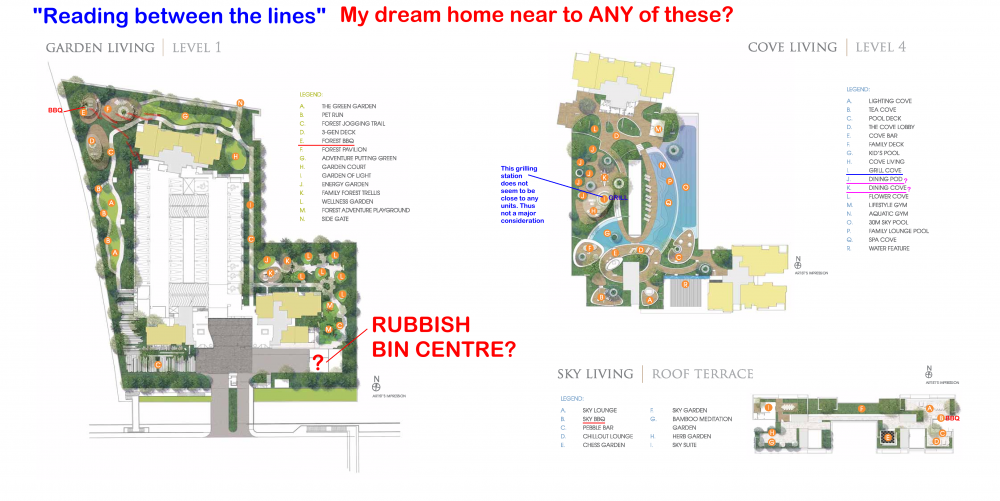
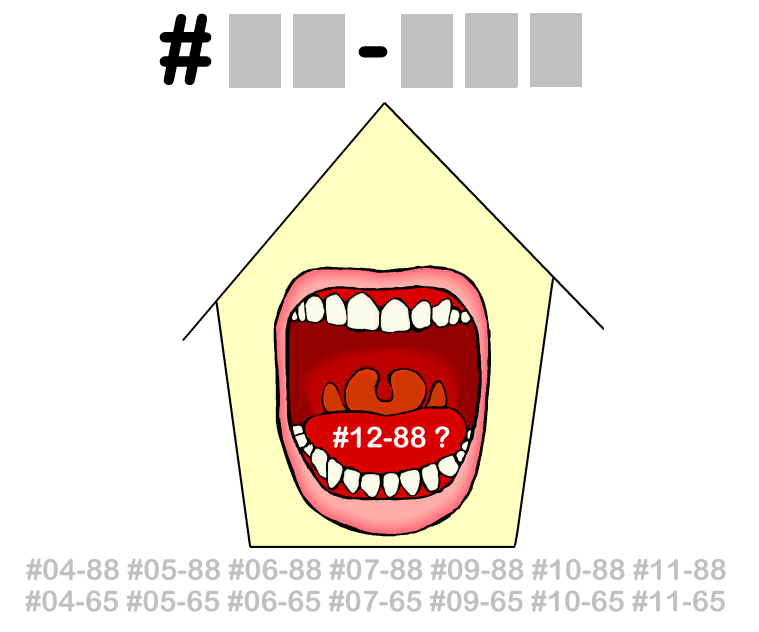
Is the Sales Brochure Useful? Introduction: For brand new just launched developments, there is no physical site to visit the completed buildings and apartments. 1. The only thing we can do is to visit the show room (which often is close-by to the site) as well as obtain a sales brochure and see the mock-up of the development. As well as try to ask questions from the sales agent (if any). 1.1. We must still try to gather as much information as we can. 2. Summary of Case Studies in this article. If the information is overwhelming. Pick and choose selective articles... 1A & B: Common Rubbish Bin 2A & B: Interior unit Dry Walls 3: Fire at Heaven's Gate 4: Sha Qi or Poison Arrows from Club-house roof-lines 5: 3 Panel Sliding Doors at the Balcony 6: Drainage at the Balcony 7: Air-con Ledges 8: Mixed Developments + Cooling Towers 9: Termite infestations 10: Coffee-shop below or near to unit 11: Water tank at roof-top 12: Lamp Posts, Pillars, Tree Trunks 13: Spice Garden in an EC/condo 14: EC/condo Clubhouse 15A & B: Pneumatic Waste Collection System 16: Look closely at the development's scale model for clues 17: Buying a Mixed development apartment 18: Survey or study facilities surrounding the development 19: Pump Room below a unit 20: Seven Commandments of Stove Placement 21: Is there a potential poison arrow from the neighbours? 22: Should I be concerned with a near-by temple, church, mosque &/or elder care? 23: Is the compass marking on the Sales Brochure accurate? 24: Sites reserved for Schools? 25: Doors face each other? [Main Door/Bedrooms] 26: Unit numbers with 4, 44 or 444 Okay? 27: Stove or sink or WC at the Centre of the house? 3. It is always an excellent idea to spent some time to scrutinise a prospective sales brochure of our potential buy (purchase). 4. Recently, more and more clients have discovered to their shock (horror) that the least expected was the location of the central rubbish bin outside their unit. 5. A year ago; many had purchased a premium unit within the development .. and later shocked to learn that the central rubbish chute (for their entire floor) is just next to their main door! 6. Thus the morale of the story is to check first before signing on the dotted line. 7. In general, most developments have these:- 8.1. A central rubbish collection centre / rubbish bin collection point 8.2. Power Sub-station. Every development usually has one or more of these depending on the size of the development. 8.3. Design of club-house roof-lines / trellis / gazebo / pavilion. Are the designs a "threat" e.g. with spikes or like a razor's edge? Usually these are aimed towards lower storeys. 8.4. Any poison arrows in the form of a sharp corner of another block of neighbouring stack aimed towards one's balcony (hard to cure) or towards one's windows (if any) 8.5. Location of areas like BBQ pits and any impact e.g. the smell from these pits towards a unit.. especially low storeys such as #01 or #02 first or second storeys 8.6. Any tree trunk aimed towards a lower unit e.g. #01 or #02. Unfortunately it may be too late; especially if the development is under construction. 9. There are lots more considerations... 9.1. Do remember "Read in-between" the lines.. CLICK THIS LINK TO LEARN MORE The Experts in House Hunting " As much as we see, Geomancy.net has great web presence built up over the years and is seen as one of the SG market leaders in residential house audit. " Success starts with good Feng Shui Transparent Pricing & No Hidden Costs. No Purchase of Products. Cecil Lee, +65 9785-3171 / support@geomancy.net +++ Type in the unit number to find out OPTION 1 Please go to this link to check a unit number: https://www.geomancy.net/content/personalised-reports/free-feng-shui-reports/house-number-report/about-house-number-report [Need to create a free account to access it] or OPTION 2 Go to URL: https://login.geomancy.net On the blue navigation on the left, click under Free Reports | House Number.






- Last week
-
-
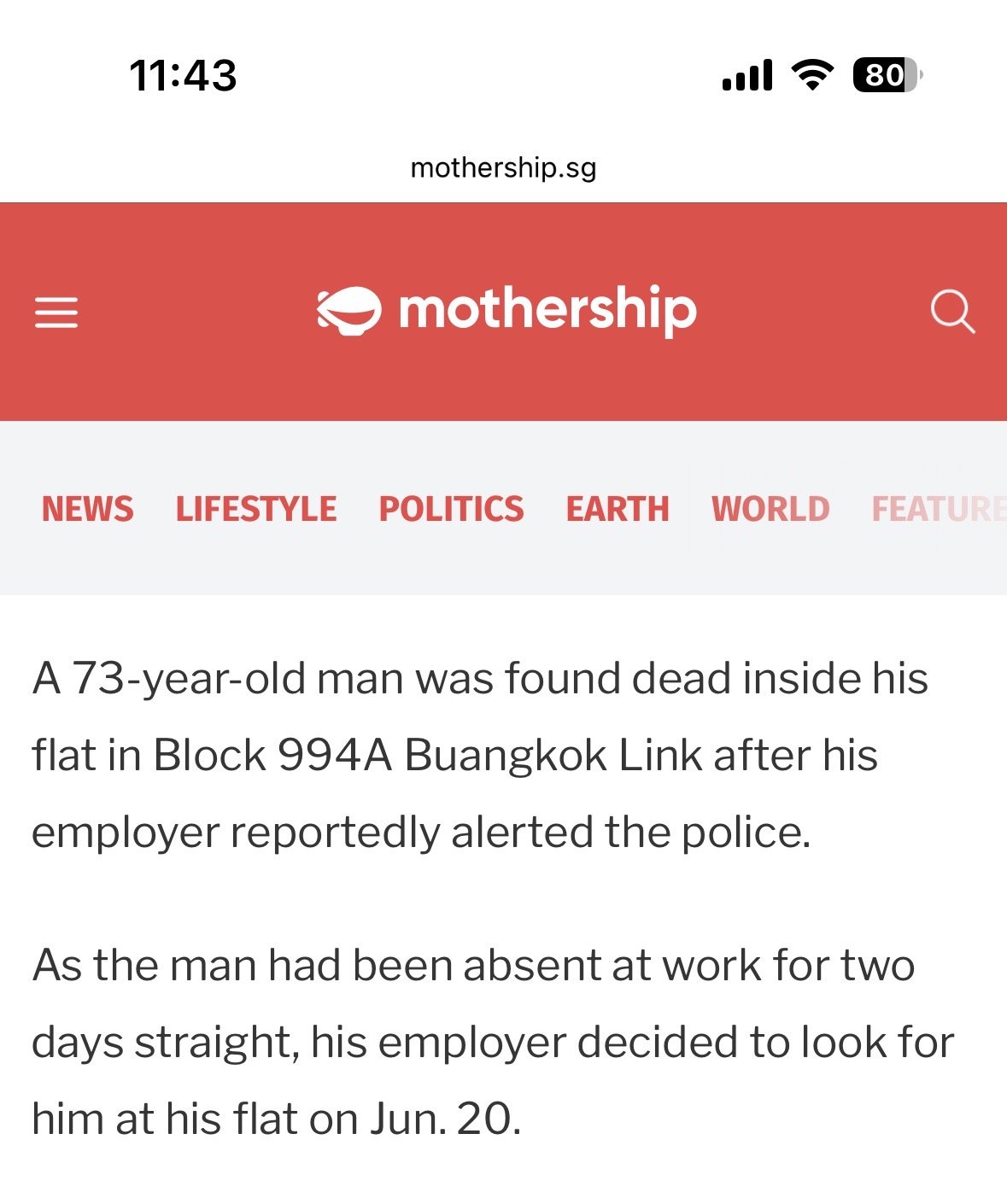
R.I.P. on 20th June 2026 Blk 994A Buangkok Link
-
More

-
More
-
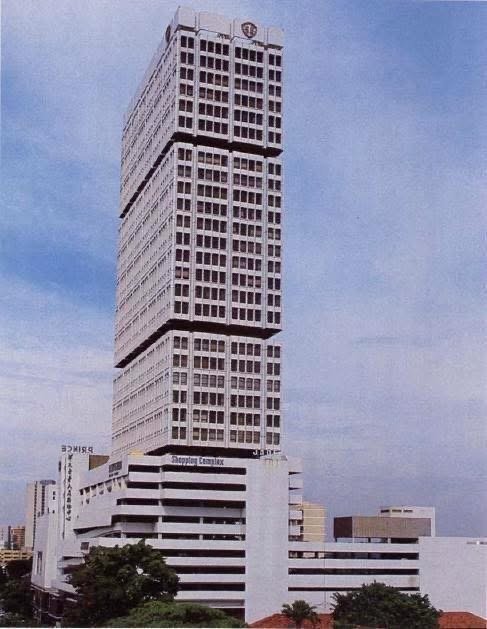
Shaw Tower, Beach Road
-
This condo in the news for the wrong reason again Source & Credit:

-
More
-
Well Written

-
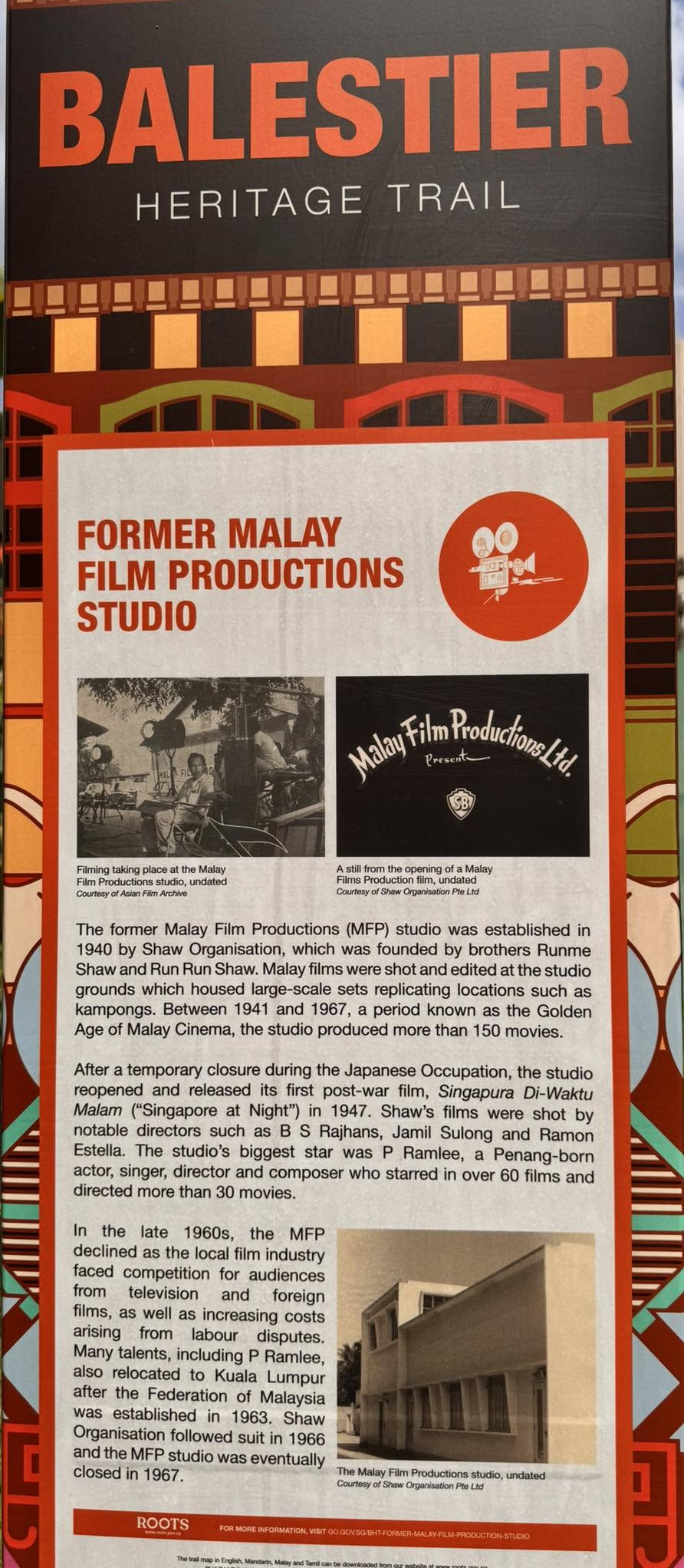
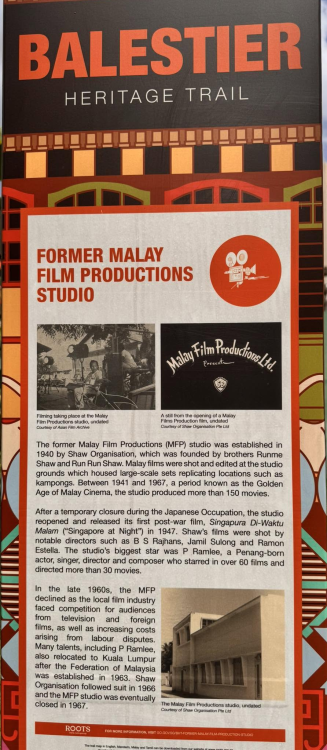
The former Malay Film Productions (MFP) studio was located at 8 Jalan Ampas, Singapore. It was right next door to the recent Viridian. BALESTIER HERITAGE TRAIL FORMER MALAY FILM PRODUCTIONS STUDIO Filming taking place at the Malay Film Productions studio, undated Courtesy of Asian Film Archive A still from the opening of a Malay Films Production film, undated Courtesy of Shaw Organisation Pte Ltd The former Malay Film Productions (MFP) studio was established in 1940 by Shaw Organisation, which was founded by brothers Runme Shaw and Run Run Shaw. Malay films were shot and edited at the studio grounds which housed large-scale sets replicating locations such as kampongs. Between 1941 and 1967, a period known as the Golden Age of Malay Cinema, the studio produced more than 150 movies. After a temporary closure during the Japanese Occupation, the studio reopened and released its first post-war film, Singapura Di-Waktu Malam (“Singapore at Night”) in 1947. Shaw’s films were shot by notable directors such as B S Rajhans, Jamil Sulong and Ramon Estella. The studio’s biggest star was P. Ramlee, a Penang-born actor, singer, director and composer who starred in over 60 films and directed more than 30 movies. In the late 1960s, the MFP declined as the local film industry faced competition for audiences from television and foreign films, as well as increasing costs arising from labour disputes. Many talents, including P Ramlee, also relocated to Kuala Lumpur after the Federation of Malaysia was established in 1963. Shaw Organisation followed suit in 1966 and the MFP studio was eventually closed in 1967. The Malay Film Productions studio, undated Courtesy of Shaw Organisation Pte Ltd +++ A quiet corner of Balestier where a whole cinema era was built Balestier is often described through the everyday roads lined with shophouses, old neighbourhood rhythms, the kind of place you pass through on the way to somewhere else. But the “Former Malay Film Productions Studio” marker on the Balestier Heritage Trail reframes the area instantly. It points to a surprising truth: this was once one of the most important engines of popular culture in the region, a place where stories were manufactured at scale and then carried far beyond Singapore’s shores. What makes the location compelling isn’t just that films were made here. It’s the sheer ambition described on the sign. The Malay Film Productions (MFP) studio, established in 1940 by Shaw Organisation (founded by brothers Runme Shaw and Run Run Shaw), wasn’t a small, improvised operation. It was a studio complex with space for shooting and editing—and, crucially, with large-scale sets built to mimic real places, including kampongs. In other words, Balestier wasn’t only a backdrop to history; it was a workshop where entire worlds were constructed, lit, recorded, and stitched together into the moving images that shaped a generation’s imagination. The dates on the marker read like a capsule history of an industry. Between 1941 and 1967, during what it calls the Golden Age of Malay Cinema, the studio produced more than 150 movies. That number is startling: it suggests a creative pipeline, a steady churn of talent, craft, and audience demand. One can almost picture the pace—scripts circulating, actors rehearsing, sets being repainted and re-dressed, crews shifting from one production to the next. A neighbourhood studio, yes, but also a cultural factory. Then the sign gives a second layer: the disruptions that shaped this place. A temporary closure during the Japanese Occupation, a post-war reopening, and a symbolic return with Singapura Di-Waktu Malam (“Singapore at Night”) in 1947. Even the title feels like a statement—an urge to reclaim modern life, city life, after rupture. The marker also names key directors (B S Rajhans, Jamil Sulong, Ramon Estella), grounding the site in real creative lineages rather than vague nostalgia. And of course, there is the name that can stop even a casual reader: P. Ramlee. The sign describes him as the studio’s biggest star an actor, singer, director, and composer from Penang who acted in over 60 films and directed more than 30. That level of output hints at why the studio matters today: this wasn’t only entertainment. It was a formation ground for icons, genres, music, dialogue, and shared references that helped define Malay-language popular culture across the region. What finally makes the location feel poignant is how clearly the marker explains decline—not as a single event, but as a convergence. By the late 1960s, television and foreign films competed for attention, costs rose amid labour disputes, and talent drifted to Kuala Lumpur after the Federation of Malaysia was established in 1963. Shaw Organisation moved in 1966, and the studio closed in 1967. It’s a familiar story in creative industries: technology changes the audience, economics squeezes production, and the centre of gravity shifts elsewhere. Standing with this knowledge, Balestier feels different. The trail marker turns an ordinary streetscape into a prompt: if whole kampongs could be built here for the camera, what other “invisible architectures” once existed—sound stages, rehearsal rooms, editing bays, prop stores now dissolved into the city’s later layers? The power of the site is that it invites you to imagine the noise and motion that once filled it, and to see heritage not only in preserved buildings but in the memory of work—the collaborative craft that made stories travel. If you visit as part of the Balestier Heritage Trail, treat this stop less like a trivia plaque and more like a doorway. Read the names. Note the dates. Then look around and try to picture it: lights blazing, dialogue being reset for another take, a painted “village” standing a few steps from an urban road. Balestier, for a time, was not just a neighbourhood. It was a studio for dreams and a launchpad for an era.
-
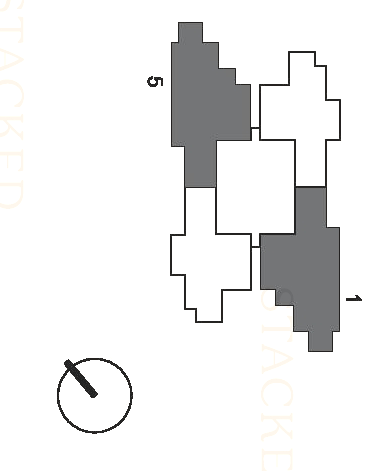
The Viridian Stack Formation