
All Activity
- Today
-
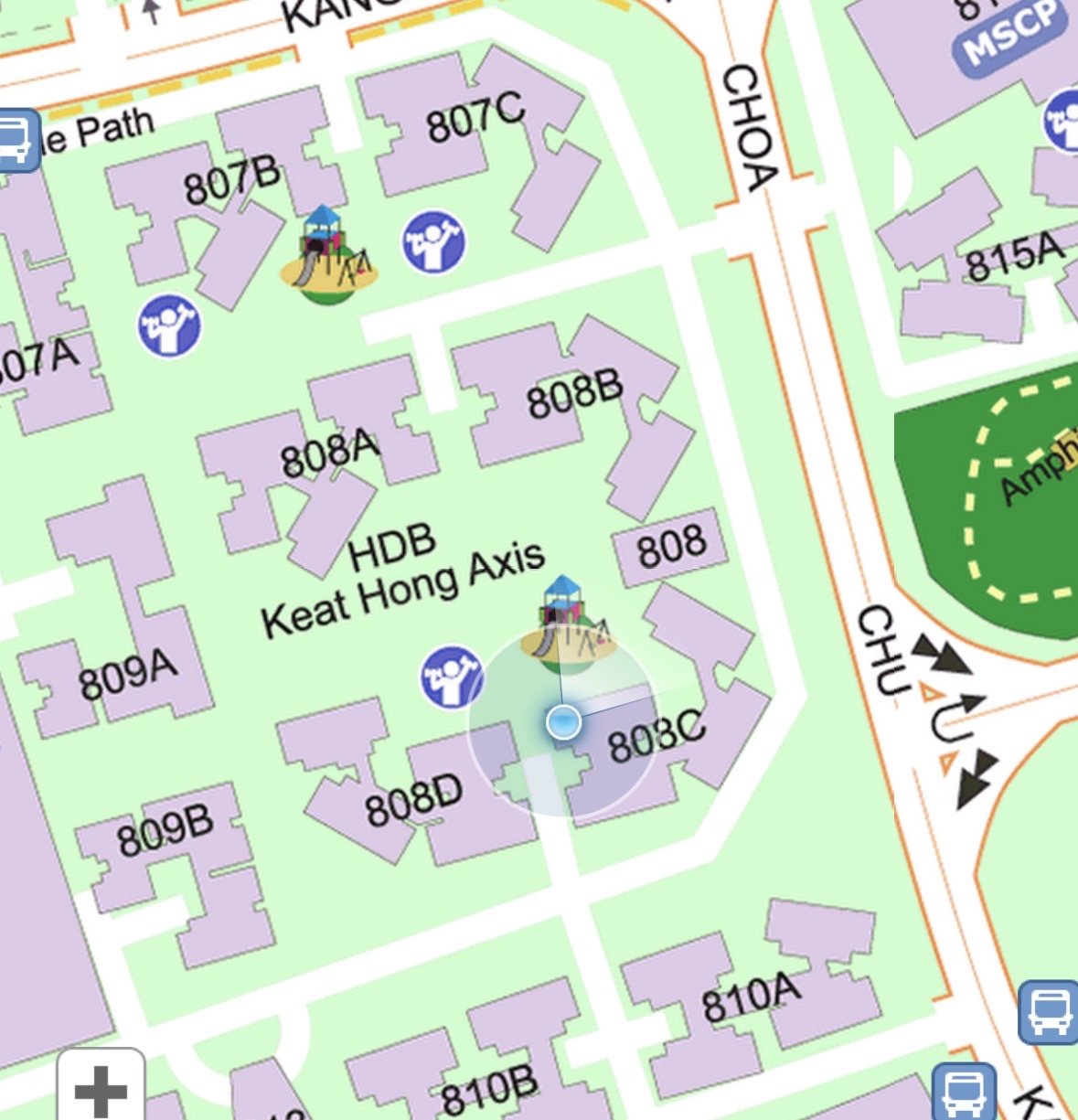
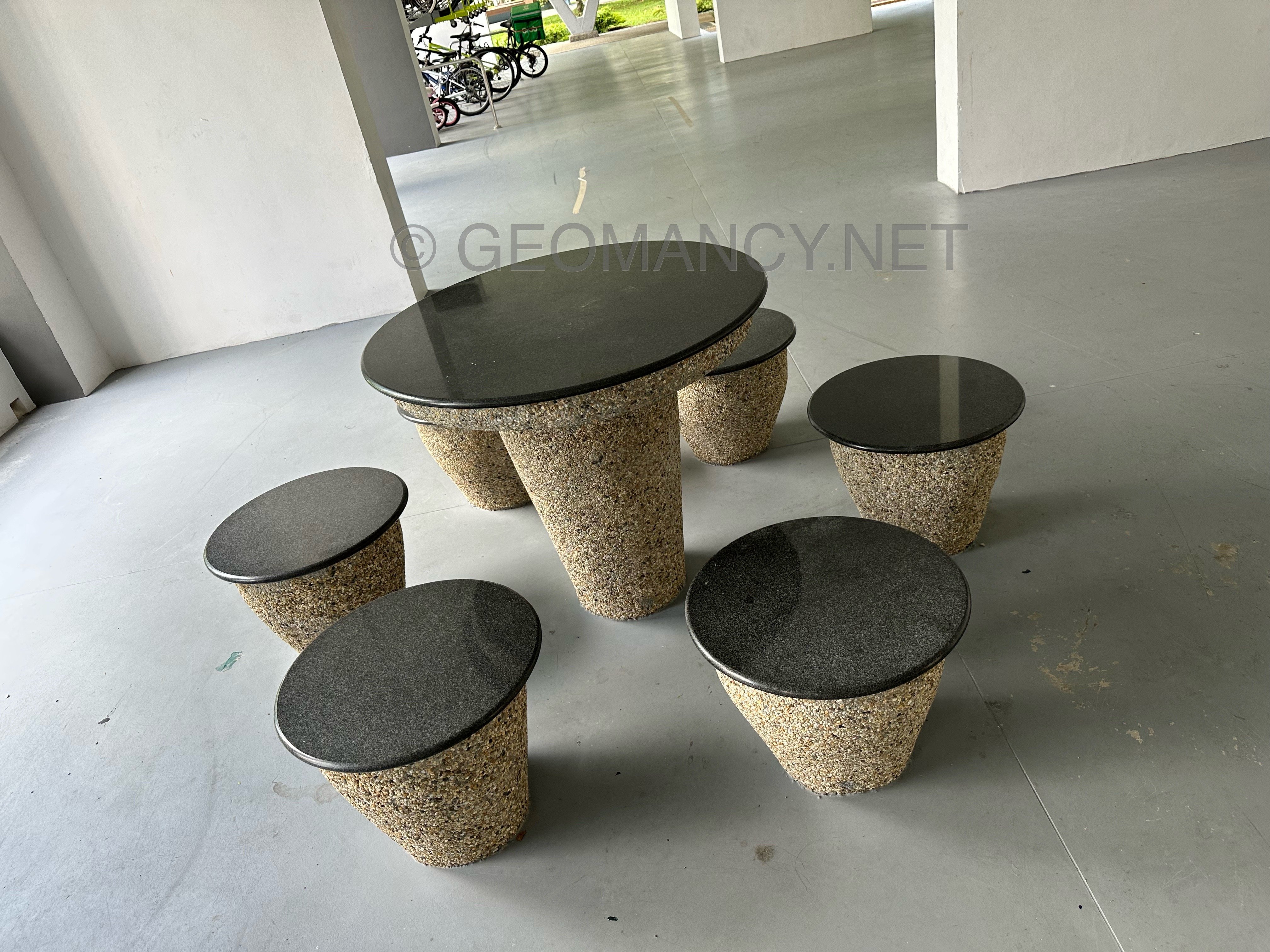
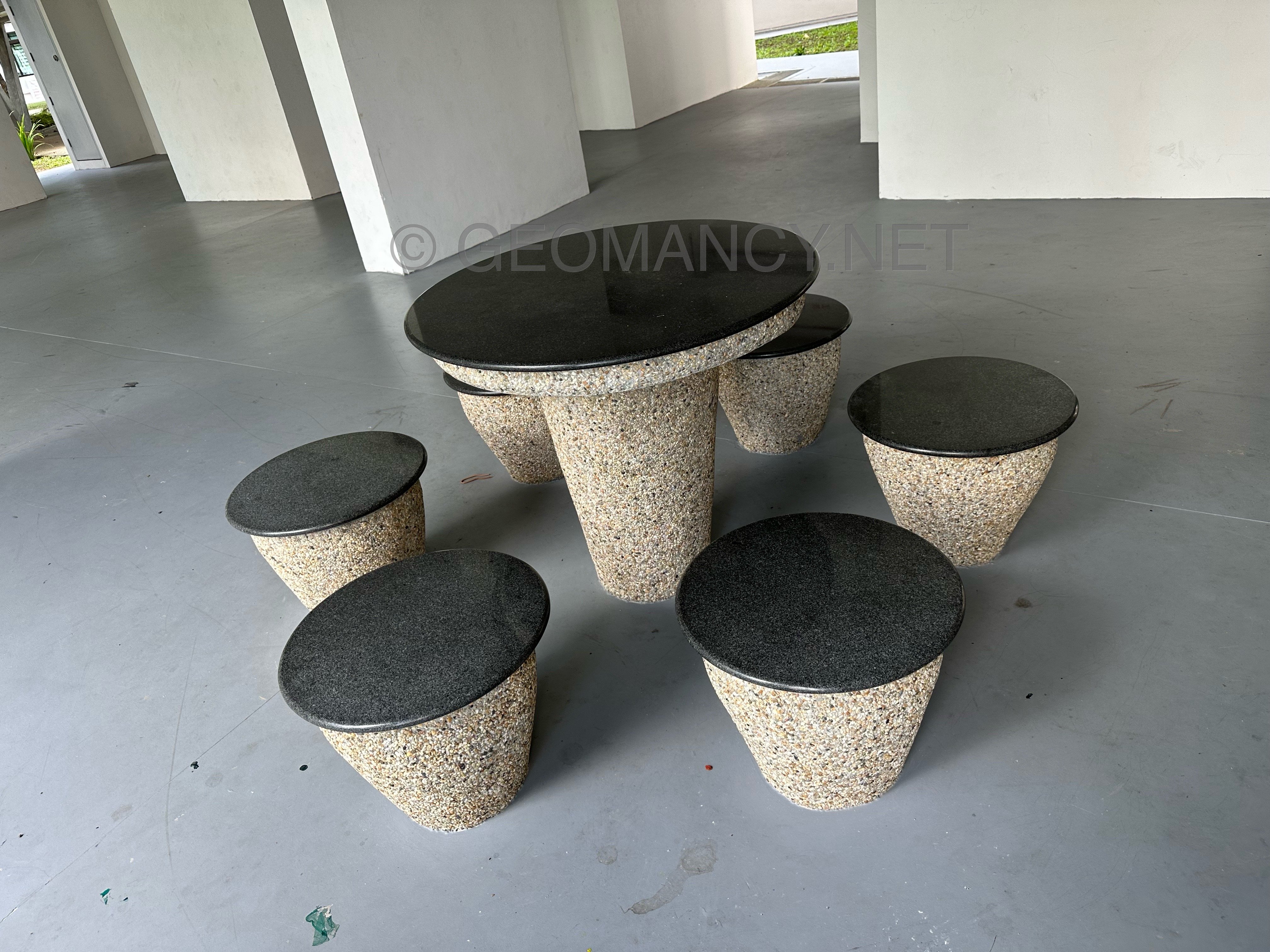
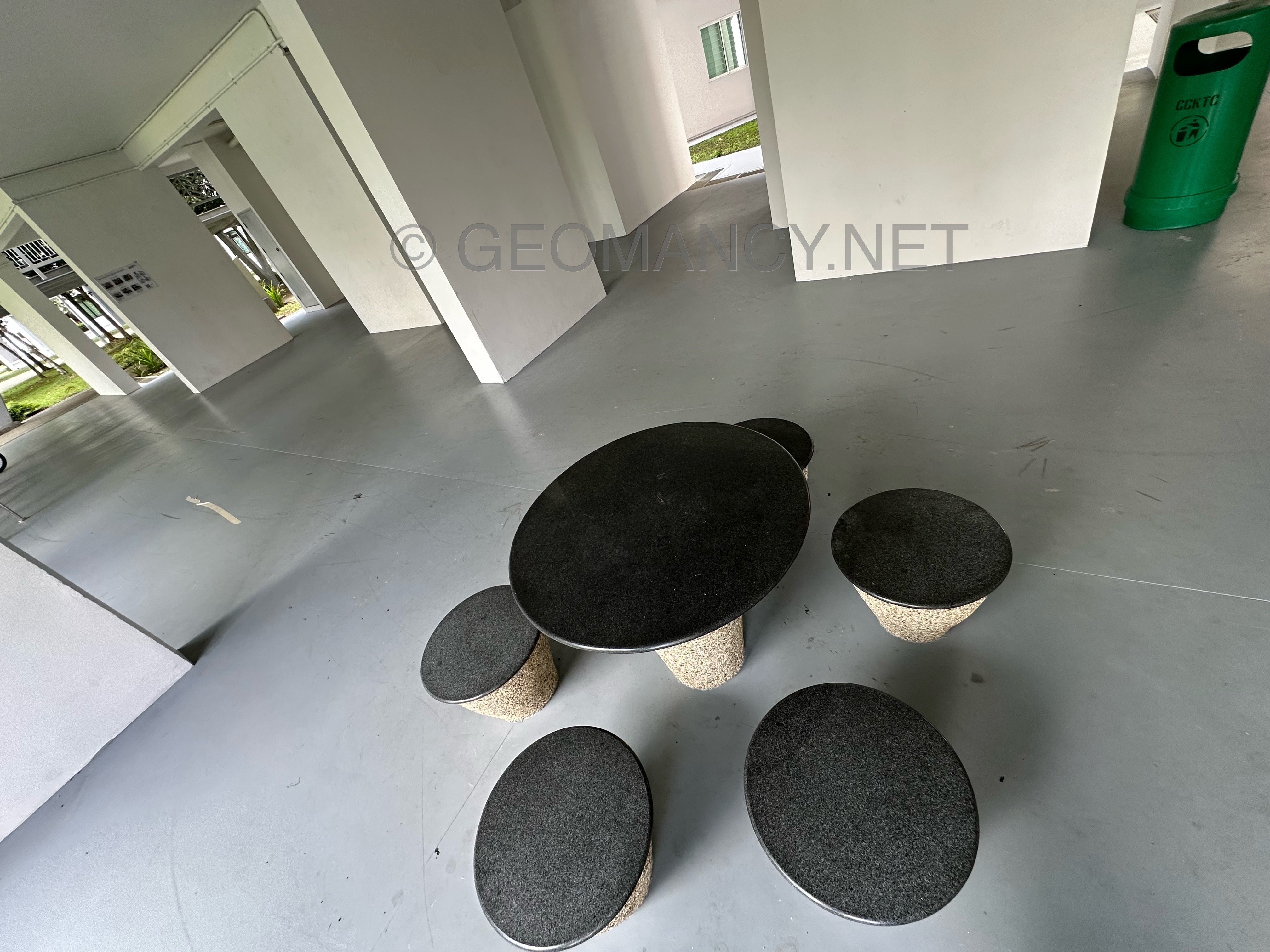
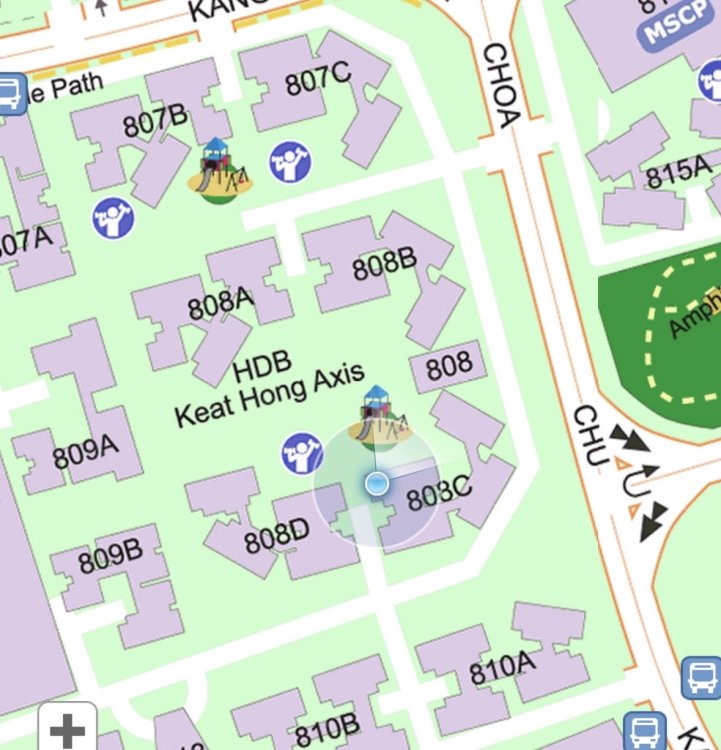
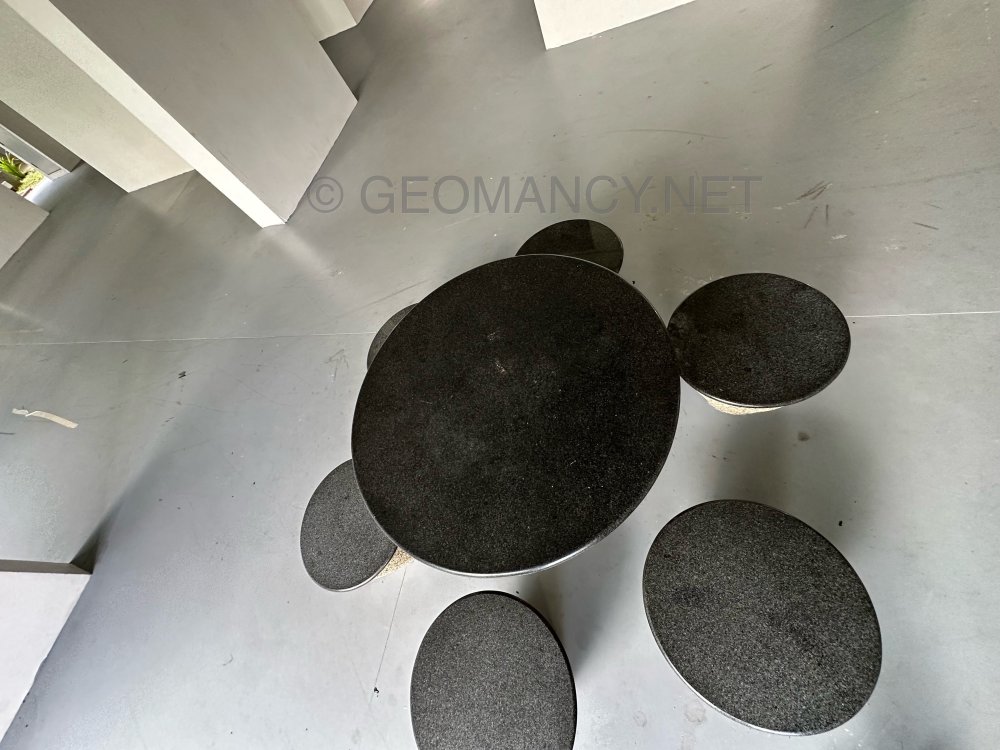
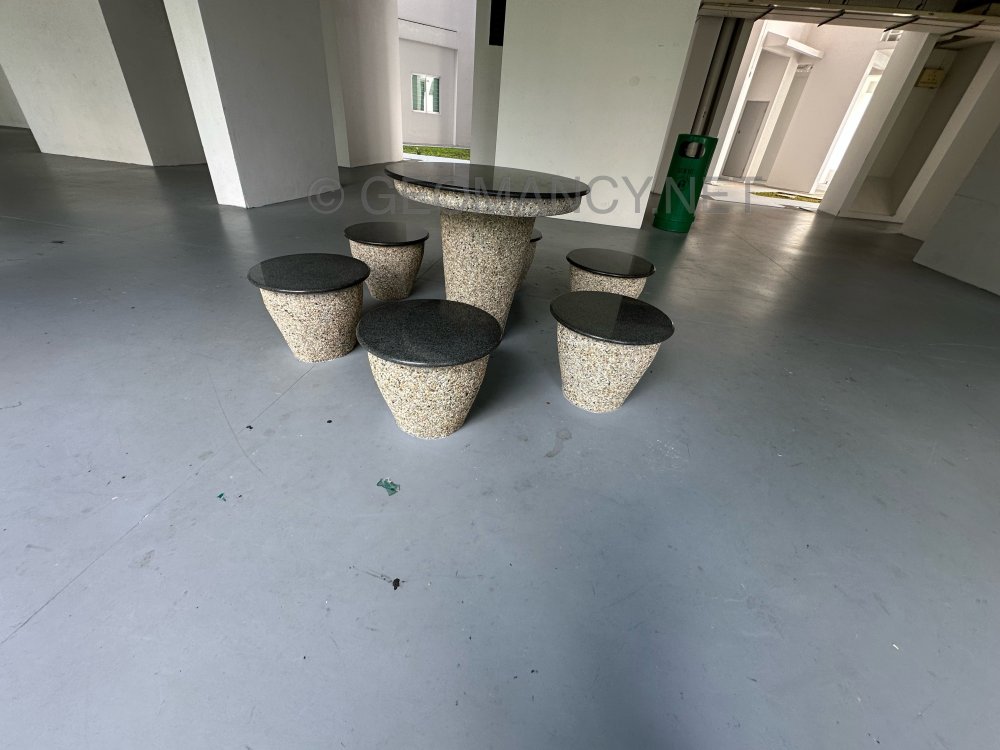
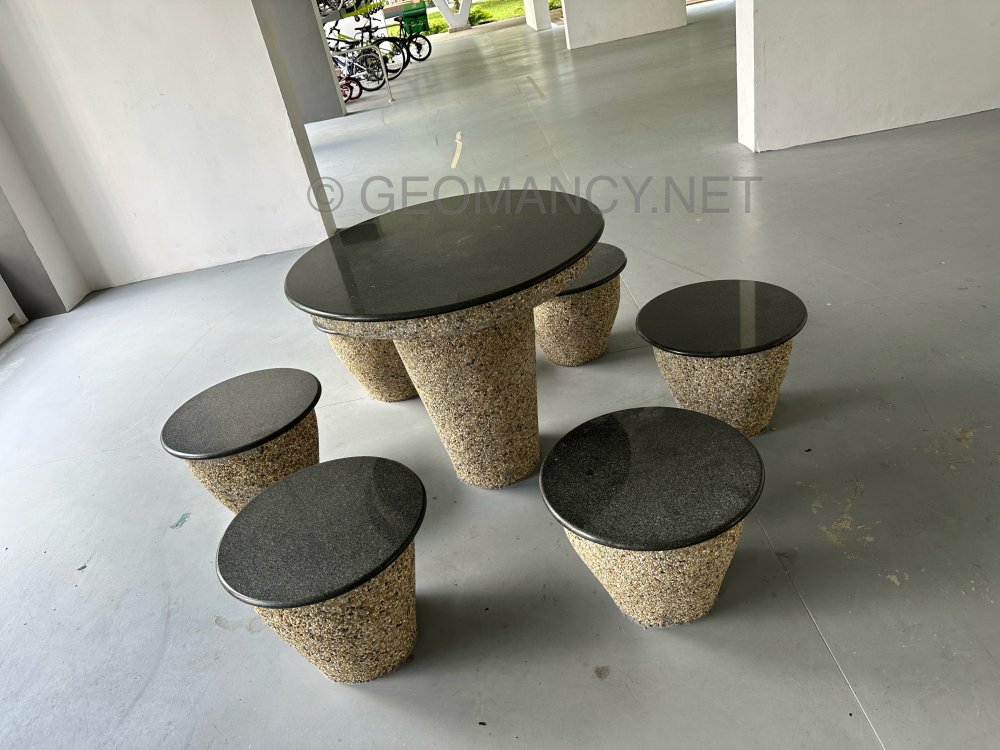
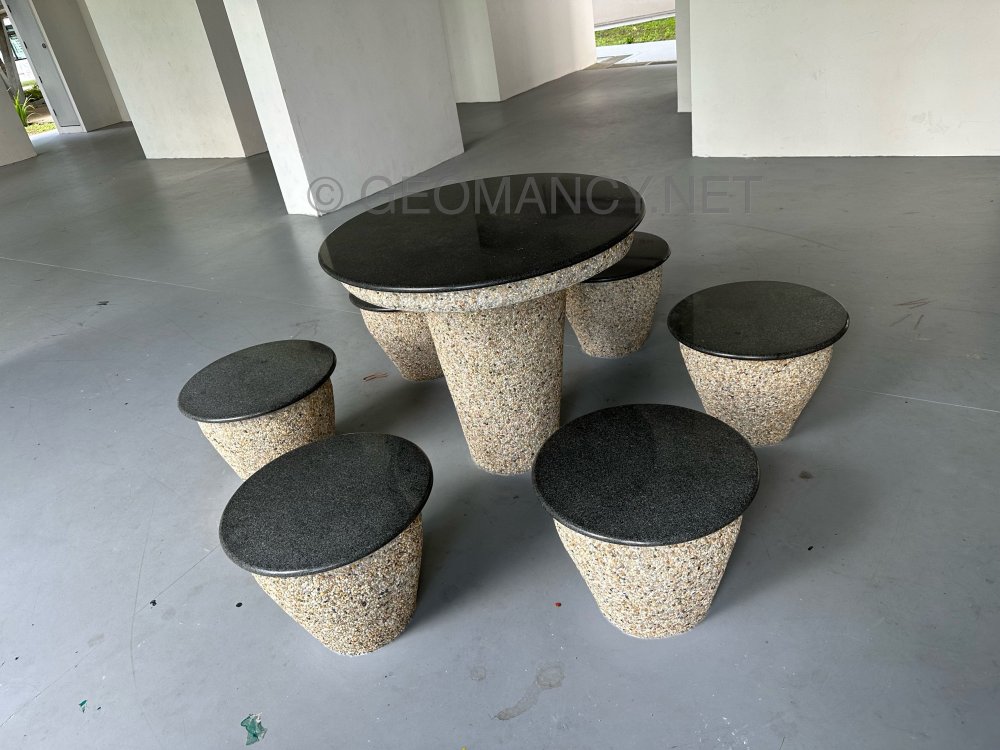
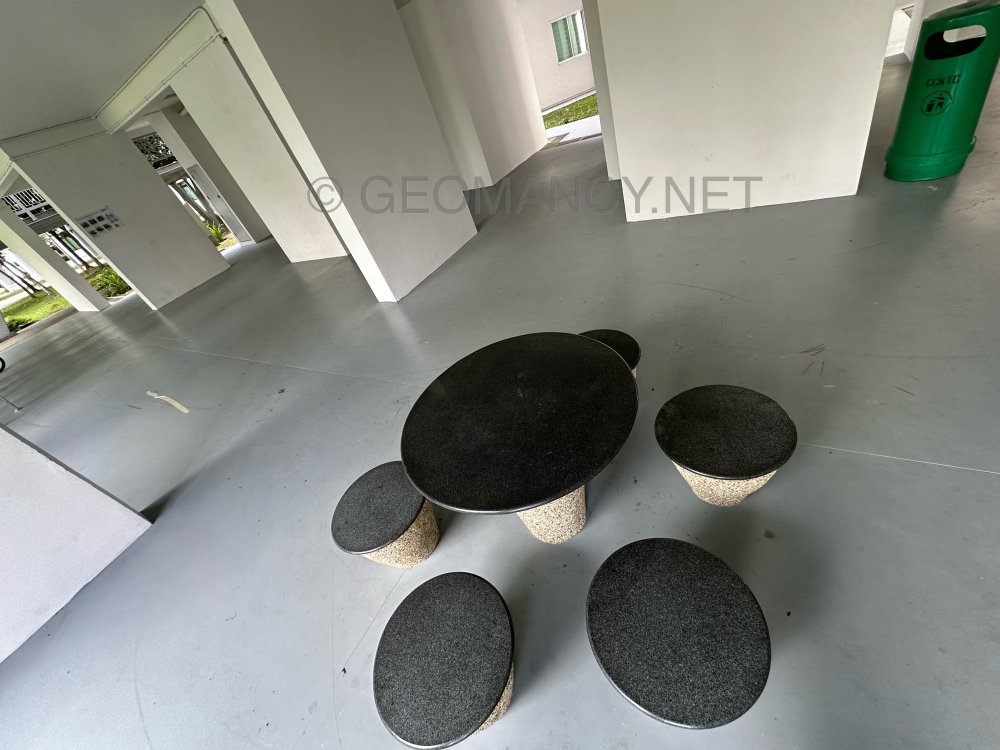
Block 808A Choa Chu Kang
-
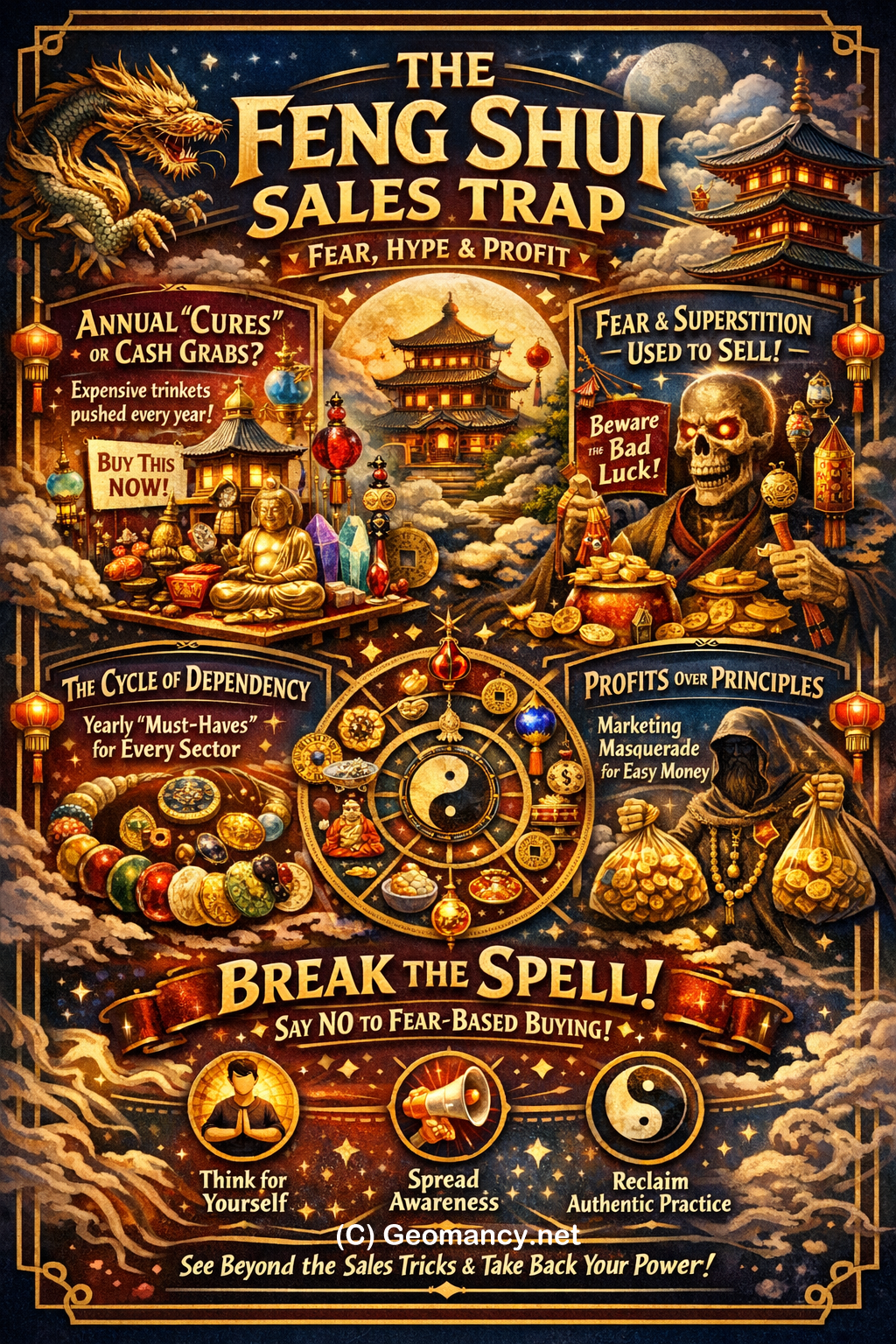
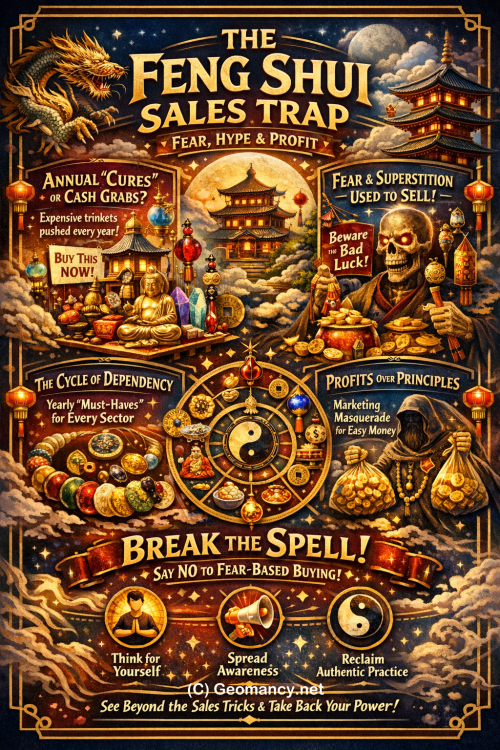
Here are the main points from this page: Critique of Annual Feng Shui Products: The page argues that many so‑called annual Feng Shui “cures” are less about genuine guidance and more about fueling a profitable sales cycle . Commercialization and Fear Tactics: It highlights how fear, superstition, and guilt are used to pressure people into buying new items every year, often for all nine sectors of their home . Cycle of Dependency: Families are told they need more objects, creating a repeating cycle of purchases that becomes almost addictive, with annual pilgrimages to Feng Shui shops . Profit Motive: The underlying motive is described as generating “super‑normal profits” for sellers, while ordinary people unknowingly become victims of upselling disguised as tradition . Call to Action: The page concludes that breaking free starts with individuals refusing to buy out of fear, spreading awareness, and recognizing the pattern of commercialization
-
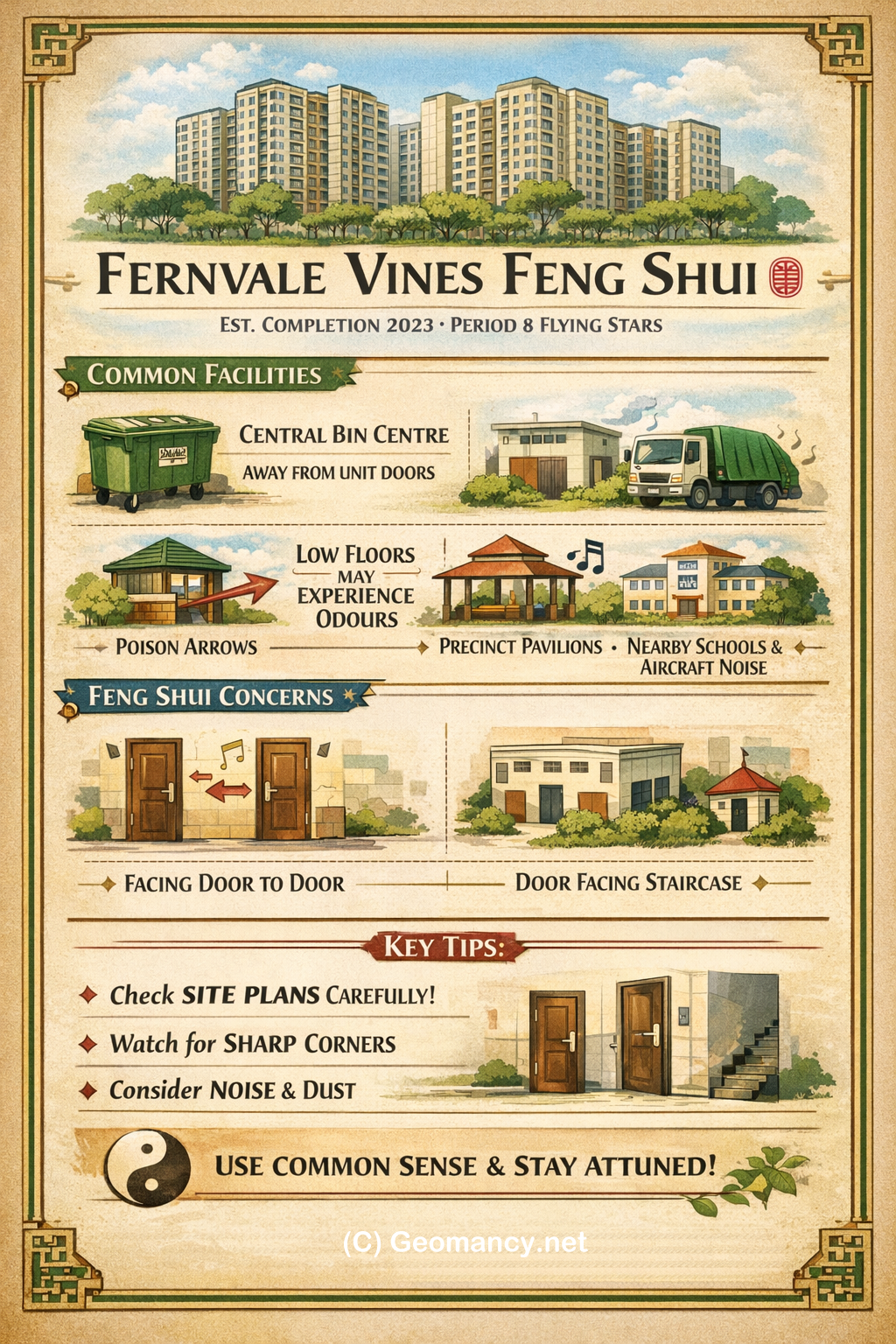
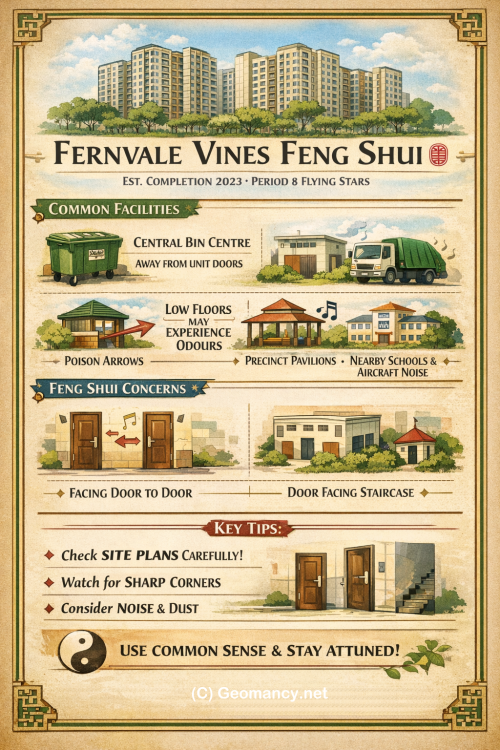
Here are the main points from this page about HDB Fernvale Vines BTO (launched Feb 2019) and Feng Shui considerations: 🏠 Development OverviewEstimated completion: 2023, under Period 8 Flying Stars Feng Shui; wealth luck considerations change from 2024 onwards due to Qi shift. Sales brochure and site plans were provided for buyers. ♻️ Common FacilitiesRubbish bins are centrally located, away from unit doors (better than Boon Lay Glade). Low-floor units may occasionally experience smells during truck collection. ⚠️ Feng Shui ConcernsPoison arrows: Sharp corners from staggered blocks or MSCP may affect certain stacks (e.g., Block 466B, stack 502) if aimed at windows. Precinct Pavilions (PPs): Low-floor units near PPs may face noise or religious ceremonies. Electrical Sub-Station (ESS): Integrated with elderly facility, located far enough from most stacks, considered non-issue. Schools nearby: Reserved plots north and south; construction may cause noise/dust. Some practitioners view schools as “Yin” after hours, though daytime activity brings Yang Qi. Aircraft noise: Proximity to Seletar Airport raises concerns, though flights mostly approach from the sea. Future airbase relocation may change patterns. 🚪 Door & Staircase IssuesSome stacks have front doors facing each other (e.g., 584 vs 586, 530 vs 532). Feng Shui concern is minor; mostly common sense issues like noise, corridor clutter, or irritation between neighbors. Doors facing staircases: Traditionally seen as wealth “flowing downwards.” Modern flats mitigate this with fire-rated doors that must remain closed, reducing concern. 💡 Key TakeawayMost Feng Shui concerns here are framed as common sense issues (noise, clutter, construction dust, neighbor interactions) rather than strictly mystical. Buyers are advised to check site plans carefully, especially for low-floor units near facilities, sharp corners, or facing schools
-
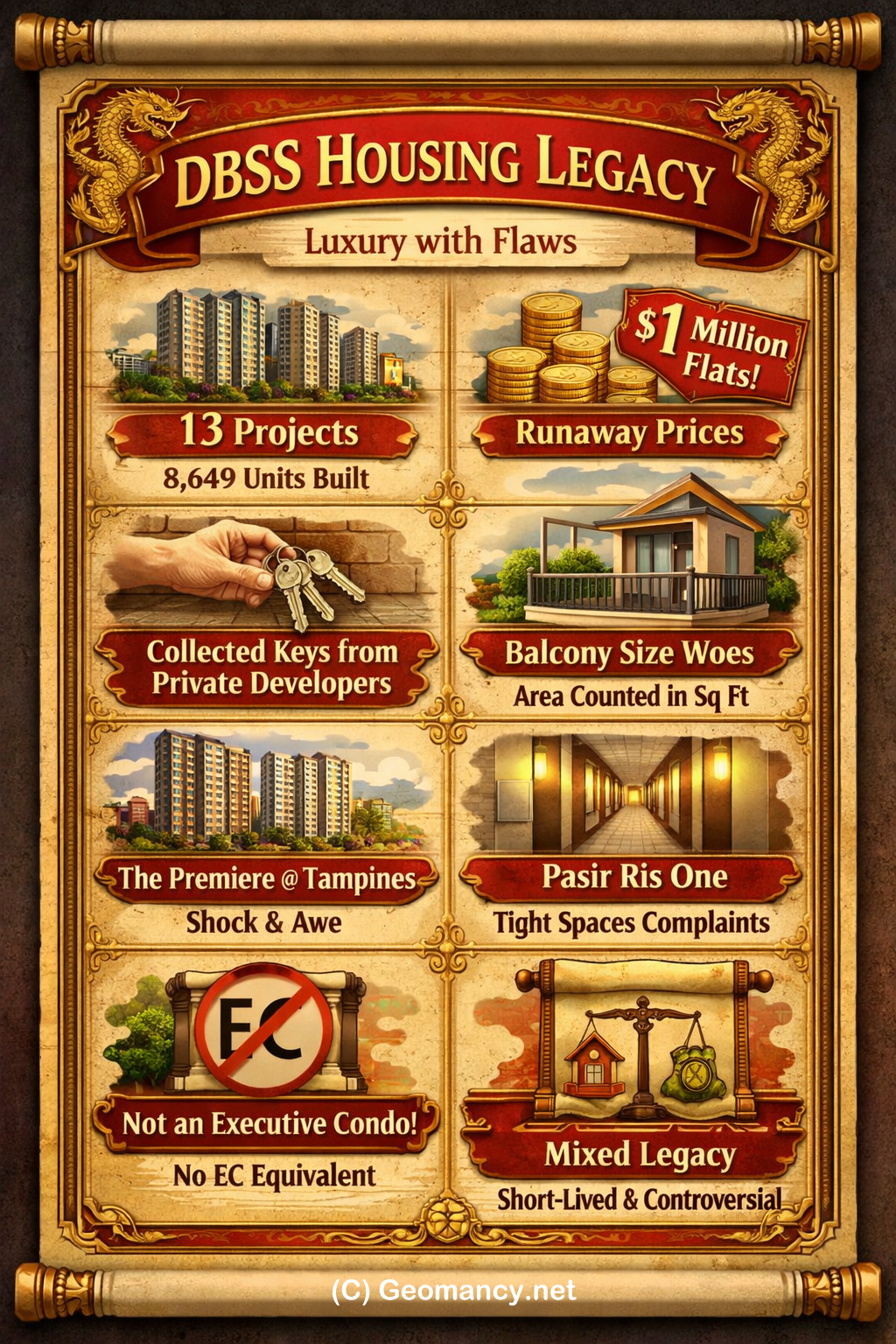
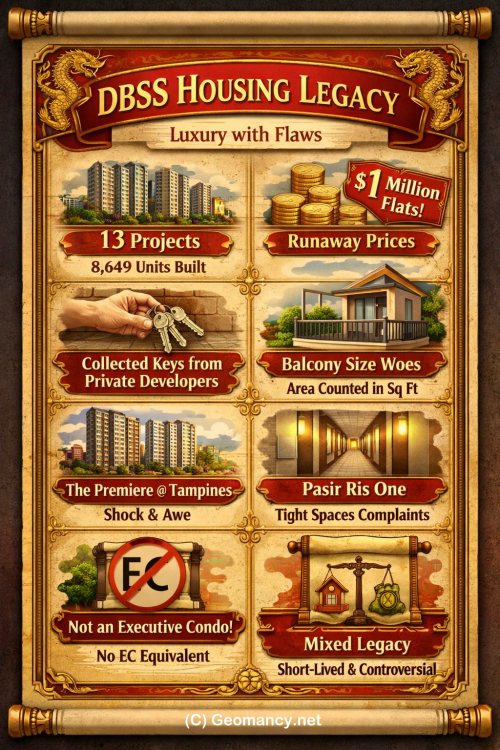
Here are the main points from this page: Overview of DBSS: Singapore had only 13 Design, Build and Sell Scheme (DBSS) developments, built by private developers but classified as HDB flats. Together, they provided 8,649 units. Pricing Issues: The scheme was stopped in 2012 due to runaway prices. Some units cost around a million dollars then, and still do today. Unique Features: Keys were collected directly from private developers, not HDB. Most DBSS units included balconies, but their area was counted in the total square footage, leading to dissatisfaction. The government later restricted balcony size ratios. Case Studies & Feedback: The first DBSS, The Premiere @ Tampines, shocked buyers with high prices. The last DBSS, Pasir Ris One, drew complaints about narrow corridors, even though they met minimum guidelines. Comparison with Other Housing: DBSS was not a precursor to Executive Condominiums (ECs). ECs evolved from HUDC flats built in the 1970s for middle-income families. Developer Role & Quality: Some private developers (e.g., Sim Lian) started as contractors. HDB-managed projects like SkyTerrace@Dawson resembled private estates but suffered from poor workmanship. Legacy: The DBSS experiment is remembered as short-lived, with mixed reviews—luxury-style features but pricing and design flaws that ultimately led to its discontinuation.
-
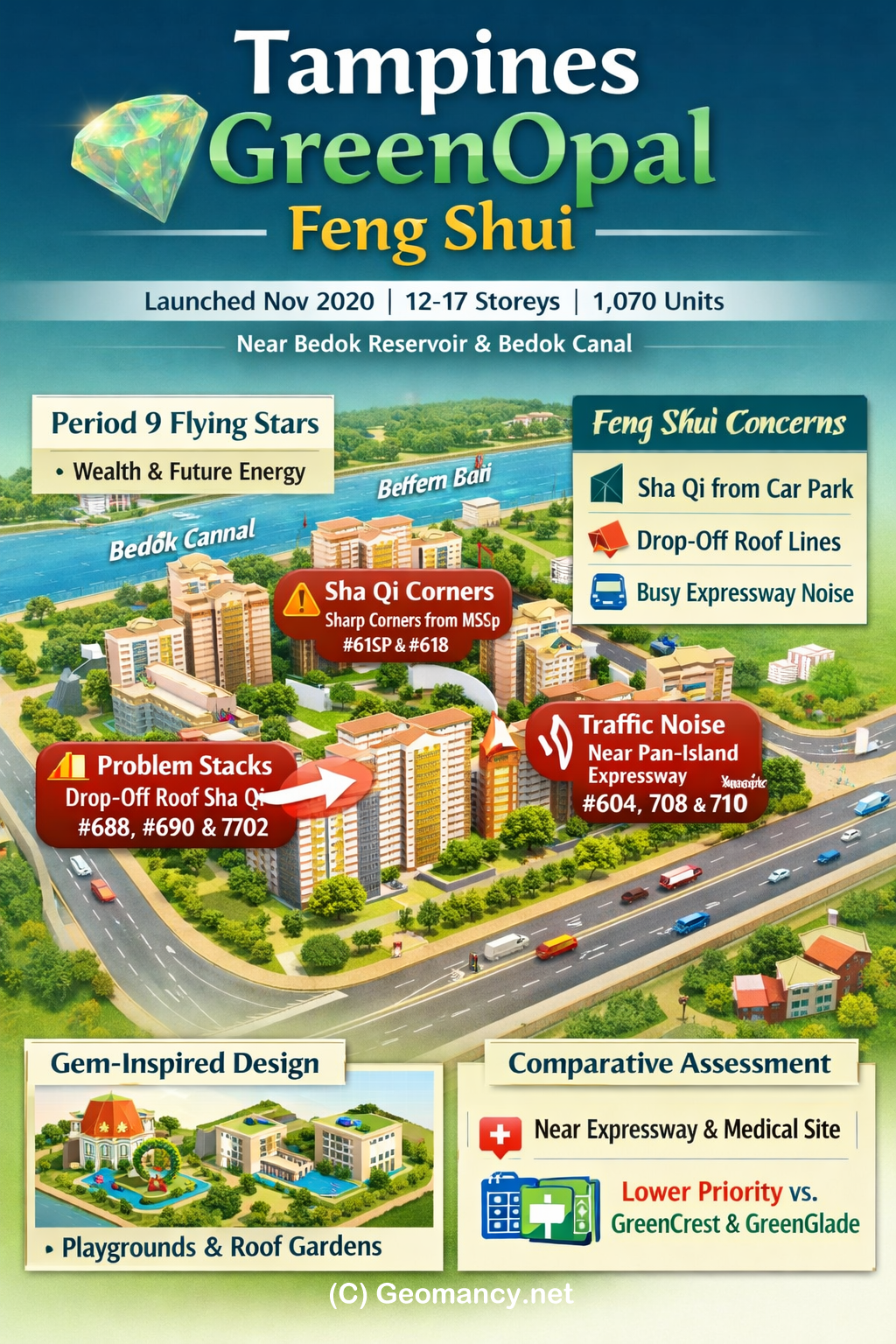
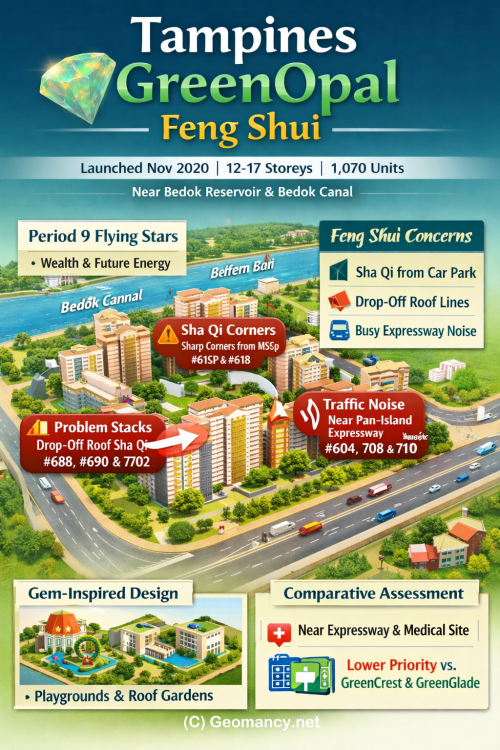
Here are the main points from this page on HDB Tampines GreenOpal BTO (launched November 2020): Development OverviewLocation & Design: Situated along Bedok Canal, bounded by Tampines Street 95 and 96, near Bedok Reservoir MRT station . Theme: Name pays homage to a former sand quarry, now Bedok Reservoir. Facilities and layout reflect gem-inspired shapes . Scale: 8 residential blocks, 12–17 storeys, with 1,070 units (3-, 4-, and 5-room flats) . Amenities: Central green spine, playgrounds, fitness corners, roof gardens, viewing decks, and a Residents’ Committee Centre . Feng Shui & Environmental NotesPeriod Classification: GreenOpal falls under Period 9 Flying Stars, while nearby GreenCrest and GreenGlade are under Period 8 . Canal Influence: Units facing Bedok Canal are influenced by water Feng Shui classics, affecting wealth potential differently across stacks . Sha Qi Concerns: Sharp corners from the multi-storey car park (MSCP) affecting stacks #616 and #618 . Drop-off point rooflines potentially directing negative energy towards stacks #688, #690, and #702 . Traffic noise issues for stacks near Tampines Street 96 (e.g., #604, #606, #708, #710) . Practical ConsiderationsWaste System: Estate uses the Smart Pneumatic Waste Conveyance System (PWCS). While efficient, past case studies (e.g., Yuhua BTO) show risks of odour and blockages if misused . Numerology & Unit Numbers: Numbers like 4 (unlucky in Cantonese) or 666 (devil’s number in Christianity, but lucky in Hokkien) are discussed. Ultimately, Feng Shui depends more on landforms than numerology . Nearby Facilities: A reserved site for Health and Medical Care may be seen as a stigma by some, though not as severe as a hospital . Comparative AssessmentAmong Tampines GreenOpal, GreenCrest, and GreenGlade: GreenOpal is considered lower priority due to proximity to Pan-Island Expressway (traffic noise), the reserved medical site, and afternoon sun exposure on certain stacks . GreenGlade is sandwiched between a future place of worship and a school, while GreenCrest is seen as safer overall . In short: Tampines GreenOpal offers gem-inspired design, strong amenities, and scenic canal views, but faces challenges from traffic noise, afternoon sun, and Feng Shui concerns like Sha Qi from car parks and drop-off points. Its Feng Shui classification (Period 9) makes it distinct from nearby developments, though some consider GreenCrest and GreenGlade safer choices.
-
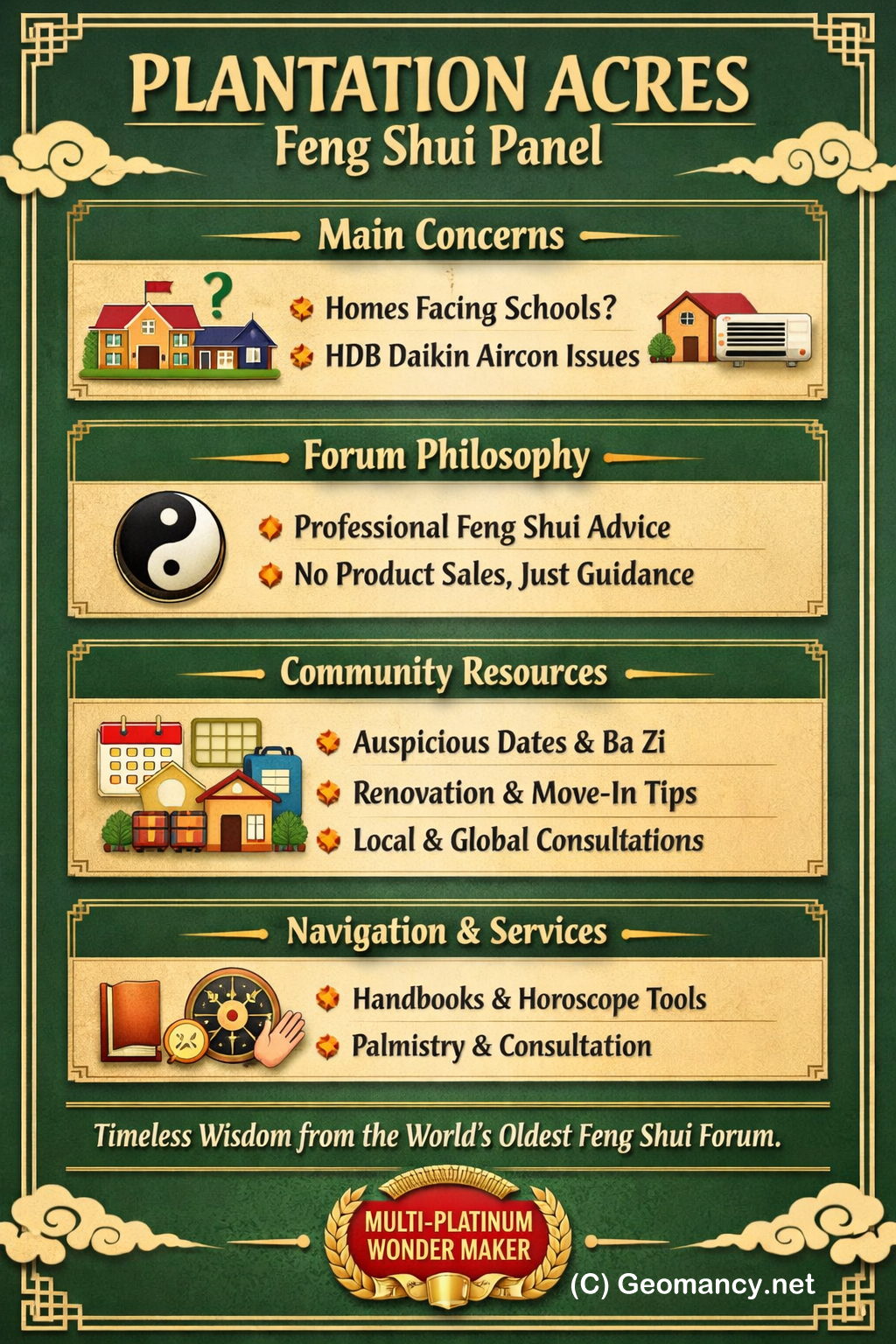
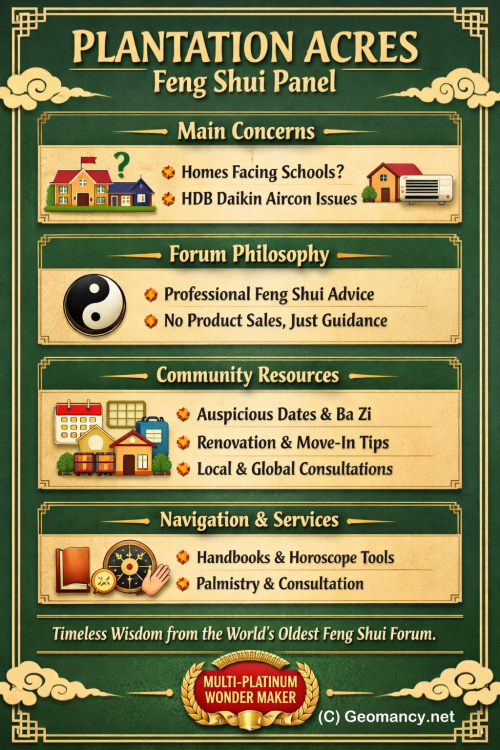
🌿 Plantation Acres @ Tengah – Facing a School?Main Concerns Homes facing schools may raise Feng Shui and practical questions. Resident case: issues with HDB-installed Daikin aircon system. Forum Philosophy Geomancy.net offers professional Feng Shui reviews. Independent: no product sales, only guidance. Community Resources World’s oldest Feng Shui forum. Tools: auspicious dates, Ba Zi readings, renovation/move-in guides, wedding procedures. Consultations for local & international properties. Navigation Handbooks, guides, horoscope tools, palmistry, consultation forms. Broad support for both practical living and cultural traditions. f services available.
- Yesterday
-
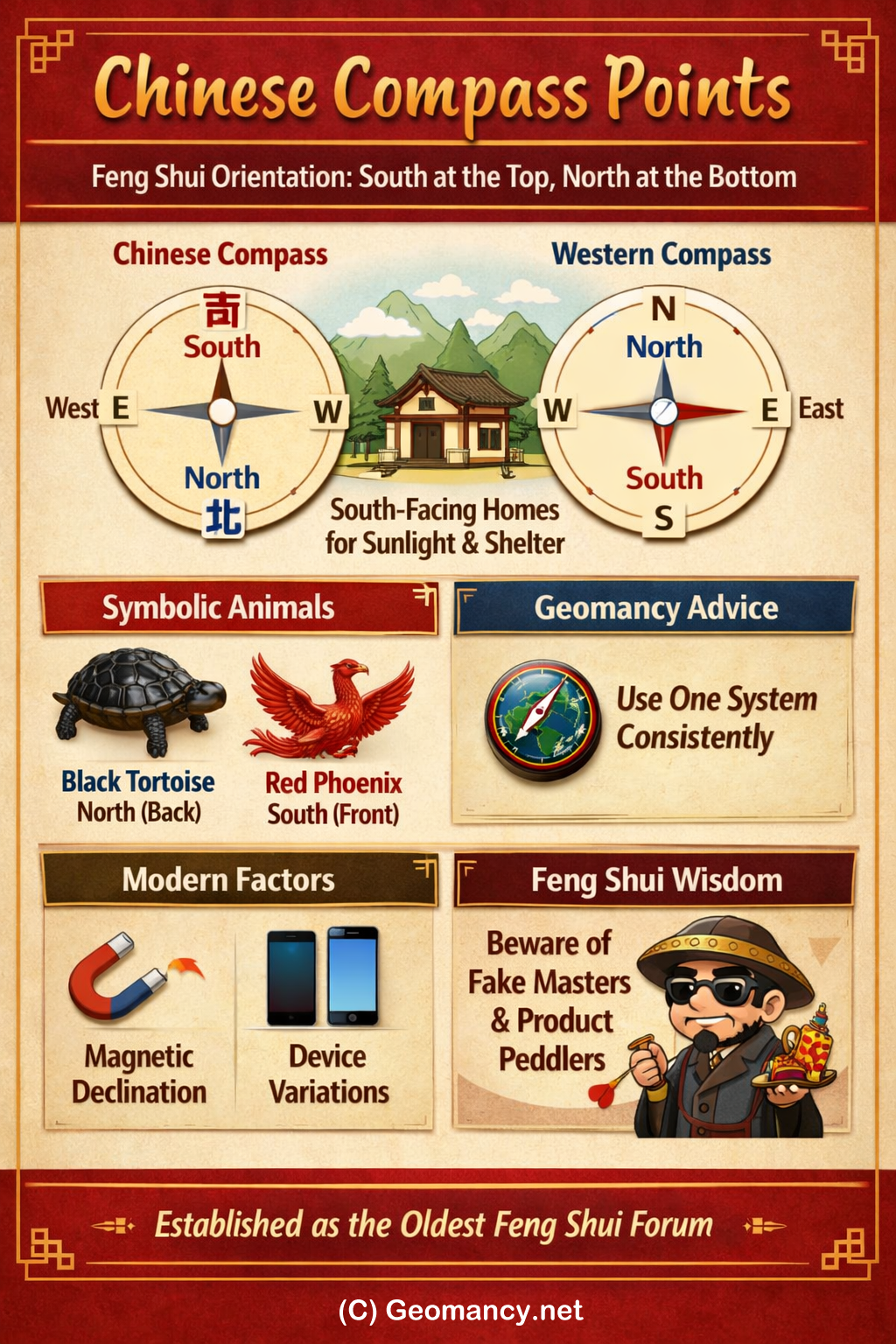
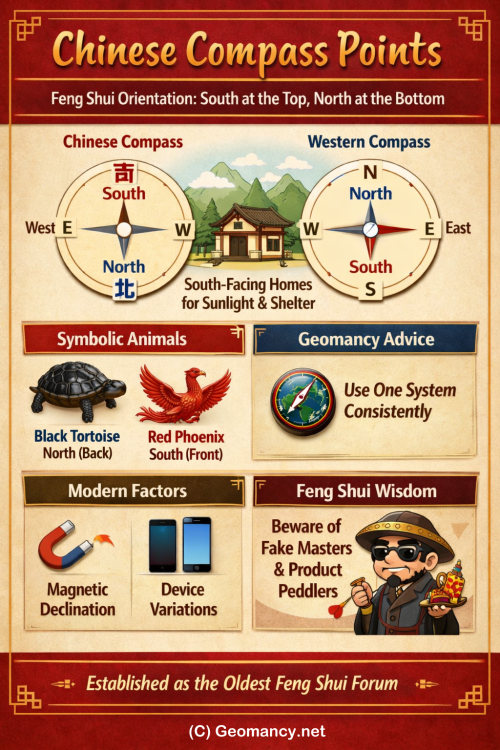
Here are the main points from this page on Chinese Compass Points: Chinese Compass Orientation: In Feng Shui, the traditional Chinese compass places South at the top and North at the bottom. This differs from the conventional Western compass orientation . Geographical Reasoning: China lies in the Northern Hemisphere, with mountain ranges to the north. Homes in Beijing often face south to maximize sunlight and avoid northern dust storms, which explains the cultural preference for south-facing houses . Symbolic Animals: Feng Shui uses the Four Symbolic Animals concept, where the tortoise represents the north (back) and the phoenix represents the south (front), reinforcing the south-facing orientation of homes . Compass Use in Practice: Geomancy.net resources are based on the conventional compass (North at the top, South at the bottom) to ensure accessibility worldwide. Users are advised to follow one methodology consistently rather than mixing sources . Modern Considerations: Compass readings can vary due to magnetic declination and even differences between devices (e.g., iPhone models). Accurate readings are crucial for applying Flying Star Feng Shui effectively . Forum Legacy: Geomancy.net is recognized as the oldest Feng Shui forum in the world, emphasizing its credibility and long-standing role in guiding practitioners . Cautionary Note: The site warns against Feng Shui masters who disguise themselves as product sellers, stressing that genuine guidance should not be tied to sales pitches .
-
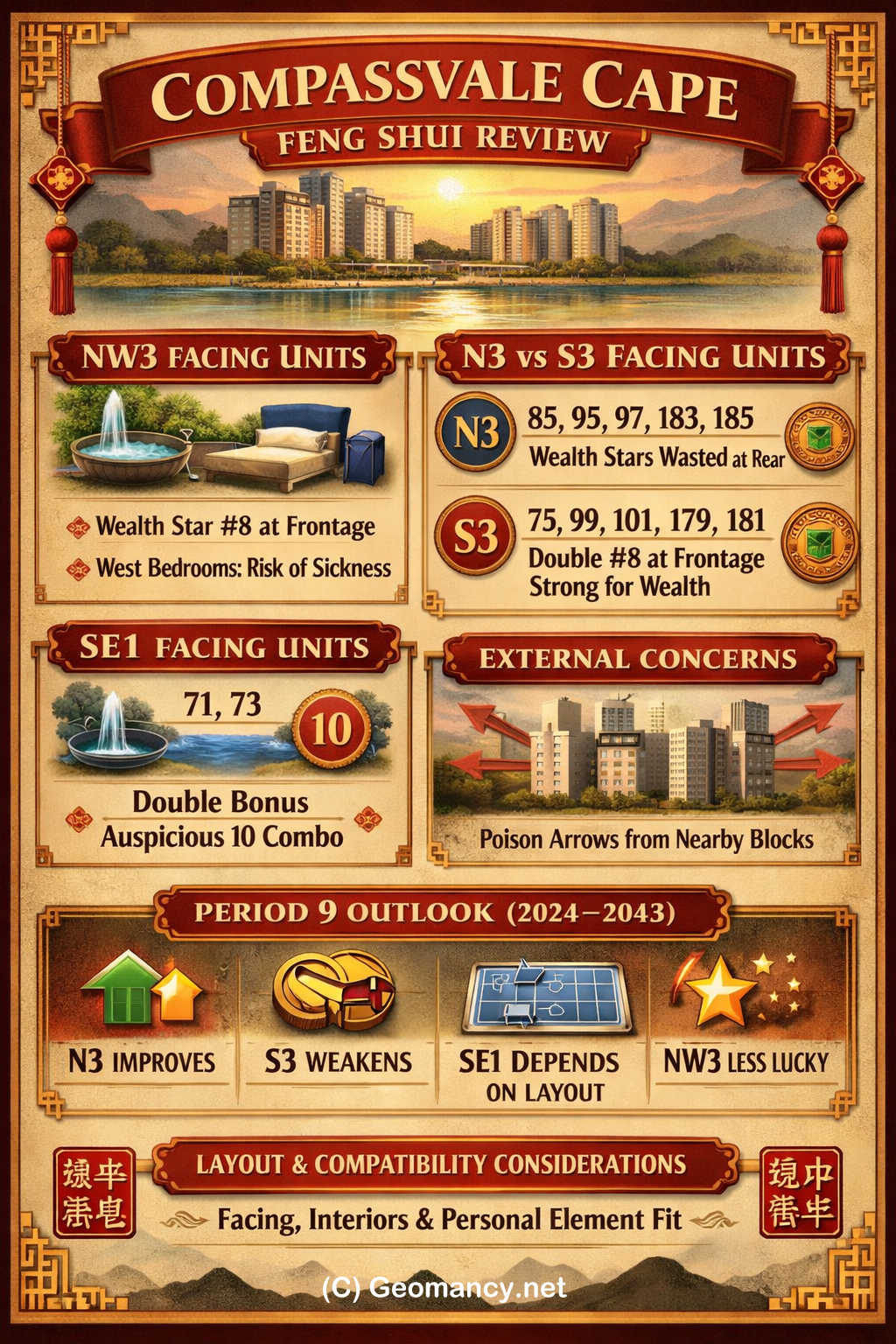
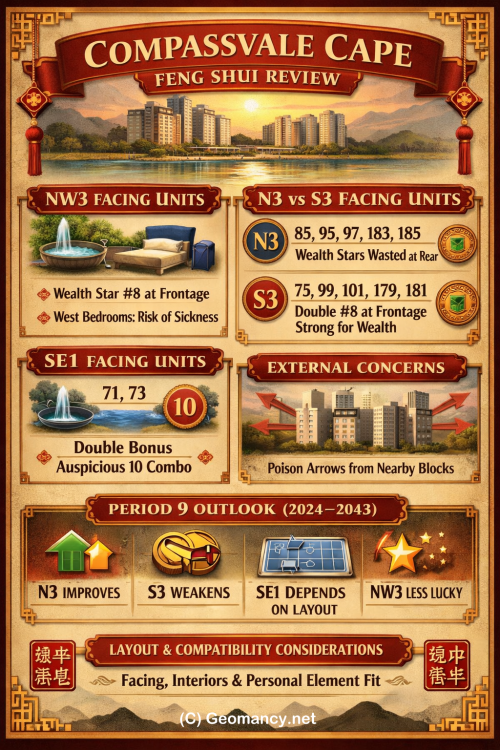
Here are the main points from the Feng Shui review of HDB Compassvale Cape: NW3 Facing Stacks (143, 145, 147, 149, 167, 169): These units benefit from auspicious water wealth star #8 at the frontage. Best if the balcony/living room faces water; otherwise, a water feature can be added. However, other sectors show imbalances, and bedrooms in the West sector may bring frequent sickness. N3 vs. S3 Facing Stacks: N3 stacks (e.g., 85, 95, 97, 183, 185, etc.) waste their double #8 wealth stars at the rear (kitchen/yard), making them less favorable. S3 stacks (e.g., 75, 99, 101, 179, 181, etc.) are highly favorable for East group persons, with double #8 wealth stars at the frontage and water presence, bringing strong wealth luck. SE1 Facing Stacks (71, 73): Ideally, water should be at the frontage. This orientation can bring a “double bonus” as it enjoys auspicious 10 combinations under Flying Star Feng Shui. External Concerns: Neighboring blocks may create “poison arrows” aimed at certain stacks (71, 73, 323, 325), which can negatively affect Feng Shui. Period 9 (2024–2043) Updates: N3 stacks are expected to have better luck under Period 9. S3 stacks lose their former double #8 wealth star advantage. SE1 stacks depend heavily on layout. NW3 stacks become less lucky in Period 9. Internal layout, kitchen/stove placement, poison arrows, and proximity to features like bins must also be considered. In summary: Compassvale Cape units vary significantly in Feng Shui luck depending on their facing direction. S3 stacks are historically strong for wealth, but N3 stacks gain more favor in Period 9. NW3 and SE1 stacks require careful consideration of water placement and external factors like poison arrows. Ultimately, suitability depends not just on facing but also on internal layout and the breadwinner’s compatibility
-
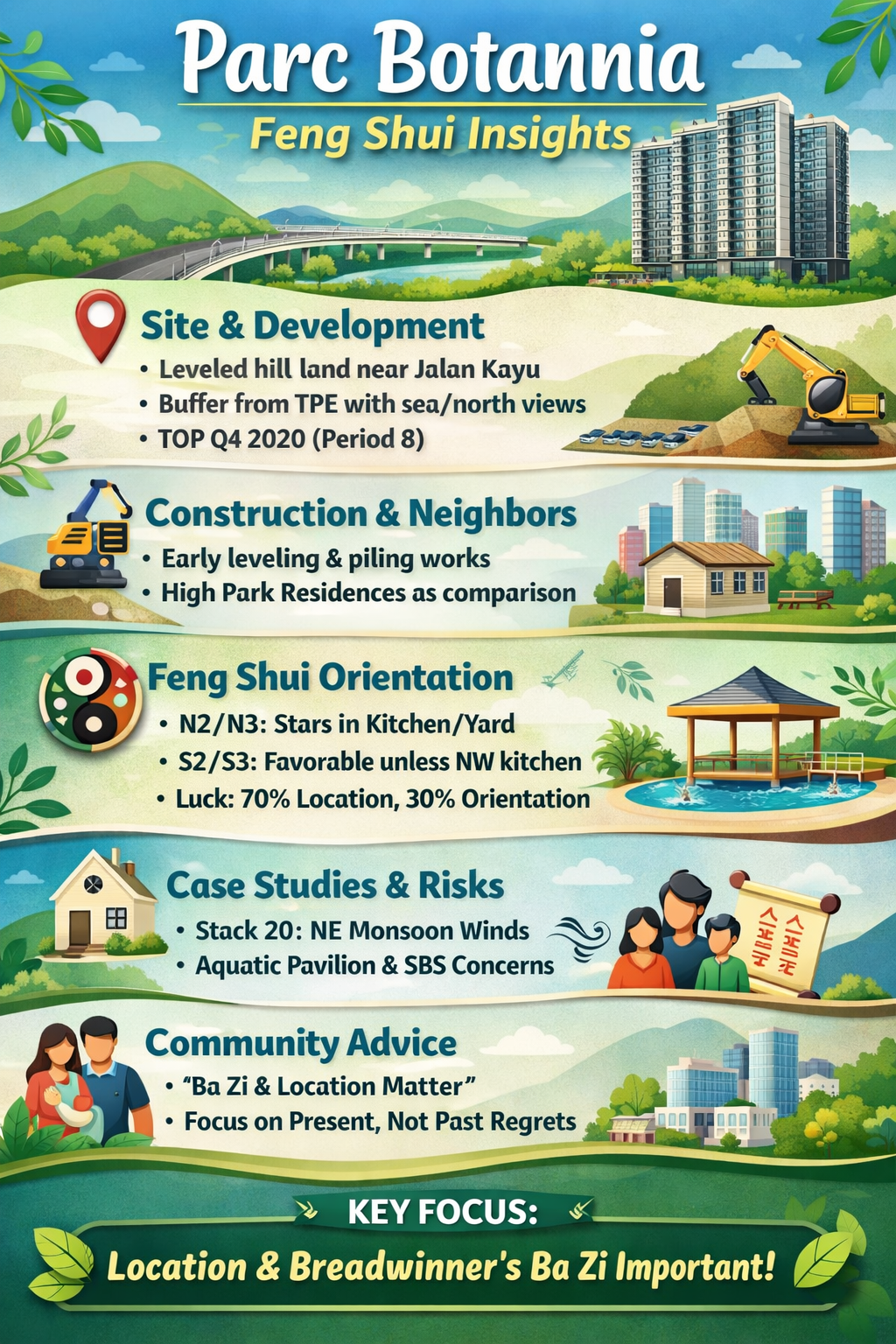
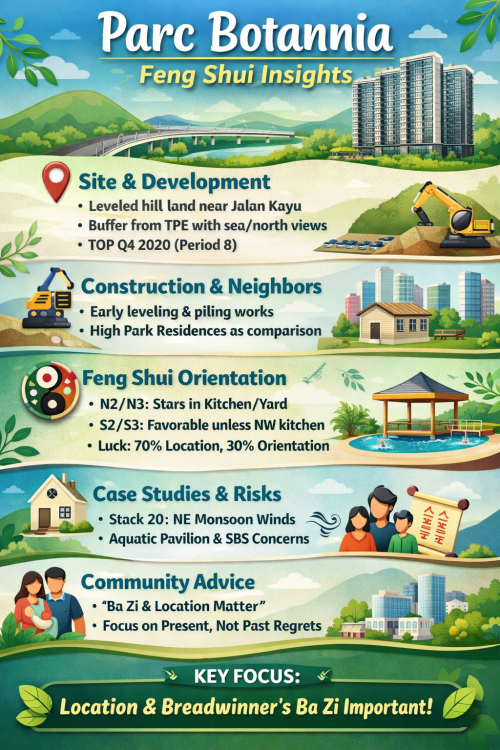
🌿 Parc Botannia Feng Shui Insights📍 Site & DevelopmentBuilt on leveled hill land near Jalan Kayu/Seletar Buffer from TPE expressway; some units enjoy sea/north views TOP expected Q4 2020 (Feng Shui Period 8) 🏗️ Construction & NeighborsEarly works: leveling, piling, retaining walls near LRT track Neighboring High Park Residences used as comparison 🧭 Feng Shui OrientationN2/N3 units: Prosperity stars wasted in kitchen/yard S2/S3 units: More favorable, unless kitchen at NW (“Fire at Heaven’s Gate”) Luck split: Location (70%), Orientation (30%), Breadwinner’s Ba Zi critical 🔎 Case StudiesBlock 16 Stack 20: good forms but exposed to strong NE monsoon winds Risks: Aquatic Pets’ Pavilion (hygiene/pests), Sick Building Syndrome from pool evaporation 👥 Community Advice“Inauspiciousness” depends on family Ba Zi + location context Don’t dwell on past purchases; focus on present harmony ⚖️ Key Takeaway: Location and breadwinner’s Ba Zi outweigh unit orientation. Watch for wind exposure, kitchen placement, and communal features that may affect health and w
-
Here are the main points from this page on Parc Botannia @ Fernvale Road: Site & Development Context Built on low hill land at Jalan Kayu/Seletar, near Sengkang West, requiring full leveling. Buffer exists between the site and the TPE expressway, with favorable northerly or seaview-facing units. Development expected to TOP around Q4 2020, within Feng Shui Period 8 (2004–2023). Construction & Neighbors Early site photos (2017) show Wee Hur Holdings beginning leveling and piling works, with retaining walls due to slope towards the LRT track. Neighboring High Park Residences frequently referenced for comparison. Feng Shui Analysis Units categorized by facing directions: N2/N3 and S2/S3, each with distinct Flying Star charts. N2/N3 charts often waste prosperity stars (#8) in kitchen/yard areas, making S2/S3 generally more favorable if the kitchen isn’t at NW (to avoid “Fire at Heaven’s Gate”). Location accounts for 70% of Feng Shui luck, unit orientation 30%, with breadwinner’s Ba Zi being critical. Case Studies & Concerns Block 16 Stack 20: good shapes and forms but risks from strong NE monsoon winds, potentially affecting health and wealth. Concerns raised about features like an “Aquatic Pets’ Pavilion,” with hygiene and pest risks highlighted. Sick Building Syndrome (SBS) noted as a risk in developments with pool water evaporation under certain conditions. Community Queries & Advice Forum members asked if units were inauspicious; Cecil Lee emphasized that inauspiciousness depends on family members’ Ba Zi and overall location context. Advice given not to dwell on past purchases, as analyzing them after the fact may not be useful. In essence: The review blends construction updates, Feng Shui directional analysis, case studies of specific stacks, and practical advice. Location and breadwinner’s Ba Zi are emphasized as decisive factors, while cautionary notes highlight risks from wind exposure, kitchen placement, pets, and pool water evaporation.
-
A summary of the main points from this page: 🏠 Placement of the Guanyin AltarPosition A (near main door): Traditionally ideal, but space is too narrow (48 cm width). Difficult to fit a proper altar table and offerings comfortably. Position B (outside kitchen, backed by bomb shelter): Considered “politically correct” since the altar faces outward, but incense smoke could drift into bedrooms, raising health concerns. Position C (adjacent to main door when opened): Not preferred, as it faces inward into the home, which is seen as inauspicious. Position L (balcony): Acceptable as a last resort. The altar can symbolically “face water,” but exposure to sun, wind, or clothes drying nearby may be problematic. Position E (partition facing main door): Possible but criticized—neighbors may see it as a threat, and partitions could create Feng Shui issues like “knife slicing” effects toward dining or bedroom areas. 🚫 Placement RestrictionsAvoid putting a shoe cabinet under or next to the altar. Beds should not share the same wall as an altar (altar = Yin, bed = Yang). 🌬️ Health Concerns with Joss FumesStudies in Singapore, Taiwan, and elsewhere show incense/joss stick smoke contains harmful toxins, comparable to cigarette or traffic fumes. Long-term exposure has been linked to respiratory cancers and other health risks. Recommendations include good ventilation or considering alternatives (though electronic joss sticks are not always culturally acceptable). 👀 Practical ConsiderationsIf incense is burned only briefly (e.g., twice daily when residents are out), risks are reduced. Balcony placement is acceptable if clothes are hung lower than altar height. Some households place small altars above fridges, but this is not suitable for Guanyin or Guan Kong. ✨ Overall GuidancePosition A is ideal but impractical due to space. Position B is the most workable option, provided ventilation is managed. Position L (balcony) can be considered if weather and clothes drying are controlled. Position C should be avoided. The discussion balances Feng Shui principles (altar facing outward, avoiding disrespectful placements) with health concerns (avoiding constant exposure to incense smoke).
-
Here’s a clear comparison of how different cultures approach baby gender prediction and naming traditions: Culture/Region Gender Prediction Traditions Naming Practices Cultural Significance China Ancient chart based on lunar age & month of conception based on Ba Zi. Names chosen using ba zi (astrological birth data) and stroke counts Connects child’s destiny to cosmic harmony; names believed to shape fortune India Astrology (janam kundli) used to suggest auspicious syllables Names often start with syllables tied to planetary positions Aligns child’s life path with cosmic forces; strong link to Hindu tradition Western Folklore Myths: bump shape, cravings, wedding ring swing Names often chosen for family, religious, or cultural reasons Gender myths are playful bonding rituals; naming reflects heritage or faith Japan No strong gender prediction superstition; focus on spiritual rituals Shinto priests may suggest names tied to nature or virtues Names symbolize harmony, respect for ancestors, and spiritual guidance Middle East Gender myths less common; emphasis on faith Names chosen from religious texts (Quran, Bible) Ensures spiritual blessing and cultural identity; continuity of faith traditions ✨ Key Insight: Across cultures, these practices endure because they provide families with a sense of heritage, reassurance, and symbolic control over a child’s future — even when modern science offers more precise answers.
-
A look at how similar traditions appear in other cultures: India (Astrology-Based Naming) Names are often chosen based on the child’s janam kundli (birth chart). The chart suggests auspicious starting syllables depending on the child’s planetary positions. This practice is believed to align the child’s destiny with cosmic harmony, much like Chinese ba zi. Western Folklore (Gender Myths) Old wives’ tales claim you can predict a baby’s gender by how the mother carries the pregnancy (high vs. low bump), food cravings, or even the swing of a wedding ring over the belly. These are cultural superstitions, not scientific, but they persist as playful traditions during pregnancy. Japan (Naming Rituals) Some families consult Shinto priests for names that harmonize with the child’s spiritual path. Names often carry meanings tied to nature, virtues, or ancestral lineage, reflecting cultural values of continuity and respect. Middle East (Religious Naming) Names are frequently chosen from religious texts (Quran, Bible), ensuring spiritual blessing and cultural identity. The emphasis is less on astrology and more on faith-based auspiciousness. ✨ Big Picture: Across cultures, naming and gender prediction rituals endure because they give families a sense of connection to heritage, spirituality, and hope for the child’s future — even when science offers more accurate alternatives.
-
Here’s the cultural significance behind the chart and naming practices: Continuity of Tradition Even though the gender prediction chart is considered superstition, it reflects how ancient Chinese customs still influence modern family planning. Many families use it as a symbolic ritual, blending cultural heritage with contemporary life. Role of Astrology and Lunar Calendar The reliance on lunar age and month ties directly to Chinese cosmology, where time and fate are believed to shape outcomes. This reinforces the idea that a child’s destiny is influenced by celestial patterns, not just biology. Naming as Identity and Fortune Names chosen through ba zi (astrological birth data) are believed to shape a child’s luck, personality, and future success. Parents often invest in professional naming services to ensure auspiciousness, showing how deeply naming is tied to cultural values of harmony and prosperity. Modern Adaptation While medical science provides accurate gender determination, families may still consult traditional charts for fun or symbolic reassurance. Paid naming services demonstrate how ancient beliefs are commercialized in modern contexts, appealing to parents who want both cultural authenticity and personalized identity for their child. In short, these practices endure because they connect families to heritage, provide a sense of control or reassurance, and symbolize hopes for a child’s future.
-
Here are the main points from this page: Ancient Chinese Gender Prediction Chart Traditionally used by pregnant women and couples to predict a baby’s gender or plan conception timing. The chart is based on lunar age and month of conception, but there is confusion whether to use lunar or Western months. Accuracy is debated: some older generations claim it works, but the site’s staff note it hasn’t been scientifically researched and should be treated as superstition. Lunar Age Calculation Lunar age is counted similarly to Western age but based on the lunar calendar. Example: someone born on 28 April 1985 would be considered 21 after passing their lunar birthday in April 2006. Staff recommend relying on medical tests for accurate gender determination. Commercial Services Offered Our Newborn Chinese Name Service - Please contact us for current pricing. Names are chosen based on the baby’s ba zi (Chinese astrology) and stroke count groups, aiming for auspiciousness and meaning. Clients can choose from recommended names or request unique options, including matching with English names. Ordering involves filling out a form and contacting the service via WhatsApp or email. Overall Tone The chart is presented as a cultural superstition rather than a reliable method. The site emphasizes modern medical testing for gender reveal while offering traditional naming services as a paid option.
-
Here’s a timeline of major events tied to lucky numbers, showing how cultures deliberately use them symbolically: Year Event Lucky Number Emphasis Cultural Context 2008 Beijing Olympics Opening Ceremony 8/8/2008 at 8:08 pm “8” symbolizes prosperity in Chinese culture 1999 Hong Kong handover anniversary celebrations Focus on “9” “9” represents longevity and eternity 2014 Japan’s Shichi-Go-San Festival Celebrates ages 7, 5, 3 “7” seen as lucky, “3” harmony Las Vegas Casinos (ongoing) Slot machines highlight “777” “7” as Western lucky number Jackpot imagery Business launches in China Companies often register on dates with “6” or “8” “6” = smooth progress, “8” = wealth Branding strategy ✨ Key TakeawayChina: 8 and 6 dominate major events and business launches. Japan: 7 and 3 are celebrated in cultural festivals. West: 7 is central in gambling and religious symbolism. This timeline shows how lucky numbers aren’t just abstract beliefs — they’re actively woven into global events, branding, and celebrations to project prosperity, longevity, or harmony.
-
Here’s a global chart contrasting unlucky vs. lucky numbers across cultures, so you can see the balance at a glance: Culture Unlucky Numbers Reason Lucky Numbers Reason Western 13 Linked to superstition, “Friday the 13th” 7 Biblical/cultural luck, casinos use “777” 3 Harmony, completeness (“third time’s a charm”) Chinese 4, 14, 44 Sounds like “death” in Mandarin 6 Smooth progress, “flowing” 8 Prosperity, wealth (Beijing Olympics 8/8/2008) 9 Longevity, eternity Japanese 4, 9, 49 “4” = death, “9” = suffering 7 Good luck, happiness, celebrated in festivals ✨ Key TakeawaysAsia: Avoids numbers tied to negative word associations (death, suffering), but promotes prosperity and longevity through 6, 8, and 9. West: Primarily fears 13, but celebrates 7 and 3 as symbols of luck and harmony. Institutions worldwide: Airlines, hotels, hospitals, and businesses adapt numbering to avoid discomfort while also highlighting lucky numbers to attract customers.
-
Here’s a clear visual summary: cultures emphasize both unlucky and lucky numbers, with Asia focusing on 4, 9, 14, 44, 49 as unlucky and 6, 8, 9 as lucky, while the West highlights 13 as unlucky and 7, 3 as lucky. 🔢 Key Insights from the ChartWestern cultures Unlucky: 13 (linked to superstition and Friday the 13th). Lucky: 7 (biblical and cultural luck), 3 (harmony, completeness). Chinese culture Unlucky: 4, 14, 44 (sounds like “death”). Lucky: 6 (smooth progress), 8 (prosperity), 9 (longevity). Japanese culture Unlucky: 4 (death), 9 (suffering), 49 (death + suffering). Lucky: 7 (happiness, celebrated in festivals). 🌍 Broader Cultural BalanceAsia: Strong duality — unlucky numbers avoided in airlines, hotels, hospitals, while lucky numbers are promoted in business, events, and branding. West: Focuses mainly on 13 as unlucky, but highlights 7 and 3 as positive symbols in casinos, religion, and sayings. This balance shows how institutions worldwide don’t just avoid taboo numbers — they actively promote lucky ones to attract customers and create positive associations.
-
Here’s a look at positive lucky numbers that institutions often emphasize, balancing the picture against the taboo ones: Region Number Meaning Examples of Use China 6 (六, liù) Sounds like “smooth” or “flowing” → good fortune Businesses use 6 or 66 in phone numbers, license plates China 8 (八, bā) Sounds like “prosperity” or “wealth” → extremely lucky Beijing Olympics opened on 8/8/2008 at 8:08 pm China 9 (九, jiǔ) Symbolizes longevity and eternity Popular in weddings and anniversaries Japan 7 Associated with good luck and happiness Seen in festivals and “Shichi-Go-San” (7-5-3 children’s celebration) West 7 Considered lucky in Christianity and Western culture Casinos highlight “777” as jackpot West 3 Symbolizes harmony and completeness Common in sayings like “third time’s a charm” ✨ How institutions use lucky numbersHotels: May highlight rooms with “8” or “88” in Asia to attract guests. Airlines: Sometimes use lucky numbers in flight numbers (e.g., flights ending in 8 for prosperity). Businesses: Choose phone numbers, addresses, or product names with 6, 8, or 9 to appeal to cultural beliefs. So while unlucky numbers are avoided, lucky ones are actively promoted and celebrated, showing the dual influence of numerology on everyday life.
-
Here’s a combined global table showing how airlines, hotels, hospitals, and buildings adapt to number‑related superstitions across regions, based on the page you’re viewing: Region Institution Type Example Numbers Skipped Reason / Cultural Context Source Asia Airline Singapore Airlines Row 13 Western superstition: 13 unlucky Asia Airline Cathay Pacific Row 13 Sensitivity to Western & Chinese passengers Asia Airline China Airlines Seat 44 “4” sounds like “death” in Mandarin Asia Airline Japanese carriers Rows/rooms 4, 9, 49 “4” = death, “9” = suffering Asia Building DBS Tower (Singapore) Certain floors Avoids unlucky numbers Asia Hospital Japan Rooms 4, 9 Patients avoid due to death/suffering associations Asia Hotel Japan Rooms 4, 9 Guests avoid for same reasons Europe Airline Air France, KLM, Iberia, Lufthansa Row 13 Western superstition: 13 unlucky Europe Airline Ryanair Row 13 Same Western tradition Europe Building Office towers 13th floor Avoids unlucky 13 US Airline United Airlines Rows 13 & 14 Avoids both due to superstition US Hotel Many chains 13th floor Western superstition: 13 unlucky US Hospital Various Room 13 Avoided for patient comfort Middle East / Global Airline Emirates, Qatar Airways Row 13 International sensitivity to Western superstition 🌐 Big PictureAsia: Broader range of taboo numbers (4, 9, 14, 44, 49) tied to language and numerology. West (Europe/US): Primarily focused on 13, especially in airlines, hotels, and tall buildings. Global carriers: Adopt Western superstition to accommodate international passengers. This table shows how superstition influences travel, hospitality, healthcare, and architecture worldwide, shaping even the smallest details like seat rows and room numbers.
-
Here’s how hotels and hospitals in Asia apply similar number‑skipping practices, extending the cultural impact beyond airlines: Region Institution Numbers Skipped Reason / Cultural Context Source Singapore DBS Tower (office building) Certain floor numbers Avoids unlucky numbers due to cultural taboos Japan Hospitals Rooms 4, 9 “4” = death, “9” = suffering; patients avoid these rooms Japan Hotels Rooms 4, 9 Same cultural associations; guests prefer not to stay in them Taiwan / China Various buildings Floors/rooms with 4, 44 “4” sounds like “death” in Mandarin 🌐 Broader Cultural ImpactAirlines, hotels, hospitals, and office towers all adapt their numbering systems to respect cultural sensitivities. This shows superstition isn’t limited to travel—it permeates everyday life, from where people work to where they sleep or receive medical care. The practices highlight how institutions prioritize customer comfort and cultural respect, even in something as simple as numbering. Here’s how Western hotels and buildings handle number‑related superstitions, paralleling what you saw with Asian institutions: Region Institution Numbers Skipped Reason / Cultural Context Remarks United States Many hotels 13th floor Western superstition: 13 considered unlucky; often relabeled as 14 US Hospitals Room 13 Avoided for patient comfort, linked to unlucky associations Europe Office buildings 13th floor Same Western tradition; some skip or renumber Global chains Hotels worldwide 13th floor or Room 13 Adapt to international guests’ superstition 🌍 Broader ParallelsAsia: Avoids culturally specific numbers (4, 9, 14, 44, 49). West: Focuses on 13, especially in hotels and tall buildings. Result: Both regions show how superstition influences architecture and hospitality, ensuring guests feel comfortable. This creates a fascinating mirror: while Asian institutions adapt to numerology tied to language, Western ones adapt to a long‑standing fear of 13.
-
Here’s a clear side‑by‑side table showing how different airlines in Asia and Europe handle number‑related superstitions in their seating layouts, based on the page you’re viewing: Region Airline Numbers Skipped Reason / Cultural Context Remarks (If any) Asia Singapore Airlines Row 13 Western superstition: 13 considered unlucky Asia Cathay Pacific Row 13 Sensitivity to both Western and Chinese passengers Asia China Airlines Seat 44 “4” sounds like “death” in Mandarin Asia Japanese carriers Rows/rooms 4, 9, 49 “4” = death, “9” = suffering Europe Air France, KLM, Iberia, Lufthansa Row 13 Western superstition: 13 unlucky Europe Ryanair Row 13 Same Western tradition Global / Middle East Emirates, Qatar Airways Row 13 International sensitivity to Western superstition US (for comparison) United Airlines Rows 13 & 14 Avoids both due to passenger superstition ✨ Key TakeawayAsian airlines adapt to local numerology taboos (4, 9, 14, 44, 49) in addition to 13. European airlines focus almost exclusively on avoiding Row 13. Global carriers like Emirates and Qatar adopt the Western superstition to accommodate international passengers.
-
A comparison of how airlines in Asia and Europe handle number-related superstitions in seating and layouts, based on the page you’re viewing: ✈️ Asian AirlinesSingapore Airlines: Skips Row 13 due to Western superstition. Cathay Pacific (Hong Kong): Avoids Row 13, reflecting sensitivity to both Western and Chinese passengers. China Airlines (Taiwan): Skips seat number 44, since “4” sounds like “death” in Mandarin. Japanese carriers: Often avoid rows or rooms numbered 4 or 9, as they are associated with “death” and “suffering.” 🇪🇺 European AirlinesAir France, KLM, Iberia, Lufthansa: Skip Row 13, aligning with Western traditions that view 13 as unlucky. Ryanair (Ireland): Also omits Row 13, consistent with European superstition. United Airlines (though US-based): Goes further by skipping both Rows 13 and 14. 🌍 Key DifferencesAsia: Superstitions extend beyond 13 to culturally specific numbers (4, 9, 14, 44, 49). Airlines adapt to regional beliefs. Europe: Focuses almost exclusively on avoiding Row 13, reflecting Western traditions. Global carriers (like Emirates, Qatar Airways): Skip Row 13 to accommodate international passengers, showing a blend of cultural sensitivity. In essence, Asian airlines tend to incorporate local cultural taboos (Chinese, Japanese numerology), while European airlines stick to the Western fear of 13. Both approaches highlight how airlines adapt seating to passenger comfort and superstition.
-
Here are the main points from this page: ✈️ Singapore Airlines skips Row 13 in its seating layout, reflecting widespread superstition that the number 13 is unlucky. 🔢 Cultural differences in number taboos: In Western traditions, 13 is often considered unlucky. Among Chinese communities, the number 4 (and multiples like 44, 444) is avoided because it sounds like “death” in several dialects. Cantonese speakers sometimes view 14 as especially inauspicious (“sure to die”). In Japanese culture, both 4 and 9 are avoided (linked to “death” and “suffering”), and combinations like 49 are considered unlucky. 🏢 Examples beyond airlines: Buildings in Singapore (like DBS Tower) skip certain floor numbers. Hospitals and hotels in Japan avoid rooms numbered 4 or 9. China Airlines skips seat number 44 for similar reasons. 🌍 Other airlines that skip Row 13 include Ryanair, Air France, Cathay Pacific, Qatar Airways, Emirates, KLM, Iberia, and Lufthansa. United Airlines skips both rows 13 and 14. ⚖️ Subjectivity of superstition: The page emphasizes that numbers are interpreted differently across cultures—what is unlucky for one group may be neutral or even lucky for another. For example, some Chinese see 6 (and 666) as lucky, while certain Christians view 666 as the “Devil’s number.” In short, the article highlights how airlines and other institutions adapt to cultural superstitions about numbers, with Singapore Airlines’ missing Row 13 serving as a prime example.
-
🥤 Modern China in a BottleChina’s modernization is often described in terms of skyscrapers, high‑speed rail, and digital innovation. Yet its beverage industry tells a subtler story—how tradition and modernity coexist, sometimes uneasily, in everyday life. Laoshan Oldenlandia Water embodies the path of cultural preservation. Rooted in Taoist reverence for spring water, it carries the symbolism of purity, longevity, and harmony with nature. Its branding leans on nostalgia, positioning the drink as a heritage artifact even as it adapts to modern packaging and carbonation. It represents a China that seeks to hold onto its spiritual and cultural depth while cautiously stepping into global consumer culture. Wanglaoji herbal tea, by contrast, illustrates the path of commercial expansion. Once a Cantonese cooling remedy, it has been transformed into a mass‑market powerhouse, advertised with celebrities and sold in flashy cans. Wanglaoji shows how traditional medicine can be scaled up, rebranded, and woven into pop culture—turning heritage into a global commodity. Together, these drinks reflect two visions of modernization: One emphasizes authenticity and continuity, preserving cultural roots while adapting to modern tastes. The other embraces scale and globalization, turning tradition into a product that competes with Coca‑Cola. ✨ The Broader MetaphorLaoshan and Wanglaoji are not just beverages; they are cultural symbols. They show how China negotiates the tension between honoring its past and embracing its future. In every sip, consumers taste both heritage and modernity—an everyday reminder of the country’s ongoing transformation.