
All Activity
- Today
-

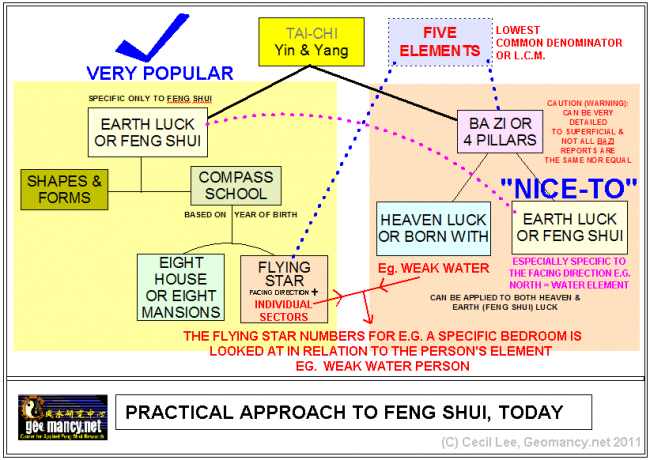
Is there a step-to-step way of applying feng shui?
Cecil Lee replied to Chris_ng's topic in Feng Shui Tips & Guidelines
A Practical Approach to Feng Shui
-
Which Flying Star Feng Shui Period is my house?
Cecil Lee replied to myfs_79181's topic in General Help
Which Flying Star Chart is recommended for use? How can I determine the age of a house and create two Flying Star charts? -
On 20th February 2026 River Modern, directly connected to Great World MRT and Mall, officially launched this week with a very strong response. It is priced lower than nearby new launches, and the prices are supported by recent resale transactions too. More than 7,000 visitors have come since the opening day. _GuocoLand launches River Modern – one of the last prime District 9 riverfront sites – from $2,877 psf_
-
Don’t cram your life into someone else’s mold. Feng Shui is personal. Sacred. Alive.
-
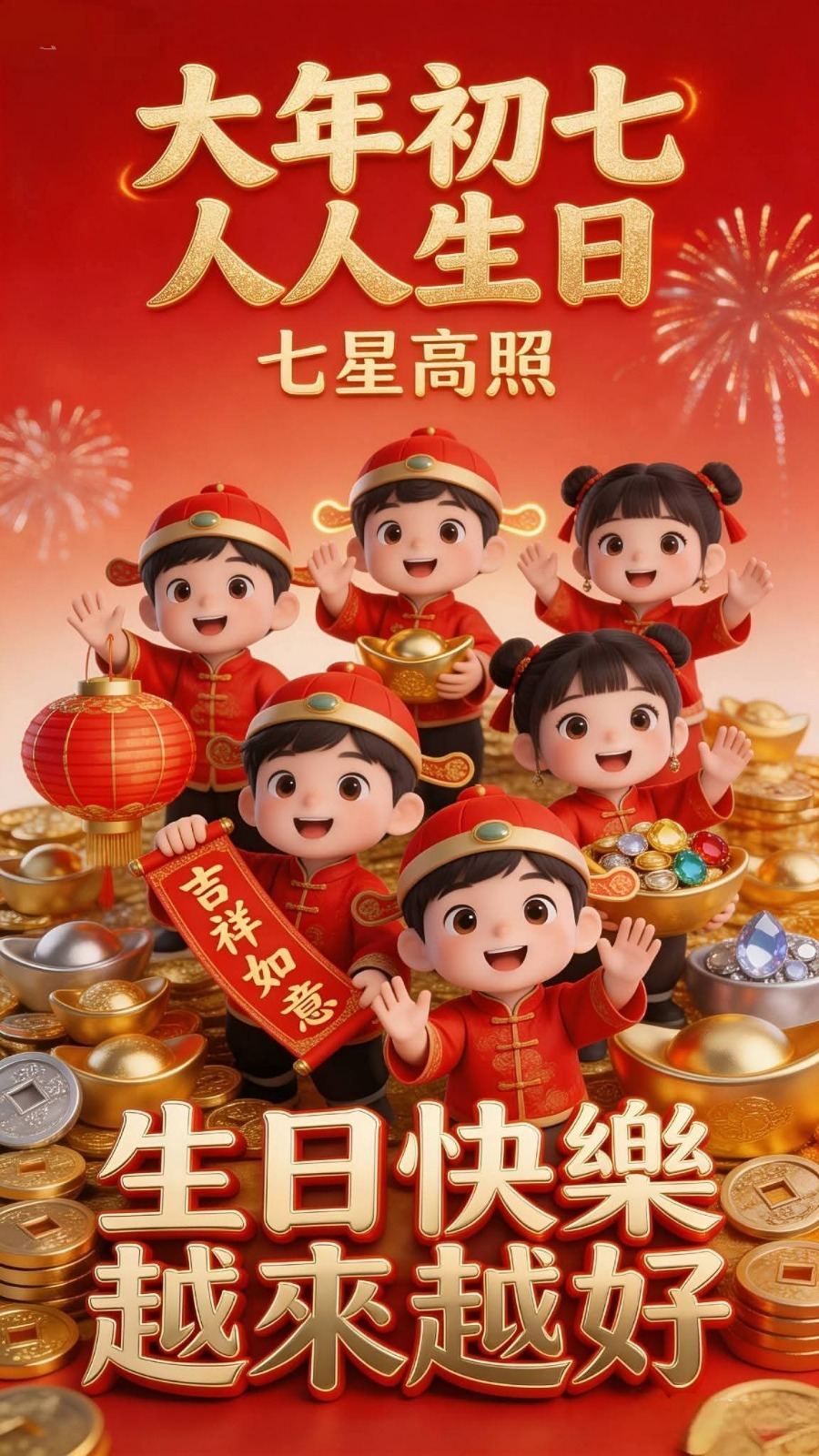
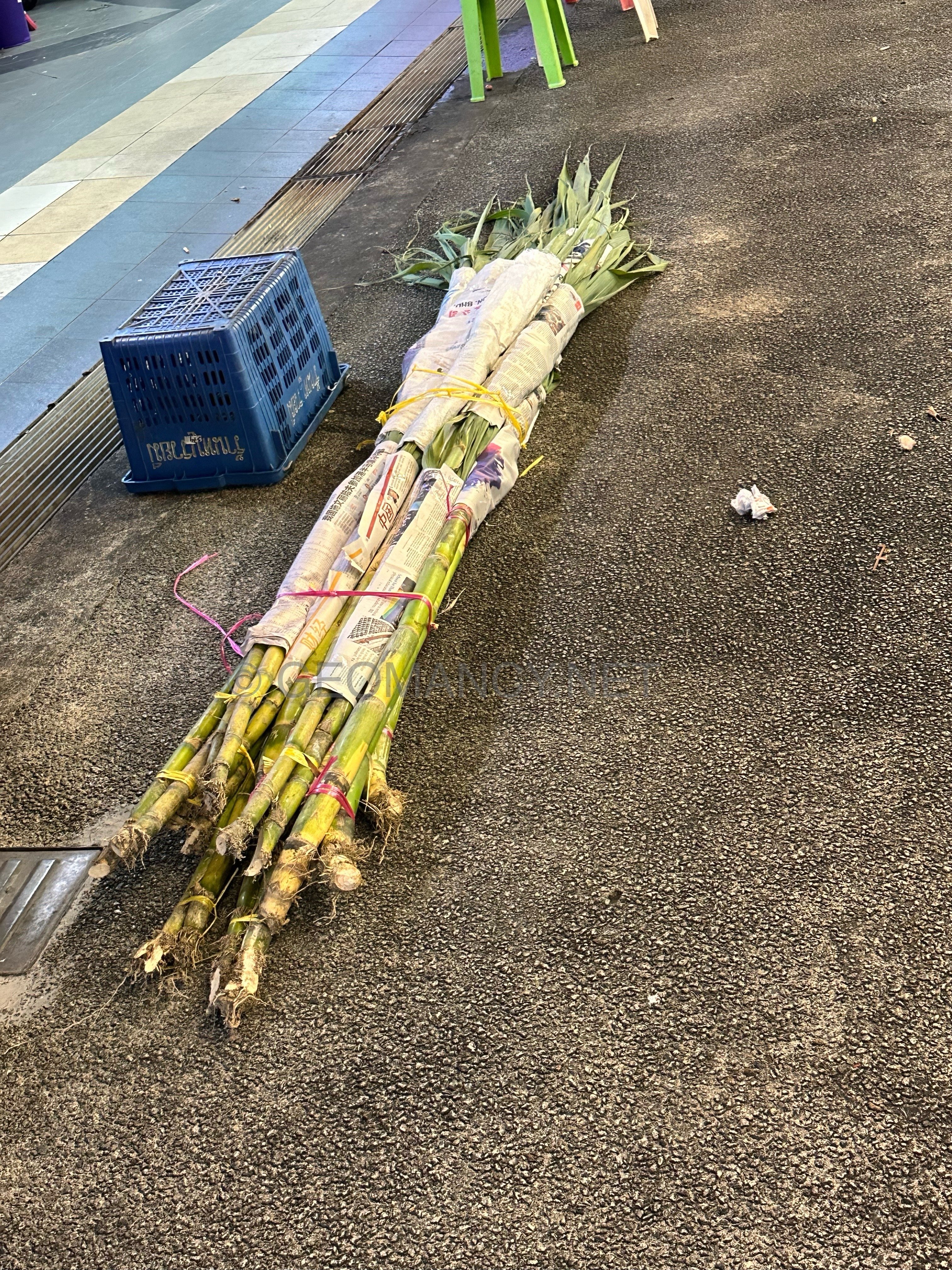
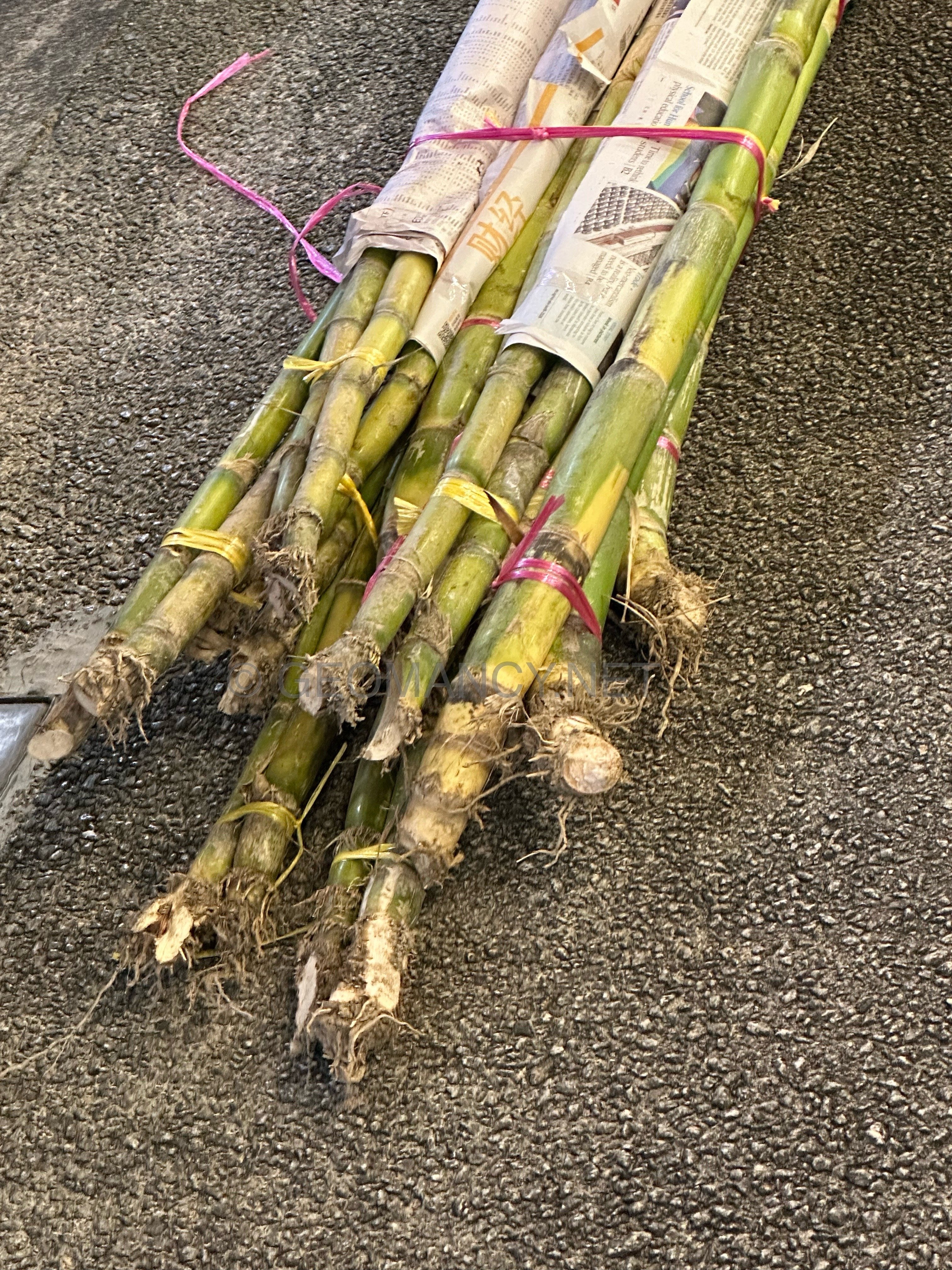
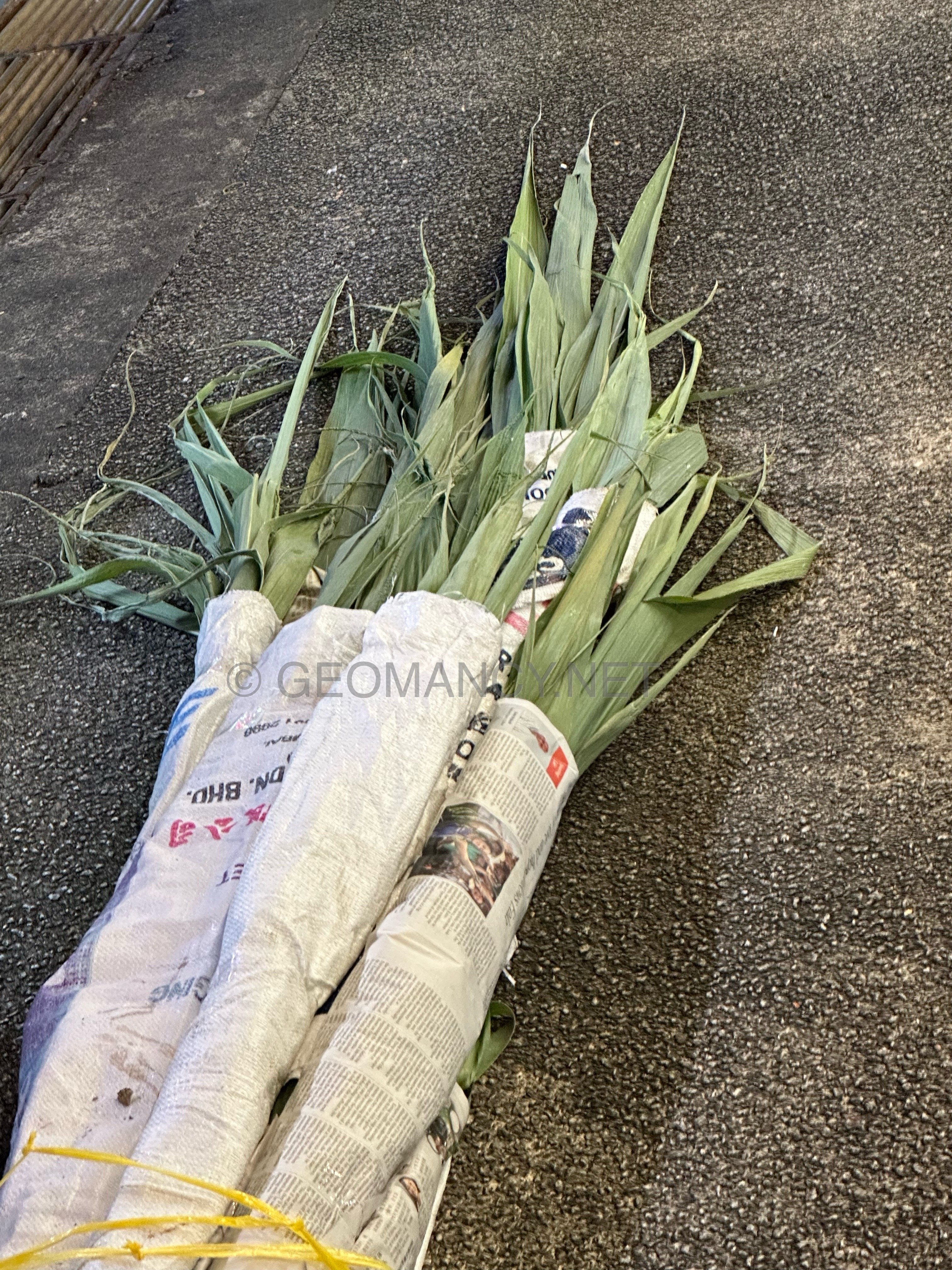
Day 7 – 正月初七: Renri (人日) – Everyone’s Birthday - Significance: Human Day — according to tradition, the day humans were created; considered the common birthday of all people. - Customs: - Celebrate people in general: good wishes for everyone’s health and longevity. - In some regions: - Eat Seven-vegetable soup or Seven-vegetable congee. - In Cantonese regions, eat yu sheng (鱼生, raw fish salad) for prosperity and rising fortune. - A day to appreciate human life and relationships. Day 9 – 正月初九: Birthday of the Jade Emperor - Significance: Major day for worship of the Jade Emperor, the supreme deity in many folk beliefs. - Customs: - Large ceremonies with incense, candles, paper offerings. - In some southern regions (especially Fujian), very elaborate rituals and feasts. - People pray for peace, good weather, and success. How the sugarcane plant is believed to have saved the Hokkiens According to Hokkien tradition, long ago during the Chinese New Year period, the Hokkien people were being hunted by enemies. They had nowhere to hide and feared for their lives. They escaped into sugarcane fields and stayed hidden among the tall plants. Because the sugarcane grew thick and high, their enemies could not find them. The Hokkiens survived by hiding there until the danger passed. This happened on the 9th day of the Lunar New Year, which is also the birthday of the Jade Emperor. Since then, the Hokkien people give thanks to the Jade Emperor on this day and use sugarcane during prayers to remember how the plant helped save their ancestors. Even today, many Hokkiens celebrate the 9th day of Lunar New Year with sugarcane as a symbol of protection, gratitude, and good fortune. On 24th February 2026, the 8th lunar day – for sale and ready for praying this evening on the 9th lunar day The bundled sugarcane stalks have just arrived. A vendor bought them and will sell them at her stall in a few hours. They are not meant for eating, so the stalks are simply placed on the ground.
-
Day 7 – 正月初七: Renri (人日) – Everyone’s Birthday - Significance: Human Day — according to tradition, the day humans were created; considered the common birthday of all people. - Customs: - Celebrate people in general: good wishes for everyone’s health and longevity. - In some regions: - Eat Seven-vegetable soup or Seven-vegetable congee. - In Cantonese regions, eat yu sheng (鱼生, raw fish salad) for prosperity and rising fortune. - A day to appreciate human life and relationships. Day 9 – 正月初九: Birthday of the Jade Emperor - Significance: Major day for worship of the Jade Emperor, the supreme deity in many folk beliefs. - Customs: - Large ceremonies with incense, candles, paper offerings. - In some southern regions (especially Fujian), very elaborate rituals and feasts. - People pray for peace, good weather, and success. How the sugarcane plant is believed to have saved the Hokkiens According to Hokkien tradition, long ago during the Chinese New Year period, the Hokkien people were being hunted by enemies. They had nowhere to hide and feared for their lives. They escaped into sugarcane fields and stayed hidden among the tall plants. Because the sugarcane grew thick and high, their enemies could not find them. The Hokkiens survived by hiding there until the danger passed. This happened on the 9th day of the Lunar New Year, which is also the birthday of the Jade Emperor. Since then, the Hokkien people give thanks to the Jade Emperor on this day and use sugarcane during prayers to remember how the plant helped save their ancestors. Even today, many Hokkiens celebrate the 9th day of Lunar New Year with sugarcane as a symbol of protection, gratitude, and good fortune. On 24th February 2026, the 8th lunar day – for sale and ready for praying this evening on the 9th lunar day The bundled sugarcane stalks have just arrived. A vendor bought them and will sell them at her stall in a few hours. They are not meant for eating, so the stalks are simply placed on the ground.
-
Day 7 – 正月初七: Renri (人日) – Everyone’s Birthday - Significance: Human Day — according to tradition, the day humans were created; considered the common birthday of all people. - Customs: - Celebrate people in general: good wishes for everyone’s health and longevity. - In some regions: - Eat Seven-vegetable soup or Seven-vegetable congee. - In Cantonese regions, eat yu sheng (鱼生, raw fish salad) for prosperity and rising fortune. - A day to appreciate human life and relationships. Day 9 – 正月初九: Birthday of the Jade Emperor - Significance: Major day for worship of the Jade Emperor, the supreme deity in many folk beliefs. - Customs: - Large ceremonies with incense, candles, paper offerings. - In some southern regions (especially Fujian), very elaborate rituals and feasts. - People pray for peace, good weather, and success. How the sugarcane plant is believed to have saved the Hokkiens According to Hokkien tradition, long ago during the Chinese New Year period, the Hokkien people were being hunted by enemies. They had nowhere to hide and feared for their lives. They escaped into sugarcane fields and stayed hidden among the tall plants. Because the sugarcane grew thick and high, their enemies could not find them. The Hokkiens survived by hiding there until the danger passed. This happened on the 9th day of the Lunar New Year, which is also the birthday of the Jade Emperor. Since then, the Hokkien people give thanks to the Jade Emperor on this day and use sugarcane during prayers to remember how the plant helped save their ancestors. Even today, many Hokkiens celebrate the 9th day of Lunar New Year with sugarcane as a symbol of protection, gratitude, and good fortune. On 24th February 2026, the 8th lunar day – for sale and ready for praying this evening on the 9th lunar day The bundled sugarcane stalks have just arrived. A vendor bought them and will sell them at her stall in a few hours. They are not meant for eating, so the stalks are simply placed on the ground.
-
Day 7 – 正月初七: Renri (人日) – Everyone’s Birthday - Significance: Human Day — according to tradition, the day humans were created; considered the common birthday of all people. - Customs: - Celebrate people in general: good wishes for everyone’s health and longevity. - In some regions: - Eat Seven-vegetable soup or Seven-vegetable congee. - In Cantonese regions, eat yu sheng (鱼生, raw fish salad) for prosperity and rising fortune. - A day to appreciate human life and relationships. Day 9 – 正月初九: Birthday of the Jade Emperor - Significance: Major day for worship of the Jade Emperor, the supreme deity in many folk beliefs. - Customs: - Large ceremonies with incense, candles, paper offerings. - In some southern regions (especially Fujian), very elaborate rituals and feasts. - People pray for peace, good weather, and success. How the sugarcane plant is believed to have saved the Hokkiens According to Hokkien tradition, long ago during the Chinese New Year period, the Hokkien people were being hunted by enemies. They had nowhere to hide and feared for their lives. They escaped into sugarcane fields and stayed hidden among the tall plants. Because the sugarcane grew thick and high, their enemies could not find them. The Hokkiens survived by hiding there until the danger passed. This happened on the 9th day of the Lunar New Year, which is also the birthday of the Jade Emperor. Since then, the Hokkien people give thanks to the Jade Emperor on this day and use sugarcane during prayers to remember how the plant helped save their ancestors. Even today, many Hokkiens celebrate the 9th day of Lunar New Year with sugarcane as a symbol of protection, gratitude, and good fortune. On 24th February 2026, the 8th lunar day – for sale and ready for praying this evening on the 9th lunar day The bundled sugarcane stalks have just arrived. A vendor bought them and will sell them at her stall in a few hours. They are not meant for eating, so the stalks are simply placed on the ground.
-
Day 7 – 正月初七: Renri (人日) – Everyone’s Birthday - Significance: Human Day — according to tradition, the day humans were created; considered the common birthday of all people. - Customs: - Celebrate people in general: good wishes for everyone’s health and longevity. - In some regions: - Eat Seven-vegetable soup or Seven-vegetable congee. - In Cantonese regions, eat yu sheng (鱼生, raw fish salad) for prosperity and rising fortune. - A day to appreciate human life and relationships. Day 9 – 正月初九: Birthday of the Jade Emperor - Significance: Major day for worship of the Jade Emperor, the supreme deity in many folk beliefs. - Customs: - Large ceremonies with incense, candles, paper offerings. - In some southern regions (especially Fujian), very elaborate rituals and feasts. - People pray for peace, good weather, and success. How the sugarcane plant is believed to have saved the Hokkiens According to Hokkien tradition, long ago during the Chinese New Year period, the Hokkien people were being hunted by enemies. They had nowhere to hide and feared for their lives. They escaped into sugarcane fields and stayed hidden among the tall plants. Because the sugarcane grew thick and high, their enemies could not find them. The Hokkiens survived by hiding there until the danger passed. This happened on the 9th day of the Lunar New Year, which is also the birthday of the Jade Emperor. Since then, the Hokkien people give thanks to the Jade Emperor on this day and use sugarcane during prayers to remember how the plant helped save their ancestors. Even today, many Hokkiens celebrate the 9th day of Lunar New Year with sugarcane as a symbol of protection, gratitude, and good fortune. On 24th February 2026, the 8th lunar day – for sale and ready for praying this evening on the 9th lunar day The bundled sugarcane stalks have just arrived. A vendor bought them and will sell them at her stall in a few hours. They are not meant for eating, so the stalks are simply placed on the ground.
-
Hari Raya Aidilfitri is a major Muslim festival that marks the end of Ramadan, the month of fasting. It is a day of celebration, forgiveness, and strengthening family and community ties, often observed with prayers, visiting relatives, and festive meals. Hari Raya Aidilfitri vs Chinese New Year 2025 31 March vs 29 January 2026 20 March vs 17 February 2027 9 March vs 6 February 2028 26 February vs 26 January 2029 15 February vs 13 February 2030 4 February vs 3 February 2031 25 January vs 23 January 2032 14 January vs 11 February 2033 3 Jan & 23 Dec vs 31 January 2034 12 December vs 19 February *Coincide
-
Hari Raya Aidilfitri is a major Muslim festival that marks the end of Ramadan, the month of fasting. It is a day of celebration, forgiveness, and strengthening family and community ties, often observed with prayers, visiting relatives, and festive meals. Hari Raya Aidilfitri vs Chinese New Year 2025 31 March vs 29 January 2026 20 March vs 17 February 2027 9 March vs 6 February 2028 26 February vs 26 January 2029 15 February vs 13 February 2030 4 February vs 3 February 2031 25 January vs 23 January 2032 14 January vs 11 February 2033 3 Jan & 23 Dec vs 31 January 2034 12 December vs 19 February *Coincide
-
Hari Raya Aidilfitri is a major Muslim festival that marks the end of Ramadan, the month of fasting. It is a day of celebration, forgiveness, and strengthening family and community ties, often observed with prayers, visiting relatives, and festive meals. Hari Raya Aidilfitri vs Chinese New Year 2025 31 March vs 29 January 2026 20 March vs 17 February 2027 9 March vs 6 February 2028 26 February vs 26 January 2029 15 February vs 13 February 2030 4 February vs 3 February 2031 25 January vs 23 January 2032 14 January vs 11 February 2033 3 Jan & 23 Dec vs 31 January 2034 12 December vs 19 February *Coincide
-
Hari Raya Aidilfitri is a major Muslim festival that marks the end of Ramadan, the month of fasting. It is a day of celebration, forgiveness, and strengthening family and community ties, often observed with prayers, visiting relatives, and festive meals. Hari Raya Aidilfitri vs Chinese New Year 2025 31 March vs 29 January 2026 20 March vs 17 February 2027 9 March vs 6 February 2028 26 February vs 26 January 2029 15 February vs 13 February 2030 4 February vs 3 February 2031 25 January vs 23 January 2032 14 January vs 11 February 2033 3 Jan & 23 Dec vs 31 January 2034 12 December vs 19 February *Coincide
-
Hari Raya Aidilfitri is a major Muslim festival that marks the end of Ramadan, the month of fasting. It is a day of celebration, forgiveness, and strengthening family and community ties, often observed with prayers, visiting relatives, and festive meals. Hari Raya Aidilfitri vs Chinese New Year 2025 31 March vs 29 January 2026 20 March vs 17 February 2027 9 March vs 6 February 2028 26 February vs 26 January 2029 15 February vs 13 February 2030 4 February vs 3 February 2031 25 January vs 23 January 2032 14 January vs 11 February 2033 3 Jan & 23 Dec vs 31 January 2034 12 December vs 19 February *Coincide
-
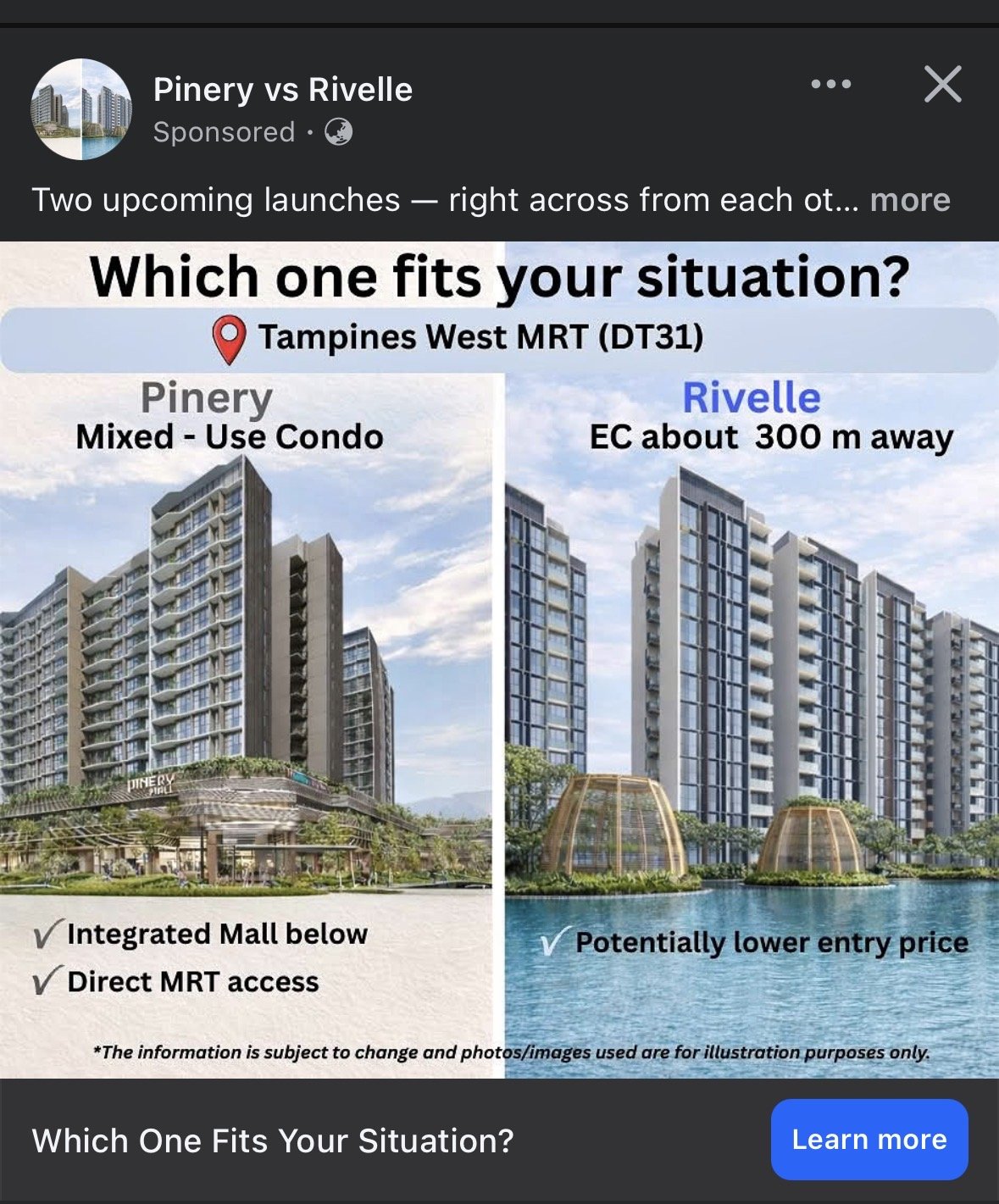
Pinery Residences - Which units are lucky?
Cecil Lee replied to Cecil Lee's topic in Around Singapore
-
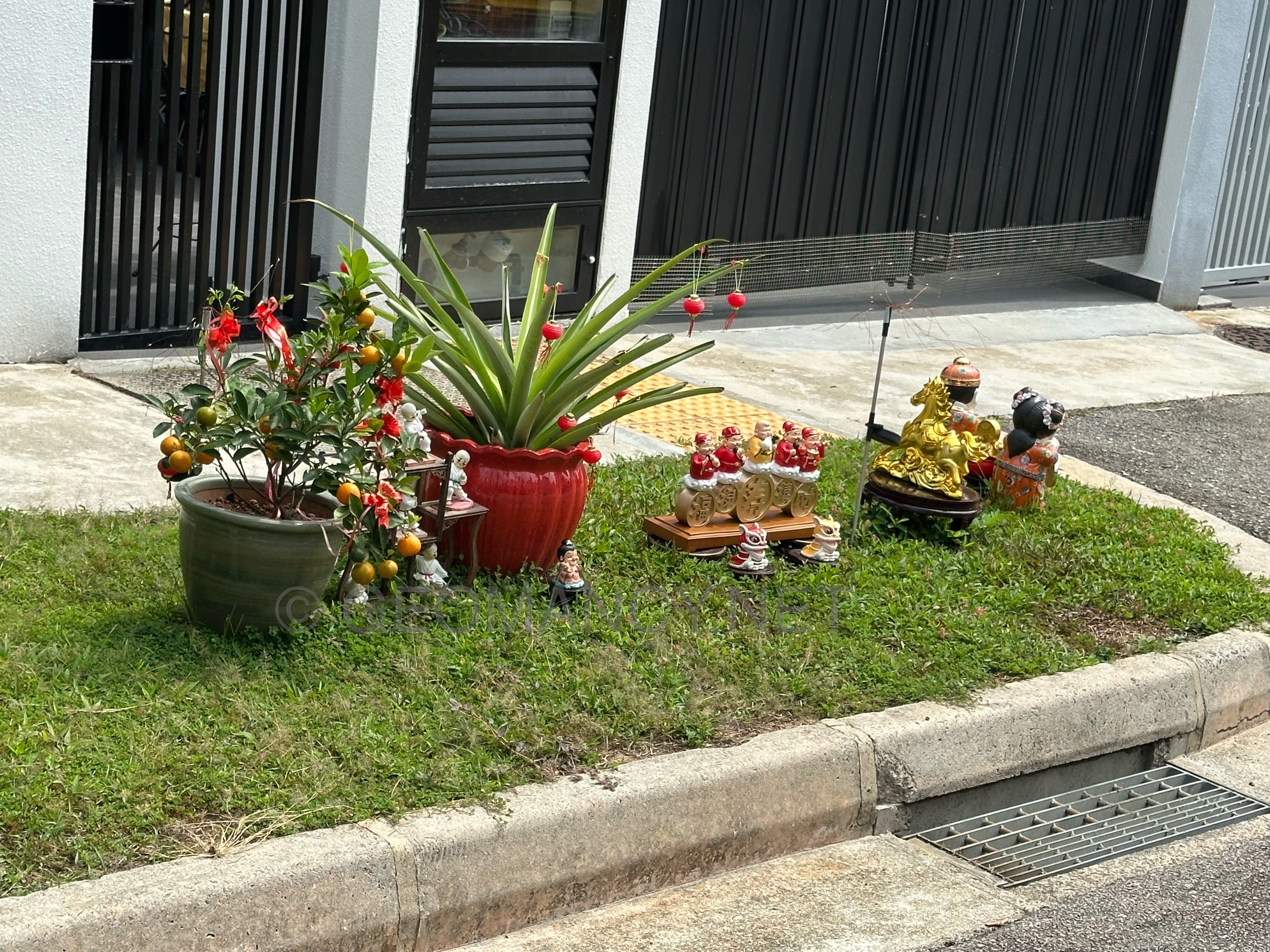
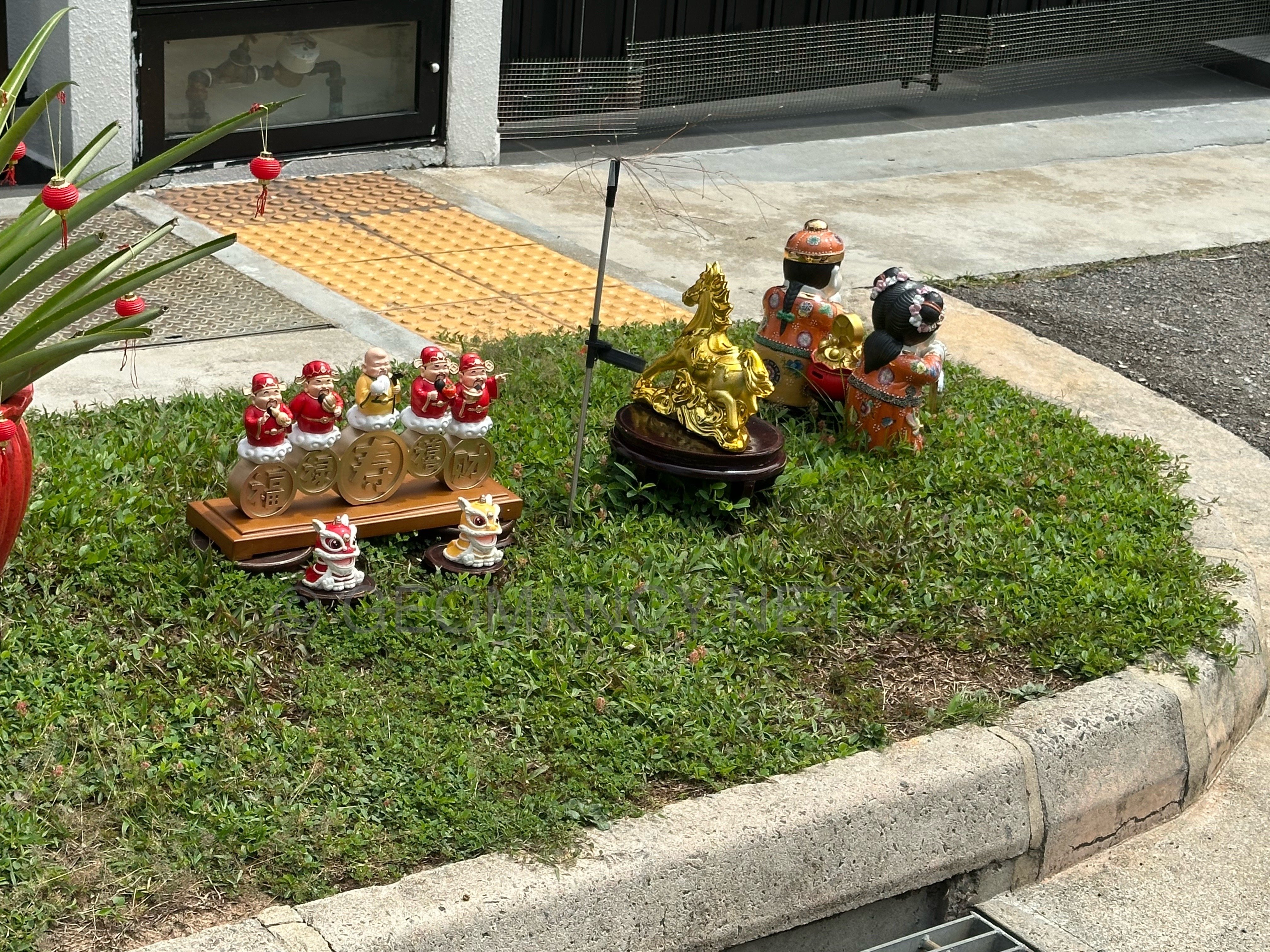
During CNY 2026 Source & Credit:
-
-
-
Sembawang Park area
-
Hari Raya Aidilfitri is a major Muslim festival that marks the end of Ramadan, the month of fasting. It is a day of celebration, forgiveness, and strengthening family and community ties, often observed with prayers, visiting relatives, and festive meals. Hari Raya Aidilfitri vs Chinese New Year 2025 31 March vs 29 January 2026 20 March vs 17 February 2027 9 March vs 6 February 2028 26 February vs 26 January 2029 15 February vs 13 February 2030 4 February vs 3 February 2031 25 January vs 23 January 2032 14 January vs 11 February 2033 3 Jan & 23 Dec vs 31 January 2034 12 December vs 19 February *Coincide
-
Day 9 – 正月初九: Birthday of the Jade Emperor - Significance: Major day for worship of the Jade Emperor, the supreme deity in many folk beliefs. - Customs: - Large ceremonies with incense, candles, paper offerings. - In some southern regions (especially Fujian), very elaborate rituals and feasts. - People pray for peace, good weather, and success. How the sugarcane plant is believed to have saved the Hokkiens According to Hokkien tradition, long ago during the Chinese New Year period, the Hokkien people were being hunted by enemies. They had nowhere to hide and feared for their lives. They escaped into sugarcane fields and stayed hidden among the tall plants. Because the sugarcane grew thick and high, their enemies could not find them. The Hokkiens survived by hiding there until the danger passed. This happened on the 9th day of the Lunar New Year, which is also the birthday of the Jade Emperor. Since then, the Hokkien people give thanks to the Jade Emperor on this day and use sugarcane during prayers to remember how the plant helped save their ancestors. Even today, many Hokkiens celebrate the 9th day of Lunar New Year with sugarcane as a symbol of protection, gratitude, and good fortune. On 24th February 2026, the 8th lunar day – for sale and ready for praying this evening on the 9th lunar day The bundled sugarcane stalks have just arrived. A vendor bought them and will sell them at her stall in a few hours. They are not meant for eating, so the stalks are simply placed on the ground.
- Yesterday
-
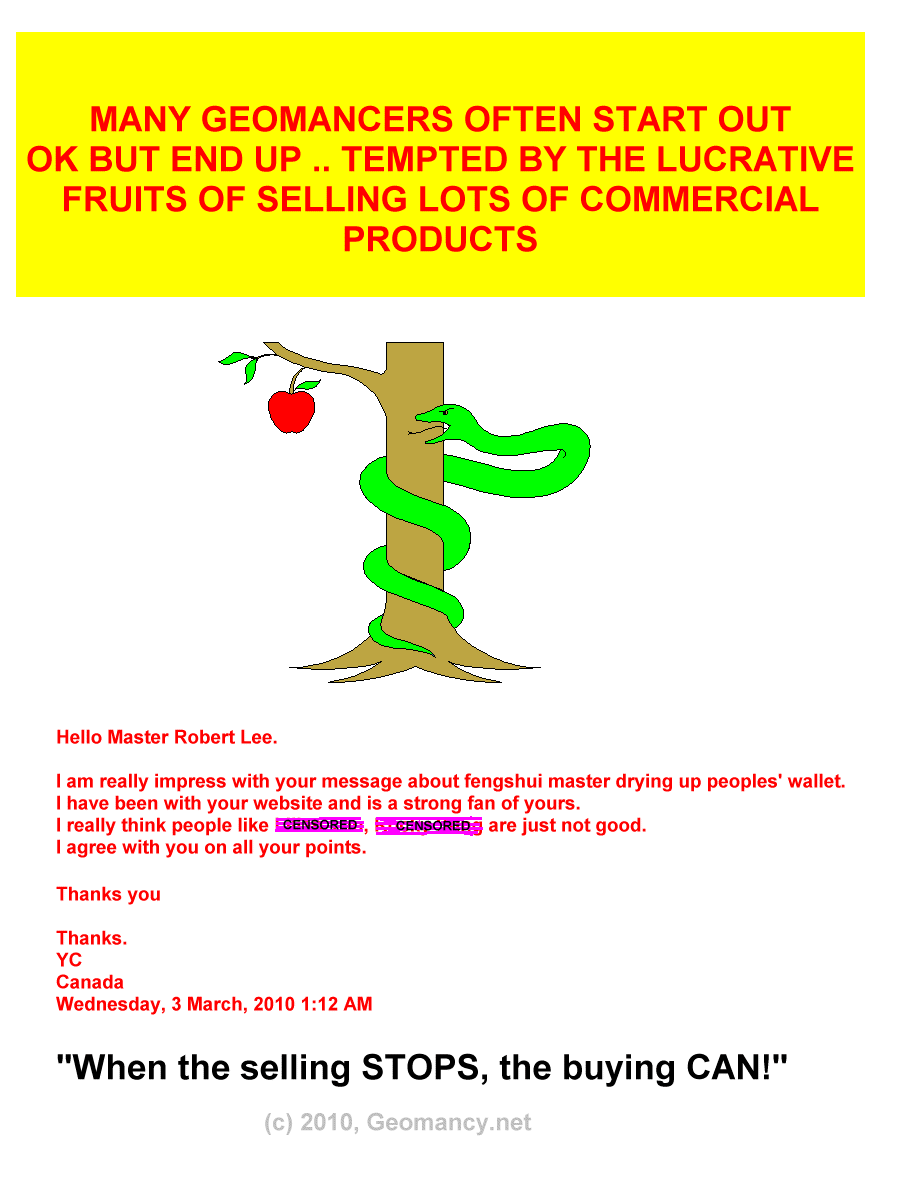
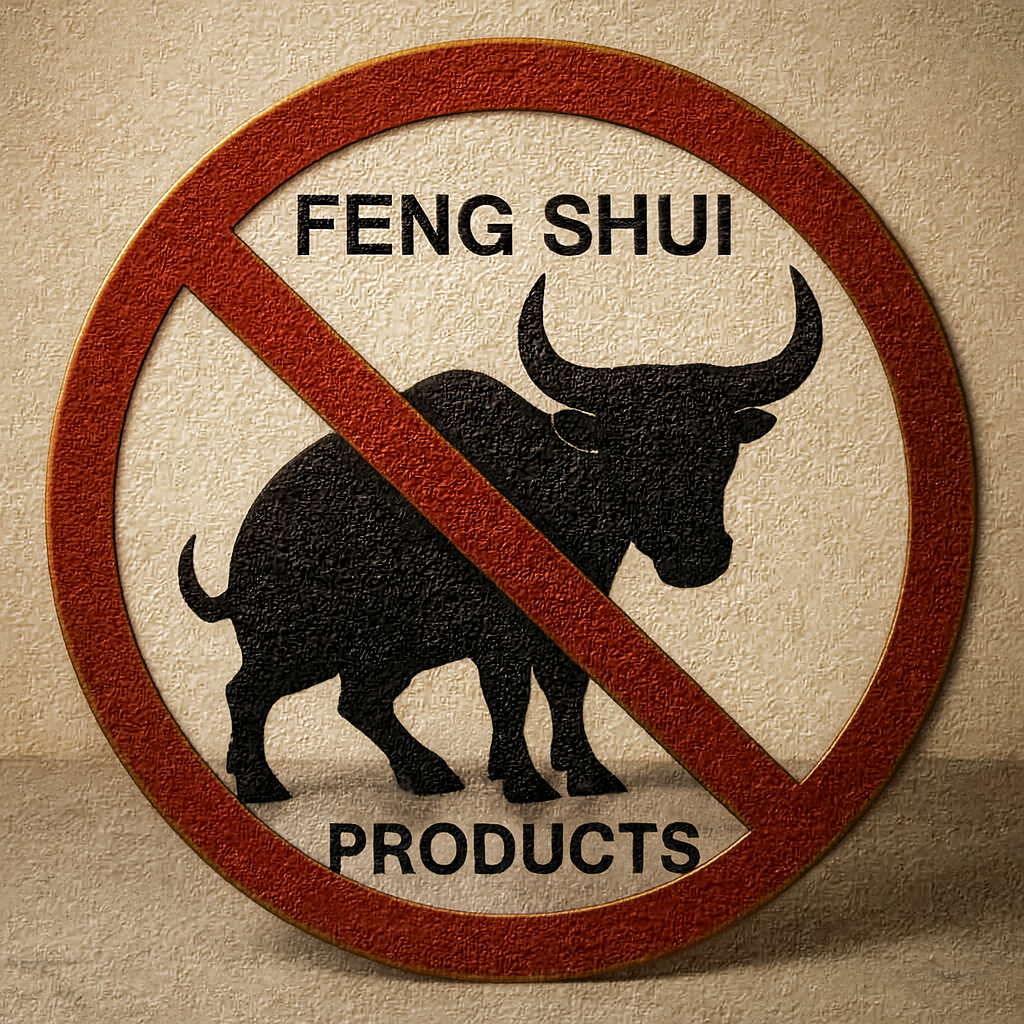
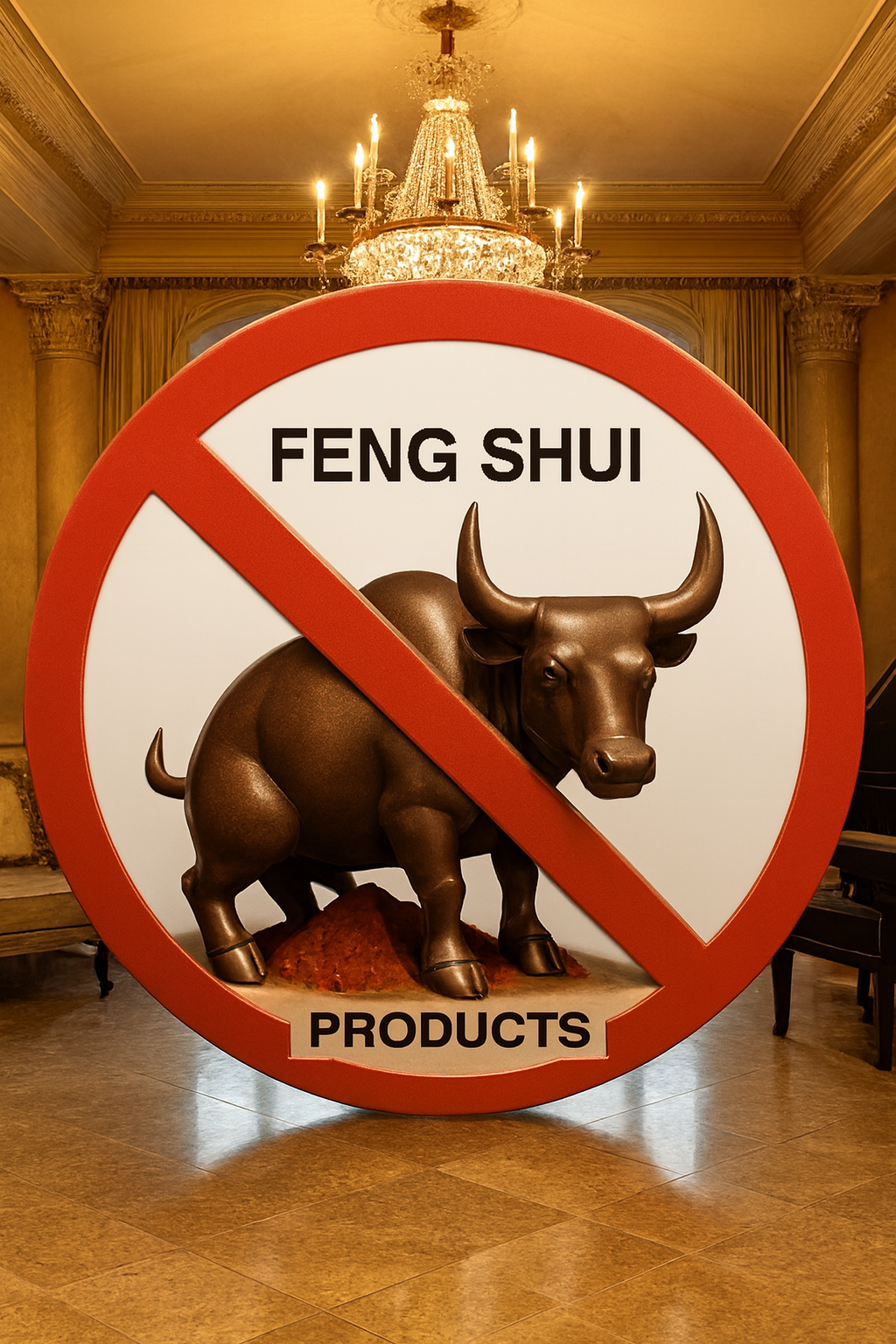
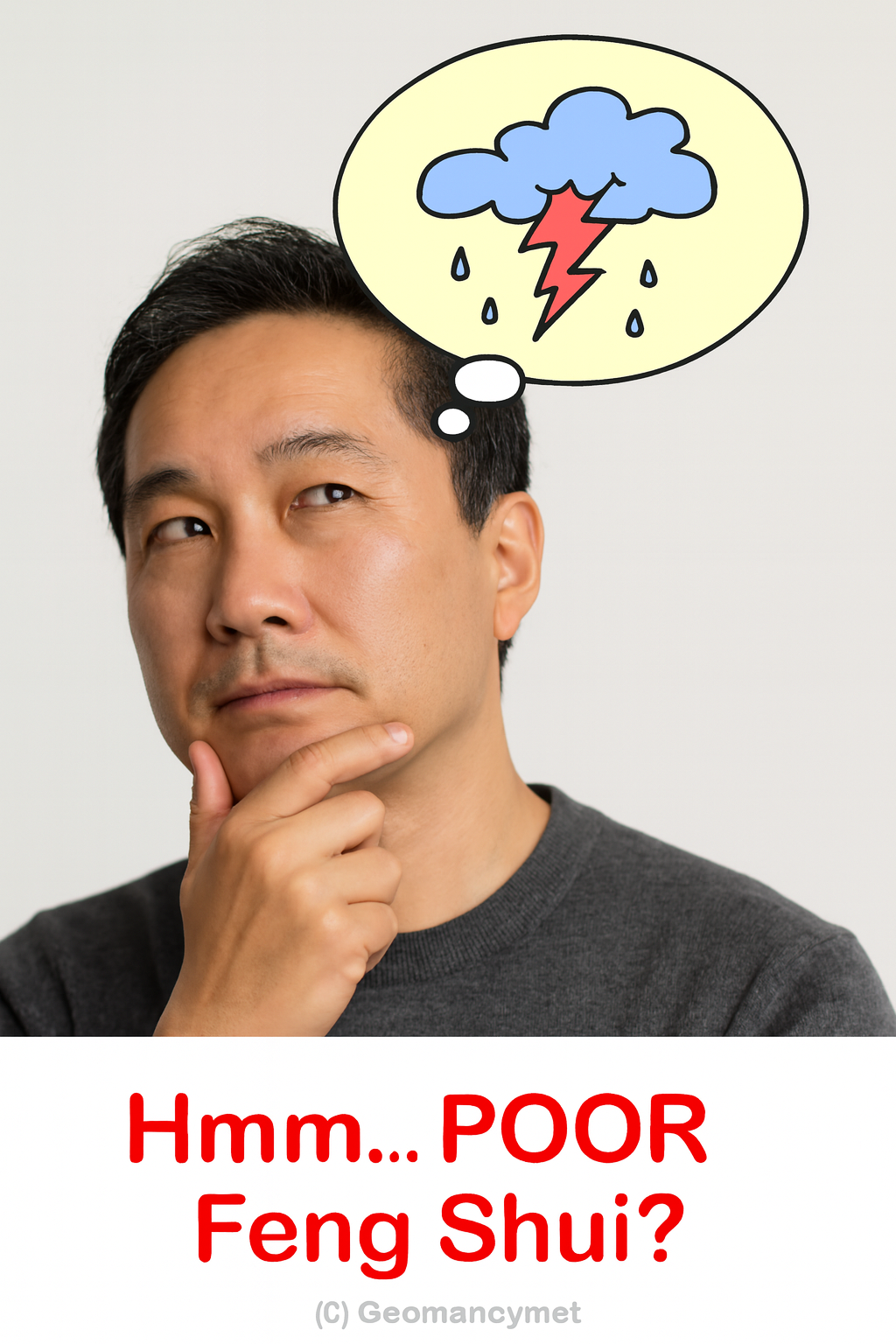
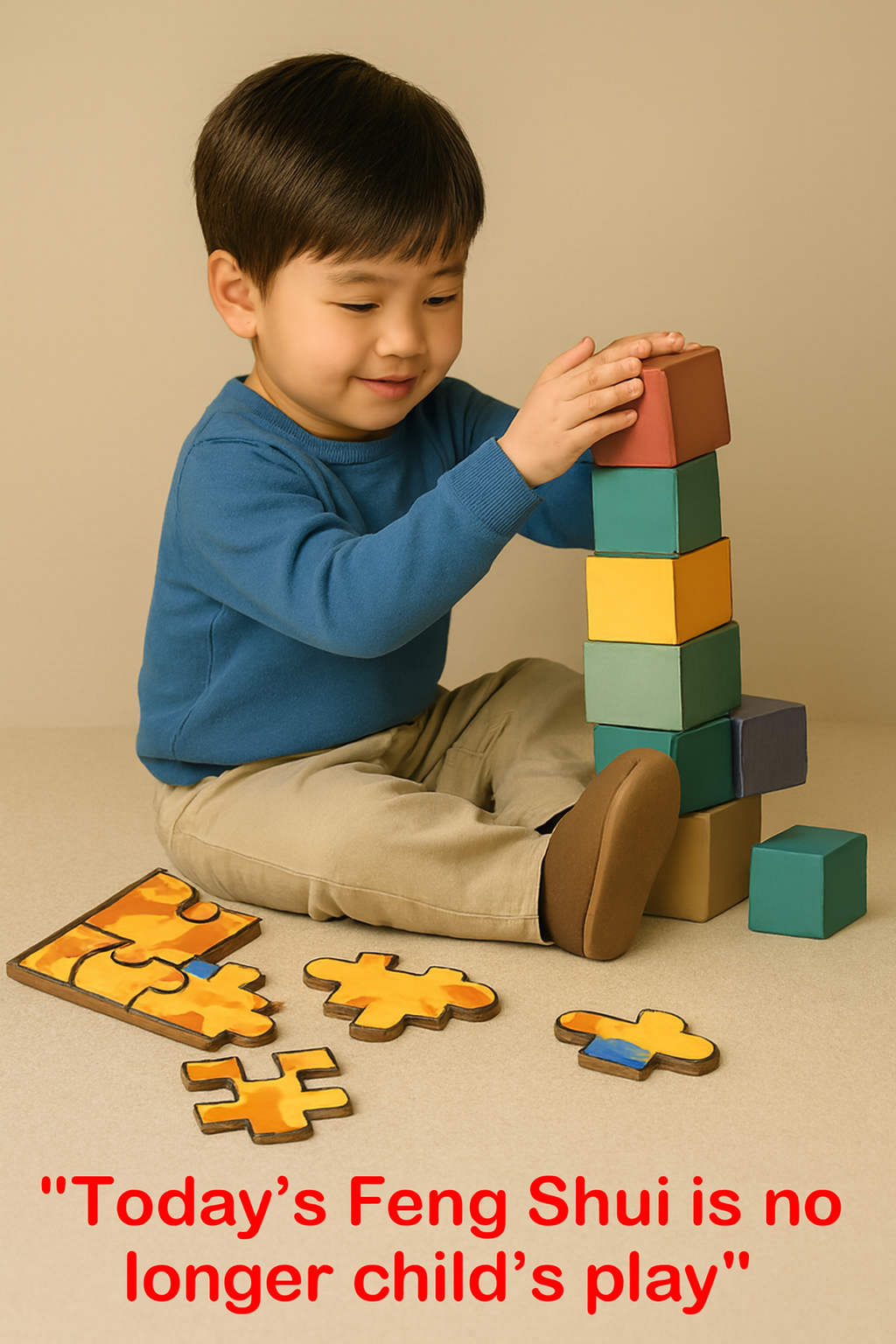
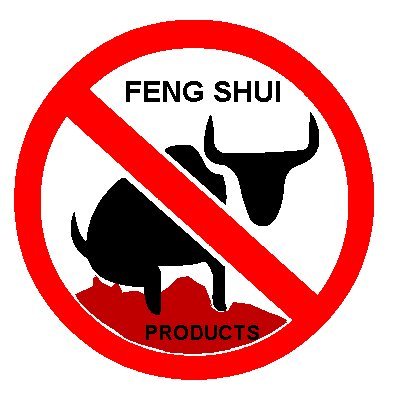
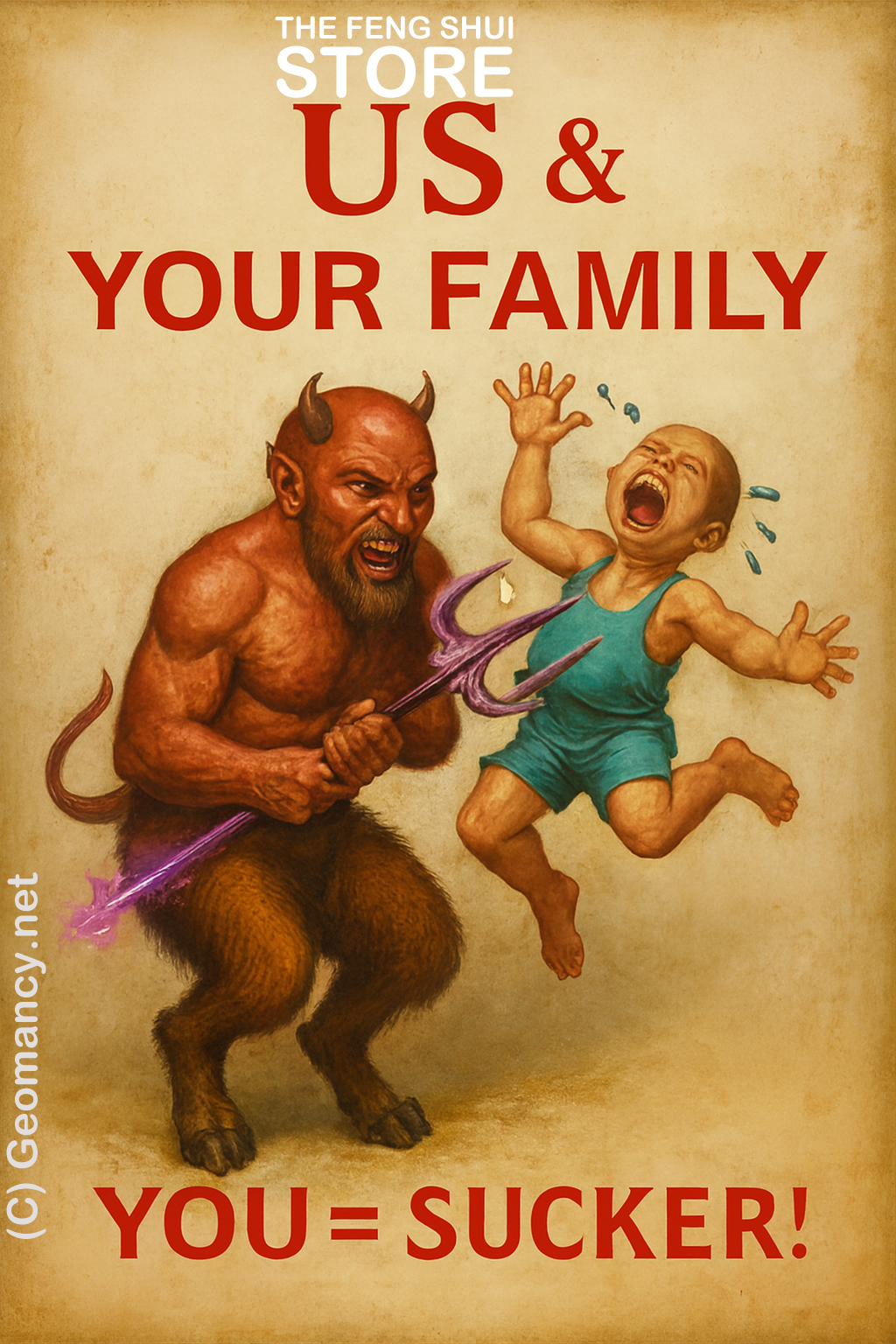
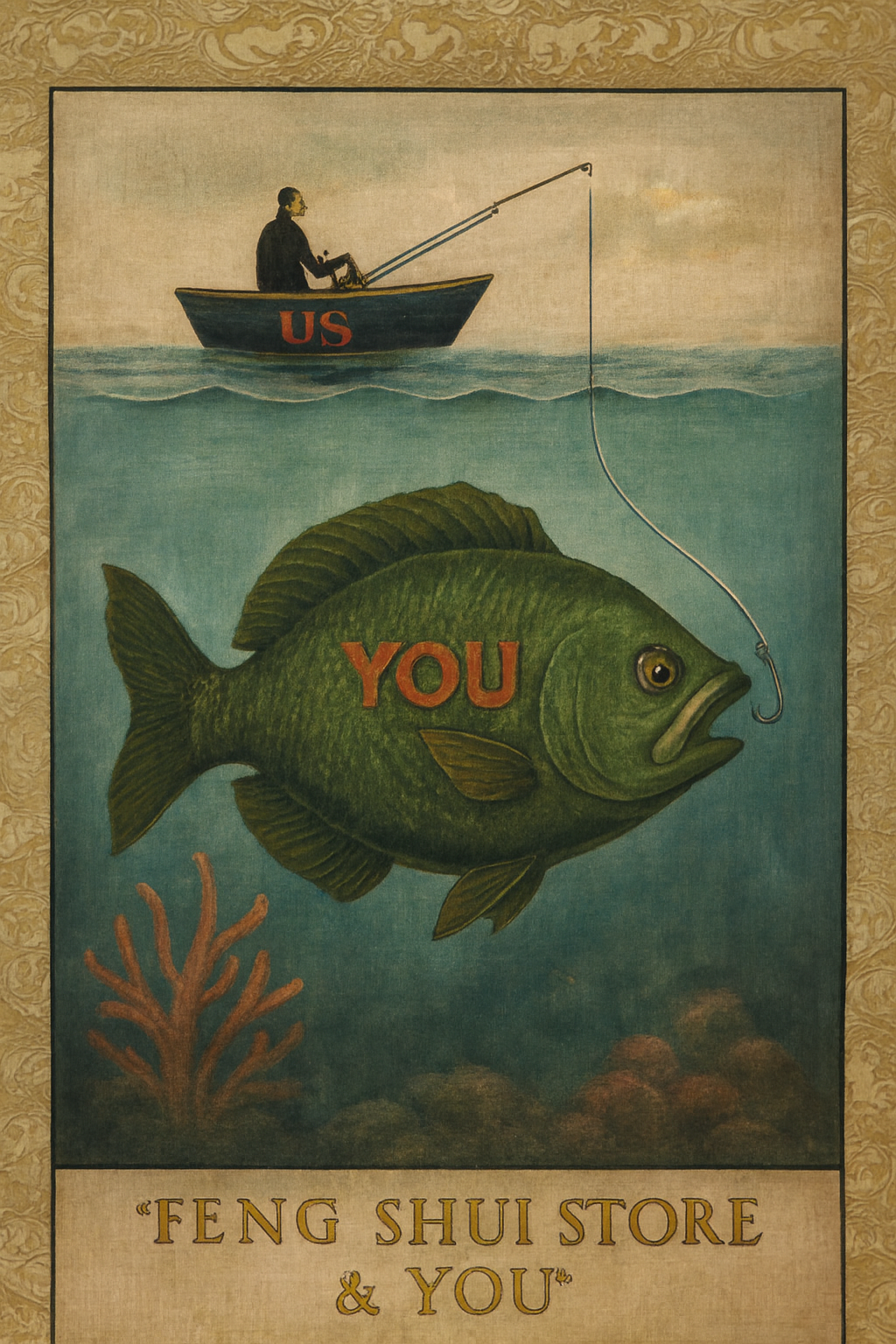
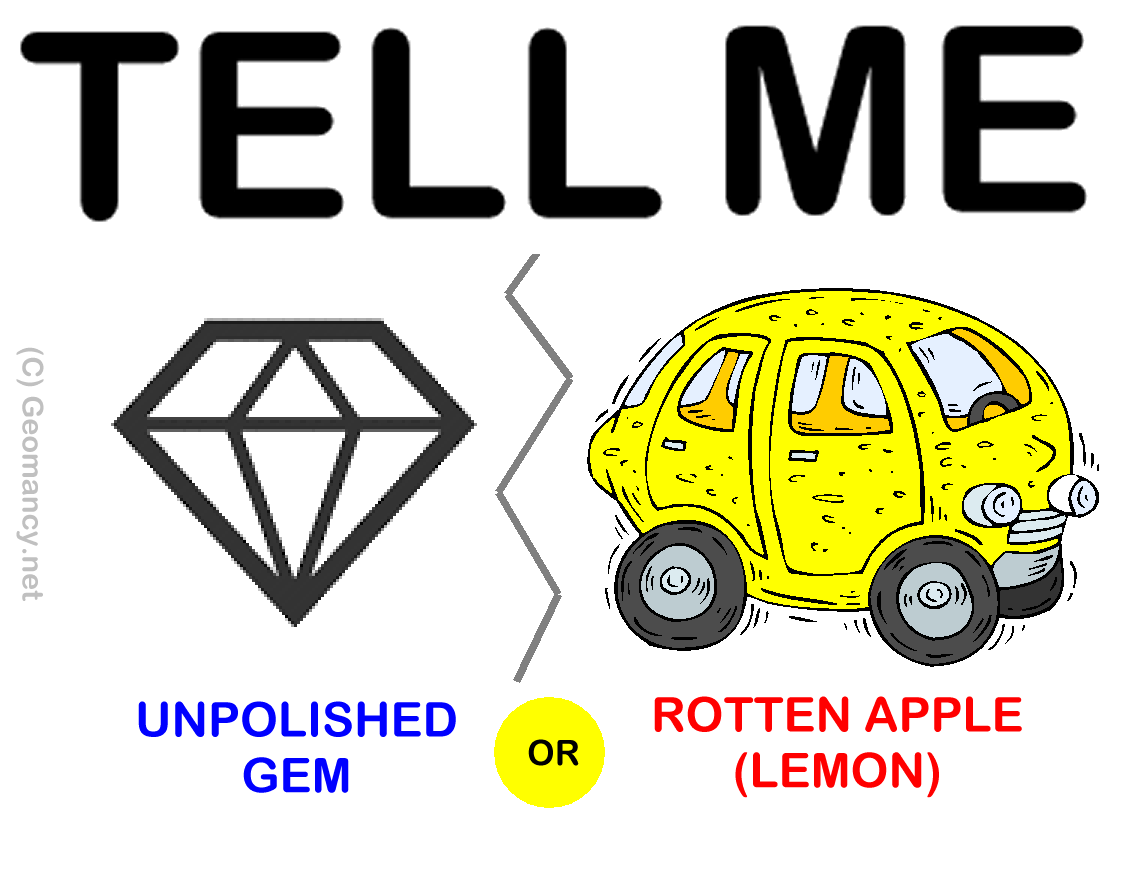
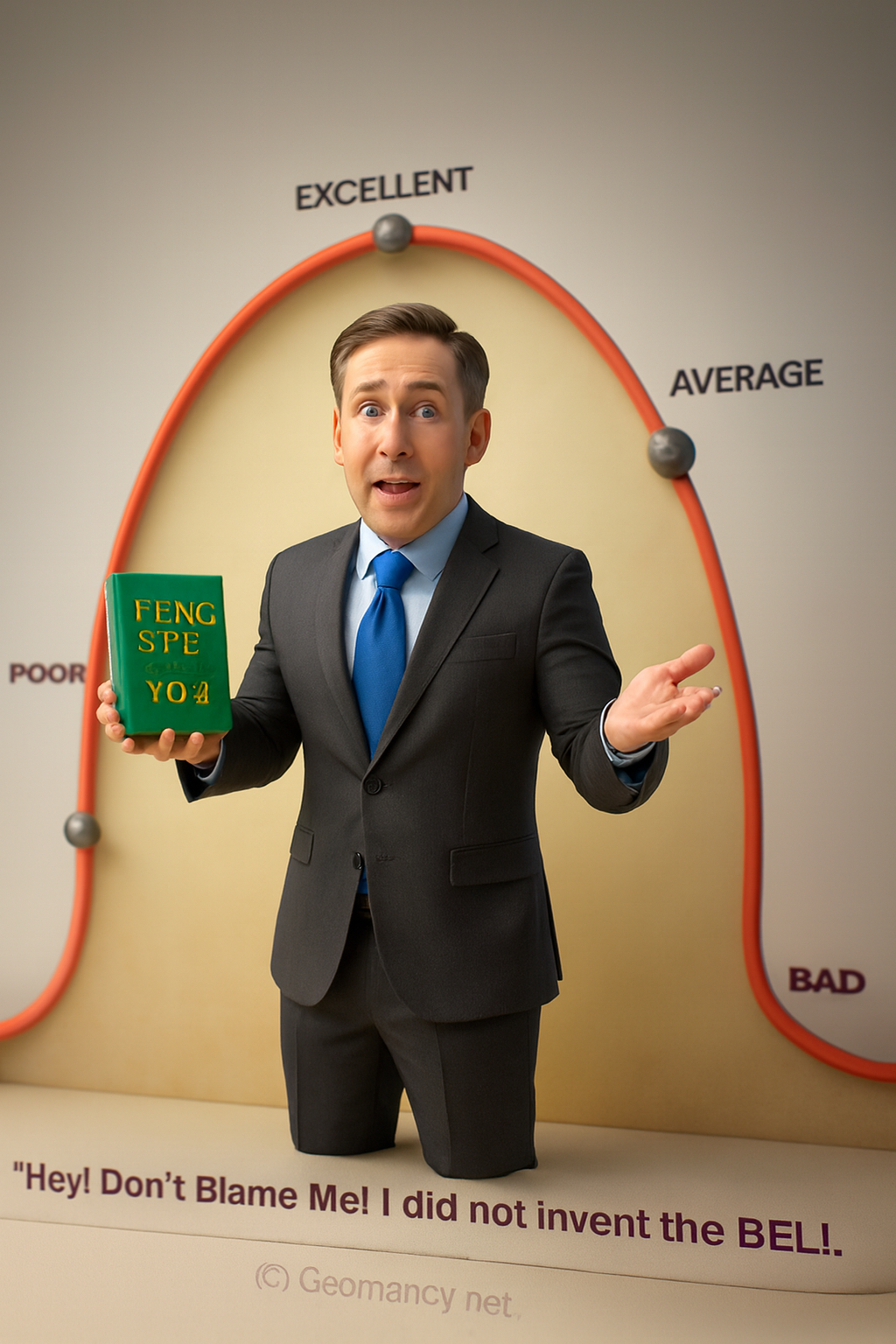
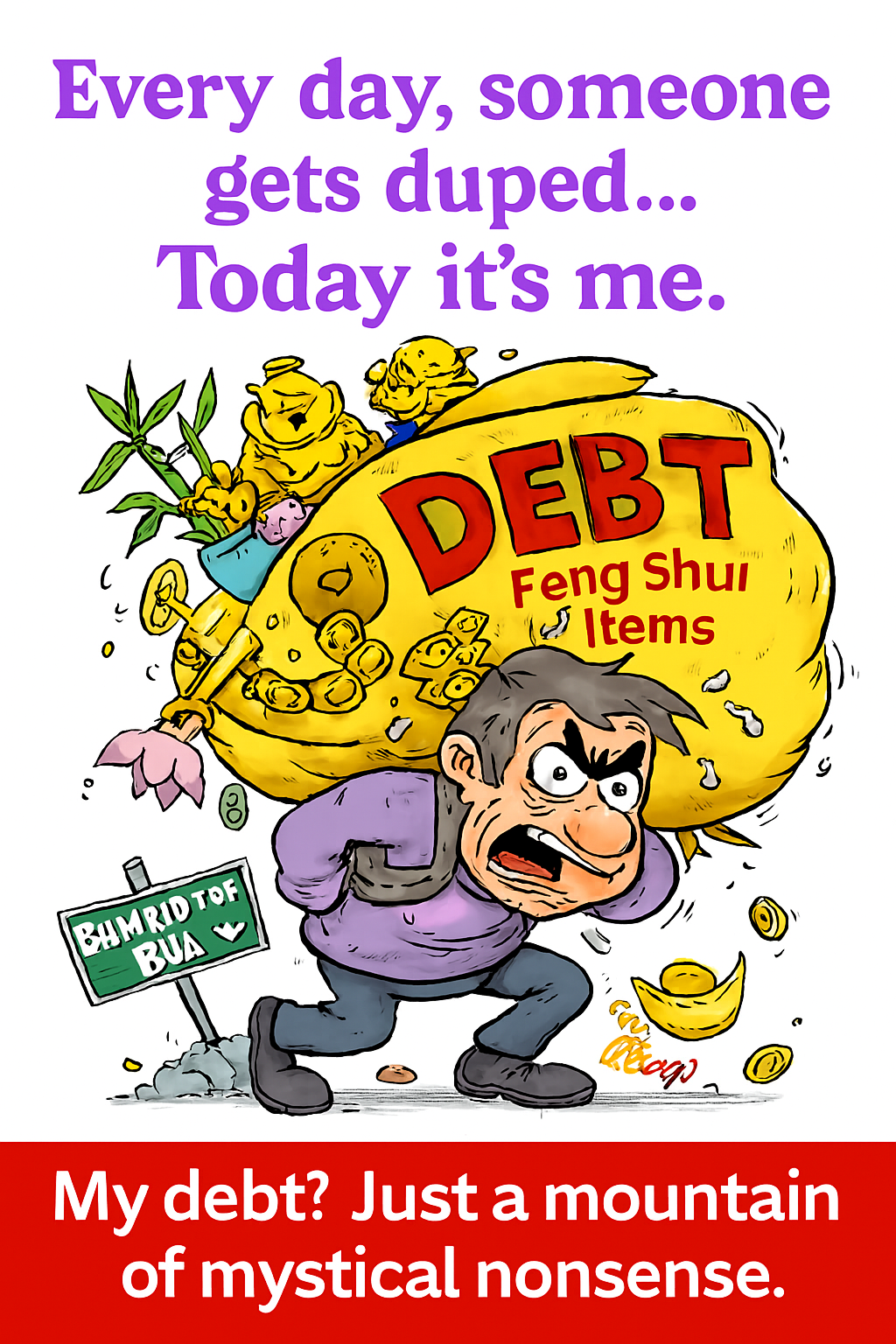
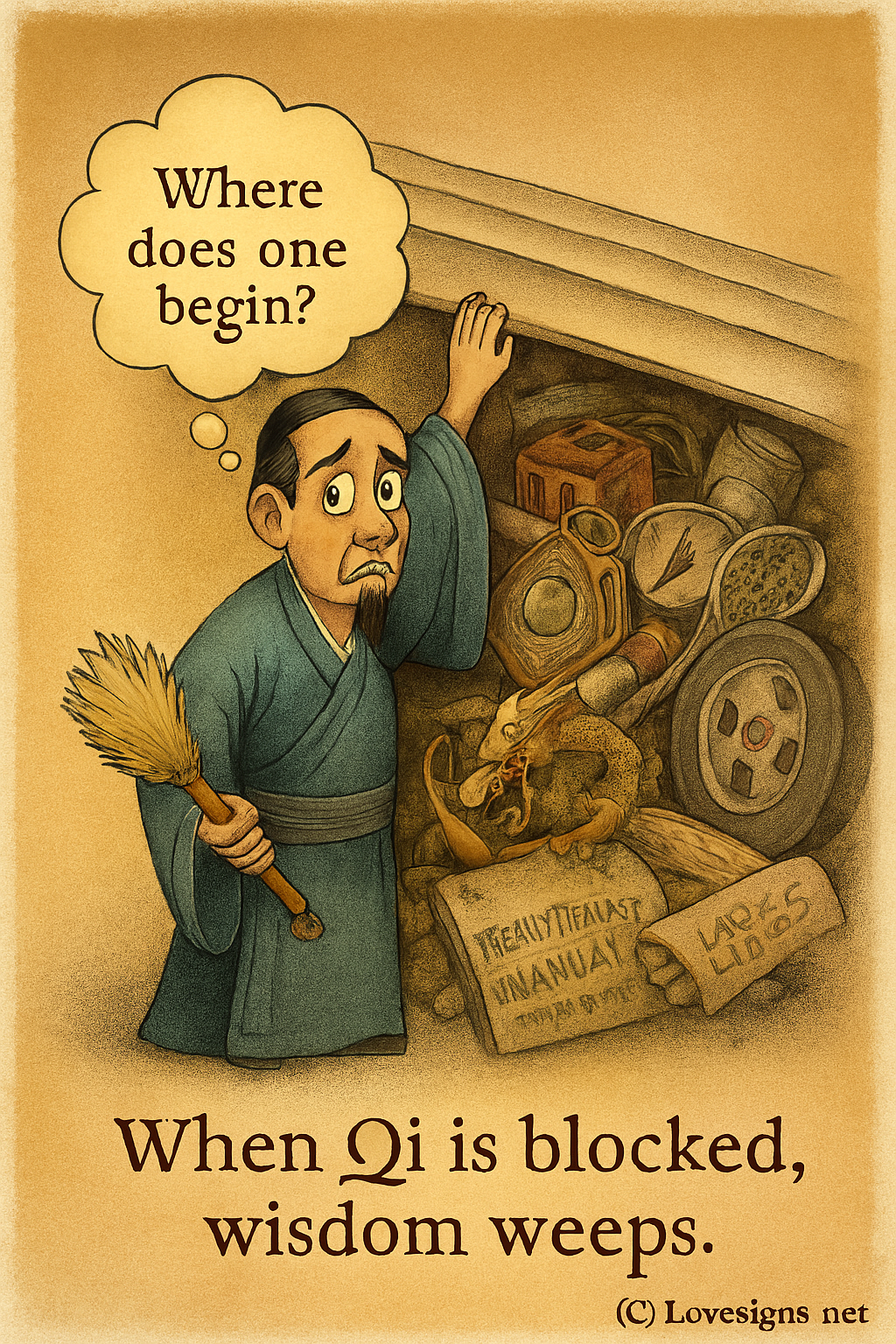
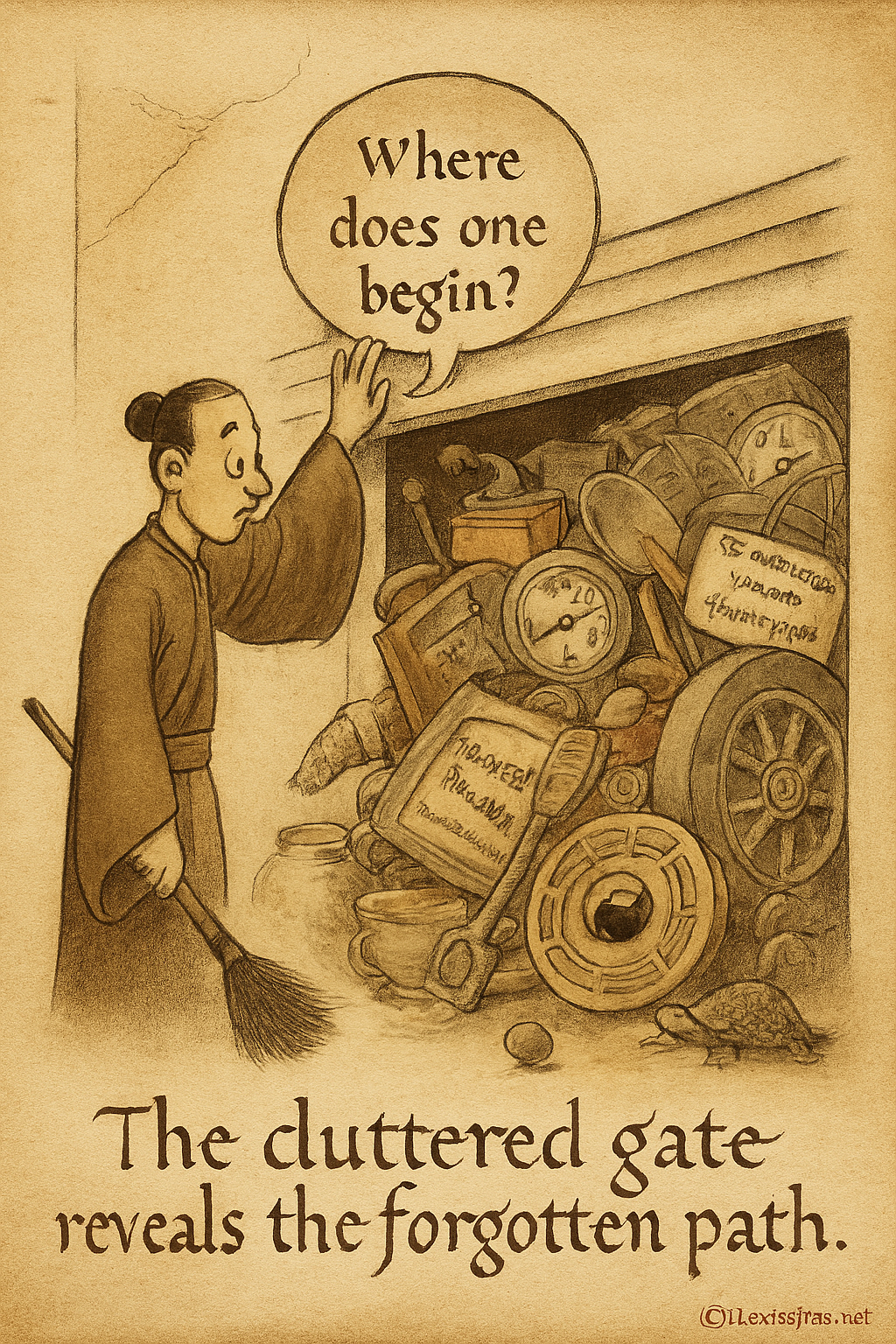
About Fake Feng Shui \
-
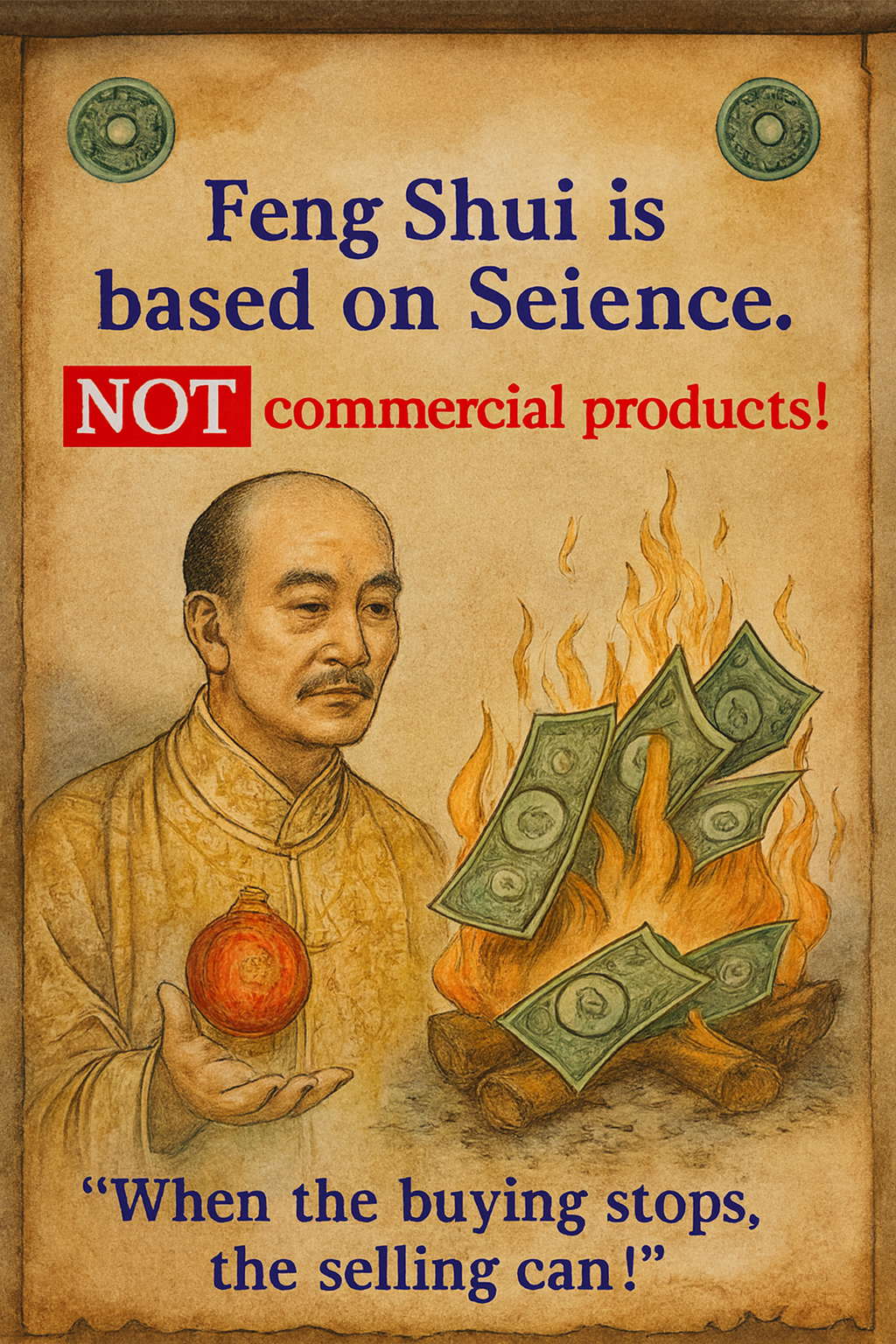
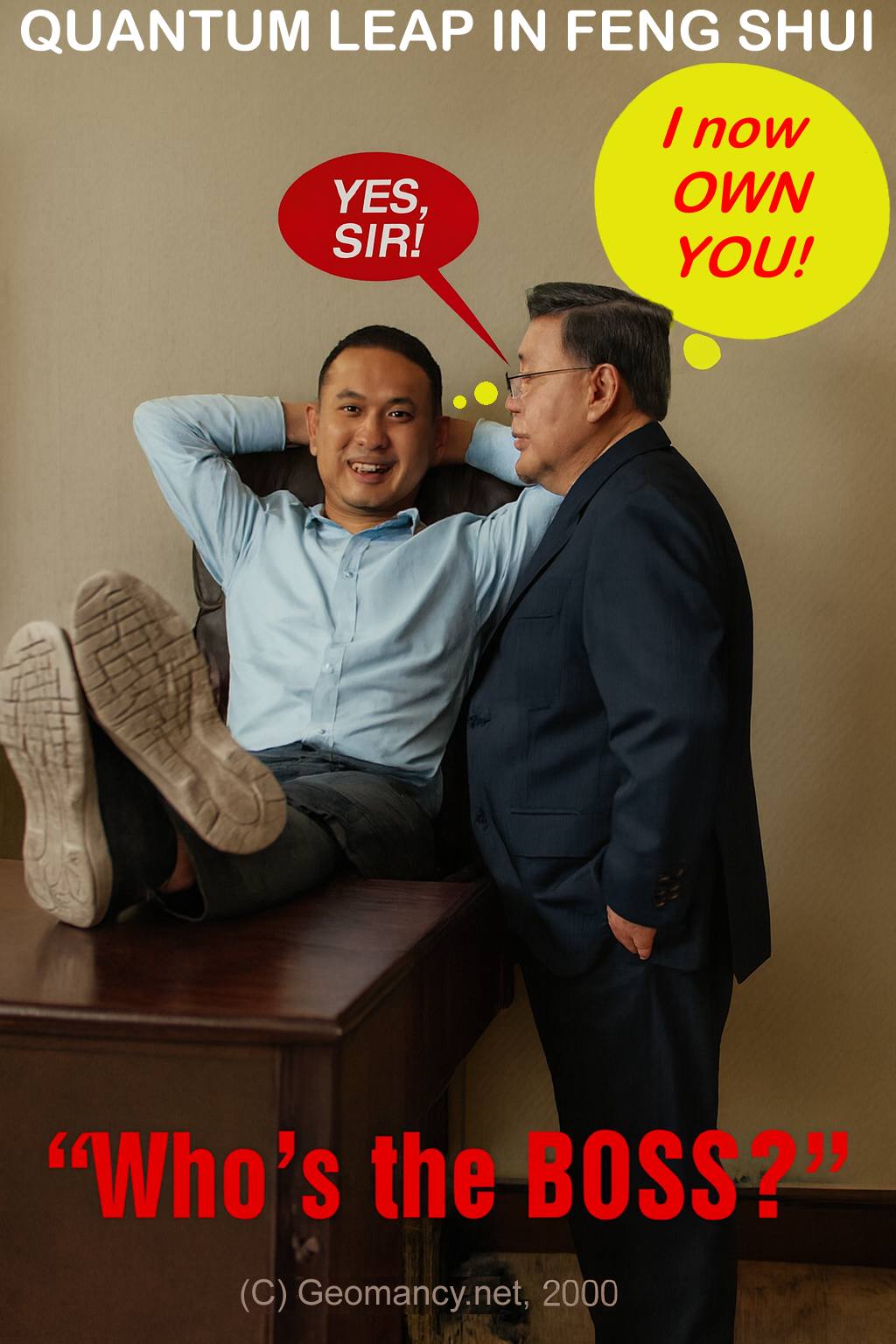
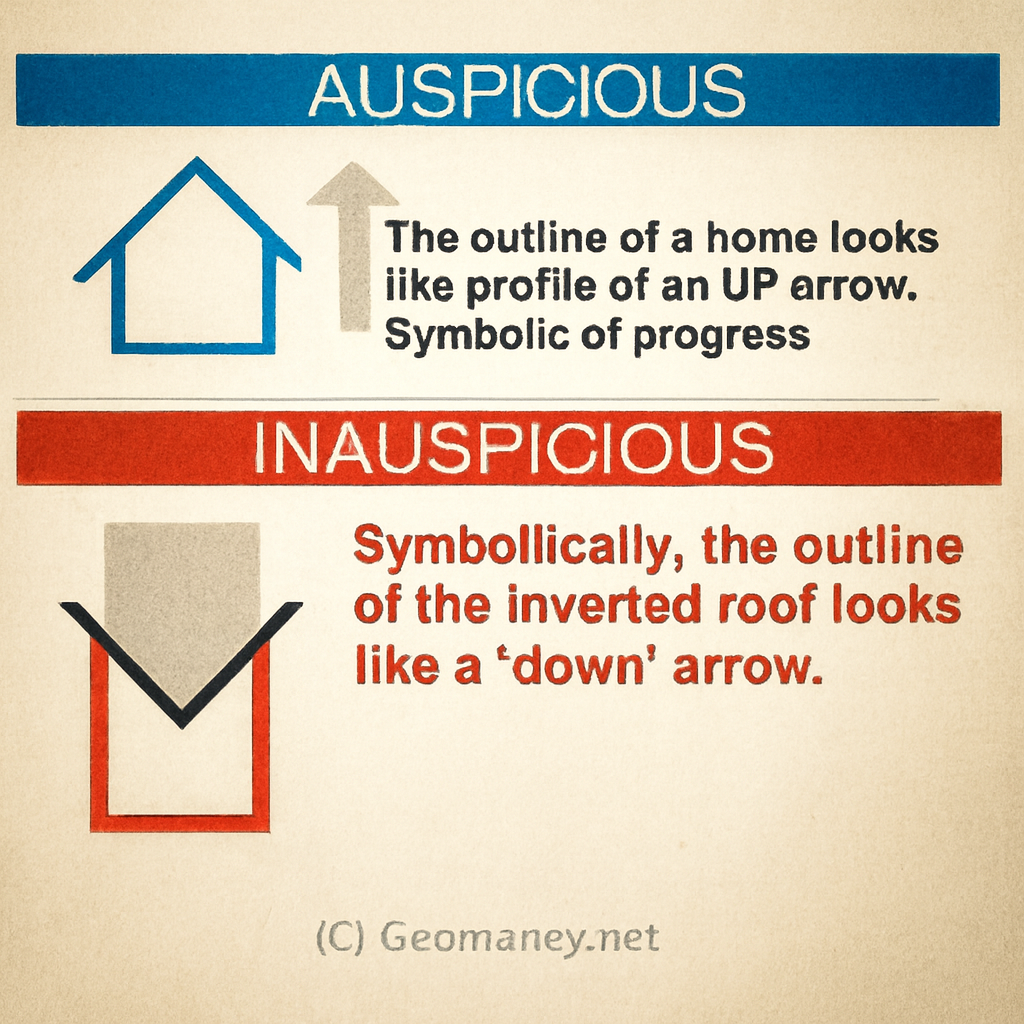
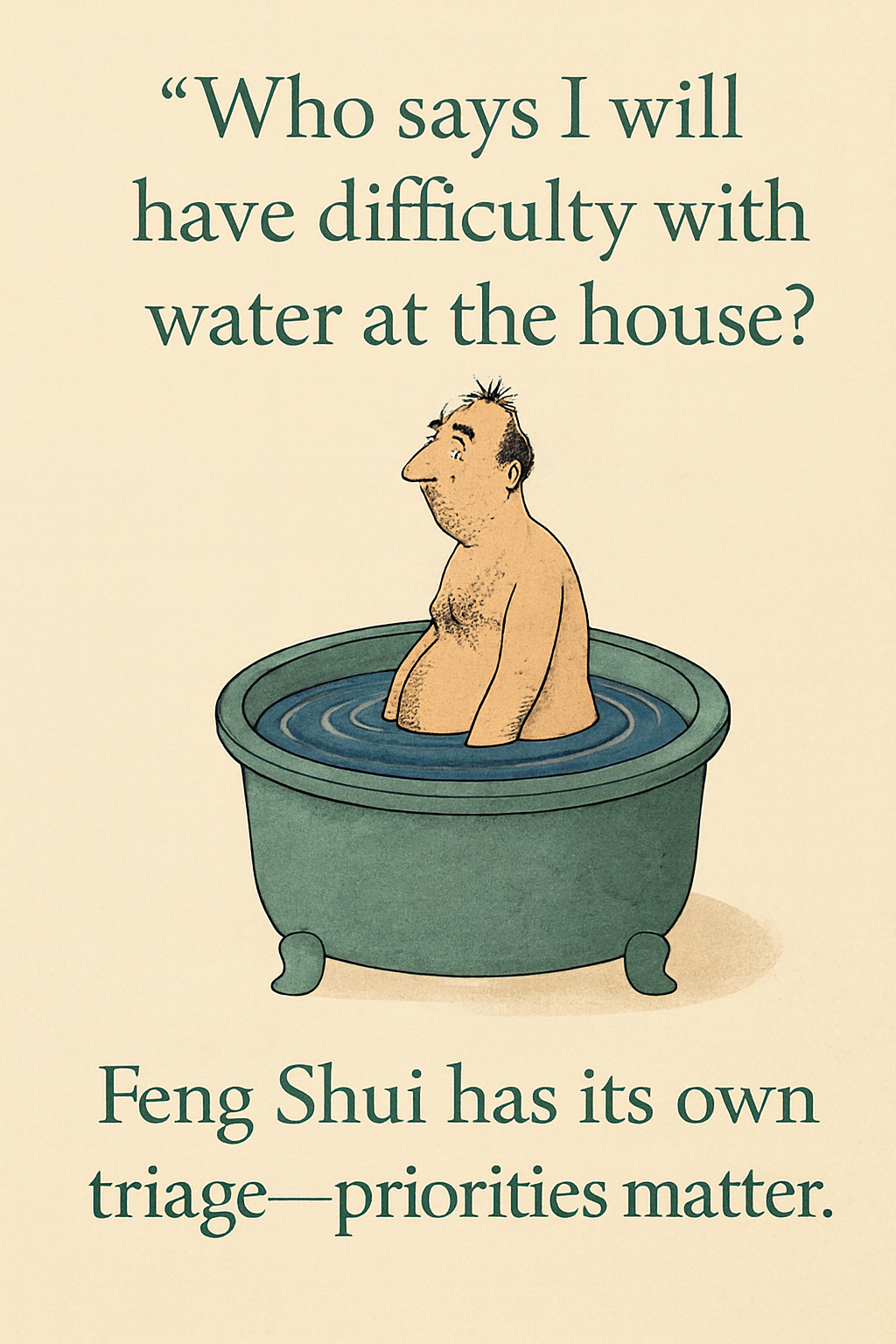
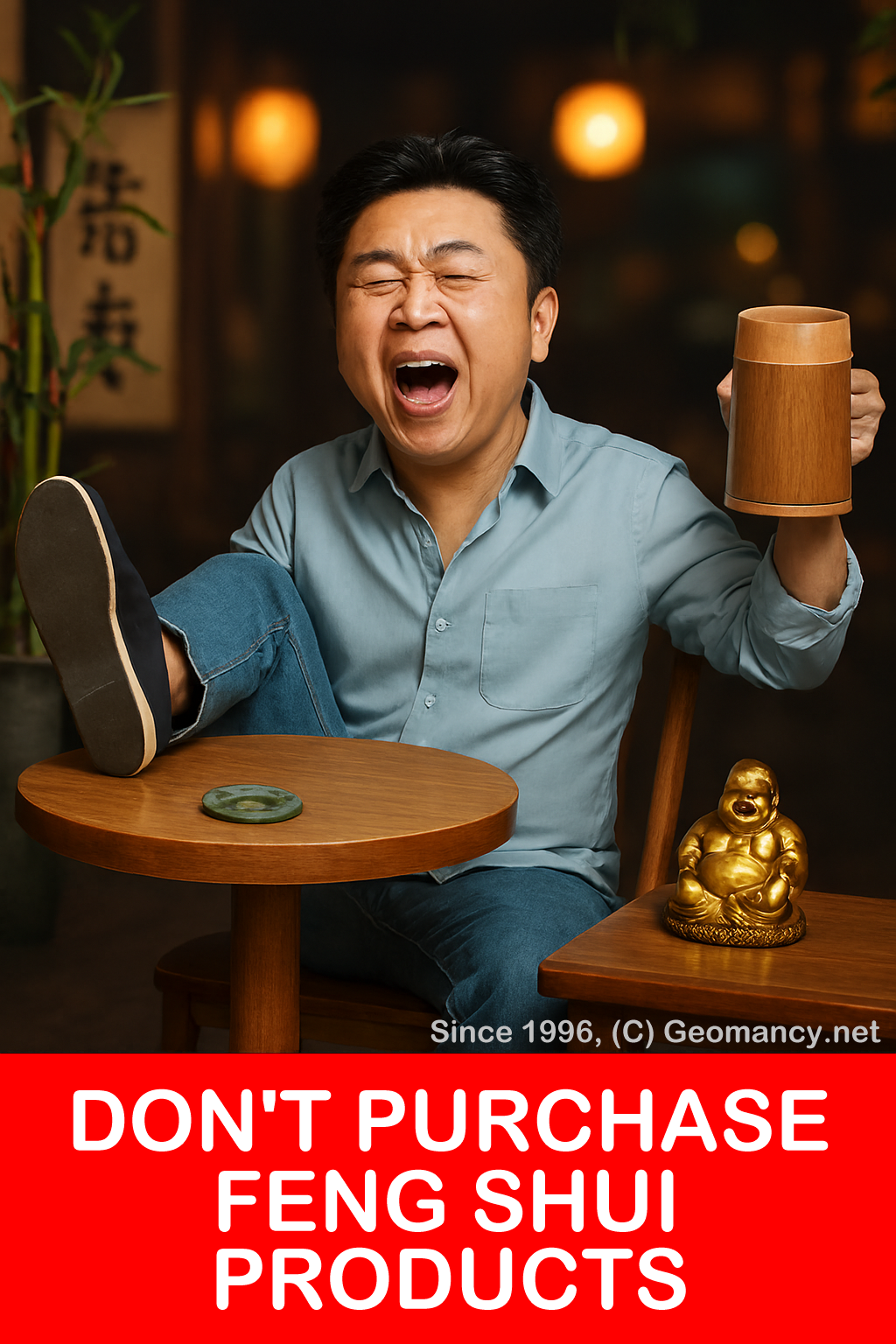
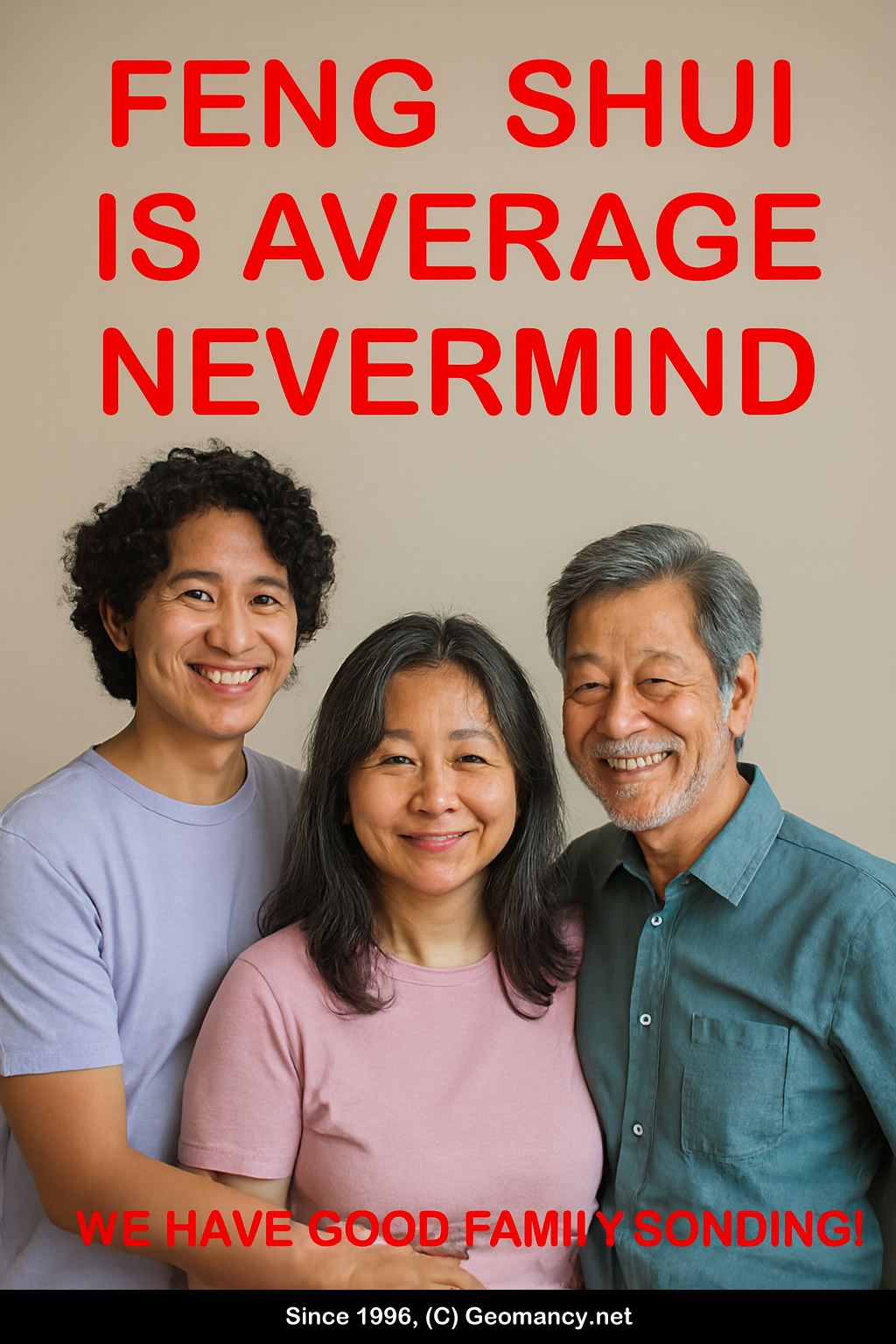
Samples of Geomancy.net educational messages This is just the Tip of an iceberg +++ Edited just now by Cecil Lee
-
Day 7 – 正月初七: Renri (人日) – Everyone’s Birthday - Significance: Human Day — according to tradition, the day humans were created; considered the common birthday of all people. - Customs: - Celebrate people in general: good wishes for everyone’s health and longevity. - In some regions: - Eat Seven-vegetable soup or Seven-vegetable congee. - In Cantonese regions, eat yu sheng (鱼生, raw fish salad) for prosperity and rising fortune. - A day to appreciate human life and relationships.
-
When to start work? 2026 2027 2028 2029 2030 2031




.png.52014a2be93c36a1999434d2088e1671.png)
.png.c671743be26d12303eeb29709573ae5a.png)
.png.efe1925b82989e94cfa1cbff7873e5bd.png)
.png.05dbb02d27932deb525196b8e27f9dc1.png)
.png.44797c336de9ea1244e6358f77037f42.png)
.png.e1a92ae91070691b24a1abd5ae8d057a.png)
.png.e5fa3f56ba4b6b641373ae5bc738ce34.png)
.png.856c11983102346d73dab2d61b64aab4.png)
.png.50878b66dff0bf88b10a936fdc4b92c2.png)
.png.1fde2d3188c7d1ce904d54190e2cb2cf.png)
.png.91460c719d844a9e15351e2a9be3ca58.png)
.png.b718ed08c08c1a1737beaa396ee683e7.png)
.png.62a26dc3a81dc5de571a2afabf68a26a.png)
.png.902c41ad4f711ac6afde0ae27f82b3a6.png)
.png.1ecaf24f5e317eabca8b0b946b592e85.png)
.png.554b91101b7f608454f82fb144ff2cbd.png)
.png.d7b50a9b04348066f2e948addcd04285.png)
.png.26c32eb7600d81c6656e7a1890d1a21c.png)





.png.facb4b8b005b6cfbff0e73e2eec8831c.png)
.png.d929e3411d6f89f305cd57f8d162fa48.png)
.png.02db966f656909a68799b66bb454d63c.png)
.png.ebbfea50bc5103c4ed98c0086d47352e.png)
.png.c1c3a45cdcaf24ef161ac33db6c9f938.png)
.png.f40be43c9c6f14126d0de2eafeb169db.png)
.png.5fdaa18d64e581efb37e721f28d434cc.png)
.png.0a74a54f1e47602459879c1c340f1b15.png)
.png.ec6b478f11262aeee9665bfde8a9893f.png)
.png.1296adea38444ccfeded4c3f33ff43f1.png)
.png.97fff8c3806fc99e60b2ce41a94da843.png)
.png.0da70121b5d636a58b4fb69f4db43069.png)
.png.3043e411a142bce2c1179df278f55186.png)
.png.15987cf3ef62a8295d1aaa5bbeb1a6ce.png)
.png.4a6a15b81f1bf694a5315b427448d259.png)
.png.a9f494997d5354b78264bdaa0e2be286.png)
.png.3e2ae03f6f97a2a512263d545355ea5e.png)
.png.f6e4ec4014fc747bb140c68ddb26d0b4.png)
.png.a4c3e0b9ce02afc77b90e4df4ddebf78.png)
.png.7f3d1c4ee8759ab27dd3929b9cb2f9d2.png)
.png.ff7690a51efd99d4b0545e4006fdedcd.png)
.png.8369addf30de085ee12de23c247f049e.png)
.jpg.e3ed434d25936aa5c6c0565ffbb09e41.jpg.64f00c60c0fd3dc3b600044e099d0334.jpg)



.png.3956918dba441d382cf5f8067662191c.png)
.png.5c8b2751998ff967b6c0ef69dc2a18b0.png)
.png.0484be9965f2b9bc175baa565eddbe2e.png)



.png.c81cf86091b897a137b5d788ea34e600.png)
.png.358478e12fc8921c8d60ee2cb8996f74.png)
.png.135bb590f89987aaae1507e405116e2d.png)
.png.48992fc2dd05267af1704e9ee08e3f48.png)
.png.f8bb45ec075f8dd63791bf8e7c868749.png)
.png.5b10222f27fe11363b47e9822028a584.png)
.png.a42c6336ac7dafdf77f9d273eab711ef.png)





.png.f4e272a562f91907b9f29dd0e8f72d77.png)


.png.6ea92227935b1ad2565b64287cd779c7.png)
.png.37652306efd44c56b3a94e00de4086cf.png)
.png.4e506cd5ffbe21a9af4cfcf50cd215f5.png)
.png.4ab97504a63df10b6e080477769ca9b7.png)
.png.b43998fb2c0f58868eccc6d8d5786978.png)
.png.08157bad0e2ea715ee03b9f9e209c051.png)
.png.01b97b5ea17f89f4449c4ab7aff9c5da.png)
.png.d719103bb0a334b56d44329f092d736c.png)

.jpg.574a2bb219f39415ec03654390915b38.jpg.58b3414dbb36a653169e80d52c559e75.jpg)



.jpeg.296cb6d6aeb6171ff103c8fccc8b3287.jpeg)


















.png.e85a96609777e90f91171ae0619f4f38.png)
.png.1845fda9db685b1e4536c769d7bb42e2.png)
.png.774e0d982fa4c80c3f92bc133655e137.png)
.png.54a94985bd4e7c0883315a9dcb2ec3f2.png)
.png.70fd8e78eaafeab32a4d0513f350fe8f.png)
.png.612b9ecf7c74b7dd773e1c01ec327dec.png)
.png.b2b42affadf6eabd10d0c2ad107b0944.png)
.png.67b296e8ea0047a9cd0cad9feb1f88a8.png)