
All Activity
- Past hour
-
The forum discussion revolves around traditional Chinese taboos concerning marriage timing after the death of a close relative. The user asks whether, after their fiancé’s grandfather passed away, they must marry within 100 days, wait a year, or if they can choose freely. Master Cecil Lee explains: Two common traditions exist: Within 100 days: Some families believe marriage should be held quickly, within 100 days, to “convert grief into joy.” After one year: Others believe marriage should be postponed until after a full year of mourning. Family customs matter most: The choice depends on the family’s traditions and the elders’ preferences. Flexibility: There is no universal rule; couples can decide based on what feels respectful and practical. Practical advice: It’s best to consult both families to avoid misunderstandings or offending elders. Summary: The timing of marriage after a grandparent’s passing is guided by family traditions rather than strict universal rules. Couples should respect elders’ wishes and balance cultural beliefs with personal circumstances.
-
The page you’re viewing is a forum discussion about wedding invitation etiquette and taboos in Chinese culture. A user asks whether it is inappropriate to print the words in a wedding card in red. Master Cecil Lee responds by clarifying the cultural context: Red is auspicious: In Chinese tradition, red symbolizes joy, prosperity, and celebration. It is commonly used in weddings, especially for invitations, decorations, and attire. No taboo against red text: There is no rule forbidding red ink or red paper for wedding invitations. In fact, red is considered highly appropriate. Contrast and readability: The only practical consideration is ensuring the text is legible. Gold or black text on red paper is often preferred for clarity, but red text itself is not culturally problematic. Superstitions vary: Some families may have personal preferences or traditions, but these are not universal rules. Summary: Printing wedding invitation words in red is not only acceptable but culturally auspicious. The key is balancing tradition with readability and family preferences.
.thumb.png.53cc295838ff3ee775062a816fbf9929.png)
-
Summary The forum post begins with a user expressing concern after buying an HDB flat, only to discover that the previous owners were divorcing. They ask if this history could negatively affect their own marriage. Master Cecil Lee responds by explaining that Feng Shui focuses on the layout and energy of the home rather than the past owners’ circumstances. Key points include: Apartment layout matters: Each home is unique, and its design can influence relationship dynamics. Flying Star Feng Shui: This method can identify potential issues linked to divorce or marital strain. Star #3 (“quarrels and scandal”): If present, it can cause conflict. Remedies include avoiding water features in certain areas and using specific colors. Water features: Poor placement can worsen problems, while correct placement can enhance romantic energy. Commercialization caution: Later commentary warns against Feng Shui practitioners who focus on selling products rather than offering genuine advice. Authentic Feng Shui relies on energy flow, orientation, and timing, not expensive items. Conclusion: The divorce of the previous owners does not automatically affect the new buyer’s marriage. What matters is the Feng Shui of the home itself, which can be adjusted to support harmony and reduce risks of conflict. geomancy.net The forum post begins with a user expressing concern after buying an HDB flat, only to discover that the previous owners were divorcing. They ask if this history could negatively affect their own marriage. Master Cecil Lee responds by explaining that Feng Shui focuses on the layout and energy of the home rather than the past owners’ circumstances. Key points include: Apartment layout matters: Each home is unique, and its design can influence relationship dynamics. Flying Star Feng Shui: This method can identify potential issues linked to divorce or marital strain. Star #3 (“quarrels and scandal”): If present, it can cause conflict. Remedies include avoiding water features in certain areas and using specific colors. Water features: Poor placement can worsen problems, while correct placement can enhance romantic energy. Commercialization caution: Later commentary warns against Feng Shui practitioners who focus on selling products rather than offering genuine advice. Authentic Feng Shui relies on energy flow, orientation, and timing, not expensive items. Conclusion: The divorce of the previous owners does not automatically affect the new buyer’s marriage. What matters is the Feng Shui of the home itself, which can be adjusted to support harmony and reduce risks of conflict. geomancy.net

-
In Summary, this page discusses traditional Chinese cultural practices and taboos around moving into a new home while the wife is pregnant. The conversation is guided by Master Cecil Lee, who provides clarifications based on both common sense and traditional beliefs: Unpacking and arranging furniture: It’s generally fine for the husband to handle these tasks, but whether the wife can help depends on family traditions, often dictated by the mother-in-law’s approval. Master bedroom bed: The “bed of conception” is central to taboos. Once placed in the new master bedroom, it should not be moved until after the baby is born (or at least one month after birth). Pregnant women are advised not to witness the bed being moved. Safety concerns: Beyond tradition, practical safety is emphasized — moving heavy furniture or attending ceremonies in unfinished housing estates can pose risks, especially for pregnant women. Ceremonial participation: Pregnant women may attend opening-door ceremonies, but safety considerations (like construction hazards) are more important than superstition. Multiple moves: If a family must move twice (e.g., into a rental before renovations are complete), the advice is to minimize the pregnant woman’s involvement, especially regarding the bed. Ideally, a new bed is purchased for the new home to avoid taboos. Overall, the guidance blends cultural traditions with pragmatic safety advice, stressing that family elders’ views often carry weight in these matters. geomancy.net
-
Here’s a quick decision flowchart that captures the traditional and modern guidelines for weddings or major events after a close family member’s passing: 1.) Death of close relative - Marks the start of the mourning period, traditionally lasting 100 days or longer. 2.) Within 100 days - Traditional option: wedding or housewarming may be held quickly before mourning sets in. 3.) After 100 days - Modern practice: families wait until mourning ends before holding celebrations. 4.) Up to 1,000 days - Traditional rule: if not held within 100 days, wait until 1,000 days (≈3 years). 5.) Family consensus - Final decision depends on elders’ approval and dialect group customs. Here’s a side‑by‑side comparison table showing how mourning rules affect weddings versus housewarmings/moving into a new home, based on the page you’re viewing: Aspect Weddings Housewarmings / Moving In Traditional Timing Must be held within 100 days of the death, or postponed until 1,000 days later (≈3 years). Same guideline: either within 100 days or after 1,000 days. Modern Practice Many families shorten mourning to 3 months–1 year; weddings usually avoided during mourning. Often postponed until after the 100‑day mourning period; shorter mourning accepted. Family Consensus Strong emphasis on elders’ approval; matriarch’s decision carries weight. Same—elders’ views determine whether moving in is allowed. Symbolism Wedding during mourning seen as disrespectful unless within the 100‑day window. Moving into a new home during mourning considered inauspicious unless within 100 days. Flexibility Some families allow weddings after mourning ends, even if less than 1,000 days. Families may move in after mourning ends, respecting elders’ wishes. Key Consideration Respect for the deceased and harmony among family members. Same—avoid conflict, prioritize consensus and cultural respect.
-
Summary The discussion centers on Chinese mourning customs and their impact on weddings, housewarmings, and moving into new homes after the death of a close family member (parent or grandparent). Key PointsTraditional Guidelines: Weddings should either be held within 100 days of the death or postponed until 1,000 days later (≈3 years). It is considered unlucky to marry during mourning. Modern Practice: Many families now adopt shorter mourning periods (3 months to 1 year). Flexibility depends on family elders’ views; consensus is crucial. Events During Mourning: Traditionally, the 100-day window allowed quick weddings, housewarmings, or moving in before the long mourning period. Modern alternatives treat the entire 100 days as mourning, meaning such events should only happen after the 100 days. Family Dynamics: Decisions often depend on whether a strong matriarch or elder is present. Their approval carries weight. Other Cultural Notes: Practical advice is given for attending wakes, handling anniversaries, Qing Ming festival timing, and taboos around celebrations like Chinese New Year. Emphasis is placed on respecting elders’ wishes, as customs vary by dialect group (Hokkien, Teochew, Cantonese). ConclusionThe page highlights the balance between strict traditional mourning rules and modern flexibility, stressing that the most important factor is family consensus and respect for elders’ decisions.
-
A step-by-step outline of the Kong Teck (功德) ritual based on the page you’re viewing: Traditional Ritual FlowPreparation (before the 49th day) Family prepares offerings: paper mansions, cars, ingots, “hell money.” Monks or Taoist priests are invited to lead the ceremony. Setting the Altar A table is arranged with incense, candles, fruits, and symbolic paper items. The atmosphere is kept peaceful and respectful. Ceremonial Chanting Monks/priests chant sutras and mantras. They act as advocates for the deceased before the King of Hell (Yama). Burning of Offerings Paper items are burned to transfer symbolic wealth and possessions to the afterlife. Fire is seen as the medium that delivers offerings to the spirit world. Family Participation Relatives bow, pray, and maintain a calm demeanor. Avoiding talk of illness or suffering ensures a positive send‑off. Completion Ceremony concludes with final prayers. The deceased is believed to have gained merit and blessings for a smoother journey into the afterlife. This sequence shows how the ritual flows from preparation to conclusion, blending symbolic offerings with spiritual guidance. It highlights the cultural emphasis on filial piety, respect, and continuity between the living and the dead. Modern AdaptationsReady‑Made Offerings: Shops now sell pre‑packaged paper ingots, symbolic houses, and cars, making preparation easier. Safety Concerns: In Singapore, community federations urge families to burn offerings responsibly to prevent fire hazards. Simplification: Some families opt for smaller, symbolic offerings rather than elaborate paper creations. Hybrid Practices: Rituals may blend Taoist and Buddhist elements, reflecting evolving cultural preferences. Environmental Awareness: Calls for reducing large‑scale burning have led to alternative symbolic acts, like donating to charity in the deceased’s name. Here’s a comparison table showing the traditional Kong Teck ritual versus its modern adaptations: Aspect Traditional Practice Modern Adaptation Timing Held on the 49th day after death Still observed, but sometimes simplified or shortened Offerings Elaborate paper mansions, cars, gold ingots, “hell money” Ready‑made symbolic items sold in shops; smaller, more practical sets Ceremonial Role Monks/Taoist priests chant sutras and act as advocates before Yama Rituals may blend Buddhist and Taoist elements; sometimes reduced chanting Burning of Paper Large‑scale burning seen as essential to deliver offerings Safety concerns in urban areas; families urged to burn responsibly or reduce scale Family Participation Relatives bow, pray, maintain calm, avoid talk of illness Families may opt for smaller gatherings; emphasis on respectful atmosphere remains Purpose To ensure merit, blessings, and smooth passage into afterlife Same purpose, but sometimes supplemented with charitable donations or symbolic acts Community Impact Strong cultural emphasis on filial piety and continuity Environmental awareness and urban safety shape how rituals are carried out This table highlights how Kong Teck balances tradition with modern realities—preserving its spiritual essence while adapting to convenience, safety, and environmental consciousness.
-
In Summary The article explains the Chinese tradition of Kong Teck (功德, Gong De), also known as the Funeral Memorial, which is held on the 49th day after a person’s passing. This ritual is deeply rooted in Chinese beliefs about guiding the soul peacefully into the afterlife. Key PointsPurpose: Kong Teck is meant to bring blessings and merit to the deceased, ensuring a smooth journey into the afterlife. Offerings: Families burn elaborate paper creations — mansions, cars, gold ingots, and “hell money” — symbolizing possessions for the departed in the next world. Ceremony: Monks or Taoist priests chant prayers and mantras, acting as advocates for the deceased before the King of Hell (阎罗王, Yama). Atmosphere: Attendees are encouraged to maintain a peaceful and positive demeanor, avoiding talk of illness or suffering. Modern practice: Ready-made paper ingots and symbolic items are now commonly sold in incense shops, reflecting changes in tradition. Community notes: The article also highlights safety concerns in Singapore regarding large-scale burning of joss paper, with federations urging responsible practices to prevent fire hazards. Cultural SignificanceKong Teck reflects the Chinese emphasis on filial piety, respect for ancestors, and continuity between the living and the dead. It blends ritual artistry (paper offerings) with spiritual beliefs (merit, blessings, and guidance into the afterlife). geomancy.net
-
Viral “profound motherly love” stories often cluster into recurring themes that aren’t about a mother shielding a child from immediate physical danger. Common categories include: 1) Long-term sacrifice (quiet, everyday endurance) - Working multiple jobs, skipping meals, selling possessions, or living extremely frugally so a child can study, get medical care, or avoid debt. - “Mom wore the same shoes for 10 years so I could…” style posts. 2) Caregiving devotion over years (illness/disability) - Mothers caring for children with chronic illness, severe disability, or lifelong dependency—often highlighting routine acts: therapy, hygiene, feeding, sleepless nights. - Viral because it reframes “heroism” as persistence. 3) Education/aspiration stories - Mothers who can’t read learning alongside children, sitting outside classrooms, saving for tuition, or pushing against cultural barriers to keep daughters in school. - Often tied to exam results, graduations, or “first in family” moments. 4) Migration and separation for a child’s future - Mothers leaving home to work abroad, sending remittances, enduring years apart, or making high-stakes decisions about where a child should live for safety/opportunity. - Includes “left-behind children” narratives and reunion videos. 5) Forgiveness and second chances - Stories where a mother forgives addiction, incarceration, estrangement, teen pregnancy, or “failure,” and helps rebuild a life. - Viral because the emotional punch is unconditional acceptance rather than rescue. 6) Adoption, fostering, and “chosen mother” love - Adoptive mothers, foster moms, grandmothers/aunts acting as moms, or stepmoms earning trust over time. - Often goes viral around legal adoption finalizations or “I chose you” speeches/letters. 7) Letting go as love (hard boundaries) - Mothers who step back to stop enabling harmful behavior, insist on treatment, or allow consequences—paired with continued emotional support. - Viral because it challenges the idea that love = always saying yes. 8) Identity-affirming support (especially stigmatized identities) - Mothers supporting LGBTQ+ kids, interfaith relationships, divorce, or nontraditional careers in communities where that’s risky. - Viral posts often center on a simple act: attending an event, defending a child publicly, using affirmed names/pronouns, etc. 9) “Unseen” emotional labor and rituals - Mothers saving every drawing, packing lunches with notes, remembering tiny preferences, tracking appointments, keeping family traditions alive. - These go viral as lists, reels, or “things I didn’t notice until I became a parent.” 10) Posthumous care / legacy - Letters recorded for future milestones, journals for a child to read later, labeled keepsakes, or planned gifts for birthdays after a mother’s death. - Similar emotional tone to the blanket story, but focused on planning and legacy, not immediate danger. 11) Public advocacy for a child - Mothers fighting school systems, medical bureaucracy, discrimination, or legal issues—becoming activists because of one child’s needs. - Often goes viral when a speech, court clip, or school-board moment is shared.
-
Above: A man in Shaanxi was caring for his critically ill mother and fell asleep beside her. When he woke, she had died, and CCTV later showed that in her final moments she noticed he wasn’t properly covered, used her last strength to pull the blanket over him, and then closed her eyes—her last act of motherly love, tucking him in one final time. There are quite a few viral stories in the same “a mother’s last/instinctive act is to protect her child” vein. A key caveat: some are well-documented by major outlets; others circulate mostly as retellings with details that vary, so I’ll flag that. Widely shared stories (with notes on verification) - 2008 Sichuan earthquake “text message to my baby” (China) A mother is said to have died shielding her infant, with a phone message like “If you live, remember I love you.” Viral for years; exact sourcing/details are disputed and often hard to verify. - 2011 Japan tsunami “mother found holding child” (Japan) Multiple versions describe rescuers finding a mother who protected her child with her body during the tsunami. A common viral narrative, but it appears in many inconsistent variants; treat as unverified unless tied to a specific reputable report. - 2013 Moore tornado “mother shields baby under debris” (Oklahoma, USA) During the EF5 tornado, news reports described mothers who covered infants/children as homes collapsed; some children survived due to being shielded. Generally supported as a real pattern with case reporting, though individual viral posts sometimes embellish specifics. - 2020 Beirut port explosion “mother clutches baby as blast hits” (Lebanon) A widely shared video shows a mother immediately wrapping her body around her baby as the shockwave hits and glass/objects fly. The clip itself is real; captions about identities/outcomes can vary. - War/evacuation “mothers leaving notes or labels on children” (various, incl. 2022 Ukraine) Viral photos and accounts show mothers writing contact details on children or sending them away to safety—an act framed as protective love under extreme conditions. The practice is real; individual photos/stories often lose context when reposted. - Car crashes/tornadoes/house fires: “mother used her body as a shield” (global, recurring) Local news frequently documents cases where a mother is injured or killed while physically covering a child in a sudden disaster. Usually verifiable when linked to local reporting; viral reposts often omit names/locations.
-
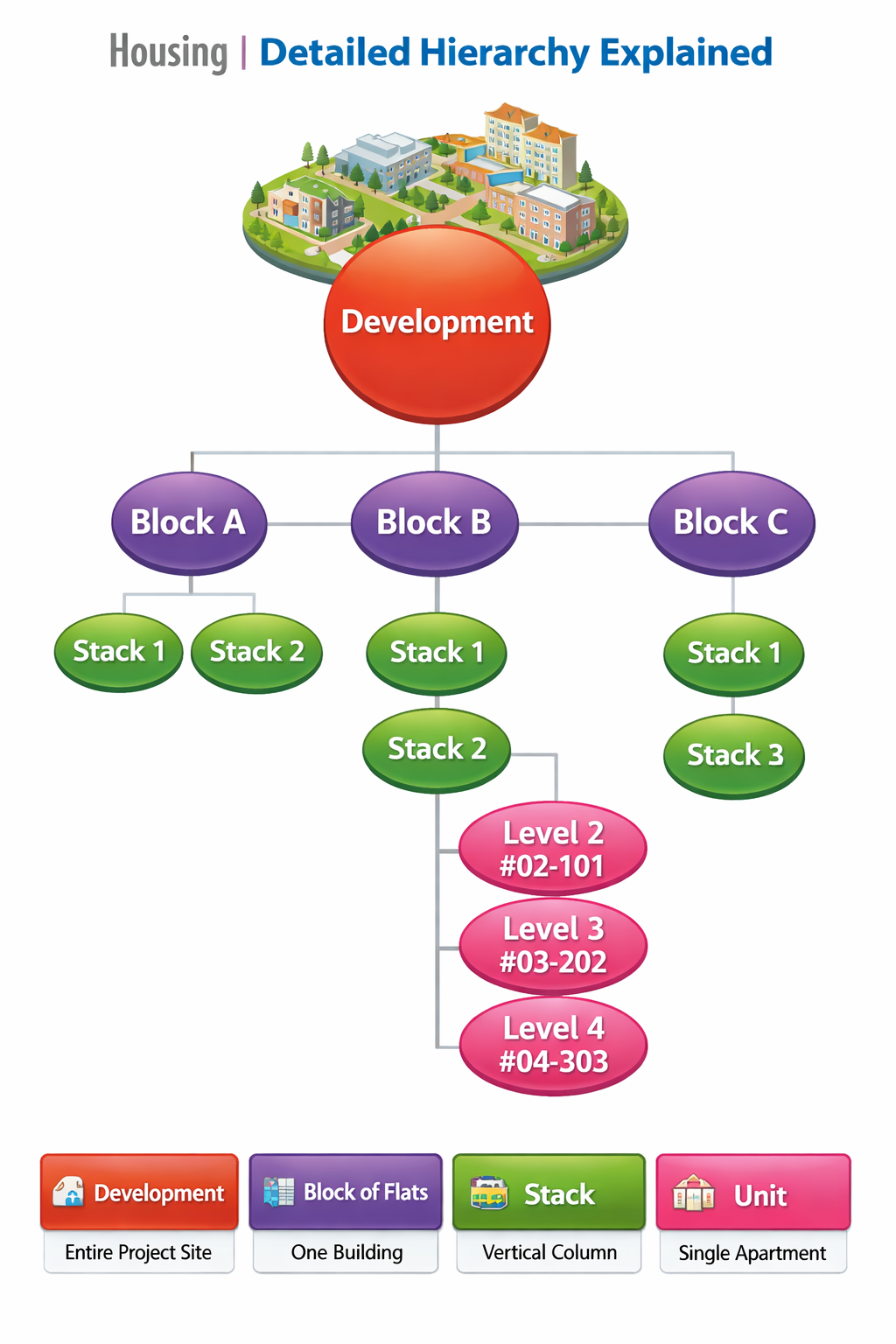
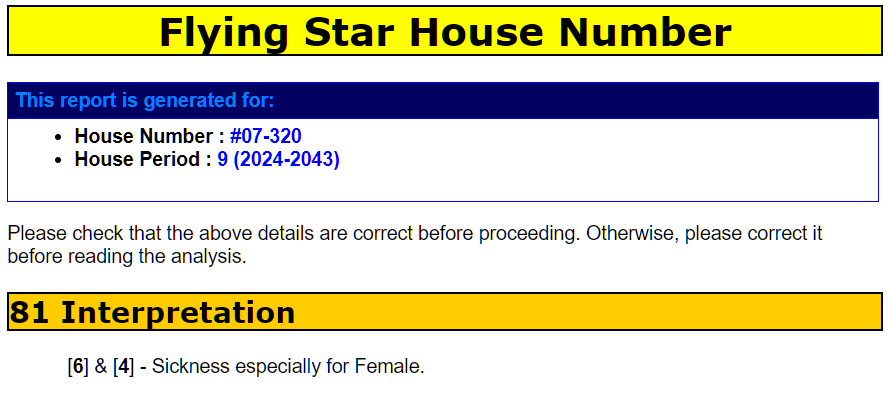
Summary of the main points: Purpose of the page: It explains how to determine if a unit number in a housing development is considered “lucky” in Feng Shui. Checking unit numbers: You can use free online reports (House Number Report) by creating an account on Geomancy.Net. Two options are provided: accessing via a direct link or logging in and selecting “Free Reports | House Number.” Definitions: Development: The entire project/site with multiple blocks. Block: A single building with multiple units. Stack: A vertical column of units in the same position across floors. Unit: An individual apartment identified by floor and number (e.g., #08-320). Ranking services: The site offers rankings of the best stacks and units in new developments. Feng Shui method: Flying Star Feng Shui (玄空风水) is used to assess both internal “Earth luck” and external surroundings. Account requirement: Creating a free account is necessary to generate personalized reports, as the system needs to process and save your input details. Report details: The House Number Report covers lease commencement dates between 2024–2043 and provides interpretations of unit numbers (e.g., #11-320). Additional resources: Links to other free Feng Shui reports, guides, and services are available, including auspicious dates, Ba Zi readings, wedding procedures, and property reviews.
- Yesterday
-
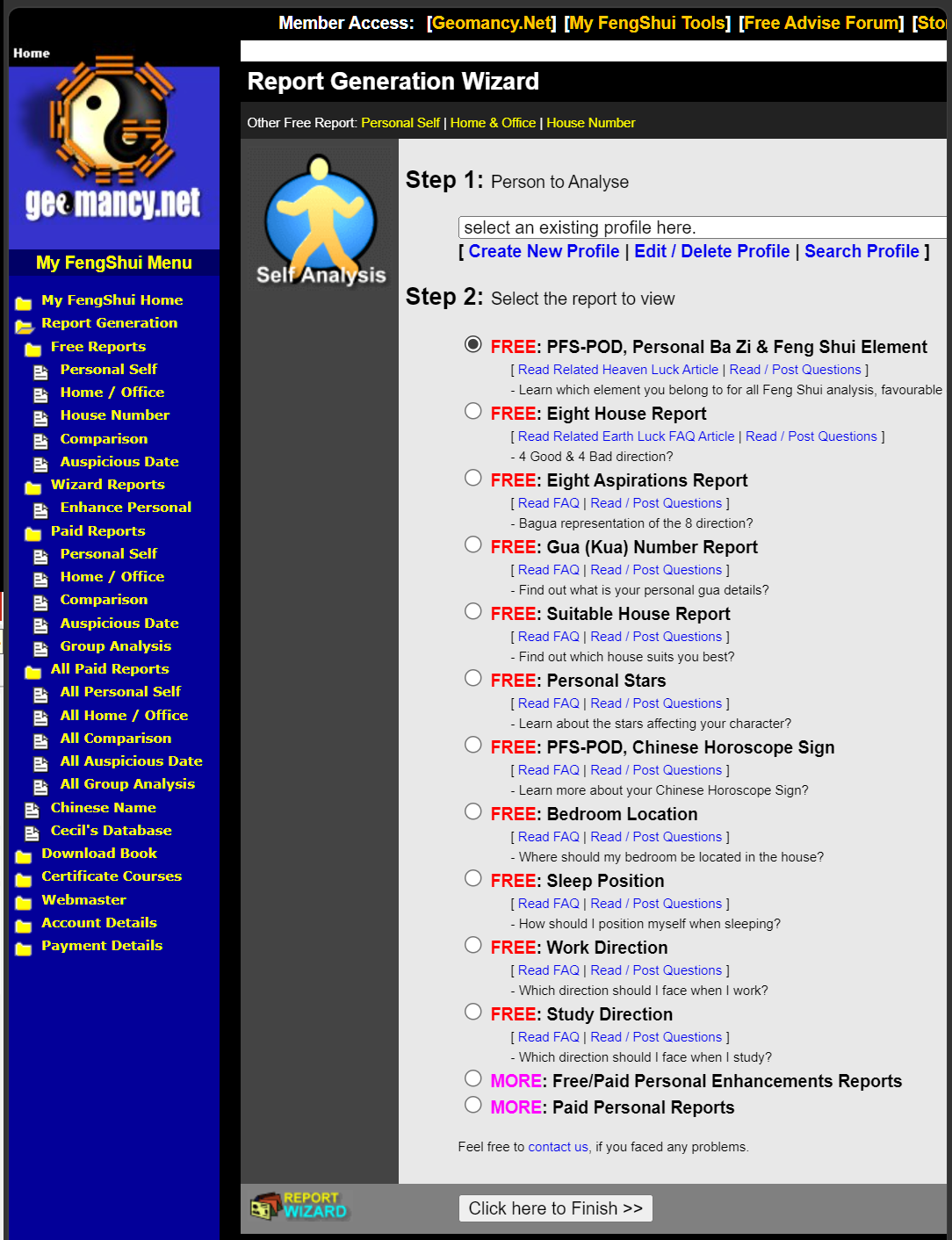
More Free Feng Shui Reports
-
Related: House at Junction of a main road - with bad sha qi - Around Singapore - FengShui.Geomancy.Net
-
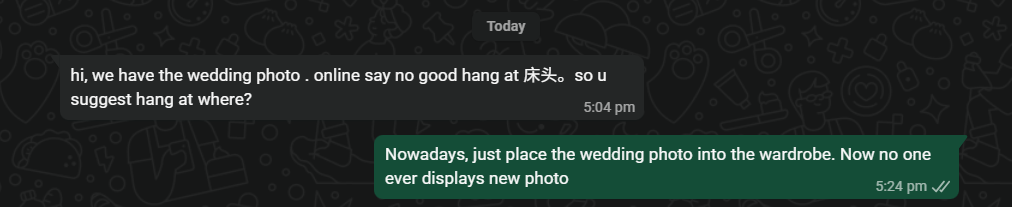
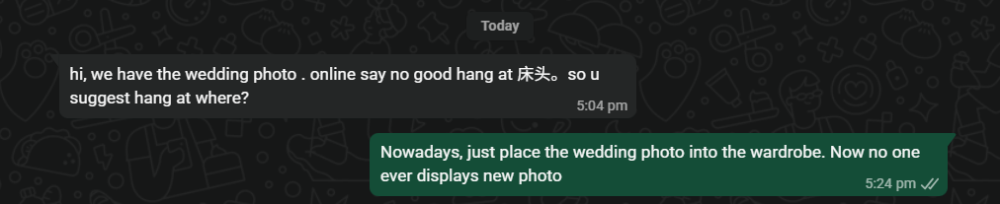
help translate hi, we have the wedding photo . online say no good hang at 床头。so u suggest hang at where? Means: Hi, we have a wedding photo. People online say it’s not good to hang it above the bed (床头). Where would you suggest we hang it? Nowadays, just place the wedding photo into the wardrobe. Now no one ever displays new photo
-
Len joined the community
-
Ehtus Lau joined the community
-
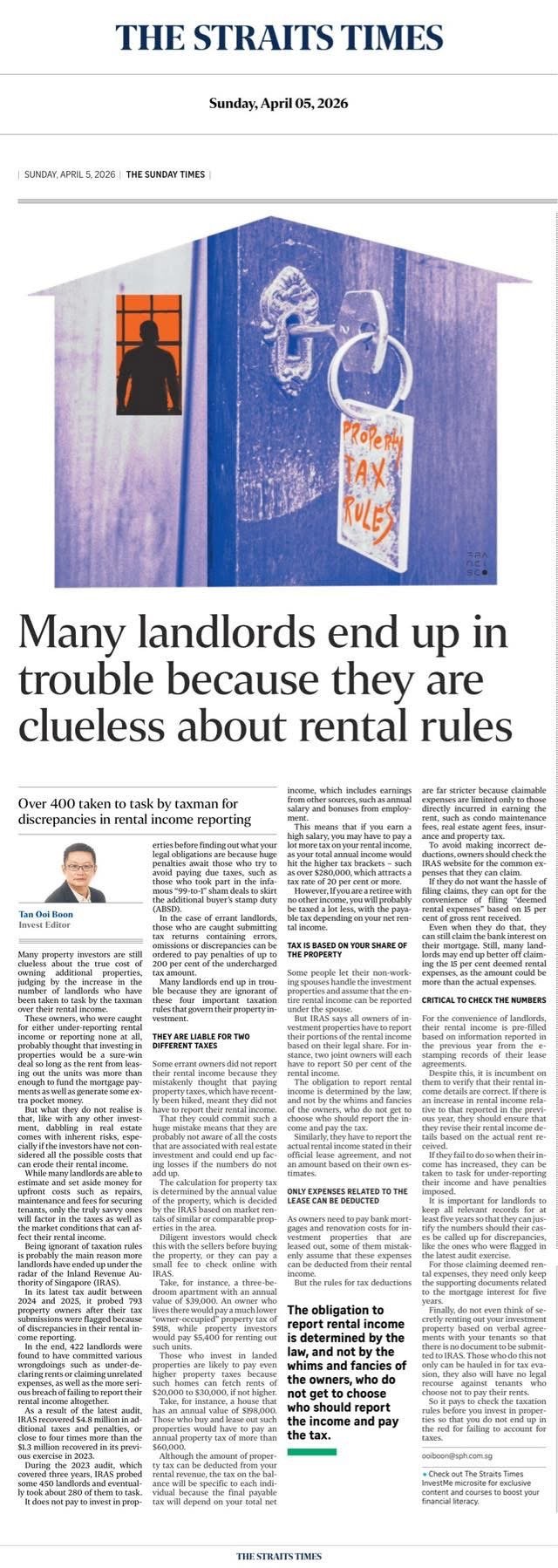
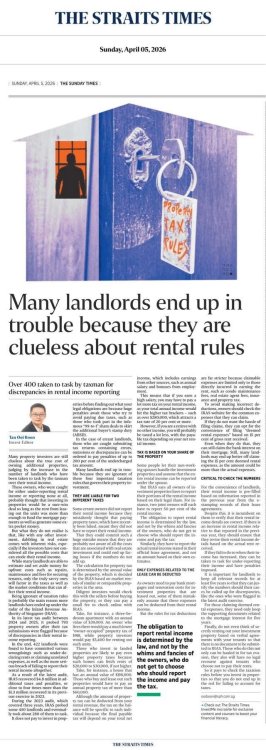
Source & Credit: The Straits Times article warns that many landlords get into tax trouble because they misunderstand (or ignore) Singapore’s rental-income rules. Citing Inland Revenue Authority of Singapore (IRAS) audit results, it says over 400 landlords were taken to task for discrepancies in rental income reporting, with hundreds more flagged in recent audit exercises and millions recovered in additional taxes and penalties. Key takeaways highlighted: - Rental income is taxable and must be reported correctly each year, even if a property agent manages the unit. - For co-owned properties, each owner must report their share of rental income and expenses. - Only expenses incurred to earn the rent are deductible; landlords commonly make mistakes by claiming non-deductible or inflated items (especially costs that are capital/personal in nature rather than maintenance/earning-related). - IRAS provides pre-filled rental income in some cases (from e-stamping data), but landlords must verify it and keep proper records. - Landlords who don’t want to itemise expenses may use a deemed-expense approach, but they still must follow the rules and ensure claims are supportable. Overall, the piece urges landlords to learn the tax and rental compliance requirements before investing and to check IRAS guidance to avoid penalties. Source & Credit:
-
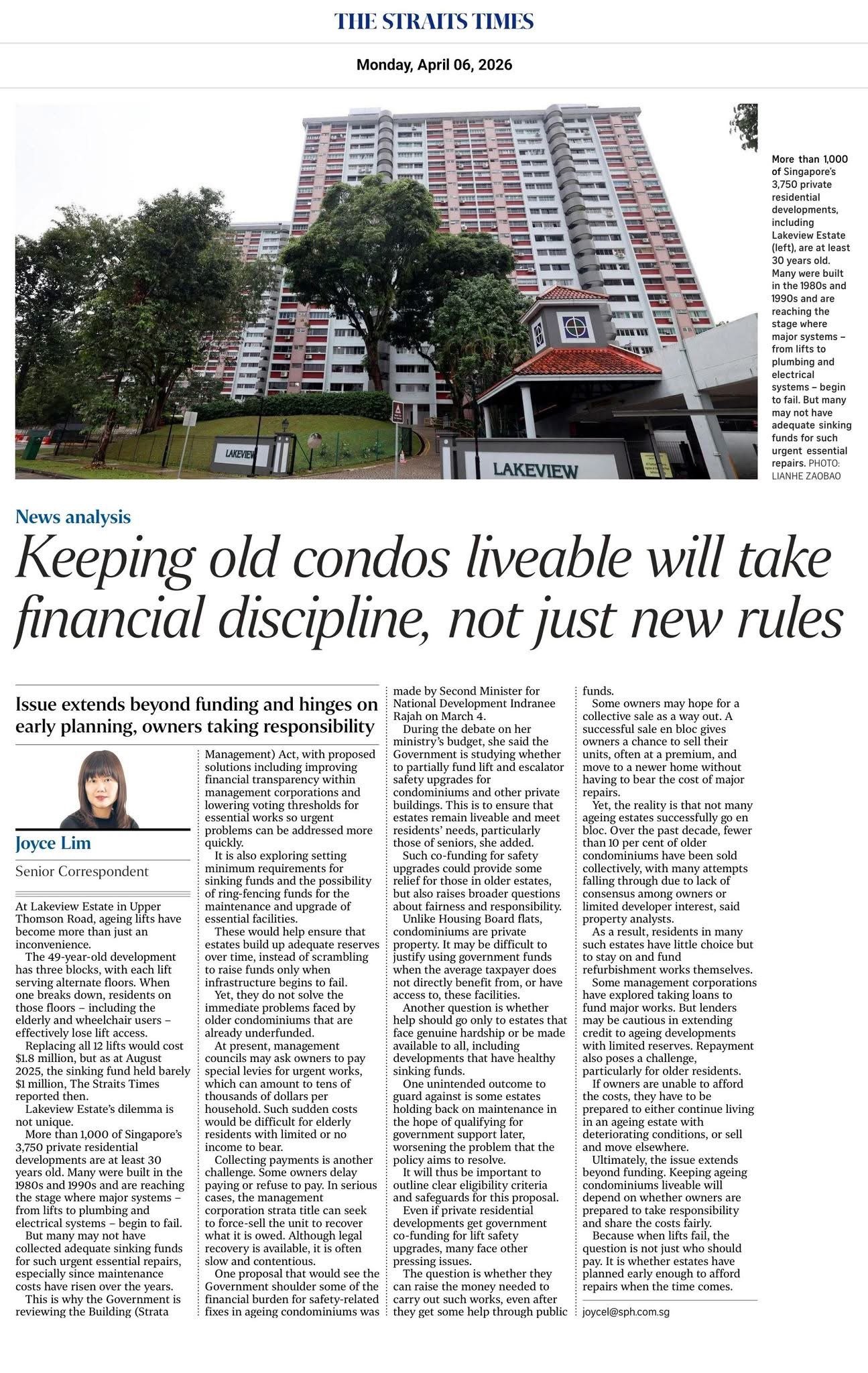
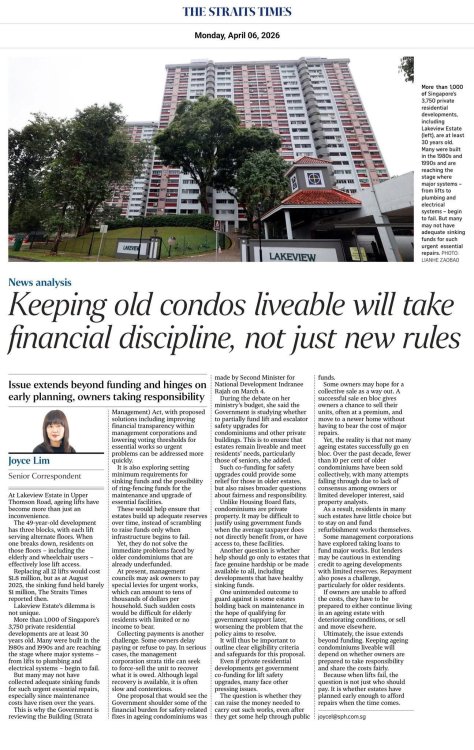
Source & Credit: The article argues that keeping Singapore’s ageing private condominiums safe and comfortable is less about introducing more regulations and more about owners and management councils practising long‑term financial discipline. Key points: - Big repairs are inevitable as condos age (e.g., lifts, plumbing, waterproofing, façades/spalling concrete, electrical systems). These are expensive “lifecycle” replacements, not routine upkeep. - Many older estates end up underfunded because maintenance fees were kept low for years, sinking funds weren’t built up early, and owners resist fee increases—until a major defect forces a sudden, painful cash call. - When reserves are weak, MCSTs often rely on one-off special levies, which can be contentious and lead to delays, patchwork fixes, or deterioration. - The piece notes that rules can require processes, but they can’t create money: the real constraint is whether owners accept realistic contributions, timely fee revisions, and disciplined budgeting. - What works better is early planning and transparency: proper condition assessments, multi‑year maintenance/renewal plans, clear communication to owners, and steady contributions to sinking funds—so costs are spread fairly across current and future residents. - For some very old developments, collective sale is sometimes raised as an “exit,” but it’s uncertain and shouldn’t be the default substitute for proper maintenance funding. Overall message: old condos can remain liveable, but only if owners treat them like long‑life assets—**plan early, fund reserves adequately, and make hard decisions before systems fail**, rather than expecting new rules to solve structural underfunding.
- Last week
-
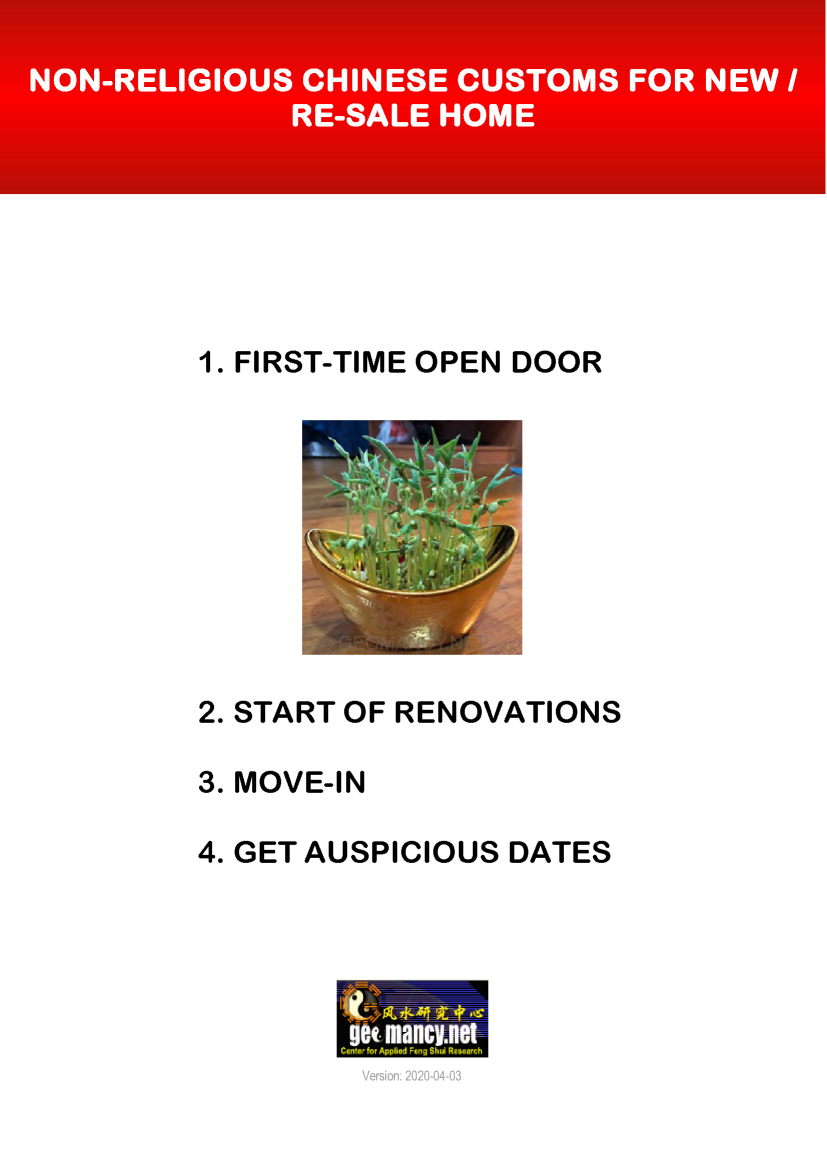
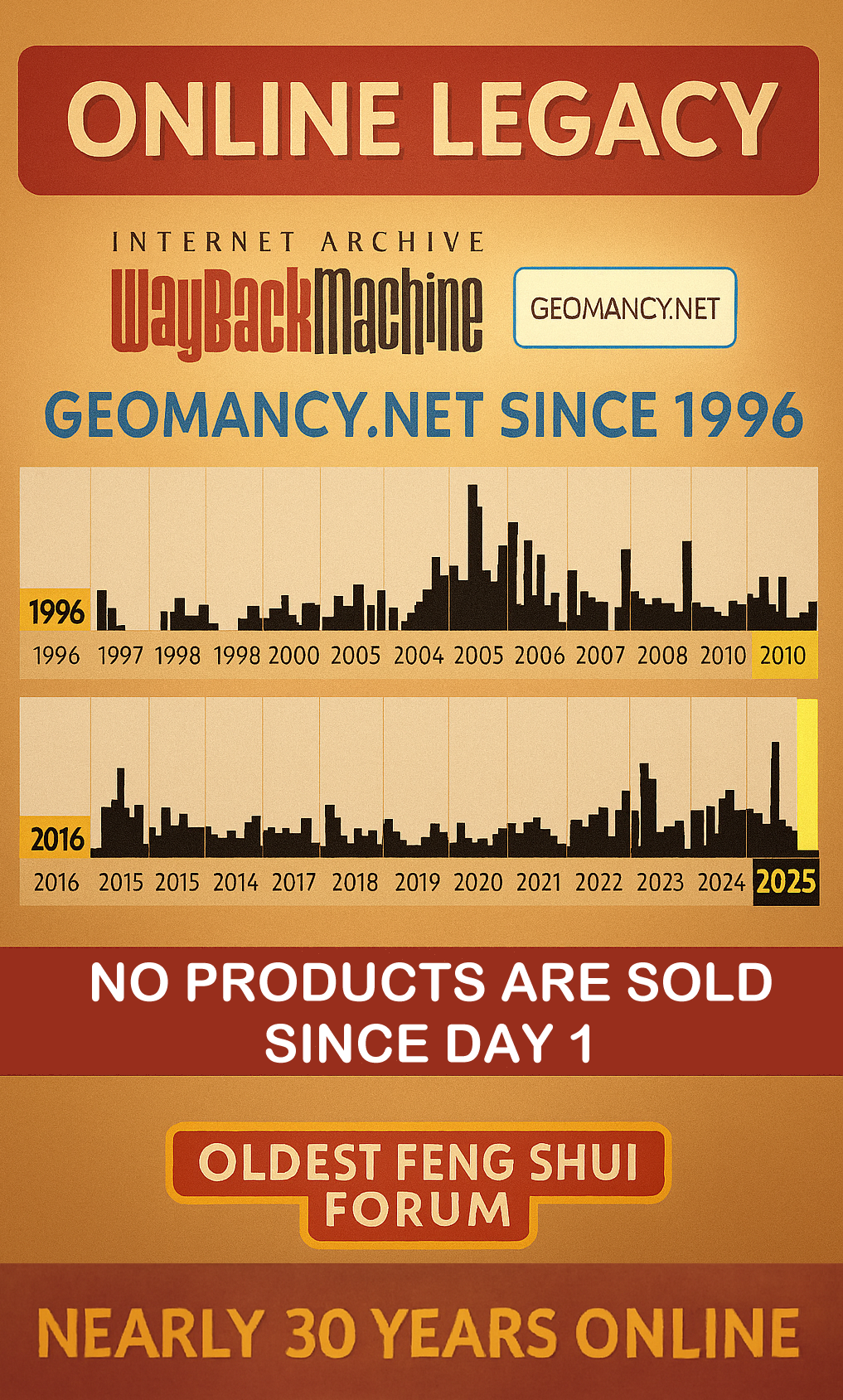
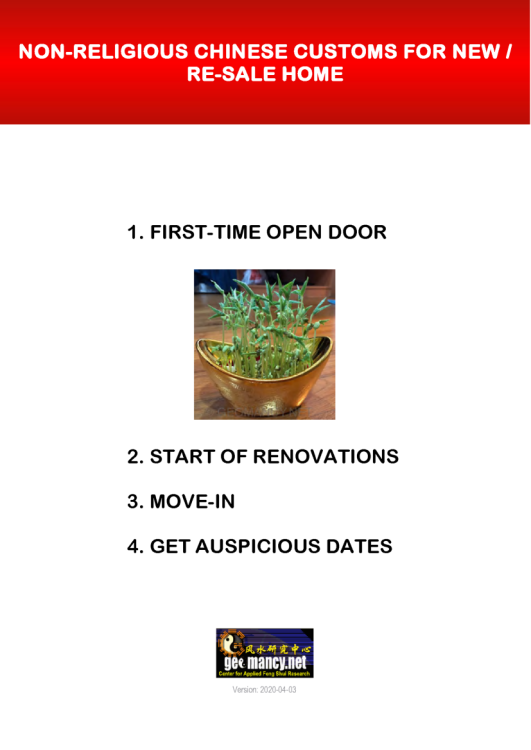
Discover the World’s Oldest Feng Shui Forum (C) Geomancy.net Geomancy.net holds the distinction of being the oldest Feng Shui forum globally, serving as a significant platform for discussions and insights related to this ancient practice. Its longevity underscores its importance as a Leader in the field of Feng Shui. How can we help you today? GET EXPERT HELP: IMPROVE YOUR HEALTH, WEALTH & HAPPINESS TODAY Comprehensive Home Package [A.]: On-site or [B.]: Off-site for HDB / Condo / EC & Landed Properties for New/Re-Sale House or facing financial/ marriage/ relationship/ health issues Do you offer a 1 visit On-site audit? How much? " As much as we see, Geomancy.net has great web presence built up over the years and is seen as one of the SG market leaders in residential house audit. " Transparent Pricing & No Hidden Costs. No Purchase of Products. Cecil Lee, +65 9785-3171 / support@geomancy.net House Hunting? We will help you select the most auspicious unit! Learn More The Experts in House Hunting AUSPICIOUS DATES FOR ONE OR TWO PERSONS Please visit 30 Days Auspicious Date for ONE or TWO Person(s) - FengShui.Geomancy.Net +++ Related: Non-Religious Chinese Customs For New Re-Sale Home +++ Geomancy.net e-books https://www.geomancy.net/forums/store/category/1-geomancynet-e-books/ +++ ALL ELSE FANNING CALM & LET CECIL HANDLE IT





-
How do you Feng Shui your high-rise home? Use your front door? Who are the Conservatives & the Modernist?
-
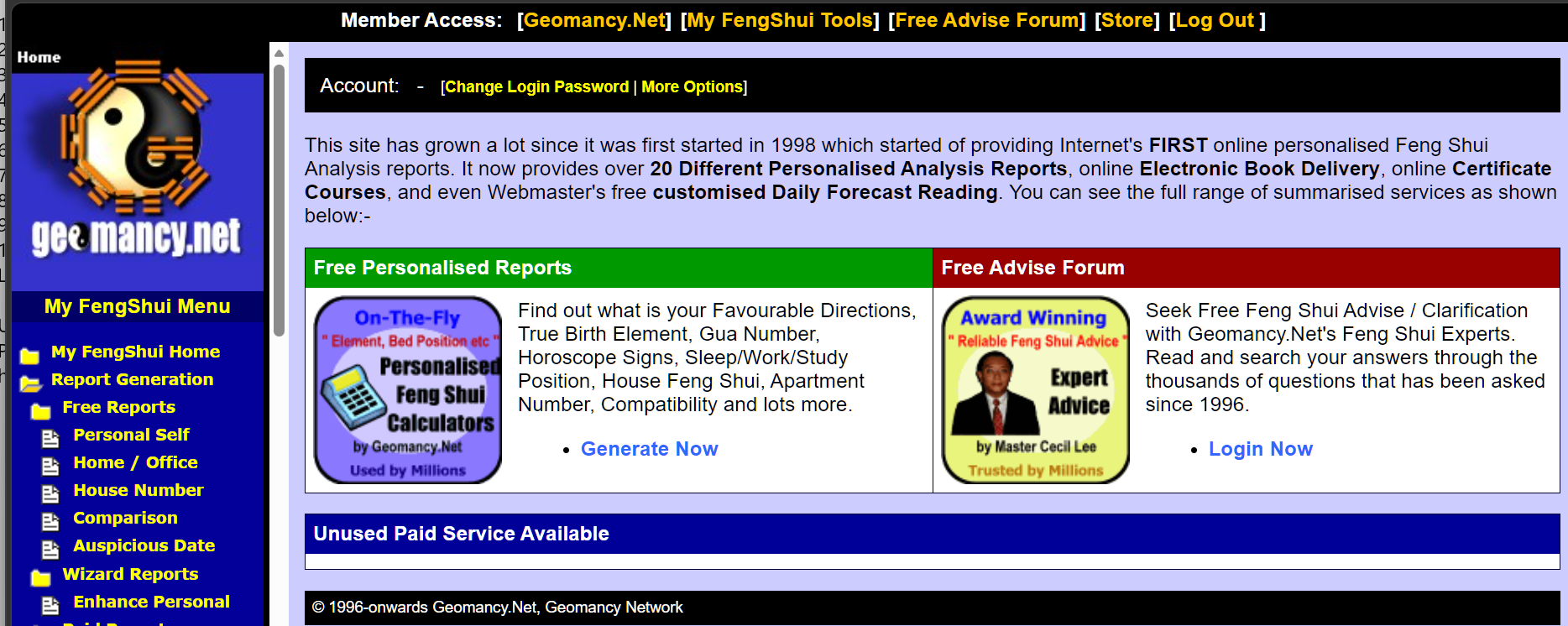
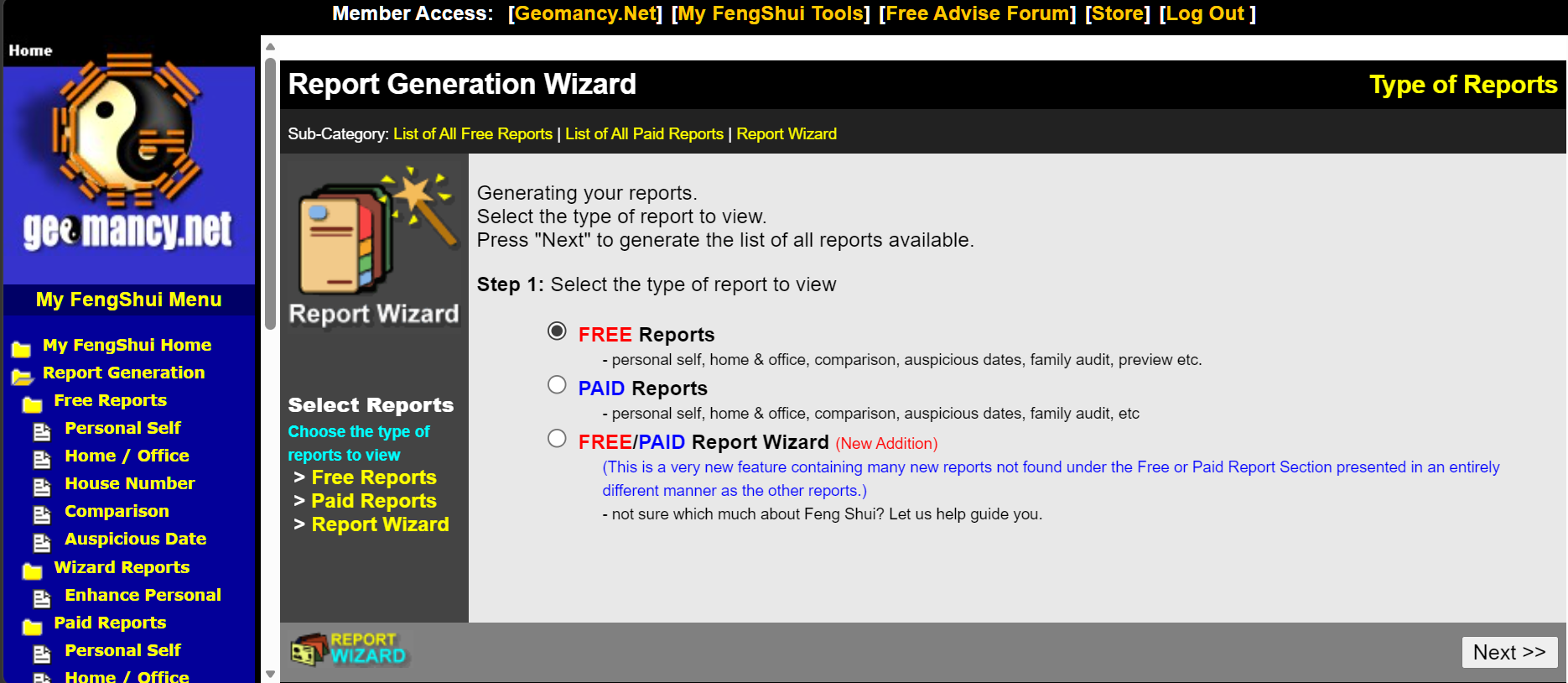
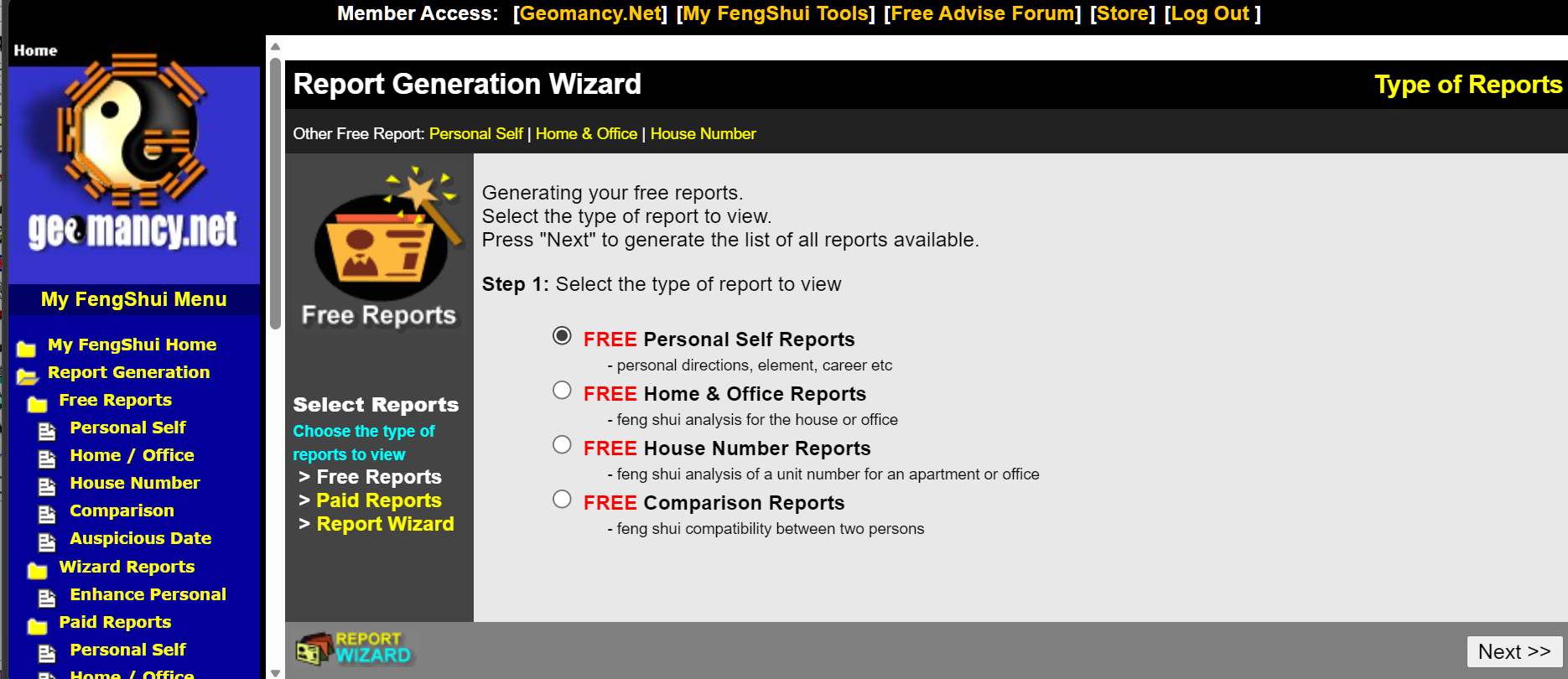
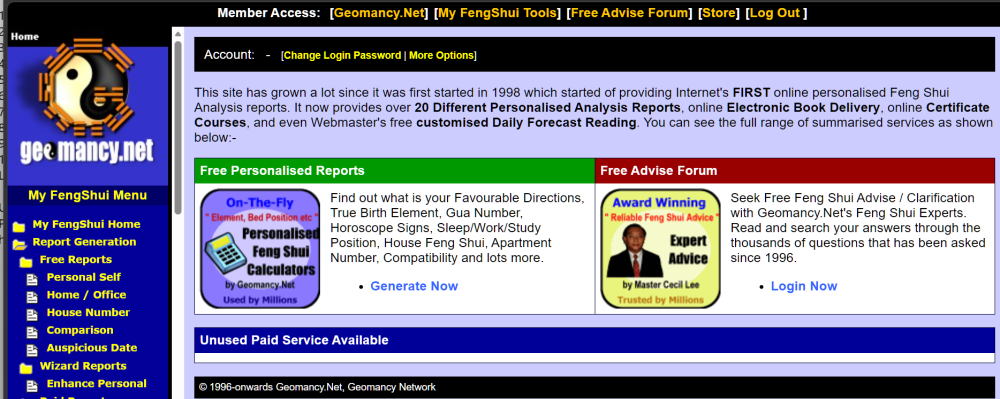
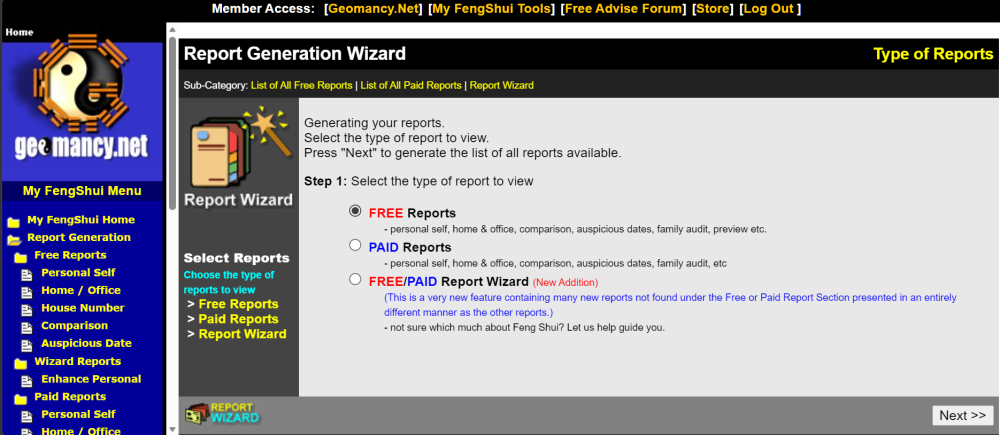
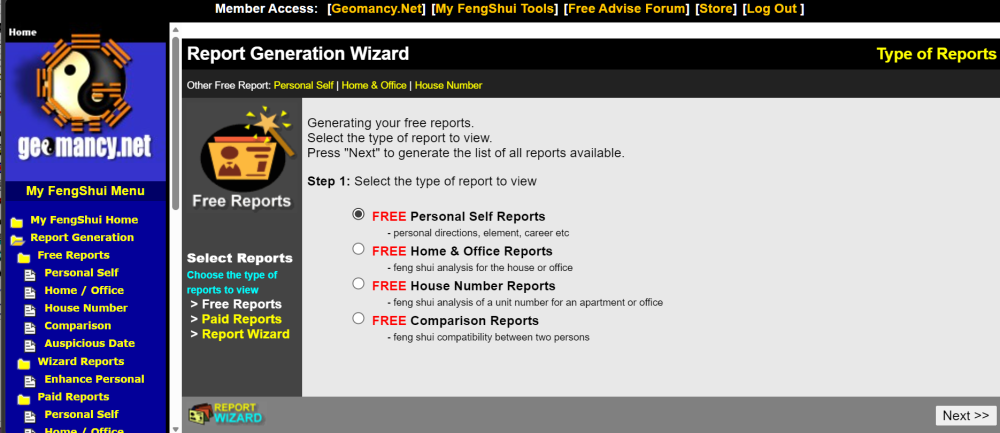
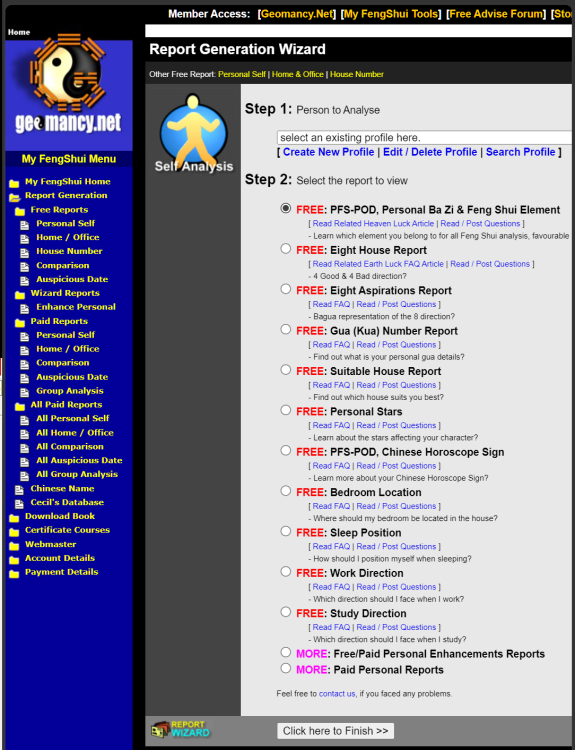
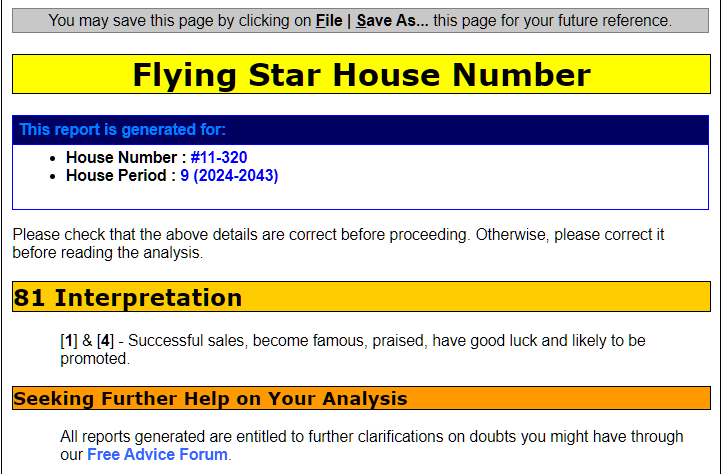
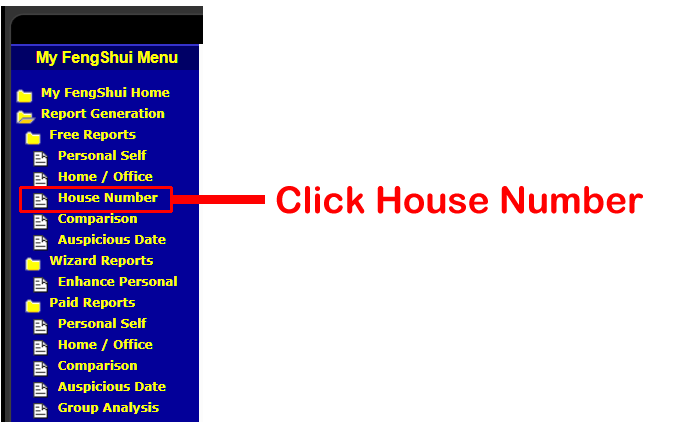
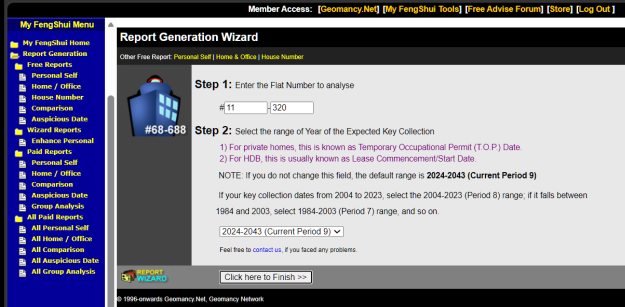
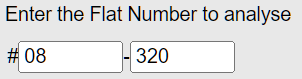
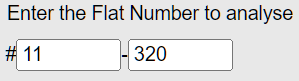
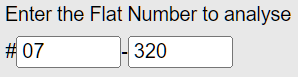
Why do you need an account? To access the free reports, like House Number, you’ll need to create an account using a valid email address. This isn’t just a quick step for the sake of it—it’s needed because the reports include fields you fill out, and the system has to capture and read that information. When you type details into those fields, the platform needs a dependable way to link that data to you so it can be processed correctly, saved if necessary, and shown in your final report. Creating an account makes that connection, ensuring your inputs go to the right place and the system can handle them consistently. +++ After you create a free online account, select House Number +++ This screen will appear. The default T.O.P/Lease Commencement Date in this report is between 2024 and 2043. If so, just enter the unit number. For example, enter 11 and 320, as shown below: +++ Sample Report showing the significance of unit number #11-320


-
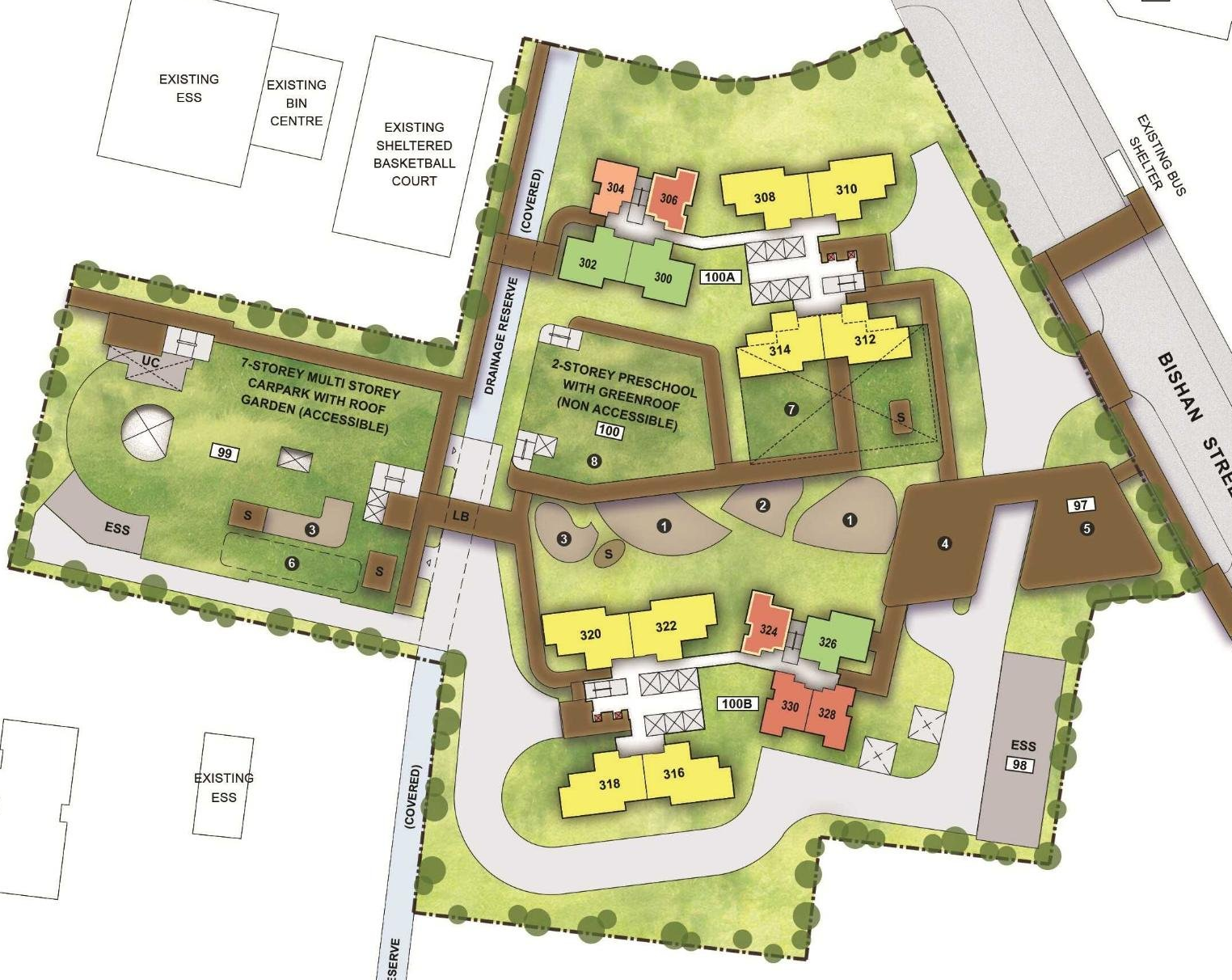
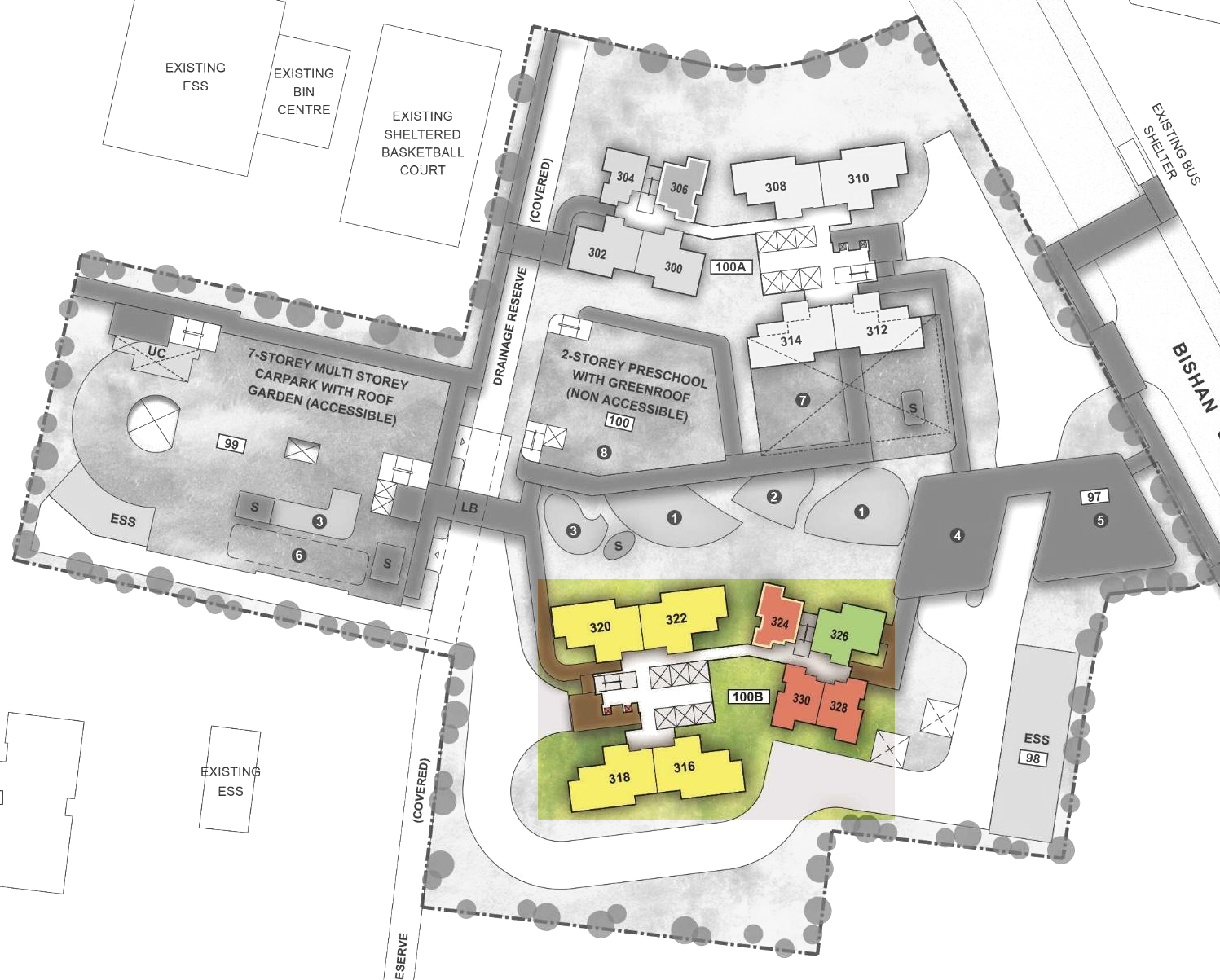
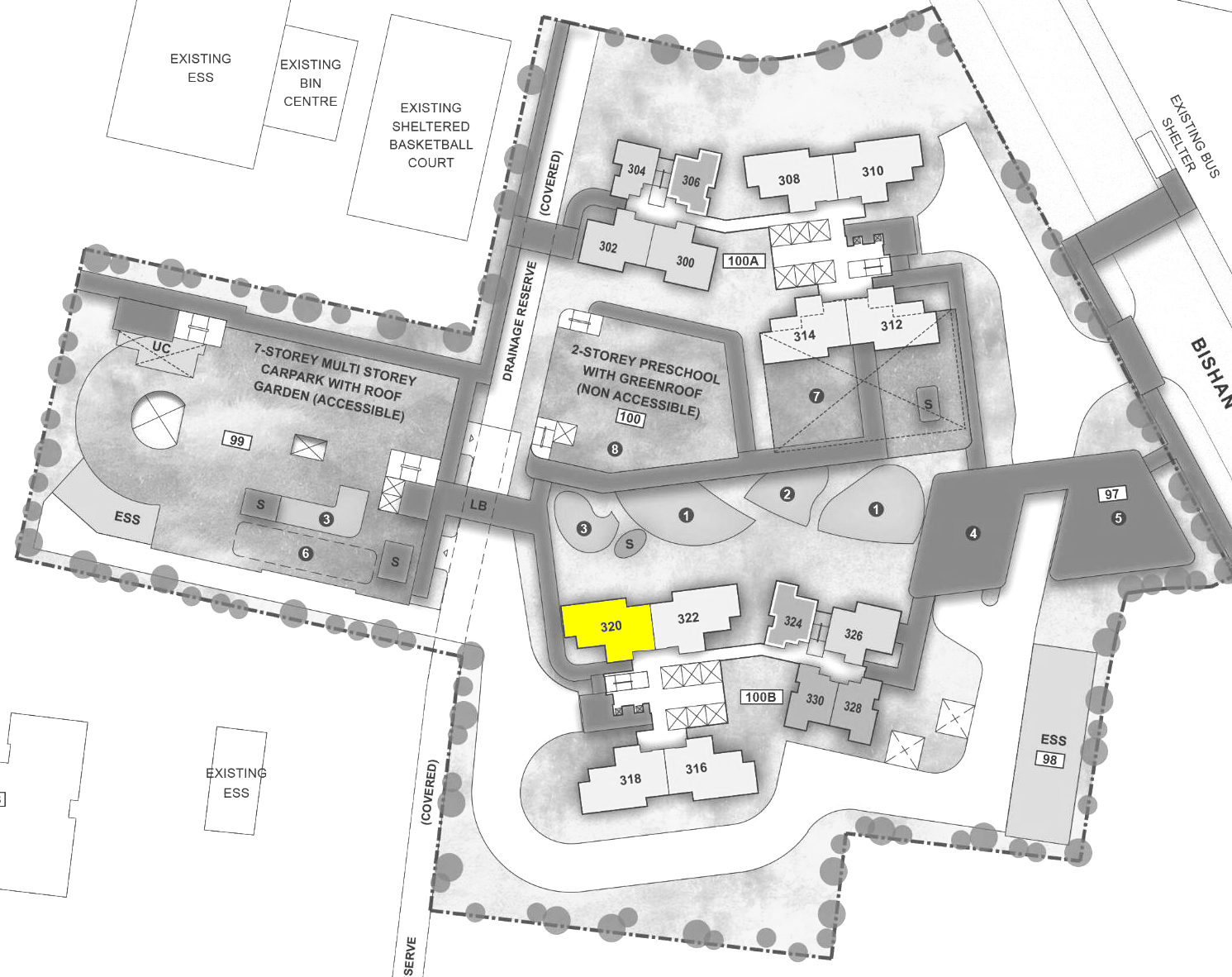
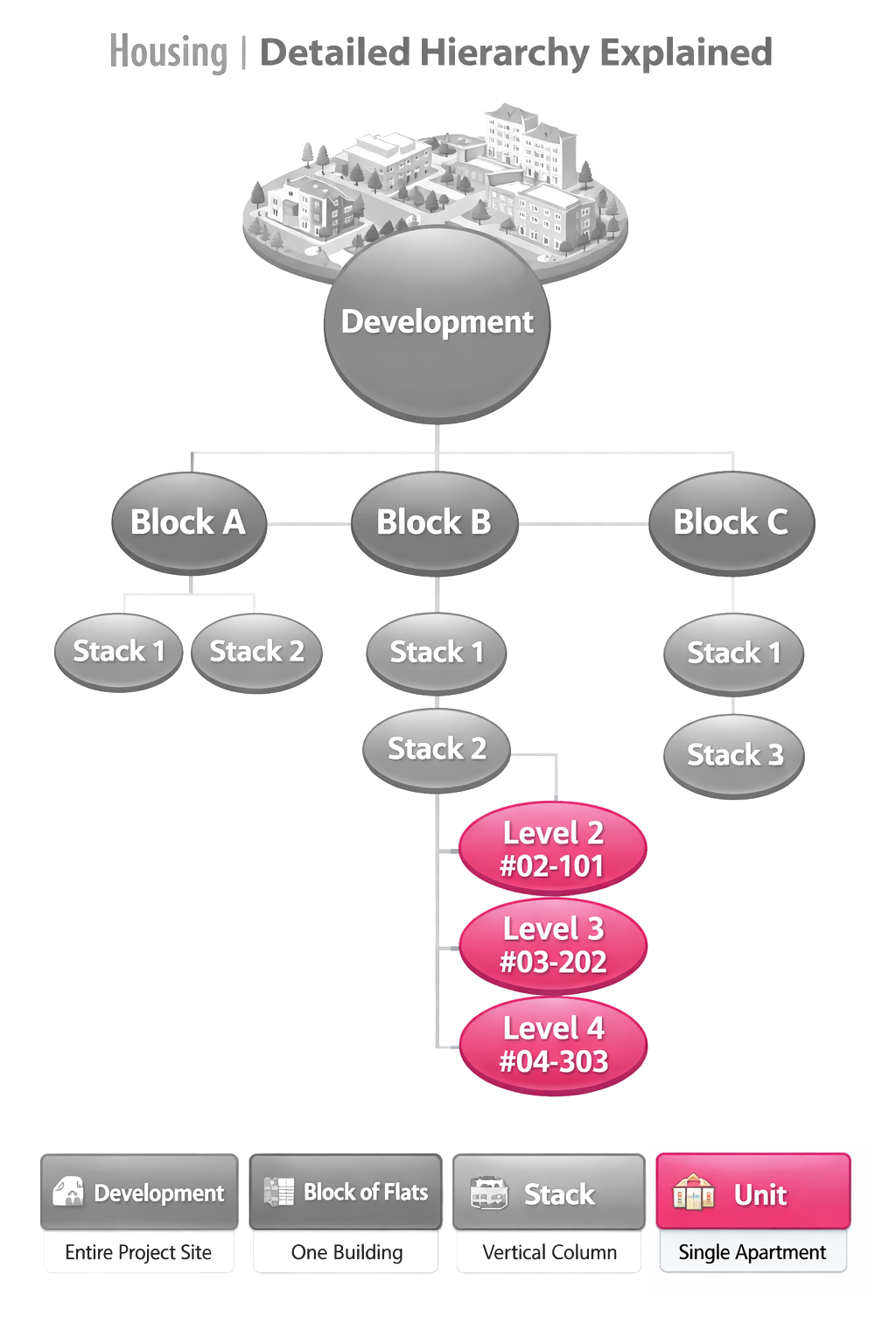
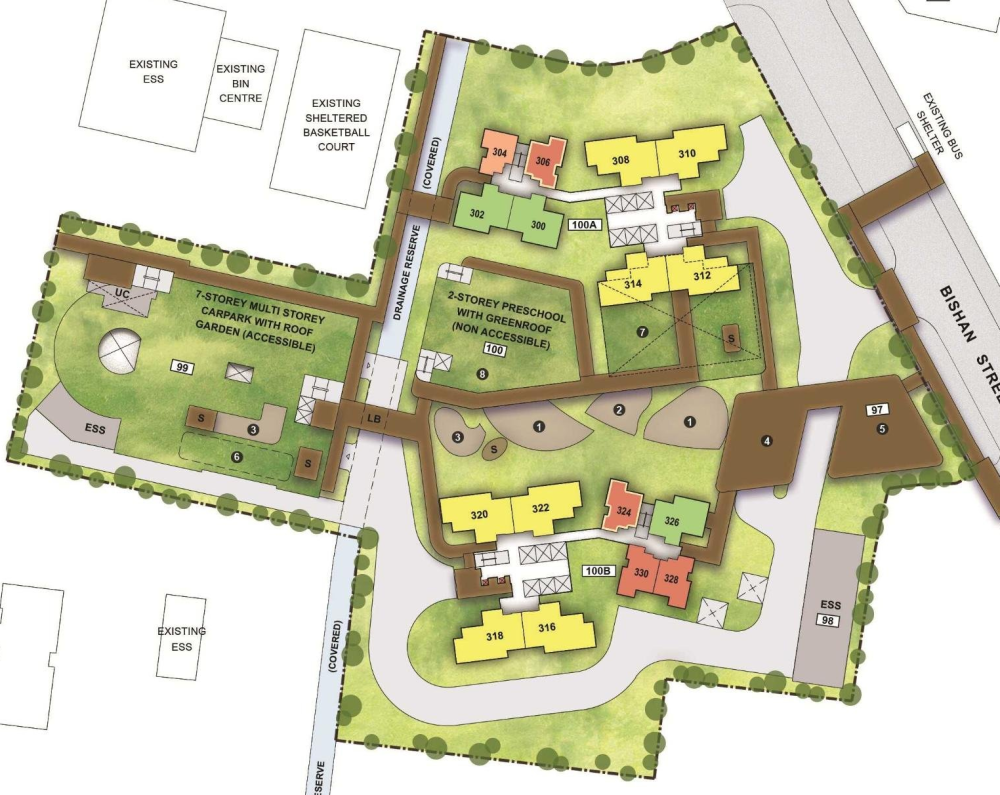
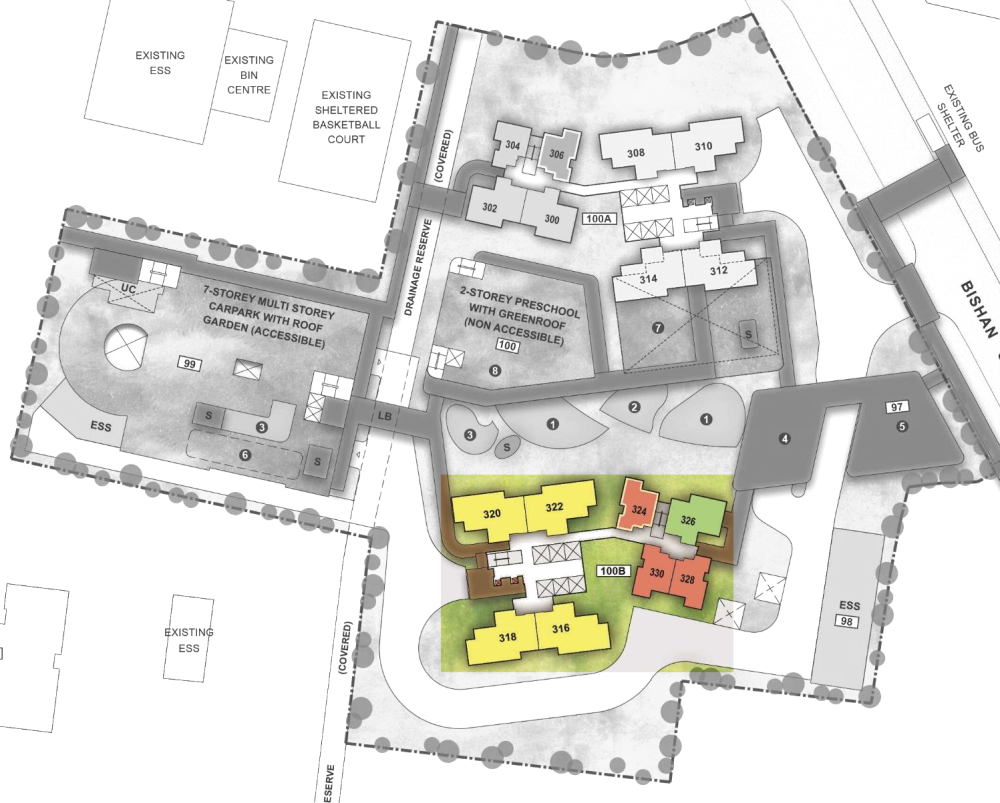
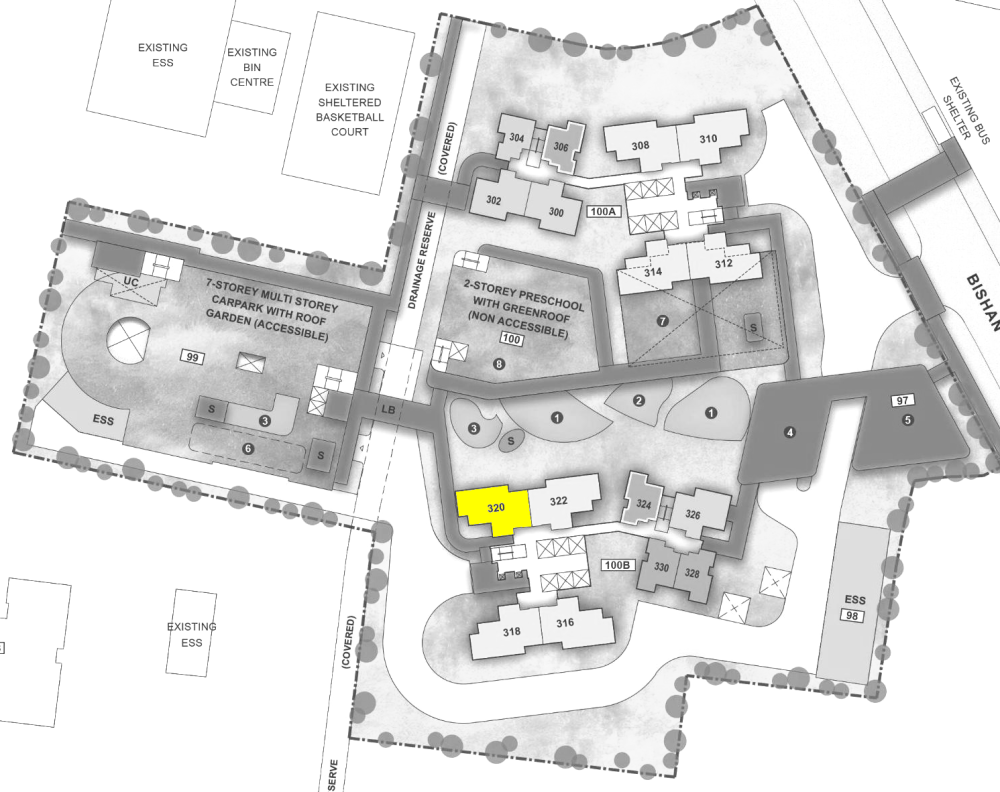
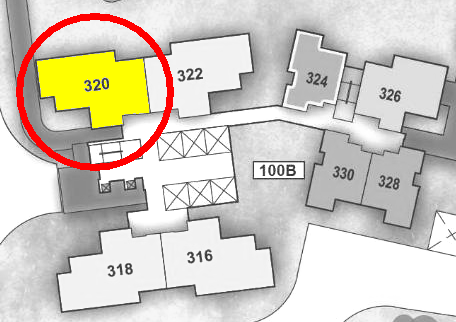
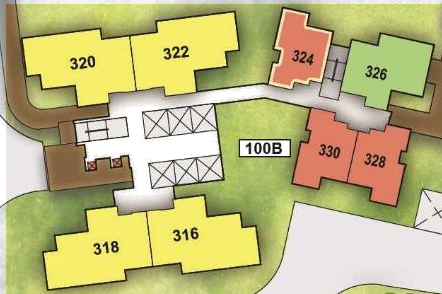
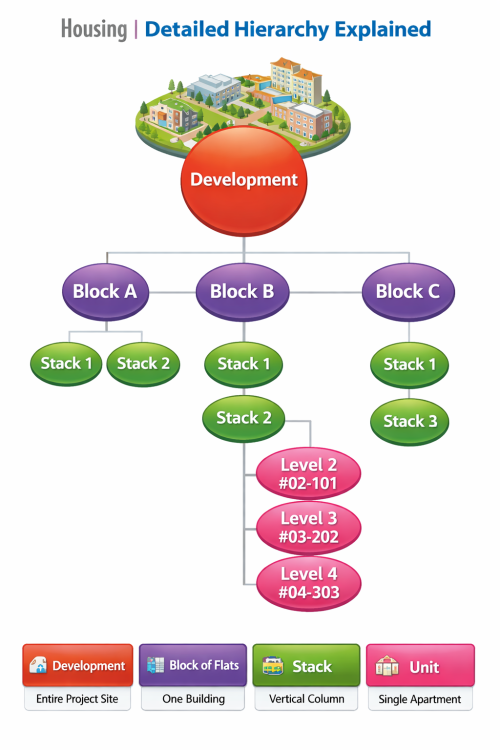
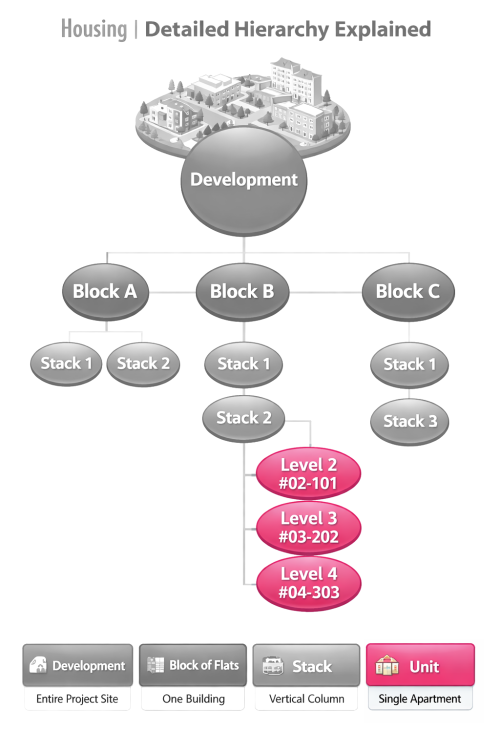
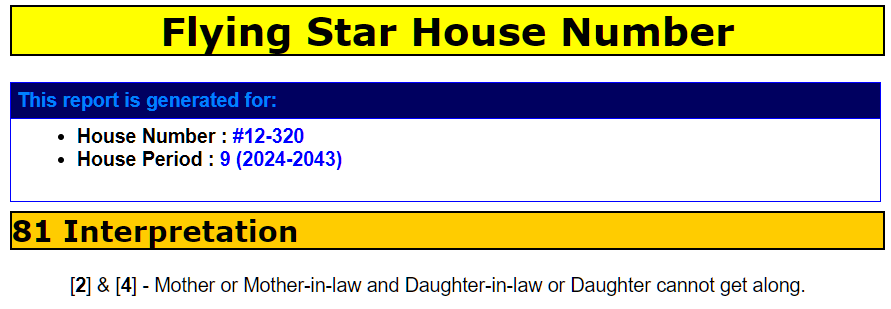
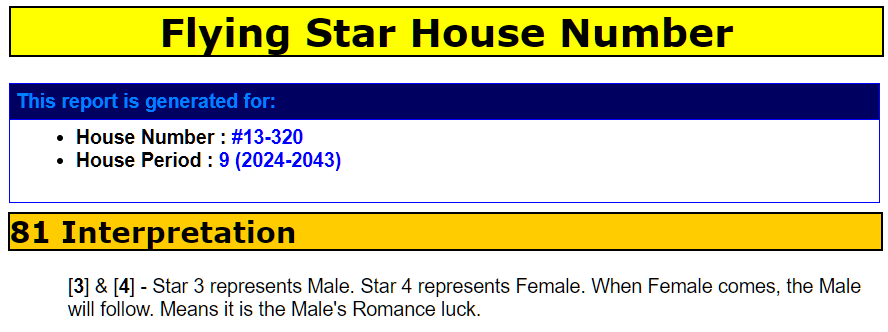
We offer a service that ranks the best stacks. I want a ranking of best units in a newly launched development - FAQ: Home Feng Shui / Cannot Cannot Buy / Baby Name / Auspicious Dates - FengShui.Geomancy.Net +++ How can I check if a unit number is lucky? For e.g. Block 100B, Stack 320 For e.g. Unit #08-320 For e.g. Unit #11-320 +++ Please use the link here to check any units you want. OPTION 1 Please go to this link to check a unit number: https://www.geomancy.net/content/personalised-reports/free-feng-shui-reports/house-number-report/about-house-number-report [Need to create a free account to access it] or OPTION 2 Go to URL: https://login.geomancy.net On the blue navigation on the left, click under Free Reports | House Number. What is the difference between a Stack and a Unit? 1. A Development: The whole project/site as one entity. It can include multiple buildings/blocks (e.g., several blocks of flats) and shared areas. 2. A Block of flat: One building within the development that contains multiple apartments/units (often with shared corridors, lifts, etc.). For e.g. Block 100B consists of eight stacks: 316, 318, 320, 322, 324, 326, 328 &330 We rank the best stacks for you. 3. A Stack: A vertical line/column of units within a block—units in the same position on different floors (one of many stacks in a block). For e.g. Block 100B, Stack 320 We help you to rank the best Stacks I want a ranking of best units in a newly launched development - FAQ: Home Feng Shui / Cannot Cannot Buy / Baby Name / Auspicious Dates - FengShui.Geomancy.Net 4. A Unit: An individual apartment/home identified by floor and unit number, e.g. Level 7 #07-320 or Level 8 #08-328. 4.1 玄空风水 (Xuan Kong Feng Shui), also called Flying Star Feng Shui, generally assesses a home's internal "Earth luck" as well as its external feng shui by examining the surrounding buildings. Unit #07-320 Unit #08-320 Unit #09-320 Unit #10-320 Unit #11-320 Unit #12-320 Unit #13-320 +++ This link provides free reviews of any units as much as you want Please go to this link to check a unit number: https://www.geomancy.net/content/personalised-reports/free-feng-shui-reports/house-number-report/about-house-number-report [Need to create a free account to access it]




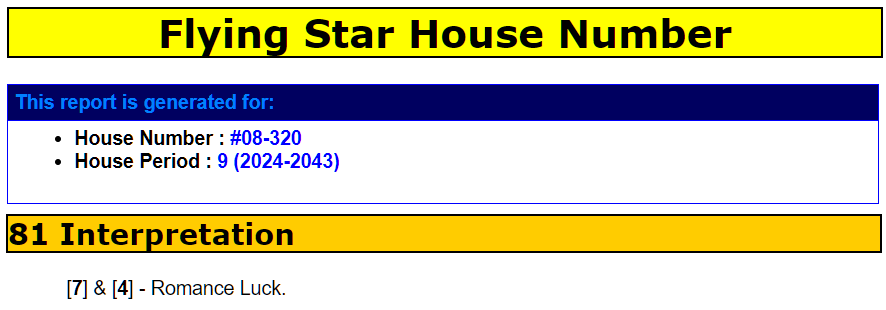
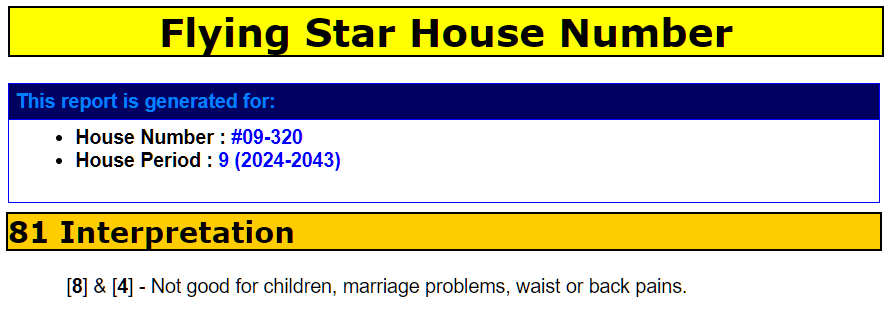
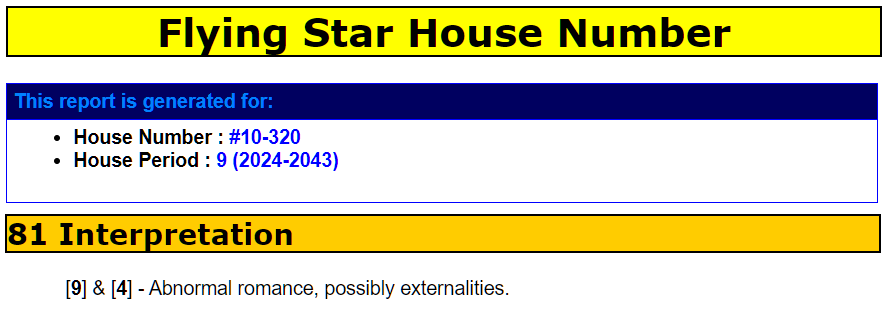
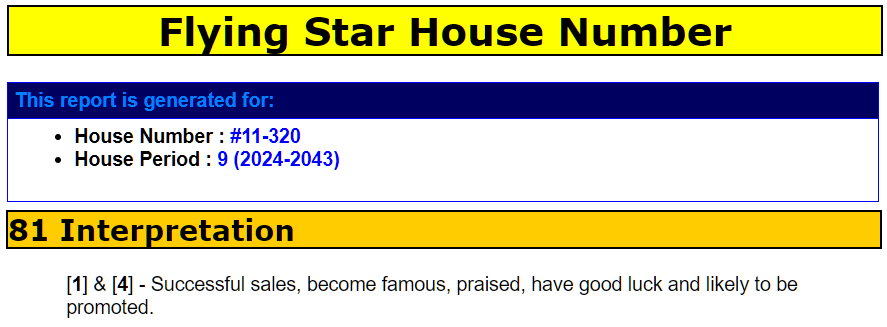

-
Related: Is a squarish or narrow layout better for an office unit What key factors should I consider Does this also apply to homes - Feng Shui for Business - FengShui.Geomancy.Net
-
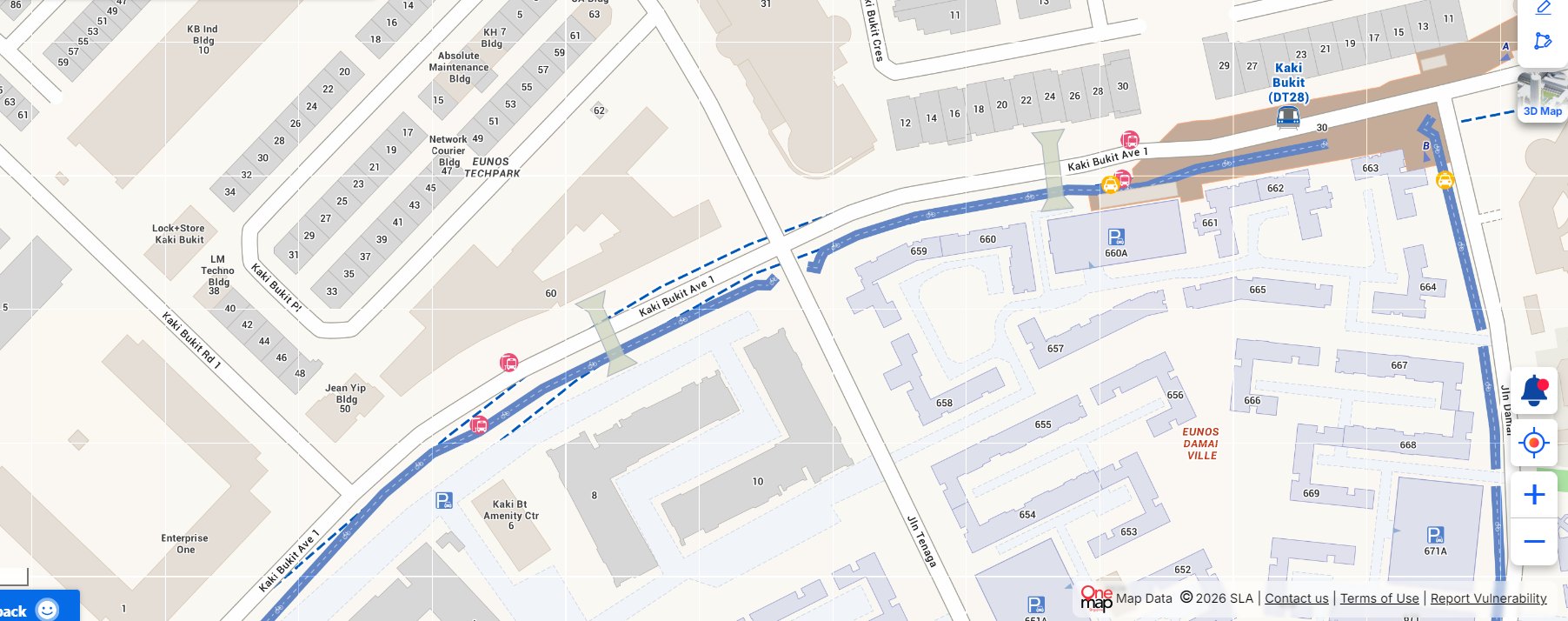
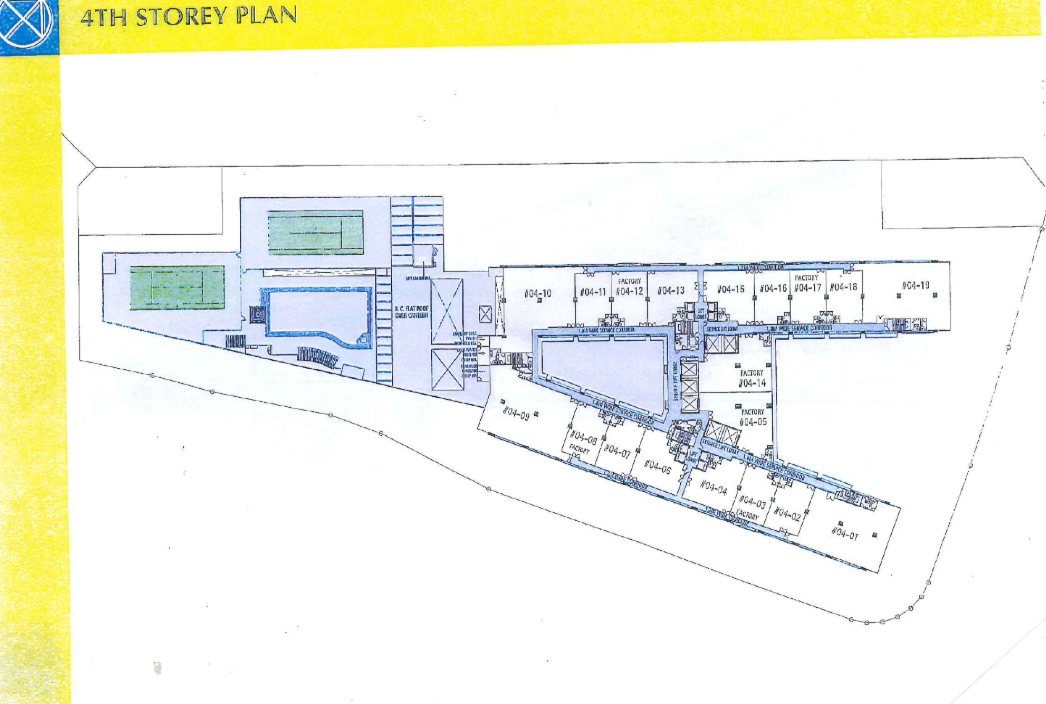
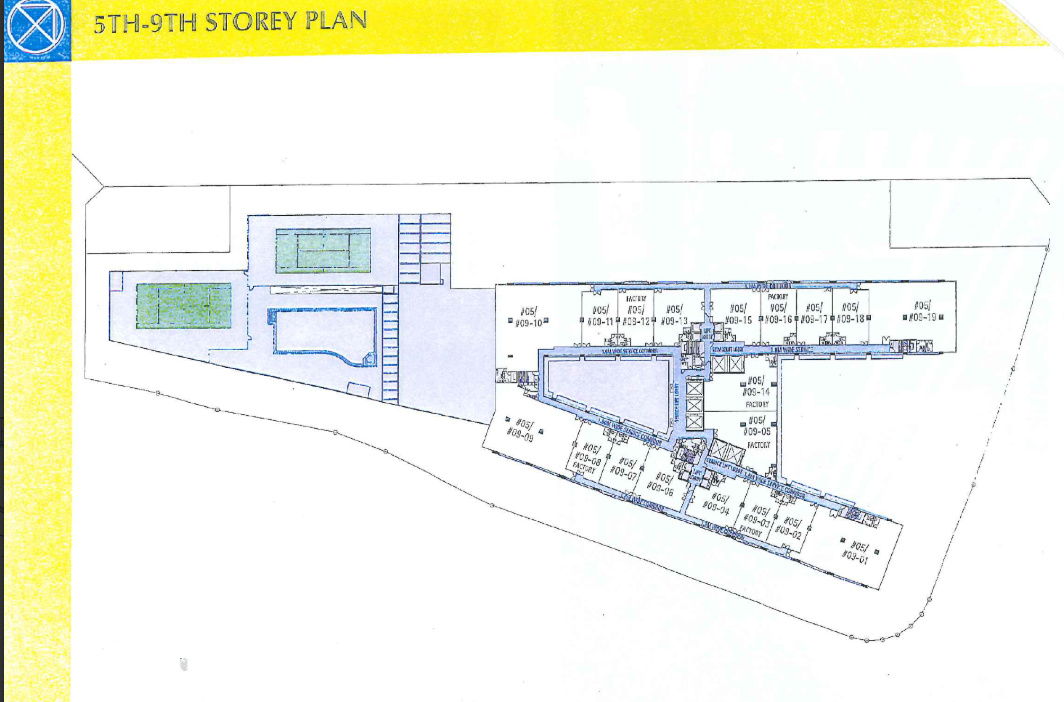
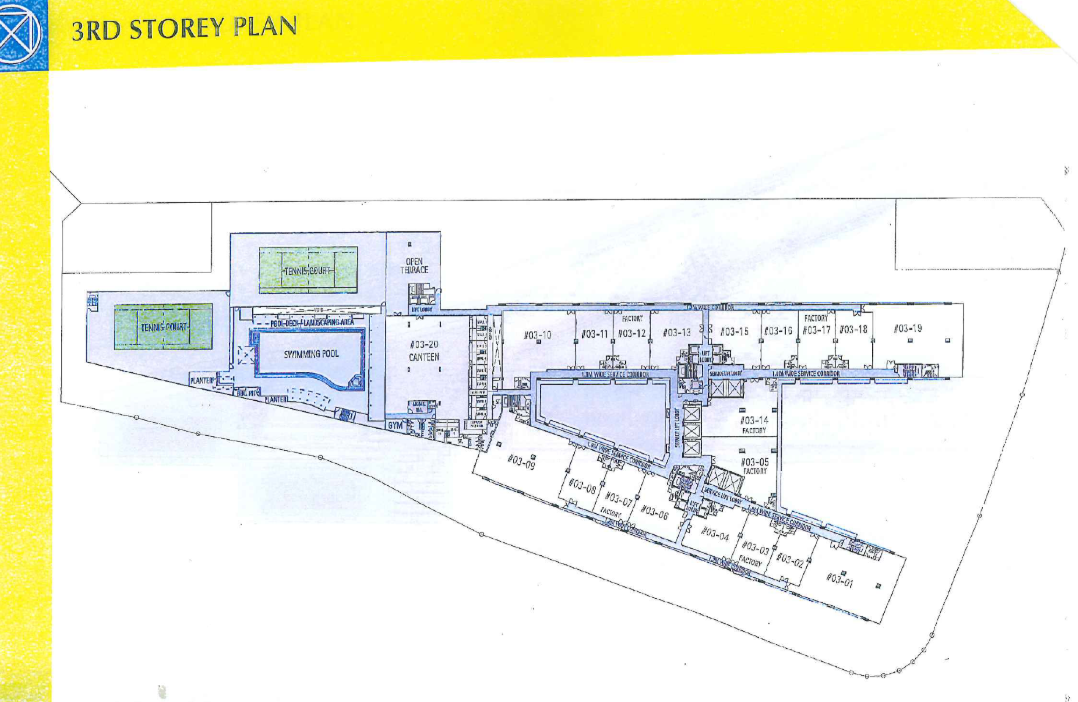
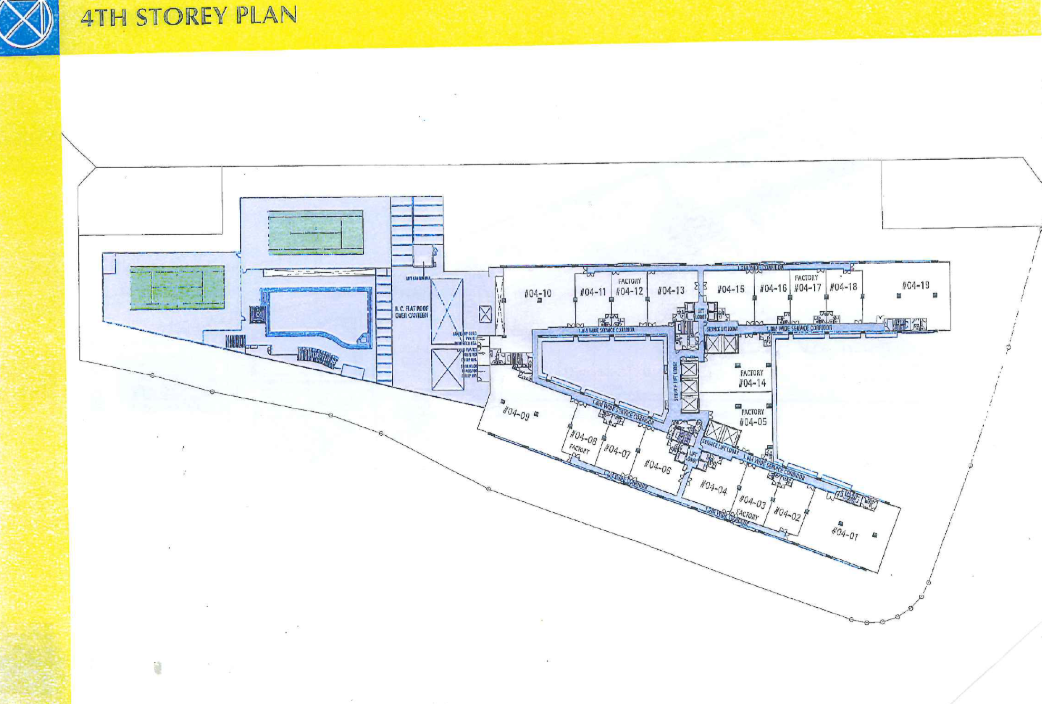
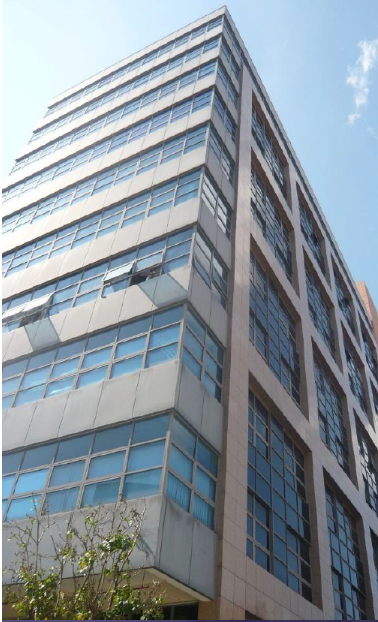
Eunos Techpark 2 Eunos Techpark 2 is a 60-year development at 60 Kaki Bukit Place in D14 - Eunos / Geylang / Paya Lebar, Singapore. The development is by Grow-Tech Properties Pte Ltd. Eunos Techpark 2 has a total of 179 units. Eunos Techpark 2 completed in1999
 Our Prices Have Stayed the Same Since 1996 Inflation changed almost everything except our prices. They’ve remained the same since 1996, and we’re proud to keep delivering dependable service at a price you can feel good about. Since 1996, one thing hasn’t changed: our prices. While costs around us have risen year after year, we’ve worked hard to keep our pricing steady—so you can count on real value every time you choose us. Comprehensive House Audit: I want a full Feng Shui report for my home to help plan my renovation and improve money, relationships, or health issues. - FAQ: Home Feng Shui / Cannot Cannot Buy / Baby Name / Auspicious Dates - FengShui.Geomancy.Net Ready to get started? Contact us today and lock in our long-standing pricing. Have questions? Reach out—we’re happy to help.Get in touch and we’ll take care of the rest. Transparent Pricing & No Hidden Costs. No Purchase of Products. Cecil Lee, +65 9785-3171 / support@geomancy.net +++ House Hunting? We will help you select the most auspicious unit! Learn More The Experts in House Hunting

.png.5b8852620531421c674655e6be60a97e.png)