
All Activity
- Past hour
-
- Today
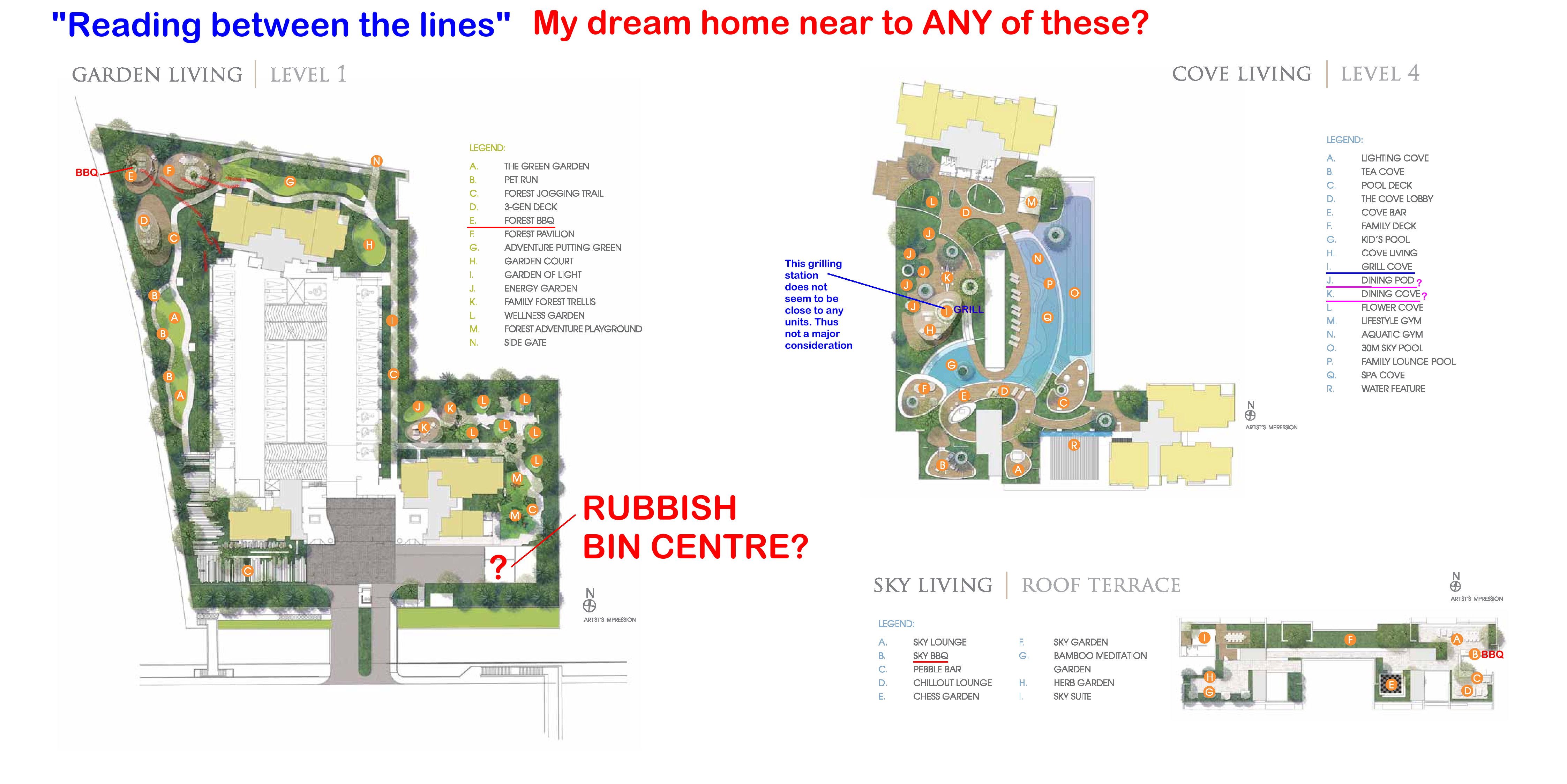
Get a Quote Our fees have stayed the same since 1996 Cecil Lee, +65 9785-3171 support@geomancy.net



- Yesterday
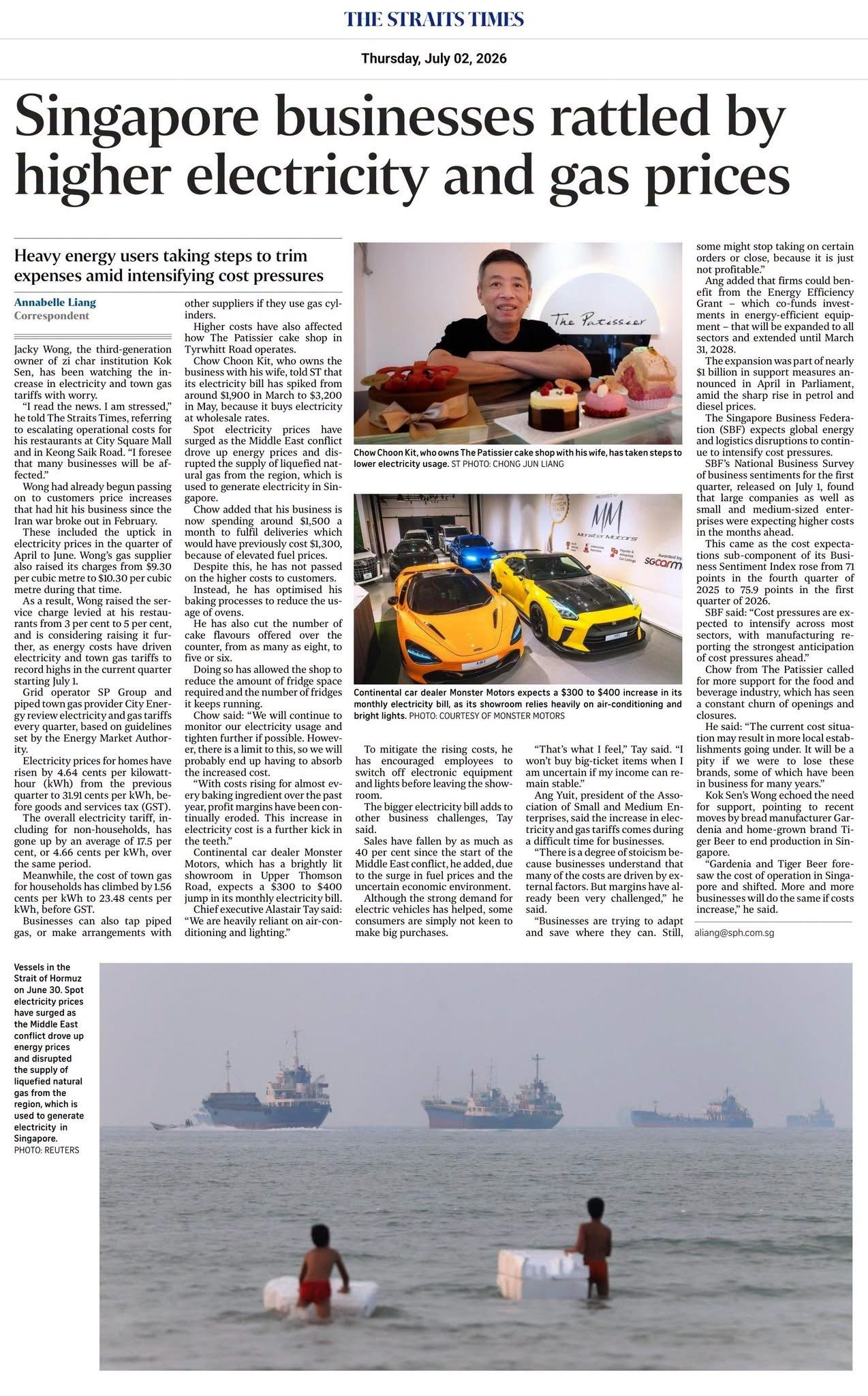
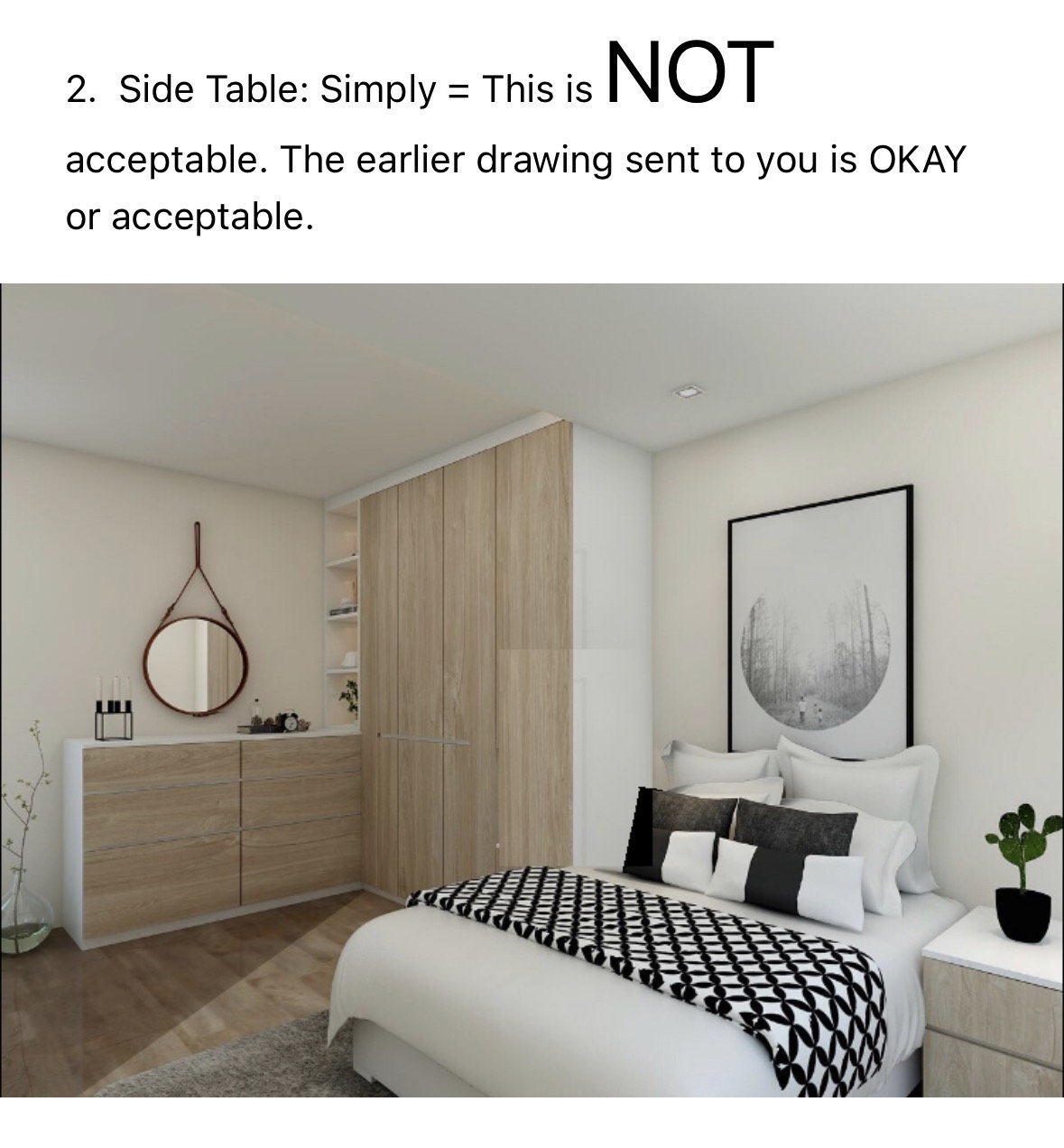
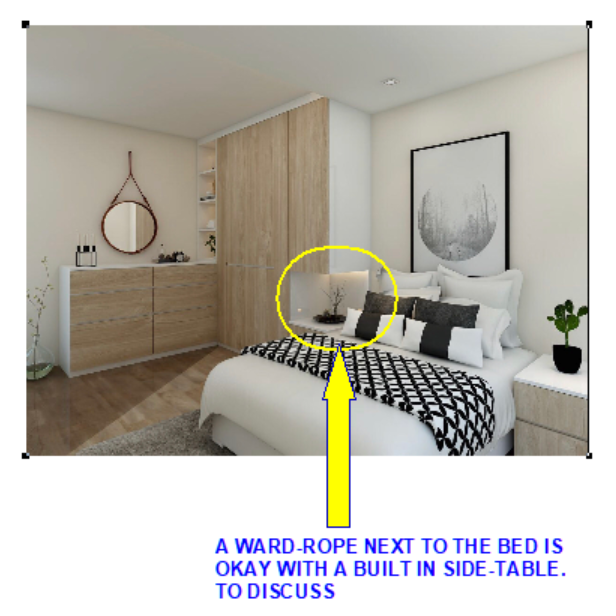
Singapore businesses are feeling a fresh squeeze from higher electricity and gas costs, adding to existing pressures like wages, rent and weak demand in some sectors.How businesses are being affected- Utility bills are rising quarter-on-quarter, especially for energy-heavy operations (restaurants, bakeries, showrooms, factories, cold storage). - Natural gas price volatility matters because Singapore’s power generation relies heavily on gas; global disruptions (including geopolitical tensions affecting LNG supply) can feed into local electricity prices. - Passing costs to customers is hard: some firms have raised prices slightly, but worry that bigger increases will drive customers away or cut demand. - Profit margins are getting thinner, forcing tougher choices—such as scaling back certain offerings/orders, delaying spending, or becoming more cautious about expansion. What businesses are doing to cope (mitigation strategies)- Small, targeted price increases (e.g., modest menu price adjustments) while monitoring customer resistance. - Reducing energy use operationally - Optimising production/baking schedules to use equipment more efficiently. - Cutting non-essential consumption (fewer fridges/freezers running, consolidating storage). - Tightening day-to-day controls: switching off lights/equipment, moderating air-conditioning, reducing after-hours power use. - Switching or renegotiating supply arrangements - Shopping around for better electricity contracts and exploring alternatives where feasible (e.g., different supply setups for cooking fuel). - Seeking productivity improvements to offset higher costs without fully raising prices. - Leaning on government support schemes where eligible (including energy-efficiency co-funding/grants that help firms pay for energy-saving equipment and upgrades). Overall takeawayRising energy prices are pushing Singapore firms to do two things at once: trim consumption aggressively (better processes, stricter controls, equipment upgrades) and carefully adjust prices where the market can tolerate it—while staying cautious because demand may not be strong enough to absorb large increases. Source & Credit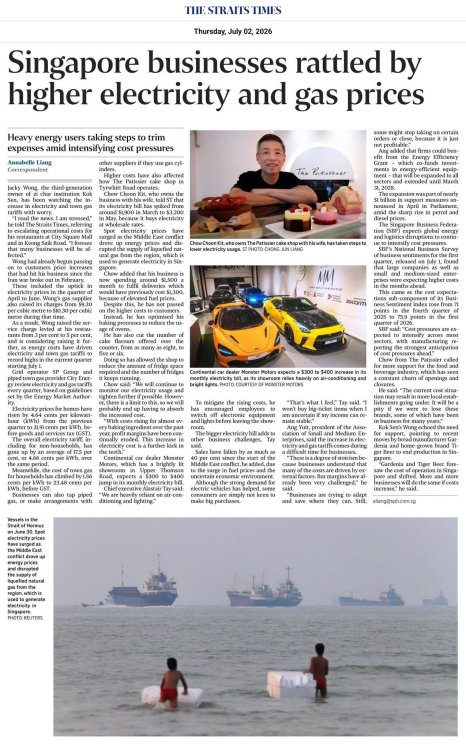 A wardrobe with an indent for a side table is okay or preferred
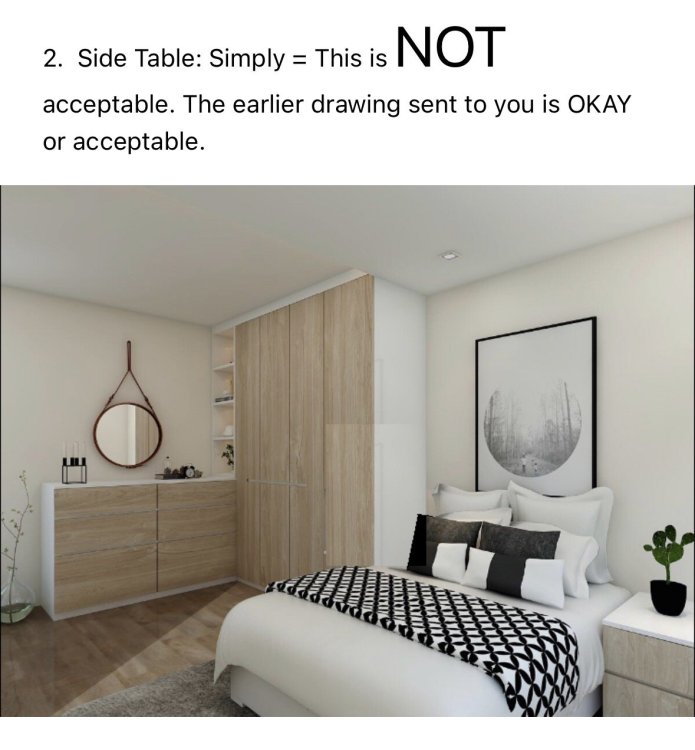
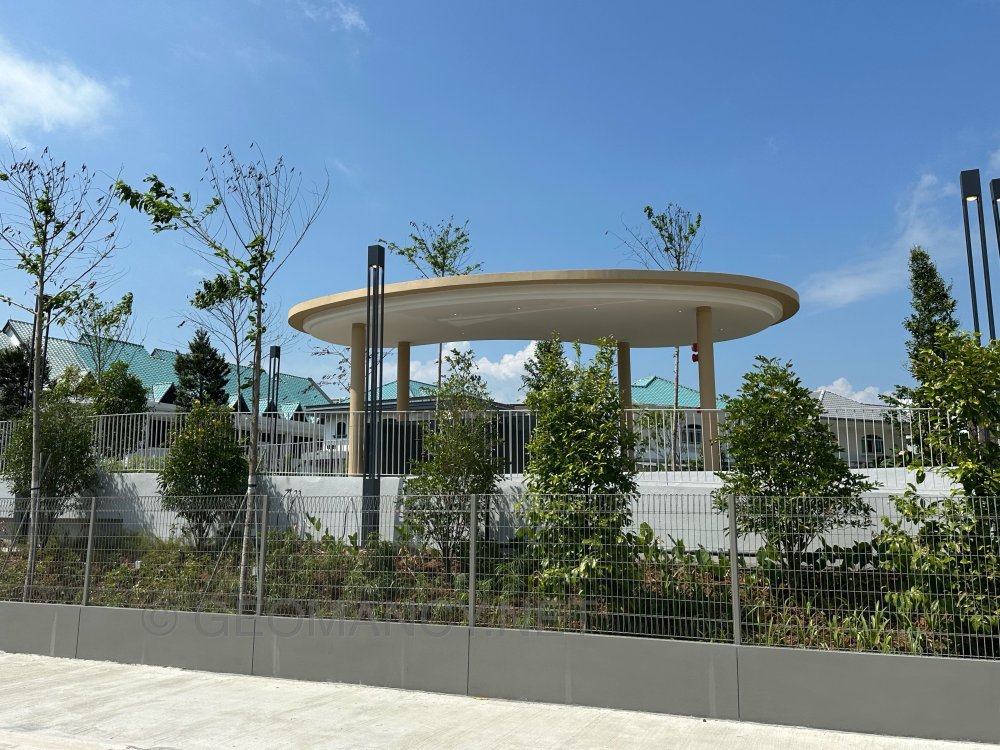
 Poison arrow from wardrobe sharp corner
 Three pieces of clove
 On 2nd July 2026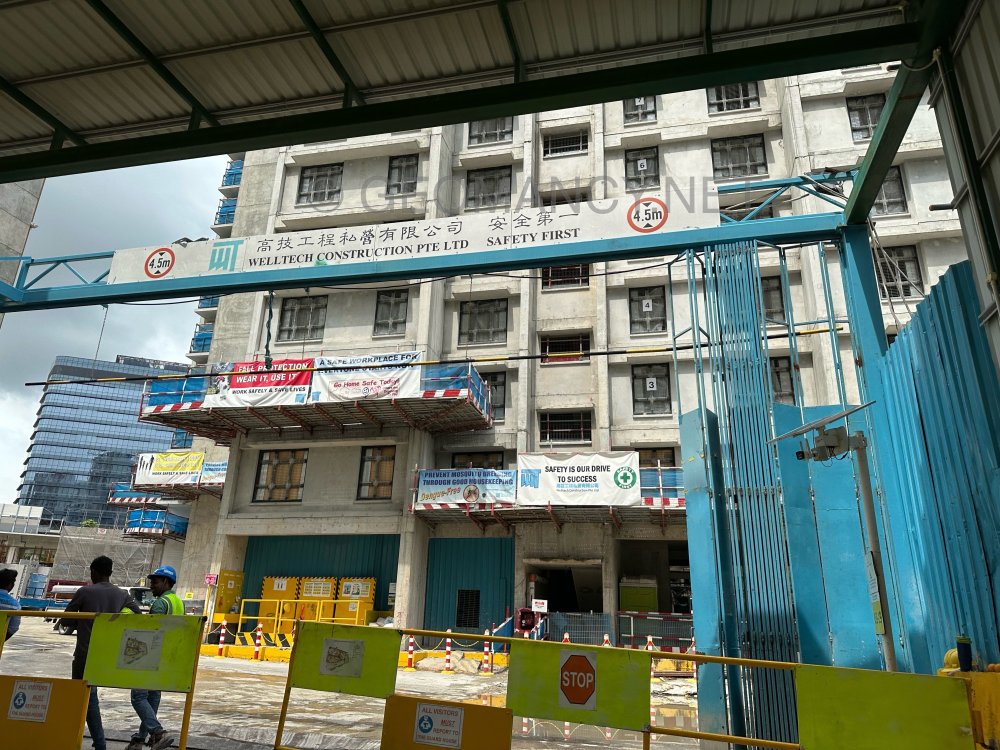
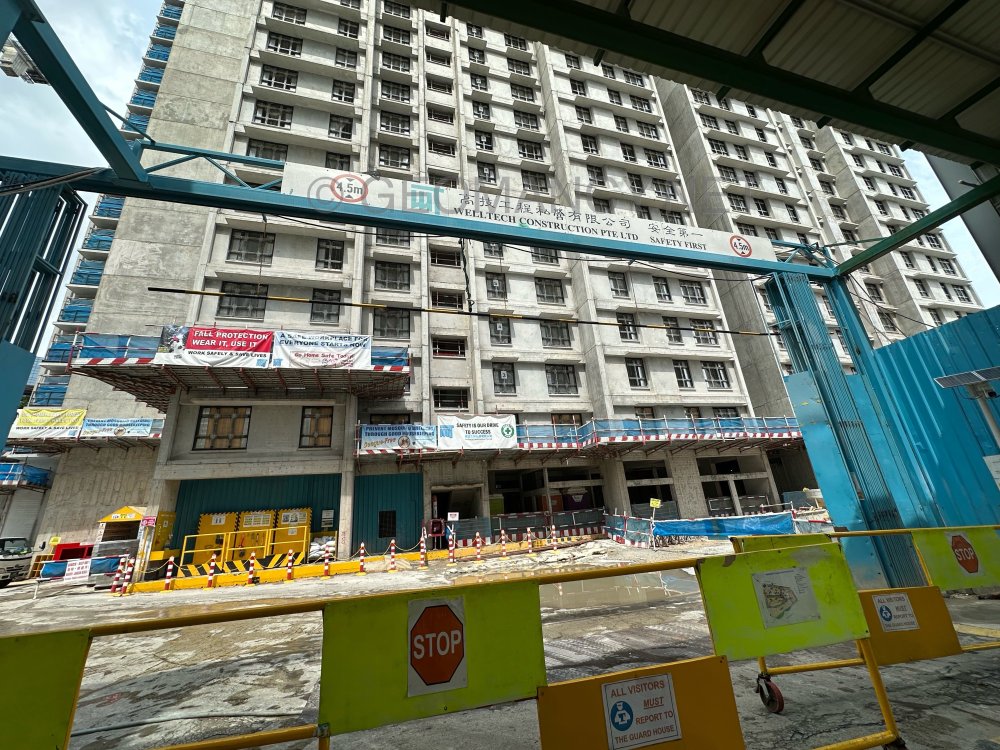
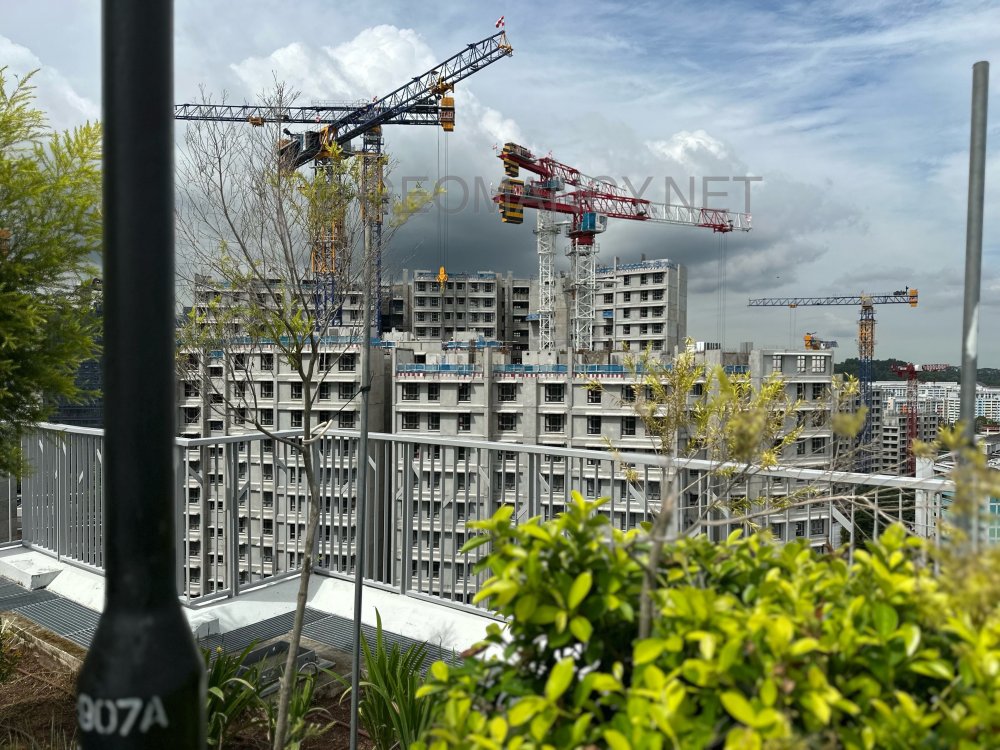


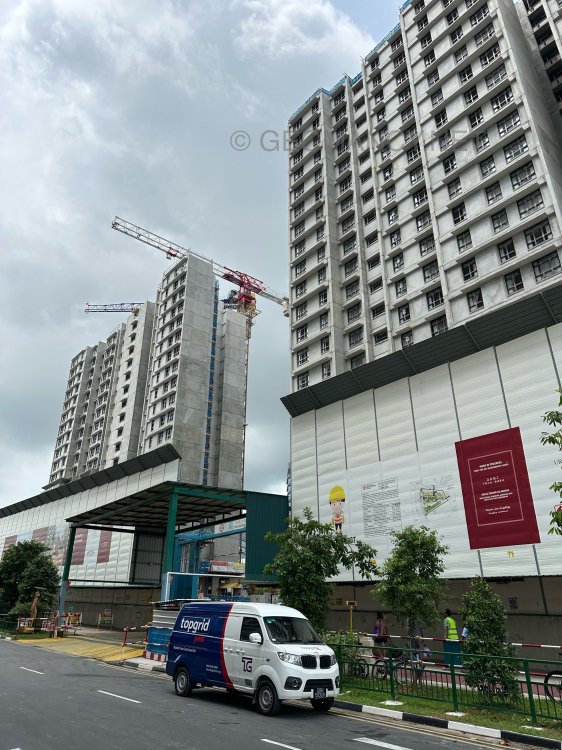 Just T.O.P.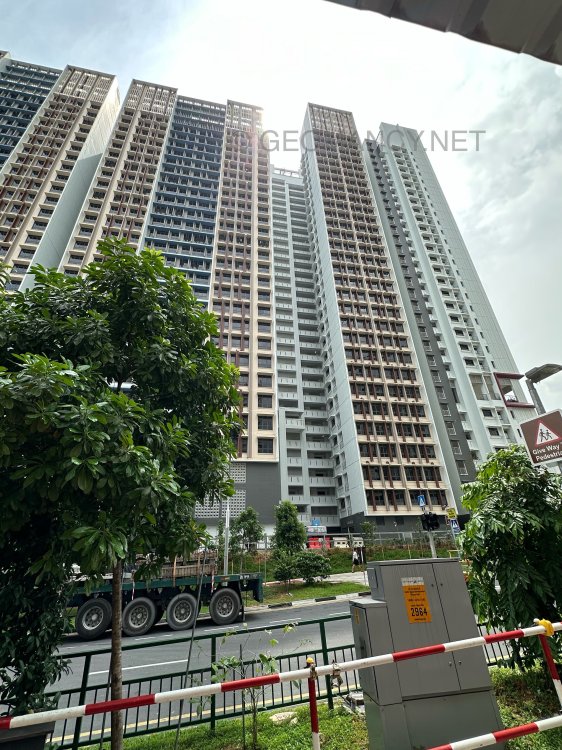

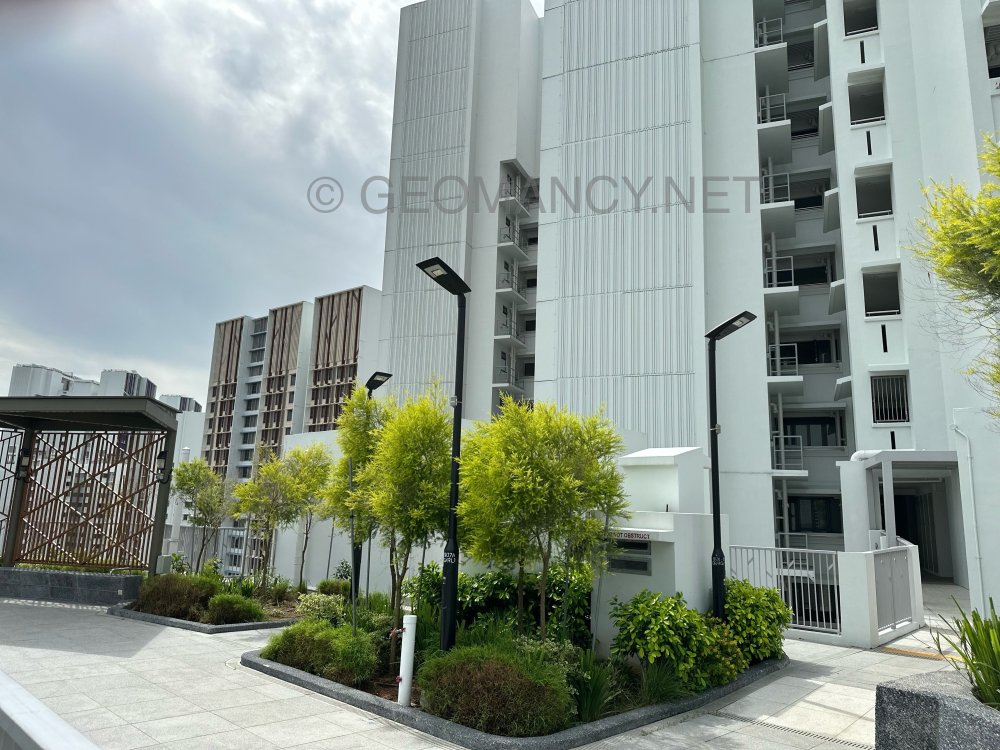








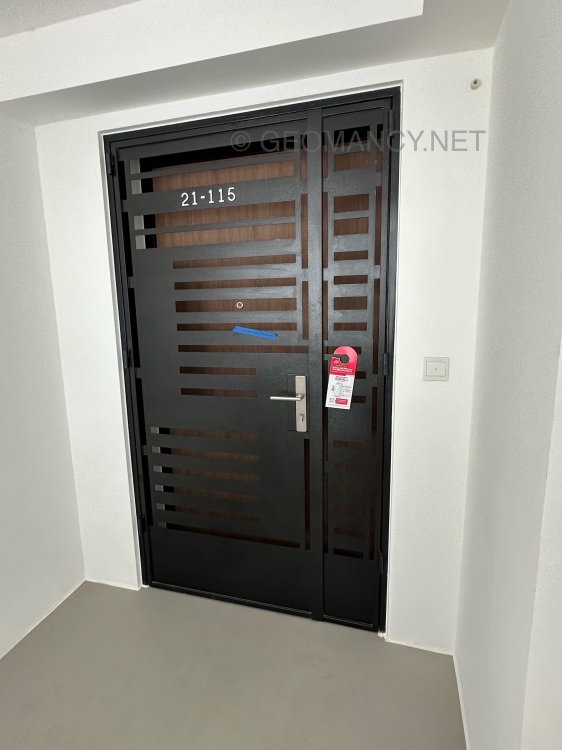

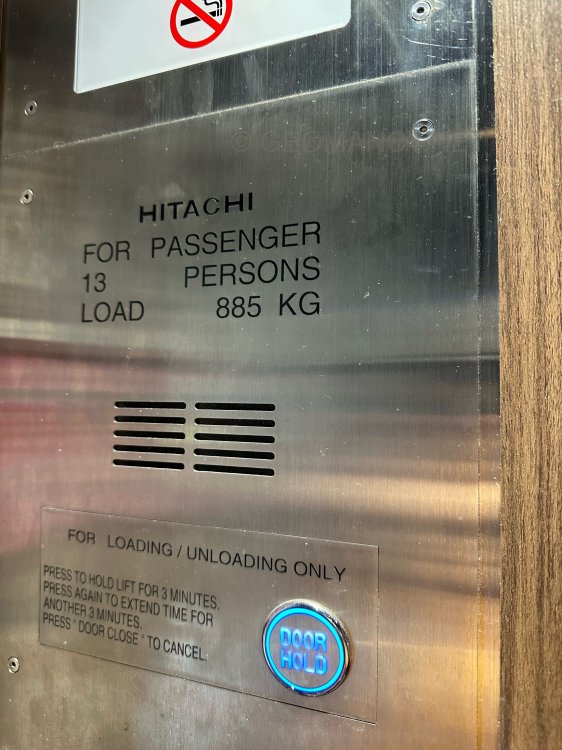
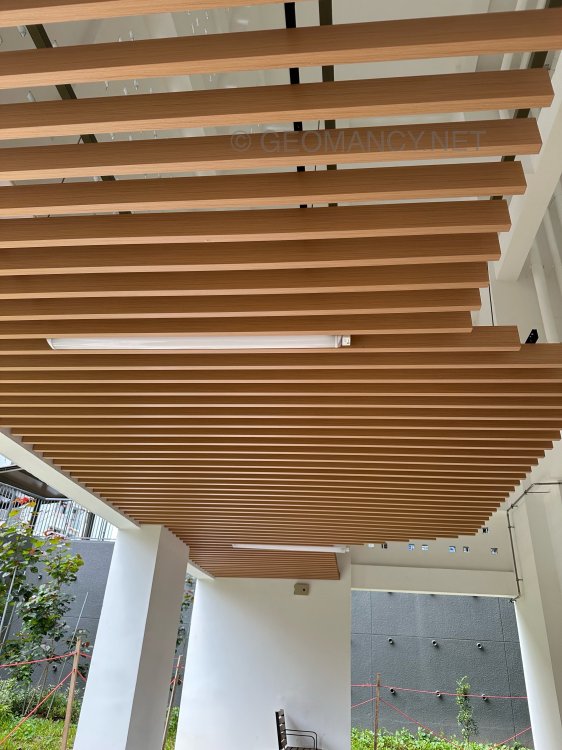

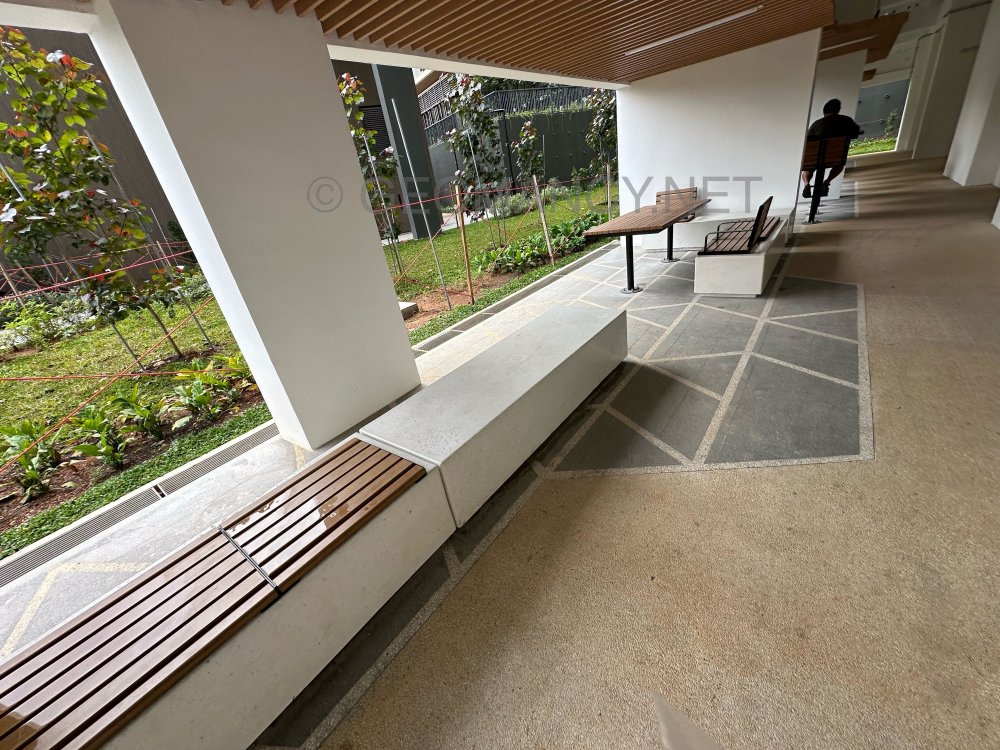
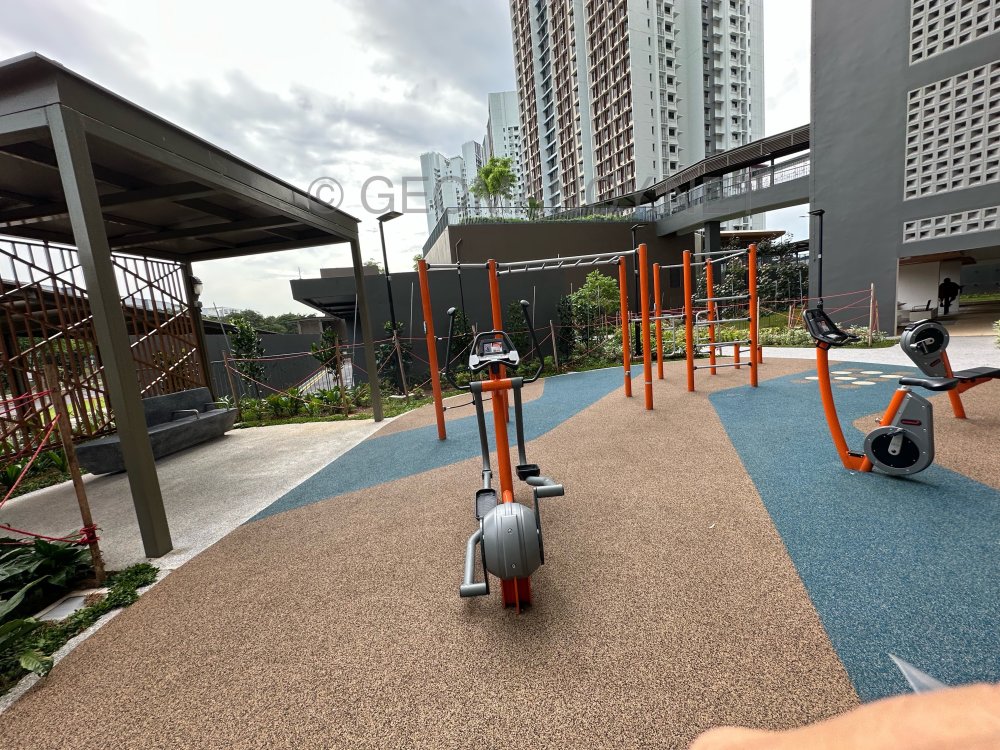

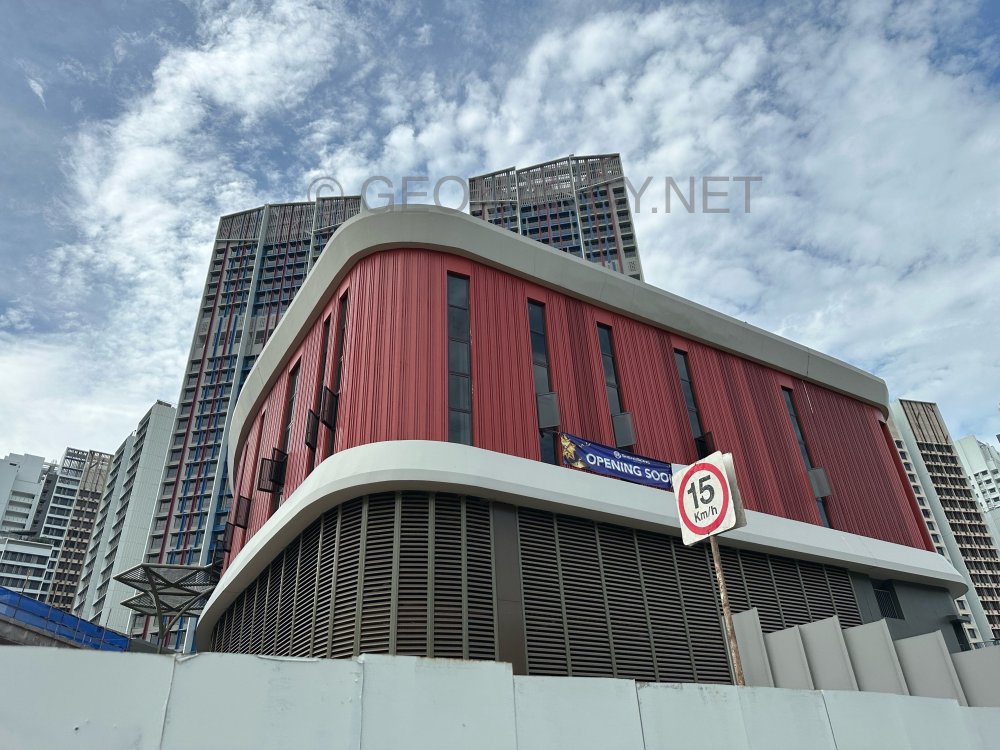 On 2nd July 2026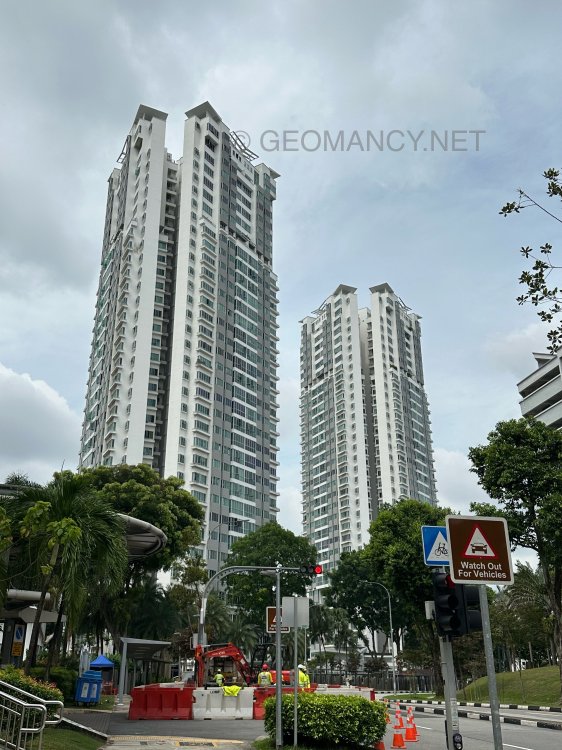







- Last week
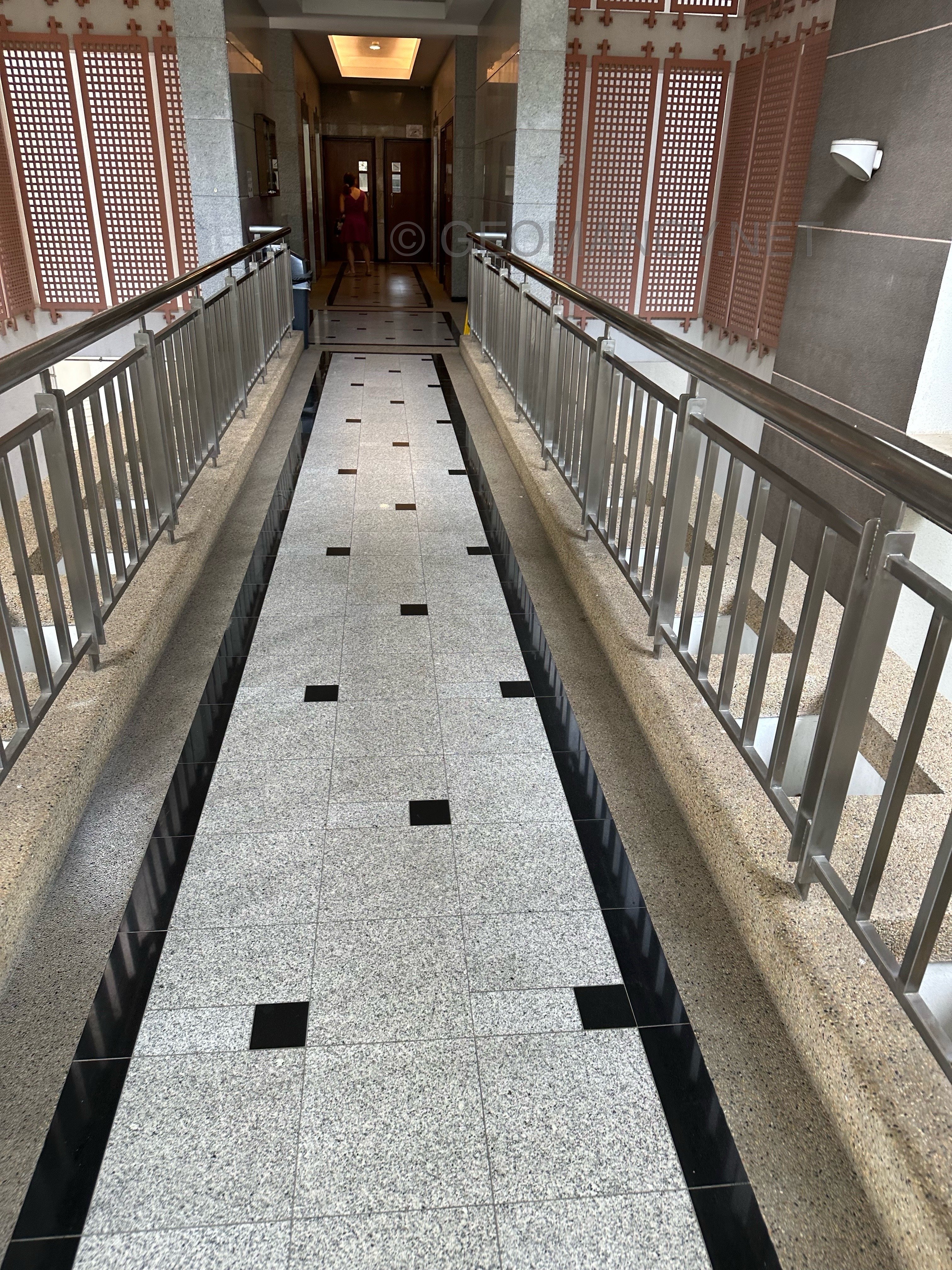
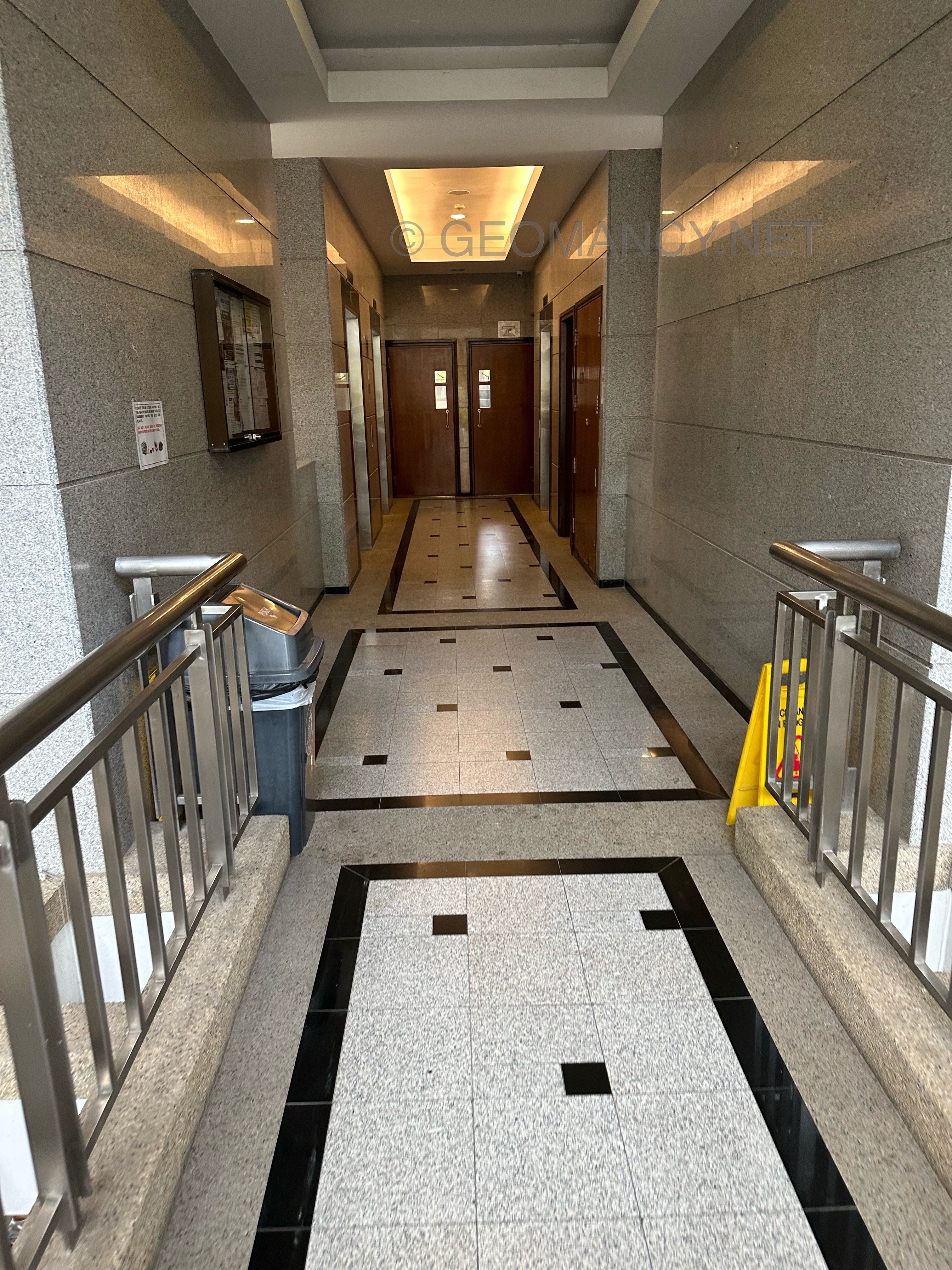
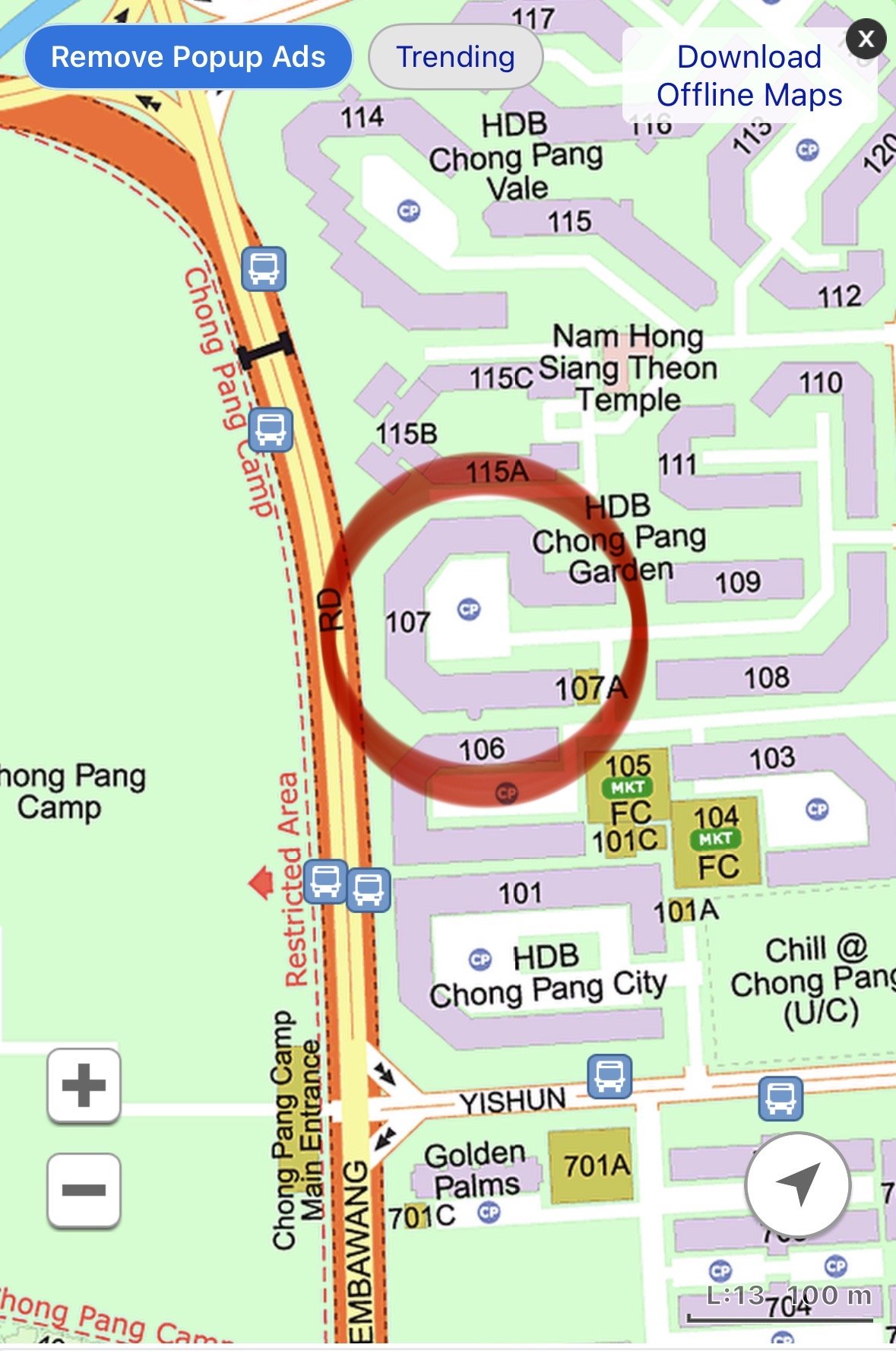
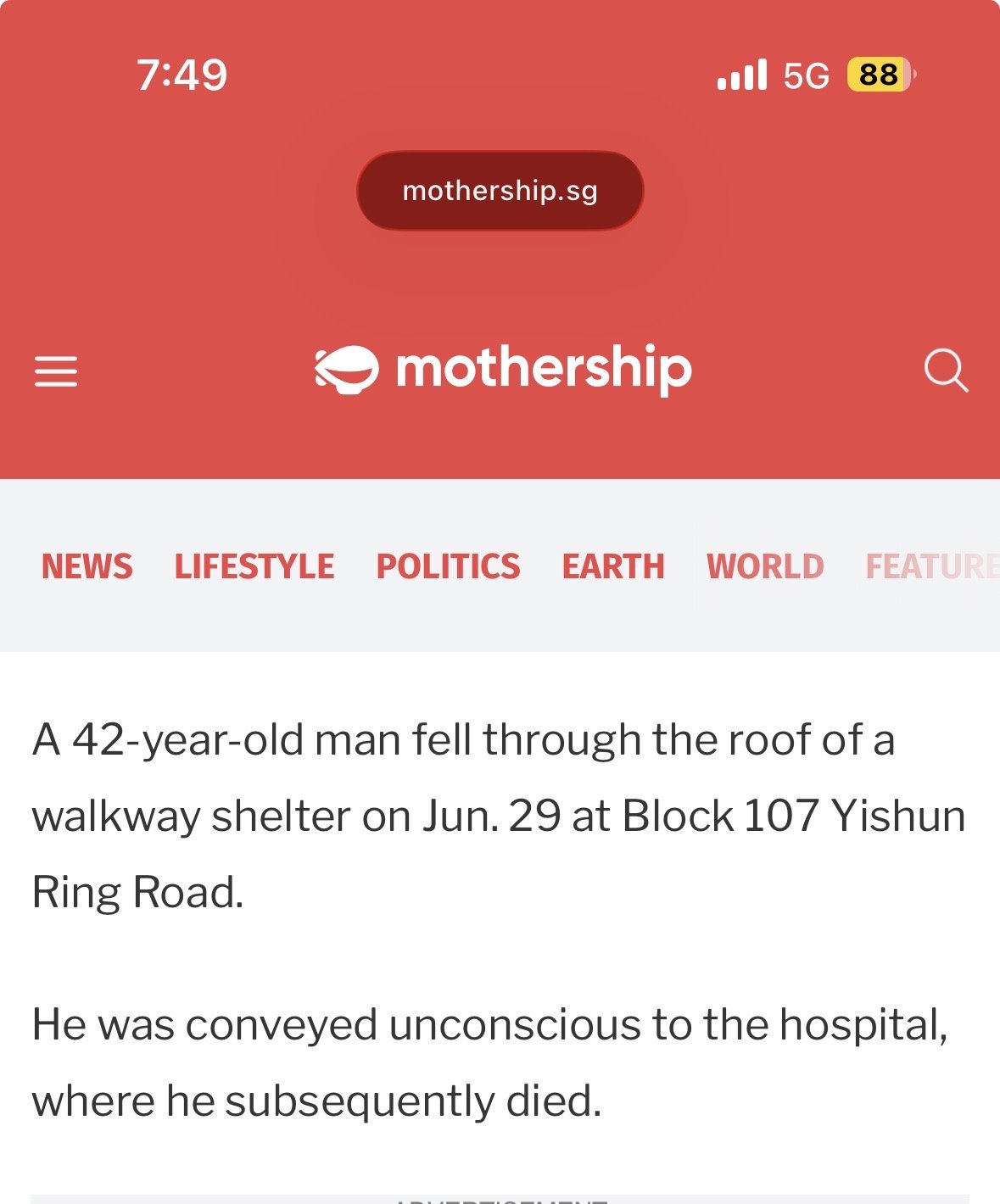
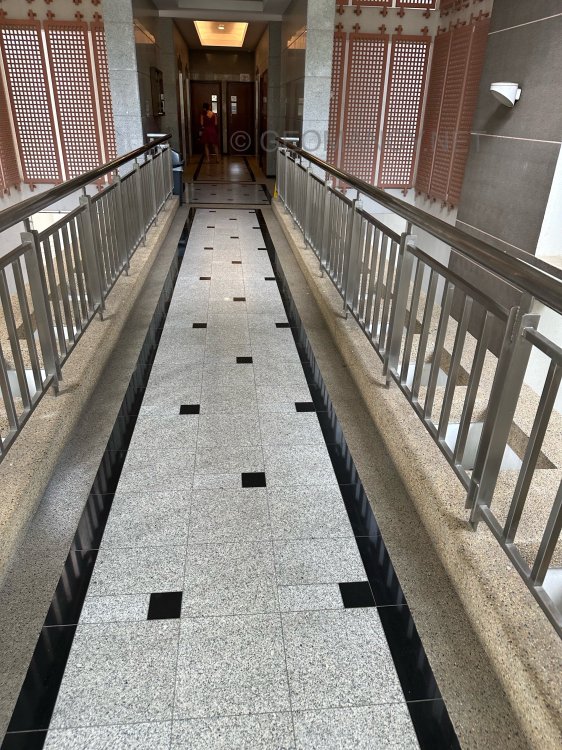
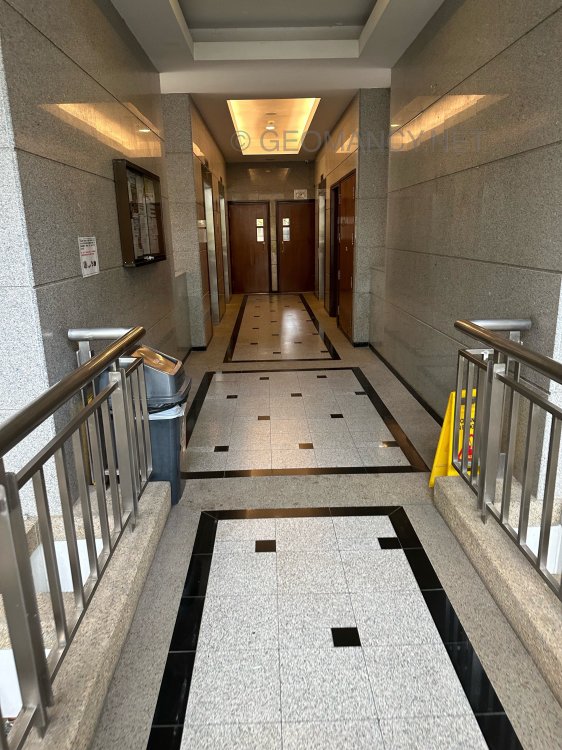
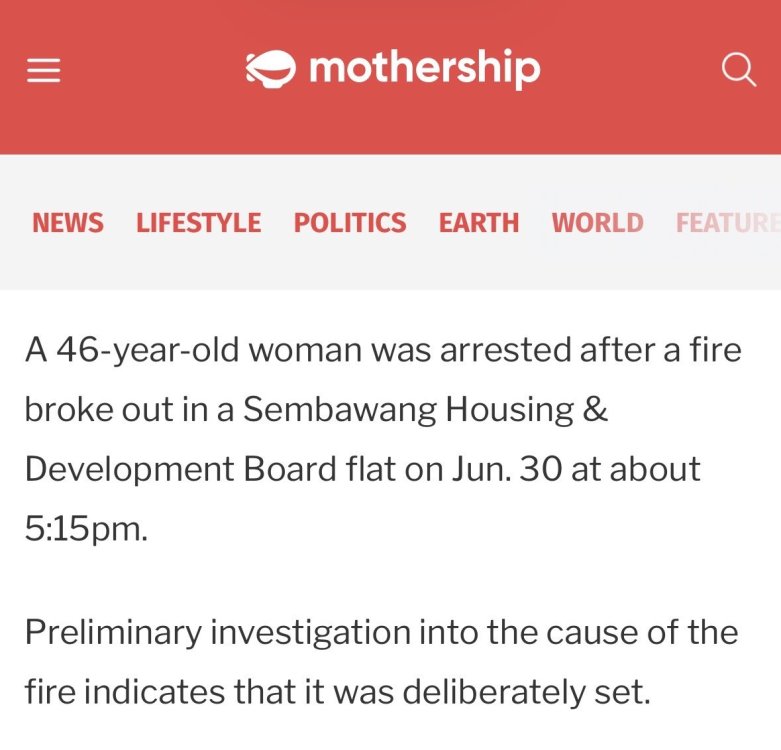
Blk 107 Yishun Ring Road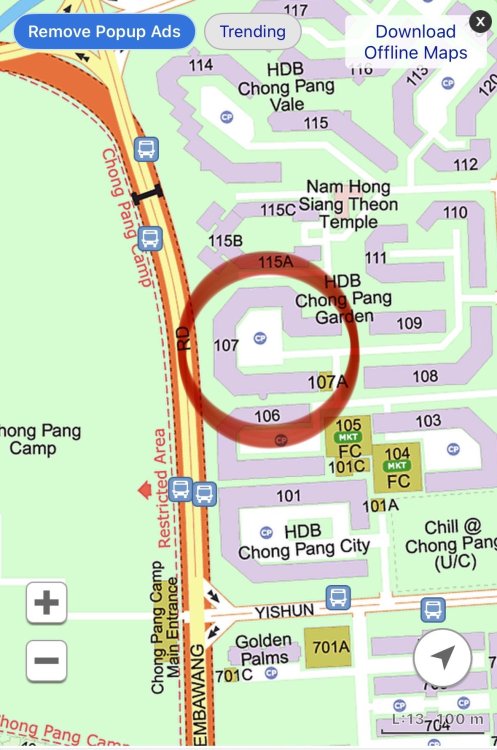 Man, 42, Dies in Fall Through Walkway Roof at Blk 107 Yishun Ring Road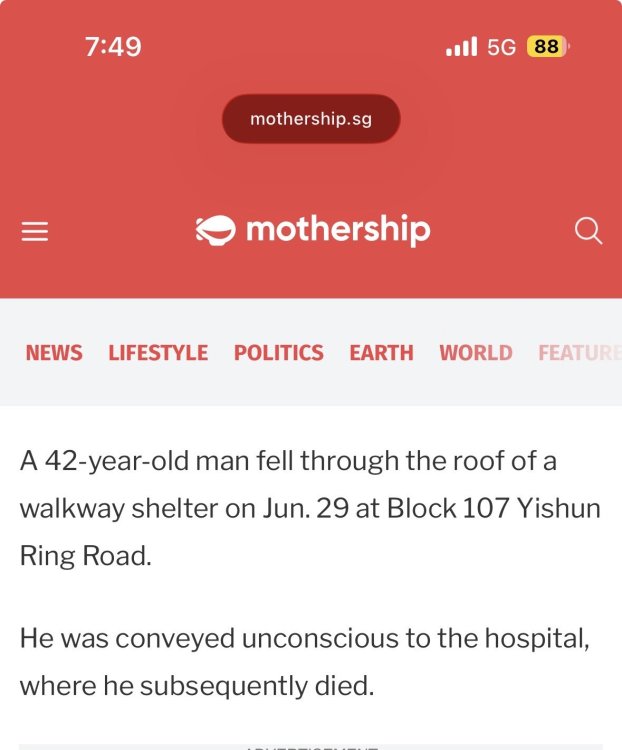

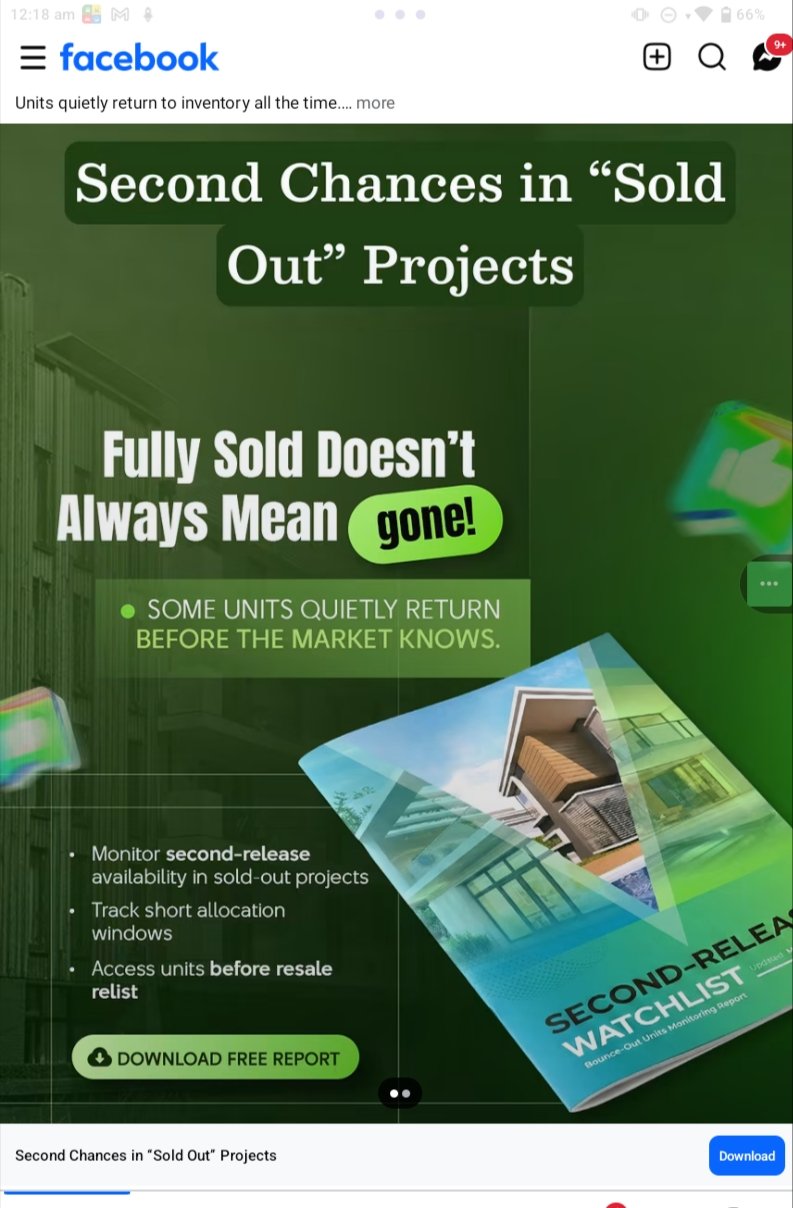
 Thought provoking...Open your eyes before purchase! Don't buy blindly!
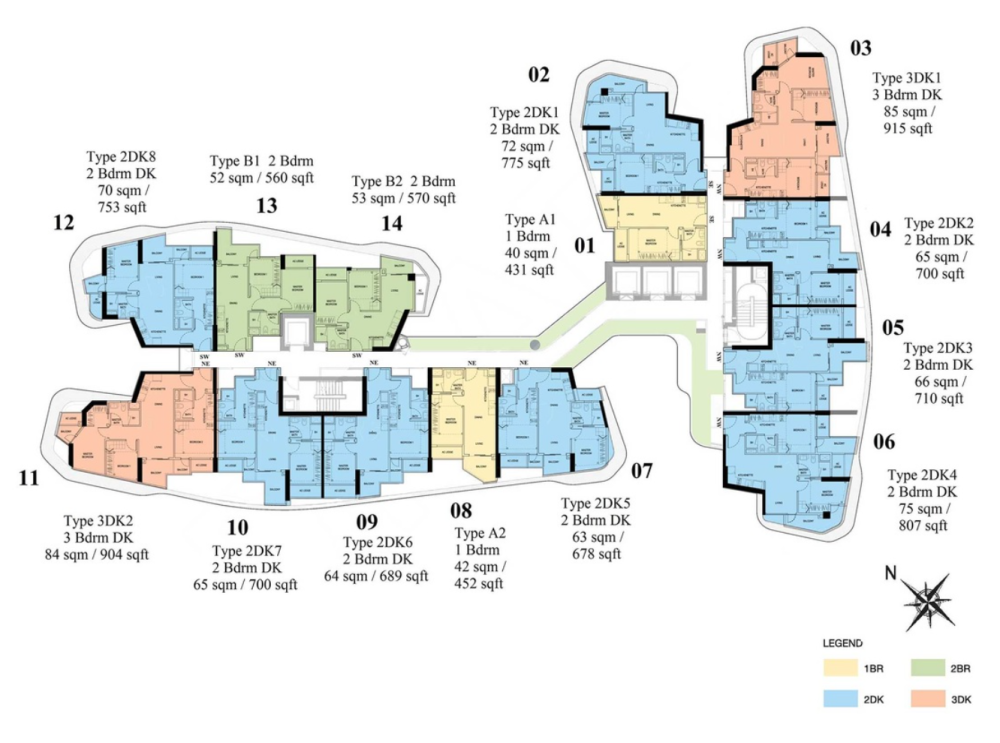
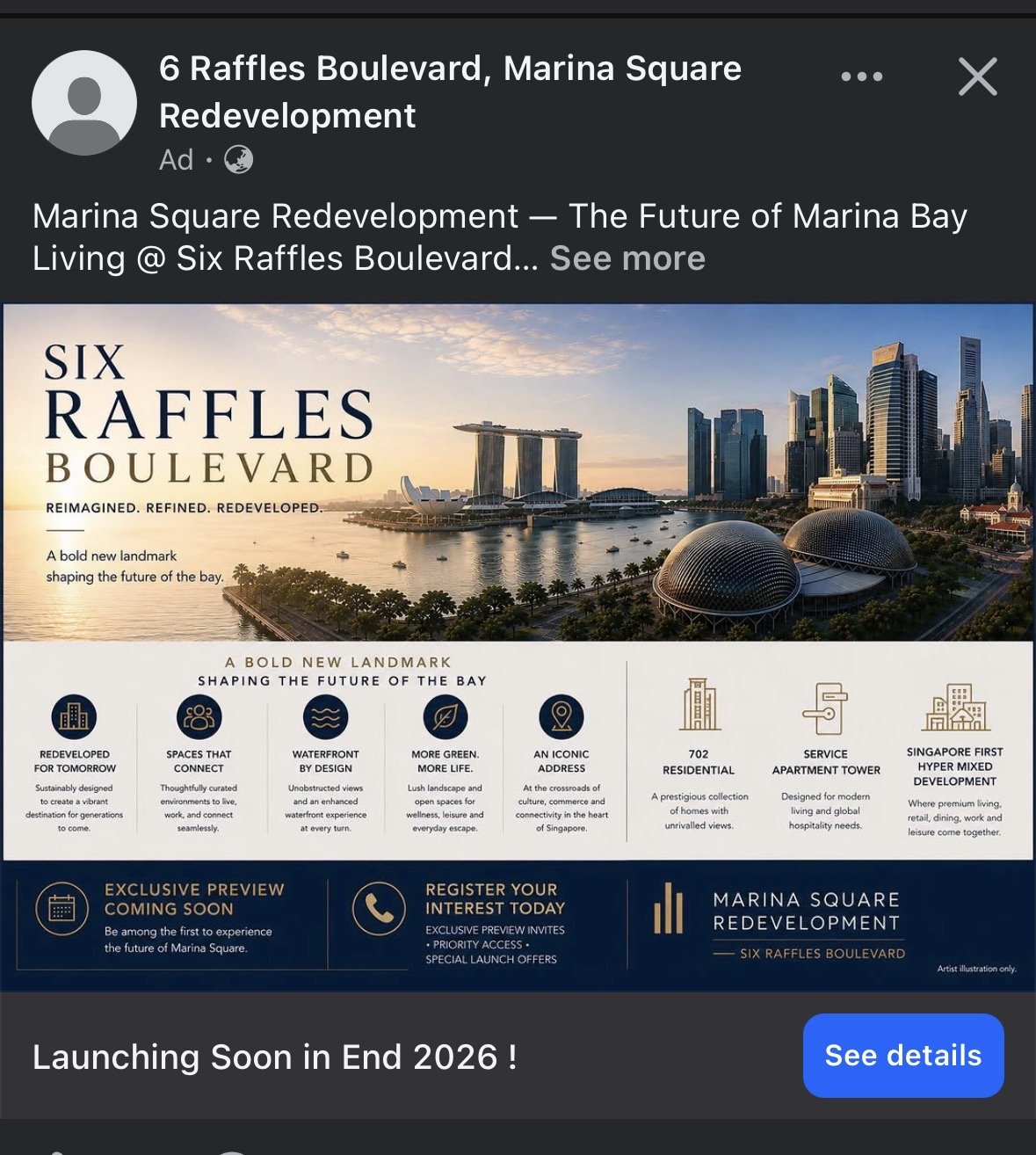
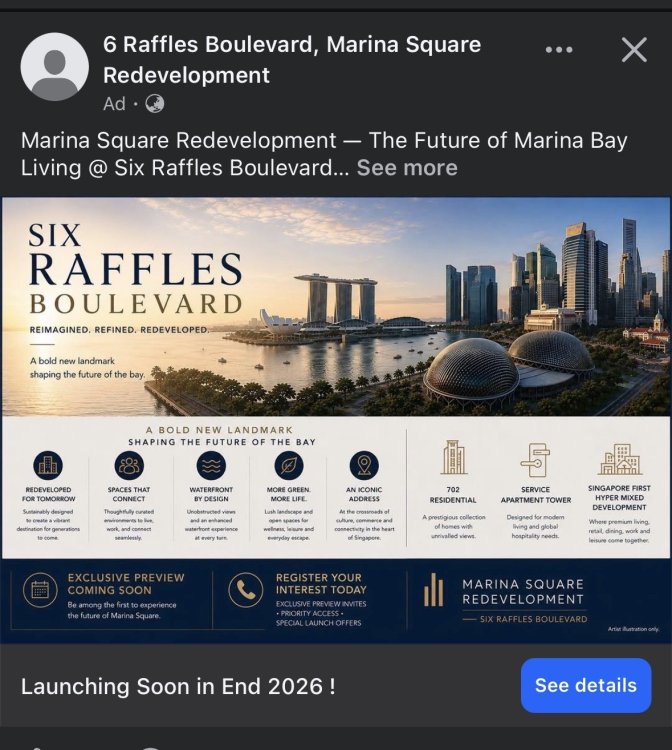
 woneoneli joined the communitySix Raffles Boulevard
 Source & Credit
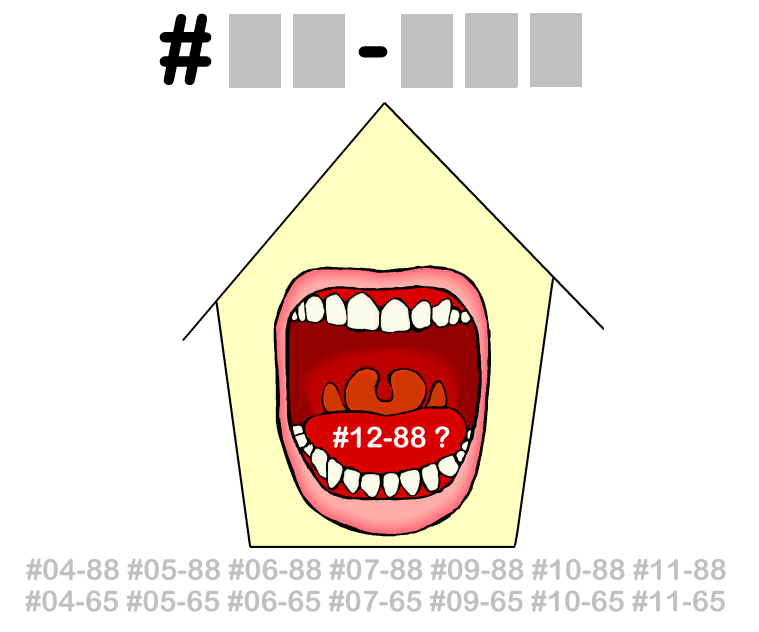
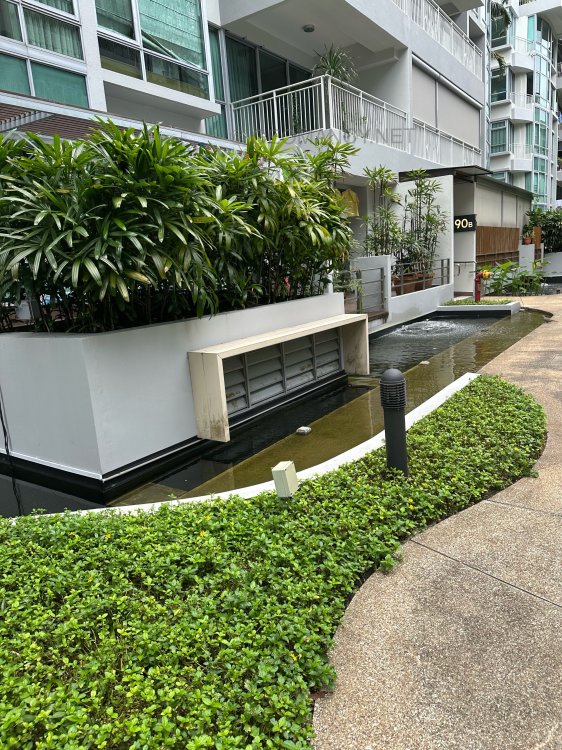
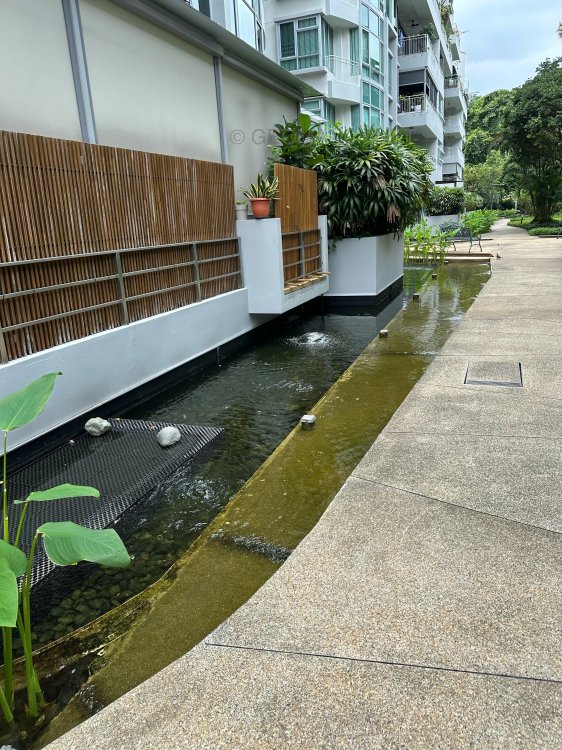
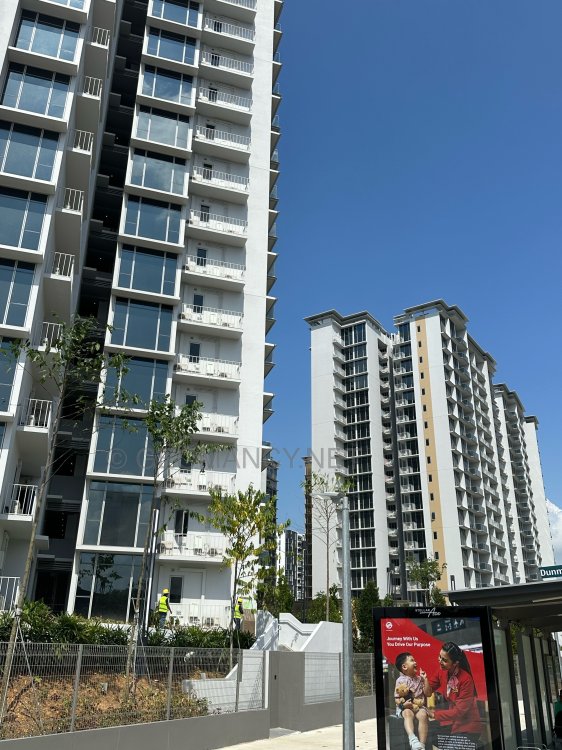
 Is the Sales Brochure Useful? Introduction: For brand new just launched developments, there is no physical site to visit the completed buildings and apartments. 1. The only thing we can do is to visit the show room (which often is close-by to the site) as well as obtain a sales brochure and see the mock-up of the development. As well as try to ask questions from the sales agent (if any). 1.1. We must still try to gather as much information as we can. 2. Summary of Case Studies in this article. If the information is overwhelming. Pick and choose selective articles... 1A & B: Common Rubbish Bin 2A & B: Interior unit Dry Walls 3: Fire at Heaven's Gate 4: Sha Qi or Poison Arrows from Club-house roof-lines 5: 3 Panel Sliding Doors at the Balcony 6: Drainage at the Balcony 7: Air-con Ledges 8: Mixed Developments + Cooling Towers 9: Termite infestations 10: Coffee-shop below or near to unit 11: Water tank at roof-top 12: Lamp Posts, Pillars, Tree Trunks 13: Spice Garden in an EC/condo 14: EC/condo Clubhouse 15A & B: Pneumatic Waste Collection System 16: Look closely at the development's scale model for clues 17: Buying a Mixed development apartment 18: Survey or study facilities surrounding the development 19: Pump Room below a unit 20: Seven Commandments of Stove Placement 21: Is there a potential poison arrow from the neighbours? 22: Should I be concerned with a near-by temple, church, mosque &/or elder care? 23: Is the compass marking on the Sales Brochure accurate? 24: Sites reserved for Schools? 25: Doors face each other? [Main Door/Bedrooms] 26: Unit numbers with 4, 44 or 444 Okay? 27: Stove or sink or WC at the Centre of the house? 3. It is always an excellent idea to spent some time to scrutinise a prospective sales brochure of our potential buy (purchase). 4. Recently, more and more clients have discovered to their shock (horror) that the least expected was the location of the central rubbish bin outside their unit. 5. A year ago; many had purchased a premium unit within the development .. and later shocked to learn that the central rubbish chute (for their entire floor) is just next to their main door! 6. Thus the morale of the story is to check first before signing on the dotted line. 7. In general, most developments have these:- 8.1. A central rubbish collection centre / rubbish bin collection point 8.2. Power Sub-station. Every development usually has one or more of these depending on the size of the development. 8.3. Design of club-house roof-lines / trellis / gazebo / pavilion. Are the designs a "threat" e.g. with spikes or like a razor's edge? Usually these are aimed towards lower storeys. 8.4. Any poison arrows in the form of a sharp corner of another block of neighbouring stack aimed towards one's balcony (hard to cure) or towards one's windows (if any) 8.5. Location of areas like BBQ pits and any impact e.g. the smell from these pits towards a unit.. especially low storeys such as #01 or #02 first or second storeys 8.6. Any tree trunk aimed towards a lower unit e.g. #01 or #02. Unfortunately it may be too late; especially if the development is under construction. 9. There are lots more considerations... 9.1. Do remember "Read in-between" the lines.. CLICK THIS LINK TO LEARN MORE The Experts in House Hunting " As much as we see, Geomancy.net has great web presence built up over the years and is seen as one of the SG market leaders in residential house audit. " Success starts with good Feng Shui Transparent Pricing & No Hidden Costs. No Purchase of Products. Cecil Lee, +65 9785-3171 / support@geomancy.net +++ Type in the unit number to find out OPTION 1 Please go to this link to check a unit number: https://www.geomancy.net/content/personalised-reports/free-feng-shui-reports/house-number-report/about-house-number-report [Need to create a free account to access it] or OPTION 2 Go to URL: https://login.geomancy.net On the blue navigation on the left, click under Free Reports | House Number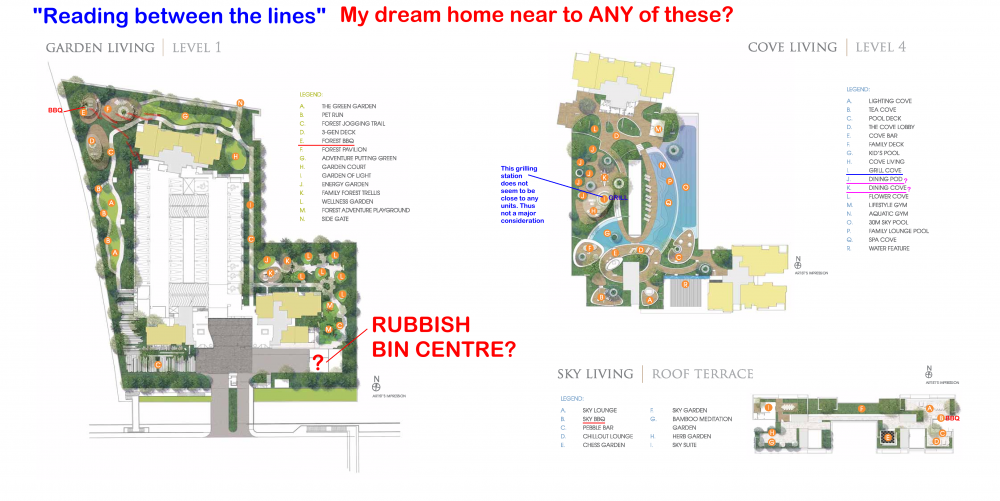




 On 30th June 2026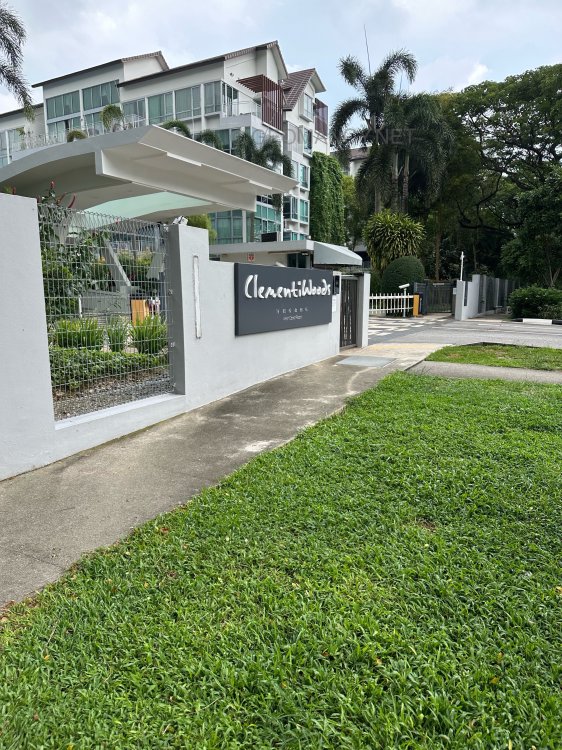


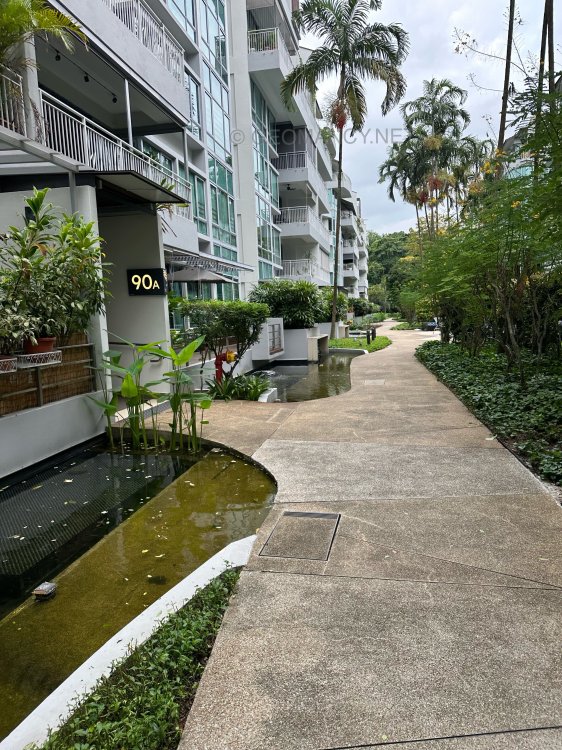
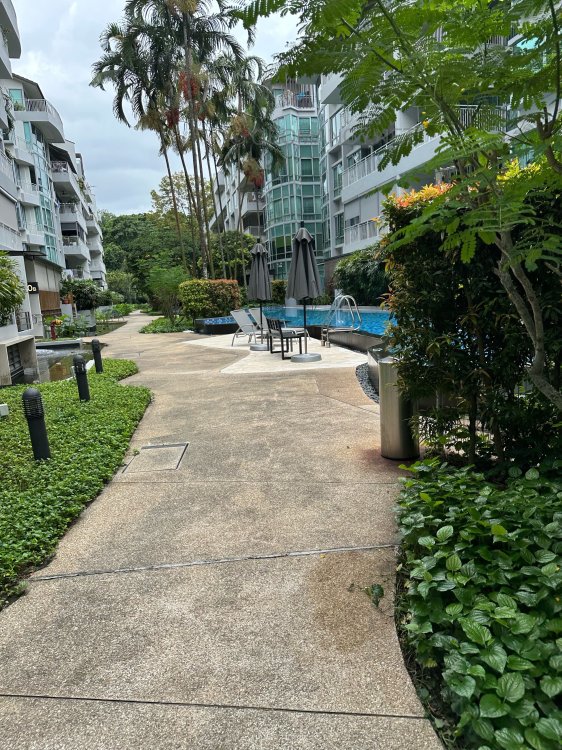
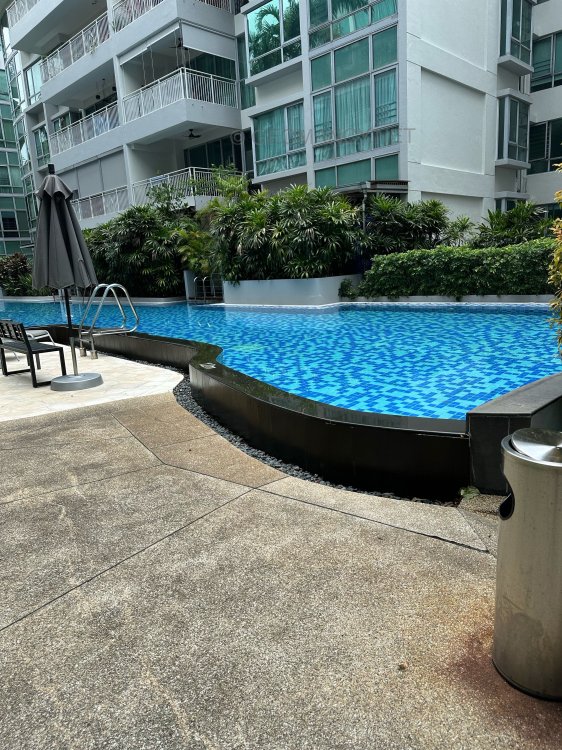





 On 30th June 2026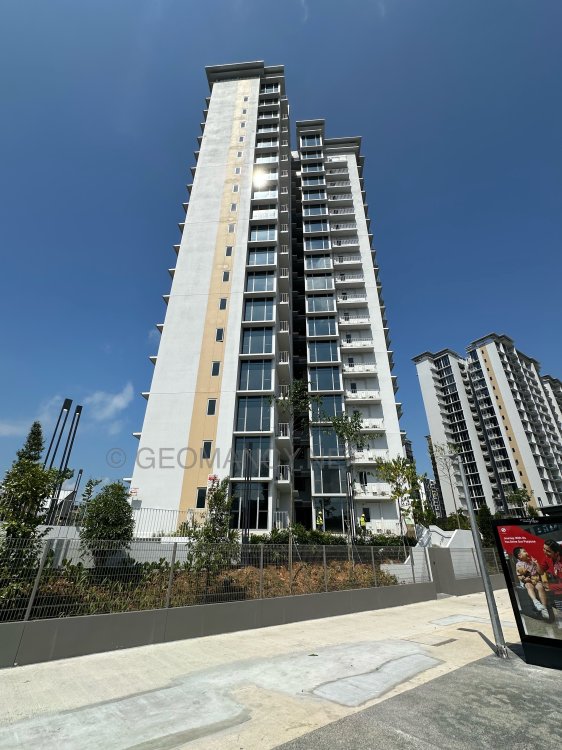



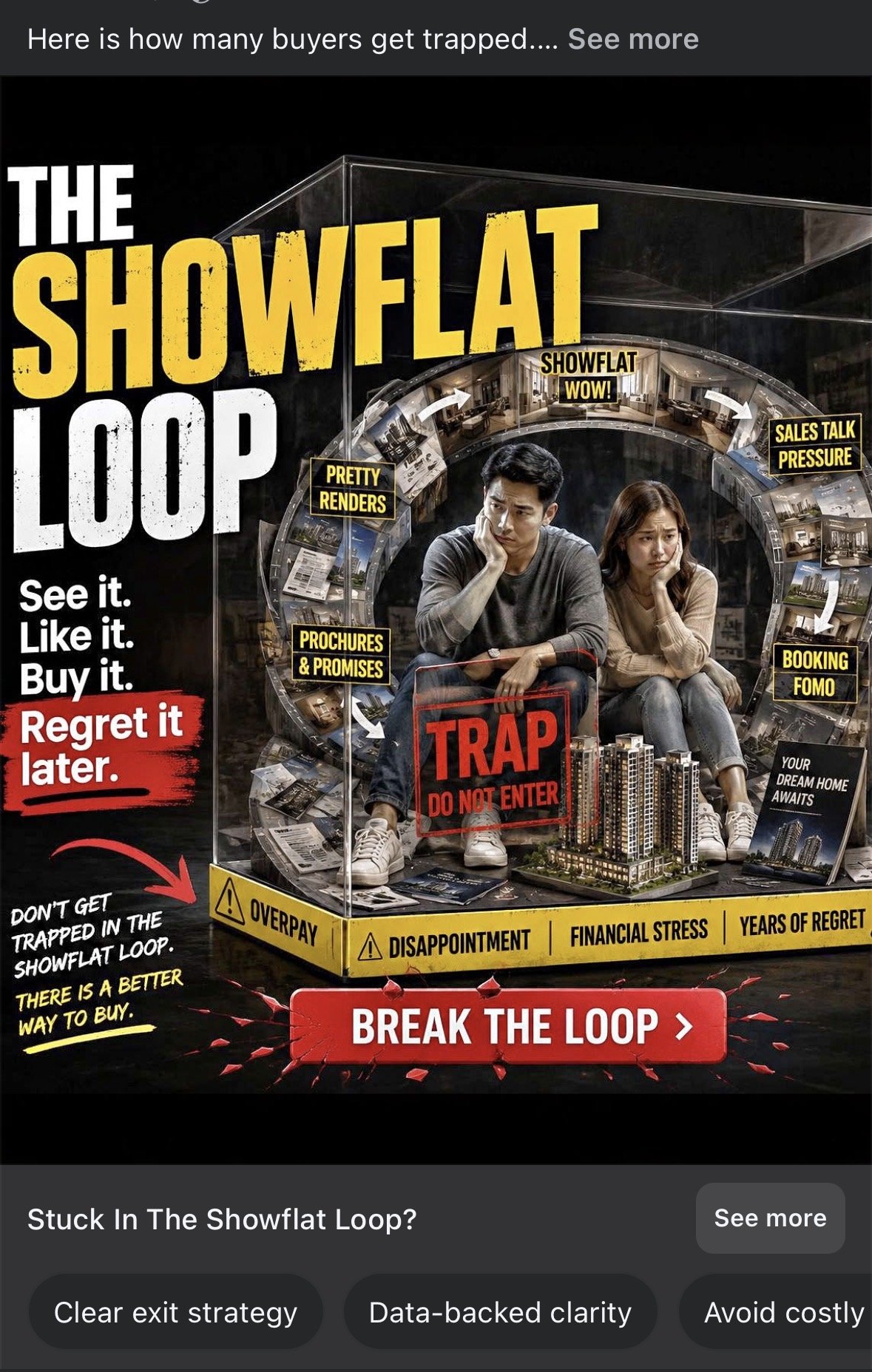
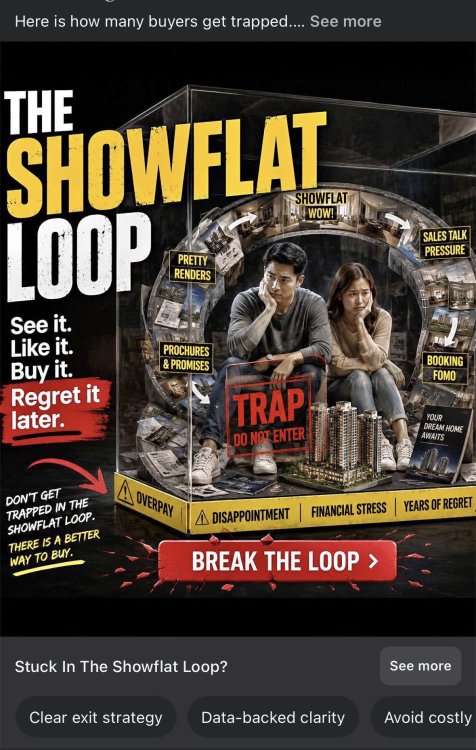
 The Show flat Loop is A Trap? This creative frames new-launch buying as a psychological trap engineered by showflats, and positions the advertiser as the “exit strategy” that helps you avoid an emotional, high-pressure purchase that leads to regret. ## Persuasive elements (how it tries to get the click) - “Trap” narrative + naming the enemy: Calling it “THE SHOWFLAT LOOP” turns a messy buying process into a single villainous mechanism you can “break,” which is compelling and easy to remember. - Emotional sequence copy: “**See it. Like it. Buy it. Regret it later.**” is a simple four-step story that primes fear and self-doubt right before the CTA. - Fear + loss aversion stack: Visual labels like “sales talk pressure,” “booking FOMO,” “brochures & promises,” and outcomes like “overpay,” “disappointment,” “financial stress,” “years of regret” push the viewer toward a protective action (clicking). - Relatable protagonists (without needing specifics): A stressed-looking couple sitting inside the “trap” makes the risk feel personal and common—“this could be you.” - Micro-copy that implies a solution exists: “**There is a better way to buy**” hints at a method/framework, making the CTA feel like access to relief rather than a sales pitch. - **Strong, action-led CTA:** “BREAK THE LOOP” is framed as empowerment and escape, not “contact an agent,” which reduces resistance. ## Critical issues / credibility gaps (what a cautious viewer will question) - Overgeneralization of showflats/new launches: Showflats can be marketing-heavy, but not every buyer “regrets it later,” and not every project is overpriced. The ad treats a situational risk as an almost universal outcome. - No evidence, just assertions: It claims “how many buyers get trapped,” but shows no numbers, sources, or methodology (e.g., cancellation rates, buyer remorse surveys, price underperformance stats). - Replaces one influence with another: The ad warns about “sales talk pressure,” but the creative itself uses high-pressure fear cues. A skeptical viewer may ask: is this just a different funnel to capture leads? - Ambiguous solution: “Better way to buy” isn’t defined. Is it a checklist, a consult, a report, buyer’s agent service, or lead gen to sell other offerings? - May prime distrust broadly: Painting the entire new-launch process as manipulative can be persuasive, but it can also feel cynical or agenda-driven (especially if the advertiser benefits from steering buyers to certain alternatives). ## Design & messaging effectiveness - High-contrast, poster-like readability: Big type, limited palette (black/yellow/red), and bold labels make it scroll-stopping and easy to parse quickly. - Strong visual metaphor: The “loop/trap box” with repeated marketing touchpoints creates a clear mental model: inputs (pressure, FOMO) → output (regret). - Dense but structured: There’s a lot on-screen, yet the hierarchy is clear: headline → regret line → trap elements → consequences → CTA. - Tone is intentionally alarmist: The hazard-tape styling and warning signage amplify urgency. This boosts clicks but can reduce trust for analytical buyers. ## Does it entice a click? Yes—especially for: - first-time buyers anxious about being manipulated, - anyone who just attended showflats and felt pressured, - cautious personalities who respond to “avoid regret” messaging. The main limiter is credibility: it’s emotionally strong but fact-light. Adding one concrete, verifiable datapoint (even a small one) or previewing the actual “exit strategy” (e.g., a 5-step framework, checklist, or comparison method) would likely improve both trust and lead quality.
 Walk-Away Price
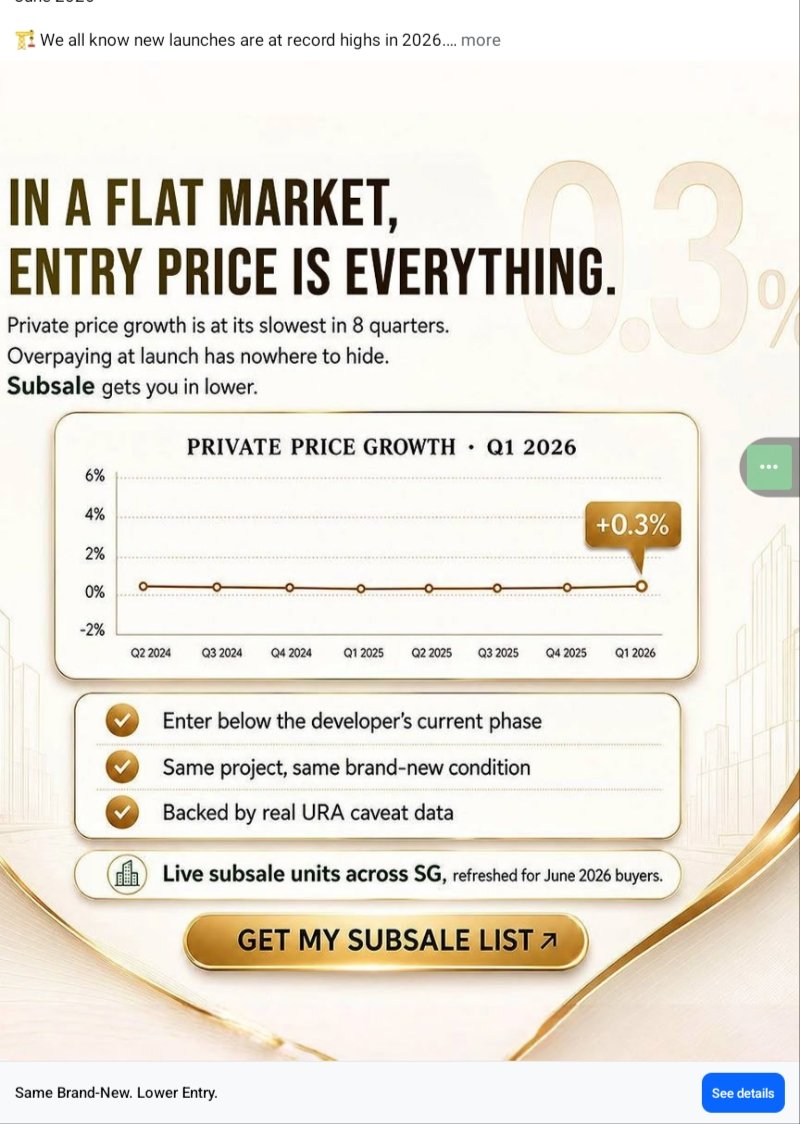
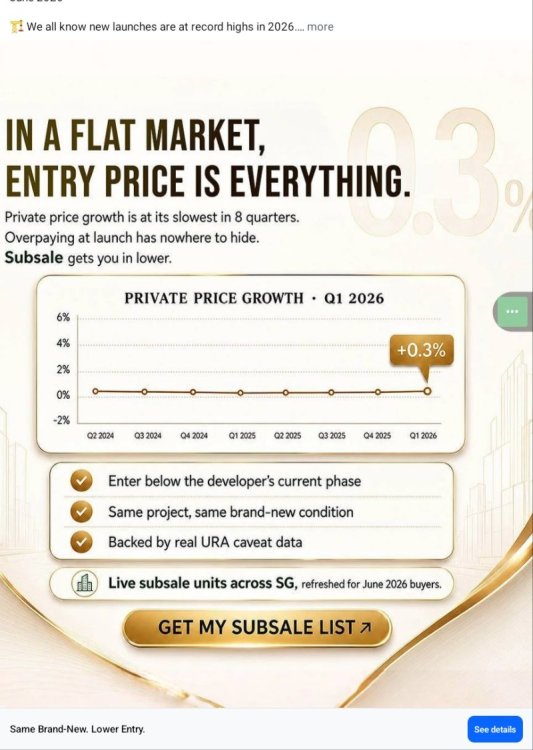
 In a Flat Market, Entry Price is Everything This creative is a market-condition justification ad that funnels into a lead magnet (“subsale list”). It uses a “flat market” narrative to argue that entry price matters more than ever, and positions subsale as the way to get “brand-new” exposure without paying launch pricing. ## Persuasive elements (how it tries to get the click) - Problem framing with a punchy thesis: “**In a flat market, entry price is everything**” is a strong, memorable rule-of-thumb that makes the viewer feel time-sensitive and strategic. - Fear of overpaying: “**Overpaying at launch has nowhere to hide**” triggers loss aversion—especially effective for buyers worried about near-term downside. - One simple supporting stat: The big “**+0.3%**” and “**Private price growth – Q1 2026**” acts as a proof point that growth is weak, reinforcing the “don’t overpay” message. - Clear positioning of the solution: “**Subsale gets you in lower**” is direct and benefit-led—no jargon beyond “subsale.” - De-risking bullets: - “**Enter below the developer’s current phase**” implies you avoid later-phase price escalations. - “**Same project, same brand-new condition**” answers the common objection vs resale. - “**Backed by real URA caveat data**” borrows authority from an official source. - Freshness + relevance: “**Live subsale units across SG, refreshed for June 2026 buyers**” signals timeliness and ongoing updates. - Strong CTA: “**GET MY SUBSALE LIST**” is explicit, ownership-oriented, and benefit-aligned. ## Critical issues / credibility gaps (what a cautious viewer will question) - “Flat market” is asserted, not demonstrated: A single quarter “+0.3%” line doesn’t prove a flat market across segments (OCR/RCR/CCR), property types, or districts. Viewers may wonder what index/source this is based on. - Chart may oversimplify the reality: - What’s the baseline and source of the “private price growth” series? - Is it QoQ, seasonally adjusted, and which dataset (URA PPI vs caveats-derived index)? - The visual makes a complex market feel uniformly stagnant. - Subsale economics aren’t guaranteed: “Get in lower” depends heavily on unit type, phase pricing, seller motivations, and market liquidity. Many subsales can be near-launch pricing (or higher) once stack/facing scarcity is priced in. - “Same brand-new condition” can be misleading: Even if the unit is unoccupied, the buyer still faces differences vs buying from developer (warranty/defects handling process, incentives, payment timeline, and contractual structure). - “Backed by URA caveat data” needs clarity: URA caveats are useful, but the ad doesn’t specify: - the date range used, - how “subsale” is identified, - whether comparisons are like-for-like (same project, same size/floor/facing). - Unstated transactional complexity: Subsales can involve novation/assignment rules, fees, timelines, and eligibility constraints. If the “list” leads to units that are not actually actionable for many buyers, trust may drop. ## Design & messaging effectiveness - Strong hierarchy: Big headline → small rationale → simple chart → checkmark benefits → CTA. It reads well in a scroll. - Gold/cream palette signals “premium research”: The styling feels like a report, not a casual post, which supports perceived authority. - The chart is easy to grasp but thin on context: It works as an attention device, but the lack of labels/sourcing reduces credibility for analytical buyers. - CTA placement is excellent: It’s visually dominant and appears after the bullets that reduce objections. ## Does it entice a click? Yes—especially for buyers already anxious about paying peak launch prices. The creative combines a macro rationale (flat growth) with a clear, immediate solution (subsale list) and a freshness hook (June 2026 refresh). The main conversion limiter is trust: adding one line of sourcing/methodology (e.g., which index/caveat window, and what “subsale” includes/excludes) would likely improve click-to-lead quality without weakening the message.
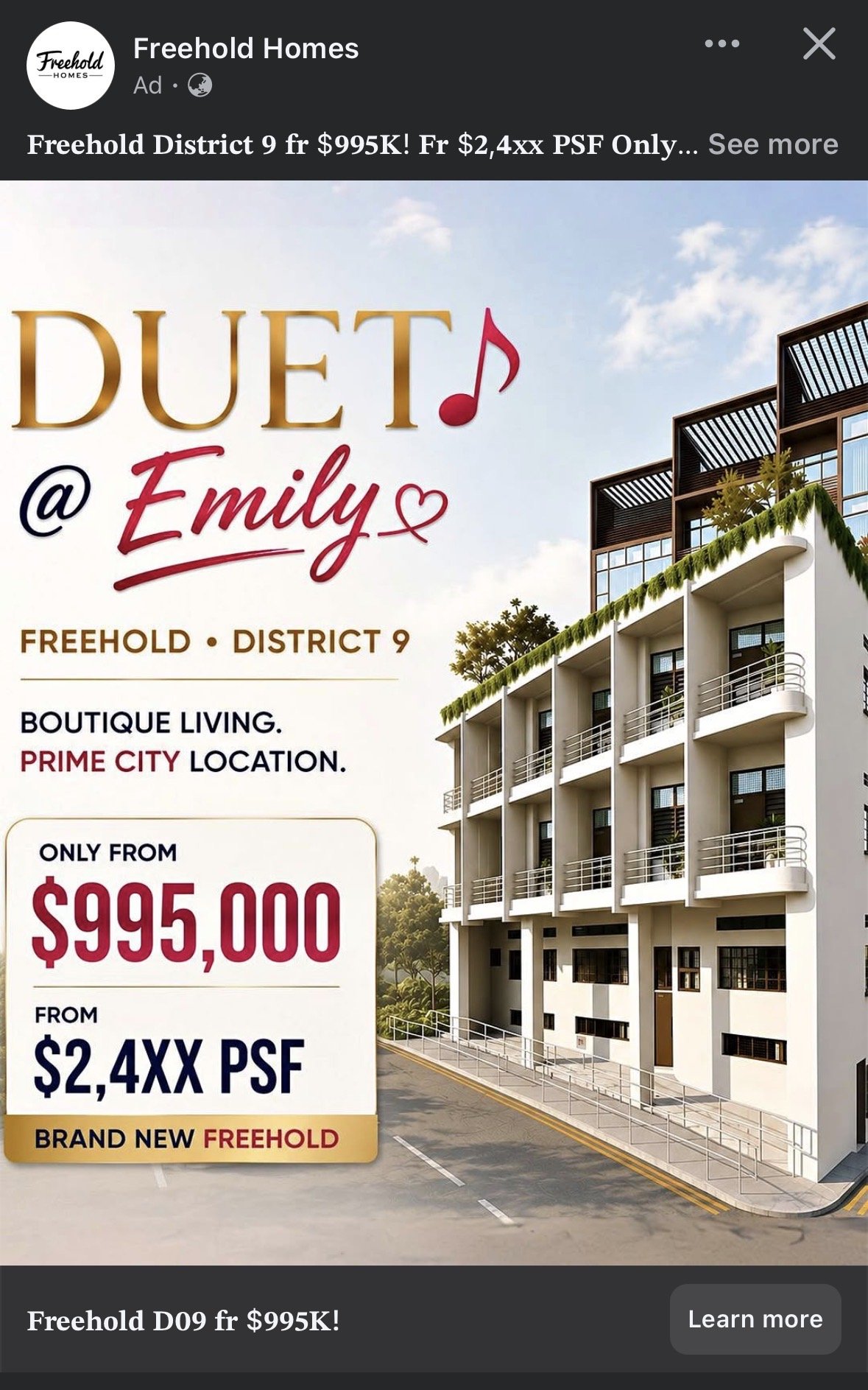
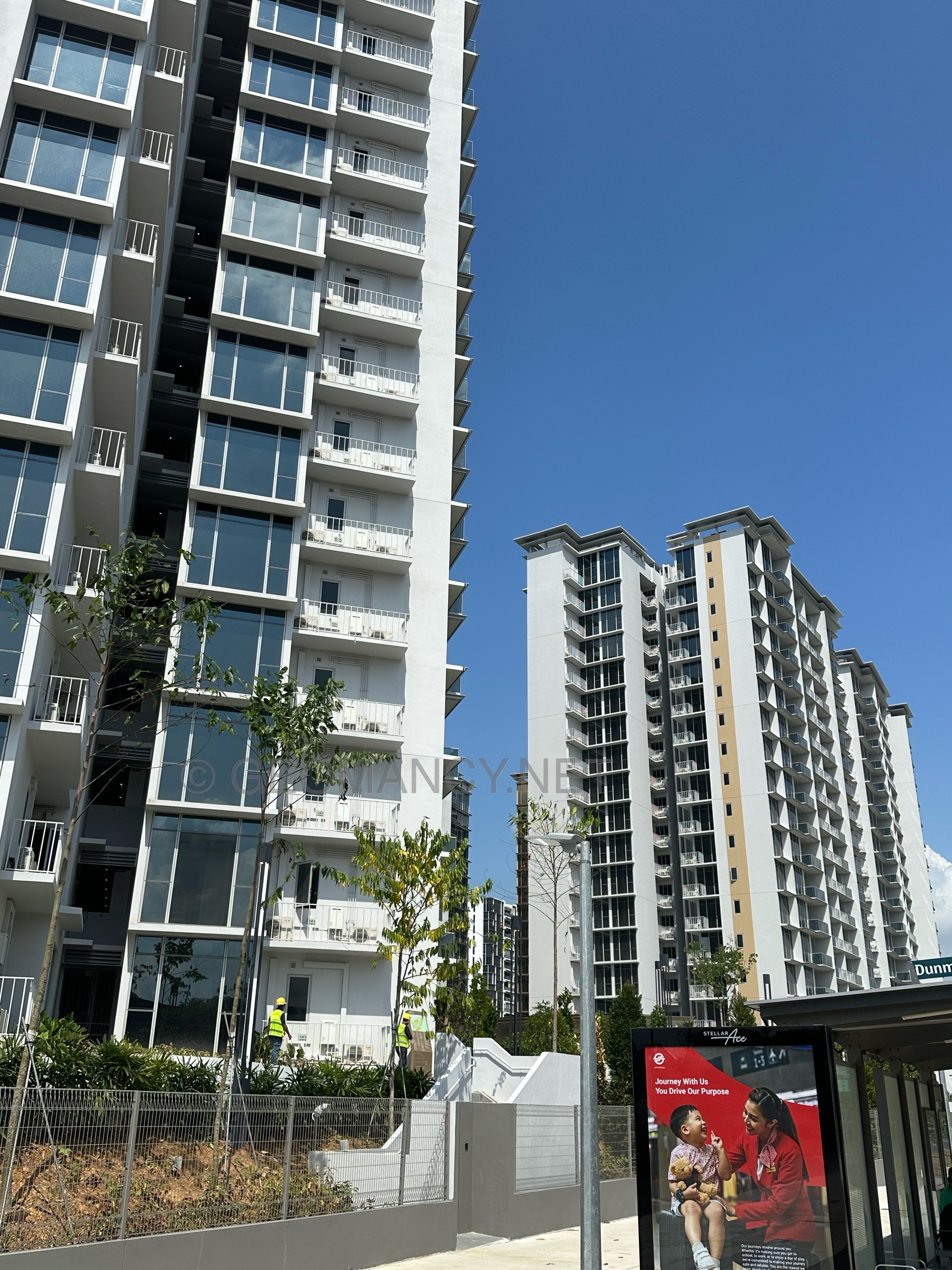
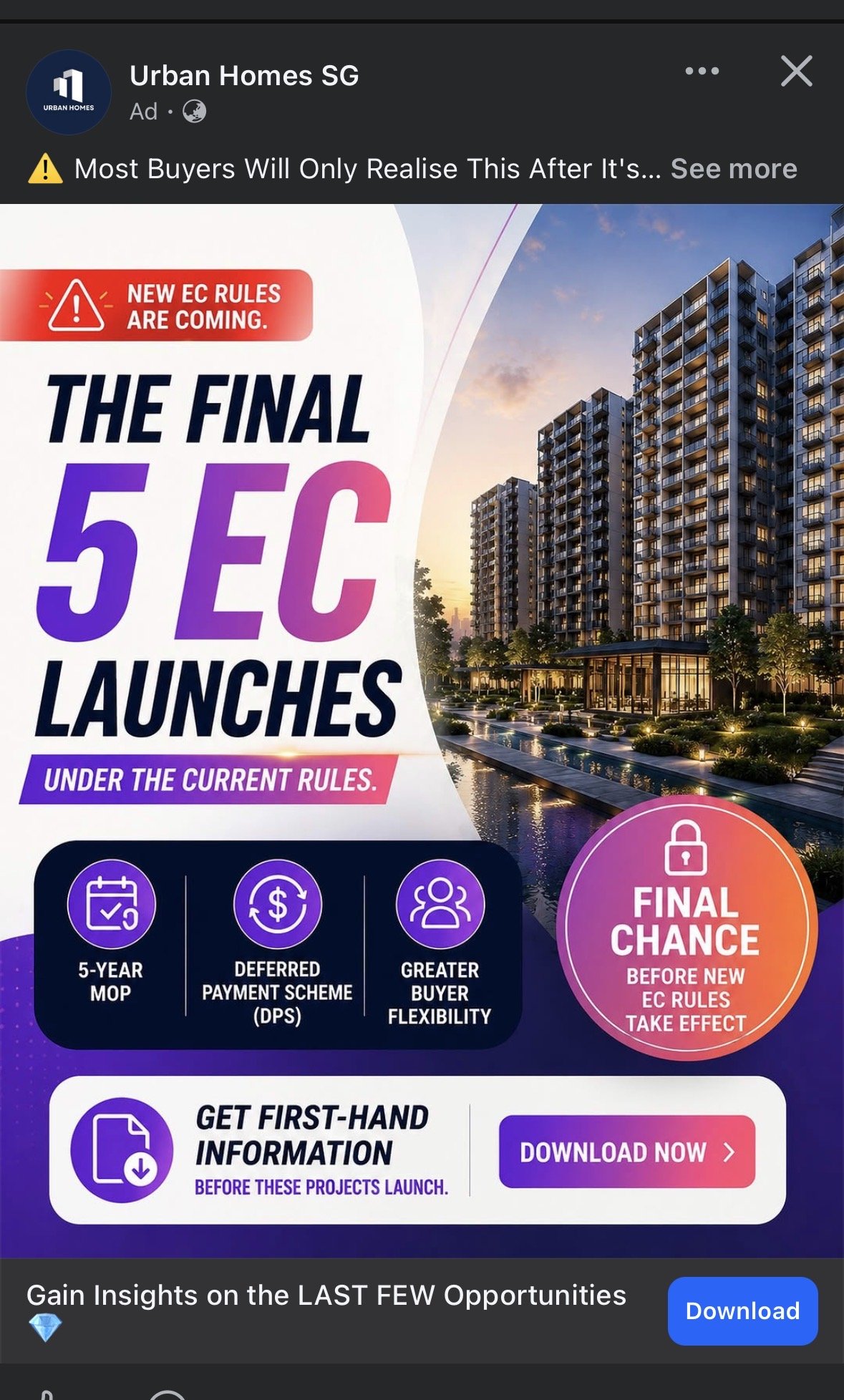
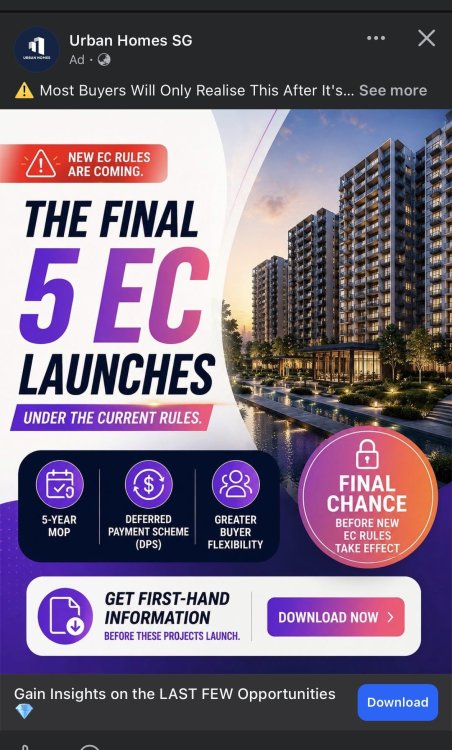
 Final 5 EC launches…
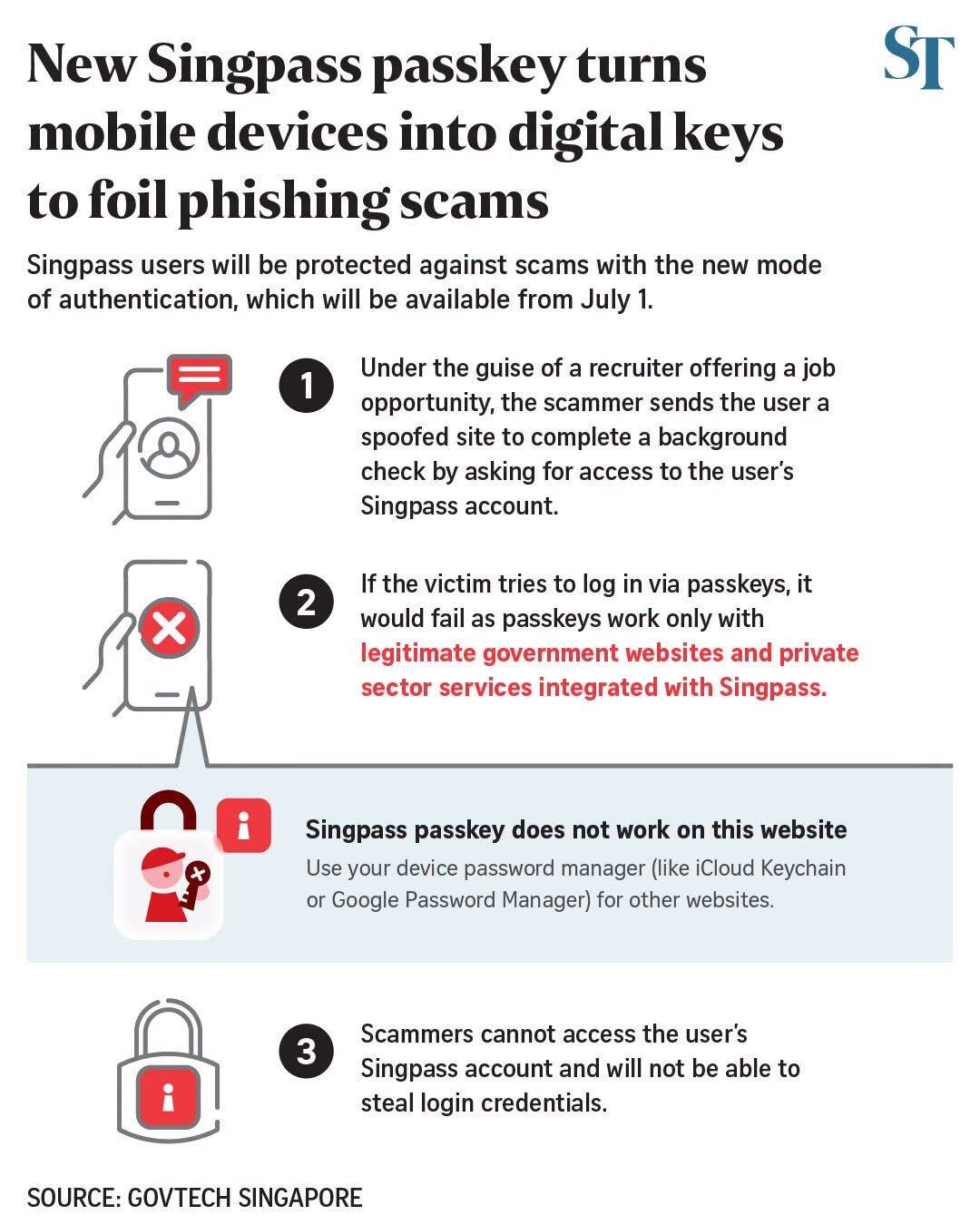
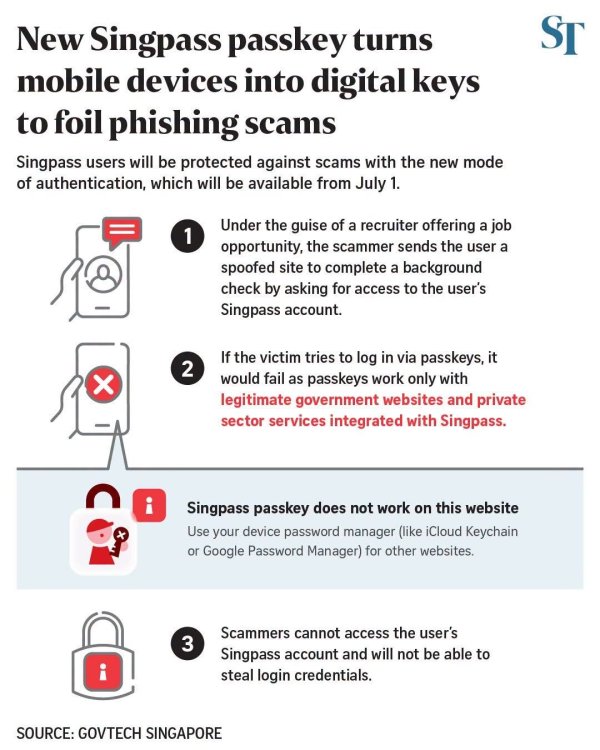
 Sing Pass new features
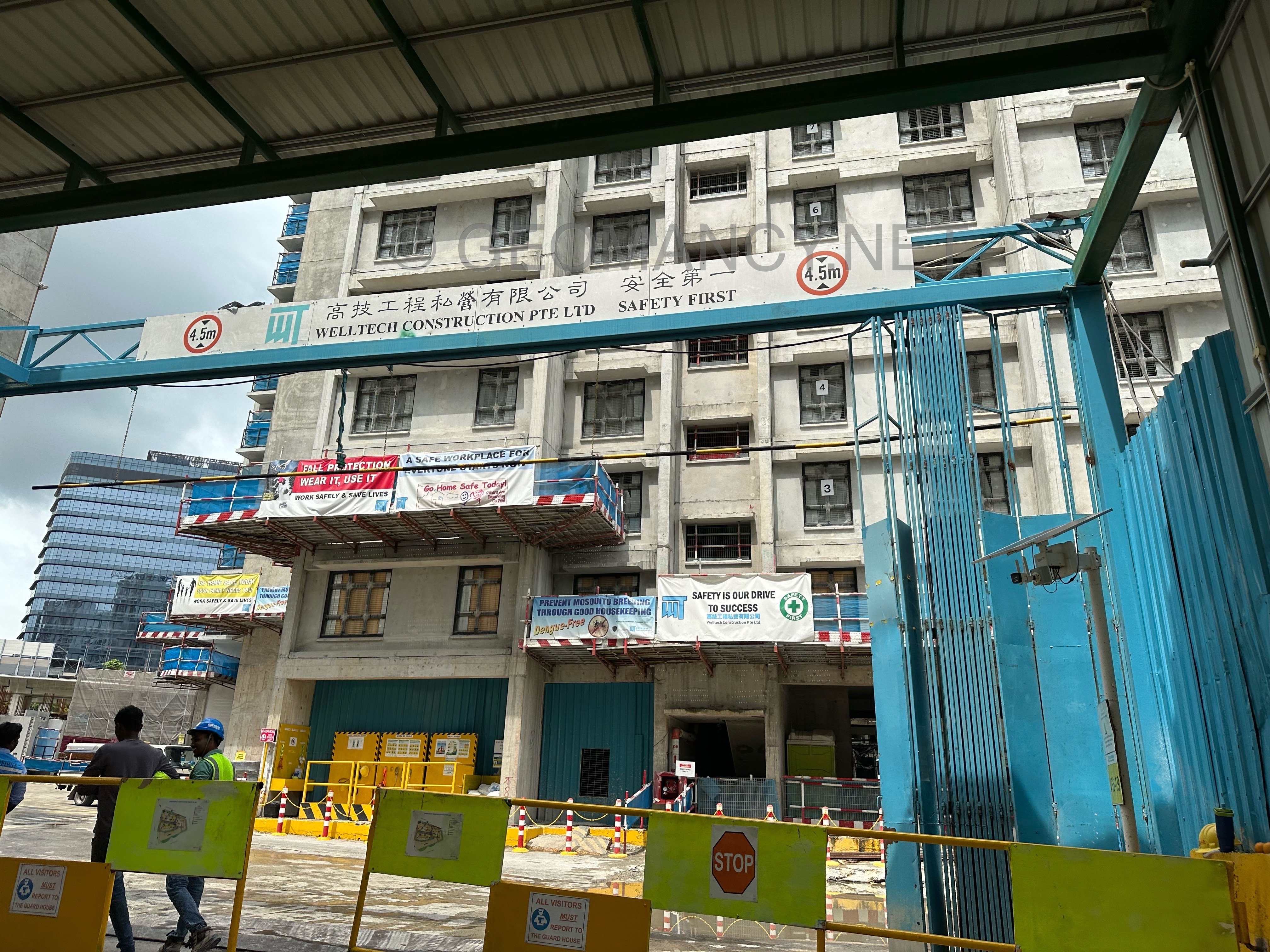
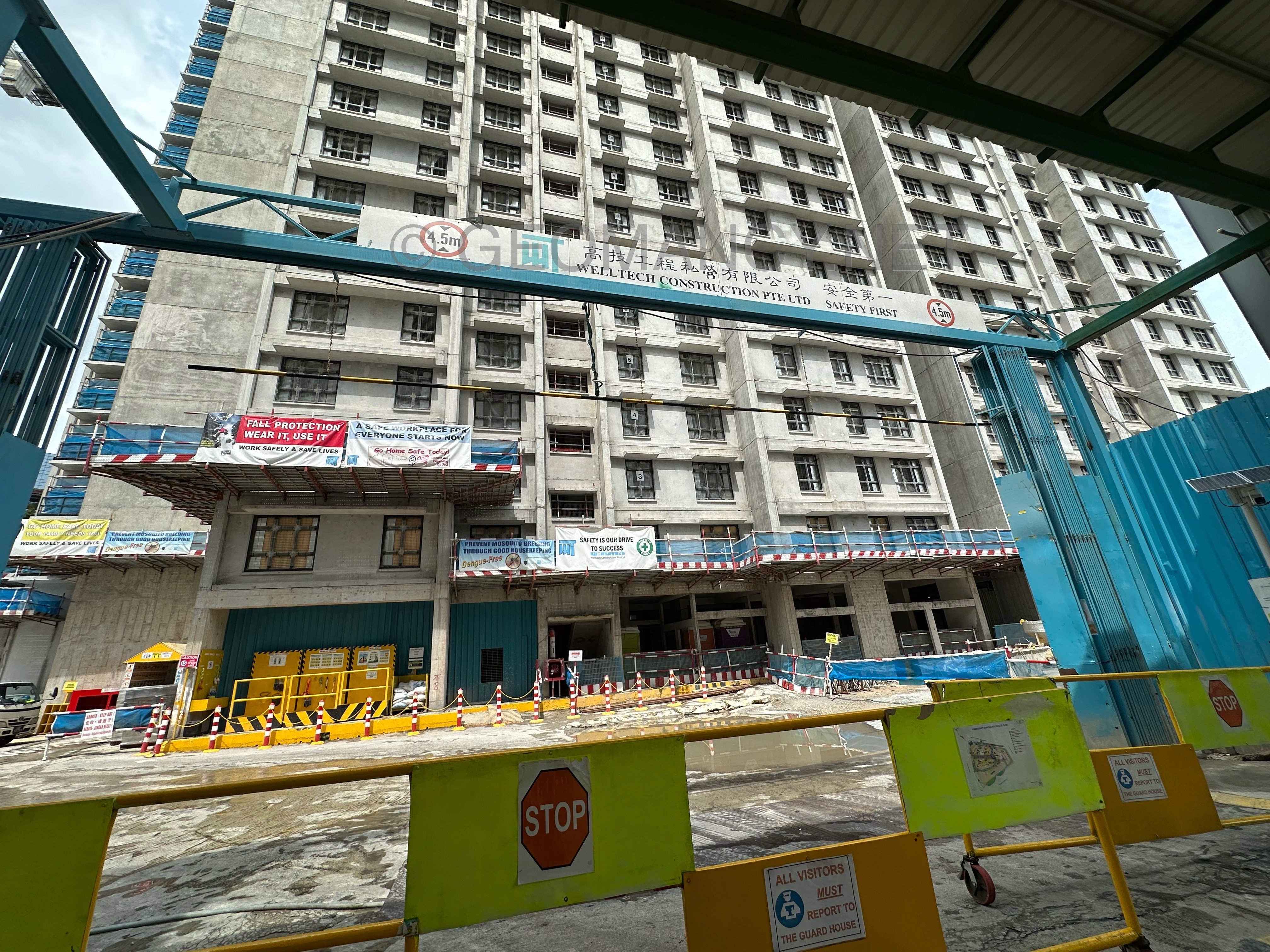
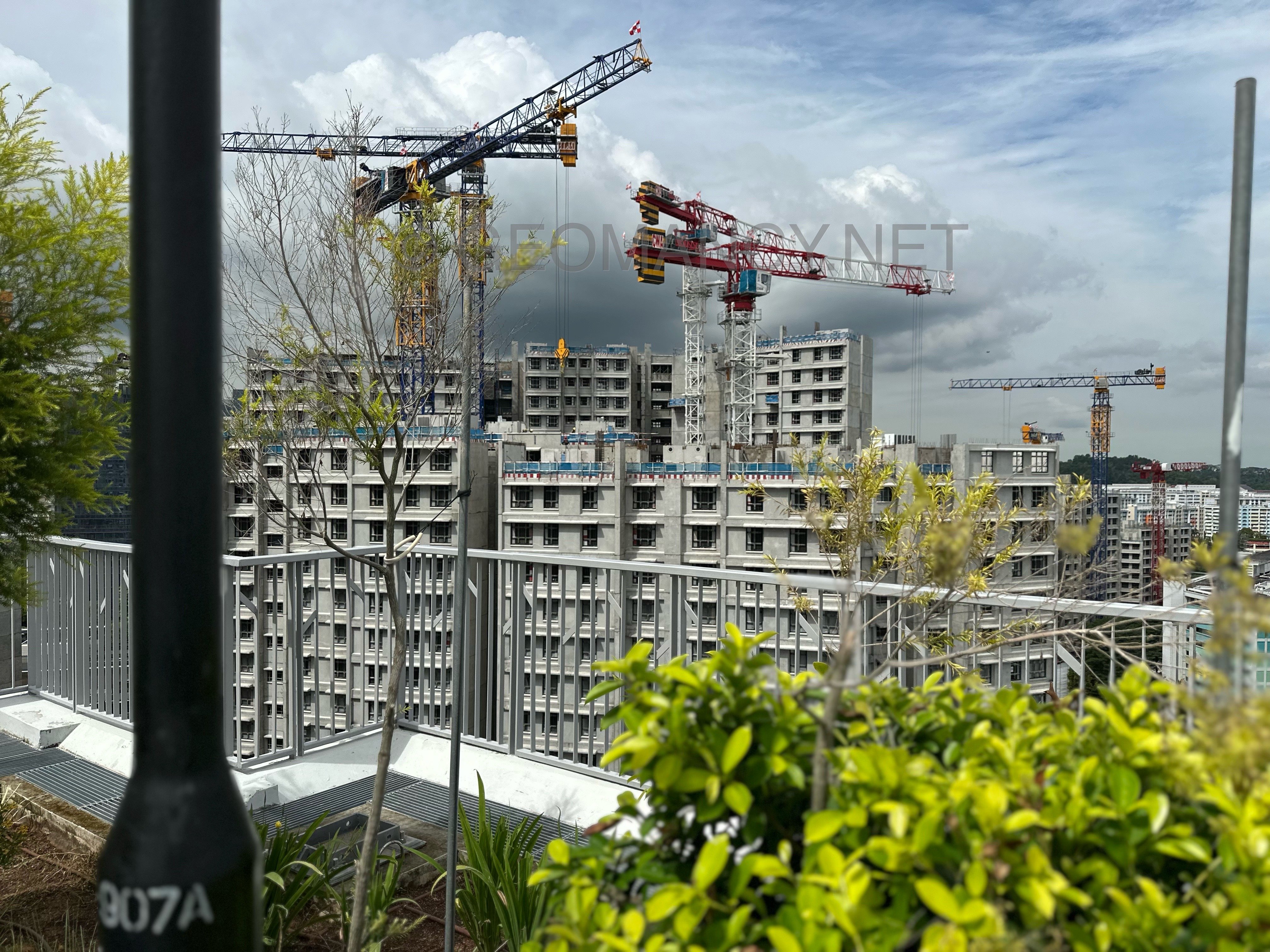
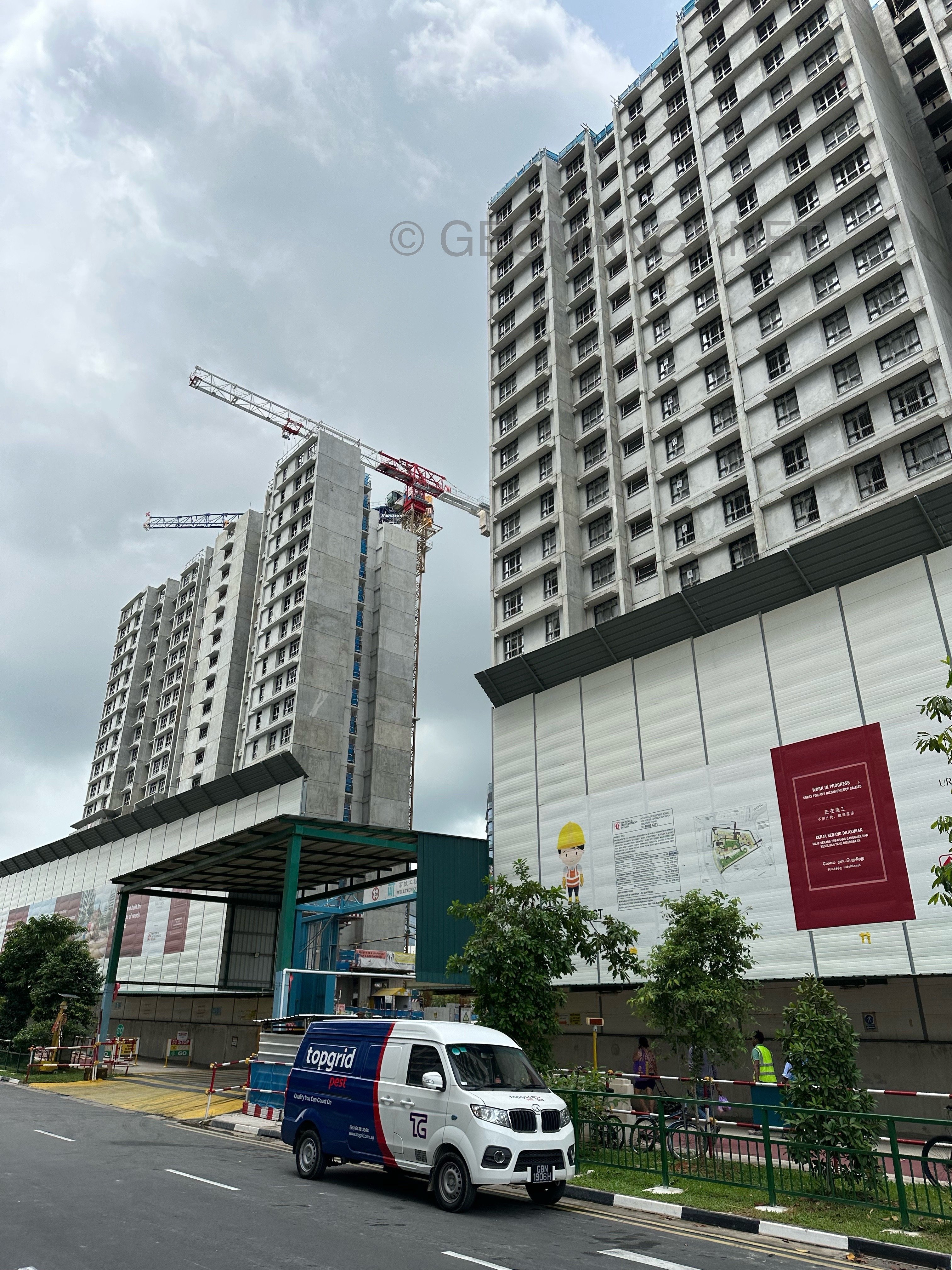
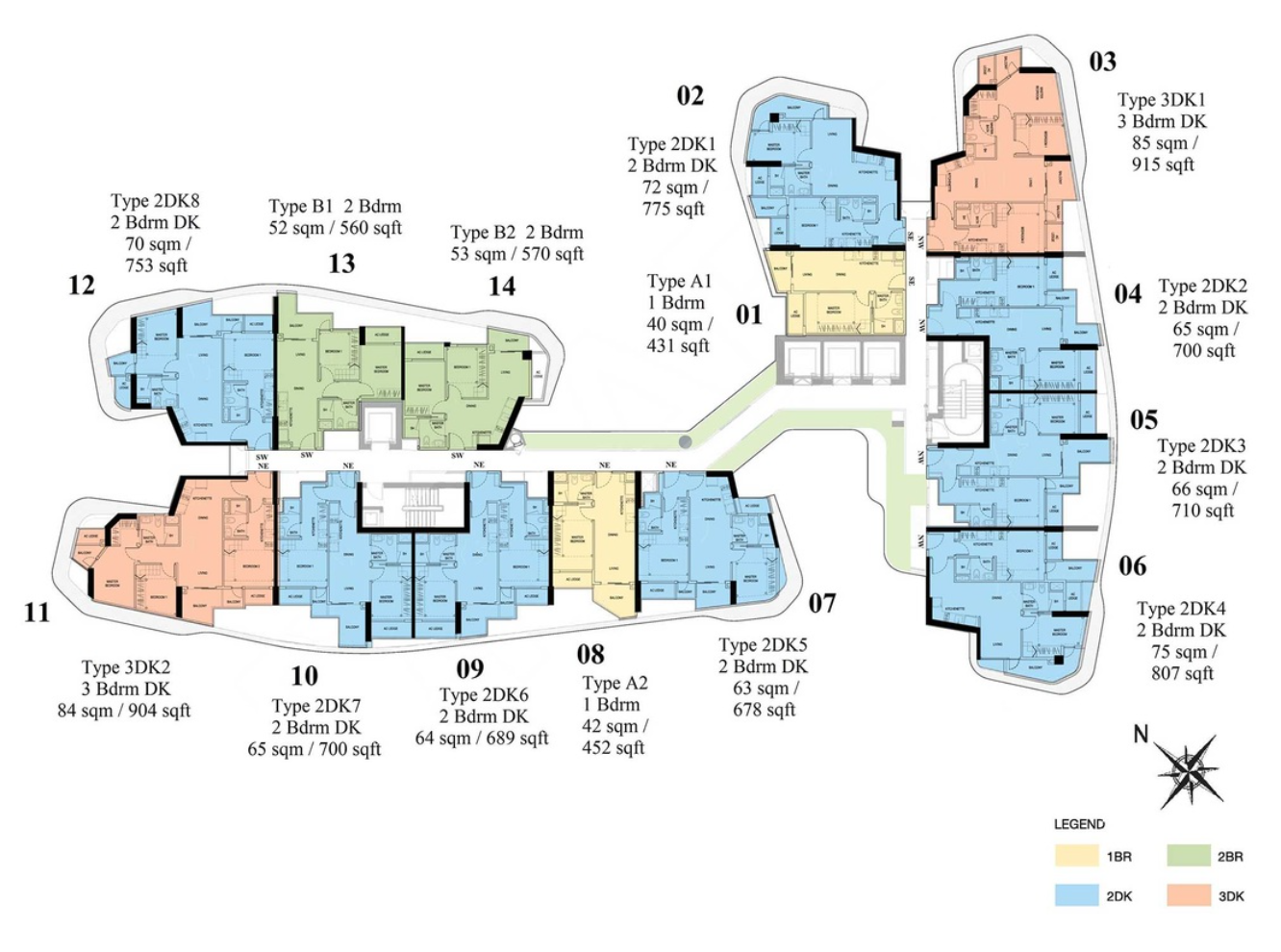
 Citygate Residential Block