
All Activity
- Past hour
-
Learn how a Tik Tok Feng Shui Master gave the poor advice When Feng Shui Advice Goes Wrong: How a “Master” Can Misread Your Home Ranking Choice - Singapore Property Reviews - FengShui.Geomancy.Net
-
No Two Ba Zi Reports are created equal Learn Why? +++ Geomancy.net Since 1996



-
Next, get him or her to see this image

- Today
-
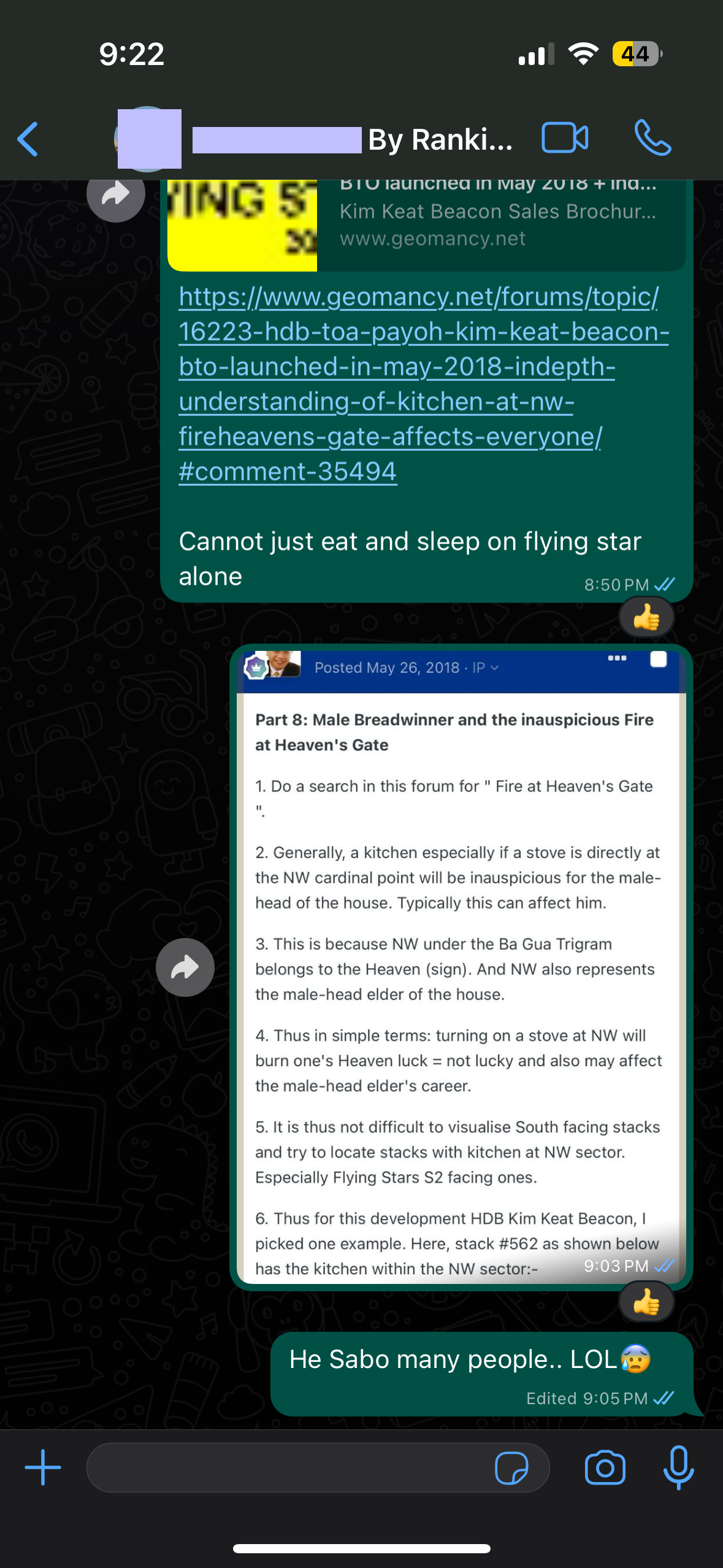
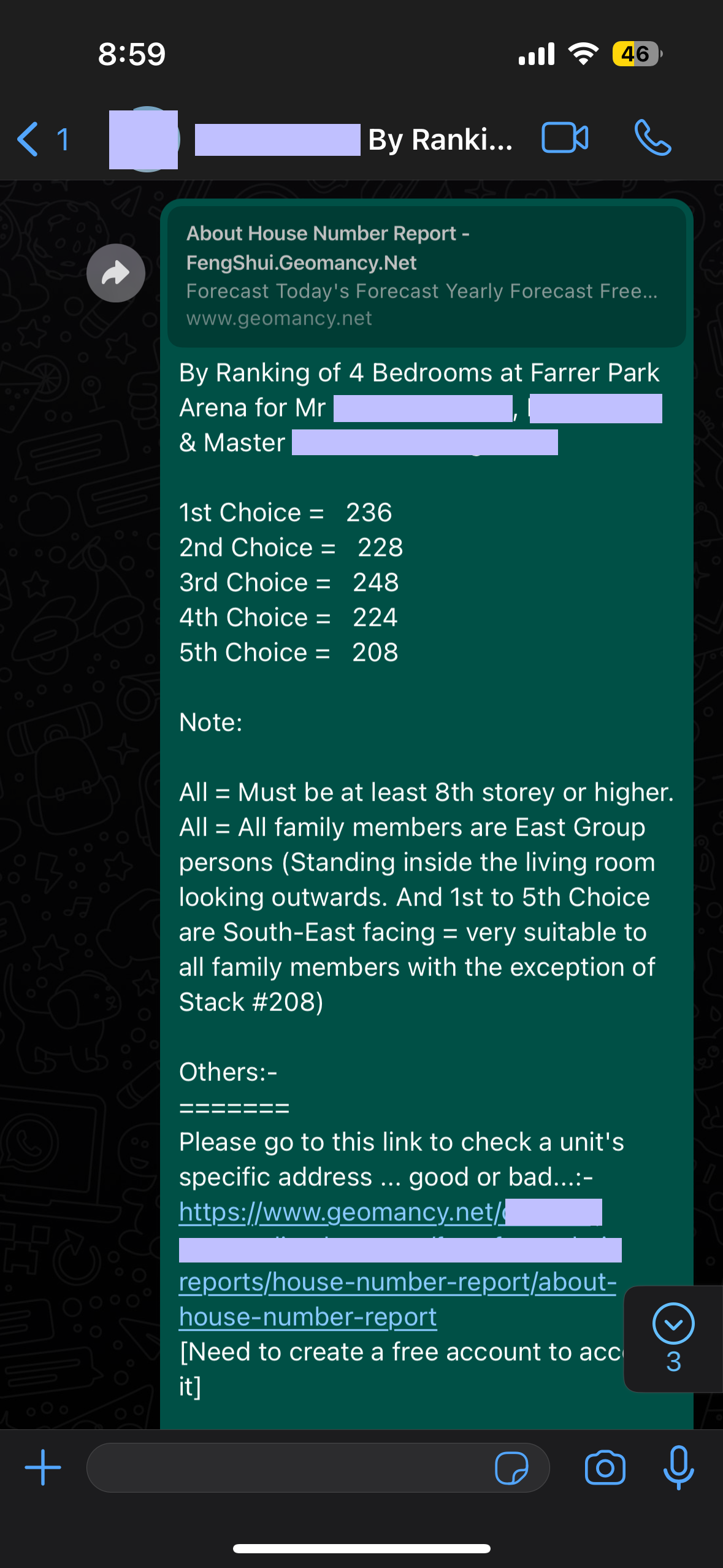
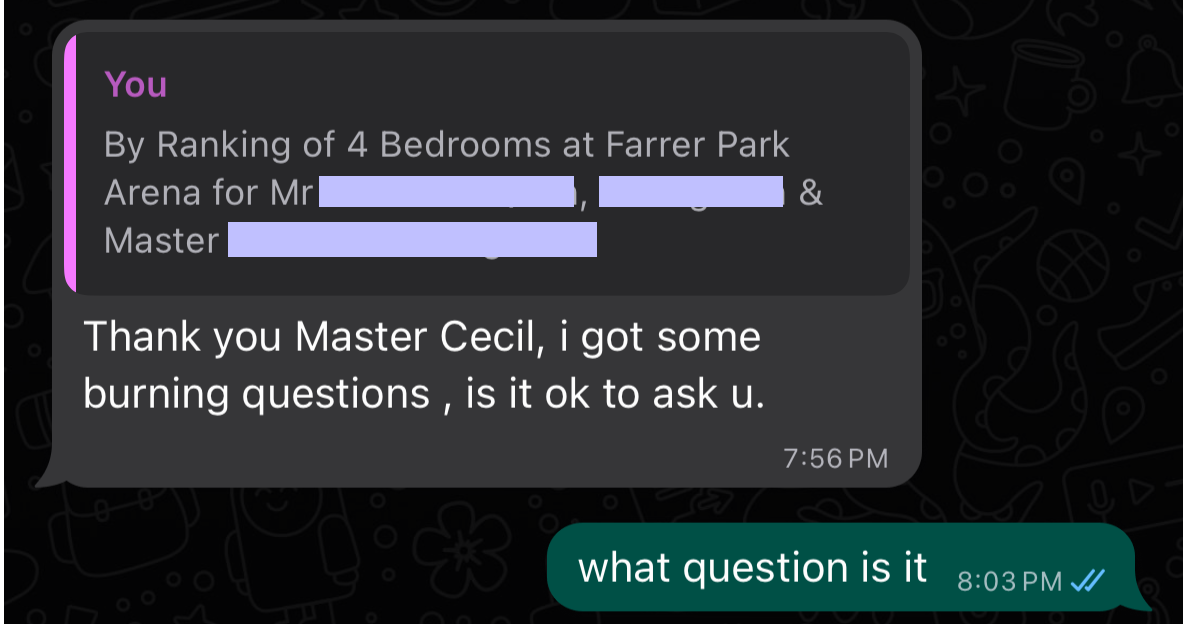
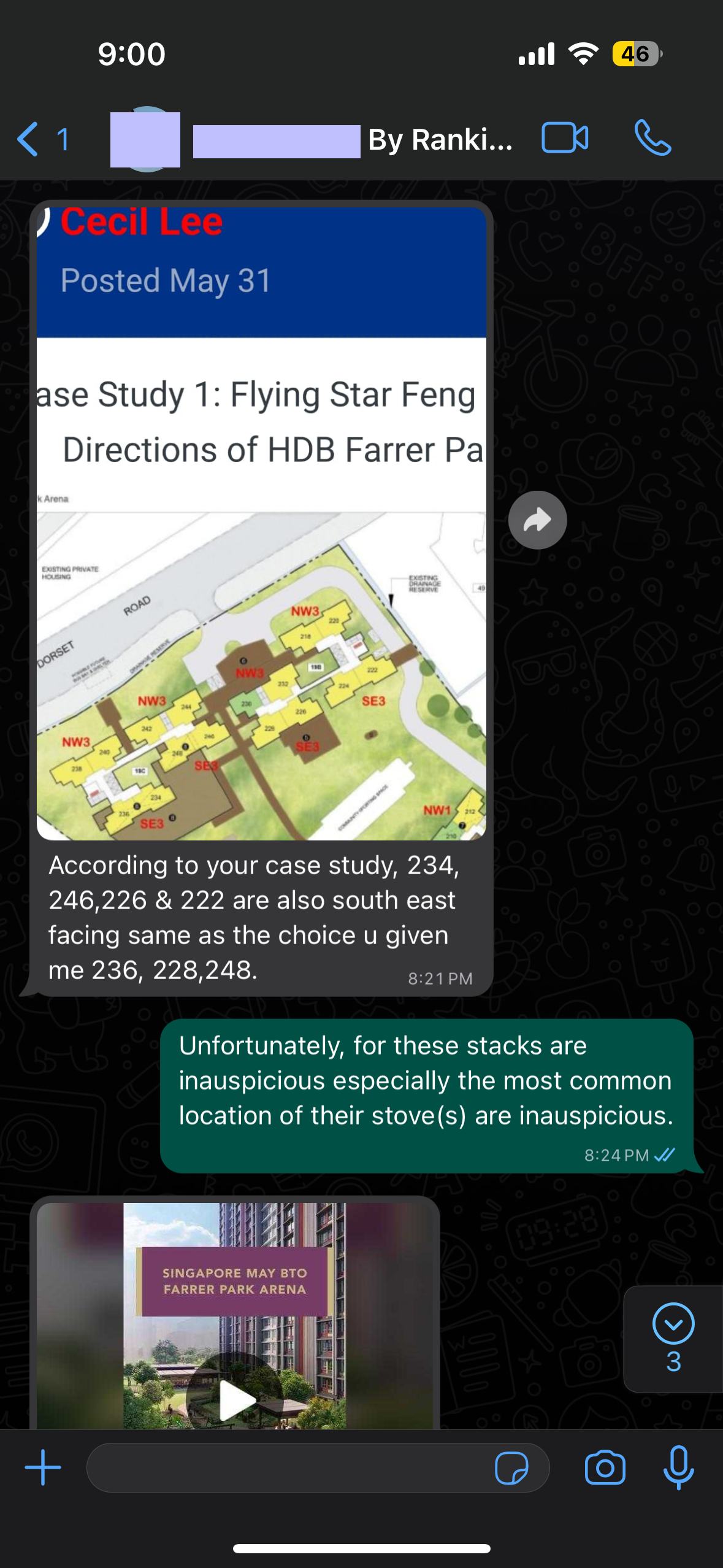
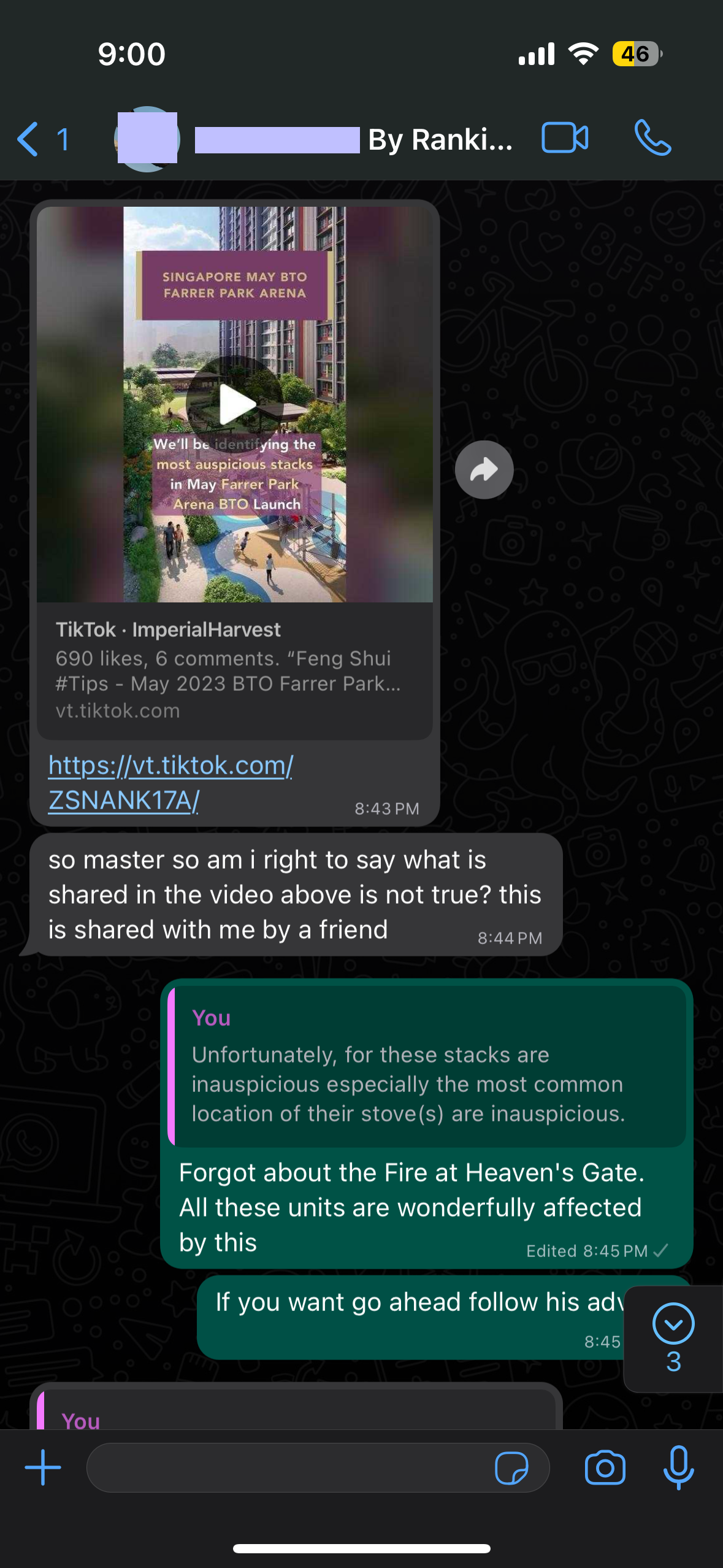
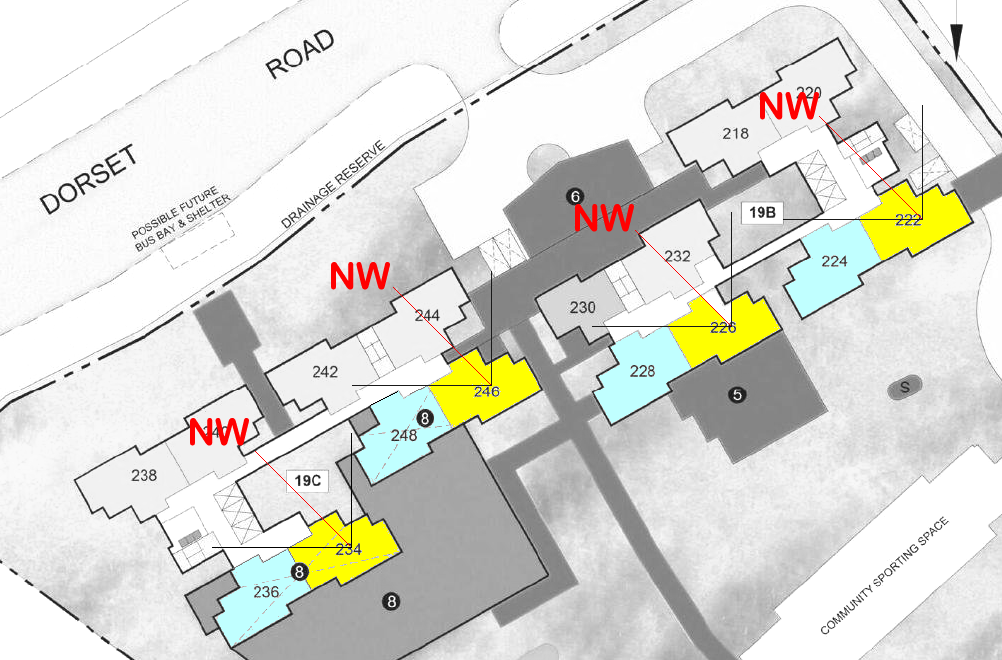
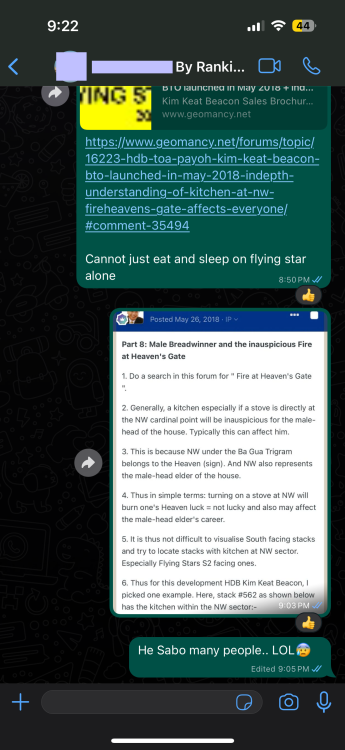
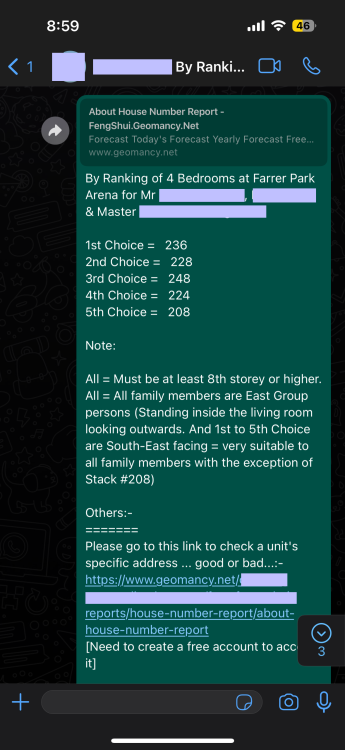
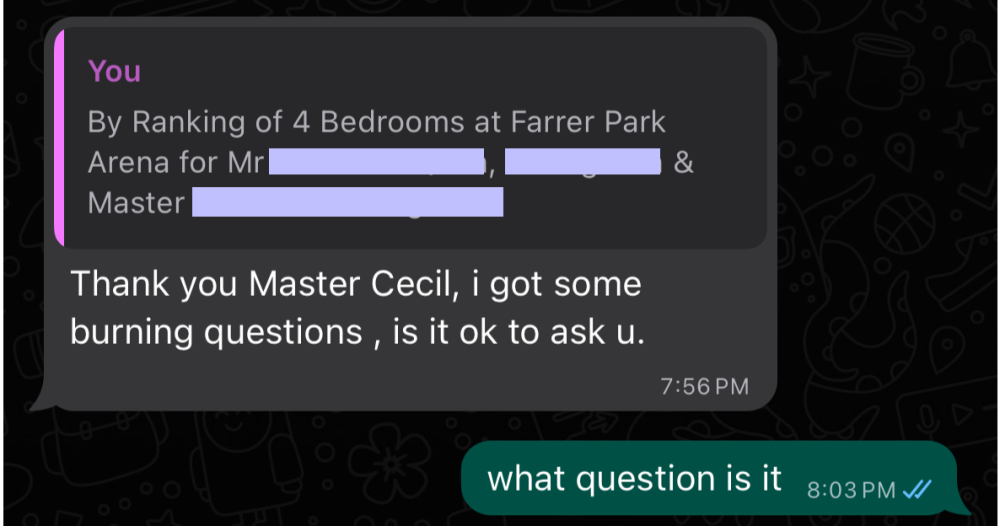
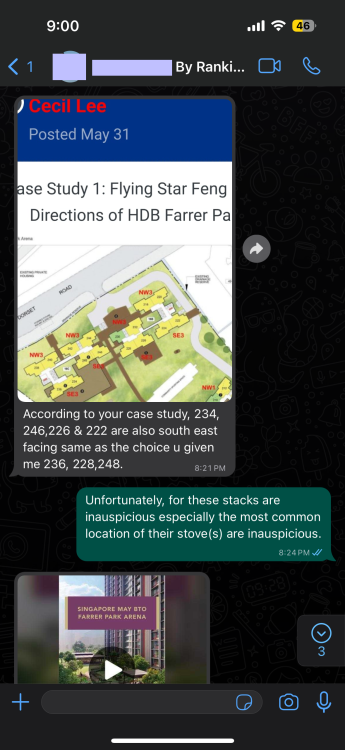
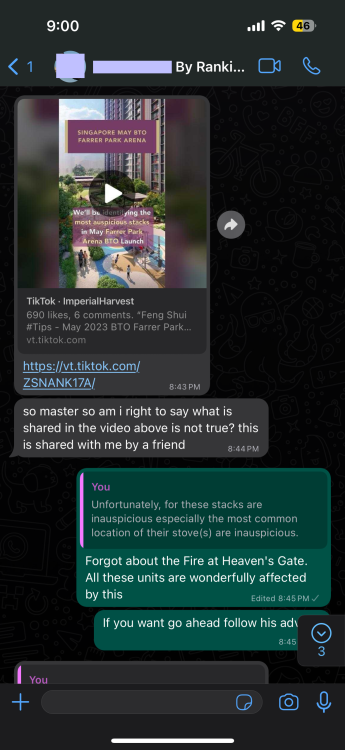
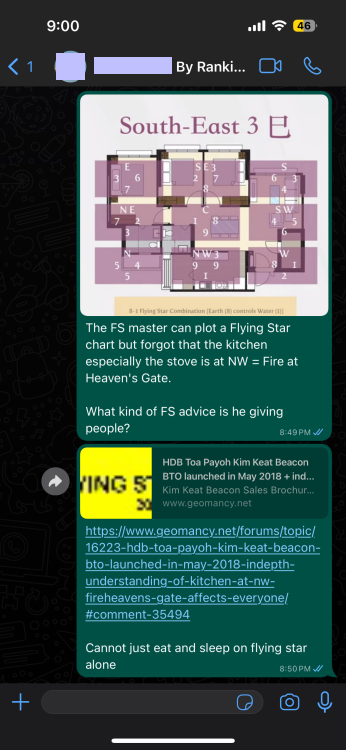
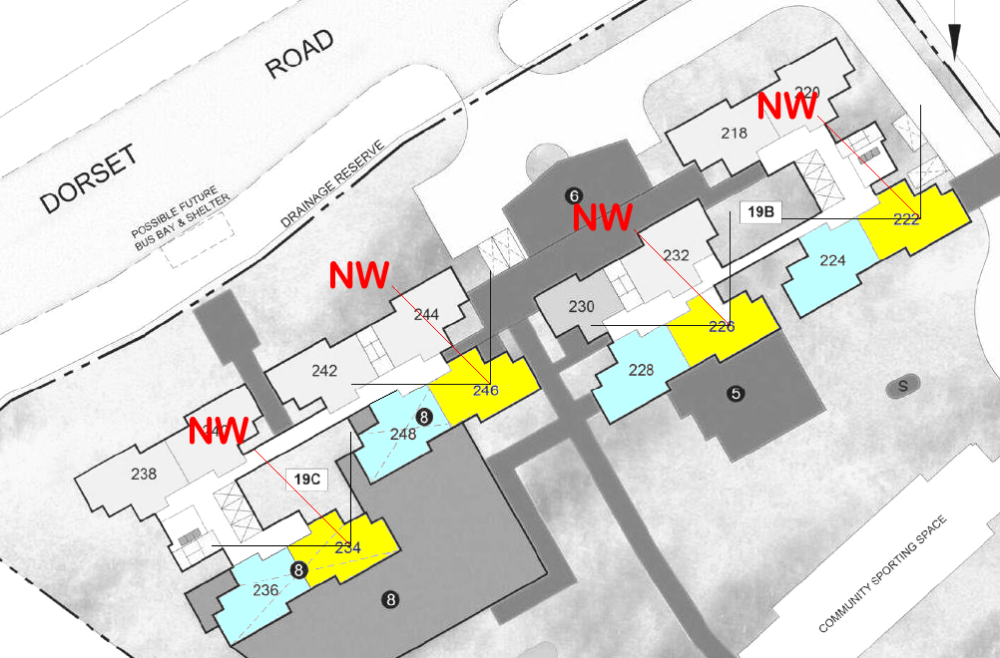
When Feng Shui Advice Goes Wrong: How a “Master” Can Misread Your Home Ranking Choice Why a Tik Tok Feng Shui Master’s Feng Shui Ranking Recommendation Can Be Wrong About this Case Study A client asked why my top-five HDB Farrer Park Arena stack rankings did not include stacks recommended in a TikTok by another Feng Shui Master. I explained I excluded those stacks because they have major Feng Shui flaws. Although stacks like #222, #226, #234, and #240 may look attractive and have similar facings to my top picks, their kitchen layout likely forces the stove into the NW sector (“Fire at Heaven’s Gate”), which is why they should be avoided. +++ Yellow Stacks #234, #246, #226, and #222 affected by unlucky Fire at Heaven's Gate +++ Case Study: Completed the ranking of 4 Bedrooms at Farrer Park Arena for the client on 31 October 2023 Client: Thank you Master Cecil, i got some burning questions, is it ok to ask u. Client: According to your case study, 234, 246, 226 & 222 are also south east facing same as the choice u given me 236, 228, 248 Client: "so master so am i right to say what is shared in the video above is not true? this is shared with me by a friend" (The client forwarded the TikTok video where the Feng Shui Master recommends stacks 234, 246, 226, and 222 as his choices, but I avoided these stacks. Why?) The FS master can plot a Flying Star chart but forgot that the kitchen especially the stove is at NW = Fire at Heaven's Gate. What kind of FS advice is he giving people? He Sabo many people.. LOL If the Feng Shui Master has done his homework properly, my client would not have any "burning" questions. LOL Did you buy any units in these stacks: 234, 246, 226, and 222, suggested by the Master in the "purple" TikTok video? Reference:

-
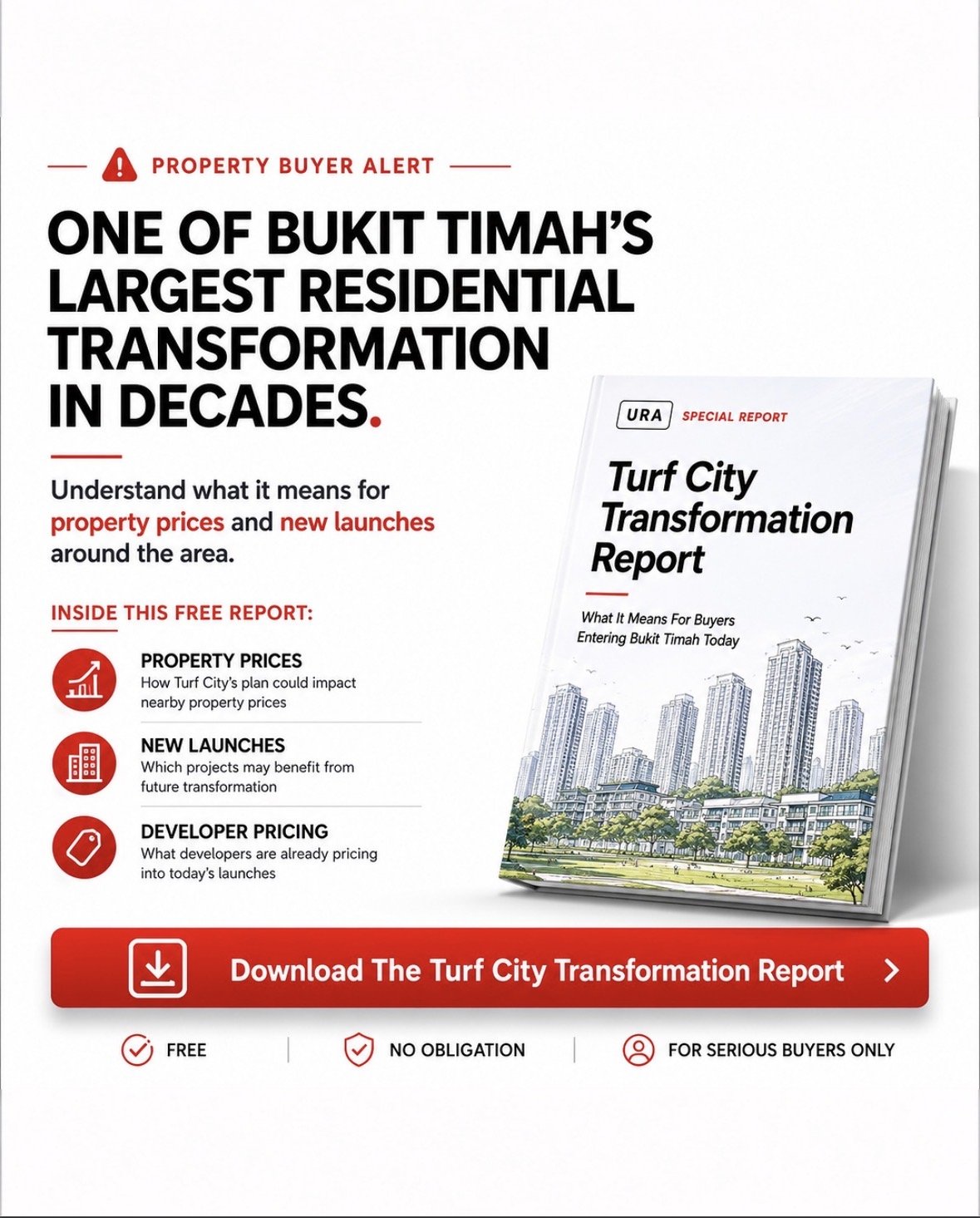
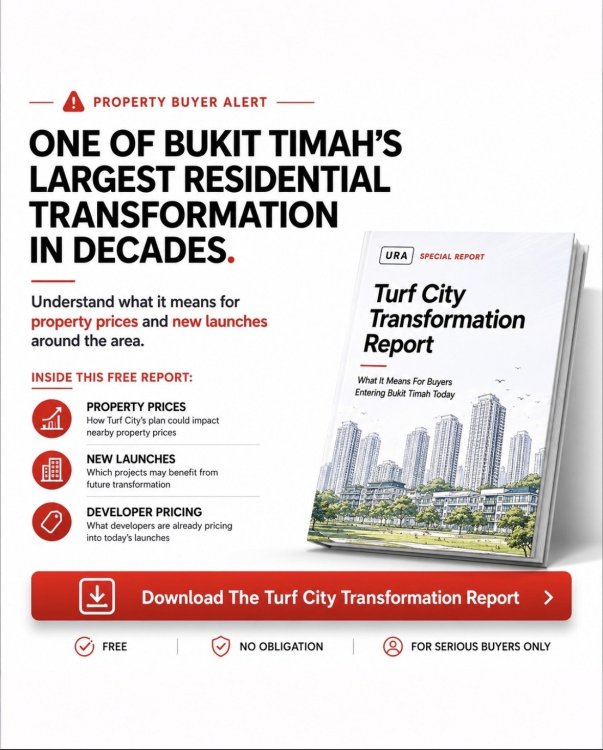
Turf City Transformation
-
Other Related Property Articles SG Property Article 1: The 3 Certainties of Property Transformation: A Professional Framework for Timing Your Entry https://www.geomancy.net/forums/topic/20897-the-3-main-signs-of-property-change-when-to-step-in-and-buy/ SG Property Article 2: A practical pro and cons review of how Singapore poperty is often assessed and sometimes marketed by real estate agents https://www.geomancy.net/forums/topic/20898-a-practical-pro-and-cons-review-of-how-singapore-property-is-often-assessed-and-sometimes-marketed-by-real-estate-agents/ SG Property Article 3: Boutique condos in Singapore are often ignored https://www.geomancy.net/forums/topic/20904-boutique-condos-in-singapore-are-often-ignored-because-most-buyers-focus-on-big-high-unit-projects-but-they-can-offer-strong-long-term-value/ SG Property Article 4: BTO is coming, so when should you sell? https://www.geomancy.net/forums/topic/20903-bto-is-coming-so-when-should-you-sell/ SG Property Article 5: A buyer playbook using MAPS Investment screening process https://www.geomancy.net/forums/topic/20900-a-buyer-playbook-using-maps-investment-screening-process/ SG Property Article 6: Why 2026 matters for HDB owners who want to upgrade https://www.geomancy.net/forums/topic/20902-why-2026-matters-for-hdb-owners-who-want-to-upgrade-to-private-property-without-depleting-personal-savings/ SG Property Article 7: Is your HDB a starting point for upgrading to private property? https://www.geomancy.net/forums/topic/20908-sg-property-article-7-your-hdb-is-your-starting-point/ SG Property Article 8: Reckless housing land bids? https://www.geomancy.net/forums/topic/20912-sg-property-article-8-reckless-housing-land-bids/ SG Property Article 9: HDB resale prices post first decline in nearly seven years https://www.geomancy.net/forums/topic/20919-sg-property-article-9-hdb-resale-prices-post-first-decline-in-nearly-seven-years/ SG Property Article 10: Ten Reasons why HDB Homeowners sell their flats https://www.geomancy.net/forums/topic/20942-sg-property-article-10-why-hdb-homeowners-sell-their-flats-and-what-it-says-about-life-in-singapore/ SG Property Article 11: Educational Infographic Ads Designed to Boost Engagement https://www.geomancy.net/forums/topic/20962-sg-property-article-11-educational-infographic-ads-designed-to-boost-engagement/ SG Property Article 12: A critical review of the common unit selection framework https://www.geomancy.net/forums/topic/20899-a-critical-review-of-the-common-unit-selection-framework-made-popular-by-singapore-property-influencers-and-agents/ SG Property Article 13: Condo owners may lose their apartment for owing maintenance charges https://www.geomancy.net/forums/topic/20952-condo-owners-may-lose-their-apartment-for-owing-maintenance-charges/ SG Property Article 15: Failed “99-1” ownership scheme leads to costly lawsuit, highlighting stricter IRAS scrutiny and risks of trying to bypass Singapore’s ABSD https://www.geomancy.net/forums/topic/20878-sg-property-article-15-failed-99-1-ownership-scheme-leads-to-costly-lawsuit-highlighting-stricter-iras-scrutiny-and-risks-of-trying-to-bypass-singapores-absd/ SG Property Article 16: Star Buy Units in New Launch Condos: What They Really Mean + 5-Factor Checklist to Spot a Genuine Deal https://www.geomancy.net/forums/topic/20994-sg-property-article-16-star-buy-units-in-new-launch-condos-what-they-really-mean-5-factor-checklist-to-spot-a-genuine-deal/ SG Property Article 17: When Should You Sell Your HDB Before getting a New BTO? (The 3-Phase Strategy That Avoids Rental Gaps) https://www.geomancy.net/forums/topic/21010-sg-property-article-17-when-should-you-sell-your-hdb-before-getting-a-new-bto-the-3-phase-strategy-that-avoids-rental-gaps/ Since 1996 (C) Geomancy.net


-
When Feng Shui Advice Goes Wrong When Feng Shui Advice Goes Wrong: How a “Master” Can Misread Your Home Ranking Choice - Singapore Property Reviews - FengShui.Geomancy.Net
-
When Feng Shui Advice Goes Wrong When Feng Shui Advice Goes Wrong: How a “Master” Can Misread Your Home Ranking Choice - Singapore Property Reviews - FengShui.Geomancy.Net
-
When Feng Shui Advice Goes Wrong When Feng Shui Advice Goes Wrong: How a “Master” Can Misread Your Home Ranking Choice - Singapore Property Reviews - FengShui.Geomancy.Net
-
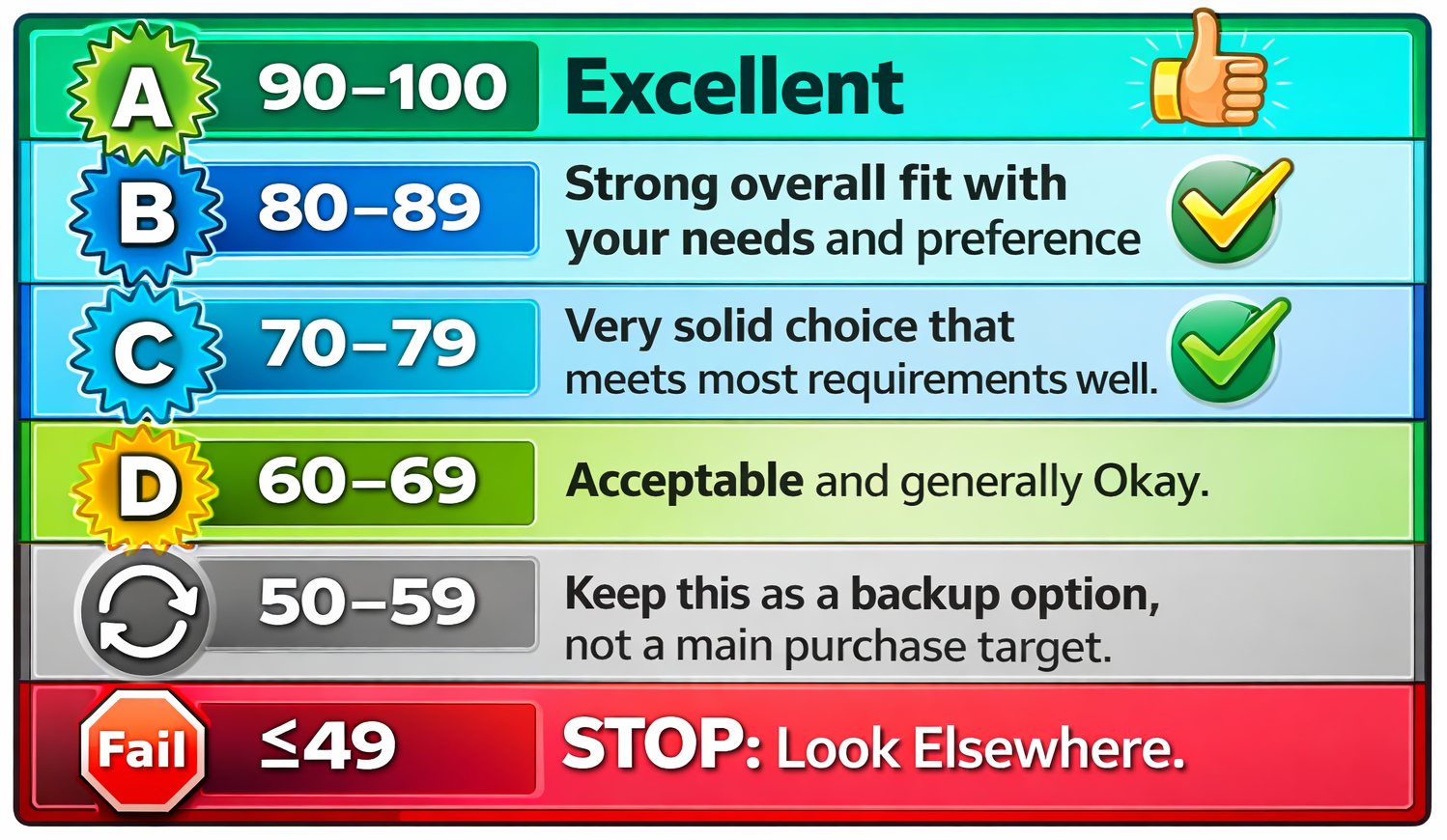
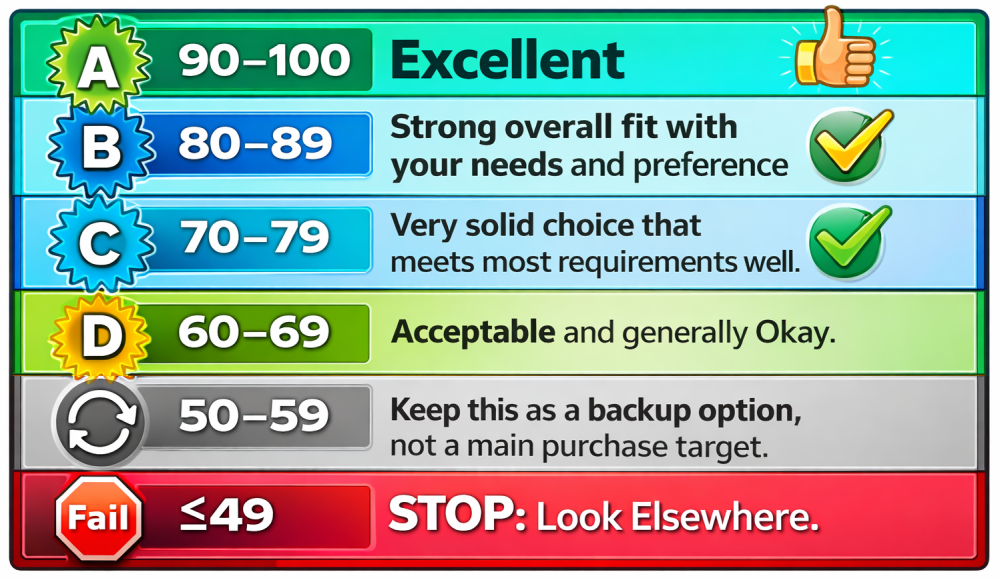
Other Related Property Articles: SG Property Article 1: The 3 Certainties of Property Transformation: A Professional Framework for Timing Your Entry https://www.geomancy.net/forums/topic/20897-the-3-main-signs-of-property-change-when-to-step-in-and-buy/ SG Property Article 2: A practical pro and cons review of how Singapore poperty is often assessed and sometimes marketed by real estate agents https://www.geomancy.net/forums/topic/20898-a-practical-pro-and-cons-review-of-how-singapore-property-is-often-assessed-and-sometimes-marketed-by-real-estate-agents/ SG Property Article 3: Boutique condos in Singapore are often ignored https://www.geomancy.net/forums/topic/20904-boutique-condos-in-singapore-are-often-ignored-because-most-buyers-focus-on-big-high-unit-projects-but-they-can-offer-strong-long-term-value/ SG Property Article 4: BTO is coming, so when should you sell? https://www.geomancy.net/forums/topic/20903-bto-is-coming-so-when-should-you-sell/ SG Property Article 5: A buyer playbook using MAPS Investment screening process https://www.geomancy.net/forums/topic/20900-a-buyer-playbook-using-maps-investment-screening-process/ SG Property Article 6: Why 2026 matters for HDB owners who want to upgrade https://www.geomancy.net/forums/topic/20902-why-2026-matters-for-hdb-owners-who-want-to-upgrade-to-private-property-without-depleting-personal-savings/ SG Property Article 7: Is your HDB a starting point for upgrading to private property? https://www.geomancy.net/forums/topic/20908-sg-property-article-7-your-hdb-is-your-starting-point/ SG Property Article 8: Reckless housing land bids? https://www.geomancy.net/forums/topic/20912-sg-property-article-8-reckless-housing-land-bids/ SG Property Article 9: HDB resale prices post first decline in nearly seven years https://www.geomancy.net/forums/topic/20919-sg-property-article-9-hdb-resale-prices-post-first-decline-in-nearly-seven-years/ SG Property Article 10: Ten Reasons why HDB Homeowners sell their flats https://www.geomancy.net/forums/topic/20942-sg-property-article-10-why-hdb-homeowners-sell-their-flats-and-what-it-says-about-life-in-singapore/ SG Property Article 11: Educational Infographic Ads Designed to Boost Engagement https://www.geomancy.net/forums/topic/20962-sg-property-article-11-educational-infographic-ads-designed-to-boost-engagement/ SG Property Article 12: A critical review of the common unit selection framework https://www.geomancy.net/forums/topic/20899-a-critical-review-of-the-common-unit-selection-framework-made-popular-by-singapore-property-influencers-and-agents/ SG Property Article 13: Condo owners may lose their apartment for owing maintenance charges https://www.geomancy.net/forums/topic/20952-condo-owners-may-lose-their-apartment-for-owing-maintenance-charges/ SG Property Article 14: HDB Lease Decay - By 2030, close to 500,000 HDB flats will be older than 40 years https://www.geomancy.net/forums/topic/20969-sg-property-article-14-hdb-lease-decay-by-2030-close-to-500000-hdb-flats-will-be-older-than-40-years/ SG Property Article 15: Failed “99-1” ownership scheme leads to costly lawsuit, highlighting stricter IRAS scrutiny and risks of trying to bypass Singapore’s ABSD https://www.geomancy.net/forums/topic/20878-sg-property-article-15-failed-99-1-ownership-scheme-leads-to-costly-lawsuit-highlighting-stricter-iras-scrutiny-and-risks-of-trying-to-bypass-singapores-absd/ SG Property Article 16: Star Buy Units in New Launch Condos: What They Really Mean + 5-Factor Checklist to Spot a Genuine Deal https://www.geomancy.net/forums/topic/20994-sg-property-article-16-star-buy-units-in-new-launch-condos-what-they-really-mean-5-factor-checklist-to-spot-a-genuine-deal/ Can or Cannot Buy?

-
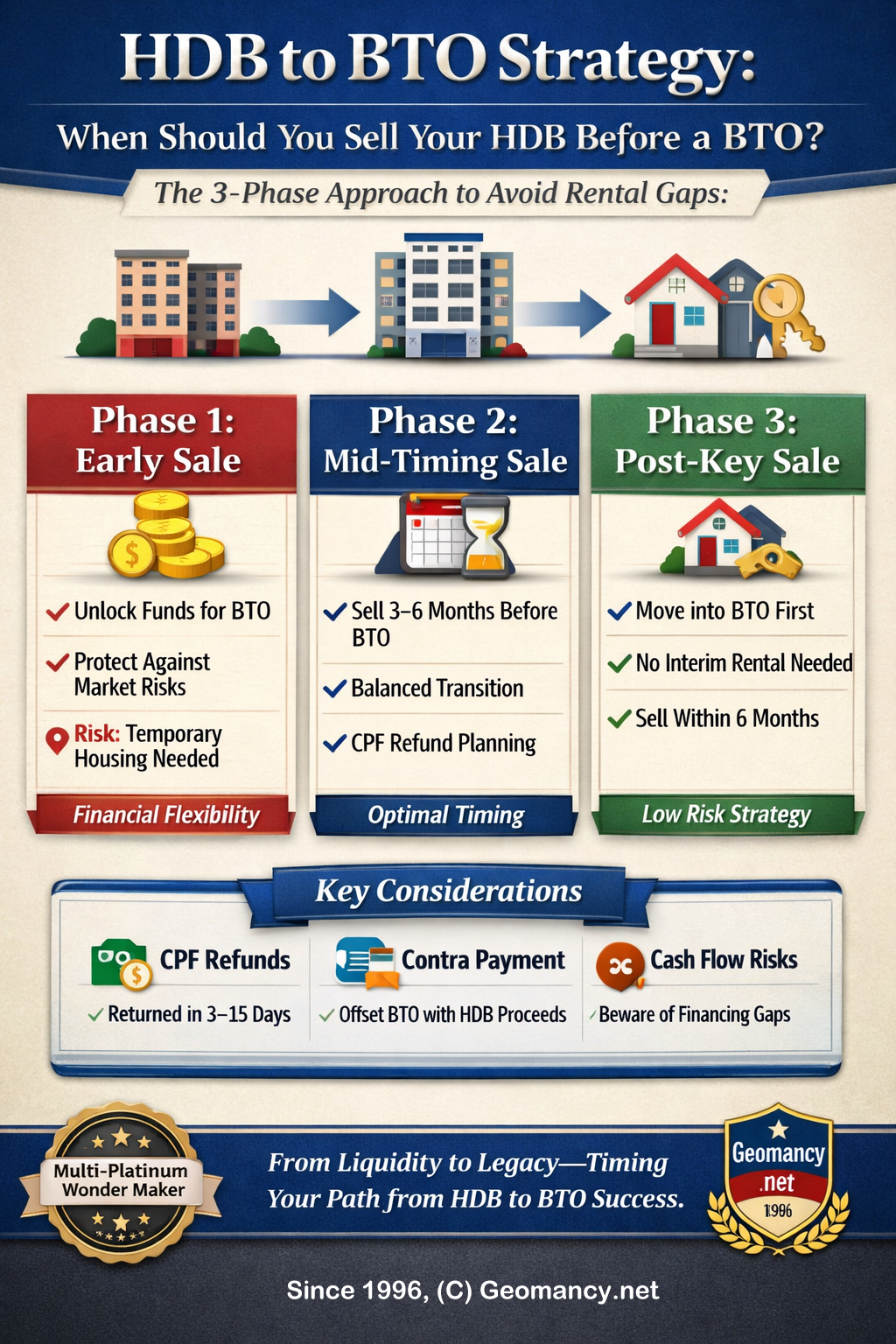
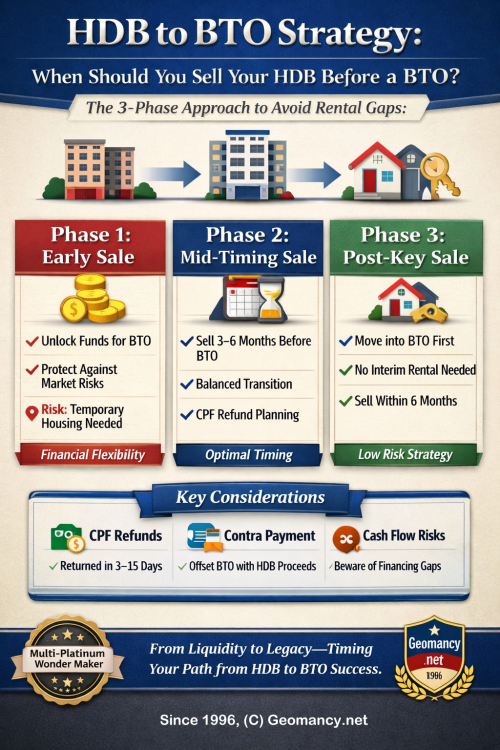
HDB to BTO Strategy: When Should you sell your HDB before getting a New BTO Selling your HDB flat while waiting for your BTO works best when you treat it as a timeline, not a one-time sale. If you plan the steps around your BTO milestones, you can avoid common problems like rushing your selling price, being shocked by CPF refunds that reduce your cash, and ending up with months of renting in between homes. The main approach is to use three phases: (1) plan your real finances, (2) sell and negotiate with the right timing and terms, and (3) complete the sale and move in a way that matches your BTO key collection. This makes the move feel controlled instead of stressful. Phase 1 (12–18 months before keys): calculate your “real number.” Before deciding when to sell, work out what you will truly receive, not just the selling price. Include your outstanding loan, CPF used plus accrued interest (which must be refunded), and selling costs like agent and legal fees. Many people overestimate their cash because CPF refunds can take a big portion of the sale proceeds, even if the flat sells well. Phase 2 (6–12 months before keys): list and negotiate without pressure. The recommended option for most owners is to sell around 6–12 months before key collection. This usually gives enough time to market properly and negotiate calmly, while still allowing you to time the completion close to your BTO keys to reduce or avoid renting. The three broad choices are: sell early (more time, but you may pay many months of rent), sell near keys (often the best balance), or sell after keys (no rental gap, but you face time pressure after collecting keys while still owning the old flat). A key tool for selling near keys is negotiating deferred completion in the Option to Purchase (OTP). This lets you align the completion date with your BTO key collection, so you can hand over your old flat about 2–4 weeks before you get your BTO keys and move with minimal disruption. Phase 3 (1–3 months before keys): complete and transition with “zero rental days” as the goal. The ideal plan is a tight handover window: complete the resale sale about 2–4 weeks before key collection, then move straight into the BTO. This reduces the need for temporary housing, storage, and rushed moving arrangements. Use BTO milestones as early “decision triggers” instead of waiting until the last minute. Start planning after your ballot result/queue number, confirm financing once you have your HFE letter, refine the timeline after flat booking and the Agreement for Lease, and use the construction period to prepare. If you still own your flat when keys are ready, the urgency can force bad decisions, so planning earlier helps protect your price and your cashflow. Common traps include underestimating CPF accrued interest (leading to less cash than expected), selling too early and losing money to rent, being unprepared for the BTO balance payment at key collection, and needing a bridging loan at the last minute if timing slips. Practical fixes are to calculate your net proceeds before listing, aim to align completion with keys using deferred completion, keep a 3–6 month cash buffer, and set up bridging options early as a backup even if you don’t use them. Overall, the message is that timing often matters more than “playing safe.” Selling too early can be surprisingly expensive due to rent and extra costs, while selling near keys with deferred completion can allow a smooth, zero-gap move. Figures mentioned are examples only, so you should confirm current rules and numbers with the relevant authorities and professionals.






-
When Feng Shui Advice Goes Wrong When Feng Shui Advice Goes Wrong: How a “Master” Can Misread Your Home Ranking Choice - Singapore Property Reviews - FengShui.Geomancy.Net
-
No Two Ba Zi Reports are created equal Learn Why? +++ Geomancy.net Since 1996
- Yesterday
-
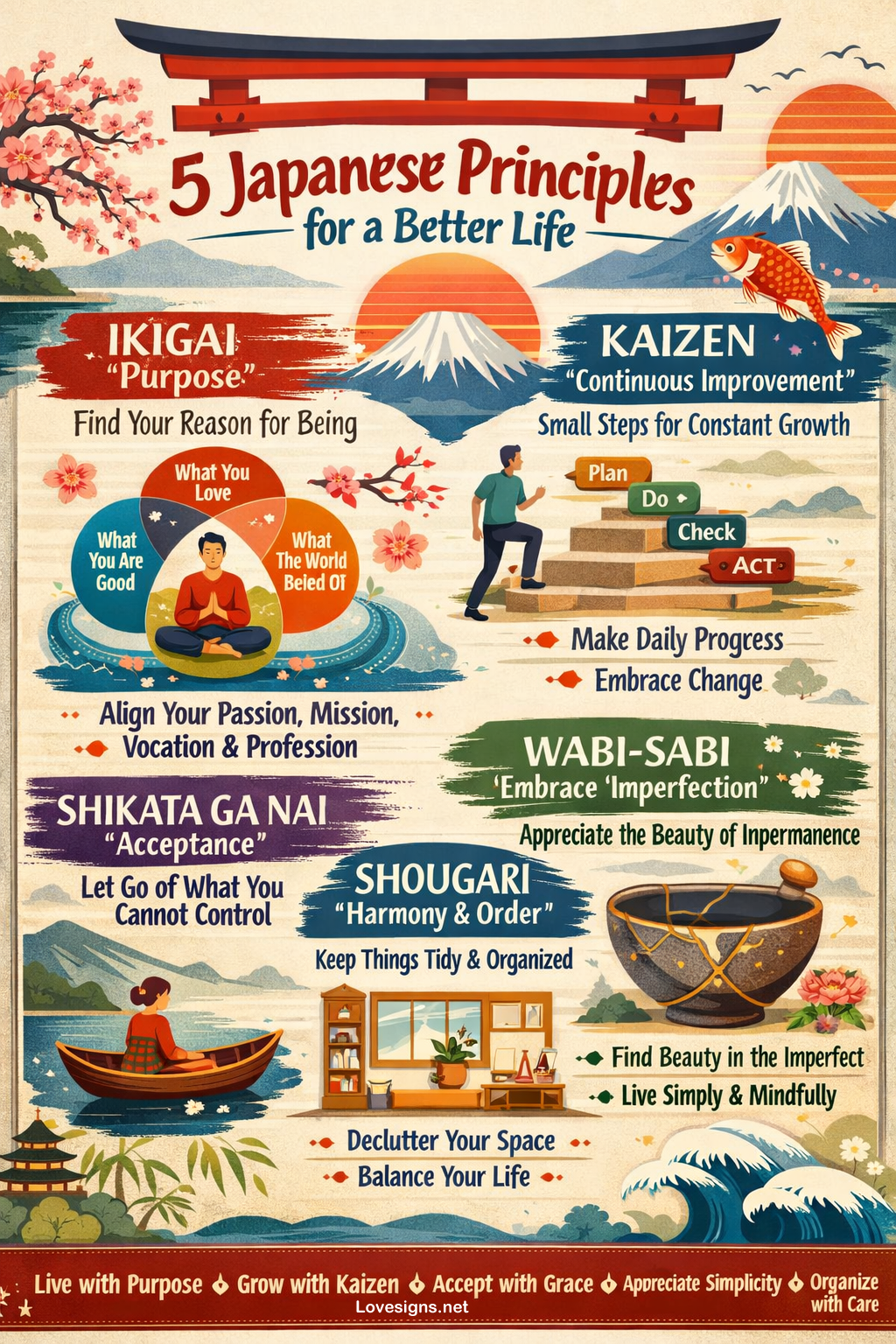
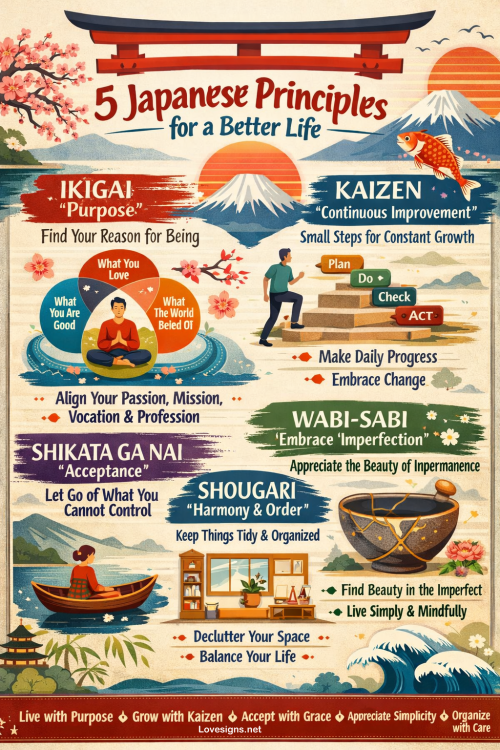
5 Japanese Principles for a Better Life: Ikigai, Kaizen, Wabi-Sabi, Shikata Ga Nai & Shougarai (Harmony and Order) Five Japanese Ideas for a Better Life (One Gentle Day at a Time) Some wisdom doesn’t arrive as a big, dramatic answer. It comes as small reminders—quiet, steady truths you can live with. The five Japanese concepts below are like that. They don’t ask you to be perfect. They ask you to be present, and to keep going. 1) 生き甲斐 Ikigai — “Purpose” Find your purpose for living Ikigai is the quiet, warm feeling that your life is moving in a meaningful direction. It can be something small, like learning a skill, caring for someone, or doing helpful work. You can find it by looking for what overlaps between what you love, what you’re good at, what the world needs, and what can support you financially—when these connect, everyday life starts to feel more purposeful and fitting. 2) 改善 Kaizen — “Continuous Improvement” Small steps for constant growth. Kaizen is steady growth through tiny, repeatable improvements that feel easy enough to do every day. It follows a simple cycle—plan a small step, do it, check what happened, then adjust without blame. By making 1% changes (like reading one page or stretching for two minutes) and reflecting daily on what worked and what to tweak, you build real progress quietly over time. 3) 仕方がない Shikata Ga Nai — “Acceptance” Let go of what you cannot control. Shikata ga nai means accepting what you can’t change like the weather, timing, other people’s choices, or past mistakes—not because you like it, but because fighting it steals your energy. Acceptance frees you to focus on what’s still possible: name what’s in your control versus what isn’t, then take one small action from the “control” side. Peace can start with letting go of what you can’t carry. 4) 侘寂 Wabi-Sabi — “Embrace Imperfection” See the beauty in things that don’t last. Wabi-sabi is the idea of finding quiet beauty in imperfect, changing things like a chipped bowl, a wrinkled smile, or a plan that didn’t go as expected. It reminds us that nothing lasts forever, and that’s what makes life precious, so you don’t have to wait for everything to be “perfect” to enjoy it. By noticing what’s honest and still beautiful in your flaws, simplifying what you keep, and letting go of the rest, you can live a meaningful life without needing it to be flawless. 5) 整理整頓 (Seiri Seiton) Shouganai — “Harmony & Order” (In the spirit of the image: keeping life tidy, balanced, and organized.) Shouganai here means finding practical peace by keeping your space and schedule simple and orderly, so your mind can breathe. Harmony isn’t being rigid it’s creating gentle structure that supports your life. Declutter one small spot, give everyday items a clear “home,” and set one boundary that protects your energy; order isn’t control, it’s kindness to your future self. In Conclusion These ideas work together, not against each other. Ikigai helps you find your direction and purpose, kaizen helps you grow through small steady steps, shikata ga nai helps you let go of what you can’t change, wabi-sabi helps you value life even when it’s imperfect, and shouganai (harmony and order) helps you make space for what matters. A better life isn’t made in one big jump it’s built through small daily choices: find your purpose, improve gently, accept what you can’t change, notice imperfect beauty, keep your life in kind order, and do one small thing again tomorrow. Since 1996, (C) Lovesigns.net
-
' Bagus.comOther Domains - FengShui.Geomancy.NetExplore other servers hosted by Geomancy.Net and discover our Feng Shui services.

-
This is a very clever optical illusion! If you look long enough, you’ll see two clowns facing each other.

-
AD
-
-
-
ADs
-
 Singapore bus stop shelter designs Singapore bus stop shelter designs from the 1950s to today - Around Singapore - FengShui.Geomancy.Net
 -
-
The design of seating arrangements in HDB void decks The design of seating arrangements in HDB void decks - Around Singapore - FengShui.Geomancy.Net
-
-
Related: Exploring Singapore's history through photos Exploring Singapore's history through photos - Current Affairs & Lifestyle - FengShui.Geomancy.Net
-
-
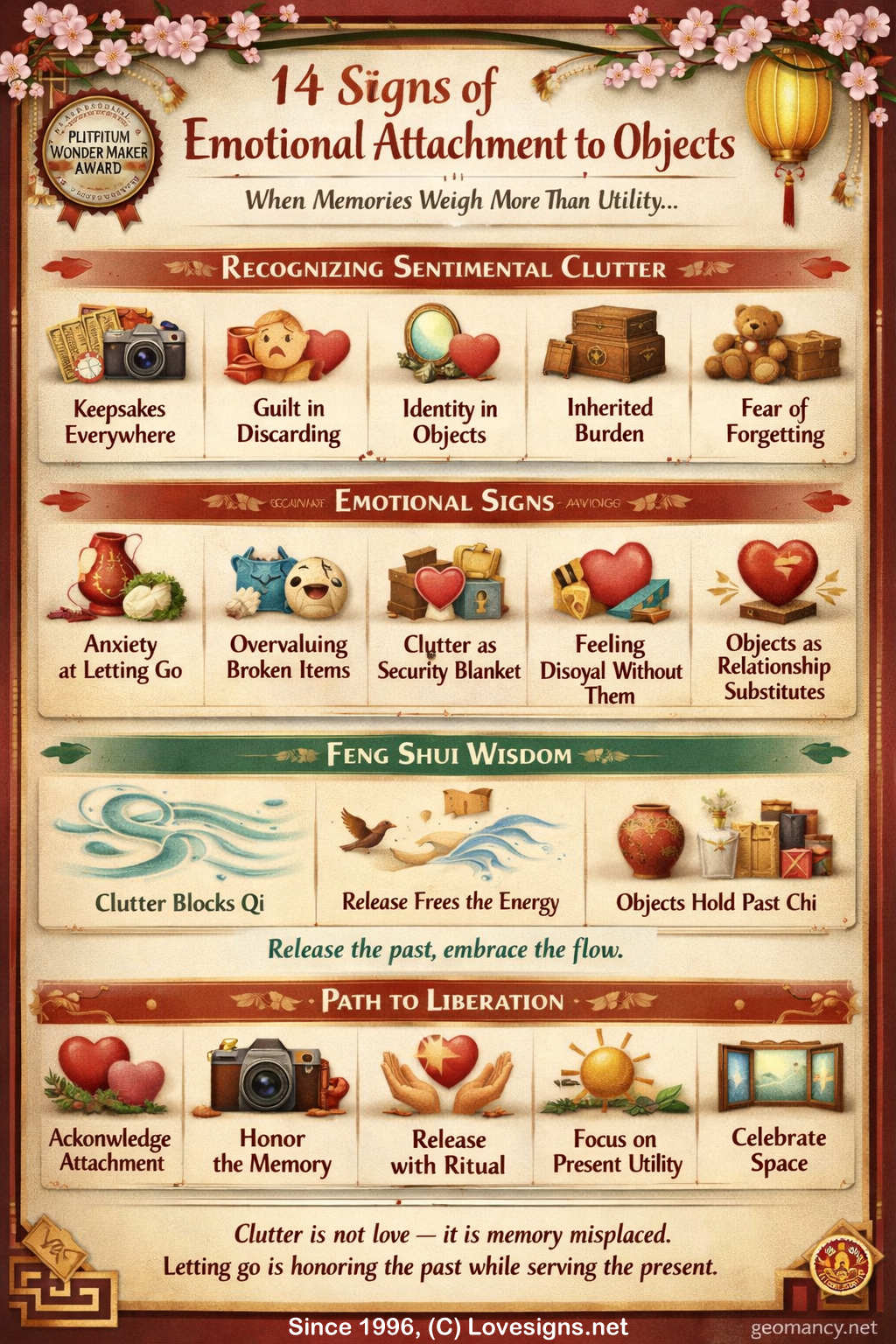
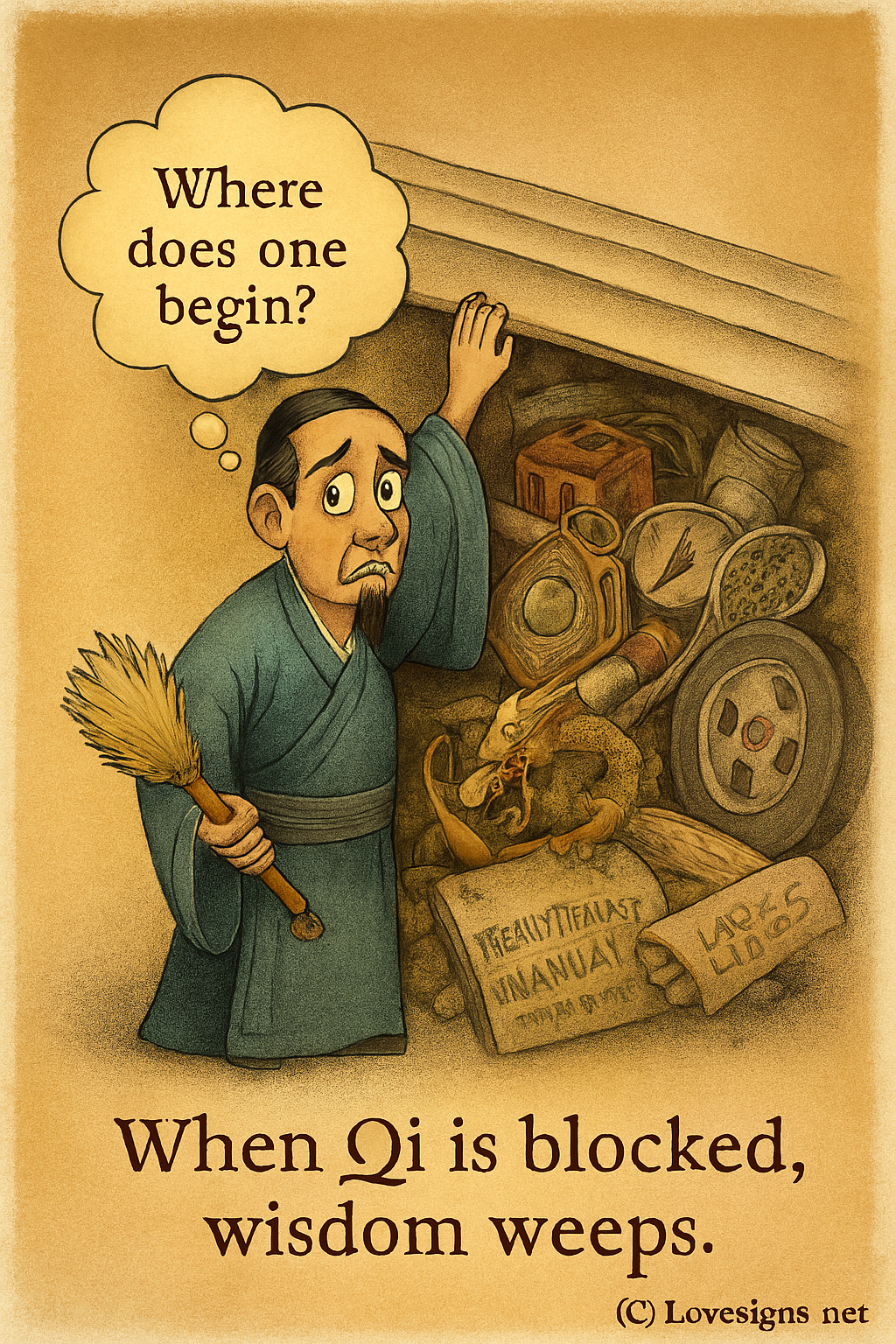
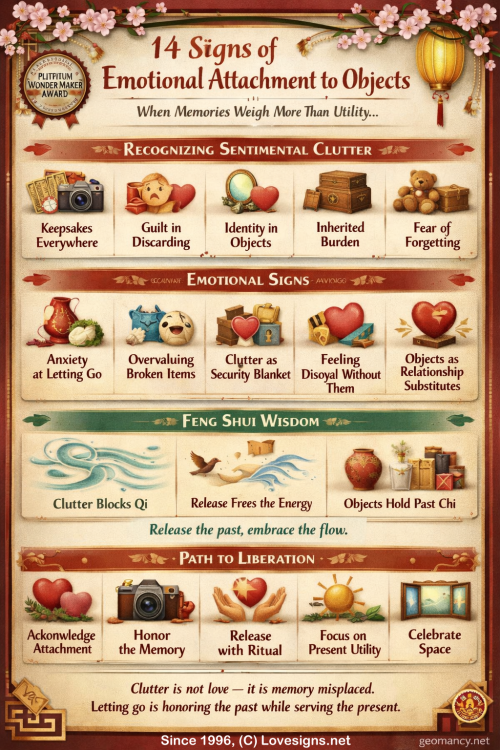
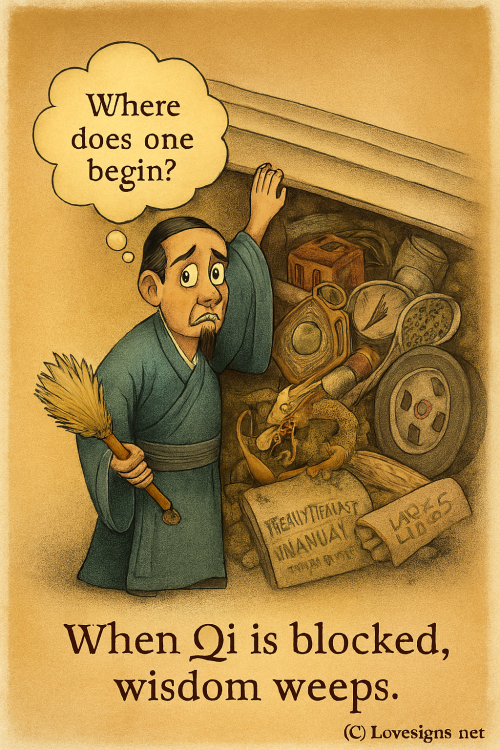
When Stuff Starts to Feel Like You: 14 Signs of Emotional Attachment to Objects Most of us keep things for practical reasons: we use them, need them, or expect to soon. But sometimes the reason we hold on is emotional quietly rooted in memory, identity, guilt, fear, or comfort. Emotional attachment to objects isn’t automatically a problem; sentimental items can be meaningful and grounding. It becomes an issue when your belongings start making decisions for you taking up space, creating stress, or stopping you from living the way you want. Below are 14 signs of emotional attachment to objects (from the document), expanded with context and what may be happening underneath followed by two additional, closely related signs. 1) You feel guilty donating things (even when you don’t use them) You might think, “Someone paid for this,” “I should be grateful,” or “It’s wasteful to let it go.” Guilt often attaches to items that were expensive, gifts, or tied to a version of you that tried hard. What’s underneath: moral pressure (“waste is bad”), fear of regret, or feeling responsible for the item’s “story.” 2) You keep things “just in case” despite never needing them The “just in case” drawer is common until it grows into closets of hypothetical emergencies. If you’ve kept something for years without using it, the item is often serving emotional safety rather than practical readiness. What’s underneath: anxiety about scarcity, money, or unpredictability. 3) You assign memories to items (letting go feels like losing the memory) A ticket stub, a child’s drawing, a cracked mug objects become memory anchors. The fear isn’t losing the object; it’s losing the connection to a person, time, or feeling. What’s underneath: grief, nostalgia, or fear that memories aren’t “safe” unless stored physically. 4) You keep gifts you dislike because of who gave them to you The object becomes a stand-in for the relationship. Donating it can feel like rejecting the giver, even if the item doesn’t fit your life. What’s underneath: loyalty, people-pleasing, fear of seeming ungrateful, or unresolved feelings about the relationship. 5) You avoid decluttering certain areas because the emotions feel overwhelming Some spaces like a box of old letters or a closet of “someday” clothes carry emotional weight. Avoiding them is a form of self-protection, but it can also lock the stress in place. What’s underneath: decision fatigue, shame, grief, or fear of confronting a past version of yourself. 6) You save broken items, hoping you’ll fix them someday Many people keep broken things with good intentions. But if “I’ll fix it” rarely turns into action, the item becomes a promise you’re carrying instead of a tool you’re using. What’s underneath: guilt about waste, optimism bias, or pressure to be the kind of person who repairs and restores. 7) You fear regretting letting go—even for low-value items This isn’t about the object’s monetary worth; it’s about uncertainty. The mind tells you the cost of losing it is higher than it really is. What’s underneath: perfectionism (“I must make the right choice”), or fear of future inconvenience. 8) You keep duplicates for comfort and security Extras can be practical until “backups” multiply. Duplicates often represent a desire to feel prepared and protected. What’s underneath: anxiety about running out, past experiences of scarcity, or a strong need for control. 9) You struggle to replace old things even when better options exist You might keep uncomfortable shoes, outdated electronics, or worn-out furniture because replacing them feels disloyal, wasteful, or risky. Familiarity can outweigh functionality. What’s underneath: attachment to the familiar, fear of spending money, or worry the replacement won’t feel “right.” 10) Your belongings feel like part of your identity Certain items can symbolize your taste, your history, your aspirations, or your values books, collections, instruments, memorabilia. When objects become identity markers, letting go can feel like shrinking yourself. What’s underneath: identity reinforcement (“this proves who I am”), or fear of losing a role (artist, traveler, reader, collector). 11) You get anxious when things are discarded even if someone else throws them away This is a powerful sign because it isn’t about your own choices. Seeing an item discarded can trigger panic, anger, or sadness—almost like something important was “lost,” even if it wasn’t yours. What’s underneath: heightened sensitivity to waste, fear of loss, or difficulty trusting that needs will be met. 12) You remember the story, not the usefulness (meaning matters more than the item) Some objects are kept mainly because of what they represent: “the first,” “the last,” “the trip,” “the person I used to be.” The item is a container for narrative. What’s underneath: longing, grief, or a desire to preserve meaning in a tangible way. 13) You avoid using certain items because you want to “save” them Special candles never lit, notebooks never written in, outfits never worn because using them would “ruin” them. The item’s value becomes tied to keeping it pristine rather than letting it enrich your life. What’s underneath: perfectionism, fear of scarcity, or associating “special” with “untouchable.” 14) You keep items tied to a painful chapter because getting rid of them feels like denying what happened This can include objects from a past relationship, a difficult job, or a hard period of life. Sometimes the items are kept as proof, protection, or a reminder of survival yet they also keep the wound close. What’s underneath: unresolved grief, anger, or a need for validation (“it really happened, and I got through it”). Why These Signs Matter (and When to Worry) Emotional attachment becomes costly when it: - creates ongoing stress, clutter, or conflict at home, - blocks routines (cleaning, cooking, resting), - leads to avoidance and shame, - or makes you feel controlled by your belongings rather than supported by them. If you recognize several signs, it doesn’t mean anything is “wrong” with you it often means your objects are doing emotional work: providing safety, continuity, or comfort. A Practical Way to Reframe the Relationship With Your Things Instead of asking, “Should I keep this?” try: - “What feeling am I trying to protect by keeping it?” - “If I didn’t have this item, how else could I keep the meaning?” (photo it, journal the story, keep one representative piece) - “Is this helping present-day me, or only past/future me?” - “Would I rather have the space than the object?”
-
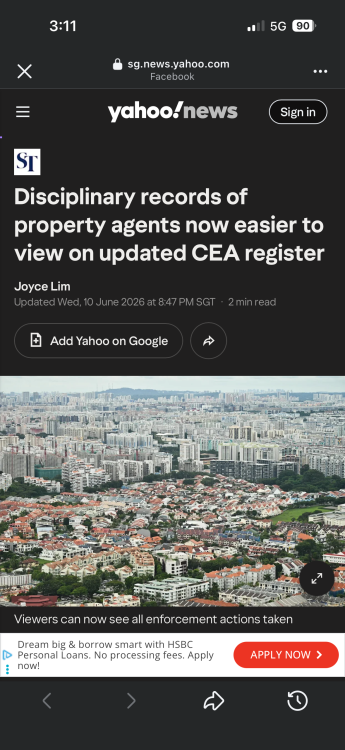
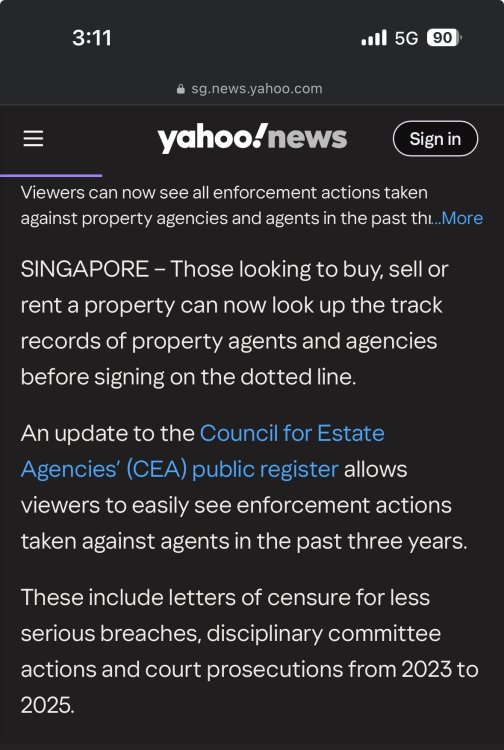
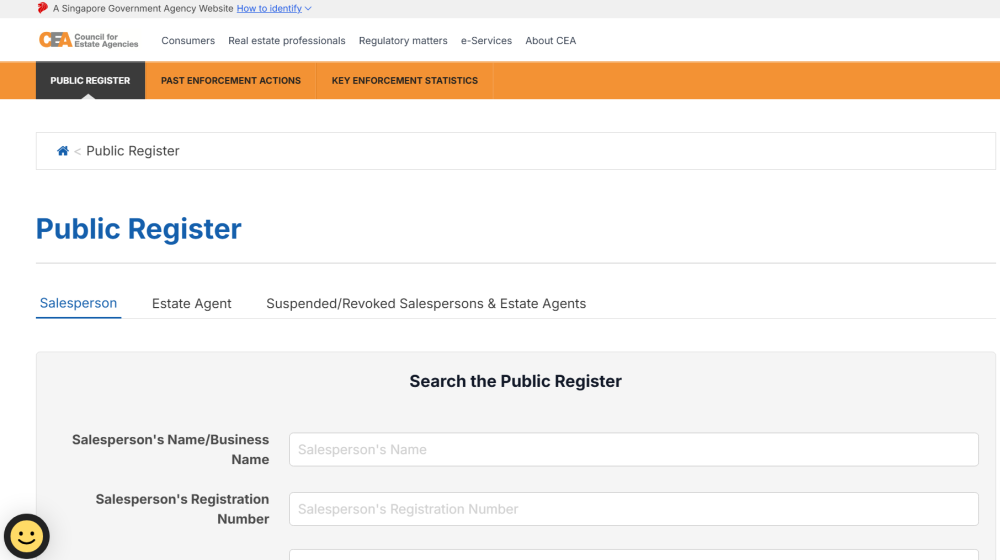
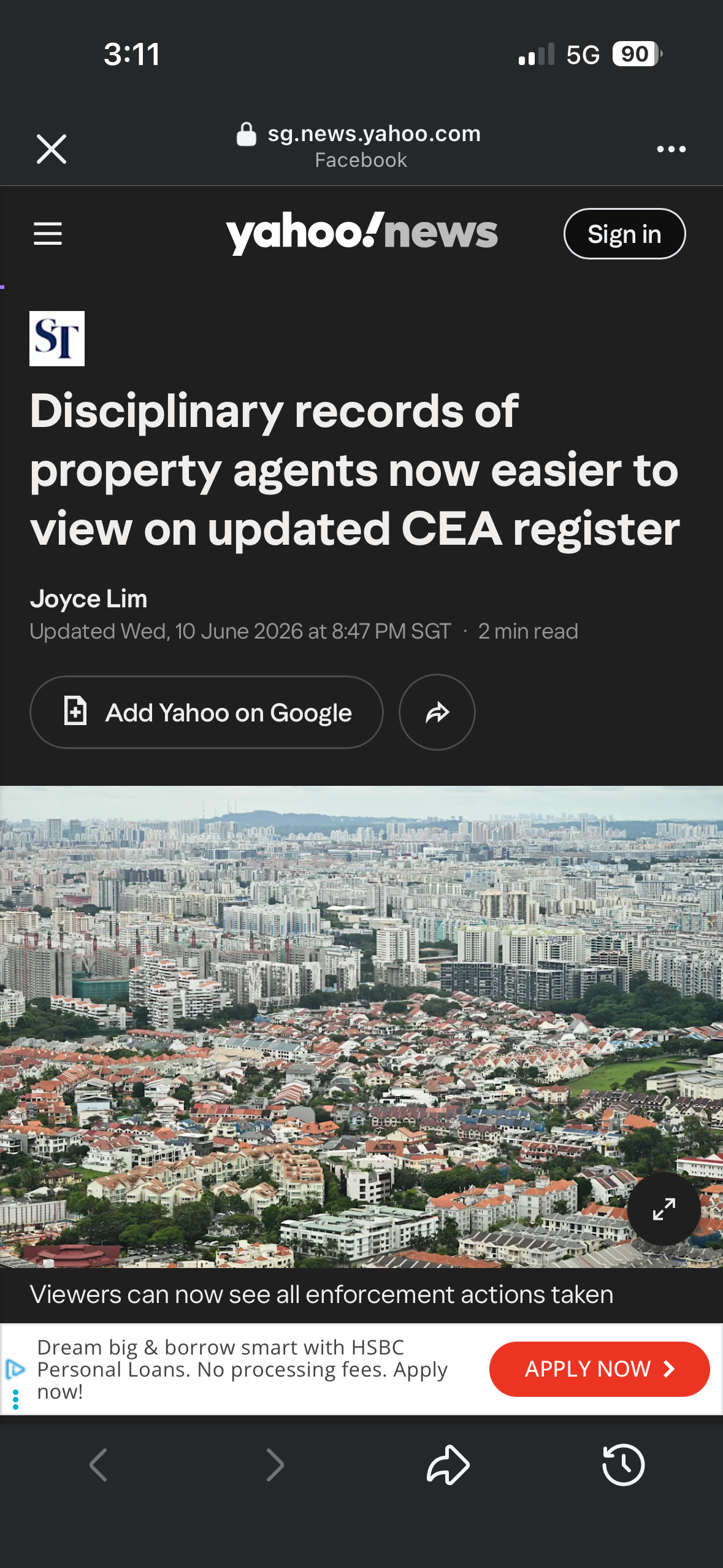
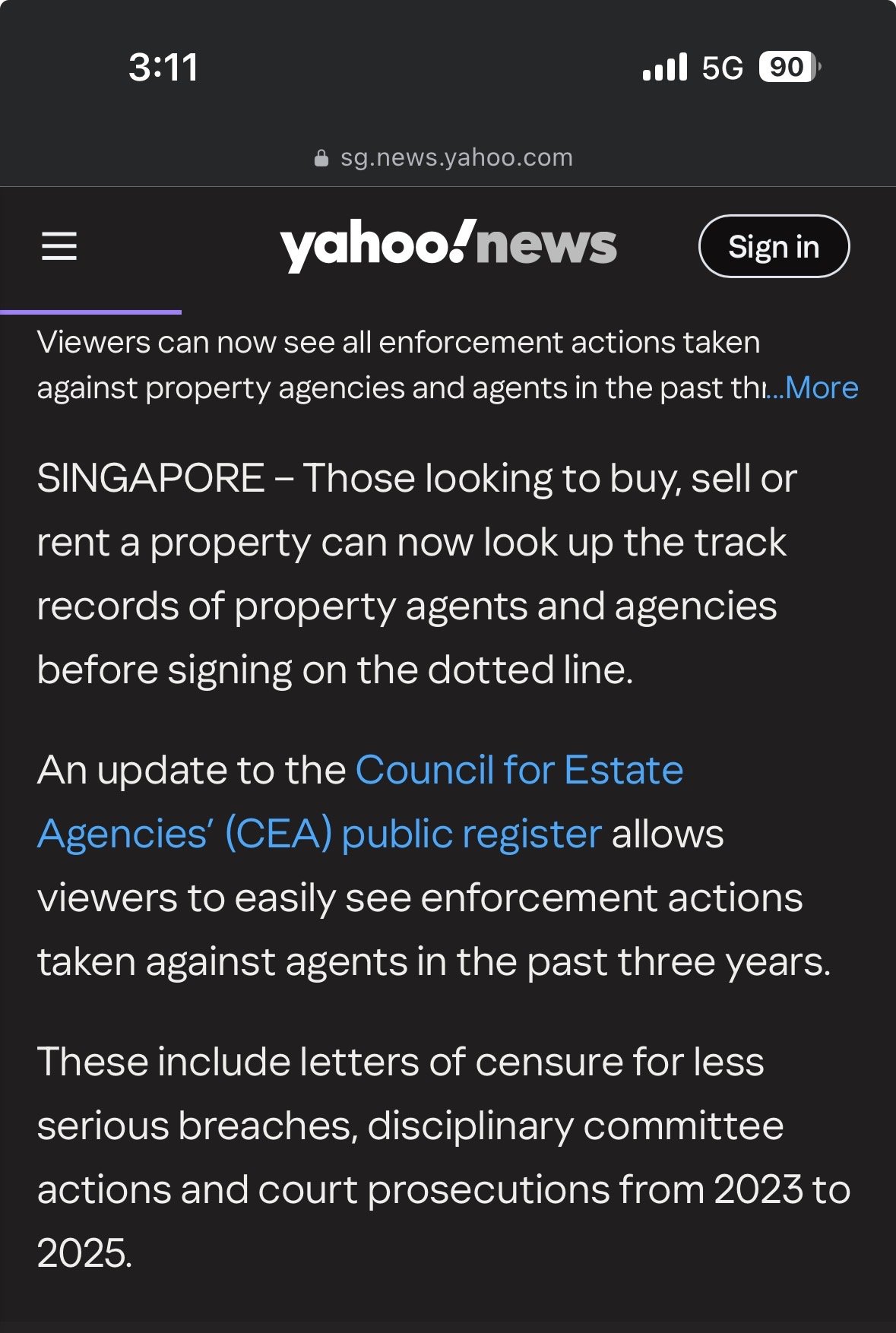
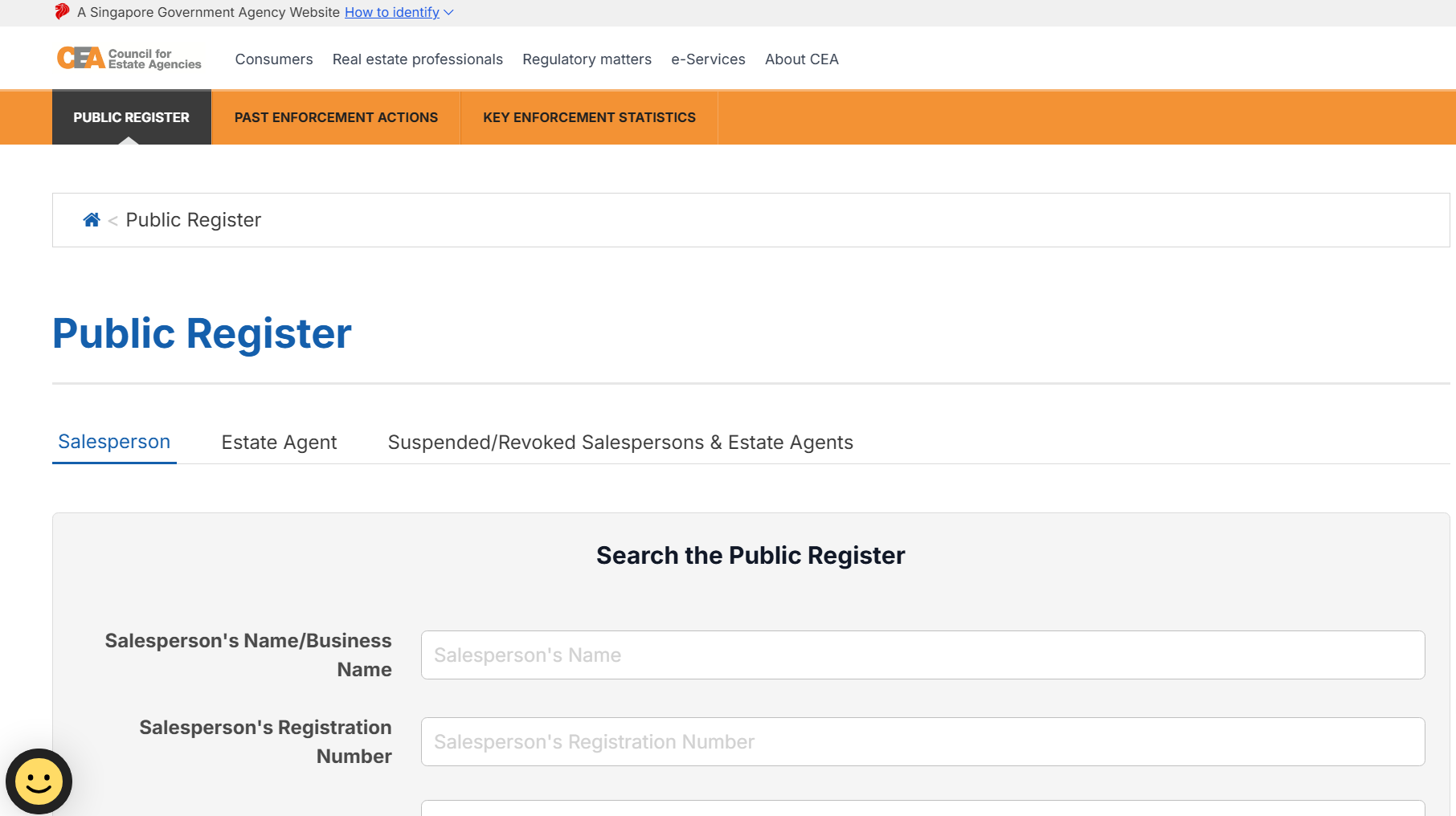
Source & Credit: https://eservices.cea.gov.sg/aceas/public-register/sales/1?fbclid=IwVERDUASXPvdleHRuA2FlbQIxMQBzcnRjBmFwcF9pZAo2NjI4NTY4Mzc5AAEeVyj62FWqdn67LASL4LJK5_Uxq5uJnCpoivW48XnHQ_rnGHF8gyAb4uFkcG4_aem_IPCfiw8_SLrjHRdpognvpQ