



Cecil Lee
Staff
Everything posted by Cecil Lee
-
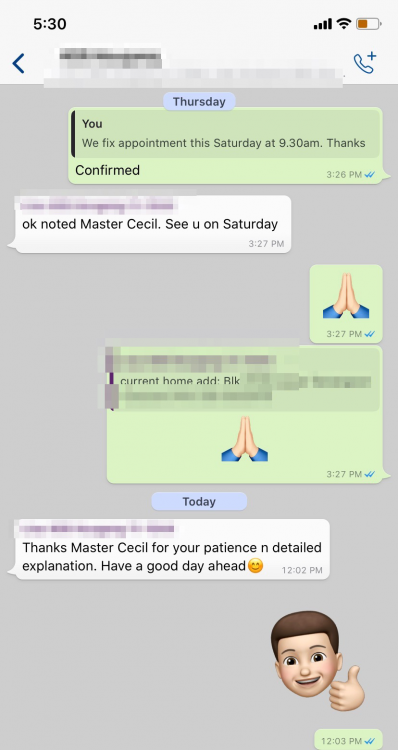
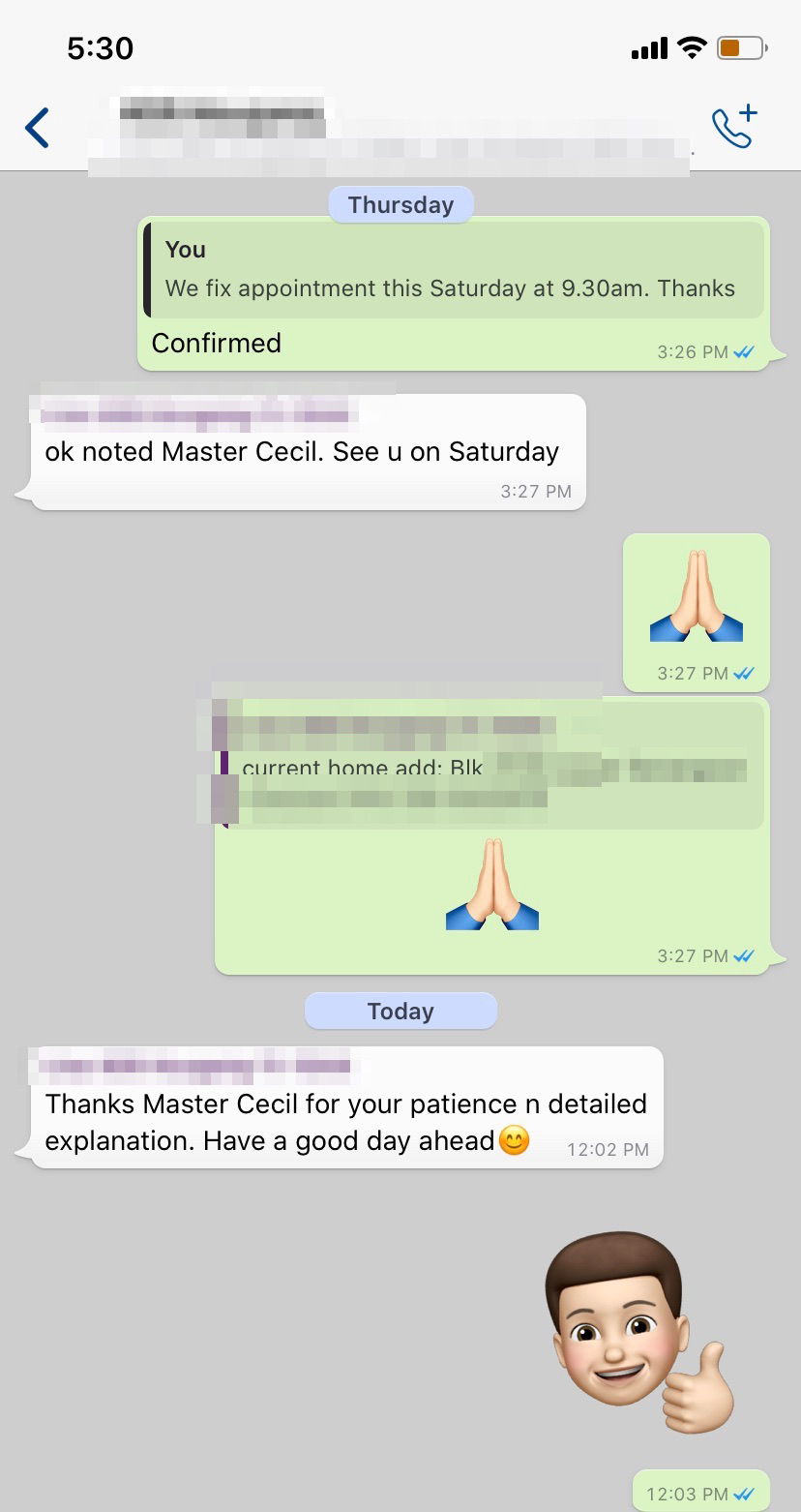
Thanks Master Cecil for your patience n detailed explanation. Have a good day ahead?
-
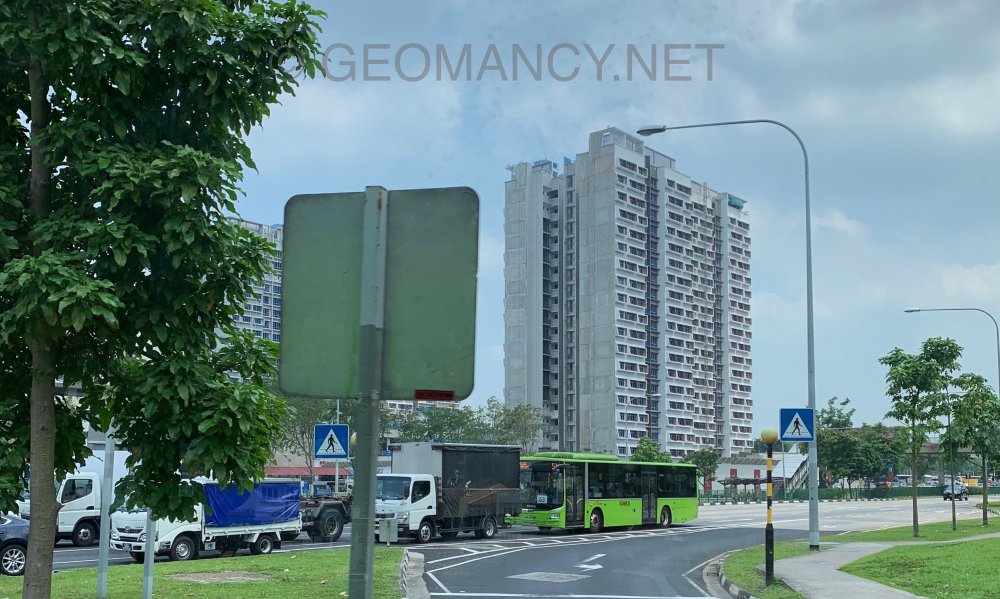
9.11.2019 Started painting external walls
-
9.11.2019




-
FAQ: Can I install a ceiling fan above our dining table?
-
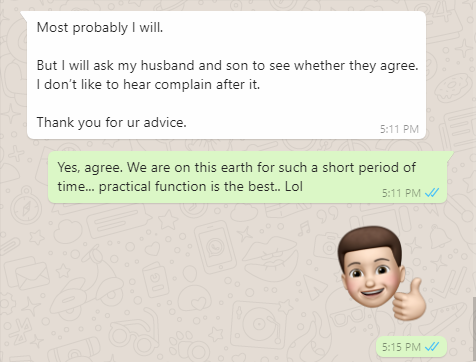
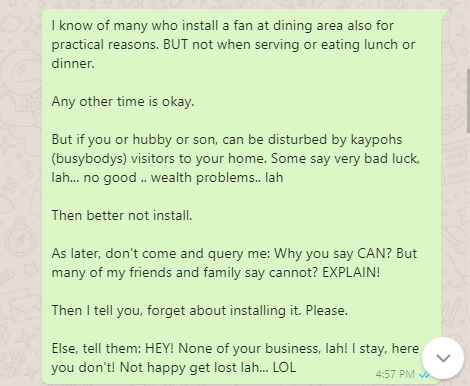
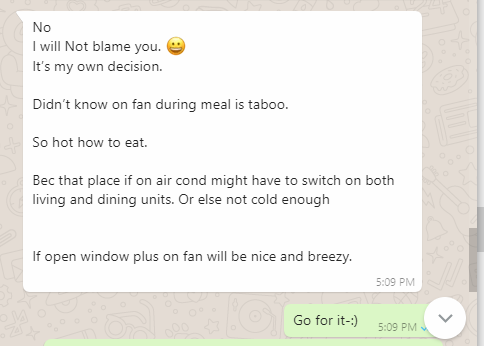
Recommended Reading: Click this link: What are the common myths about ceilings fans in Feng Shui? More.... FAQ: Can I install a ceiling fan above our dining table? 1. In recent years, more and more people have installed a ceiling fan above their dining table. 2. Often also on my many Can or cannot buy reviews, some potential sellers or re-sale homes have one directly above their dining table. 3. Is this a Feng Shui consideration? 4. Frankly, in my opinion, this has more to do with two areas: [A.] Some degree of common sense [B.] Past Taboos [C.] "Bad mouthing" [A.] Some degree of common sense 4.1 In the past, some people had the belief that food should not be cold or rather, one should consume warm food. 4.2 Thus turning on a fan at the dining table means that often, the food gets cold easily. Thus this can affect the health of family members. [B.] Past Taboos 4.3 Taboo or belief that serving cold food = loss of wealth or poor financial health. 4.3.1 Frankly, if someone has a strong belief such as things like "poor health" and/or "loss of wealth". It may be hard to shake-off these doubts or beliefs for some of us. 4.3.2 The best approach is therefore to check with immediate family members if they have any concerns (real or unreal) if any. [C.] "Bad mouthing" 4.4. Master, I installed the ceiling fan based on your advice that it is Okay. 4.5. But unfortunately, I am at a loss now and highly disturbed. This was because my mum, my sister-in-law, my aunties and many of my friends say the same thing: "Very inauspicious to install such a fan". 4.6. Please EXPLAIN! 4.7. An understanding response... 5. Feng Shui is about Earth Luck! 6. Like the client's feeling.. "So hot how to eat" ... is based on another form of luck = Man or Human Luck! (Feeling good). 7. Another benefit is that good for air-circulation. 8. In modern times, not only do we have the AC fan. There is another inverter type of fan .. called DC fan. 9. DC fans were invented only very recently. And one good thing about it is that many models can also "suck air" upwards and circulate air towards the side... thus, air or wind is not blown down towards the food.... brillant right? 10. As mentioned, earlier.. as I mentioned, if one's mentality is: "Hey! None of your business! I like to do what I want.. this is my house not yours!" Then go ahead... install that fan. 11. But if one has doubts after installing it.... then do forget having the fan. Alternatively, why can't you don't turn on the fan.. during meals? 12. Oops! But if one is a believer of: " the centre mass is pressing against the dining table... no good right"... then why bother to install that fan?
-
Note to self... KIV... for something similar... for replacement Dash-cam ... “Better safe than sorry” Best insurance to cover one’s back... P.S. Western Digital now owns SanDisk?



-
Jon (a parent) asks: “Which degree comes free?” Jon’s 12 year old daughter replies: “A degree in Common Sense is FREE!” ? See even a child knows! LOL
-
History of Brompton bikes in Singapore and the original Sole Agent... until Brompton UK took back the dealership... https://www.mightyvelo.com/2019/04/10/our-brompton-bike-history/ Much like in the car industry.. when VW took back the dealership from Wearnes and decided to sell direct in SGP... Till this day, still prefer to depend on leg power... Don’t be surprised, if one day.. I turn up at your home on ... “One (healthy) life, live it!”
-
China is imposing a curfew on online gaming for minors, the government has announced. Gamers under 18 will be banned from playing online between 22:00 and 08:00. They will also be restricted to 90 minutes of gaming on weekdays and three hours on weekends and holidays. Its part of China's latest move to curb video game addiction, which officials say is damaging to children's health. China is one of the world's largest gaming markets. The official government guidelines - released on Tuesday - include spending limits for minors. Source & credit: BBC

-
New, here?
 What others say about us all these years... Fixed Fee, No hidden charges... A market leader ... Career and Promotion... Baby... Business... More...1. Geomancy.net is the oldest verifiable Feng Shui Forum in the World. 2. Via the independent Wayback Machine - Internet Archive: https://archive.org Proudly made in Singapore for the World
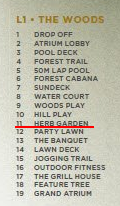
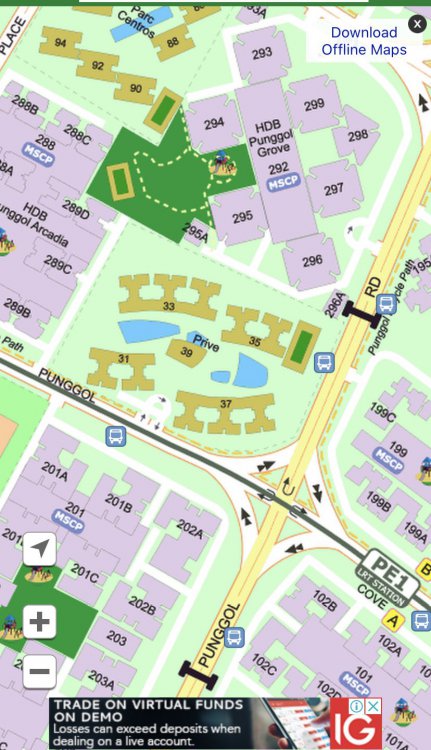
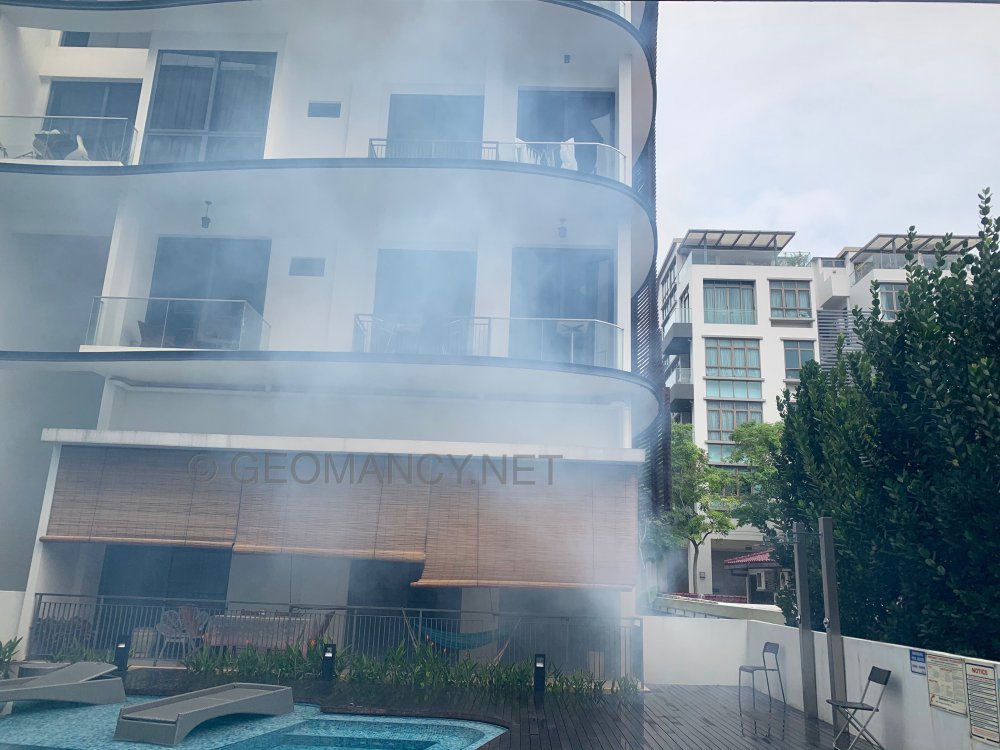
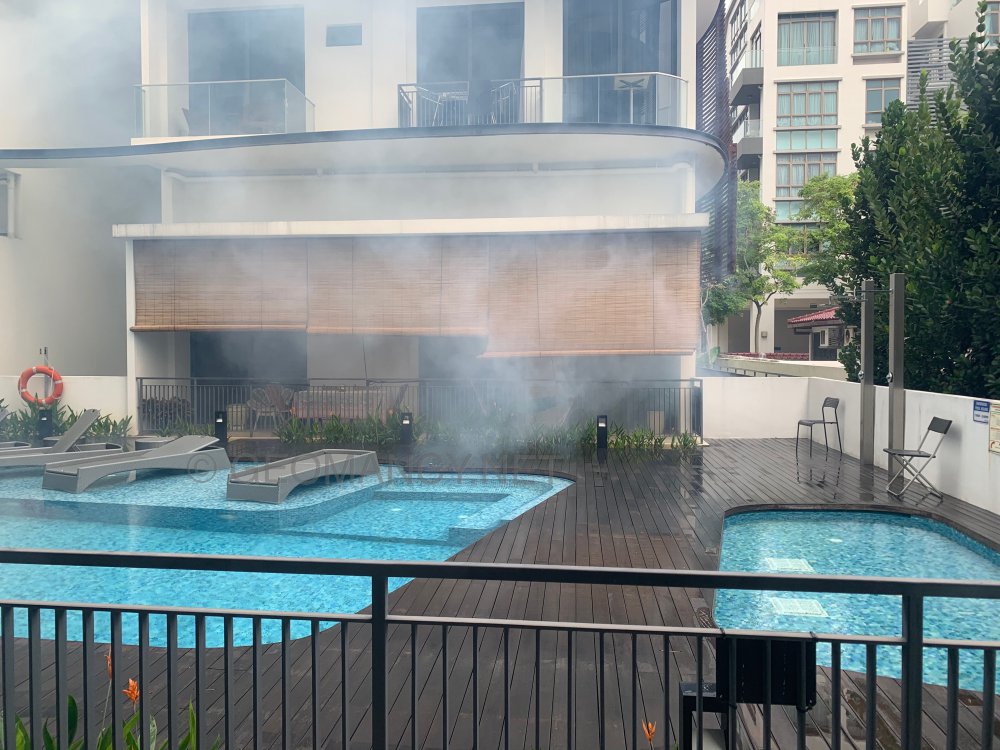
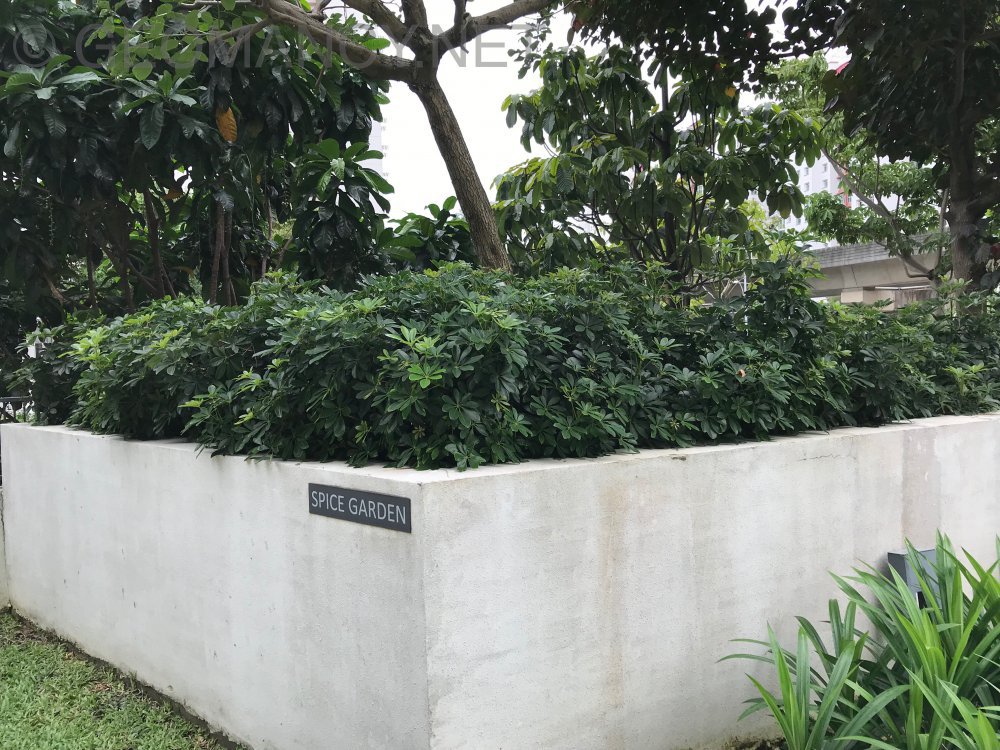
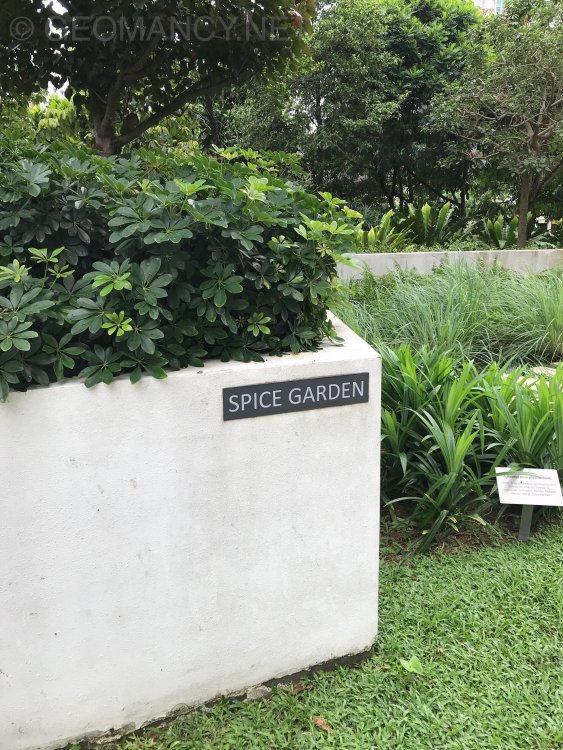
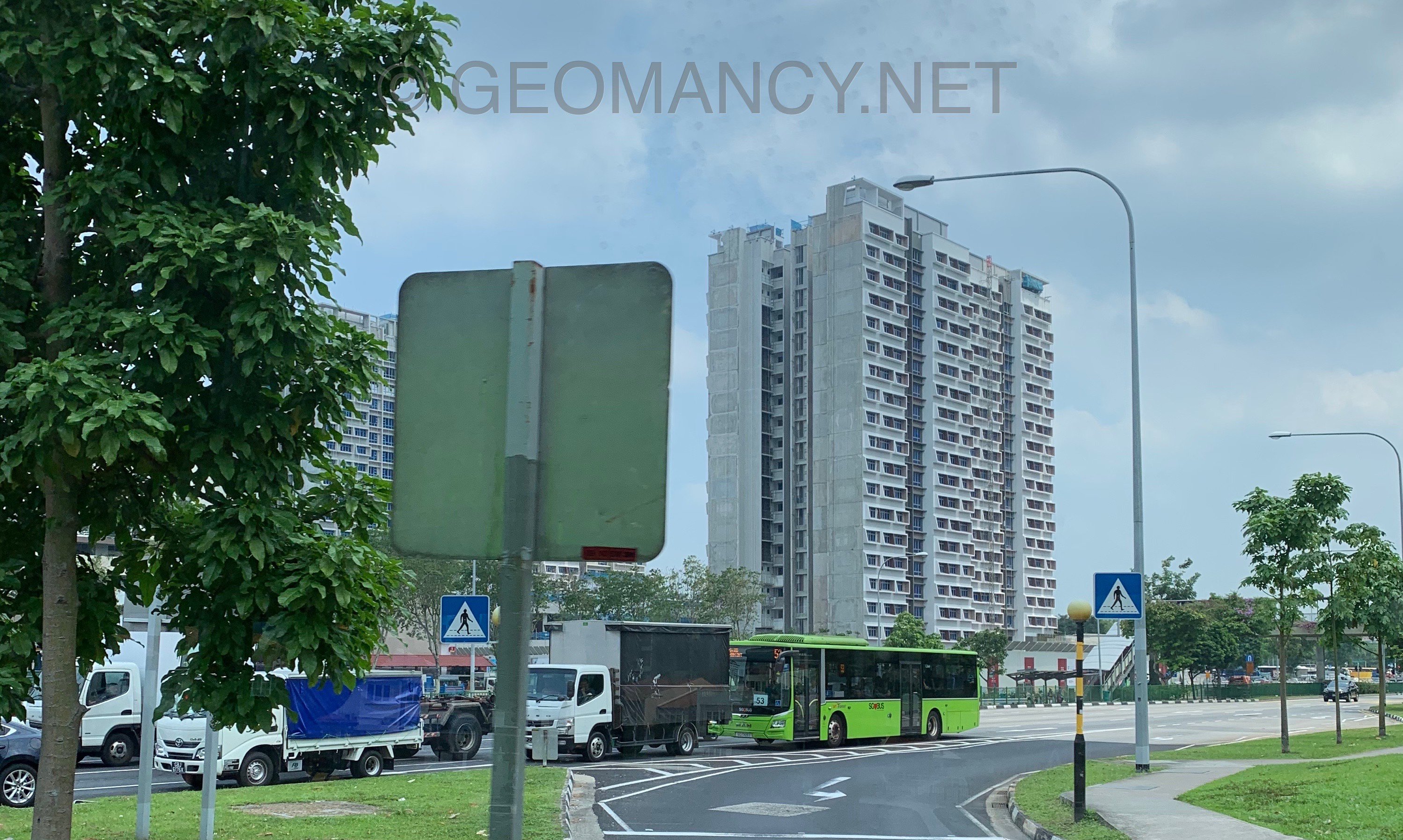
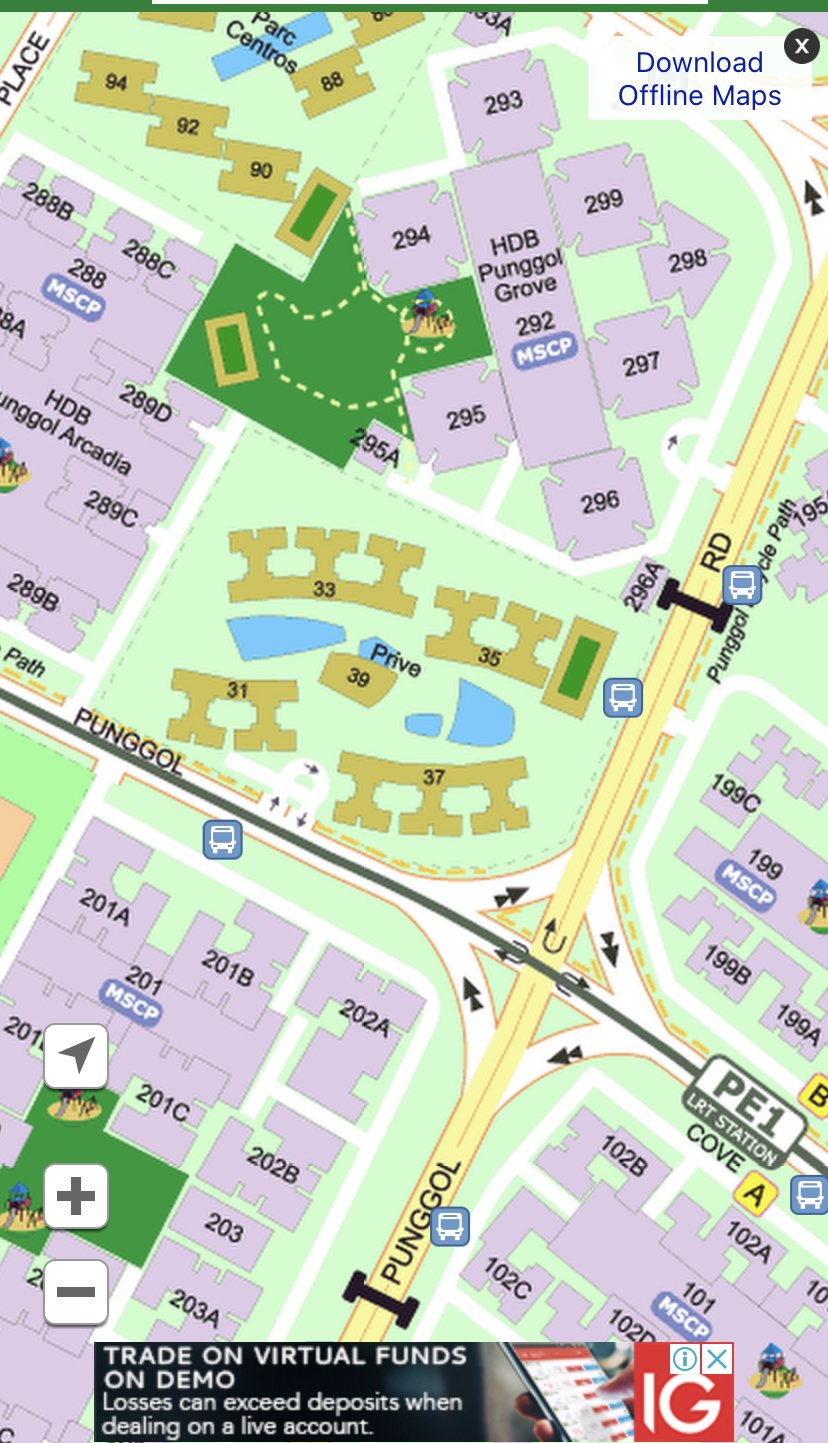
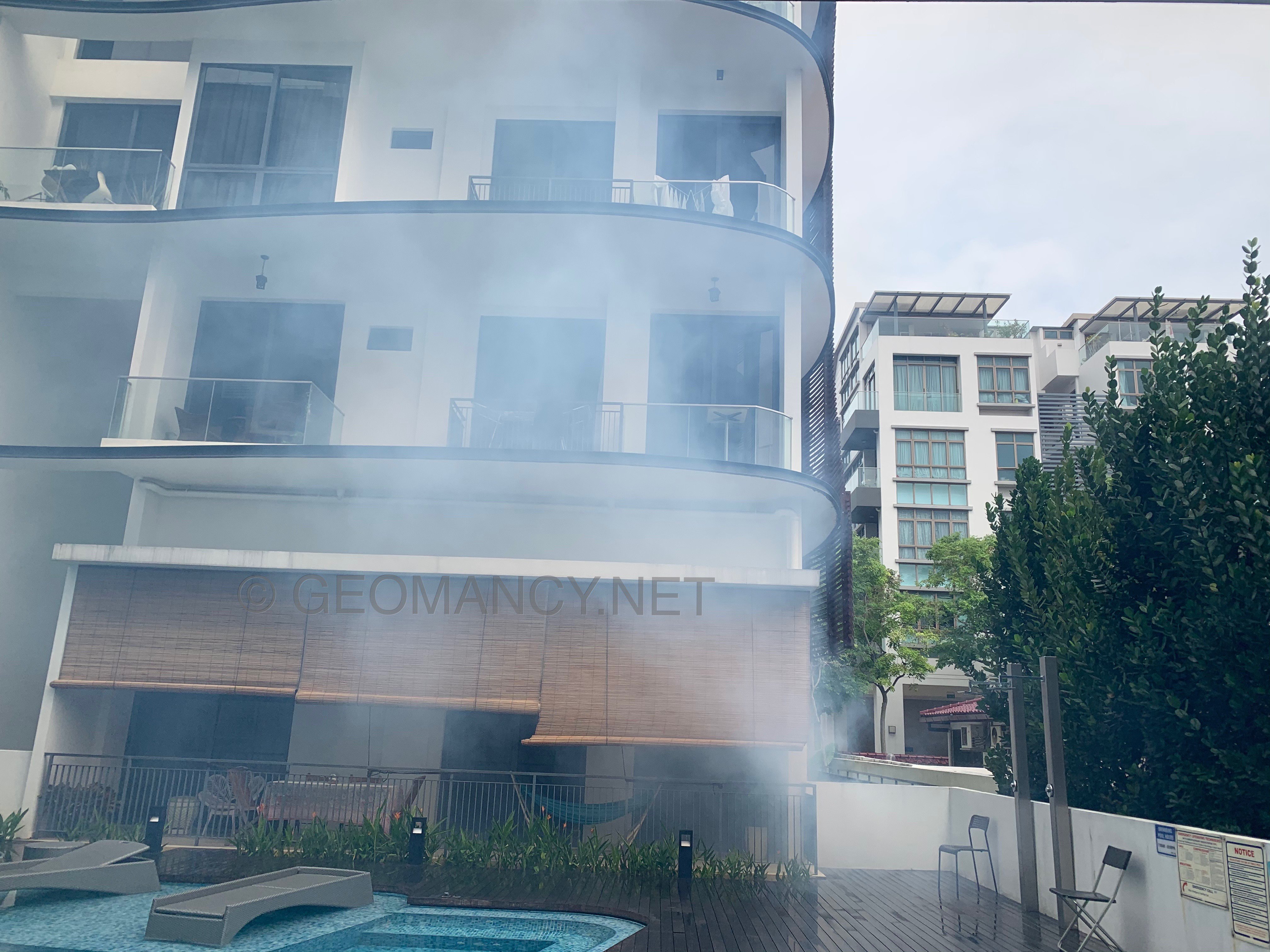
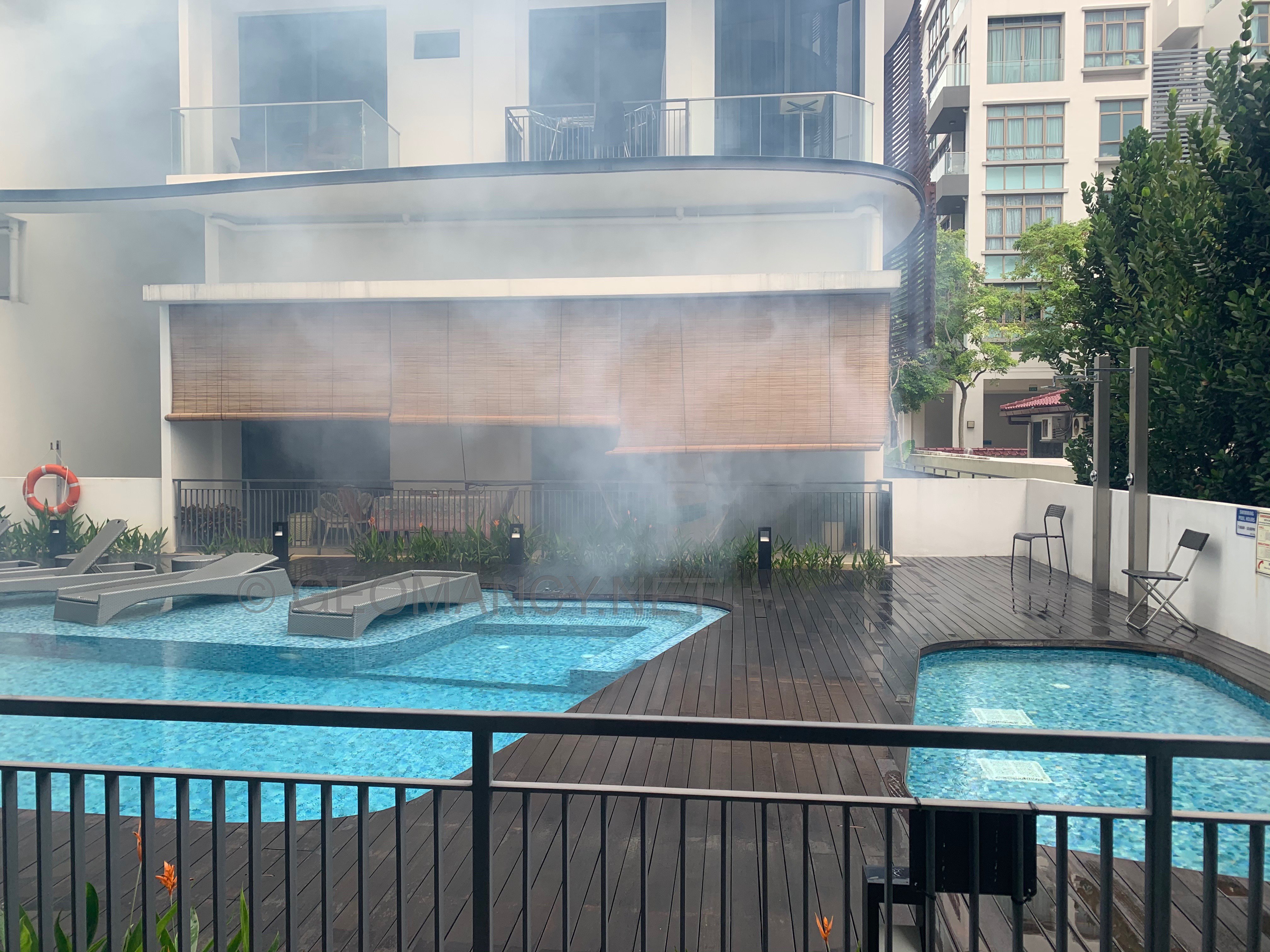
 Case Study 4: Fortunately no one buys a home in a location just because it has a Herb Garden right? 1. Developers must realise that all private estates/ECs/Condos must do mandatory fogging without fail every week. 2. For those who have exeprienced a fogging episode will realise that often, the fumigation (fogging) can reach as high as the third or even fourth floor or more depending on wind conditions and layout of the blocks etc... (Below: Even after fogging had finished after 6 minutes and depending on the wind conditions, the smoke can be seen to rise up to 3rd storeys or higher in this development). 3. So what is stopping the fogging to reach the Herb Garden? 3.1. Even if the herbs grow beautifully - go ahead and use them! 3.2. As this area is not enclosed and open to everyone, there is really no motivation for a resident or group of residents to cultivate the herbs. For them to be later harvested by someone else. 3.3. Because of the fogging most likely toxic chemicals absorbed by the herbs... PRIVE EC @ PUNGGOL - WHAT HAS BECOME OF IT'S SPICE GARDEN? The tag says "SPICE GARDEN" BUT THERE ARE NO SPICES GROWN, HERE. LOL. PRIVE EC - WHAT HAS BECOME OF IT'S SPICE GARDEN? 4. For example, last year I visited Prive condo a few times. This development once HAD a spice garden. But seems like no spice plants. Became just another planter area. Lol... 5. All developers and their architects and their landscape planners should understand this! 6. Even if you don't stay there, don't become an idiot! Please.. Lol... P.S. Note: Photos are not of Copen Grand. Added for illustration purposes, only.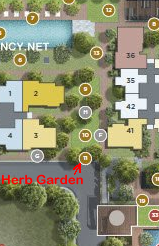
 What others say about us?What others say about us?The saying: "A sketch tells a thousand words".King of Hell : King Yama Supreme Govenor of 18 Levels of Hell Birthday Oops! Nothing to celebrate about.. For information only, lah!The Chinese‑Buddhist Legend of Diyu (Naraka): Morality, Punishment, and the Architecture of Hell The legend of Diyu, often equated with the Buddhist Naraka in the Chinese cultural sphere, offers a vivid and terrifying vision of the afterlife. Far from being a vague realm of shadows, Diyu is imagined as a meticulously organized underground maze where every sin has its designated place and punishment. Governed by the stern and impartial King Yama, this hell serves both as a cosmic court of justice and a moral textbook, using extreme imagery to define, categorize, and deter wrongdoing. The Architecture of the Underworld In Chinese-Buddhist tradition, Diyu is not a single, uniform pit of torment. Instead, it takes the form of a complex, multi-layered labyrinth, made up of numerous levels and specialized chambers. These spaces are not random; they are structured according to the nature of human sins, suggesting a universe in which moral order is built into the very geography of the afterlife. A central feature of this cosmology is the division between East and West Chambers. Each side contains its own series of punishment halls, and each hall is reserved for a particular type of offense. The result is a kind of moral map: where a soul ends up after death is determined by what it did in life. This spatial organization turns ethics into something concrete and navigable. Right and wrong are not abstract ideas; they become locations, destinations that the soul is inevitably drawn toward. East Chambers: The Punishment of Social and Personal Betrayals The East Chambers primarily address sins that fracture trust and social harmony, or that involve personal betrayal and violence. These include gossip, adultery, murder, sowing discord, theft, arson, and hypocrisy. The punishments are intensely physical, and they symbolically reflect the nature of the sin. For example, those who indulge in malicious gossip or slander may suffer the torment of tongue extraction, a punishment that directly targets the part of the body used to commit the offense. Adulterers and the sexually unfaithful may be subjected to tortures that mock and destroy the physical body they abused. Murderers, arsonists, and violent offenders are thrown into knife hills or boiling oil cauldrons, environments of constant pain that mirror the destruction they brought upon others. This tight correspondence between wrongdoing and consequence reinforces a retributive logic. The punishment is not random cruelty; it is a distorted echo of the sin itself. By making the relationship between deed and suffering explicit, the legend teaches that no harmful act ends with death. Instead, every wrong plants a seed that will inevitably grow into a specific, fitting retribution. West Chambers: Crimes Against Community, Life, and Responsibility The West Chambers focus on another set of moral failures, often broader social violations or grave breaches of responsibility: disrespect, suicide, unfair business practices, bullying, food waste, infanticide, corruption, and cruelty to animals. These sins are tied to the neglect or abuse of relationships—between seniors and juniors, rulers and subjects, parents and children, humans and animals, and individuals and society. The punishments here are as gruesome as those in the East: drowning in blood, being sawed in half, crushed, dismembered, or burned, and being attacked or tormented by animals. Each punishment again underscores the moral logic of Diyu. Those who wasted food, for instance, may suffer hunger and degradation; those who abused power or bullied the weak face the humiliation and pain they once imposed on others. Those who took life—especially vulnerable lives like infants or animals—suffer in ways that reflect the enormity of their offense. Interestingly, even acts like suicide, which in some traditions might be considered tragic rather than sinful, are punished in Diyu. This reflects a worldview in which life is a trust, not solely one’s own possession, and where abandoning responsibilities can be considered a moral failure with cosmic consequences. Gruesome Imagery as Moral Education What is striking about Diyu is the extremity of its punishments. Bodies are torn apart, boiled, crushed, and dismembered; suffering is repeated endlessly; death itself offers no escape, because souls are repeatedly revived only to undergo the same torments again. The violence is deliberately excessive. This excess serves several purposes. First, it amplifies the seriousness of sin. In everyday life, gossip or wasting food may seem minor, but in Diyu these acts are treated with terrifying gravity. The message is that every action is morally weighty and that seemingly small wrongs can have immense consequences. Second, the horror functions as deterrence. Stories of Diyu were historically told in temples, at festivals, and within families to warn both children and adults. The gruesome details fix themselves in the imagination, making moral instructions memorable in a way that abstract sermons might not be. The legend thus acts as a visual and narrative system of social control, encouraging good behavior through fear of cosmic retribution. Third, the concreteness of the punishments transforms morality into something tangible. Instead of saying “do not be corrupt,” the legend shows corrupt officials being crushed or dismembered; instead of urging kindness to animals, it depicts animal abusers tormented by beasts. The visceral shock forces listeners to confront the reality of suffering their actions might cause, even if in symbolic form. King Yama: Judge of the Dead and Guardian of Moral Order At the center of this system stands King Yama, the ruler and supreme judge of Diyu. In Chinese-Buddhist and popular religious belief, Yama is not merely a demon lord but a judicial figure, akin to a cosmic magistrate. Souls pass before him to have their lives examined and their sins weighed. His role underscores a key philosophical point: punishment in Diyu is not anarchic; it is the result of a lawful, structured process. Yama’s authority highlights the idea that the universe possesses an objective moral order. Just as earthly courts judge crimes, the afterlife has its own hierarchy, procedures, and officials. Even his birthday—traditionally observed on the 8th day of the 1st lunar month—reinforces his integration into the cyclical rhythms of the cosmos and the ritual life of the community. On that day, some people may offer prayers, not only to seek protection from misfortune but also as a reminder to live righteously. Diyu as Mirror of Society Beyond religious doctrine, the legend of Diyu mirrors the concerns and values of the society that created it. The sins highlighted—corruption, bullying, betrayal, disrespect, infanticide, animal abuse, wastefulness—are precisely the behaviors that threaten social stability and communal wellbeing. By dramatizing these behaviors and attaching terrifying consequences to them, the legend reinforces social norms. At the same time, the detailed categorization of sins and punishment suggests a world in which justice, though delayed, is never denied. This can be deeply consoling in contexts where earthly justice is imperfect, where the powerful seem to escape consequences while the weak suffer. Diyu offers the assurance that every account will be settled, every hidden crime uncovered, and every victim acknowledged in the court of the afterlife. Conclusion The legend of Diyu (Naraka) is far more than a catalog of horrors. It is a moral map, a symbolic penal code, and a reflection of Chinese-Buddhist ideas about karma, retribution, and social harmony. Through its division into East and West Chambers, its precise matching of sins and punishments, its relentless emphasis on moral accountability, and its central figure of King Yama as cosmic judge, the story presents a universe in which no action is morally neutral and no wrongdoing is forgotten. By making the invisible visible—turning ethical principles into vivid landscapes and bodily torments—the legend of Diyu seeks to shape human behavior in life through fear of what may come after death. In doing so, it preserves and transmits cultural values, reminding its audience that justice may be delayed, but it is never ultimately denied. +++ Description of the Eighteen levels of Hell 1. This legend is based on Diyu 地獄 a Buddhist concept of the ream of hell known as Naraka. 1.1. Naraka is an underground maze with many levels of chambers where the souls of the dead are taken to atone for their sins committed when they were alive. 1.2. One Legend says that there are two main chambers: The East and The West Chambers of Hell. 2. Here, sinners are perpetually subjected to gruesome tortuers until infinity. 3. The East Chamber of Hell 3.1 Tongue Extraction Chamber: Still want to Gossip? Stop it! 3.2 Scissors Chamber: Finger torture, snip, snip for spoiling someone's marriage. 3.3 Chamber of Mirrors: Not yet punished for sins committed when alive? See self-reflection of past deeds, here. 3.4 Chamber of Ice: Not filial to elders and adulterers. Please come in. Let you freeze to death. 3.5 Chamber of Knives: Killers will enjoy climbing up a hill of sharp knives. 3.6 Chamber of Iron Hooks: Sow discords, trouble maker? Hung on iron hooks. 3.7 Chamber of Oil-Cauldron: Thieves, rapists and bad people most welcome.. to be fried in oil 3.8 Pressure cooker Chamber: Troublemakers and hyprocrites... come.. come.. we want you in this... 3.9 Chamber of melting Copper: Arsons are most welcome, here. Please come right in, please.. we are waiting for you. 4. The West Chamber of Hell 4.1 Pool of Blood Chamber: Disrespect others? Drowned in a pool of blood 4.2 Hall of Blackness: Those who commit suicide comes here. 4.3 Chamber of Saw: Lawyers and those engage in unfair practices, please come here to be sawed into half. 4.4 Chamber of Stone Mill: Bullies and Power Hungry evil persons.. come here to be crushed. 4.5 Chamber of Pounding: Still want to waste food? Will be forced feed by demons. Much like the French force feed ducks to become a delicacy like Foie gras. 4.6 Chamber of Dismemberment: Generally bad people get their body torn to pieces. 4.7 Chamber of Rock: Guilty of giving away a baby or killing babies? Please hold a heavy rock until crushed by it. 4.8 Chamber of Eternal Flames: Robbers, thieves, shoplifters, the corrupt will get perpetual sauna bath... 4.9 Ox Chamber: Abuse animals? Your turn to be tortured by animals. 5. By the way, King Yama's birthday is on 8th day of the 1st Lunar month.
Sponsored Link











Background Picker
Account
Navigation
Search
Configure browser push notifications
Chrome (Android)
- Tap the lock icon next to the address bar.
- Tap Permissions → Notifications.
- Adjust your preference.
Chrome (Desktop)
- Click the padlock icon in the address bar.
- Select Site settings.
- Find Notifications and adjust your preference.
Safari (iOS 16.4+)
- Ensure the site is installed via Add to Home Screen.
- Open Settings App → Notifications.
- Find your app name and adjust your preference.
Safari (macOS)
- Go to Safari → Preferences.
- Click the Websites tab.
- Select Notifications in the sidebar.
- Find this website and adjust your preference.
Edge (Android)
- Tap the lock icon next to the address bar.
- Tap Permissions.
- Find Notifications and adjust your preference.
Edge (Desktop)
- Click the padlock icon in the address bar.
- Click Permissions for this site.
- Find Notifications and adjust your preference.
Firefox (Android)
- Go to Settings → Site permissions.
- Tap Notifications.
- Find this site in the list and adjust your preference.
Firefox (Desktop)
- Open Firefox Settings.
- Search for Notifications.
- Find this site in the list and adjust your preference.