

Cecil Lee
Staff
-
Joined
-
Last visited
Everything posted by Cecil Lee
-
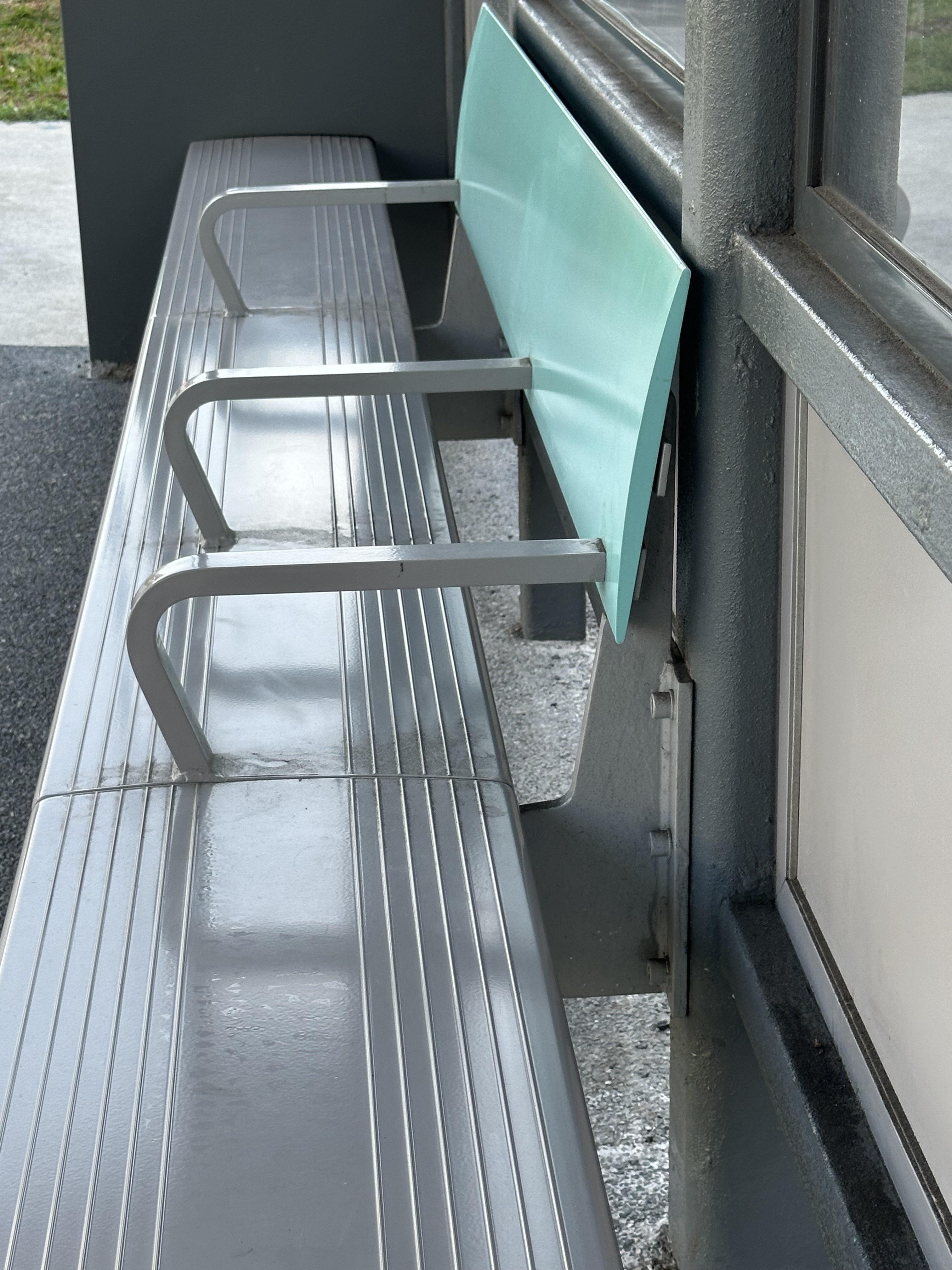
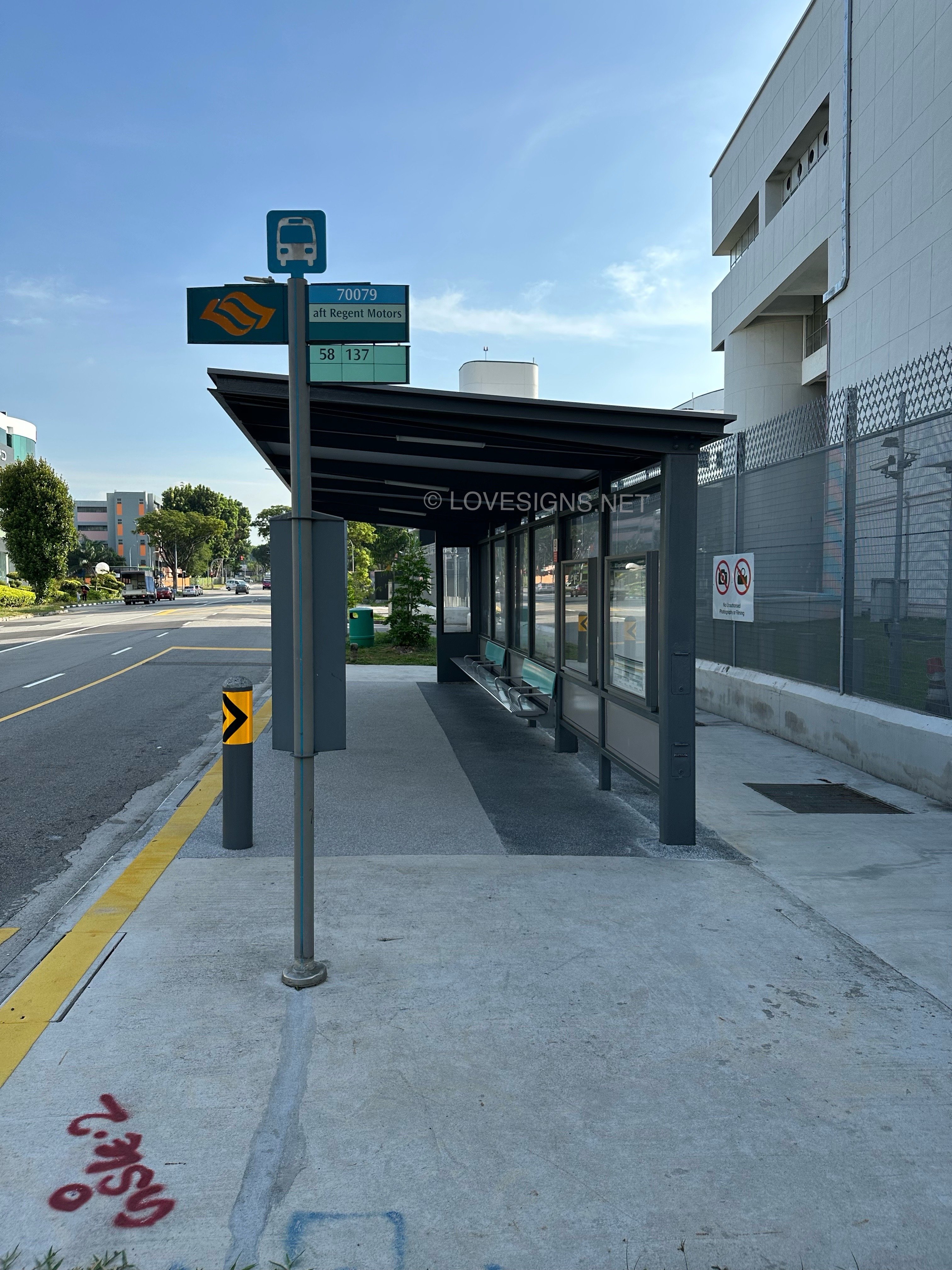
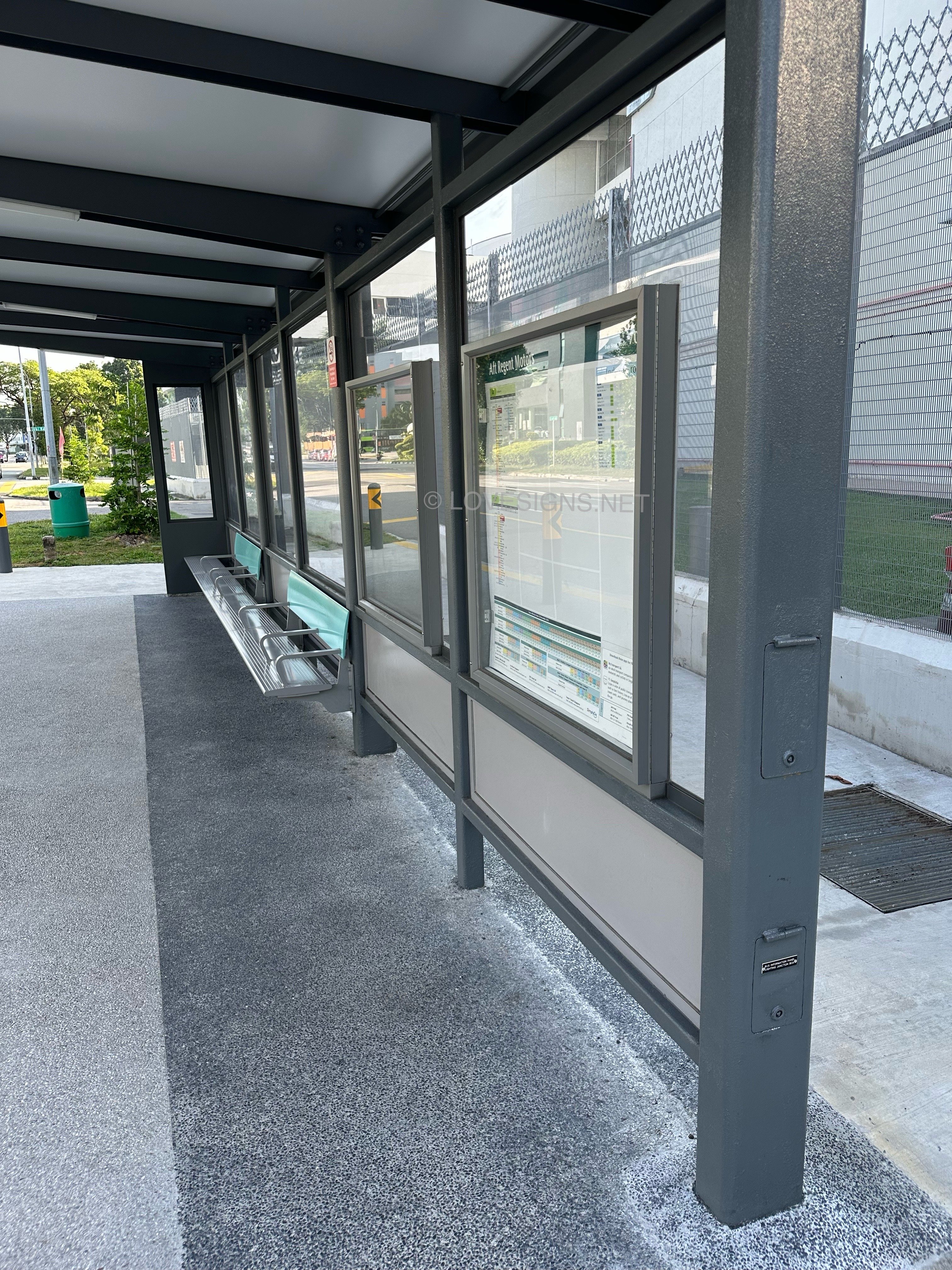
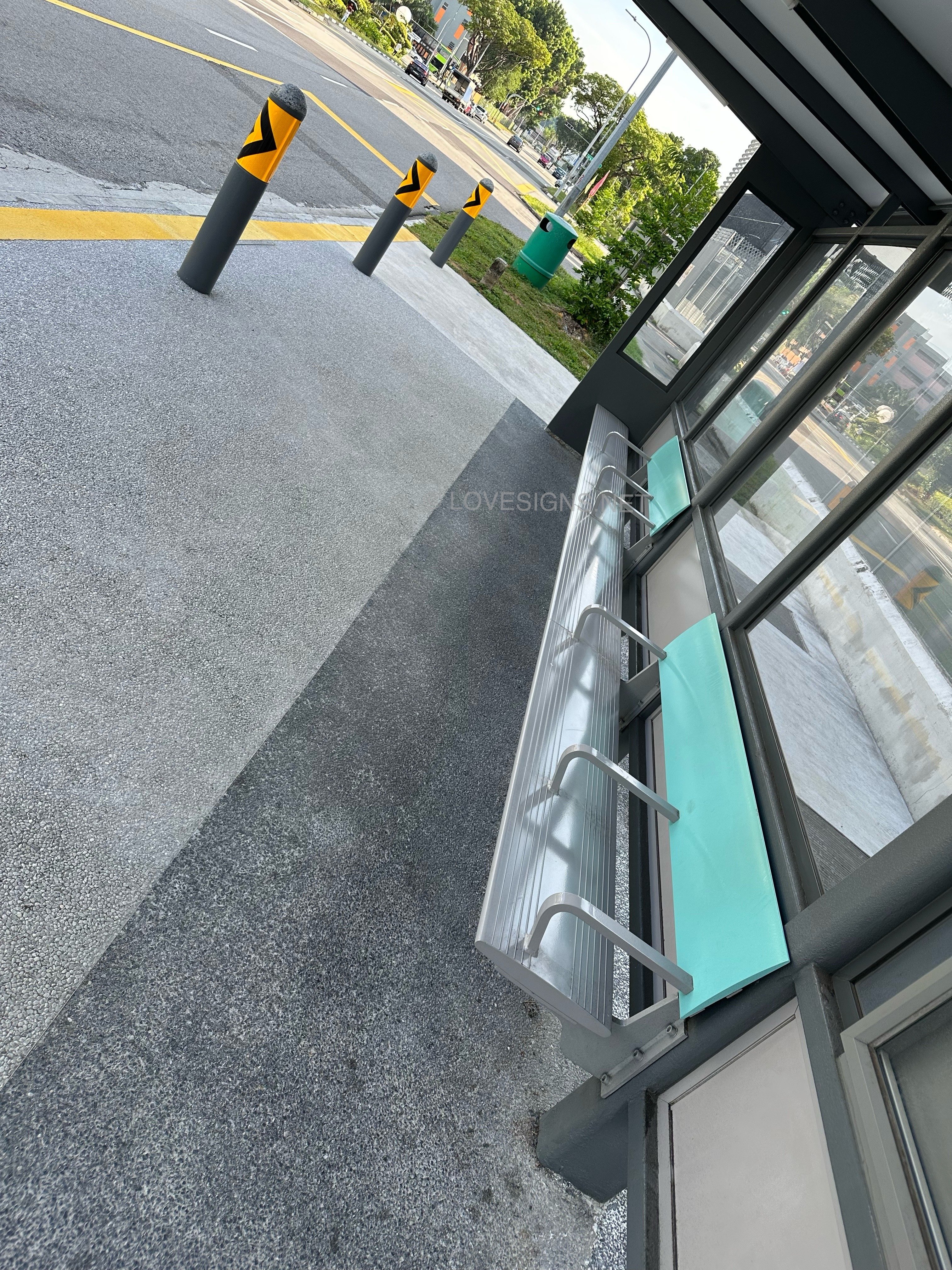
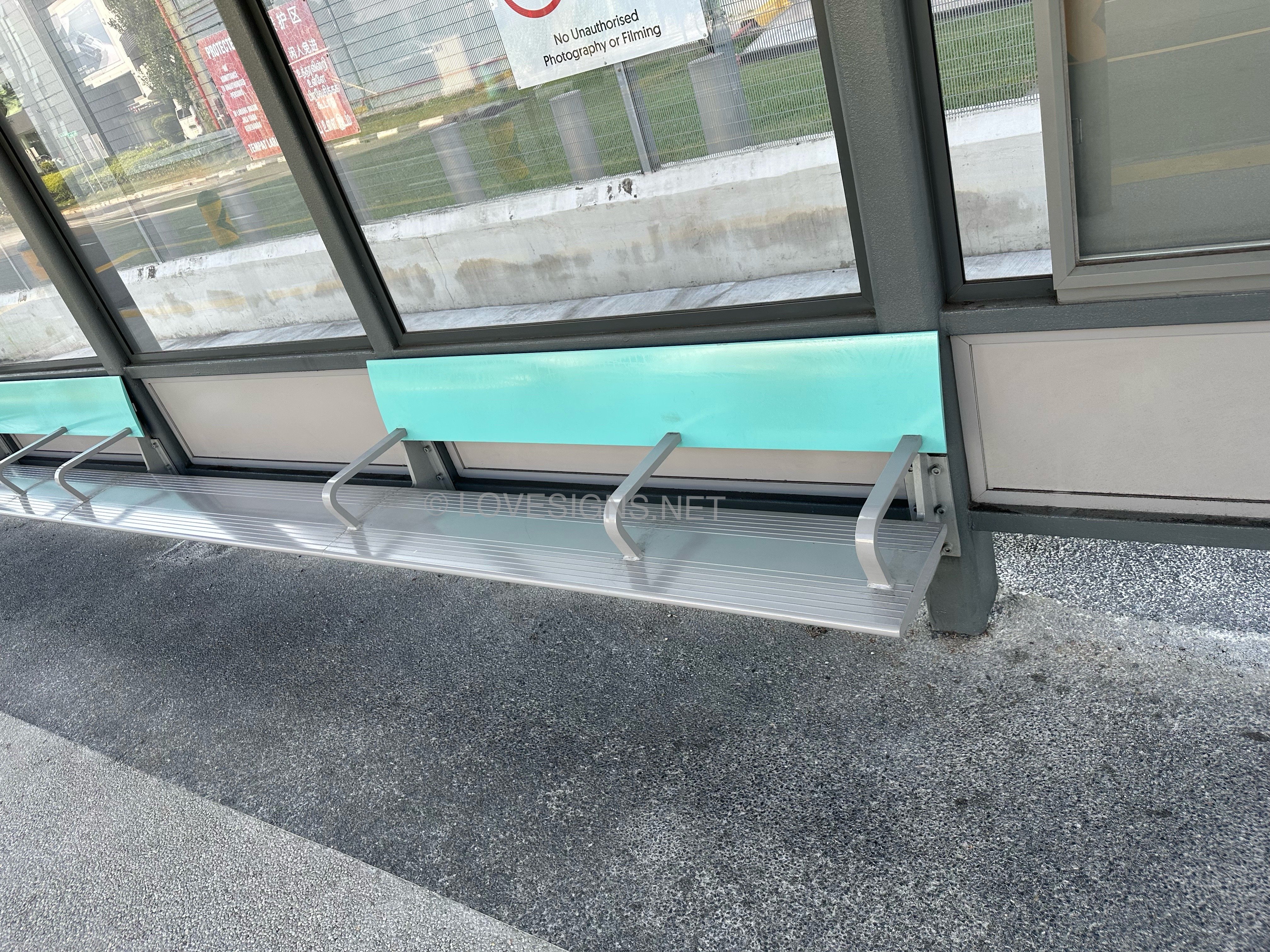
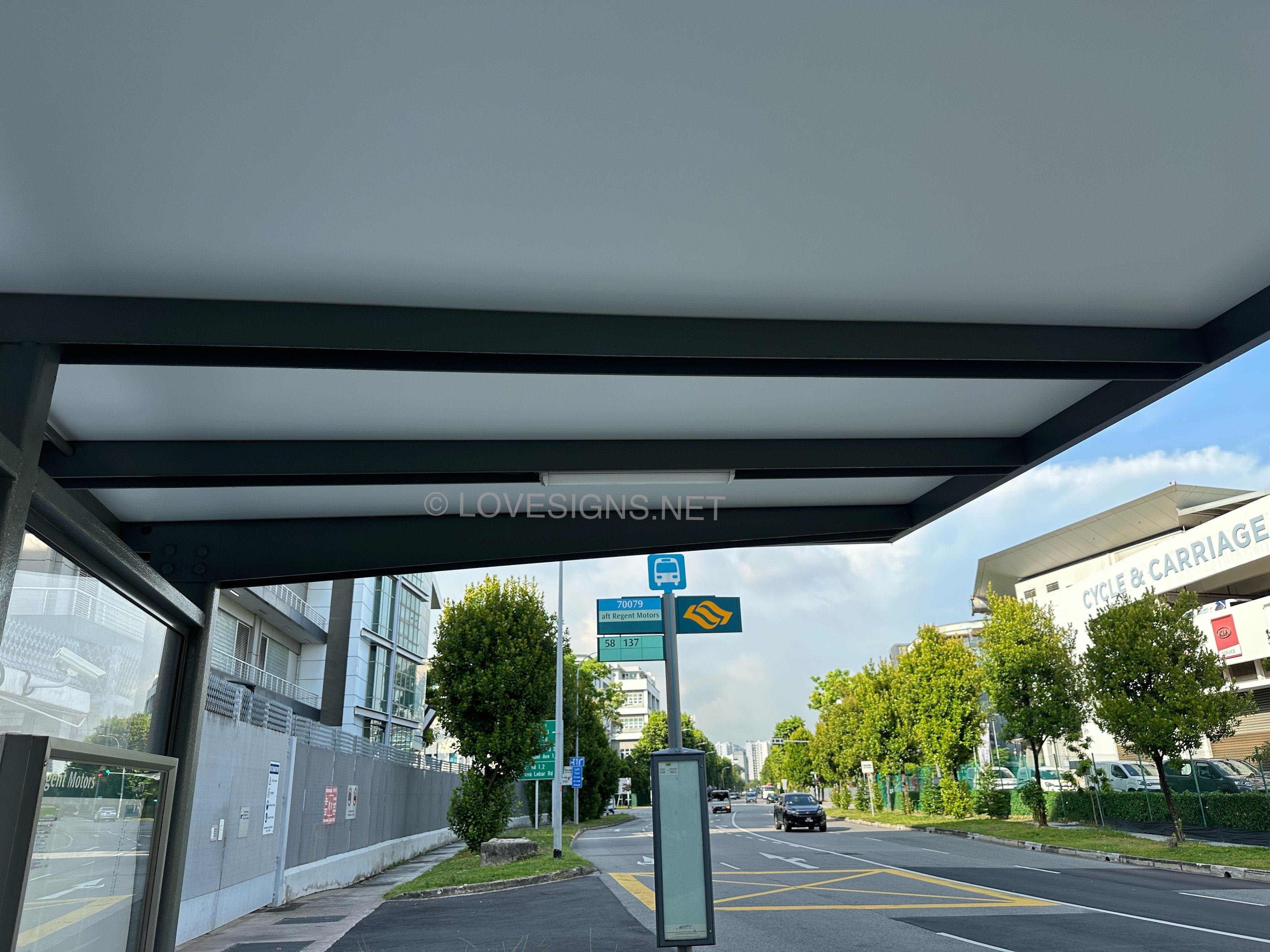
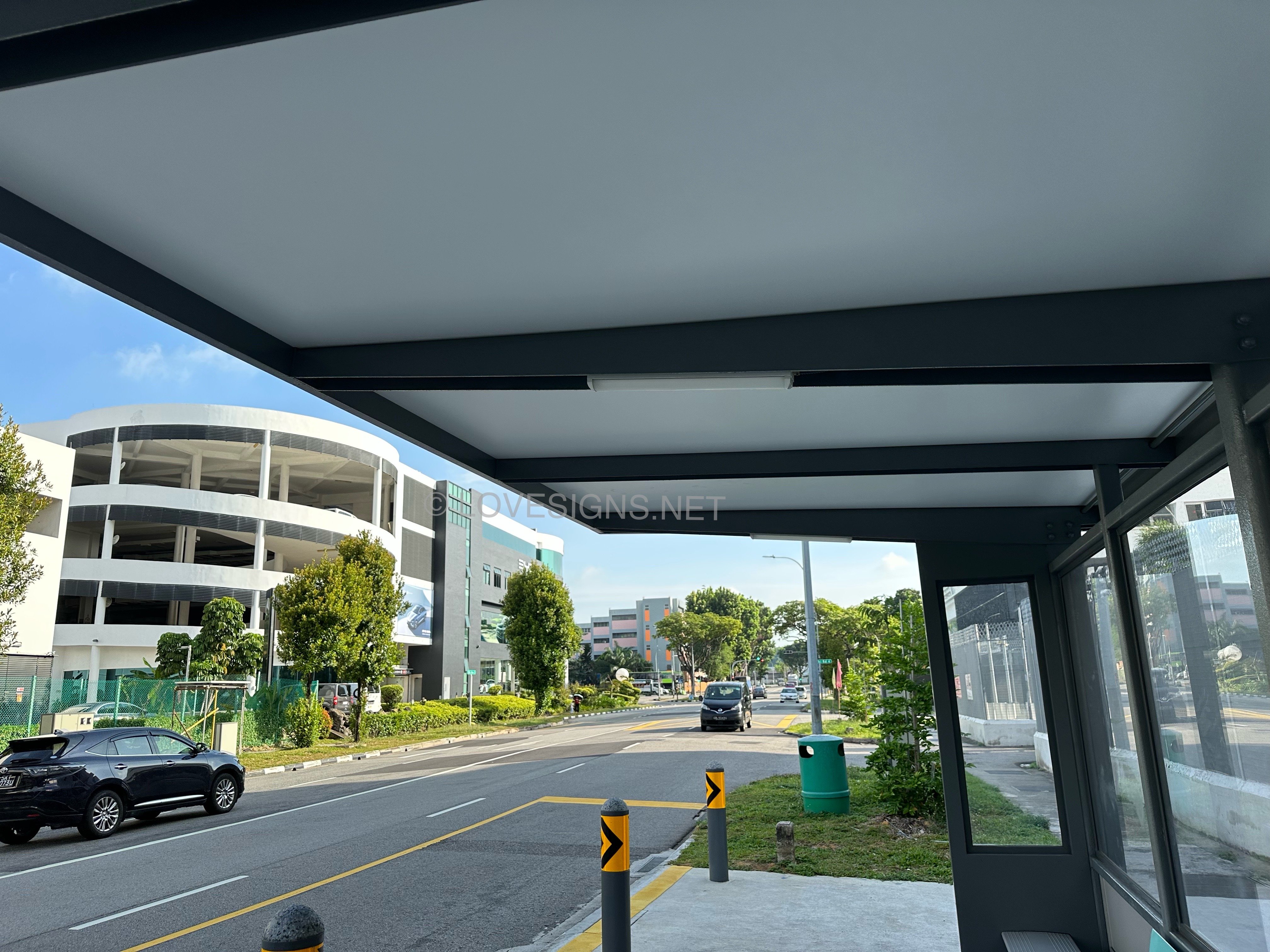
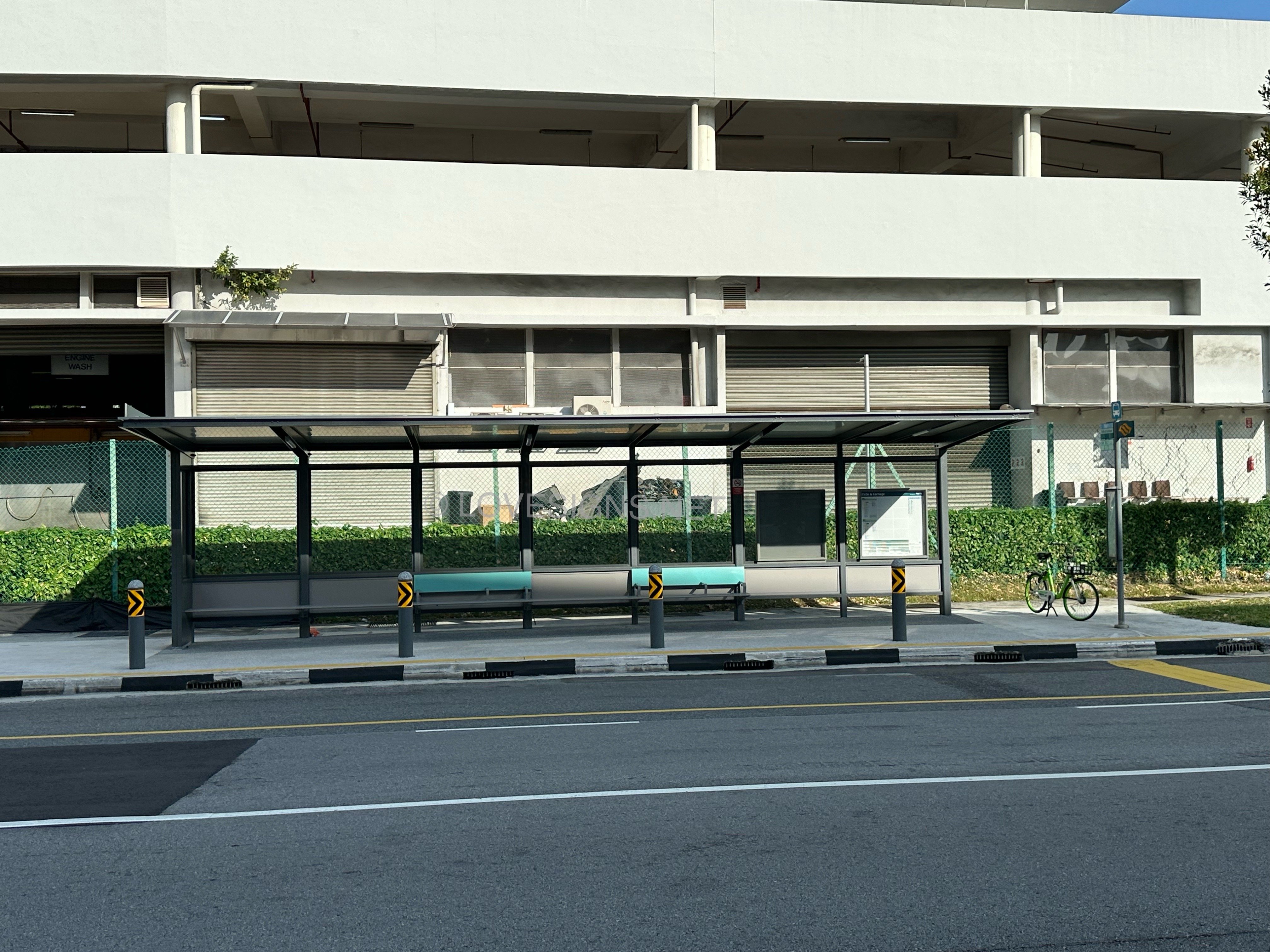
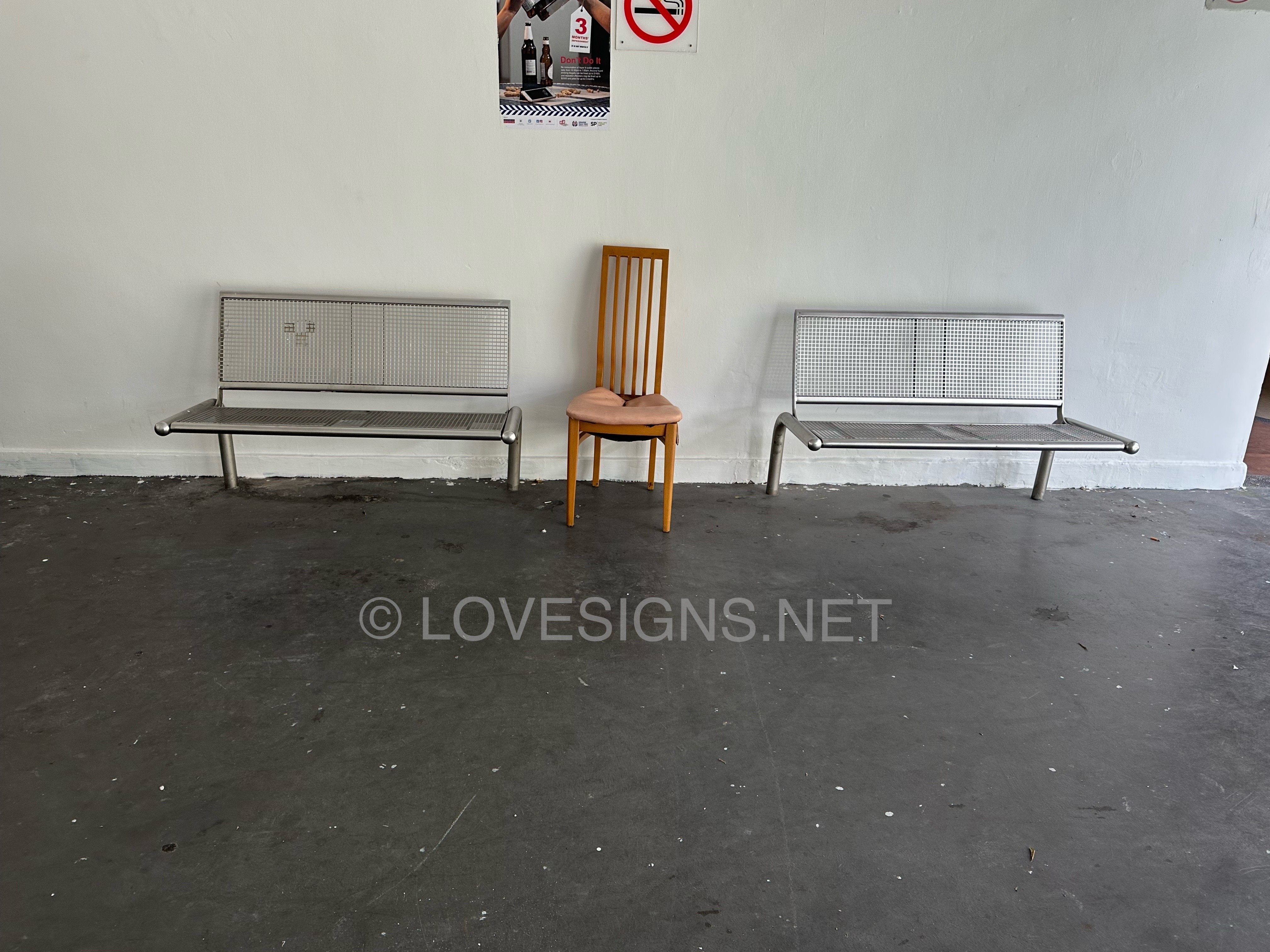
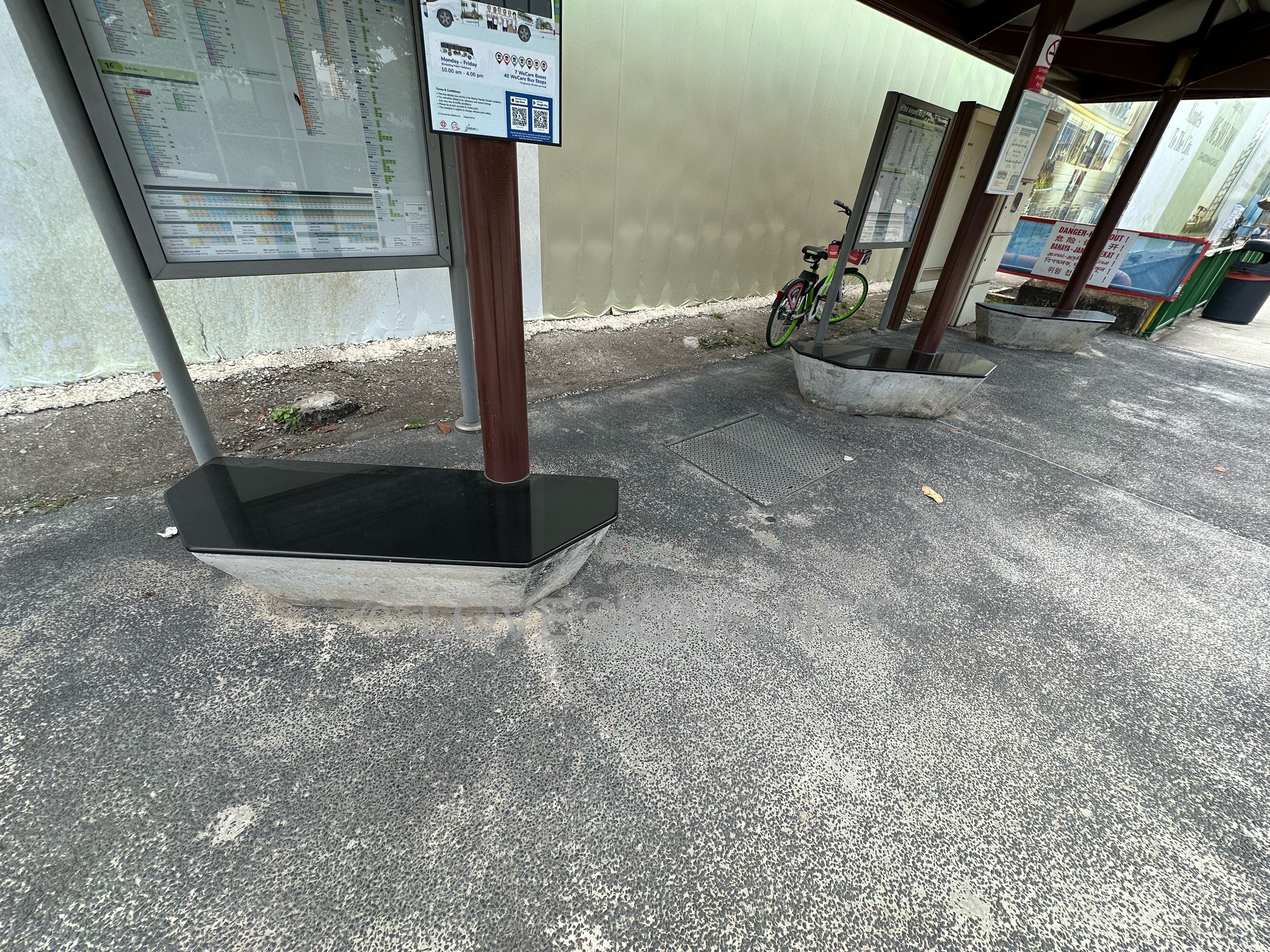
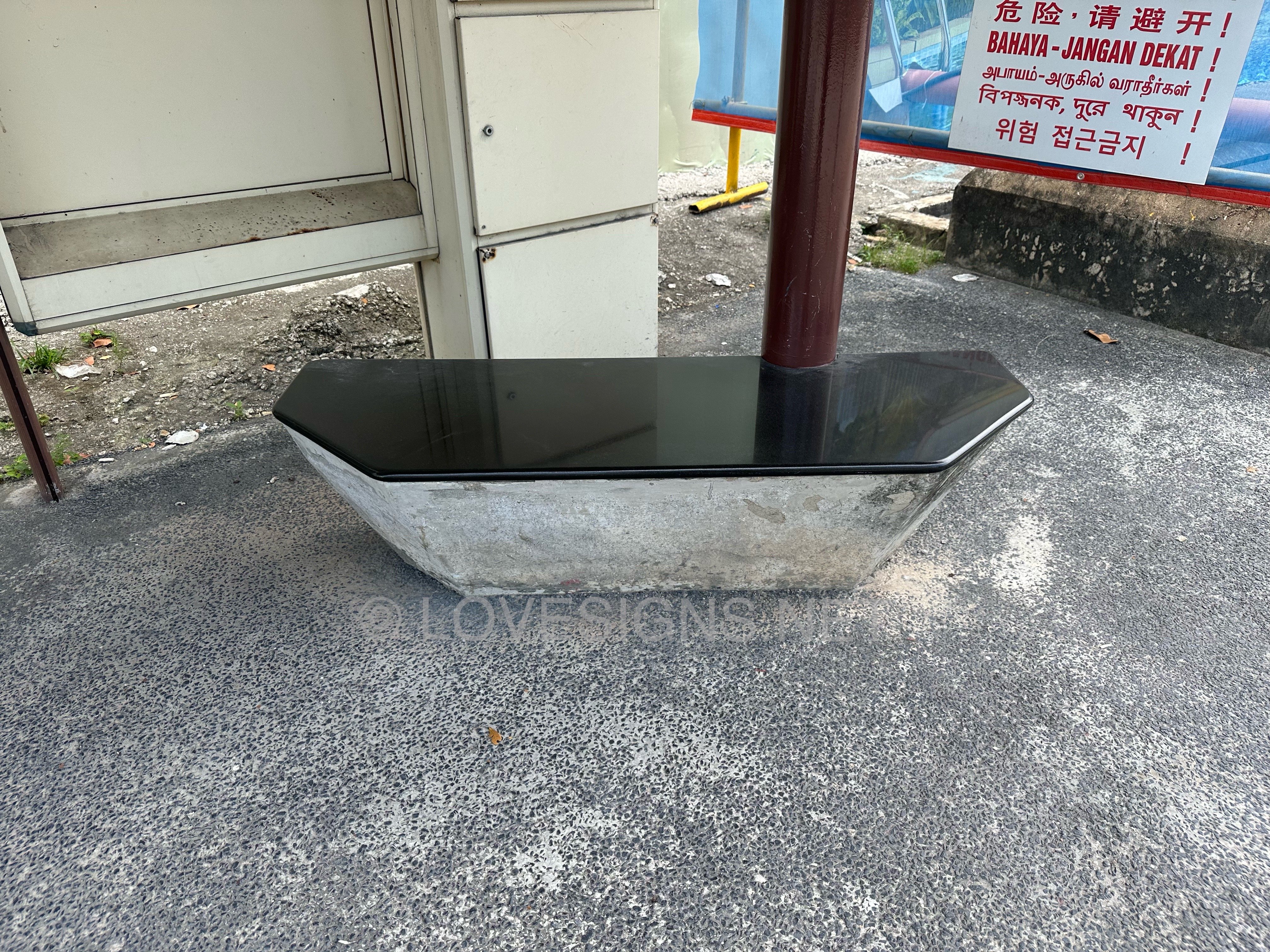
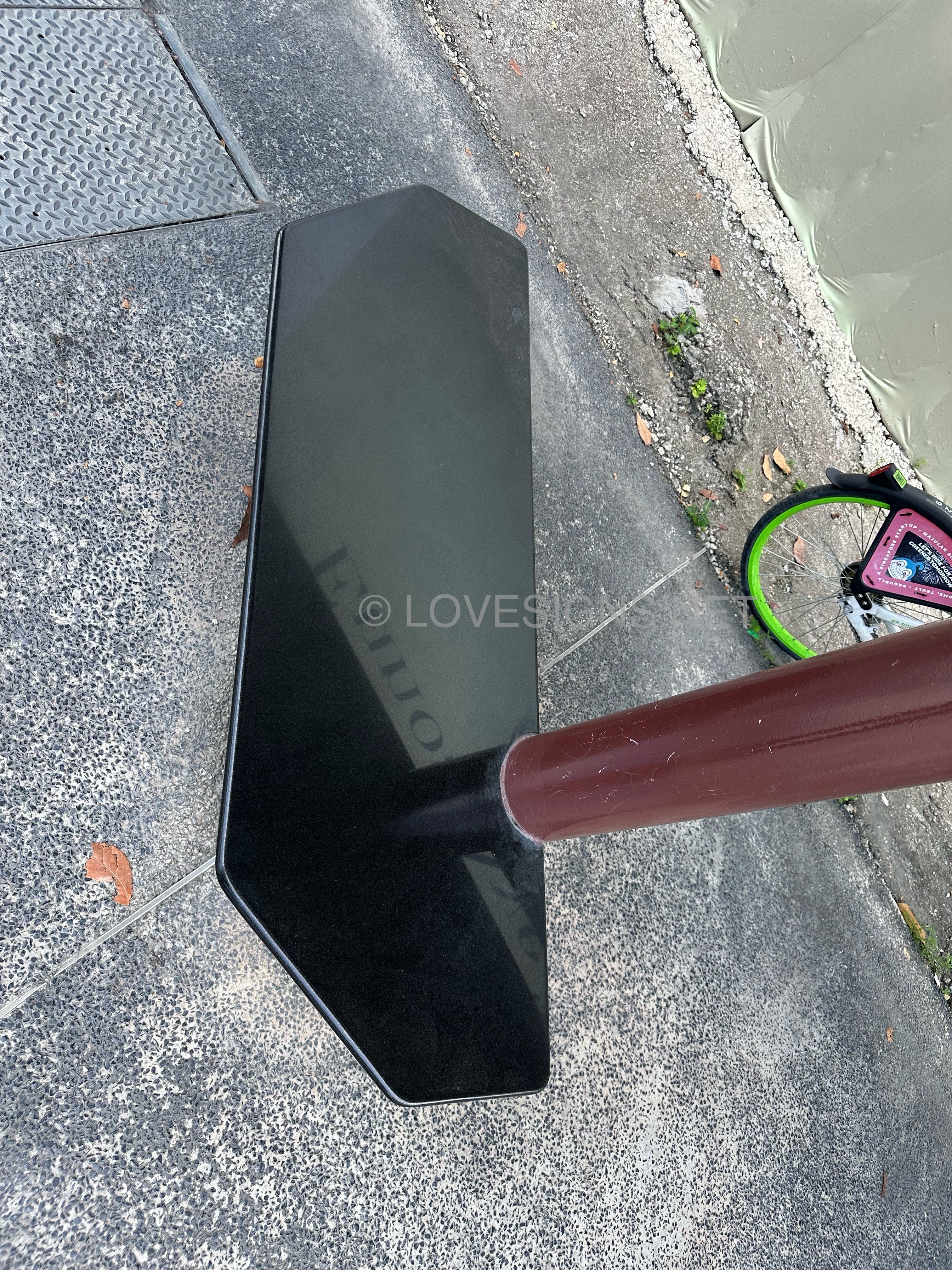
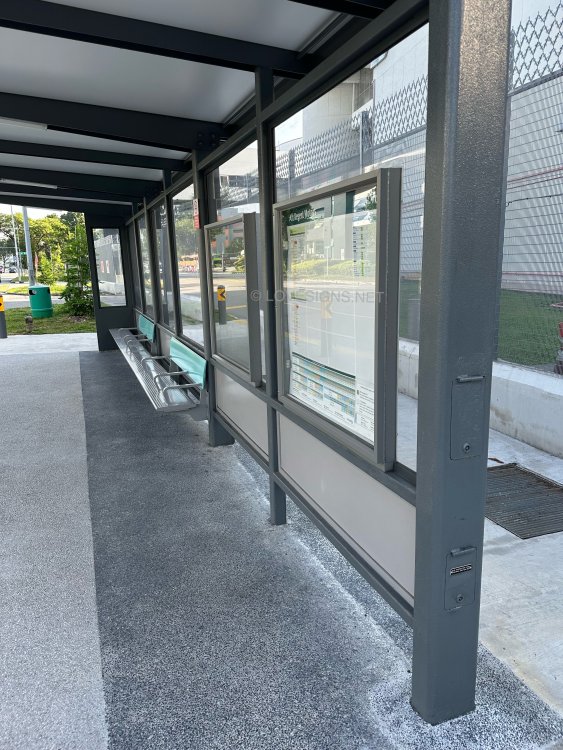
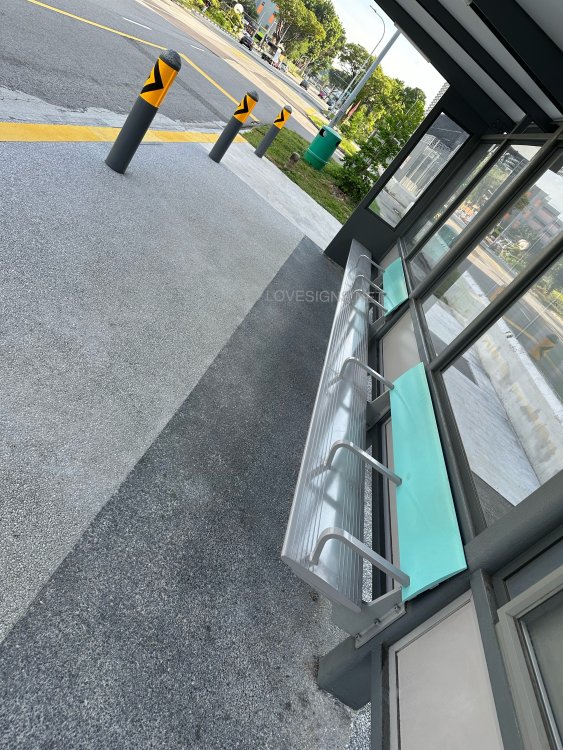
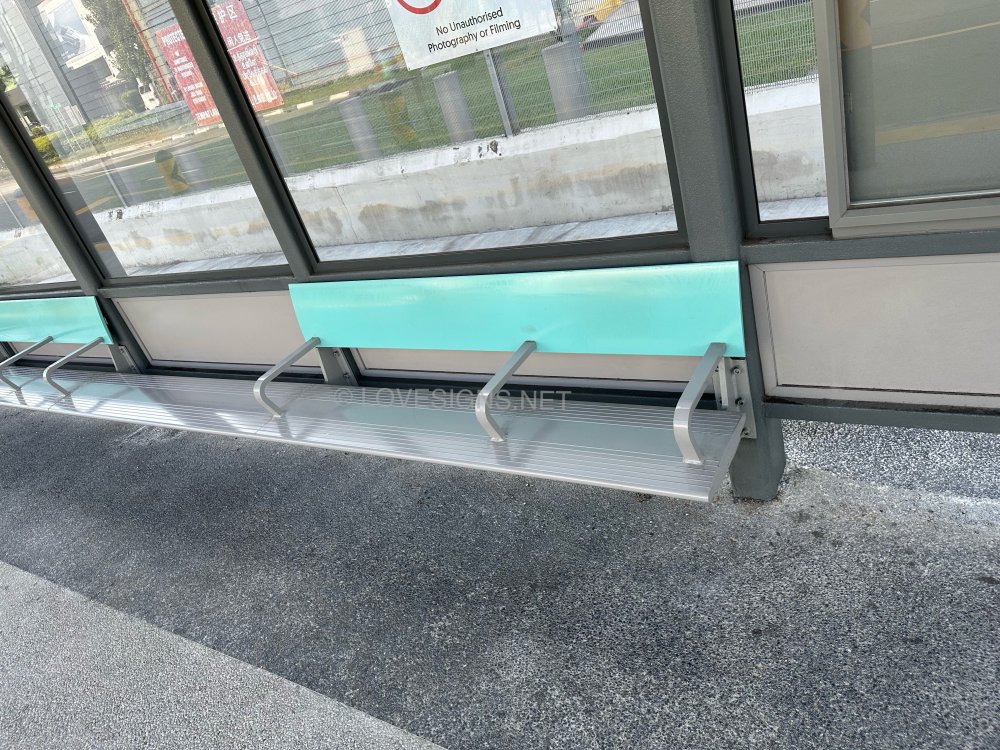
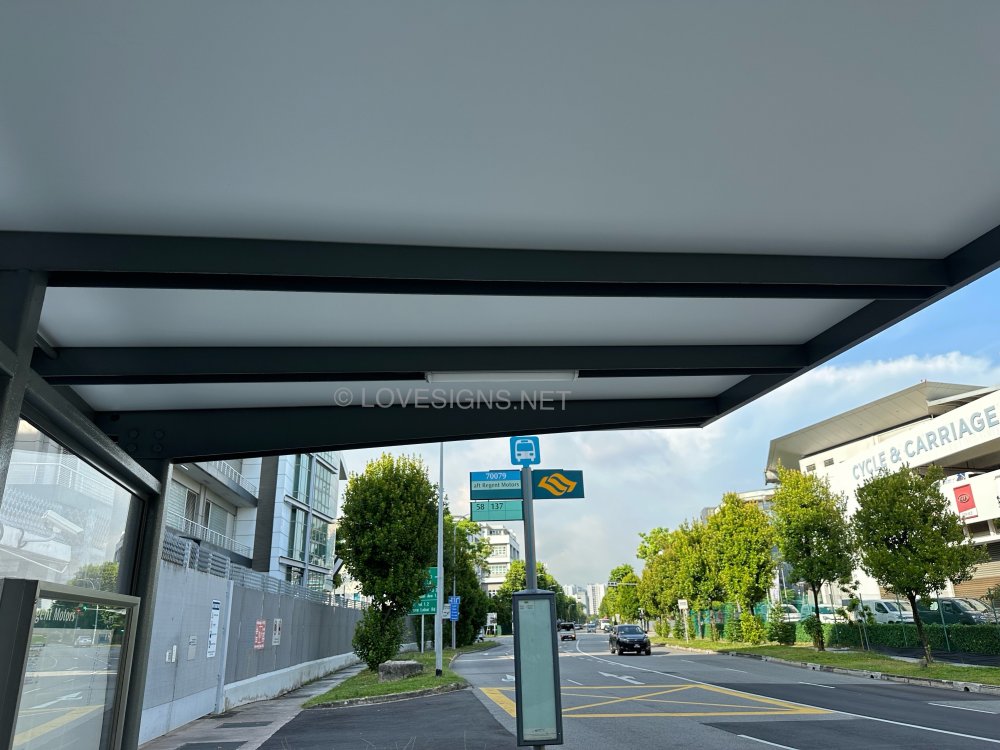
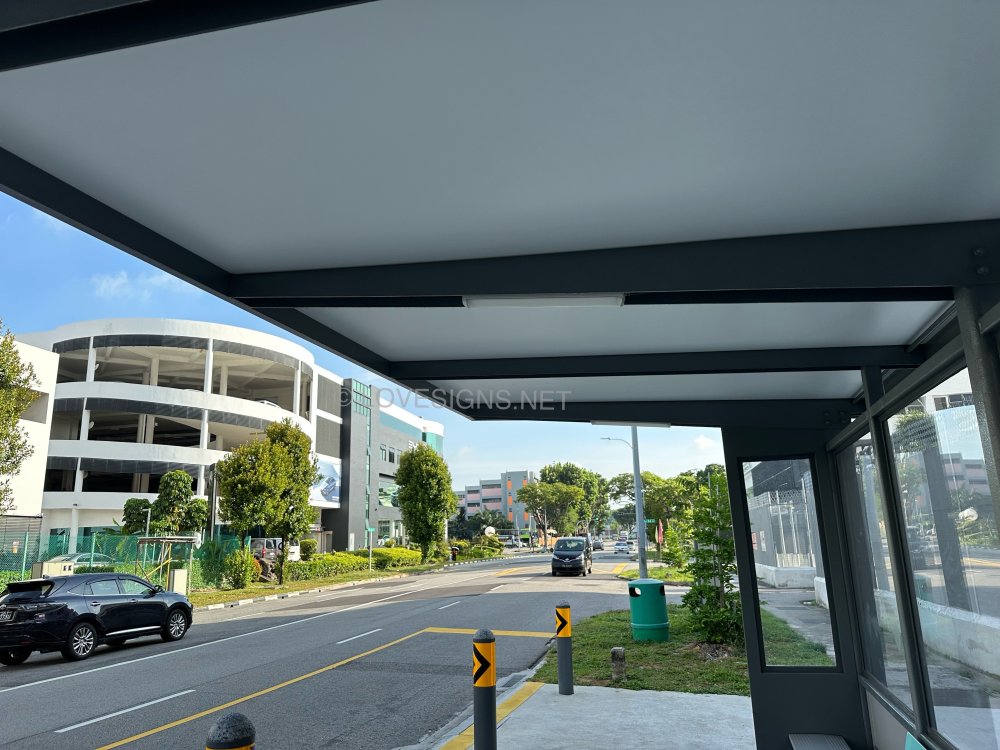
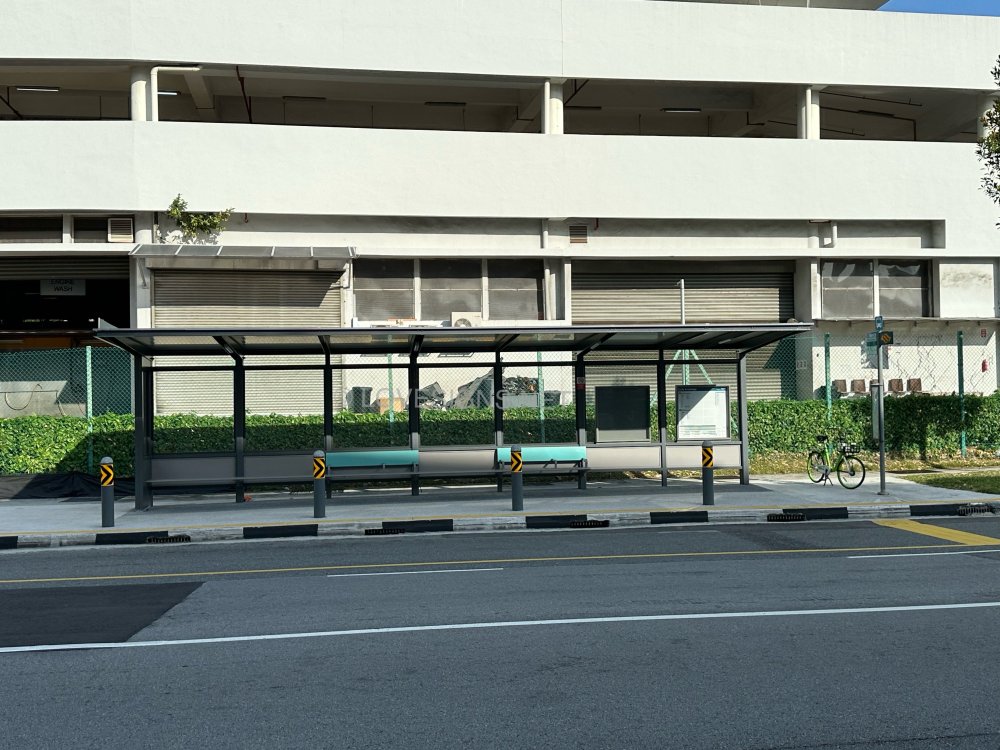
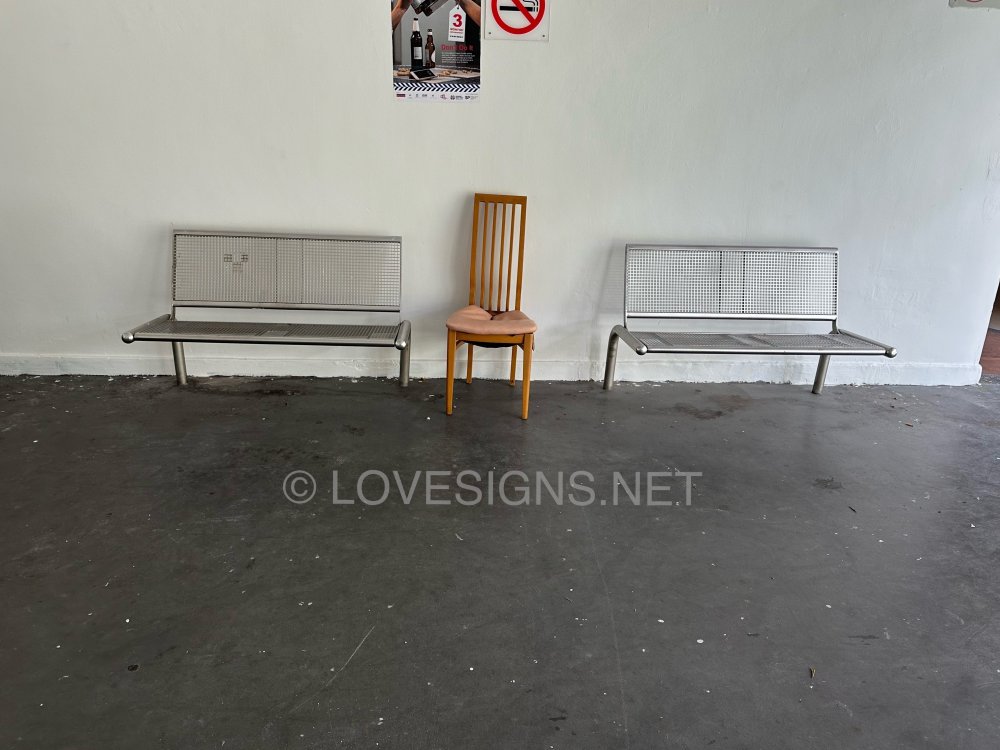
2020’s with wider shelter, back rests and better rain protection
-
Caution: The police thoroughly investigate any acts of O$P$. The statement above is merely a caricature. Cecil Lee, 2025 - Geomancy.net

-
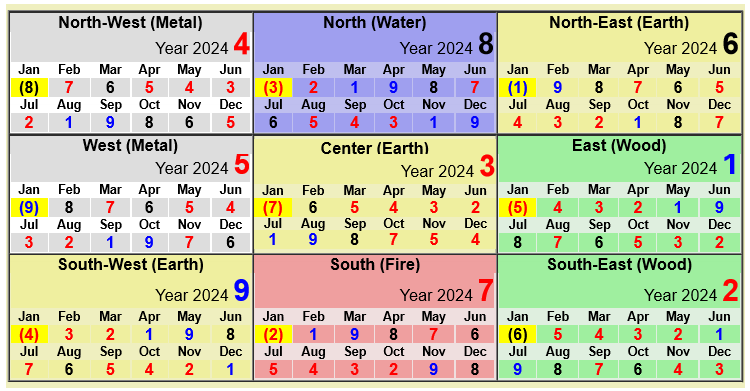
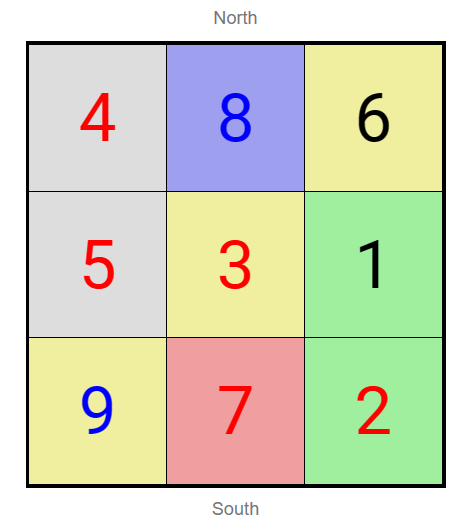
Chinese Horoscope and Feng Shui Yearly Forecast for 2024 Dragon - 2024 Chinese Horoscope & Feng Shui Yearly Forecast - Yearly Forecast - Feng Shui Resources - FengShui.Geomancy.Net 2024 FLYING STARS Take note the following sectors:- Current Prosperity Annual Wealth Star for 2025 is #9 or at SW * Career and Wealth luck is at SW Sickness Star this year is at South-East Misfortune/Sickness Star this year is at West Disputes/Quarrel Star this year is at Center Education/Romance Star this year is at North-West Grand Duke this year is East-South-East, 120 Degree. - Avoid sitting facing the grand duke or disturbing him by having renovations. Location in Conflict is South. - Avoid having renovations done opposite the location in conflict. +++++++++++++++++++++++++++++++ +++++++++++++++++ +++ MONTHLY FLYING STAR FORECAST HEALTH #5 = Misfortune / Sickness #2 = Sickness IN GENERAL AVOID: BRIGHT YELLOW AT THAT SECTOR ++++++++++++++++ +++++++++++++ +++ QUARRELS & CONFLICTS #3 = Quarrels, conflicts and legal entanglements IN GENERAL AVOID: GREEN. CAN USE "FIRE" E.G. TURN ON A WARM-WHITE LIGHT OR USE RED, HERE. Reference:
-
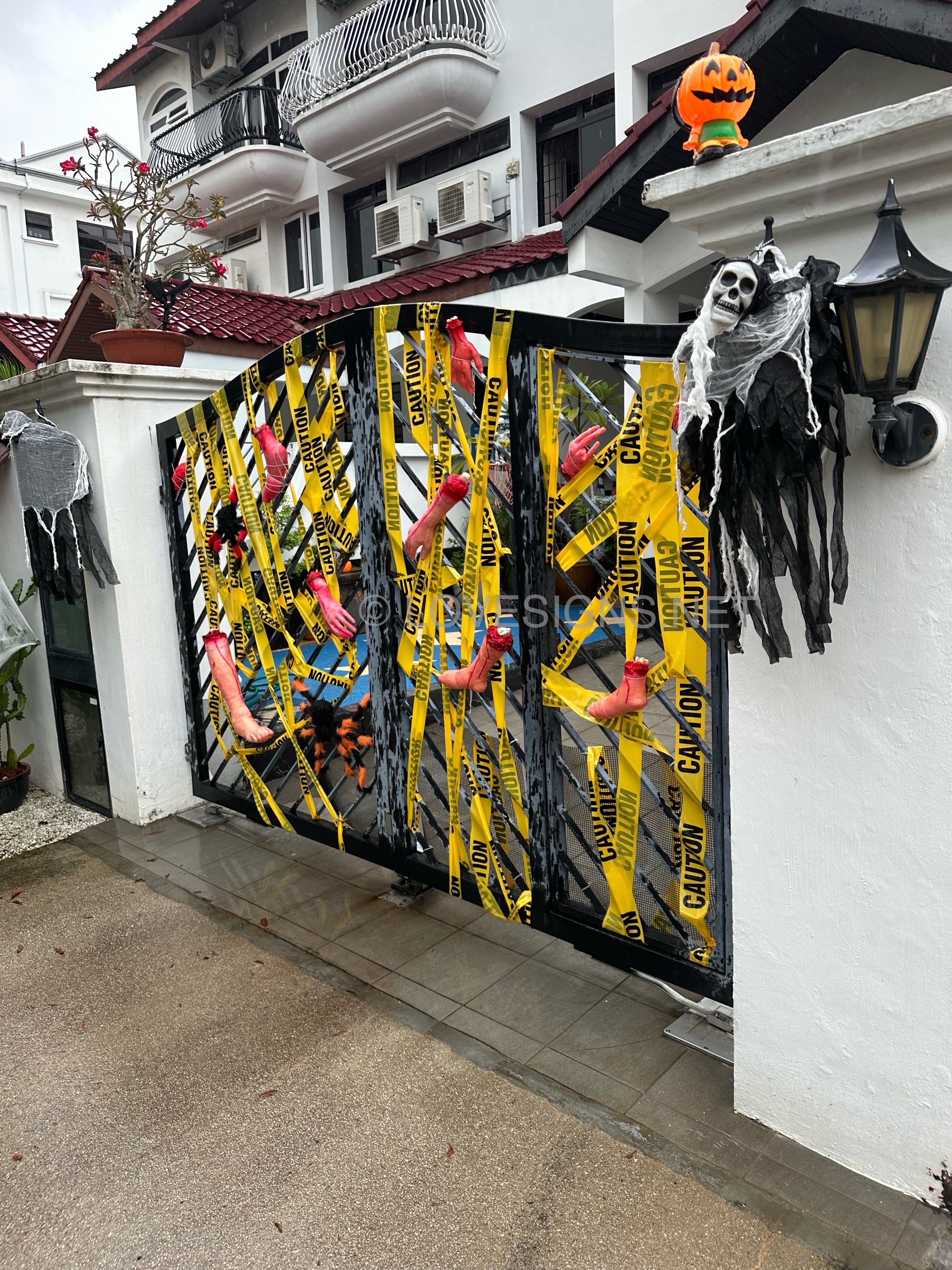
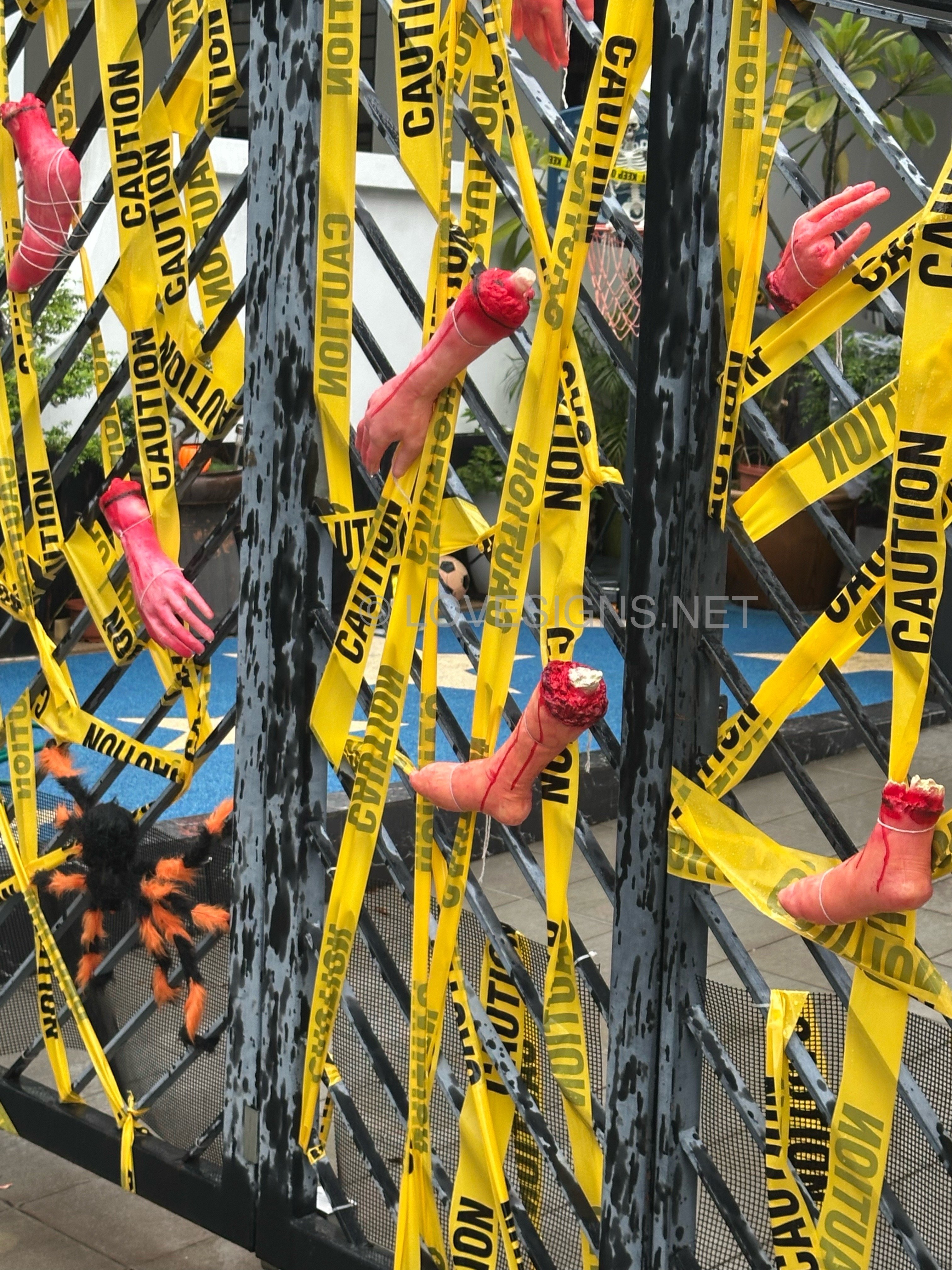
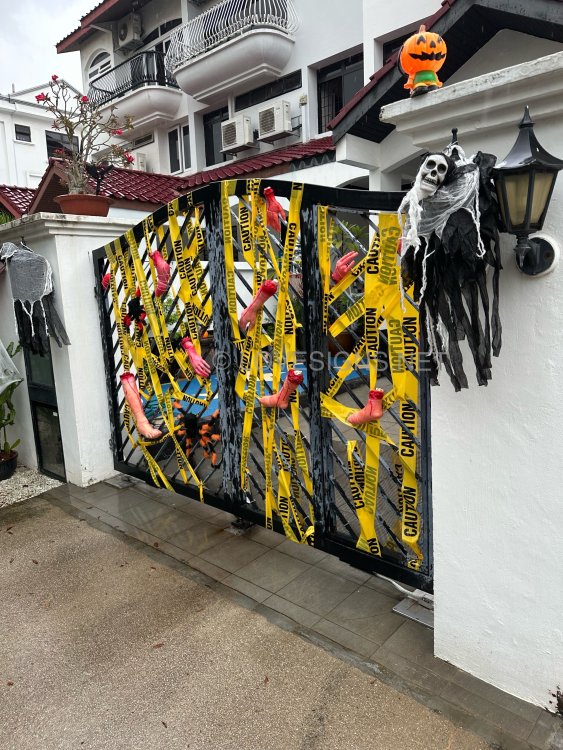
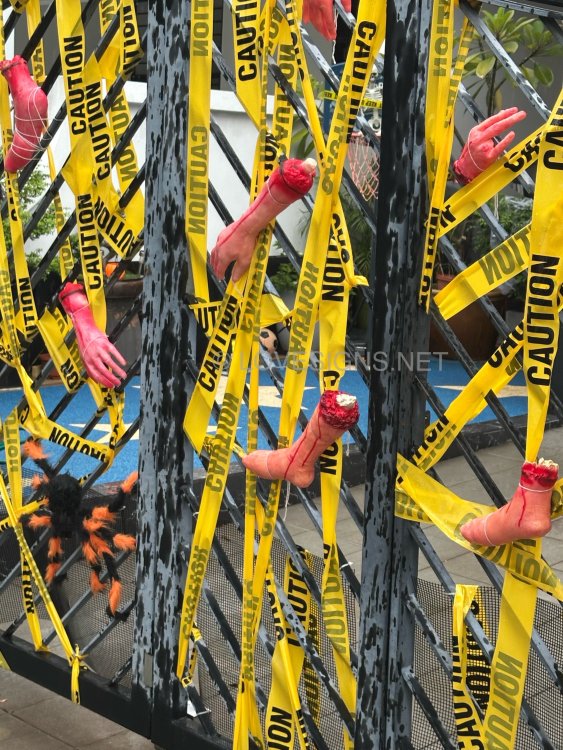
Consider applying this concept to people who manage an O$P$ “service.” The days of the pig heads are over… Labubu doll… +++ Caution: The police thoroughly investigate any acts of O$P$. The statement above is merely a caricature. Cecil Lee, 2025 - Geomancy.net

-
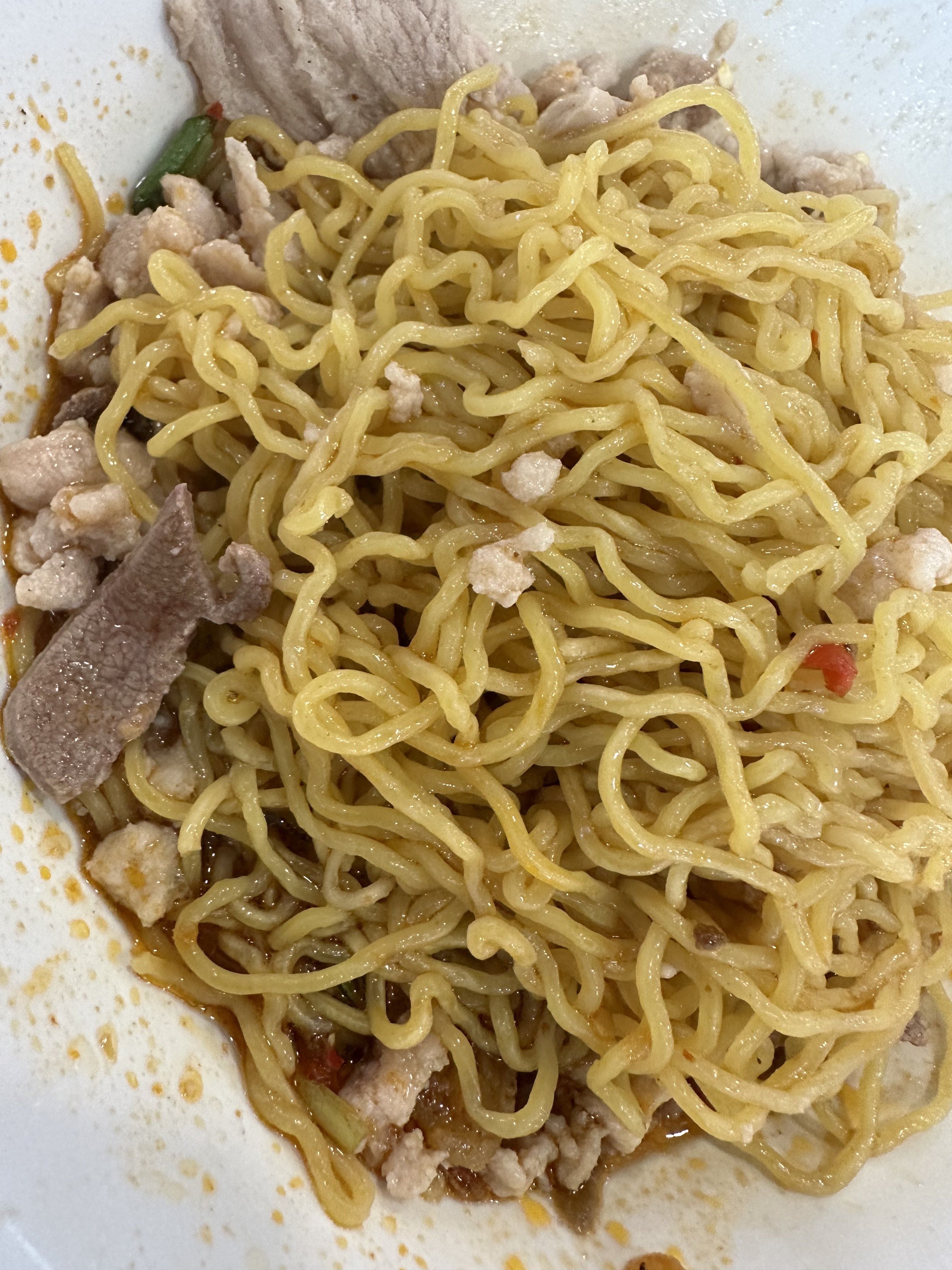
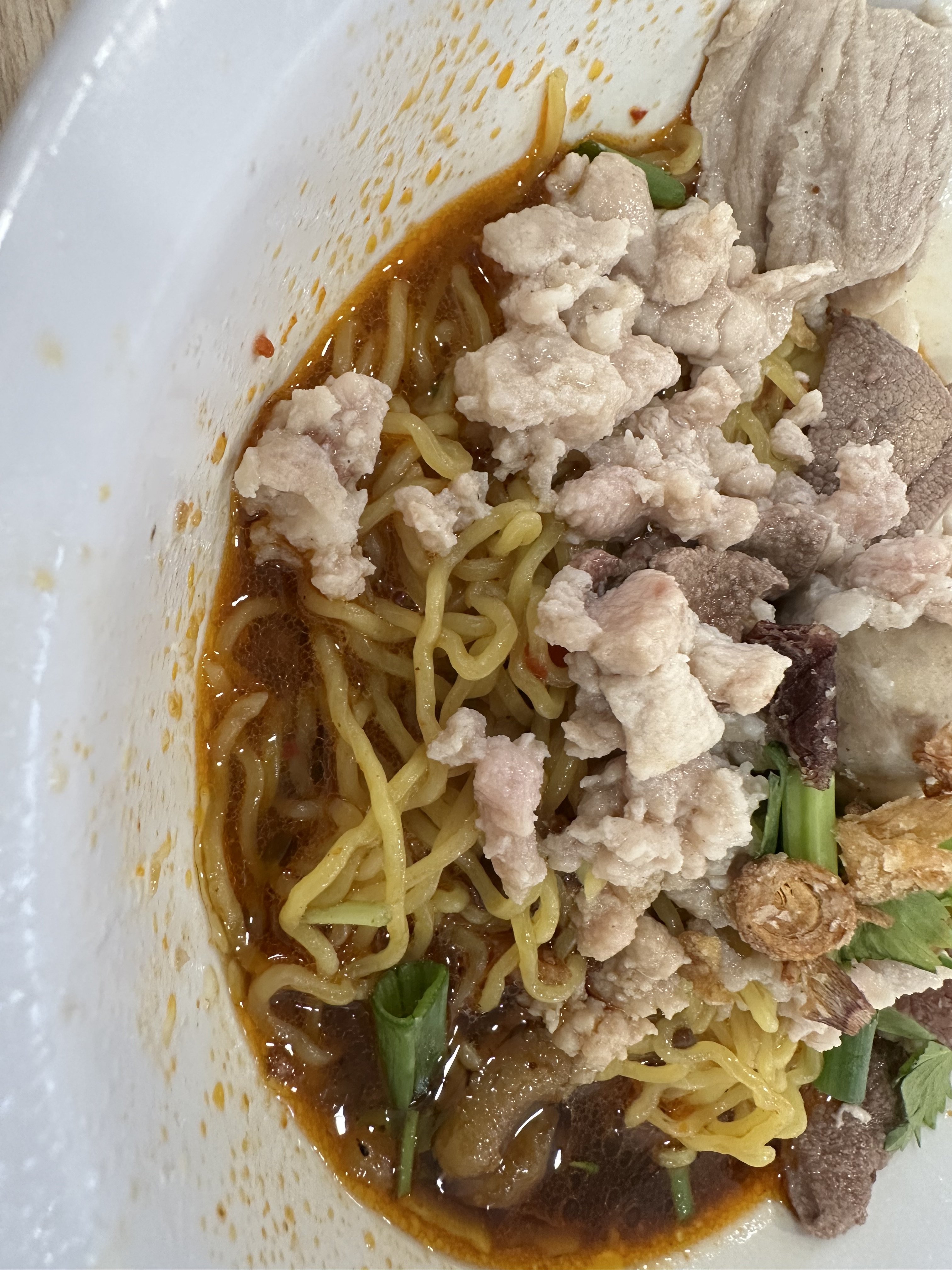
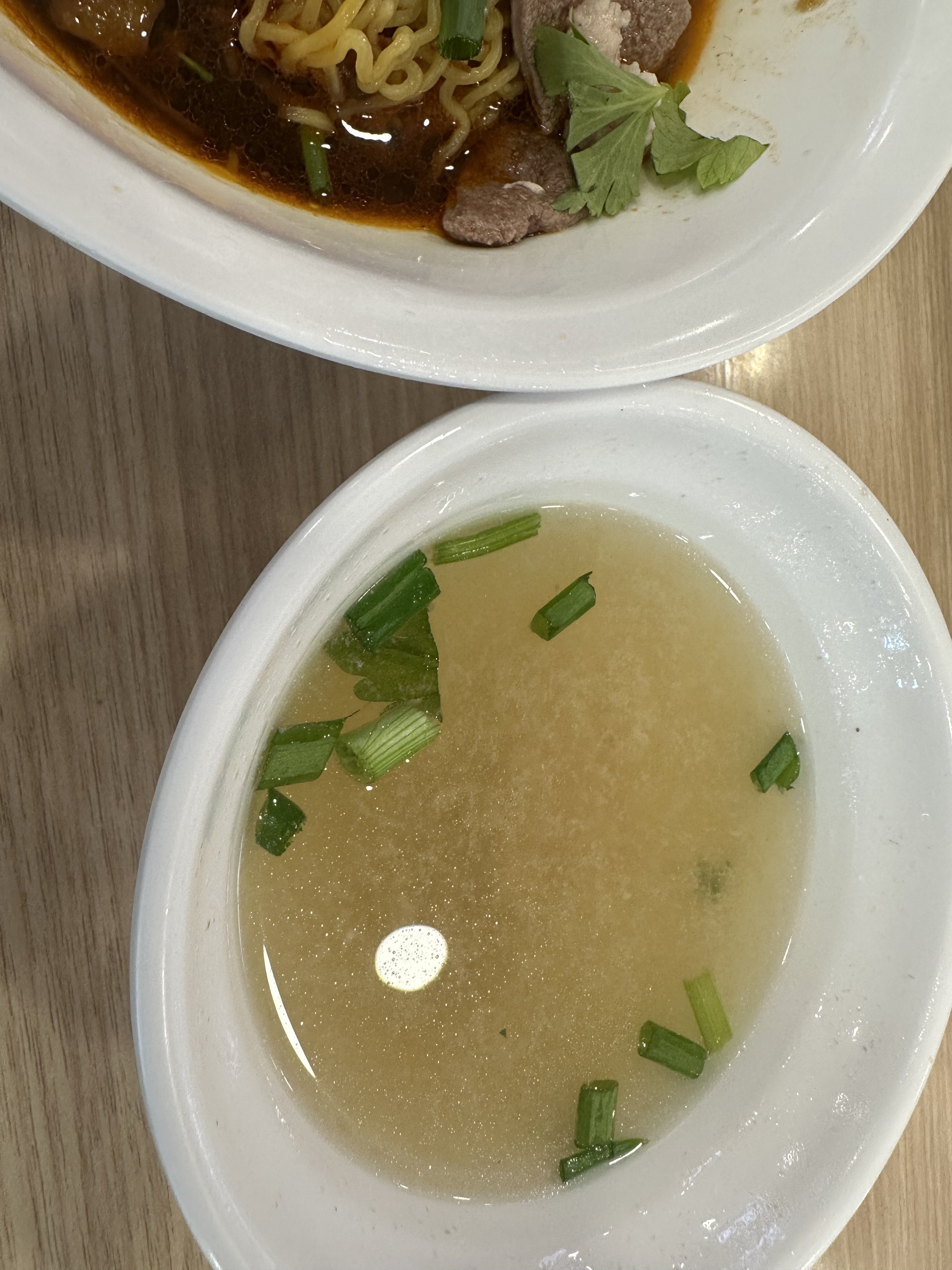
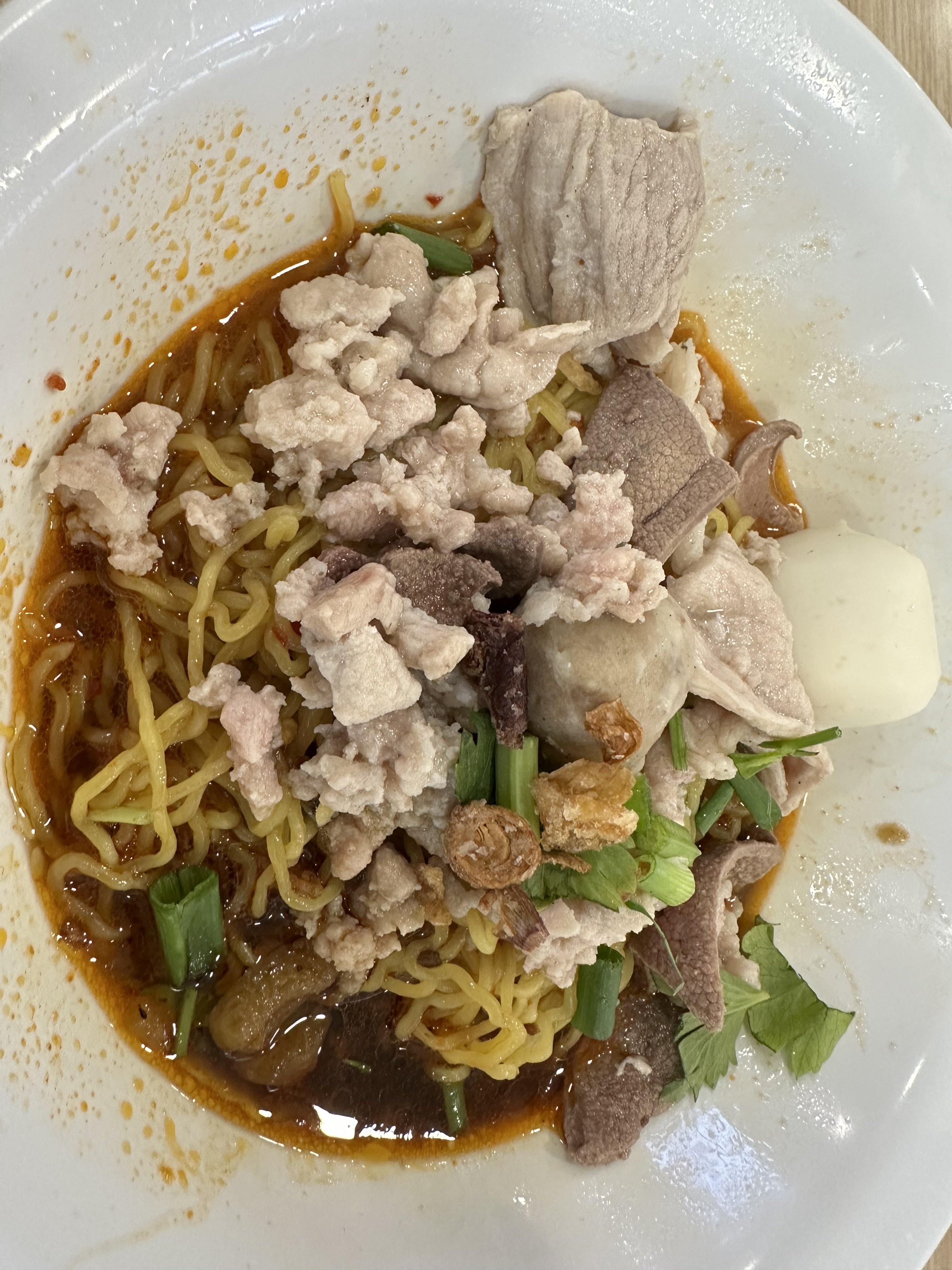
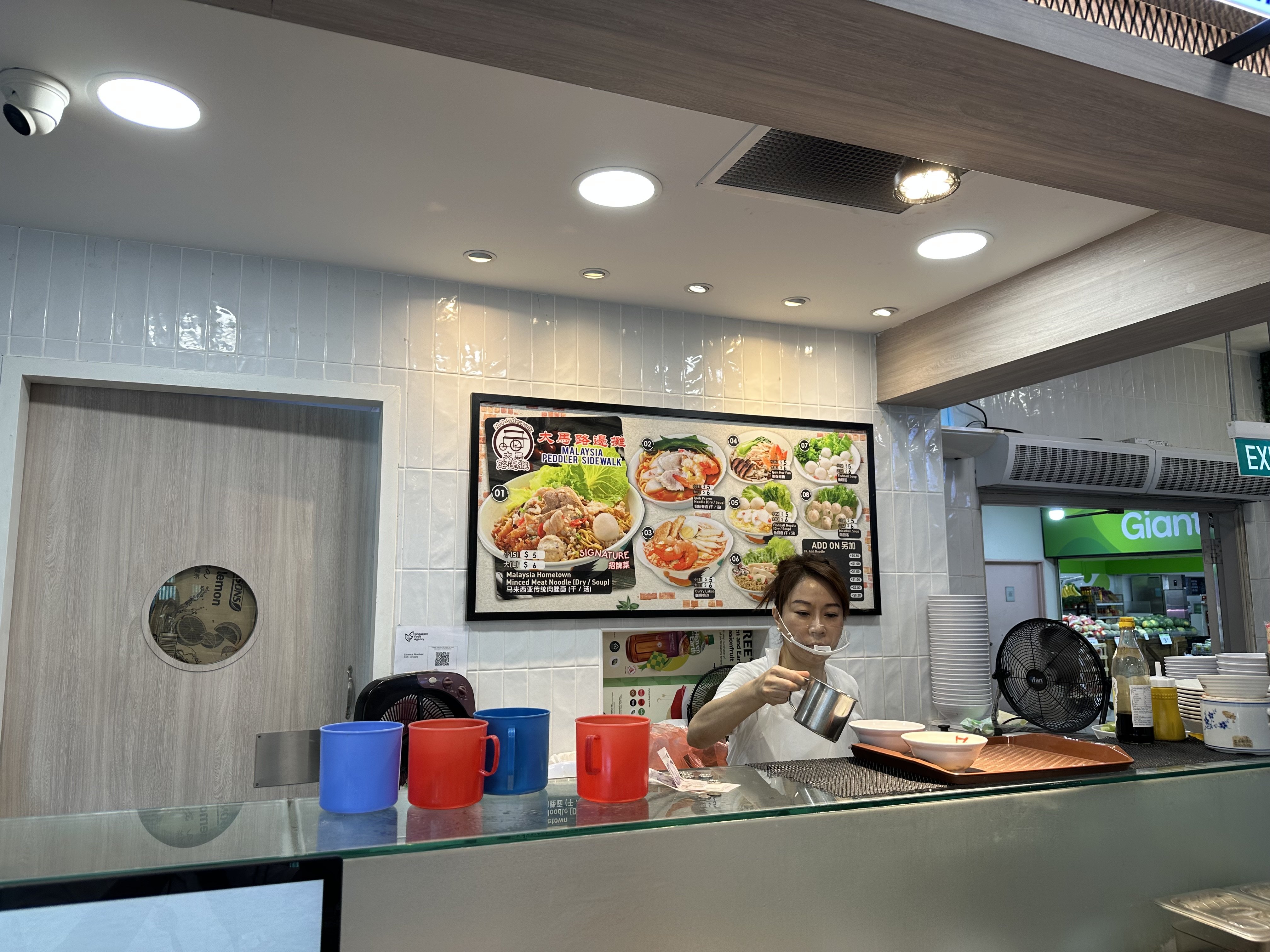
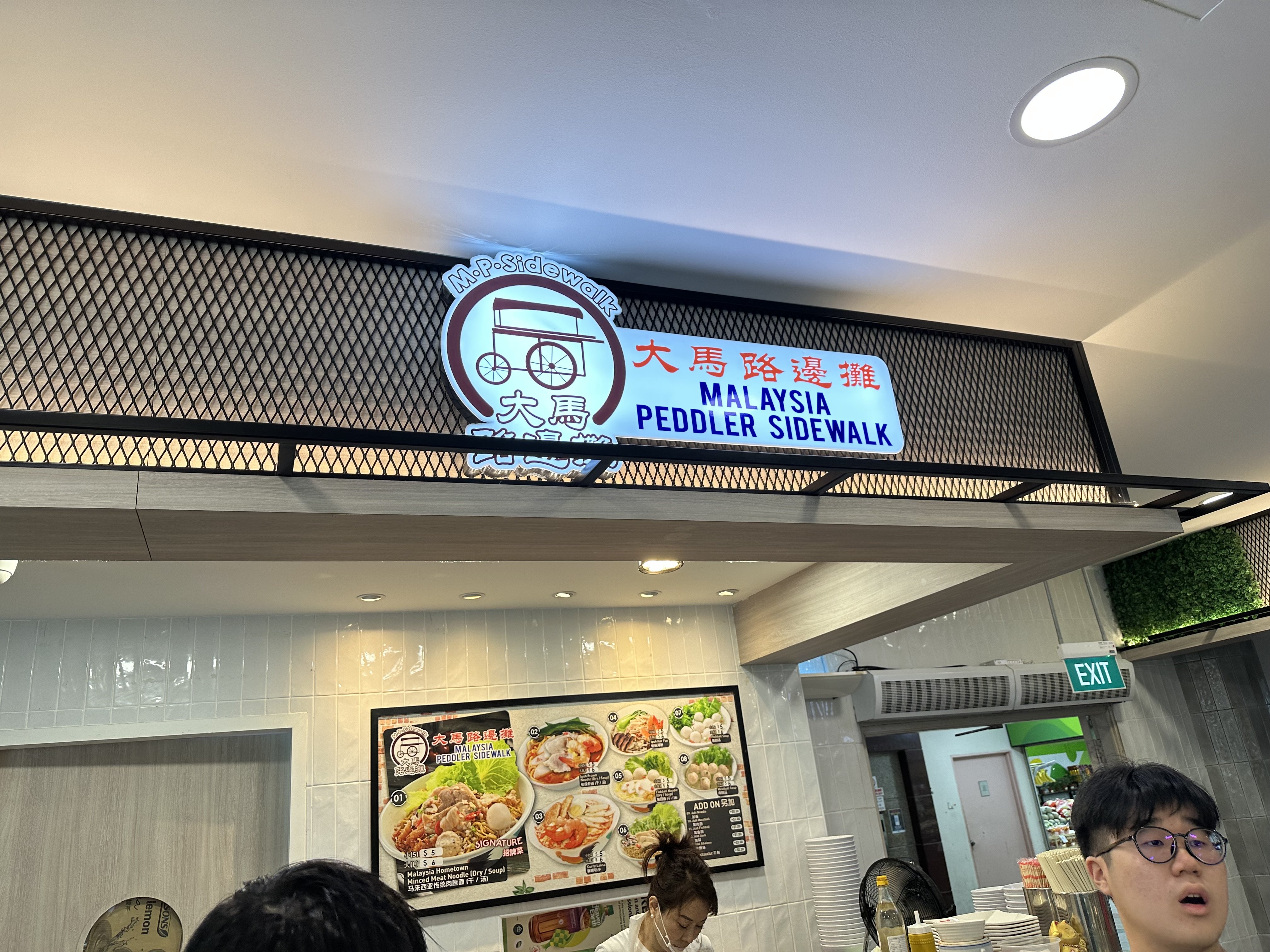
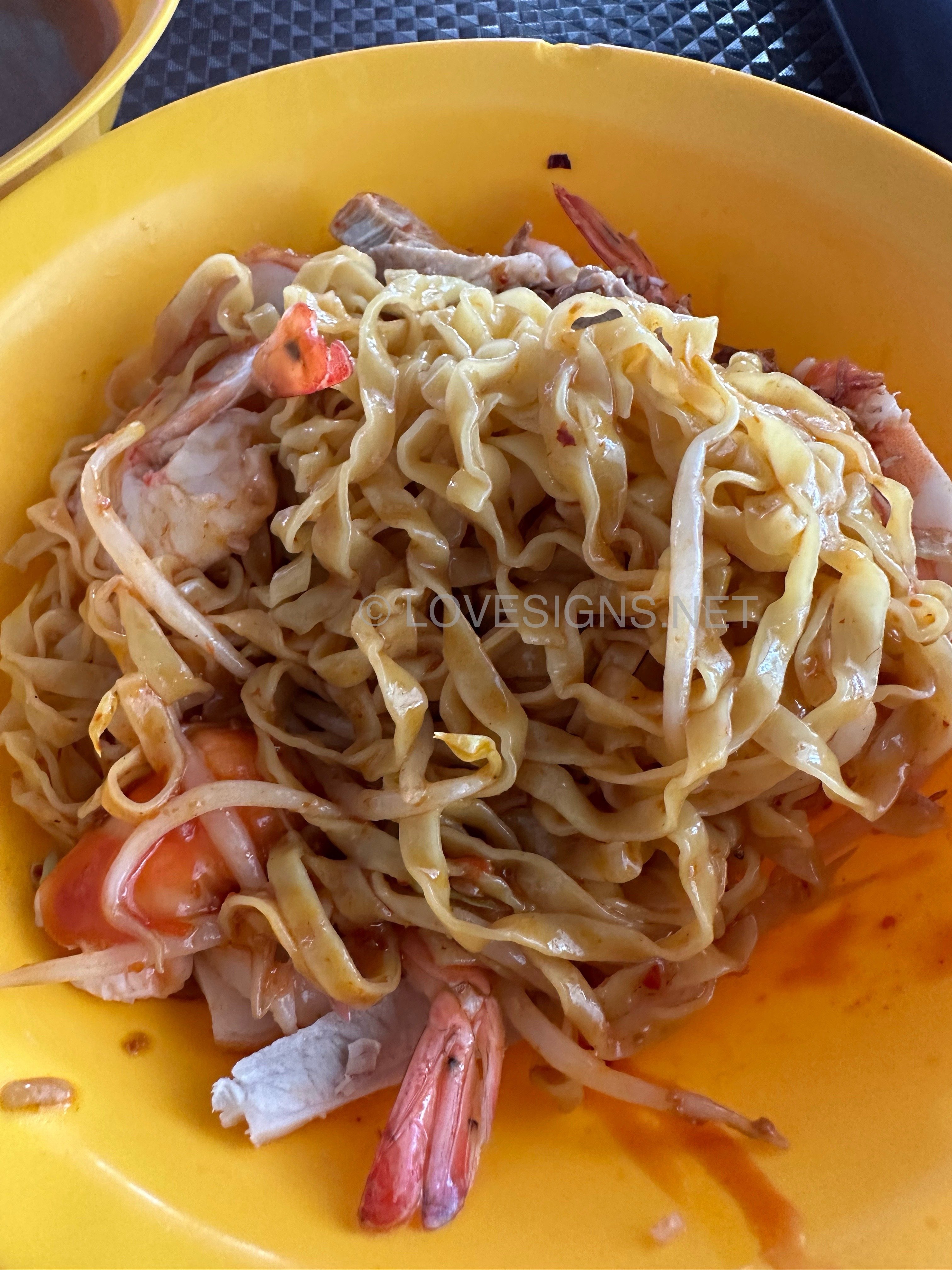
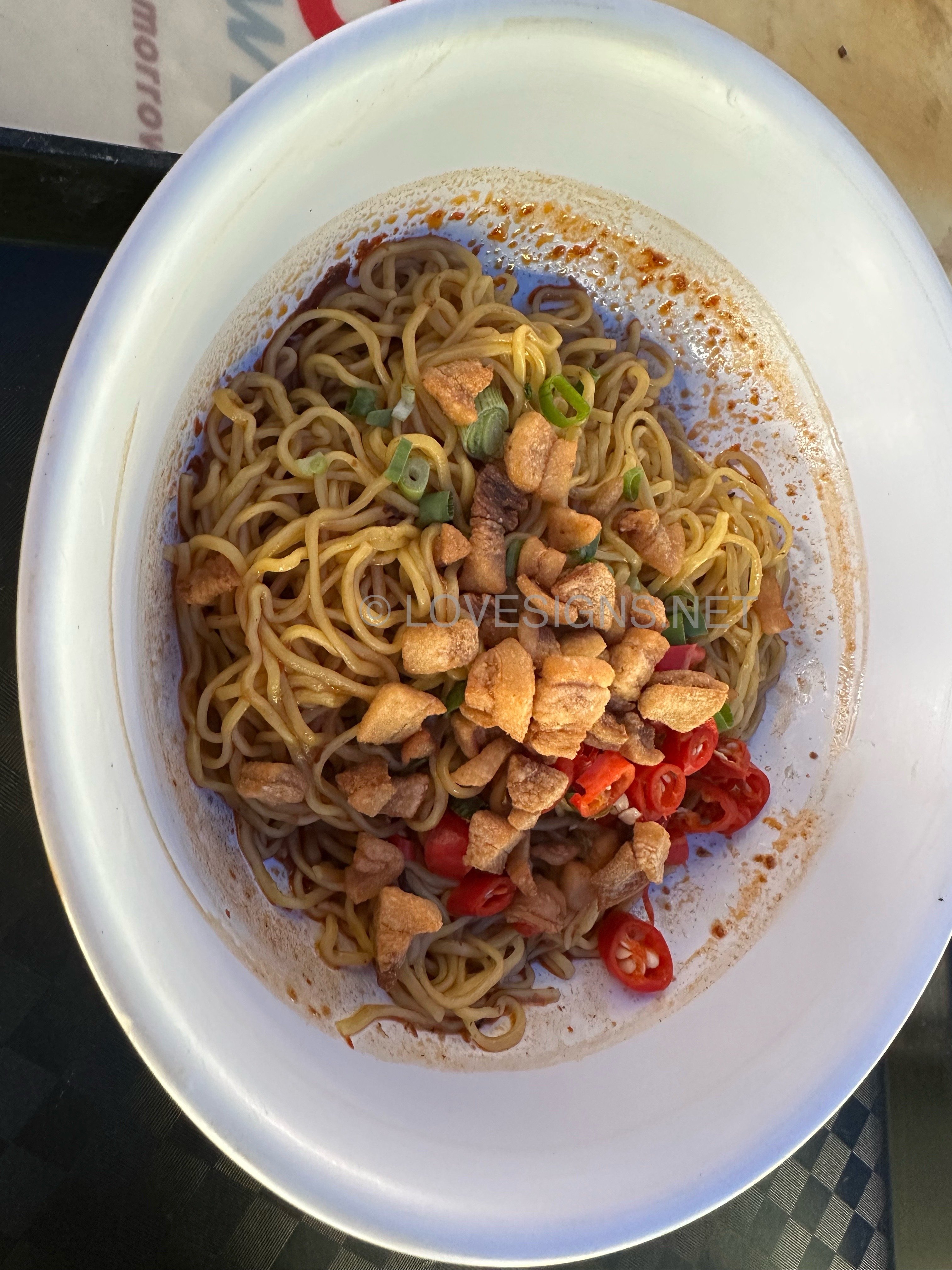
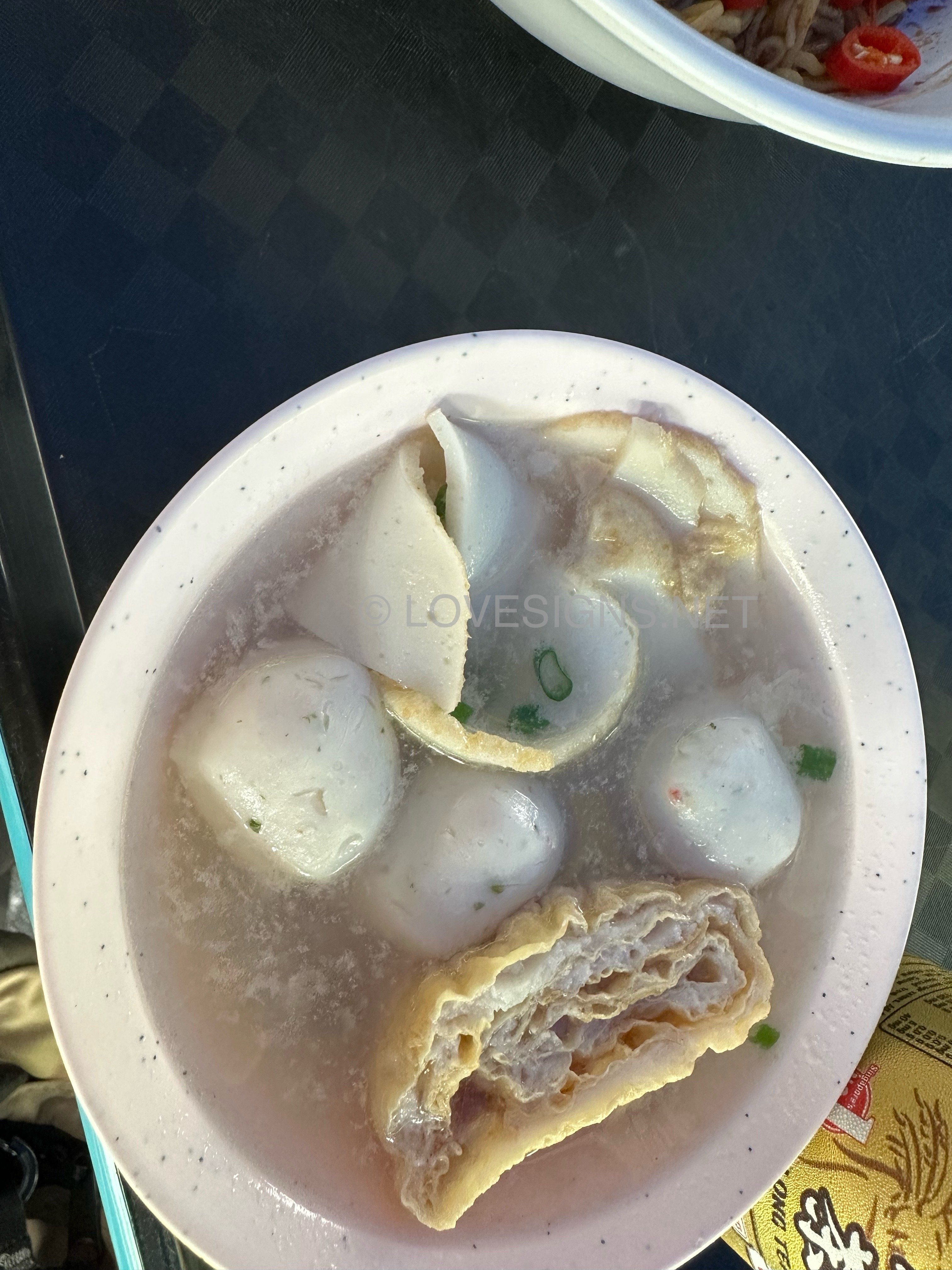
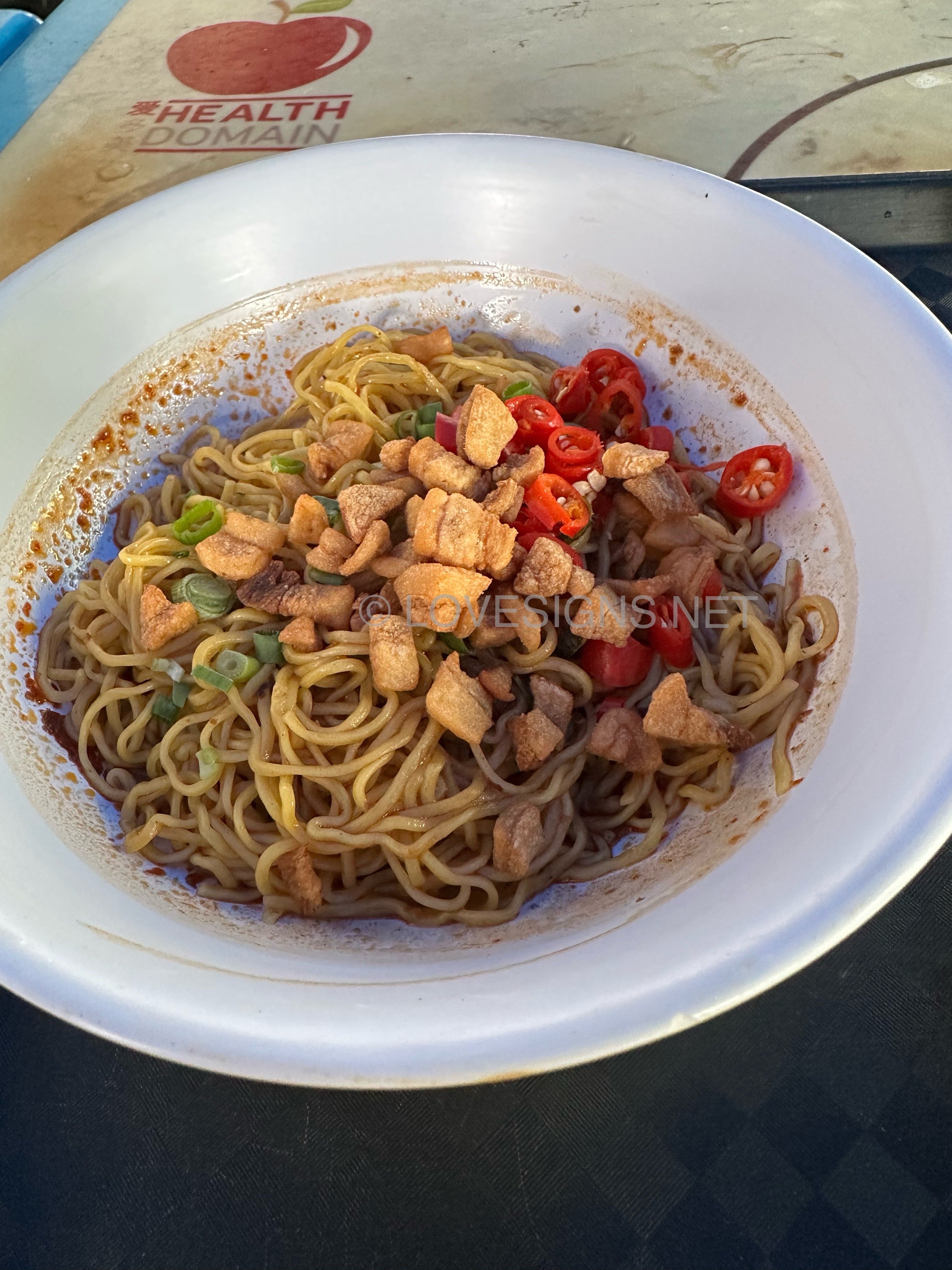
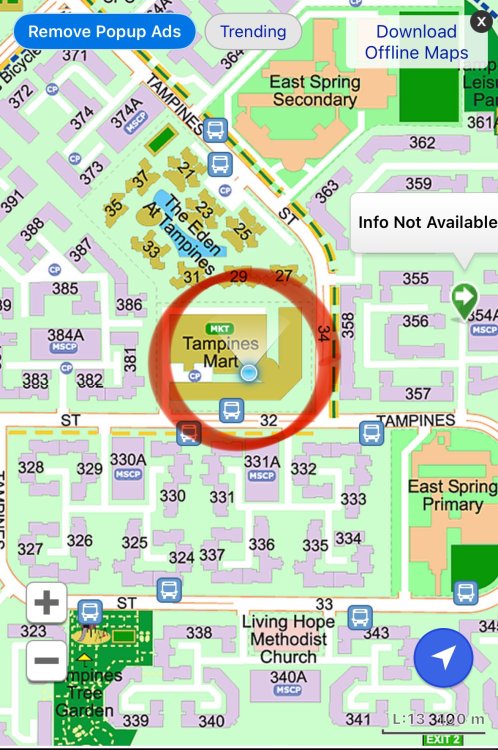
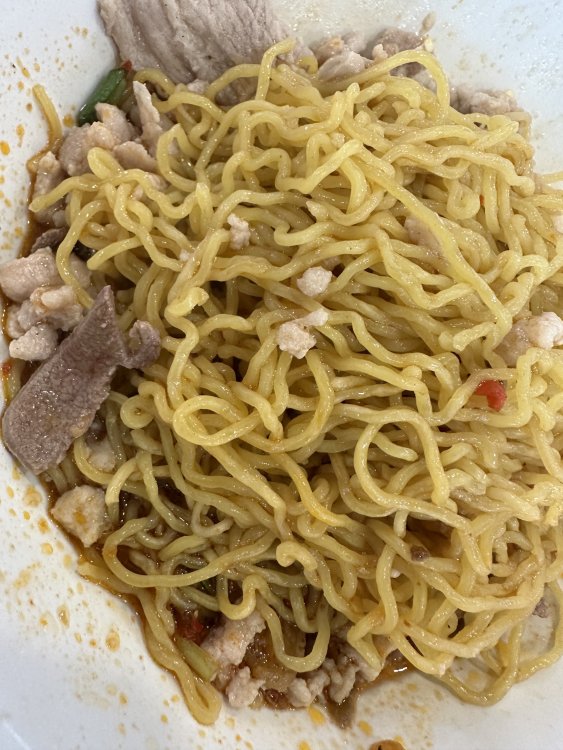
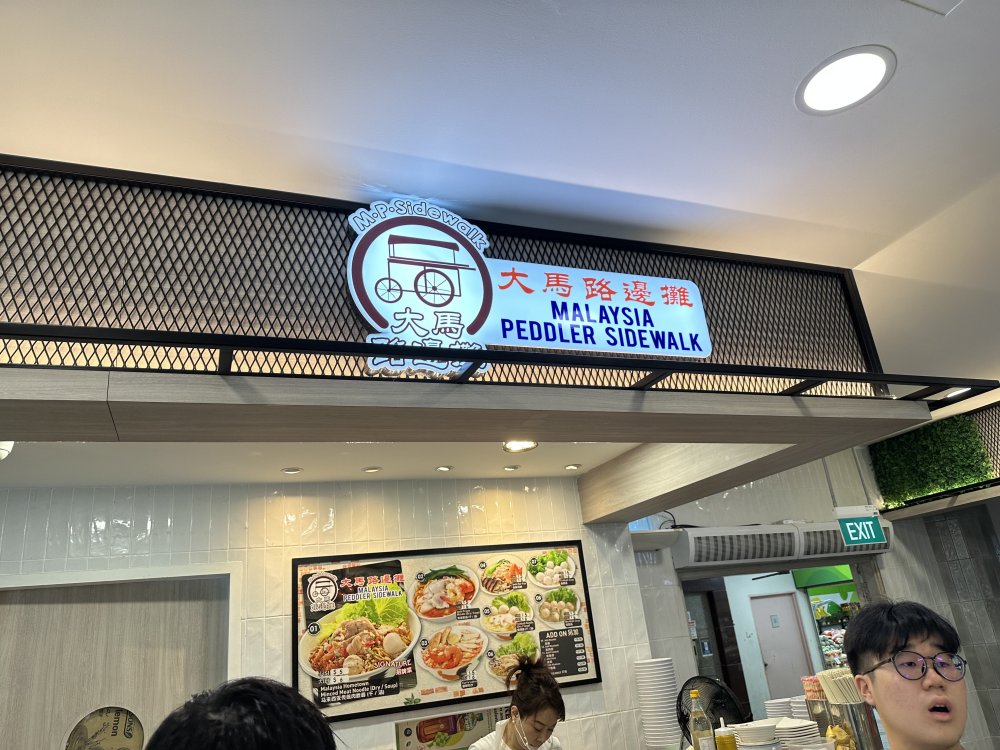
$5/- small. Thumbs up! Well balanced. Liver pieces tender, meat slices melt in the mouth. Can eat again.
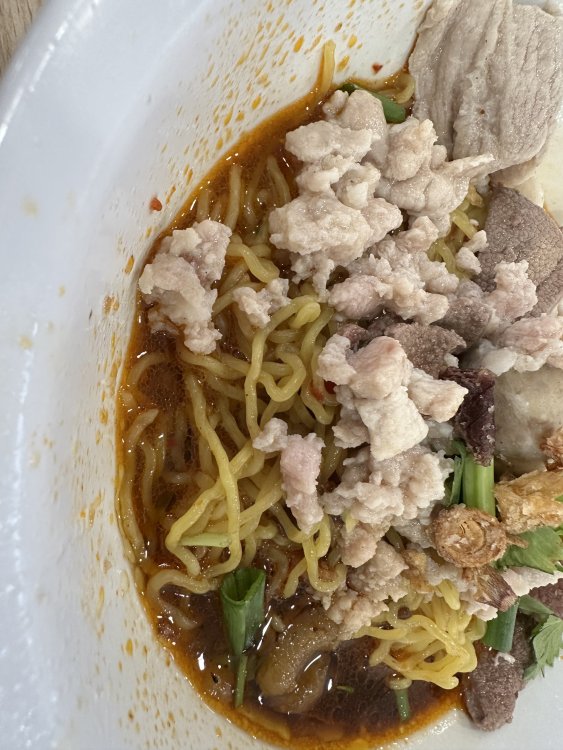
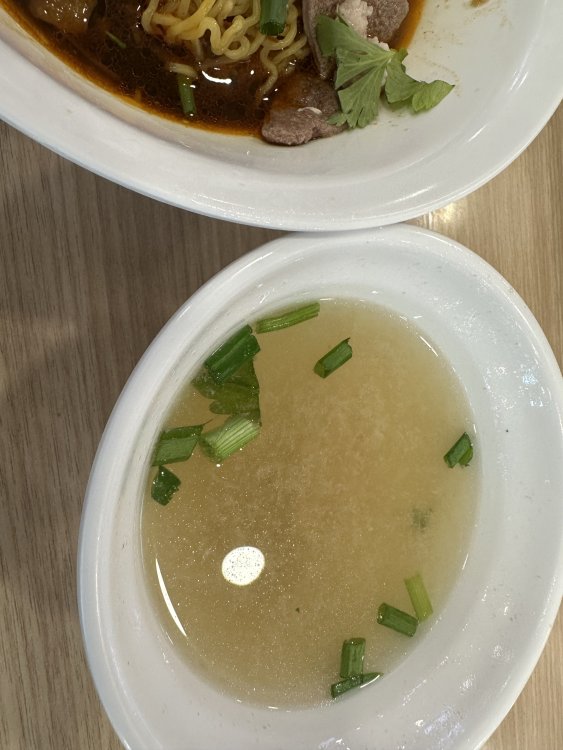
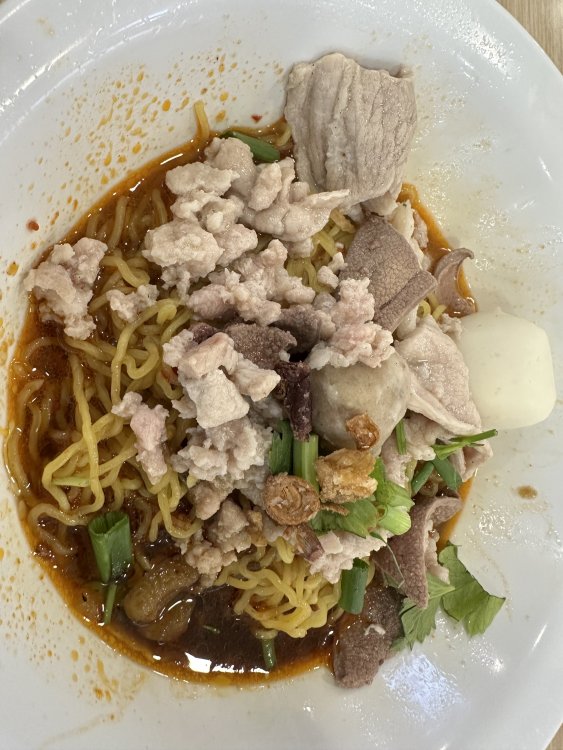
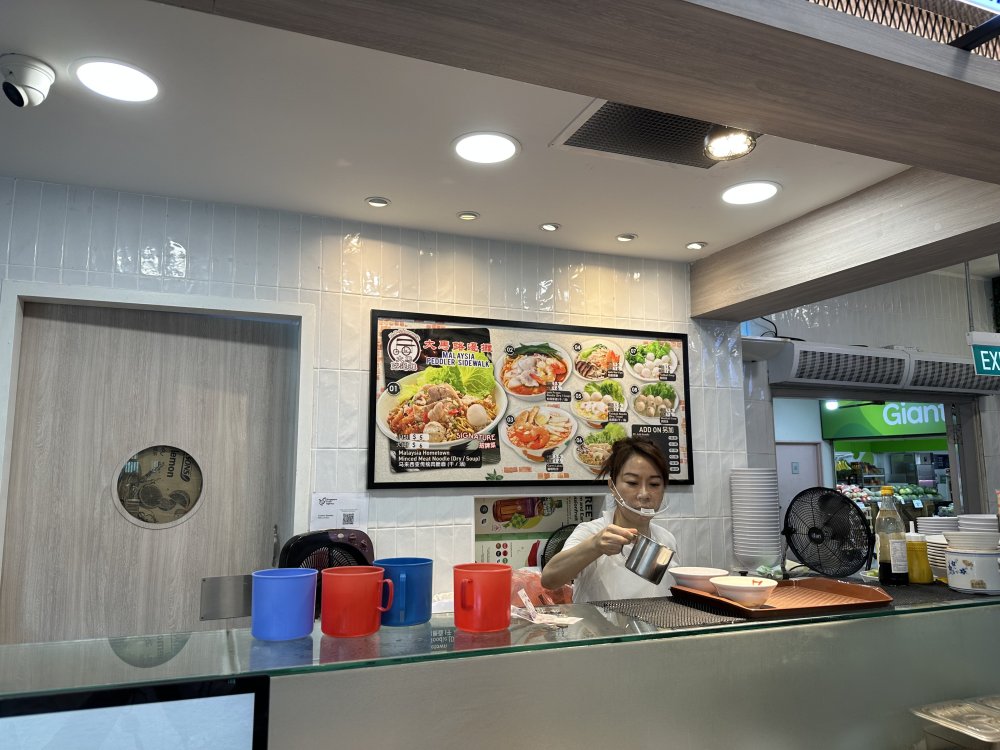
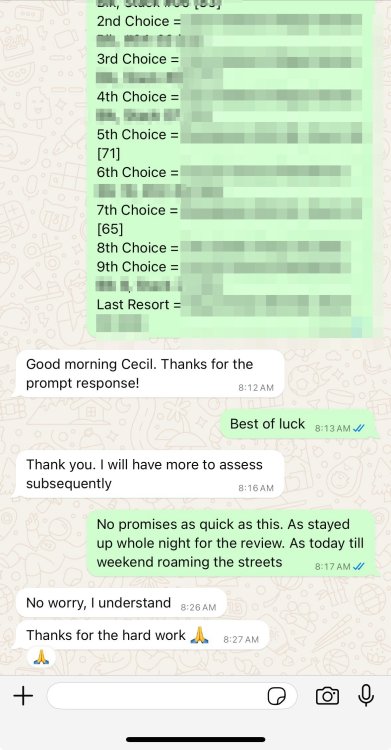
 Good morning Cecil. Thanks for the prompt response!
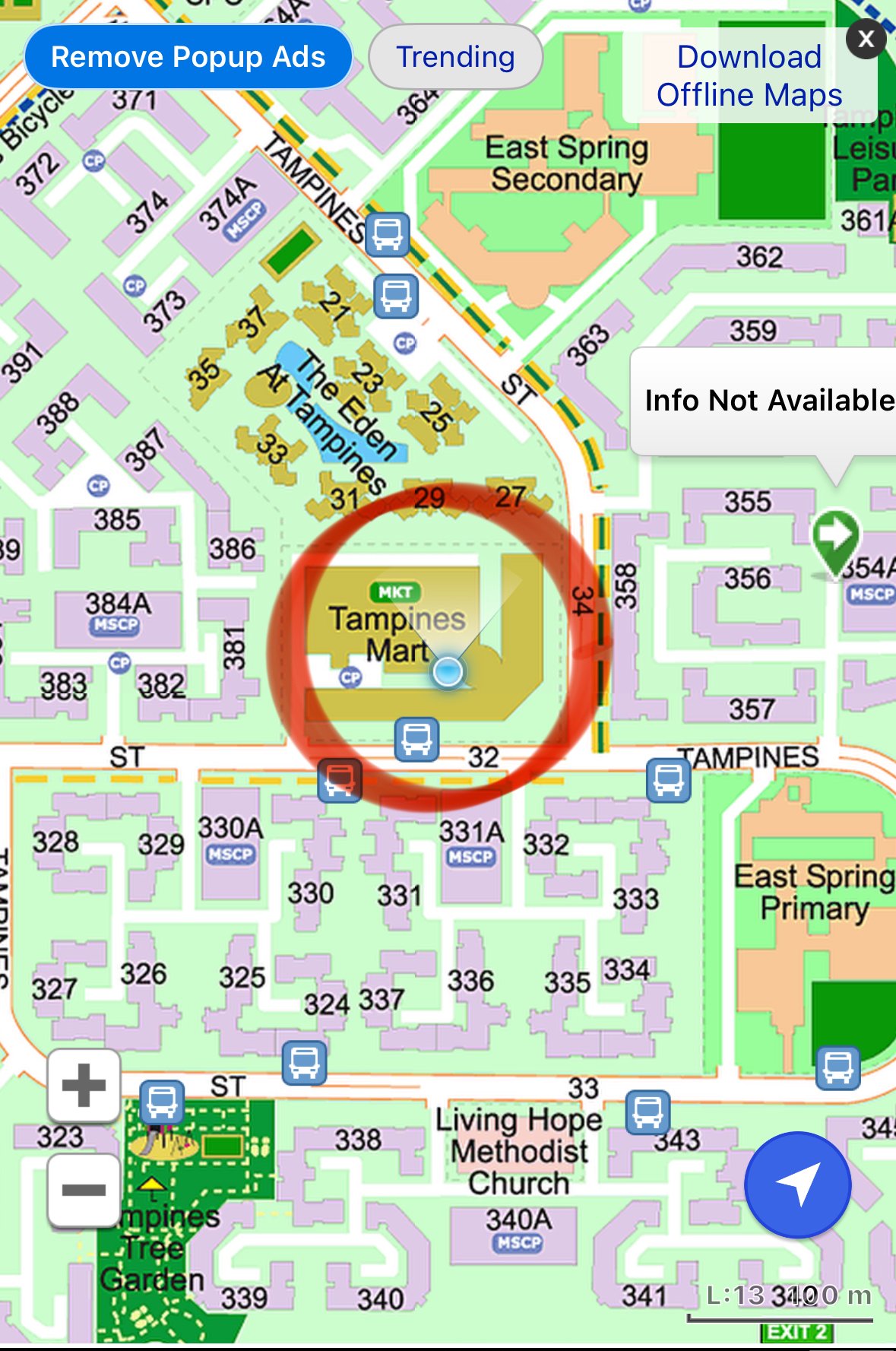
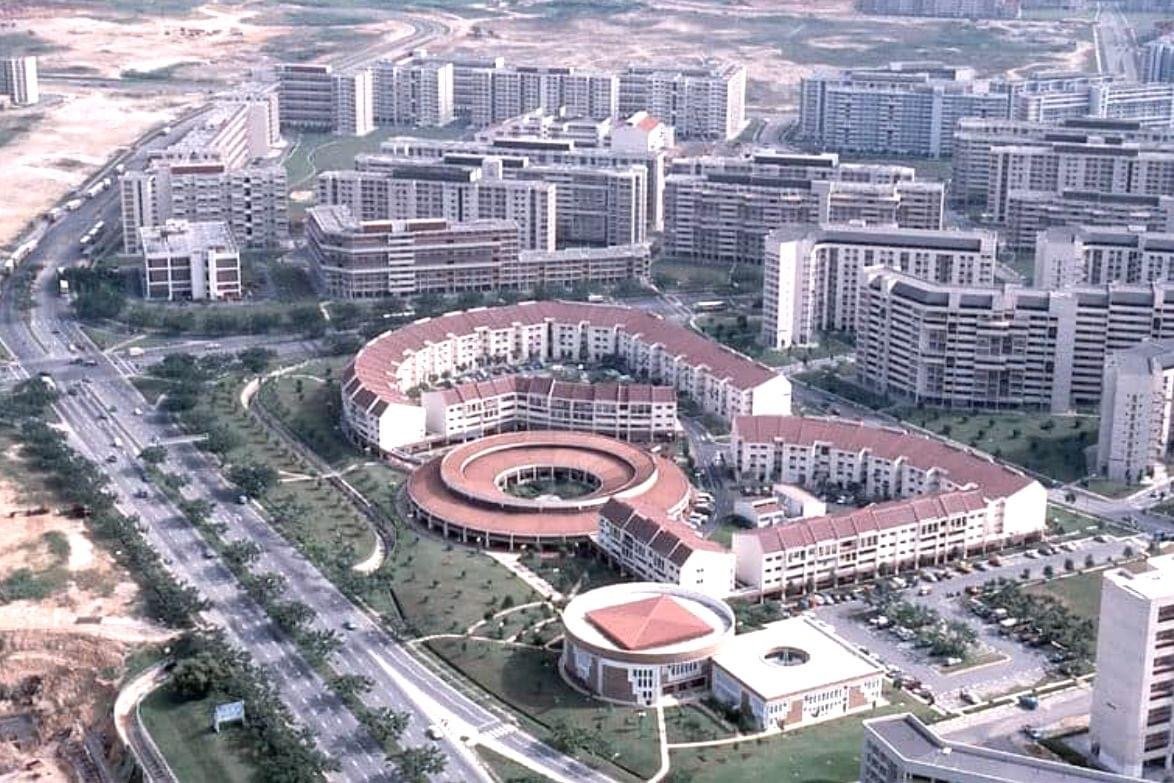
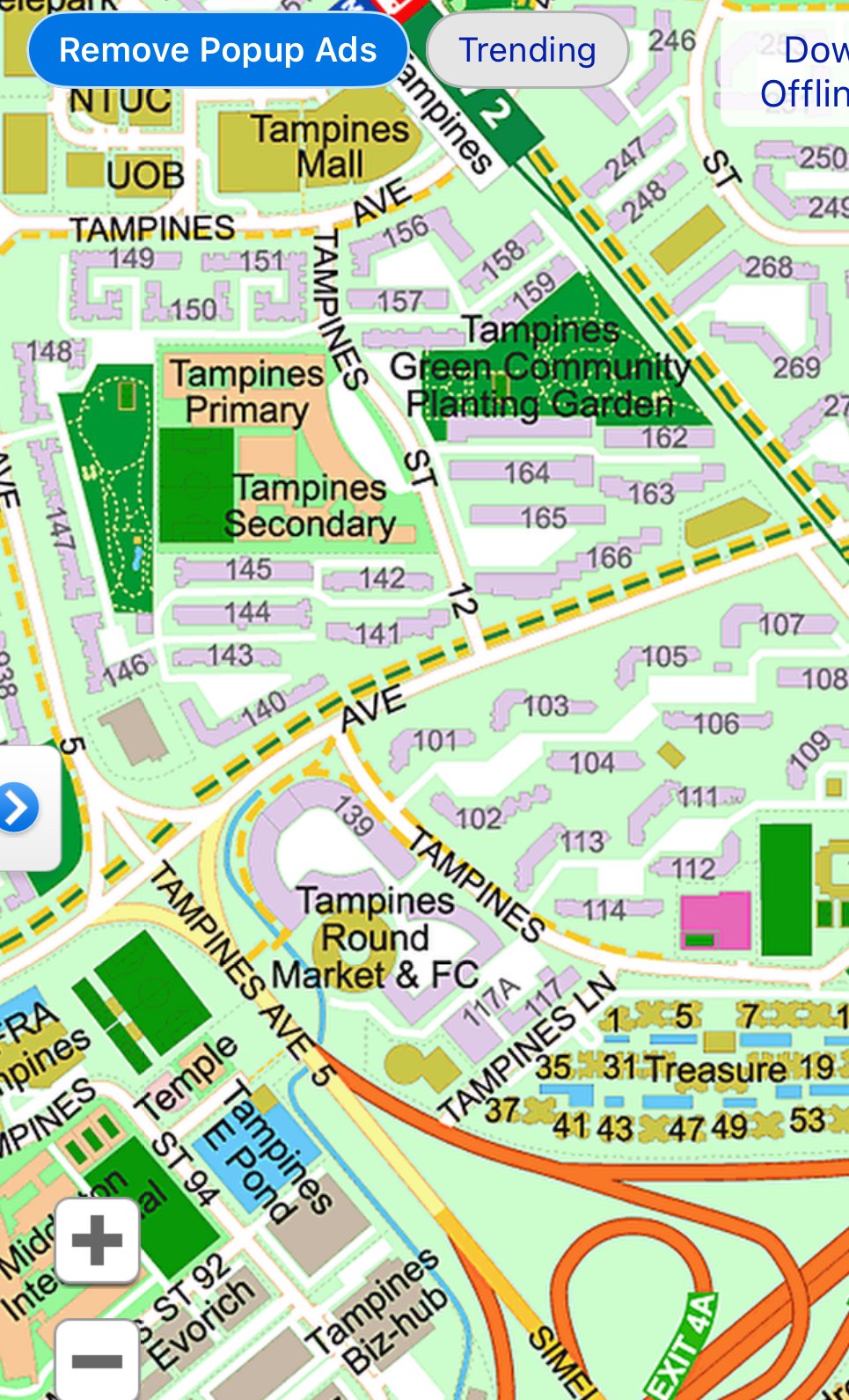
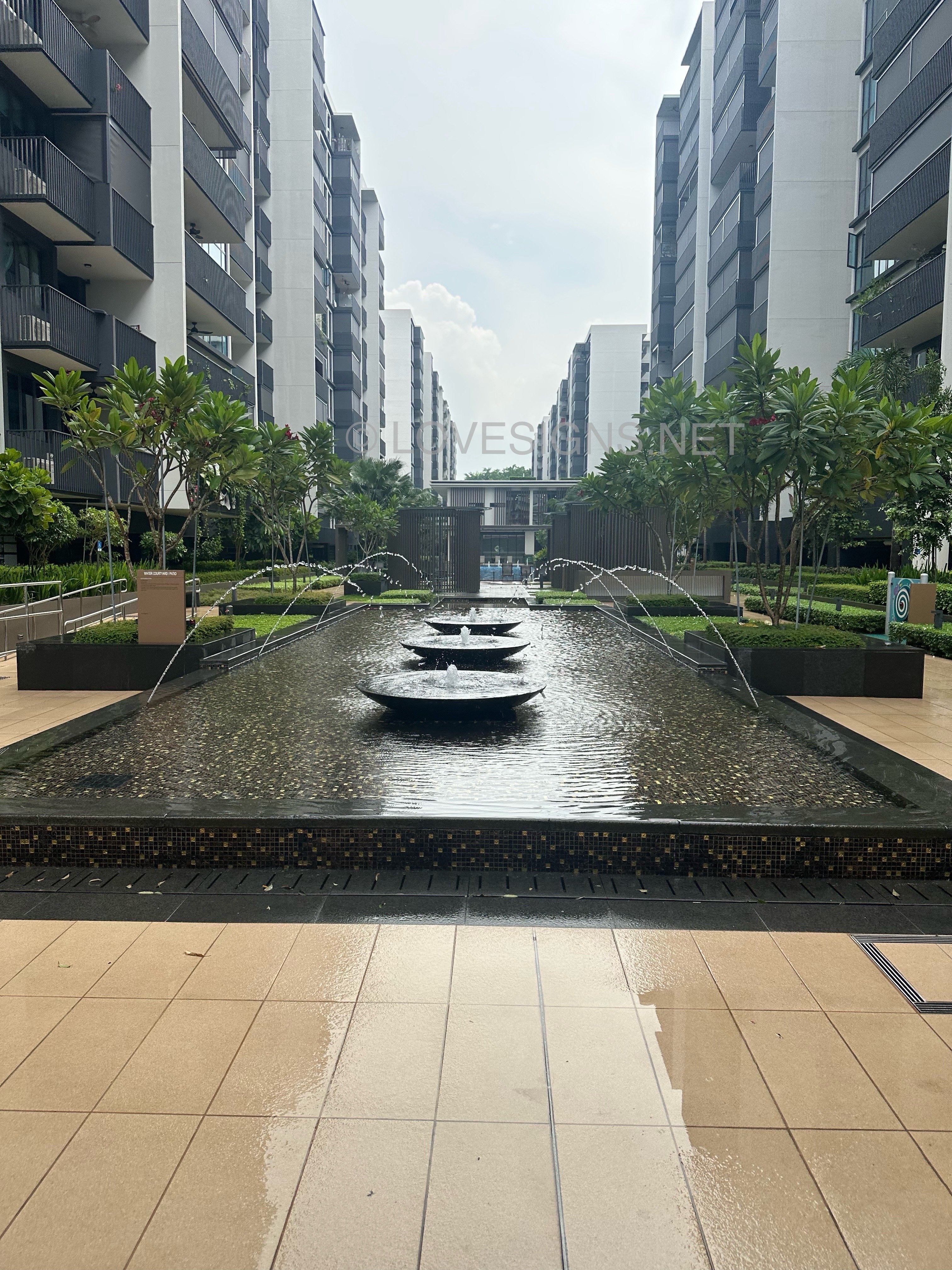
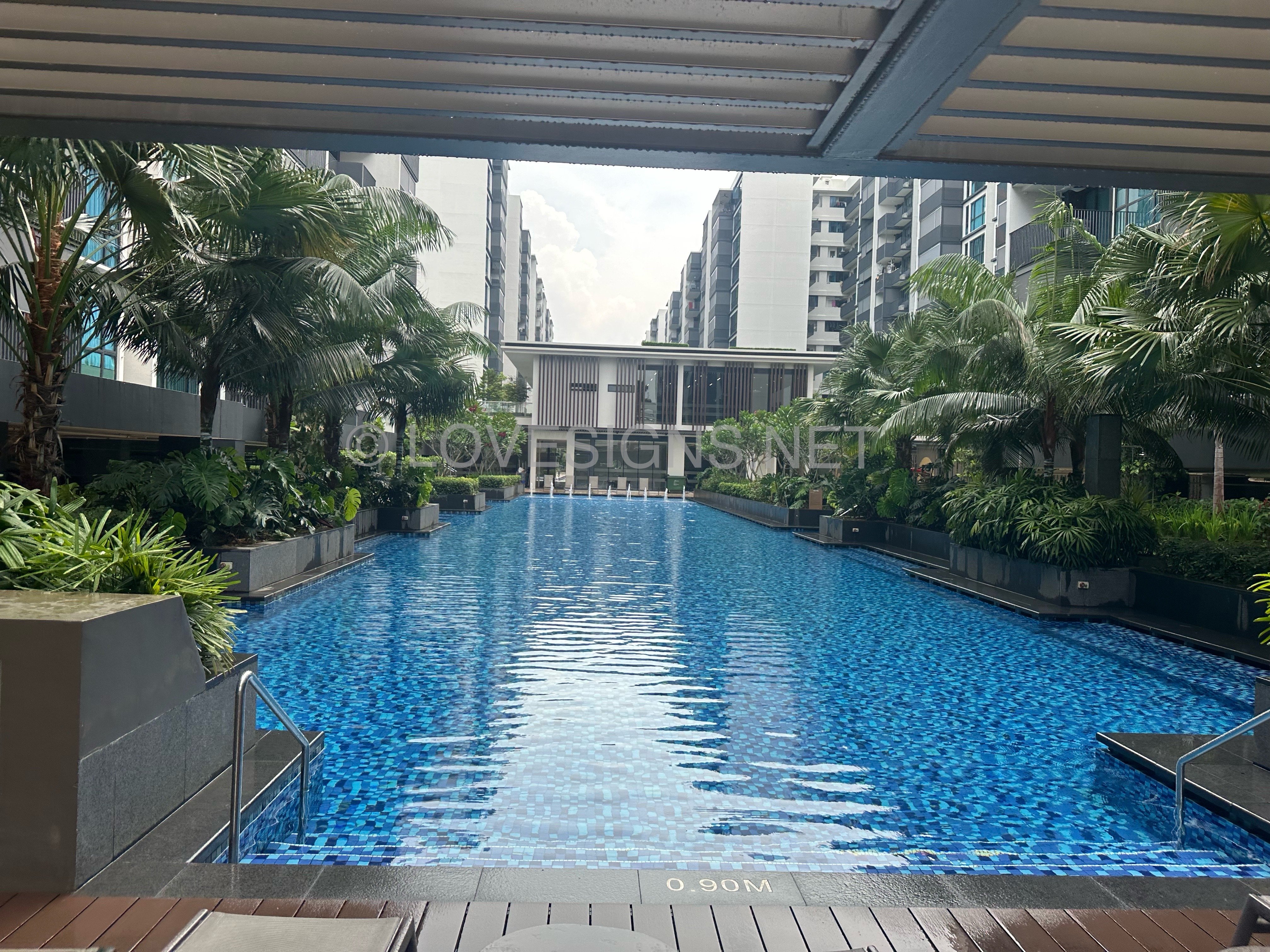
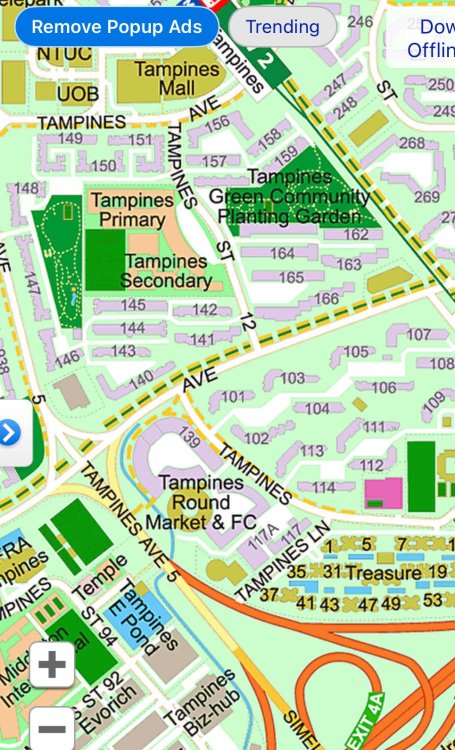
 Since 1996, (C) Geomancy.net +++ The iconic Tampines Round Market & Food Centre during the early 1980s This area is known as the first phase of HDB development in Tampines, beginning with the round Market & FC and Block 101. UOB and Tampines Mall, East-West Tampines MRT at the top of the photo did not exist yet. +++ One can also distinctly observe the previous HUDC enbloc estate located at the far right of this photograph. Presently, it is known as Treasure at Tampines.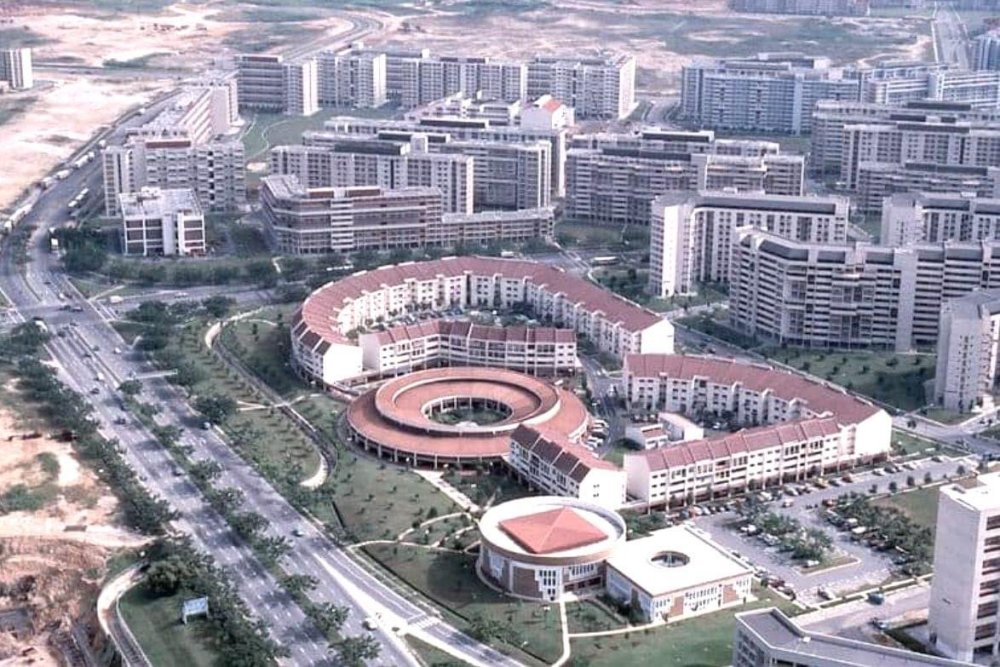
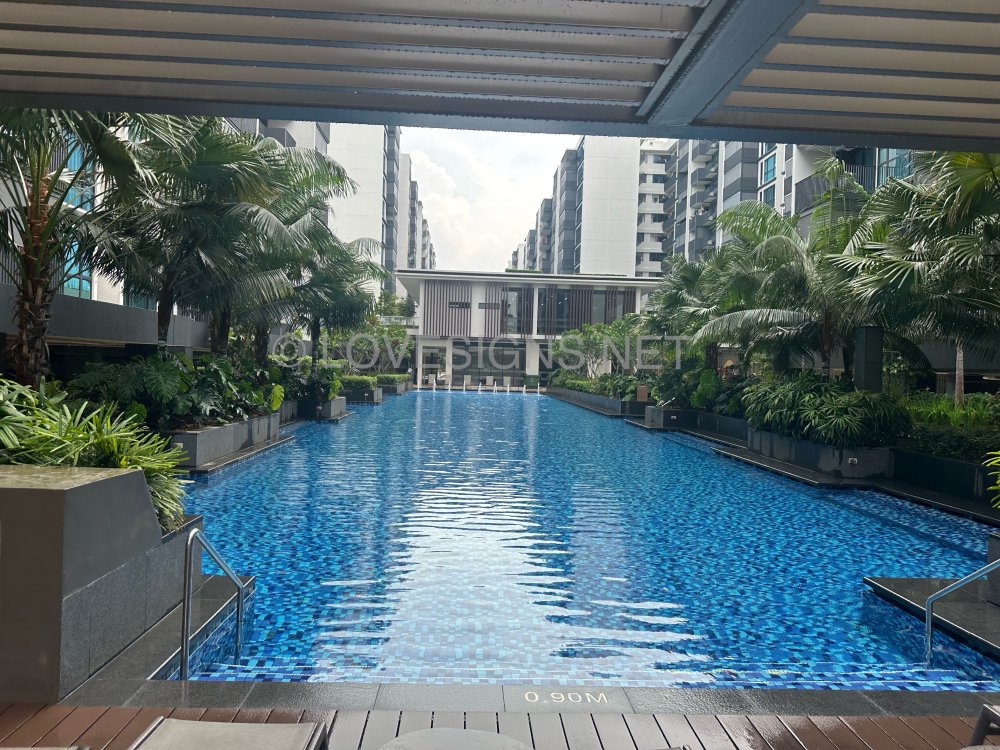
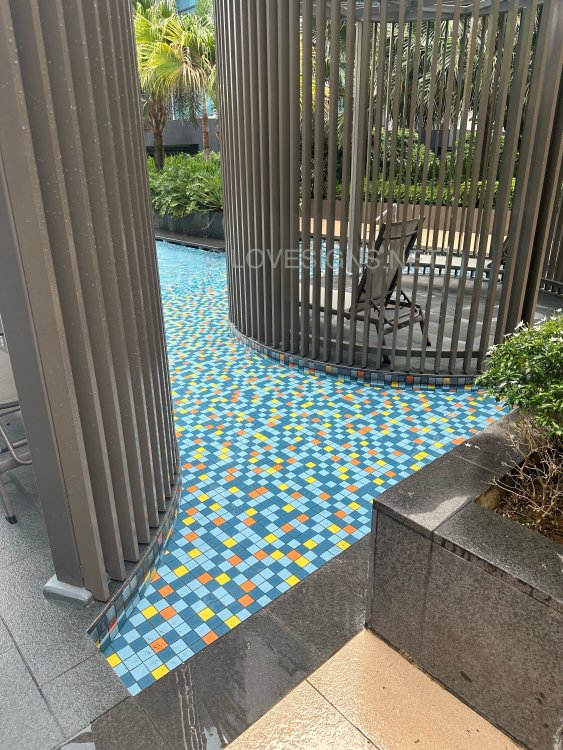
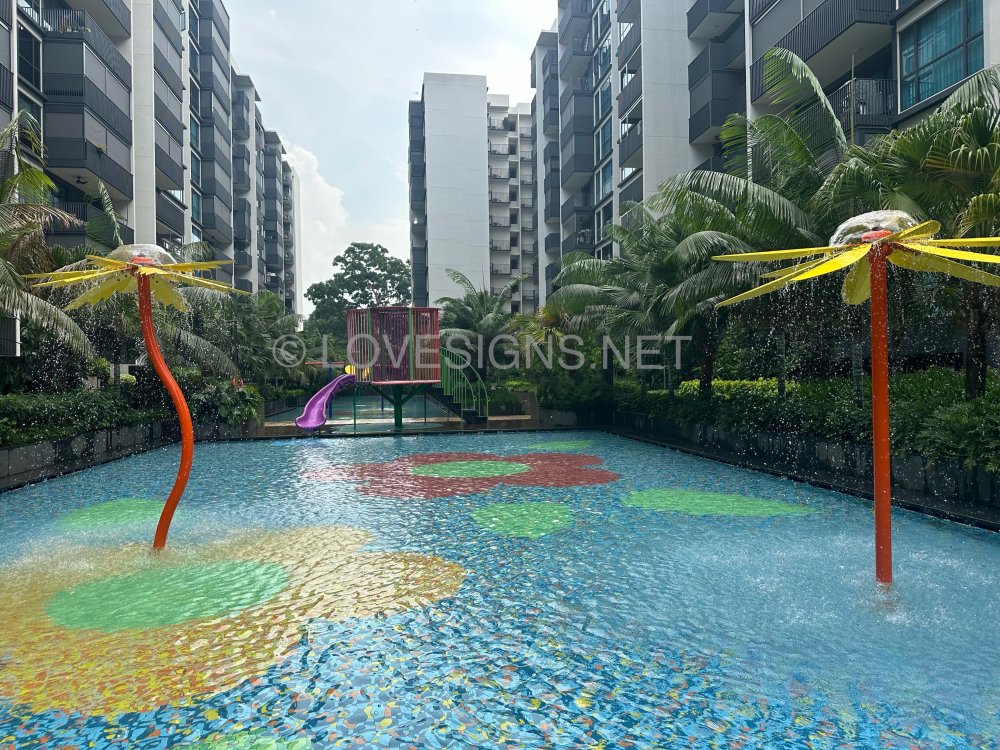
 On 31st October 2024, Deepavali Holiday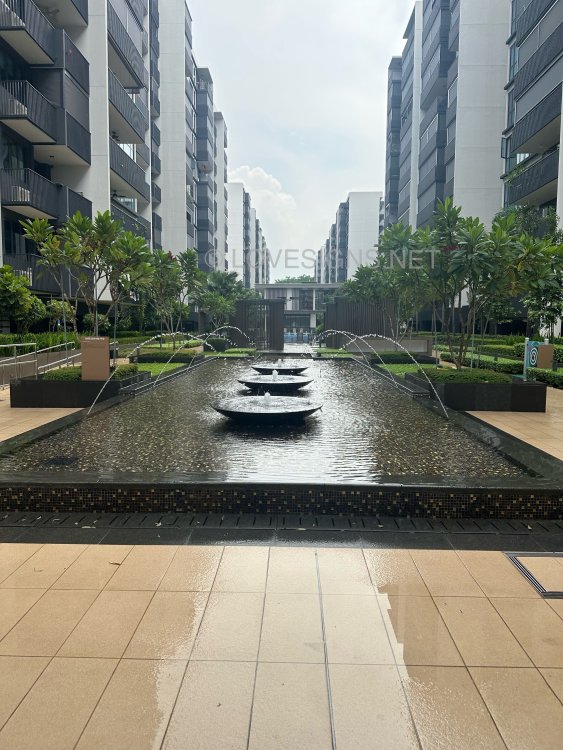
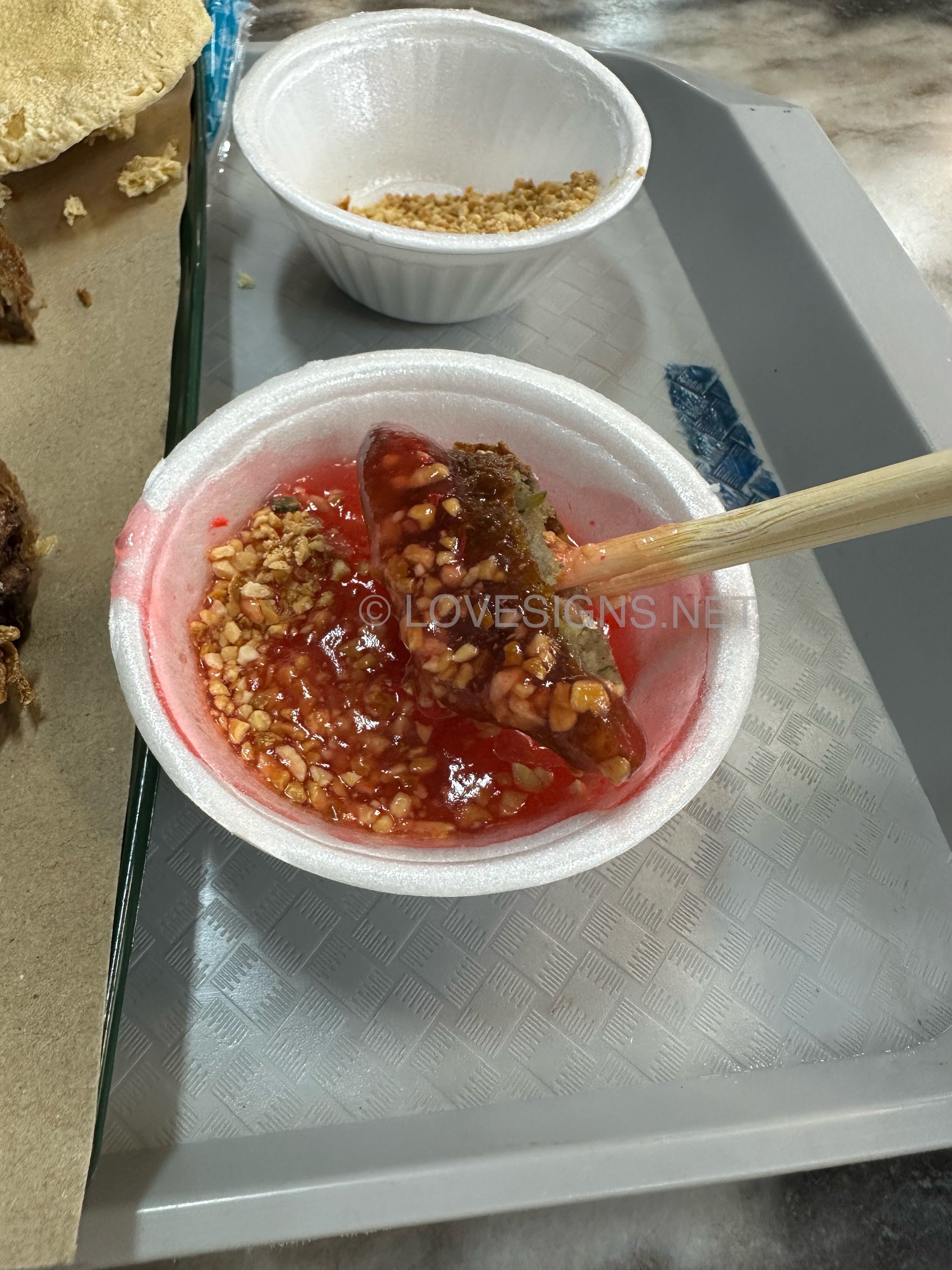
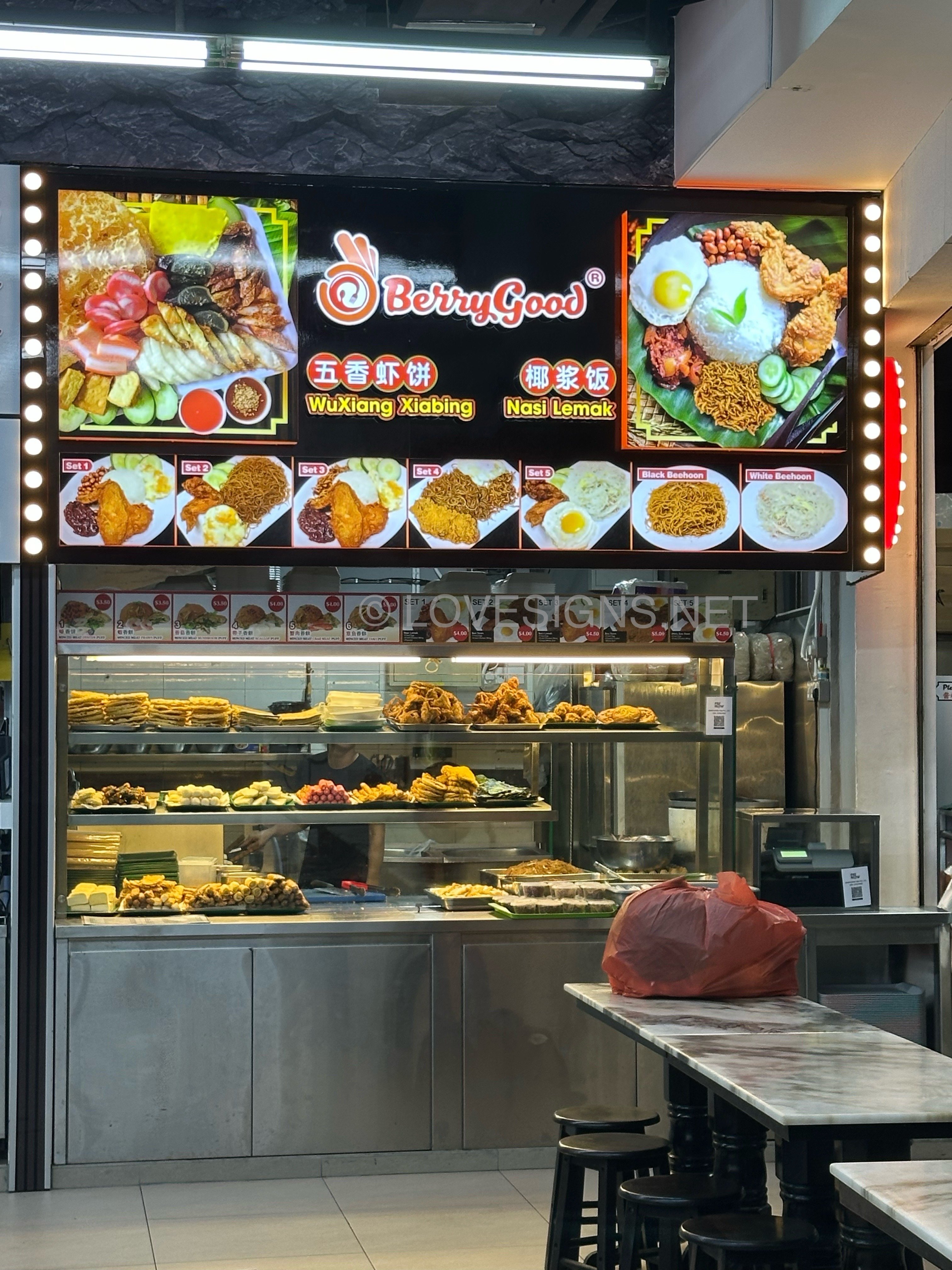
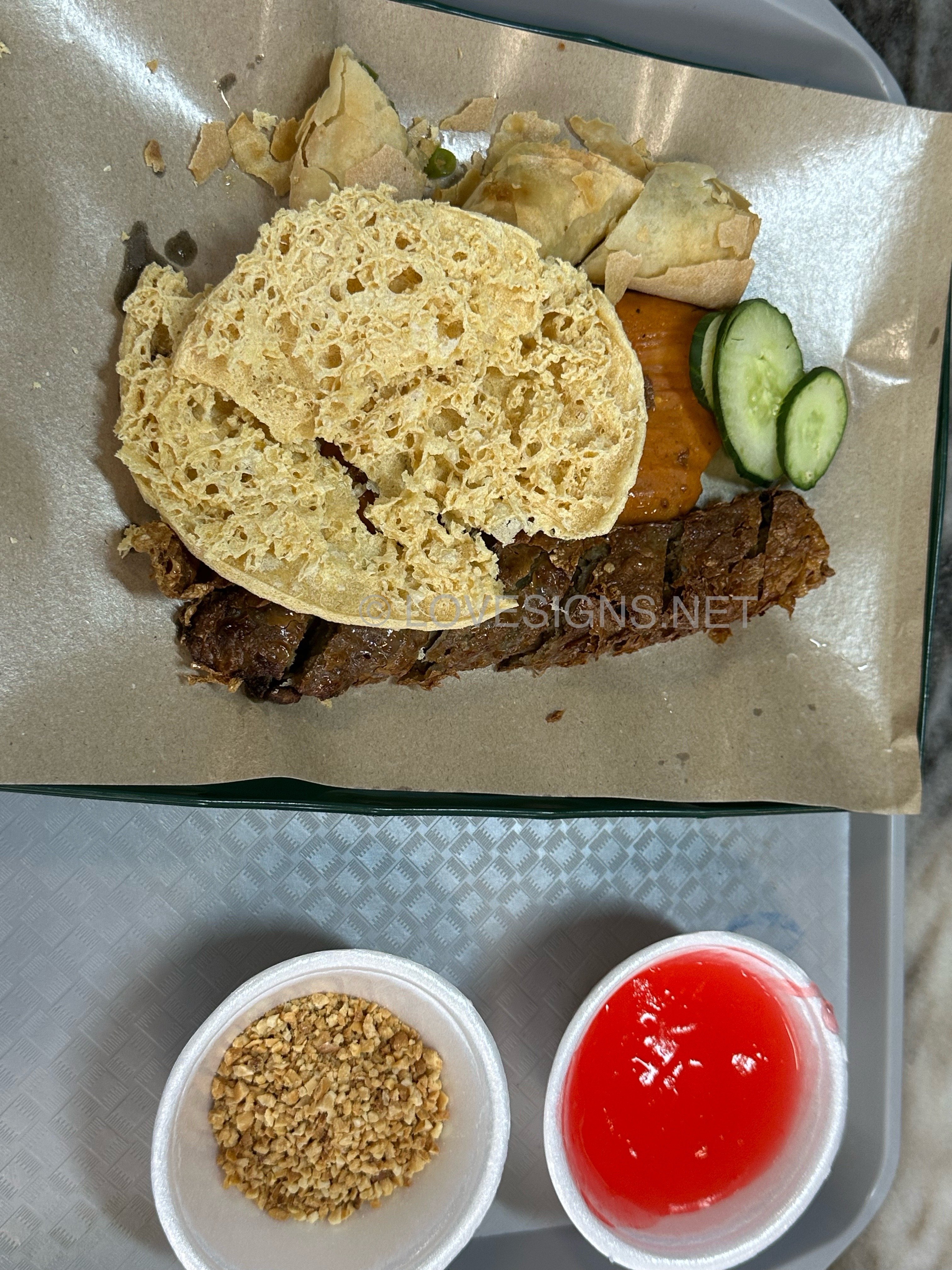
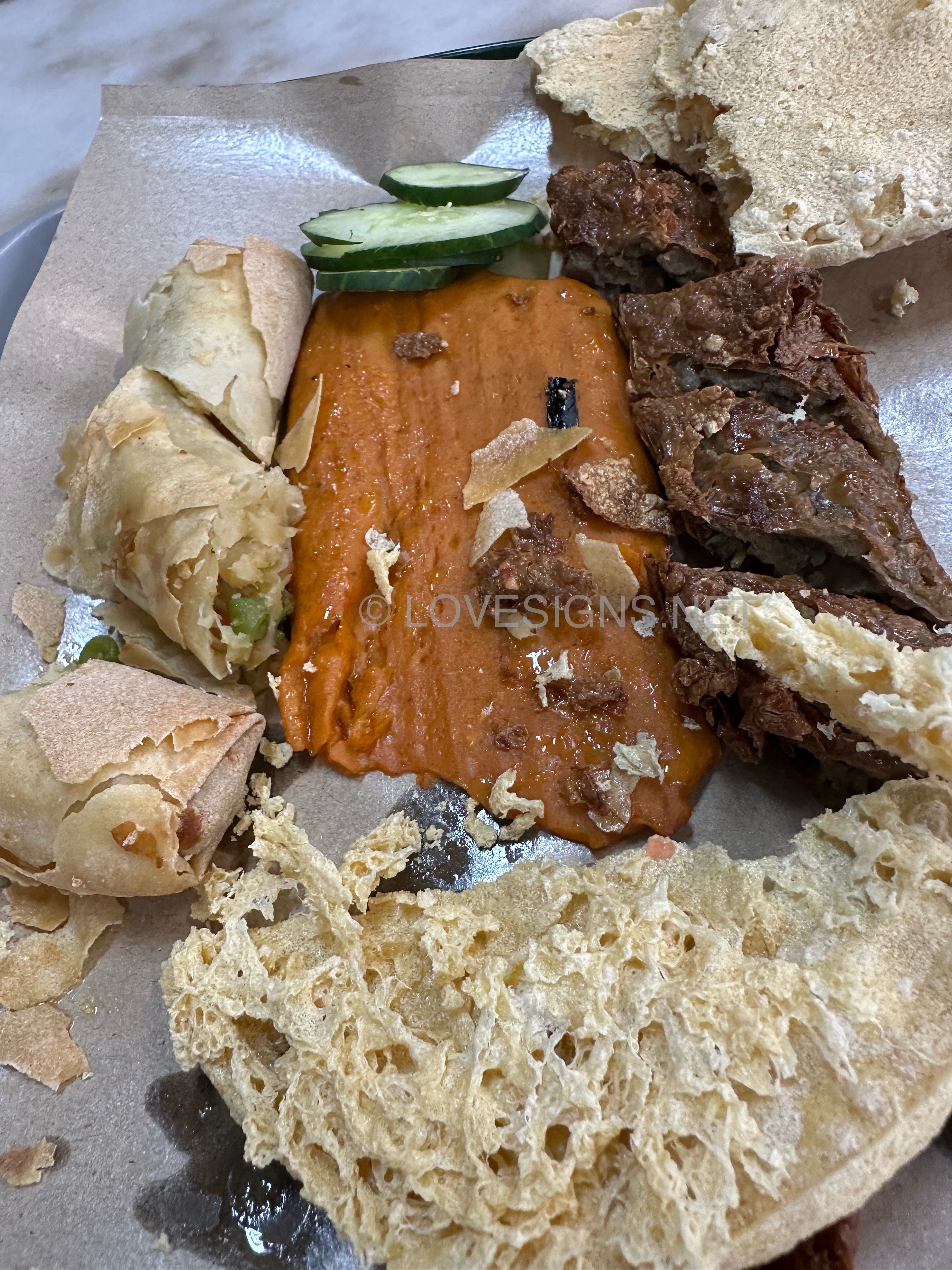
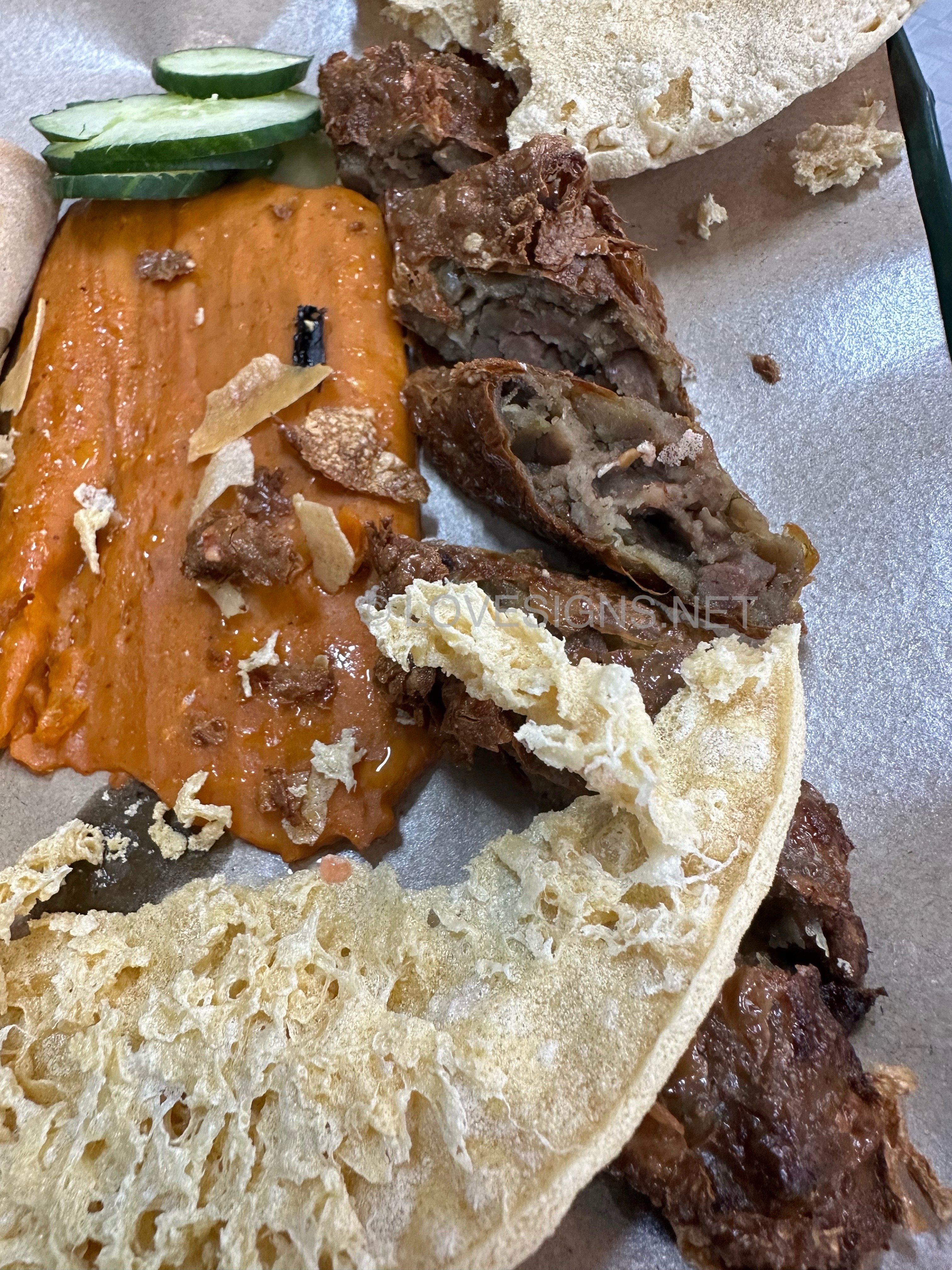
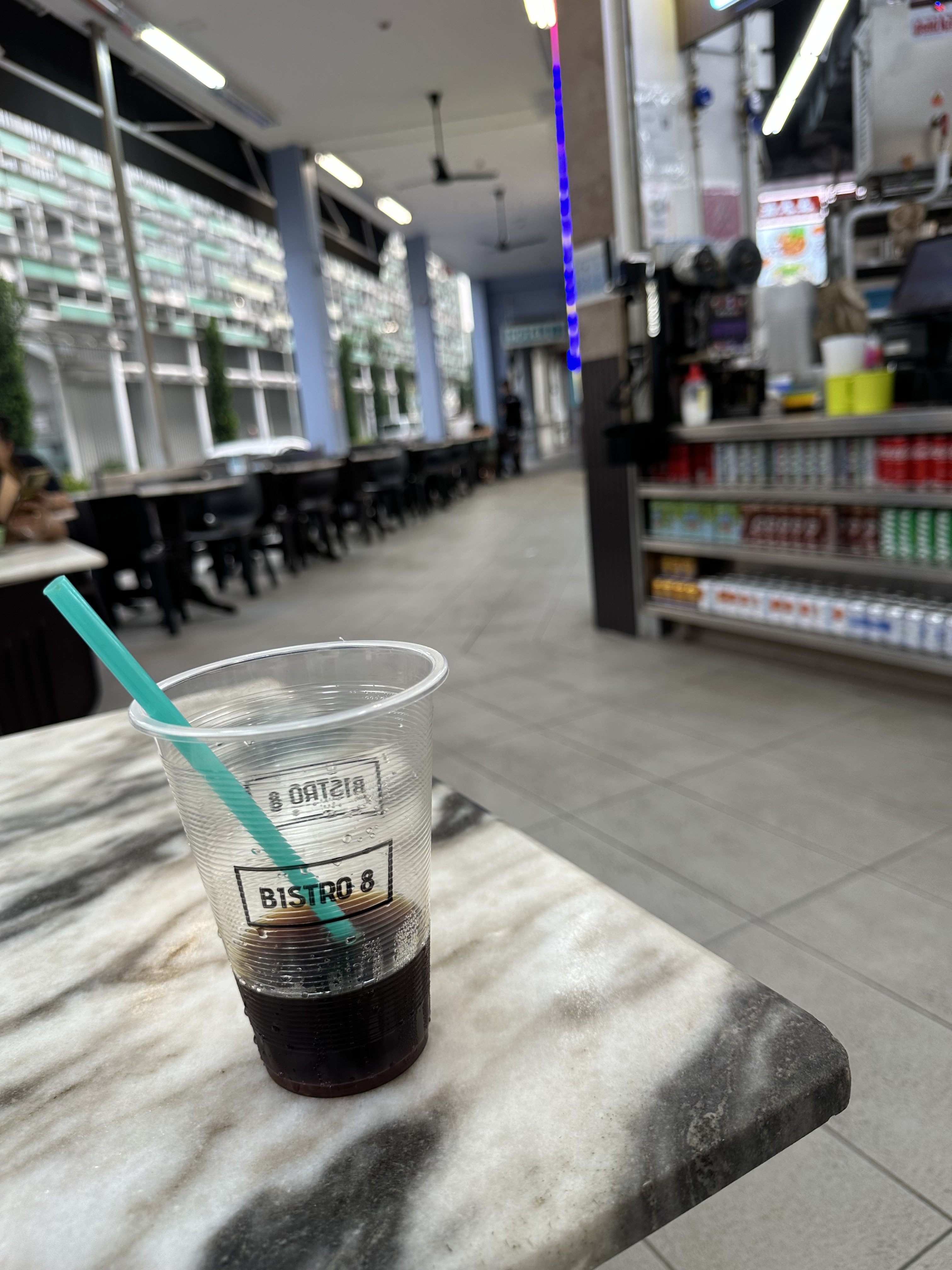
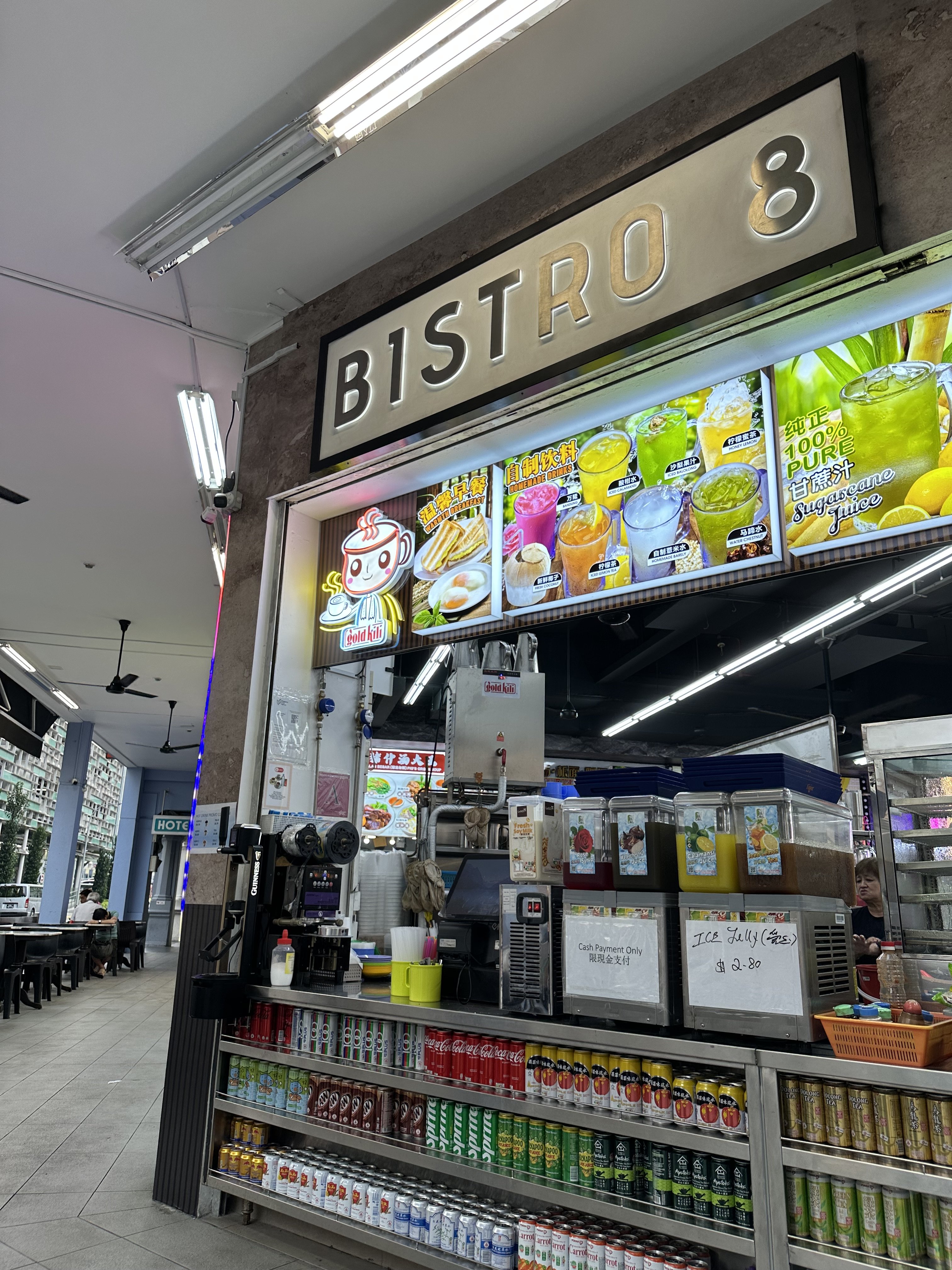
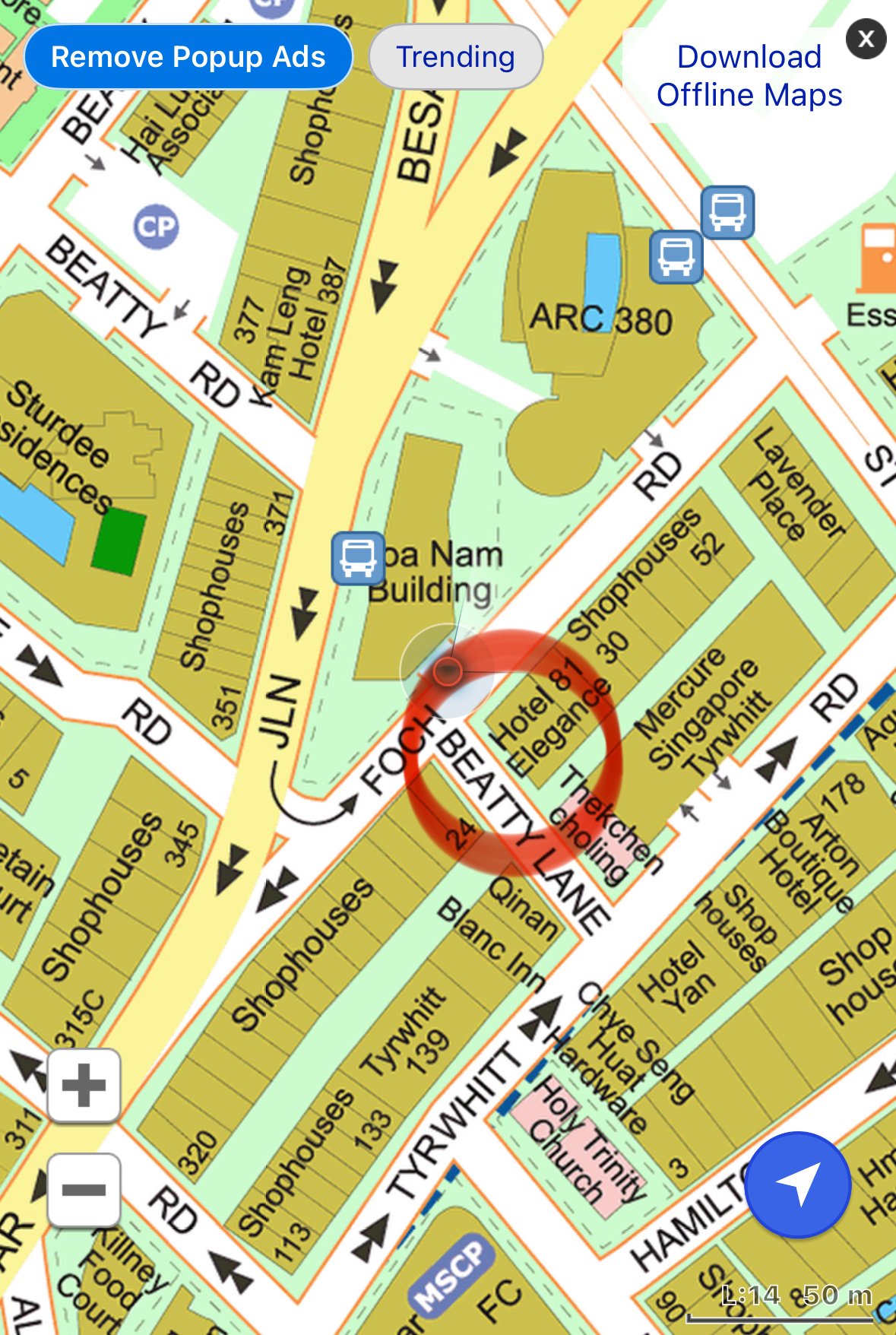
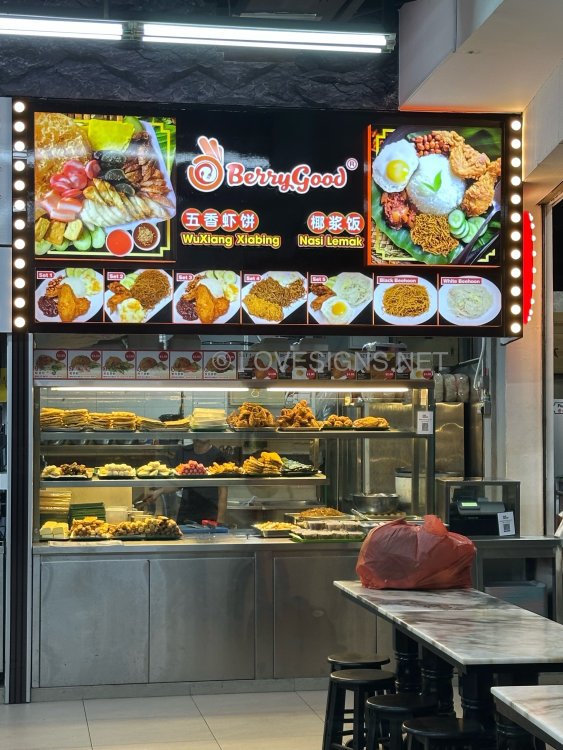
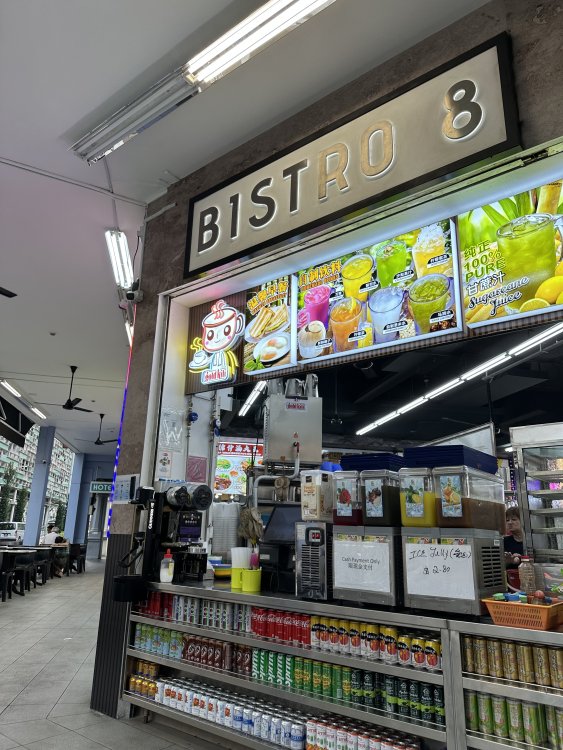
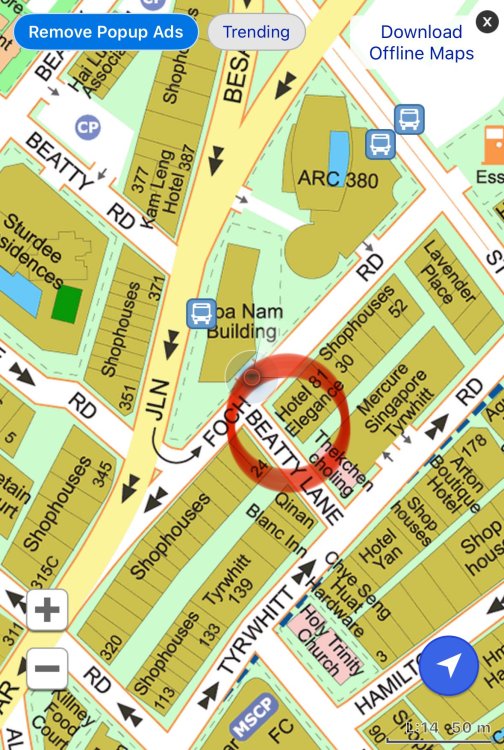
 Wu Xiang @ Foch Road / Hotel 81 $6.00. unique is the liver wuxiang. Rare find. Don’t like their chilli sauce as it is full of garlic…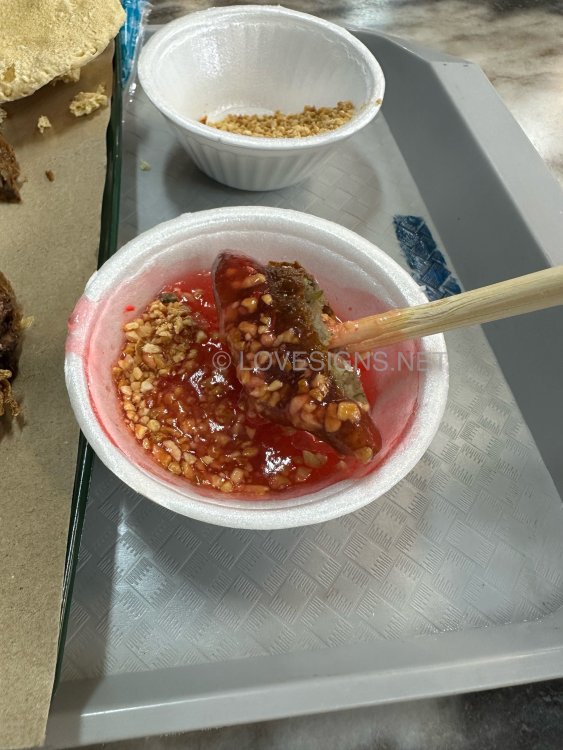
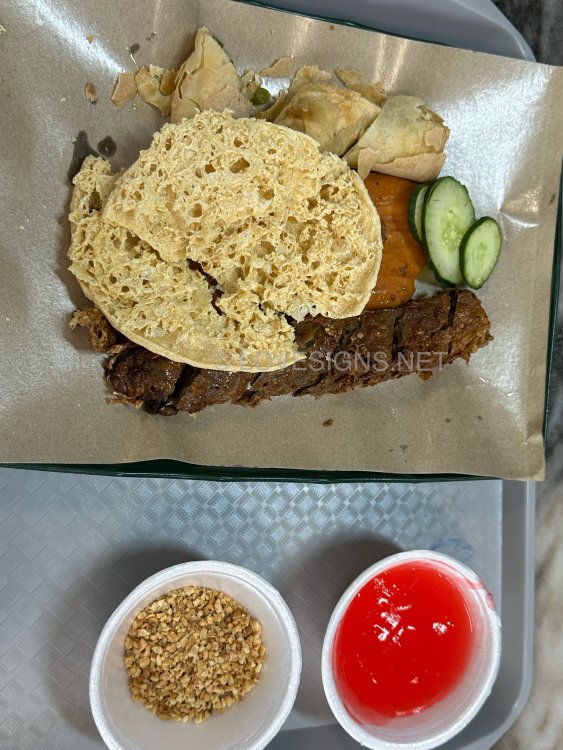
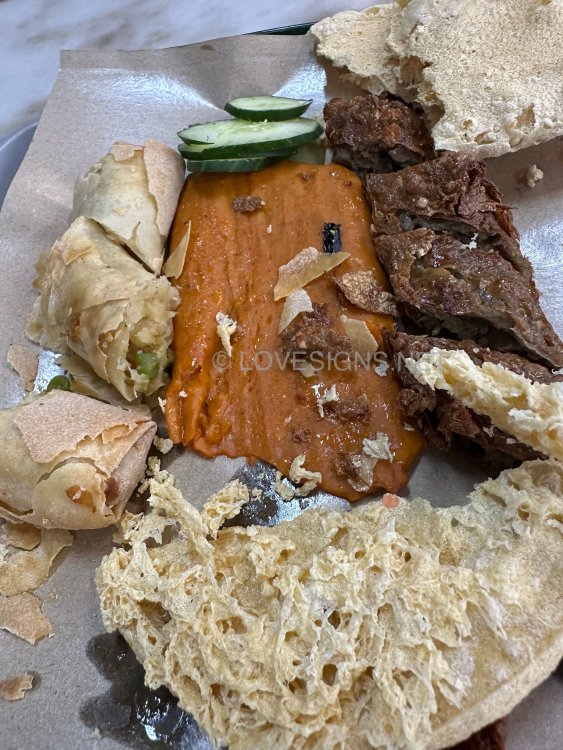
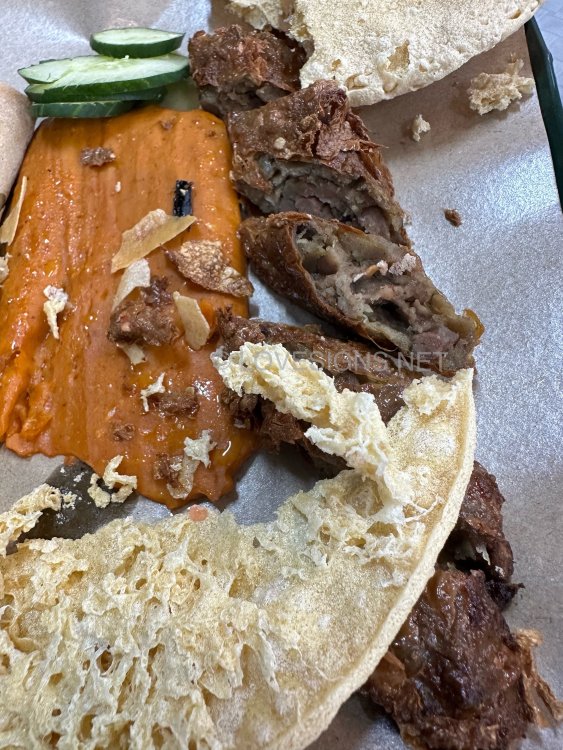
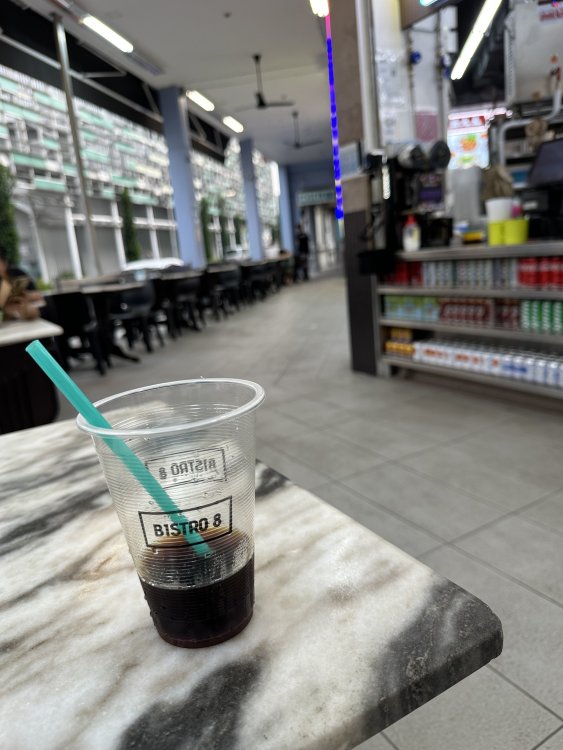
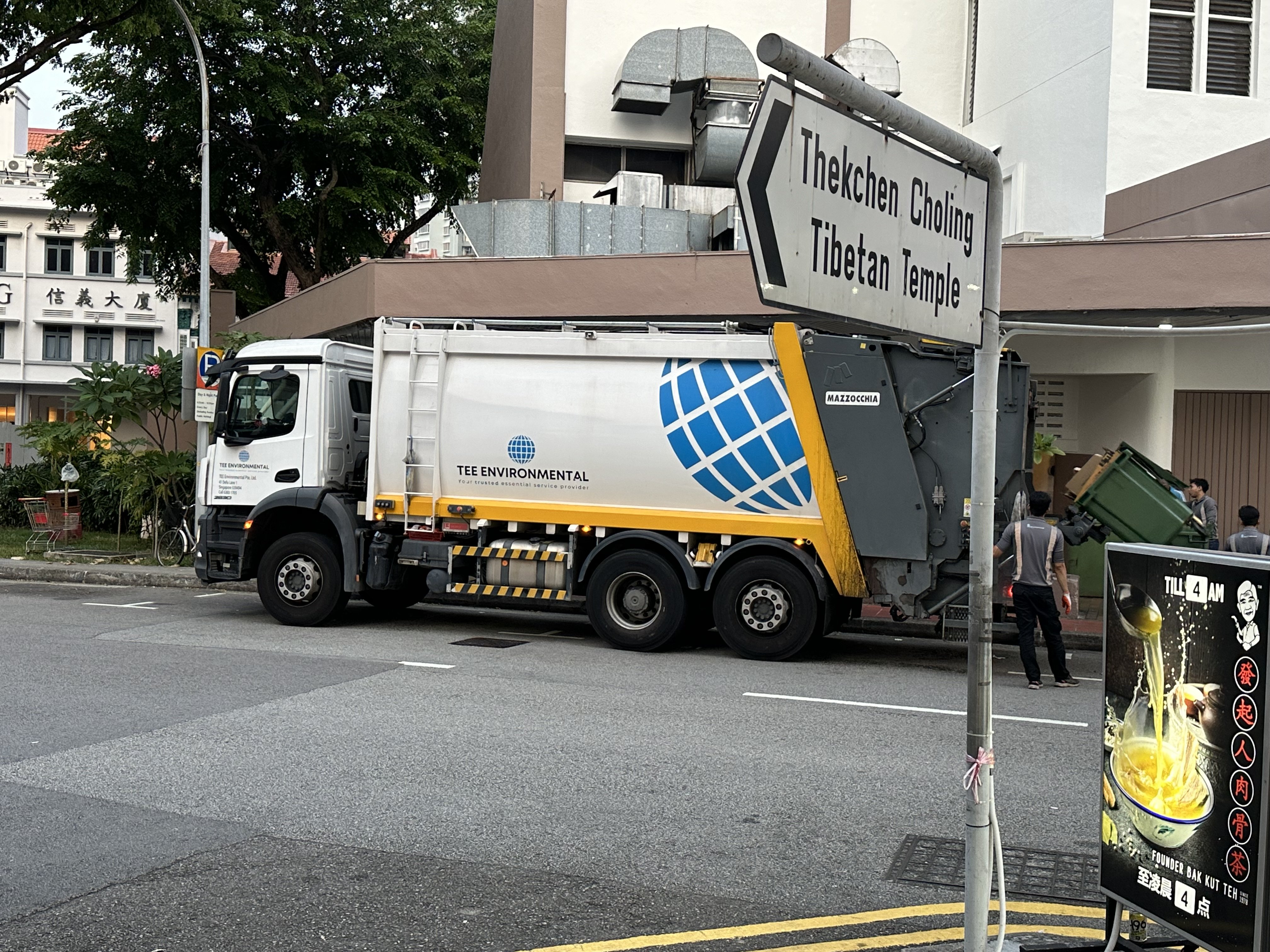
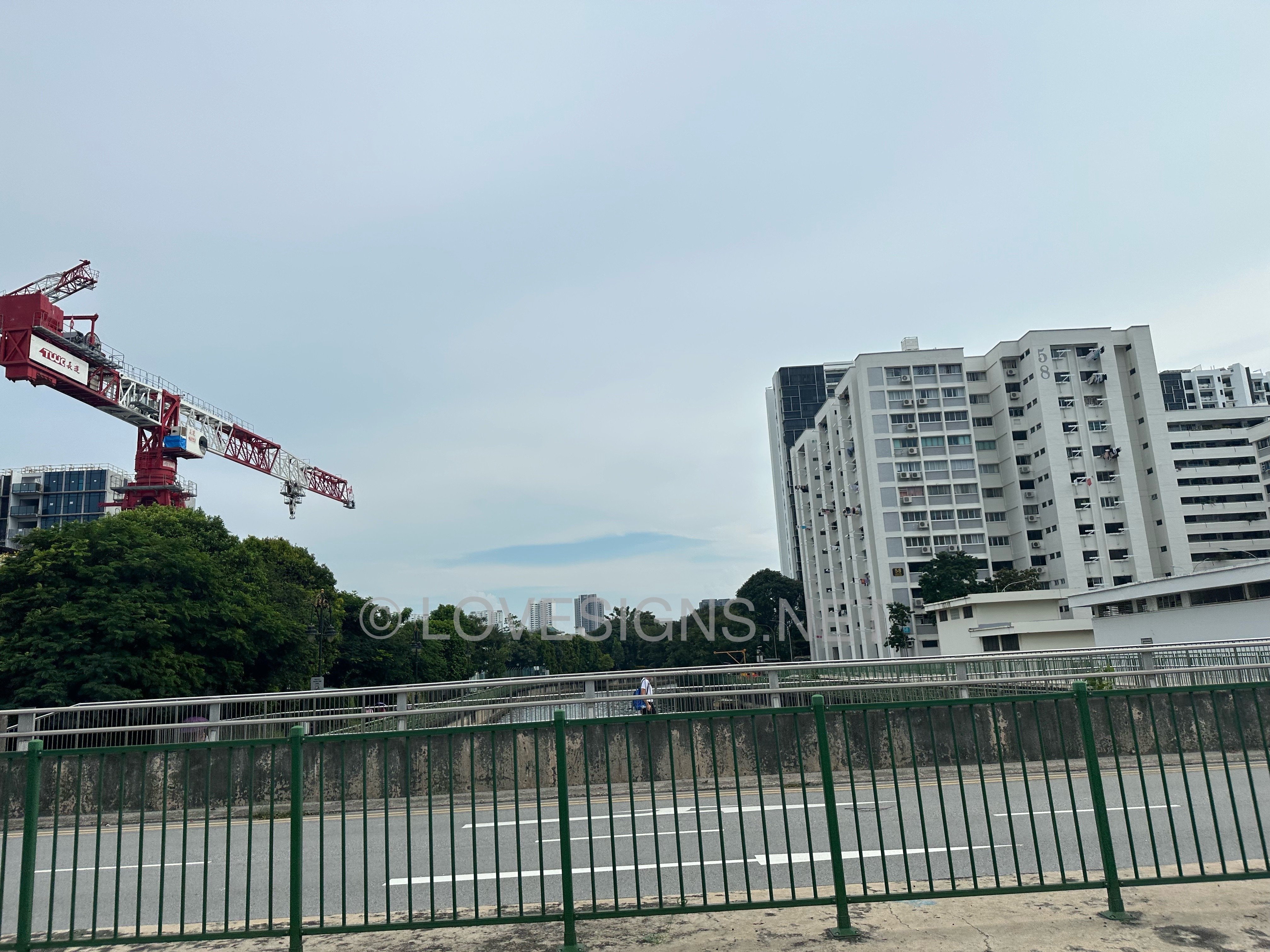
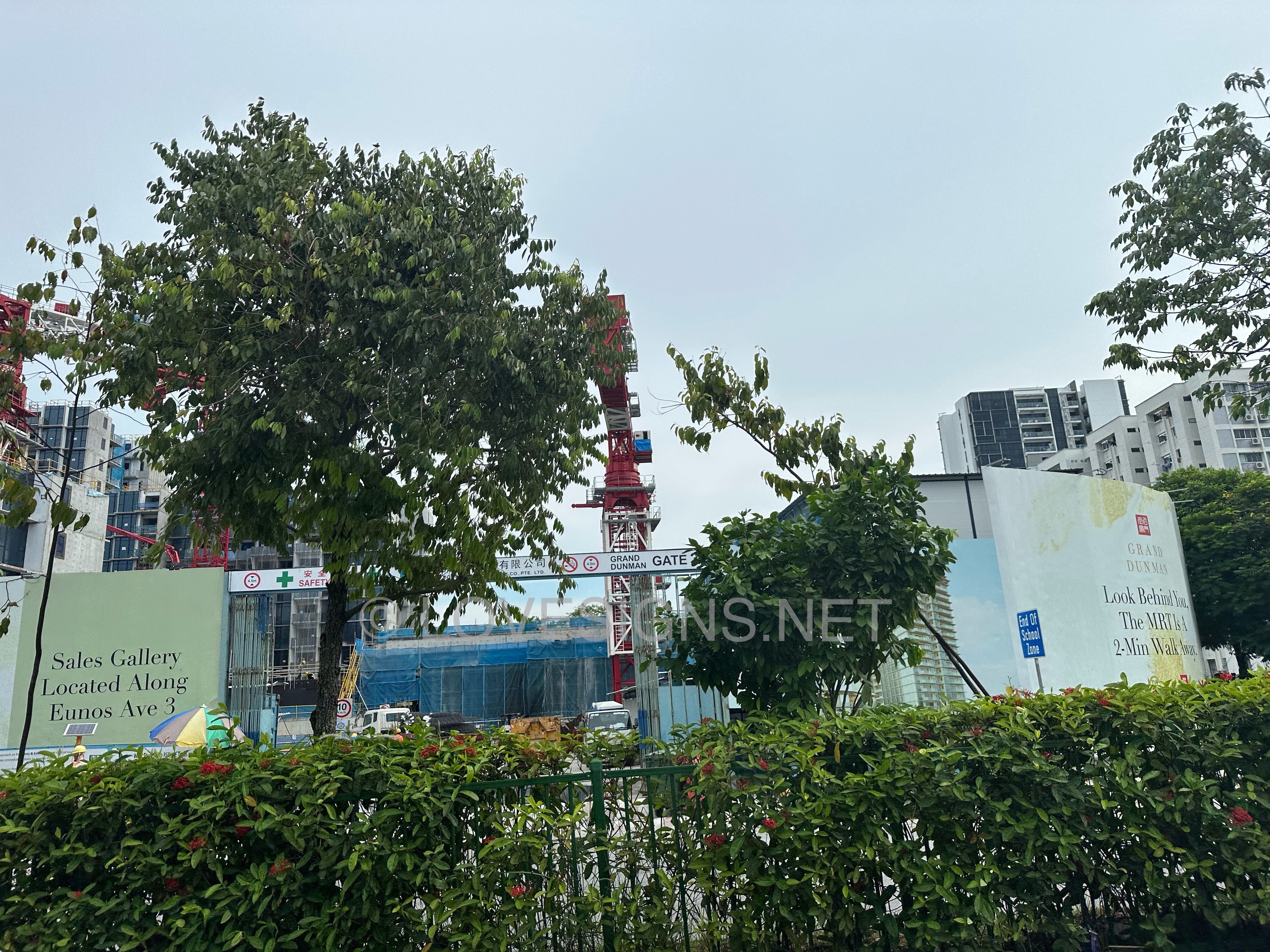
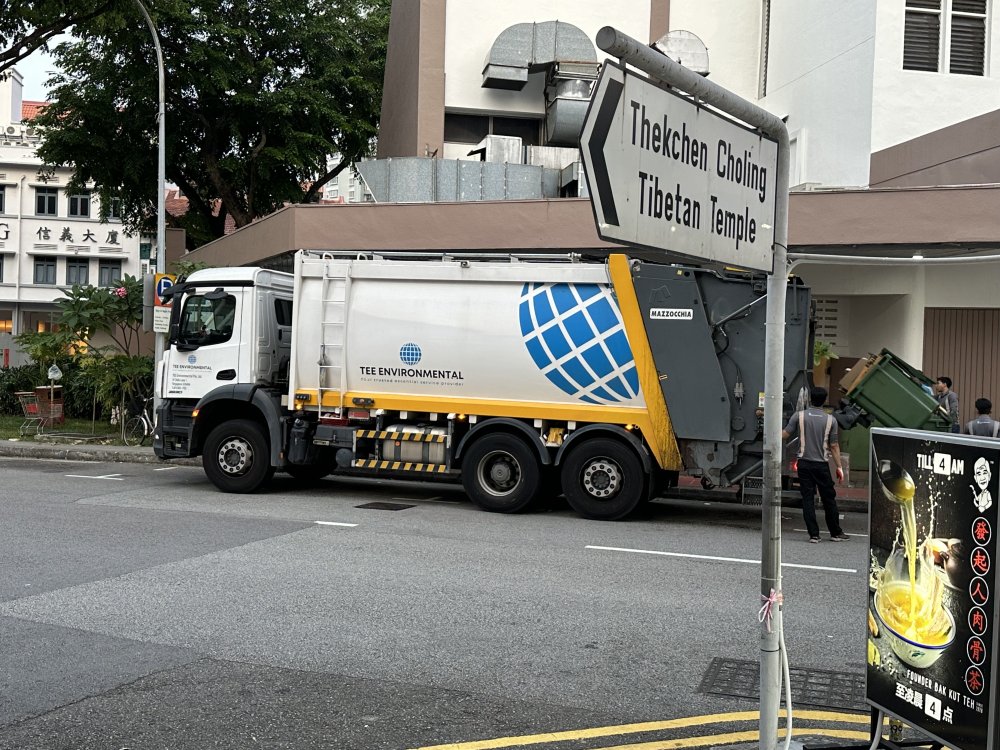
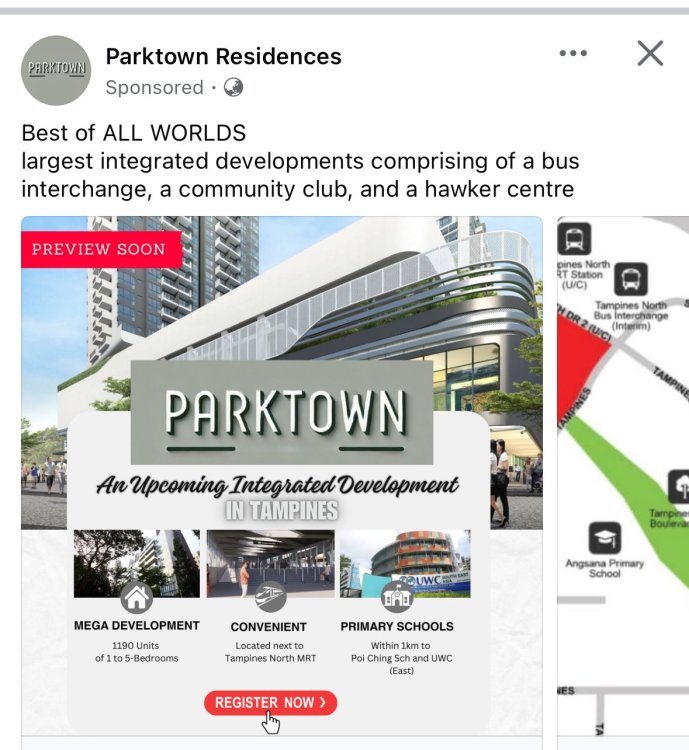
 on 31st October 2024 Tee Group exited the local property development market. But still alive in the environmental…
 Source & Credit: Chistmesito TV 0n 3rd April 1973 Martin Cooper made the first Handphone call on a Motorola DynaTAC 8000X to a competitor, an adversary Joel Engel from Bell Labs of AT & T that Motorola was the first to have such a device! As we all know, the world is never the same again without such a device.
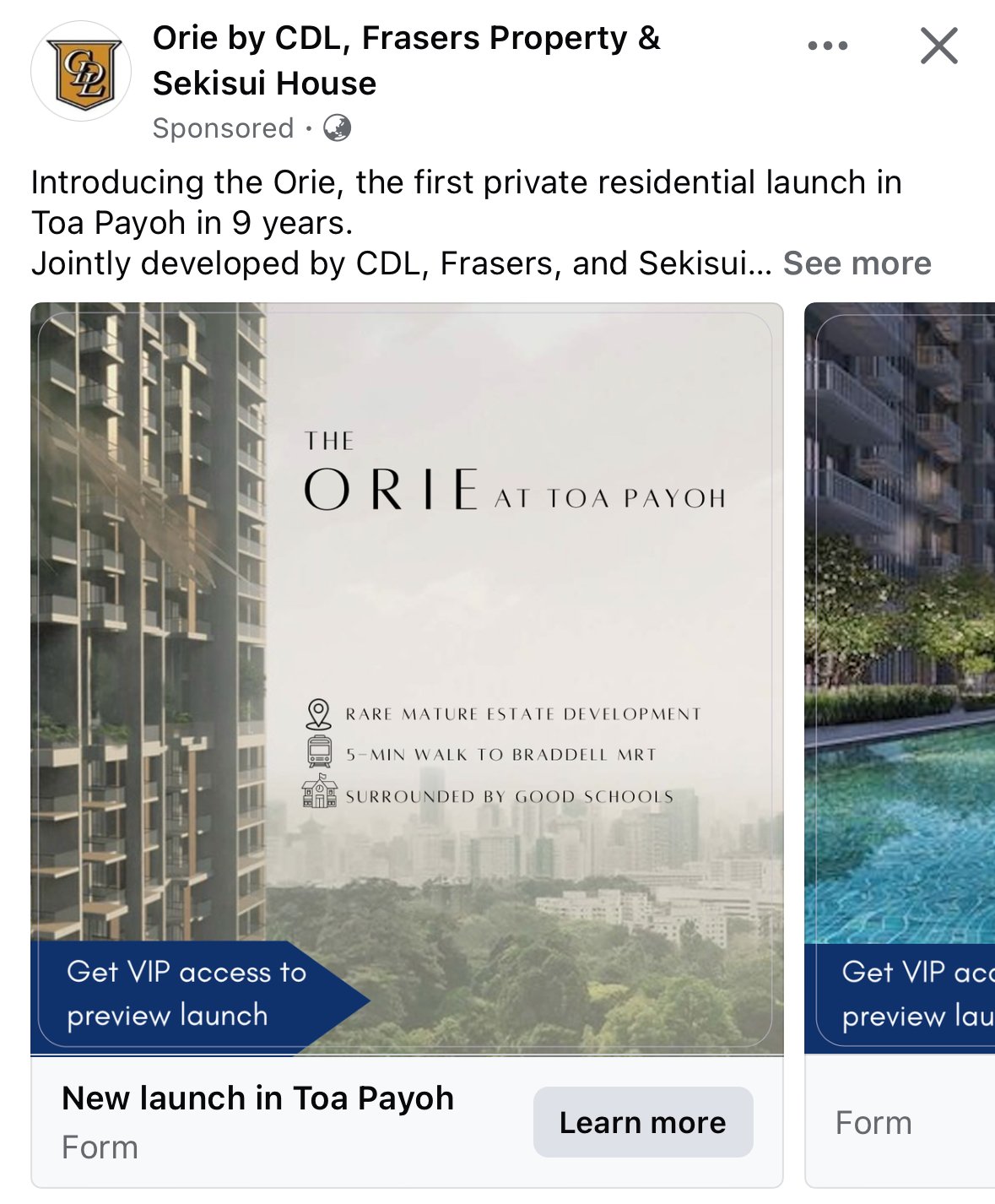
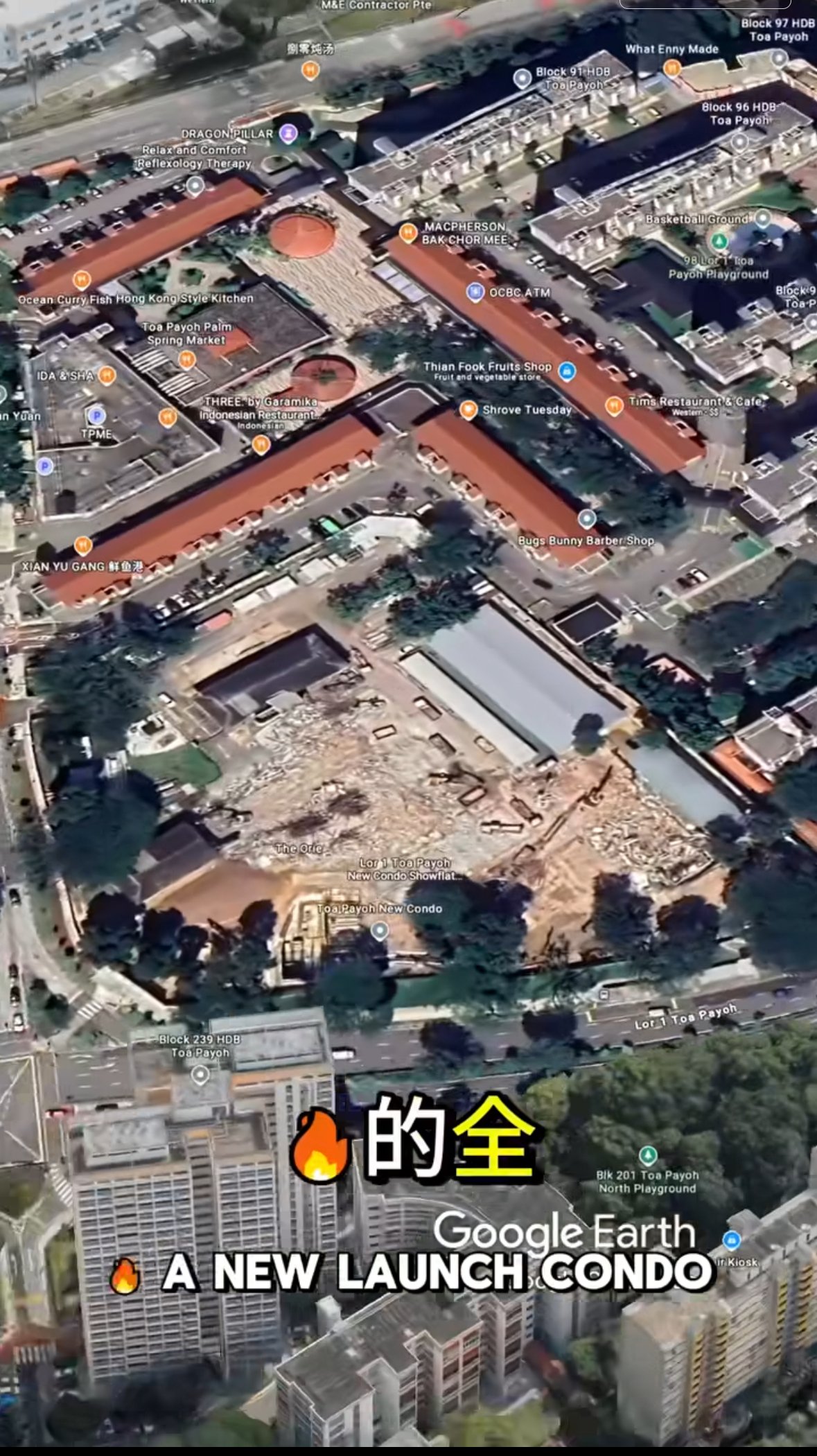
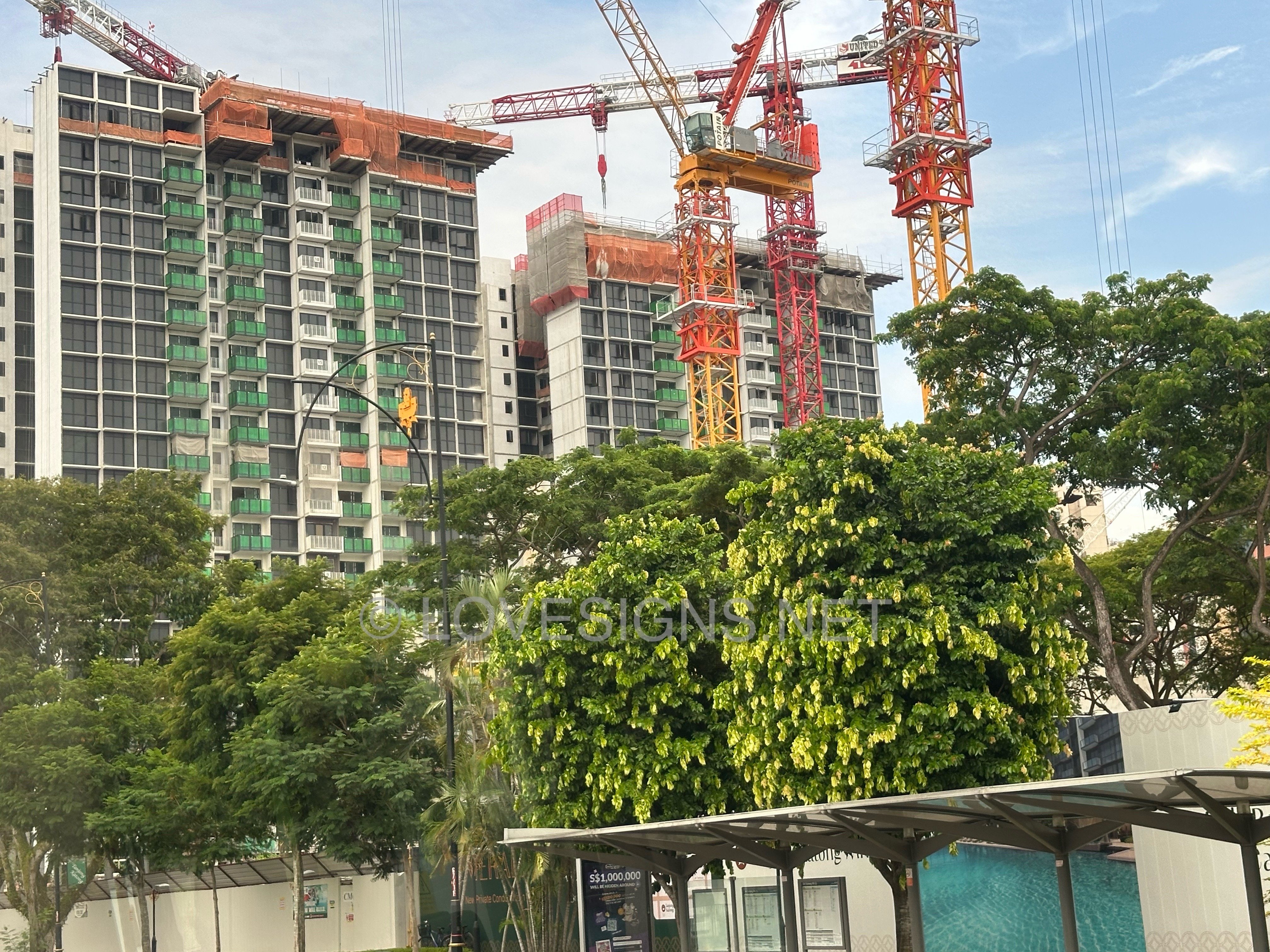
 The Orie Sales Brochure The Orie e-Brochure.pdf +++ AD says... The Orie @ Toa Payoh is launching!! Target Preview Date: 3rd January 2025 Target Booking Day: 18th January 2025 Showflat location is near Caldecott MRT‼ [Basic Project Details] ✅ 777 Units ✅ 2 Towers of 40 Storeys High ✅ 3-4 Mins Walk To Braddell MRT ✅ 1 Bed + Study to 5 Bedrooms Units ✅ Very Beautiful Landscape + Dual Pool Facilities ✅ 100% Landscape Coverage ✅ Developed by Renowned Developers CDL & Fraser’s
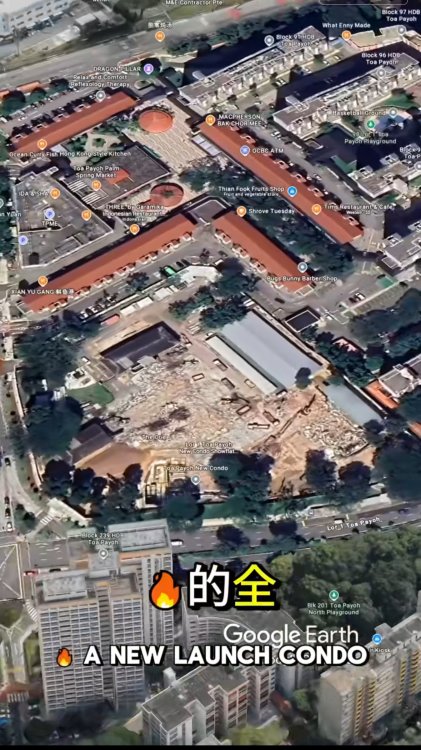 Estimated launch is 1st Quarter 2025
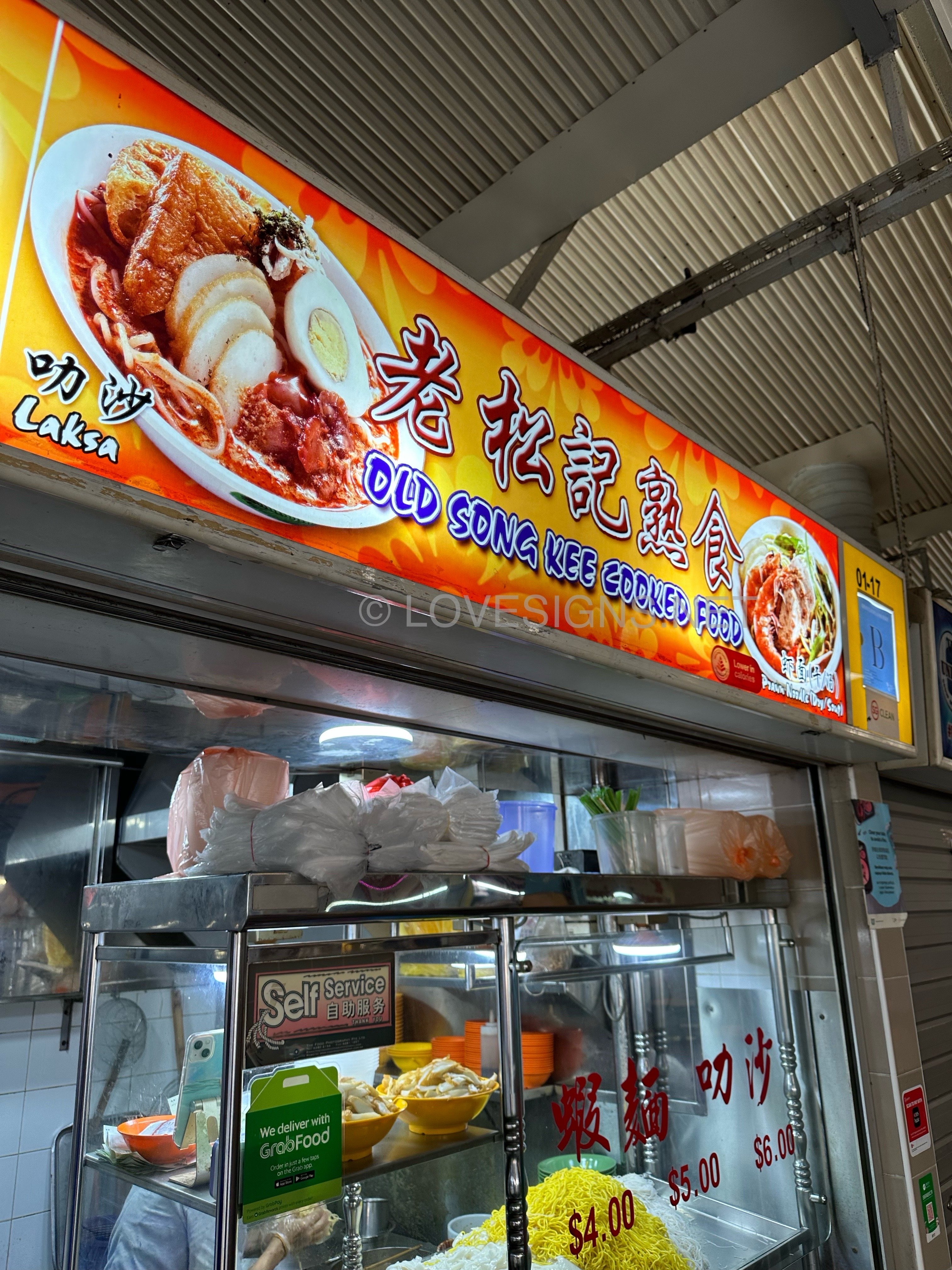
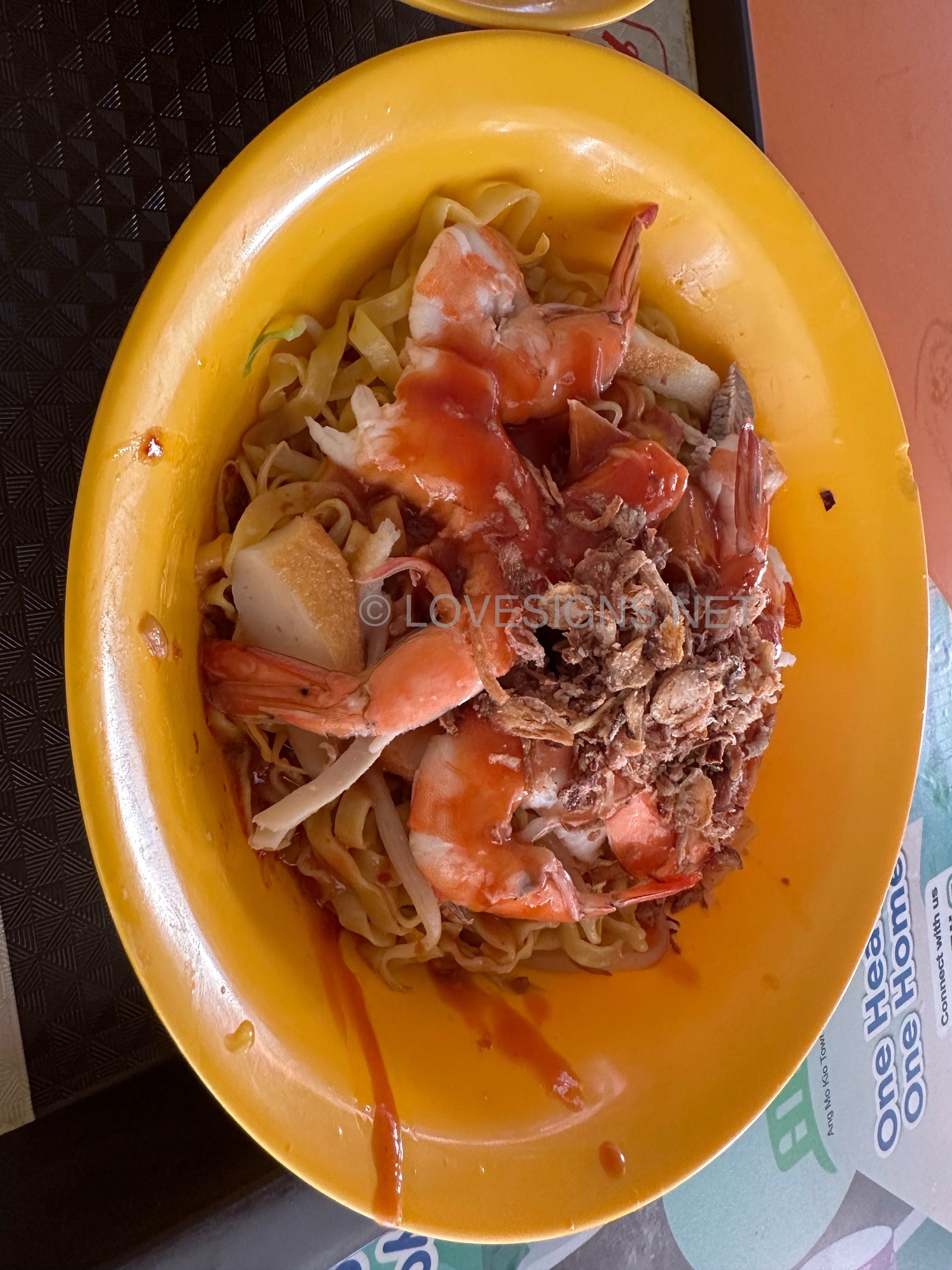
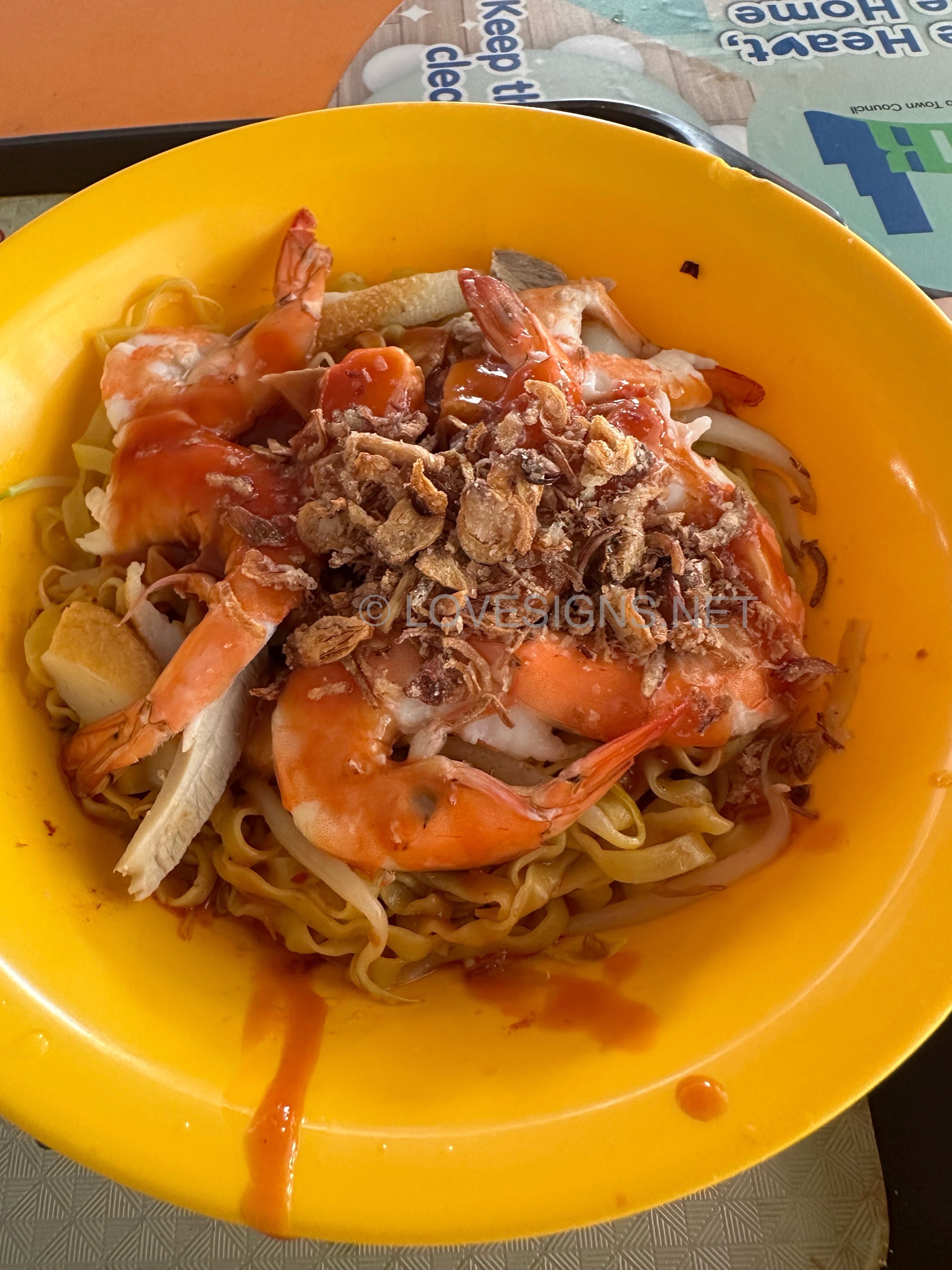
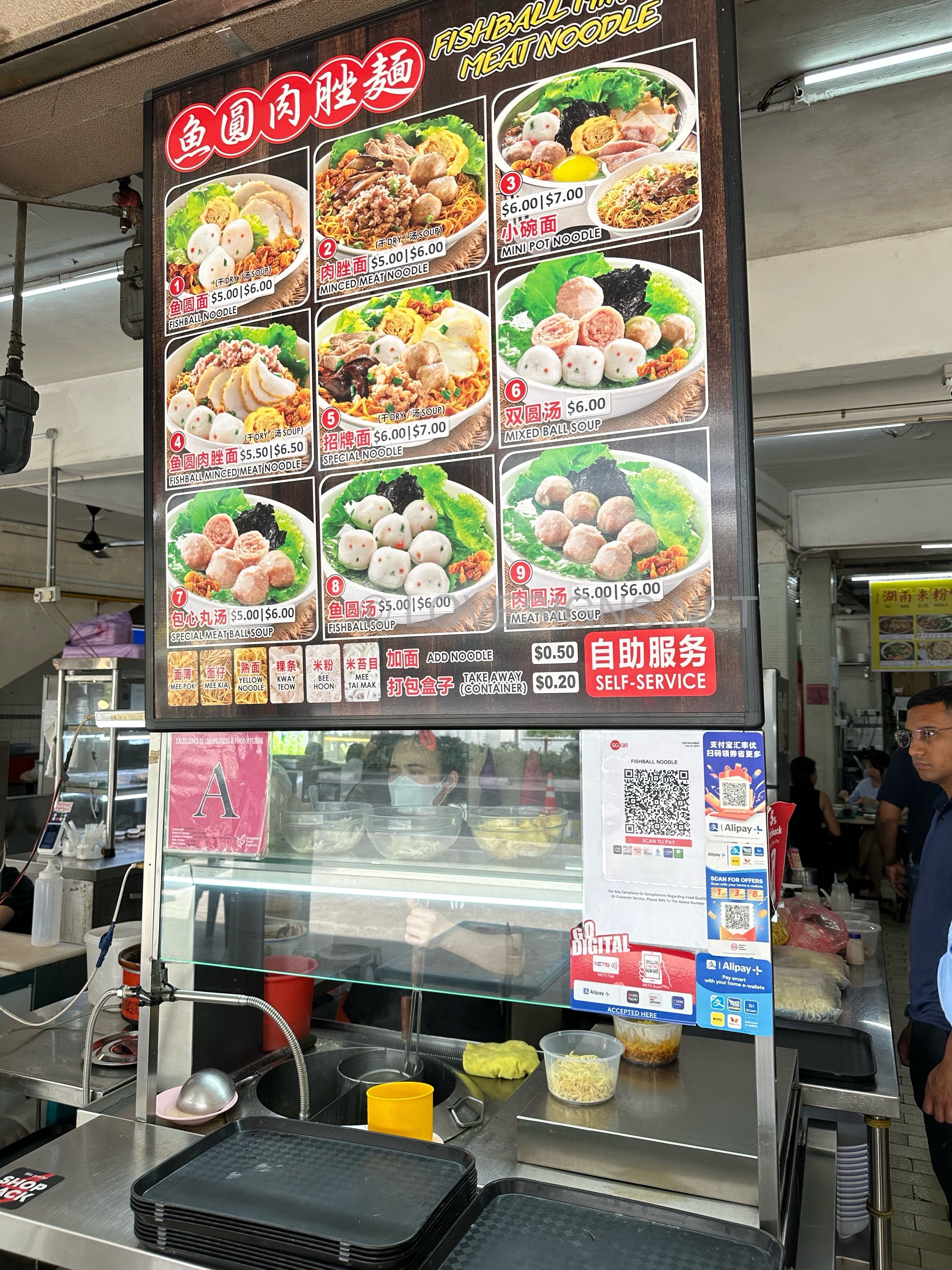
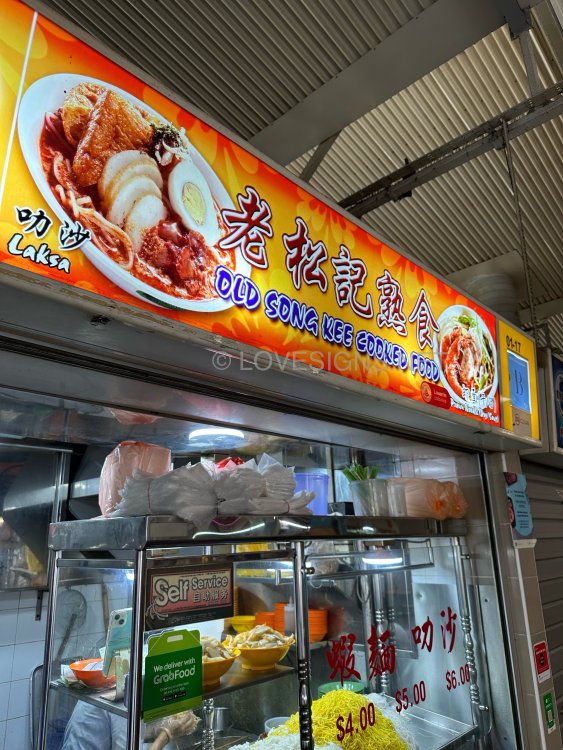
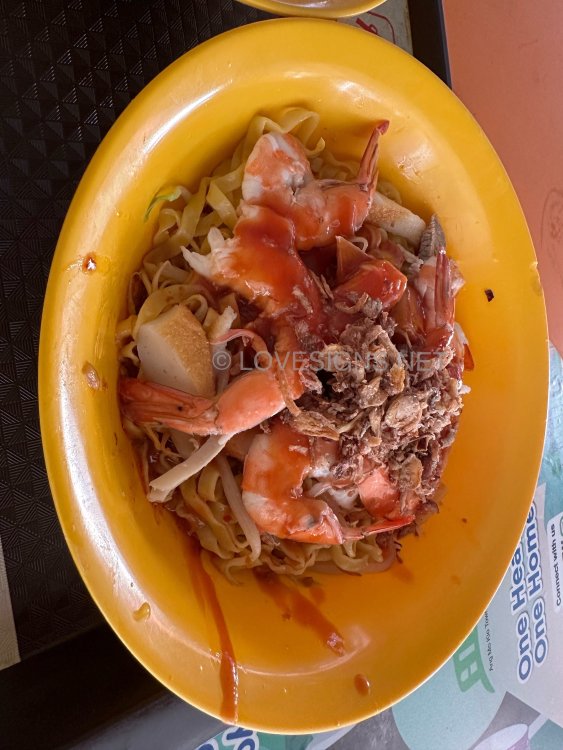
 Big $6/-. Above average in taste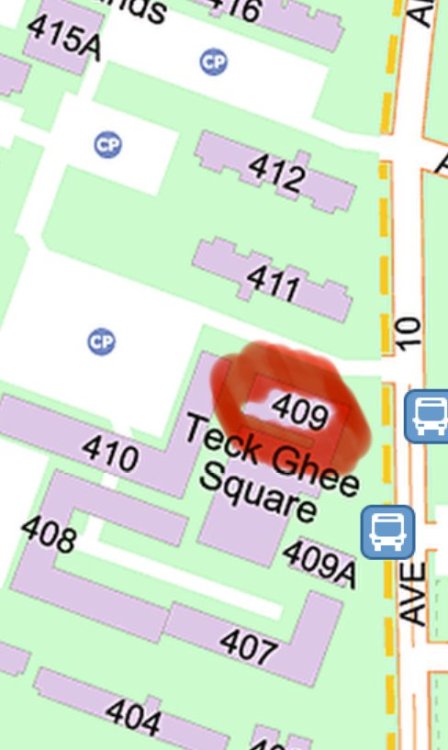
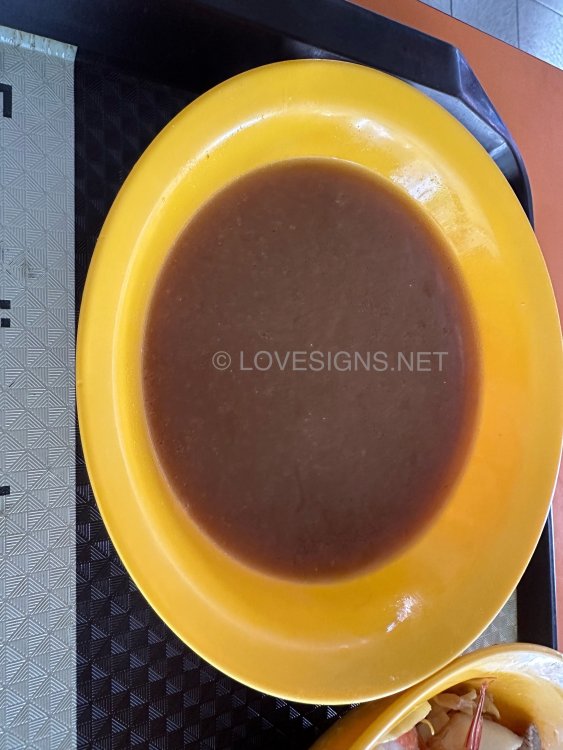
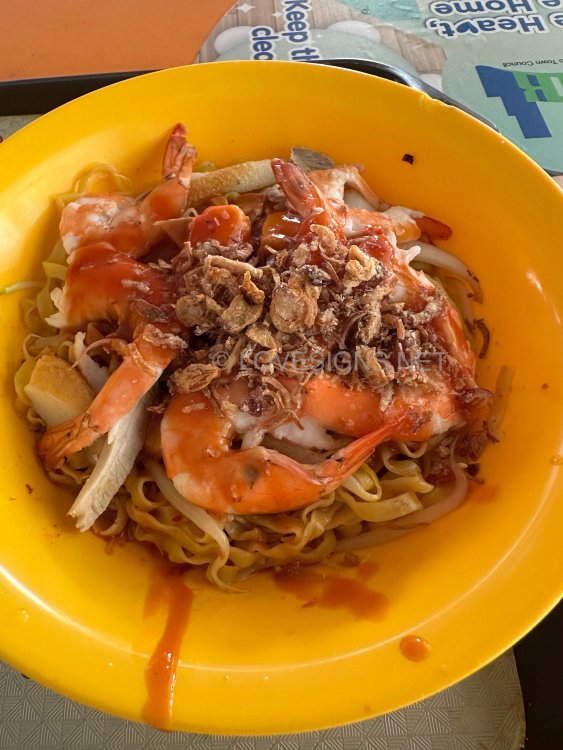
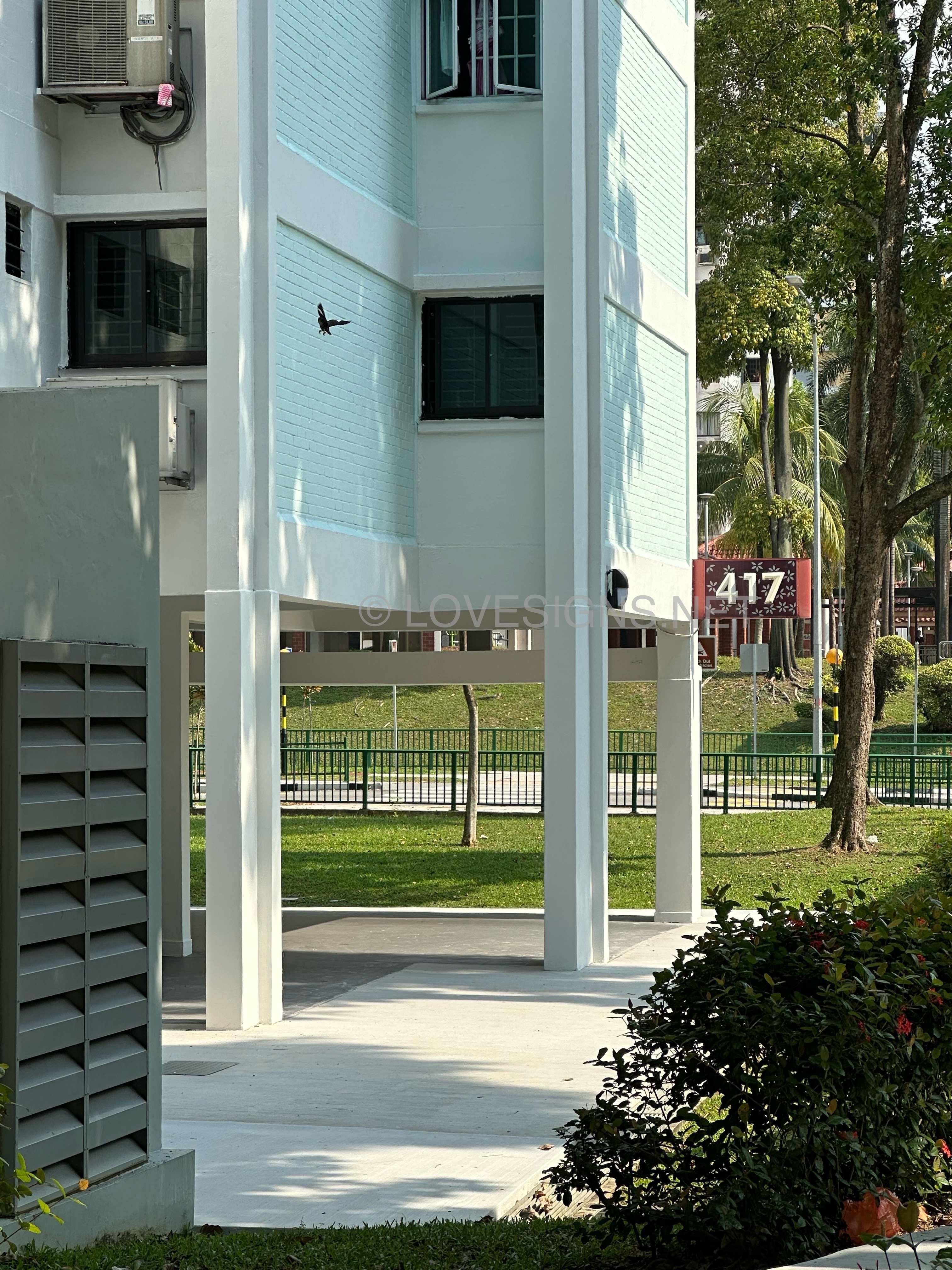
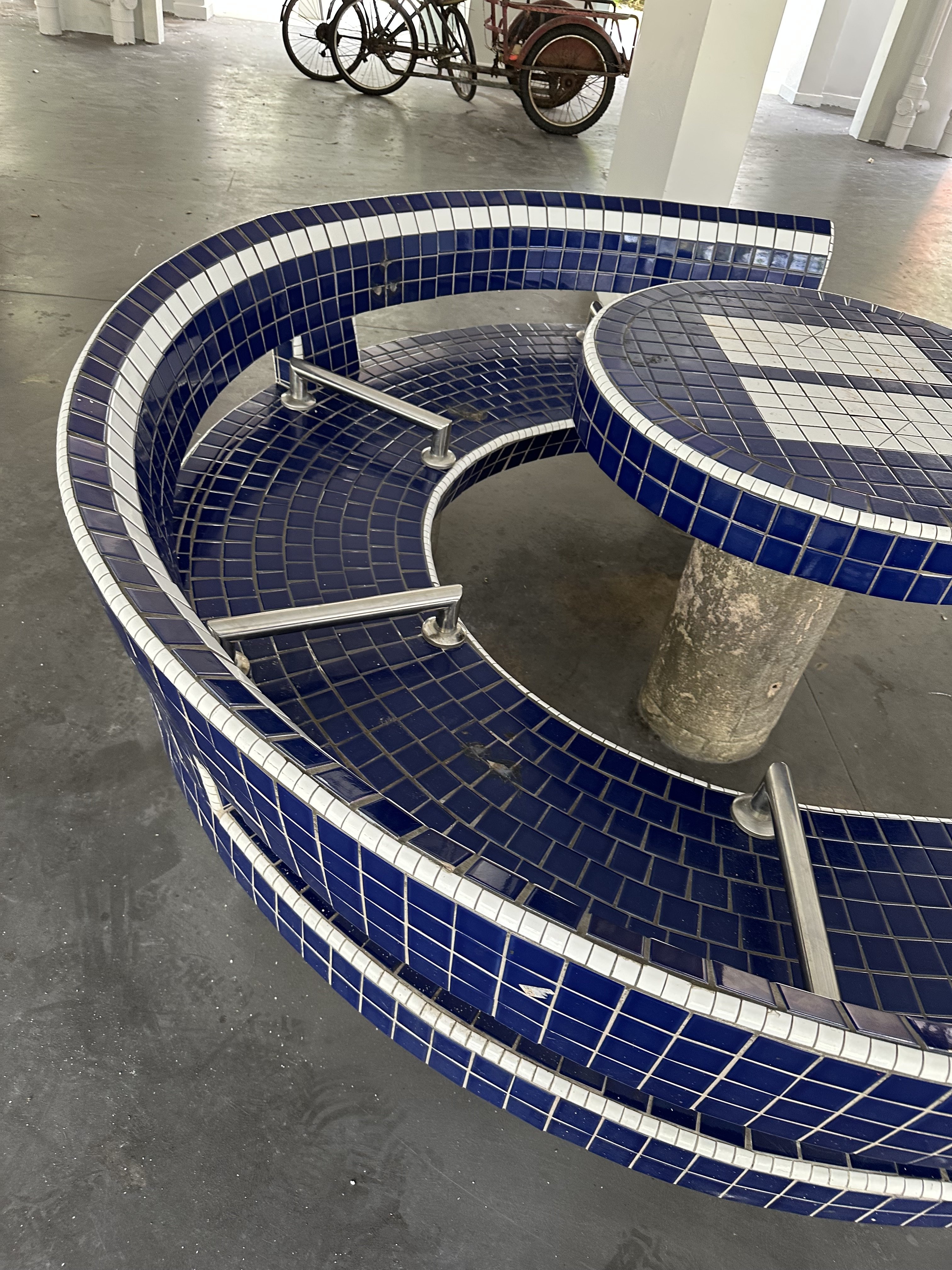
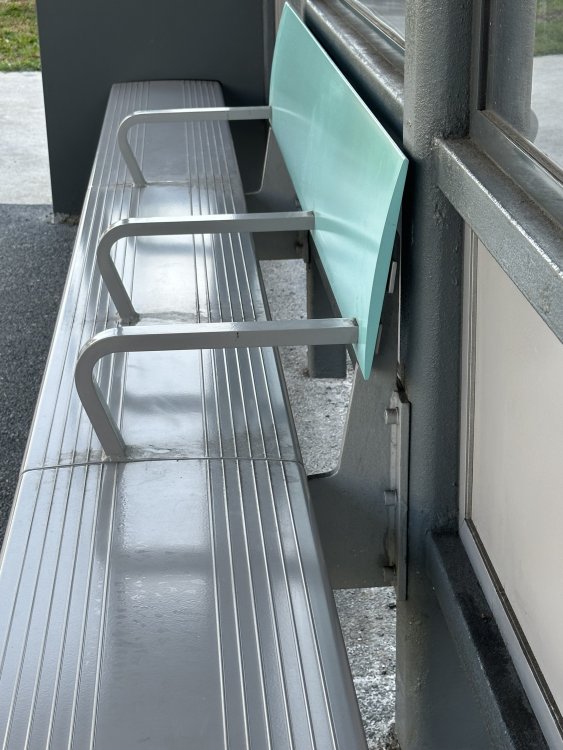
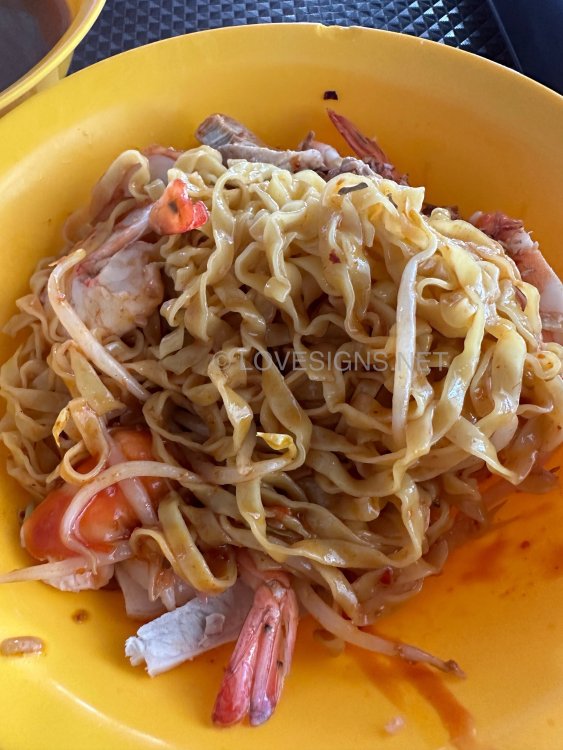 Blk 417 Ang Mo Kio Someone can comfortably lie down to sleep. Thus they added spaced out chrome handles to deter this, here.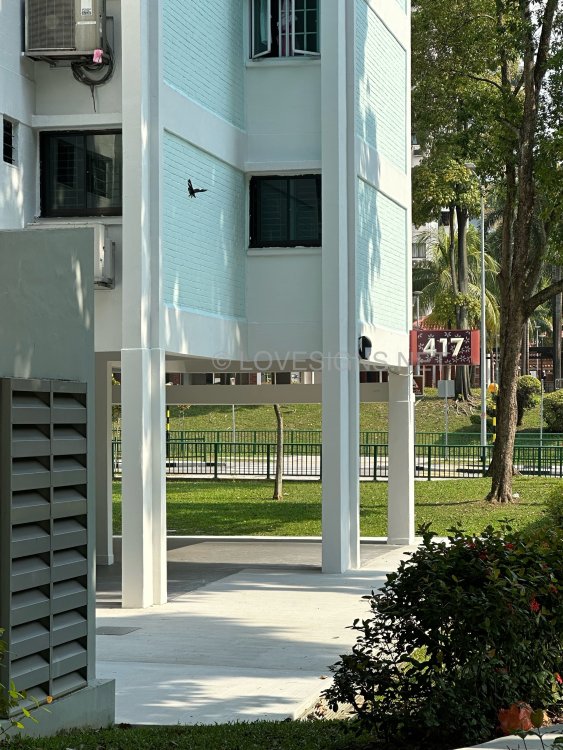
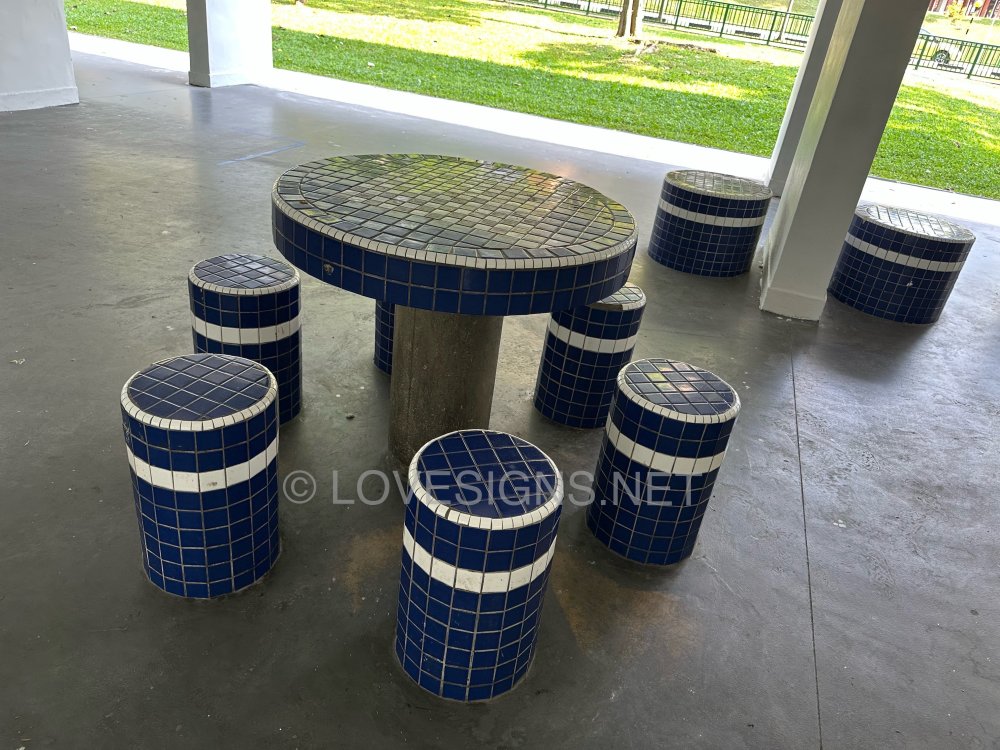
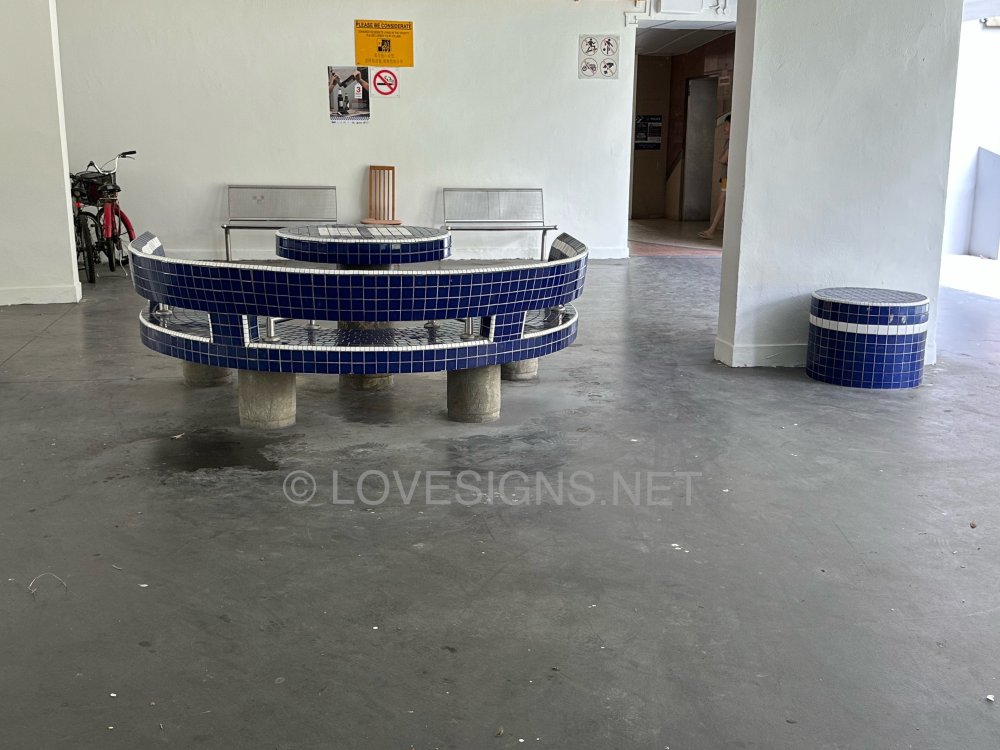
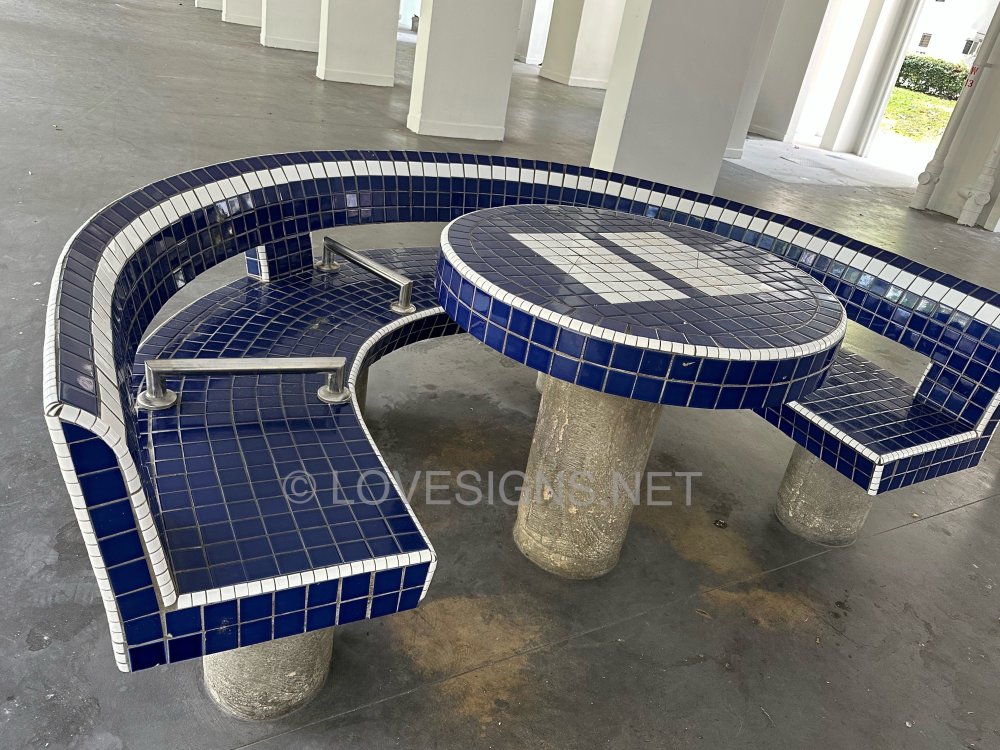
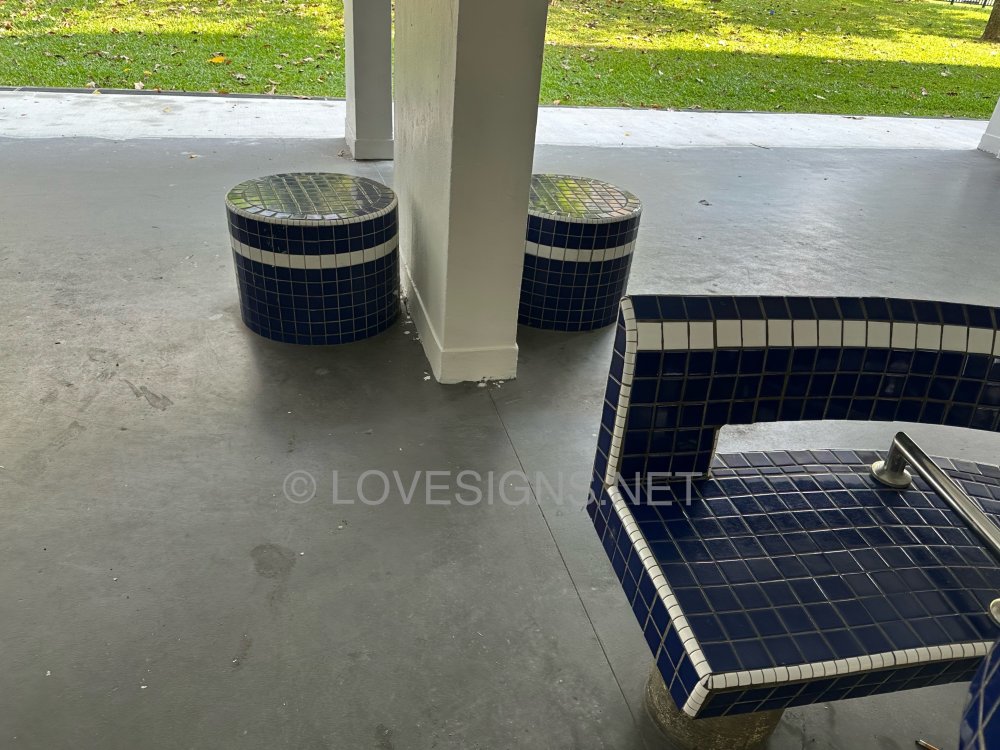
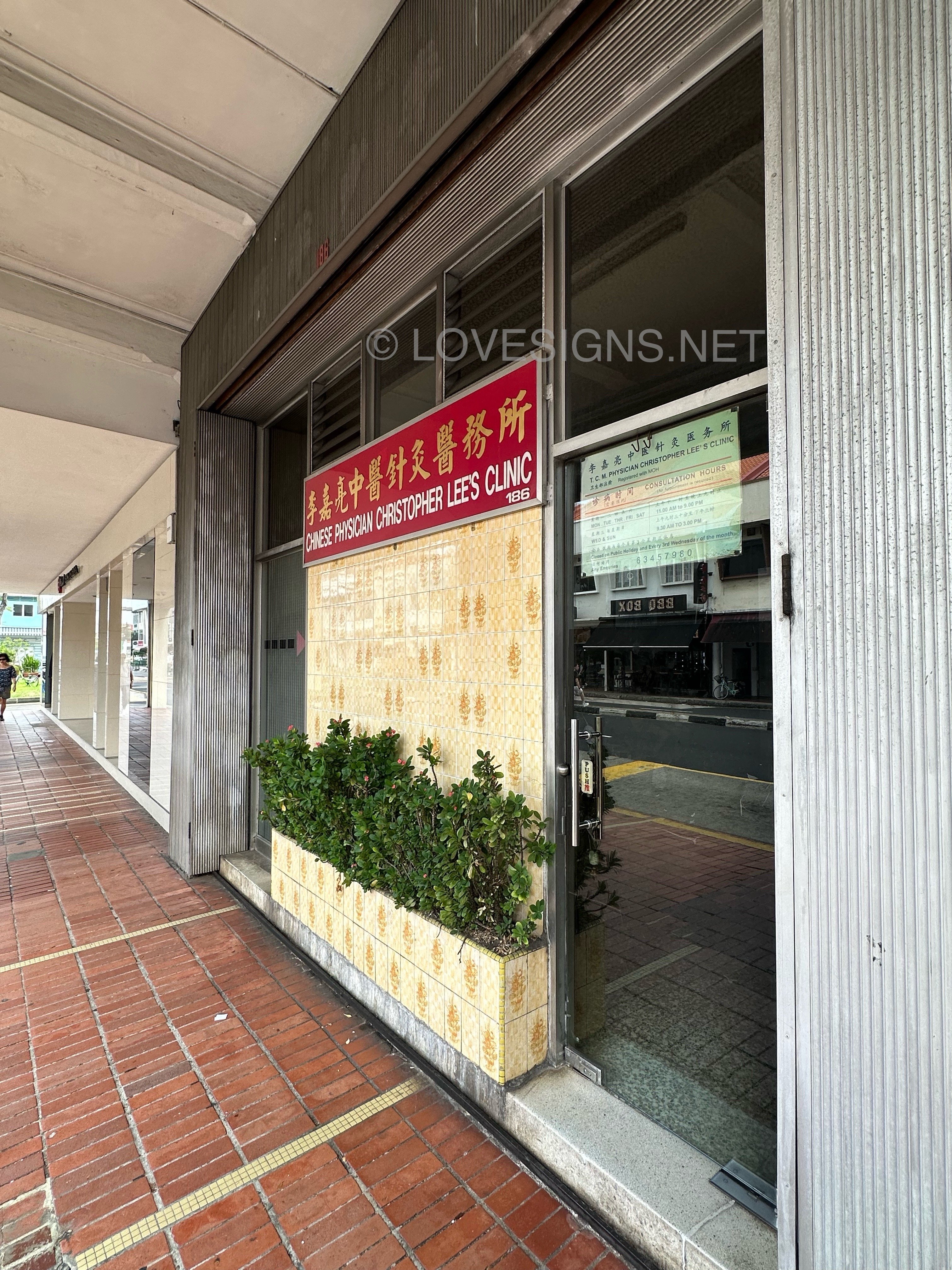
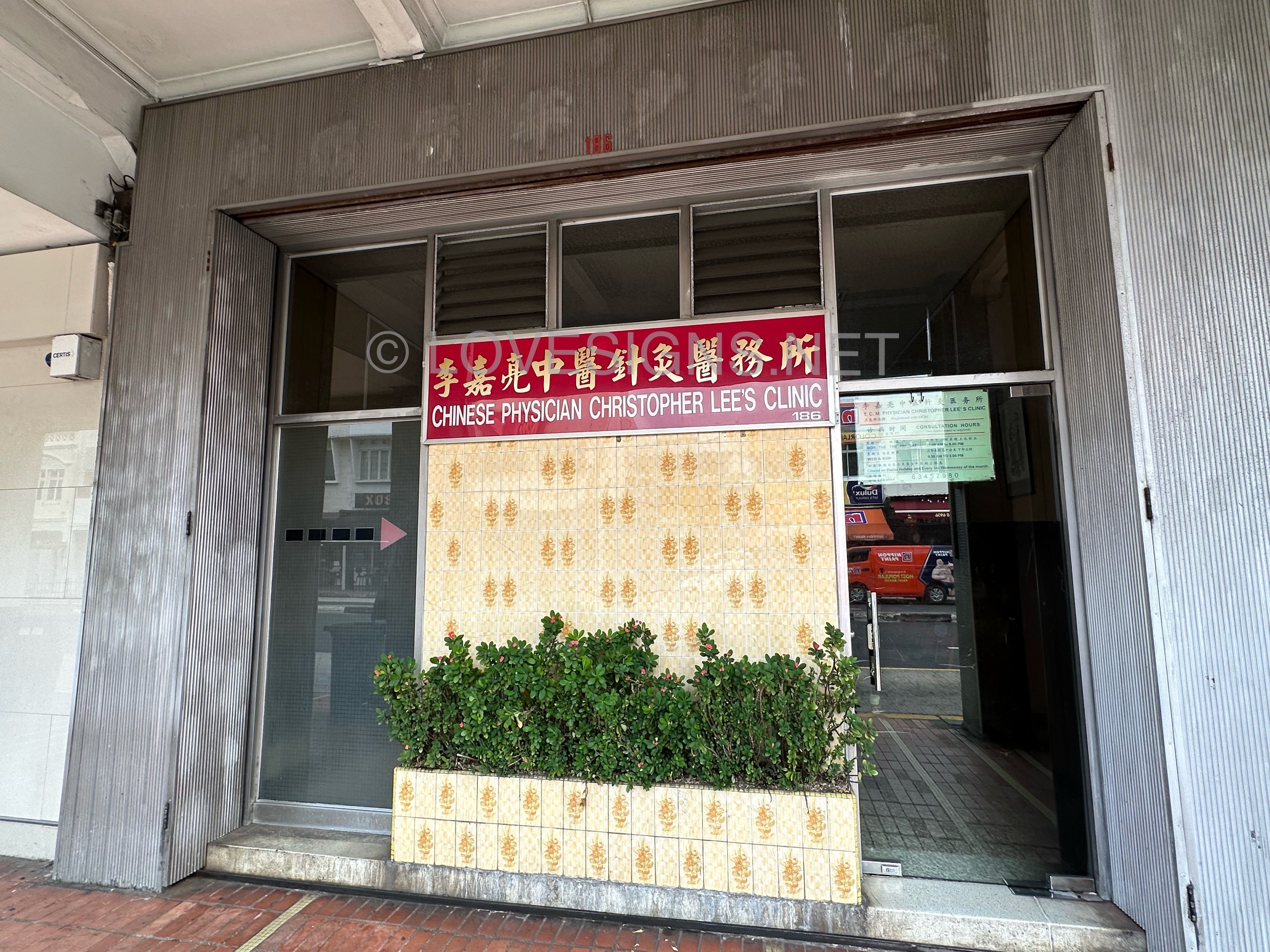
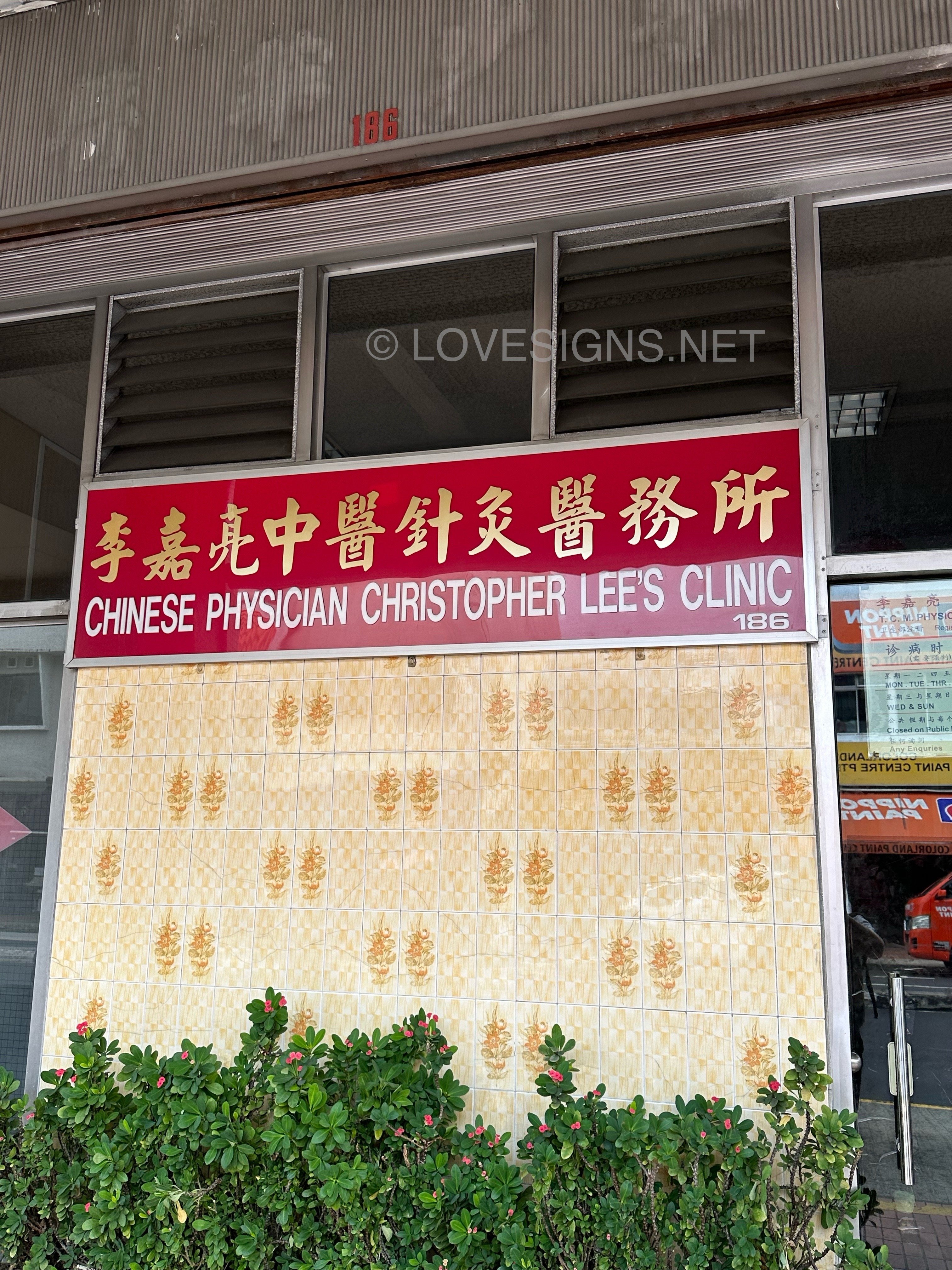
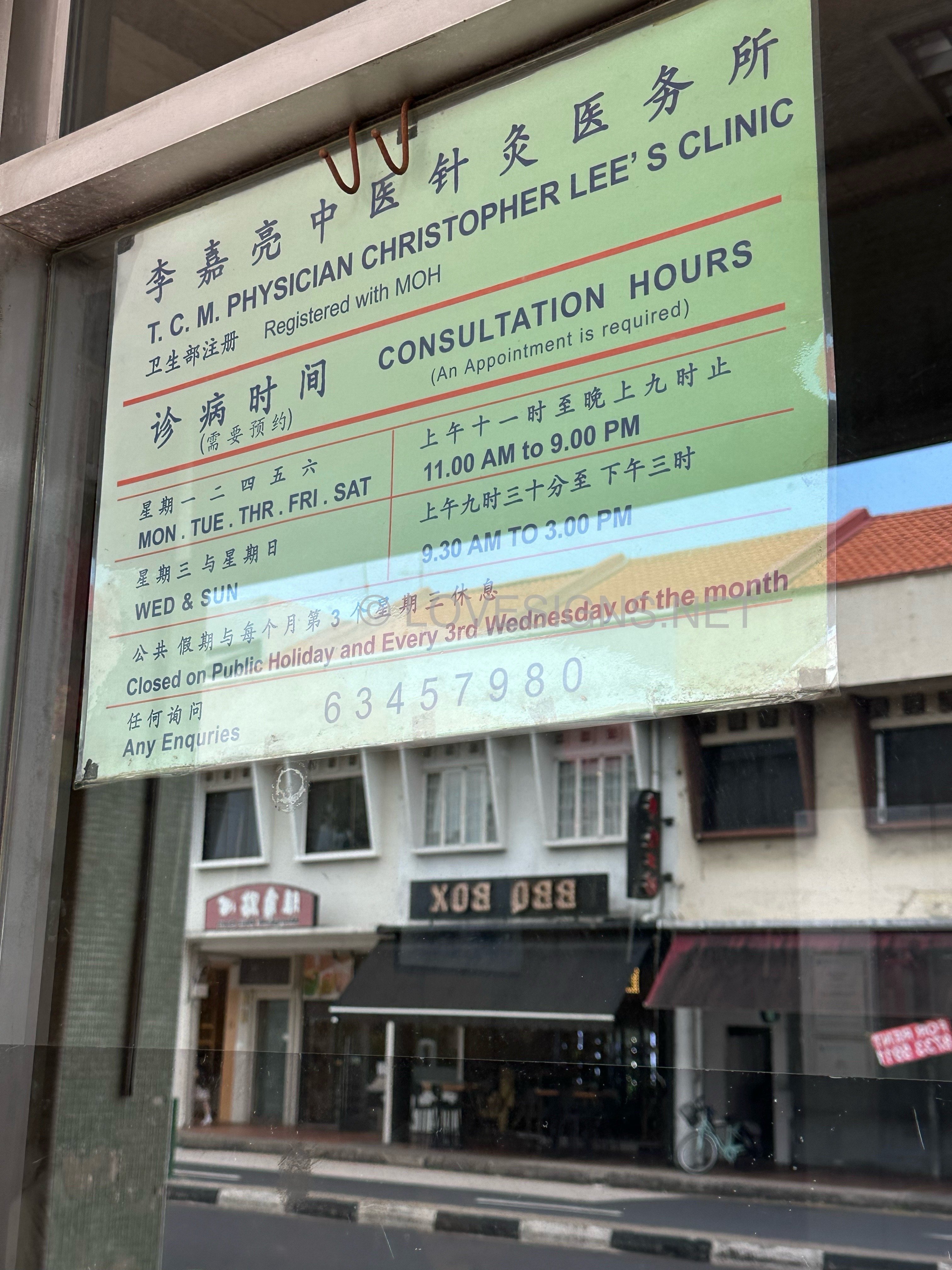
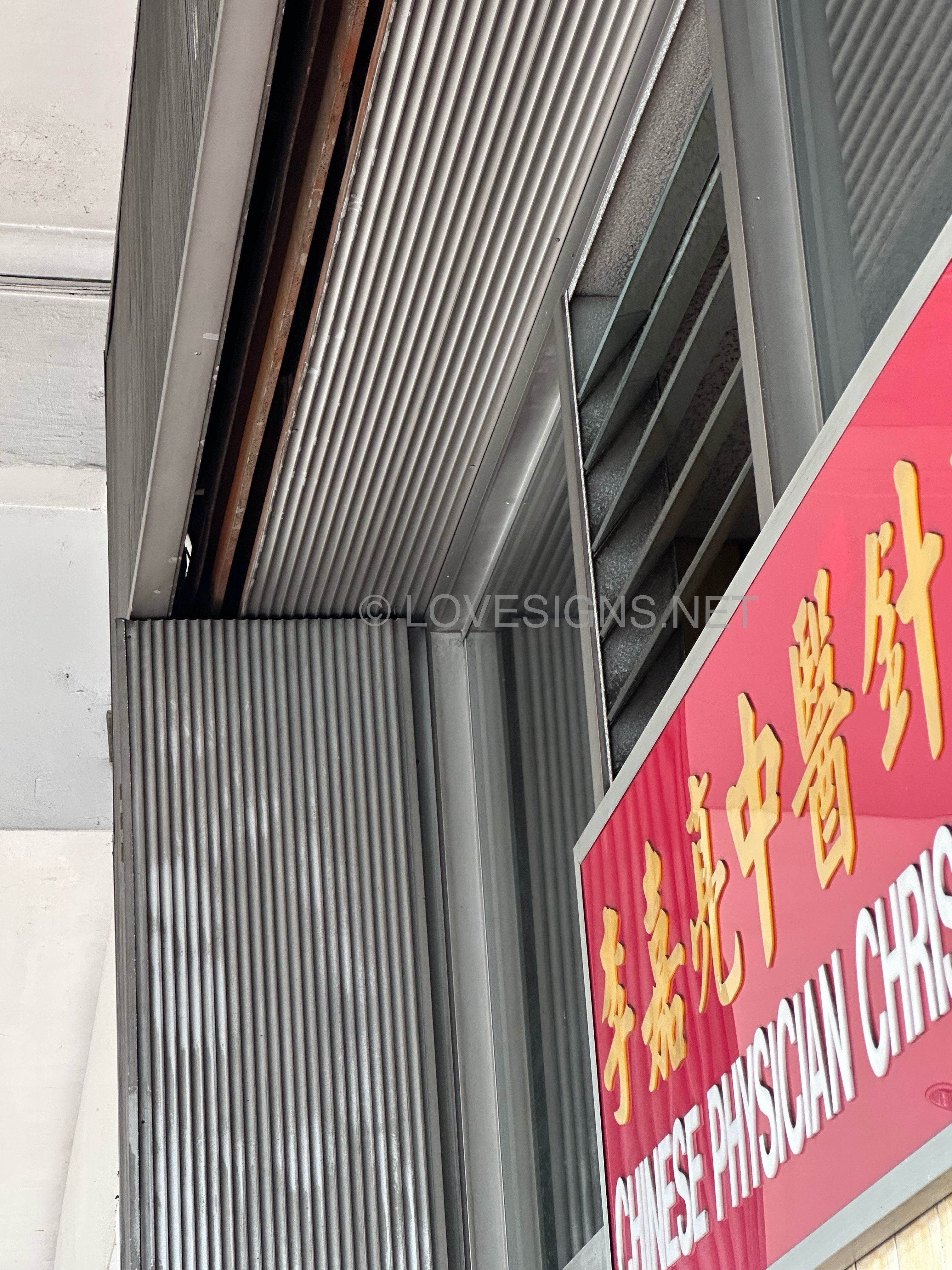
 1970’s TCM in Katong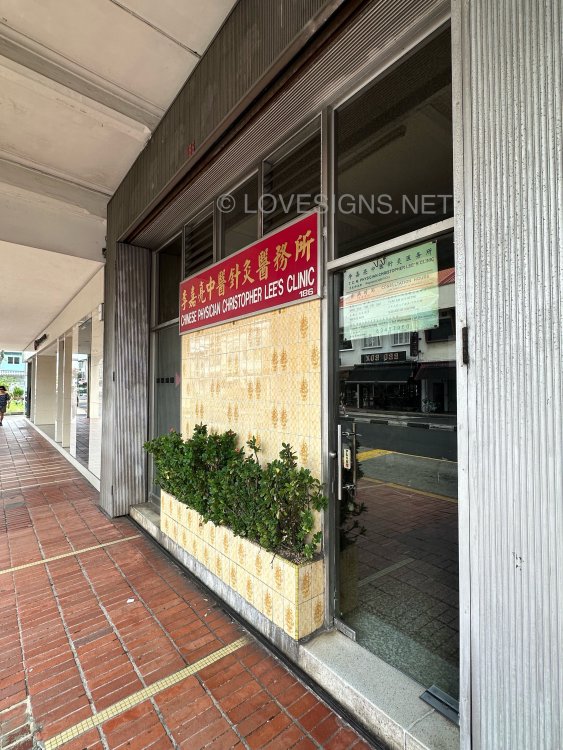
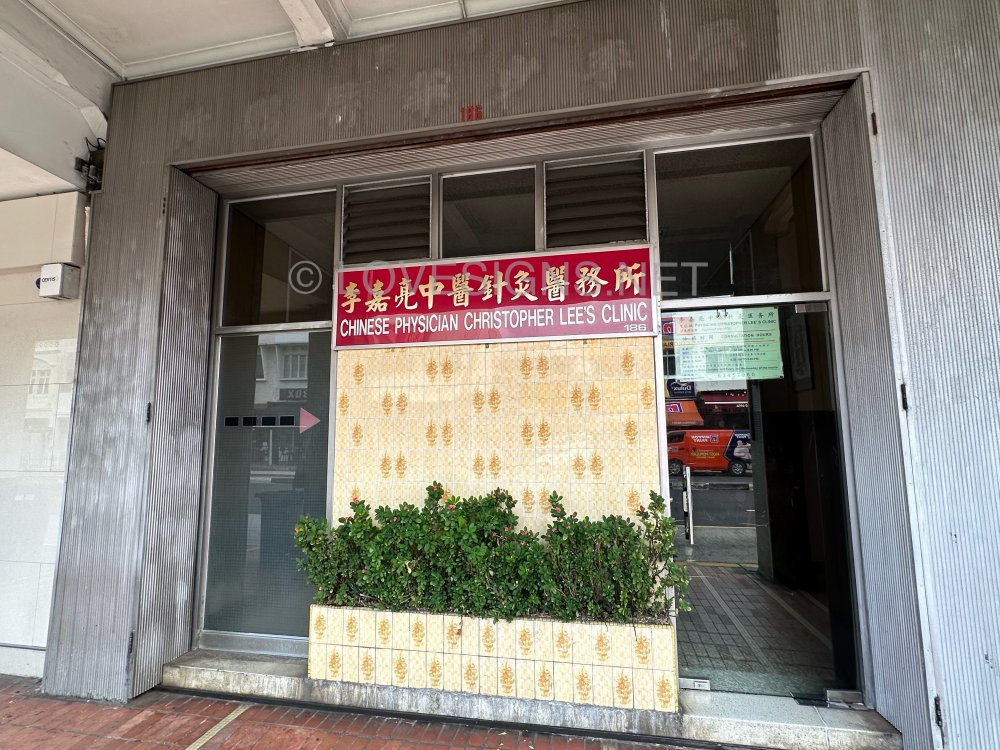
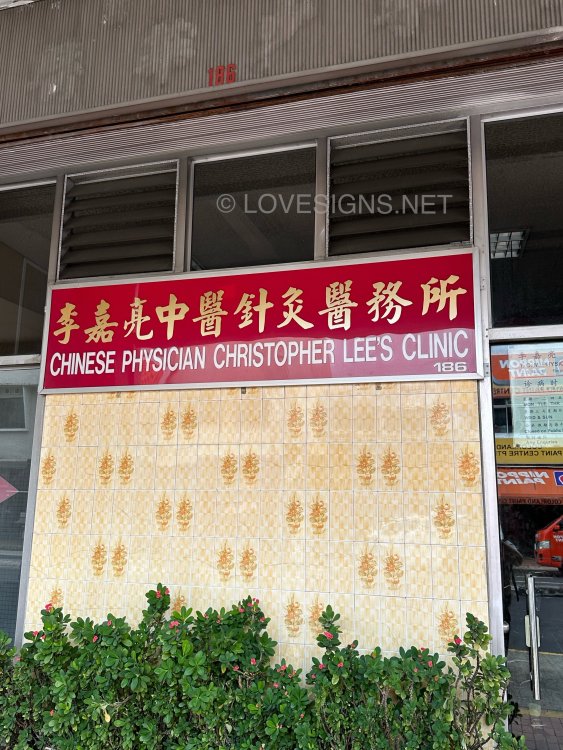
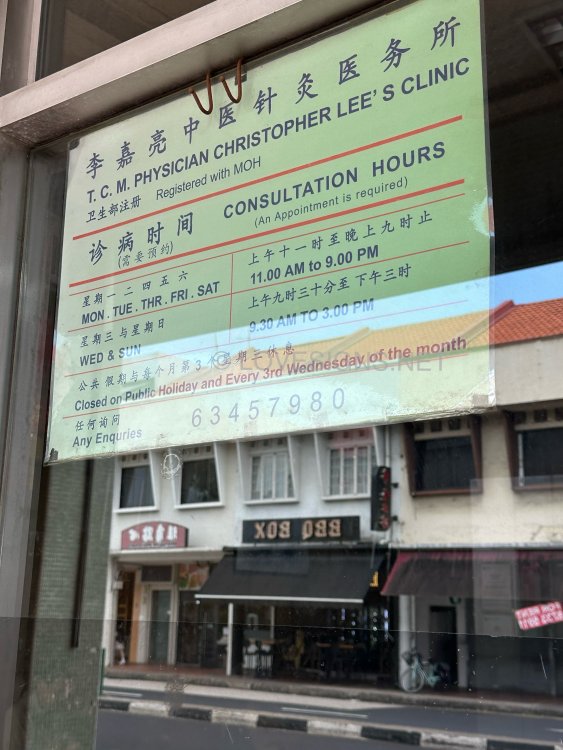
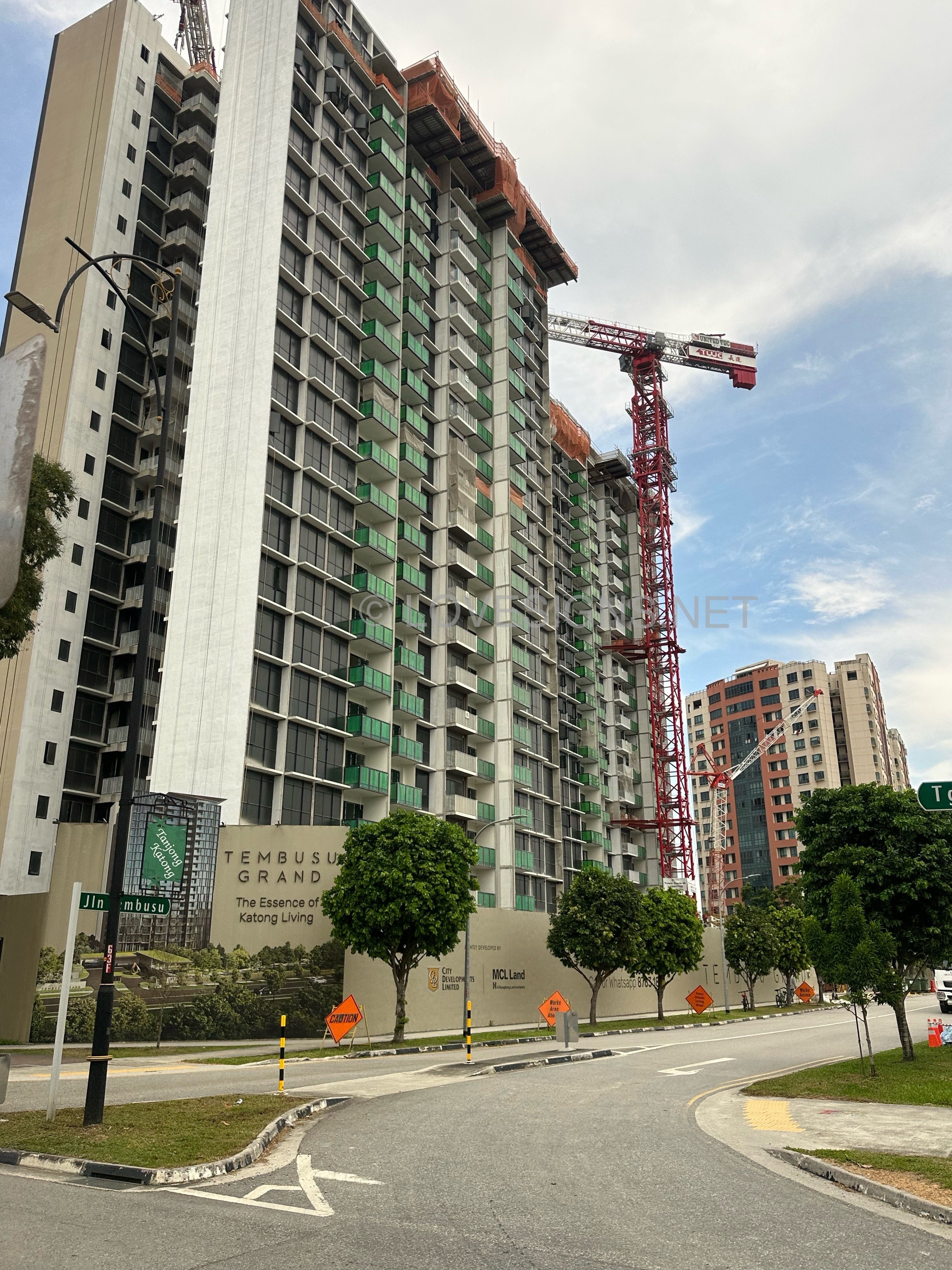
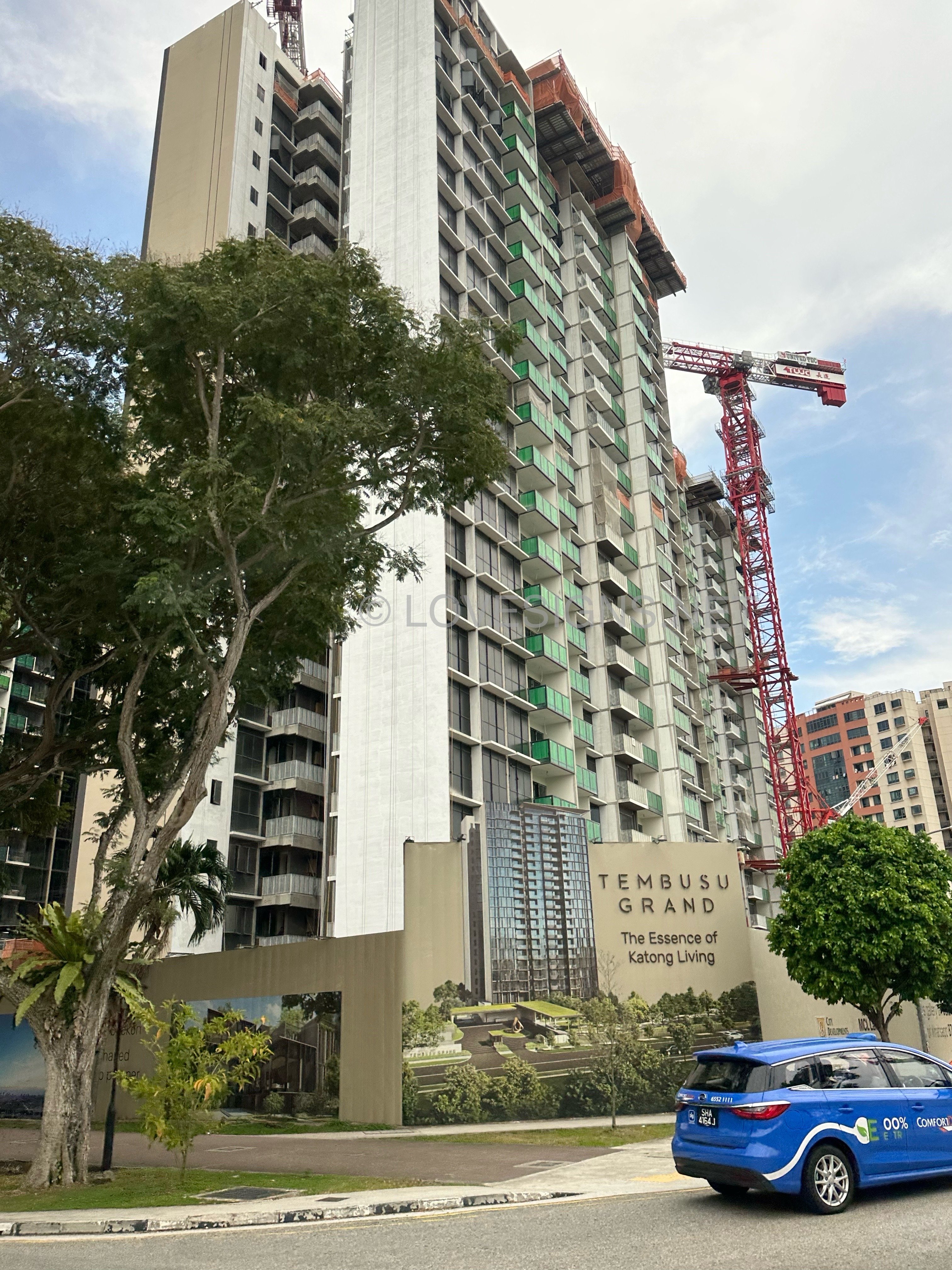
 On 28th October 2024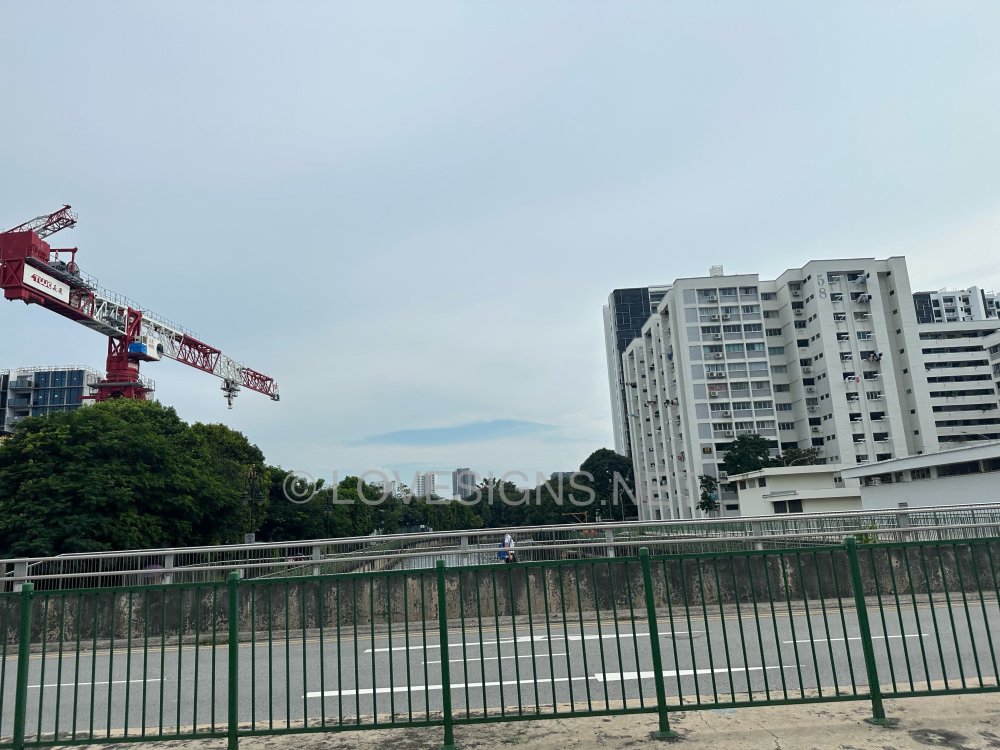
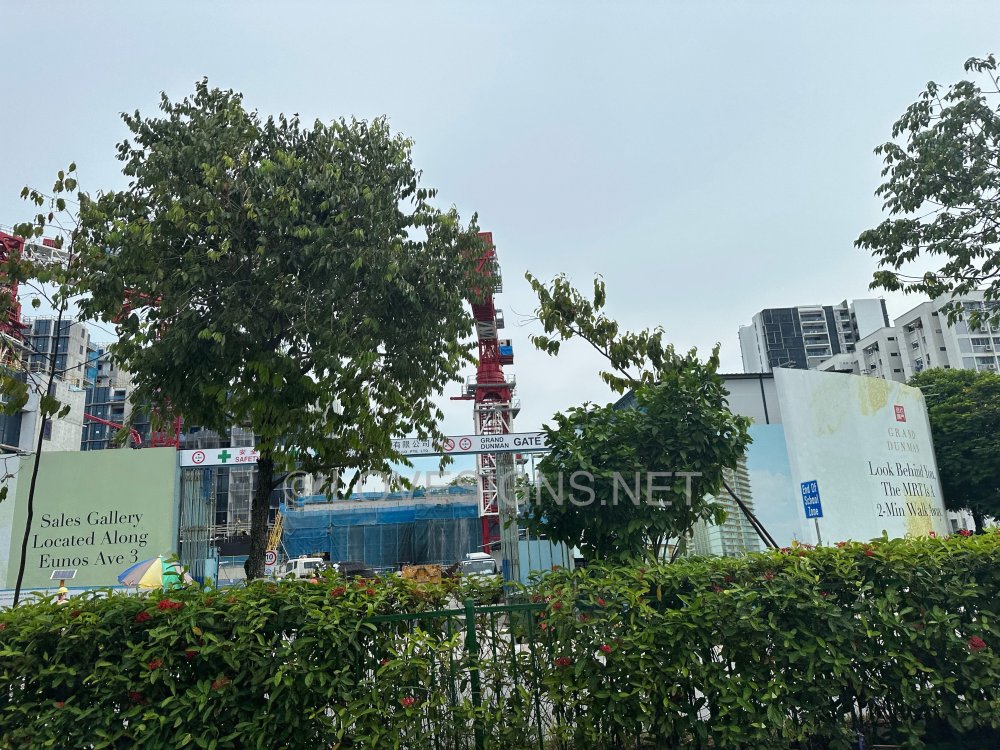
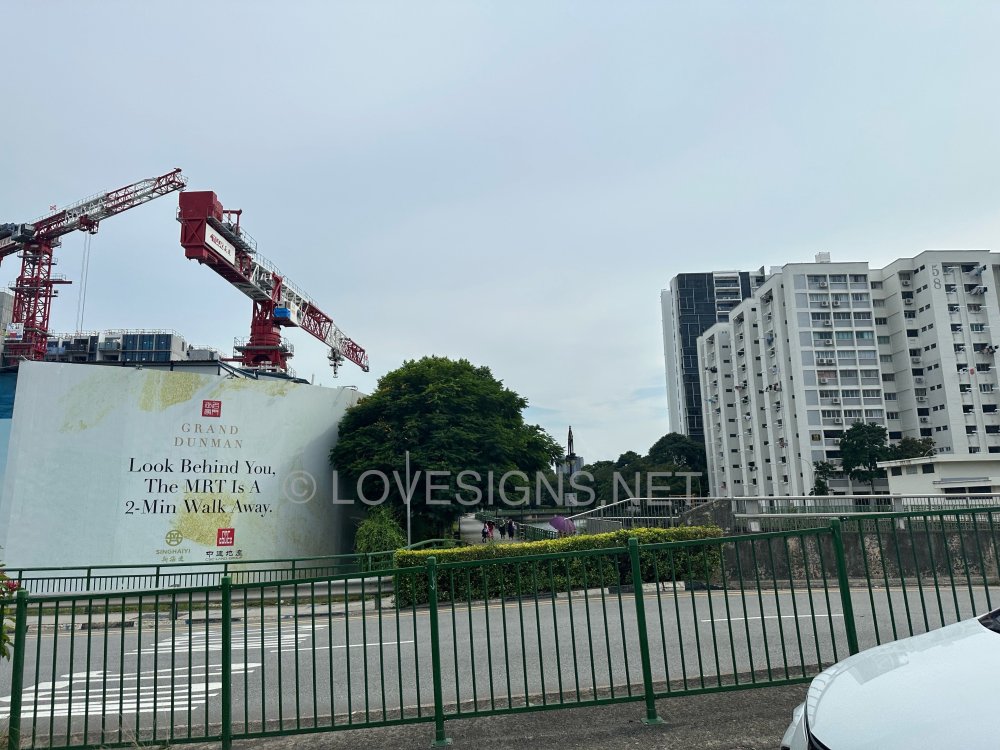
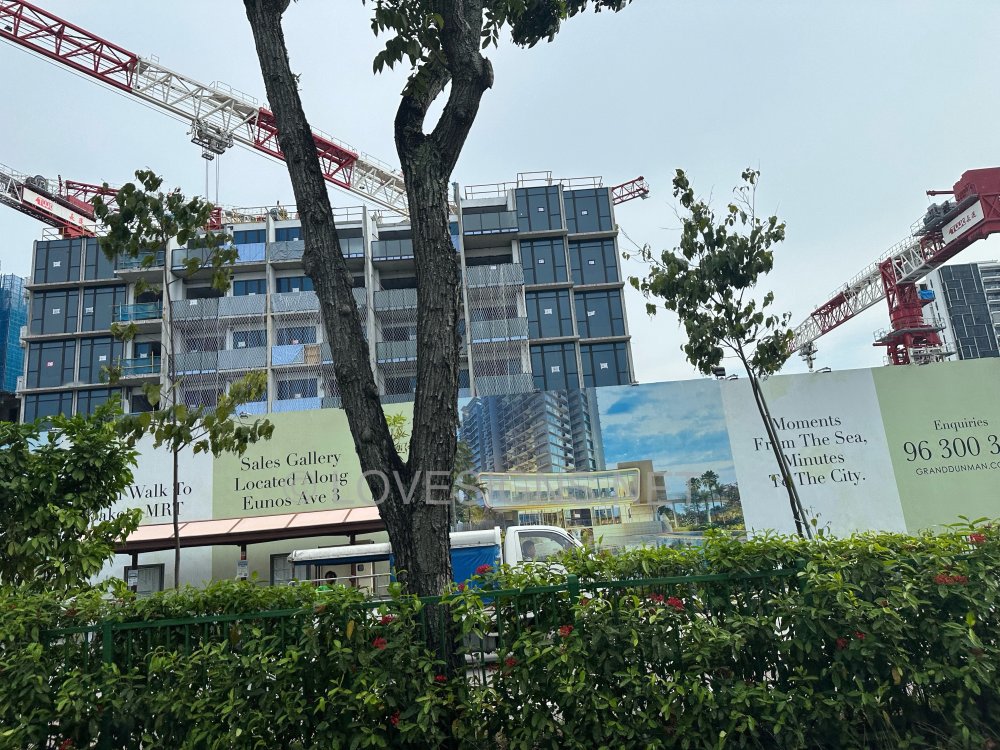
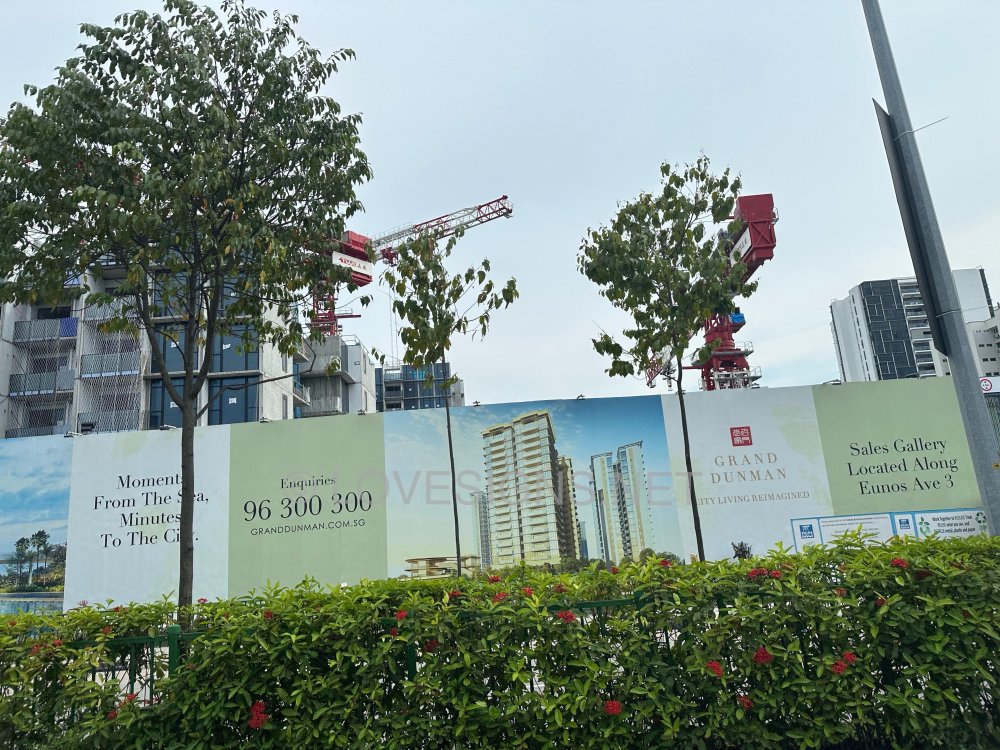
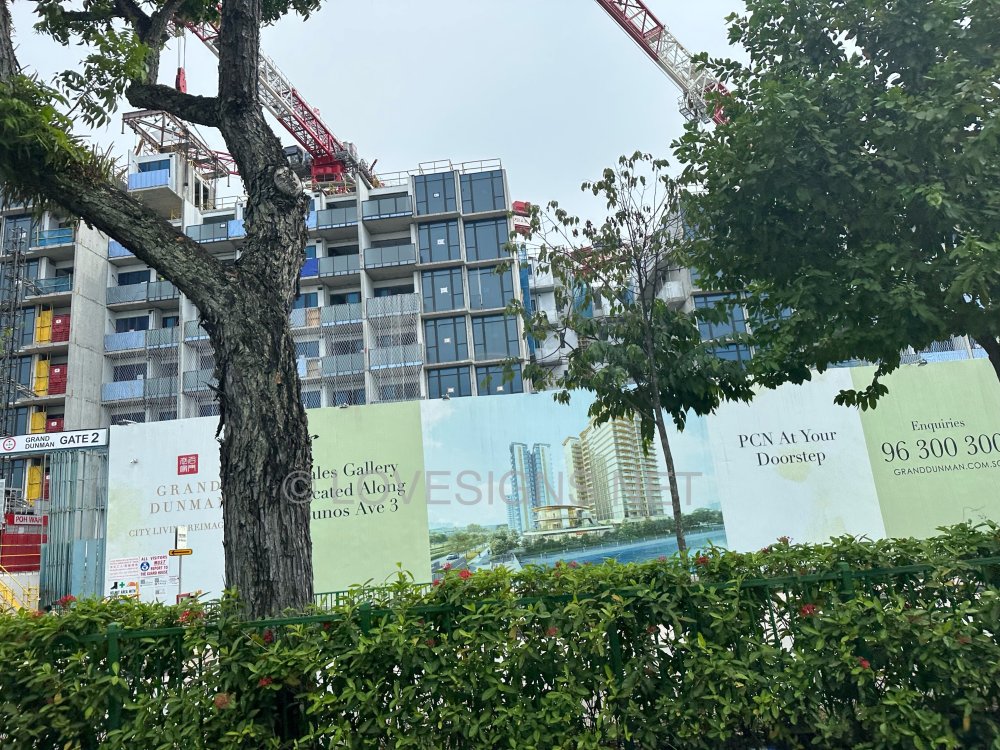
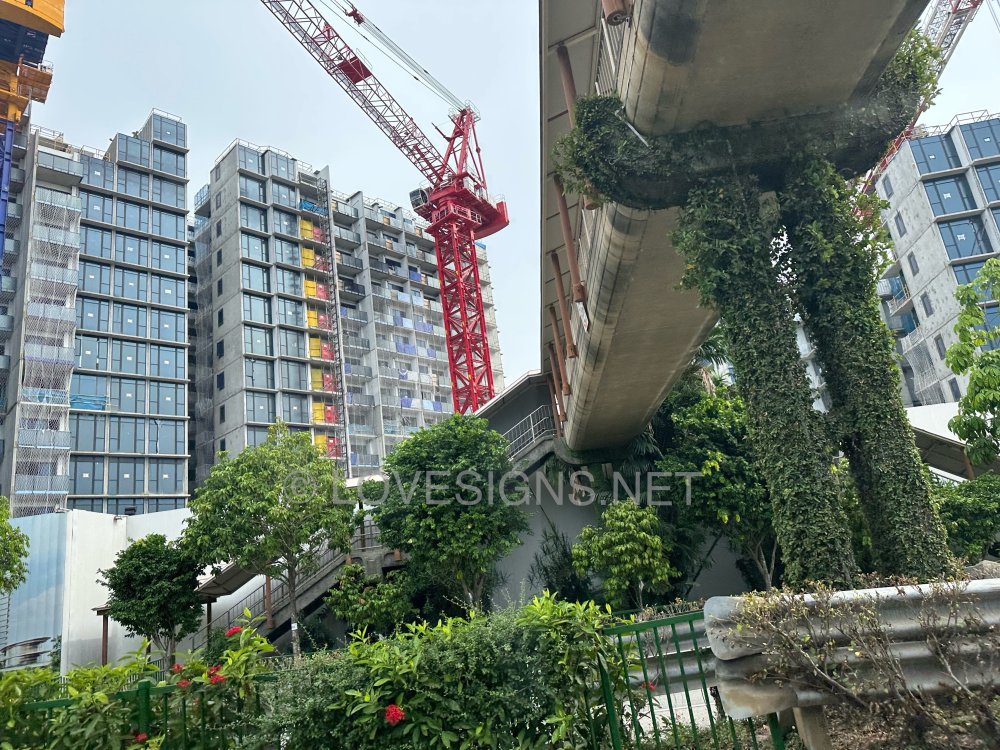
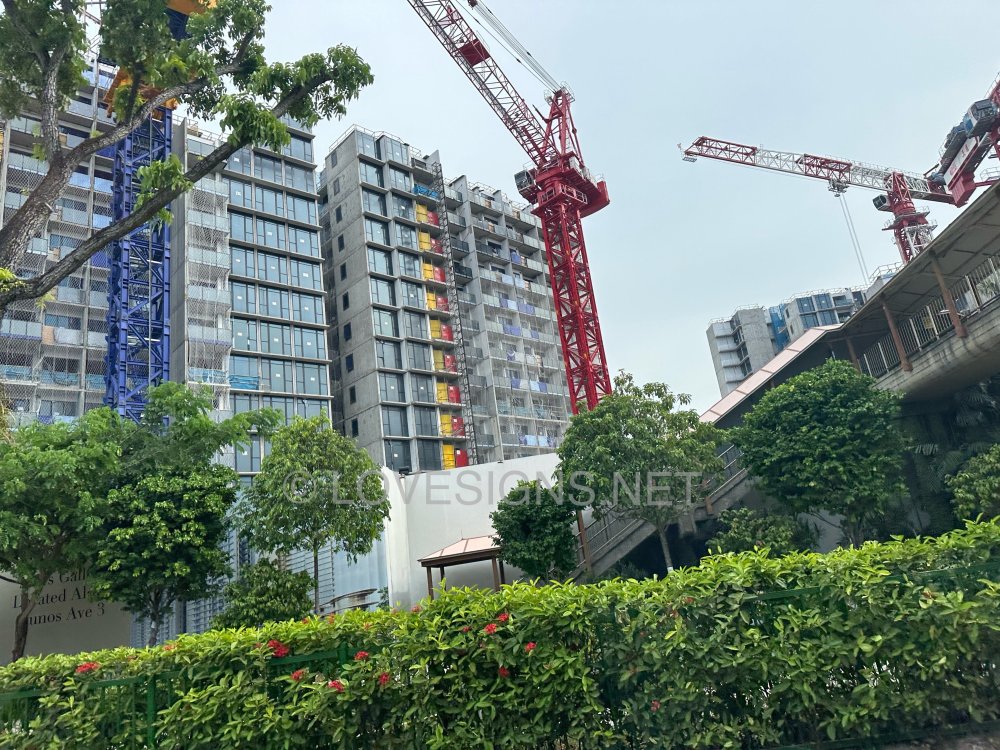
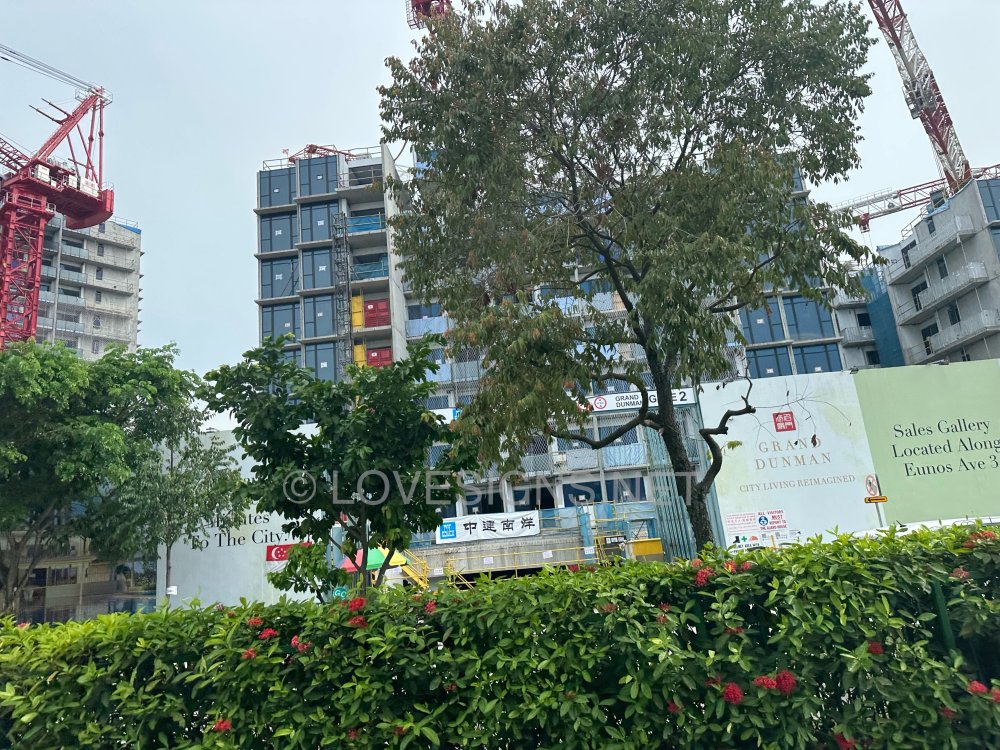
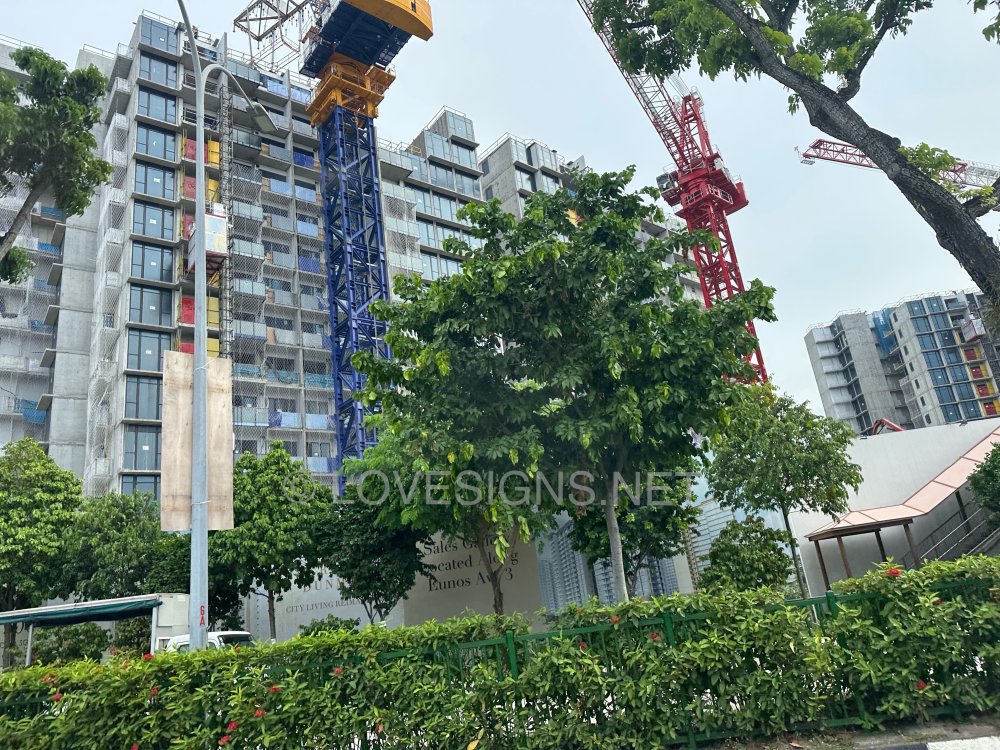
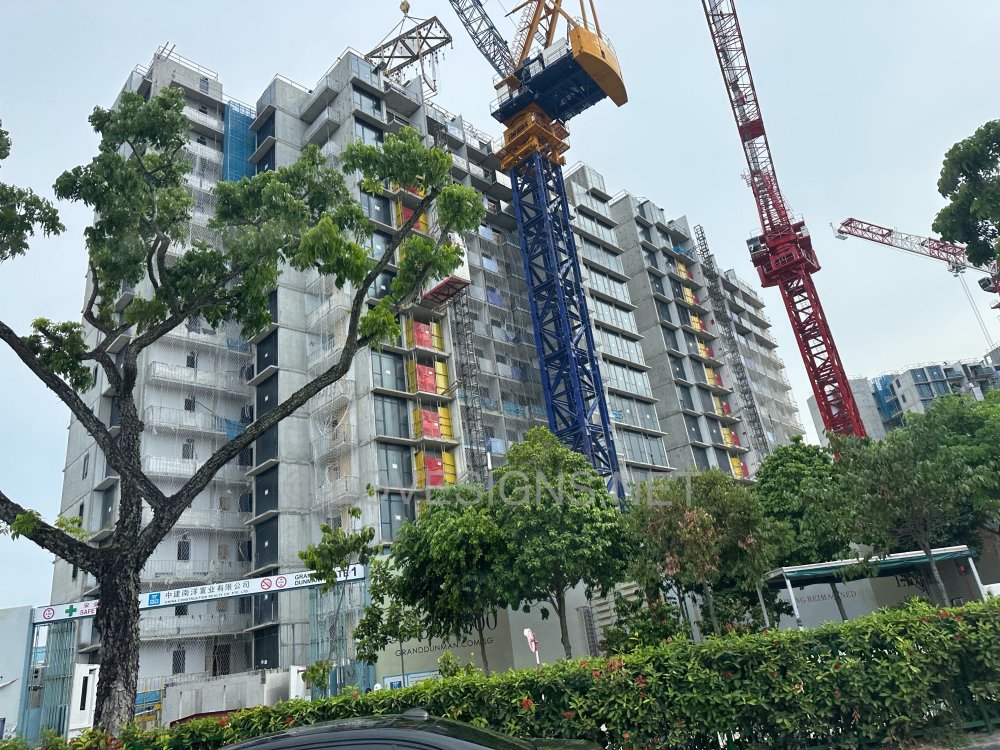
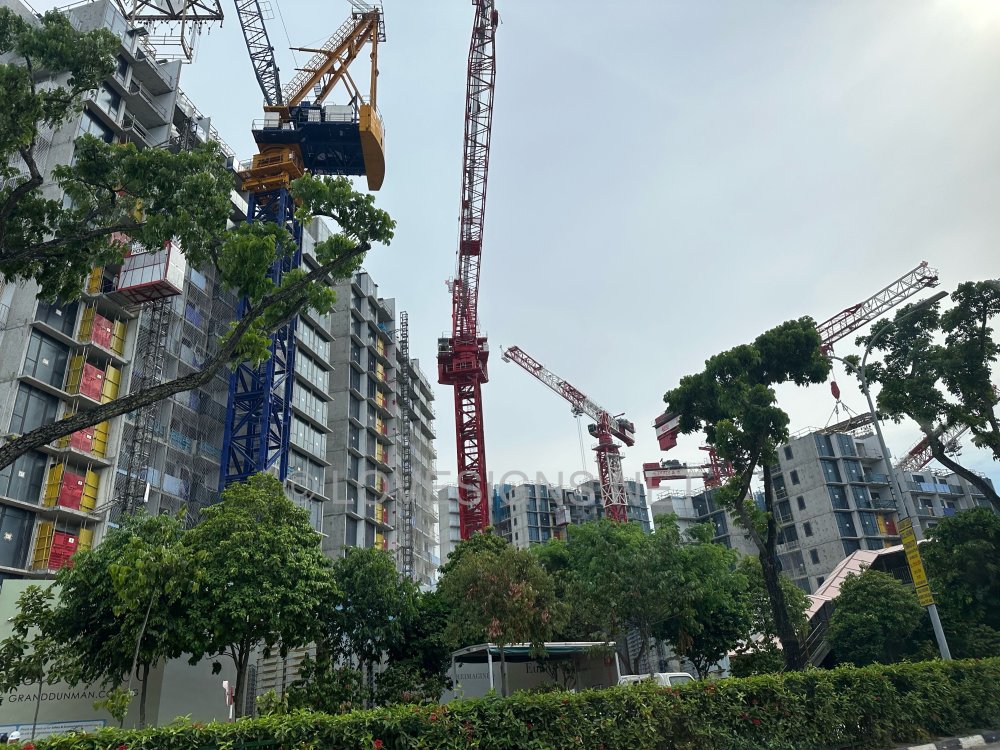
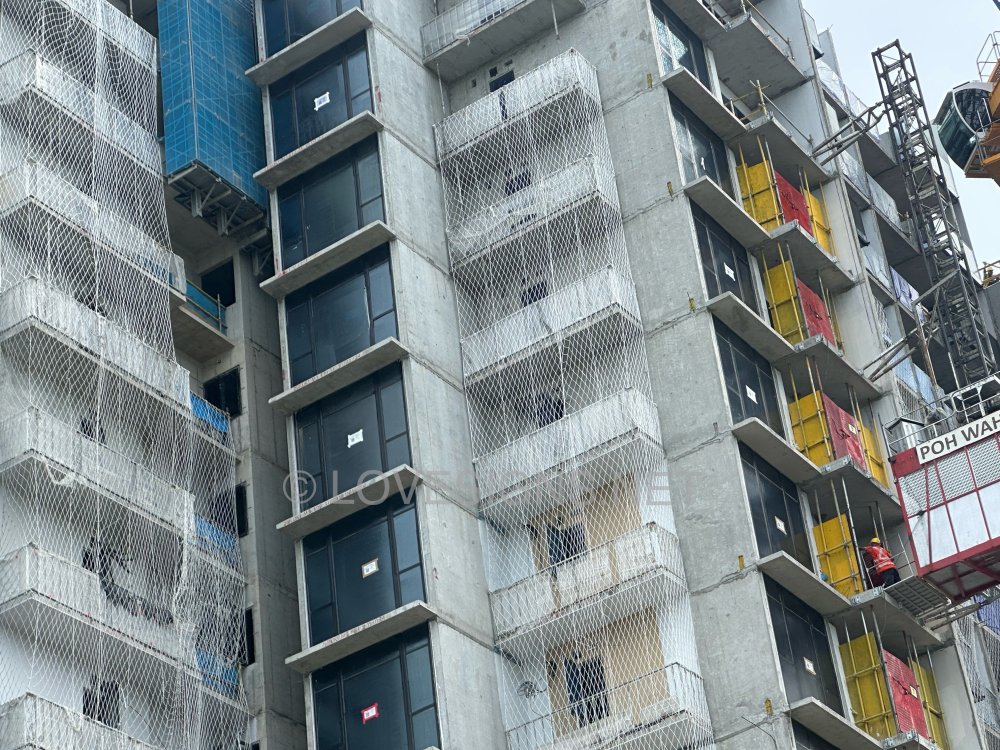
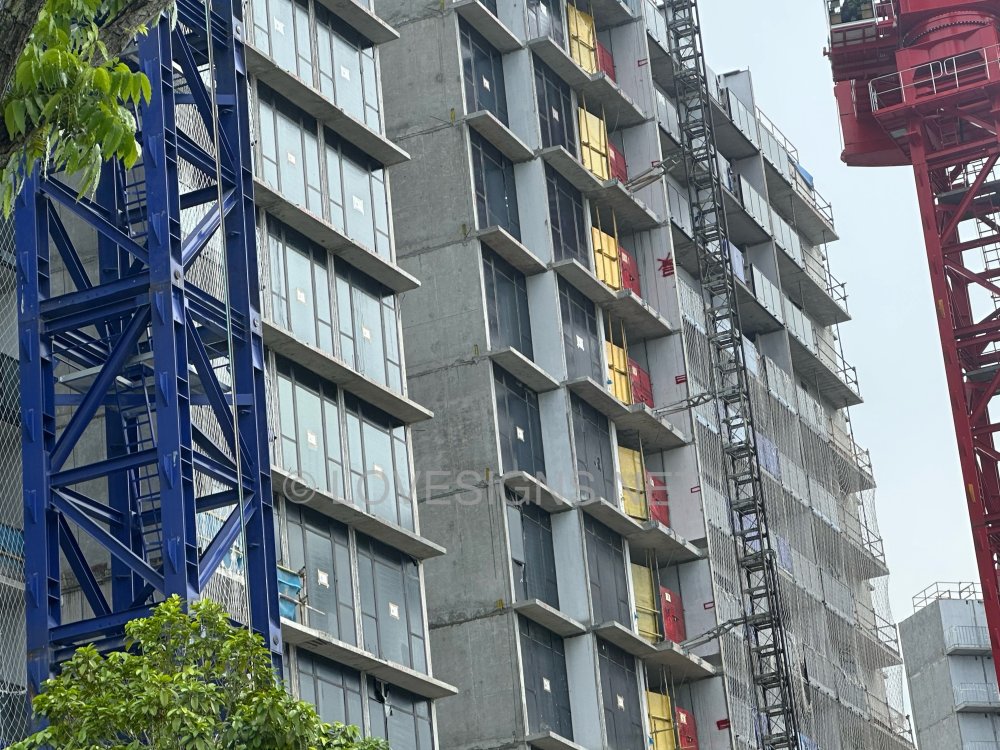
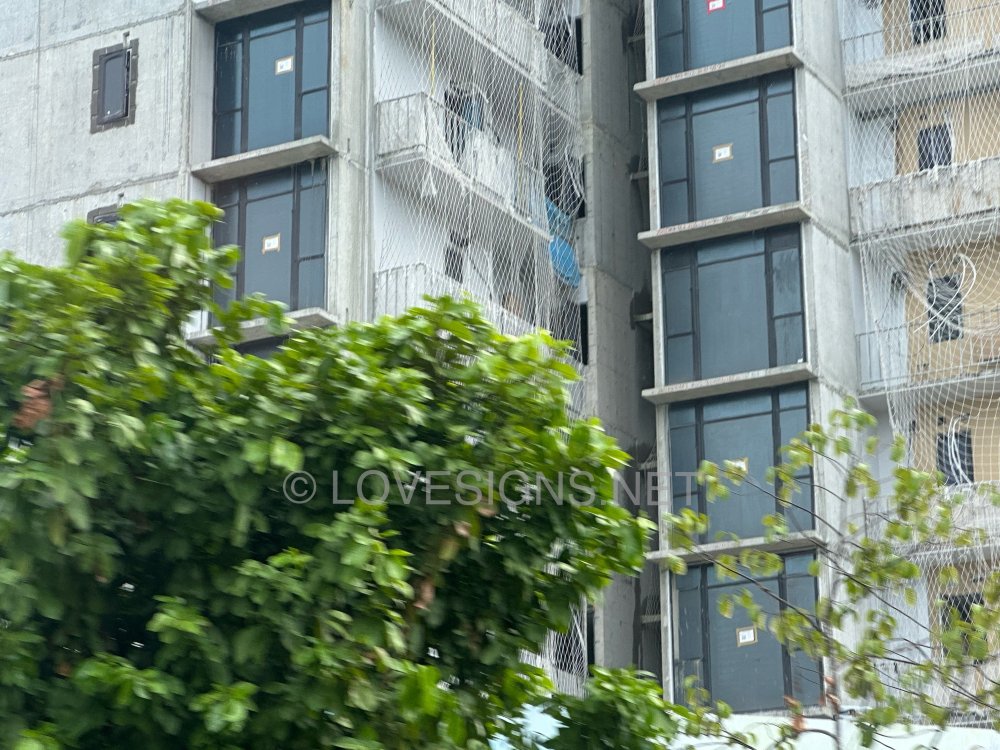 On 28th October 2024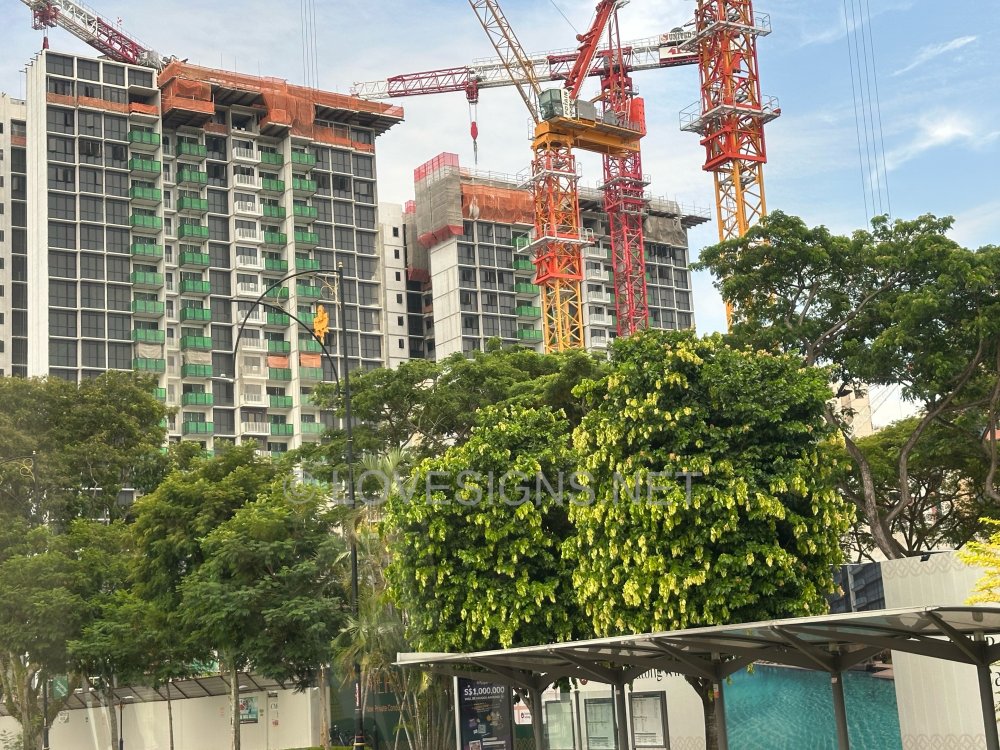
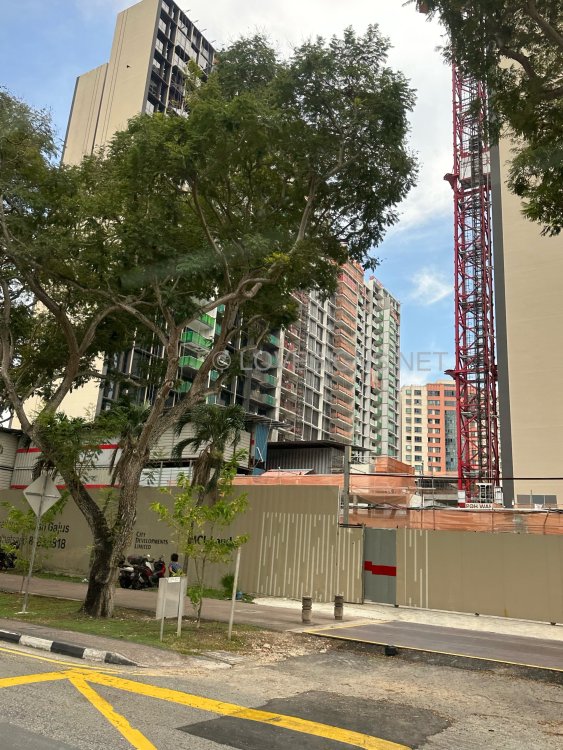
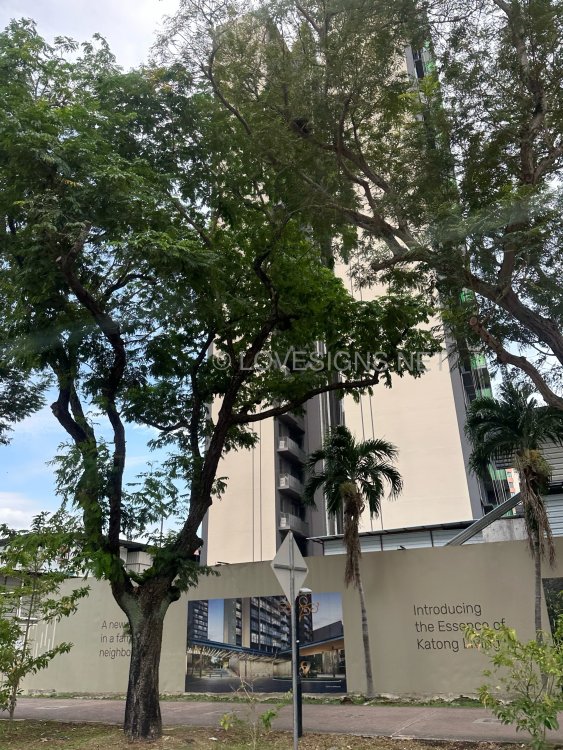
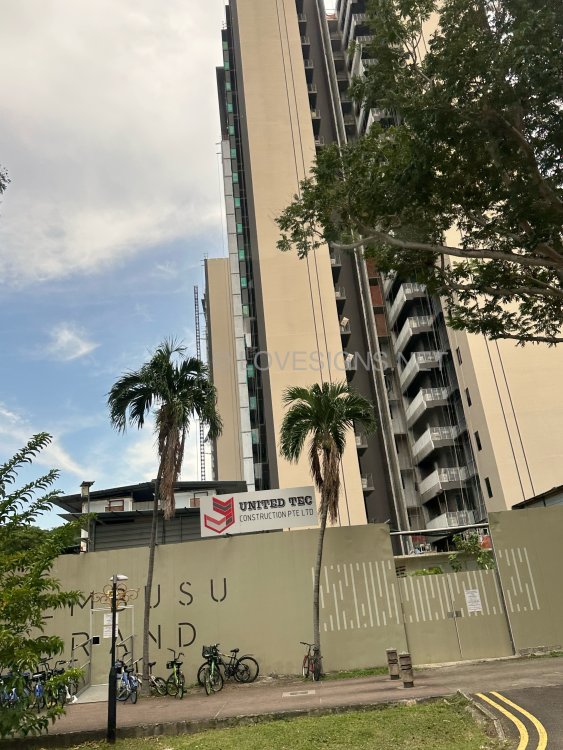
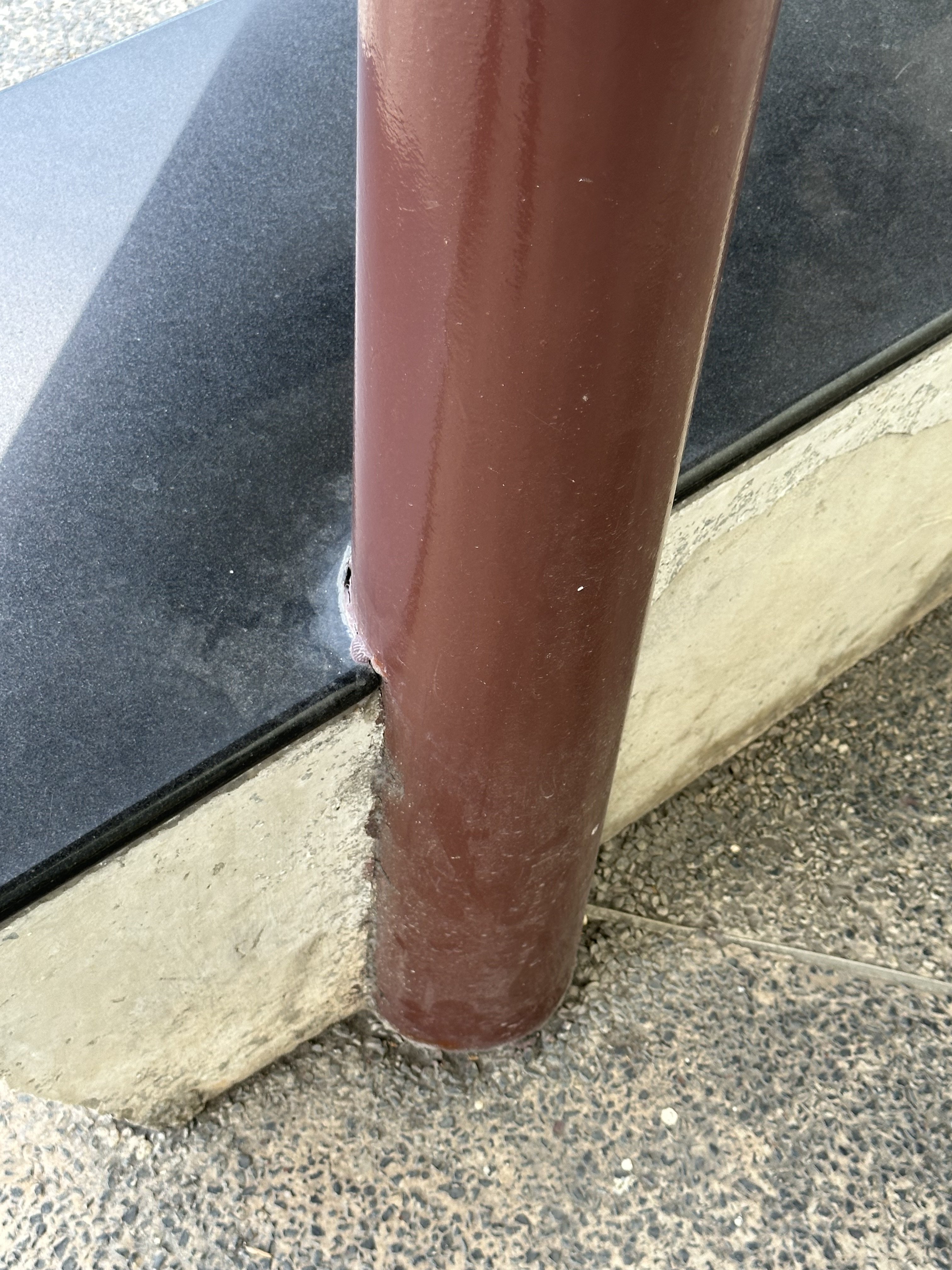
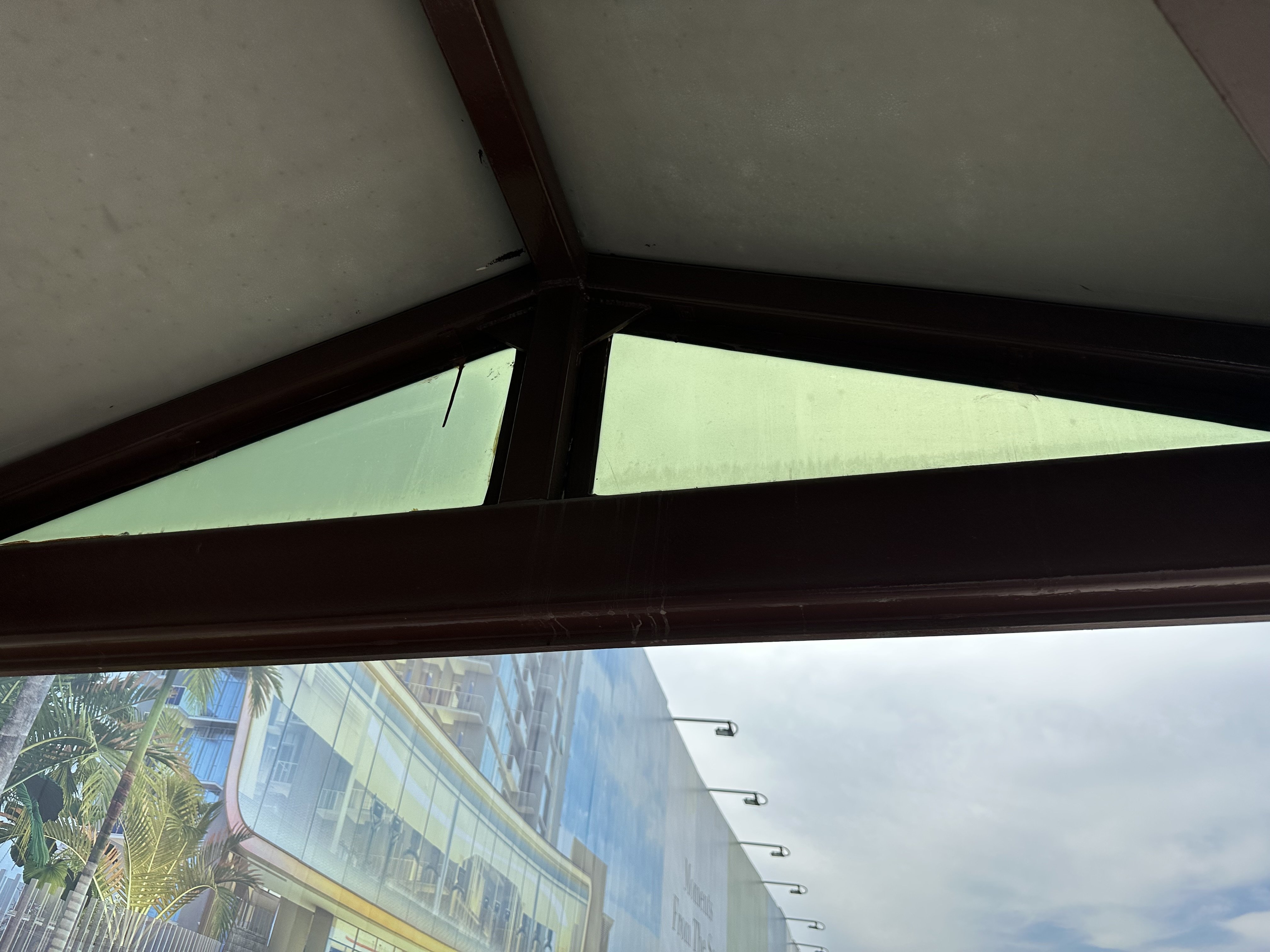
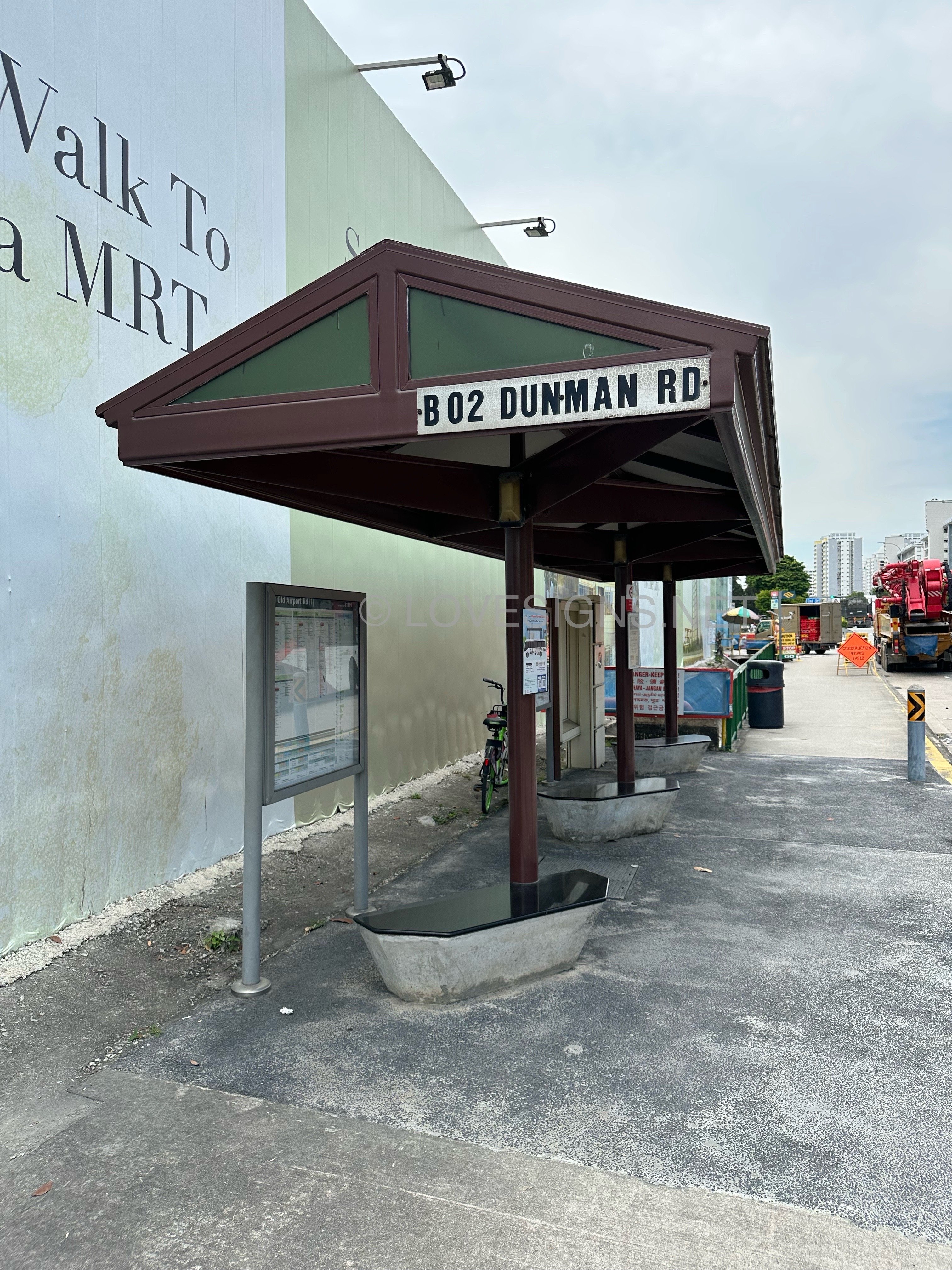
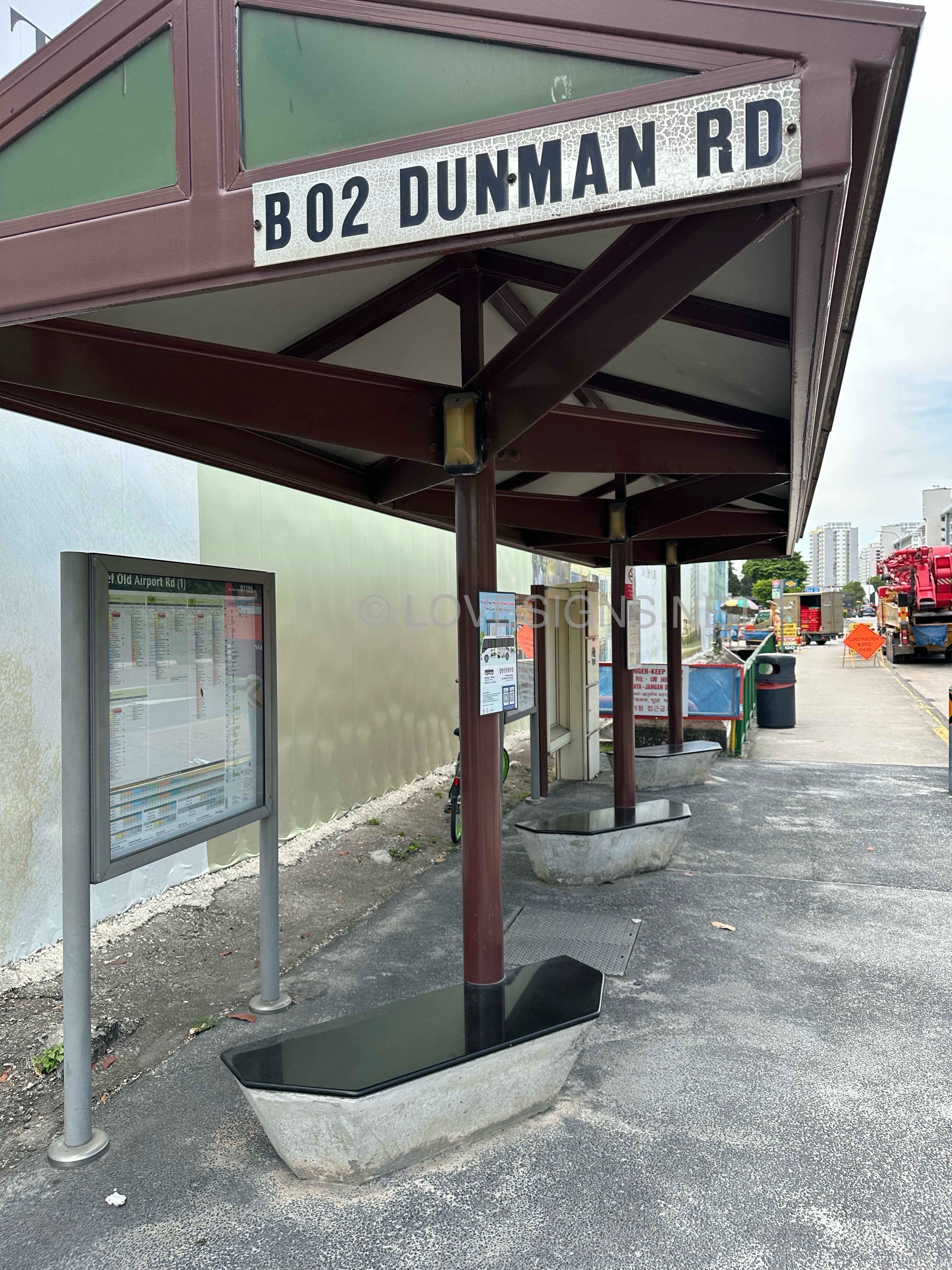
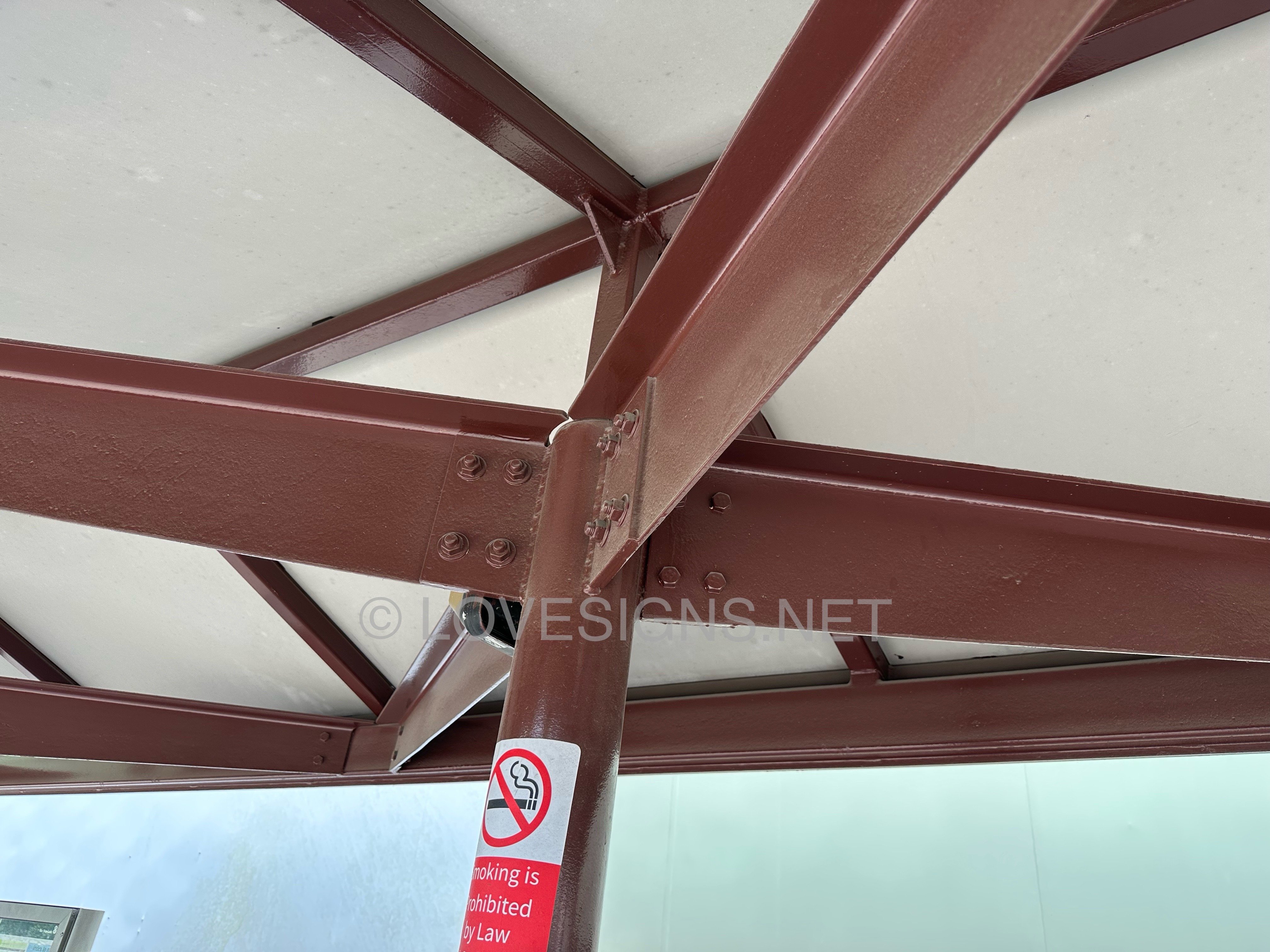
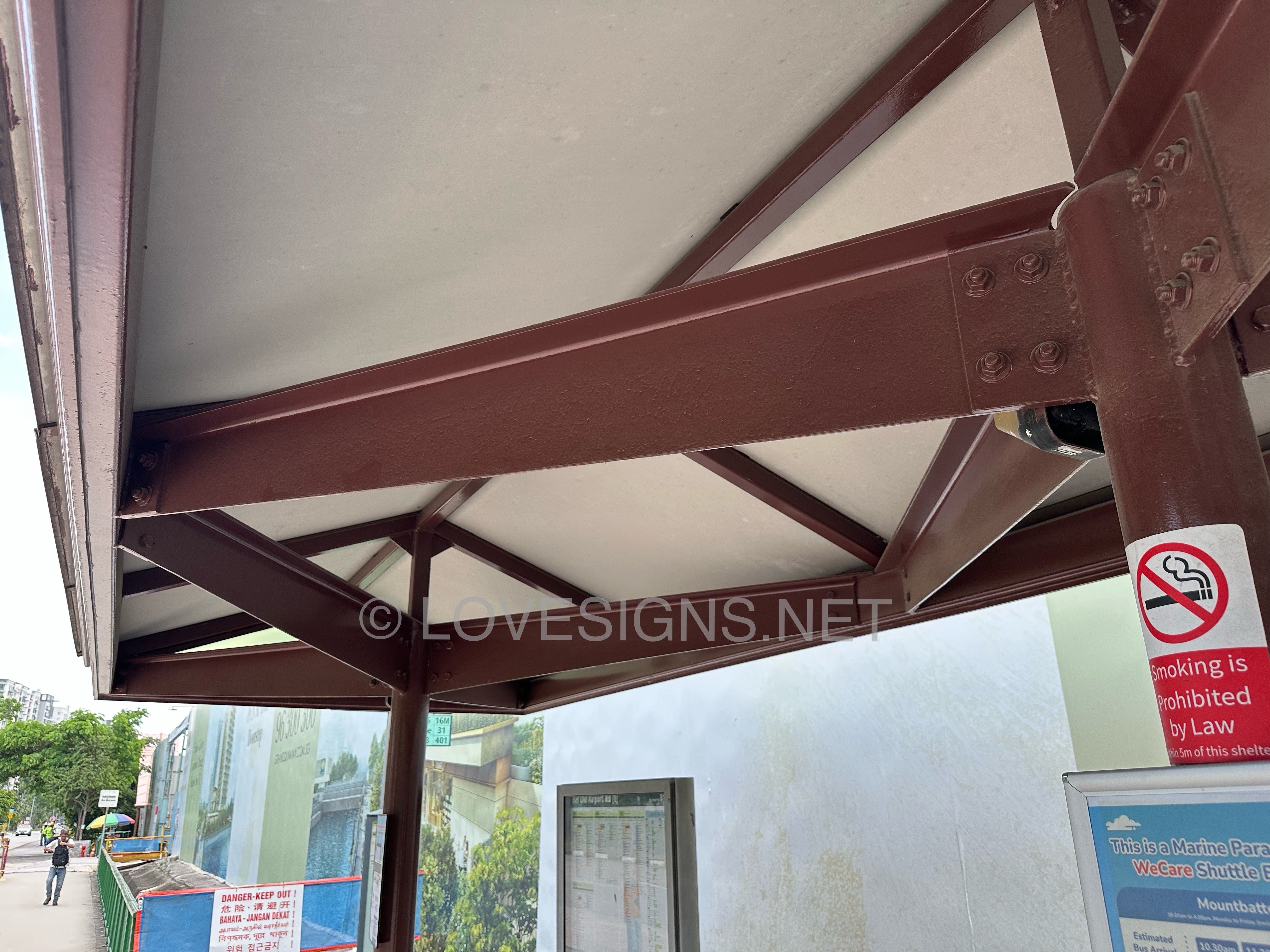
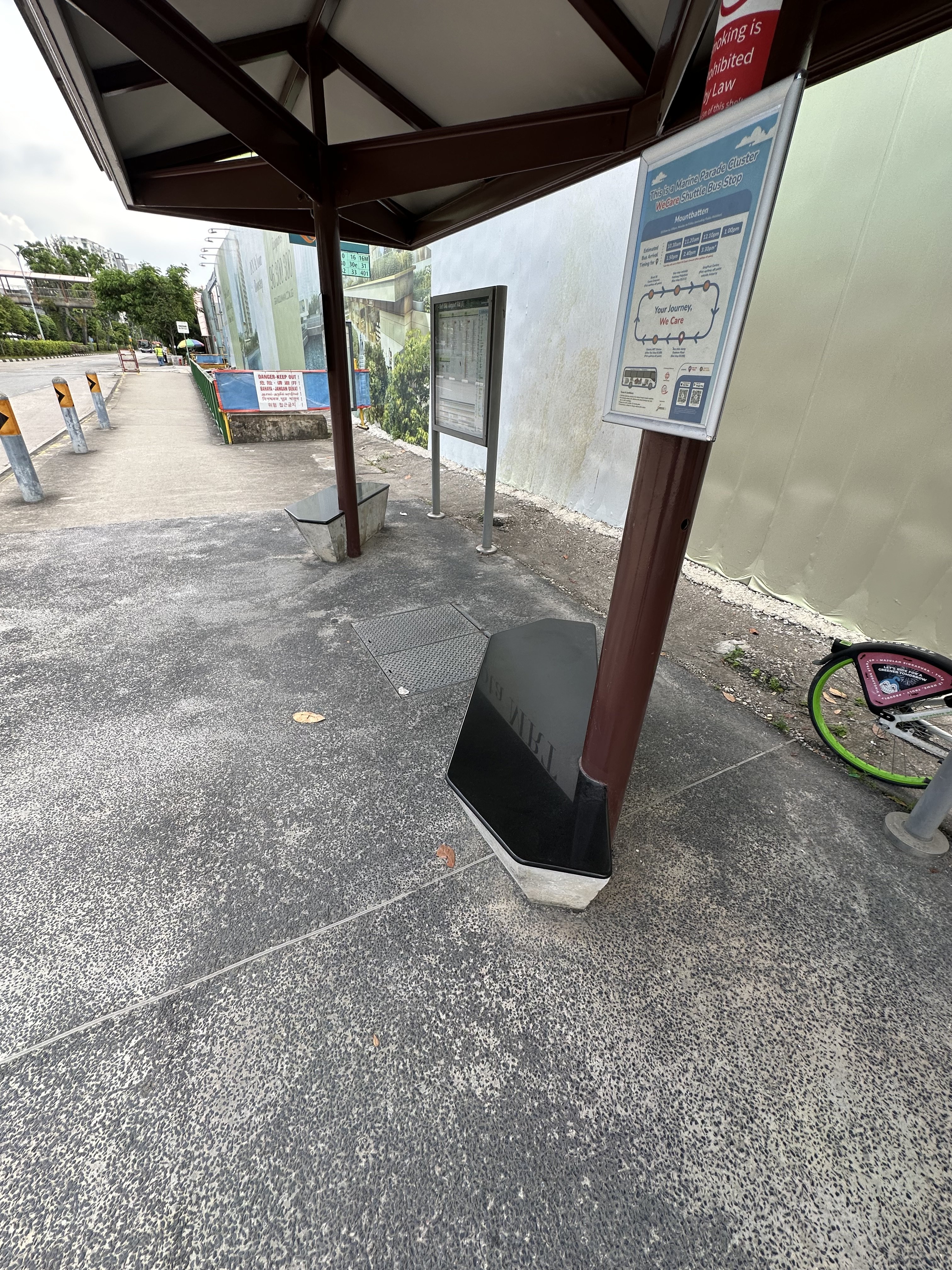
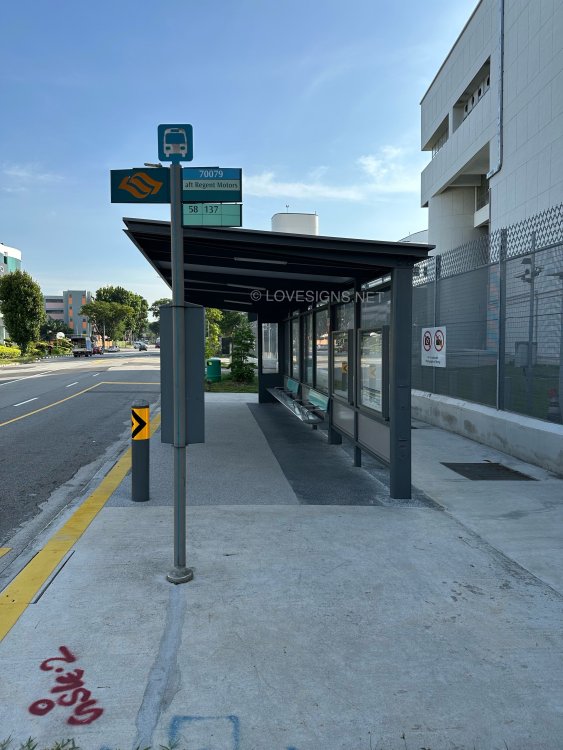
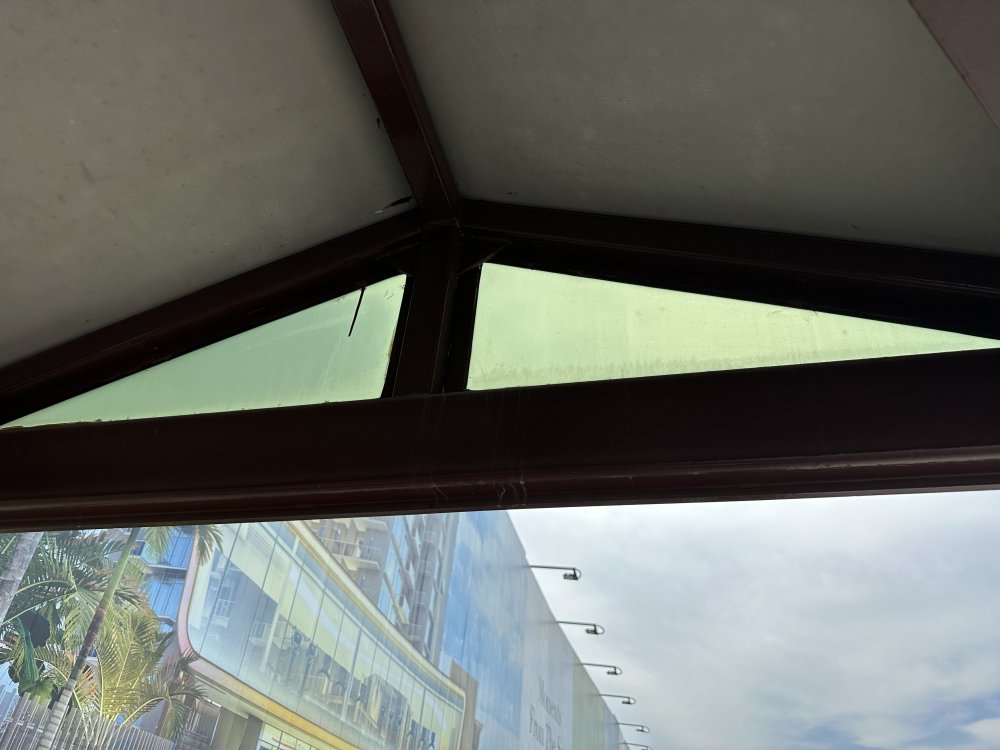
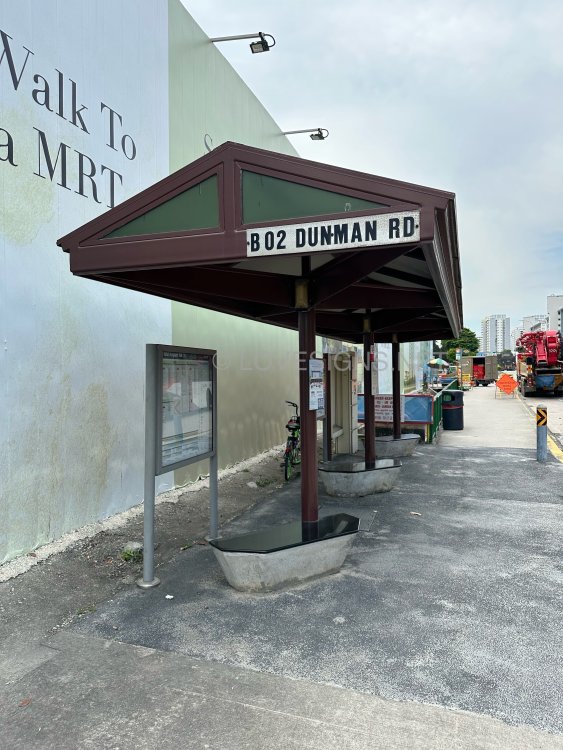
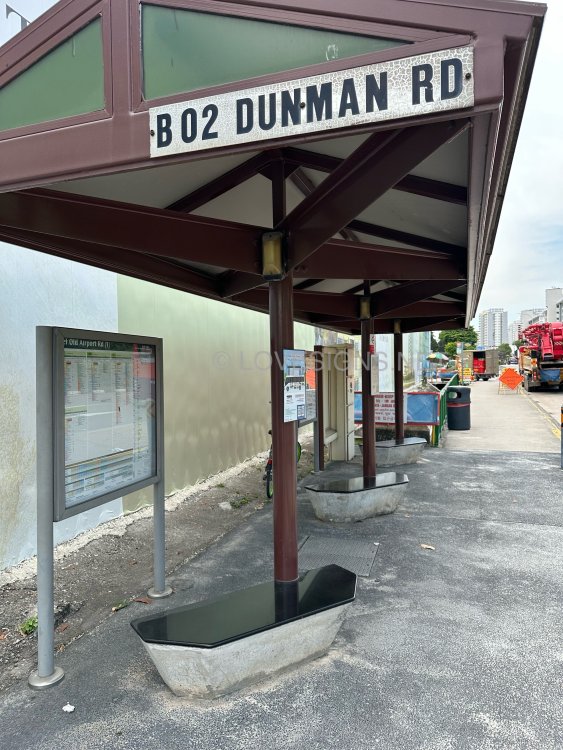
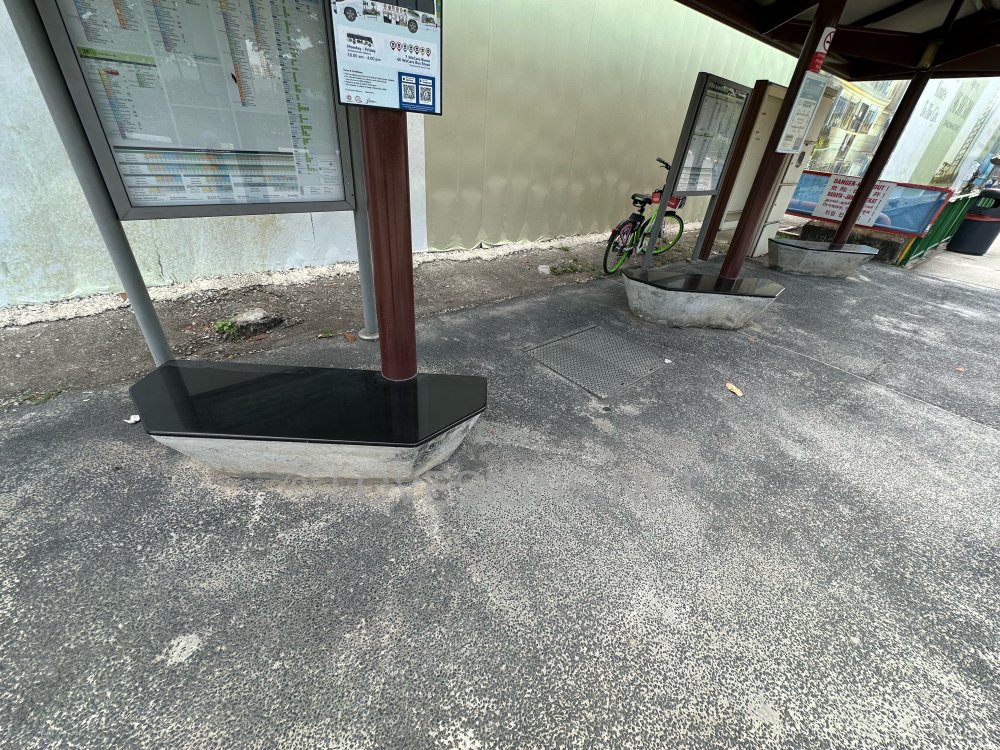
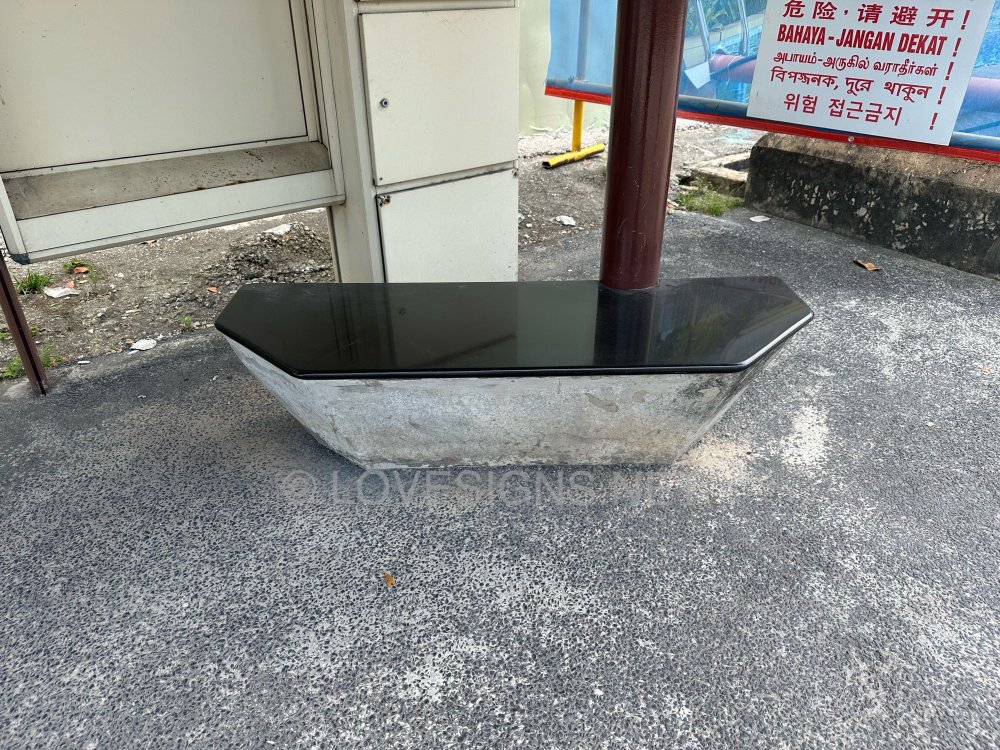
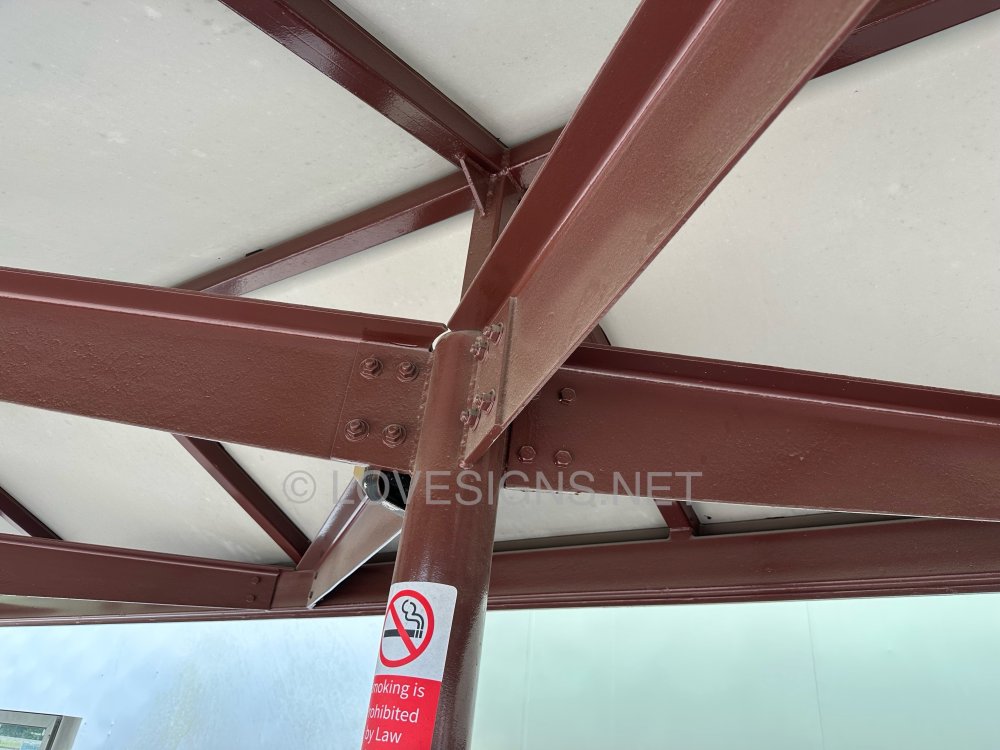
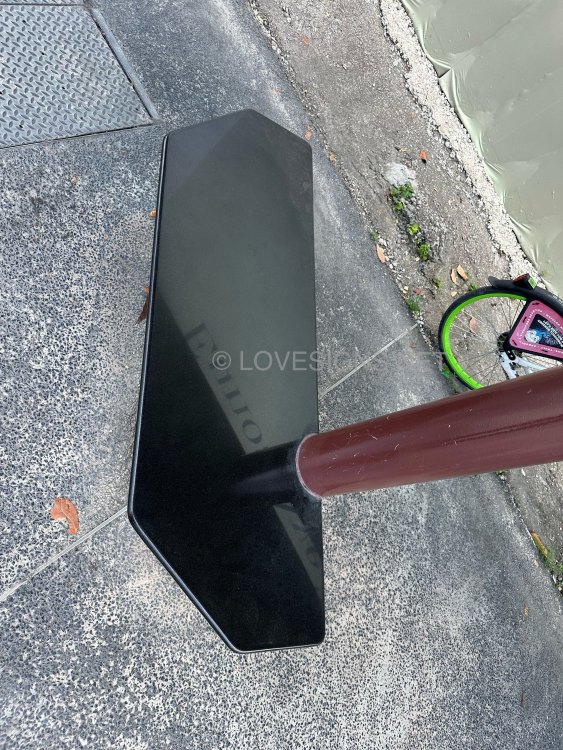
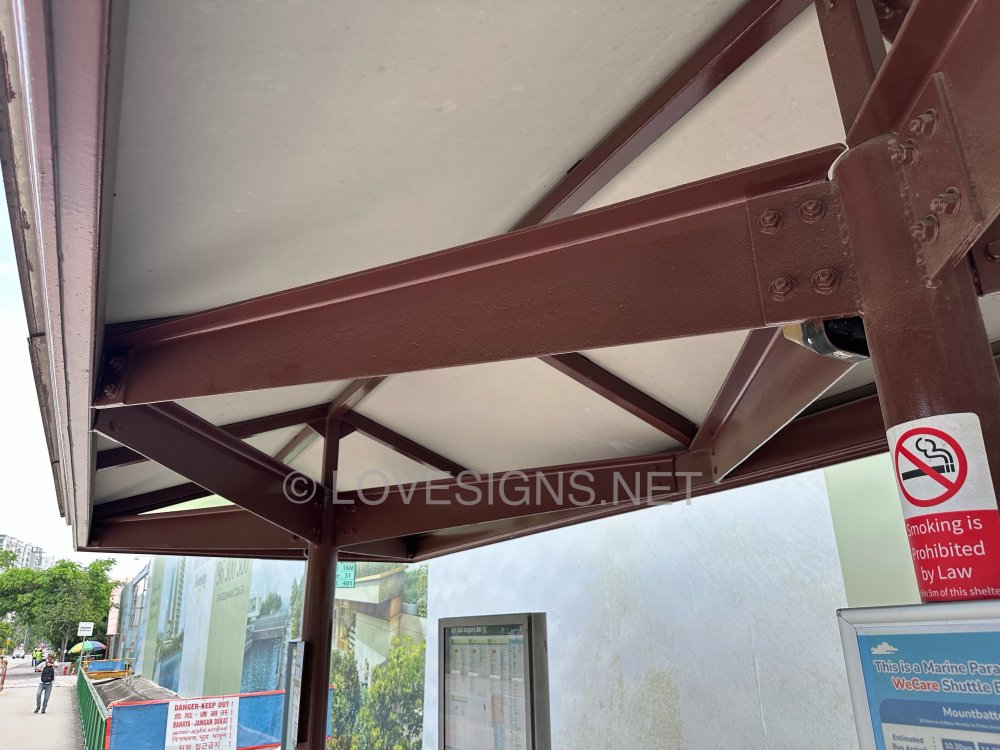
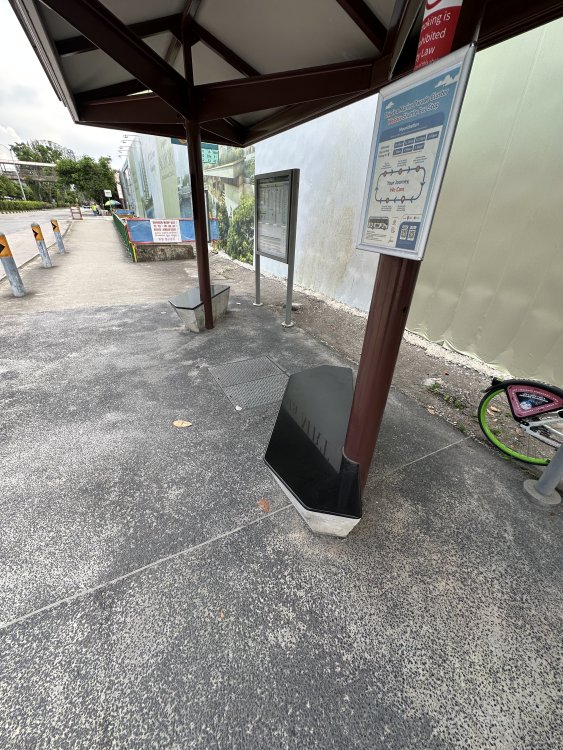
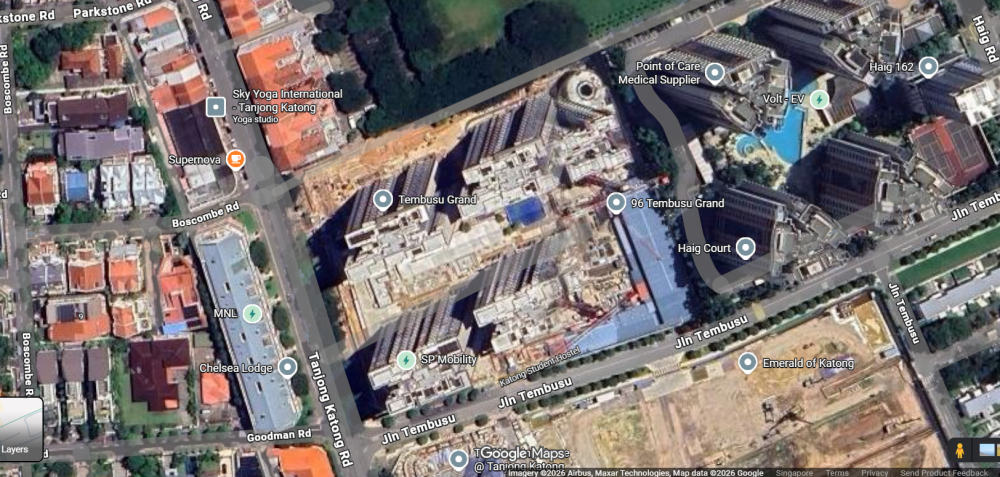 Another 1990’s Very Robust Bus Shelter design The steel poles need to be painted to avoid rusts…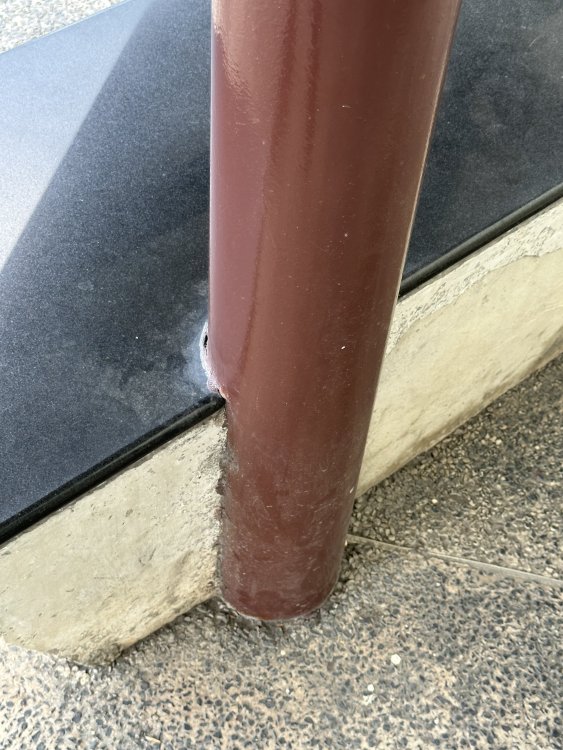
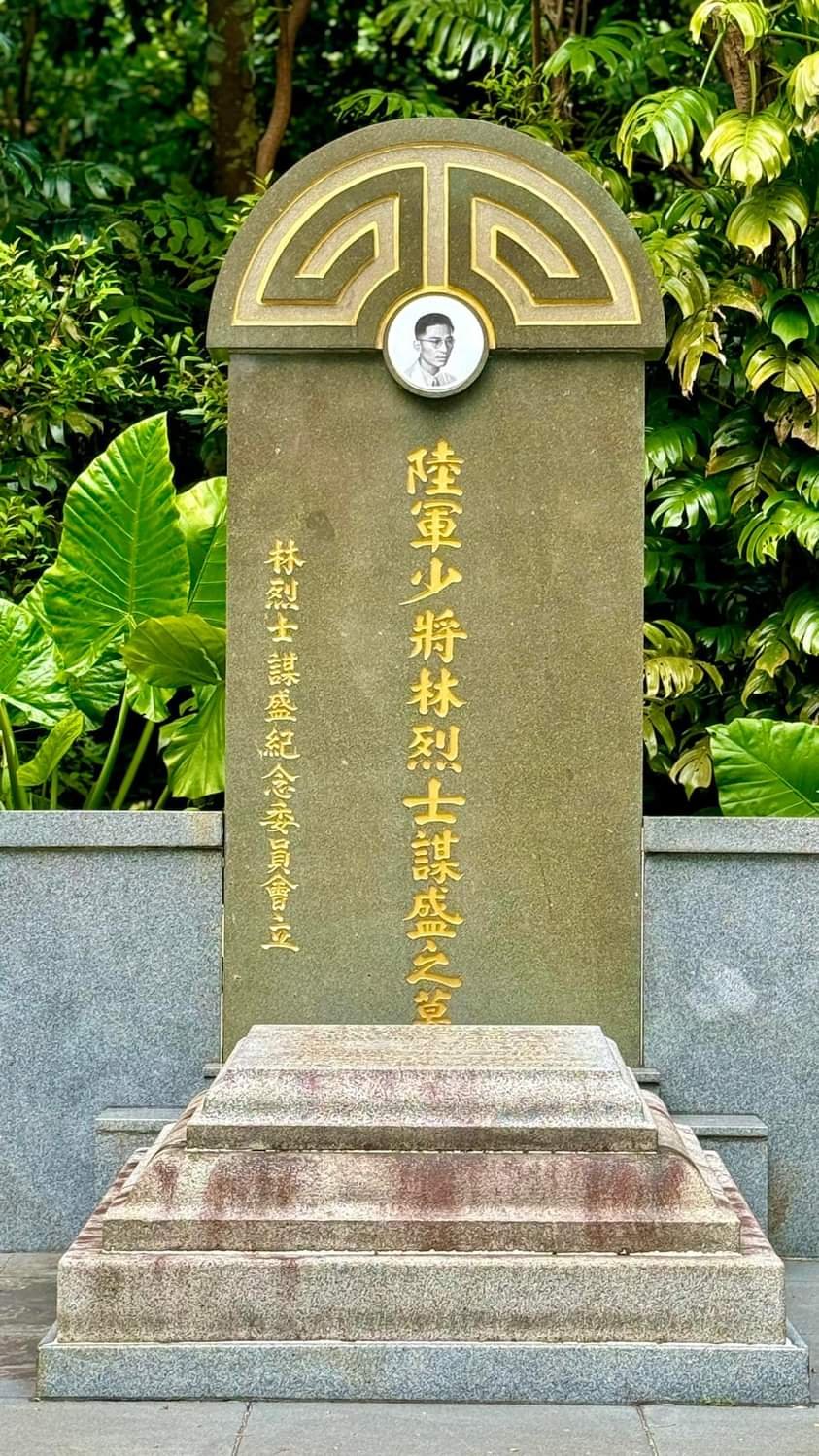
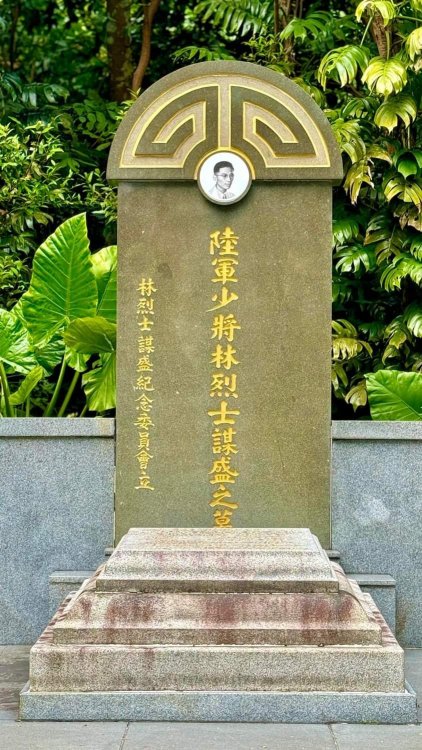
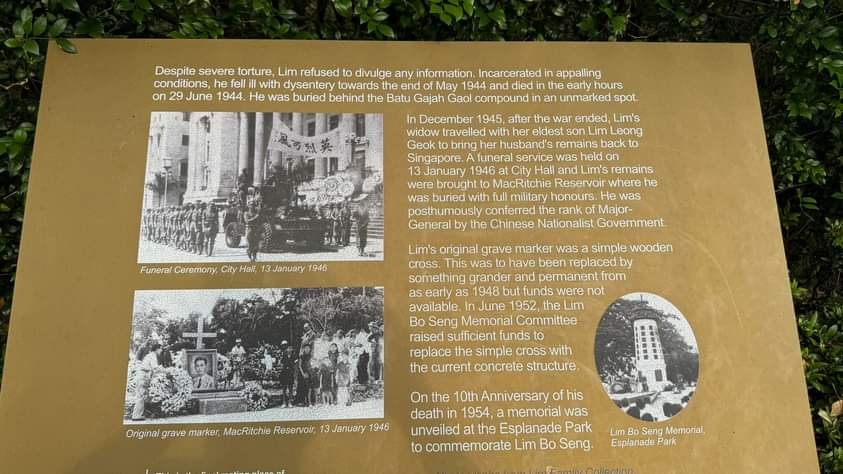
 Singapore's World War II Hero Major-General Lim Bo Seng (1909 to 1944) Major-General Lim Bo Seng (1909 - 1944) Lim Bo Seng was bom in China, the 11th child and first son of wealthy businessman Lim Loh. He arrived in Singapore in 1917, He studied at Raffles Insttution and later at the Liniversity of Hong Kong, In 1930, he married Gan Choo Neo and they had 8 children, one of whom died in Infancy: During the Second Sino-Japanese War, Lim was active in the Nanyang Federation's resistance activities. On 1 February 1942 Lim and other Chinese community leaders left Singapore for India where they recruited and trained hundreds of secret agents, mainly Malayan Chinese, for the Sino-British guerrilla group, Force 136. During the Second Sino-Japanese War, Lim was active in the Nanyang Federation's resistance activities. On 1 February 1942. Lim and other Chinese community leaders left Singapore for India where they recruited and trained hundreds of secret agents, mainly Malayan Chinese, for the Sino-British guerrilla group, Force 136. The first Force 136 agents were deployed in May 1943 in Operation Gustavus to establish an espionage network in Malaya and Singapore. Lim retumed to Malaya in November 1943. Unfortunately Operation Gustavus failed, Lim was captured on 25 March 1944 and taken to the Kempeitai headquarters for interrogation. He was subsequently imprisoned at the Batu Gajah Gaol in Perak. Despite severe torture, Lim refused to divulge any information. Incarcerated in appalling conditions, he fell ill with dysentery towards the end of May 1944 and died in the early hours on 29 June 1944. He was buried behind the Batu Gajan Gaol compound in an unmarked spot. In December 1945, alter the war ended, Lim's widow travelled with her eldest son Lim Leong Geok to bring her husband's remains back to Singapore. A funeral service was held on 13 January 1946 at City Hall and Lim's remains were brought to MacRitchie Reservoir where he was buried with full military honours. He was posthumously conferred the rank of Major-General by the Chinese Nationalist Govemment. Lim's original grave marker was a simple wooden cross, This was to have been replaced by something grander and permanent from as early as 1948 but funds were not available. In June 1952, the Lim Bo Seng Memorial Committee raised sufficient funds to replace the simple cross with the current concrete structure. On the 10th Anniversary of his death in 1954, a memorial was unveiled at the Esplanade Park to commemorate Lim Bo Seng. Force 136 was a secret British special operations unit in World War II, operating mainly in Japanese-occupied Southeast Asia. It was the Far East branch of the **Special Operations Executive (SOE)**, whose mission was to “set Europe ablaze” through sabotage, espionage, and support for resistance movements. ### What Force 136 Was - **Officially**: A covert arm of the British SOE in the Far East. - **Composition**: Included British officers and many Asian agents (Chinese, Malays, Indians, Burmese, etc.) recruited from Malaya, Singapore, India, China, and beyond. - **Training**: Agents were trained in India, Ceylon (Sri Lanka), and elsewhere in: - Sabotage (railways, bridges, communications) - Guerrilla warfare and survival - Radio operation and codes - Intelligence gathering and clandestine organisation ### Main Tasks and Areas of Operation Force 136 operated primarily in: - **Malaya and Singapore** - **Burma** - Parts of **Thailand**, **Indochina**, and others Its core roles: 1. **Organising and supporting local resistance** - Built and armed guerrilla groups behind Japanese lines. - In Malaya, Force 136 worked with the **Malayan People’s Anti-Japanese Army (MPAJA)** and other local networks. 2. **Sabotage and disruption** - Blew up railways, bridges, communication lines. - Disrupted Japanese supply routes and troop movements, especially as the Allies prepared to return. 3. **Intelligence and reconnaissance** - Gathered military information on Japanese troop strength, positions, and movements. - Prepared for Allied reoccupation of territories (e.g., Operation Zipper in Malaya). 4. **Preparation for Allied landings** - Positioned agents and weapons caches in advance. - Established radio networks so that when Allied forces returned, they could coordinate with resistance groups quickly. ### Force 136 and Lim Bo Seng Lim Bo Seng served as one of Force 136’s key agents in the Malayan theatre: - He helped plan and build the **“Operation Gustavus”** network, a spy and resistance organisation around the Malacca–Ipoh area. - His work focused on: - Recruiting and organising local agents - Setting up covert communications - Gathering intelligence about Japanese forces in Malaya ahead of Allied plans to return - He was captured and died under torture, but did not reveal critical information, which preserved parts of the Force 136 network. ### Significance in the War - Force 136 did **not** fight as large conventional armies; its impact was indirect but important: - Tied down Japanese resources on internal security. - Provided valuable intelligence to Allied commanders. - Helped prepare the ground for post-war British reoccupation and the transition back from Japanese rule. - It also had a lasting political impact: - Helped arm and legitimise local resistance movements that later became influential in post-war politics (especially in Malaya and Burma). In short, Force 136 was the clandestine arm of the British war effort in Southeast Asia, working behind Japanese lines through sabotage, intelligence, and resistance-building—Lim Bo Seng was one of its most notable agents in Malaya.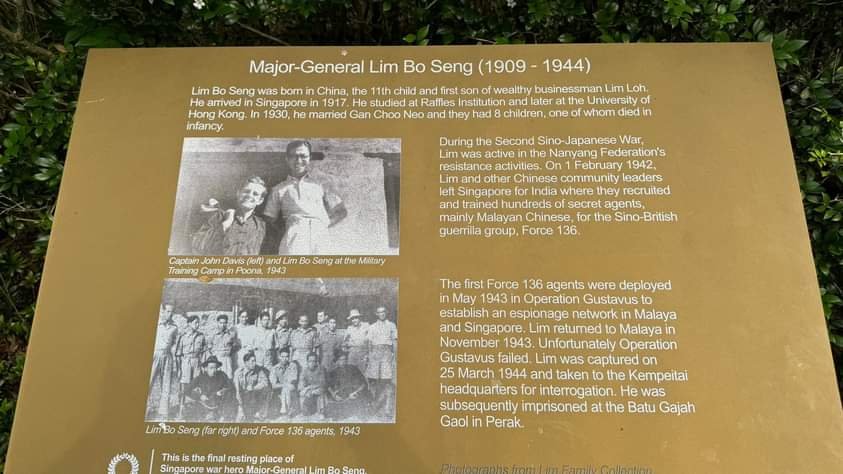
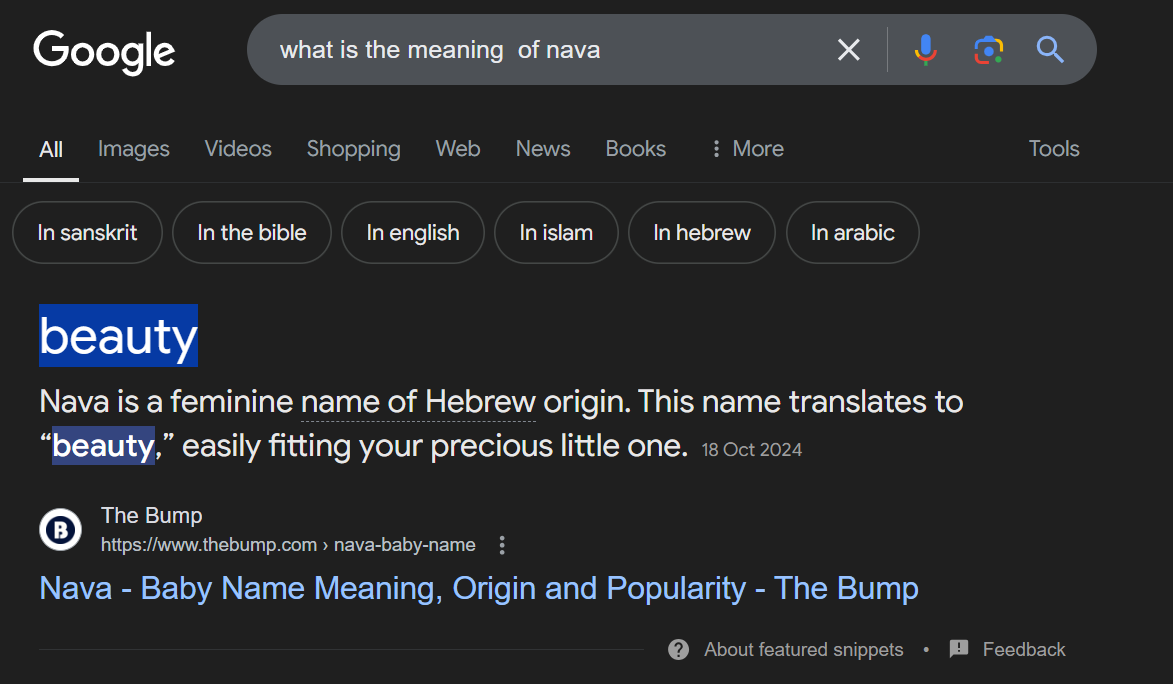
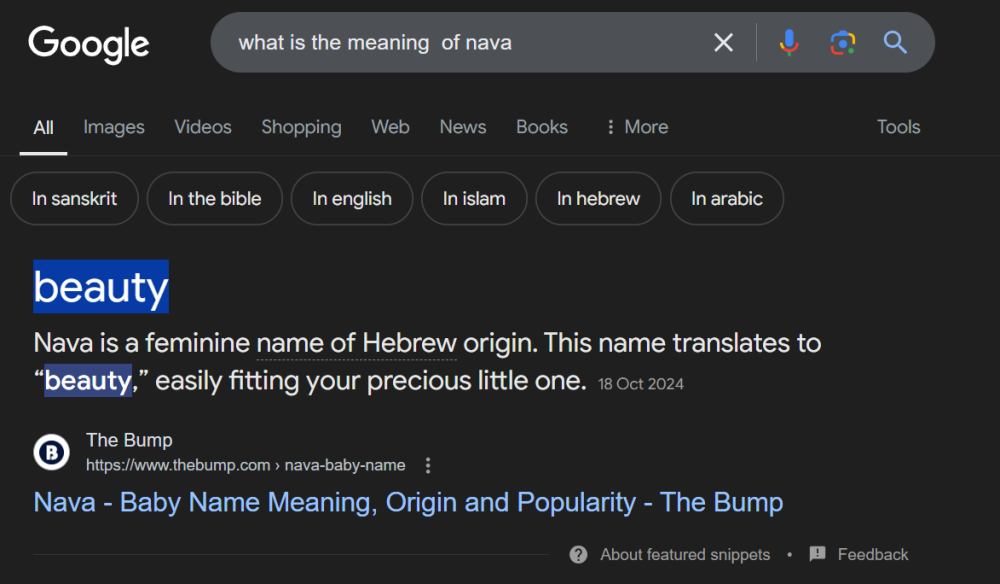
 Nava Grove Floor Plans Nava Grove Floor Plans.pdfWhat is the meaning of nava? Beauty
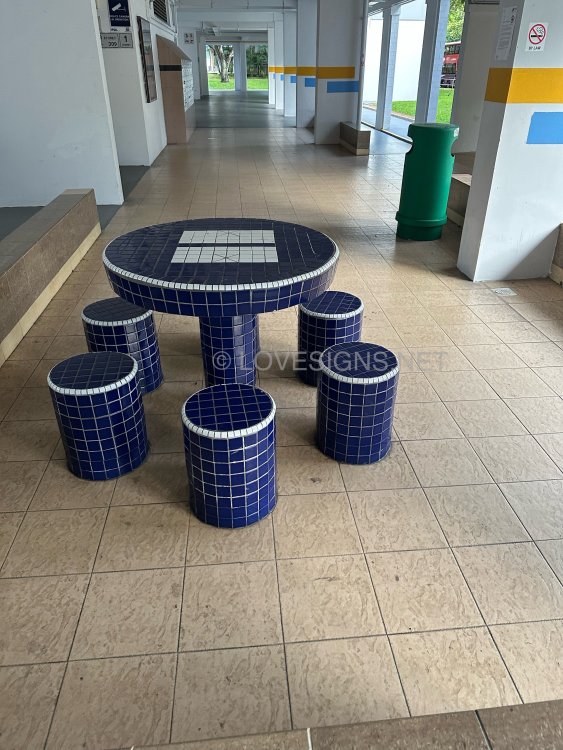
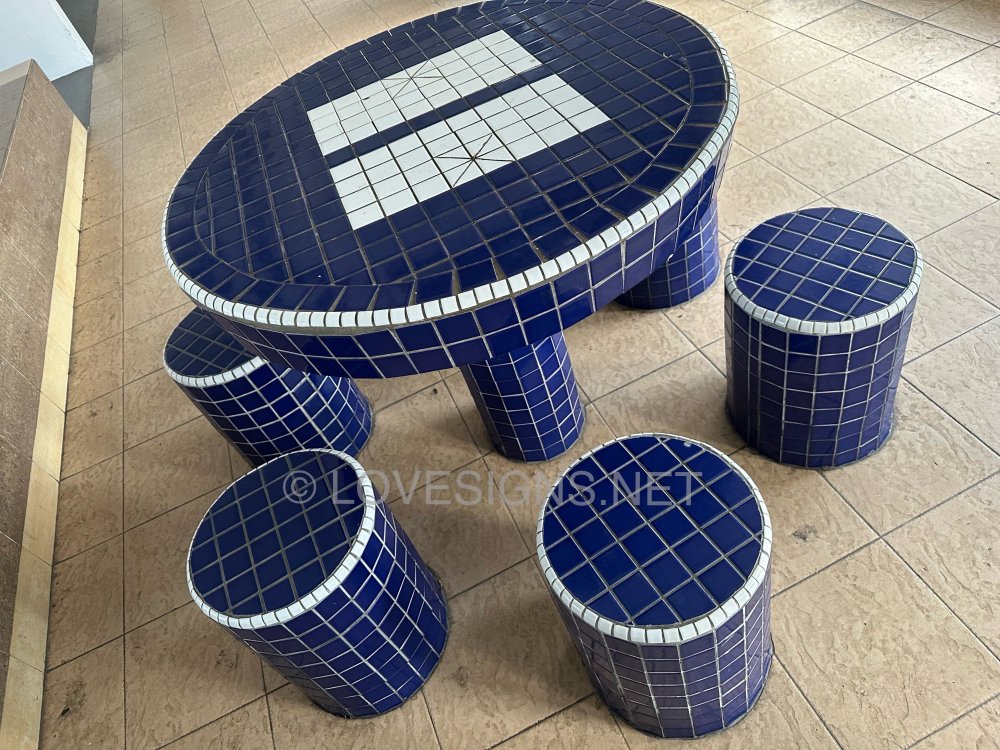
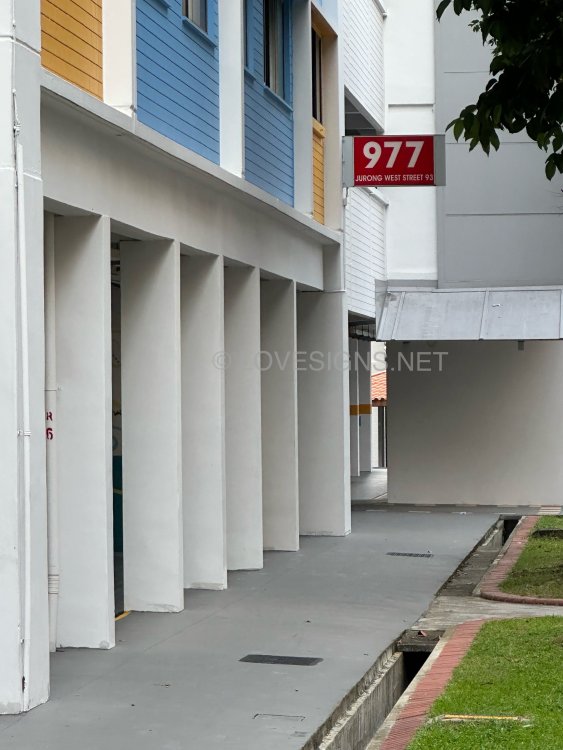
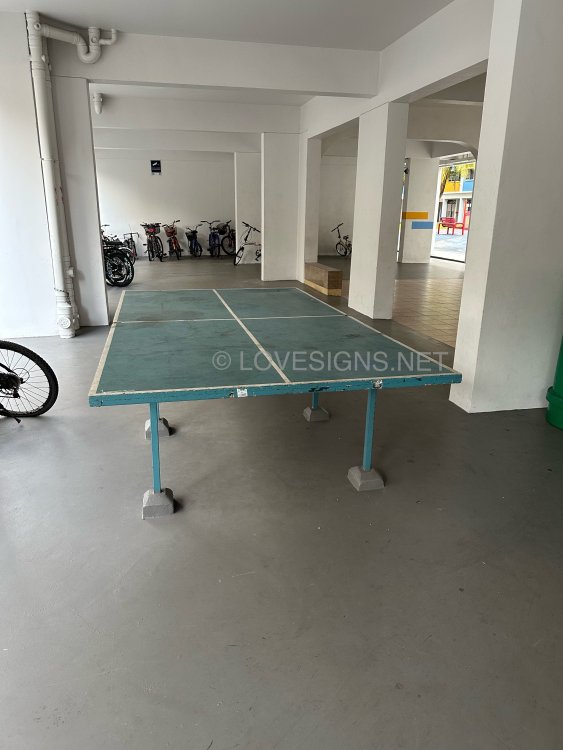
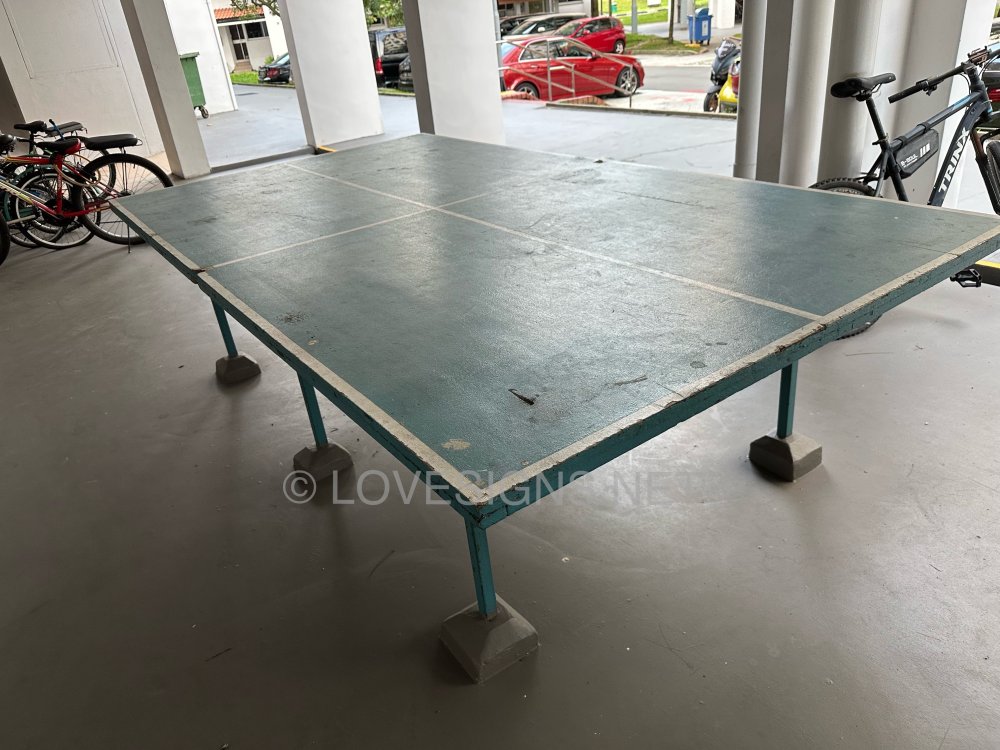
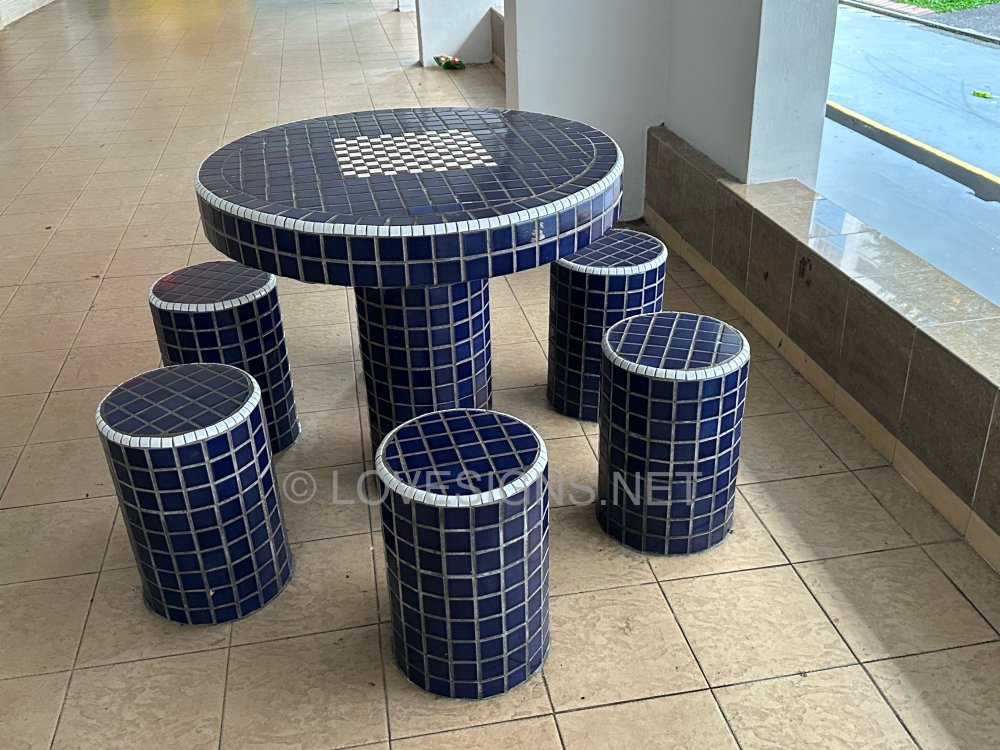
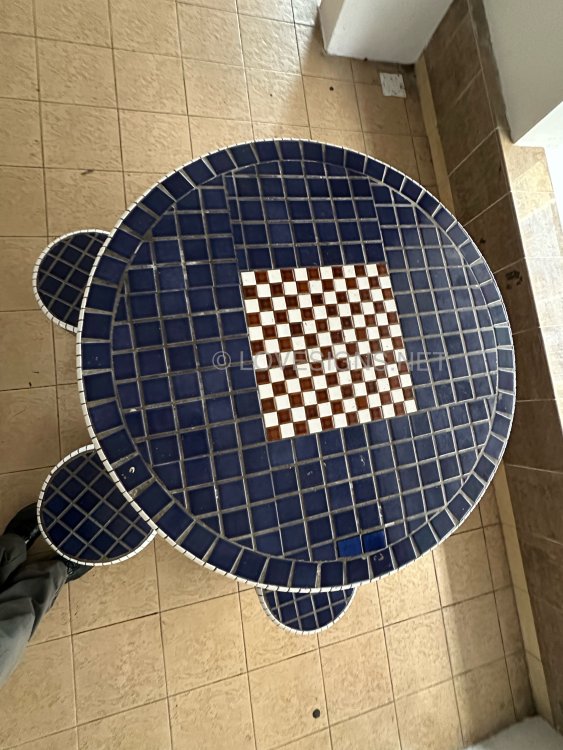
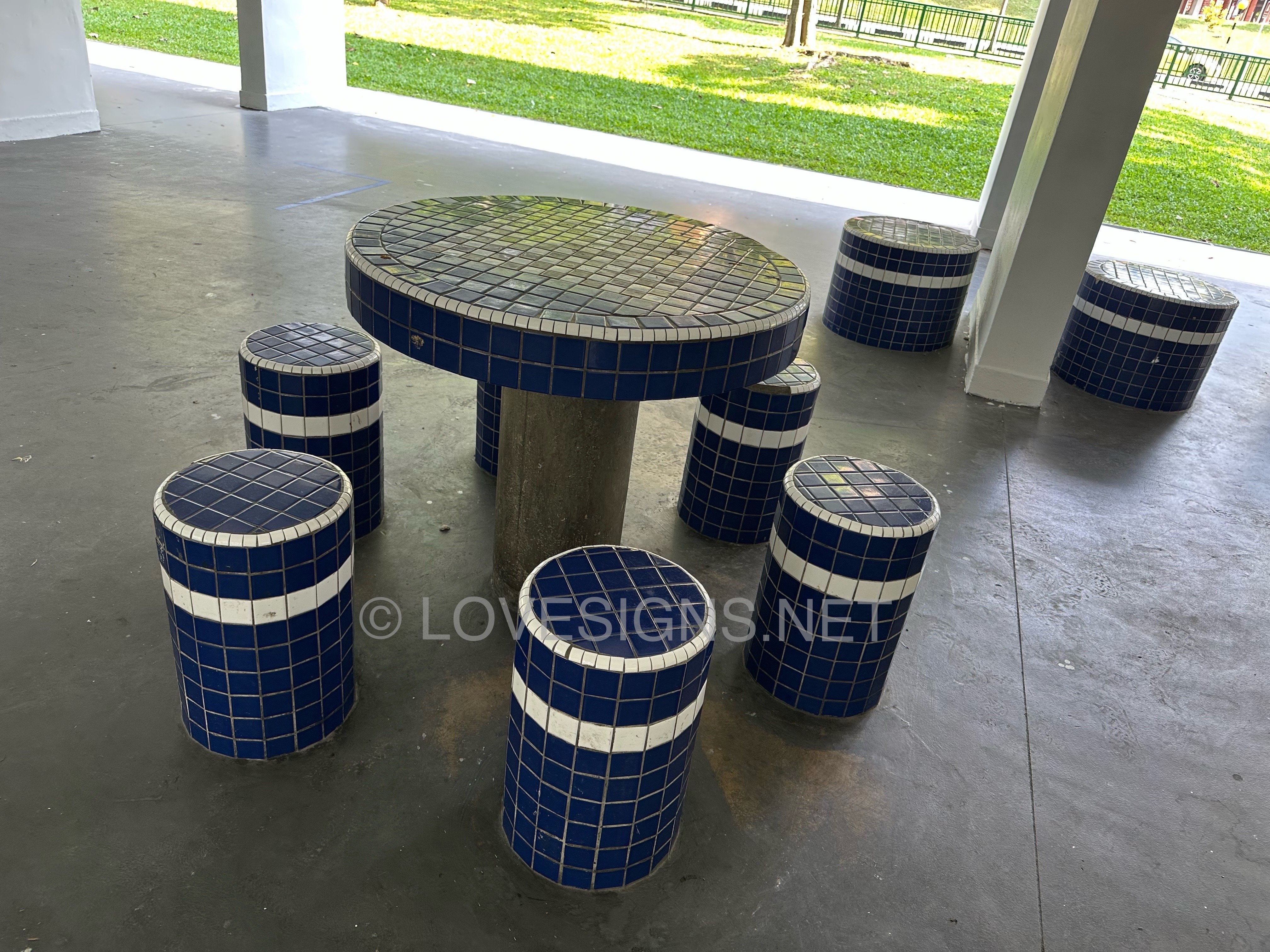
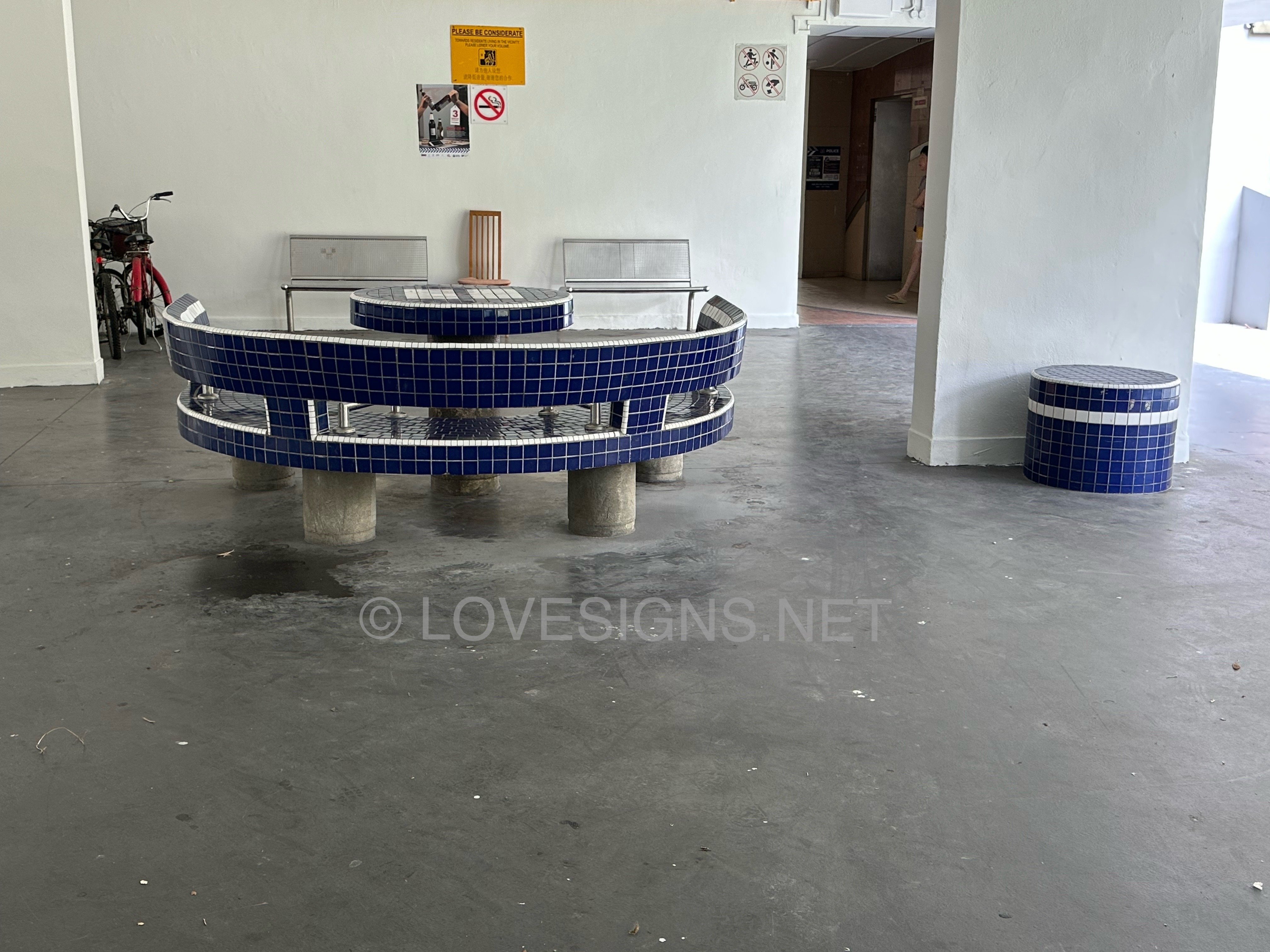
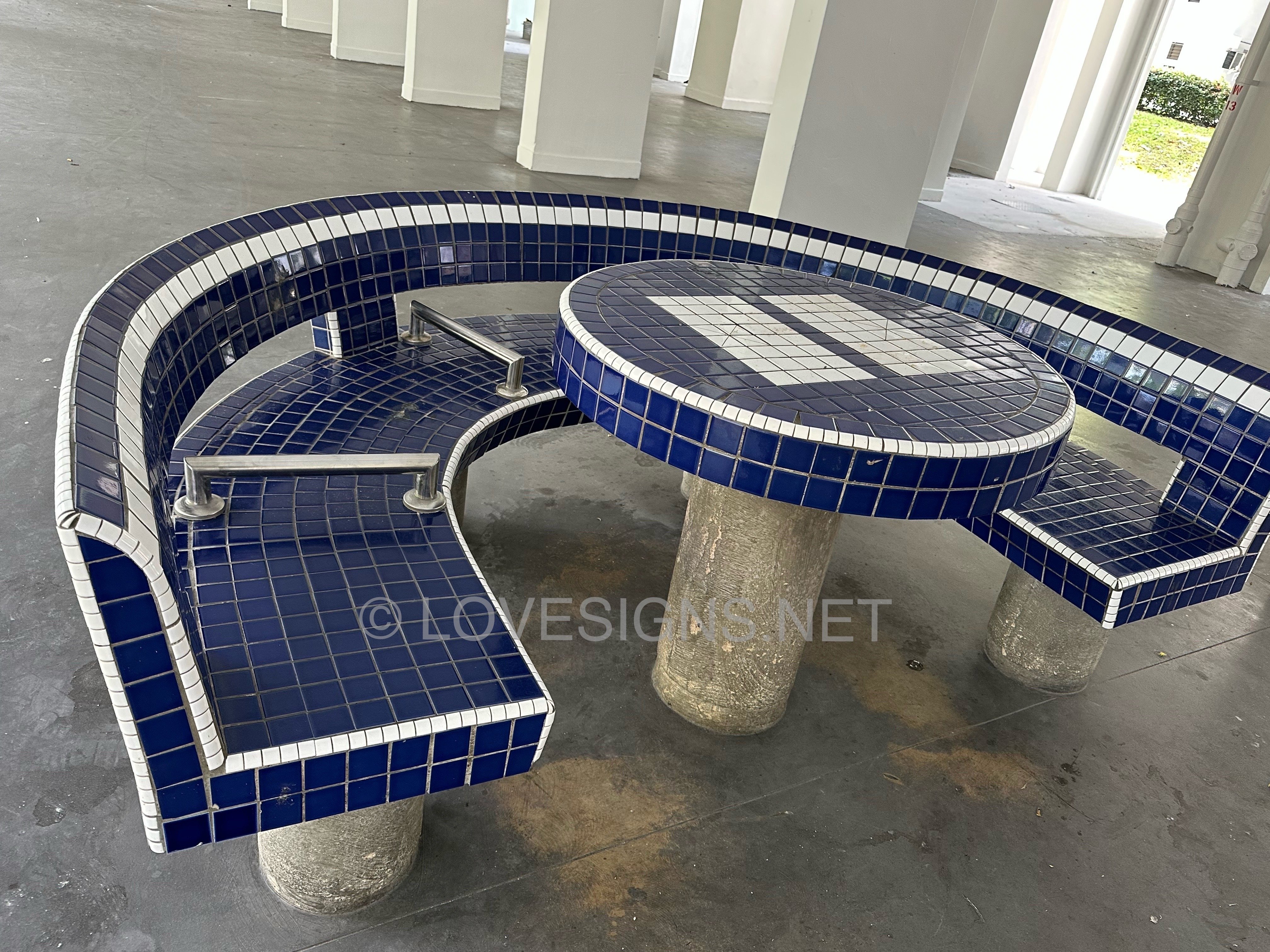
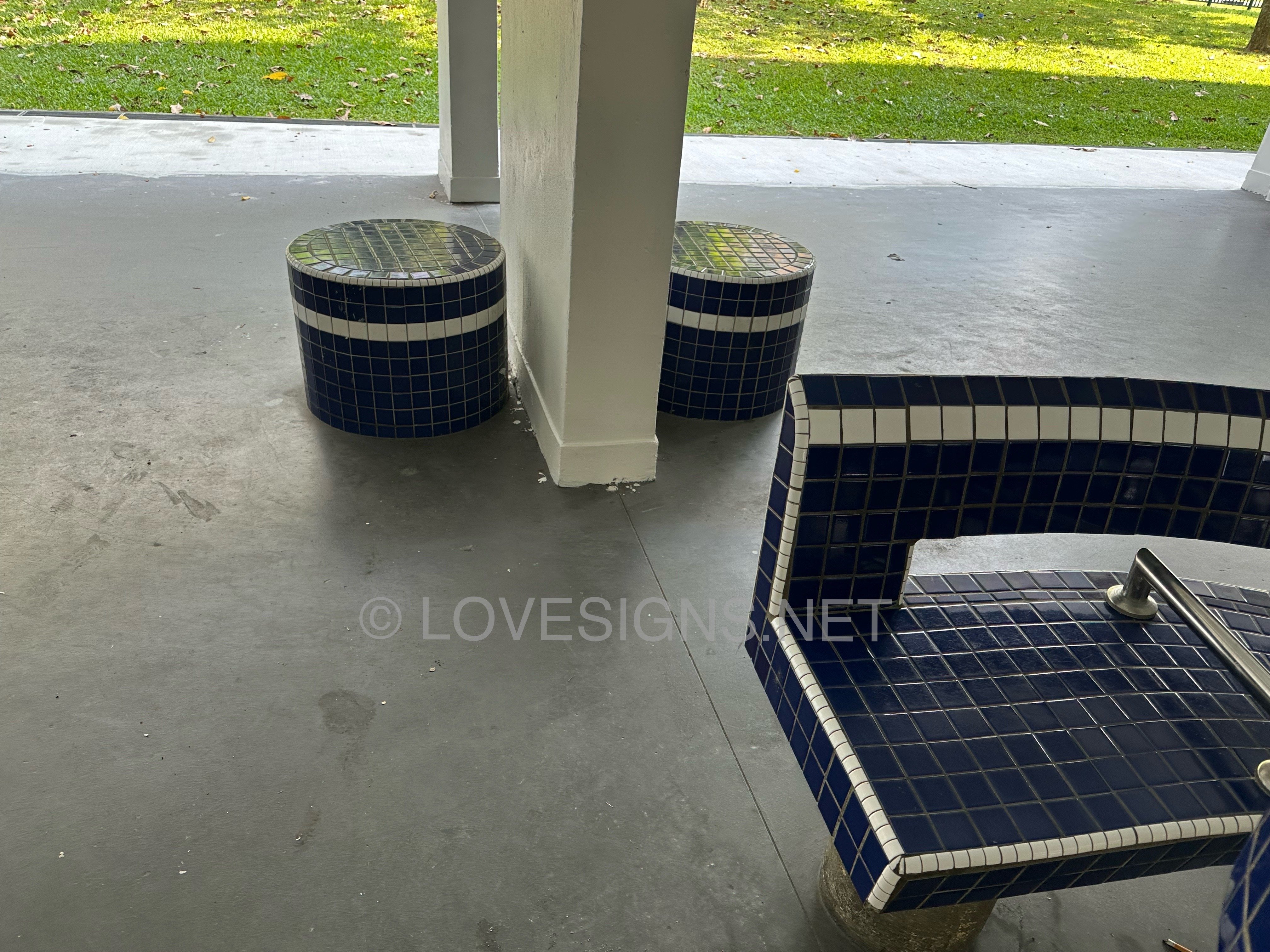
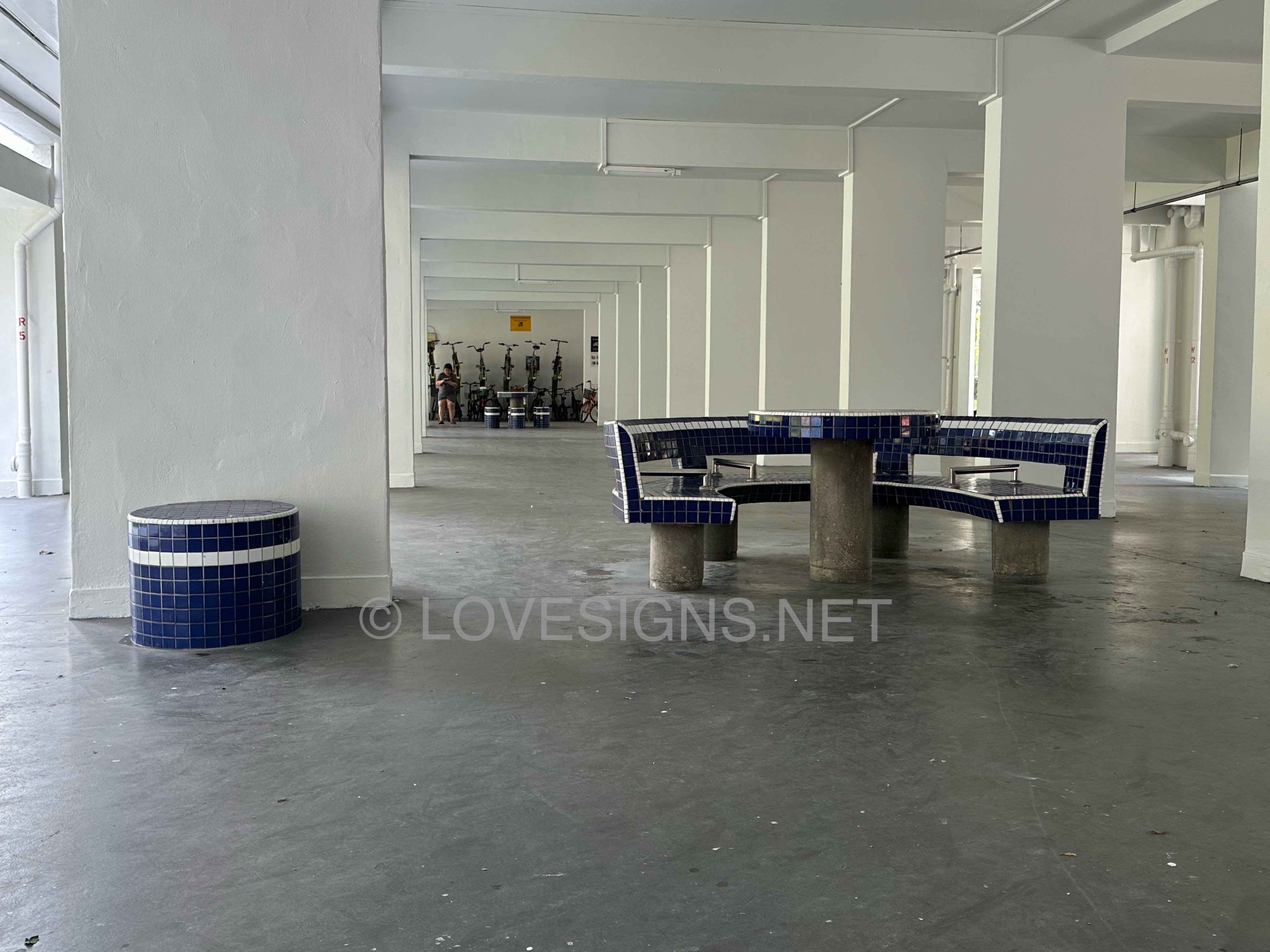
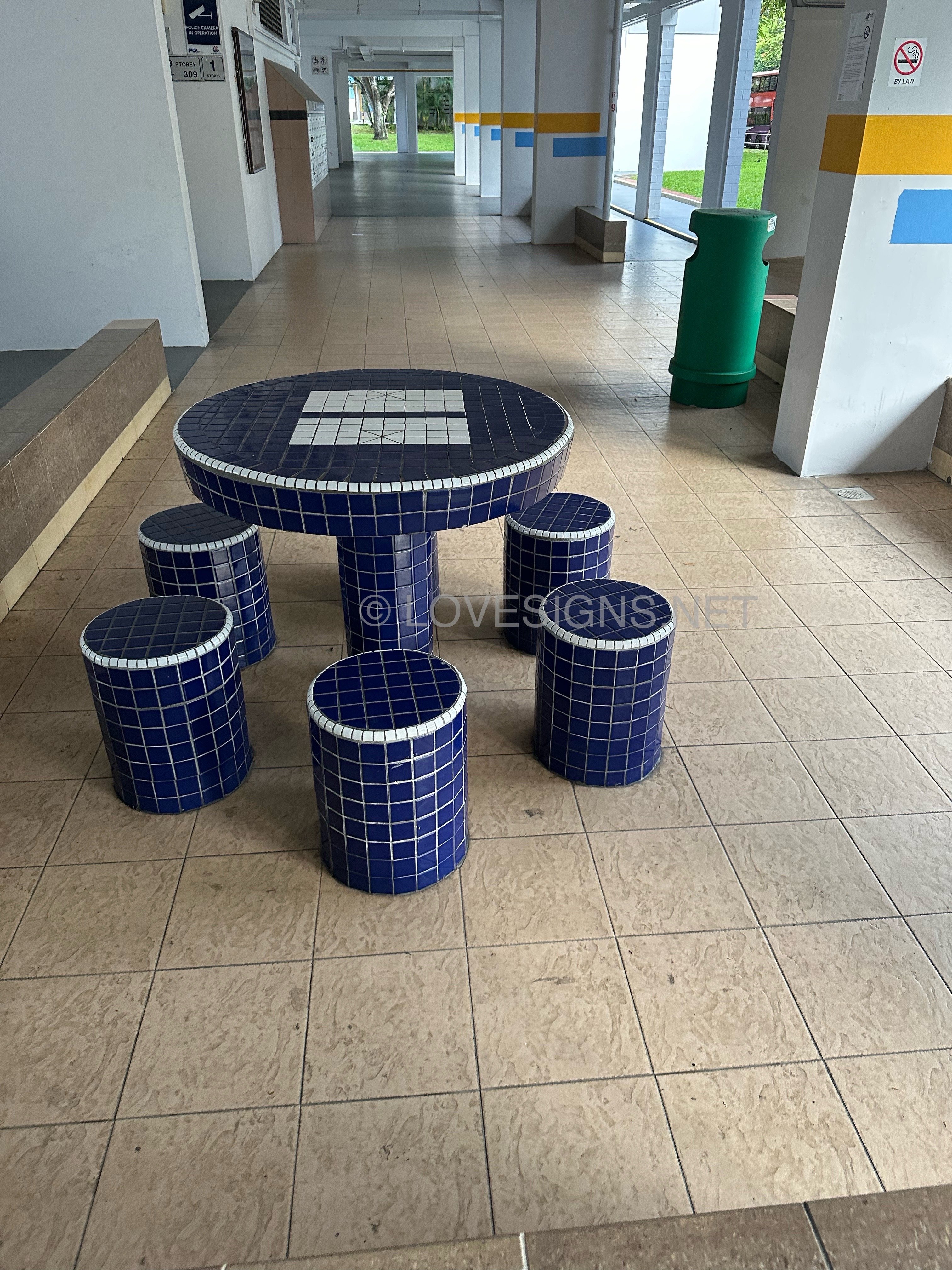
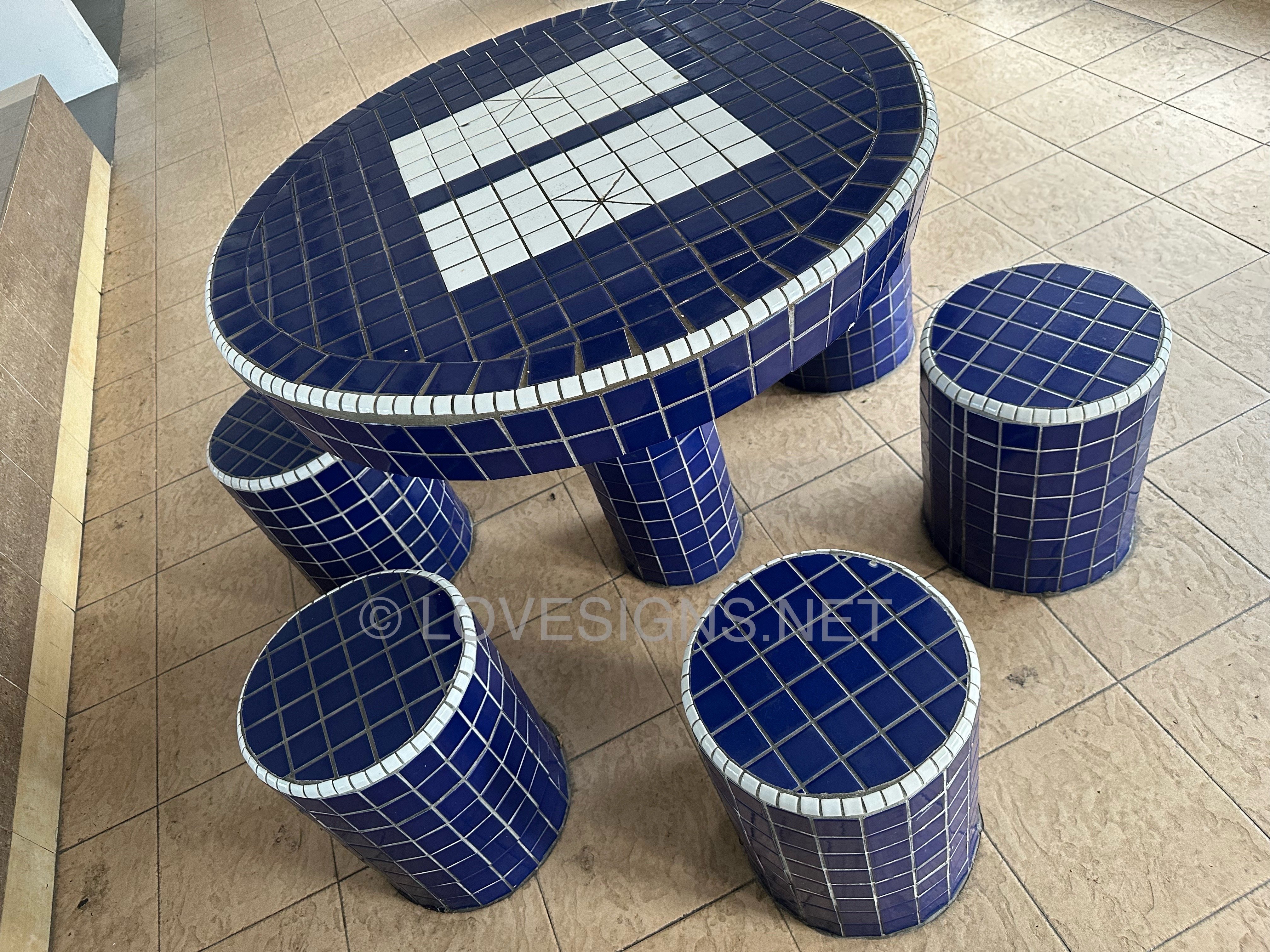
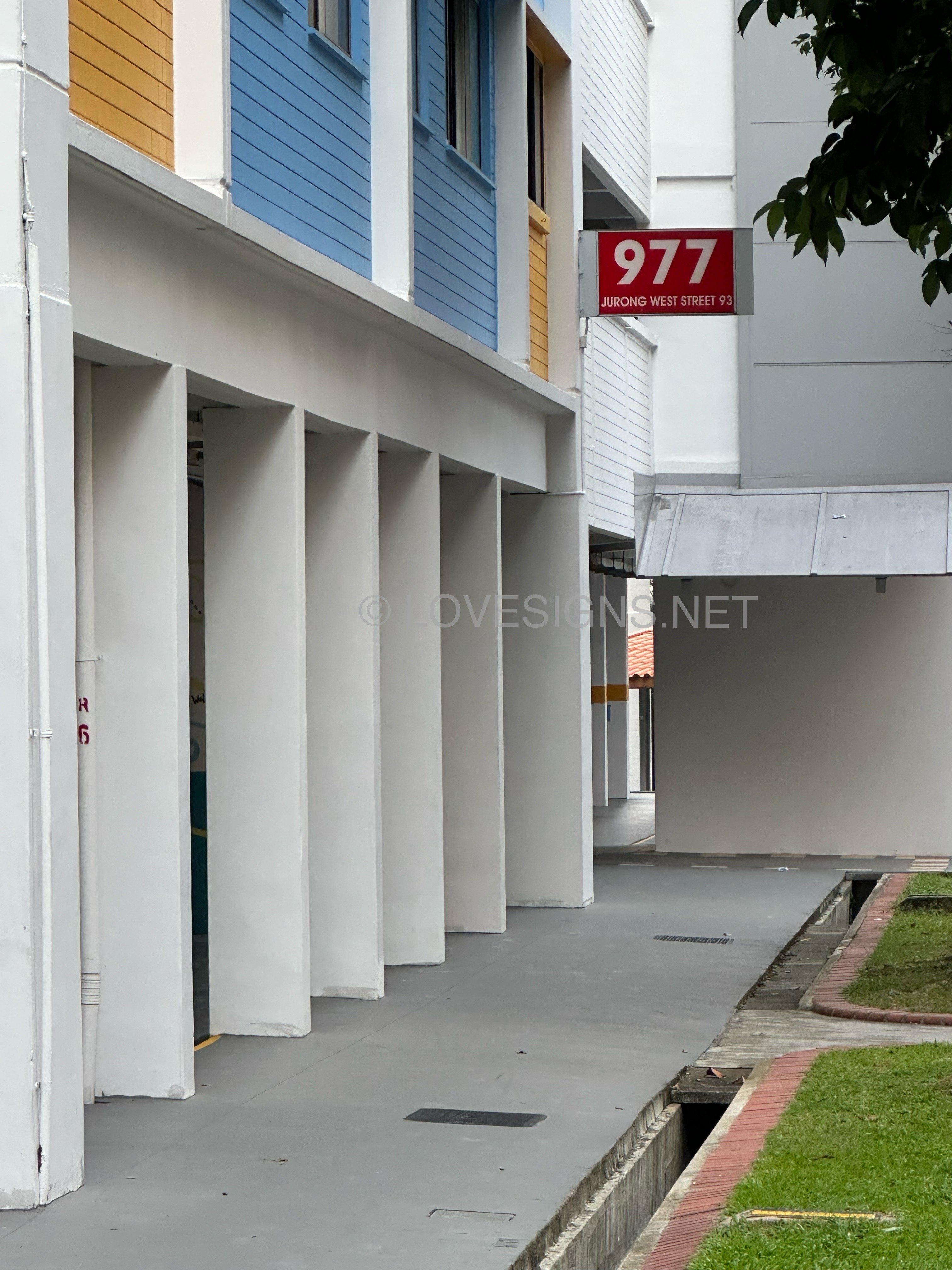
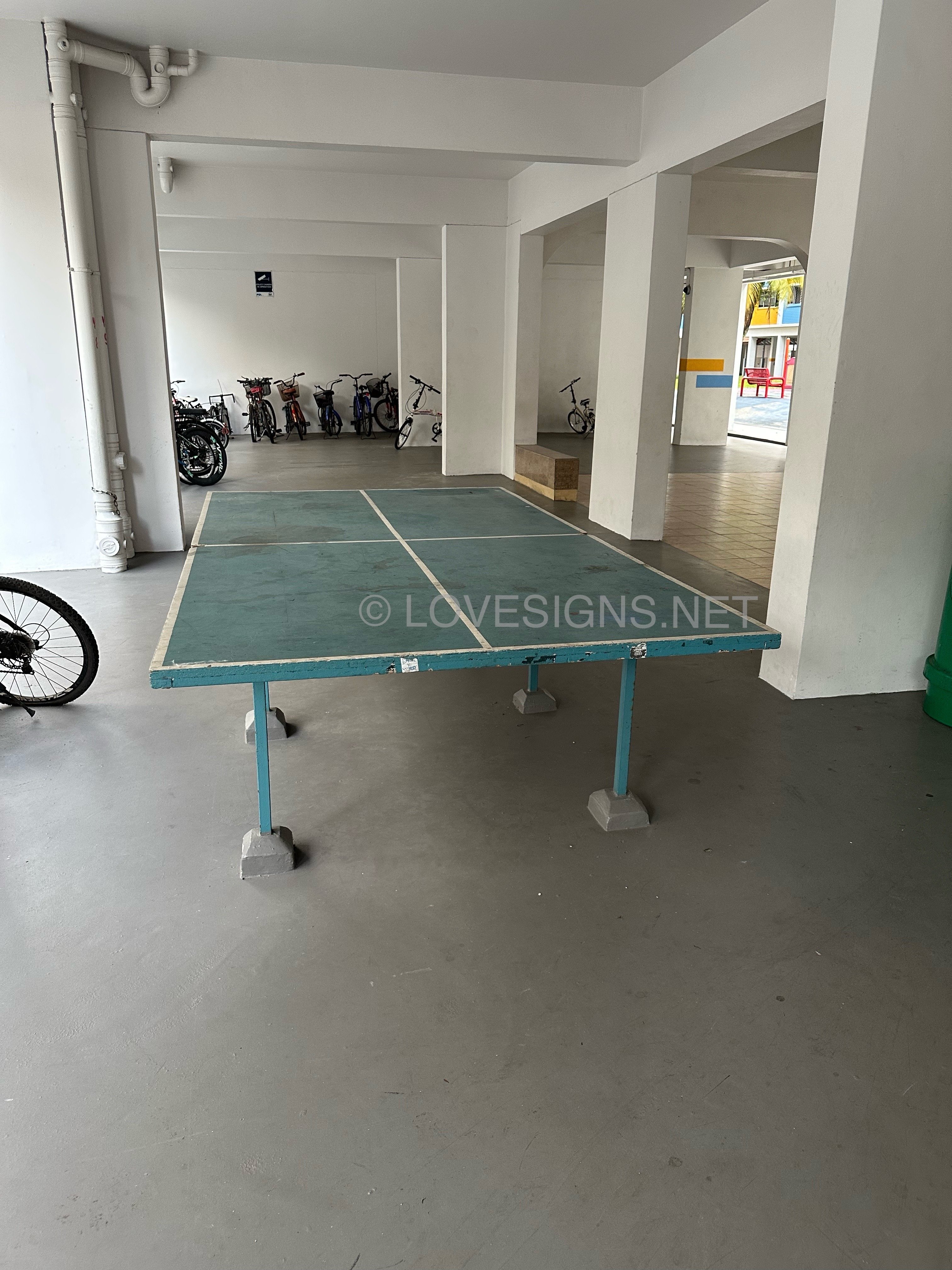
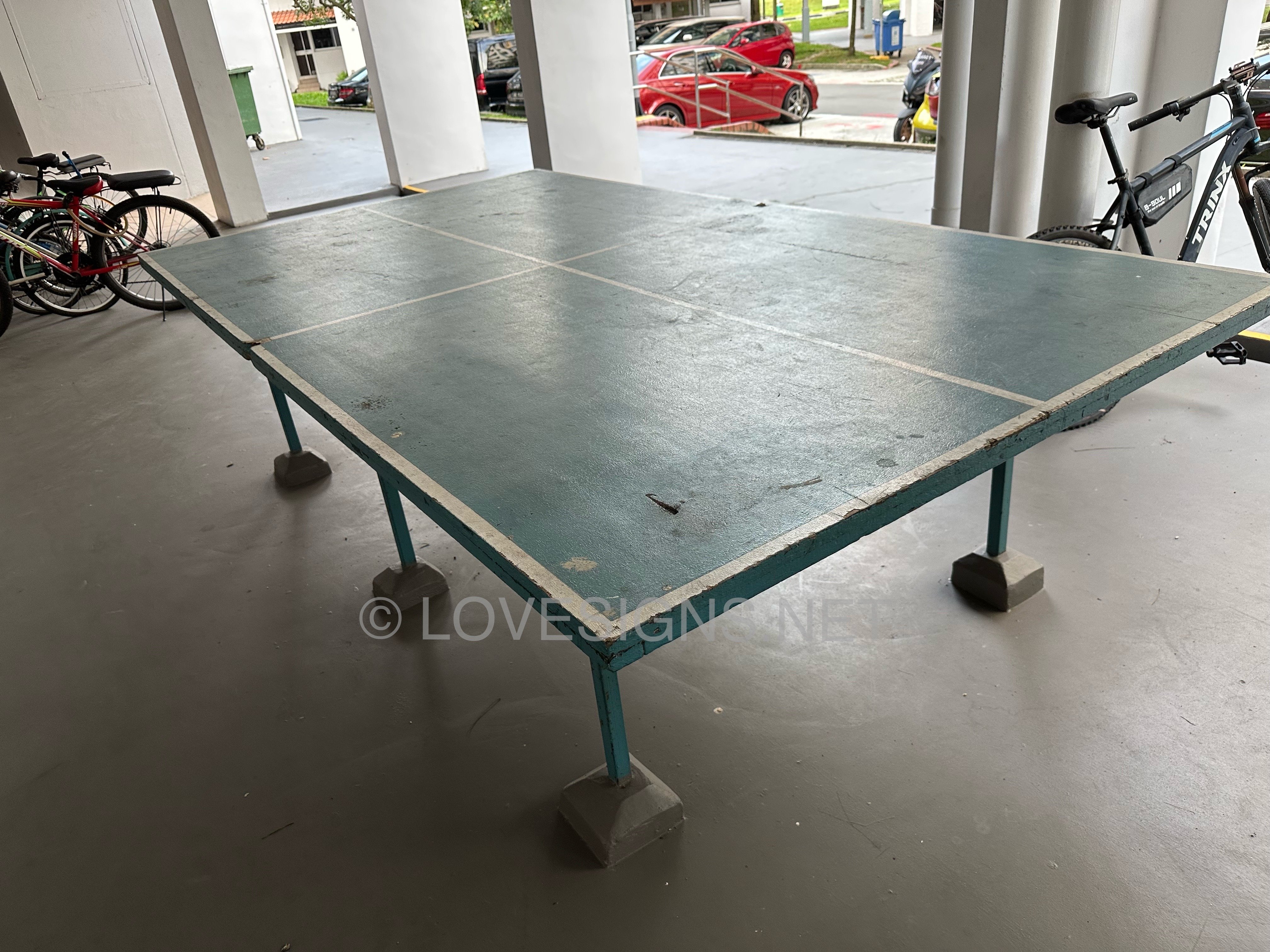
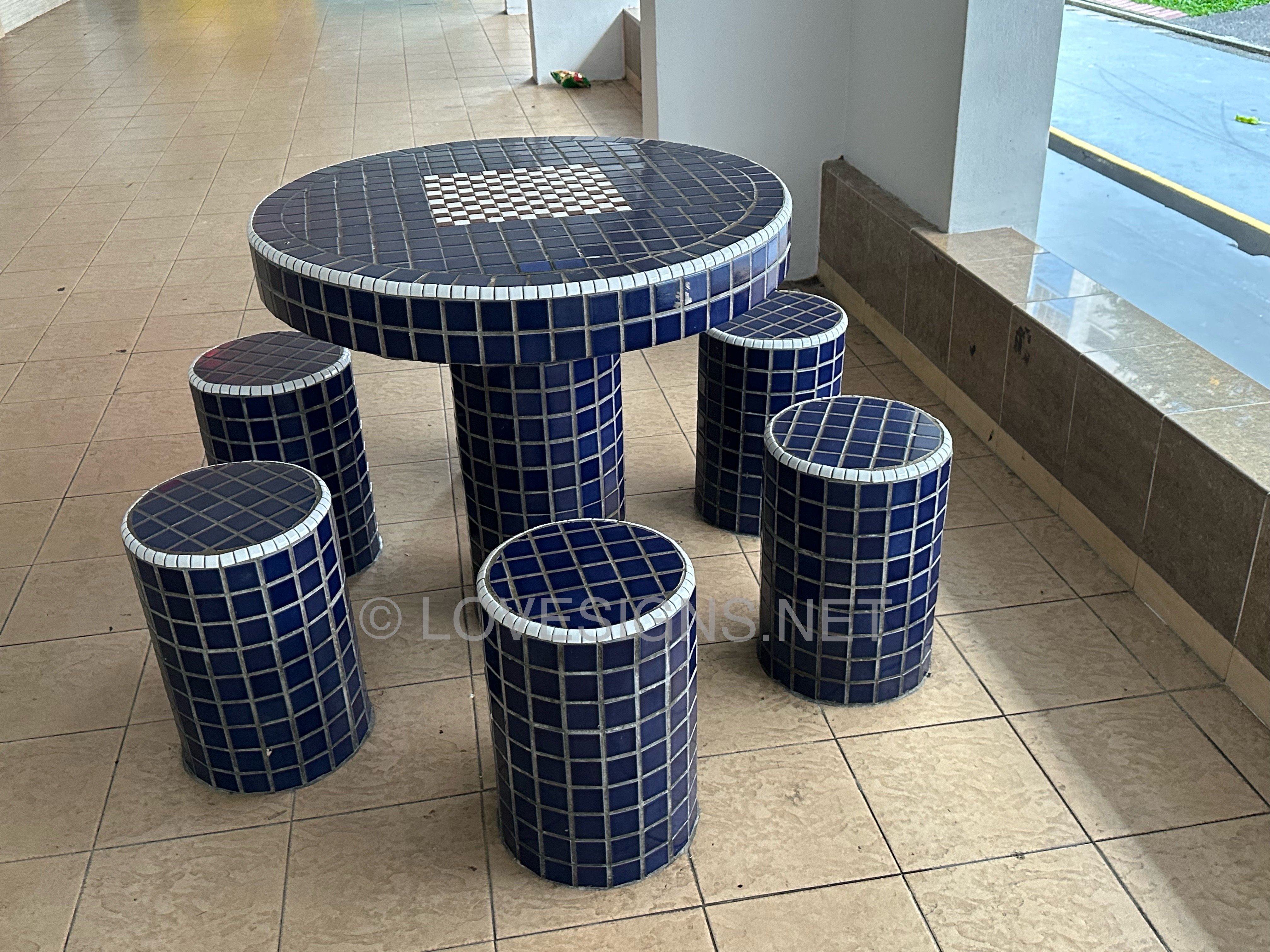
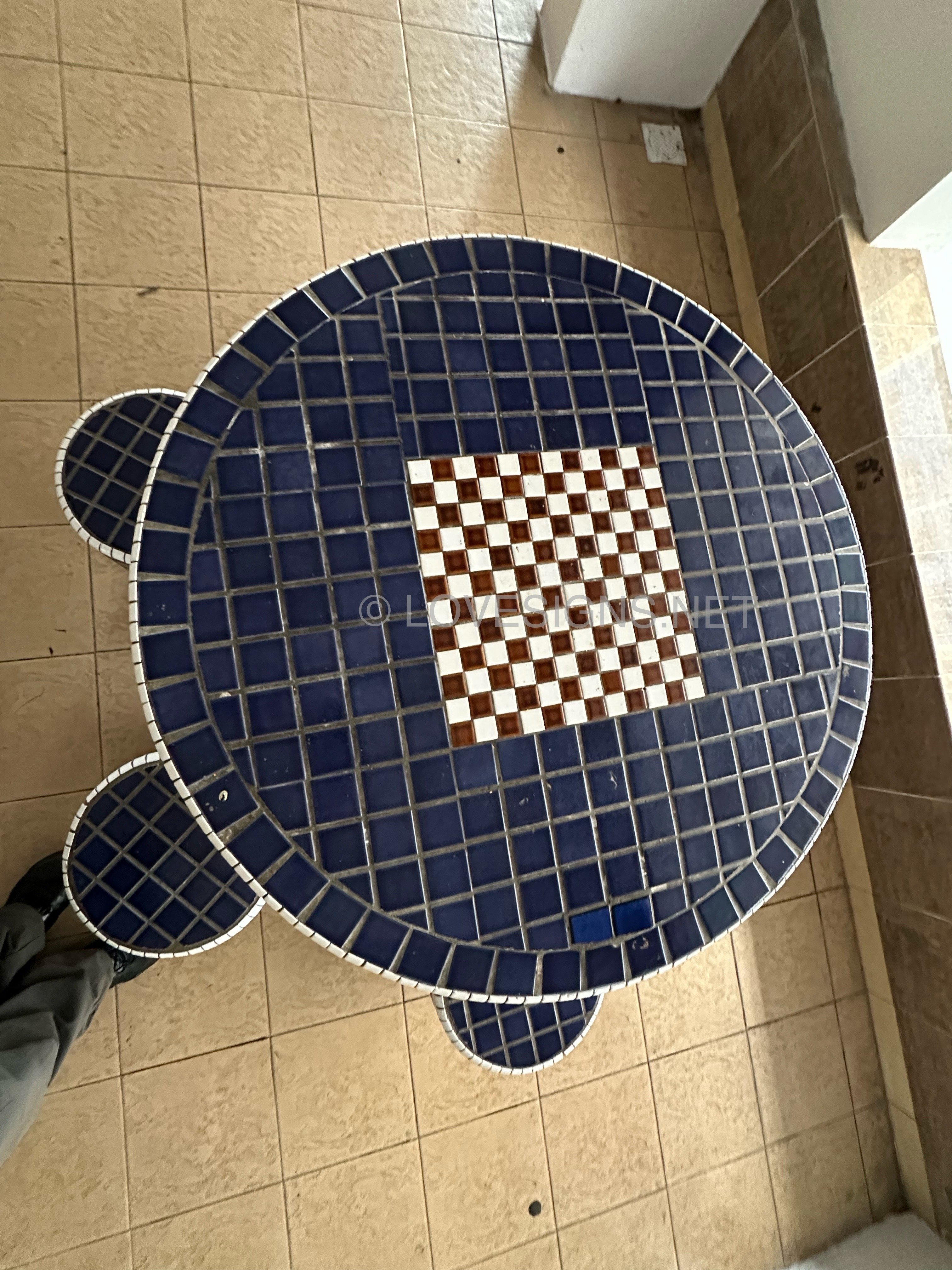
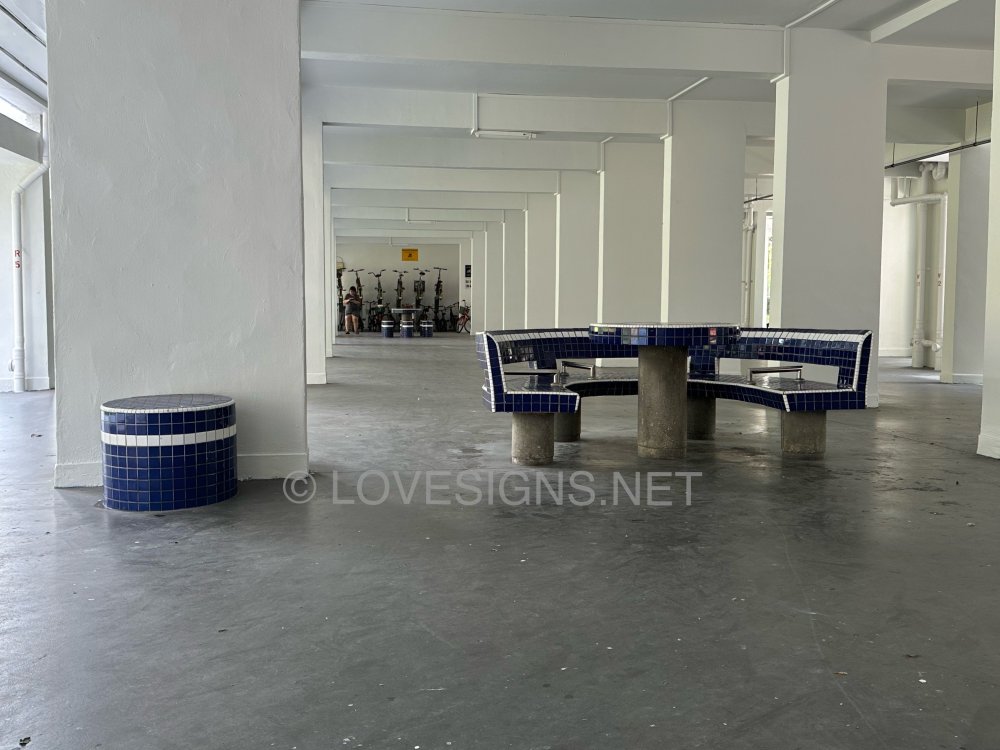
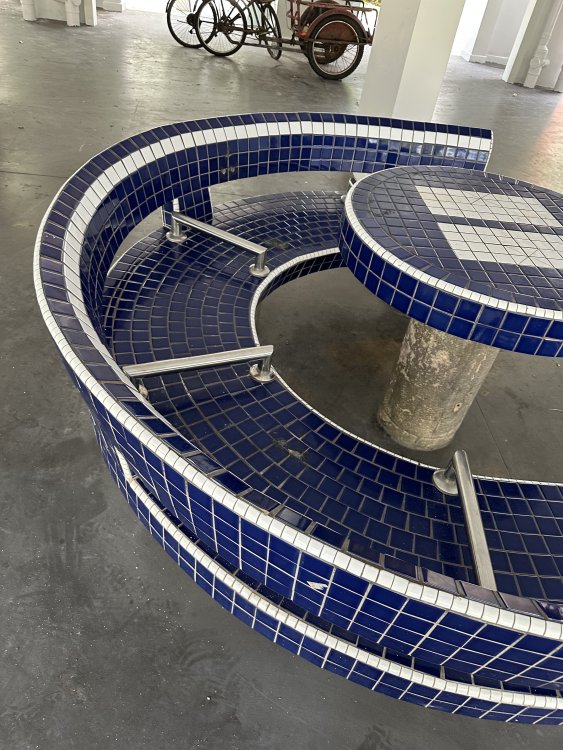
 1989's design @ Blk 977 Jurong West Street 93 The table top features an embedded chess and checkers board.