


Cecil Lee
Staff
-
Joined
-
Last visited
Everything posted by Cecil Lee
-
Neighbours https://www.geomancy.net/forums/topic/16393-regentville-hougang-condo-site-plan/
-
Neighbours 100 Palms Residences (One Hundred Palms by Hoi Hup) : Lucky Stacks - Feng Shui Guide - Singapore Property Reviews - FengShui.Geomancy.Net
-
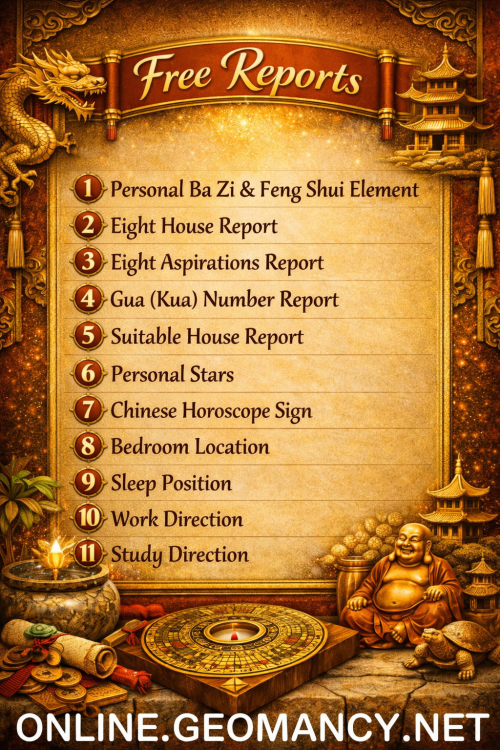
Personalised Analysis Reports Personalised Reports Free Analysis Reports Find out your Life Association Sectors Find out your Gua (Kua) Number? East or West Group Person? Find out your Horoscope? Find out your Characteristics? Find out your Personal Element? How suitable is your Home? Your Favourable Sleep Position? Your Favourable Study Position? Your Favourable Work Position? Your Favourable Bedroom Location? Is your Apartment Number Auspicious? Generate Free Reports Generate 4 Good & 4 Bad Direction Report Generate Ba Zi Luck Analysis, Personal Element & Horoscope Insights- (FREEBAZI.GEOMANCY.NET) Generate 30 Days Auspicious Date for ONE or TWO Persons(DATE.GEOMANCY.NET) More FREE Reports Welcome to Personalized Analysis ReportsSince 1996, Geomancy.net has guided individuals in understanding Feng Shui and Chinese divination. With our expertise, we have assisted thousands, becoming a trusted resource for those seeking knowledge. Our personalized analysis reports empower you to tap into these ancient practices, significantly improving your quality of life. Discover the Power of Personalized Analysis ReportsAt ONLINE.GEOMANCY.NET, we provide free personalized analysis reports that empower you to understand the intricate connections between your living environment and your personal well-being. By leveraging time-honored techniques from Feng Shui and Chinese divination, our reports help you uncover valuable insights that can guide your decisions and improve your lifestyle. What We OfferOur comprehensive reports are designed to give you a holistic view of your life associations and environmental influences. Here’s what you can expect from our personalized analysis: Life Association SectorsUnderstanding your life association sectors is crucial for achieving balance and harmony. Our reports will reveal the areas of your life that are most influenced by your environment, helping you to focus your energy where it matters most. Your Gua (Kua) NumberYour Gua number is a vital aspect of Feng Shui that determines your personal energy profile. By calculating your Gua number, you can gain insights into your strengths and weaknesses, allowing you to make informed decisions that align with your true nature. East or West Group Person?Identifying whether you belong to the East or West group can significantly impact your approach to life. Our analysis will classify you accordingly, providing tailored recommendations for your personal growth and development. Horoscope InsightsAstrology plays a significant role in understanding your personality traits and life path. Our reports will include your horoscope, offering insights into your character and potential challenges you may face. Understanding Your CharacteristicsEvery individual has unique characteristics shaped by various factors. Our personalized reports will analyze these traits, helping you to understand how they influence your interactions and relationships. Your Personal ElementIn Feng Shui, the five elements (Wood, Fire, Earth, Metal, Water) play a crucial role in shaping your life. Our analysis will determine your personal element, providing insights that can help you harmonize with your environment. Assessing Your Home's SuitabilityYour living space significantly affects your overall well-being. Our reports will evaluate how suitable your home is for you, considering factors such as layout, direction, and energy flow. This assessment can guide you in making necessary adjustments to enhance your living environment. Favorable Sleep PositionDid you know that your sleep position can impact your health? Our analysis will suggest the best sleep position for you based on your personal energy profile, helping you achieve better rest and rejuvenation. Optimal Study PositionFor students and professionals alike, the right study position can enhance focus and productivity. Our reports will provide recommendations for your ideal study position, allowing you to maximize your learning potential. Favorable Work PositionYour work environment plays a critical role in your success. We will analyze your work position to ensure it aligns with your personal energy, promoting productivity and satisfaction in your professional life. Bedroom LocationThe location of your bedroom can influence your relationships and personal energy. Our reports will offer insights into the most beneficial bedroom location for you, fostering a peaceful and harmonious space. Auspicious Apartment NumbersDid you know that the number of your apartment can carry significant meaning? Our analysis will determine whether your apartment number is auspicious, guiding you towards a more favorable living situation. Generate Your Free ReportsReady to take the next step? Generating your free personalized analysis reports is simple: Login or Sign Up: Access your account at ONLINE.GEOMANCY.NET to get started. Choose Your Reports: Select from various reports, including: 4 Good & 4 Bad Direction Report Ba Zi Luck Analysis Personal Element Insights Horoscope Insights Receive Your Analysis: Once generated, your reports will be available for you to explore.
-
Personalised Analysis Reports Personalised Reports Free Analysis Reports Find out your Life Association Sectors Find out your Gua (Kua) Number? East or West Group Person? Find out your Horoscope? Find out your Characteristics? Find out your Personal Element? How suitable is your Home? Your Favourable Sleep Position? Your Favourable Study Position? Your Favourable Work Position? Your Favourable Bedroom Location? Is your Apartment Number Auspicious? Generate Free Reports Generate 4 Good & 4 Bad Direction Report Generate Ba Zi Luck Analysis, Personal Element & Horoscope Insights- (FREEBAZI.GEOMANCY.NET) Generate 30 Days Auspicious Date for ONE or TWO Persons(DATE.GEOMANCY.NET) More FREE Reports Welcome to Personalized Analysis ReportsSince 1996, Geomancy.net has guided individuals in understanding Feng Shui and Chinese divination. With our expertise, we have assisted thousands, becoming a trusted resource for those seeking knowledge. Our personalized analysis reports empower you to tap into these ancient practices, significantly improving your quality of life. Discover the Power of Personalized Analysis ReportsAt ONLINE.GEOMANCY.NET, we provide free personalized analysis reports that empower you to understand the intricate connections between your living environment and your personal well-being. By leveraging time-honored techniques from Feng Shui and Chinese divination, our reports help you uncover valuable insights that can guide your decisions and improve your lifestyle. What We OfferOur comprehensive reports are designed to give you a holistic view of your life associations and environmental influences. Here’s what you can expect from our personalized analysis: Life Association SectorsUnderstanding your life association sectors is crucial for achieving balance and harmony. Our reports will reveal the areas of your life that are most influenced by your environment, helping you to focus your energy where it matters most. Your Gua (Kua) NumberYour Gua number is a vital aspect of Feng Shui that determines your personal energy profile. By calculating your Gua number, you can gain insights into your strengths and weaknesses, allowing you to make informed decisions that align with your true nature. East or West Group Person?Identifying whether you belong to the East or West group can significantly impact your approach to life. Our analysis will classify you accordingly, providing tailored recommendations for your personal growth and development. Horoscope InsightsAstrology plays a significant role in understanding your personality traits and life path. Our reports will include your horoscope, offering insights into your character and potential challenges you may face. Understanding Your CharacteristicsEvery individual has unique characteristics shaped by various factors. Our personalized reports will analyze these traits, helping you to understand how they influence your interactions and relationships. Your Personal ElementIn Feng Shui, the five elements (Wood, Fire, Earth, Metal, Water) play a crucial role in shaping your life. Our analysis will determine your personal element, providing insights that can help you harmonize with your environment. Assessing Your Home's SuitabilityYour living space significantly affects your overall well-being. Our reports will evaluate how suitable your home is for you, considering factors such as layout, direction, and energy flow. This assessment can guide you in making necessary adjustments to enhance your living environment. Favorable Sleep PositionDid you know that your sleep position can impact your health? Our analysis will suggest the best sleep position for you based on your personal energy profile, helping you achieve better rest and rejuvenation. Optimal Study PositionFor students and professionals alike, the right study position can enhance focus and productivity. Our reports will provide recommendations for your ideal study position, allowing you to maximize your learning potential. Favorable Work PositionYour work environment plays a critical role in your success. We will analyze your work position to ensure it aligns with your personal energy, promoting productivity and satisfaction in your professional life. Bedroom LocationThe location of your bedroom can influence your relationships and personal energy. Our reports will offer insights into the most beneficial bedroom location for you, fostering a peaceful and harmonious space. Auspicious Apartment NumbersDid you know that the number of your apartment can carry significant meaning? Our analysis will determine whether your apartment number is auspicious, guiding you towards a more favorable living situation. Generate Your Free ReportsReady to take the next step? Generating your free personalized analysis reports is simple: Login or Sign Up: Access your account at ONLINE.GEOMANCY.NET to get started. Choose Your Reports: Select from various reports, including: 4 Good & 4 Bad Direction Report Ba Zi Luck Analysis Personal Element Insights Horoscope Insights Receive Your Analysis: Once generated, your reports will be available for you to explore.
-
Personalised Analysis Reports Personalised Reports Free Analysis Reports Find out your Life Association Sectors Find out your Gua (Kua) Number? East or West Group Person? Find out your Horoscope? Find out your Characteristics? Find out your Personal Element? How suitable is your Home? Your Favourable Sleep Position? Your Favourable Study Position? Your Favourable Work Position? Your Favourable Bedroom Location? Is your Apartment Number Auspicious? Generate Free Reports Generate 4 Good & 4 Bad Direction Report Generate Ba Zi Luck Analysis, Personal Element & Horoscope Insights- (FREEBAZI.GEOMANCY.NET) Generate 30 Days Auspicious Date for ONE or TWO Persons(DATE.GEOMANCY.NET) More FREE Reports Welcome to Personalized Analysis ReportsSince 1996, Geomancy.net has guided individuals in understanding Feng Shui and Chinese divination. With our expertise, we have assisted thousands, becoming a trusted resource for those seeking knowledge. Our personalized analysis reports empower you to tap into these ancient practices, significantly improving your quality of life. Discover the Power of Personalized Analysis ReportsAt ONLINE.GEOMANCY.NET, we provide free personalized analysis reports that empower you to understand the intricate connections between your living environment and your personal well-being. By leveraging time-honored techniques from Feng Shui and Chinese divination, our reports help you uncover valuable insights that can guide your decisions and improve your lifestyle. What We OfferOur comprehensive reports are designed to give you a holistic view of your life associations and environmental influences. Here’s what you can expect from our personalized analysis: Life Association SectorsUnderstanding your life association sectors is crucial for achieving balance and harmony. Our reports will reveal the areas of your life that are most influenced by your environment, helping you to focus your energy where it matters most. Your Gua (Kua) NumberYour Gua number is a vital aspect of Feng Shui that determines your personal energy profile. By calculating your Gua number, you can gain insights into your strengths and weaknesses, allowing you to make informed decisions that align with your true nature. East or West Group Person?Identifying whether you belong to the East or West group can significantly impact your approach to life. Our analysis will classify you accordingly, providing tailored recommendations for your personal growth and development. Horoscope InsightsAstrology plays a significant role in understanding your personality traits and life path. Our reports will include your horoscope, offering insights into your character and potential challenges you may face. Understanding Your CharacteristicsEvery individual has unique characteristics shaped by various factors. Our personalized reports will analyze these traits, helping you to understand how they influence your interactions and relationships. Your Personal ElementIn Feng Shui, the five elements (Wood, Fire, Earth, Metal, Water) play a crucial role in shaping your life. Our analysis will determine your personal element, providing insights that can help you harmonize with your environment. Assessing Your Home's SuitabilityYour living space significantly affects your overall well-being. Our reports will evaluate how suitable your home is for you, considering factors such as layout, direction, and energy flow. This assessment can guide you in making necessary adjustments to enhance your living environment. Favorable Sleep PositionDid you know that your sleep position can impact your health? Our analysis will suggest the best sleep position for you based on your personal energy profile, helping you achieve better rest and rejuvenation. Optimal Study PositionFor students and professionals alike, the right study position can enhance focus and productivity. Our reports will provide recommendations for your ideal study position, allowing you to maximize your learning potential. Favorable Work PositionYour work environment plays a critical role in your success. We will analyze your work position to ensure it aligns with your personal energy, promoting productivity and satisfaction in your professional life. Bedroom LocationThe location of your bedroom can influence your relationships and personal energy. Our reports will offer insights into the most beneficial bedroom location for you, fostering a peaceful and harmonious space. Auspicious Apartment NumbersDid you know that the number of your apartment can carry significant meaning? Our analysis will determine whether your apartment number is auspicious, guiding you towards a more favorable living situation. Generate Your Free ReportsReady to take the next step? Generating your free personalized analysis reports is simple: Login or Sign Up: Access your account at ONLINE.GEOMANCY.NET to get started. Choose Your Reports: Select from various reports, including: 4 Good & 4 Bad Direction Report Ba Zi Luck Analysis Personal Element Insights Horoscope Insights Receive Your Analysis: Once generated, your reports will be available for you to explore.
-
Personalised Analysis Reports Personalised Reports Free Analysis Reports Find out your Life Association Sectors Find out your Gua (Kua) Number? East or West Group Person? Find out your Horoscope? Find out your Characteristics? Find out your Personal Element? How suitable is your Home? Your Favourable Sleep Position? Your Favourable Study Position? Your Favourable Work Position? Your Favourable Bedroom Location? Is your Apartment Number Auspicious? Generate Free Reports Generate 4 Good & 4 Bad Direction Report Generate Ba Zi Luck Analysis, Personal Element & Horoscope Insights- (FREEBAZI.GEOMANCY.NET) Generate 30 Days Auspicious Date for ONE or TWO Persons(DATE.GEOMANCY.NET) More FREE Reports Welcome to Personalized Analysis ReportsSince 1996, Geomancy.net has guided individuals in understanding Feng Shui and Chinese divination. With our expertise, we have assisted thousands, becoming a trusted resource for those seeking knowledge. Our personalized analysis reports empower you to tap into these ancient practices, significantly improving your quality of life. Discover the Power of Personalized Analysis ReportsAt ONLINE.GEOMANCY.NET, we provide free personalized analysis reports that empower you to understand the intricate connections between your living environment and your personal well-being. By leveraging time-honored techniques from Feng Shui and Chinese divination, our reports help you uncover valuable insights that can guide your decisions and improve your lifestyle. What We OfferOur comprehensive reports are designed to give you a holistic view of your life associations and environmental influences. Here’s what you can expect from our personalized analysis: Life Association SectorsUnderstanding your life association sectors is crucial for achieving balance and harmony. Our reports will reveal the areas of your life that are most influenced by your environment, helping you to focus your energy where it matters most. Your Gua (Kua) NumberYour Gua number is a vital aspect of Feng Shui that determines your personal energy profile. By calculating your Gua number, you can gain insights into your strengths and weaknesses, allowing you to make informed decisions that align with your true nature. East or West Group Person?Identifying whether you belong to the East or West group can significantly impact your approach to life. Our analysis will classify you accordingly, providing tailored recommendations for your personal growth and development. Horoscope InsightsAstrology plays a significant role in understanding your personality traits and life path. Our reports will include your horoscope, offering insights into your character and potential challenges you may face. Understanding Your CharacteristicsEvery individual has unique characteristics shaped by various factors. Our personalized reports will analyze these traits, helping you to understand how they influence your interactions and relationships. Your Personal ElementIn Feng Shui, the five elements (Wood, Fire, Earth, Metal, Water) play a crucial role in shaping your life. Our analysis will determine your personal element, providing insights that can help you harmonize with your environment. Assessing Your Home's SuitabilityYour living space significantly affects your overall well-being. Our reports will evaluate how suitable your home is for you, considering factors such as layout, direction, and energy flow. This assessment can guide you in making necessary adjustments to enhance your living environment. Favorable Sleep PositionDid you know that your sleep position can impact your health? Our analysis will suggest the best sleep position for you based on your personal energy profile, helping you achieve better rest and rejuvenation. Optimal Study PositionFor students and professionals alike, the right study position can enhance focus and productivity. Our reports will provide recommendations for your ideal study position, allowing you to maximize your learning potential. Favorable Work PositionYour work environment plays a critical role in your success. We will analyze your work position to ensure it aligns with your personal energy, promoting productivity and satisfaction in your professional life. Bedroom LocationThe location of your bedroom can influence your relationships and personal energy. Our reports will offer insights into the most beneficial bedroom location for you, fostering a peaceful and harmonious space. Auspicious Apartment NumbersDid you know that the number of your apartment can carry significant meaning? Our analysis will determine whether your apartment number is auspicious, guiding you towards a more favorable living situation. Generate Your Free ReportsReady to take the next step? Generating your free personalized analysis reports is simple: Login or Sign Up: Access your account at ONLINE.GEOMANCY.NET to get started. Choose Your Reports: Select from various reports, including: 4 Good & 4 Bad Direction Report Ba Zi Luck Analysis Personal Element Insights Horoscope Insights Receive Your Analysis: Once generated, your reports will be available for you to explore.
-
Personalised Analysis Reports Personalised Reports Free Analysis Reports Find out your Life Association Sectors Find out your Gua (Kua) Number? East or West Group Person? Find out your Horoscope? Find out your Characteristics? Find out your Personal Element? How suitable is your Home? Your Favourable Sleep Position? Your Favourable Study Position? Your Favourable Work Position? Your Favourable Bedroom Location? Is your Apartment Number Auspicious? Generate Free Reports Generate 4 Good & 4 Bad Direction Report Generate Ba Zi Luck Analysis, Personal Element & Horoscope Insights- (FREEBAZI.GEOMANCY.NET) Generate 30 Days Auspicious Date for ONE or TWO Persons(DATE.GEOMANCY.NET) More FREE Reports Welcome to Personalized Analysis ReportsSince 1996, Geomancy.net has guided individuals in understanding Feng Shui and Chinese divination. With our expertise, we have assisted thousands, becoming a trusted resource for those seeking knowledge. Our personalized analysis reports empower you to tap into these ancient practices, significantly improving your quality of life. Discover the Power of Personalized Analysis ReportsAt ONLINE.GEOMANCY.NET, we provide free personalized analysis reports that empower you to understand the intricate connections between your living environment and your personal well-being. By leveraging time-honored techniques from Feng Shui and Chinese divination, our reports help you uncover valuable insights that can guide your decisions and improve your lifestyle. What We OfferOur comprehensive reports are designed to give you a holistic view of your life associations and environmental influences. Here’s what you can expect from our personalized analysis: Life Association SectorsUnderstanding your life association sectors is crucial for achieving balance and harmony. Our reports will reveal the areas of your life that are most influenced by your environment, helping you to focus your energy where it matters most. Your Gua (Kua) NumberYour Gua number is a vital aspect of Feng Shui that determines your personal energy profile. By calculating your Gua number, you can gain insights into your strengths and weaknesses, allowing you to make informed decisions that align with your true nature. East or West Group Person?Identifying whether you belong to the East or West group can significantly impact your approach to life. Our analysis will classify you accordingly, providing tailored recommendations for your personal growth and development. Horoscope InsightsAstrology plays a significant role in understanding your personality traits and life path. Our reports will include your horoscope, offering insights into your character and potential challenges you may face. Understanding Your CharacteristicsEvery individual has unique characteristics shaped by various factors. Our personalized reports will analyze these traits, helping you to understand how they influence your interactions and relationships. Your Personal ElementIn Feng Shui, the five elements (Wood, Fire, Earth, Metal, Water) play a crucial role in shaping your life. Our analysis will determine your personal element, providing insights that can help you harmonize with your environment. Assessing Your Home's SuitabilityYour living space significantly affects your overall well-being. Our reports will evaluate how suitable your home is for you, considering factors such as layout, direction, and energy flow. This assessment can guide you in making necessary adjustments to enhance your living environment. Favorable Sleep PositionDid you know that your sleep position can impact your health? Our analysis will suggest the best sleep position for you based on your personal energy profile, helping you achieve better rest and rejuvenation. Optimal Study PositionFor students and professionals alike, the right study position can enhance focus and productivity. Our reports will provide recommendations for your ideal study position, allowing you to maximize your learning potential. Favorable Work PositionYour work environment plays a critical role in your success. We will analyze your work position to ensure it aligns with your personal energy, promoting productivity and satisfaction in your professional life. Bedroom LocationThe location of your bedroom can influence your relationships and personal energy. Our reports will offer insights into the most beneficial bedroom location for you, fostering a peaceful and harmonious space. Auspicious Apartment NumbersDid you know that the number of your apartment can carry significant meaning? Our analysis will determine whether your apartment number is auspicious, guiding you towards a more favorable living situation. Generate Your Free ReportsReady to take the next step? Generating your free personalized analysis reports is simple: Login or Sign Up: Access your account at ONLINE.GEOMANCY.NET to get started. Choose Your Reports: Select from various reports, including: 4 Good & 4 Bad Direction Report Ba Zi Luck Analysis Personal Element Insights Horoscope Insights Receive Your Analysis: Once generated, your reports will be available for you to explore.
-
Personalised Analysis Reports Personalised Reports Free Analysis Reports Find out your Life Association Sectors Find out your Gua (Kua) Number? East or West Group Person? Find out your Horoscope? Find out your Characteristics? Find out your Personal Element? How suitable is your Home? Your Favourable Sleep Position? Your Favourable Study Position? Your Favourable Work Position? Your Favourable Bedroom Location? Is your Apartment Number Auspicious? Generate Free Reports Generate 4 Good & 4 Bad Direction Report Generate Ba Zi Luck Analysis, Personal Element & Horoscope Insights- (FREEBAZI.GEOMANCY.NET) Generate 30 Days Auspicious Date for ONE or TWO Persons(DATE.GEOMANCY.NET) More FREE Reports Welcome to Personalized Analysis ReportsSince 1996, Geomancy.net has guided individuals in understanding Feng Shui and Chinese divination. With our expertise, we have assisted thousands, becoming a trusted resource for those seeking knowledge. Our personalized analysis reports empower you to tap into these ancient practices, significantly improving your quality of life. Discover the Power of Personalized Analysis ReportsAt ONLINE.GEOMANCY.NET, we provide free personalized analysis reports that empower you to understand the intricate connections between your living environment and your personal well-being. By leveraging time-honored techniques from Feng Shui and Chinese divination, our reports help you uncover valuable insights that can guide your decisions and improve your lifestyle. What We OfferOur comprehensive reports are designed to give you a holistic view of your life associations and environmental influences. Here’s what you can expect from our personalized analysis: Life Association SectorsUnderstanding your life association sectors is crucial for achieving balance and harmony. Our reports will reveal the areas of your life that are most influenced by your environment, helping you to focus your energy where it matters most. Your Gua (Kua) NumberYour Gua number is a vital aspect of Feng Shui that determines your personal energy profile. By calculating your Gua number, you can gain insights into your strengths and weaknesses, allowing you to make informed decisions that align with your true nature. East or West Group Person?Identifying whether you belong to the East or West group can significantly impact your approach to life. Our analysis will classify you accordingly, providing tailored recommendations for your personal growth and development. Horoscope InsightsAstrology plays a significant role in understanding your personality traits and life path. Our reports will include your horoscope, offering insights into your character and potential challenges you may face. Understanding Your CharacteristicsEvery individual has unique characteristics shaped by various factors. Our personalized reports will analyze these traits, helping you to understand how they influence your interactions and relationships. Your Personal ElementIn Feng Shui, the five elements (Wood, Fire, Earth, Metal, Water) play a crucial role in shaping your life. Our analysis will determine your personal element, providing insights that can help you harmonize with your environment. Assessing Your Home's SuitabilityYour living space significantly affects your overall well-being. Our reports will evaluate how suitable your home is for you, considering factors such as layout, direction, and energy flow. This assessment can guide you in making necessary adjustments to enhance your living environment. Favorable Sleep PositionDid you know that your sleep position can impact your health? Our analysis will suggest the best sleep position for you based on your personal energy profile, helping you achieve better rest and rejuvenation. Optimal Study PositionFor students and professionals alike, the right study position can enhance focus and productivity. Our reports will provide recommendations for your ideal study position, allowing you to maximize your learning potential. Favorable Work PositionYour work environment plays a critical role in your success. We will analyze your work position to ensure it aligns with your personal energy, promoting productivity and satisfaction in your professional life. Bedroom LocationThe location of your bedroom can influence your relationships and personal energy. Our reports will offer insights into the most beneficial bedroom location for you, fostering a peaceful and harmonious space. Auspicious Apartment NumbersDid you know that the number of your apartment can carry significant meaning? Our analysis will determine whether your apartment number is auspicious, guiding you towards a more favorable living situation. Generate Your Free ReportsReady to take the next step? Generating your free personalized analysis reports is simple: Login or Sign Up: Access your account at ONLINE.GEOMANCY.NET to get started. Choose Your Reports: Select from various reports, including: 4 Good & 4 Bad Direction Report Ba Zi Luck Analysis Personal Element Insights Horoscope Insights Receive Your Analysis: Once generated, your reports will be available for you to explore.
-
Personalised Analysis Reports Personalised Reports Free Analysis Reports Find out your Life Association Sectors Find out your Gua (Kua) Number? East or West Group Person? Find out your Horoscope? Find out your Characteristics? Find out your Personal Element? How suitable is your Home? Your Favourable Sleep Position? Your Favourable Study Position? Your Favourable Work Position? Your Favourable Bedroom Location? Is your Apartment Number Auspicious? Generate Free Reports Generate 4 Good & 4 Bad Direction Report Generate Ba Zi Luck Analysis, Personal Element & Horoscope Insights- (FREEBAZI.GEOMANCY.NET) Generate 30 Days Auspicious Date for ONE or TWO Persons(DATE.GEOMANCY.NET) More FREE Reports Welcome to Personalized Analysis ReportsSince 1996, Geomancy.net has guided individuals in understanding Feng Shui and Chinese divination. With our expertise, we have assisted thousands, becoming a trusted resource for those seeking knowledge. Our personalized analysis reports empower you to tap into these ancient practices, significantly improving your quality of life. Discover the Power of Personalized Analysis ReportsAt ONLINE.GEOMANCY.NET, we provide free personalized analysis reports that empower you to understand the intricate connections between your living environment and your personal well-being. By leveraging time-honored techniques from Feng Shui and Chinese divination, our reports help you uncover valuable insights that can guide your decisions and improve your lifestyle. What We OfferOur comprehensive reports are designed to give you a holistic view of your life associations and environmental influences. Here’s what you can expect from our personalized analysis: Life Association SectorsUnderstanding your life association sectors is crucial for achieving balance and harmony. Our reports will reveal the areas of your life that are most influenced by your environment, helping you to focus your energy where it matters most. Your Gua (Kua) NumberYour Gua number is a vital aspect of Feng Shui that determines your personal energy profile. By calculating your Gua number, you can gain insights into your strengths and weaknesses, allowing you to make informed decisions that align with your true nature. East or West Group Person?Identifying whether you belong to the East or West group can significantly impact your approach to life. Our analysis will classify you accordingly, providing tailored recommendations for your personal growth and development. Horoscope InsightsAstrology plays a significant role in understanding your personality traits and life path. Our reports will include your horoscope, offering insights into your character and potential challenges you may face. Understanding Your CharacteristicsEvery individual has unique characteristics shaped by various factors. Our personalized reports will analyze these traits, helping you to understand how they influence your interactions and relationships. Your Personal ElementIn Feng Shui, the five elements (Wood, Fire, Earth, Metal, Water) play a crucial role in shaping your life. Our analysis will determine your personal element, providing insights that can help you harmonize with your environment. Assessing Your Home's SuitabilityYour living space significantly affects your overall well-being. Our reports will evaluate how suitable your home is for you, considering factors such as layout, direction, and energy flow. This assessment can guide you in making necessary adjustments to enhance your living environment. Favorable Sleep PositionDid you know that your sleep position can impact your health? Our analysis will suggest the best sleep position for you based on your personal energy profile, helping you achieve better rest and rejuvenation. Optimal Study PositionFor students and professionals alike, the right study position can enhance focus and productivity. Our reports will provide recommendations for your ideal study position, allowing you to maximize your learning potential. Favorable Work PositionYour work environment plays a critical role in your success. We will analyze your work position to ensure it aligns with your personal energy, promoting productivity and satisfaction in your professional life. Bedroom LocationThe location of your bedroom can influence your relationships and personal energy. Our reports will offer insights into the most beneficial bedroom location for you, fostering a peaceful and harmonious space. Auspicious Apartment NumbersDid you know that the number of your apartment can carry significant meaning? Our analysis will determine whether your apartment number is auspicious, guiding you towards a more favorable living situation. Generate Your Free ReportsReady to take the next step? Generating your free personalized analysis reports is simple: Login or Sign Up: Access your account at ONLINE.GEOMANCY.NET to get started. Choose Your Reports: Select from various reports, including: 4 Good & 4 Bad Direction Report Ba Zi Luck Analysis Personal Element Insights Horoscope Insights Receive Your Analysis: Once generated, your reports will be available for you to explore.
-
Personalised Analysis Reports Personalised Reports Free Analysis Reports Find out your Life Association Sectors Find out your Gua (Kua) Number? East or West Group Person? Find out your Horoscope? Find out your Characteristics? Find out your Personal Element? How suitable is your Home? Your Favourable Sleep Position? Your Favourable Study Position? Your Favourable Work Position? Your Favourable Bedroom Location? Is your Apartment Number Auspicious? Generate Free Reports Generate 4 Good & 4 Bad Direction Report Generate Ba Zi Luck Analysis, Personal Element & Horoscope Insights- (FREEBAZI.GEOMANCY.NET) Generate 30 Days Auspicious Date for ONE or TWO Persons(DATE.GEOMANCY.NET) More FREE Reports Welcome to Personalized Analysis ReportsSince 1996, Geomancy.net has guided individuals in understanding Feng Shui and Chinese divination. With our expertise, we have assisted thousands, becoming a trusted resource for those seeking knowledge. Our personalized analysis reports empower you to tap into these ancient practices, significantly improving your quality of life. Discover the Power of Personalized Analysis ReportsAt ONLINE.GEOMANCY.NET, we provide free personalized analysis reports that empower you to understand the intricate connections between your living environment and your personal well-being. By leveraging time-honored techniques from Feng Shui and Chinese divination, our reports help you uncover valuable insights that can guide your decisions and improve your lifestyle. What We OfferOur comprehensive reports are designed to give you a holistic view of your life associations and environmental influences. Here’s what you can expect from our personalized analysis: Life Association SectorsUnderstanding your life association sectors is crucial for achieving balance and harmony. Our reports will reveal the areas of your life that are most influenced by your environment, helping you to focus your energy where it matters most. Your Gua (Kua) NumberYour Gua number is a vital aspect of Feng Shui that determines your personal energy profile. By calculating your Gua number, you can gain insights into your strengths and weaknesses, allowing you to make informed decisions that align with your true nature. East or West Group Person?Identifying whether you belong to the East or West group can significantly impact your approach to life. Our analysis will classify you accordingly, providing tailored recommendations for your personal growth and development. Horoscope InsightsAstrology plays a significant role in understanding your personality traits and life path. Our reports will include your horoscope, offering insights into your character and potential challenges you may face. Understanding Your CharacteristicsEvery individual has unique characteristics shaped by various factors. Our personalized reports will analyze these traits, helping you to understand how they influence your interactions and relationships. Your Personal ElementIn Feng Shui, the five elements (Wood, Fire, Earth, Metal, Water) play a crucial role in shaping your life. Our analysis will determine your personal element, providing insights that can help you harmonize with your environment. Assessing Your Home's SuitabilityYour living space significantly affects your overall well-being. Our reports will evaluate how suitable your home is for you, considering factors such as layout, direction, and energy flow. This assessment can guide you in making necessary adjustments to enhance your living environment. Favorable Sleep PositionDid you know that your sleep position can impact your health? Our analysis will suggest the best sleep position for you based on your personal energy profile, helping you achieve better rest and rejuvenation. Optimal Study PositionFor students and professionals alike, the right study position can enhance focus and productivity. Our reports will provide recommendations for your ideal study position, allowing you to maximize your learning potential. Favorable Work PositionYour work environment plays a critical role in your success. We will analyze your work position to ensure it aligns with your personal energy, promoting productivity and satisfaction in your professional life. Bedroom LocationThe location of your bedroom can influence your relationships and personal energy. Our reports will offer insights into the most beneficial bedroom location for you, fostering a peaceful and harmonious space. Auspicious Apartment NumbersDid you know that the number of your apartment can carry significant meaning? Our analysis will determine whether your apartment number is auspicious, guiding you towards a more favorable living situation. Generate Your Free ReportsReady to take the next step? Generating your free personalized analysis reports is simple: Login or Sign Up: Access your account at ONLINE.GEOMANCY.NET to get started. Choose Your Reports: Select from various reports, including: 4 Good & 4 Bad Direction Report Ba Zi Luck Analysis Personal Element Insights Horoscope Insights Receive Your Analysis: Once generated, your reports will be available for you to explore.
-
Personalised Analysis Reports Personalised Reports Free Analysis Reports Find out your Life Association Sectors Find out your Gua (Kua) Number? East or West Group Person? Find out your Horoscope? Find out your Characteristics? Find out your Personal Element? How suitable is your Home? Your Favourable Sleep Position? Your Favourable Study Position? Your Favourable Work Position? Your Favourable Bedroom Location? Is your Apartment Number Auspicious? Generate Free Reports Generate 4 Good & 4 Bad Direction Report Generate Ba Zi Luck Analysis, Personal Element & Horoscope Insights- (FREEBAZI.GEOMANCY.NET) Generate 30 Days Auspicious Date for ONE or TWO Persons(DATE.GEOMANCY.NET) More FREE Reports Welcome to Personalized Analysis ReportsSince 1996, Geomancy.net has guided individuals in understanding Feng Shui and Chinese divination. With our expertise, we have assisted thousands, becoming a trusted resource for those seeking knowledge. Our personalized analysis reports empower you to tap into these ancient practices, significantly improving your quality of life. Discover the Power of Personalized Analysis ReportsAt ONLINE.GEOMANCY.NET, we provide free personalized analysis reports that empower you to understand the intricate connections between your living environment and your personal well-being. By leveraging time-honored techniques from Feng Shui and Chinese divination, our reports help you uncover valuable insights that can guide your decisions and improve your lifestyle. What We OfferOur comprehensive reports are designed to give you a holistic view of your life associations and environmental influences. Here’s what you can expect from our personalized analysis: Life Association SectorsUnderstanding your life association sectors is crucial for achieving balance and harmony. Our reports will reveal the areas of your life that are most influenced by your environment, helping you to focus your energy where it matters most. Your Gua (Kua) NumberYour Gua number is a vital aspect of Feng Shui that determines your personal energy profile. By calculating your Gua number, you can gain insights into your strengths and weaknesses, allowing you to make informed decisions that align with your true nature. East or West Group Person?Identifying whether you belong to the East or West group can significantly impact your approach to life. Our analysis will classify you accordingly, providing tailored recommendations for your personal growth and development. Horoscope InsightsAstrology plays a significant role in understanding your personality traits and life path. Our reports will include your horoscope, offering insights into your character and potential challenges you may face. Understanding Your CharacteristicsEvery individual has unique characteristics shaped by various factors. Our personalized reports will analyze these traits, helping you to understand how they influence your interactions and relationships. Your Personal ElementIn Feng Shui, the five elements (Wood, Fire, Earth, Metal, Water) play a crucial role in shaping your life. Our analysis will determine your personal element, providing insights that can help you harmonize with your environment. Assessing Your Home's SuitabilityYour living space significantly affects your overall well-being. Our reports will evaluate how suitable your home is for you, considering factors such as layout, direction, and energy flow. This assessment can guide you in making necessary adjustments to enhance your living environment. Favorable Sleep PositionDid you know that your sleep position can impact your health? Our analysis will suggest the best sleep position for you based on your personal energy profile, helping you achieve better rest and rejuvenation. Optimal Study PositionFor students and professionals alike, the right study position can enhance focus and productivity. Our reports will provide recommendations for your ideal study position, allowing you to maximize your learning potential. Favorable Work PositionYour work environment plays a critical role in your success. We will analyze your work position to ensure it aligns with your personal energy, promoting productivity and satisfaction in your professional life. Bedroom LocationThe location of your bedroom can influence your relationships and personal energy. Our reports will offer insights into the most beneficial bedroom location for you, fostering a peaceful and harmonious space. Auspicious Apartment NumbersDid you know that the number of your apartment can carry significant meaning? Our analysis will determine whether your apartment number is auspicious, guiding you towards a more favorable living situation. Generate Your Free ReportsReady to take the next step? Generating your free personalized analysis reports is simple: Login or Sign Up: Access your account at ONLINE.GEOMANCY.NET to get started. Choose Your Reports: Select from various reports, including: 4 Good & 4 Bad Direction Report Ba Zi Luck Analysis Personal Element Insights Horoscope Insights Receive Your Analysis: Once generated, your reports will be available for you to explore.
-
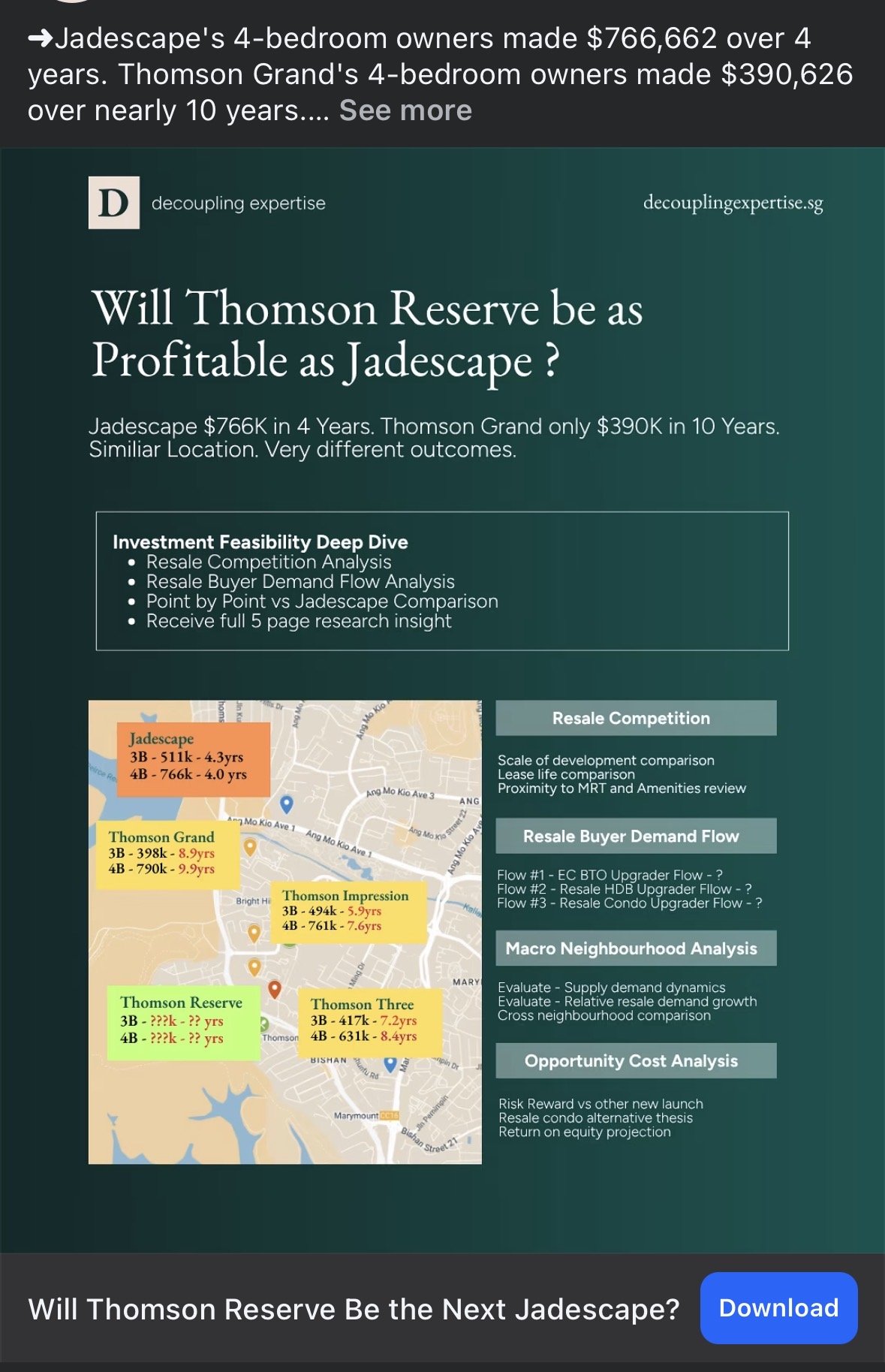
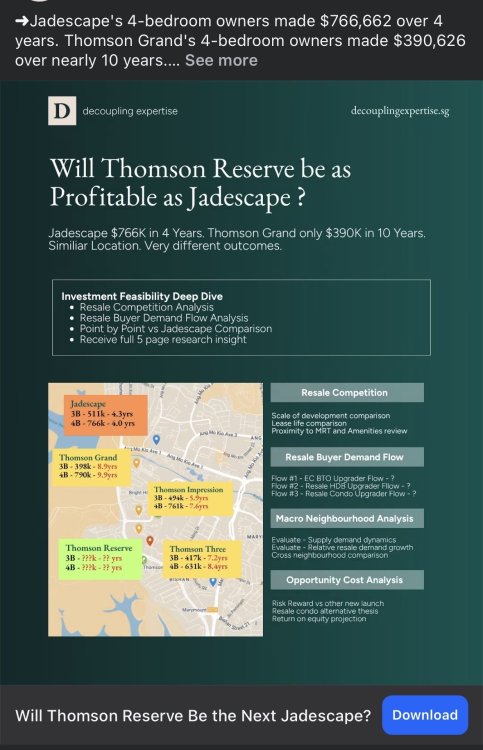
Copycat ADs, LOL Although these ads are aimed squarely at Thomson Reserve, every other Reality Agency copies this same story


-
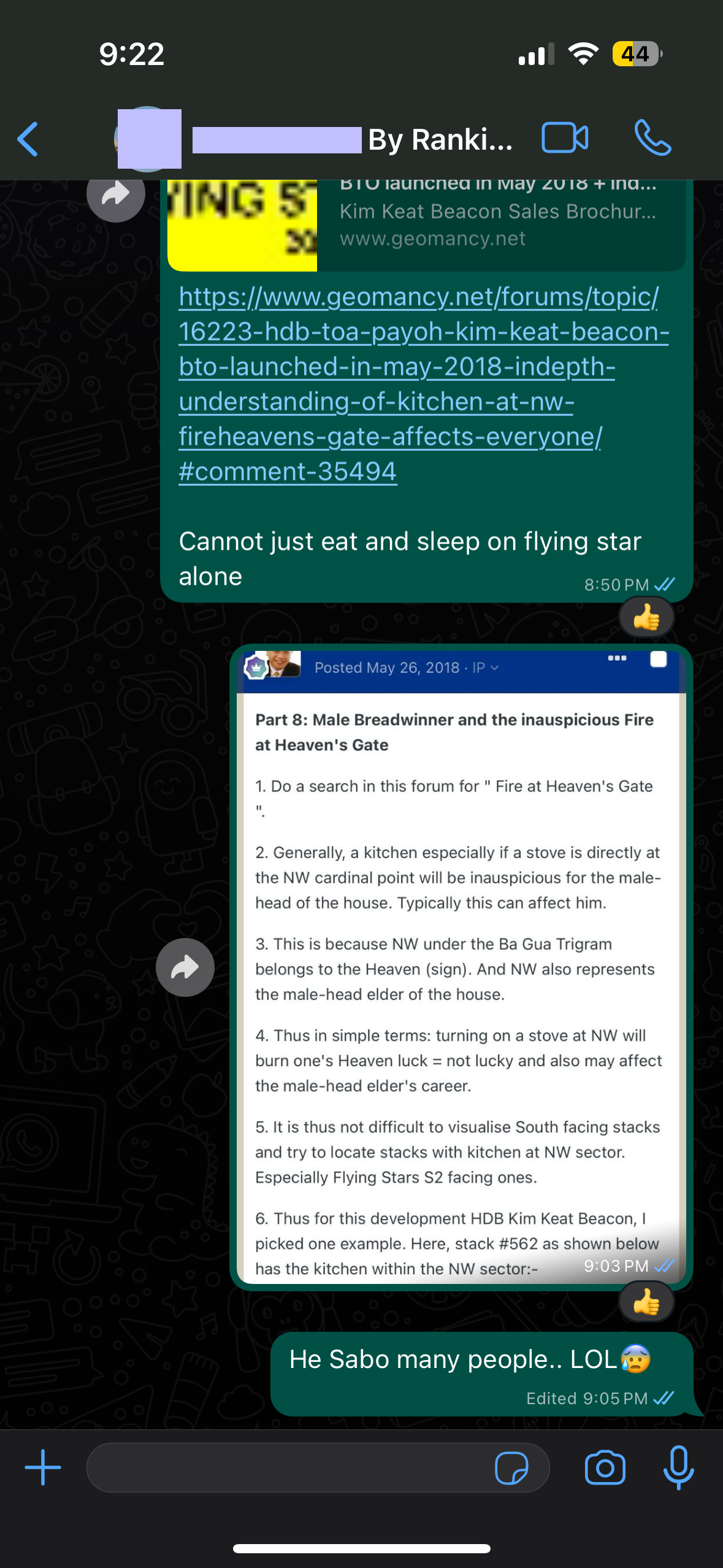
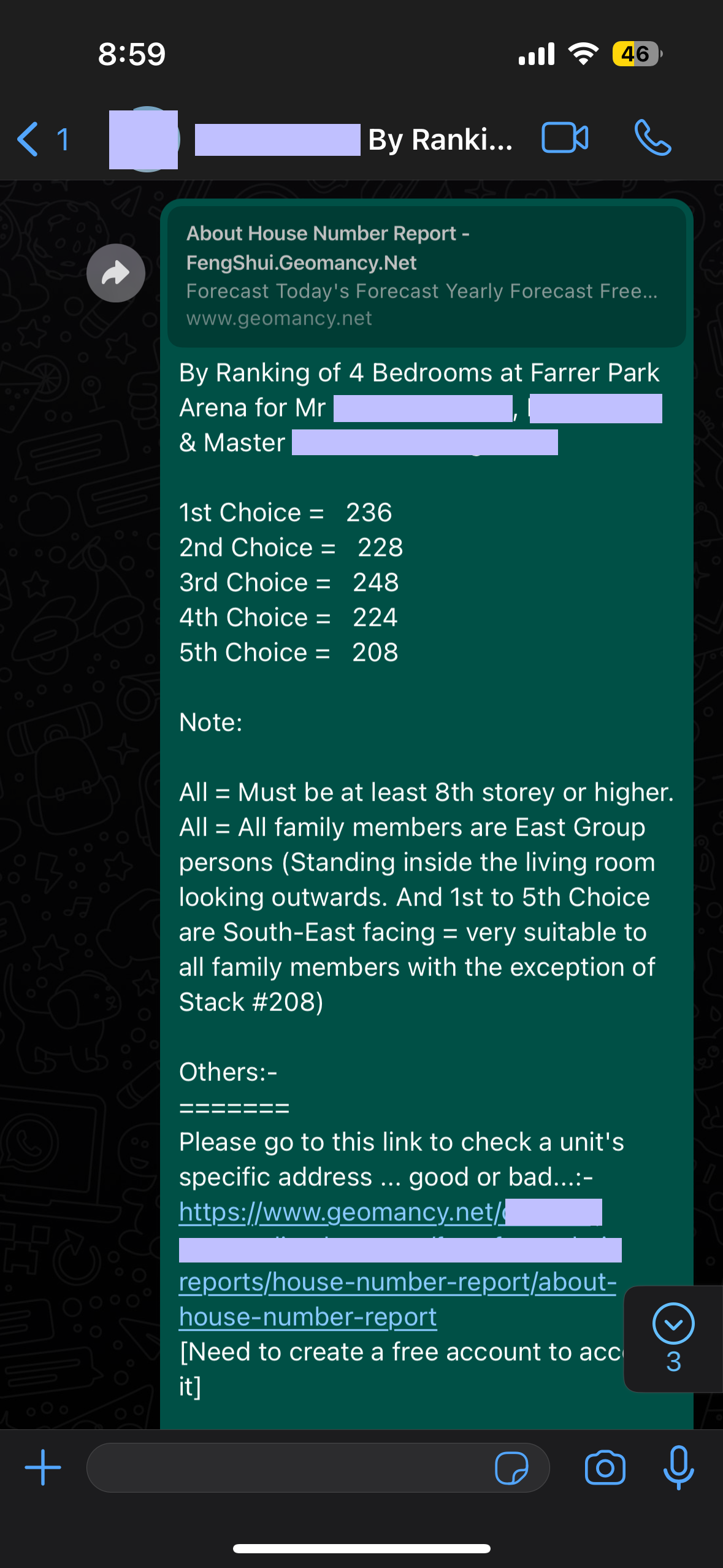
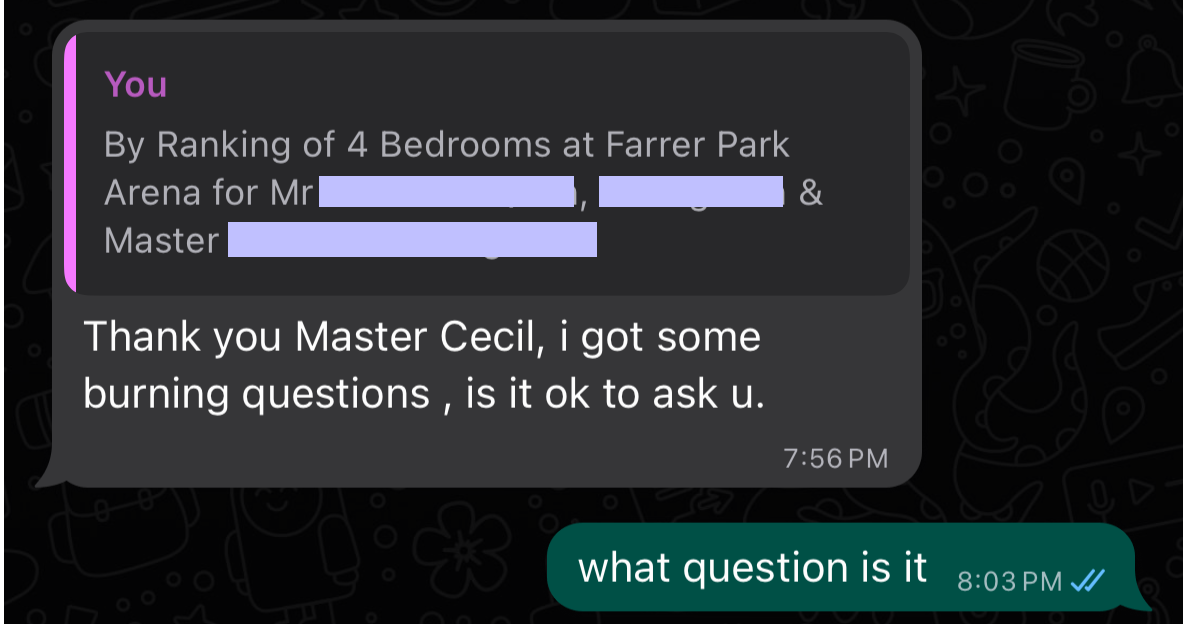
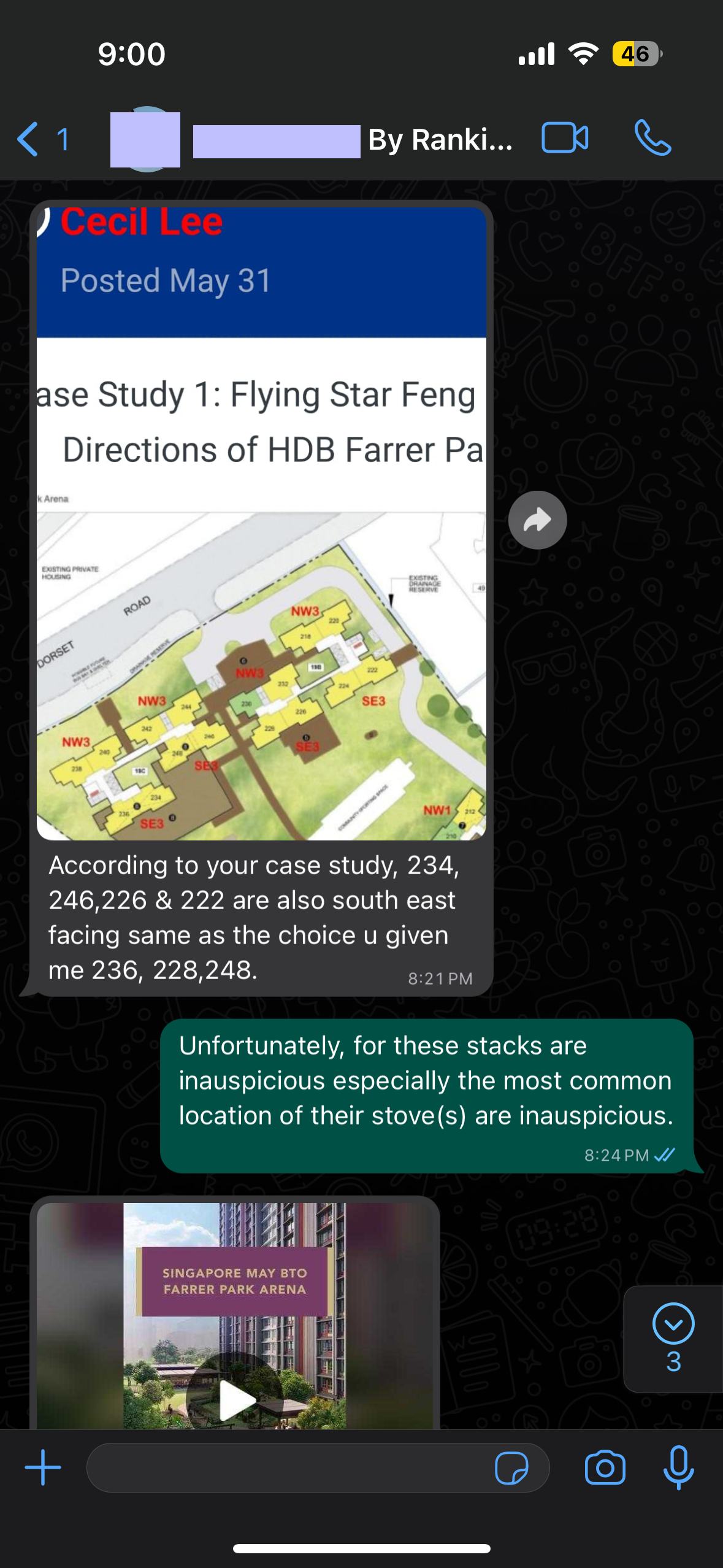
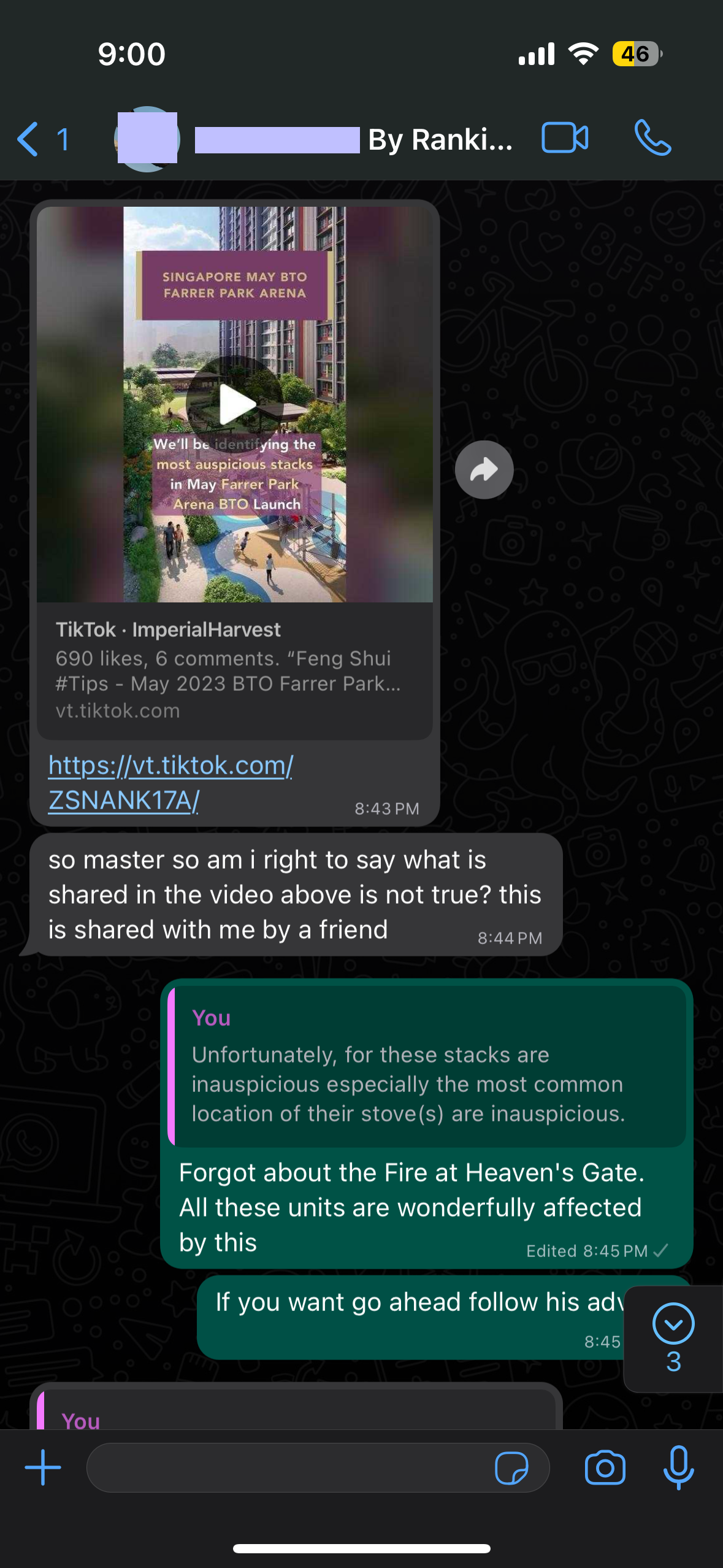
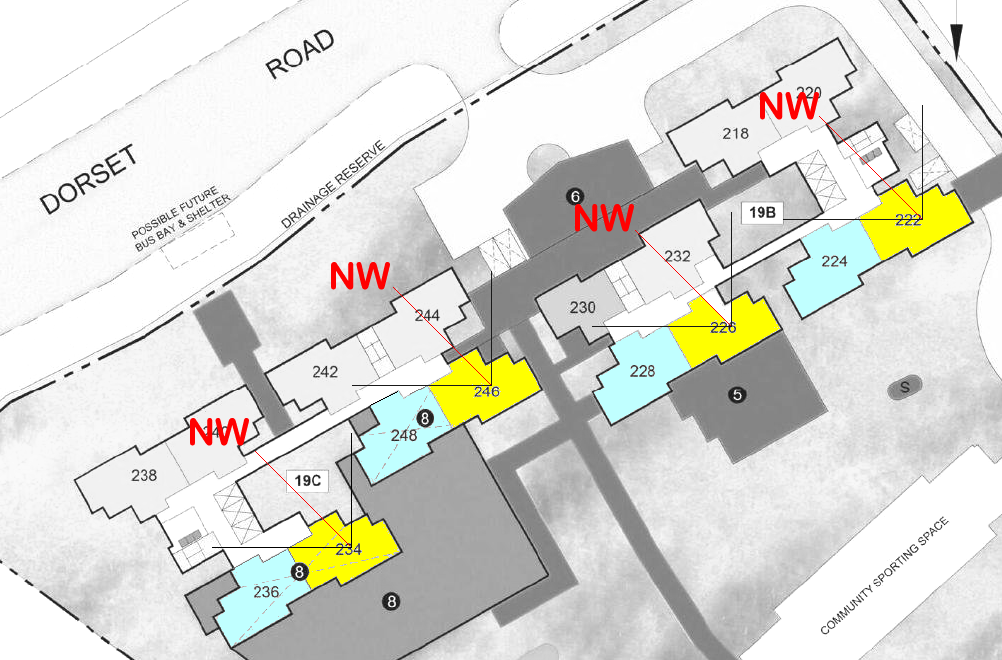
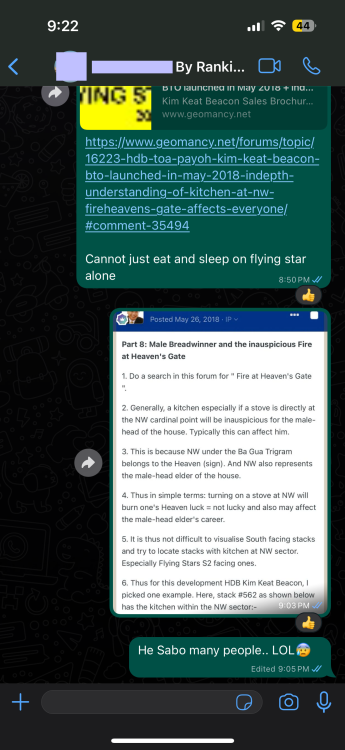
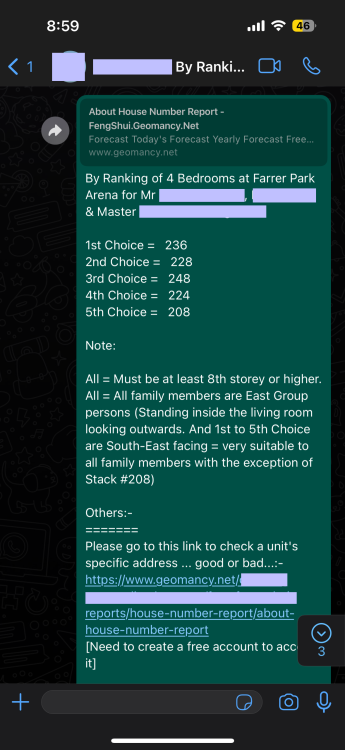
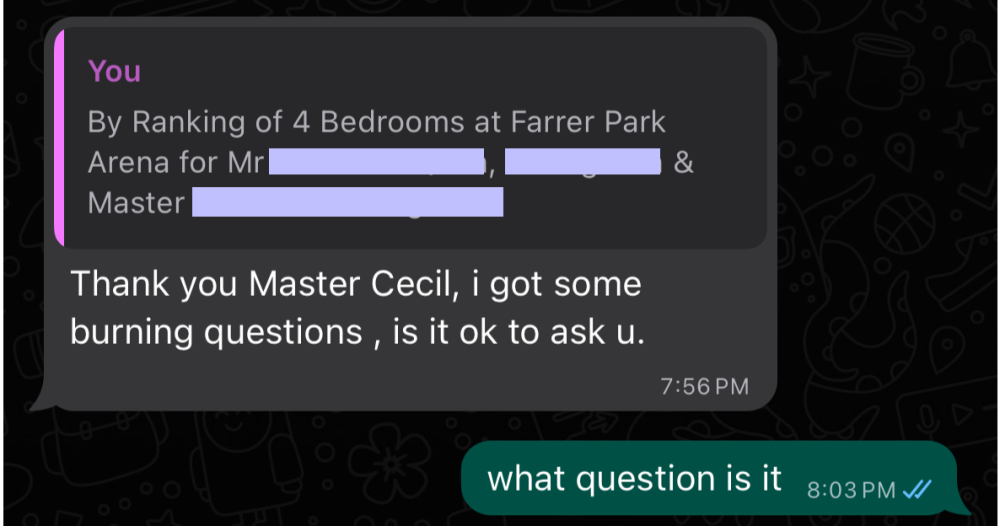
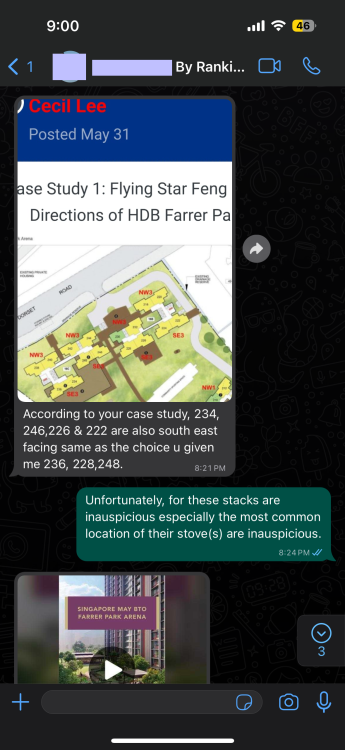
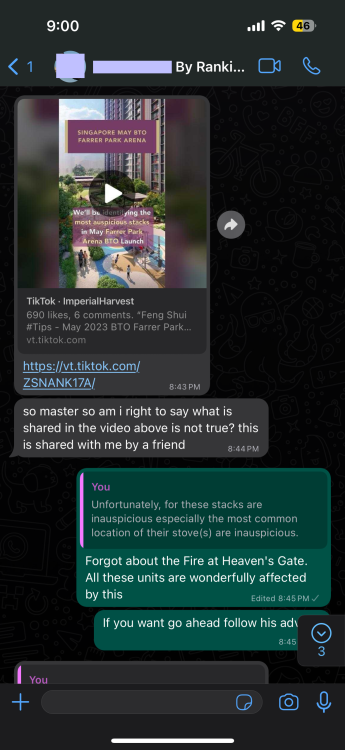
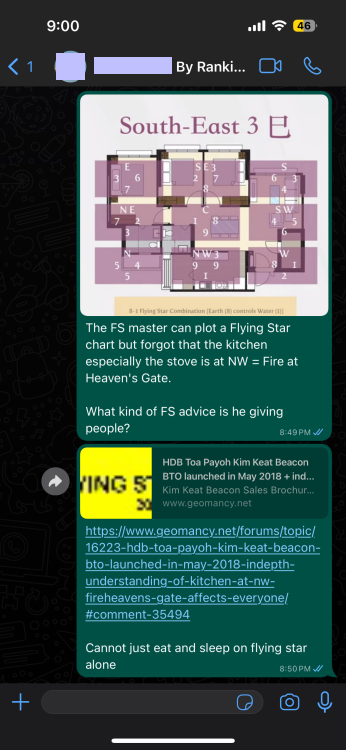
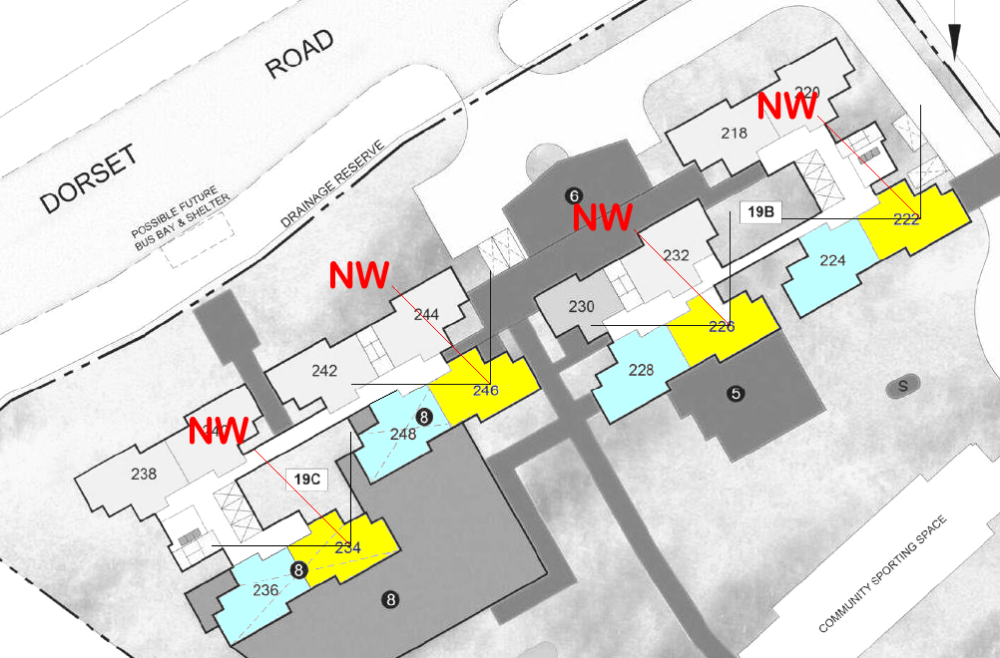
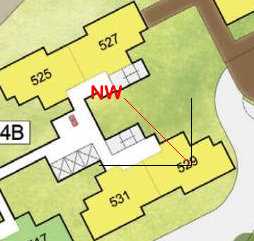
Why a Tik Tok Feng Shui Master’s Feng Shui Ranking Recommendation Can Be Wrong About this Case Study A client asked why my top-five HDB Farrer Park Arena stack rankings did not include stacks recommended in a TikTok by another Feng Shui Master. I explained I excluded those stacks because they have major Feng Shui flaws. Although stacks like #222, #226, #234, and #240 may look attractive and have similar facings to my top picks, their kitchen layout likely forces the stove into the NW sector (“Fire at Heaven’s Gate”), which is why they should be avoided. +++ Yellow Stacks #234, #246, #226, and #222 affected by unlucky Fire at Heaven's Gate +++ Case Study: Completed the ranking of 4 Bedrooms at Farrer Park Arena for the client on 31 October 2023 Client: Thank you Master Cecil, i got some burning questions, is it ok to ask u. Client: According to your case study, 234, 246, 226 & 222 are also south east facing same as the choice u given me 236, 228, 248 Client: "so master so am i right to say what is shared in the video above is not true? this is shared with me by a friend" (The client forwarded the TikTok video where the Feng Shui Master recommends stacks 234, 246, 226, and 222 as his choices, but I avoided these stacks. Why?) The Feng Shui master can plot a Flying Star chart but forgot that the kitchen especially the stove is at NW = Fire at Heaven's Gate. What kind of Feng Shui advice is he giving people? He Sabo many people.. LOL If the Feng Shui Master has done his homework properly, my client would not have any "burning" questions. LOL Did you buy any units in these stacks: 234, 246, 226, and 222, suggested by the Master in the "purple" TikTok video? Reference:


-
Personalised Analysis Reports Personalised Reports Free Analysis Reports Find out your Life Association Sectors Find out your Gua (Kua) Number? East or West Group Person? Find out your Horoscope? Find out your Characteristics? Find out your Personal Element? How suitable is your Home? Your Favourable Sleep Position? Your Favourable Study Position? Your Favourable Work Position? Your Favourable Bedroom Location? Is your Apartment Number Auspicious? Generate Free Reports Generate 4 Good & 4 Bad Direction Report Generate Ba Zi Luck Analysis, Personal Element & Horoscope Insights- (FREEBAZI.GEOMANCY.NET) Generate 30 Days Auspicious Date for ONE or TWO Persons(DATE.GEOMANCY.NET) More FREE Reports Welcome to Personalized Analysis ReportsSince 1996, Geomancy.net has guided individuals in understanding Feng Shui and Chinese divination. With our expertise, we have assisted thousands, becoming a trusted resource for those seeking knowledge. Our personalized analysis reports empower you to tap into these ancient practices, significantly improving your quality of life. Discover the Power of Personalized Analysis ReportsAt ONLINE.GEOMANCY.NET, we provide free personalized analysis reports that empower you to understand the intricate connections between your living environment and your personal well-being. By leveraging time-honored techniques from Feng Shui and Chinese divination, our reports help you uncover valuable insights that can guide your decisions and improve your lifestyle. What We OfferOur comprehensive reports are designed to give you a holistic view of your life associations and environmental influences. Here’s what you can expect from our personalized analysis: Life Association SectorsUnderstanding your life association sectors is crucial for achieving balance and harmony. Our reports will reveal the areas of your life that are most influenced by your environment, helping you to focus your energy where it matters most. Your Gua (Kua) NumberYour Gua number is a vital aspect of Feng Shui that determines your personal energy profile. By calculating your Gua number, you can gain insights into your strengths and weaknesses, allowing you to make informed decisions that align with your true nature. East or West Group Person?Identifying whether you belong to the East or West group can significantly impact your approach to life. Our analysis will classify you accordingly, providing tailored recommendations for your personal growth and development. Horoscope InsightsAstrology plays a significant role in understanding your personality traits and life path. Our reports will include your horoscope, offering insights into your character and potential challenges you may face. Understanding Your CharacteristicsEvery individual has unique characteristics shaped by various factors. Our personalized reports will analyze these traits, helping you to understand how they influence your interactions and relationships. Your Personal ElementIn Feng Shui, the five elements (Wood, Fire, Earth, Metal, Water) play a crucial role in shaping your life. Our analysis will determine your personal element, providing insights that can help you harmonize with your environment. Assessing Your Home's SuitabilityYour living space significantly affects your overall well-being. Our reports will evaluate how suitable your home is for you, considering factors such as layout, direction, and energy flow. This assessment can guide you in making necessary adjustments to enhance your living environment. Favorable Sleep PositionDid you know that your sleep position can impact your health? Our analysis will suggest the best sleep position for you based on your personal energy profile, helping you achieve better rest and rejuvenation. Optimal Study PositionFor students and professionals alike, the right study position can enhance focus and productivity. Our reports will provide recommendations for your ideal study position, allowing you to maximize your learning potential. Favorable Work PositionYour work environment plays a critical role in your success. We will analyze your work position to ensure it aligns with your personal energy, promoting productivity and satisfaction in your professional life. Bedroom LocationThe location of your bedroom can influence your relationships and personal energy. Our reports will offer insights into the most beneficial bedroom location for you, fostering a peaceful and harmonious space. Auspicious Apartment NumbersDid you know that the number of your apartment can carry significant meaning? Our analysis will determine whether your apartment number is auspicious, guiding you towards a more favorable living situation. Generate Your Free ReportsReady to take the next step? Generating your free personalized analysis reports is simple: Login or Sign Up: Access your account at ONLINE.GEOMANCY.NET to get started. Choose Your Reports: Select from various reports, including: 4 Good & 4 Bad Direction Report Ba Zi Luck Analysis Personal Element Insights Horoscope Insights Receive Your Analysis: Once generated, your reports will be available for you to explore.
-
Source & Credit: Are Singapore Property Developers Paying Too Much for Land? The Risks for Future Condo Prices Summary Property developers in Singapore are currently bidding record-high amounts of money to buy government land to build new condominiums. However, experts are warning that this might be a risky gamble. Here is why these high bids could be a problem: * Future Condos Will Be Very Expensive: Because developers are paying so much for the land today, they will have to sell the future condos at incredibly high prices just to make a profit. * Bad Timing (1-2 Years Away): These new projects won't be ready to sell until late 2027 or early 2028. By that time, the market might change. * Economic Worries: The economy might slow down, and there are fears of job losses. If people feel financially insecure, they won't want to buy expensive new homes. * High Borrowing Costs: Interest rates for home loans are currently high and might stay that way, making it harder for everyday buyers to afford expensive condos. * Government Intervention: If condo prices get dangerously high without a strong economy to support them, the Singapore government might step in with strict "cooling measures" to slow the market down. The Bottom Line: Land is the biggest cost for a developer. If they pay too much now and buyers can't afford the final product in a few years, it could spell financial disaster for these new condo projects.

-
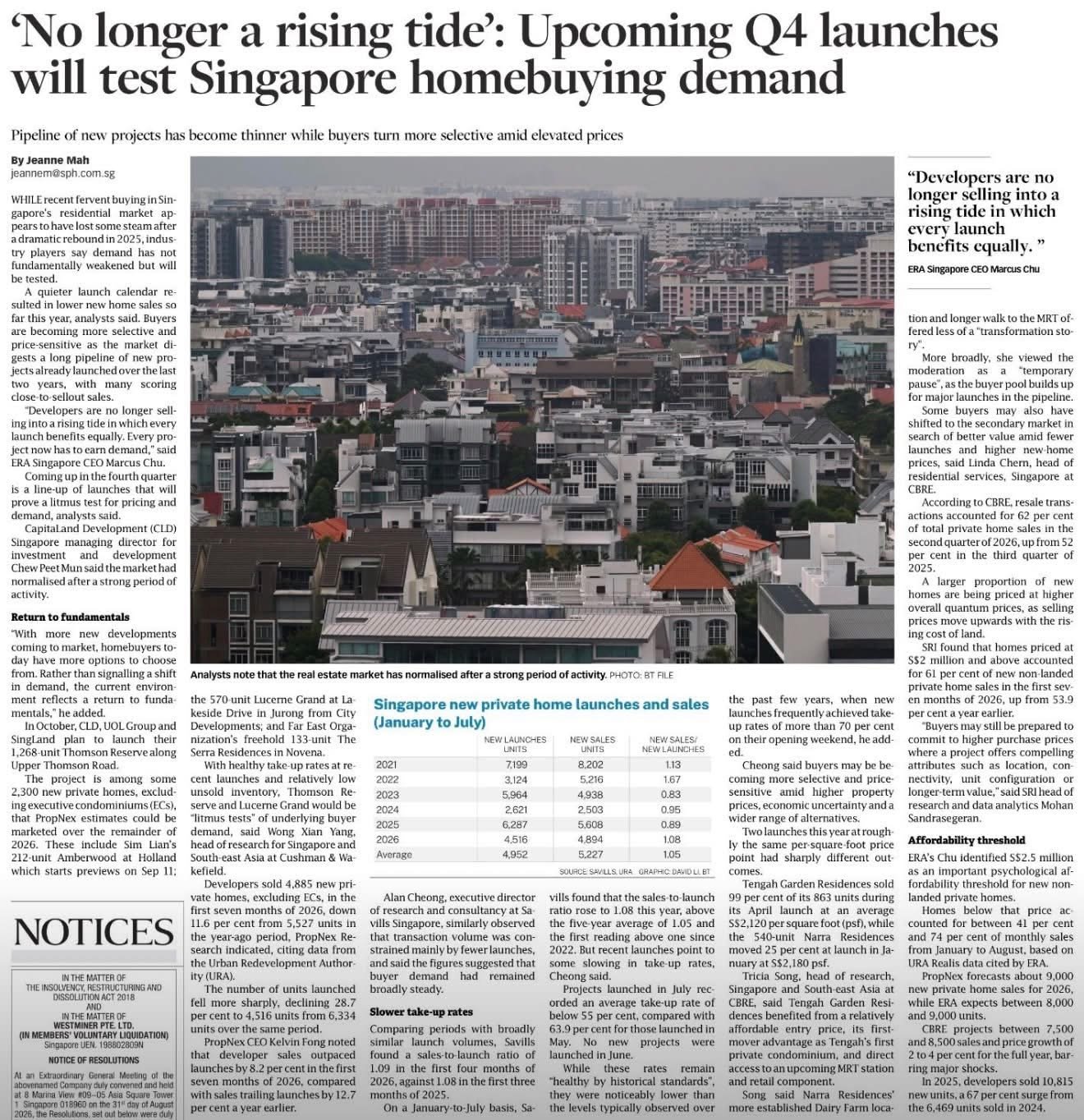
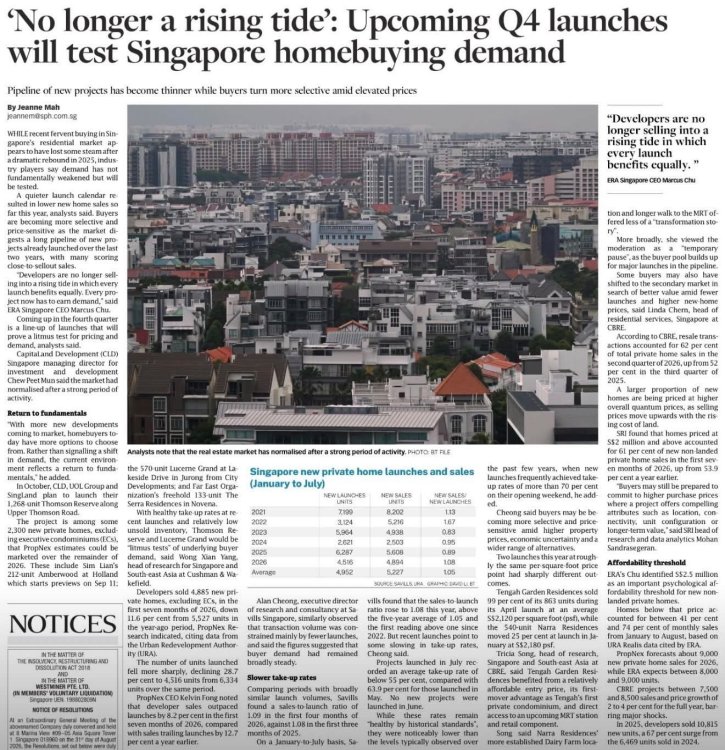
Source & Credit: Singapore Property Market Q4 Outlook: Selective Buyers Test New Launches Summary of Singapore's Q4 Homebuying Market: The Singapore housing market is cooling down from its recent boom and returning to normal. Here is what is happening as we head into the fourth quarter (Q4): * The "Easy Sales" Era is Over: Developers can no longer expect every new project to sell out instantly. They now have to work harder to attract buyers. * Buyers are Pickier: Because property prices are high and the economy feels uncertain, buyers are becoming much more selective and cautious about how much they spend. * Q4 is a Major Test: The upcoming new property launches in Q4 will act as a real test to see exactly what buyers are willing to pay and how strong the demand actually is. * Shift to Resale Homes: Since new launches are expensive and there are fewer of them, many buyers are looking at the secondary (resale) market to find better value for their money. * The S$2.5 Million Limit: There seems to be a psychological price limit for buyers. Homes priced under S$2.5 million are seeing the most action, making up the vast majority of monthly sales. In short, buyers hold the power right now, and developers will need to offer good value and reasonable pricing to succeed in Q4.
-
Personalised Analysis Reports Personalised Reports Free Analysis Reports Find out your Life Association Sectors Find out your Gua (Kua) Number? East or West Group Person? Find out your Horoscope? Find out your Characteristics? Find out your Personal Element? How suitable is your Home? Your Favourable Sleep Position? Your Favourable Study Position? Your Favourable Work Position? Your Favourable Bedroom Location? Is your Apartment Number Auspicious? Generate Free Reports Generate 4 Good & 4 Bad Direction Report Generate Ba Zi Luck Analysis, Personal Element & Horoscope Insights- (FREEBAZI.GEOMANCY.NET) Generate 30 Days Auspicious Date for ONE or TWO Persons(DATE.GEOMANCY.NET) More FREE Reports Welcome to Personalized Analysis ReportsSince 1996, Geomancy.net has guided individuals in understanding Feng Shui and Chinese divination. With our expertise, we have assisted thousands, becoming a trusted resource for those seeking knowledge. Our personalized analysis reports empower you to tap into these ancient practices, significantly improving your quality of life. Discover the Power of Personalized Analysis ReportsAt ONLINE.GEOMANCY.NET, we provide free personalized analysis reports that empower you to understand the intricate connections between your living environment and your personal well-being. By leveraging time-honored techniques from Feng Shui and Chinese divination, our reports help you uncover valuable insights that can guide your decisions and improve your lifestyle. What We OfferOur comprehensive reports are designed to give you a holistic view of your life associations and environmental influences. Here’s what you can expect from our personalized analysis: Life Association SectorsUnderstanding your life association sectors is crucial for achieving balance and harmony. Our reports will reveal the areas of your life that are most influenced by your environment, helping you to focus your energy where it matters most. Your Gua (Kua) NumberYour Gua number is a vital aspect of Feng Shui that determines your personal energy profile. By calculating your Gua number, you can gain insights into your strengths and weaknesses, allowing you to make informed decisions that align with your true nature. East or West Group Person?Identifying whether you belong to the East or West group can significantly impact your approach to life. Our analysis will classify you accordingly, providing tailored recommendations for your personal growth and development. Horoscope InsightsAstrology plays a significant role in understanding your personality traits and life path. Our reports will include your horoscope, offering insights into your character and potential challenges you may face. Understanding Your CharacteristicsEvery individual has unique characteristics shaped by various factors. Our personalized reports will analyze these traits, helping you to understand how they influence your interactions and relationships. Your Personal ElementIn Feng Shui, the five elements (Wood, Fire, Earth, Metal, Water) play a crucial role in shaping your life. Our analysis will determine your personal element, providing insights that can help you harmonize with your environment. Assessing Your Home's SuitabilityYour living space significantly affects your overall well-being. Our reports will evaluate how suitable your home is for you, considering factors such as layout, direction, and energy flow. This assessment can guide you in making necessary adjustments to enhance your living environment. Favorable Sleep PositionDid you know that your sleep position can impact your health? Our analysis will suggest the best sleep position for you based on your personal energy profile, helping you achieve better rest and rejuvenation. Optimal Study PositionFor students and professionals alike, the right study position can enhance focus and productivity. Our reports will provide recommendations for your ideal study position, allowing you to maximize your learning potential. Favorable Work PositionYour work environment plays a critical role in your success. We will analyze your work position to ensure it aligns with your personal energy, promoting productivity and satisfaction in your professional life. Bedroom LocationThe location of your bedroom can influence your relationships and personal energy. Our reports will offer insights into the most beneficial bedroom location for you, fostering a peaceful and harmonious space. Auspicious Apartment NumbersDid you know that the number of your apartment can carry significant meaning? Our analysis will determine whether your apartment number is auspicious, guiding you towards a more favorable living situation. Generate Your Free ReportsReady to take the next step? Generating your free personalized analysis reports is simple: Login or Sign Up: Access your account at ONLINE.GEOMANCY.NET to get started. Choose Your Reports: Select from various reports, including: 4 Good & 4 Bad Direction Report Ba Zi Luck Analysis Personal Element Insights Horoscope Insights Receive Your Analysis: Once generated, your reports will be available for you to explore.
-
Personalised Analysis Reports Personalised Reports Free Analysis Reports Find out your Life Association Sectors Find out your Gua (Kua) Number? East or West Group Person? Find out your Horoscope? Find out your Characteristics? Find out your Personal Element? How suitable is your Home? Your Favourable Sleep Position? Your Favourable Study Position? Your Favourable Work Position? Your Favourable Bedroom Location? Is your Apartment Number Auspicious? Generate Free Reports Generate 4 Good & 4 Bad Direction Report Generate Ba Zi Luck Analysis, Personal Element & Horoscope Insights- (FREEBAZI.GEOMANCY.NET) Generate 30 Days Auspicious Date for ONE or TWO Persons(DATE.GEOMANCY.NET) More FREE Reports Welcome to Personalized Analysis ReportsSince 1996, Geomancy.net has guided individuals in understanding Feng Shui and Chinese divination. With our expertise, we have assisted thousands, becoming a trusted resource for those seeking knowledge. Our personalized analysis reports empower you to tap into these ancient practices, significantly improving your quality of life. Discover the Power of Personalized Analysis ReportsAt ONLINE.GEOMANCY.NET, we provide free personalized analysis reports that empower you to understand the intricate connections between your living environment and your personal well-being. By leveraging time-honored techniques from Feng Shui and Chinese divination, our reports help you uncover valuable insights that can guide your decisions and improve your lifestyle. What We OfferOur comprehensive reports are designed to give you a holistic view of your life associations and environmental influences. Here’s what you can expect from our personalized analysis: Life Association SectorsUnderstanding your life association sectors is crucial for achieving balance and harmony. Our reports will reveal the areas of your life that are most influenced by your environment, helping you to focus your energy where it matters most. Your Gua (Kua) NumberYour Gua number is a vital aspect of Feng Shui that determines your personal energy profile. By calculating your Gua number, you can gain insights into your strengths and weaknesses, allowing you to make informed decisions that align with your true nature. East or West Group Person?Identifying whether you belong to the East or West group can significantly impact your approach to life. Our analysis will classify you accordingly, providing tailored recommendations for your personal growth and development. Horoscope InsightsAstrology plays a significant role in understanding your personality traits and life path. Our reports will include your horoscope, offering insights into your character and potential challenges you may face. Understanding Your CharacteristicsEvery individual has unique characteristics shaped by various factors. Our personalized reports will analyze these traits, helping you to understand how they influence your interactions and relationships. Your Personal ElementIn Feng Shui, the five elements (Wood, Fire, Earth, Metal, Water) play a crucial role in shaping your life. Our analysis will determine your personal element, providing insights that can help you harmonize with your environment. Assessing Your Home's SuitabilityYour living space significantly affects your overall well-being. Our reports will evaluate how suitable your home is for you, considering factors such as layout, direction, and energy flow. This assessment can guide you in making necessary adjustments to enhance your living environment. Favorable Sleep PositionDid you know that your sleep position can impact your health? Our analysis will suggest the best sleep position for you based on your personal energy profile, helping you achieve better rest and rejuvenation. Optimal Study PositionFor students and professionals alike, the right study position can enhance focus and productivity. Our reports will provide recommendations for your ideal study position, allowing you to maximize your learning potential. Favorable Work PositionYour work environment plays a critical role in your success. We will analyze your work position to ensure it aligns with your personal energy, promoting productivity and satisfaction in your professional life. Bedroom LocationThe location of your bedroom can influence your relationships and personal energy. Our reports will offer insights into the most beneficial bedroom location for you, fostering a peaceful and harmonious space. Auspicious Apartment NumbersDid you know that the number of your apartment can carry significant meaning? Our analysis will determine whether your apartment number is auspicious, guiding you towards a more favorable living situation. Generate Your Free ReportsReady to take the next step? Generating your free personalized analysis reports is simple: Login or Sign Up: Access your account at ONLINE.GEOMANCY.NET to get started. Choose Your Reports: Select from various reports, including: 4 Good & 4 Bad Direction Report Ba Zi Luck Analysis Personal Element Insights Horoscope Insights Receive Your Analysis: Once generated, your reports will be available for you to explore.
-
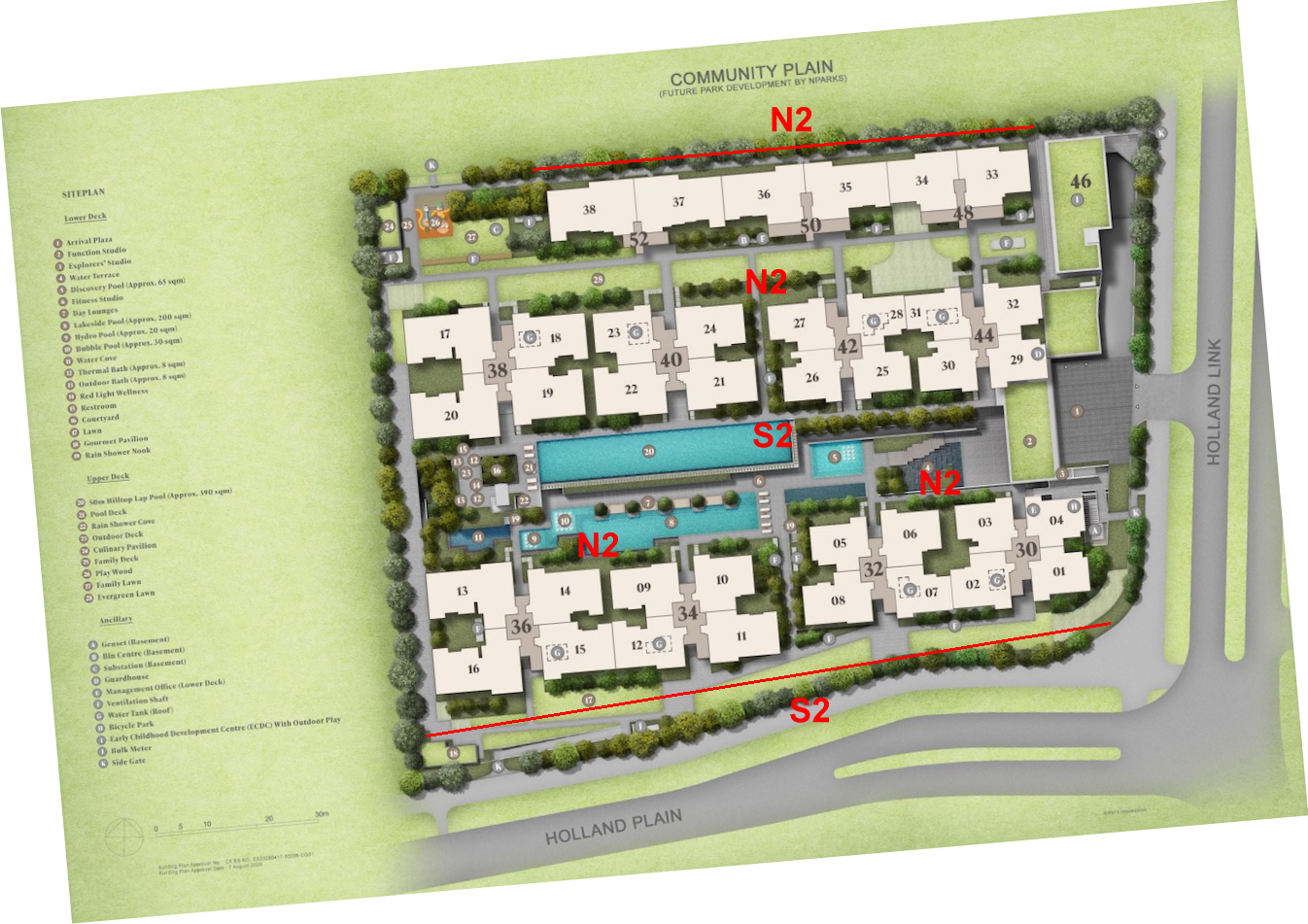
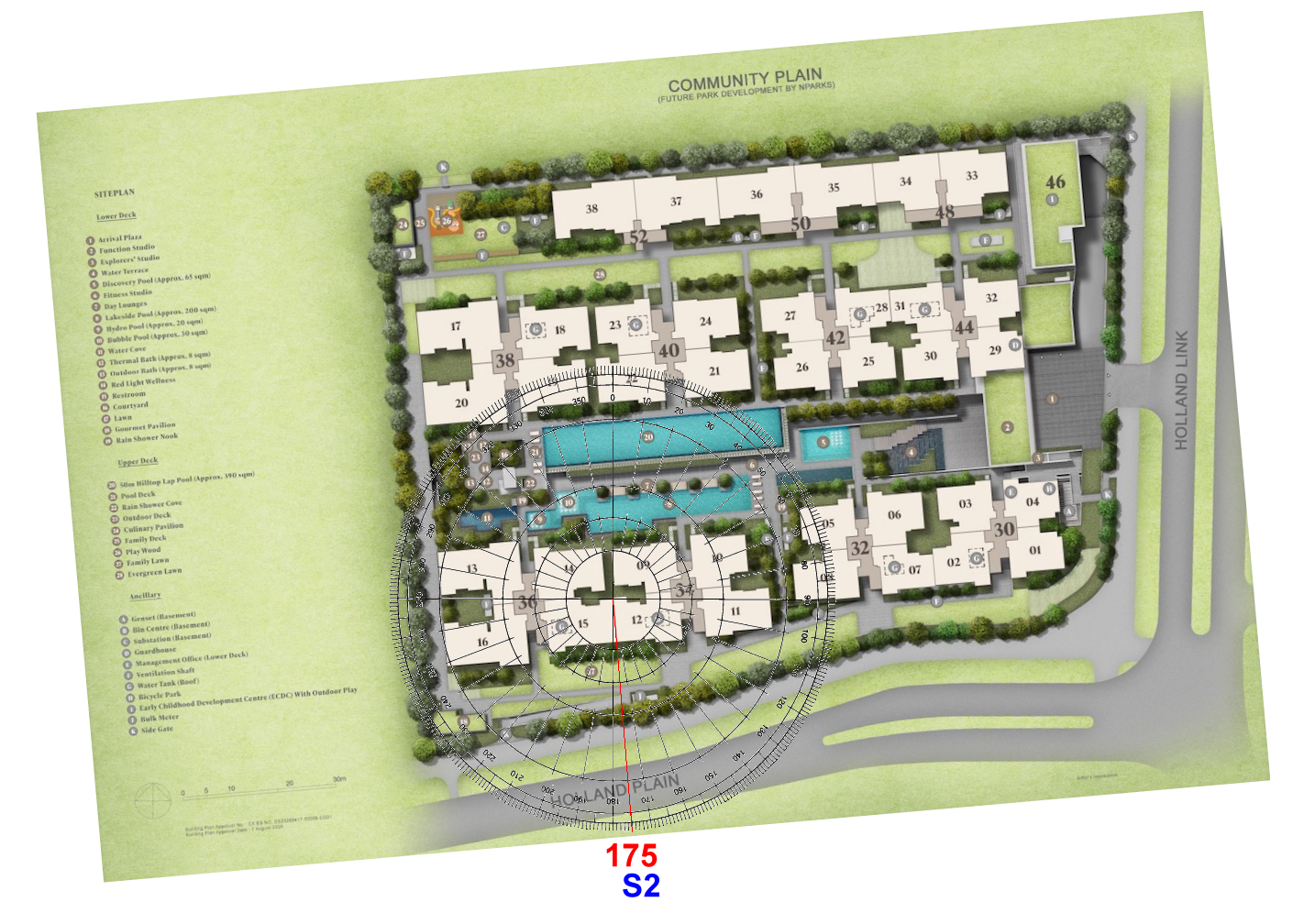
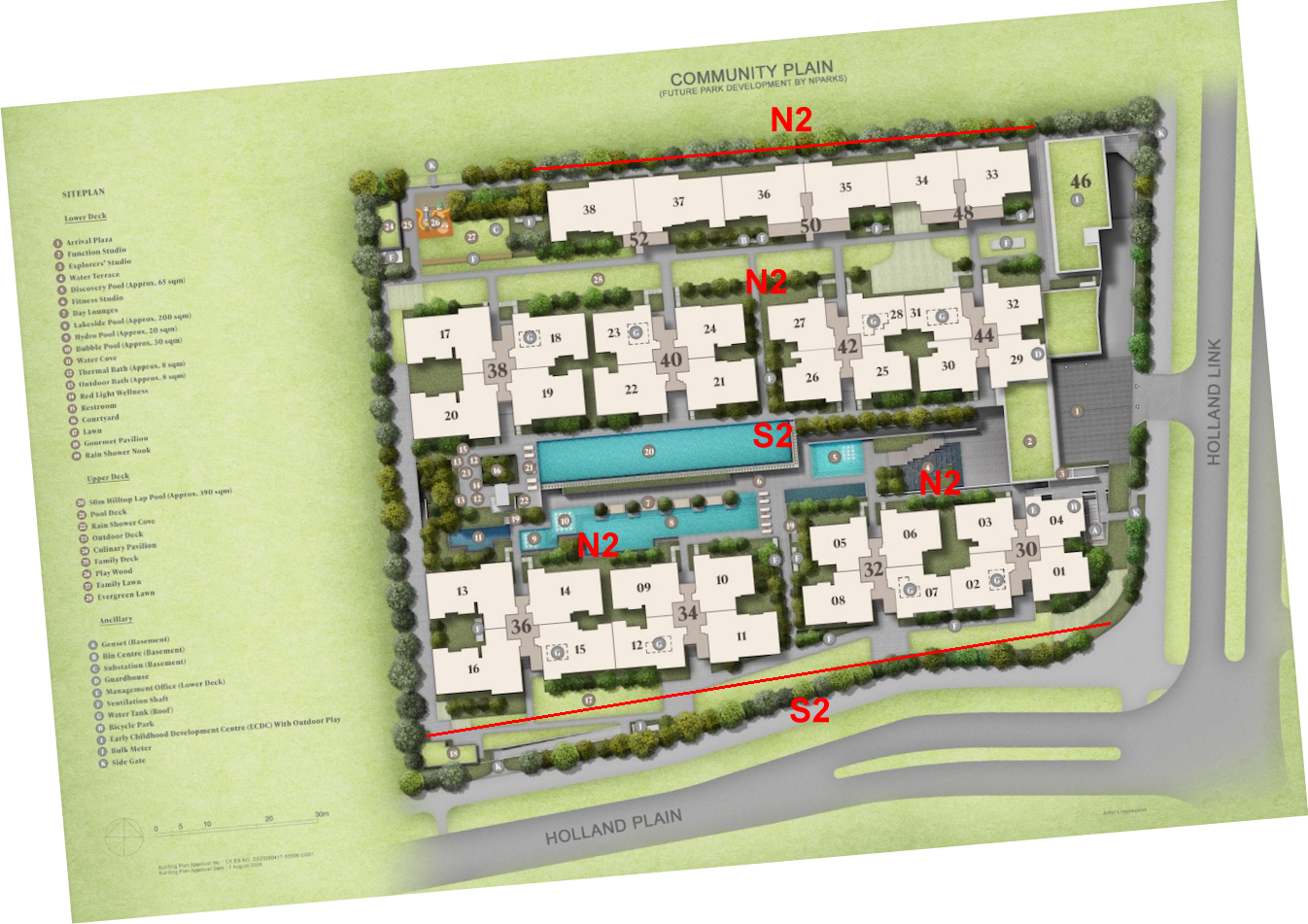
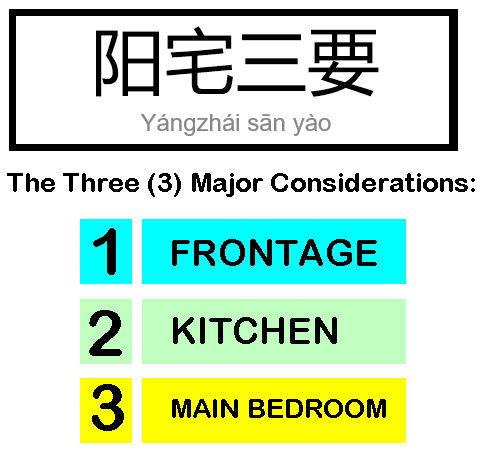
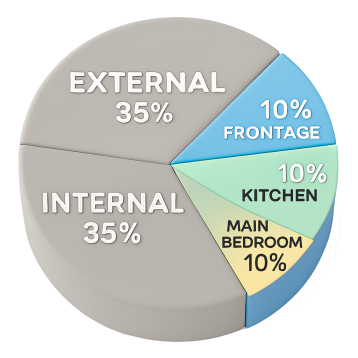
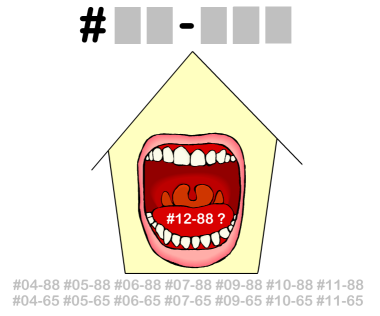
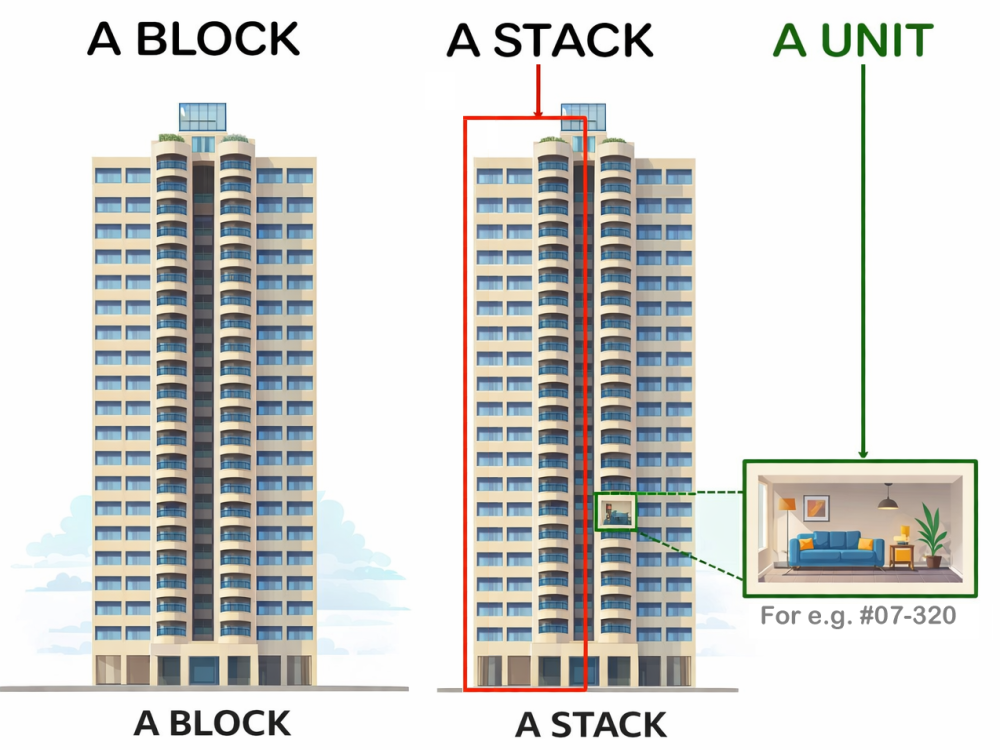
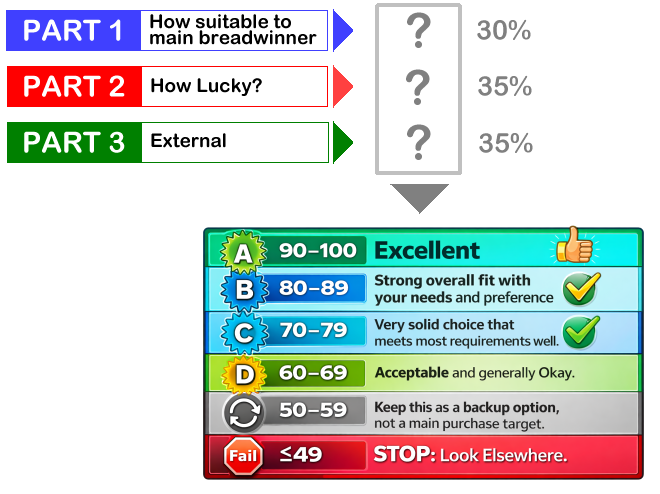
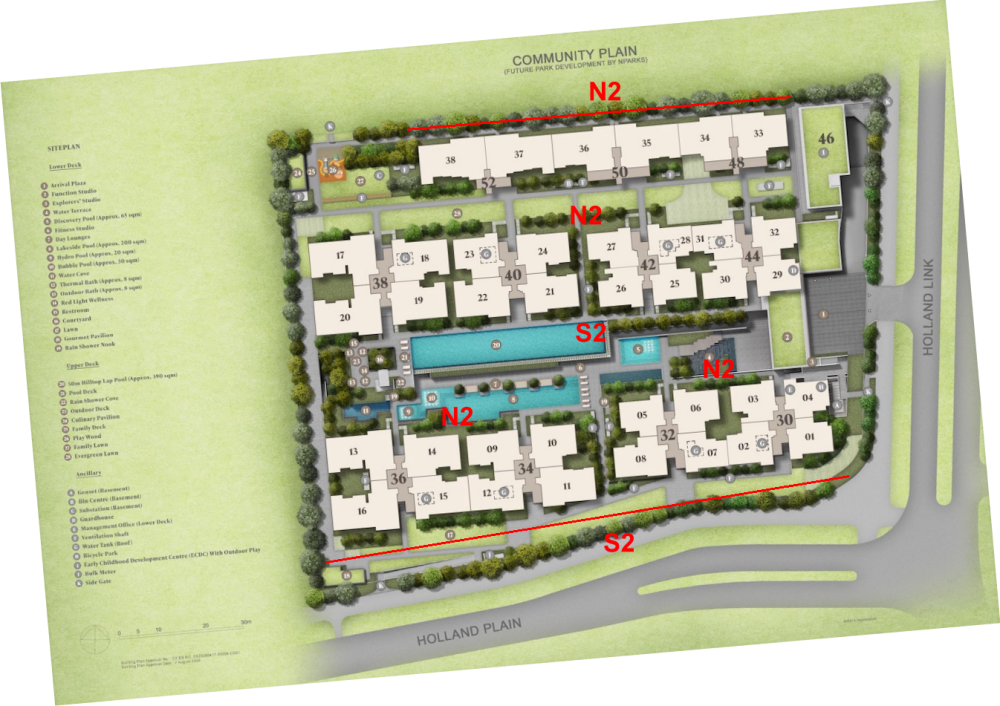
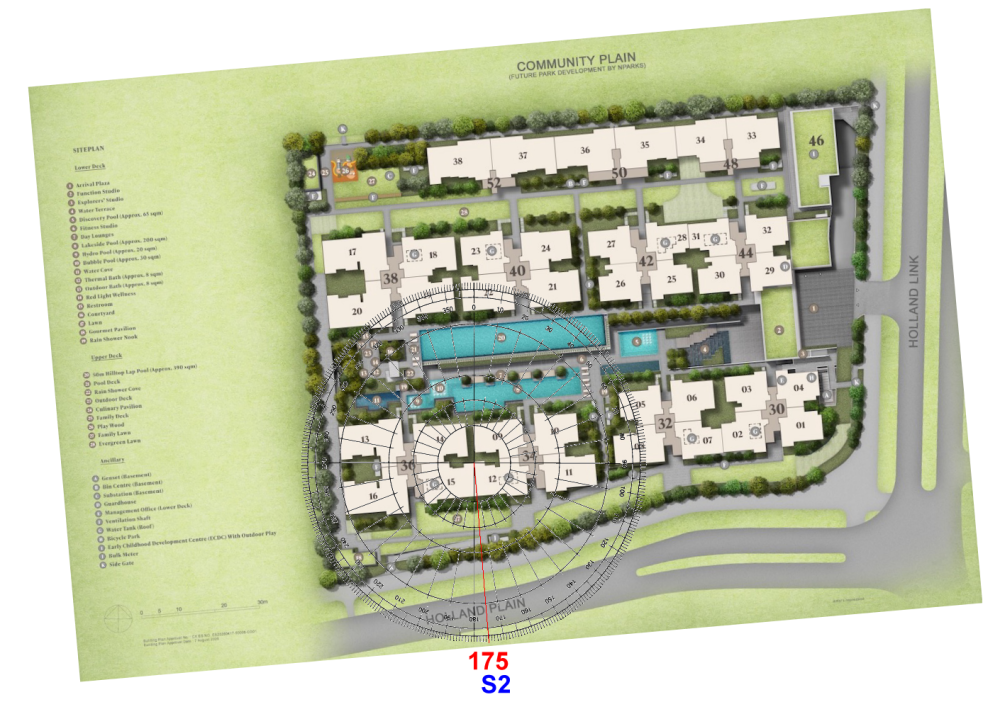
WHICH UNITS ARE LUCKY? Part 1: How is the luck of the Internal Feng Shui of this unit? [35 marks] Part 2: External Feng Shui luck? [35 marks] Part 3: How suitable is the unit - Frontage, Kitchen & Main Bedroom? [30 marks] +++ Depends on the Internal Layout & Sectors - How Lucky? There are only two facing directions for this development: N2 or S2 Good, Better, Best! N2 = Very Lucky. Frontage has the auspicious double #9's. +++ The Rest! S2-3 = Less Lucky as wealth luck [Double 9's] wasted at the rear. ++++++++++++++++++++++++++++++++++ But also need to review/consider the individual Internal Layout Plan & this is just part of the many considerations in a home purchase. However the above does not take into consideration things like: Kitchen/Stove at Inauspicious Fire @ Heaven's Gate or Poison arrow aimed towards the unit, proximity to common bin etc.. +++++++++++++++++++++++++++ +++++++++++++++++ ++++ Location, location, location? Sha Qi? Poison Arrow? Watch Your Front, Sides & Back! Our New e-Book 12 Practical Tips for Choosing a new BTO Flat with External Feng Shui Considerations POOR SCORE? THESE ARE SOME CONCERNS: Sha Qi or Poison arrow(s) from Sharp Corner(s) 天斩煞 (tiān zhǎn shà) = Tian Zhan Sha etc... +++++++++++++++++++++++++++ +++++++++++++++++ ++++ How Suitable to breadwinner? Please note that has yet to take into consideration: 1. How suitable is the unit to the main breadwinner & 2. External Shapes and Forms of the unit TOTAL SCORE = 35 + 35 + 30 = 100% Get Expert Help: ++++++++++++++++++ +++++++++ How do you Feng Shui your high-rise home? Use your front door? Who are the Conservatives & the Modernist? +++ Type in the unit number to find out OPTION 1 Please go to this link to check a unit number: https://www.geomancy.net/content/personalised-reports/free-feng-shui-reports/house-number-report/about-house-number-report [Need to create a free account to access it] or OPTION 2 Go to URL: https://login.geomancy.net On the blue navigation on the left, click under Free Reports | House Number. +++ Geomancy.net e-books https://www.geomancy.net/forums/store/category/1-geomancynet-e-books/ +++ Master Robert Lee, Geomancy.net





















-
Amberwood Flying Star Feng Shui Workings
-
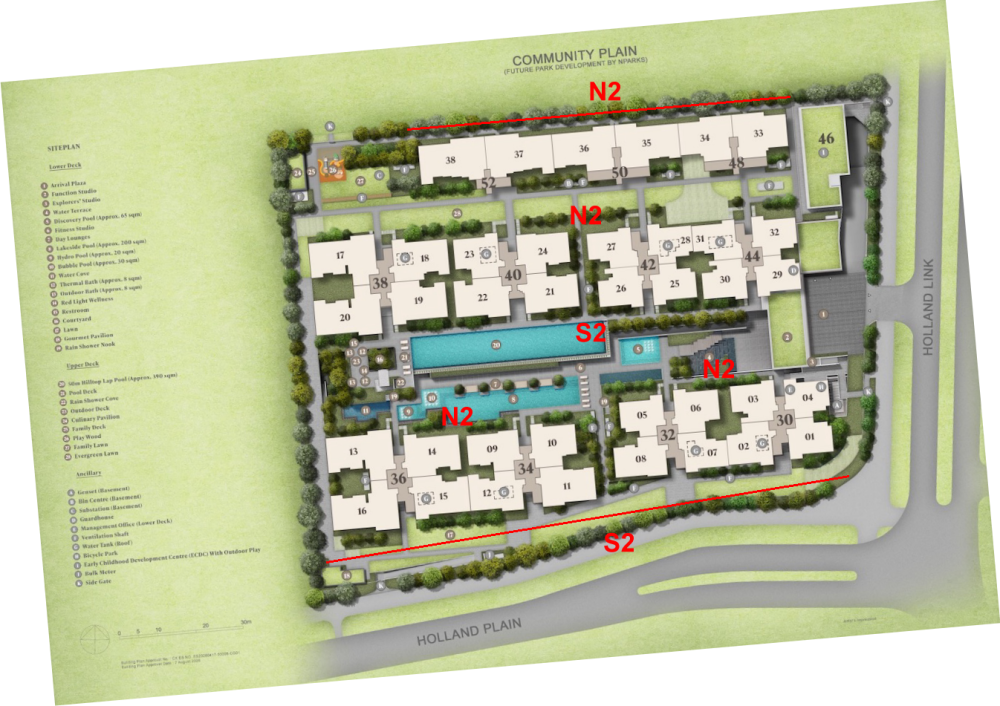
Amberwood Site Plan
-
Nice Try...
-
TikToker vs My Farrer Park Arena Picks: The Hidden NW Kitchen Feng Shui ProblemEvents & Listings About this Case Study A client asked why my top-five HDB Farrer Park Arena stack rankings did not include stacks recommended in a TikTok by another Feng Shui Master. I explained I excluded those stacks because they have major Feng Shui flaws. Although stacks like #222, #226, #234, and #240 may look attractive and have similar facings to my top picks, their kitchen layout likely forces the stove into the NW sector (“Fire at Heaven’s Gate”), which is why they should be avoided. Since 1996 Learn More:
-
TikToker vs My Farrer Park Arena Picks: The Hidden NW Kitchen Feng Shui ProblemEvents & Listings About this Case Study A client asked why my top-five HDB Farrer Park Arena stack rankings did not include stacks recommended in a TikTok by another Feng Shui Master. I explained I excluded those stacks because they have major Feng Shui flaws. Although stacks like #222, #226, #234, and #240 may look attractive and have similar facings to my top picks, their kitchen layout likely forces the stove into the NW sector (“Fire at Heaven’s Gate”), which is why they should be avoided. Since 1996 Learn More:

-
Free Personalised Analysis Reports Personalised Reports Free Analysis Reports Find out your Life Association Sectors Find out your Gua (Kua) Number? East or West Group Person? Find out your Horoscope? Find out your Characteristics? Find out your Personal Element? How suitable is your Home? Your Favourable Sleep Position? Your Favourable Study Position? Your Favourable Work Position? Your Favourable Bedroom Location? Is your Apartment Number Auspicious? Generate Free Reports Generate 4 Good & 4 Bad Direction Report Generate Ba Zi Luck Analysis, Personal Element & Horoscope Insights- (FREEBAZI.GEOMANCY.NET) BaZi compatibility Generate 30 Days Auspicious Date for ONE or TWO Persons(DATE.GEOMANCY.NET) More FREE Reports Welcome to Personalized Analysis ReportsSince 1996, Geomancy.net has guided individuals in understanding Feng Shui and Chinese divination. With our expertise, we have assisted thousands, becoming a trusted resource for those seeking knowledge. Our personalized analysis reports empower you to tap into these ancient practices, significantly improving your quality of life. Discover the Power of Personalized Analysis ReportsAt ONLINE.GEOMANCY.NET, we provide free personalized analysis reports that empower you to understand the intricate connections between your living environment and your personal well-being. By leveraging time-honored techniques from Feng Shui and Chinese divination, our reports help you uncover valuable insights that can guide your decisions and improve your lifestyle. What We OfferOur comprehensive reports are designed to give you a holistic view of your life associations and environmental influences. Here’s what you can expect from our personalized analysis: Life Association SectorsUnderstanding your life association sectors is crucial for achieving balance and harmony. Our reports will reveal the areas of your life that are most influenced by your environment, helping you to focus your energy where it matters most. Your Gua (Kua) NumberYour Gua number is a vital aspect of Feng Shui that determines your personal energy profile. By calculating your Gua number, you can gain insights into your strengths and weaknesses, allowing you to make informed decisions that align with your true nature. East or West Group Person?Identifying whether you belong to the East or West group can significantly impact your approach to life. Our analysis will classify you accordingly, providing tailored recommendations for your personal growth and development. Horoscope InsightsAstrology plays a significant role in understanding your personality traits and life path. Our reports will include your horoscope, offering insights into your character and potential challenges you may face. Understanding Your CharacteristicsEvery individual has unique characteristics shaped by various factors. Our personalized reports will analyze these traits, helping you to understand how they influence your interactions and relationships. Your Personal ElementIn Feng Shui, the five elements (Wood, Fire, Earth, Metal, Water) play a crucial role in shaping your life. Our analysis will determine your personal element, providing insights that can help you harmonize with your environment. Assessing Your Home's SuitabilityYour living space significantly affects your overall well-being. Our reports will evaluate how suitable your home is for you, considering factors such as layout, direction, and energy flow. This assessment can guide you in making necessary adjustments to enhance your living environment. Favorable Sleep PositionDid you know that your sleep position can impact your health? Our analysis will suggest the best sleep position for you based on your personal energy profile, helping you achieve better rest and rejuvenation. Optimal Study PositionFor students and professionals alike, the right study position can enhance focus and productivity. Our reports will provide recommendations for your ideal study position, allowing you to maximize your learning potential. Favorable Work PositionYour work environment plays a critical role in your success. We will analyze your work position to ensure it aligns with your personal energy, promoting productivity and satisfaction in your professional life. Bedroom LocationThe location of your bedroom can influence your relationships and personal energy. Our reports will offer insights into the most beneficial bedroom location for you, fostering a peaceful and harmonious space. Auspicious Apartment NumbersDid you know that the number of your apartment can carry significant meaning? Our analysis will determine whether your apartment number is auspicious, guiding you towards a more favorable living situation. Generate Your Free ReportsReady to take the next step? Generating your free personalized analysis reports is simple: Login or Sign Up: Access your account at ONLINE.GEOMANCY.NET to get started. Choose Your Reports: Select from various reports, including: 4 Good & 4 Bad Direction Report Ba Zi Luck Analysis Personal Element Insights Horoscope Insights Receive Your Analysis: Once generated, your reports will be available for you to explore.