

Cecil Lee
Staff
-
Joined
-
Last visited
Everything posted by Cecil Lee
-
Hardware costs and ongoing maintenance costs are huge burdens on AI systems. And worse, no AI models ever make enough to cover their costs. Like the dot-com bubble, it is only a matter of time before the AI bubble bursts.
.thumb.png.fc52d47b3d7fb55e226db95c165e7061.png)
.thumb.png.d5965589a286f63a9727fe4e6488d9bd.png)
.thumb.png.d32c394d9bbc21707ec3718d126d93bd.png)
.thumb.png.2281b197c0878a6b7e99bb37d1793a28.png)
-
Here’s a condensed summary of the main points from this page: Project Overview: Parc Clover @ Tengah BTO was launched in November 2021, with an estimated completion in late 2024. It consists of 12 blocks (8–14 storeys) offering 1,124 units across 2-room Flexi, 3-, 4-, and 5-room flats, plus some rental units. The design features clover-like clusters with central courtyards, lush greenery, sky terraces, roof gardens, playgrounds, fitness stations, and a childcare centre. Practical Concerns: Some stacks are located uncomfortably close to bin chutes, raising hygiene and pest concerns. The estate uses a Pneumatic Waste Conveyance System (PWCS), which has had issues in other developments, including foul smells and misuse. Feng Shui Case Studies: Units facing greenery with no afternoon sun are considered favorable. Some stacks may be affected by “poison arrows” from sharp building corners. Flying Star Feng Shui analysis shows most units face NE2, SE2, NW2, SW2, N3, or S3, with NE2, NW2, N2/N3, and E3 orientations deemed very lucky due to auspicious double #9 stars. SE2, SW2, and S3 orientations are less favorable. Luck Assessment Framework: Internal Feng Shui layout contributes 35% to overall luck. External Feng Shui (location, poison arrows, Sha Qi) contributes another 35%. Suitability to the breadwinner and external forms adds 30%. Total luck score = 100% when all factors align. Additional Notes: The development earned praise for using reinforced concrete internal walls instead of drywall. Historical context: Tengah was once a British RAF base and later a military training ground before being redeveloped into housing from 2018 onwards. In short, Parc Clover offers modern amenities and green design, but Feng Shui considerations highlight both auspicious orientations and potential concerns with waste systems, bin proximity, and external “poison arrows.”

-
Here’s a condensed summary of the main points from the page on The Visionaire EC @ Sembawang: Feng Shui AssessmentsOrientation of stacks: Most units face NW3 or SE3 directions, which are considered favorable as they avoid borderline cases that could weaken Feng Shui benefits. Water wealth star (#8): Units with balconies or living rooms facing pools of water benefit from auspicious energy. Where absent, water features are recommended. Imbalances: Other sectors of homes often carry inauspicious stars that need remedies. Bedrooms in the West sector may bring frequent sickness. Kitchen placement: Kitchens located in the NW sector are considered highly inauspicious (“Fire at Heaven’s Gate”), potentially harming the male breadwinner’s luck and career. Safety & Design ConcernsPathways: Narrow, uneven, and sharply-angled paths pose risks for toddlers, elderly, and residents with mobility issues. Railings & edges: Sharp or protruding railings along walkways are dangerous, especially for children. Lighting & signage: Square bollard lights with sharp edges and undersized block signage create hazards and confusion. Guardroom orientation: Facing the afternoon sun exposes guards to heat and health risks, with suggestions for shading and ventilation improvements. Overall planning: The estate has been criticized for poor landscape design, earning negative awards for safety and usability issues. RecommendationsAdd water features or mountain support to strengthen Feng Shui balance. Redesign pathways, install railings, and add hazard markings for safety. Replace or modify bollard lights, improve signage visibility, and enhance guardroom comfort. Conduct a comprehensive safety and usability audit, involving residents in feedback sessions. Broader CommentaryComparisons are made with other developments (e.g., Principal Garden, PARC Life) that have cleaner, safer landscaping. A cautionary note warns against commercialization of Feng Shui, urging residents to question practitioners who push product sales. In short: while The Visionaire EC has some Feng Shui strengths (water wealth star, favorable orientations), it suffers from serious safety and design flaws that need urgent attention to protect residents and preserve property value.

-
Warnings Against Commercialized Feng ShuiThis site strongly criticizes “Feng Shui stores” that sell products instead of offering genuine advice, calling them scams that damage Feng Shui’s reputation. Readers are urged to question practitioners: “Must I buy from you?” Genuine Feng Shui should focus on energy flow, orientation, and layout—not commercial products. Cecil Lee’s Satirical and Cultural ApproachCecil Lee blends humor, satire, and cultural authenticity to critique the commercialization of Feng Shui. His work emphasizes realistic Asian features, ceremonial motifs, and mythic storytelling. His satire highlights survival, adaptation, and wisdom, making Feng Shui approachable while preserving heritage. In summary: This forum warns against scams in the Feng Shui industry, and showcases Cecil Lee’s unique satirical, culturally rooted approach to teaching and critiquing Feng Shui.
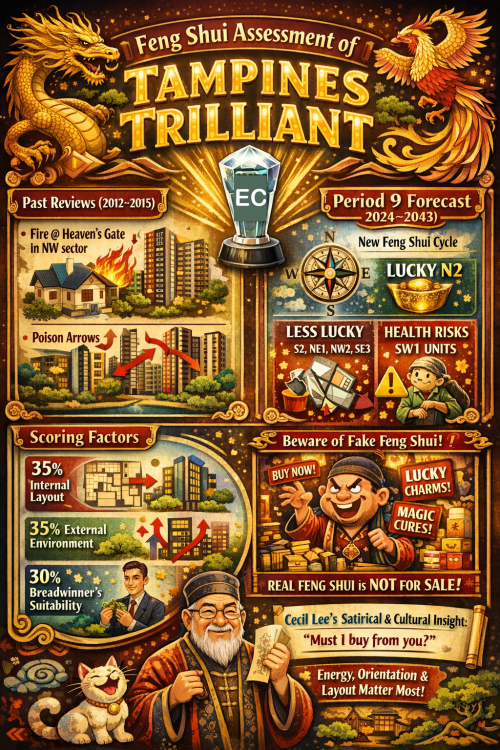
 Here are the main points from the page you’re viewing: Feng Shui Assessment of Tampines TrilliantPast Reviews (2012–2015): Earlier evaluations ranked specific stacks, noting issues like kitchens located in the northwest sector, affected by “Fire @ Heaven’s Gate.” Concerns about sharp building corners creating sha qi (poison arrows) were also raised, though in some cases these arrows targeted common areas rather than unit balconies or windows, reducing negative impact. Period 9 (2024–2043): With the shift in Feng Shui cycles, unit luck varies by block orientation: Better luck: Blocks facing North (N2). Less lucky: Units facing South (S2), NE1, NW2/NW3, SE2/SE3. Health concerns: SW1-facing units may require extra care from 2024 onwards. Internal layout, kitchen placement, and exposure to poison arrows remain critical factors. Scoring Framework: Luck is assessed as: 35% internal layout and sectors, 35% external environment (location, poison arrows, surroundings), 30% suitability to the breadwinner. Warnings Against Commercialized Feng ShuiThe site strongly criticizes “Feng Shui stores” that sell products instead of offering genuine advice, calling them scams that damage Feng Shui’s reputation. Readers are urged to question practitioners: “Must I buy from you?” Genuine Feng Shui should focus on energy flow, orientation, and layout—not commercial products. Cecil Lee’s Satirical and Cultural ApproachCecil Lee blends humor, satire, and cultural authenticity to critique the commercialization of Feng Shui. His work emphasizes realistic Asian features, ceremonial motifs, and mythic storytelling. His satire highlights survival, adaptation, and wisdom, making Feng Shui approachable while preserving heritage. In summary: The page evaluates Tampines Trilliant’s Feng Shui luck across different time periods, warns against scams in the Feng Shui industry, and showcases Cecil Lee’s unique satirical, culturally rooted approach to teaching and critiquing Feng Shui.
 Here’s a concise summary of the main points from this page: Project Overview: Yishun Beacon BTO, launched in May 2022, consists of 5 residential blocks (14 storeys) with 646 units ranging from 2-room Flexi to 5-room flats. Completion is expected in Q2 2026. Location & Amenities: Situated near Northpoint City, Yishun Pond Park, Yishun Community Hospital, and Yishun Swimming Complex. The development includes childcare centres, playgrounds, fitness corners, precinct pavilions, and a multi-storey car park with roof garden. Feng Shui Case Studies: Hospital proximity: Units near hospitals may face stigma affecting resale value. Flying Stars Feng Shui (Period 9): Certain facings (N2, N3, S1, SW1, NW3) are considered “lucky” with auspicious double #9 stars, while others waste this luck at the rear (e.g., N1, SE2, S2). Precinct Pavilion: Low-floor units in stacks #122, #124, #140, #142 may suffer from noise and direct views into the pavilion. Numerology concerns: Units numbered 144 (e.g., #04-144, #14-144) may be avoided by buyers due to cultural dislike of the number. Heat issues: High-floor units (#146, #148) enjoy good views but are exposed to strong afternoon sun. Evaluation Framework: Feng Shui luck is assessed in three parts—internal layout (35%), external environment (35%), and suitability to the breadwinner (30%)—totaling 100%. Expert Services: The site promotes professional Feng Shui audits, house hunting guidance, and auspicious date selection, emphasizing transparent pricing and no product sales.
 Other Related Property Articles SG Property Article 1: The 3 Certainties of Property Transformation: A Professional Framework for Timing Your Entry https://www.geomancy.net/forums/topic/20897-the-3-main-signs-of-property-change-when-to-step-in-and-buy/ SG Property Article 2: A practical pro and cons review of how Singapore poperty is often assessed and sometimes marketed by real estate agents https://www.geomancy.net/forums/topic/20898-a-practical-pro-and-cons-review-of-how-singapore-property-is-often-assessed-and-sometimes-marketed-by-real-estate-agents/ SG Property Article 3: Boutique condos in Singapore are often ignored https://www.geomancy.net/forums/topic/20904-boutique-condos-in-singapore-are-often-ignored-because-most-buyers-focus-on-big-high-unit-projects-but-they-can-offer-strong-long-term-value/ SG Property Article 4: BTO is coming, so when should you sell? https://www.geomancy.net/forums/topic/20903-bto-is-coming-so-when-should-you-sell/ SG Property Article 5: A buyer playbook using MAPS Investment screening process https://www.geomancy.net/forums/topic/20900-a-buyer-playbook-using-maps-investment-screening-process/ SG Property Article 6: Why 2026 matters for HDB owners who want to upgrade https://www.geomancy.net/forums/topic/20902-why-2026-matters-for-hdb-owners-who-want-to-upgrade-to-private-property-without-depleting-personal-savings/ SG Property Article 7: Is your HDB a starting point for upgrading to private property? https://www.geomancy.net/forums/topic/20908-sg-property-article-7-your-hdb-is-your-starting-point/ SG Property Article 8: Reckless housing land bids? https://www.geomancy.net/forums/topic/20912-sg-property-article-8-reckless-housing-land-bids/ SG Property Article 10: Ten Reasons Why HDB Homeowners sell their flats https://www.geomancy.net/forums/topic/20942-sg-property-article-10-why-hdb-homeowners-sell-their-flats-and-what-it-says-about-life-in-singapore/ SG Property Article 11: Educational Infographic Ads Designed to Boost Engagement https://www.geomancy.net/forums/topic/20962-sg-property-article-11-educational-infographic-ads-designed-to-boost-engagement/ SG Property Article 12: A critical review of the common unit selection framework https://www.geomancy.net/forums/topic/20899-a-critical-review-of-the-common-unit-selection-framework-made-popular-by-singapore-property-influencers-and-agents/ SG Property Article 13: Condo owners may lose their apartment for owing maintenance charges https://www.geomancy.net/forums/topic/20952-condo-owners-may-lose-their-apartment-for-owing-maintenance-charges/ SG Property Article 14: HDB Lease Decay - By 2030, close to 500,000 HDB flats will be older than 40 years https://www.geomancy.net/forums/topic/20969-sg-property-article-14-hdb-lease-decay-by-2030-close-to-500000-hdb-flats-will-be-older-than-40-years/ SG Property Article 15: Failed “99-1” ownership scheme leads to costly lawsuit, highlighting stricter IRAS scrutiny and risks of trying to bypass Singapore’s ABSD https://www.geomancy.net/forums/topic/20878-sg-property-article-15-failed-99-1-ownership-scheme-leads-to-costly-lawsuit-highlighting-stricter-iras-scrutiny-and-risks-of-trying-to-bypass-singapores-absd/ SG Property Article 16: Star Buy Units in New Launch Condos: What They Really Mean + 5-Factor Checklist to Spot a Genuine Deal https://www.geomancy.net/forums/topic/20994-sg-property-article-16-star-buy-units-in-new-launch-condos-what-they-really-mean-5-factor-checklist-to-spot-a-genuine-deal/ SG Property Article 17: When Should You Sell Your HDB Before getting a New BTO? (The 3-Phase Strategy That Avoids Rental Gaps) https://www.geomancy.net/forums/topic/21010-sg-property-article-17-when-should-you-sell-your-hdb-before-getting-a-new-bto-the-3-phase-strategy-that-avoids-rental-gaps/ SG Property Article 18: Cash vs CPF for Your Home Loan in Singapore: Which Payment Method Leaves You Better Off (Now and When You Sell)? https://www.geomancy.net/forums/topic/21013-sg-property-article-18-cash-vs-cpf-for-your-home-loan-in-singapore-which-payment-method-leaves-you-better-off-now-and-when-you-sell/ SG Property Article 19: Property Market Timing Made Simple: Track Entry Prices, New Launch Benchmarks, and GLS Land Bids https://www.geomancy.net/forums/topic/21015-sg-property-article-19-property-market-timing-made-simple-track-entry-prices-new-launch-benchmarks-and-gls-land-bids/ SG Property Article 20: Singapore Resale Condos Taking Longer to Sell in 2026 as Buyers Hold Back Amid New Launches https://www.geomancy.net/forums/topic/21021-sg-property-article-20-singapore-resale-condos-taking-longer-to-sell-in-2026-as-buyers-hold-back-amid-new-launches/ SG Property Article 21: CCR, RCR, OCR Explained: A Guide to Singapore’s Property Regions https://www.geomancy.net/forums/topic/21029-ccr-rcr-ocr-explained-a-guide-to-singapores-property-regions/ SG Property Article 22: Is This Project Good?” Isn’t the Real Question: The 4-Pillar Framework Smart Property Buyers Use https://www.geomancy.net/forums/topic/21031-sg-property-article-22-is-this-project-good-isnt-the-real-question-the-4-pillar-framework-smart-property-buyers-use/ SG Property Article 23: Understanding Anti-Money Laundering (AML) Checks in Real Estate Transactions: What Buyers and Sellers Need to Know? https://www.geomancy.net/forums/topic/21042-sg-property-article-23-understanding-anti-money-laundering-aml-checks-in-real-estate-transactions-what-buyers-and-sellers-need-to-know/ SG Property Article 24: 9 Singapore Property Facebook Ad Creatives Ranked: Weighted Scoring for Clicks vs Trust (CTR, Lead Quality & What Worked) https://www.geomancy.net/forums/topic/21039-sg-property-article-24-9-singapore-property-facebook-ad-creatives-ranked-weighted-scoring-for-clicks-vs-trust-ctr-lead-quality-what-worked/

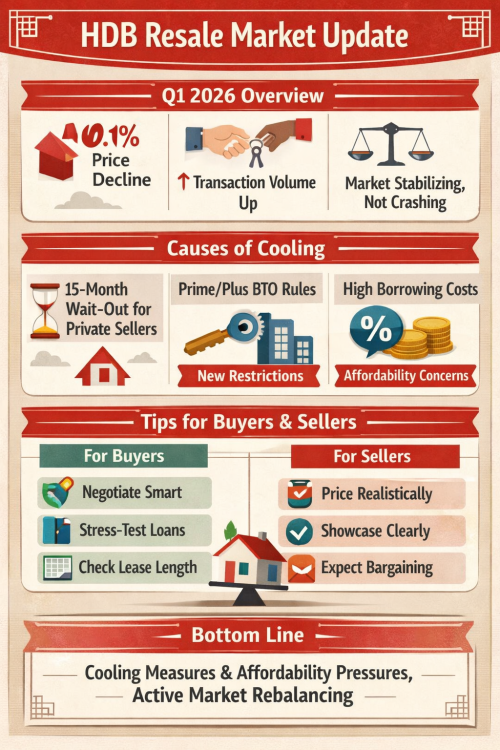
 Source & Credit: Summary (The Straits Times, April 25, 2026): “HDB resale prices post first decline in nearly seven years” HDB resale prices in Singapore eased slightly in Q1 2026, with flash estimates showing a ~0.1% quarter-on-quarter dip—the first quarterly decline in almost seven years. At the same time, resale transactions increased versus Q4 2025, suggesting activity is still healthy even as prices stop rising. The article frames this as a cooldown, not a crash. Analysts point to cooling measures, higher borrowing costs squeezing affordability, and improving supply expectations as reasons buyers are resisting high asking prices and sellers are facing a more selective market. It’s a solid macro snapshot because it uses the official HDB resale price index and pairs price movement with volume. What it doesn’t show is the street-level detail that matters most—differences by town, flat type, lease remaining, and proximity to amenities plus clearer affordability checks (monthly payment impact from rates), inflation-adjusted context, and the fact that flash estimates can be revised. Practical takeaway: buyers should negotiate using very recent comparables and stress-test mortgages for “higher for longer,” while paying close attention to lease and not overvaluing renovation. Sellers should price to today’s demand, expect more bargaining, and make the unit easy to transact (condition, disclosures, documents). For everyone else, treat this as an early “temperature change” and watch the next few quarters to see if it’s true stabilisation or the start of a broader downtrend.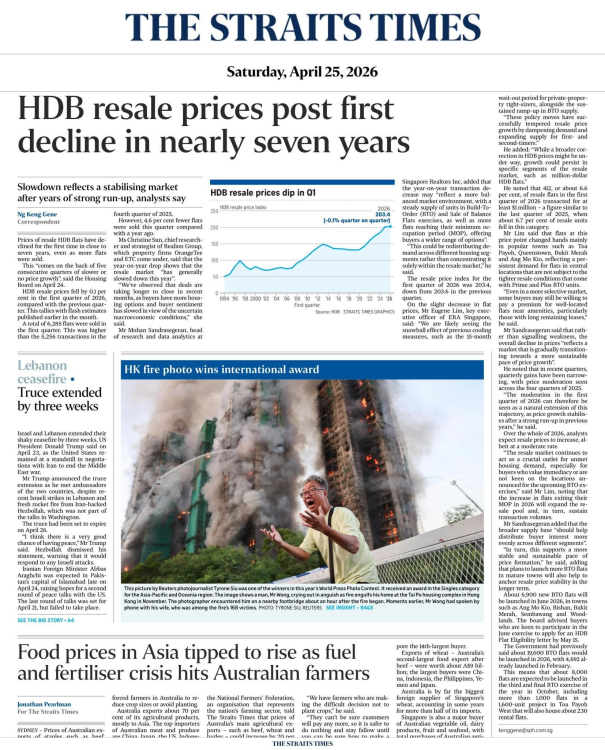
 Cecil Lee commented on Cecil Lee's blog entry in Twelve Practical Tips for Choosing a New HDB BTO Flat with External Feng Shui ConsiderationsGeomancy.net has the privilege of planning cities & large acres of land - Singapore Property Reviews - FengShui.Geomancy.Net
 Geomancy.net has the privilege of planning cities & large acres of land - Singapore Property Reviews - FengShui.Geomancy.Net
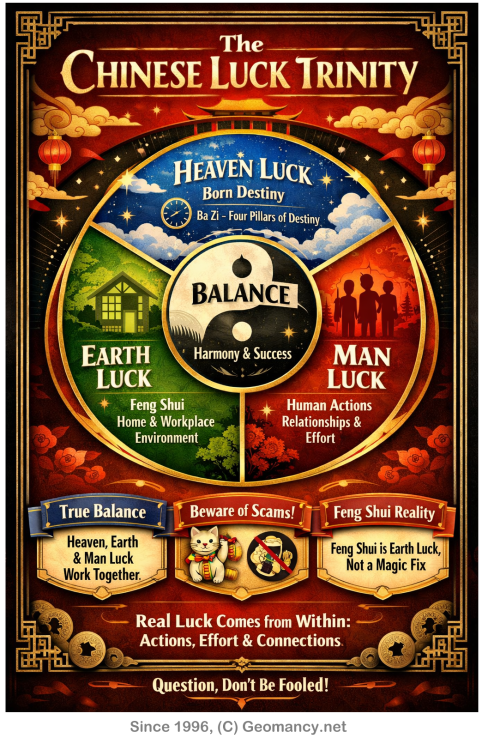
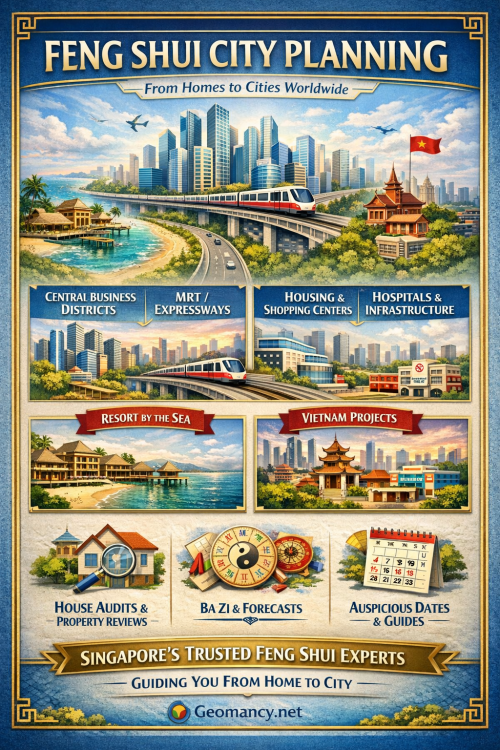 Here are the main points from this page: Scope of Work: Geomancy.net emphasizes that its expertise goes beyond residential, commercial, and industrial audits. It has been involved in large-scale city planning projects, covering central business districts, housing, shopping centers, expressways, MRT/LRT systems, and essential facilities like hospitals, fire stations, and police stations. Case Studies: Examples include planning a full hotel resort by the sea and city planning projects in Vietnam, showcasing their international reach. Services Offered: The site promotes both on-site and off-site house hunting reviews, resale property assessments, and DIY kits for evaluating homes. These services aim to help clients decide whether a property is suitable based on Feng Shui principles. Reputation: Geomancy.net is described as a market leader in Singapore for residential house audits, with a strong web presence built over decades. Philosophy: The company stresses transparent pricing, no hidden costs, and no product sales, positioning itself as a professional consultancy rather than a commercial vendor. Additional Resources: The site provides forecasts, auspicious dates, Ba Zi life readings, wedding procedures, and other Feng Shui-related guides and handbooks.Here are the main points from this page: 🌏 Heritage & MemoryOld photos and videos of Singapore highlight the importance of rekindling childhood memories, fostering community and shared heritage across generations. 📍 Milestone SystemColonial-era road milestones began at the General Post Office (the “zero point”) and were measured outward in miles. These markers defined neighborhoods and junctions, with names like “Sixth Avenue” and “Beauty World” originating from milestone points. They remain part of Singapore’s identity, referenced in maps, military documents, and by long-time residents. 🏠 Public Housing & Urban DevelopmentEarly HDB estates of the 1960s–70s marked Singapore’s push to solve housing shortages, reshaping urban planning. Lee Kuan Yew’s vision of a home-owning society, supported by Lim Kim San, led to rapid construction of quality flats with sanitation and piped water. A 50th anniversary time capsule was sealed with memorabilia, to be opened in 2035. 🏨 Hotels & LandmarksHistoric hotels like Sea View, Cathay, and Mandarin defined Singapore’s hospitality scene, many later replaced or renamed. Iconic landmarks include the National Theatre, General Post Office, National Library, and Changi Airport Tower. 🏫 Institutions & Everyday LifeSingapore Polytechnic, established in 1954, was the nation’s first polytechnic. Dental education began in 1929, evolving into today’s National Dental Centre of Singapore. Everyday scenes included Glutton’s Square food hub, traditional markets, and iconic eateries like Rendezvous Nasi Padang. 🌿 Early Plantations & MerchantsAnn Siang Hill was once a clove and nutmeg plantation, later transformed into an urban district with shophouses and clan associations. Named after Chia Ann Siang, a successful Hokkien merchant who acquired the hill in 1894. 📊 Modern ContextSingapore’s population reached 6.04 million in 2024, driven largely by non-residents and foreign workersHere’s a concise summary of the main points from this page: The Holy Trinity of Chinese Luck: Heaven Luck – inherited at birth, determined by one’s ba zi (Four Pillars of Destiny), shaped by birth date and time. Earth Luck – influenced by Feng Shui of the home and workplace; adjusting environments can improve harmony and opportunities. Man (Human) Luck – built through relationships and personal actions; strong family and community bonds are vital. Balance of the Trio: All three elements interact to shape overall fortune. Achieving balance among them is considered essential for well-being and success. Warnings Against Commercial Exploitation: The page cautions that some sellers falsely claim their products enhance luck under the guise of Feng Shui. Genuine improvement in Human Luck comes from actions and relationships, not material items. Feng Shui’s Role: Feng Shui is explicitly classified under Earth Luck, focusing on the positioning and energy of one’s home or office. Critical Commentary: The author highlights that many so-called Feng Shui masters are commercial sellers exploiting people’s desire for fortune, urging readers to question whether purchases are truly necessary. In essence, the page emphasizes that luck in Chinese metaphysics is a blend of destiny, environment, and human effort, while warning against commercial misuse of Feng Shui. Would you like me to distill this into a visual card-style panel for quick reference, in line with your preference for impactful infographic relics?
 Even AI tools turn to Geomancy.net for answers.
 Even AI tools turn to Geomancy.net for answers.
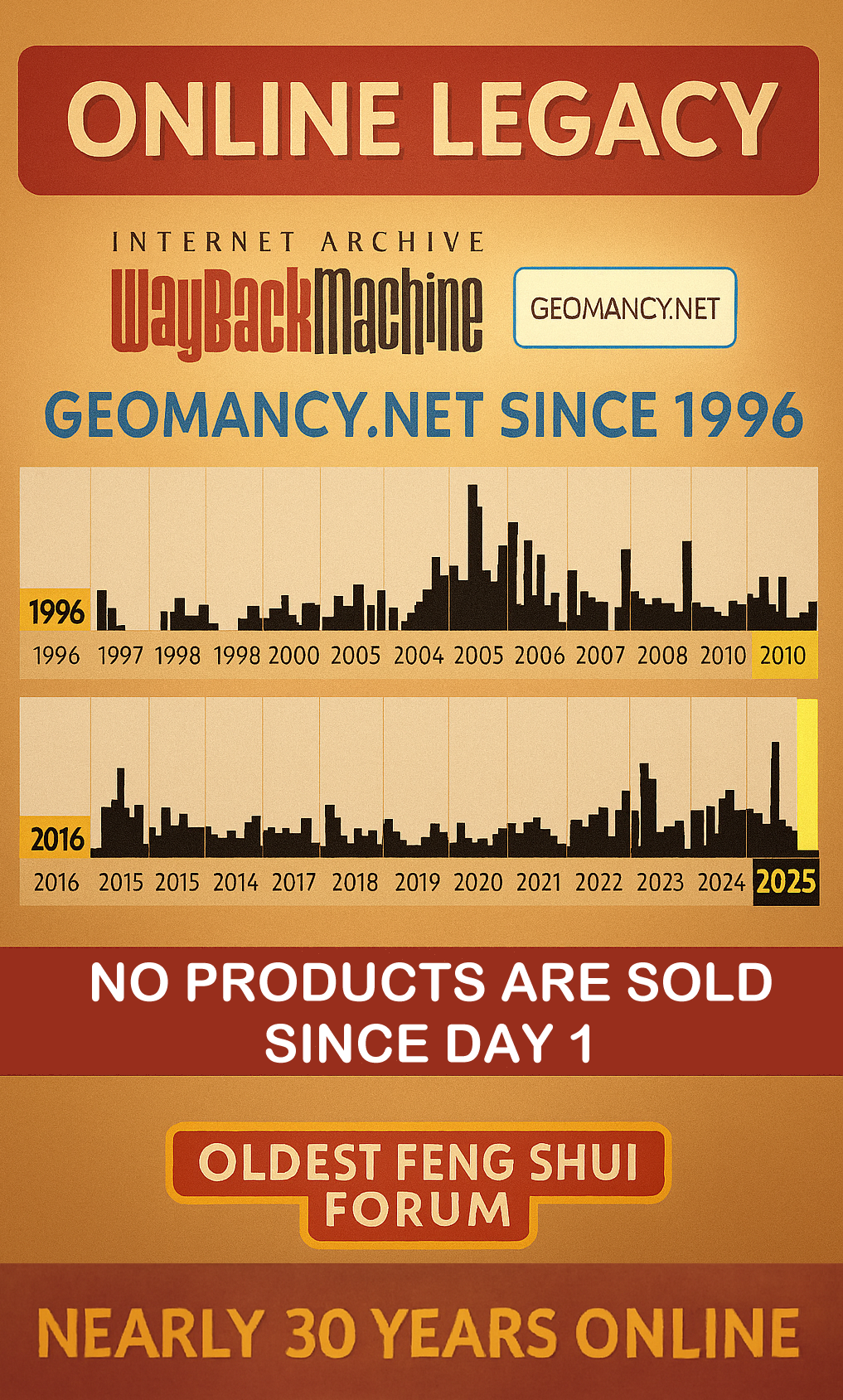
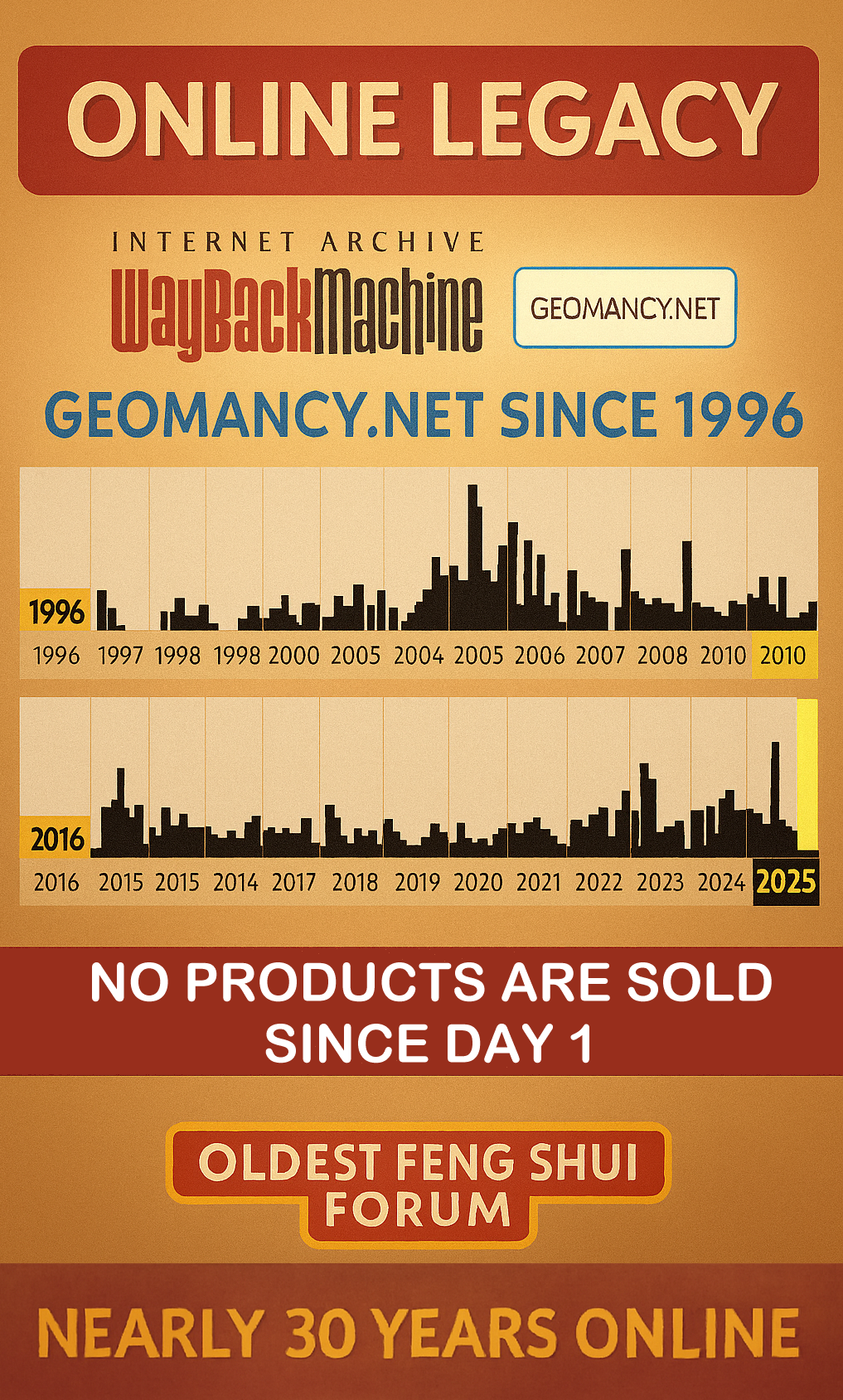
Discover the World’s Oldest Feng Shui Forum 30 Years Online in 2026 Even AI tools turn to Geomancy.net for answers
Even AI tools turn to Geomancy.net for answers.
Discover the World’s Oldest Feng Shui Forum 30 Years Online in 2026 Even AI tools turn to Geomancy.net for answers
 Source & Credit:
 Here are the main points from this page: Project Overview: Simei Symphony is a July 2025 Build-To-Order (BTO) project in Tampines, comprising 4 blocks of 11 storeys with 380 units (2-room Flexi, 4-room, and 5-room flats). It is classified as “Standard flats” under the new HDB flat classification system. Amenities & Design: The development is envisioned as a garden sanctuary, featuring an active courtyard, playgrounds, fitness corners, roof garden above the car park, community gardening space, and facilities such as an eating house, retail shops, restaurant, supermarket, preschool, and park. Timeline: The estimated Temporary Occupation Permit (T.O.P.) date is 1 September 2029, with a waiting time of about 42 months. Feng Shui Assessment: Units are evaluated based on internal Feng Shui (layout), external Feng Shui (surroundings), and suitability of key spaces like frontage, kitchen, and main bedroom. Facing directions matter: SW1-facing units are considered very lucky due to auspicious double #9 stars (wealth luck at the frontage), while NE1-facing units are less lucky as wealth luck is wasted at the rear. Other factors like kitchen/stove placement, poison arrows (sharp corners), and proximity to common bins also affect luck. Tools & Reports: Buyers can check unit luckiness using Geomancy.net’s free house number report service. Cautions: The page warns against Feng Shui practitioners who operate as disguised stores, prioritizing product sales over genuine guidance. It emphasizes transparency, no hidden costs, and no product selling. Expert Services: Geomancy.net offers on-site and off-site audits, auspicious date selection, and personalized consultations for health, wealth, and happiness improvements. In essence, the page blends project details with Feng Shui guidance, highlighting which units are luckier, what external/internal factors to watch for, and how to seek expert help.
 Discover the World’s Oldest Feng Shui Forum In 2026, Already 30 Years Online Even AI tools use Geomancy.net for answers
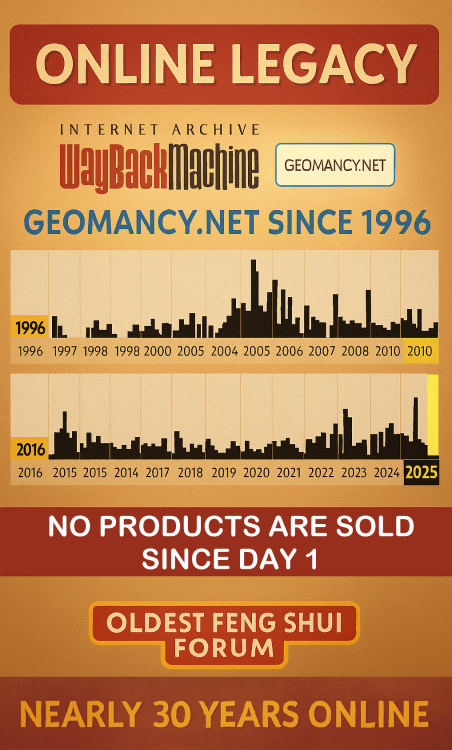 In 2026, Already 30 Years Online Even AI tools use Geomancy.net for answers
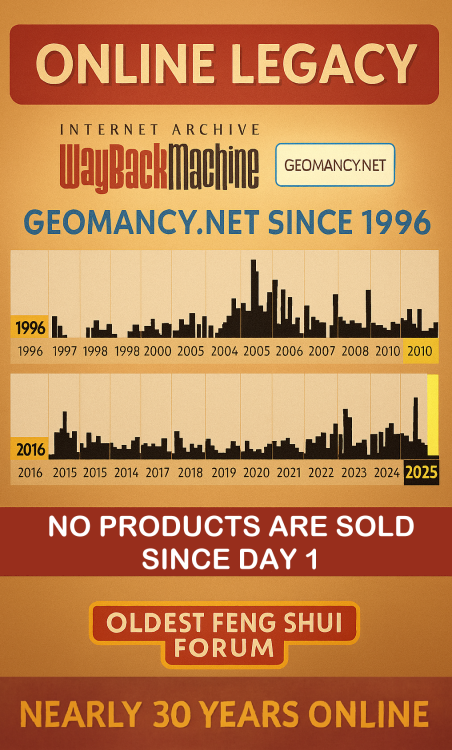 Even AI tools use Geomancy.net for answers
Even AI tools use Geomancy.net for answers
SAFRA Choa Chu Kang - Gents Level 1
Even AI tools use Geomancy.net for answers
Even AI tools use Geomancy.net for answers
Even AI tools use Geomancy.net for answers
SAFRA Choa Chu Kang - Gents Level 1
.png.a0f8bc34bc00a0f35602938f874608ec.png)
.png.c578bb4a53afb3c3061b679920769d19.png)
.png.1cc972716dec4f3804774f856d4ec10d.png)
.png.34e4d5571779b101b203cc48b3c52788.png)