

Everything posted by Cecil Lee
-
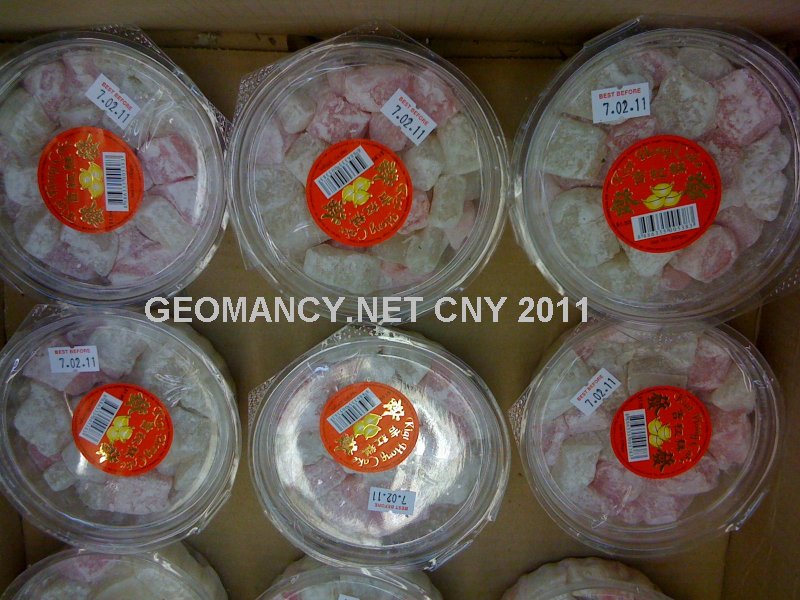
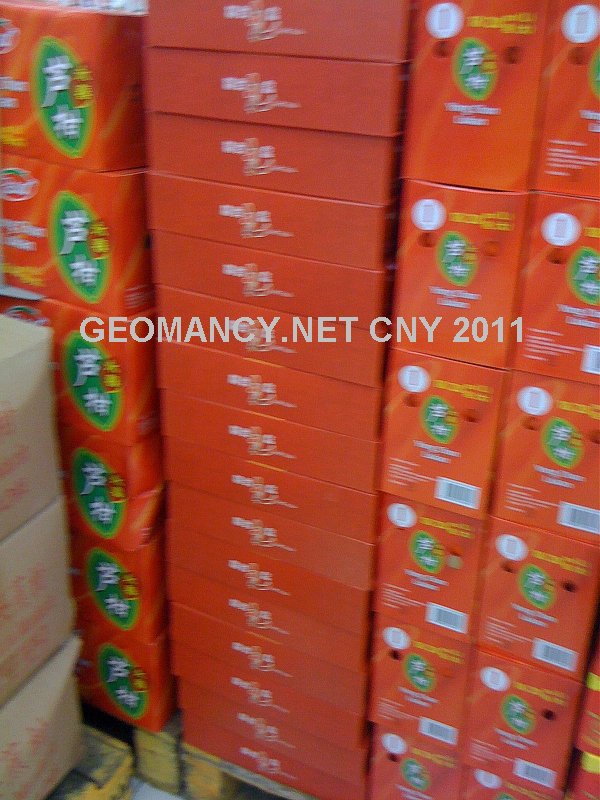
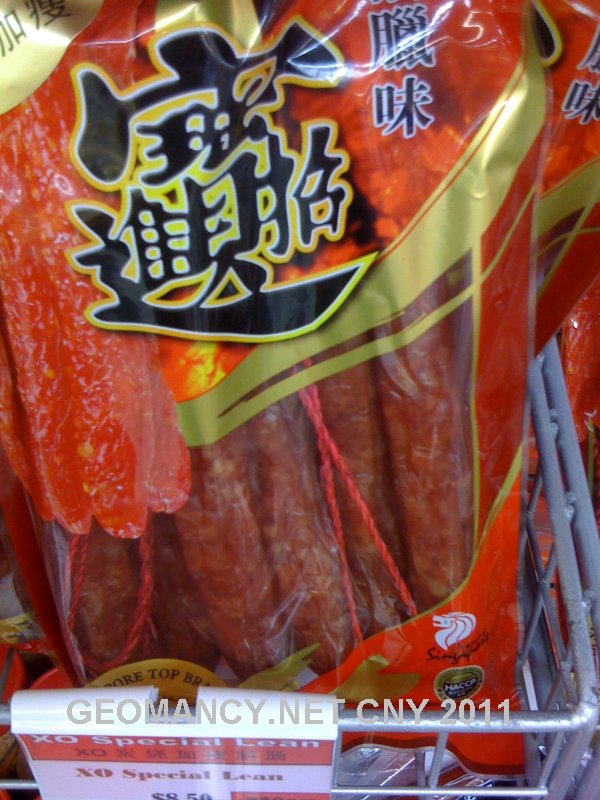
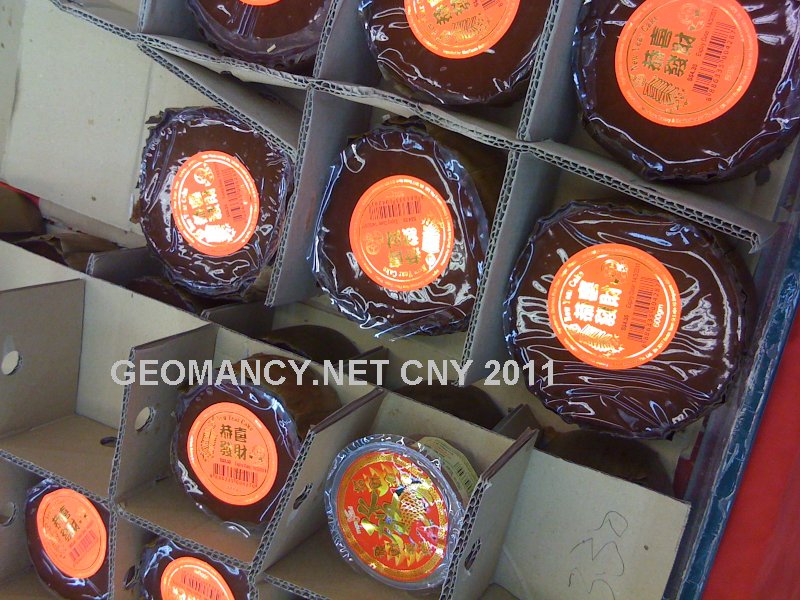
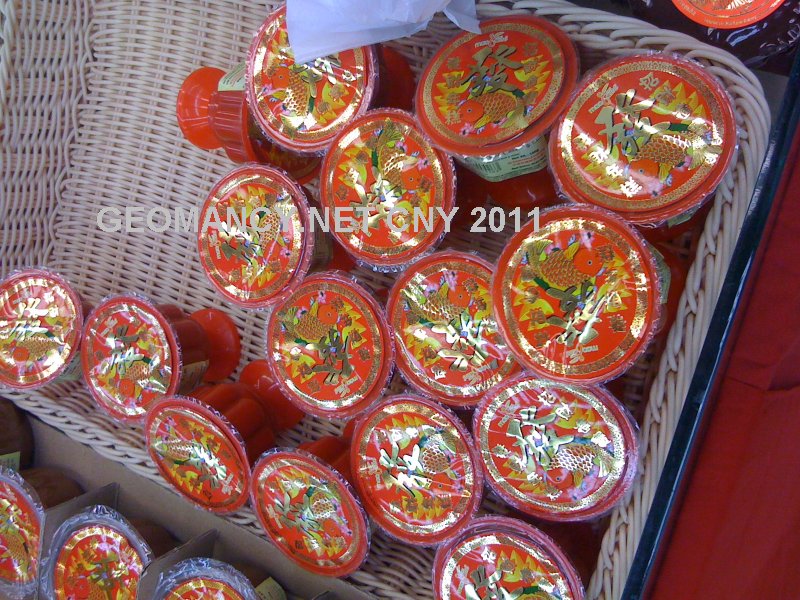
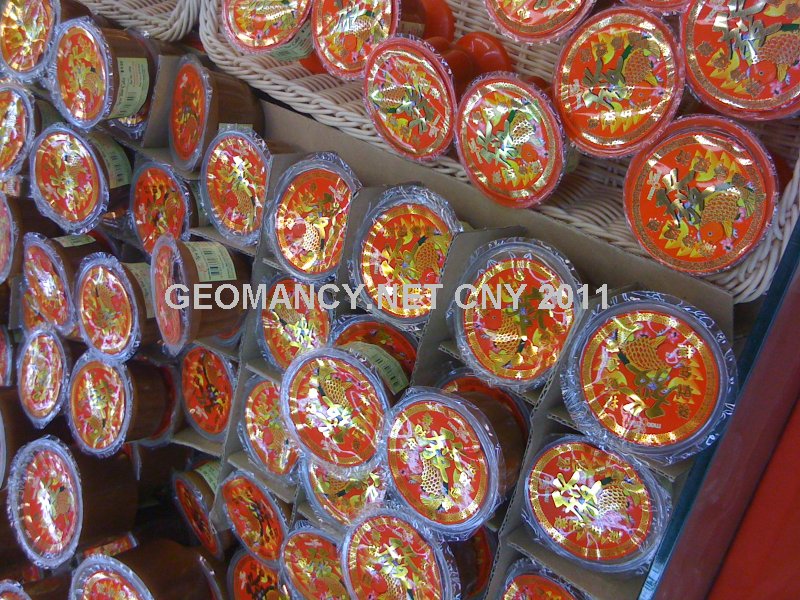
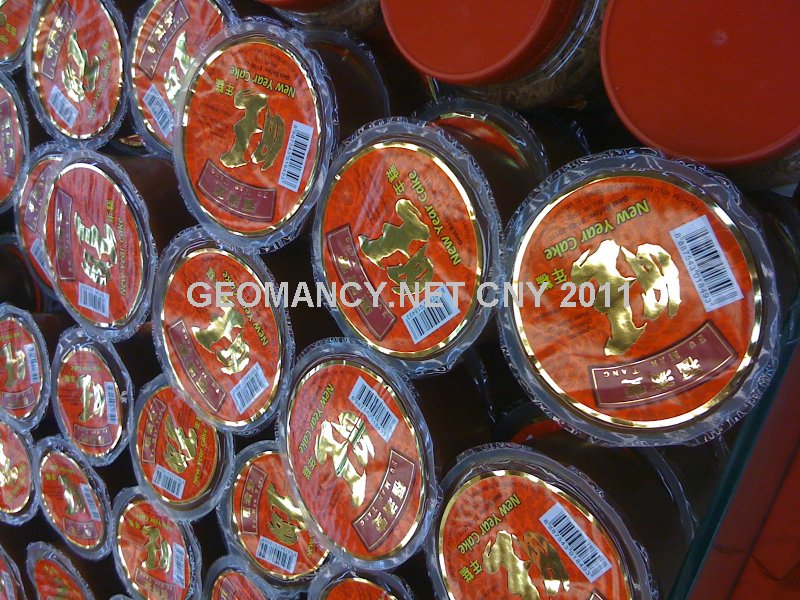
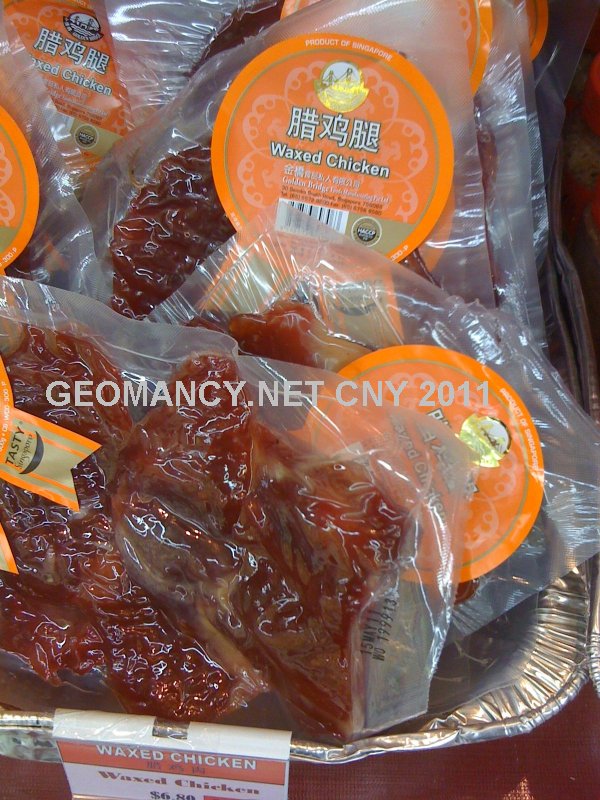
Another Chinese New Year (CNY) is over... these are some of the photos of the Chinese produce meant either to be offered , prayed and eaten later .....
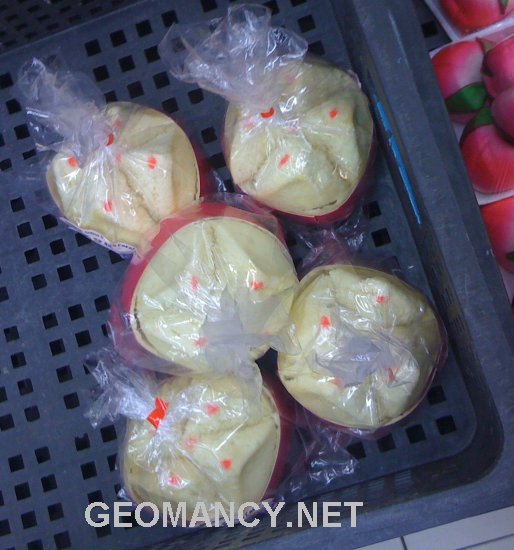
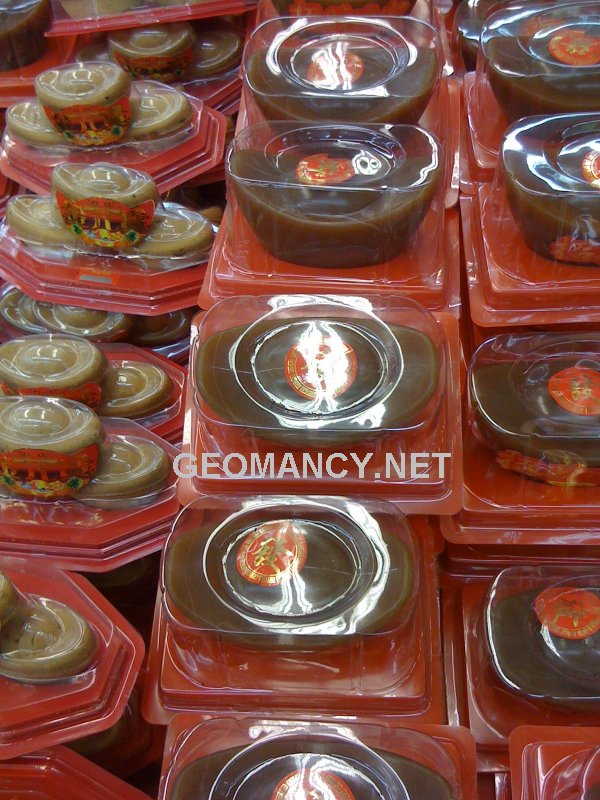
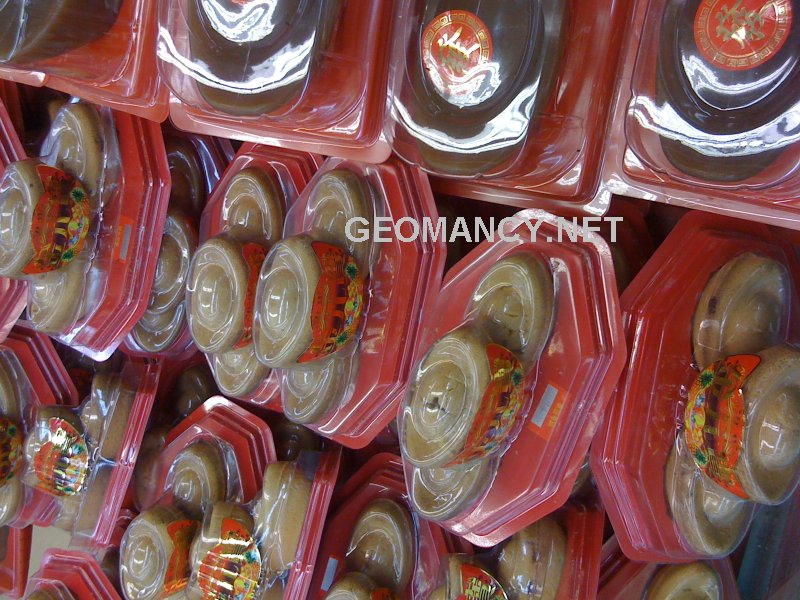
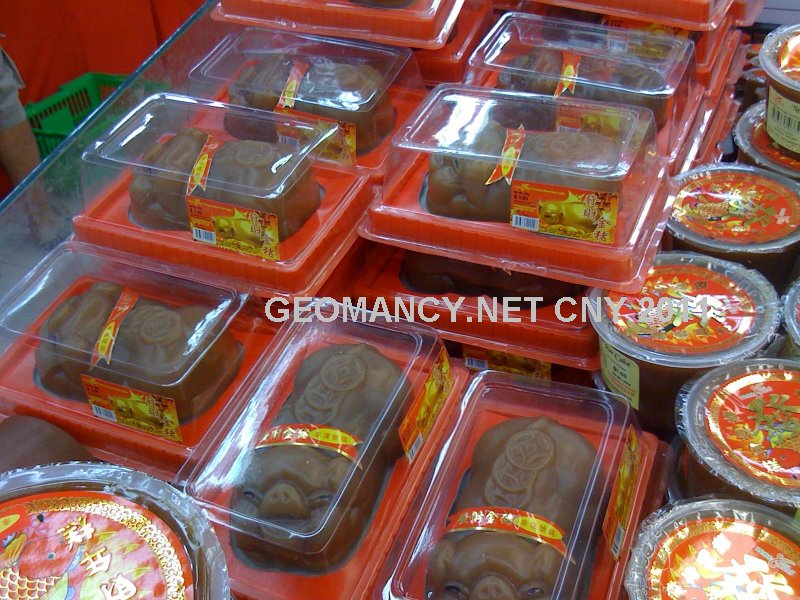
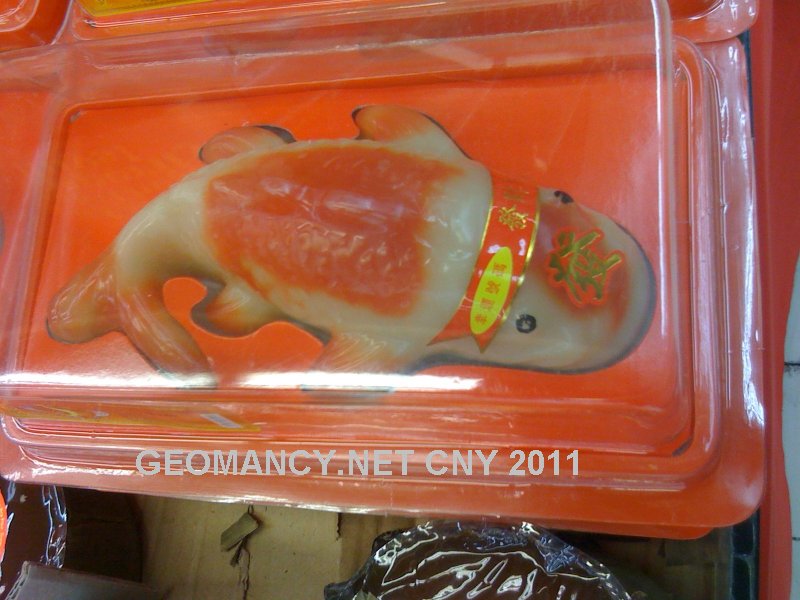
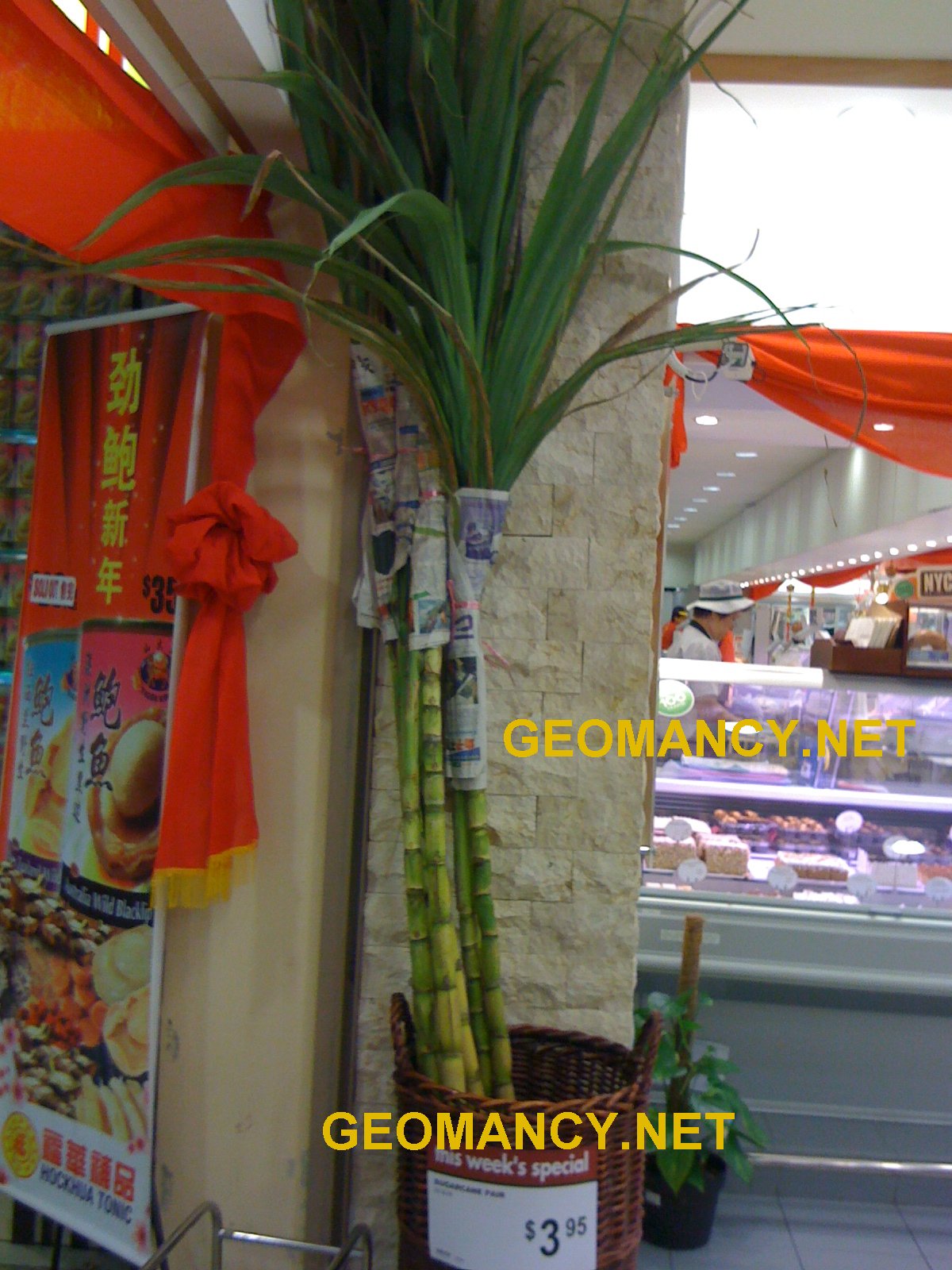
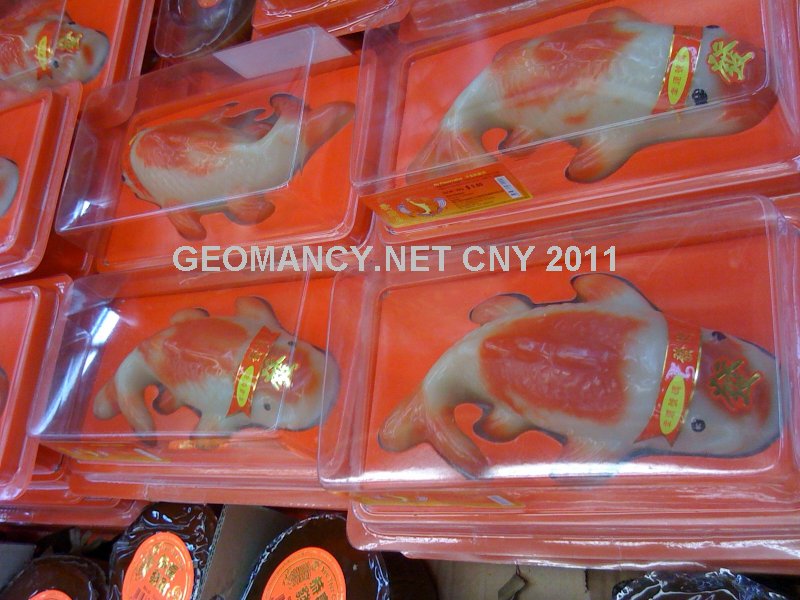 Traditionally, a pair of sugar cane is tied on each side of the altar table's legs...
 Chinese New Year (CNY) 2011 This is a picture of a basket full of the longevity bread in the shape of the peach. It is known as Shou Tao or Longevity peach with a bright auspicious pink colour.
.jpg.657af30b0cdce6fc8d6f4247073b508c.jpg)
.jpg.d01bbb04375c3dff0b6bf993bde67894.jpg) On one of the early mornings (still within the Chinese New Year - CNY) period; saw this uncle changing the offerings; i.e. replacing old Fa Gaos and fruits / tea cups with new ones... Did you see the large x2 Fa Gaos?
On one of the early mornings (still within the Chinese New Year - CNY) period; saw this uncle changing the offerings; i.e. replacing old Fa Gaos and fruits / tea cups with new ones... Did you see the large x2 Fa Gaos?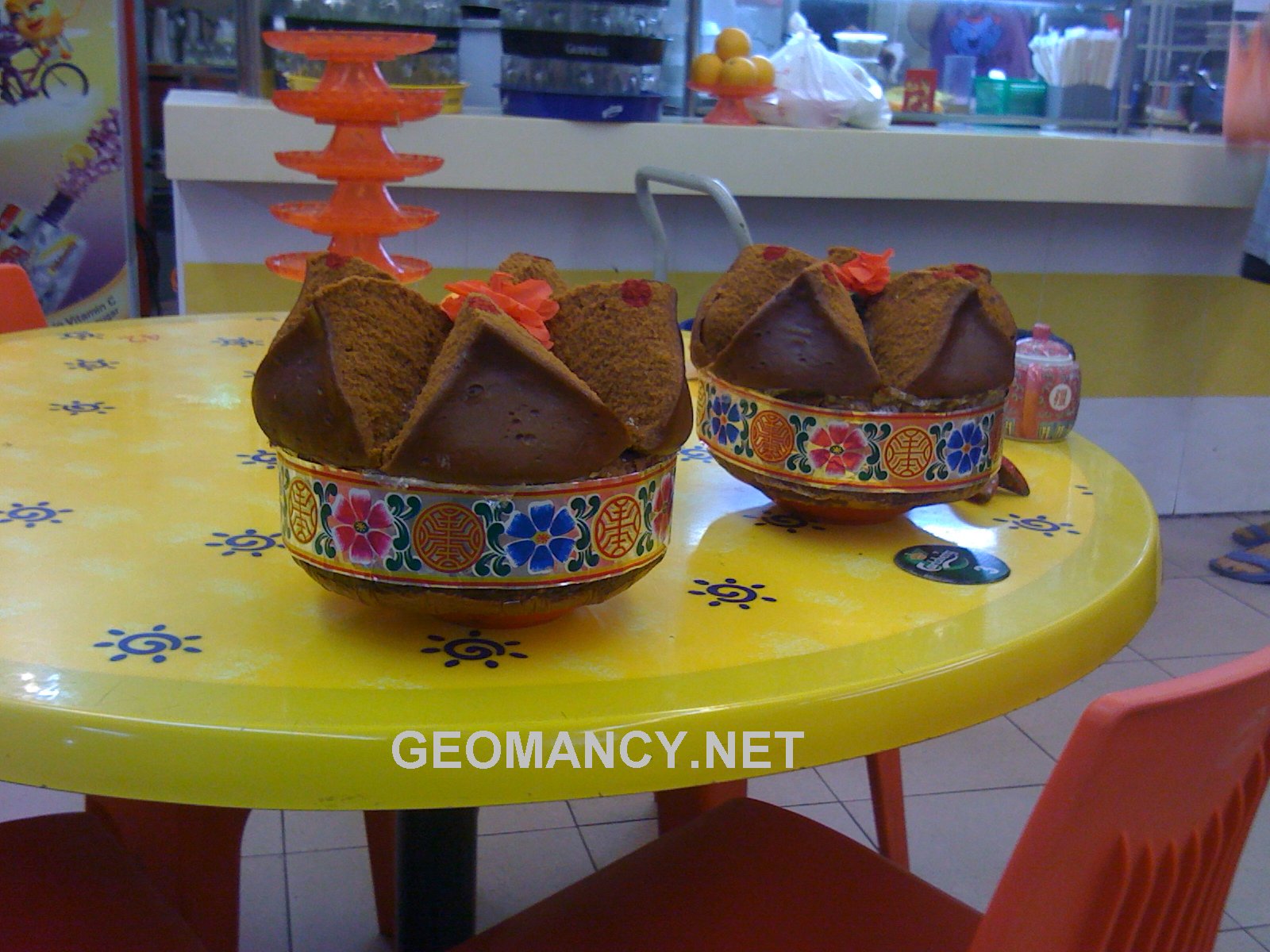
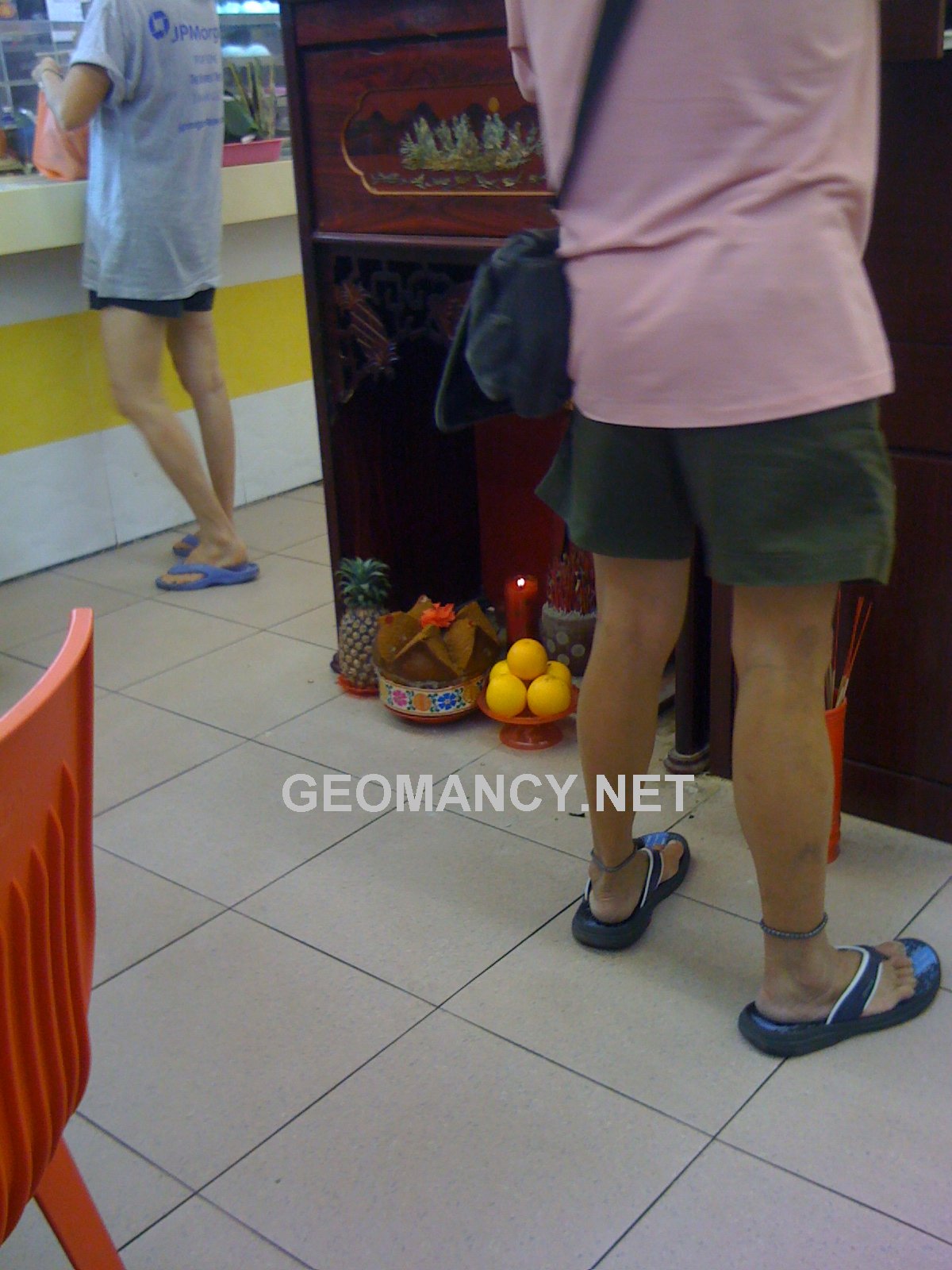
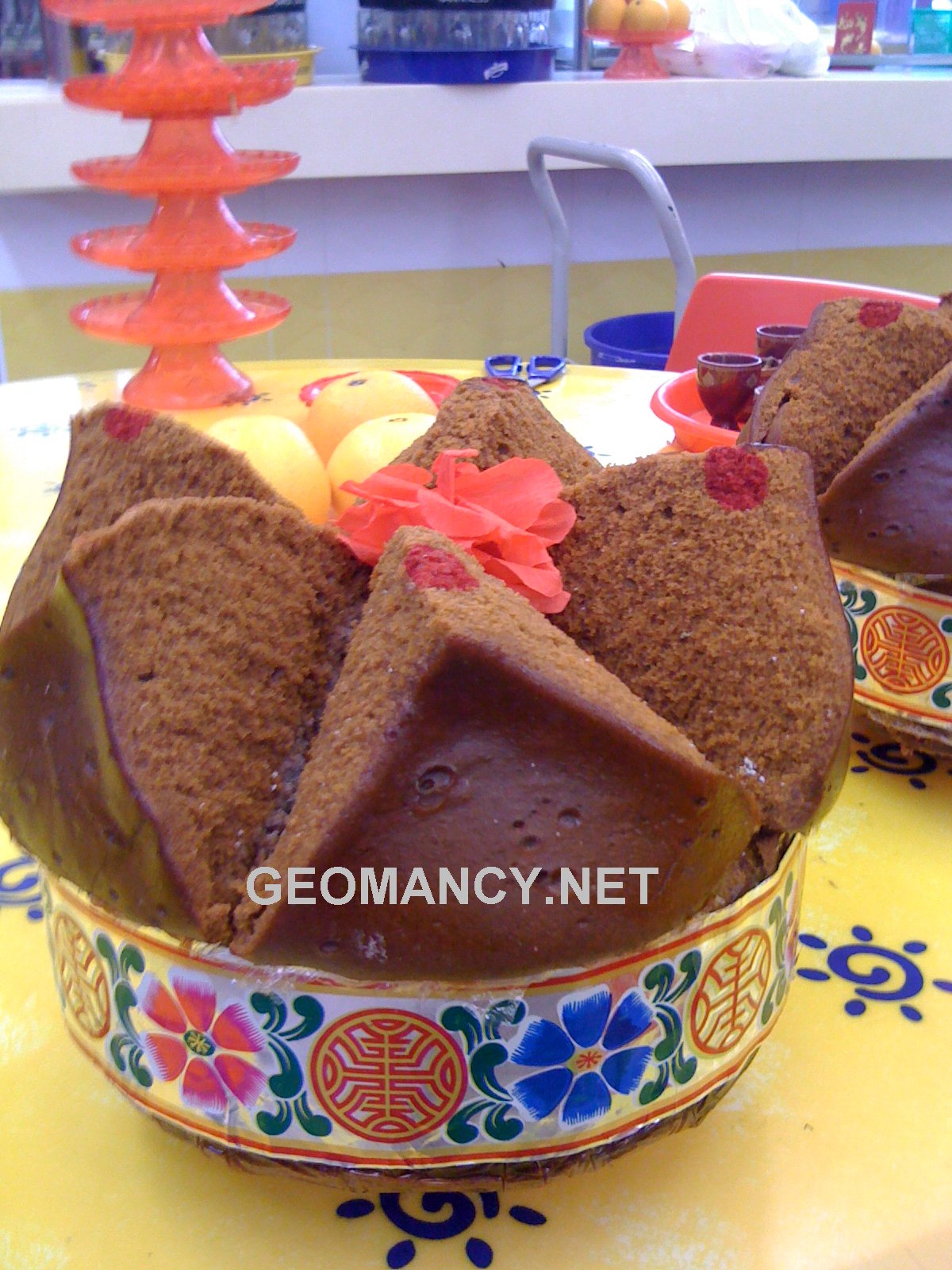
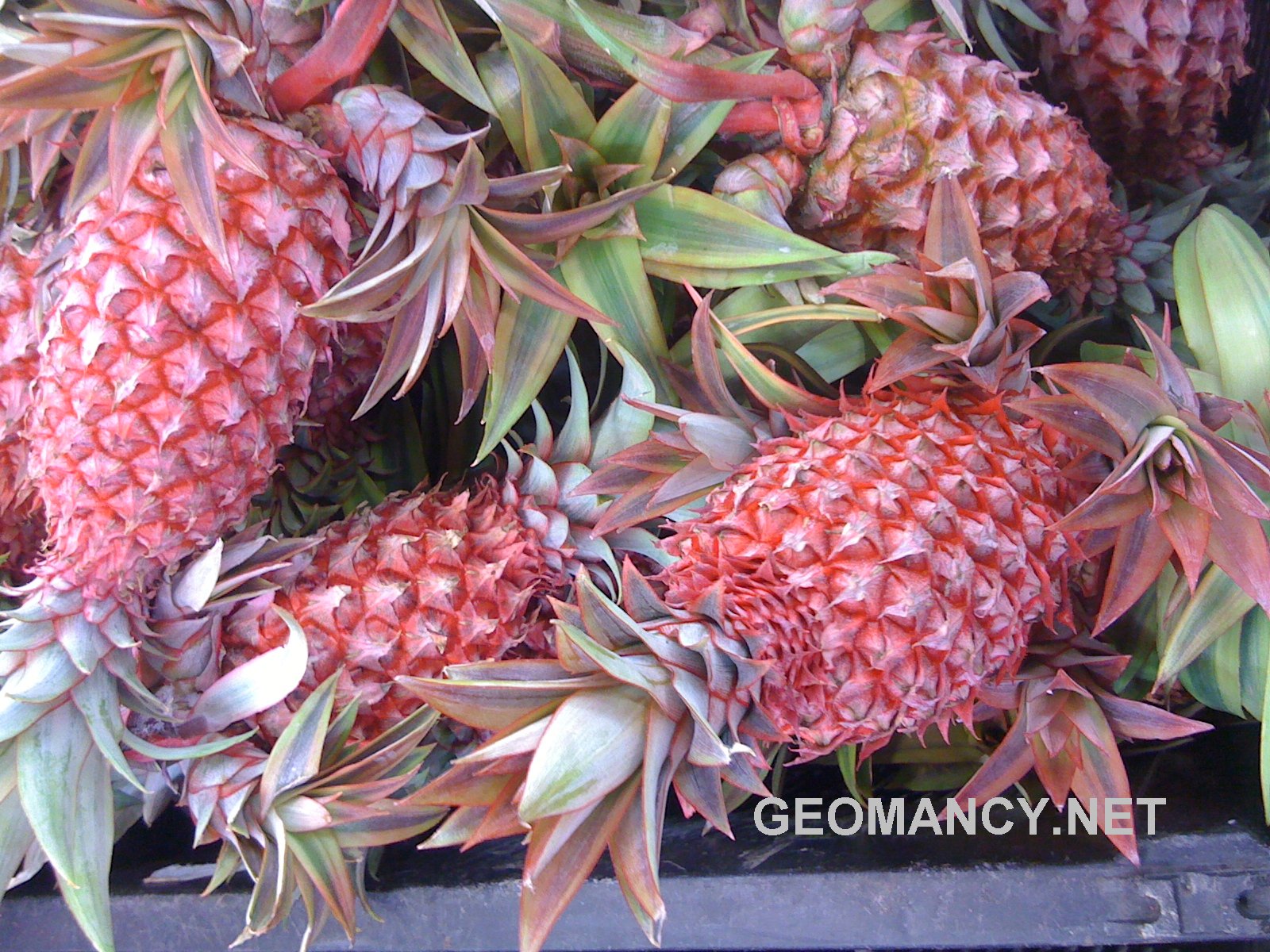
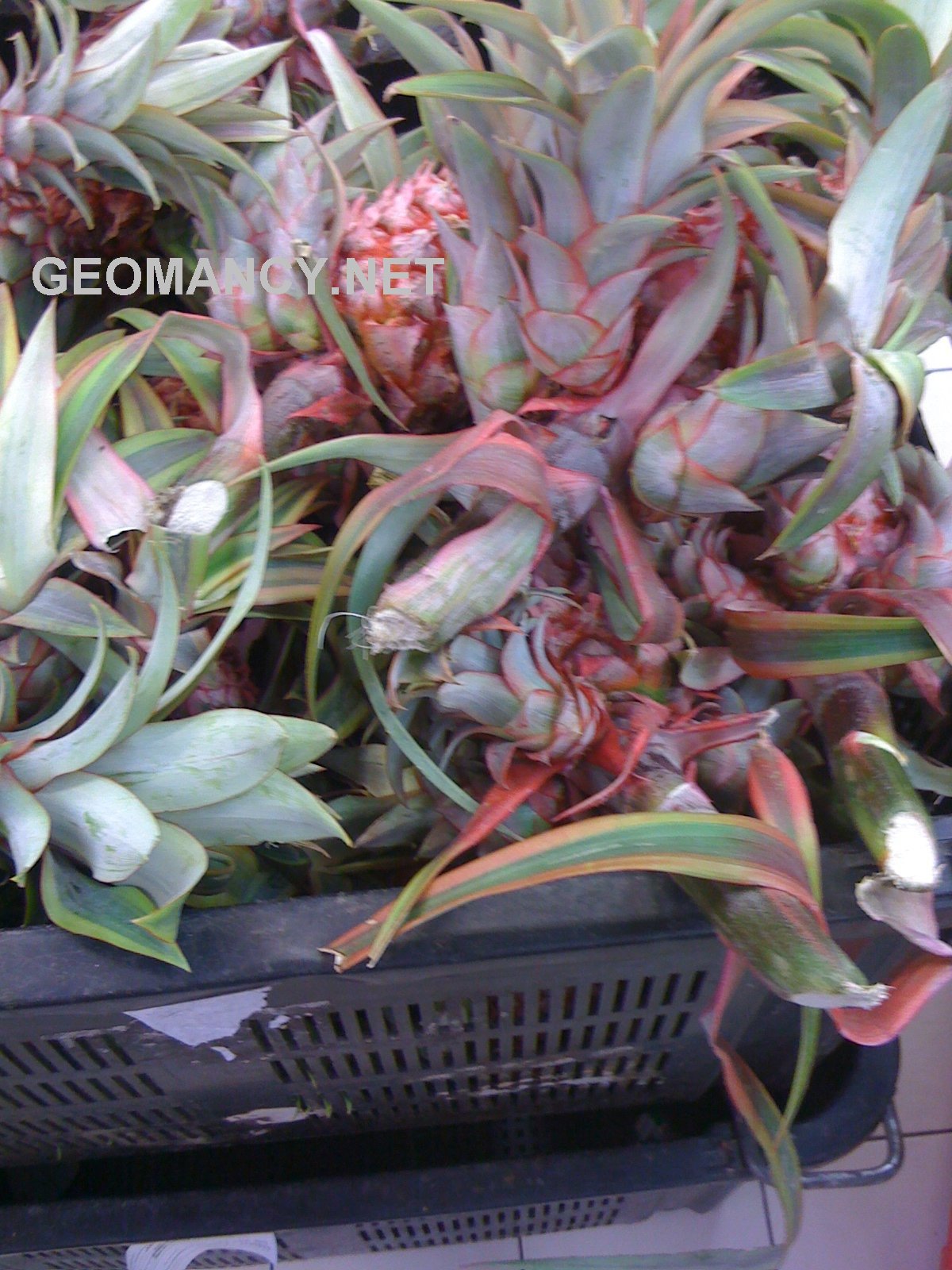
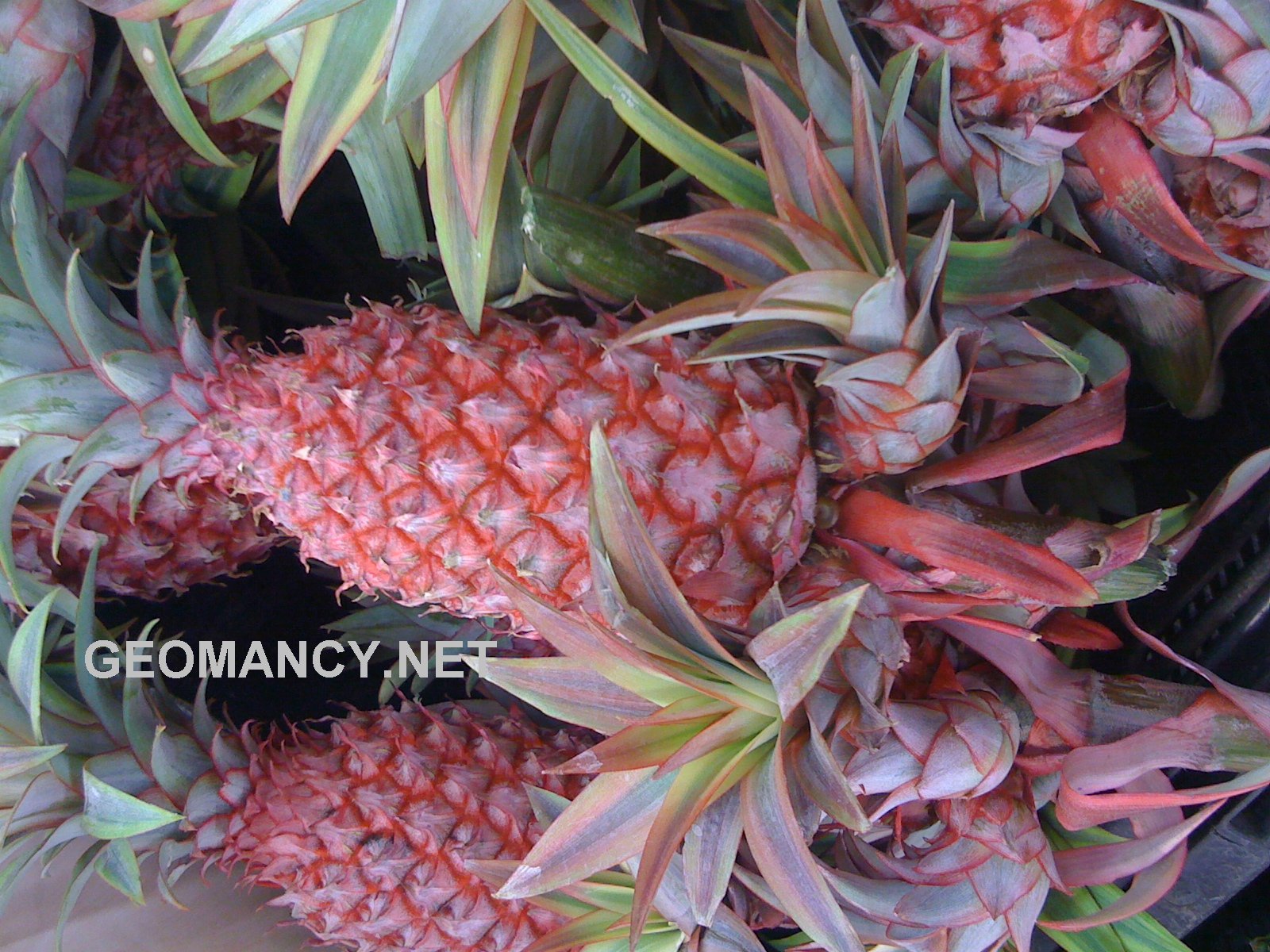
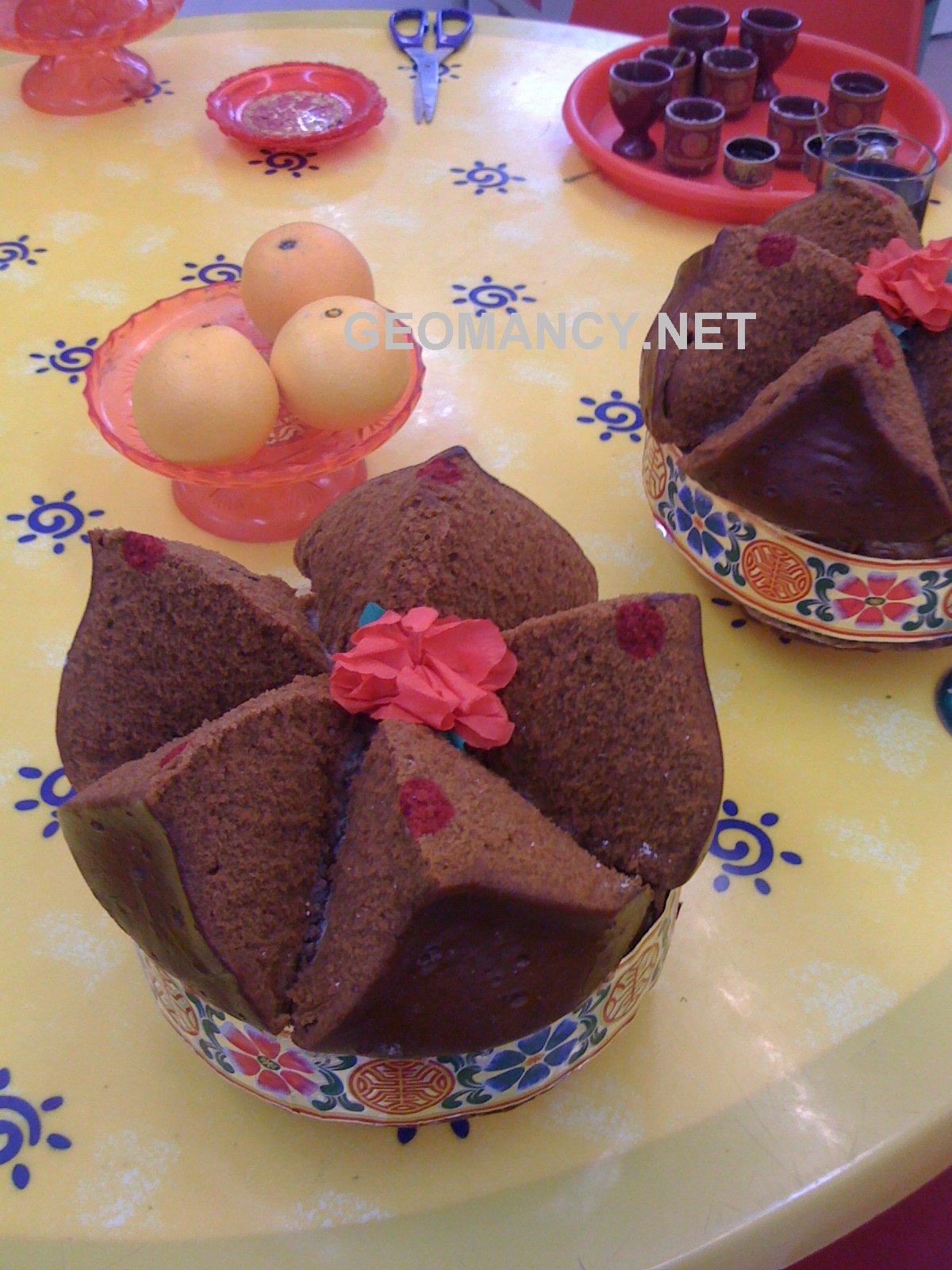 These pink pineapple flowers are not for human consumption. Unlike the regular pineapple we find in the stores... If it is not for human consumption? Then erh.. who is suppose to consume it? CLUE? It is an offering on the altar table. And pink colour is considered as very auspicious.... Furthermore, it is sold at $2.88/-... Sounds familiar? Well, most of the Feng Shui services fees end also with an 88!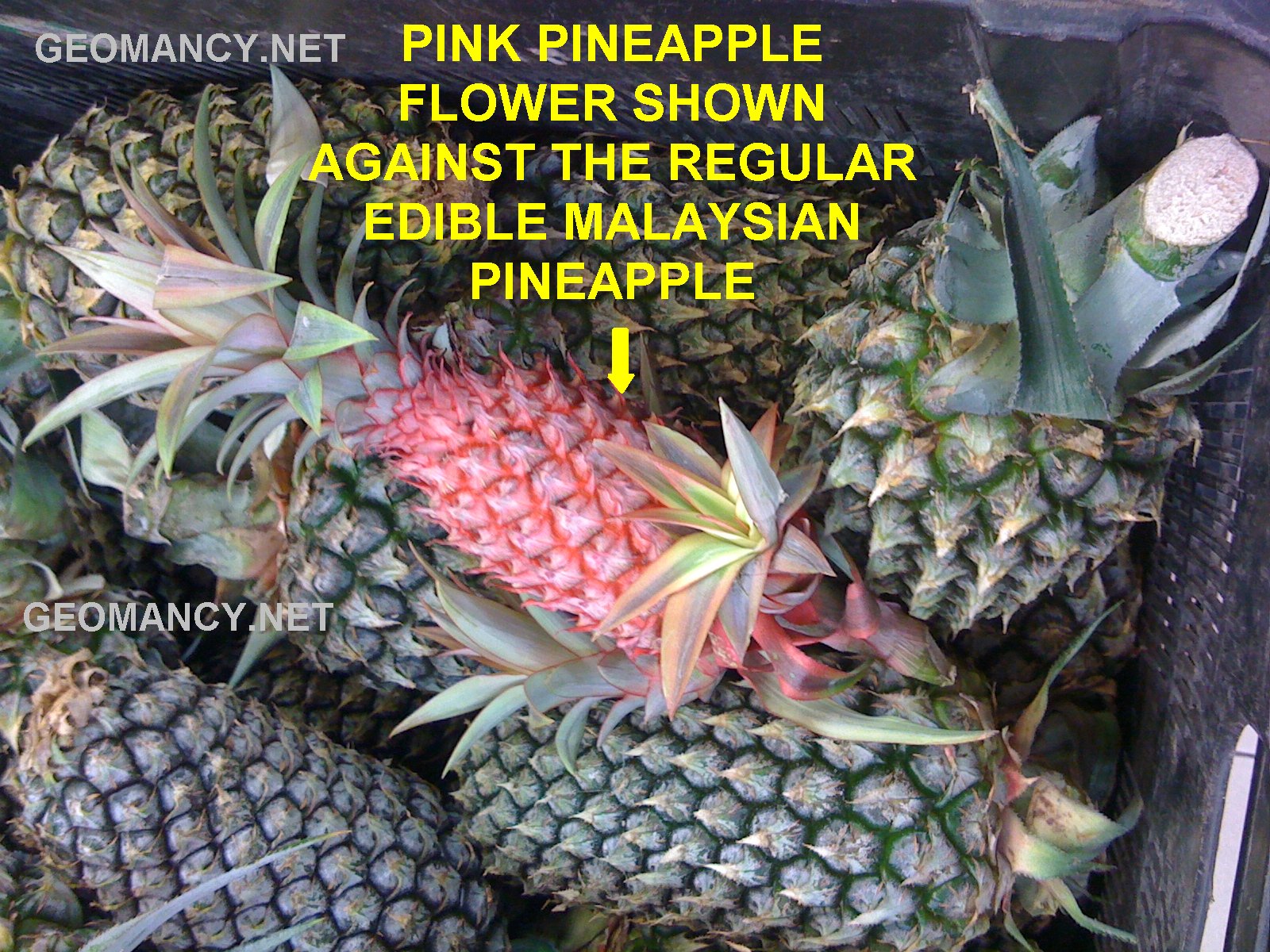
 Nowadays, even if one is considered rich; take the case of Michael Jackson; in my opinion; with his (past) high costs of living; money can easily go down the drain in just a matter of years, months or even days! So nowadays, even if one is rich or born with a silver spoon; this may not be enough! And how many people can say that they were born that way.. Many still need to work.. Because of this; the greater dependence of luck now comes from both Earth (Feng Shui) and Human (Man) Luck factors! Depending on individuals; these two type of luck may not also be of equal standing.. for all persons, all the time... Think of it like a ballon; one ball may expand, while the other may contract. For a super lucky guy, both balls may even blow sky high!
 Further to what I had mentioned, do take note:- 1. In your case, do avoid having the altar sharing the same wall as the toilet (even if it is only) the basin.. 2. Do take note that the Guan Yin figurine is already seated on a lotus flower; then even if one purchase a single height altar; she (Guan Yin) is already elevated... only make sure that the ancestor tablet is placed lower than the "lotus flower" seat...
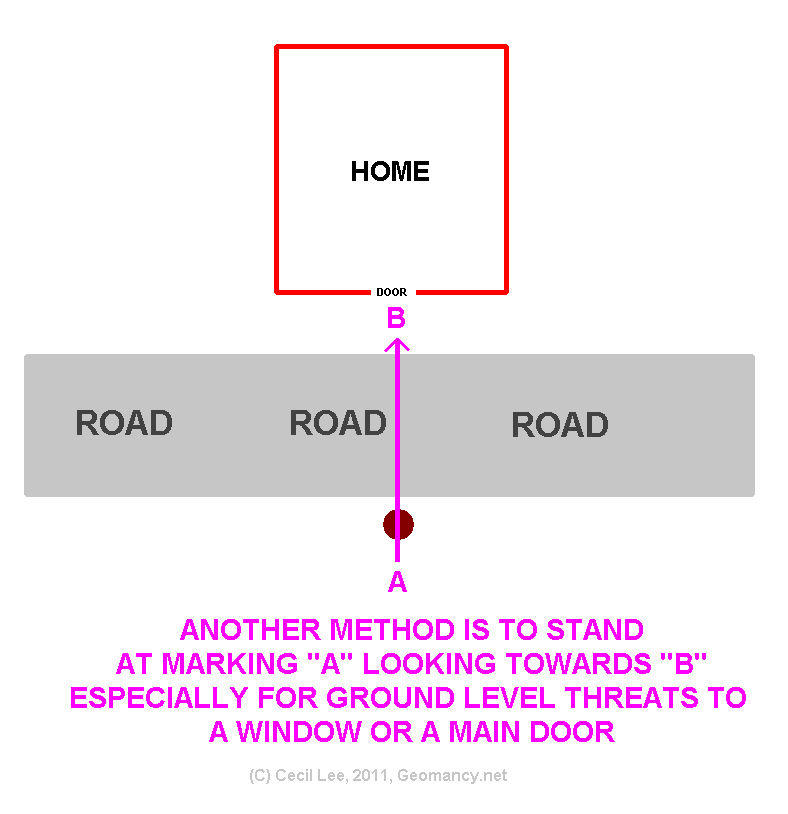
 1. Frankly, it cannot be applied directly to just a NE or SW home! 2. In reality; there is no known scientfic fact or documentation anywhere currently to say that spirits or ghosts haunt only NE or SW homes! 3. For a very simple example: if a home is facing South; but it has a closet located at SW sector; and for some strange reasons; this is an old house; and coincidentally, all the Flying Star numbers at that sector is yin; then that sector is considered as too yin..... 4. We often hear... of "cold spots" and there my just be a cold spot in that closet. 5. Thus it is not right to generalise.. in this manner...1. Frankly, there are sufficient cases on this subject. Go check out the most recent posting on the "altar". 2. It is not possible for me to answer each and every question on this subject. 3. The rulesets are similar in most cases. 4. In the past, I had also posted the ruleset for placement of the ancestor vs deity... 5. If one stands looking at an altar; the ancestor is always to the left while the deity is to the right. 6. Many altars that cater to both ancestor and deity already has two different heights built into them. Again. standing facing the altar: LEFT = ancestor etc... 7. Please go check out past forum postings...Another method of "testing" to see if a tree trunk or lamp post or other tall thin objects may pose as a poison arrow... This is most effective for any threats at (or to the) ground level premises. It is also good as a secondary check for higher floors as we can move our neck and have a quick glance to see if it does pose a threat to higher floors. For higher floors, your method is good; but do remember to stand immediately at the middle of the window facing outwards.. In this case, it should be looking from "B" towards "A".
 Frankly, as the photos are taken at a slant from the window(s) looking outwards, it is harder to visualise the "threats" if any. So far, please refer to this photo: 172.JPG; the white car if facing the small (winter) tree; in the future, this tree might pose a threat. Currently this tree is thin and nto so tall; in my opinion, it does not pose a threat. For a window; if there is indeed a threat; then a day curtain draped over the window is good enough...to act as a "screen"These are some of the considerations:- 1. How many of us; during our school days, were "forced" to change our sitting (study positions) "yearly". 2. Come-on; are you implying that you will judiciously monitor "yearly" where Tai Sui is and request the person: male or female to change his table directions, again yearly? 3. If your intention is to change; just because you became interested in Fung Sway.. today.. What happens if you got tired of Fung Sway.. and venture into other areas.. would you still care to change your table direction. 4. Frankly, speaking, I can't even be bothered to review and or change my directions (yearly) as long as I own the same home.... 5. In your case, if you want an answer from me: the easiest recommendation is: to flip the coin: Heads or Tails, please.
.gif.6e087bc2e92dd75fb3609e9d12200569.gif)
.gif.0ec1e3953a2ff556fc96046b943b0cd9.gif) The Shanghai Commission for Management of Language use has been trying to fix malapropisms in the city's English-language signs and menus. "Gone too, is Racist Park, a cultural attraction that has since been rechristened Minorities Park.
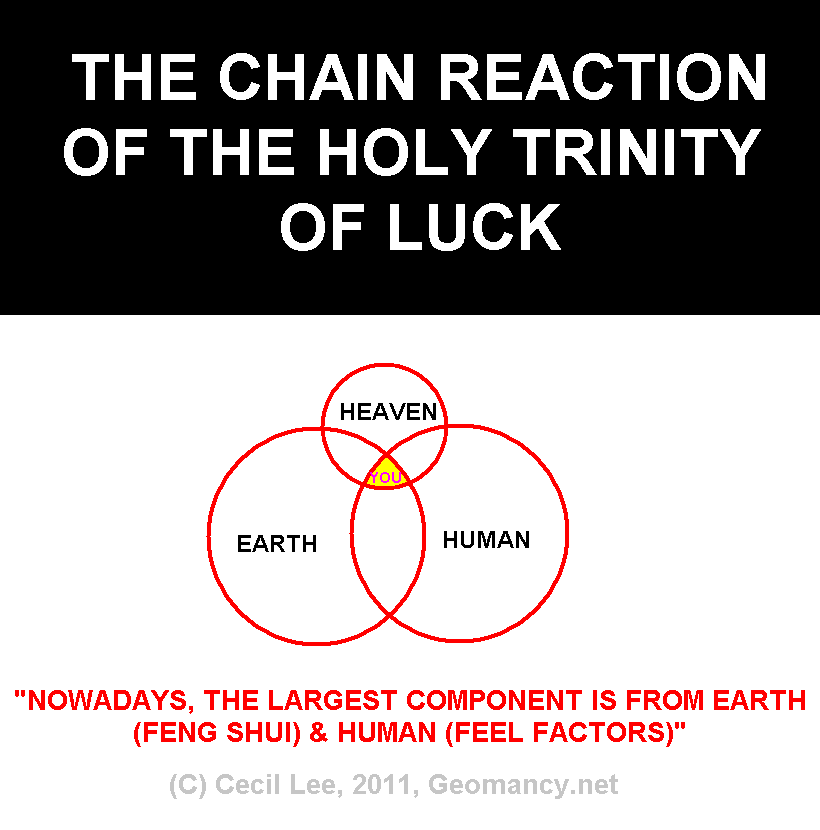
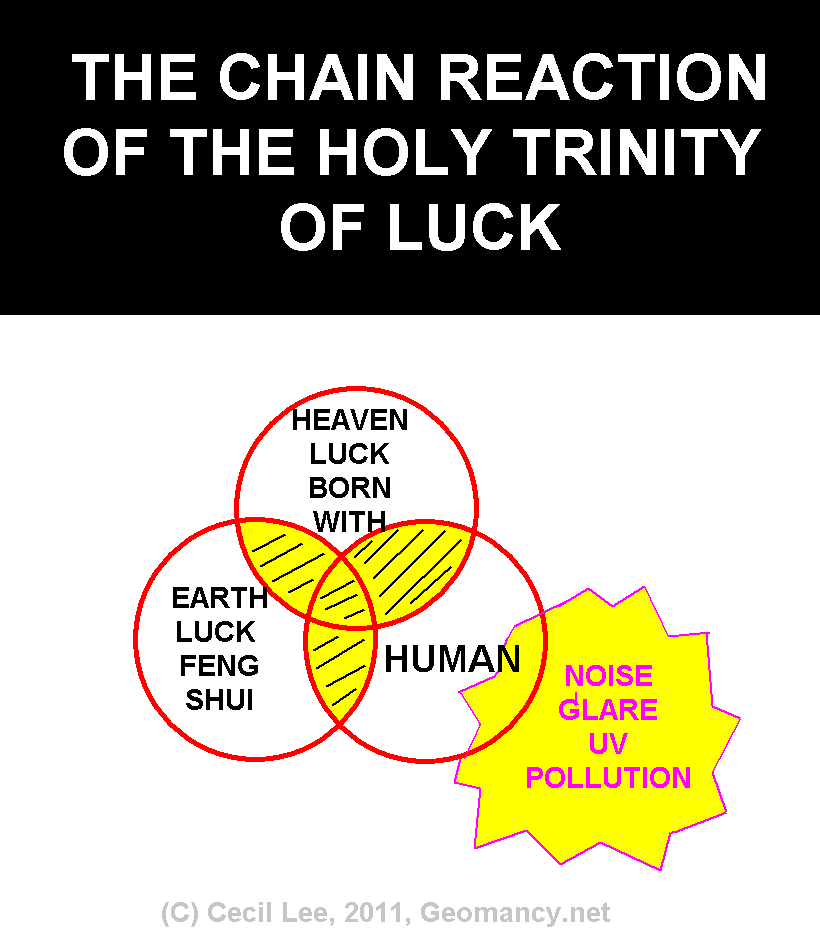
The Shanghai Commission for Management of Language use has been trying to fix malapropisms in the city's English-language signs and menus. "Gone too, is Racist Park, a cultural attraction that has since been rechristened Minorities Park.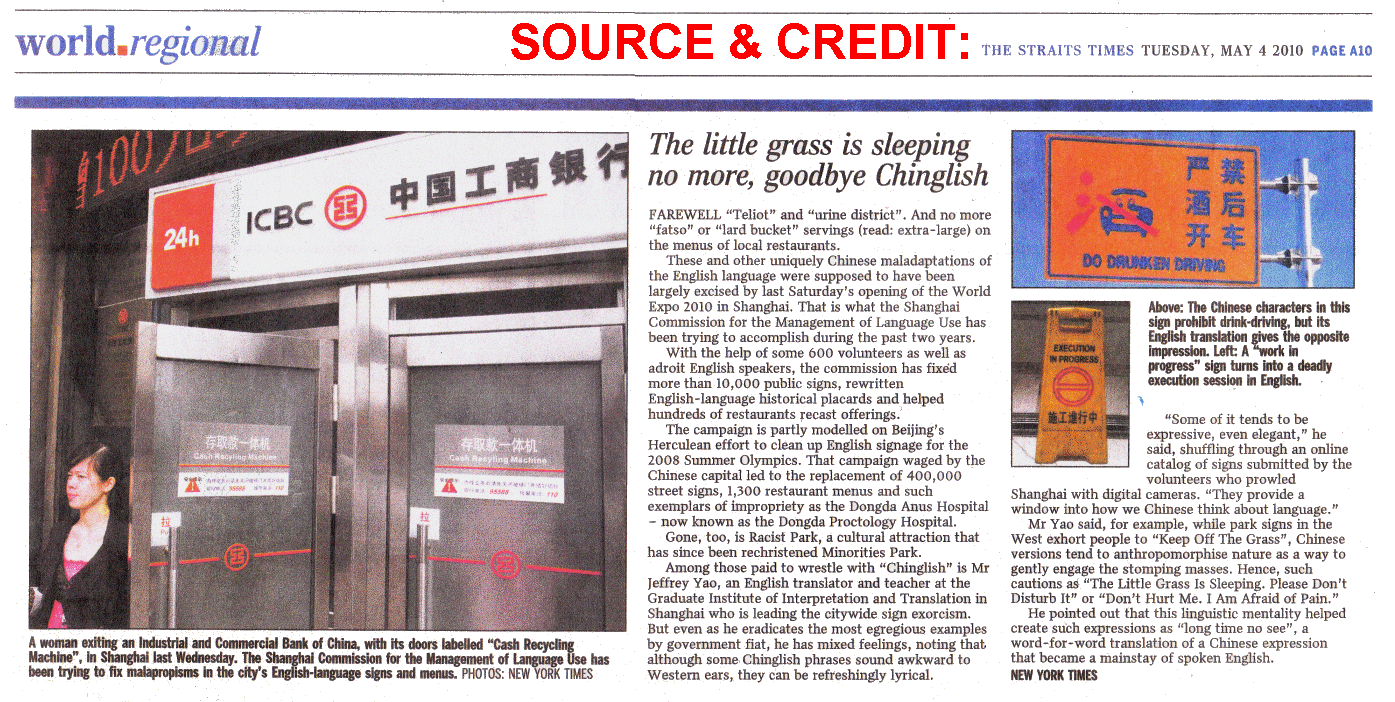 1. Please see attached illustration. 2. Just imagine : Heaven Luck, Earth Luck and Human (Man) Luck factors in a chain. 3. When these three chains inter-lock; any influence on one of these chains will affect the other two chains... 4. And noise pollution should be directly affecting the HUMAN (MAN) Luck factor.. In turn, it also spills over to the other two chains... some sort of a "chain reaction"...
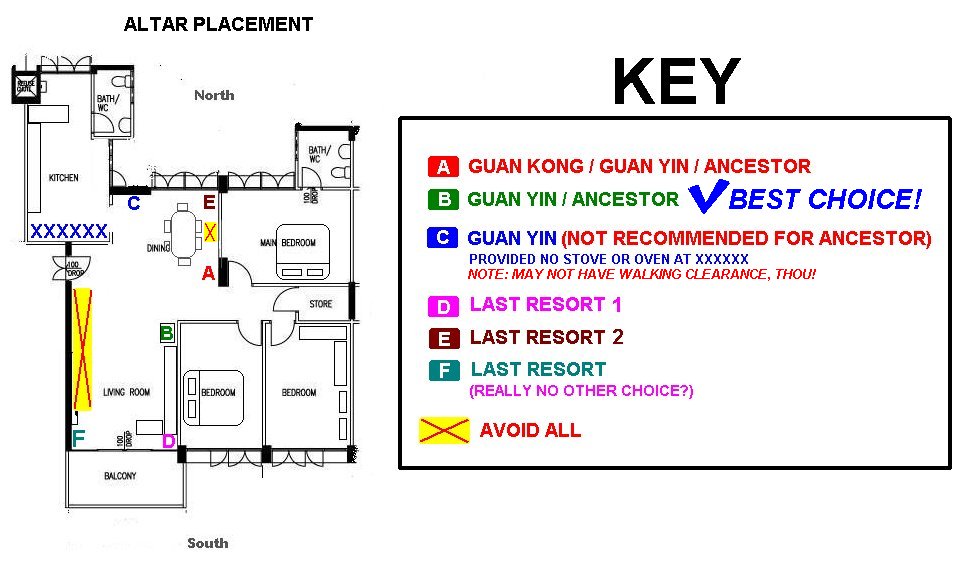
 Further to what I had mentioned:- 1. Why is Marking "B" considered the best choice? 1.1 If we are considering the only deity known as Guan Kong (Gong); then this warrior holding a long shaft bladed knife is best to face directly the main entrance door. 1.2 For other gods e.g. Guan Yin and ancestor tablet; it is not compulsory for them to face the main entrance door. 1.3. Look at the illustration. Just visualise if we were to place the deity figurine at marking A. Most likely we are not closing the kitchen door or sometimes, we don't even have a kitchen door. At marking A, the altar or a deity on this altar can see into the kitchen; and most likely can also see the kitchen stove and hob.. This is not advantages. 2. Thus, marking B seems to be the best position. As this position can be considered as "Standing Guard" at the entrance. 2.1. Just imagine you have guards guarding the Istana entrance. And for many Singapore Minister's home; you can always find a small guard room just outside the main entrance. 2.2. Thus if one looks carefully at marking "B"; the deity is also (like) standing guard outside the entrance; of the passage-way leading into the bedrooms. The deity is not meant to look inwards into what one is doing in the bedroom. 2.3. Thus, the whole region where I highlighed in YELLOW with a RED X where the proposed the television living room is; 2.4 just imagine; if we were to place a deity there, it may "peep" into our bedroom(s); see "strange activities" ; can also "look into the toilet"... sometimes; if we look closely later into the eyes of the deity; it may always end up getting "sore eyes" just looking at our human activities.. eg. . naked, love-making etc... etc... 2.5 Thus it is always not favourable to place an altar facing TOWARDS bedrooms or toilets where we may roam.. or ROMP! whatever!A picture tells a ....
 Do search for "point block" and this is one of the past resource:- http://forum.geomancy.net/phpforum/article.php?bid=2&fid=1&mid=14536&new=These are some of the considerations: 1. Why? Not? 2. In a recent forum message; I had mentioned that "tower blocks" or those government housing board "Point-Blocks" have lots of leeway.. for all types of nonsense! 3. The superiority of "tower blocks" often outweigh even any unusual designs.. such as this! 4. For all you know or never know; or aware; perhaps, the layouts may even be inputs by a geomancer... 5. In fact, sometimes it is a blessing in disguise! If every Jane, Jill and Janet and all the Toms, Dicks and Harrys think like you; 6. There will be more choices for those really interested in buying a unit. And with a wider choice; comes the prospect of buying a "better / best unit".. 7. Look at the pre-opening sales / sales to directors and all sorts.. and often when a unit is launched; practically "all the perceived" best units are taken.. 8. Thus, because of the superiority of the "tower block" designs; which can better withstand any nonsense thrown to it; based on this: I would consider - if I need to buy a unit - there, thus why not? But be selective... 9. As in all or most developments: there are excellent units / good ones / average ones and those that as you had menionted.. no geomancer worth his salt would consider buying... it applies to all developments.. not just this one....These are some considerations:- 1. No in theory, Feng Shui does not consider these factors. 2. However, it is the understanding of the Holistic Approach to Feng Shui; that does that. 3. Thus, it need not necessarily be a Geomancer; a DIY person interested in Feng Shui and the common man would "see it". 4. Under the Holistic Approach to Luck; one of the factors that I had mentioned is Human or Man Luck. 5. In general, Human or Man Luck is about feel: feel good or feel bad or positive feelings .... 6. Like I always mentioned in the past and present: Sunlight: This is not directly within the Feng Shui theory; but sunlight is about "UV" light, about heat absorded into a buidling wall / about UV light entering say the bedrooms, living rooms... 6.1 And also about.. heat.. Thus, many can't afford to turn on aircon all the time.. and often a fan does not truly help. 6.2 Thus, if a home is always very warm and uncomfortable, often tempers may flare... etc... 7. Thus noise from a busy road; and even the irritating sound of mrt trains to air-planes.. are all attributed more towards or placed under the category: Human or Man Luck rather than Feng Shui. 8. Other pollution also includes "white pollution" e.g. in some homes, another neighbouring block of flats walls reflect glare into say the bedroom and living room.. sort of thing...Overall, if one does not have a Guan Kong figurine, the best choice is MARKING "B". It also depends on factors like what type of God, deity &/or Ancestor? Note: Marking in BLUE "C" should also be considered as last resort or not feasible if one places a real altar table that is around 2 foot length (a real squeeze). However, if it is those "hanging" type with a small foot-print; then maybe, just may be... The best locations are: A or B.
 These areuseful considerations:- 1. A home even with Quantum Leap in Feng Shui; don't need to be so specific in it's measurements. 2. An average home, even if it's measurements are "perfect" in every "Ruler" way ain't going to help. 2.1. This is similar to a boy racer trying to add modifications to his boy-racing honda civic car! 2.2. If one wants to have the best racing car .. go buy a super-car, please. 3. Don't want to be seen.. participating in and get implied that I am with this everything "Ruler" thing...Since you asked a THEORY question; In theory, YES! This person is facing = E A S T....These are some of the considerations:- 1. iFeng-Shui is not a "cure-all" or "everything is iFung-Sway" sort of thing. 2. iName selection only iApplies if one wants to iSelect a iMandarin iName. And there are iTraditional iMethods of doing so; 2.1. iMainly, the name should yield good "ratings" under the iFive-Elements iConcept and equally have a real good meaning or good IPhonetic iSound (if iPossible). 3. There is no precedence when selecting a iName other than a iMandarin (iChinese iName). 4. Thus even if you try to select a name like sayiWear ; one day.. when iApple goes into the iClothing iBusiness; they will "take away" that iName. 5. Thus if you are selecting an iEnglish, iFrench, iGerman, iRussian etc.. name.. then iForget about it! Unless, you are selecting a iMandarin iName. If so.. then you may consider iName iSelection. 6. Otherwise, erh.. try your luck at iBabe, iLove ,iComfort! Hahahaha!