
Jump to content
About Feng Shui at Geomancy.Net
Sponsored Link
 

Cecil Lee

Staff
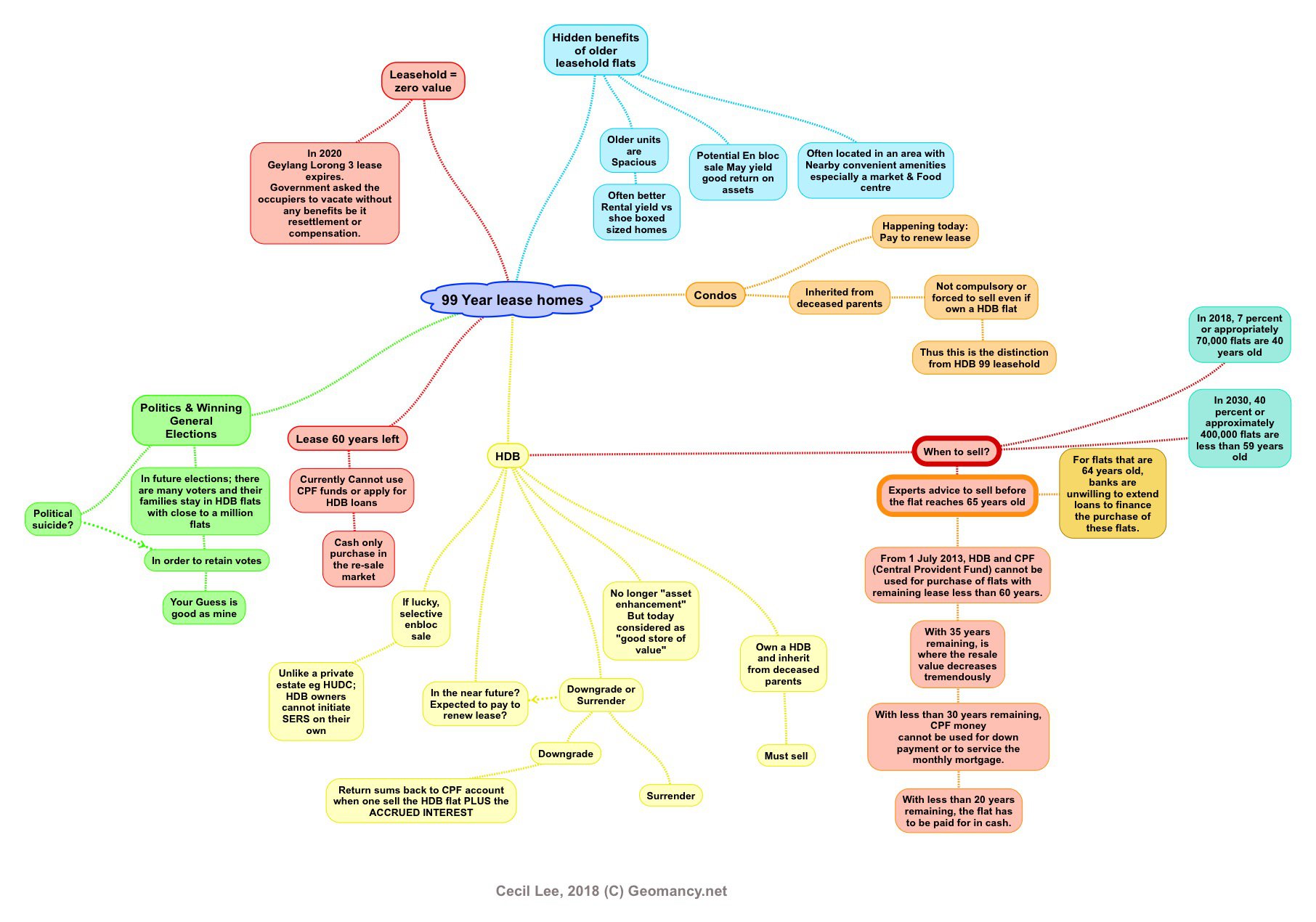
  • Posts

    39113
  • Joined

  • Last visited

  • Days Won

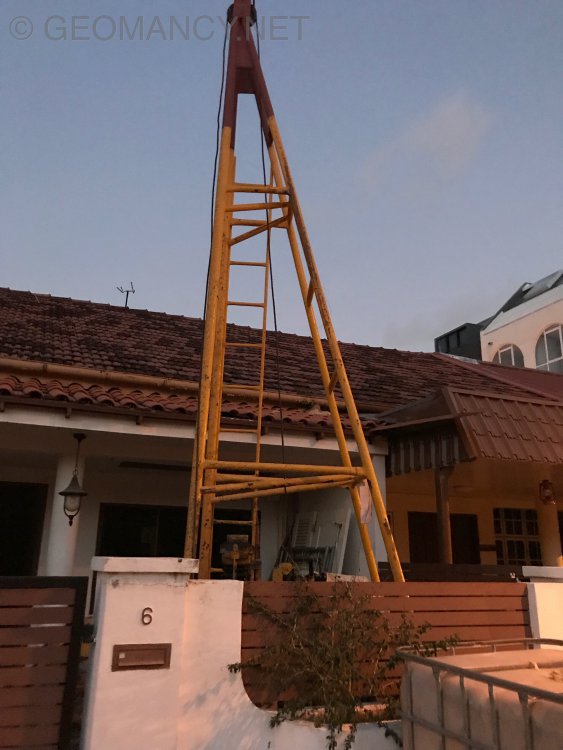
    149

Everything posted by Cecil Lee

  1. Really? In 1966, Singapore has a road named: “Vampire Road”. Today it is non-existent! This suggests that somehow; Vampires were cleared from that street? How cool to have such an address?
  2. Note: Just in by AVA of Singapore on another brand. And not the brand mentioned above:- RECALL OF COFFEE TREE MYCAFE 4-IN-1 PENANG DURIAN WHITE COFFEE FROM MALAYSIA] Arising from reports of consumers in Malaysia being hospitalised after drinking Coffee Tree MyCafe “4-in-1 Penang Durian White Coffee”, AVA has followed up with our counterparts in Malaysia to request for facts of the case. While the case is under investigation, AVA has instructed a recall of Coffee Tree MyCafe “4-in-1 Penang Durian White Coffee” from Malaysia as a precautionary measure. Consumers who have purchased the product can return them to the retailer. AVA will be taking samples for food safety tests. Consumers who do not feel well after consuming any food products should seek medical attention. As a good food safety practice, when in doubt of the safety of a food product, do not consume.
  3. Over looking Kingsford Hillview Peak and MINDEF:- Pool view:
  4. Hillivew Park condo was developed under Period 7. And all units in this development either face E1 or W1. View of The Hillier/HillV2 (left) and Swimming pool of Kingsford Hillview Peak
  5. This is a simplified chart illustrating Feng Shui and its numerous aspects. Feng Shui represents a comprehensive methodology that involves the examination of various concepts and principles. The two primary considerations employed are: Compass School and Shapes and Forms: Therefore, a statement such as Compass School" Forms (Shapes and Forms) prevail over the Stars (Flying Stars). = Flying Stars are favorable does not necessarily imply that the Feng Shui is beneficial unless the principal Shapes and Forms Feng Shui is also considered. Simply asserting that it is good based on this concept is insufficient. What about Shapes and Forms? This presents a different perspective altogether.
  6. In red: roughly the location of the former Woodbridge Hospital buildings
  7. About Woodbridge Hospital Woodbridge Hospital is the former name of Singapore’s main psychiatric institution, now known as the Institute of Mental Health (IMH). Its history is essentially the history of institutional mental healthcare in Singapore. Overview: 1. Origins of Psychiatric Care in Colonial Singapore (1840s–1920s) Before “Woodbridge” existed, mental health care in Singapore went through several early, basic institutions: - 1841 – First “Insane Hospital” - Established in the Bras Basah area to house people with mental illness. - Conditions were custodial rather than therapeutic: the focus was on confinement and basic care. - Mid–late 1800s – Moves and renamings - The asylum moved a couple of times (including to Pasir Panjang and later to the Sepoy Lines area, near what is now Singapore General Hospital). - It was known by names like “Lunatic Asylum” and “Mental Hospital”, reflecting attitudes of the time. - Overcrowding and poor conditions were persistent issues as the colony grew. These early institutions set the stage for a purpose-built psychiatric hospital, which eventually became Woodbridge. 2. The Yio Chu Kang Mental Hospital (1928–1950s) - 1928 – Opening of the new Mental Hospital at Yio Chu Kang Road - A large, purpose-built psychiatric facility was opened on Yio Chu Kang Road. - It was simply called the Mental Hospital at first. - It adopted the typical early 20th‑century asylum design: large wards, high walls, and a self-contained campus, emphasizing segregation from society. - Clinical practice in this era - Treatments were limited and often rudimentary by modern standards. - Care was still mostly institutional and long‑term; people often stayed for extended periods. This Yio Chu Kang campus is what would later become famous as “Woodbridge Hospital.” 3. The Name “Woodbridge Hospital” (1951) - 1951 – Renamed Woodbridge Hospital - The hospital was renamed Woodbridge Hospital, reportedly after a wooden bridge near the entrance to the grounds. - Over time “Woodbridge” became the common way Singaporeans referred to the national psychiatric hospital. - The name also picked up colloquial and sometimes stigmatizing connotations, as it became shorthand for “mental hospital.” During this post‑war period, new psychiatric drugs and therapies began to be introduced, slowly changing the nature of treatment toward more active medical and psychological intervention. 4. Modernization and Shift in Philosophy (1960s–1980s) From the 1960s onward, Woodbridge Hospital went through significant transformation: - Introduction of modern treatments - Use of antipsychotics, antidepressants, and mood stabilizers. - Development of psychotherapy, occupational therapy, and social work as part of psychiatric care. - Gradual move away from pure institutionalization - The global movement toward deinstitutionalization influenced Singapore. - Greater emphasis on rehabilitation and returning patients to the community where possible, instead of lifelong confinement. - Expansion of services - Care for children and adolescents, geriatric psychiatry, addiction treatment, and forensic psychiatry gradually developed. - Training roles expanded: the hospital became a key site for training doctors, nurses, and allied health professionals in mental health. Woodbridge began moving from being just an asylum to being a modern psychiatric center. 5. Move to Buangkok and Creation of IMH (1993–1990s) - 1993 – Relocation and renaming - The old Yio Chu Kang site was replaced by a new, purpose-built campus at Buangkok Green. - The institution was renamed Institute of Mental Health / Woodbridge Hospital. - The dual name reflected a transition: acknowledging the well‑known “Woodbridge” name while repositioning the institution as a modern medical institute. - Design and concept of the new campus - More open, therapeutic environment compared to the older asylum-style layout. - Facilities were better suited for specialized services, research, and training. This move symbolized a deliberate effort to modernize mental healthcare and reduce the stigma associated with the old “asylum” image. 6. From “Woodbridge” to IMH: Changing Identity and Stigma (2000s–Present) - Over time, the official and public usage shifted increasingly toward “Institute of Mental Health (IMH)”, with “Woodbridge Hospital” retained mainly as a historical name. - IMH today: - Singapore’s national psychiatric hospital and main tertiary mental health center. - Provides acute inpatient care, outpatient services, community-based programs, emergency psychiatric services, and subspecialty clinics. - Active in research, public education, and anti‑stigma campaigns. The move from “Woodbridge Hospital” to IMH reflects broader changes: - From custodial care → evidence‑based, multidisciplinary treatment - From isolation → community integration and early intervention - From stigma and fear → increasing public awareness and normalization of mental health issues Short Summary - Pre‑1928: Mental illness managed in small colonial asylums (Insane Hospital, Lunatic Asylum), often overcrowded and custodial. - 1928: Large Mental Hospital opens at Yio Chu Kang Road. - 1951: Renamed Woodbridge Hospital, becoming Singapore’s main psychiatric institution. - 1960s–1980s: Modern treatments, rehabilitation, and training expand; philosophy shifts away from long‑term institutionalization. - 1993: Hospital relocates to Buangkok Green and is renamed Institute of Mental Health / Woodbridge Hospital. - 2000s–present: Common name becomes IMH; Woodbridge survives mainly as a historical term. +++ This was the original location of Woodbridge Hospital: The road leading to it was Jalan Woodbridge. In 2001, the developer MCL wrote in to change this road Jalan Woodbridge to Gerald Drive. This was approved. As Woodbridge Hospital moves further down a few kilometres away. Today the epic centre where it once stood is exactly at Hougang Primary School grounds. Close to this is Hougang One (formerly Hougang Point). In close proximity are HDB flats Blocks 970, 927, 938 etc..
  8. East Tudor, a landed property area was once on a hilly land of a cemetery. In fact, my grandfather was buried on this land in the early 1960’s. A near-by estate Tanah Merah Green also landed housing is just beside this cemetery plot.
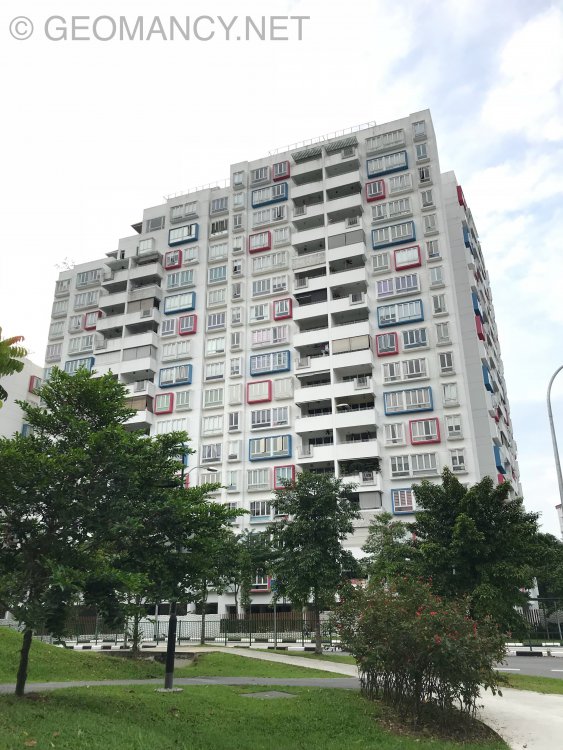
  9. Under Shapes and Forms Feng Shui, it is considered less than ideal to have the main entrance door close to the central rubbish bin(s).
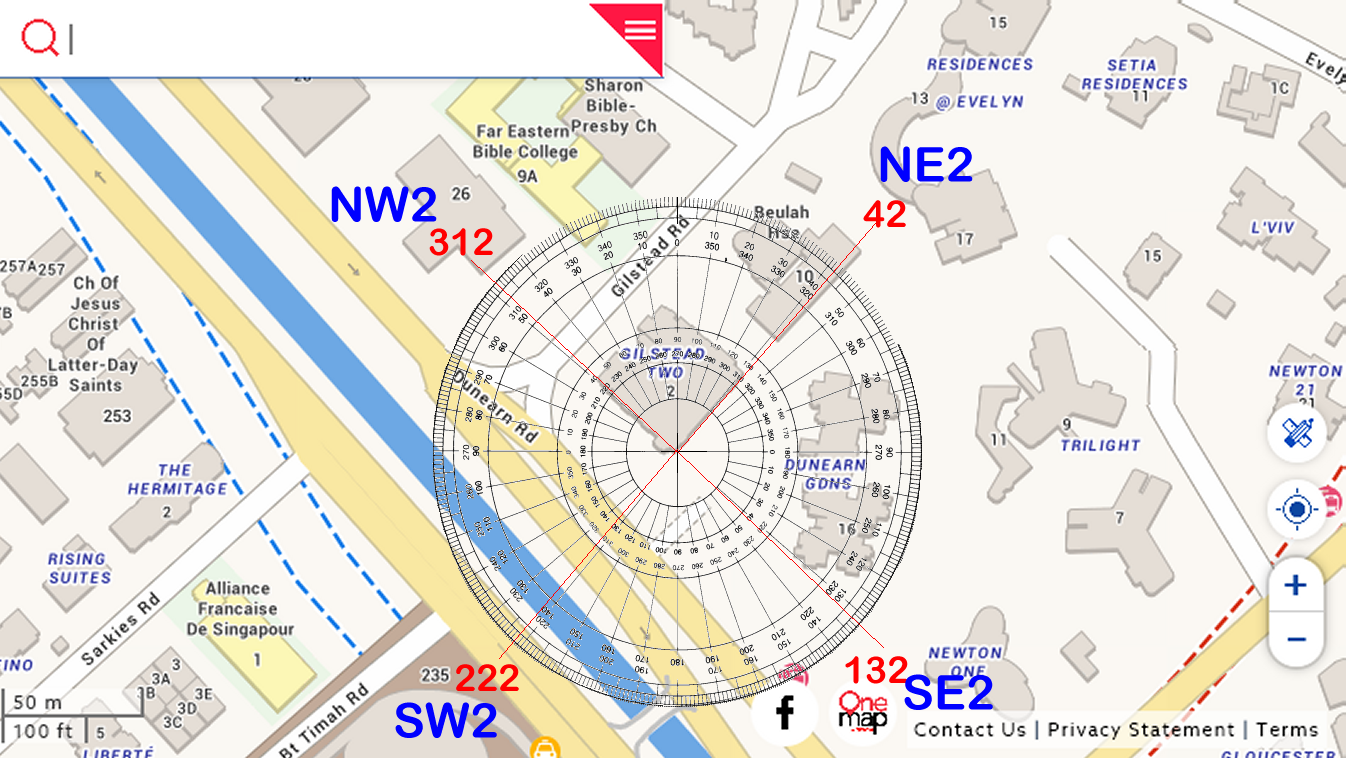
  10. Assuming that the TOP stairs marked with a large 2 is the roof TOP last step; then the total number of steps is ten (10)
  11. Sorry what question are you asking on this? Total number of steps?
  12. Nim Collection and streetdirectory.com The sales brochure site plan and streetdirectory shows identical compass readings of 162 degrees S1 for stacks 1 to 9 and 2 to 26 in Nim Collection.
  13. A past By ranking of all five bedroom types at West Scape
  14. Three other sites: Geylang, Tampines and Woodlands. These sites do not have real water in really close proximity. Thus depends on the block and layout arrangements:
  15. HDB Upcoming Sales launch in February 2018 Choa Chu Kang site: Under Shapes and Forms Feng Shui, this is certainly an interesting site. And need to study how the planners configure the blocks/stacks in this development: good / average or bad:
  16. The site Watercove Ville used to be a Kampong called Kampong Wak Hassan. This road is still around. Today, terrace homes are built on the land.
  17. What the site looks like in 1966 After 1980’s, Jalan Jaffar and Jalan Kuda disappeared to become part of the PIE highway. Only Jalan Daud and lower roads are still around. In the 1980’s there was a Chinese cemetery nearby Today, the Chinese cemetery site sits HDB Eunos Vista:
  18. This streetmap (1995) still shows the vibrant former Hillivew HDB BUKIT Gombak estate to the top left frame of Hillview Heights. In 1995, the condo was still under construction
  19. This 1966 street map shows the area is predominantly industrial land. Once upon a time Hillview Heights sits on a factory called National Carbon. Later on it was called “Union Carbide”: a factory making dry cell batteries for torch lights and toys etc... Most likely this factory supports union carbide which at that time was nearby manufacturing batteries such as A, AA, 9V type of batteries. Today Glendale Park is located exactly at the former Hong Kong Rope factory site:
  20. Hillview Heights condo various Flying stars. This development is considered as belonging to Period 7. These are some of the facing directions of Hillview Heights condo.
  21. Symphony Heights Site Plan Please don't rely on the North compass marking on the above site map. As this North marking is not accurate. Below: Do rely on maps like onemap.sg:-
  22. Springdale condo is considered under Flying Stars Period 7: generally either NE1 or SW1 facing. 1. NE1 facing units: 1.1 From now to 2023, the wealth stars for a NE1 facing is located at East sector (Water star #8) and North (Mountain star #8). 1.2 Thus good that during this period, the frontage has both the #8 stars. Good that either the Mountain or Water star falls in a bedroom or bedrooms. 2. SW1 facing units: (Facing Upper Bukit Timah side and all year long afternoon sun) 2.1. From now to 2023, the SW1 facing units are less lucky as the frontage has the double #7's. This is where between 2000 to 2003; this pair of #7's was the wealth stars at that time or current prosperity stars then. 2.2. Today from now to 2023, the wealth stars are the #8's and these stars for SW1 stacks are usually at the "rear" of the unit: at North and East sectors.
  23. Watercove Ville @ Sembawang predominatly has facing direction of either NE1 or SW1 NE1. Has the auspicious water wealth #8 star at the frontage. Thus since many units face the sea, the sum-of-ten can be activated for : Health, wealth and family luck. If the unit is not facing a water position, then best to place a water position at the balcony area to activate the luck. On the downside; the other sectors in such a home has bad stars that best to be disarmed or neutralised. SW1. As the water wealth #8 is at the frontage; water at the frontage is good. It will be advantages if the unit faces a pool of water or activate a water position at the balcony area. As such overall, the unit can activate the sum-of-ten. Need though to disarm bad stars in many sectors of the home. To disarm health related considerations.
×
×
  • Create New...