


Cecil Lee
Staff
-
Joined
-
Last visited
Everything posted by Cecil Lee
-
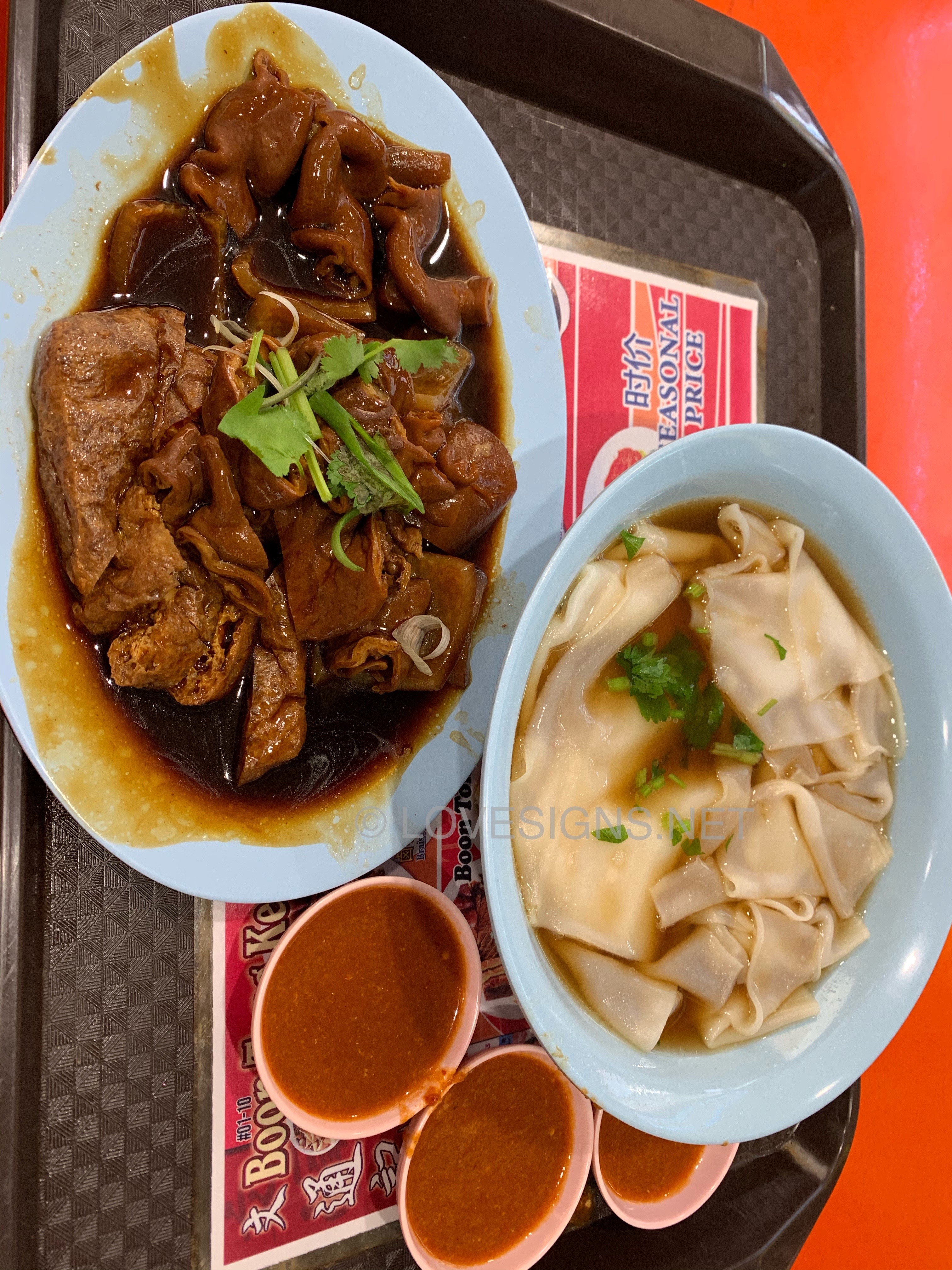
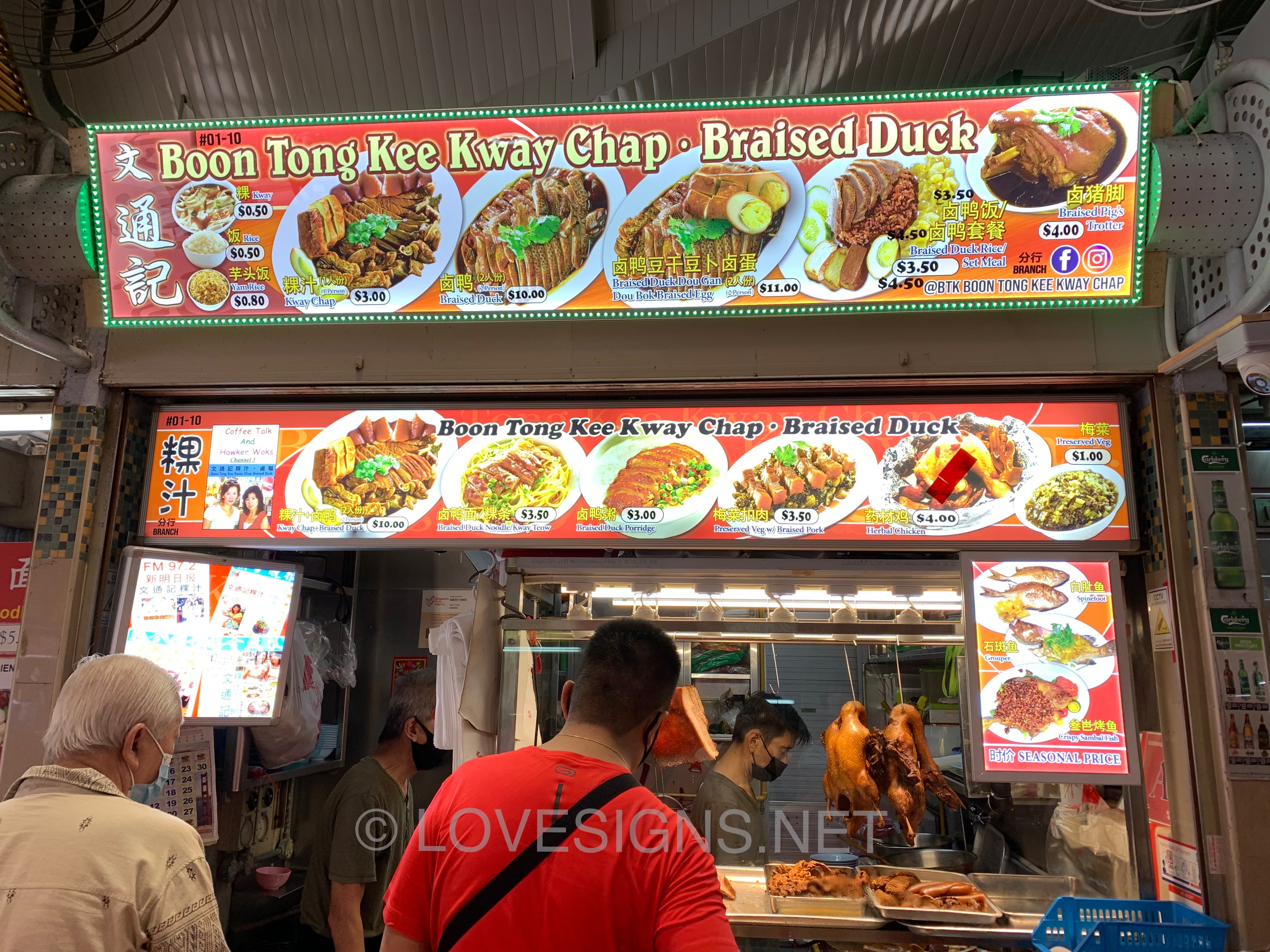
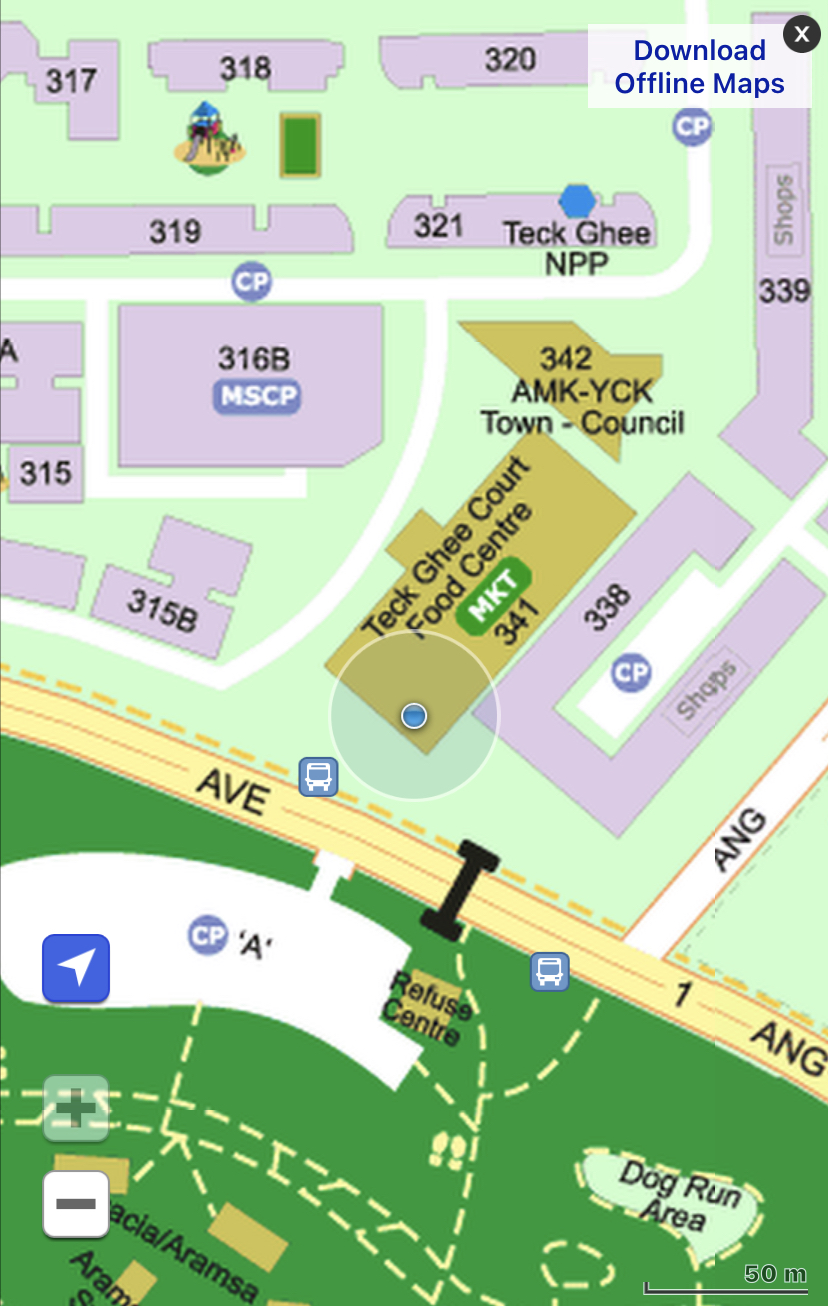
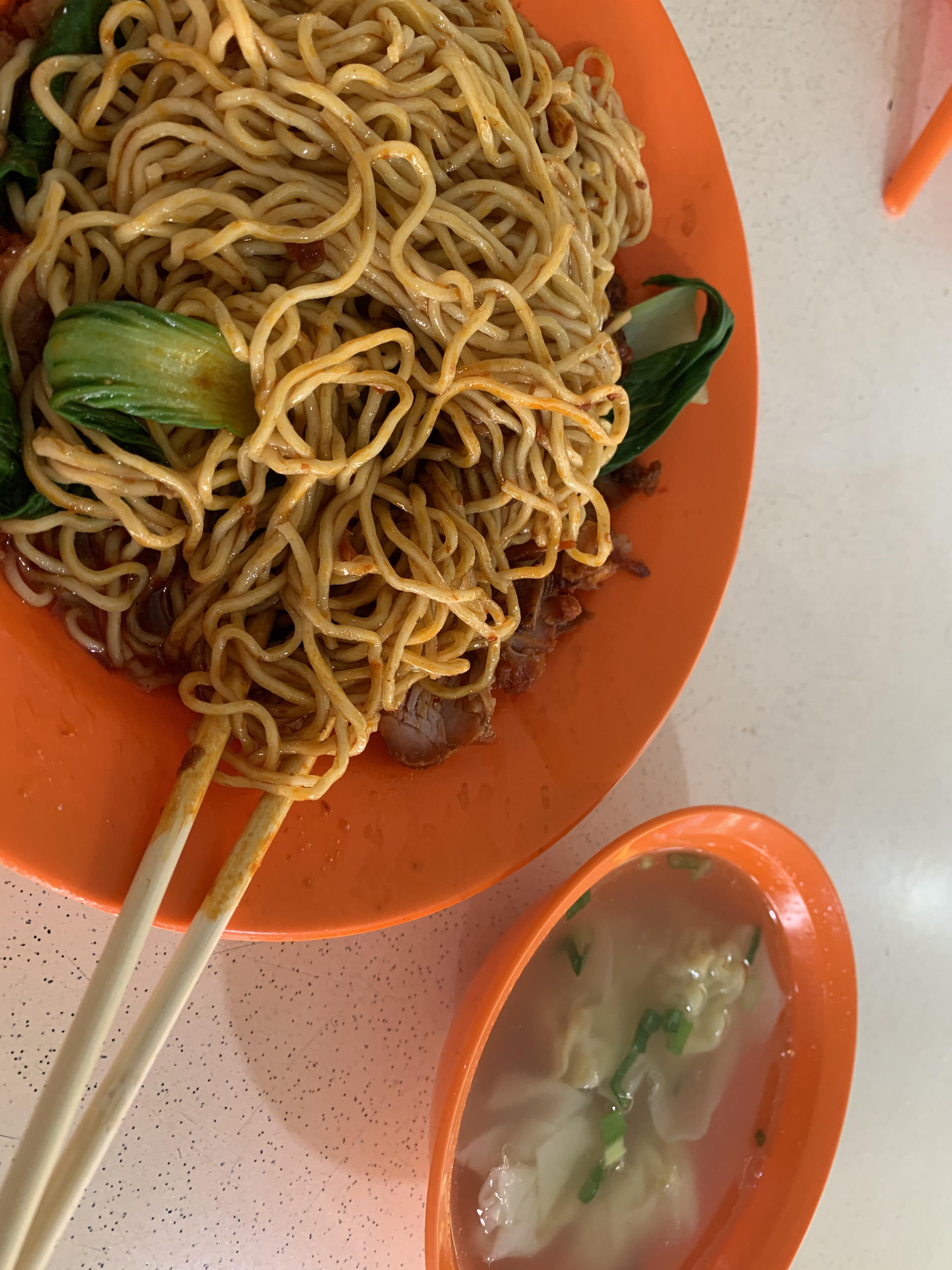
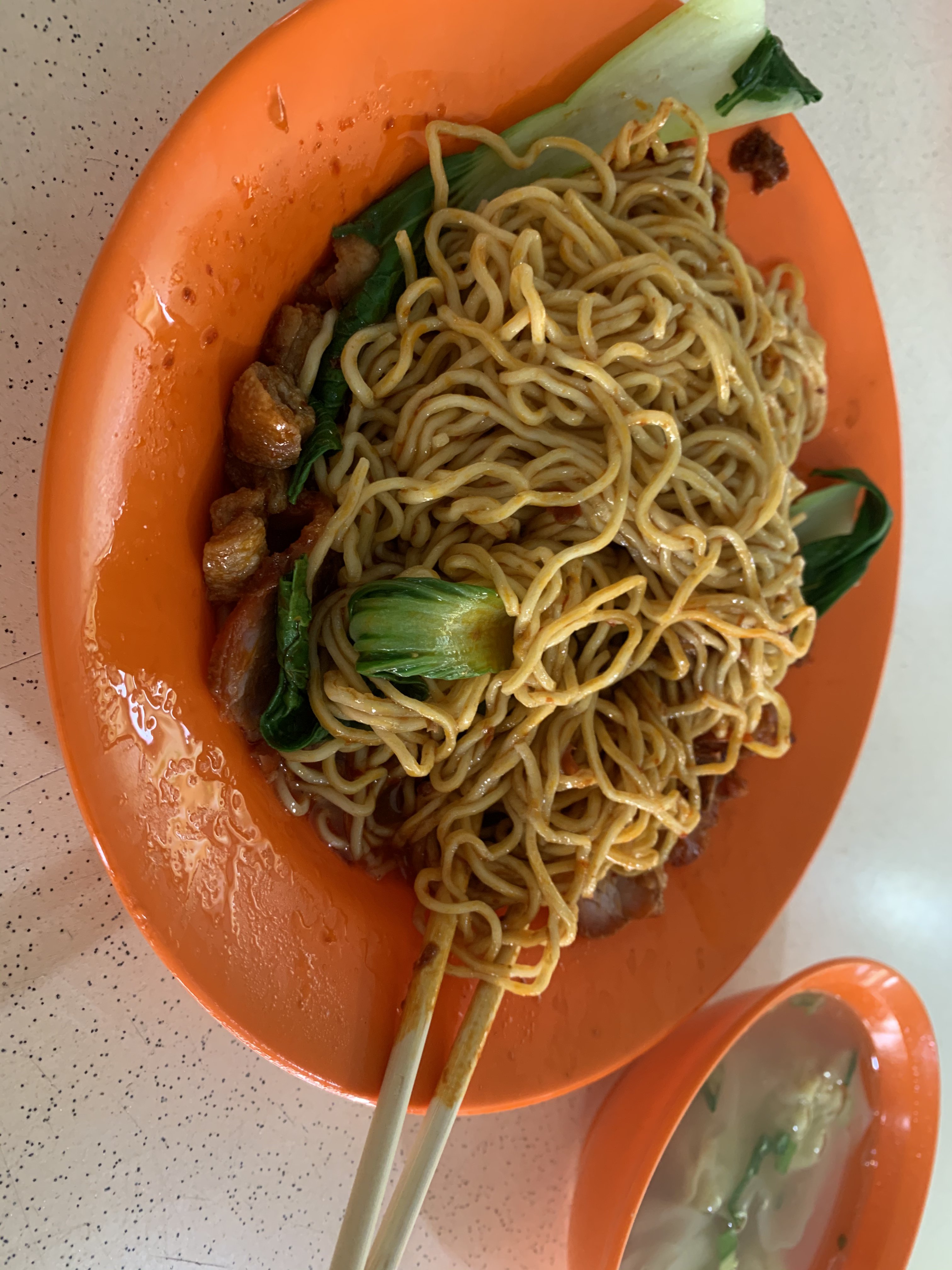
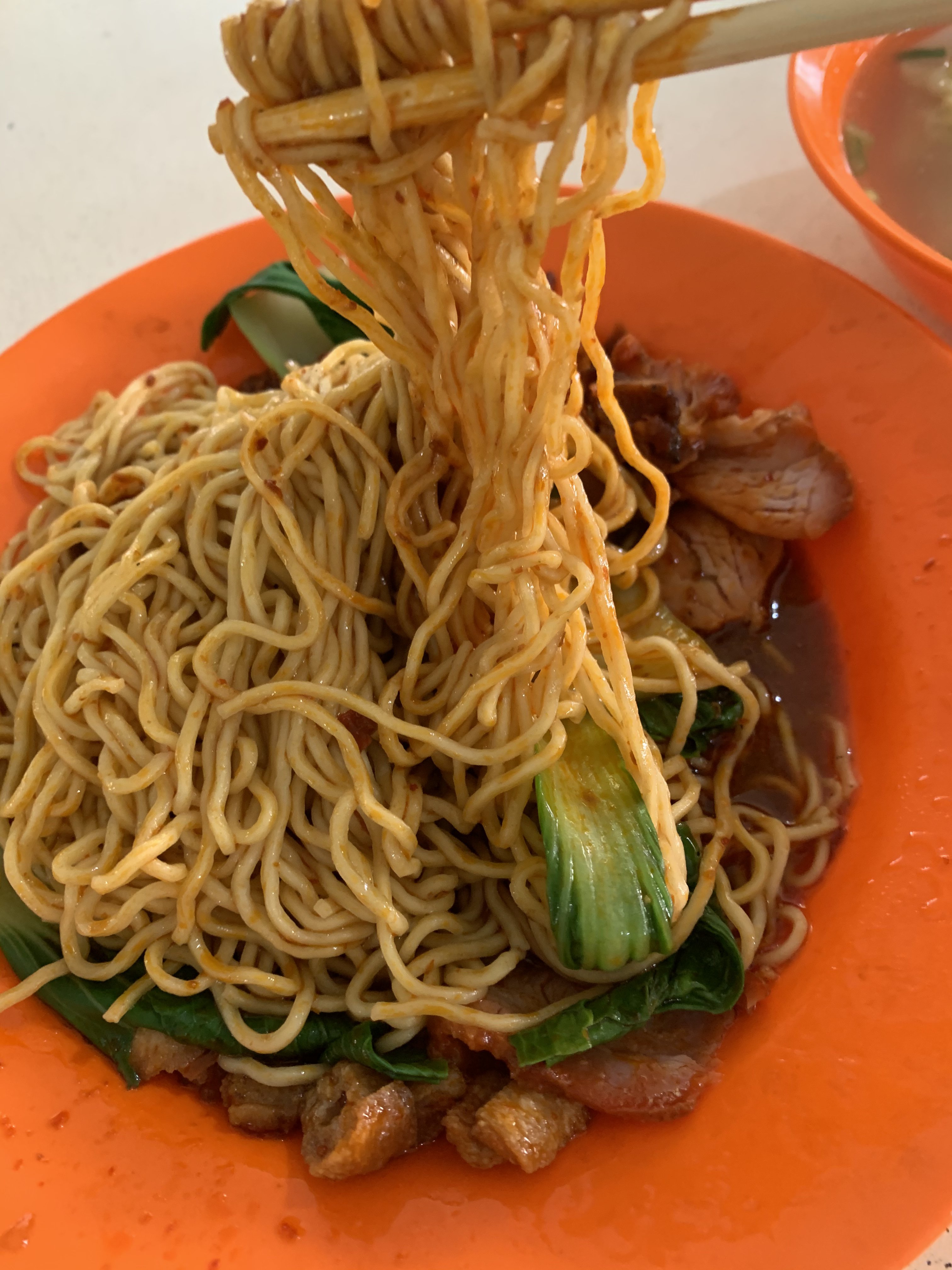
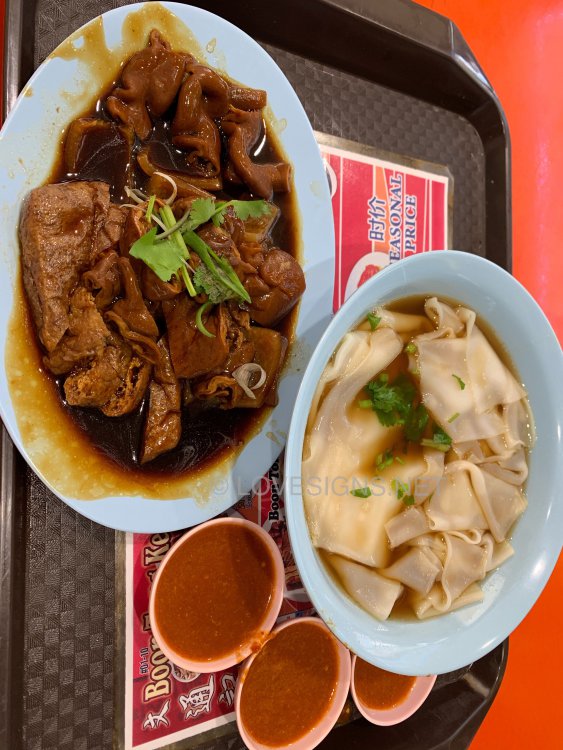
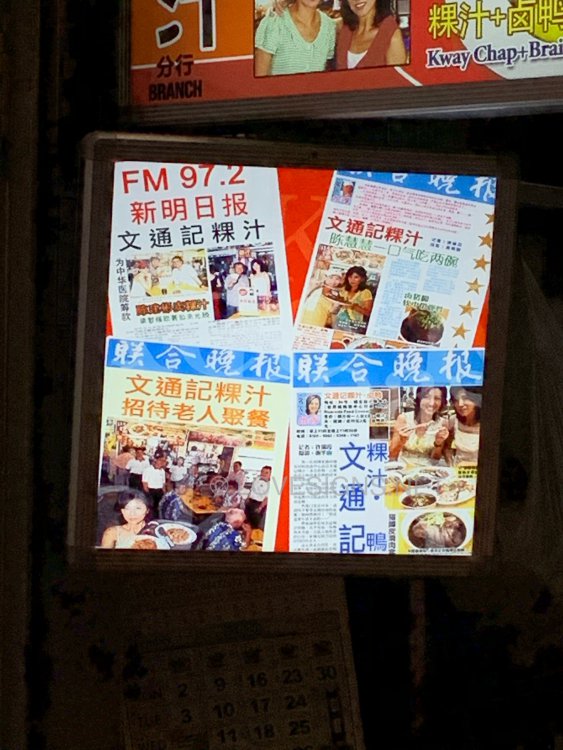
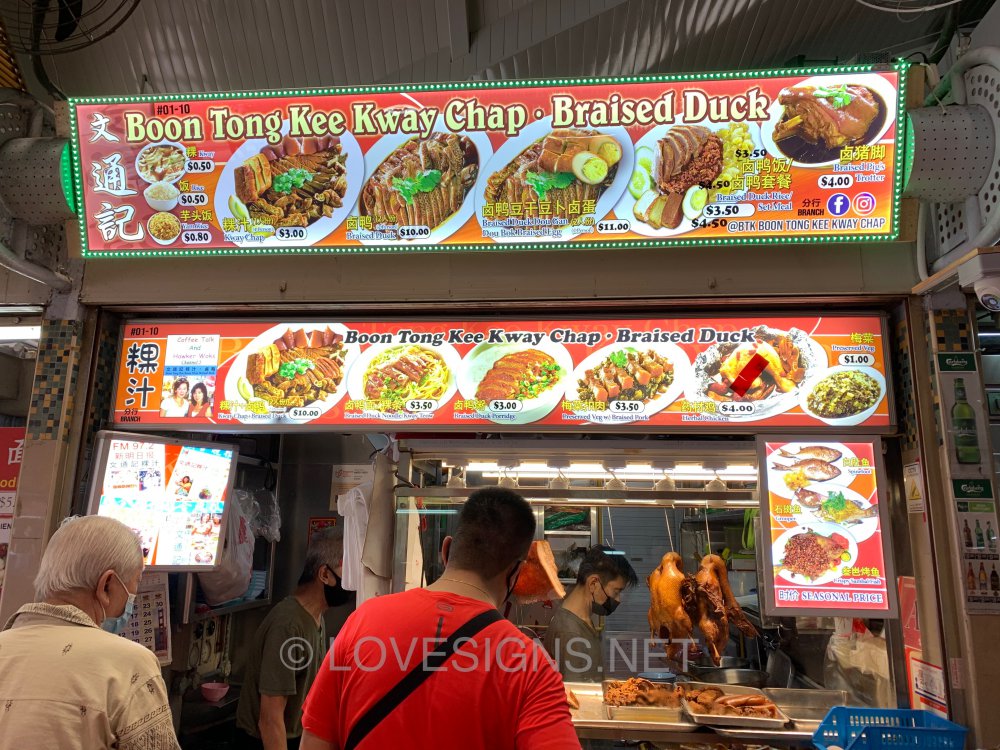
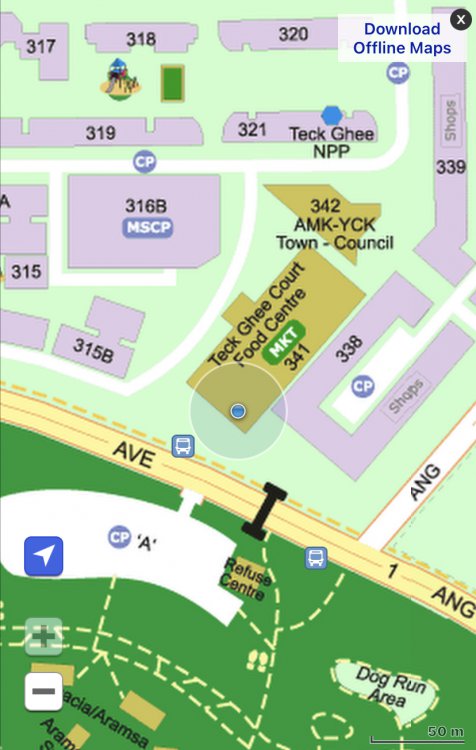
Boon Tiong Kee Kway Chap & Braised Duck at Teck Ghee Court Food Centre (Ang Mo Kio) Ingredients are fresh, not heavily seasoned. Nice. This plate is $4.50/-
-
Please note that there are different concepts under the Compass School of Feng Shui there are: 1. Eight House Concept of an individual 2. Flying Star Feng Shui of a home Under the Eight House Concept, different individuals/bread winners have specific directions of "Excellent". It simply means that your Excellent direction is NW. (The Person) Flying Star Feng Shui is about the Feng Shui of a specific home. What this means is that the frontage NW is suitable to you. But the Flying Star facing of this unit is inauspicious.
-
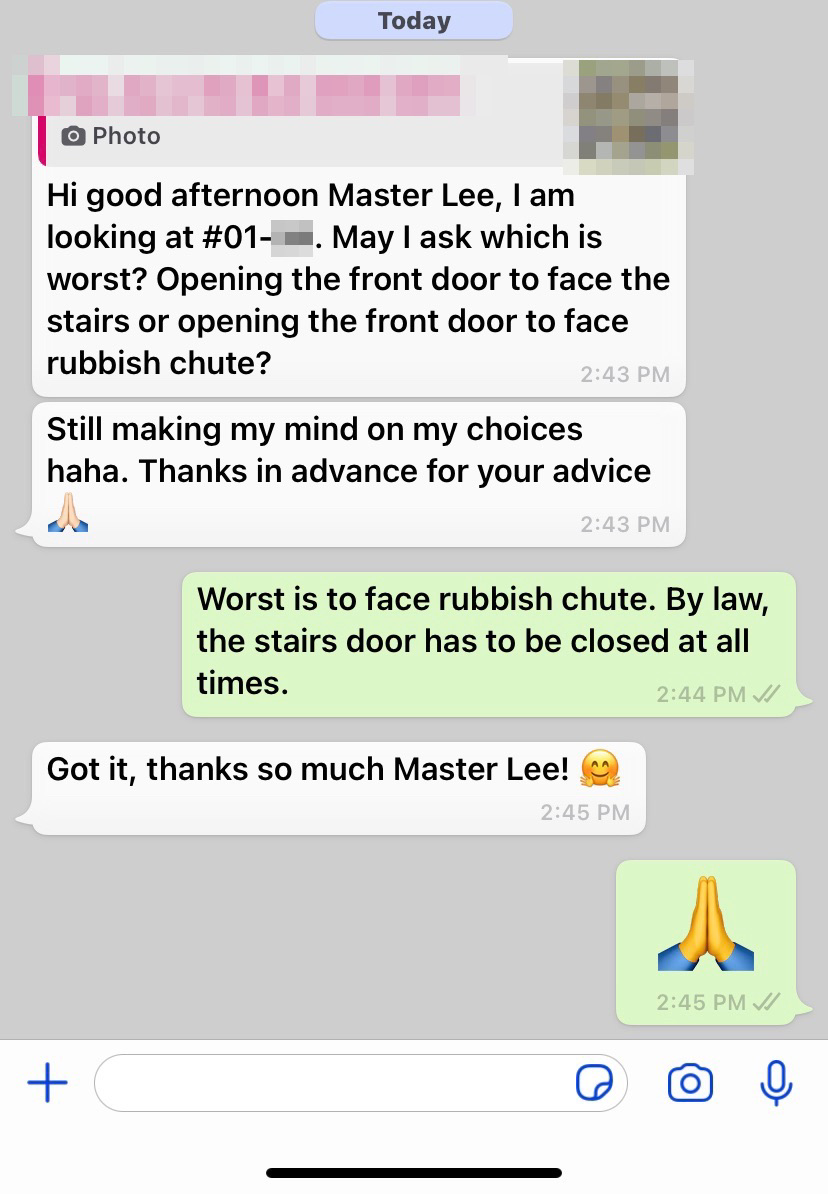
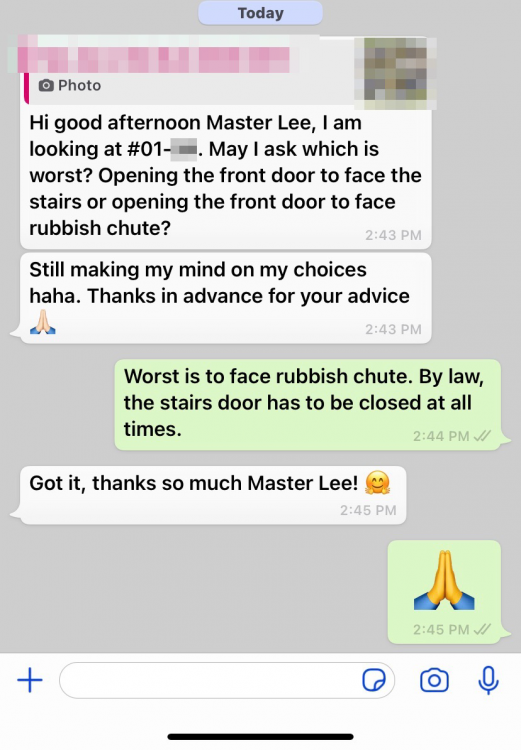
Hi good afternoon Master Lee, I am looking at #01-xx. May I ask which is worst? Opening the front door to face the stairs or opening the front door to face rubbish chute? Worst is to face rubbish chute. By law, the stairs door has to be closed at all times.
-
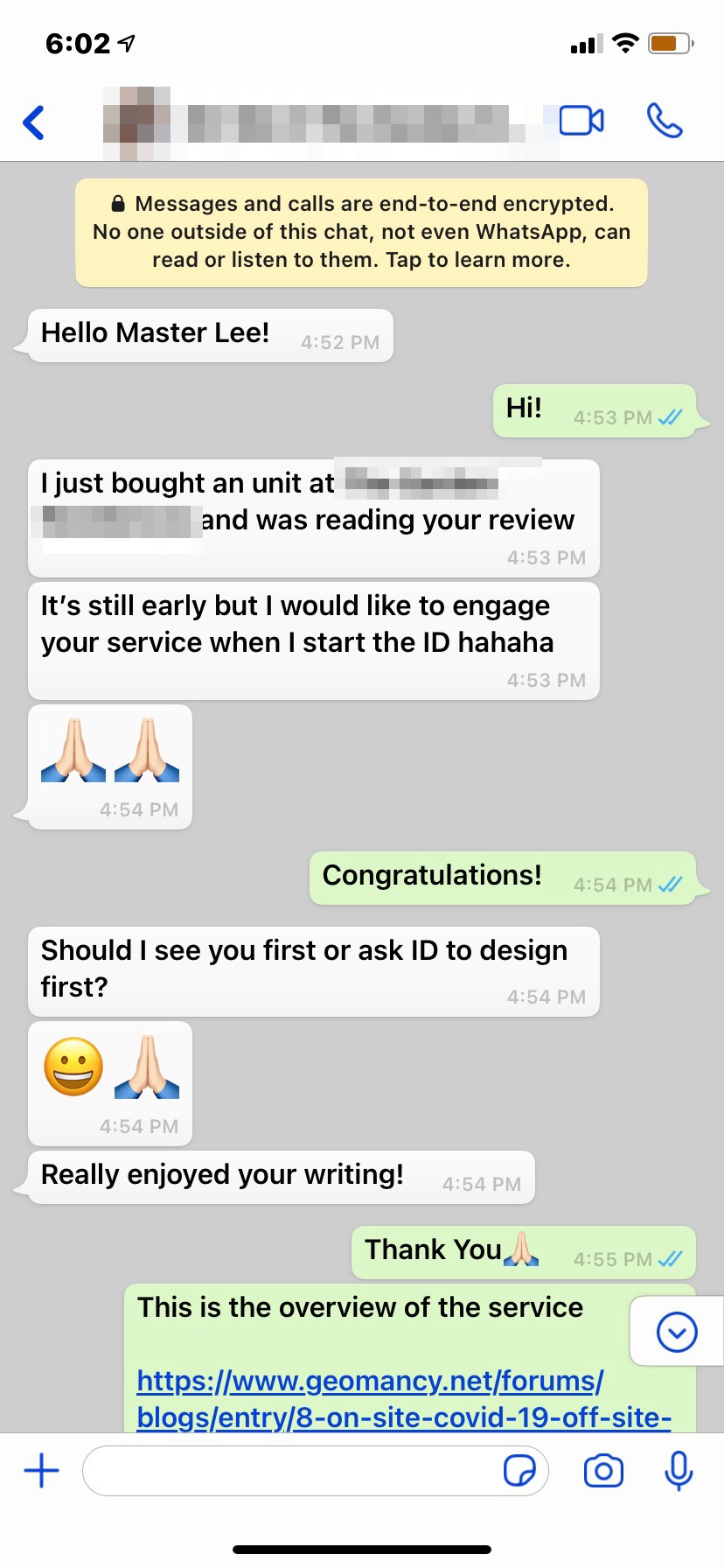
Really enjoyed your writing!
-
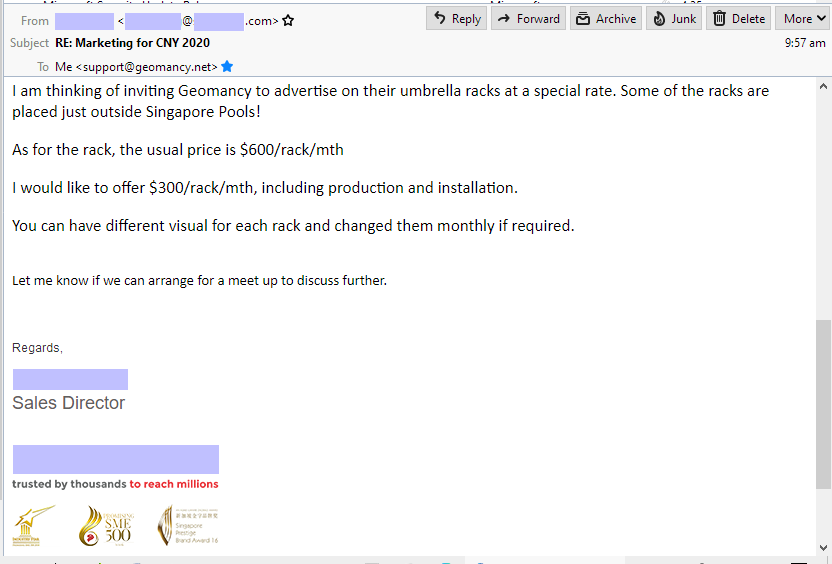
Come.. come advertise with us...
-
You wrote: "I also notice that on top of the main entrance there are beam across. is this acceptable?" The answer to your question can be referenced to Habit Number 12:- In essence, good luck if one meets a Feng Shui Master who eats and sleeps only by the Front Door? Sounds familiar? A Conservative FSM. Anyway, there are other Habits especially One or UNO or Satu, Two and Habit No. 3 etc... Alternative... sorry no offence... can't tell from your login name your race/religion. Chinese especially some Hokkiens hang a "Ang Cai" or Red Banner above the door. The RED symbolises fire and can be considered to neutralise the beam. If other races or religions.... don't ask further... LOL
-
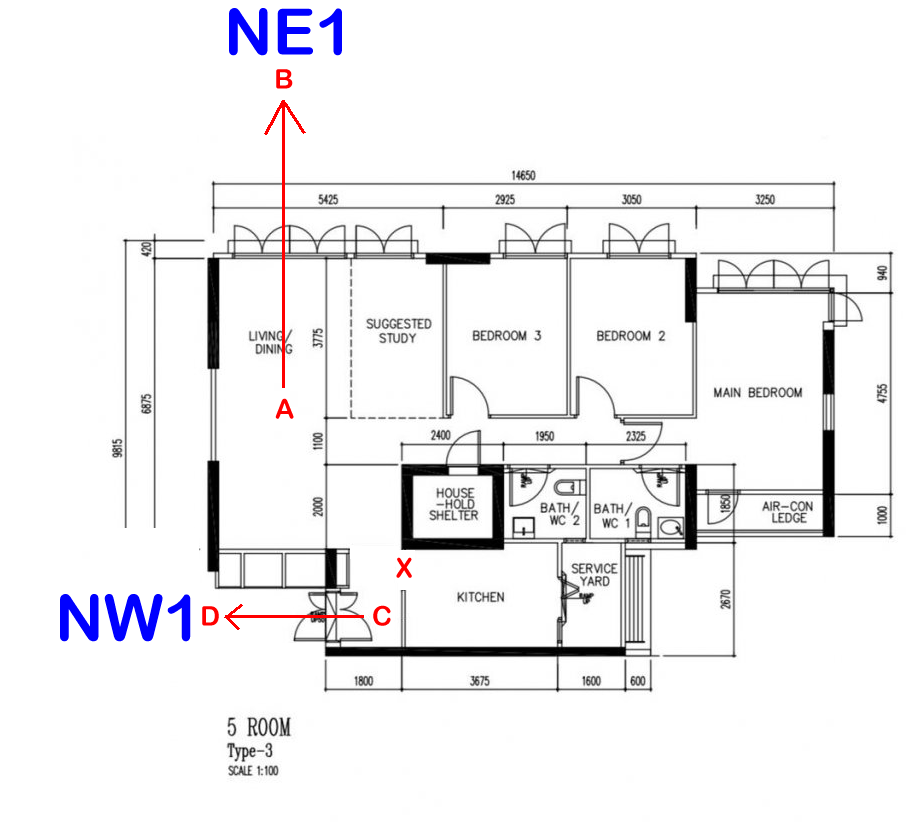
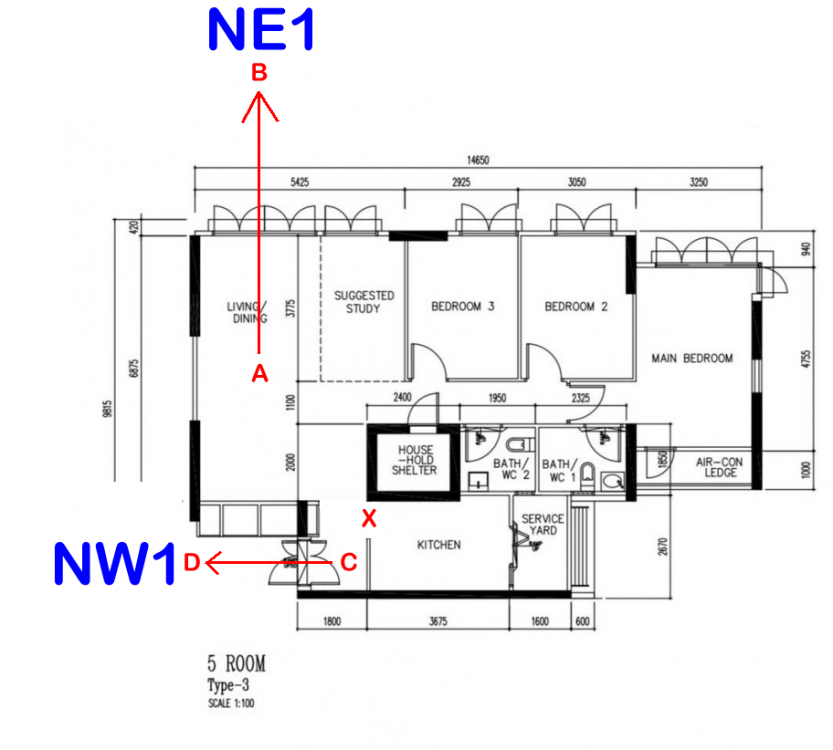
1. I have included this resource link in an earlier thread:- 1.1. The Conservative Feng Shui Master (FSM) will consider the Frontage & Front Door as NW1 facing direction. 1.2. The Modernists FSM will consider the Front door still as NW1 BUT, the FRONTAGE of this unit is NE1 facing direction:- Standing at A looking out towards B is NE1 Standing at C looking out of the front door is D or NW1. 1.3. In the link, I have set the arguments that for high-rise it is still strongly recommended to use the Flying Star Facing Direction as NE1. 2. I believe, you are considering changing the front door to location marked as RED = X. It is acceptable to do so.
-
On 9th November 2020
-
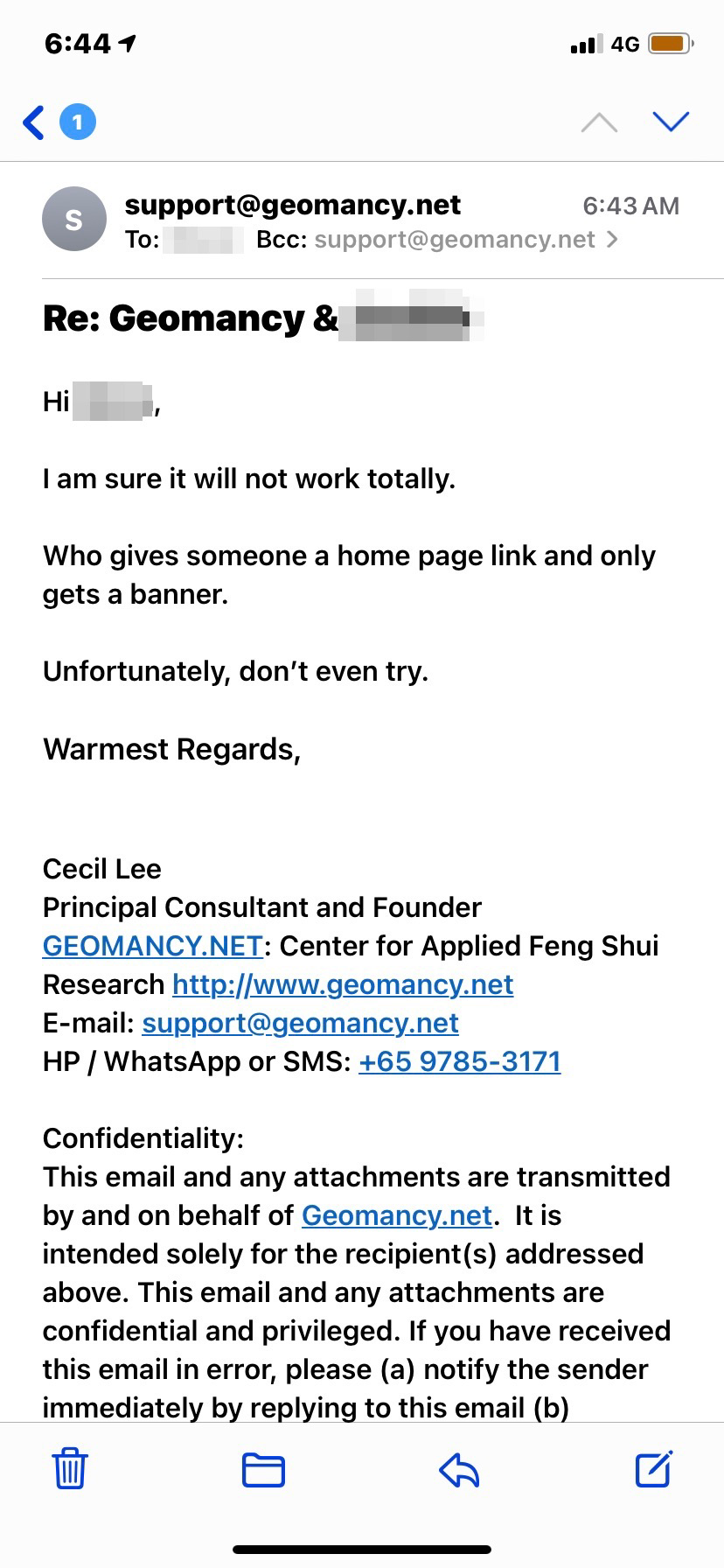
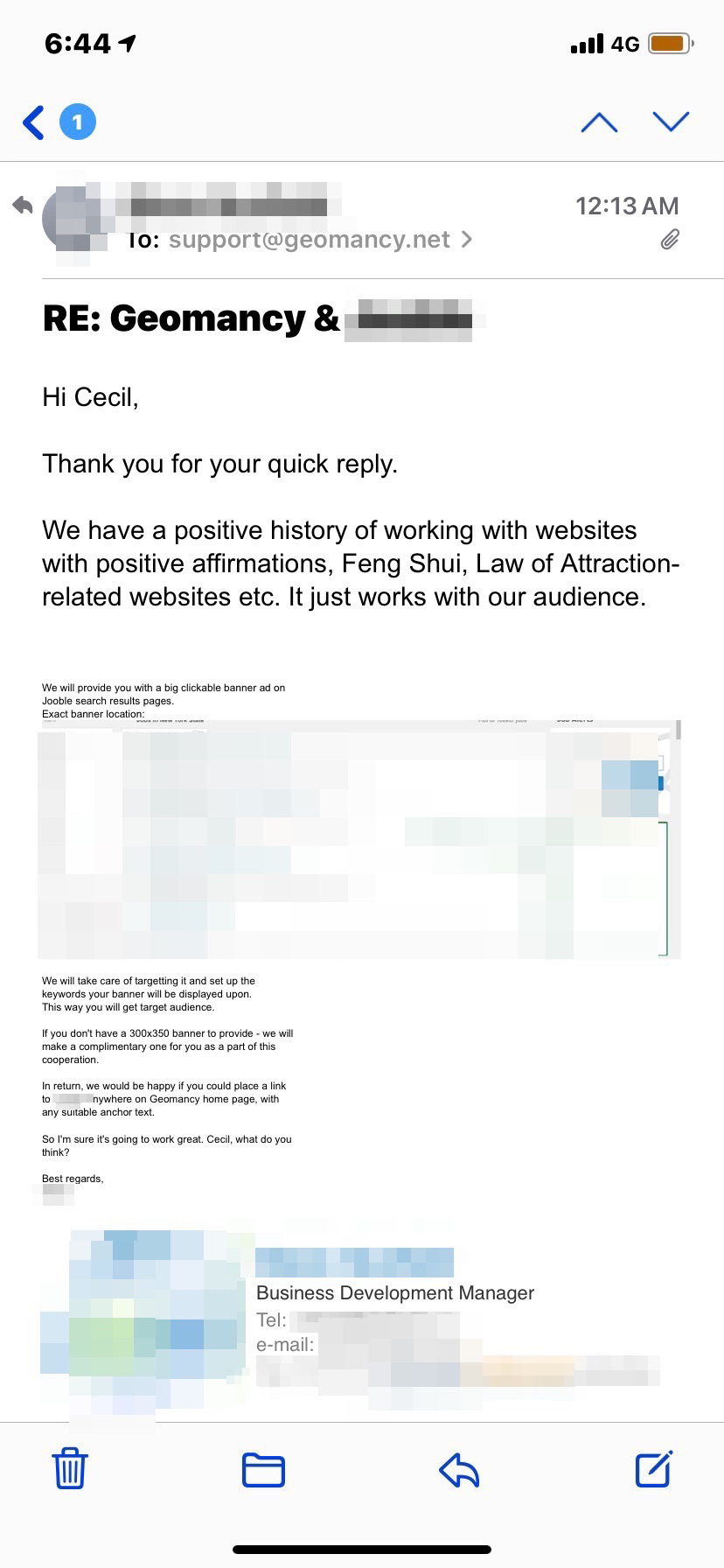
Hi Xxxx, I am sure it will not work totally. Who gives someone a home page link and only gets a banner. Unfortunately, don’t even try.
-
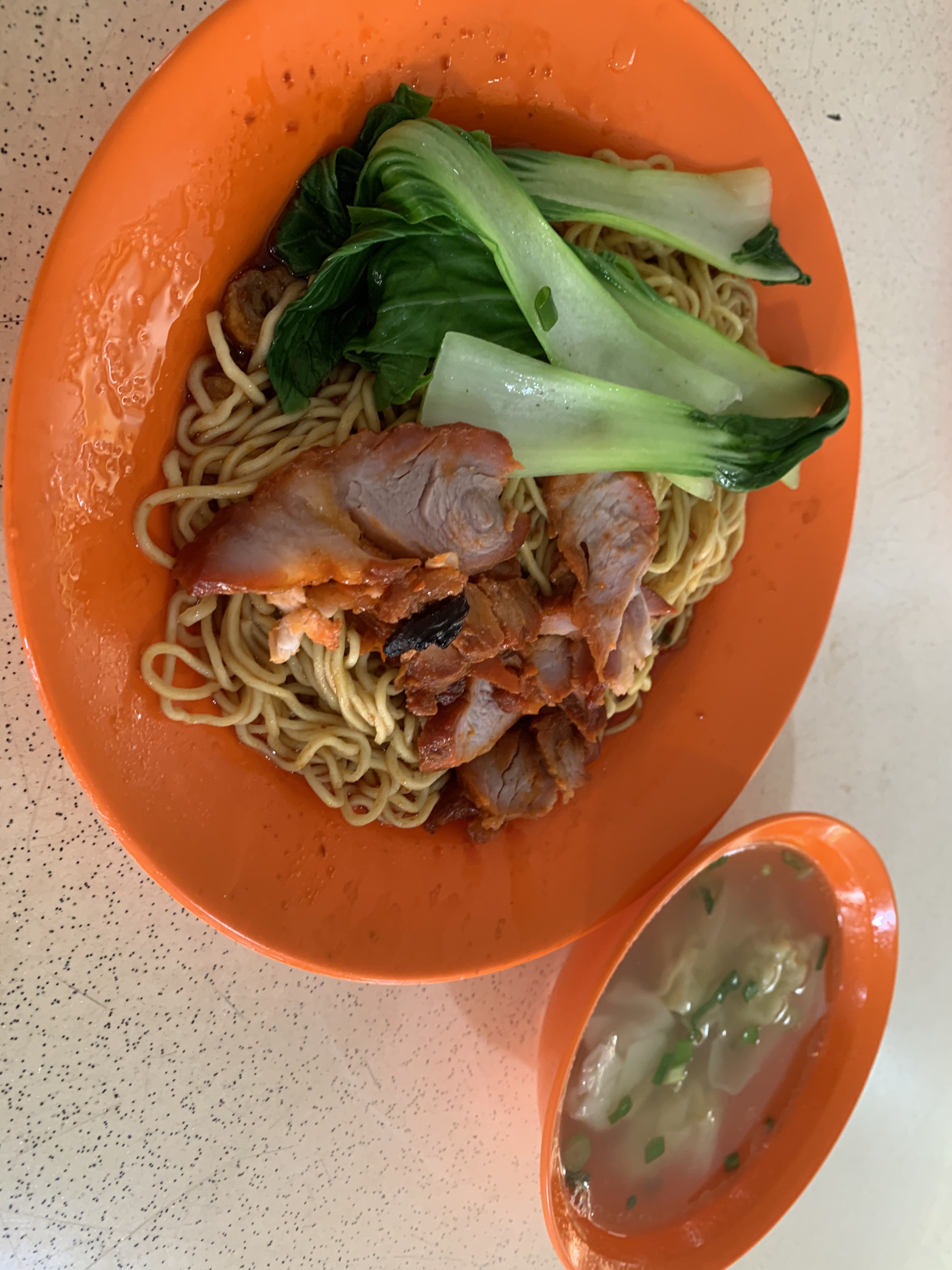
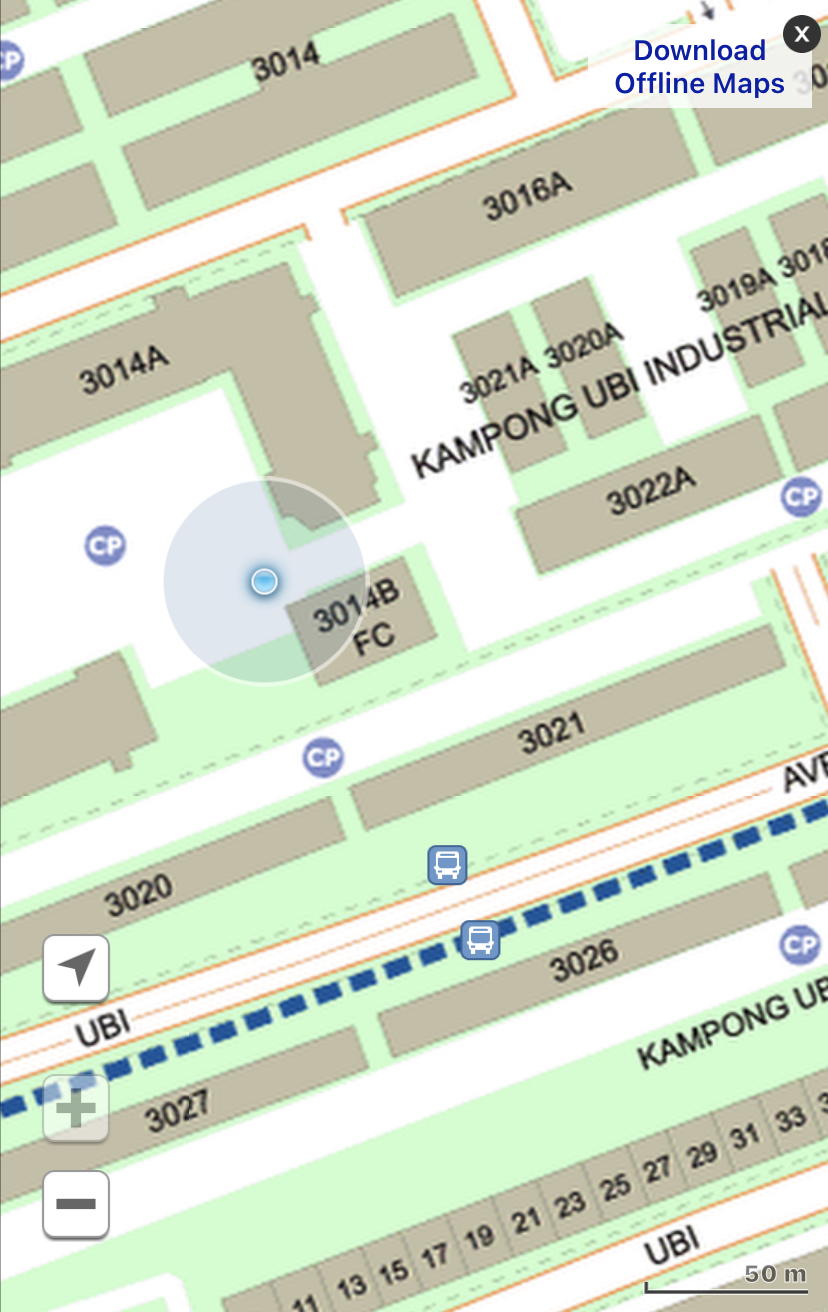
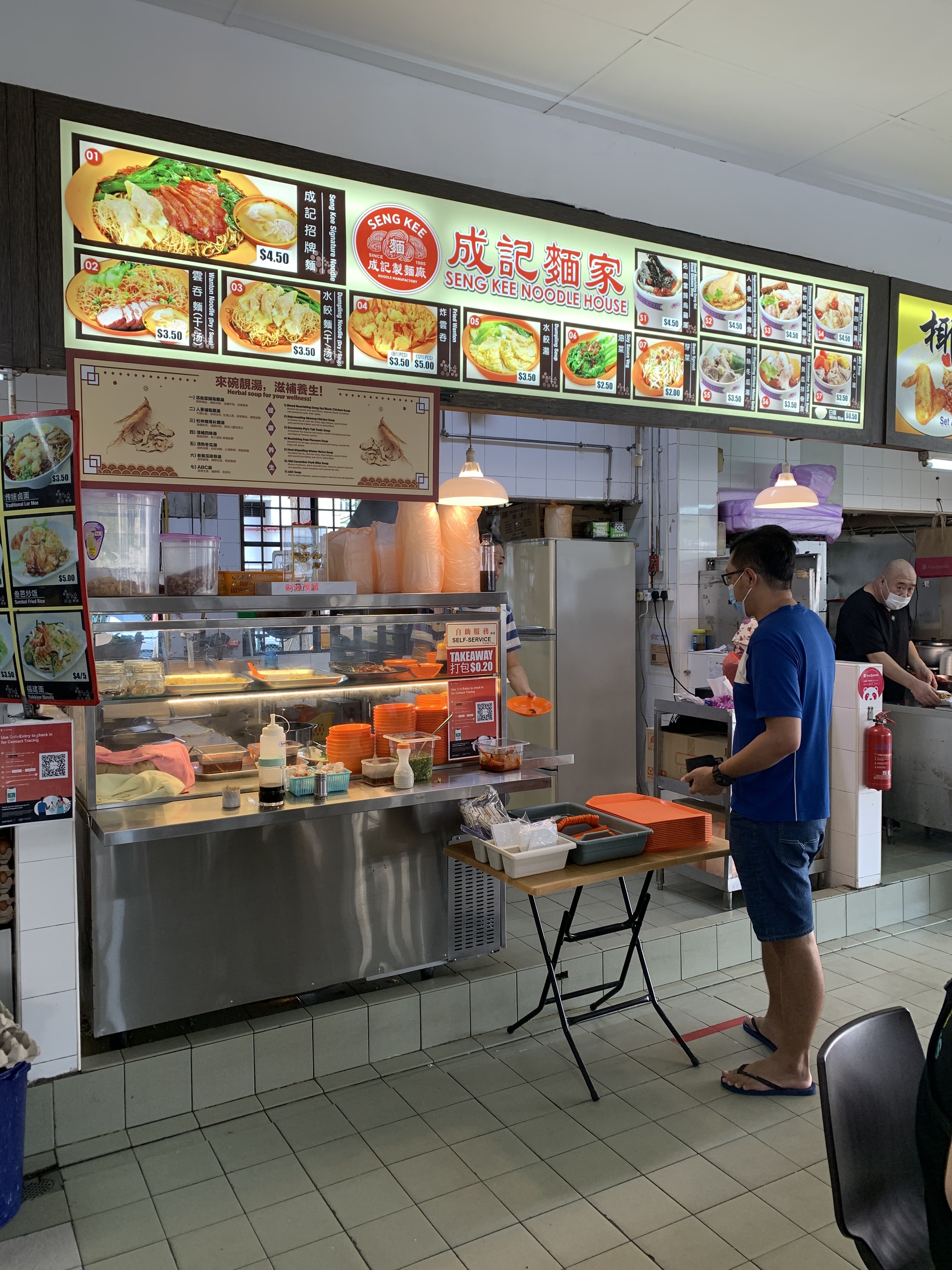
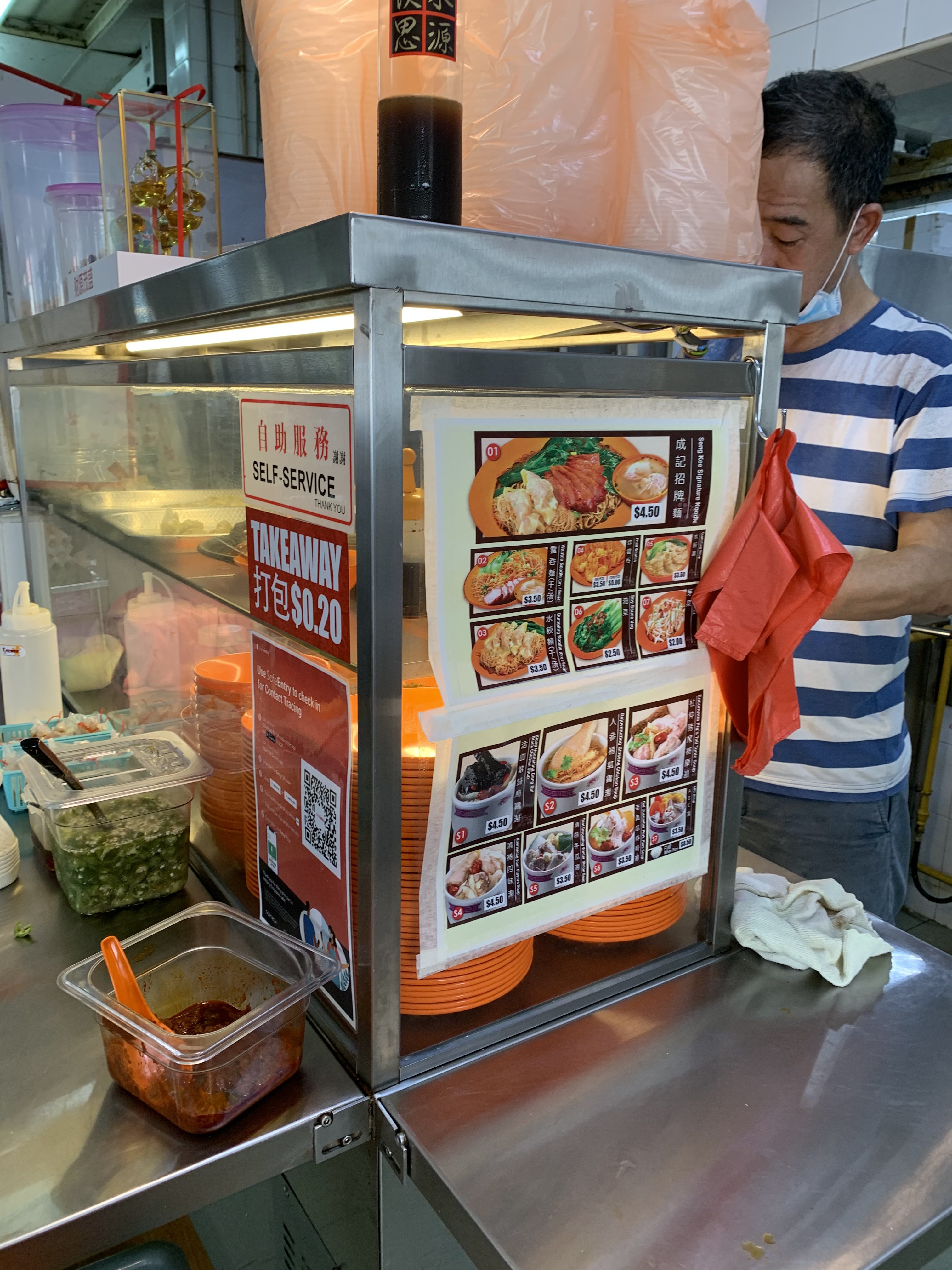
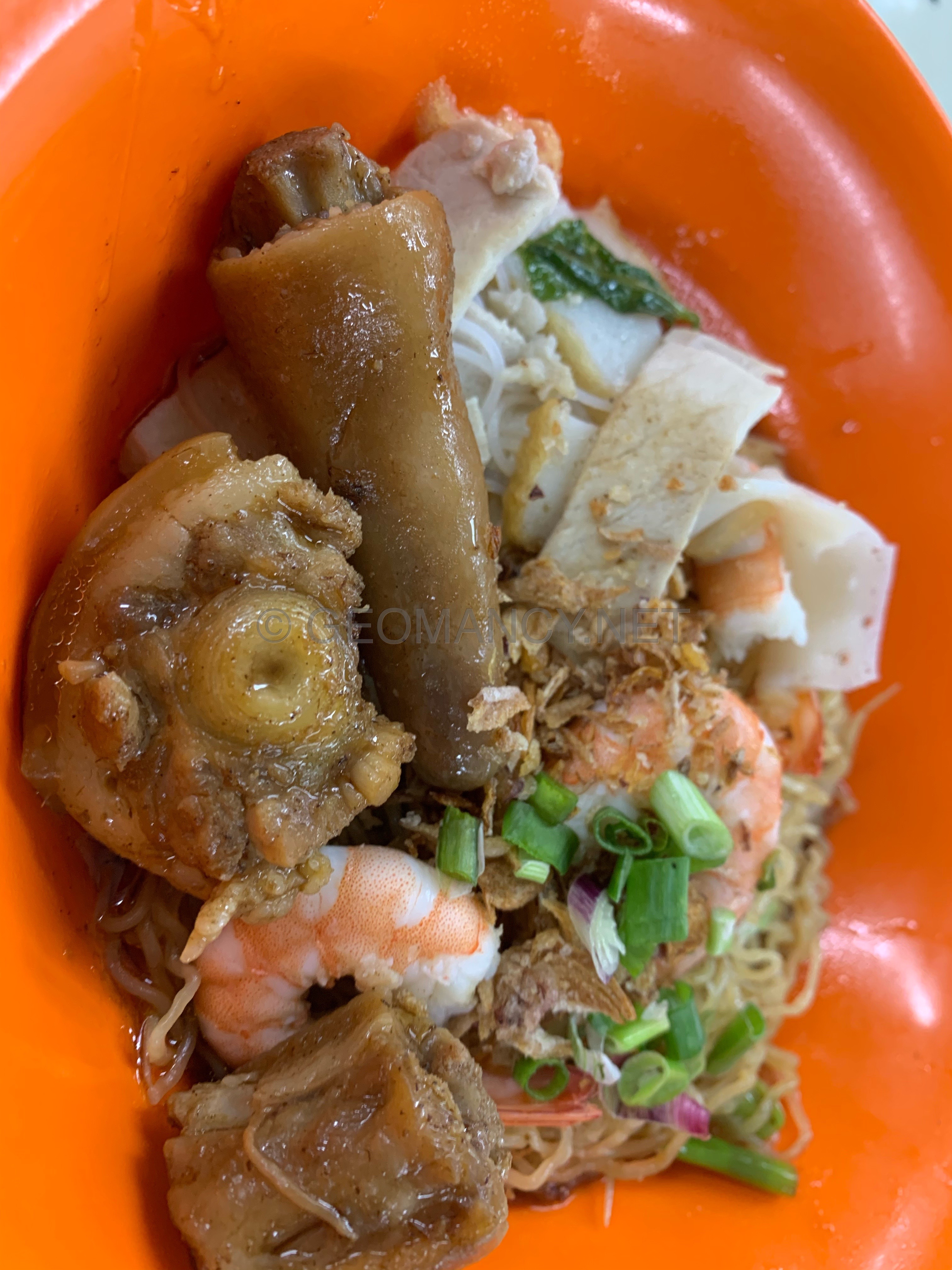
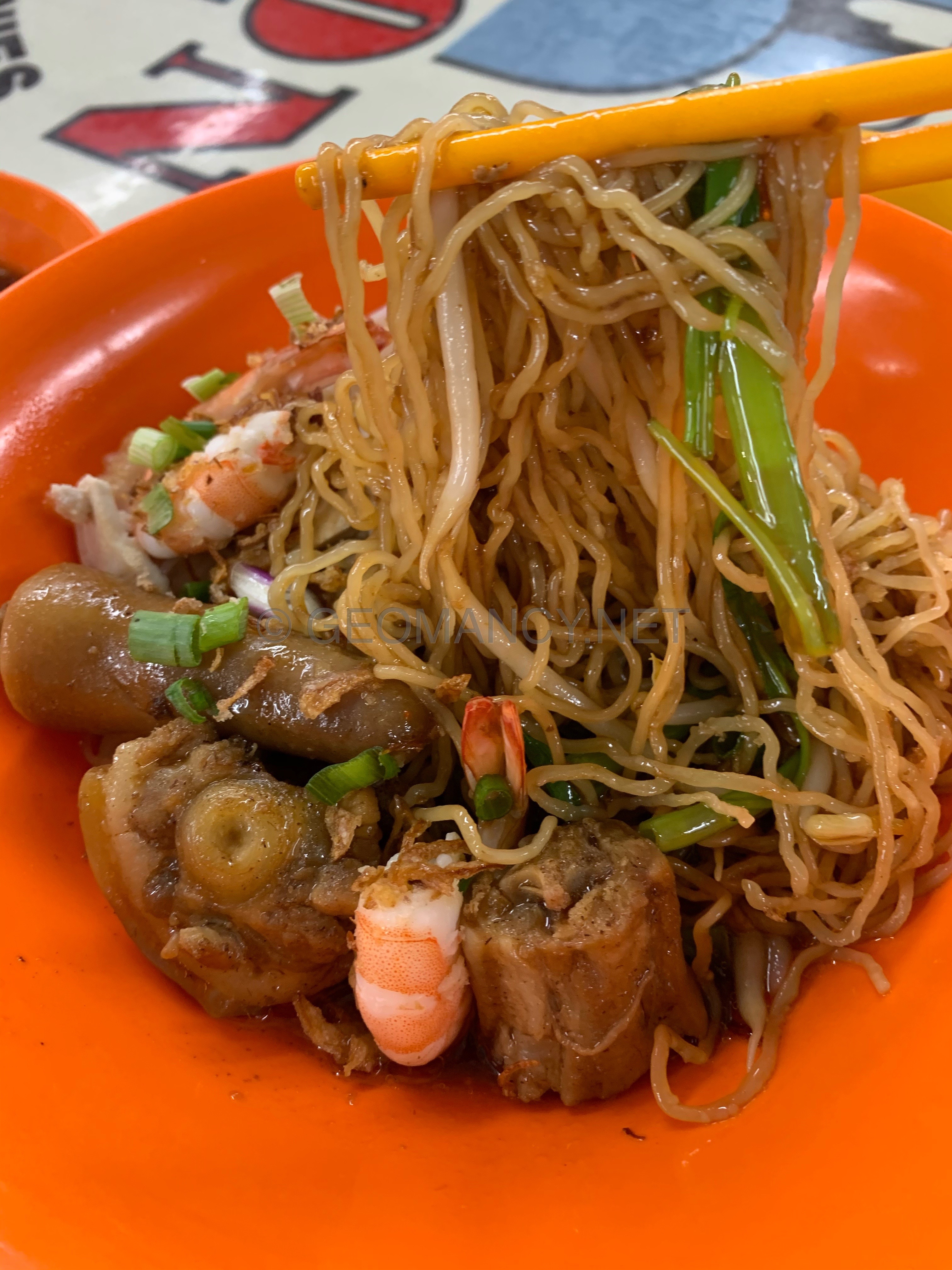
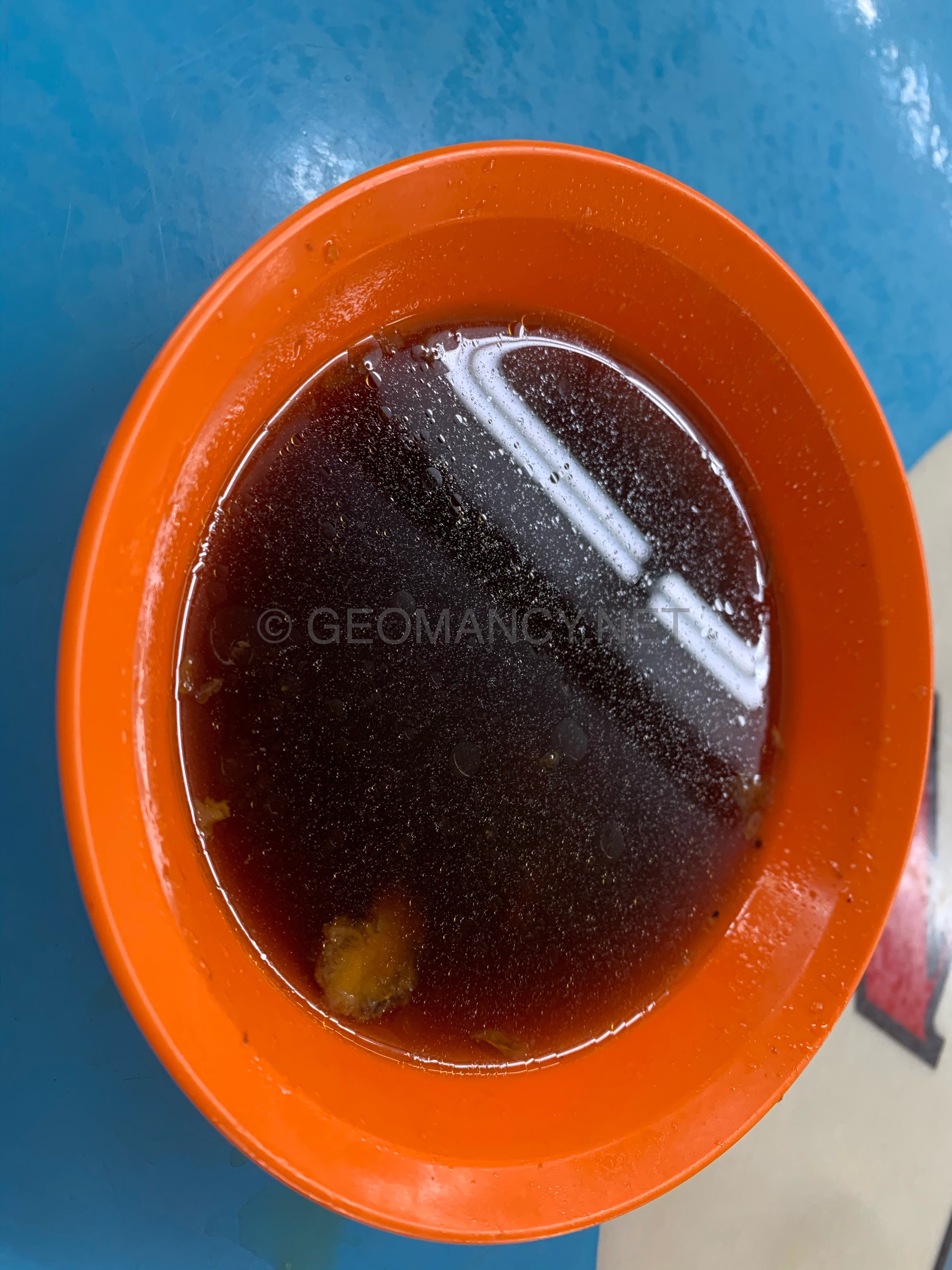
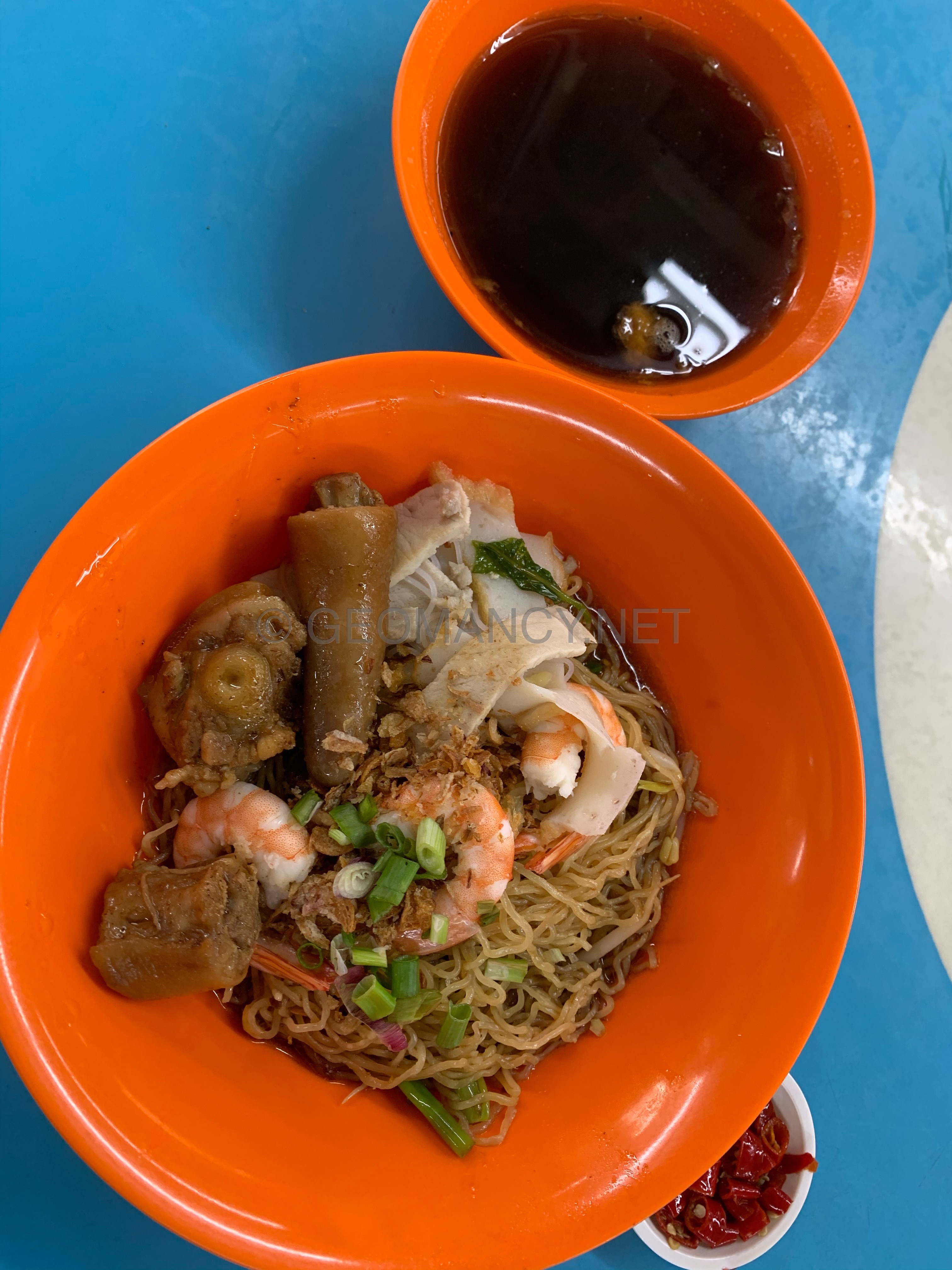
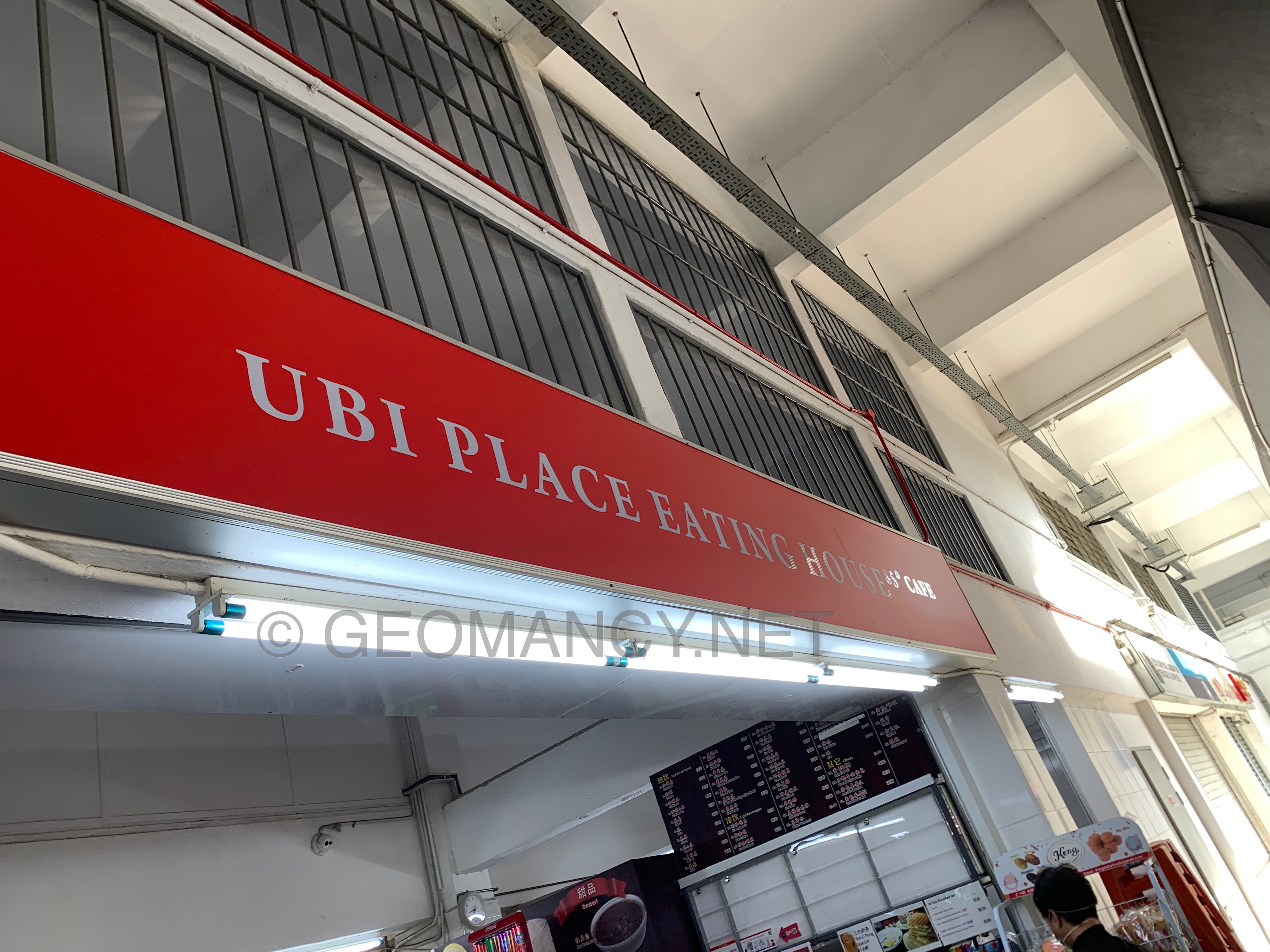
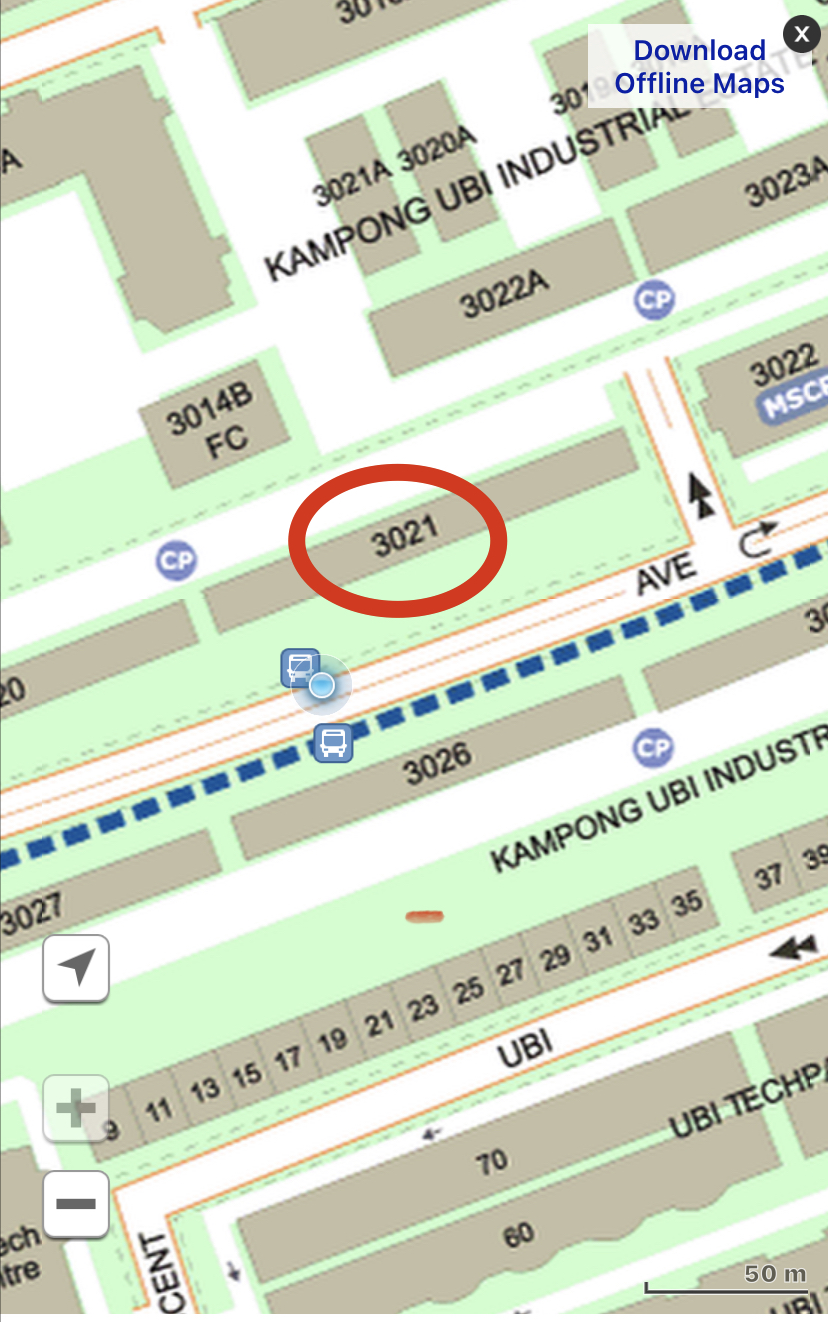
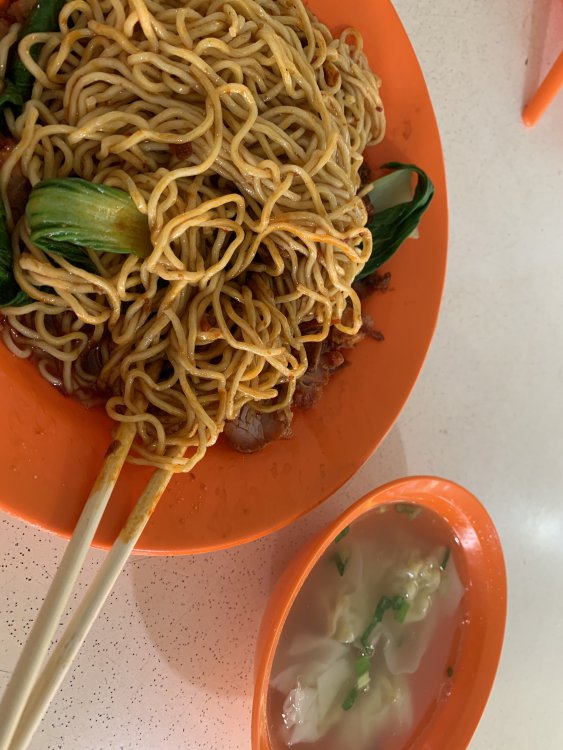
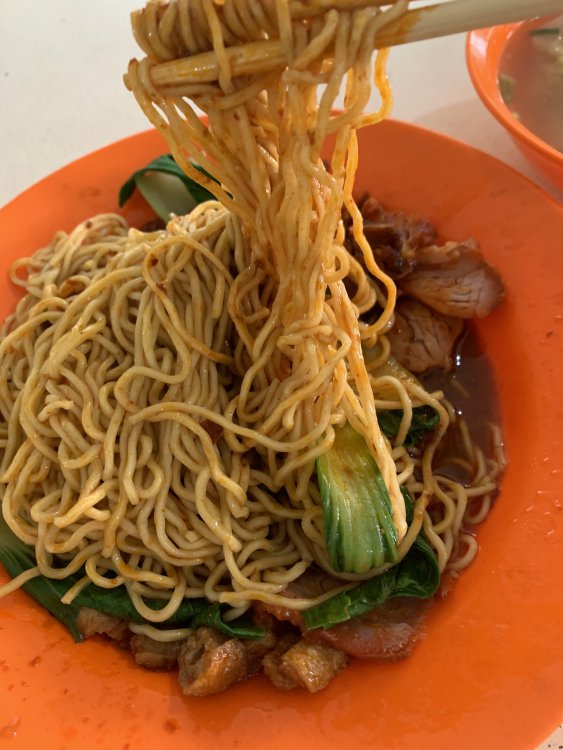
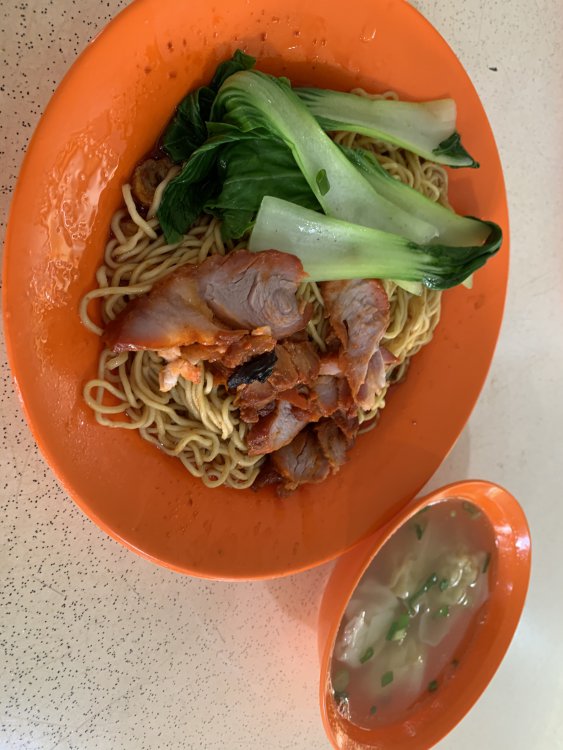
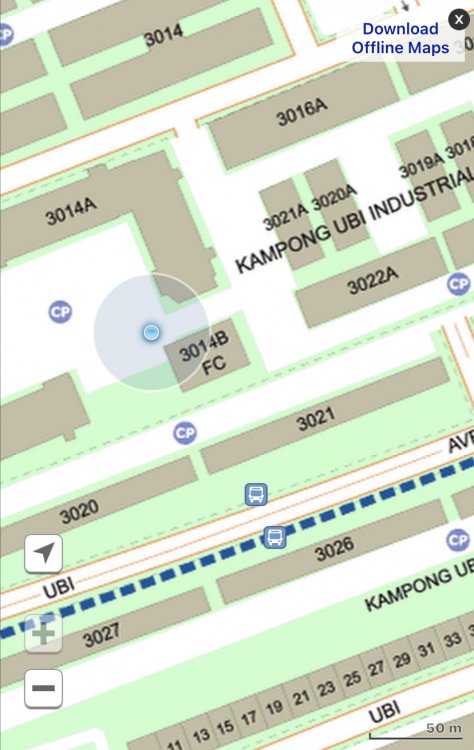
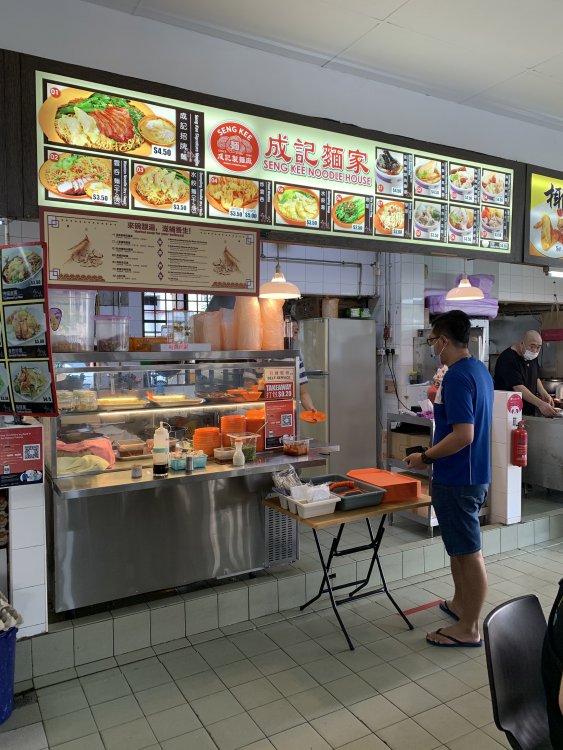
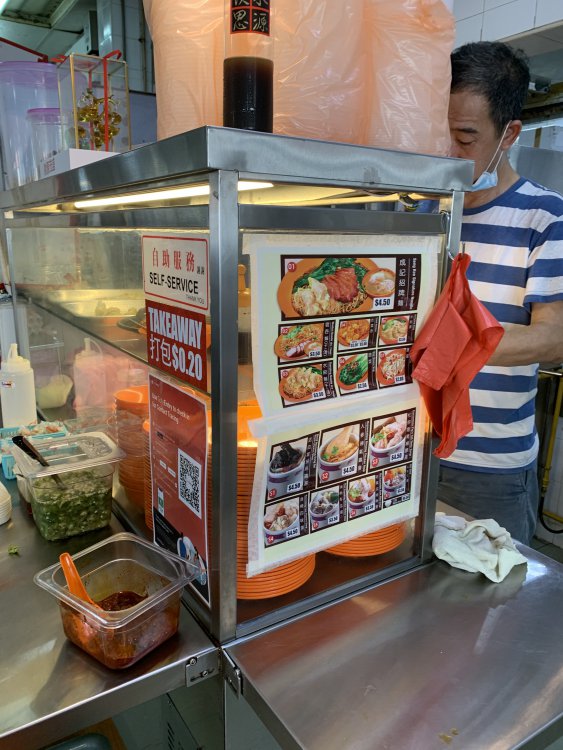
Seng Kee Noodle House at Ubi Simply not nice. $3.50/- The texture of the noodles, the chilli is not to my liking. The wantons also has an awful smell like it went into a chemical bath. Location: 3014B Ubi Food Court
-
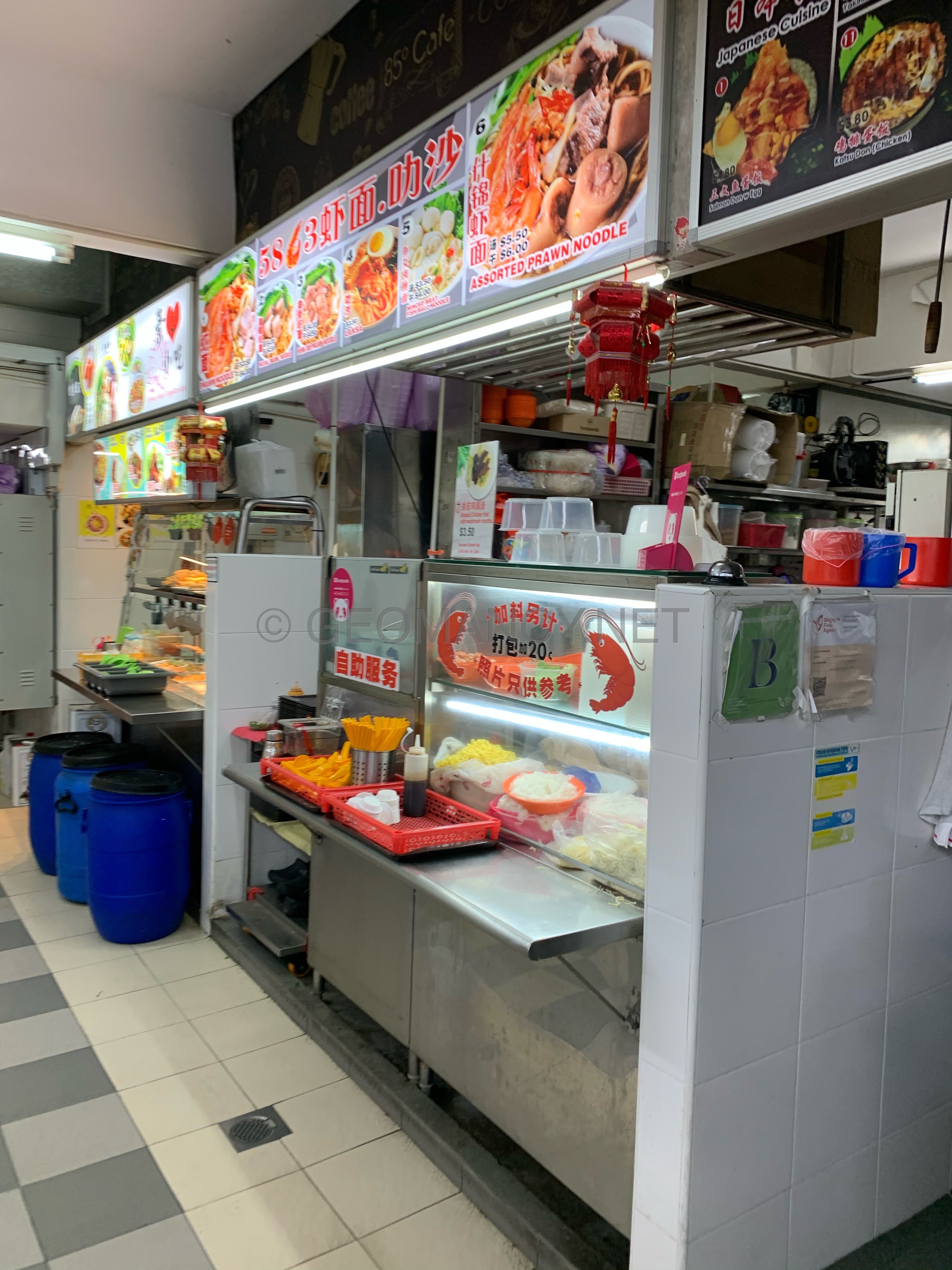
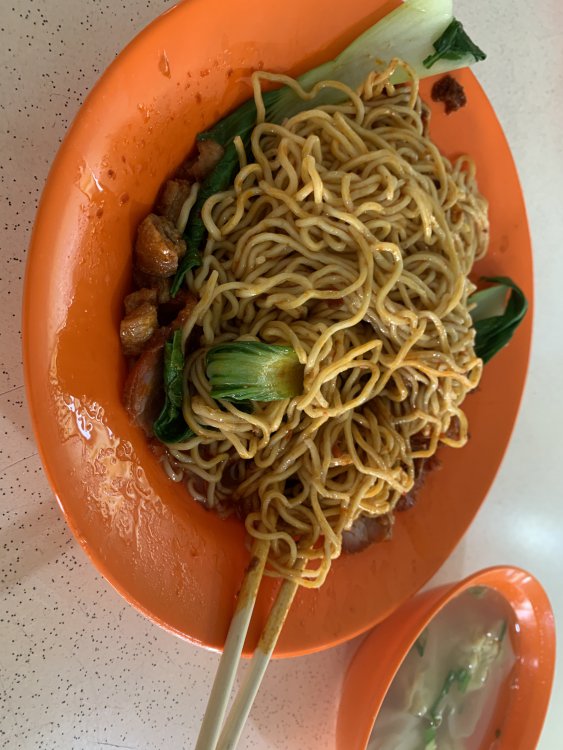
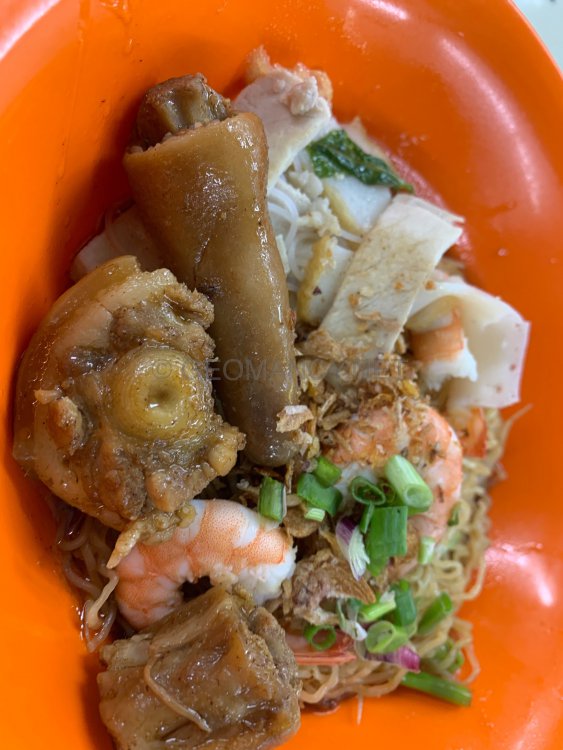
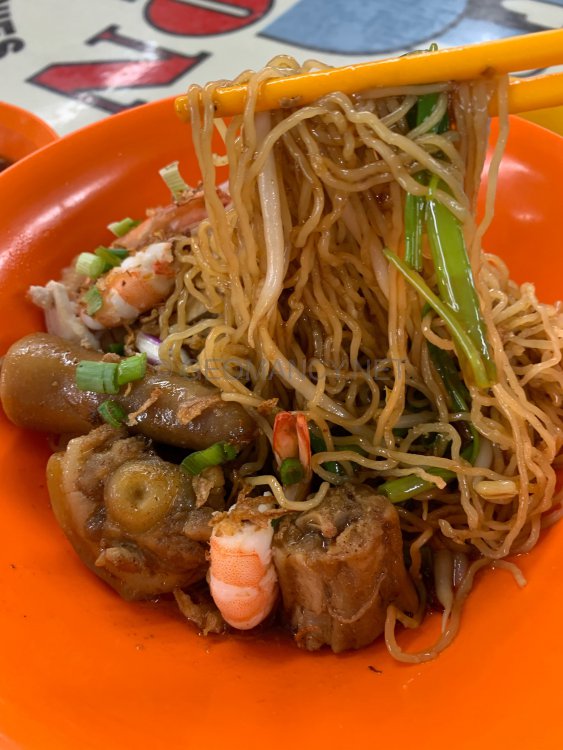
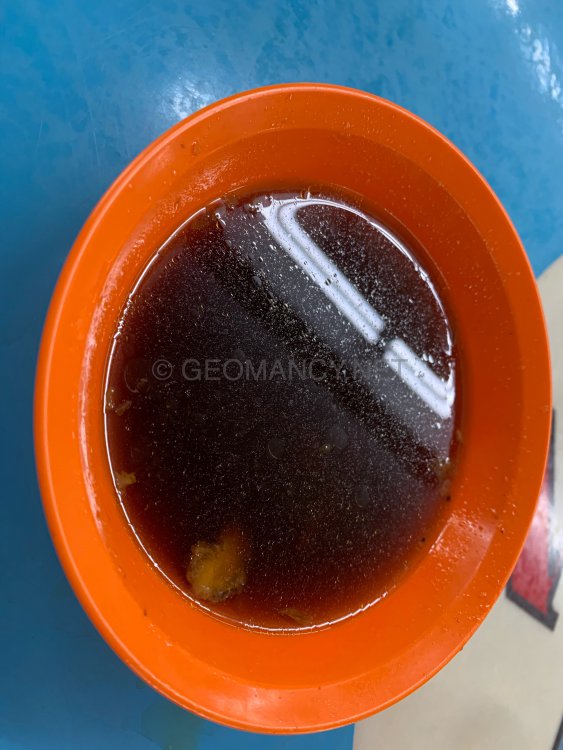
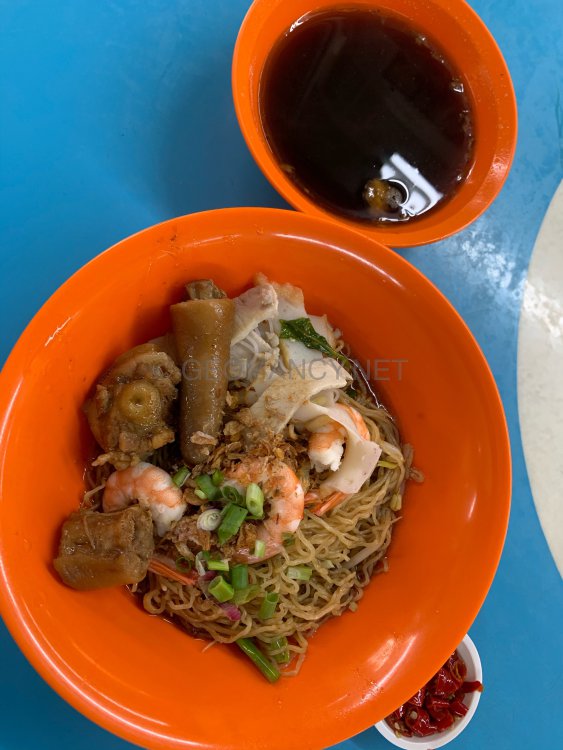
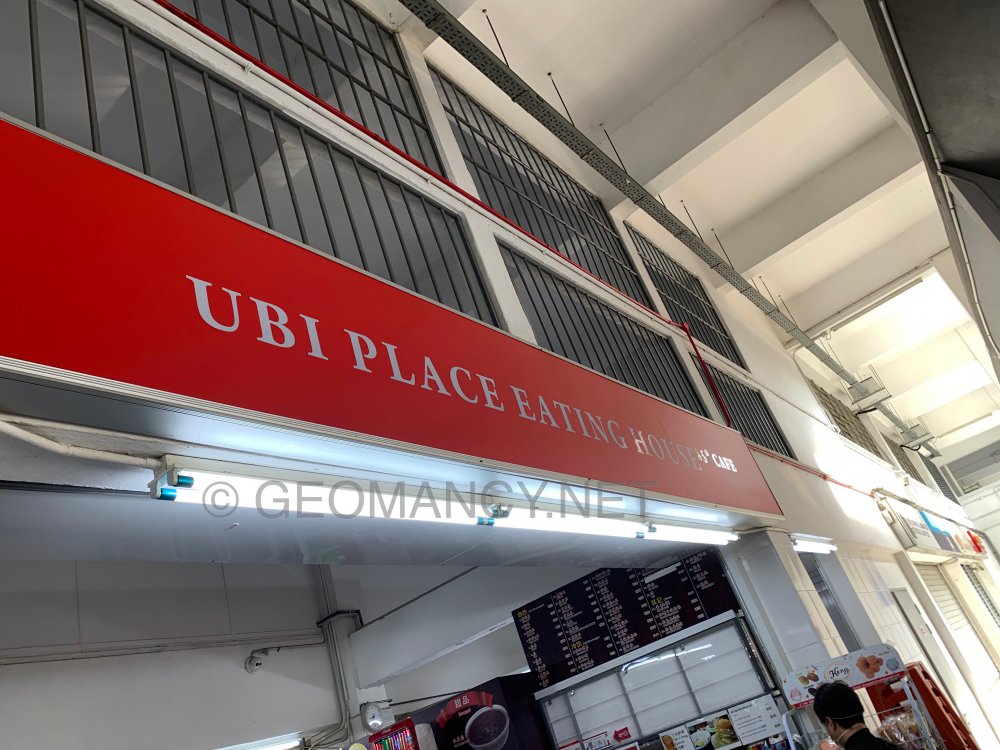
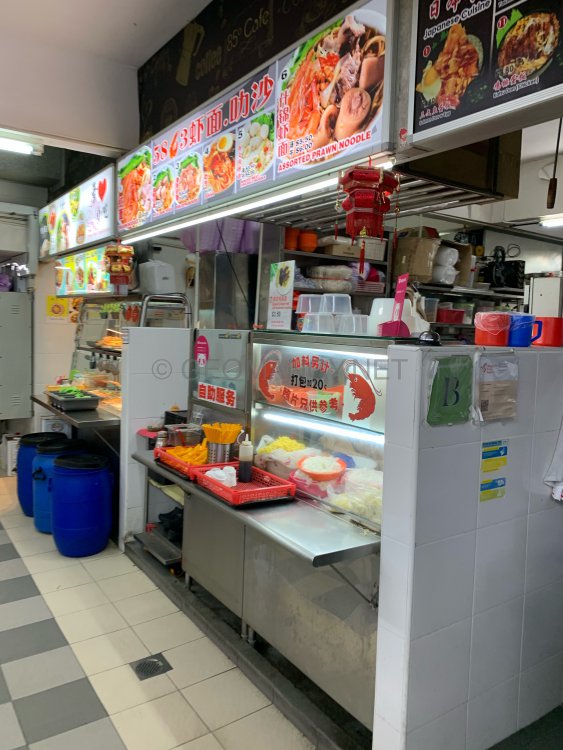
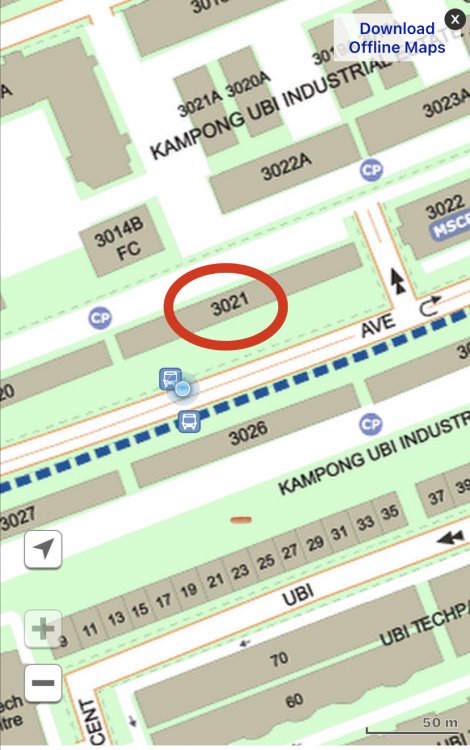
Taste is normal. $4/- +$1 more for three pieces of pig tail. Block 3021 Ubi Ave 2
-
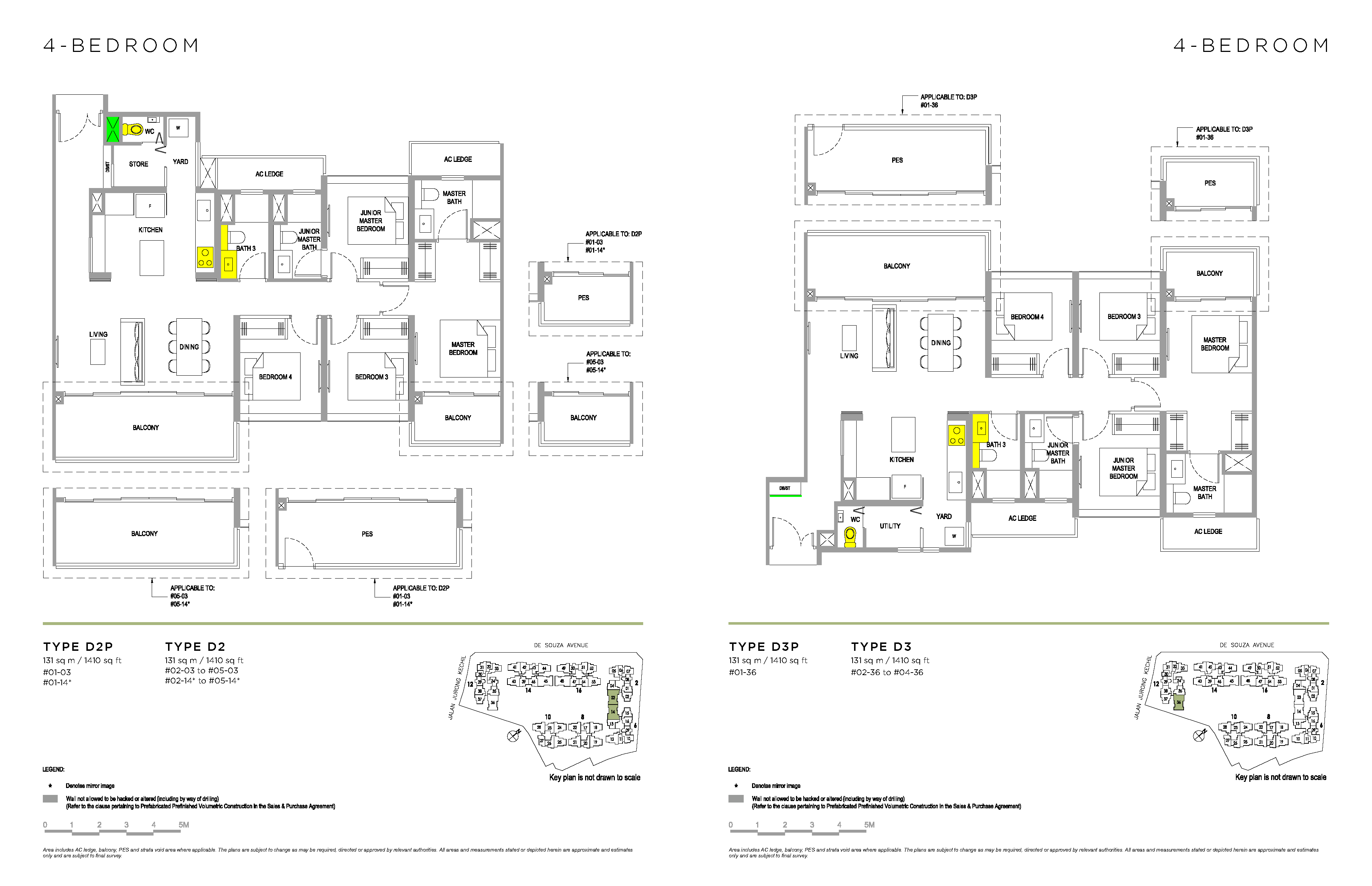
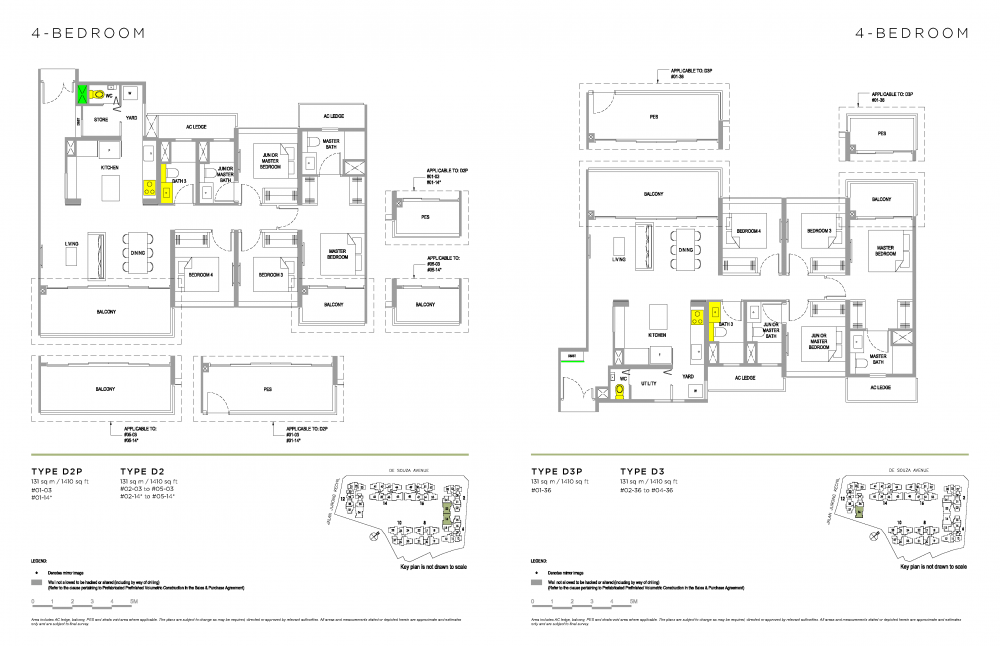
Case Study 5A: Type D2 & D2P with D3 & D3P 1. Really poor Shapes of Forms Feng Shui with the Yard WC beside the front door especially for D2 & D2P. 2. Similar situation with the WC & sink sharing the same wall as the stove.
-
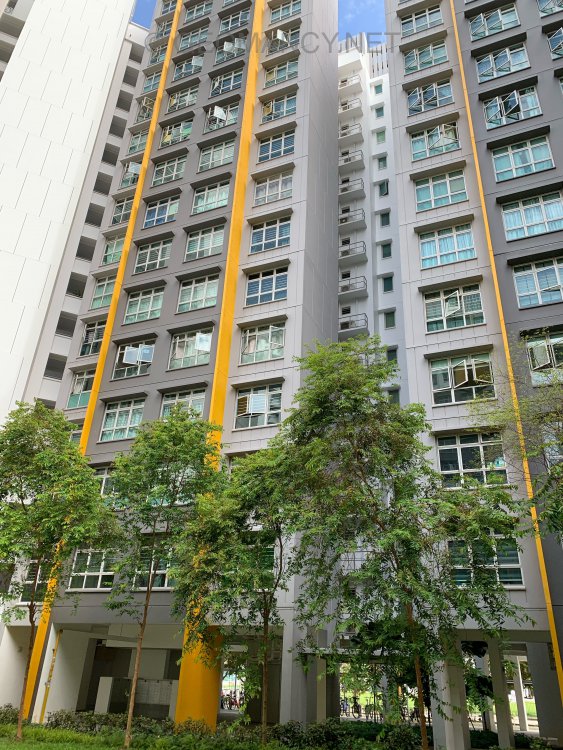
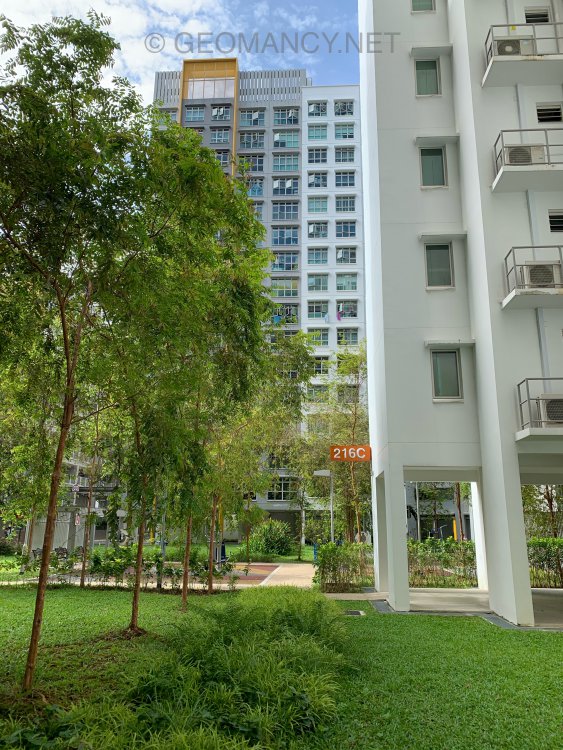
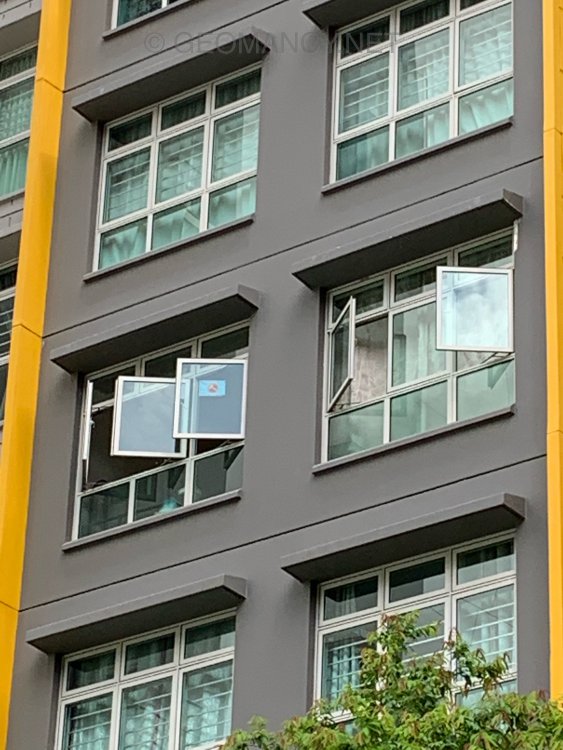
Minimum Occupation Period MOP soon... Paying more House Hunting visits (Hive of such activities) for potential clients on a frequent basis.
-
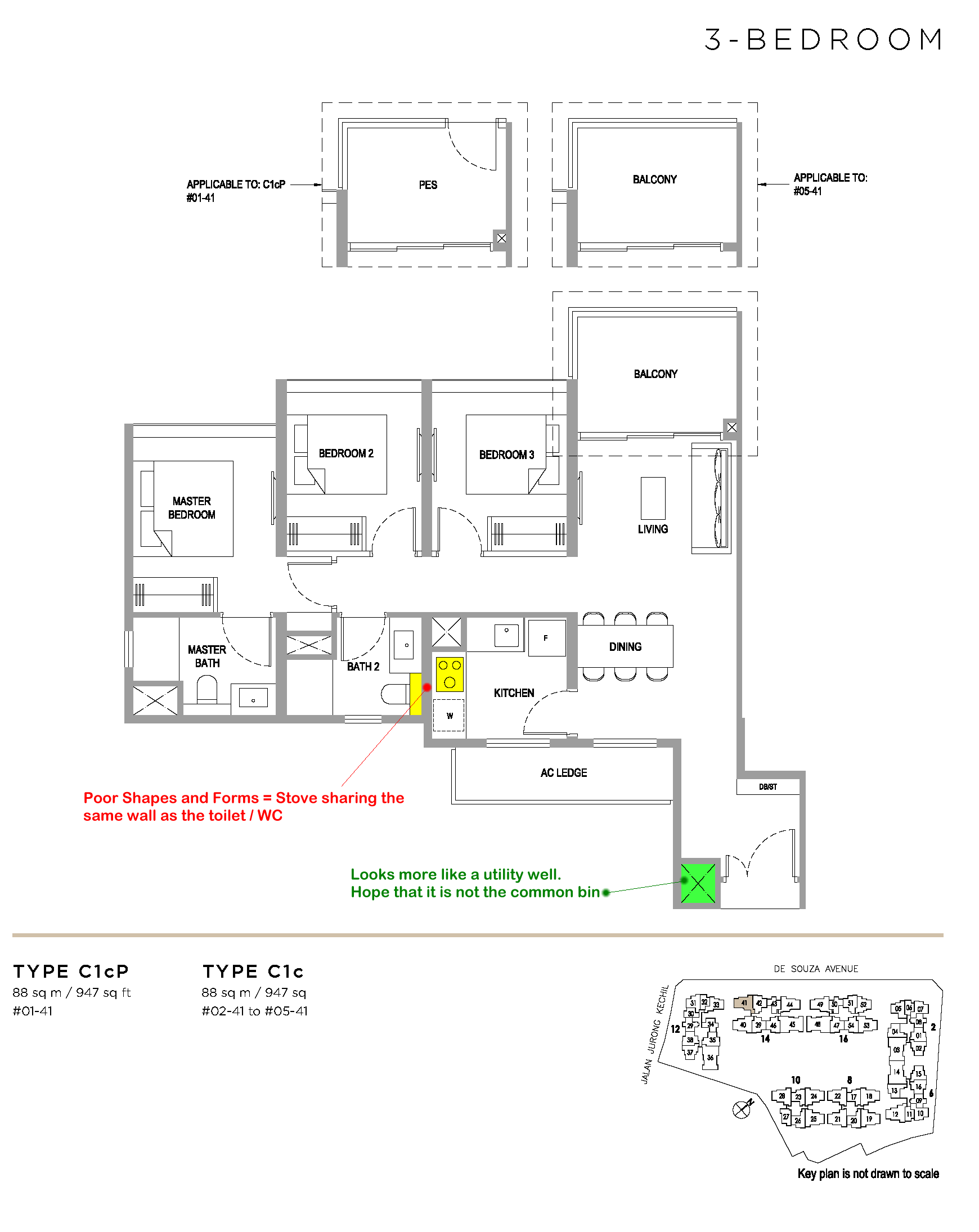
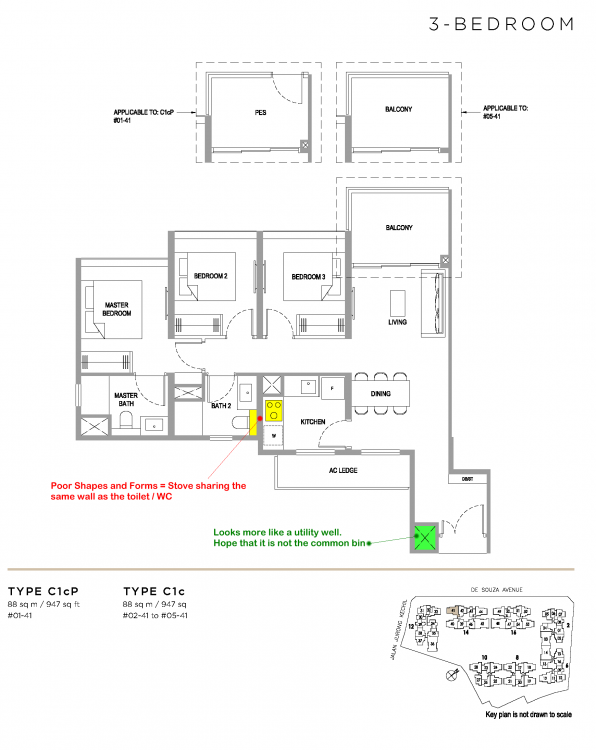
Case Study 4: 3 Bedroom Type C1c and C1cP 1. Poor Shapes and Forms Feng Shui as the (raised type) WC water well clashes the stove. 2. Something unusual.. in green = a utilities "air-well" or non-conventional looking common bin? But certainly does not look like the later. 3. Good that all interior walls seems to be solid pre-cast concrete type. Not dry walls.. Hope did not interpret incorrectly. 4. Okay, some Feng Shui Masters (FSM) will certainly cry fowl with the front door opening towards a "blank" wall. Wait till you meet one = A Conservative FSM) where their Feng Shui revolves only on the front door. LOL
-
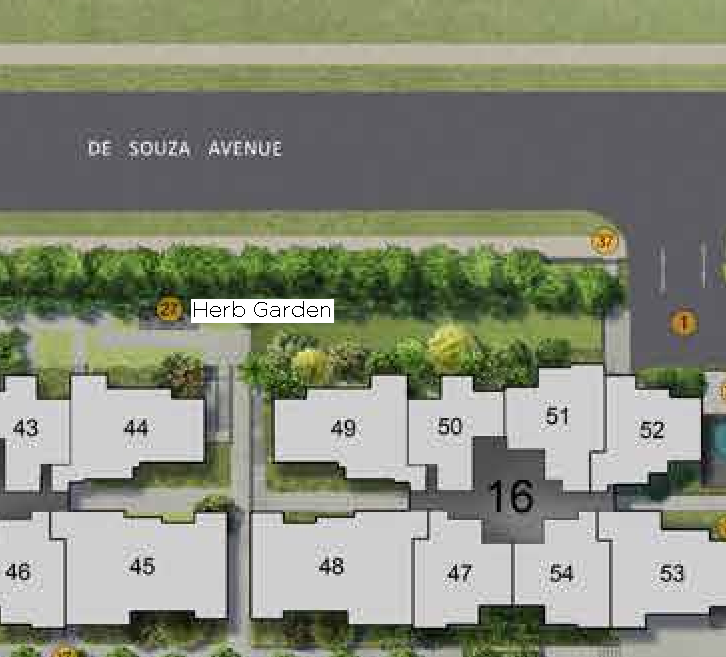
Case Study 3: What is with the "killer" herb garden? 1. All condos/ECs are required to do mandatory weekly fogging of their premises. 2. So far, all current condos and ECs have given up on their herb gardens. 3. Herbs taken from such gardens is a ticking cancerous time-bomb. 4. Sounds nice on a Sales Brochure only. (Search: Dairy Farm Residences and there is a more detailed resource on this. LOL)
-
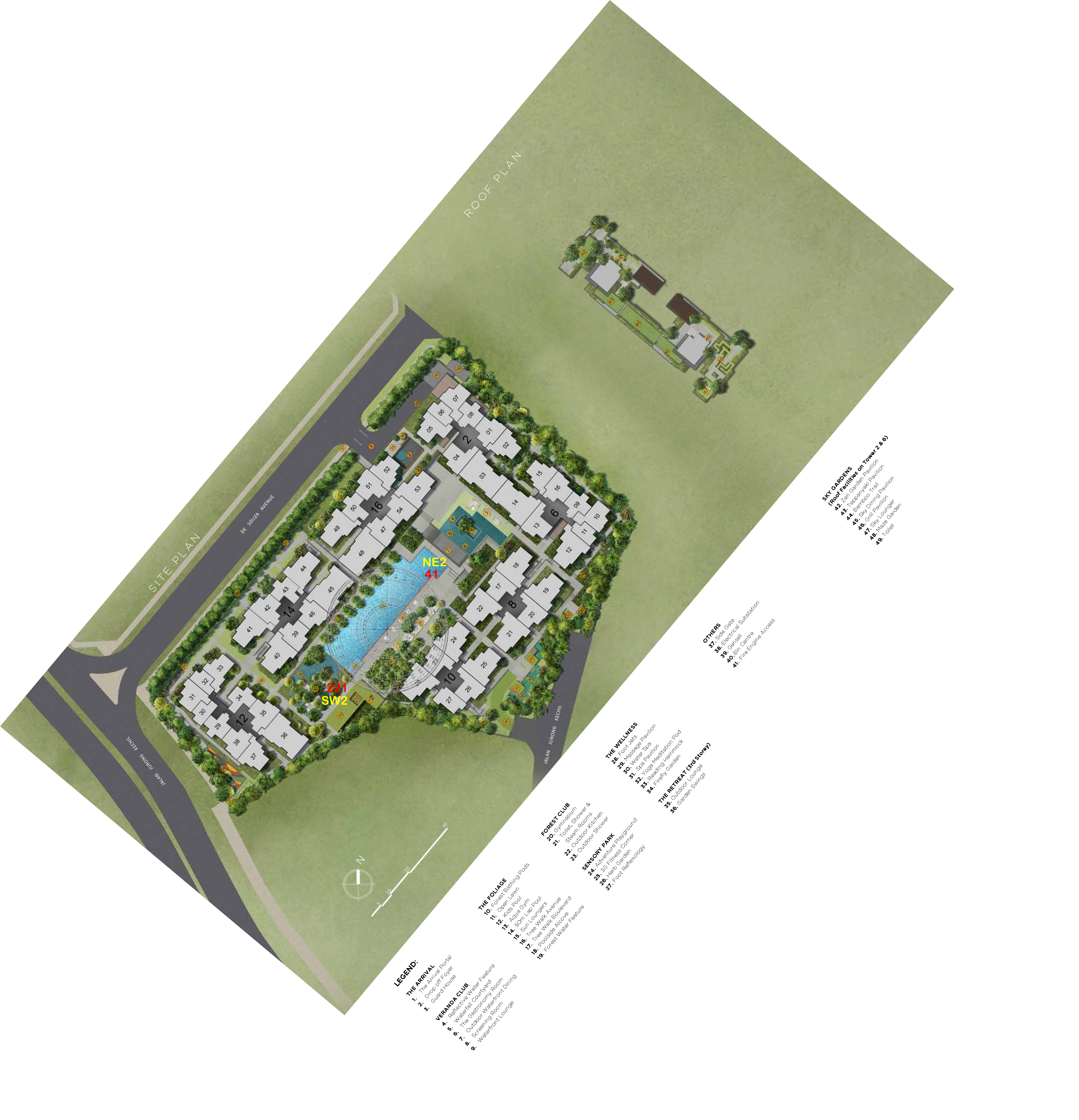
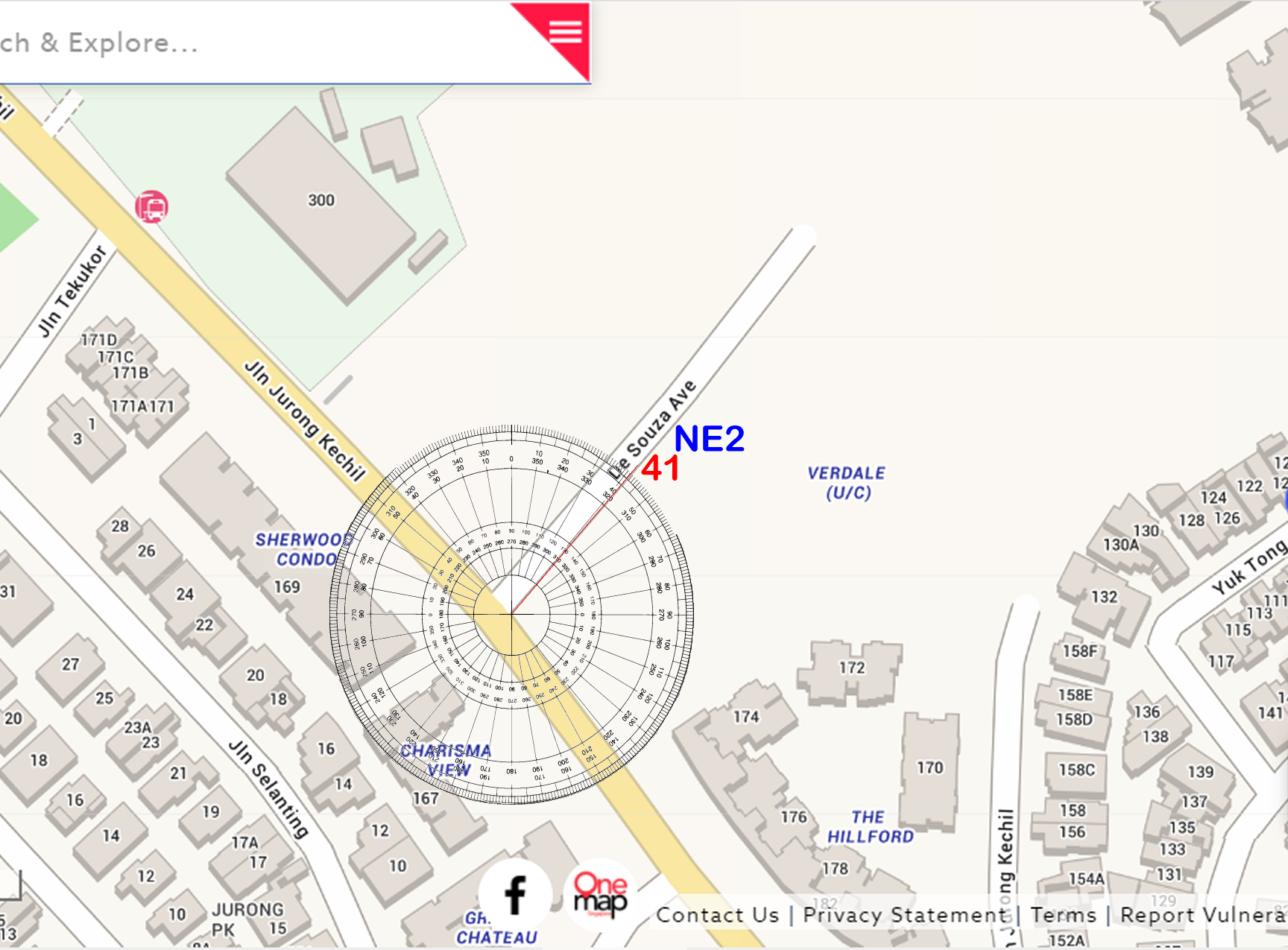
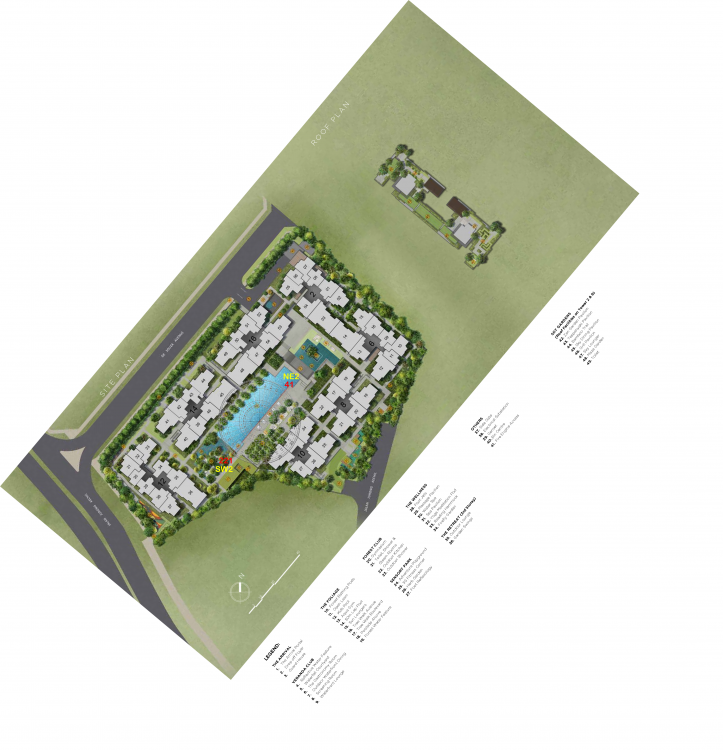
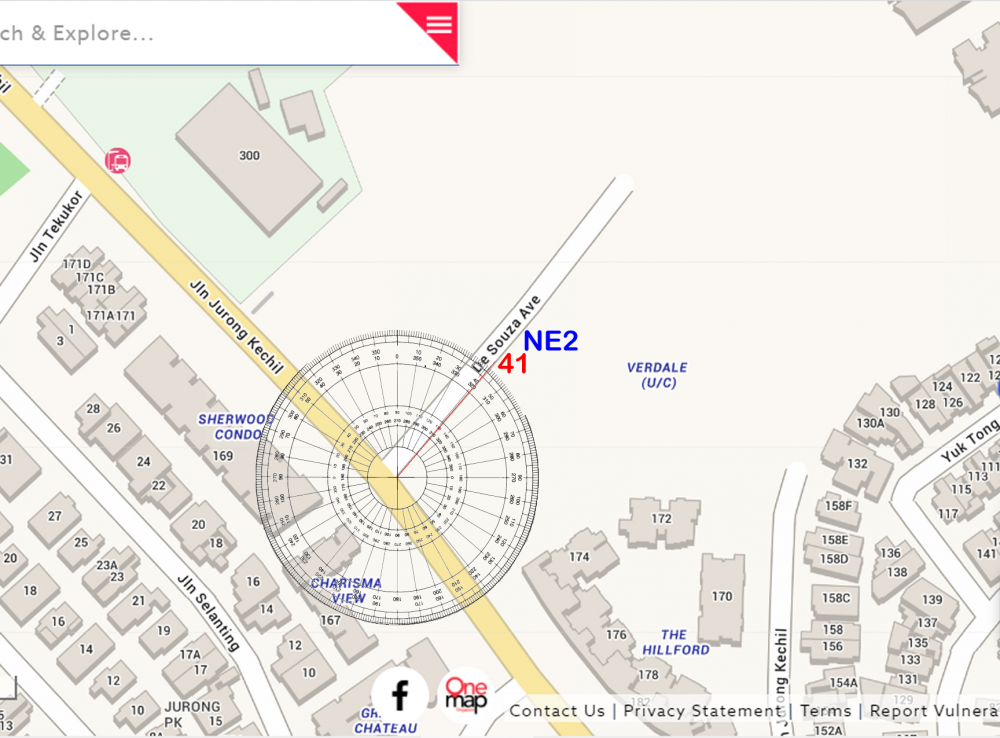
Case Study 2A: Can I rely on the Sales Brochure North (SBN) marking? 1. Protractor readings on the Sales Brochure shows the length of the pool as NE2 vs SW2. 2. Fortunately, the swimming pool is parallel with De Souza Avenue. 2.1. I was able to confirm that the SBN is correct. Case Study 2B: Flying Star Feng Shui of Verdale Condo is either NE2, SW2, SE2 or NW2. 3. I have yet to check the SBN on the expected T.O.P. date. But should easily be a Period 9 (2024 to 2043) home. 4. The back cover of the Sales Brochure stated that the Expected Date of Vacant Possession is on 30 September 2024.

-
1. Please note Feng Shui is about the external surroundings, the site/plot, the block and the unit. 2. Contrary to some beliefs, nothing to do with house or unit numbers. 3. In many previous forum postings.. maybe not this one... I always mentioned that what you brought up has to do with Chinese Customs or Beliefs = Taboos. 4. Come what may, nothing to do with Feng Shui. 5. Even if such numbers are lucky for some, but once the future decision comes for a potential buyer. It is their preference or taboo that is going to govern the success or failure of the sale. 6. In some forum postings, I mentioned a true case at a certain condo built formerly by NTUC Choice homes. Now have but disappeared. 7. A client told me that when he bought the home, the agent sigh in relief that it took him like 2 years to market the unit. 8. By the way, this client is a non-Chinese Filipino. With no baggage or taboo related to Chinese especially Cantonese regard to the number Four. 9. The unit? Block 4, #04-04. 10. Thus how can everything is also Feng Shui? House number? etc... 11. My dad also has car number S_ 14 ... So what? 11.1. In the past, my neighbour's condo unit is like #01-44, #04-44.. and his car is also like S_ 44. LOL 12. The maxim: "One man's meat is another's poison!" But a future potential purchaser unfortunately holds the WEALTH PURSE to purchase or not to... LOL
-
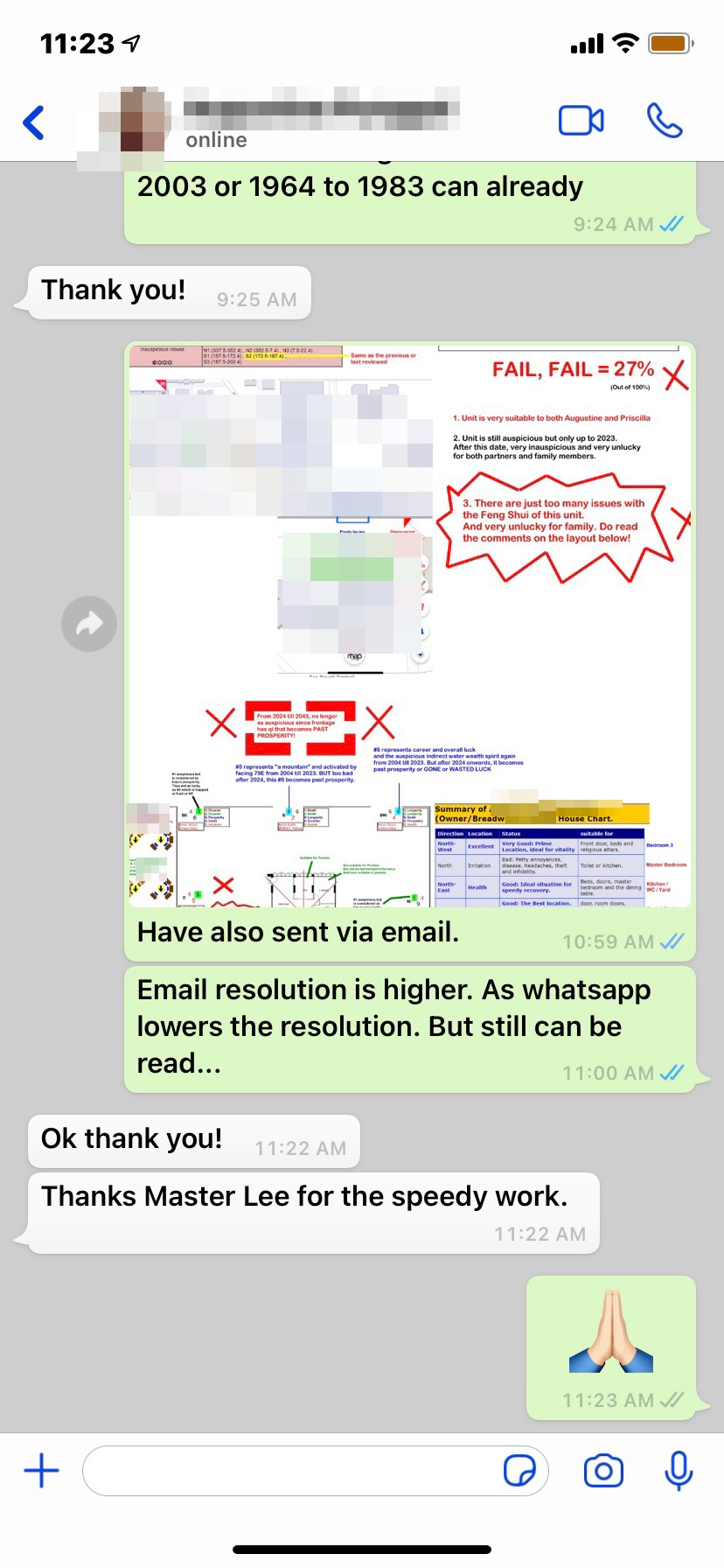
Ok thank you! Thanks Master Lee for the speedy work.

-
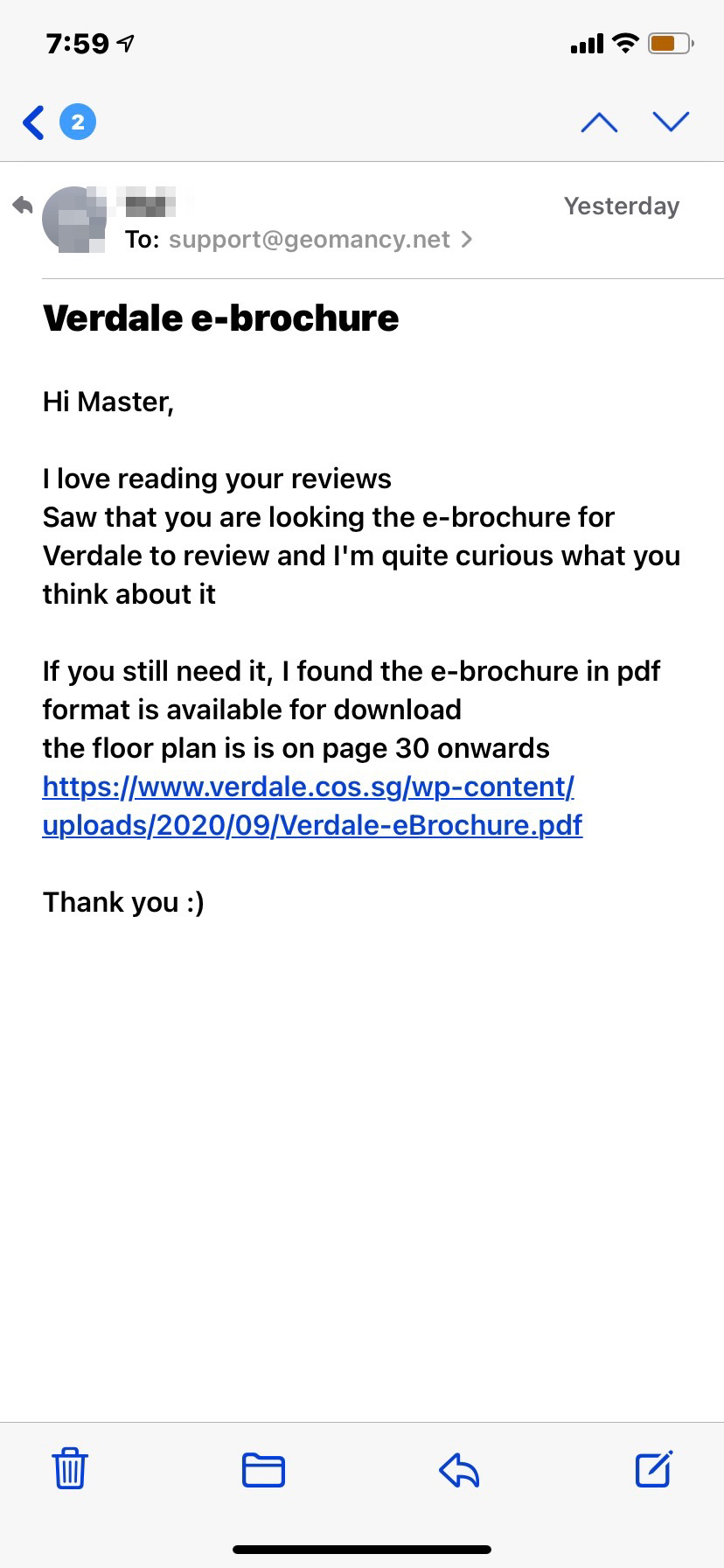
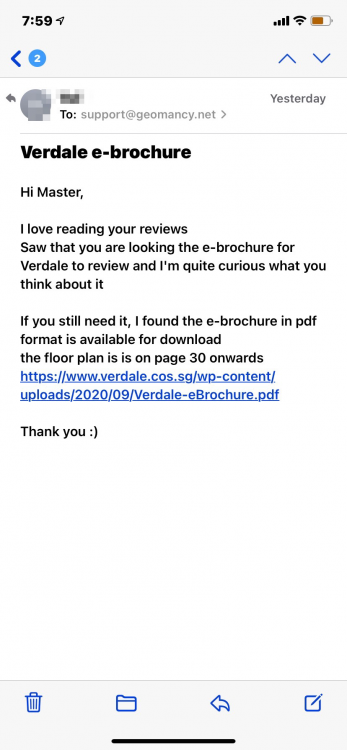
Hi Master, I love reading your reviews Saw that you are looking the e-brochure for Verdale to review and I'm quite curious what you think about it
-
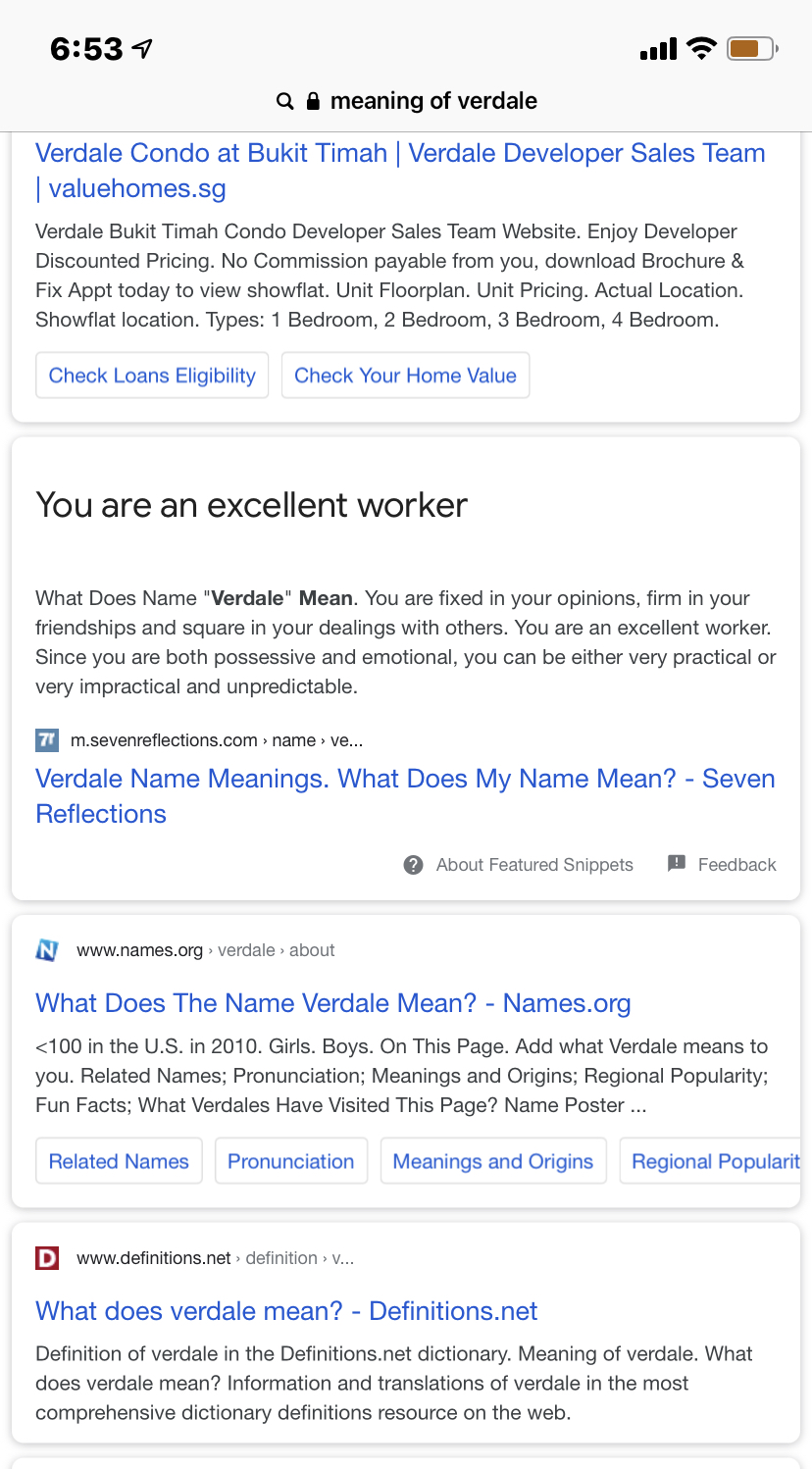
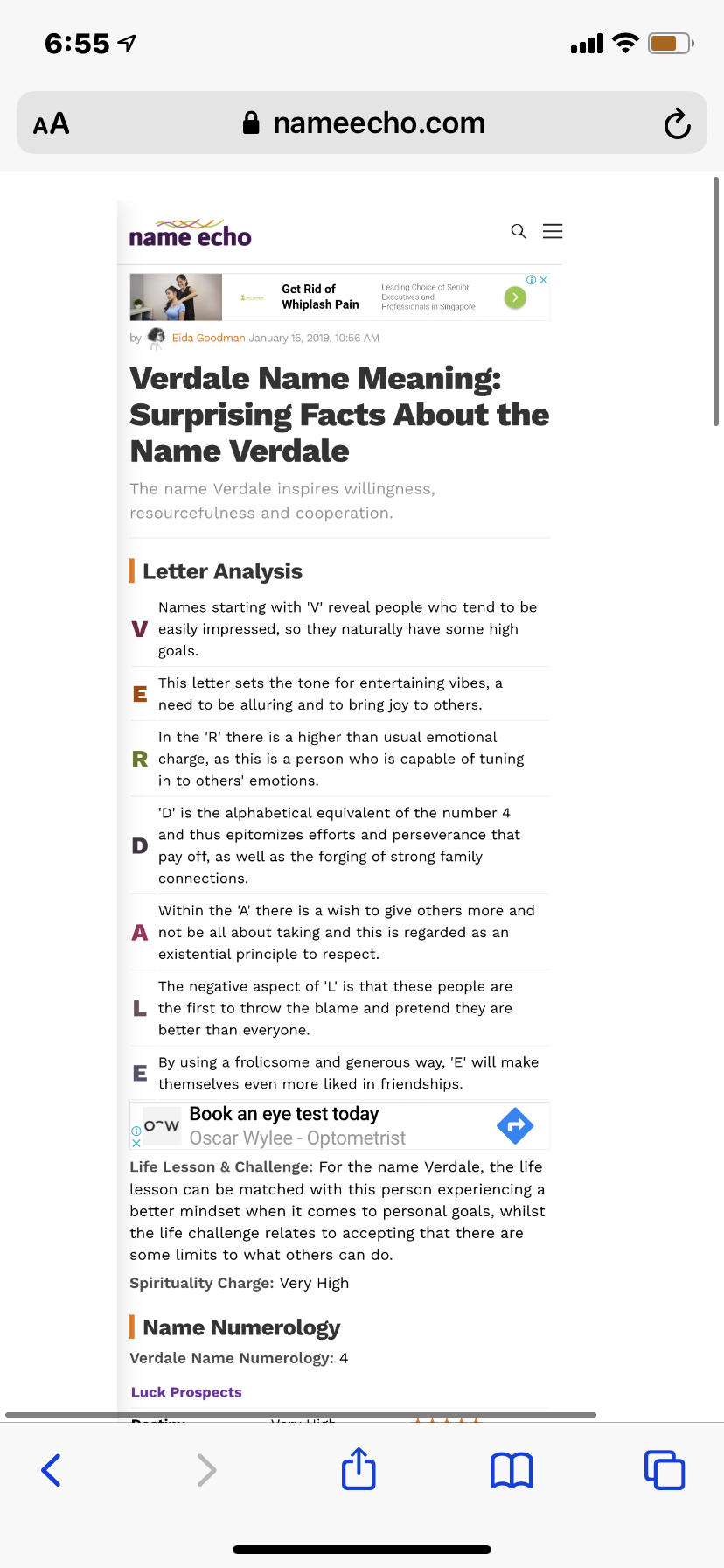
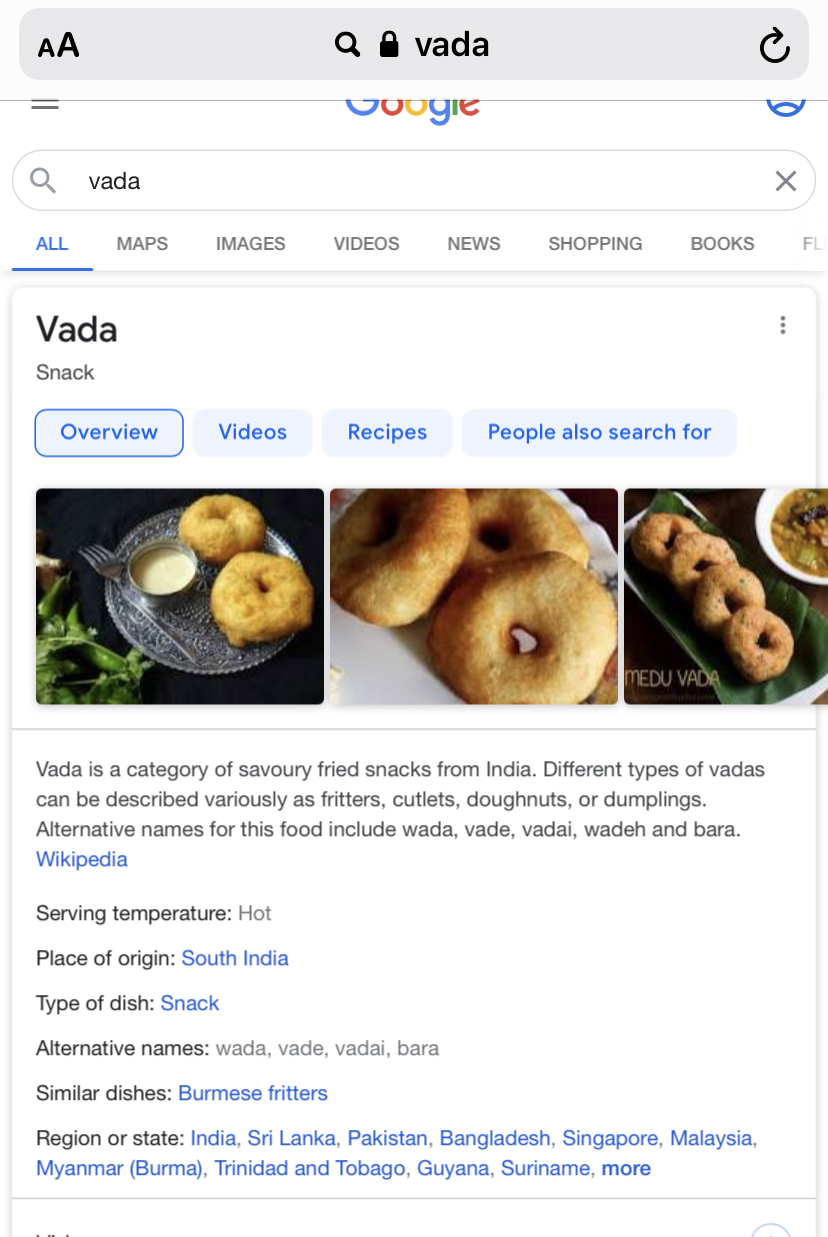
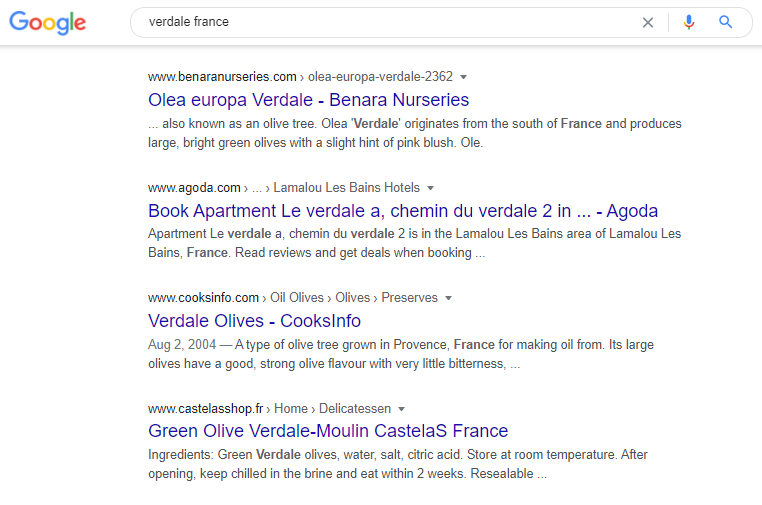
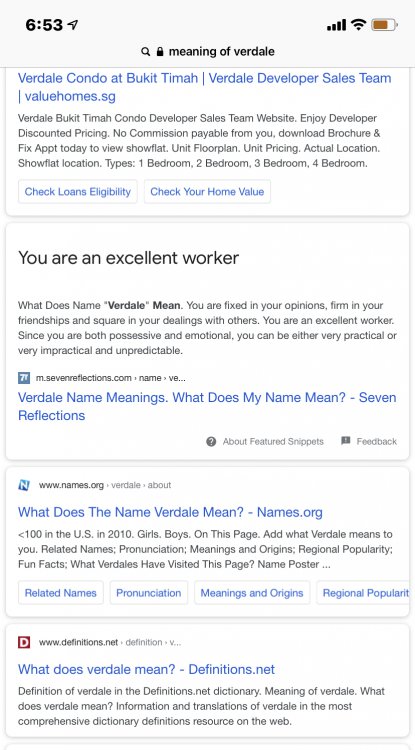
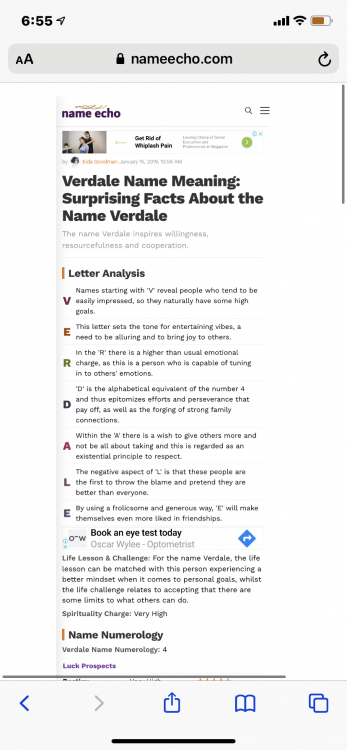
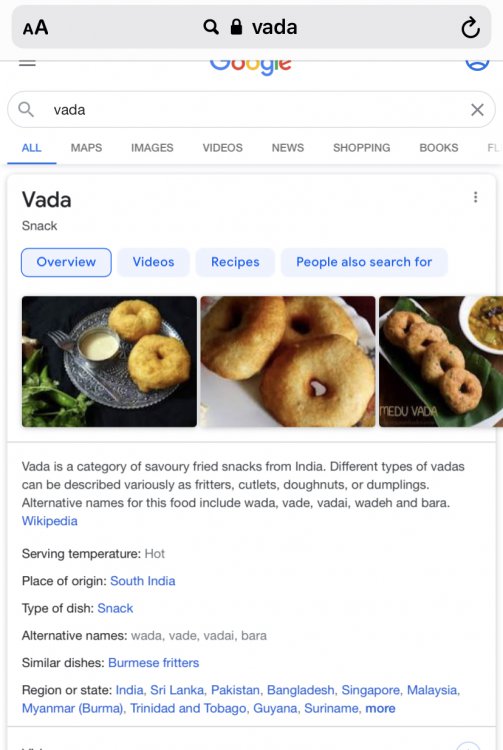
Case Study 1: What's in a name? Verdale? 1. To confess, I am an ardent fan of just every historical subject especially the unfortunate history of World War II! 2. Don't get me wrong.. although I am old, I am not that old! But I was always curious and can also be considered a bookworm of sorts. 3. Thus seen reels of D-Day several hundreds of time. Feeling that there is French connection Verdale... 3.1. Typed "verdale france".. 3.2. I see... "A type of olive tree grown in Provence, France for making oil... Hmm.... Virgin Olive oil.. which is the cooking oil used by my family. The only disadvantage of olive oil is that it has a low flash-point. Thus not ideal if one always fry Chinese food with. LOL 3.3. However, there are also not so flattering search meanings on Verdale... 4. Huh? You mean that I can only become an excellent worker? What I cannot be the boss if I stay, here? Seow is it? Can be very impractical? Like this, I don’t want to stay in such a place! Grandma's Darling Grand Daughter: "Mum: How is Grandma going to ever going to take a taxi, here? Such a difficult name to pronounce!" Grandma overheard her darling grand daughter. She immediately reassured her sweet little thing... It’s so easy! I always say this name correctly “VADA / VADE !” Verdale = VADA! LOL One up for our dear Ah Ma! Cheers! Developer: "Good idea! All visitors to our showroom will get 12 complimentary boxes a dozen each of Vada's - if you buy a unit, here." Thank you Ah Ma! Our sales will shoot-through the roof! With it's association with the most famous + popular icon snack! A Potential Client's says: "Can I have Hum Chee Pengs instead of VADA's " ... “No, no! Putu Piring!”
-
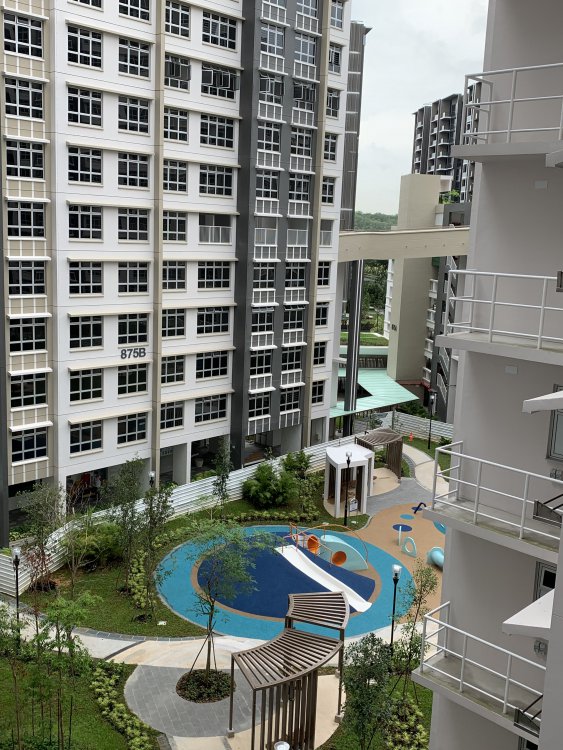
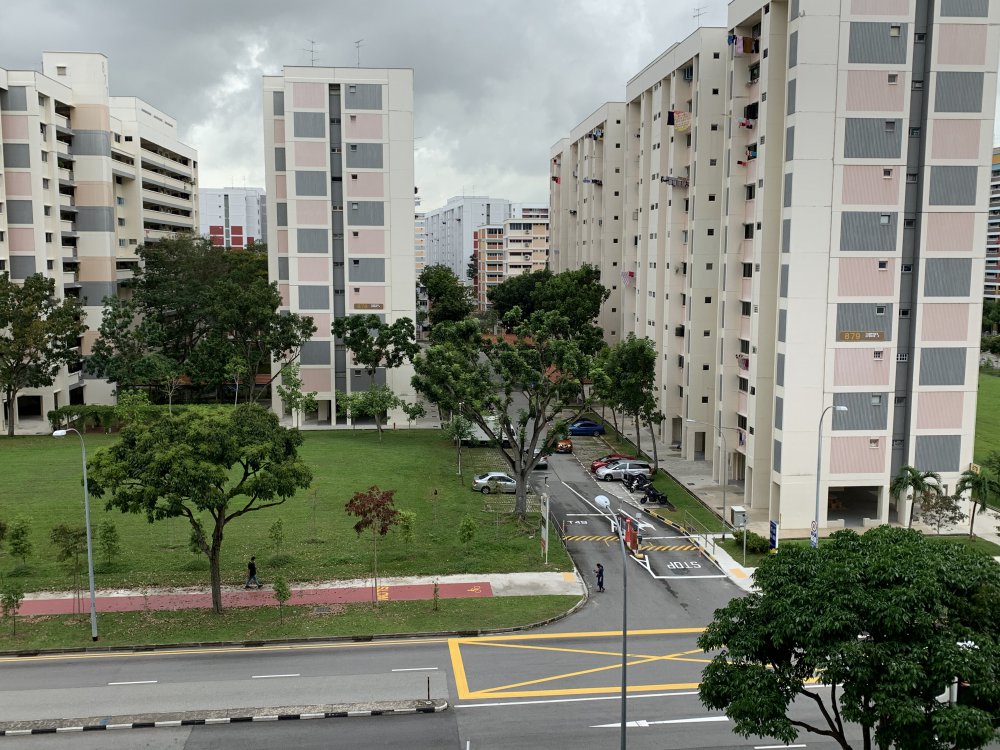
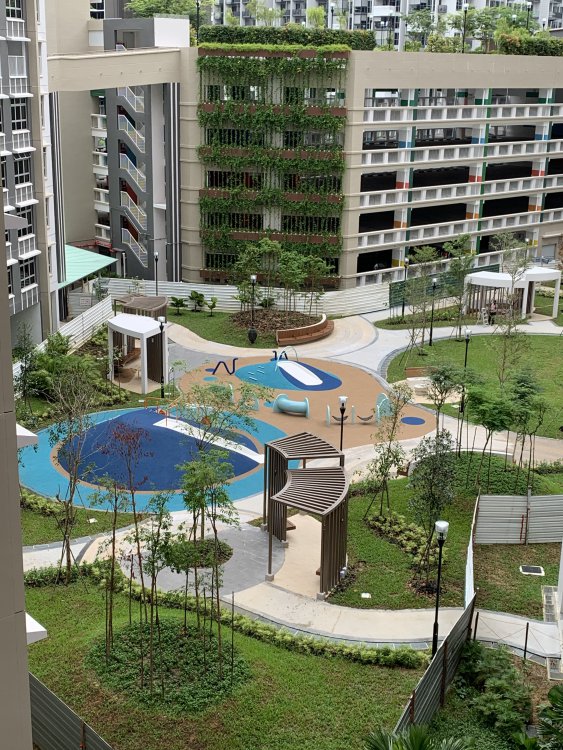
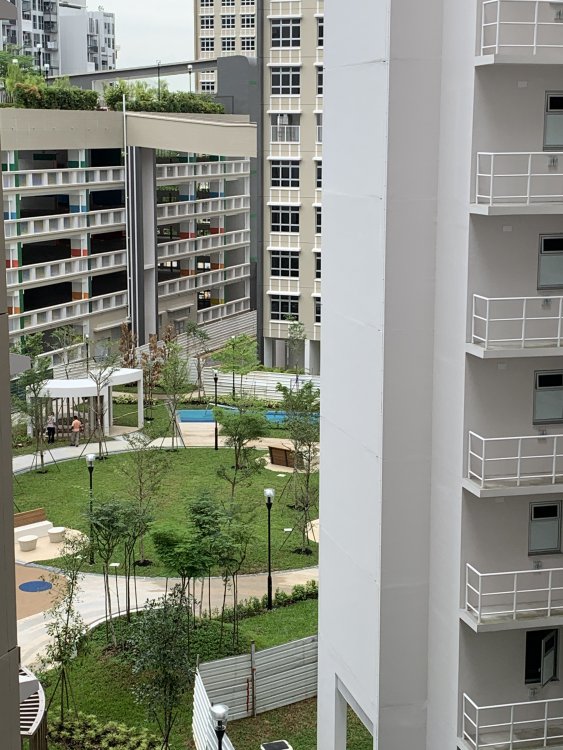
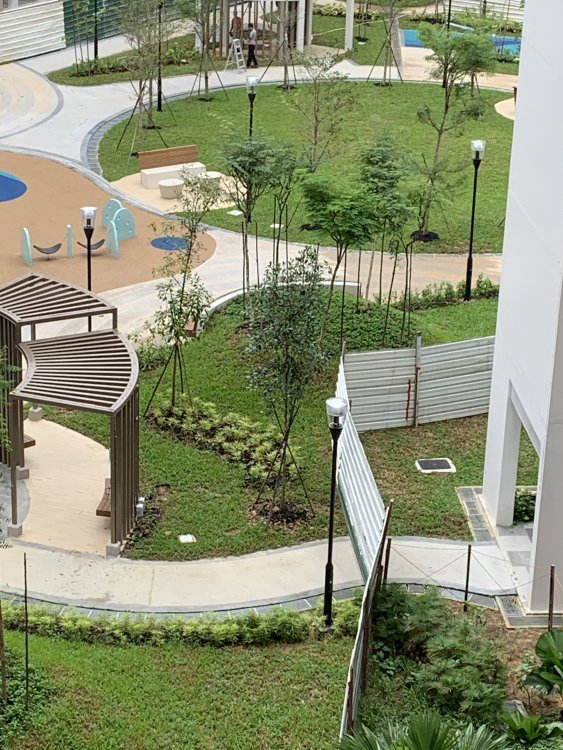
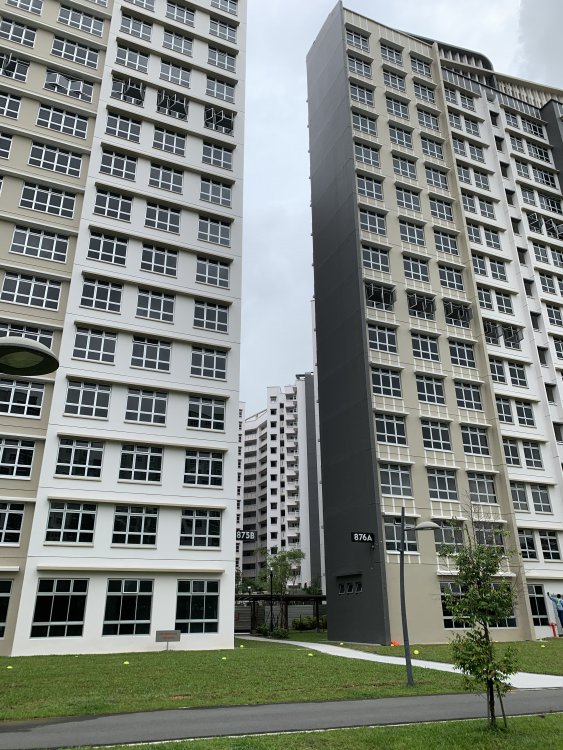
Just T.O.P.
-
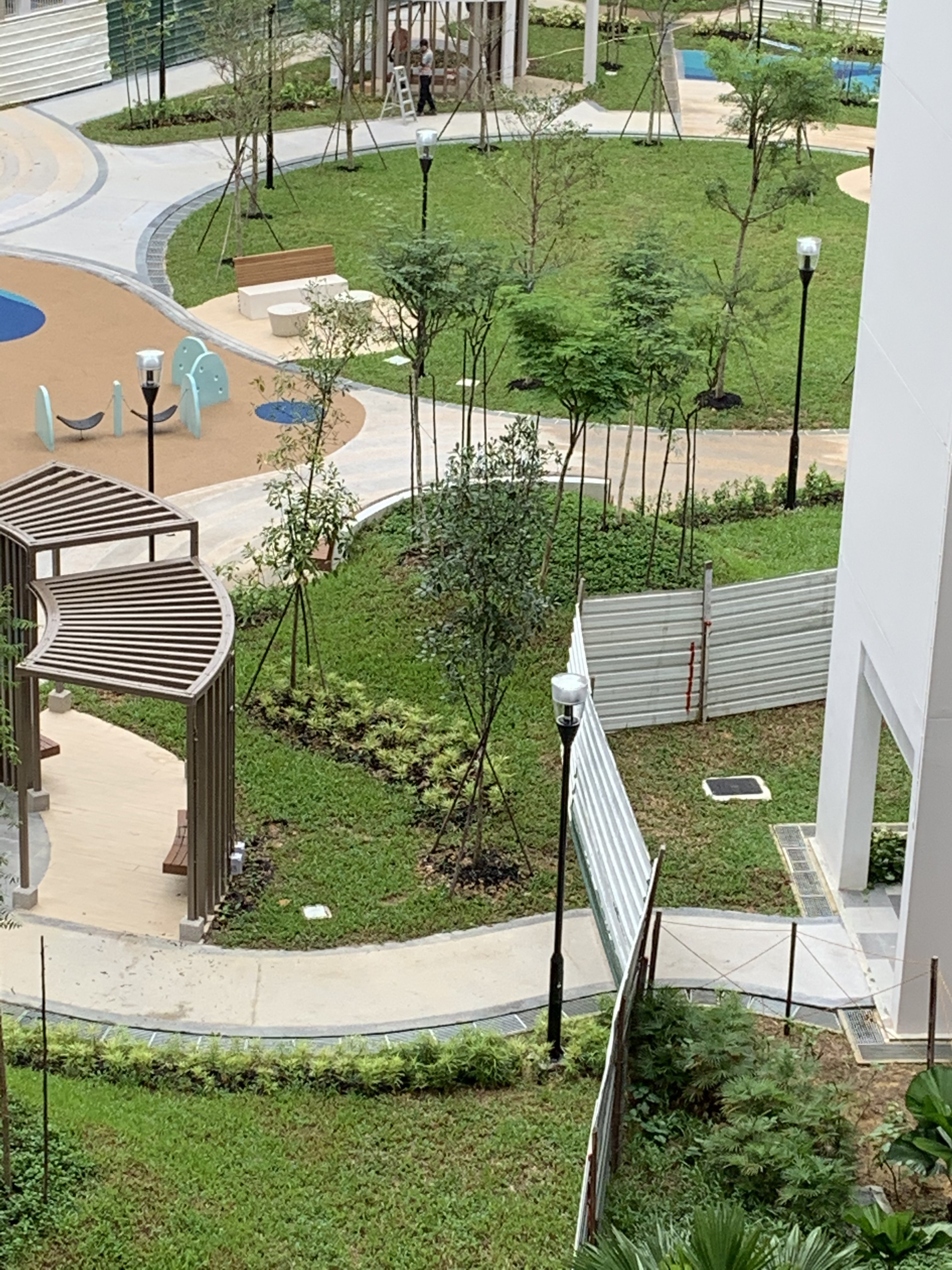
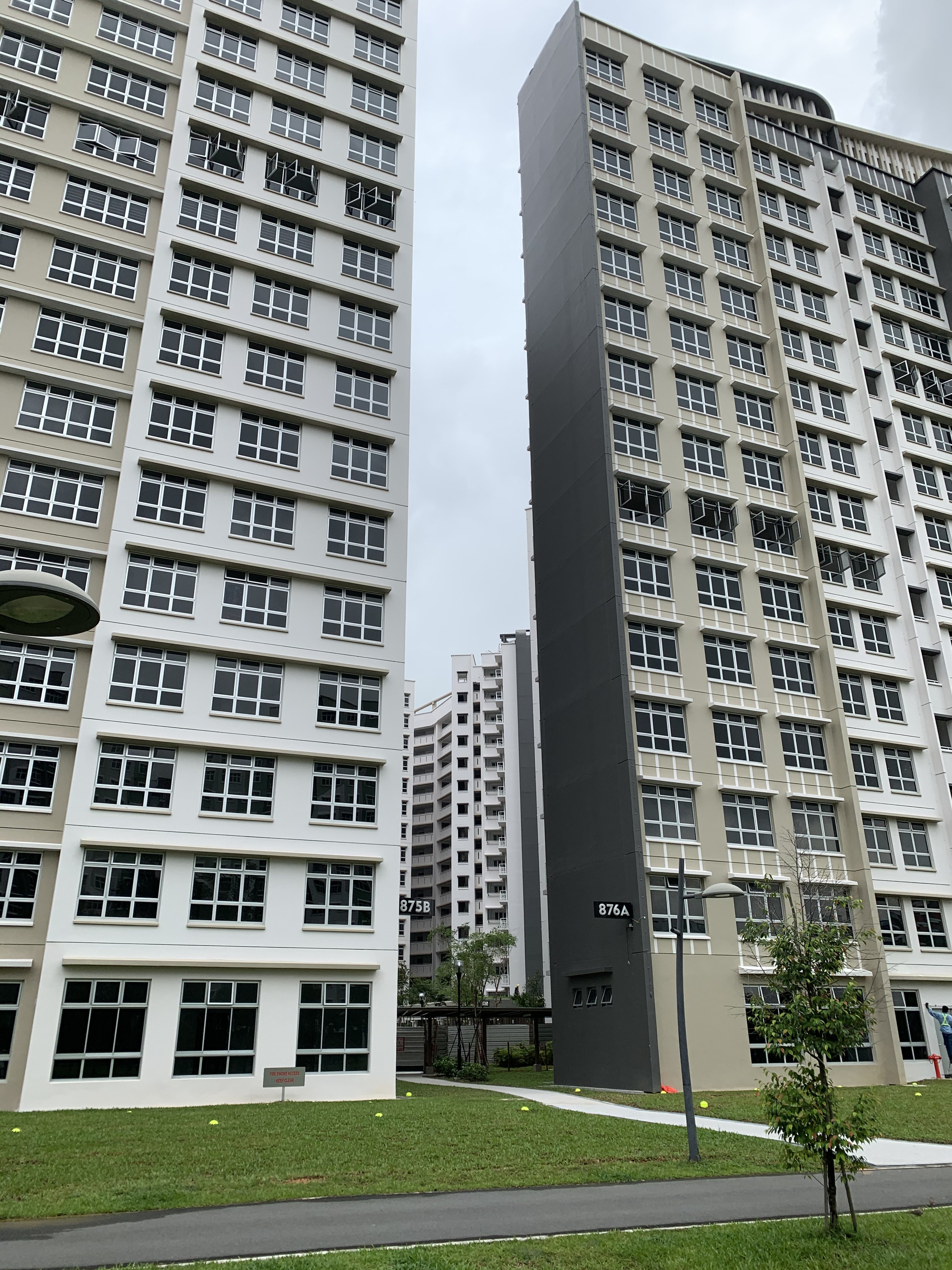
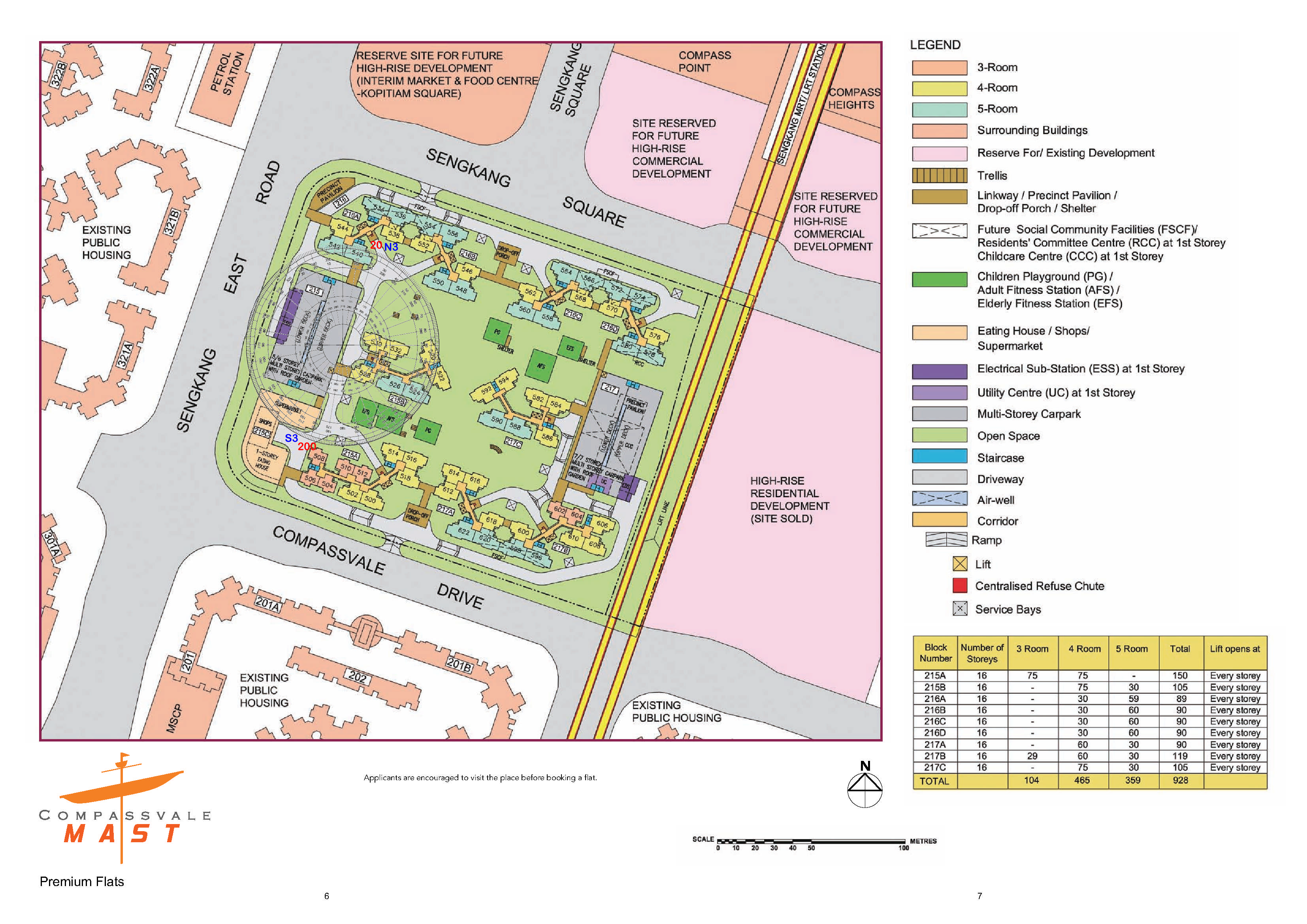
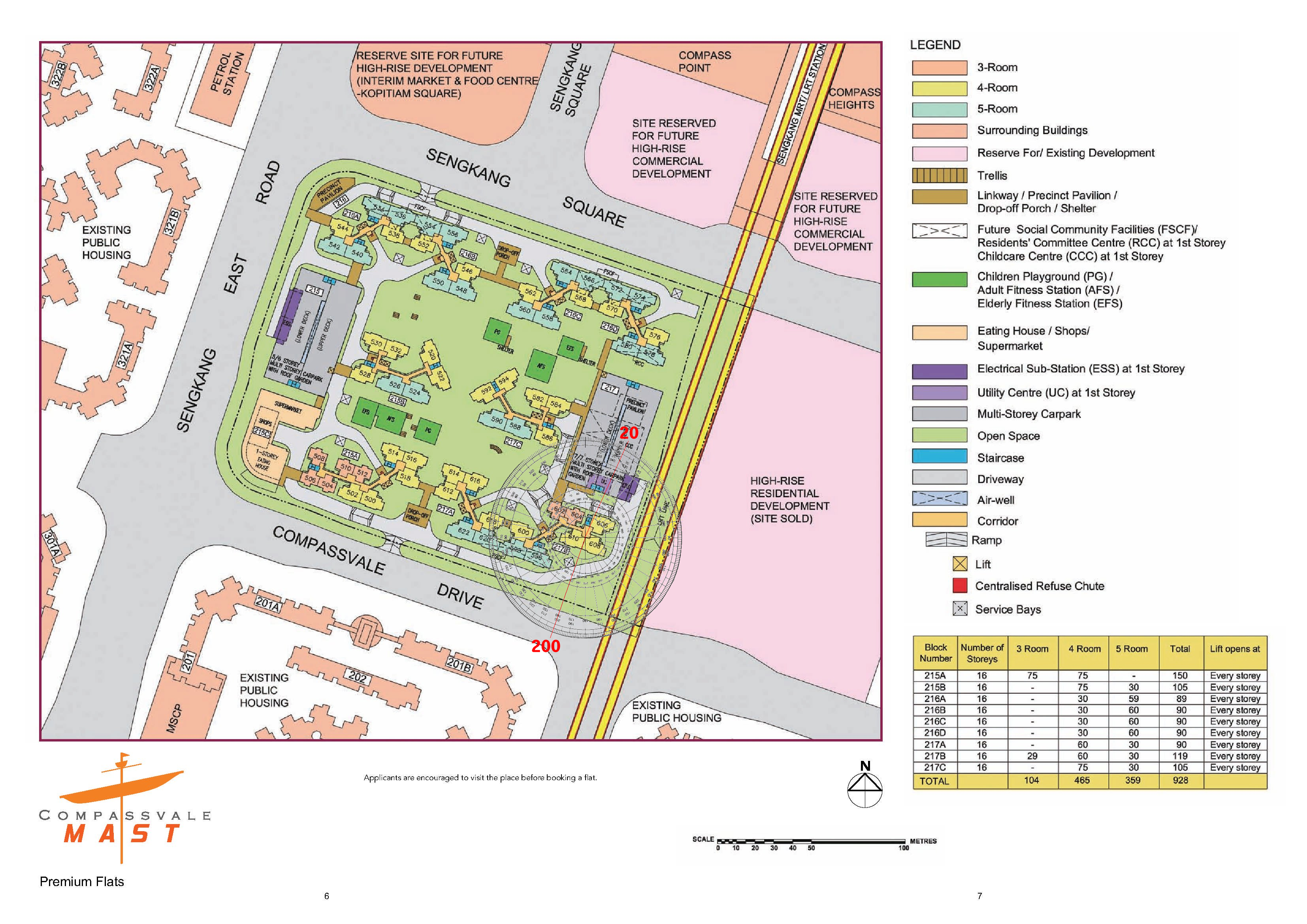
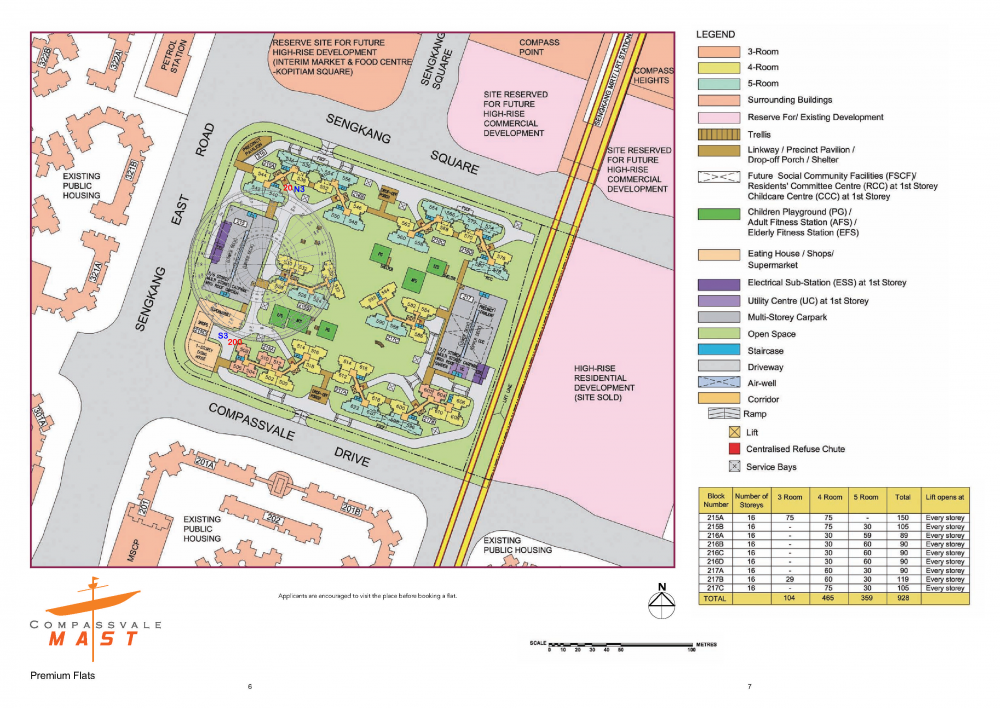
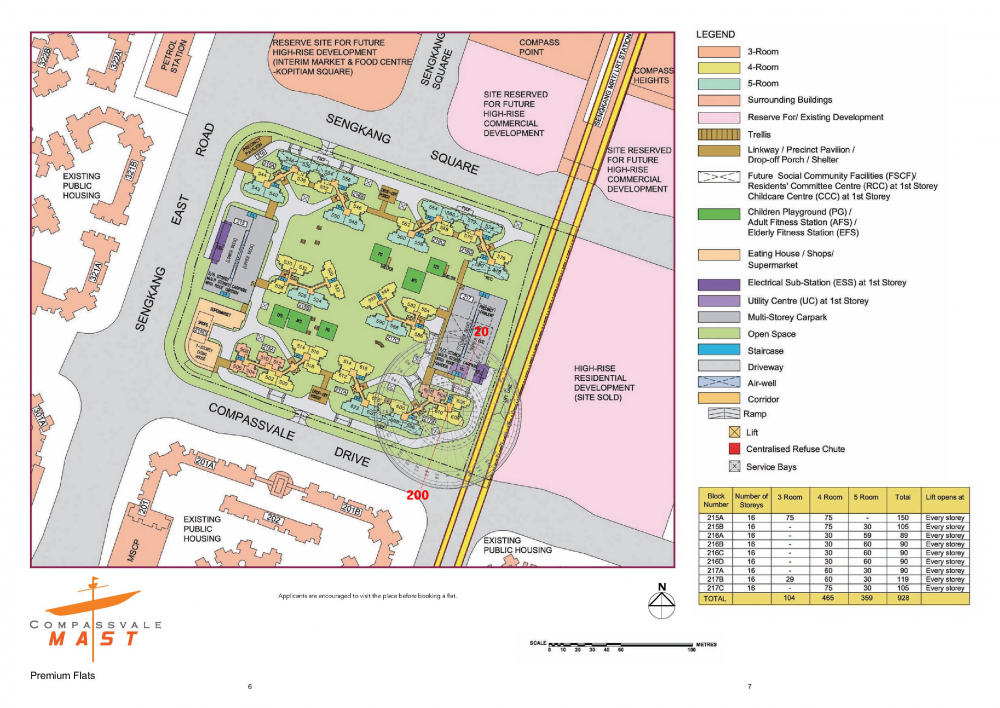
HDB Compassvale Mast Flying Star Feng Shui Period 8 either N3 or S3 facing:-
-
So far I like the common bins at The Hillion and a no frills type at Parc Riviera at West Coast. The coolest is at The Artra condo. LOL P.S. Can find photos of what I mention other The Artra under this forum.
-
How do you Feng Shui your high-rise home? Use your front door? Who are the Conservatives & the Modernist?
-
Frankly, already replied.