


Cecil Lee
Staff
-
Joined
-
Last visited
Everything posted by Cecil Lee
-
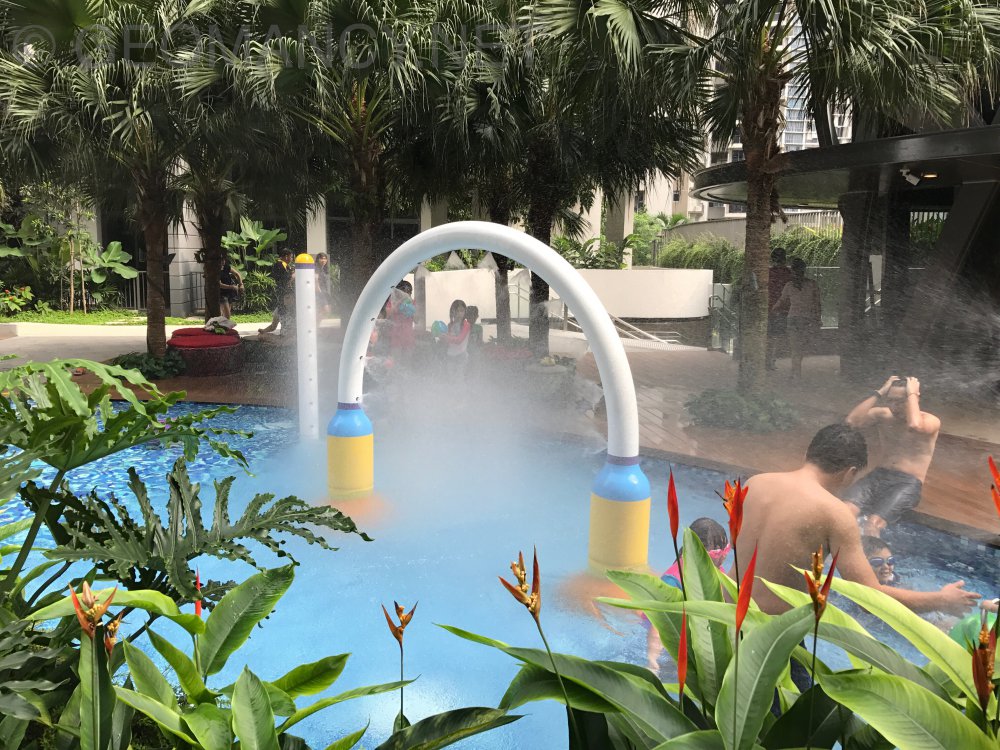
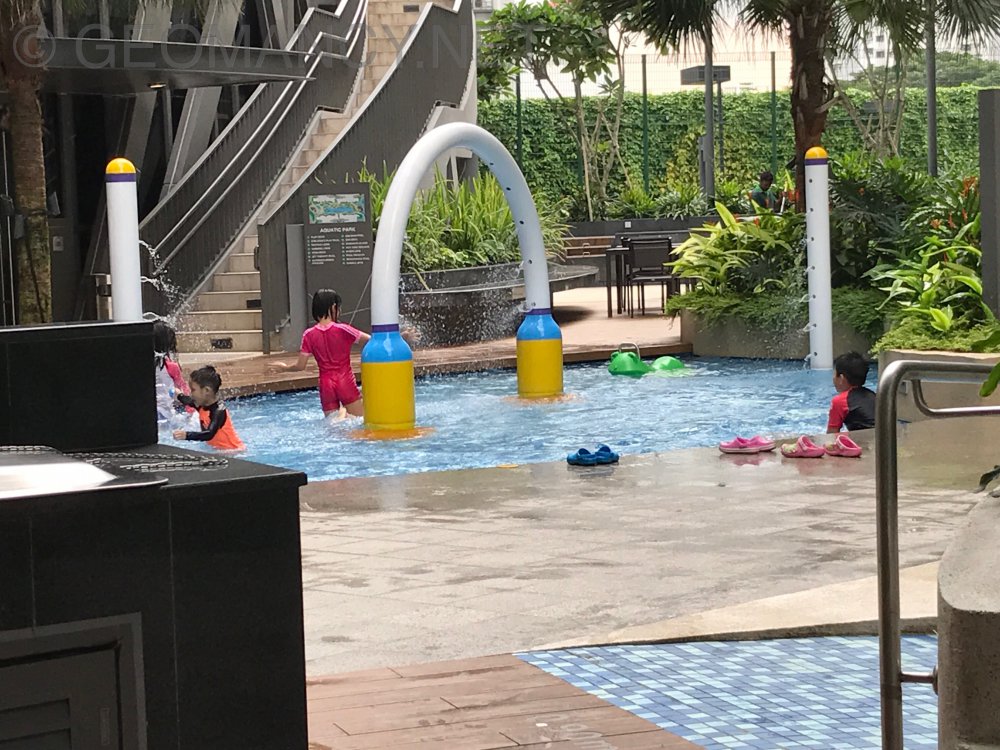
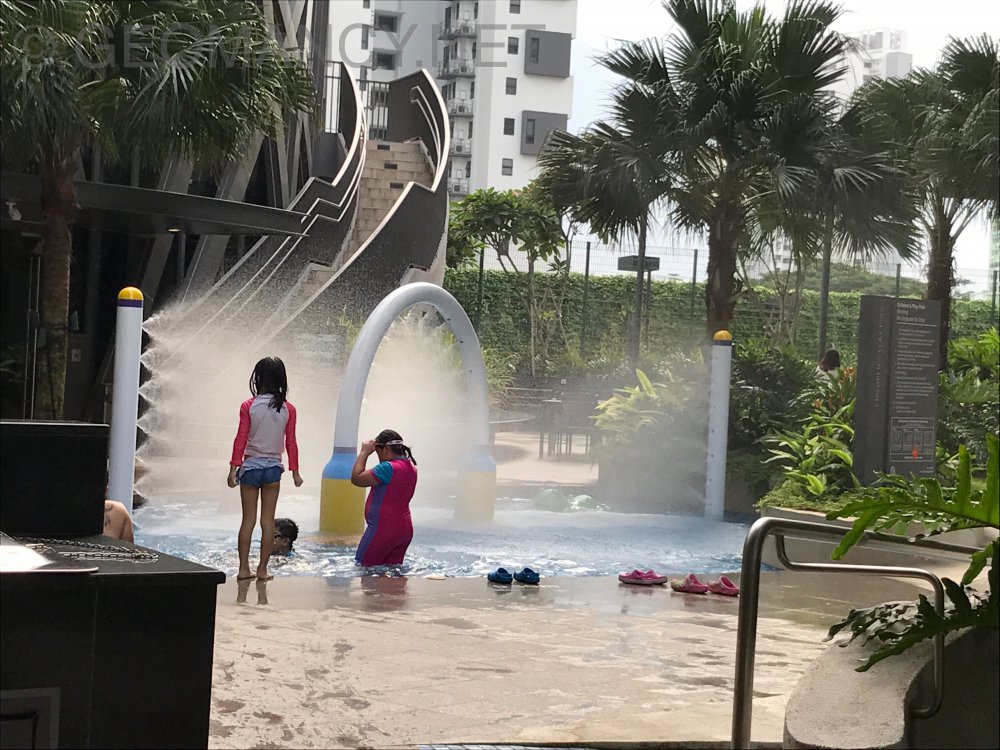
The young and not so young love this...
-
Question: 1. You have seen many developments. Should we skip this one? Units facing east offer a commanding view of the sea and avoid the afternoon sun, which is a strong advantage. Many of my clients, both at Regentville and 100 Palms, are mainly interested in properties near the school with the motto "Ready to serve," also known as Roysth School. This site is not exceptional. Overall, it is average. Yio Chu Kang Road is busy, and the north-facing units overlook Regentville. There are also some negative Feng Shui elements, such as "poison arrows" from Regentville aimed toward several north-facing units, and some lower units face the MSCP or Regentville directly. From a Feng Shui perspective, the three-bedroom units facing the Salvation Army are acceptable as long as you choose the higher floors, since certain roof lines can affect some of these units. Units with a pool view are acceptable as well. Several clients have previously considered Regentville mainly because of the popular school with the motto "Ready to serve." Hopefully, Roysth School does not relocate elsewhere—otherwise, this advantage would be lost. In my opinion, this development stands out as the best of the year and possibly the best in quite some time. For units facing "easterly" with a commanding view of the sea and no afternoon sun.
-
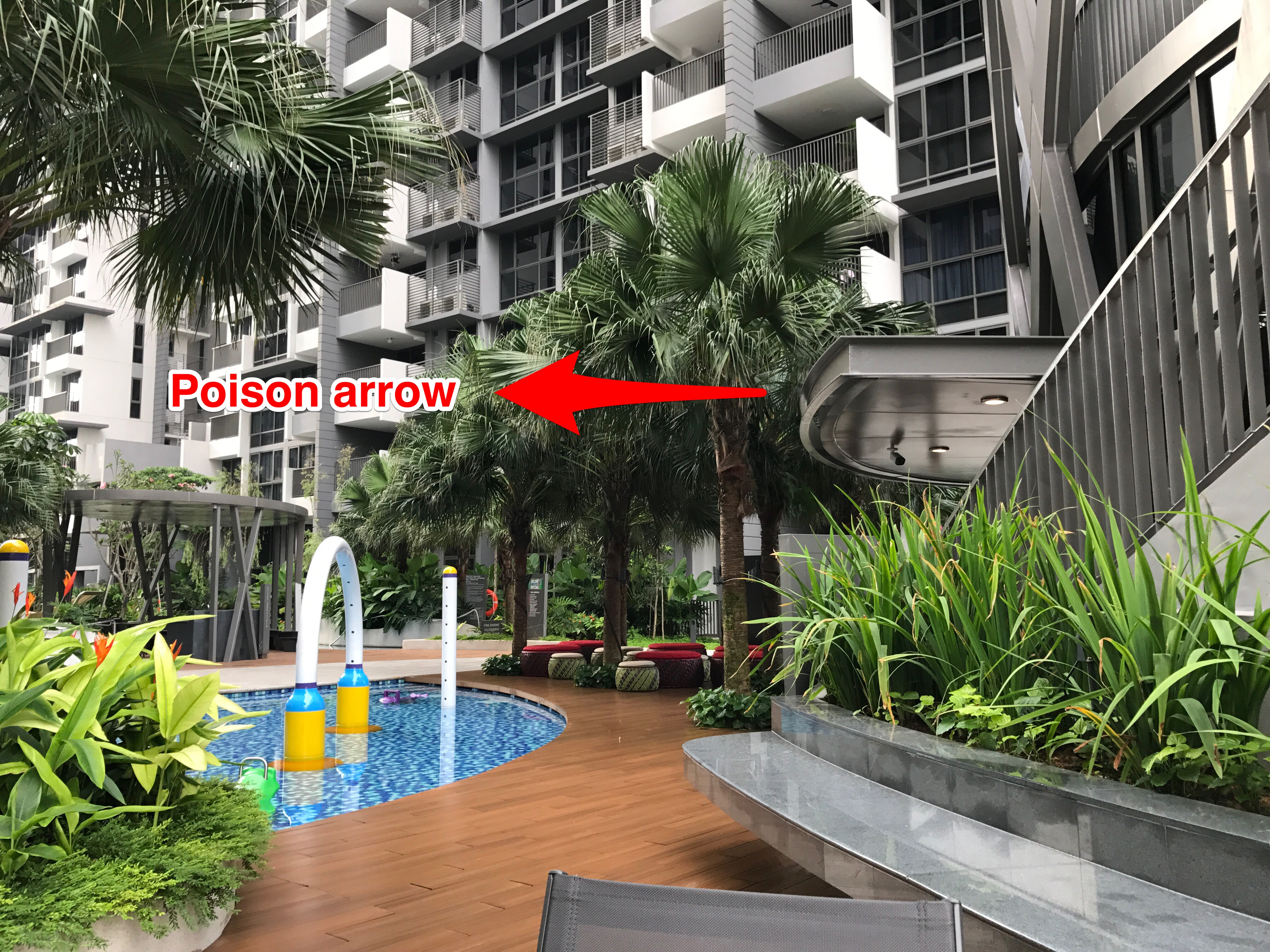
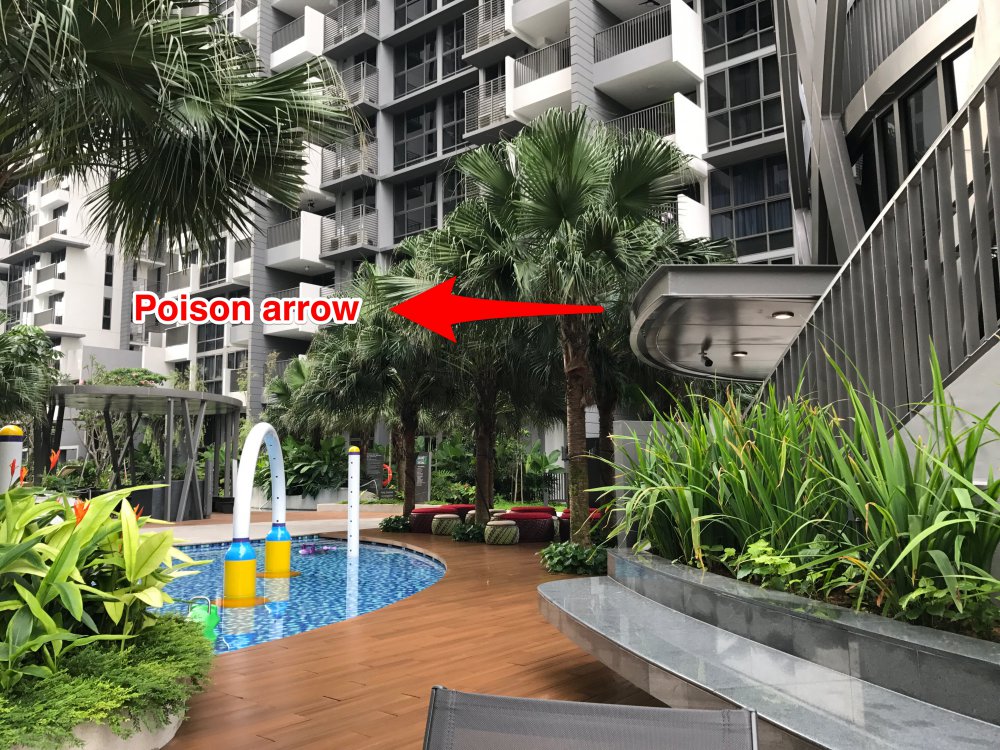
The roof-line indicated by the red arrow is referred to as a poison arrow. Fortunately, it is not directed towards any stack or unit, thereby posing no threat to any unit.
-
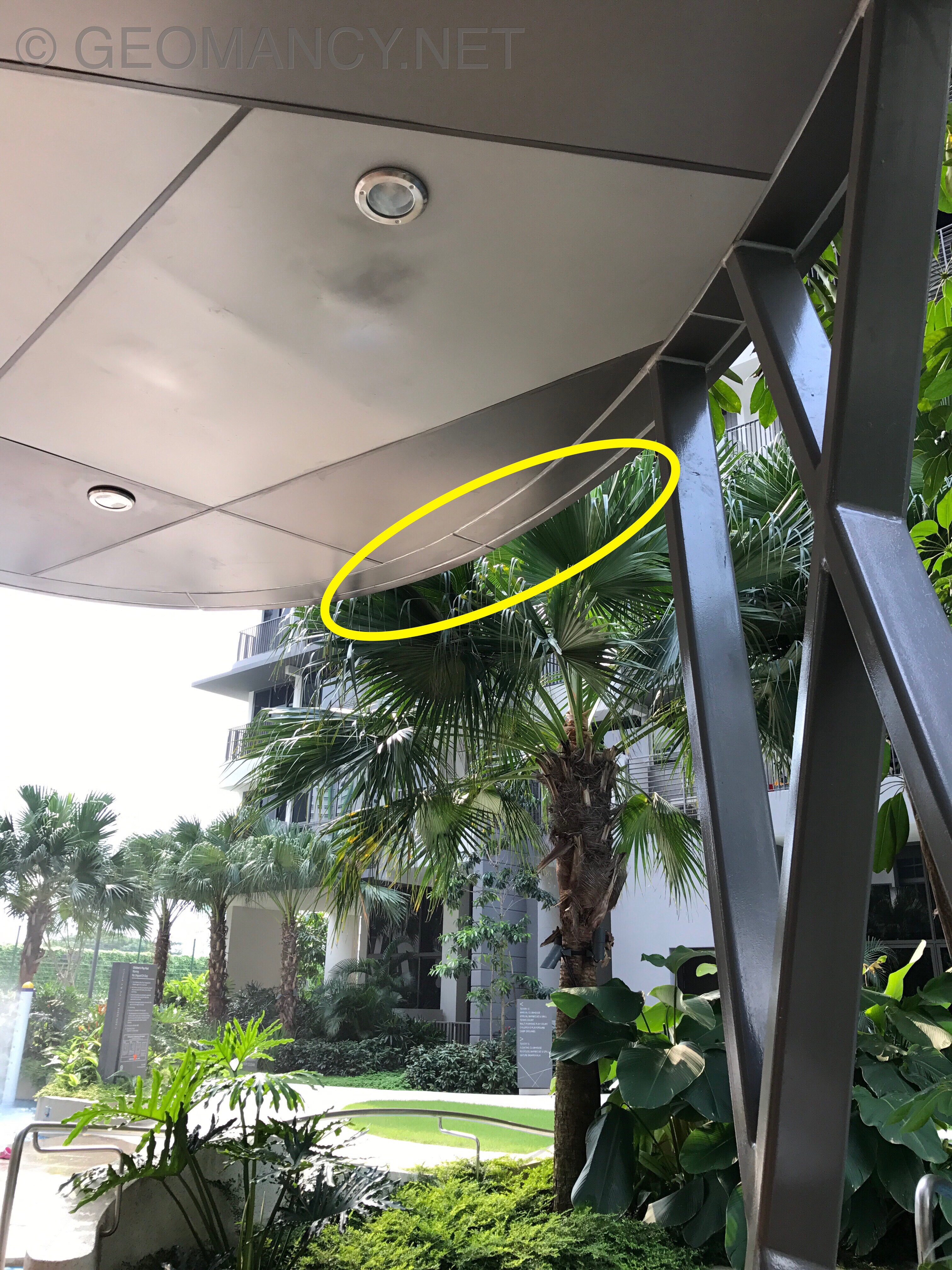
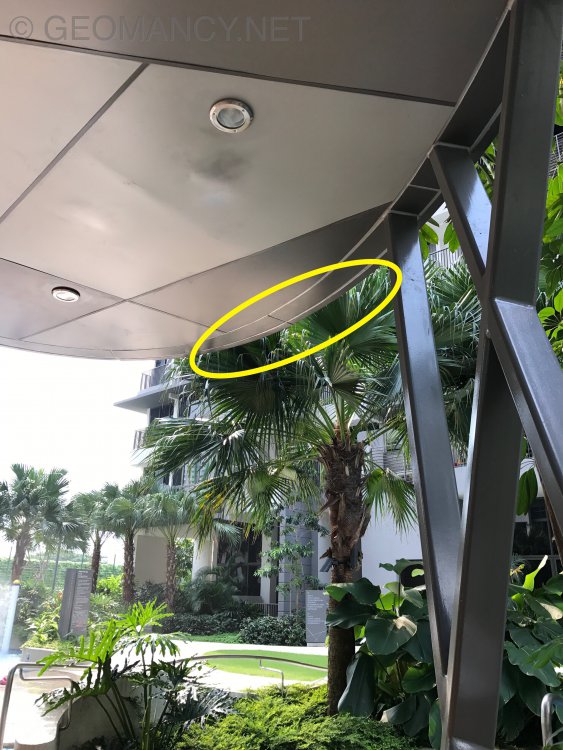
The sharp edge of the pavilion's roof-line is obscured by the palm tree, which serves as a protective barrier. Therefore, even if it is directed towards a unit, the presence of the tree alleviates any cause for concern.
-
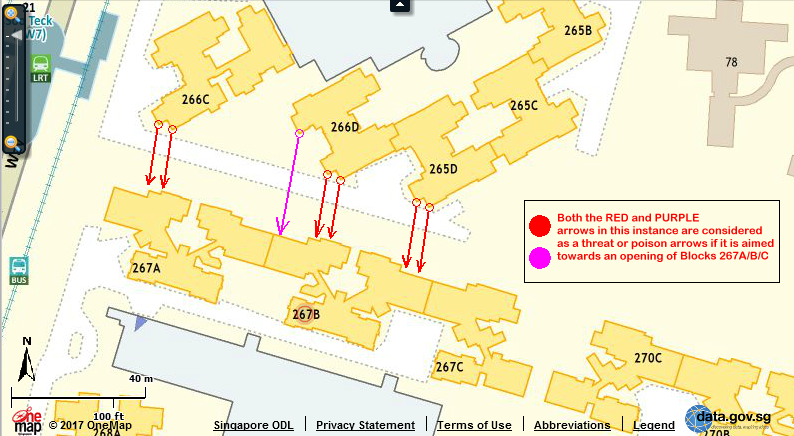
Sha Qi and Poison arrows from sharp corners of buildings. It is preferred to get a better understanding looking at a TOP down or helicopter view of the map. Take for example this illustration of HDB Punggol Sapphire:- Blk 266C, 266D and 265D are at a distance to cause a poison arrow from the sharp corners of their buildings. In this illustration, even the furthest purple arrow is also within the distance to cause a poison arrow. Thus this is the correct distance to cause a poison arrow.
-
Thanks for the info. Your information will really help us!
-
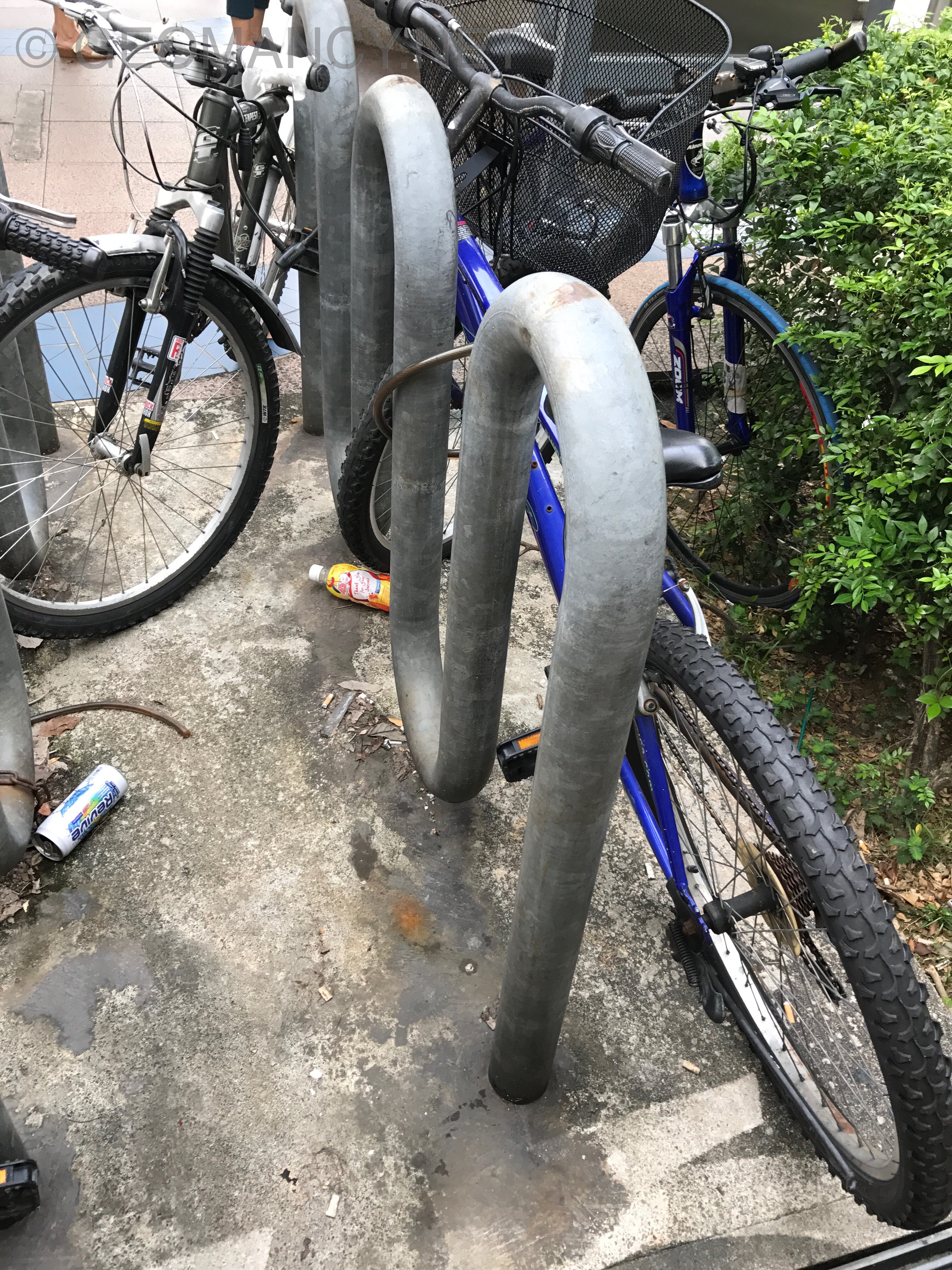
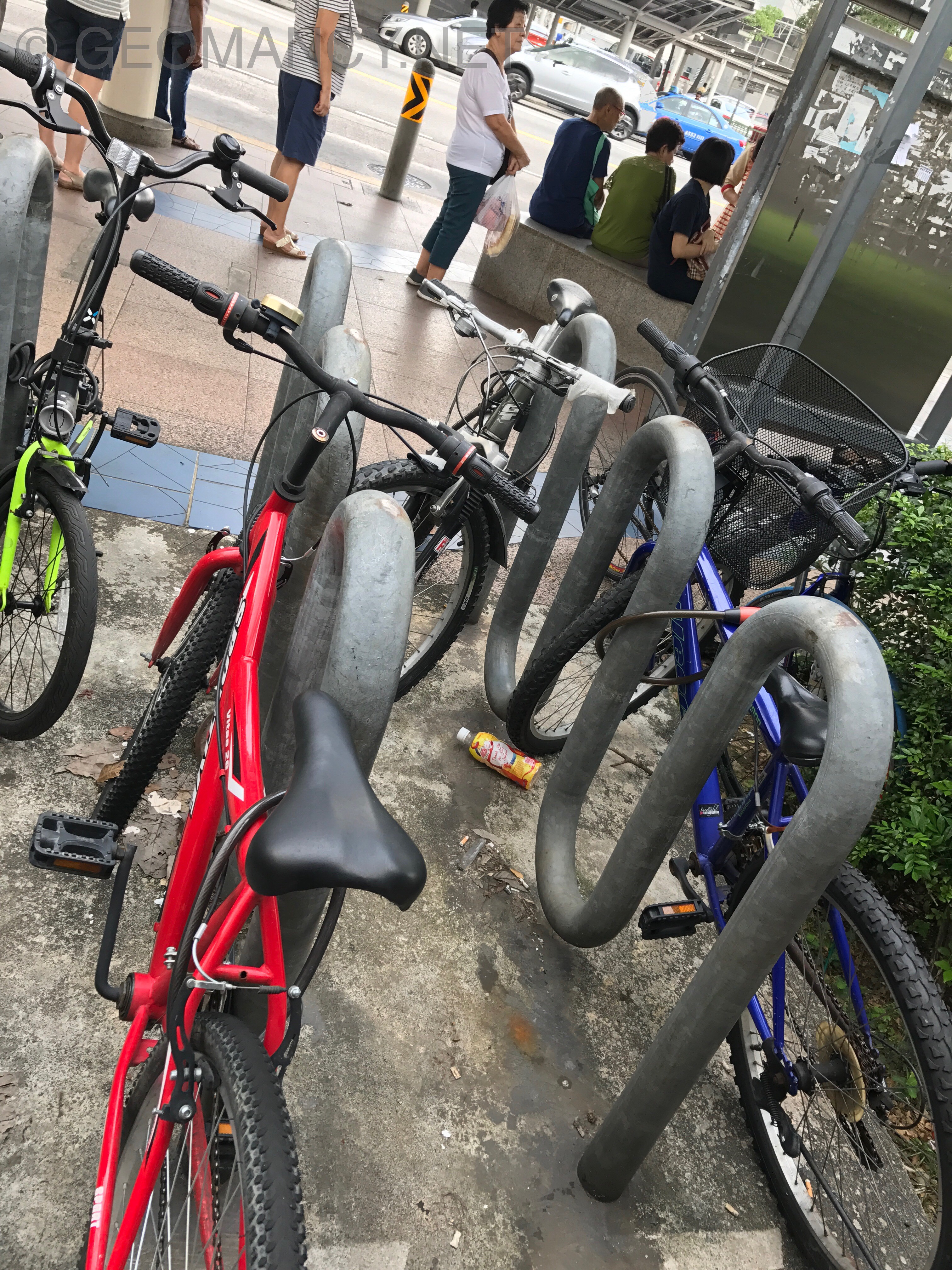
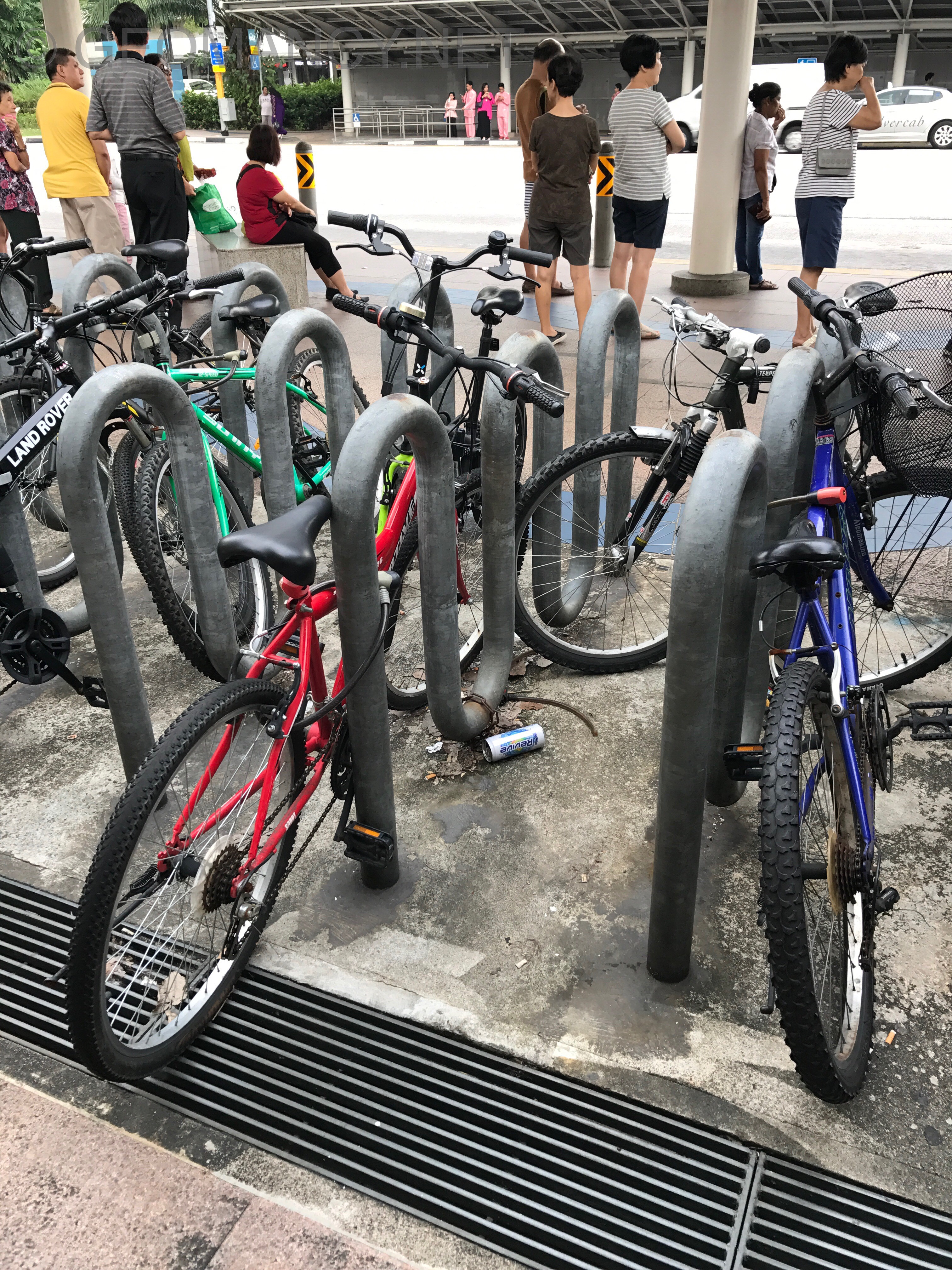
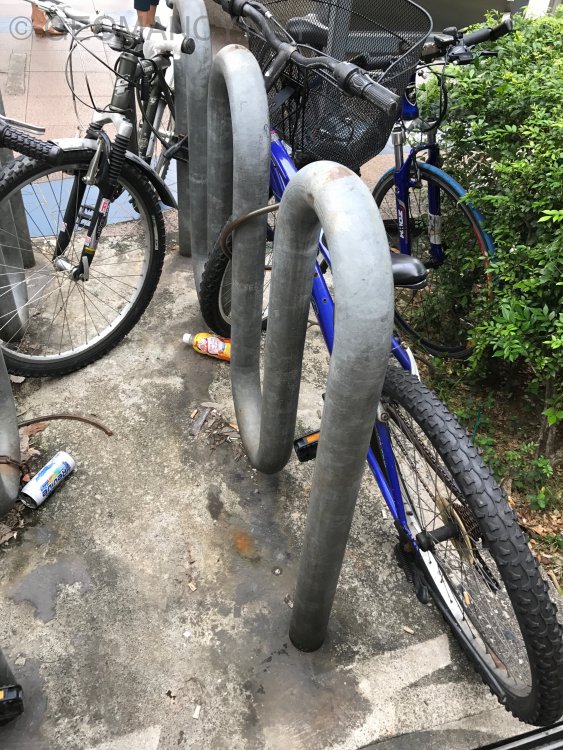
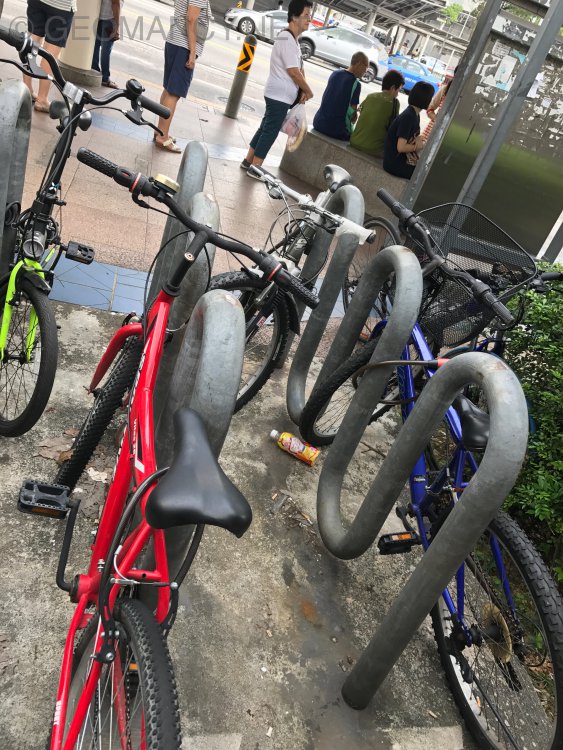
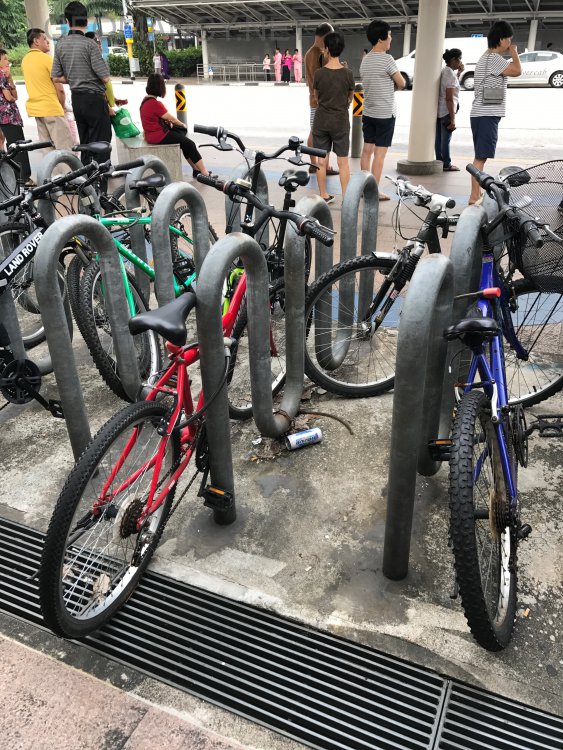
Unconventional wave-form or bicycle racks. Looks overbuilt. And there are no visible bolts on the cement floors. Location: Boon Keng
-
Many thanks for your advice and provision of many additional help, including choosing the unit number.
-
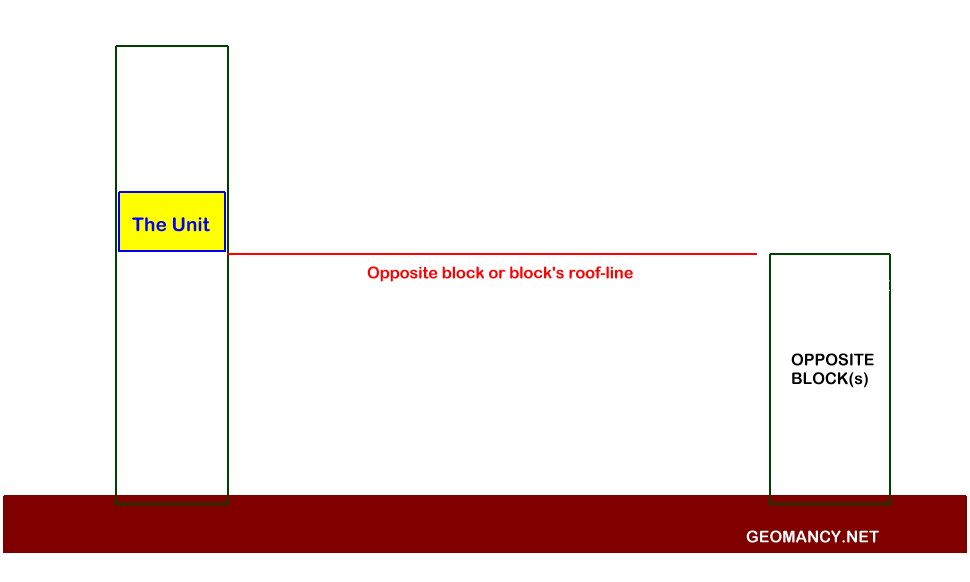
More crucial is the unit's main door above the roof-line of the opposite block. If it is above the red-line then no issue. Given that it difficult to judge from that photo etc...
-
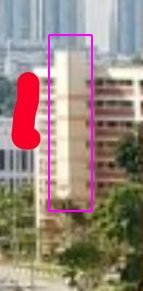
Okay thanks! Earlier.. cannot see clearly the photo clearly. Actually the purple pointed zone is bad sha qi or poison arrow. The good news is that these two buildings are quite a distance away as far as the 2D photo shows or suggest.
-
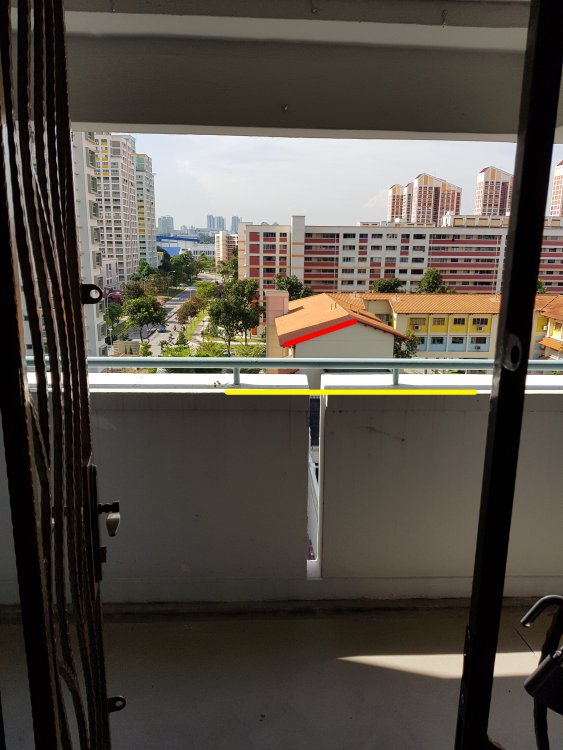
As the photo was taken at an angle; so Long as the red roof line is below the corridor "yellow" strip-line is no issue.
-
If the trees are higher than the lightning rods, there is a high probability of lightning striking the trees. In a few places, I have been; I have seen how lightning strike a tree. And near to this tree, lightning took a chunk out of the side brick.. as it tries to find it's way to the earth. The danger of lightning is that one will never hear it coming. As by the time it does strike... the sound of it will come too late. Thus, if there is any sign of potential rain, best to keep clear of the sky garden! Pronto! If one should be caught in a thunderstorm... the safest is to go into that trellis area. As it's roof would have lightning rods that have metal trailing towards the ground....
-
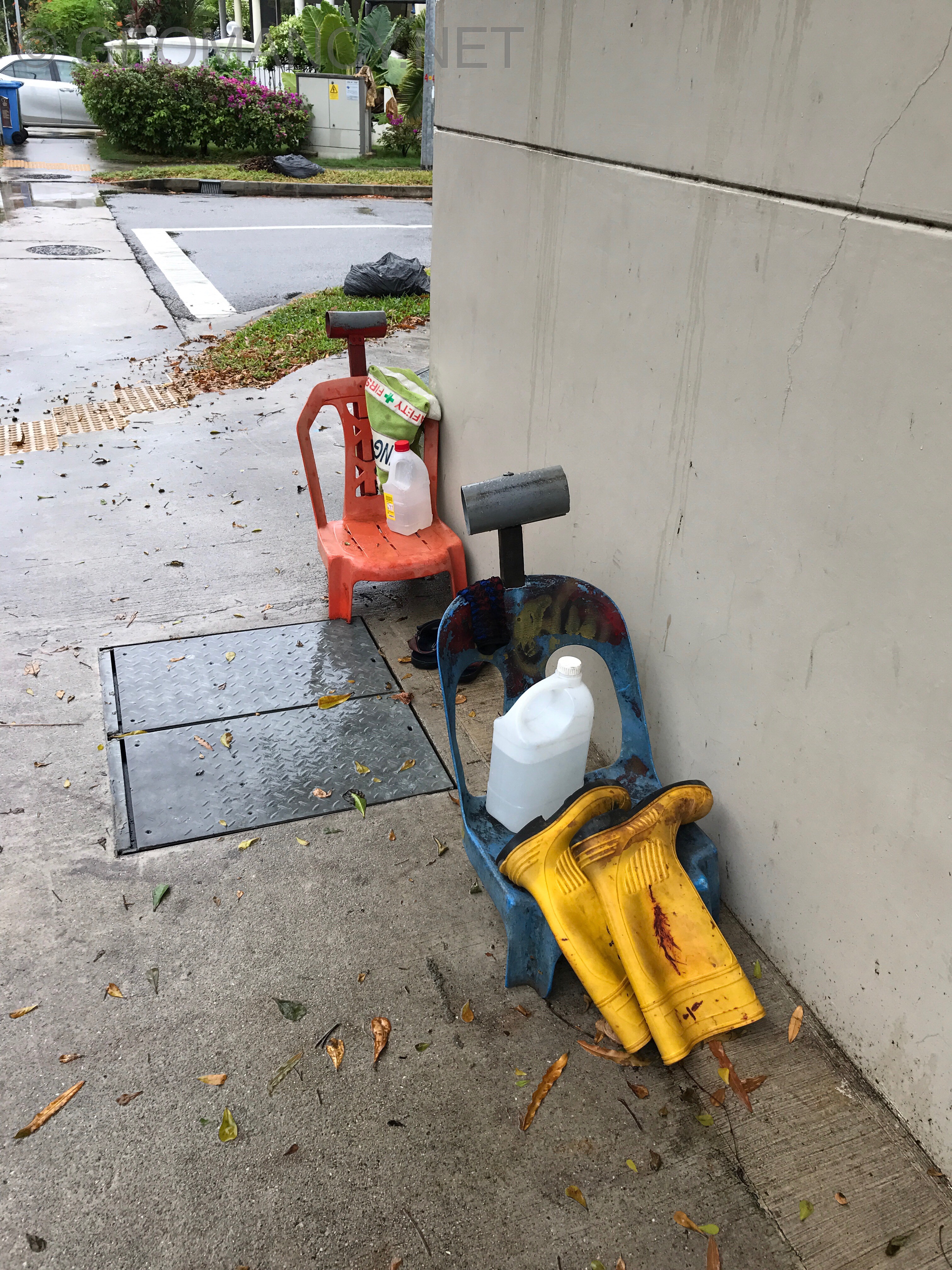
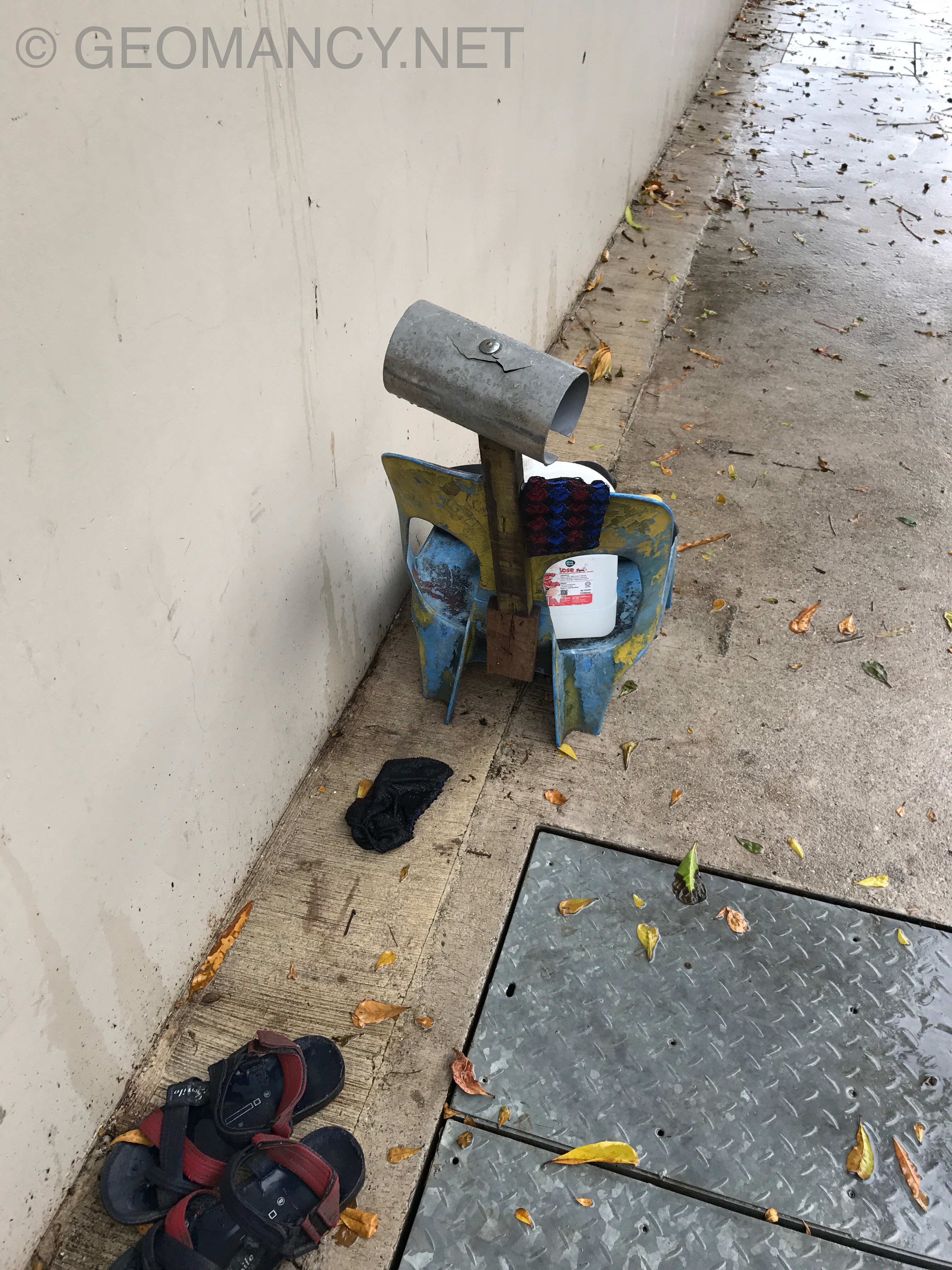
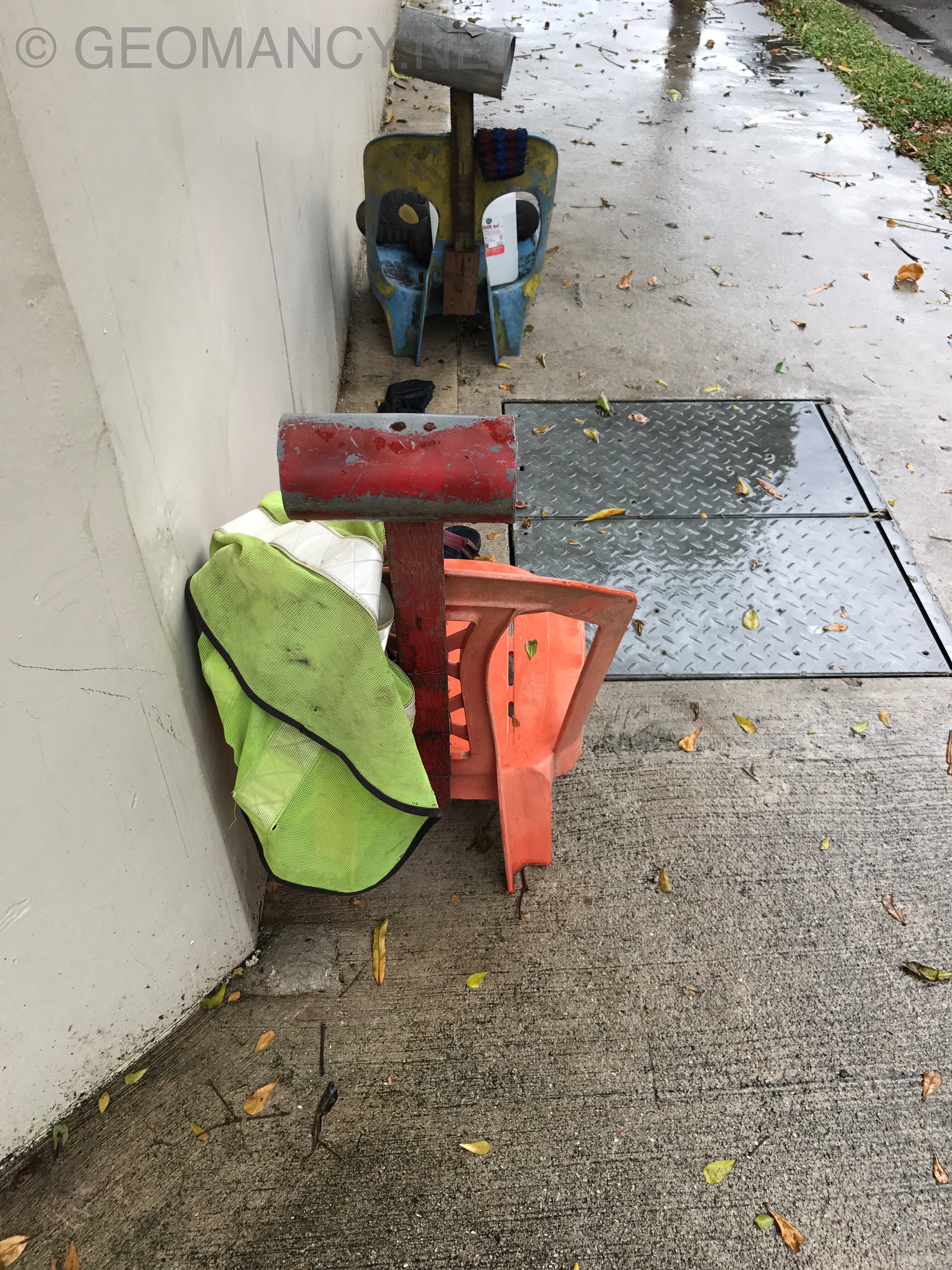
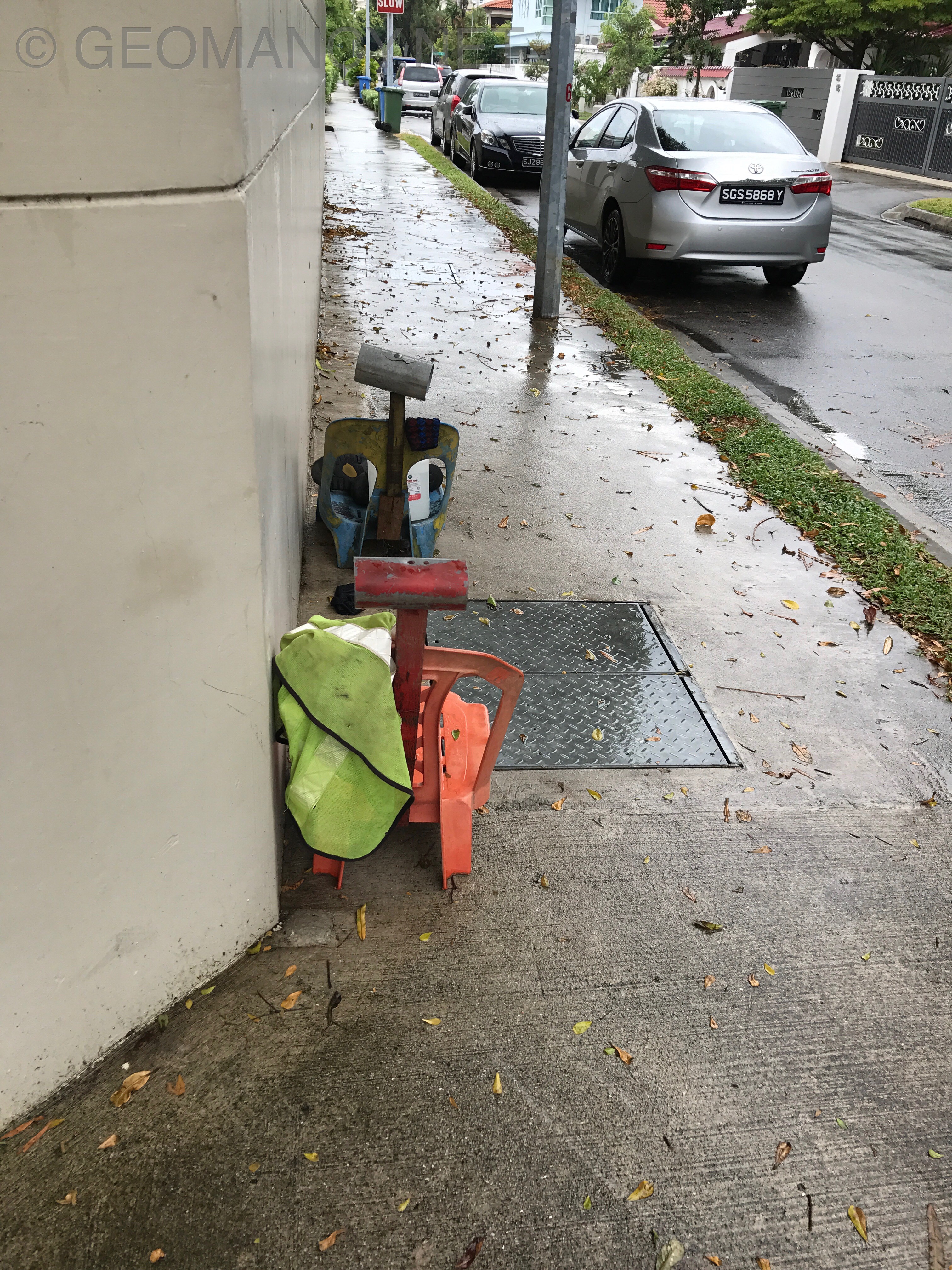
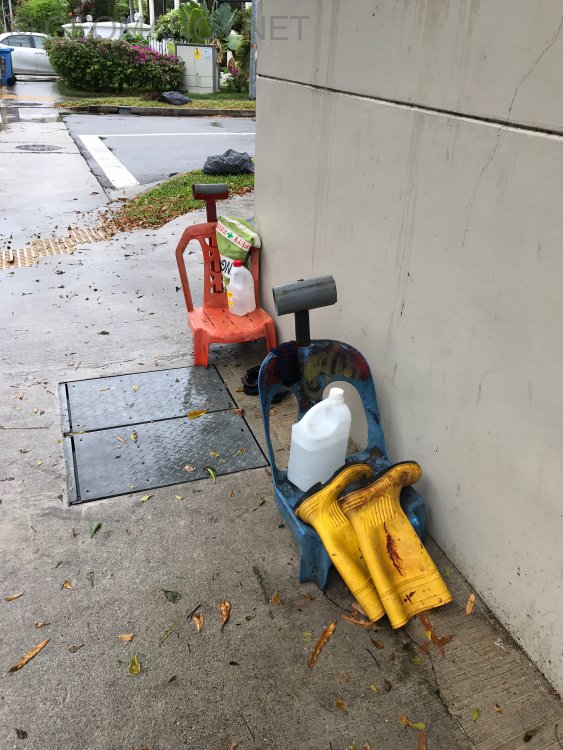
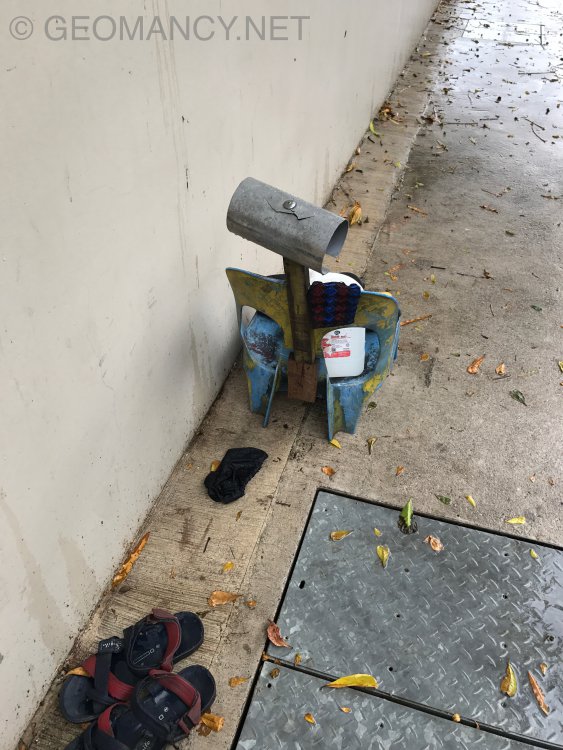
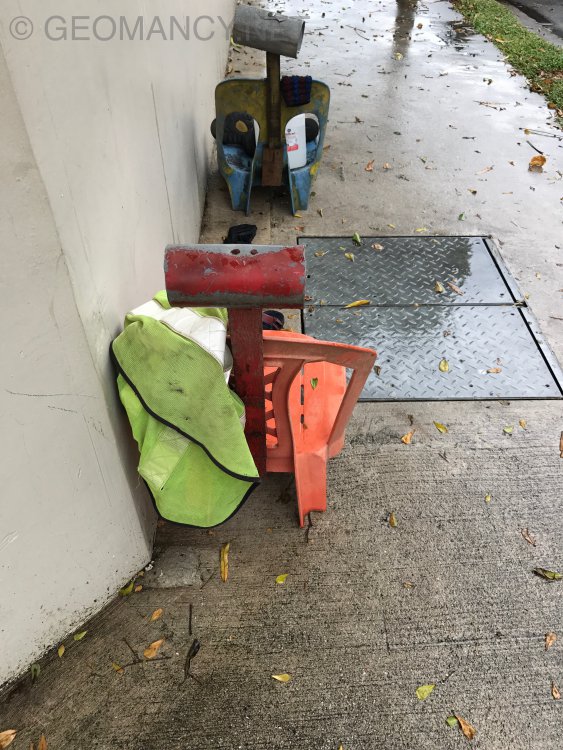
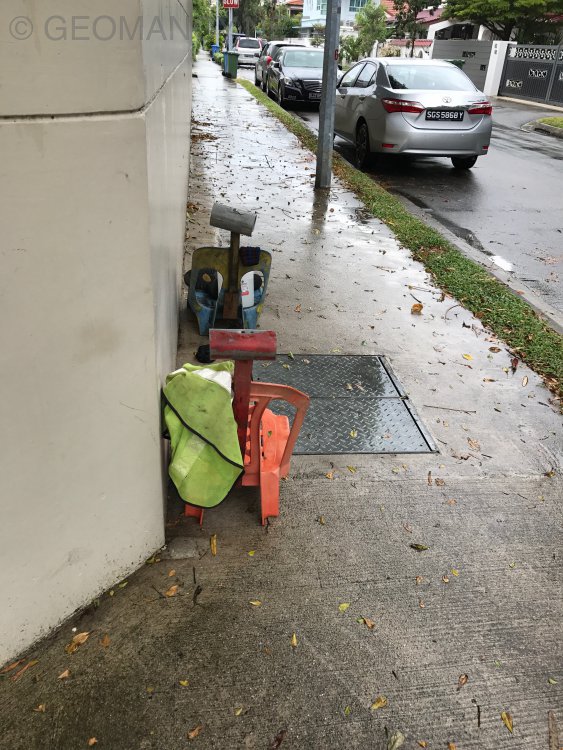
I bet you have never seen such unique chairs in your life! Both chairs bear the resemblance of the two front seats of a luxurious sedan. Don't believe me? Take a look at these photos... Truly designer chairs...
-
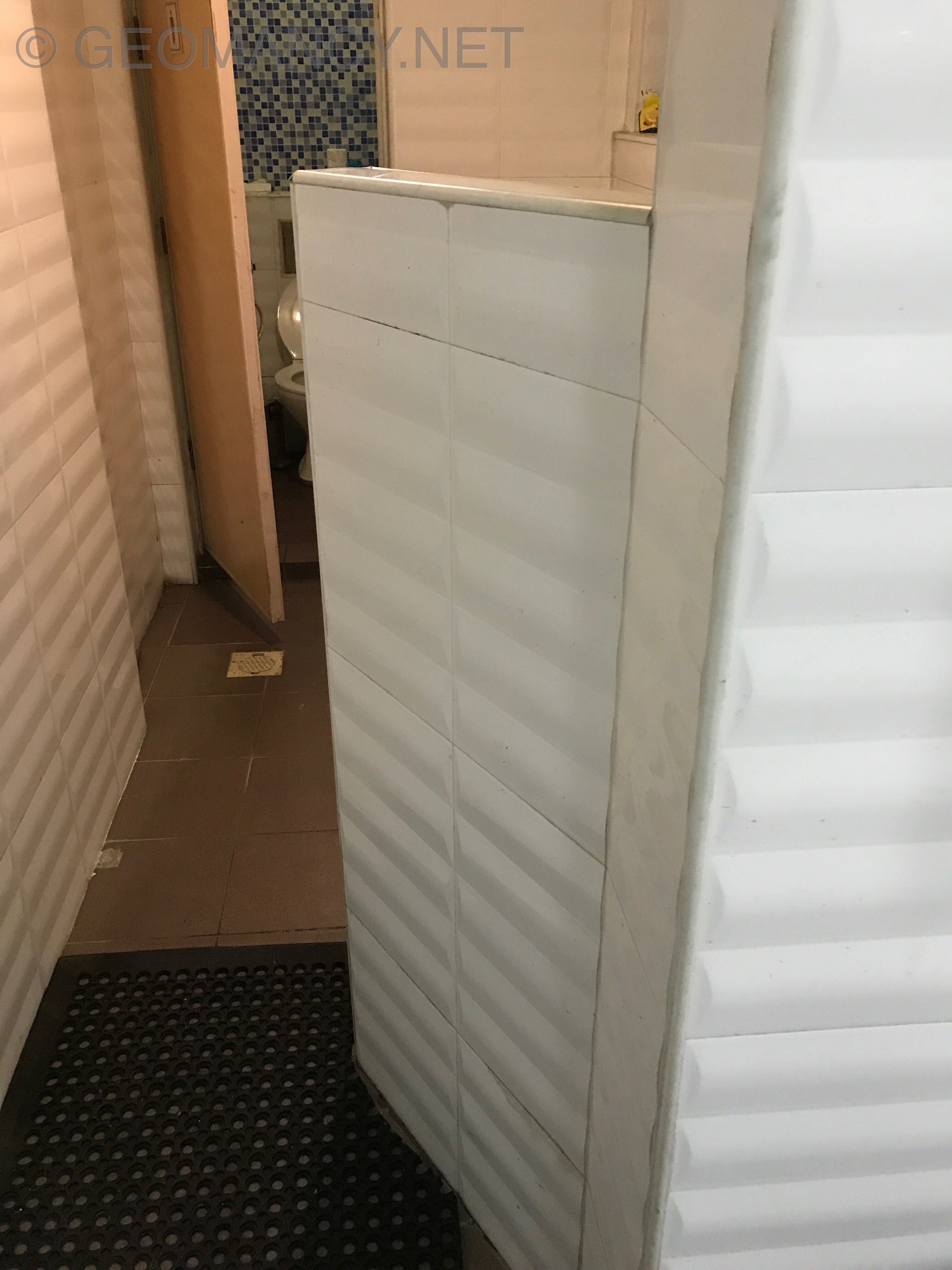
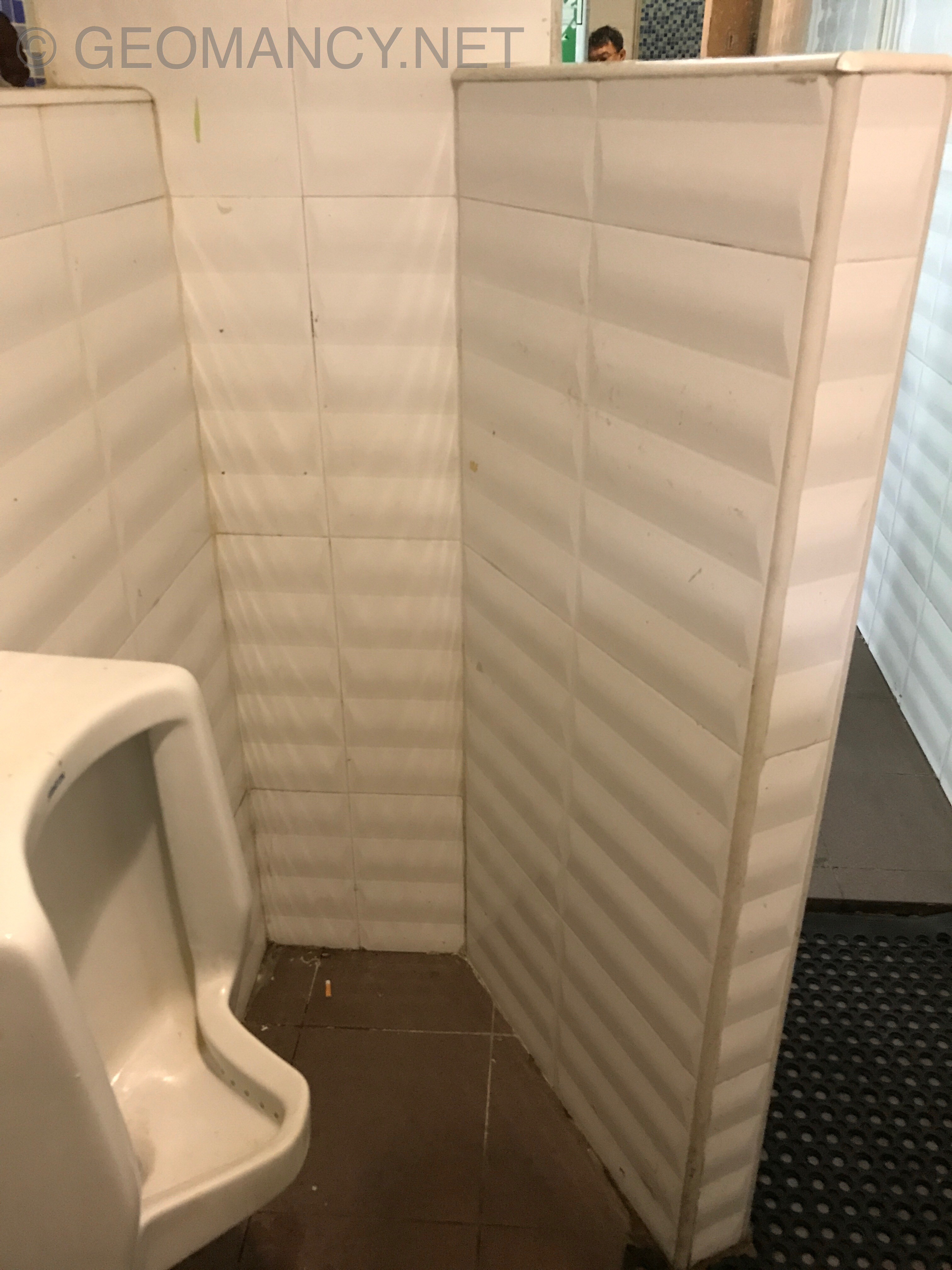
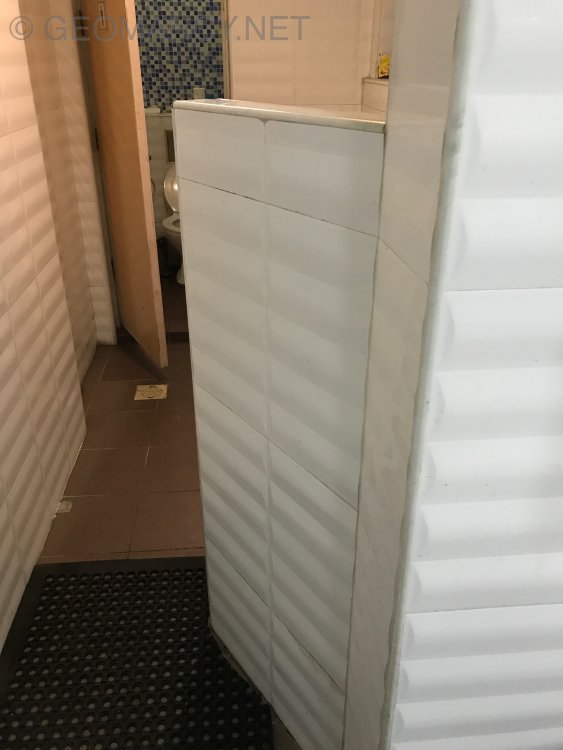
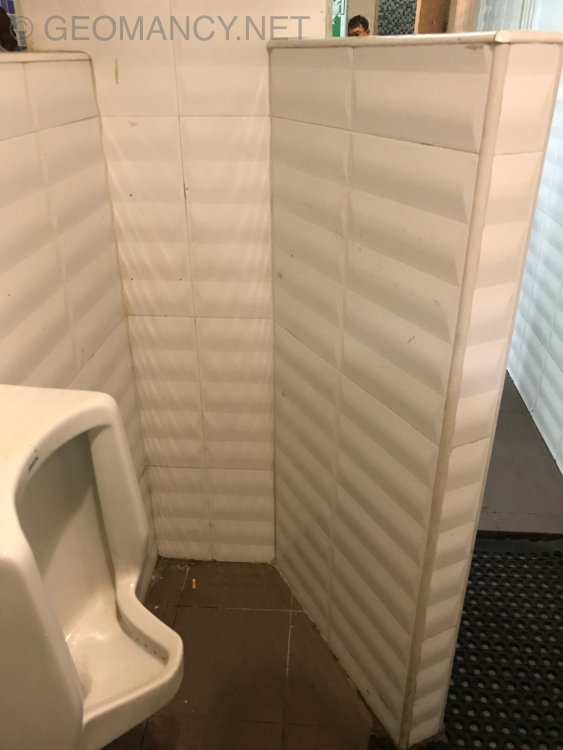
Many Coffeeshop toilets are simply walk-in/out designs. Without needing to push a door. The Cubical urinals are shielded by this lesser design.
-
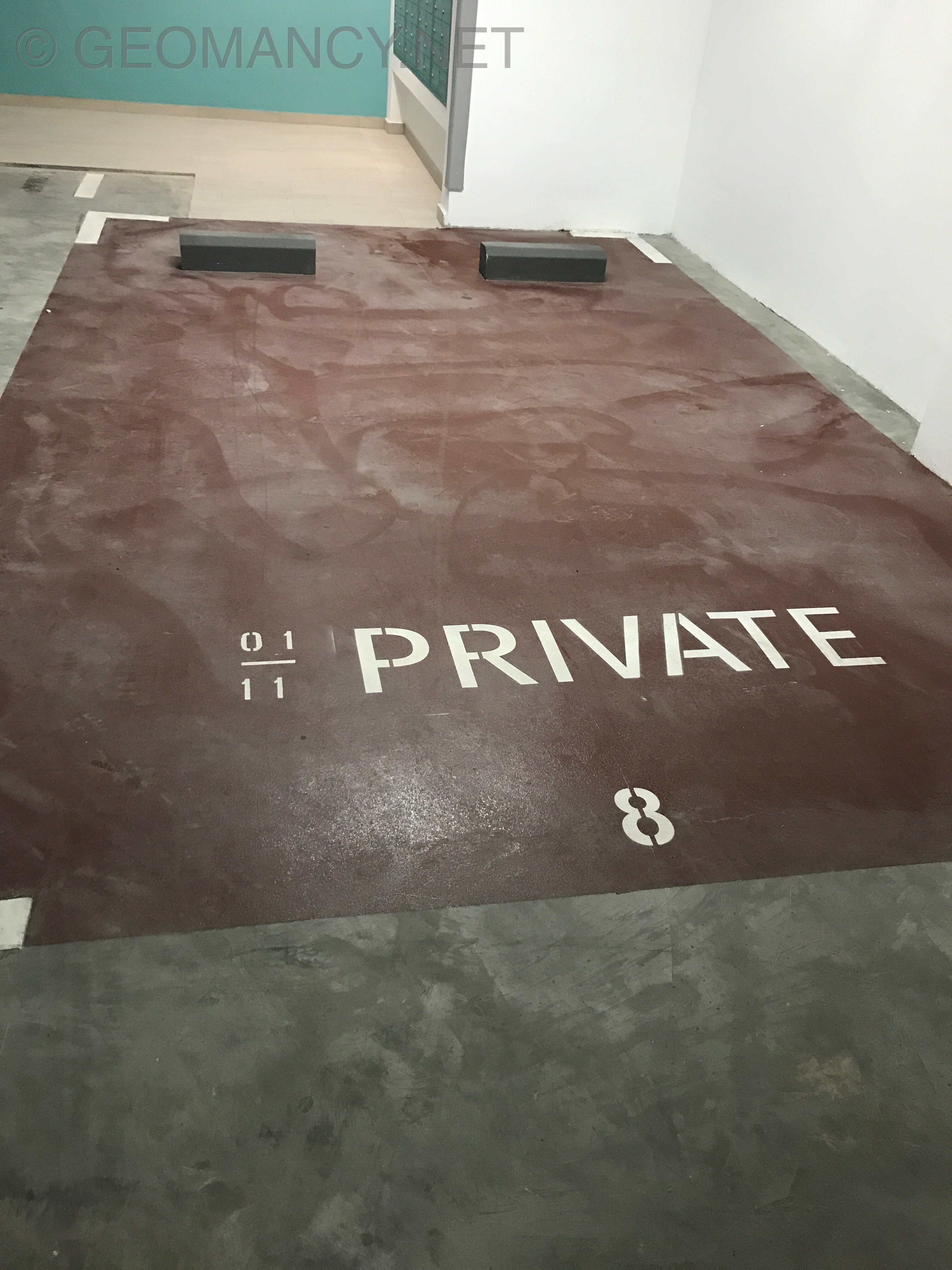
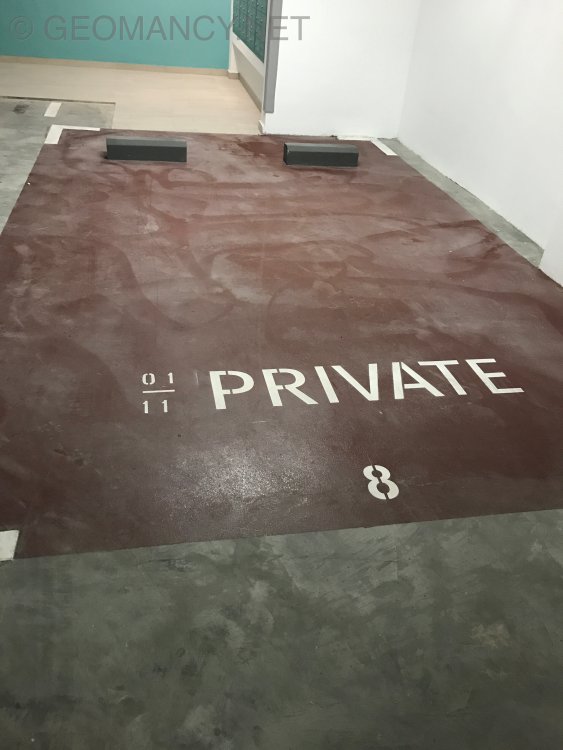
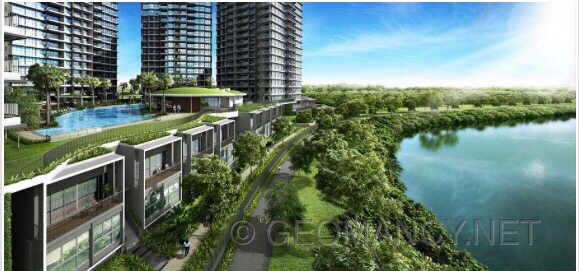
All 8 Cove Strata units are entitled to a private designated lot each.
-
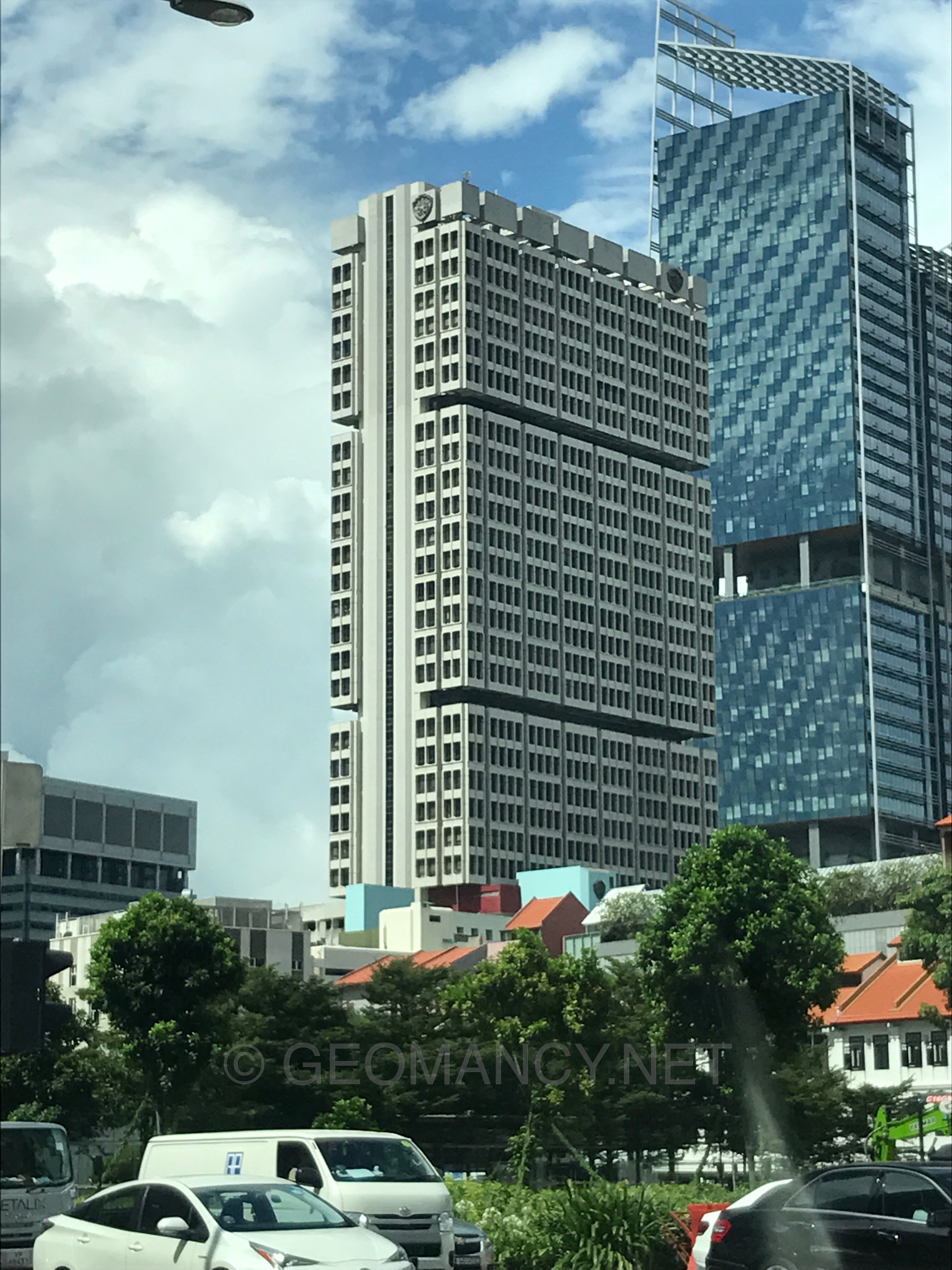
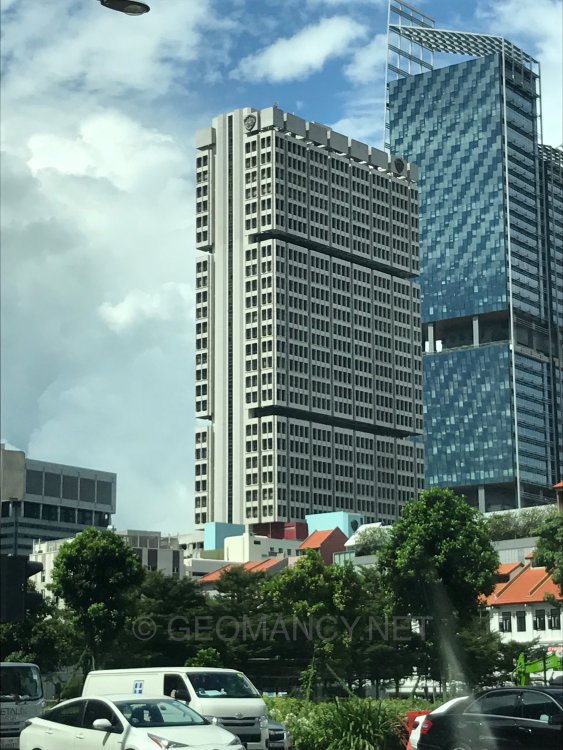
Shaw Towers, Golden mile complex, People's Park complex and Katong Shopping Centre all these four buildings share one thing in common: the buildings were designed in the style of "brutalist architectural style". Majority of these buildings were completed in the early 1970's. The characteristics are striking vertical lines and circular pot-holes + cold concrete exterior finish. A term associated with the French which derived to today’s description as “brutalist” meaning bare concrete external structures. However in recent times, the building Managements of many of these shopping centres decided to give the exterior of the buildings a coat of paint: Gilden Mile and People’s Park etc.. Shaw House:-
-
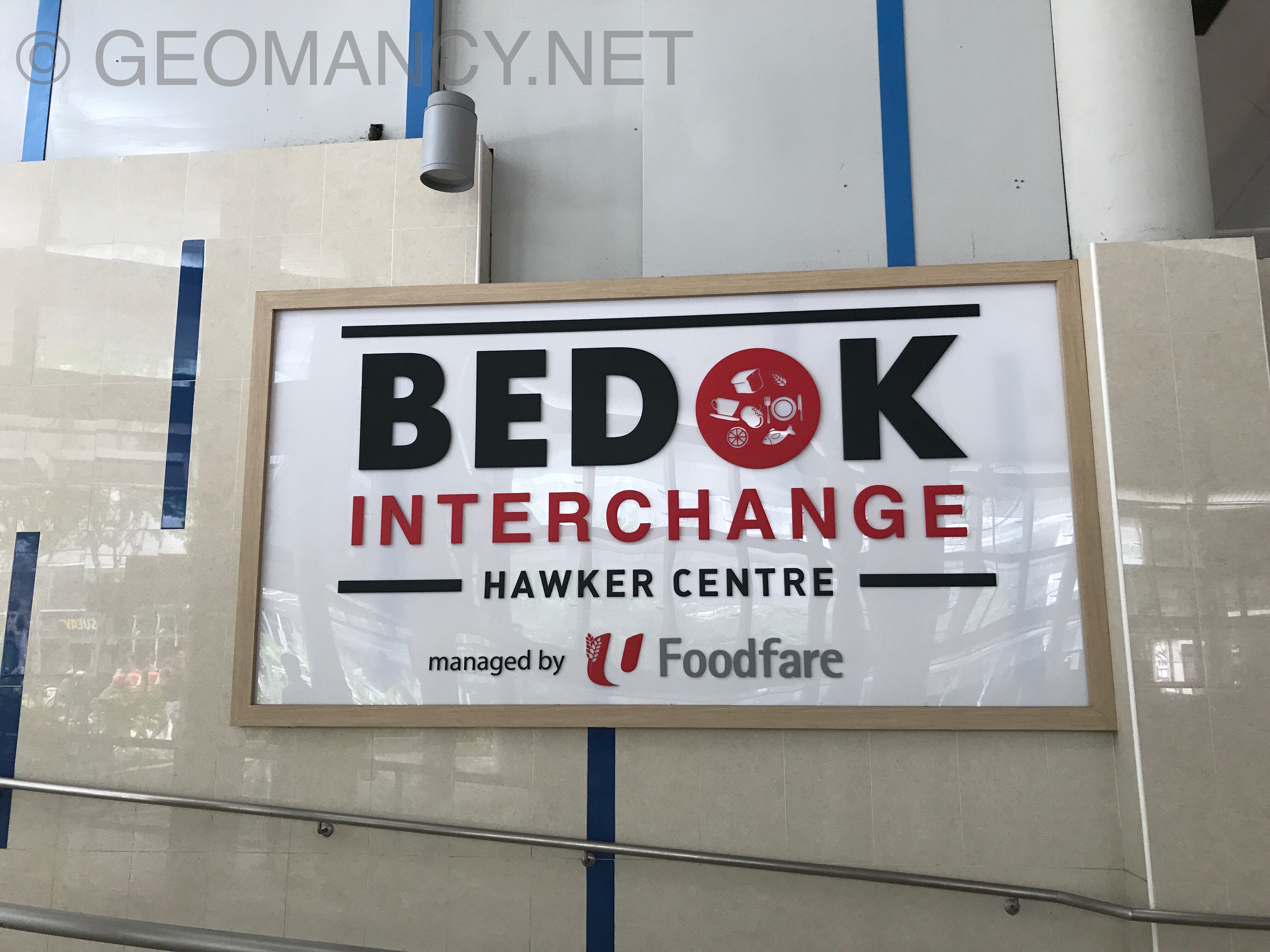
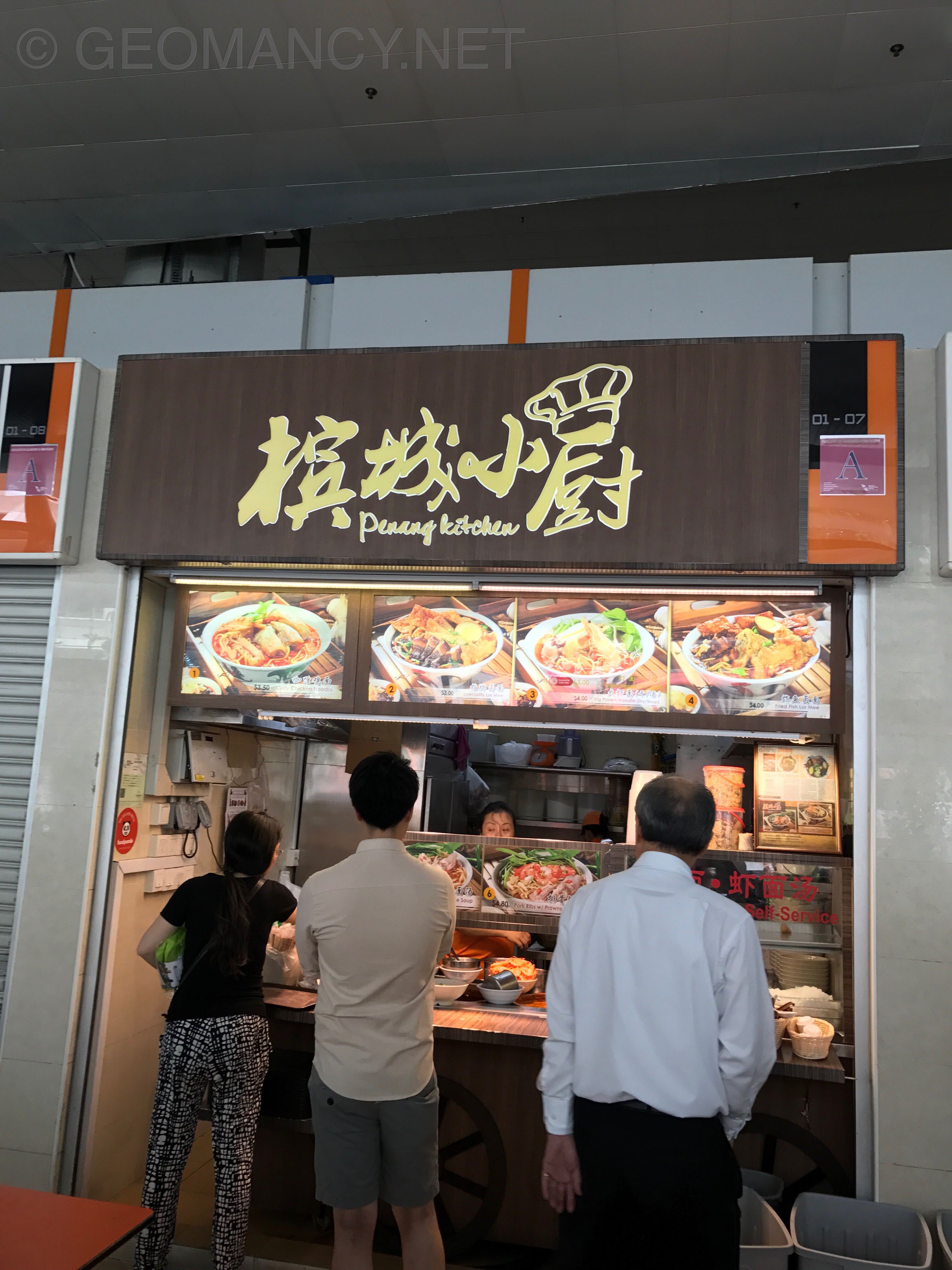
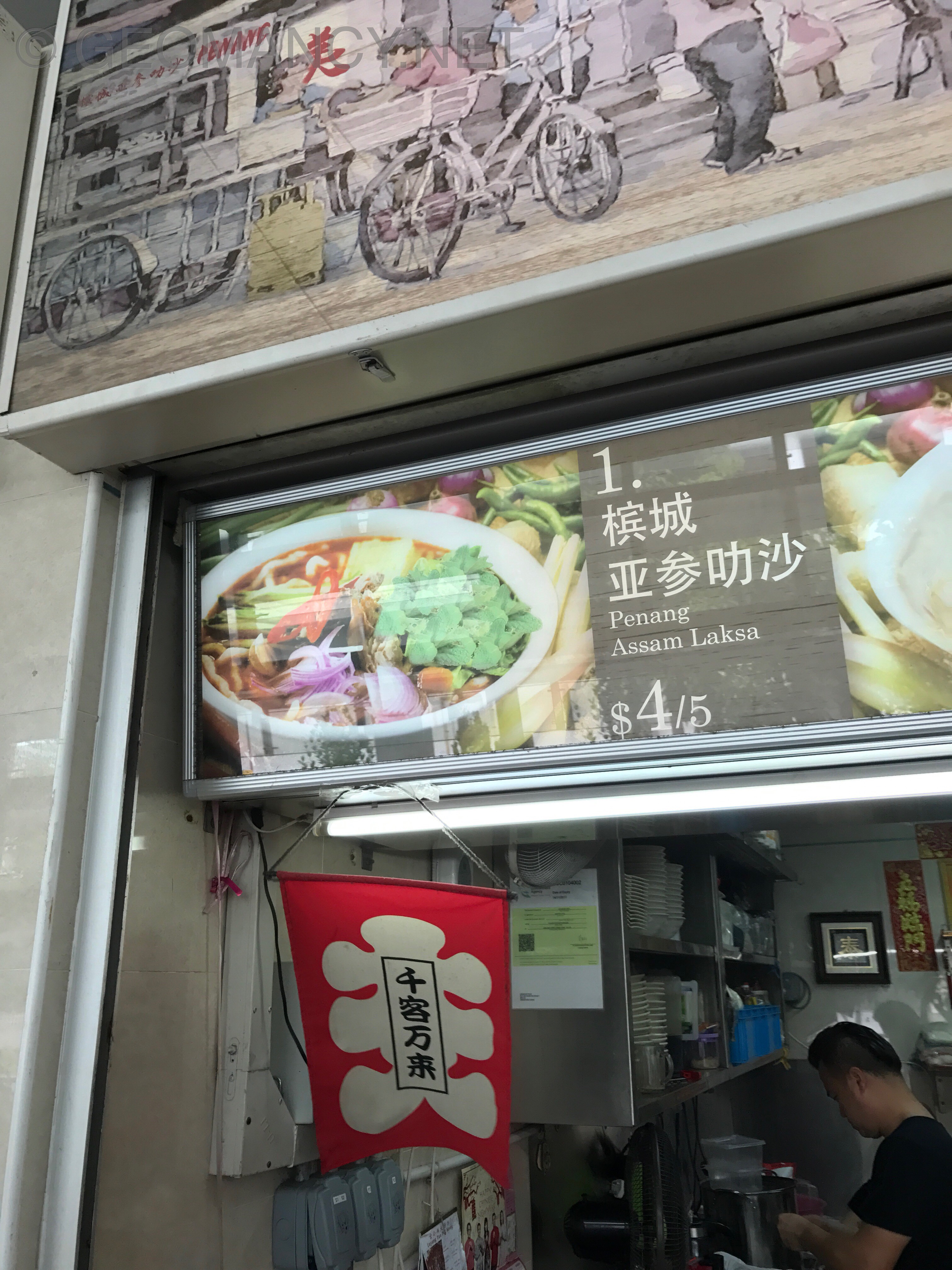
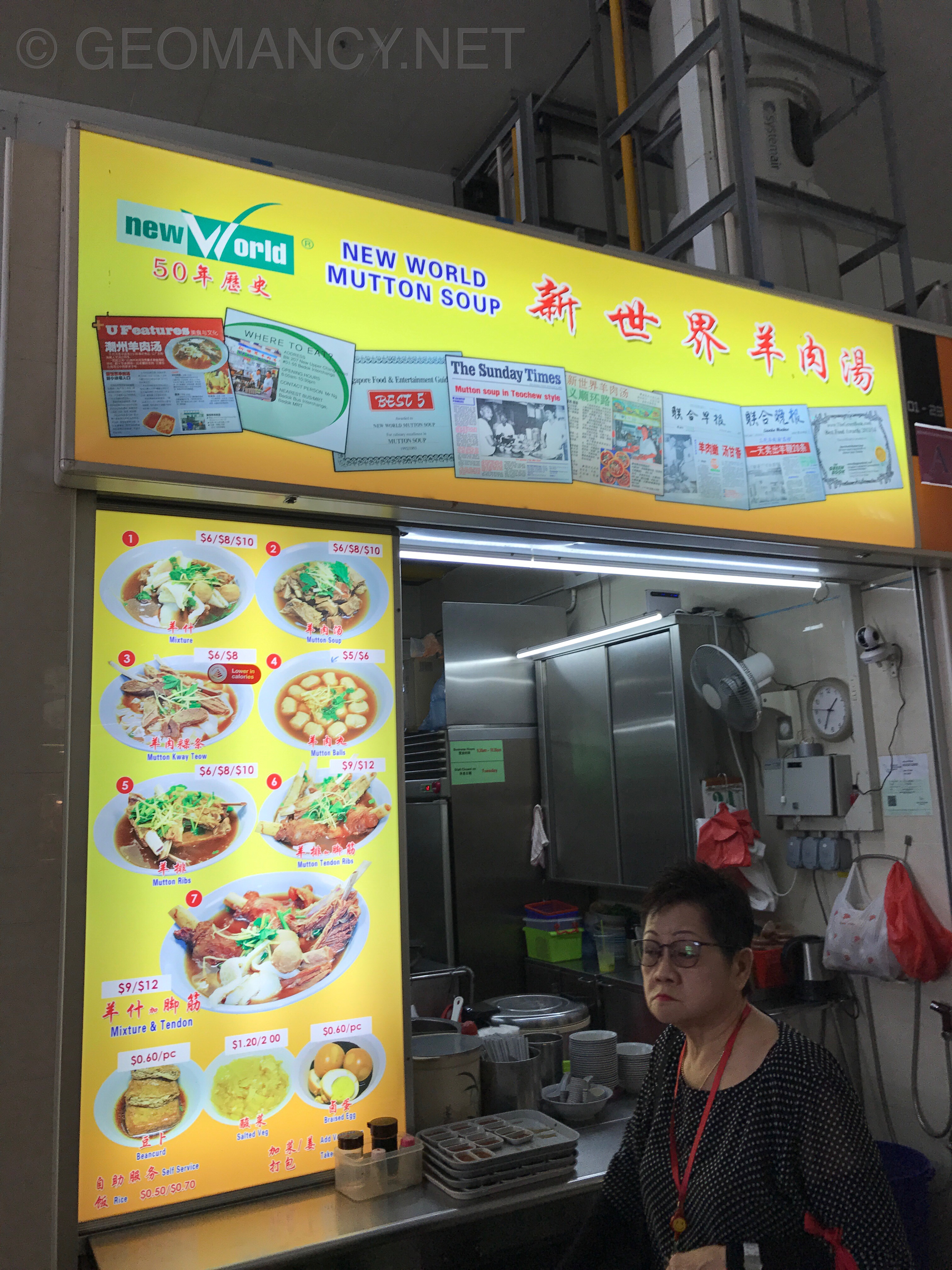
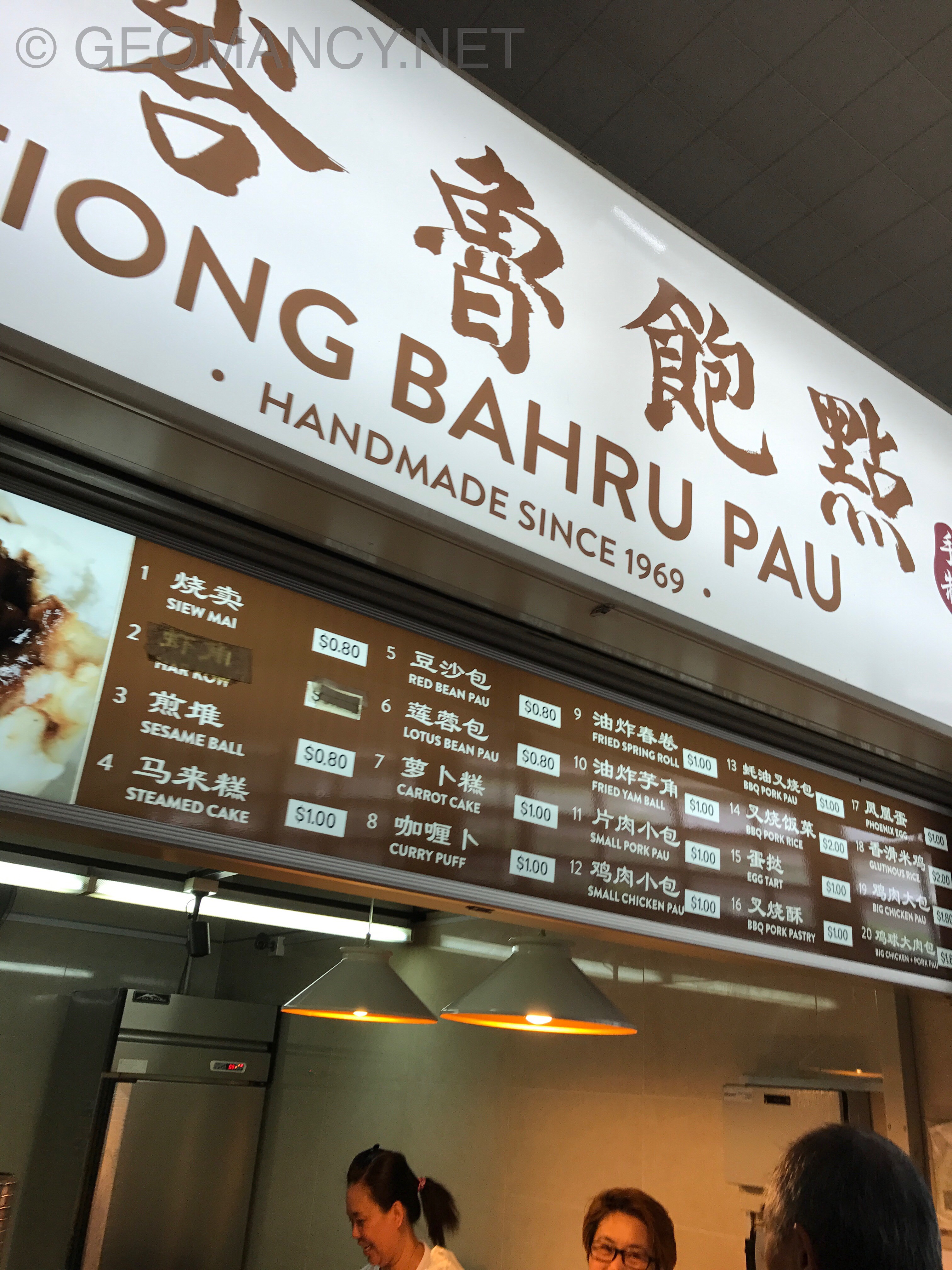
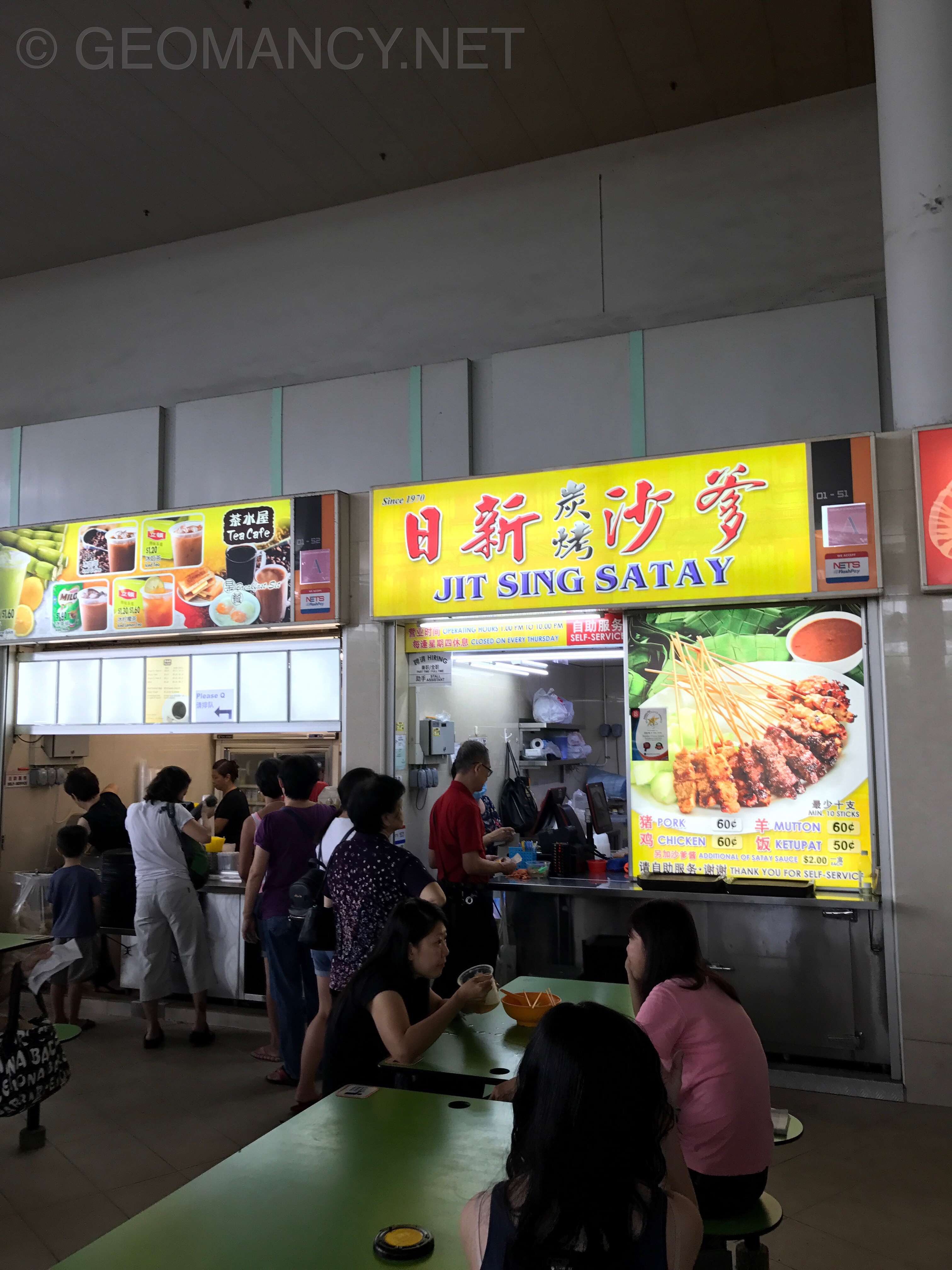
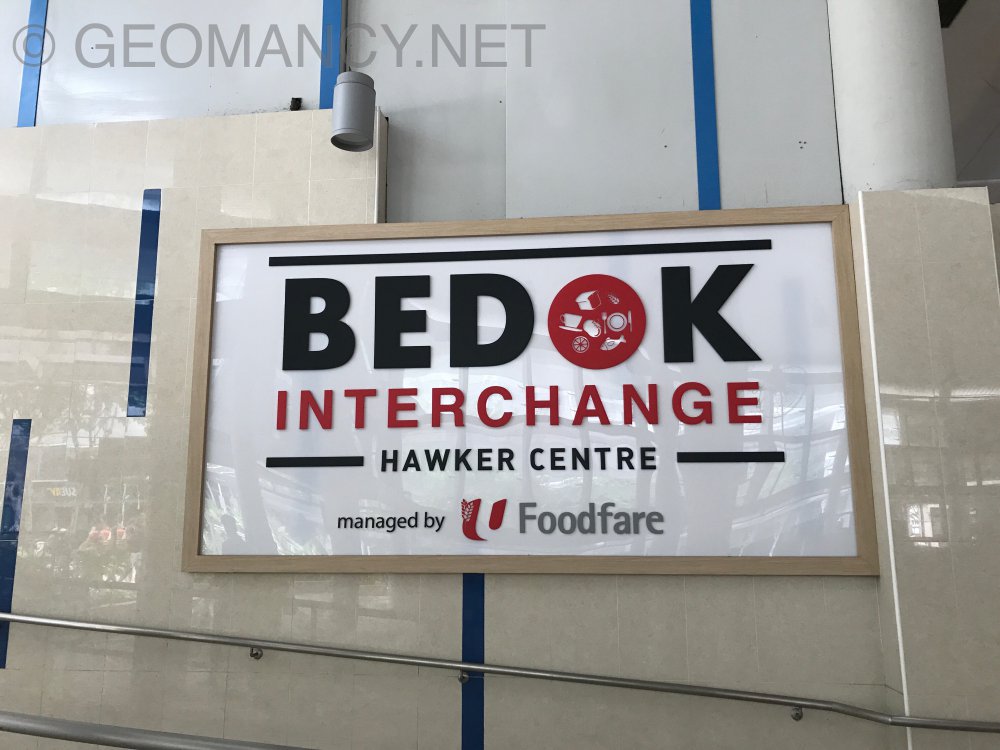
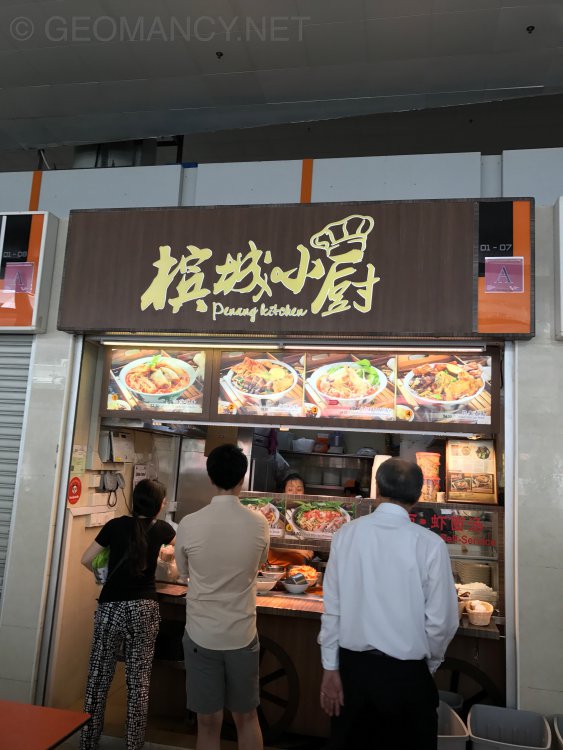
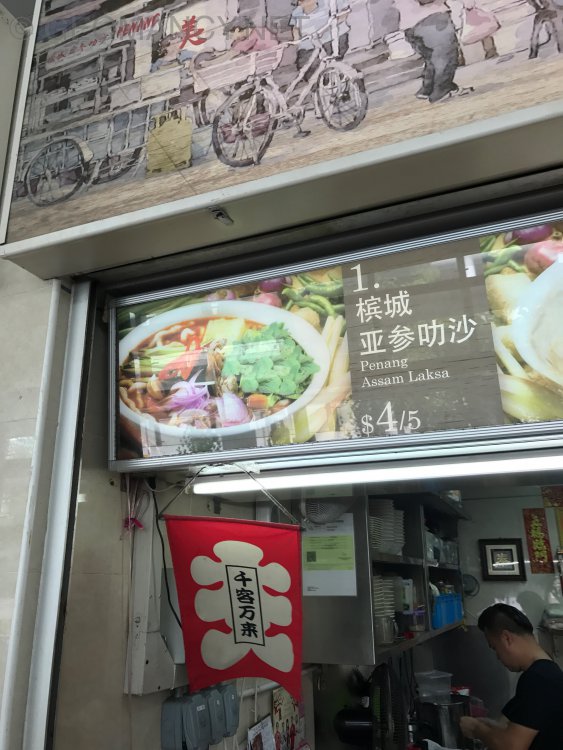
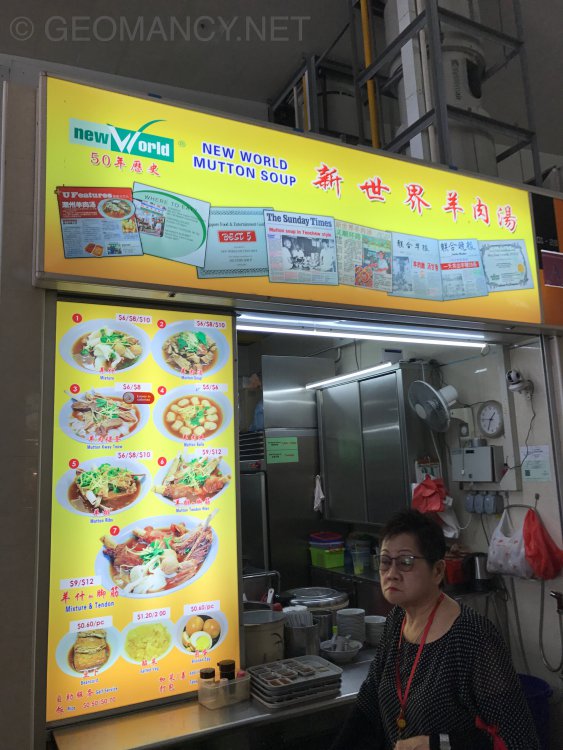
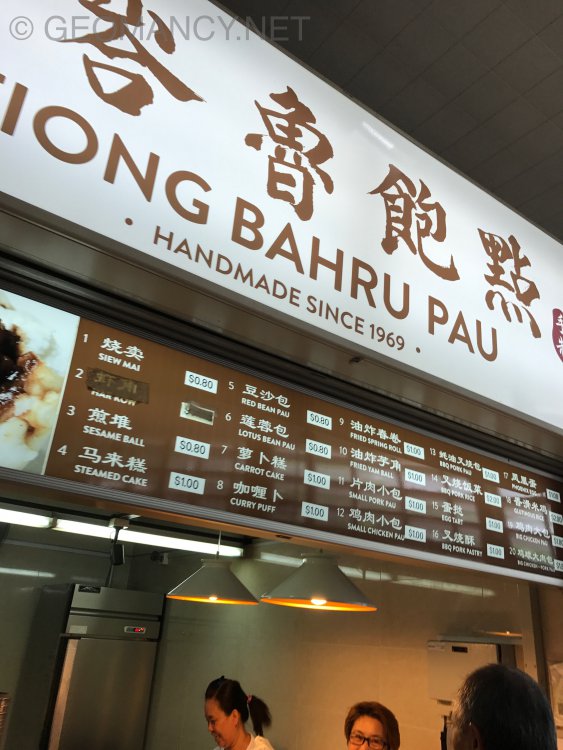
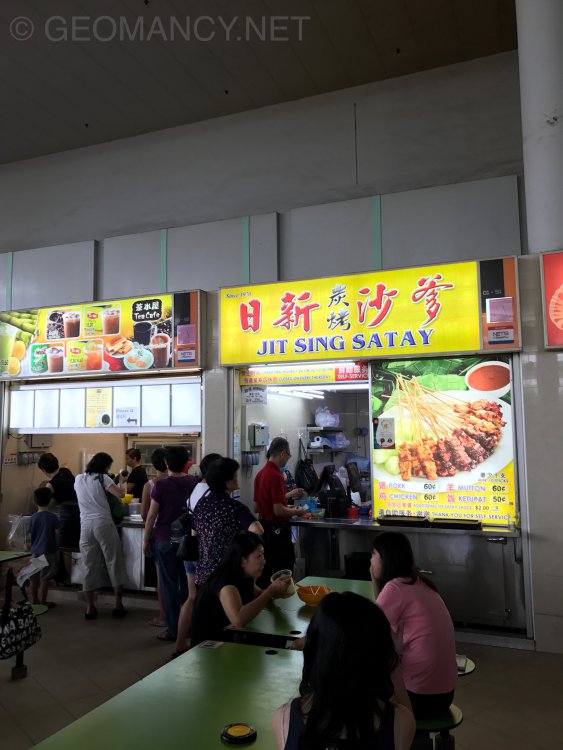
Old stalls serving: Satay and mutton soup..(goreng pisang..not shown) to name a few Newer.. Penang Laksa, Tiong Bahru pau franchise
-
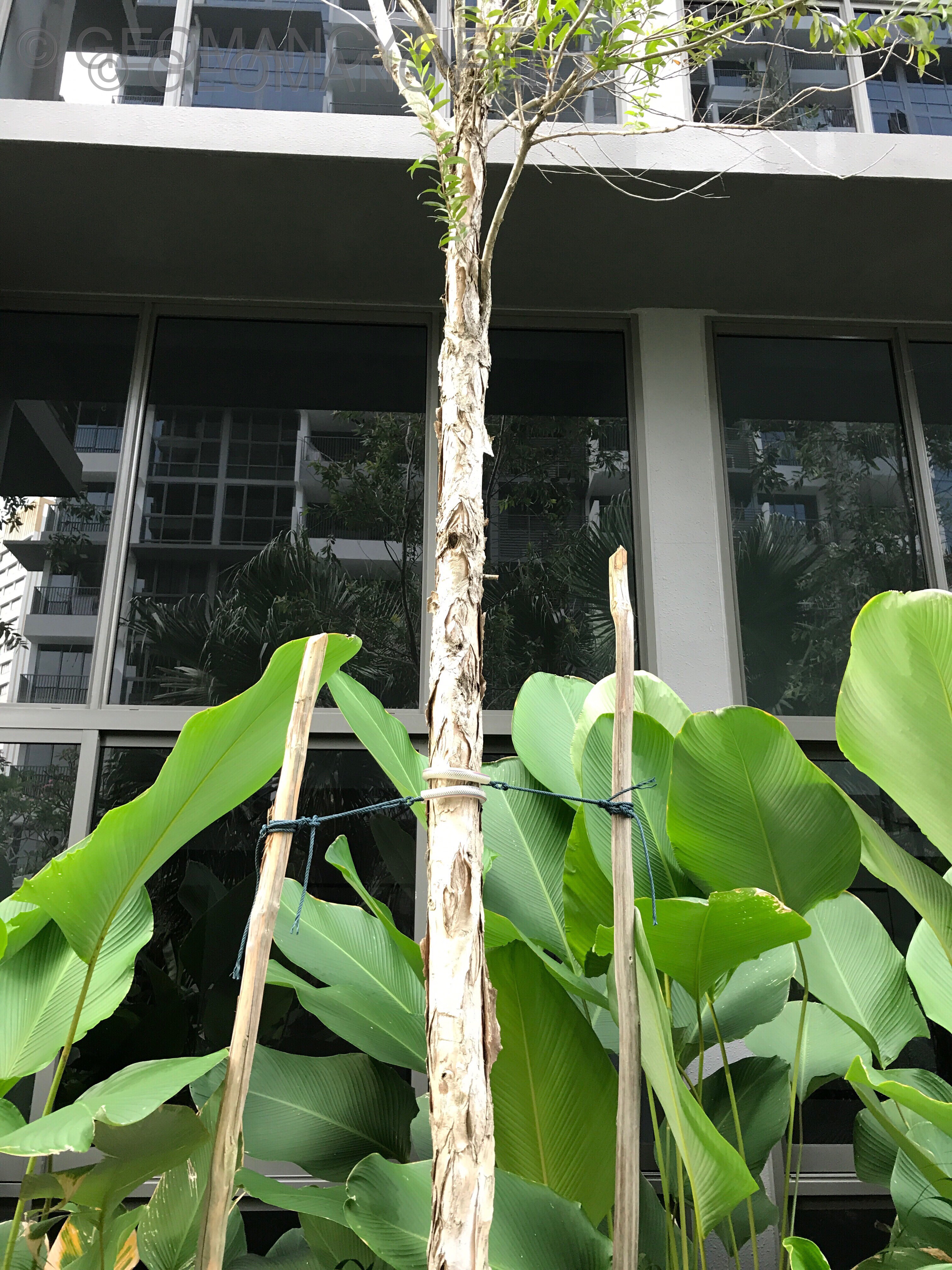
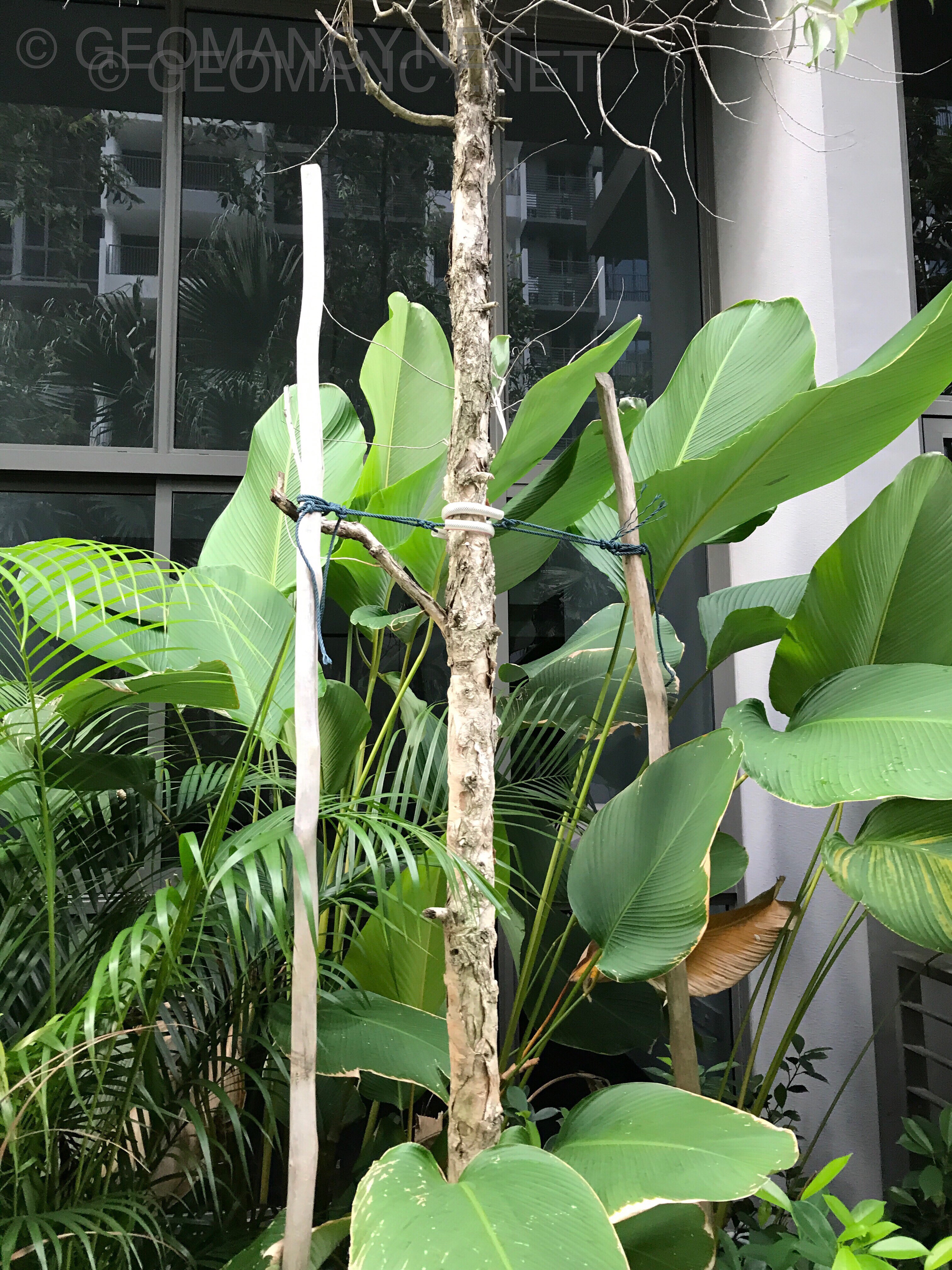
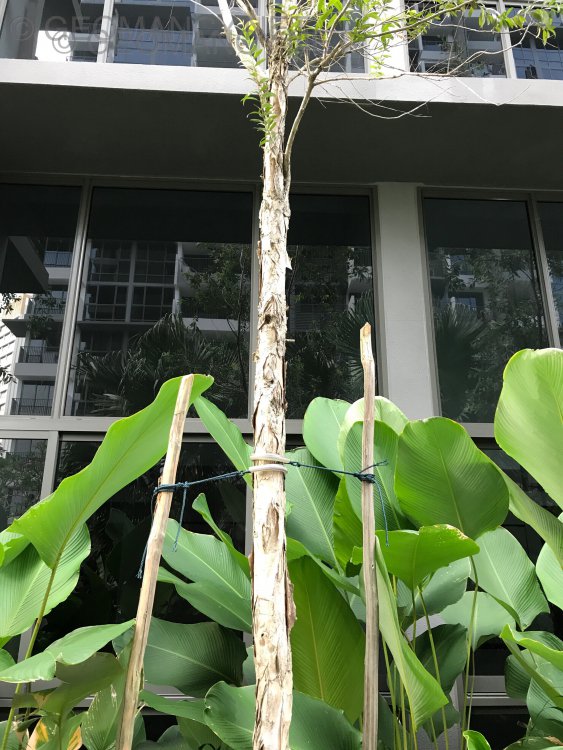
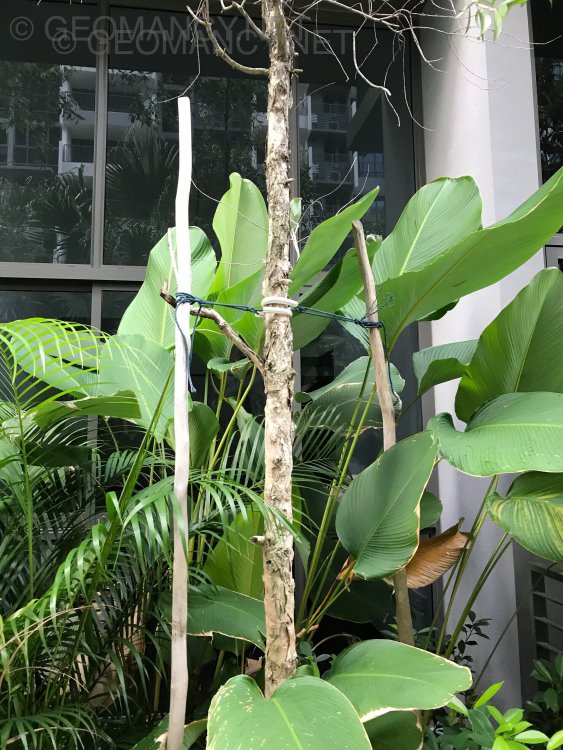
In the future, a tree trunk could pose a significant Feng Shui risk if it becomes a poison arrow aimed towards the interior of the unit. If it impacts a window, the situation is more manageable; however, if it targets a balcony opening, it becomes nearly impossible to mitigate.
-
These are some considerations:- 1. What is your rationale for facing North? 2. Usually Shapes and Forms prevail over the Eight House/4 good or bad directions. 2.1 Thus, if one is base on this and if the bed-head faces the window; then under Shapes and Forms Feng Shui may be less than ideal. 2.2 You have not mentioned where your bed-head points to. But if it is as described under Para 2.1; then best to.have the bed-head against a would wall.
-
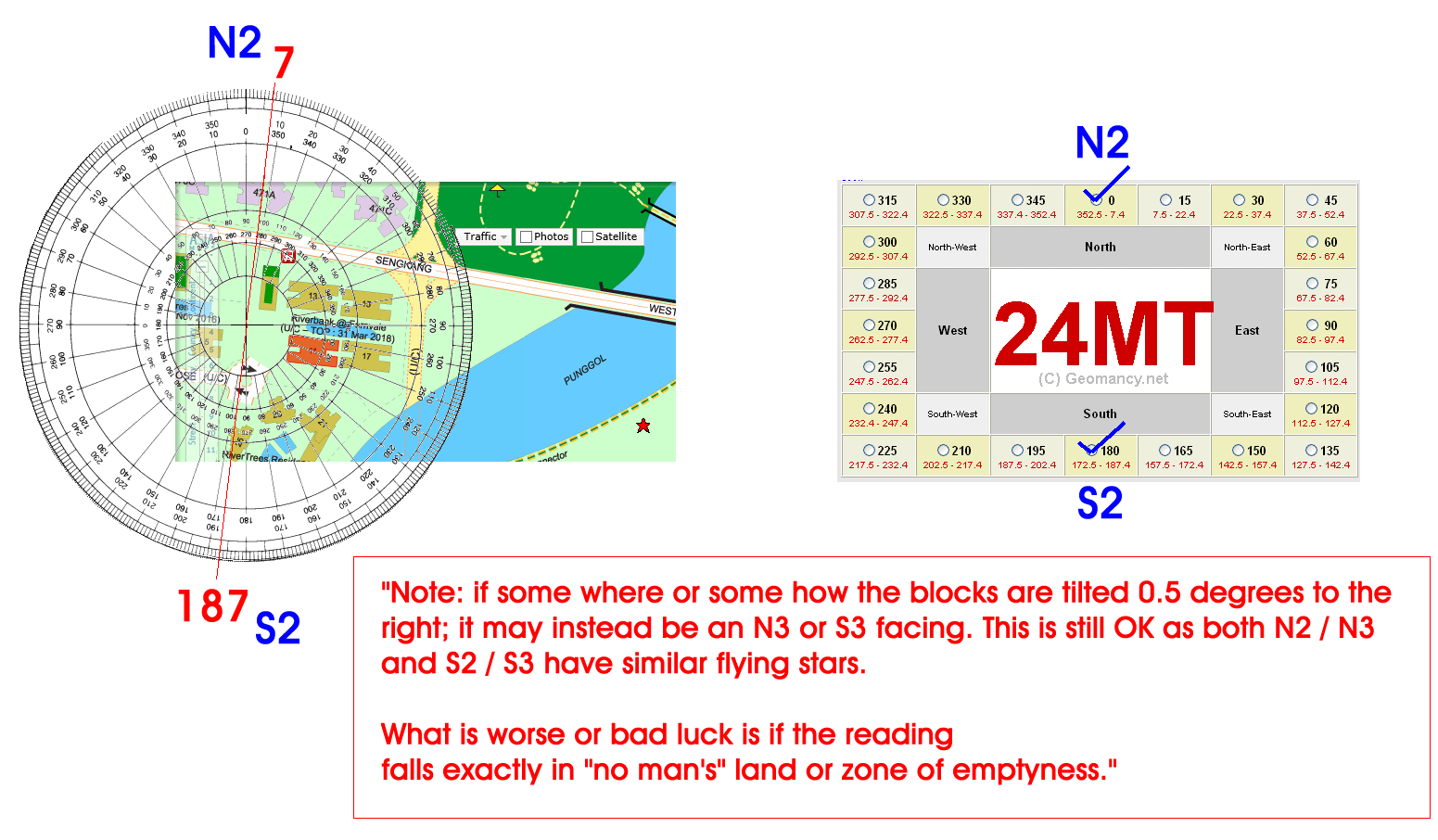
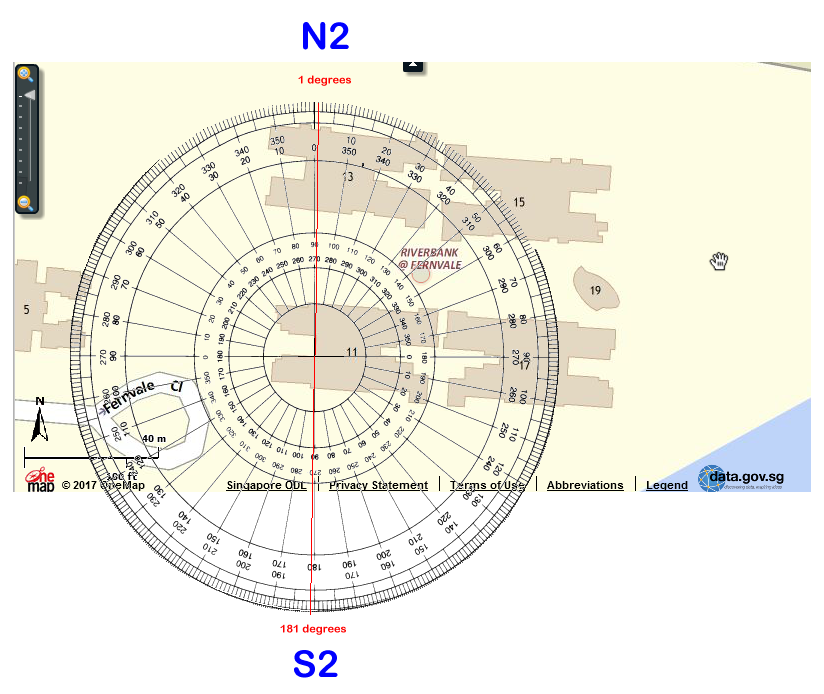
The verdict is out. Onemap.sg's government data map shows that compass readings is still N2. But now it is just 1 degree off instead of streetdirectory's 7 degrees. While S2 is now 181 degrees. No matter how, this development's stacks/units are either N2 or S2 facing.
-
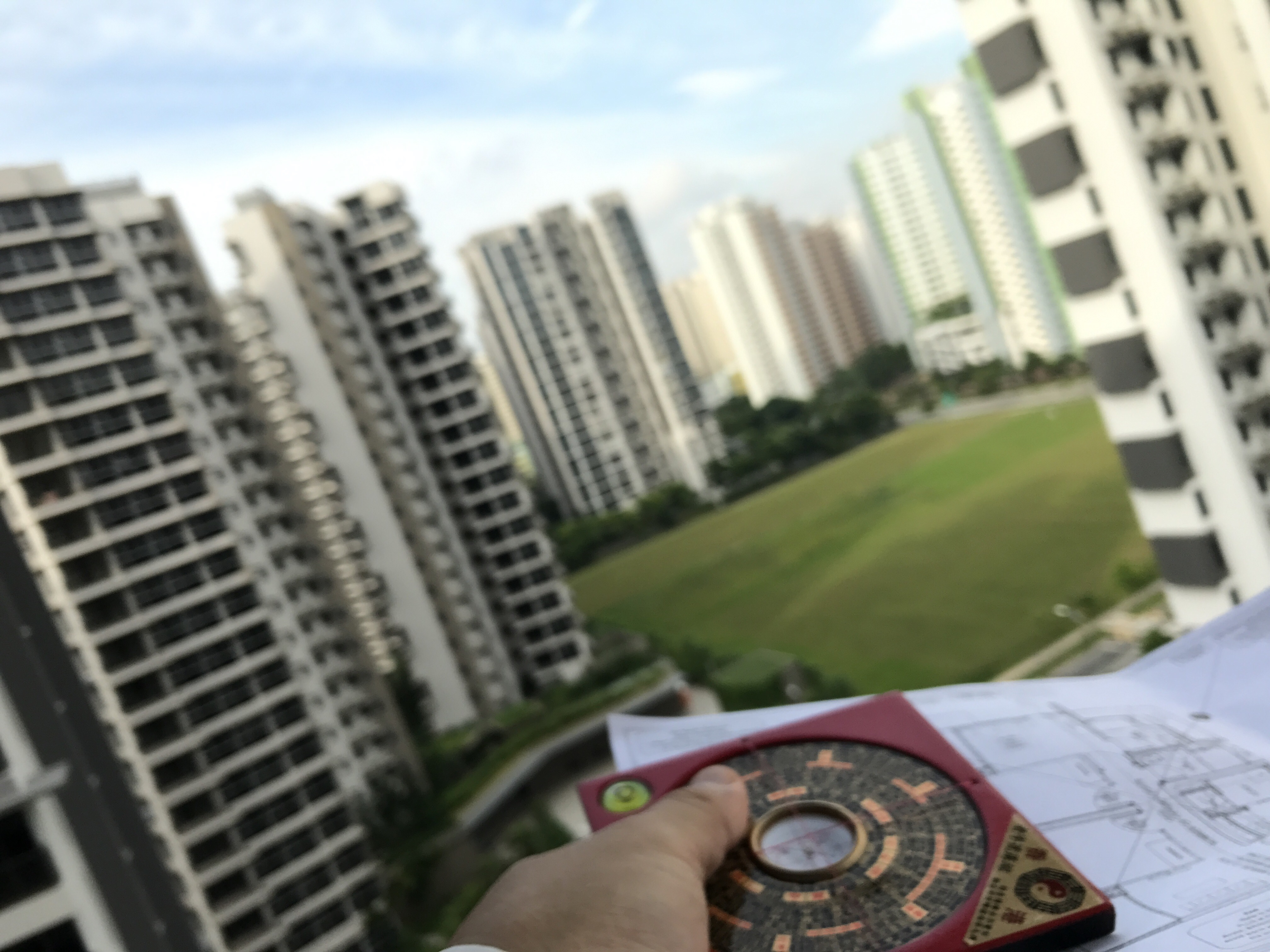
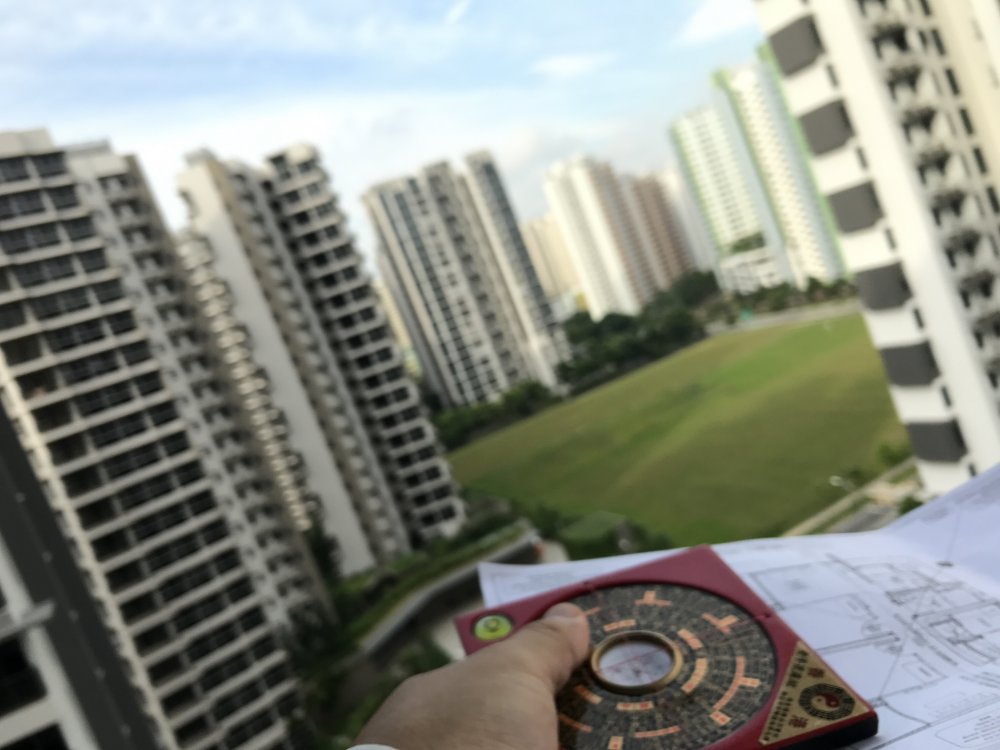
Feng Shui survey .. Chinese Loupan At this stage, I am looking at the Shapes and Forms I.e. Scanning the environment.. this is why I put aside the Luopan.. and catching a view of the surroundings..
-
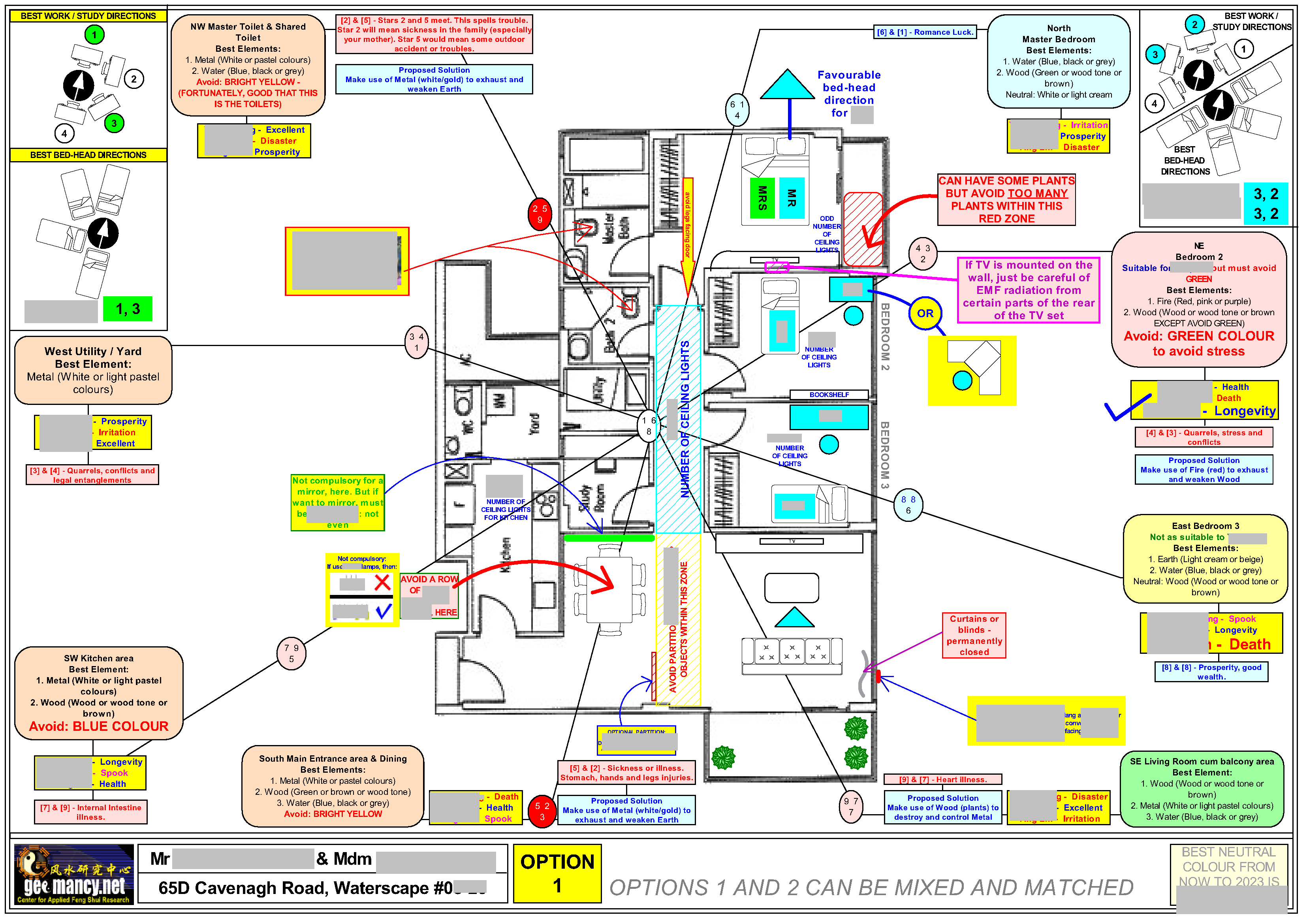
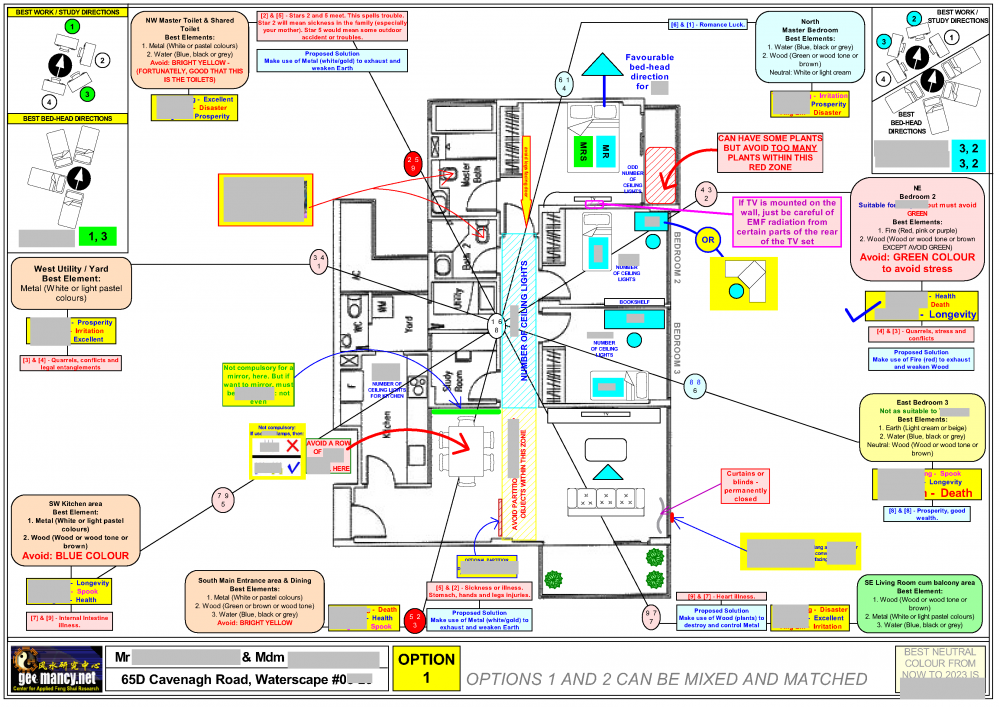
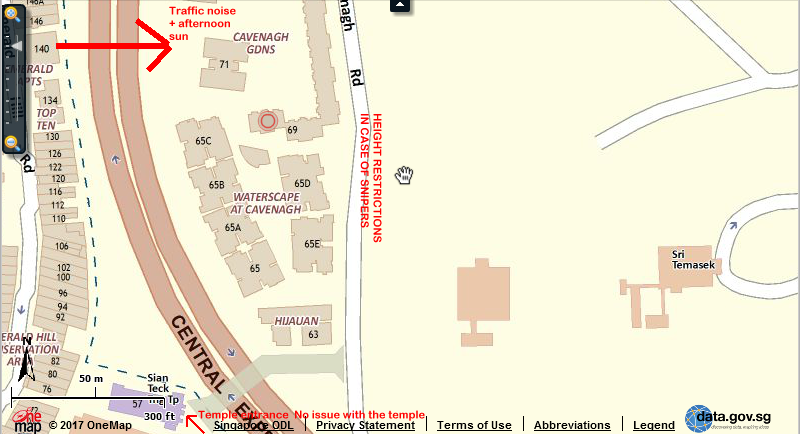
For example, your neighbour Waterscape. Even if this unit shares an identical facing direction to a unit in Cavenagh Gardens. The Feng Shui will not be the same. As one cannot simply transplant exact Feng Shui intrepretations to the older Cavenagh Gardens. Other than Feng Shui, personally, units along the CTE is not that great given the noise from daily road traffic. Between this, units facing Cavenagh Road is better. Given the height restrictions (for fear of snipers looking into the Istana)... from your description.. looks like lower block facing the Istana. Sample Waterscape development also has height restrictions. And this unit also faces the Istana side:
-
From a Feng Shui perspective, when one applies Flying Star Feng Shui, yes the birth date of the unit is taken into consideration. For example: Homes in Cavenagh Gardens belong to a Period 6 chart. Period 6 is between 1964 to 1983 vs your neighbour Waterscape which T.O.P. in 2015. Thus if one were to analyse the Feng Shui of Waterscape, this development belongs to a Period 8. And in Feng Shui, a Period 6 chart is different from a Period 8 chart. In this sense, they are different. For example, if a unit in Cavenagh Gardens e.g. face East (E1) and a similar unit in Waterscape (E1 also). Although these two units have identical facing. Their Feng Shui is very different. The land where Istana sits is an auspicious piece of land. And sometimes one can still see monkeys facing the Istana side. Look at it this way: in each of our school class: we will have always the top students who usually are 1st, 2nd or 3rd place. In between are students that are ranked in the middle and there are always the last in the class: 'boys/girls". Same for Cavenagh Gardens. Generally, the two point blocks are the safest being that qi can flow freely around it. Only thing is that some of us don't like the westerly (afternoon/CTE side) or afternoon sun units....This is another set of considerations under Shapes and Forms Feng Shui.
-
In my opinion: 1. On the surface, based on this photo, it is acceptable. 2. Hopefully, the hidden part of the storm drain does not run past from this property from the front to the rear of the home passing through your property.
-
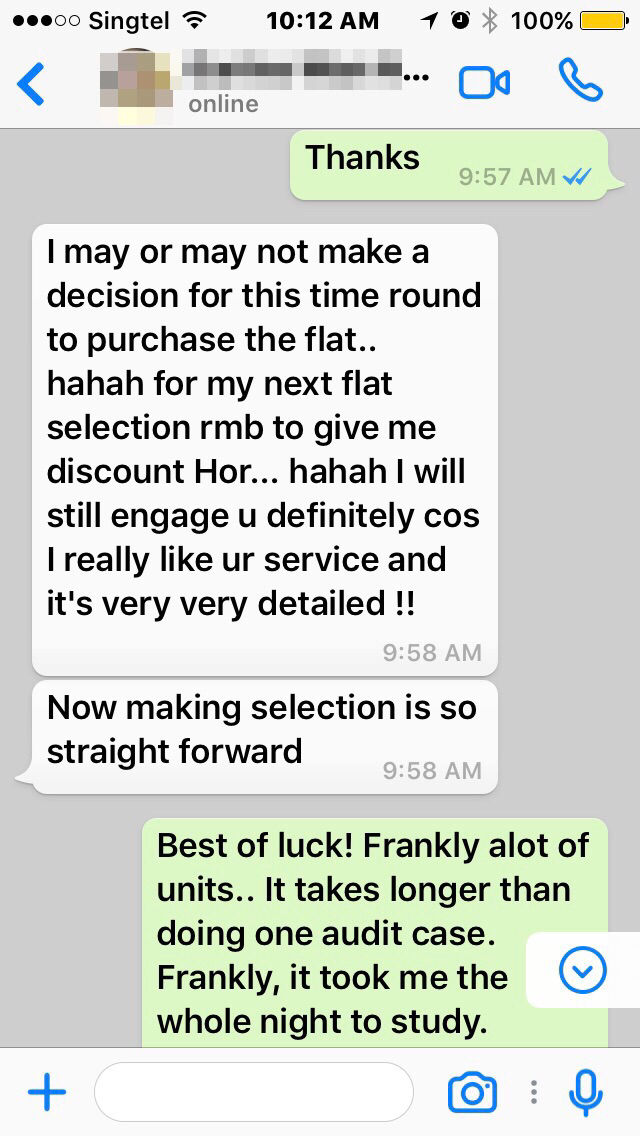
I may or may not make a decision for this time round to purchase the flat.. hahah for my next flat selection rmb to give me discount Hor... hahah I will still engage u definitely cos I really like ur service and it's very very detailed !! Now making selection is so straight forward