

Cecil Lee
Staff
-
Joined
-
Last visited
Everything posted by Cecil Lee
-
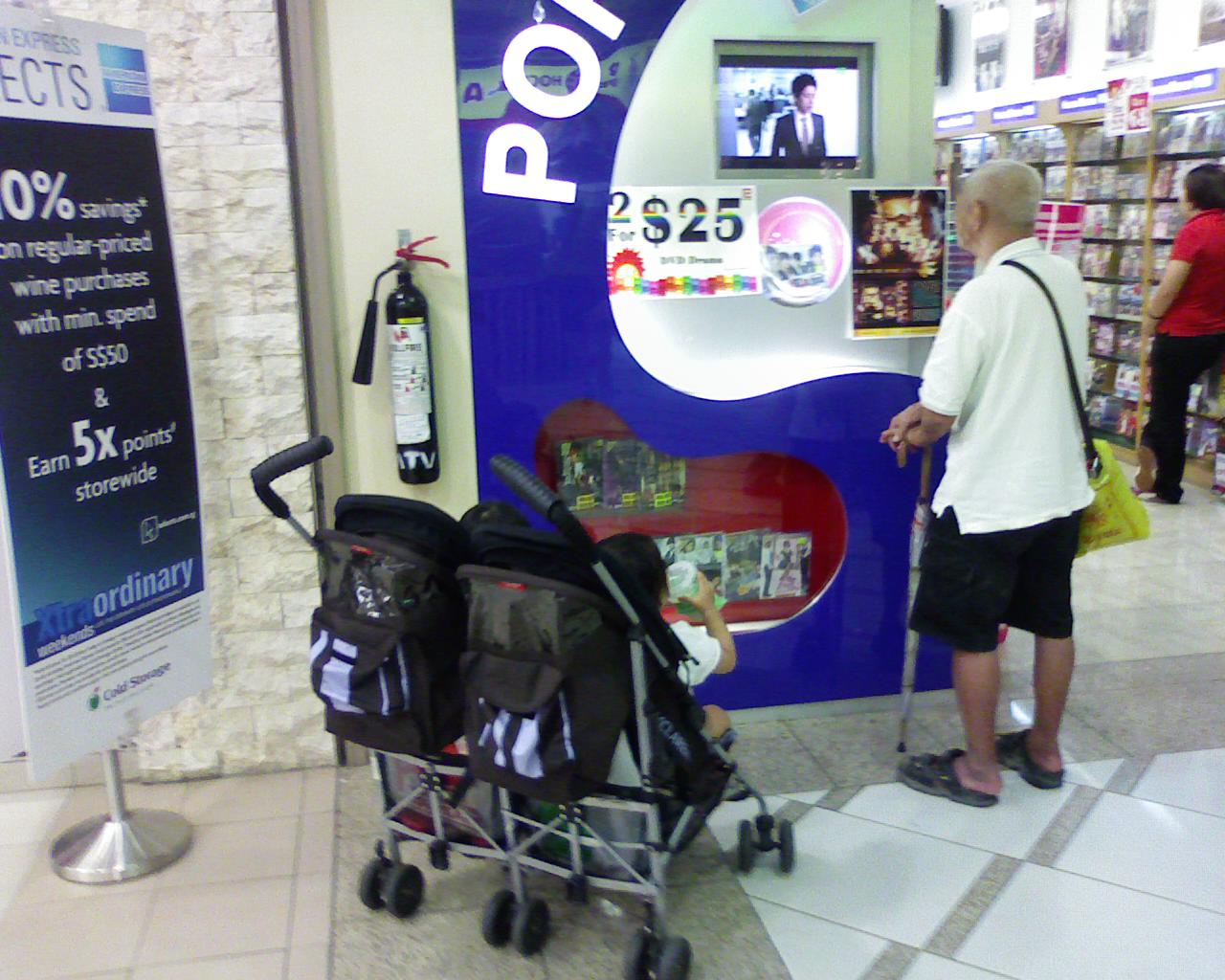
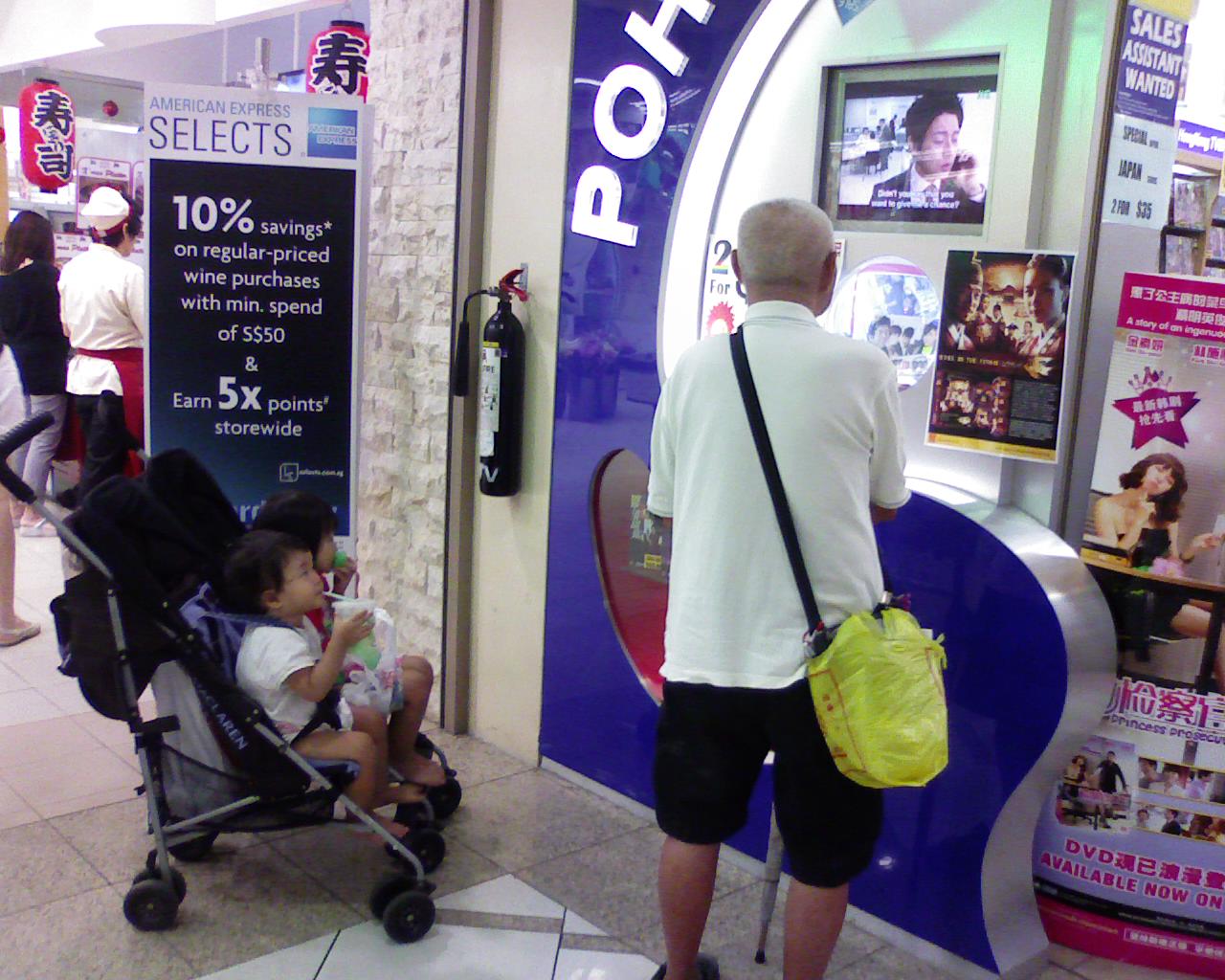
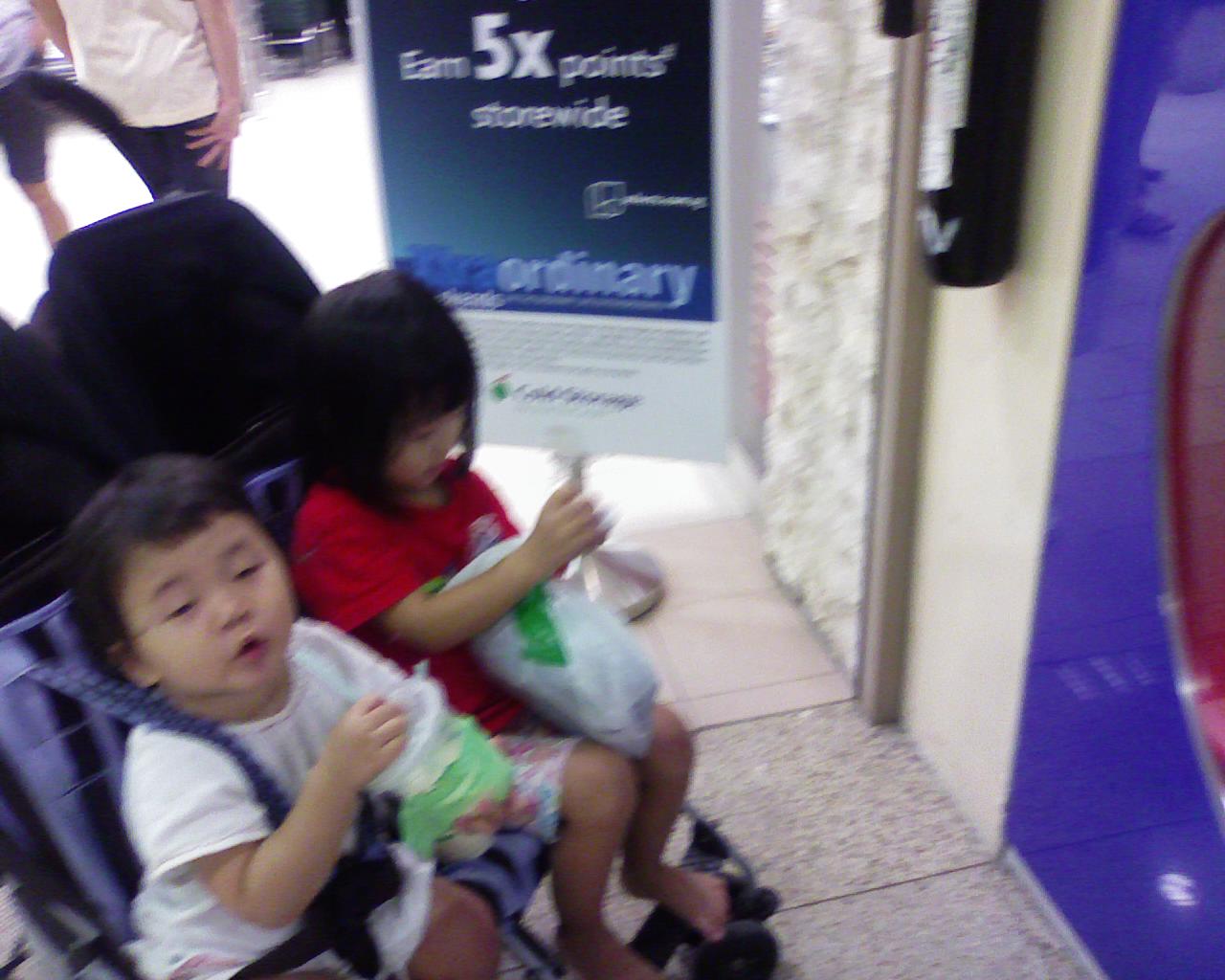
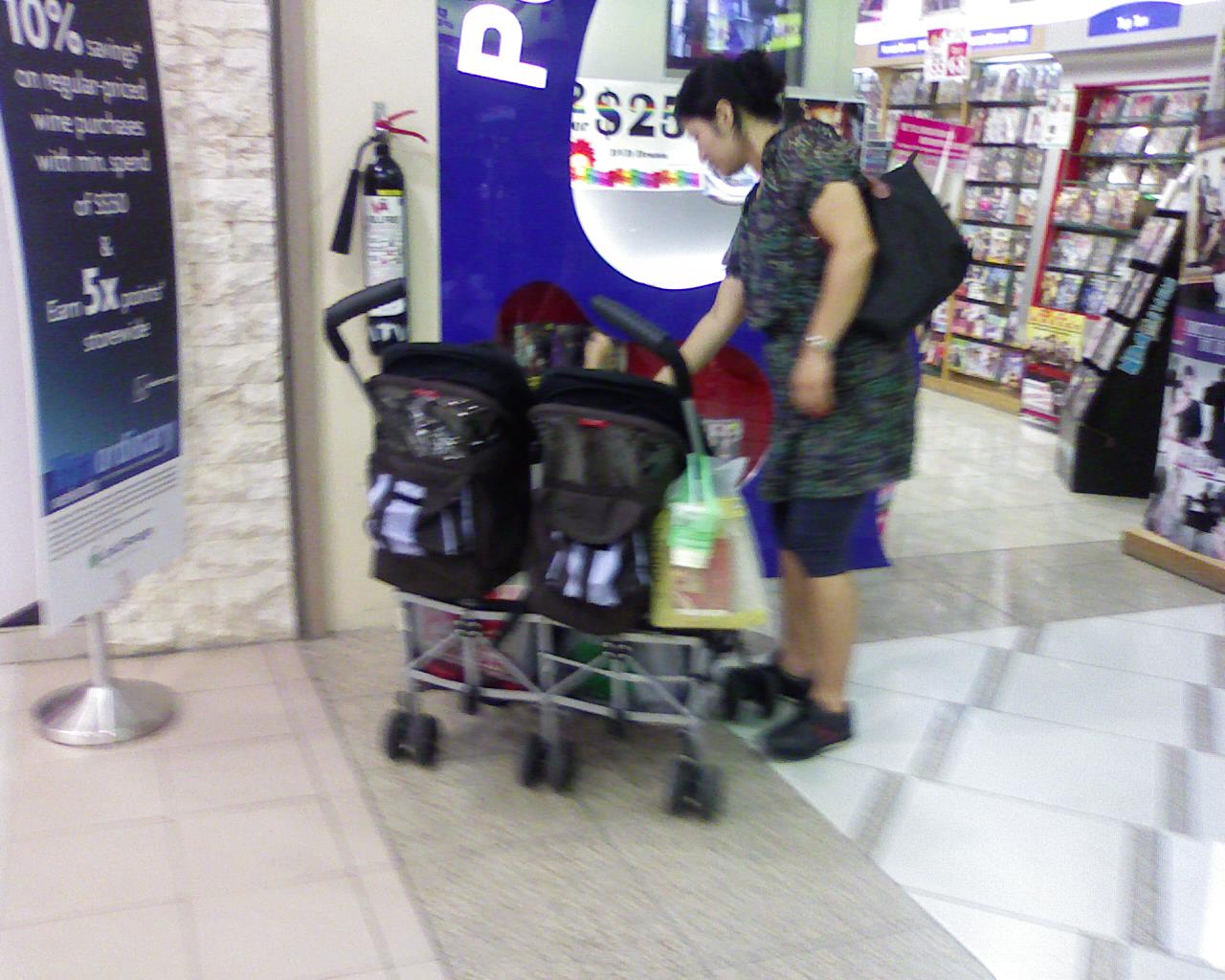
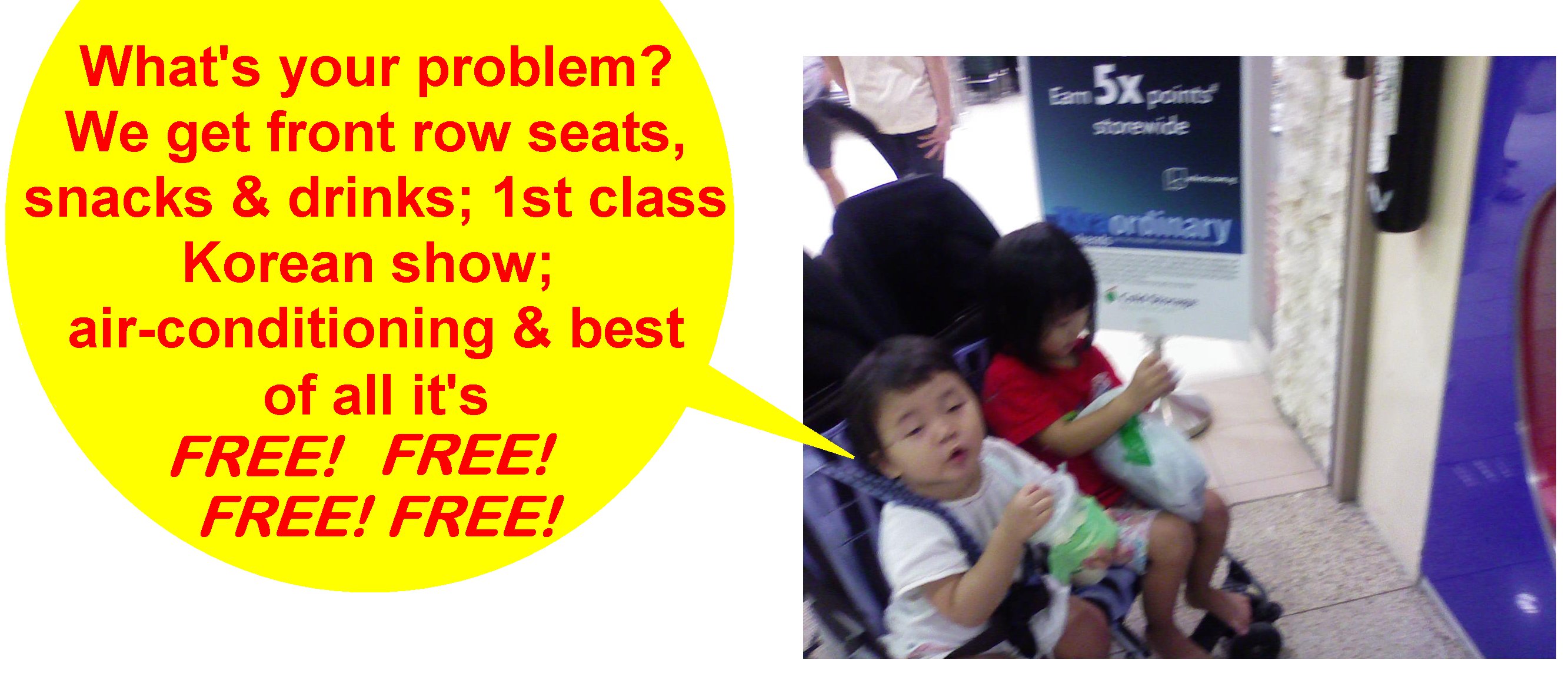
Apparently, these two cutie babies (young children) were left by her mother outside a Video Shop. The video shop was showing a Korean film. And I believe the family are Koreans.. Note: The man in the picture does not belong to the family, as he left afterwards. The mum, around 20 minutes later appeared. How's this for unattended "child care" at a shopping centre. This shows how safe, Singapore is! For a mum to leave her childern to shop (perhaps nearb-by). By the way, the girl dropped a plastic bag containing some purchases by her mum. I helped picked it up and returned to the eldest (girl). She is very cute and offered me her drink!
-
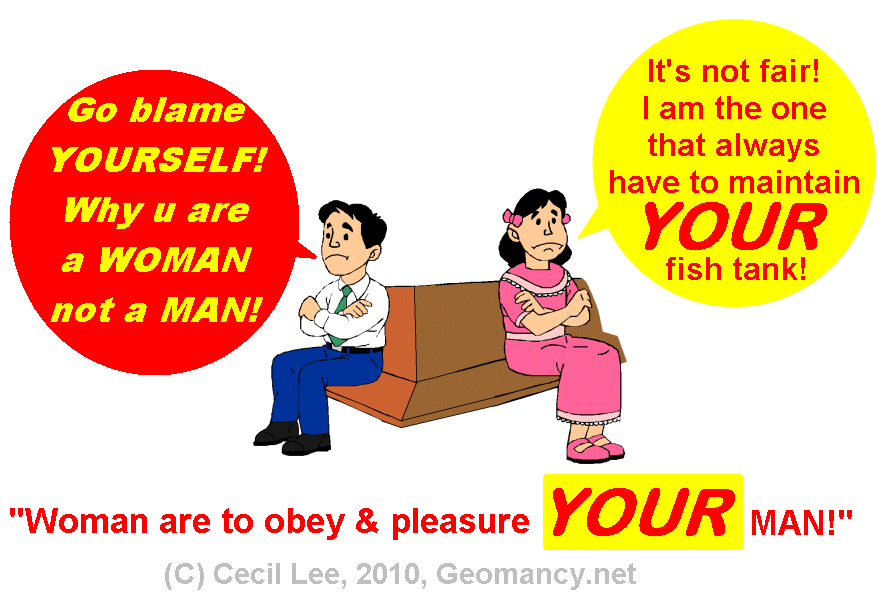
How often we hear of this....
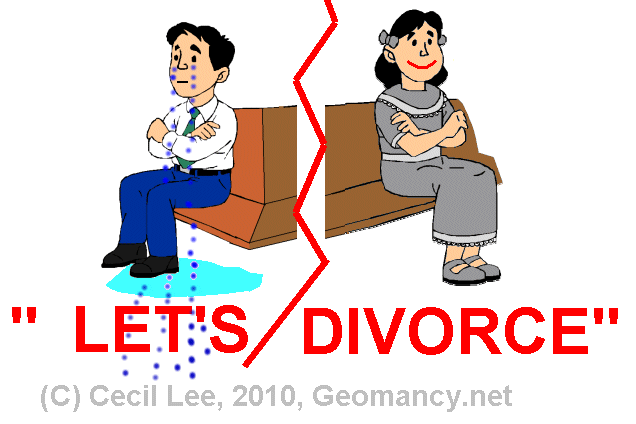
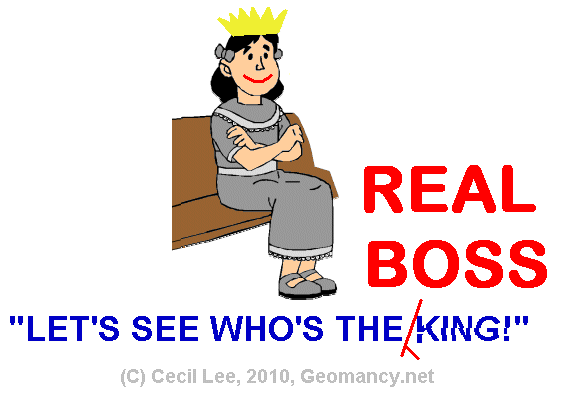
-
Reference Link: http://forum.geomancy.net/phpforum/article.php?bid=2&fid=1&mid=12485&new= As mentioned earlier, many of us don't have "born with luck" and good "Feng Shui". But the lucky ones always got great support (especially) from family members! My all time favourite sterling example of Human or man luck; has to do with this show:- The Movie Executive Decision By Warner Bros (Also called Critical Decisions) Extract of the link:- One of my most favourate movie is: 8.1 In US it is called: Critical Decision 8.2 But in Singapore it is called: Executive Decision. 8.3 This show was shot by Warner Brothers: starring Kurt Russell and Halle Berry (the most recent pretty James Bond girl). 9. I have watched this show at least 100 times throught these many years. And the ending has a good line. Where, Kurt Russell, who is not a jumbo jet pilot but a miltary adviser flew this plan and tries to land it. 10. He (Kurt) tried first to land at Dallas Airport, but was unsuccessful. He then make a turn towards a small airfield and when recognising this small field, he had a little confidence. Halle Berry who plays the flight attendant was helping him with the instructions: finally I like this part something like: 9.1 Kurt Russell: what else did I forgot (after lowering the wheels and checking air speed); 9.2 Hale Berry: Who cares, JUST FLY THE PLANE! 9.3 Kurt Russell: Got a sudden surge of confidence and then flew the plane, landing it safely on the ground. 10. All I can say to you, "who cares" about worrying too much, JUST DO YOUR BEST or FLY YOUR PLANE! Thus what the heck why worry about how many fishes or colours...
-
These are further considerations: 1. We consider luck as classified into three categories. 2. Here, this is known as the "Holy Trinity" of (Chinese) Luck system:- 2.1. Heaven Luck or simply born with e.g. some considered born with a silver spoon etc... 2.2. Earth Luck or Feng Shui - such as luck from home or office 2.3. Human or Man Luck - such as relationships, family bonding etc.. 3. Some people don't have good Heaven or Earth luck. But simple things like a real hobby e.g. enjoying the maintenance of a koi pond, the pleasures of seeing these fishes circling around in the pond awaiting feeding etc... 4. Thus,we often hear; some people, turn their hobby into a labour of love - where work and play comes together. 5. Where got.. worry about number of stripes on a fish or number of fishes or what crap the colour of the fish are... This is ridiculous.. for most people. Unless, one has nothing better to do daily... 6. No offense, but frankly, successful people don't go around counting how many fishes in their pond. They look at the bigger picture: I need a koi pond, here (full stop). Someone else, create the pond and populate it.
-
1. Frankly, are you keeping Koi fishes for enjoyment? OR 2. Keeping Koi fishes FOR THE SAKE of FUNG SWAY? 3. If one intends to keep Koi fishes in the name and holy spirit of Fung Sway, then, read more and there are tons and tons of methods to derive a number. 4. Honestly, for those who go in the direction of Para 2, or 2; then go ahead, throw a dice or flip a coin: Heads or tails.. and the quest for the kind of fishes. 5. For heaven's sake, one will be more successful, for the love, enjoyment of Feng Shui and not Fung Sway type of thing. 6. When we go down to a koi shop, it is like going into a pet shop and "falling" in love with that cute little dog. And not again in the name of Fung Sway ; where sway means bad luck! 7. Come on, how can keeping koi fishes become "rocket science?" 8. Why the uncertainty and fear of what colour, combinations etc.. to keep? 9. In all questions in this forum on this subject; I hope that you don't make this hobby for hobbists into a rocket science subject or atomic science subject.
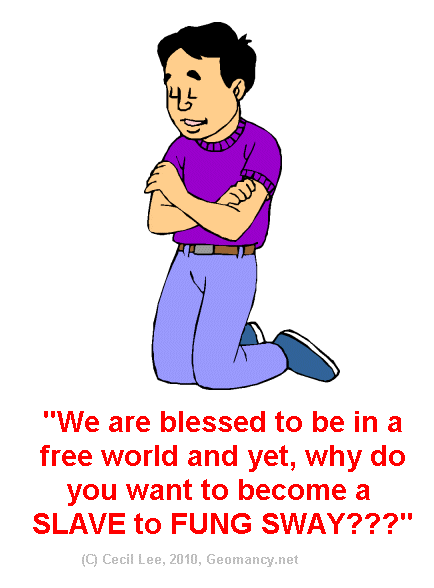
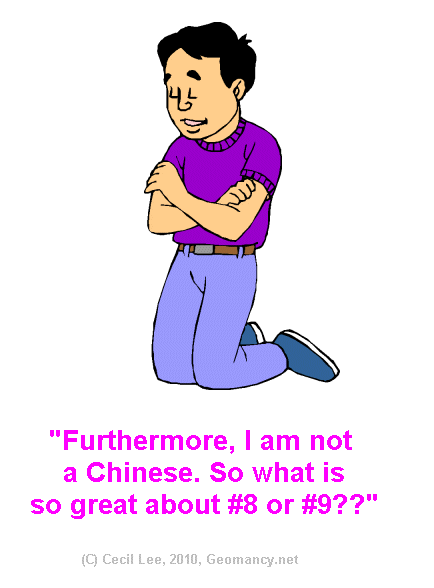
-
These are some further considerations:- 1. Do you intend to keep only 7 + 1 koi fishes? 2. If so, then:- 2.1. In any event that (touch-wood) any of the fishes die; the probability is one of the 7 other fishes. If so, 6 + 1 koi fishes is acceptable. 2.2. Unless one wants only 7 + 1 = 8 (8 represents) prosperity, then should the fishes become only 6 + 1, then replenish with1 other coloured fishes. 3. If you intend to keep only 7 + 1 koi fishes; then look at it this way; no harm if you feel comfortable that your black should be black. Thus, on the safe side; since you already intend to keep a black one, why not the totally BLACK one. Not those red-black ones, right? 3.1 Blacks are usually :Kumonryu or another black variety called Karasu, 4. Anyway, in Singapore, especially those who have a large pond outside their homes would always keep as much as they feel their tank can have. Not so much of only in the name of Feng Shui sake : 7 + 1 (full stop) type of senairo.
-
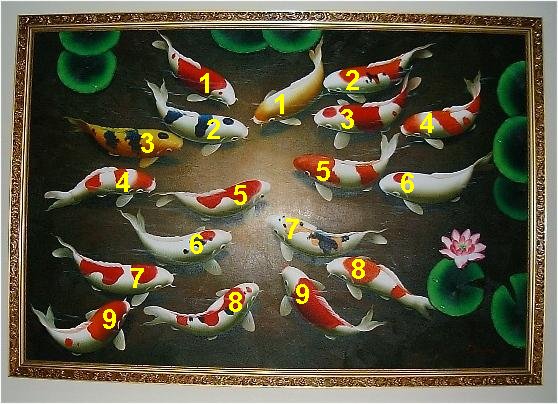
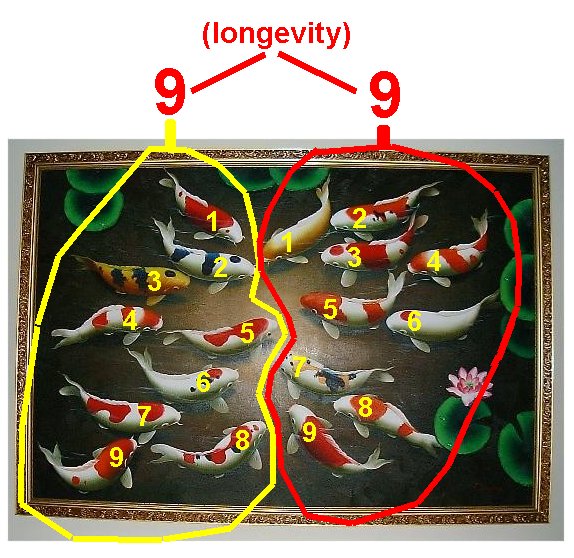
Further to what I had mentioned, this same link shows sample of the significance of how many fishes and the symbolism attached to it:- http://fountain.geomancy.net As for the 7 red and 1 black:- Black represents the water element. While #7 represents Weak Metal element. Thus you don't need all RED koi's but rather 7 other Koi's of any other combination of colours so long as it is not TOTALLY black. Frankly, go enjoy the Koi for what it is worth. And not for the sake of "Feng Shui". Enjoyment does not mean constant worry of making sure that the "quota" of fishes is not breached or lacking. Who in the world would take an inventory of one's fish every day etc... Thus the most practical method is : since all Koi's are of the metal element; and since metal supports water; this is harmonous enough! And I would not careless how many be it 7 plus 1 or 6 (stong metal) plus 1 black! Just look at the attachment: beautiful painting of 9 kois meeting 9 Kois. 9 symbolises longevity. And if you count the number of fishes, there are 9 on one side meeting the other 9 on the other side: Koipaint1.jpg Furthermore, this 7 plus 1 thing applies more inside the home where one keeps goldfishes....
-
These are some information:- 1. Although the Japanese made Koi famous with all the various distinctive names based on the markings on the Koi fish; 2. In fact, the Koi fish has it's origins in China as "carps". 3. Under the Five Elements concept; the Koi fish if one looks carefully is shiny and like the gold fish; is considered as belonging to the metal element. 4. Under the Five Elements concept: Metal supports Water. That is why, it is considered a fabulus combination. 5. You can read more about the Koi and it's association with the Five Elements concept:- http://fountain.geomancy.net 6. Just remember; Metal supports Water. And if you have time; go thru the above article from Para 2.1 to 2.12 to have a good grounding of this Five Elementsconcept. 7. In general, since the Koi fish is shiny or metallic; you don't have to worry too much of the colour combination EXCEPT:- 7.1.ALL BLACKKoi fish: No one wants to keep so many black ones...Thus black represents WATER element. Still OK. 7.2. In life; even in our normal surroundings; it is fine to have a range of koi fishes of various colours e.g. red , red-black, white-yellow, orange etc....
-
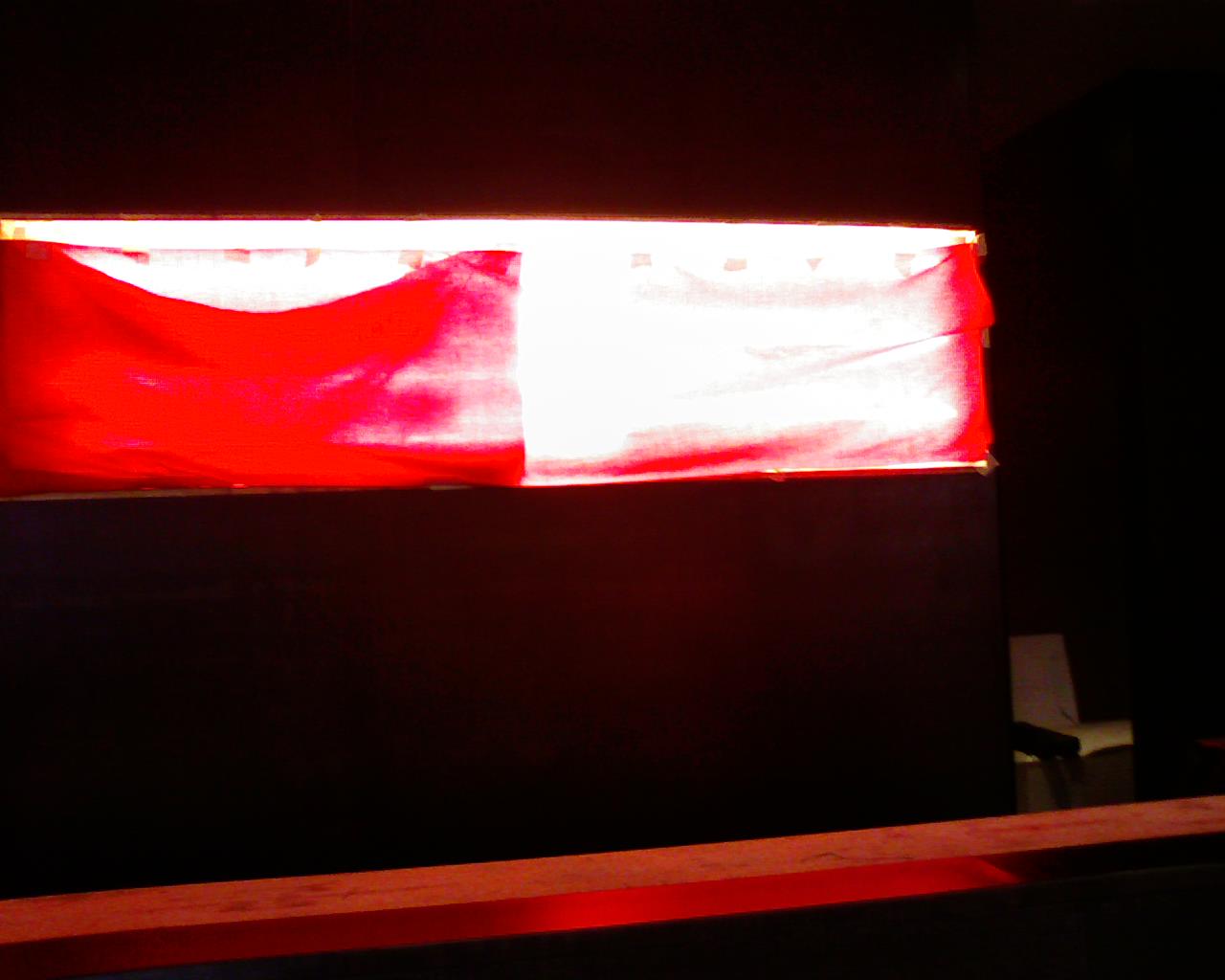
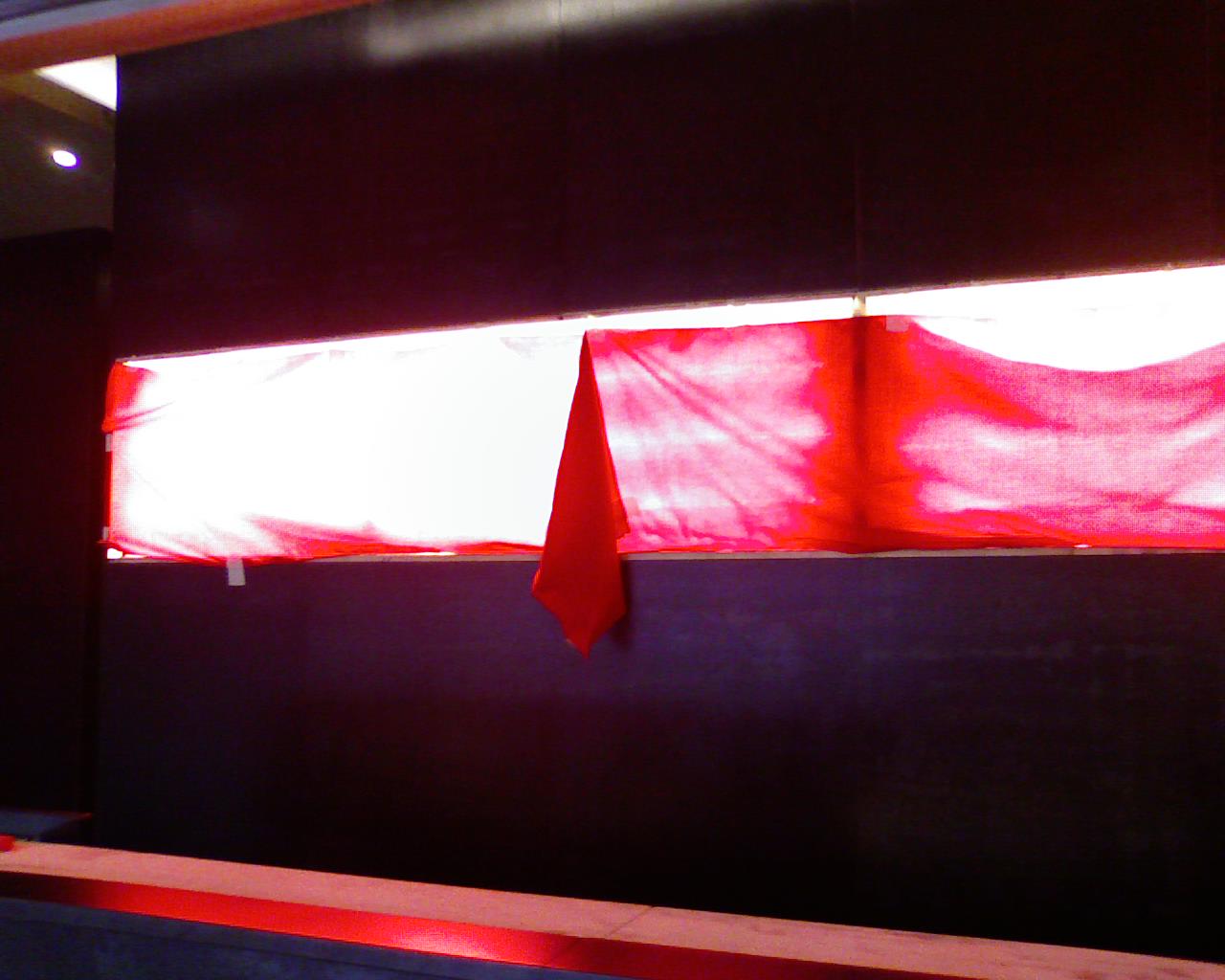
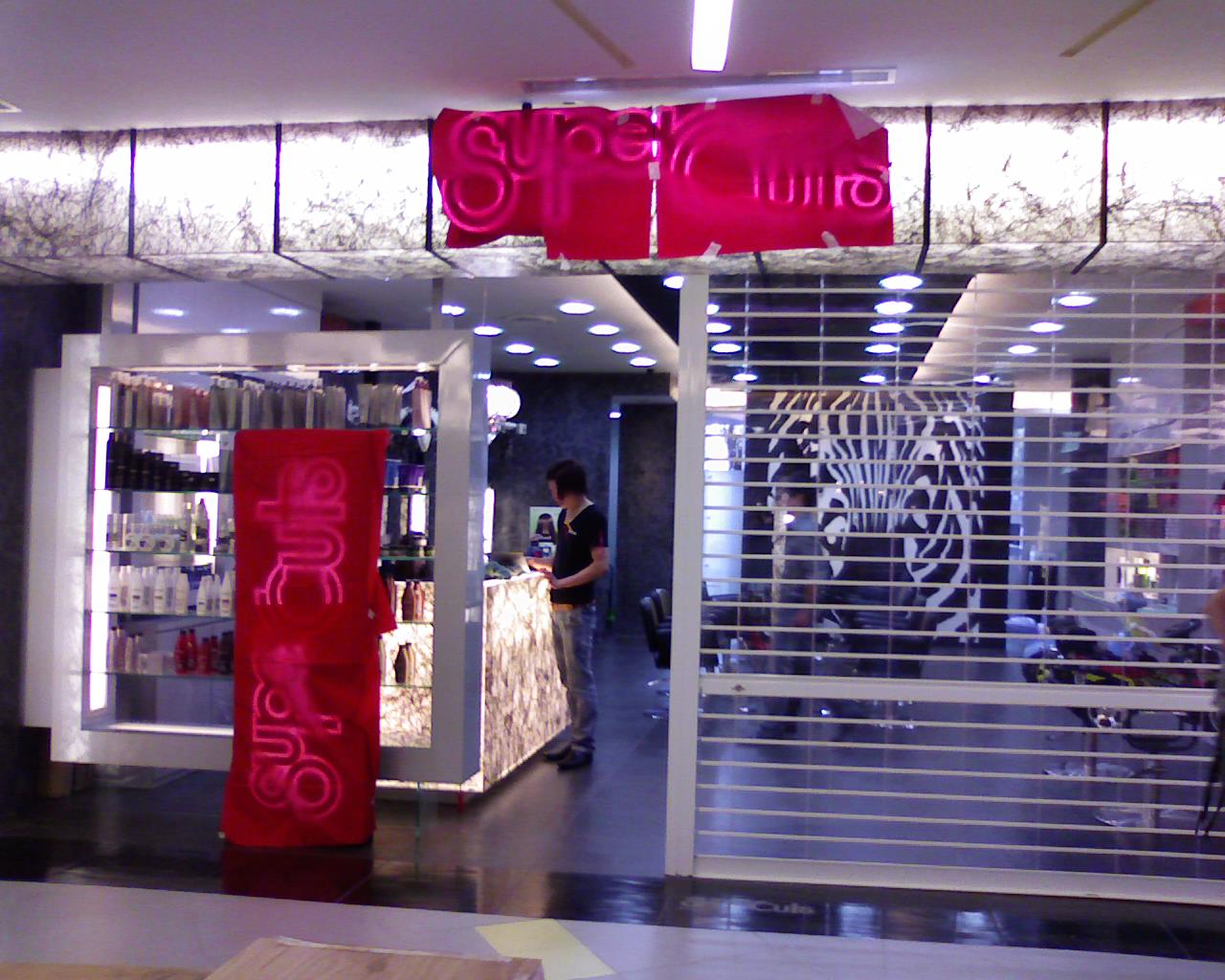
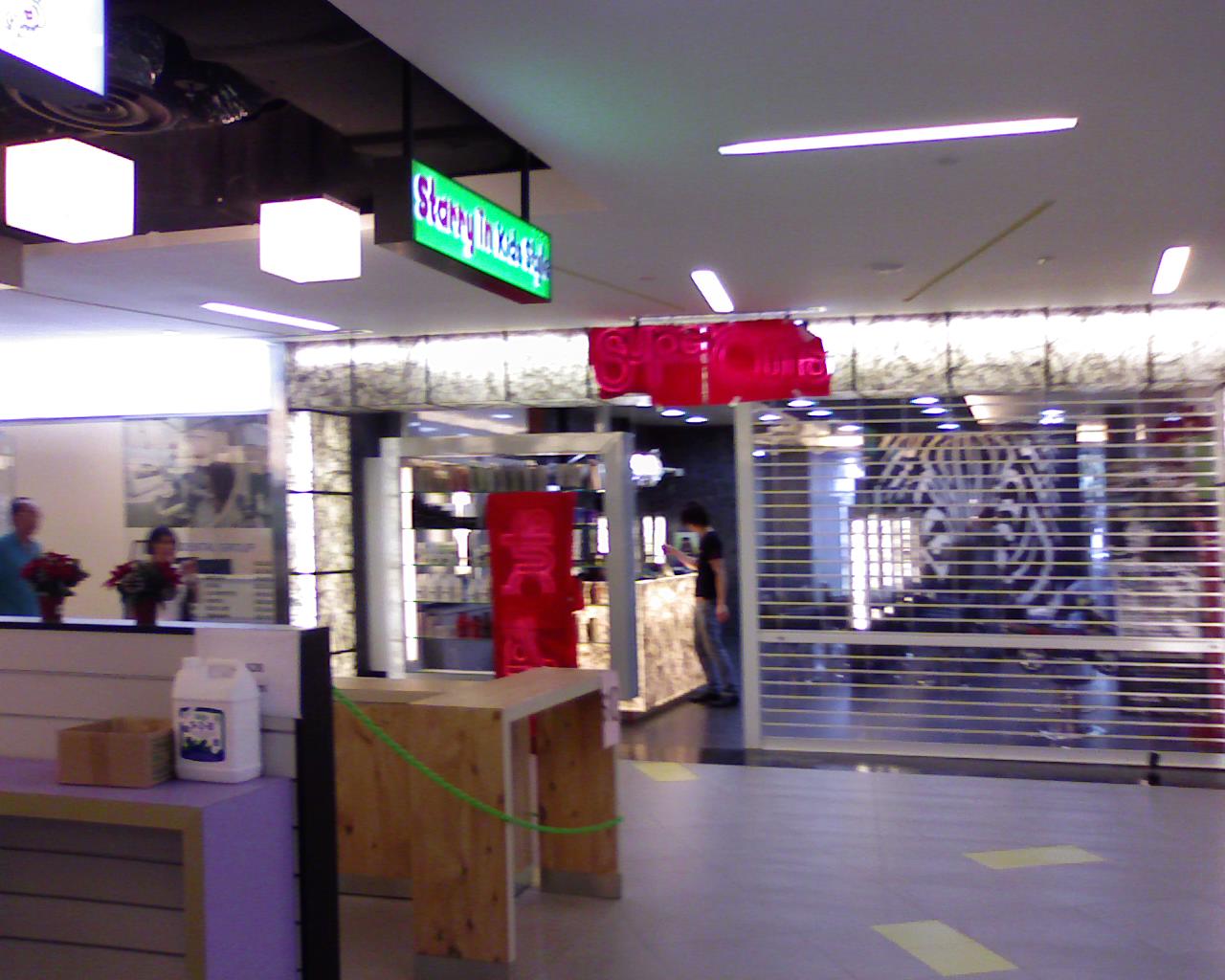
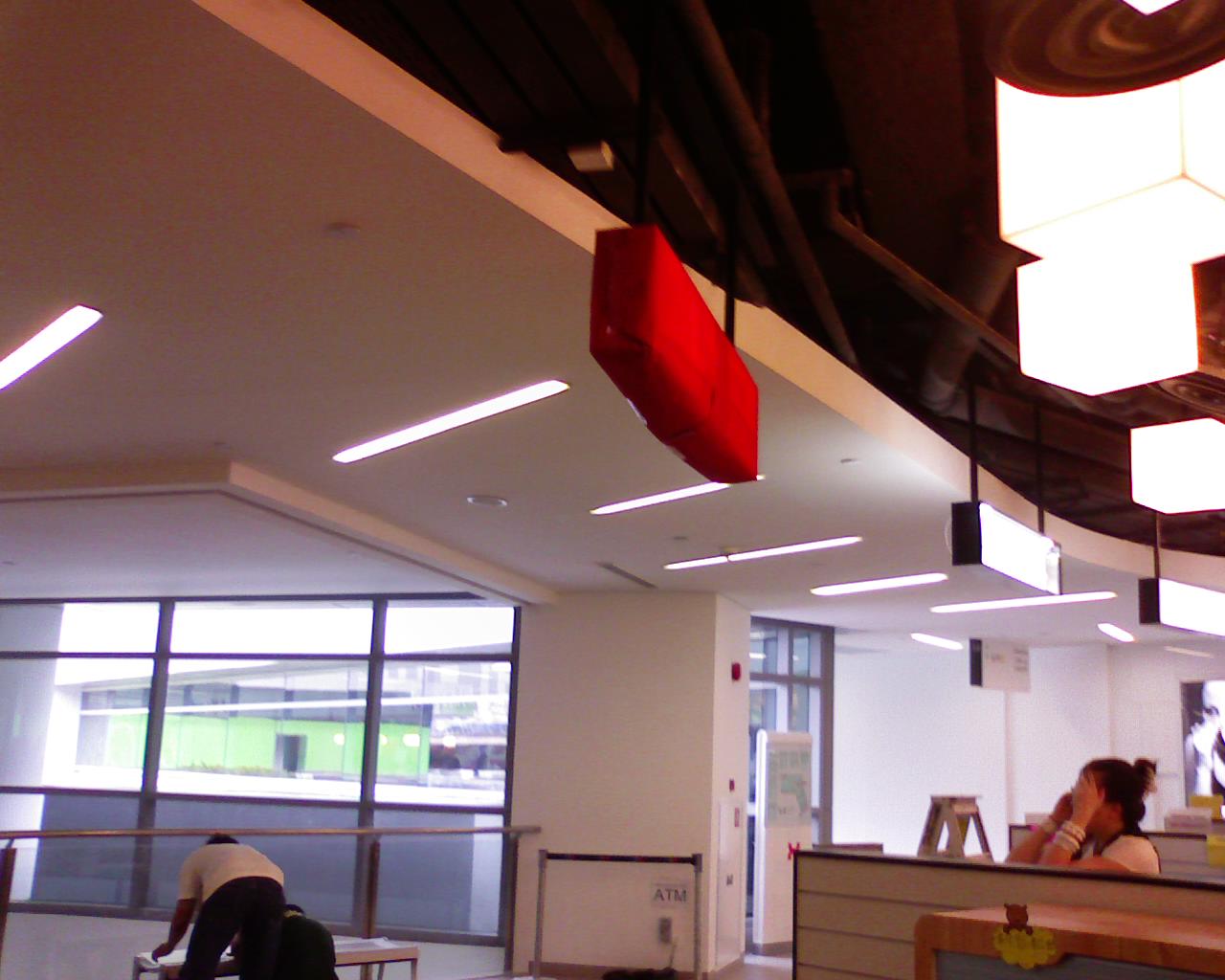
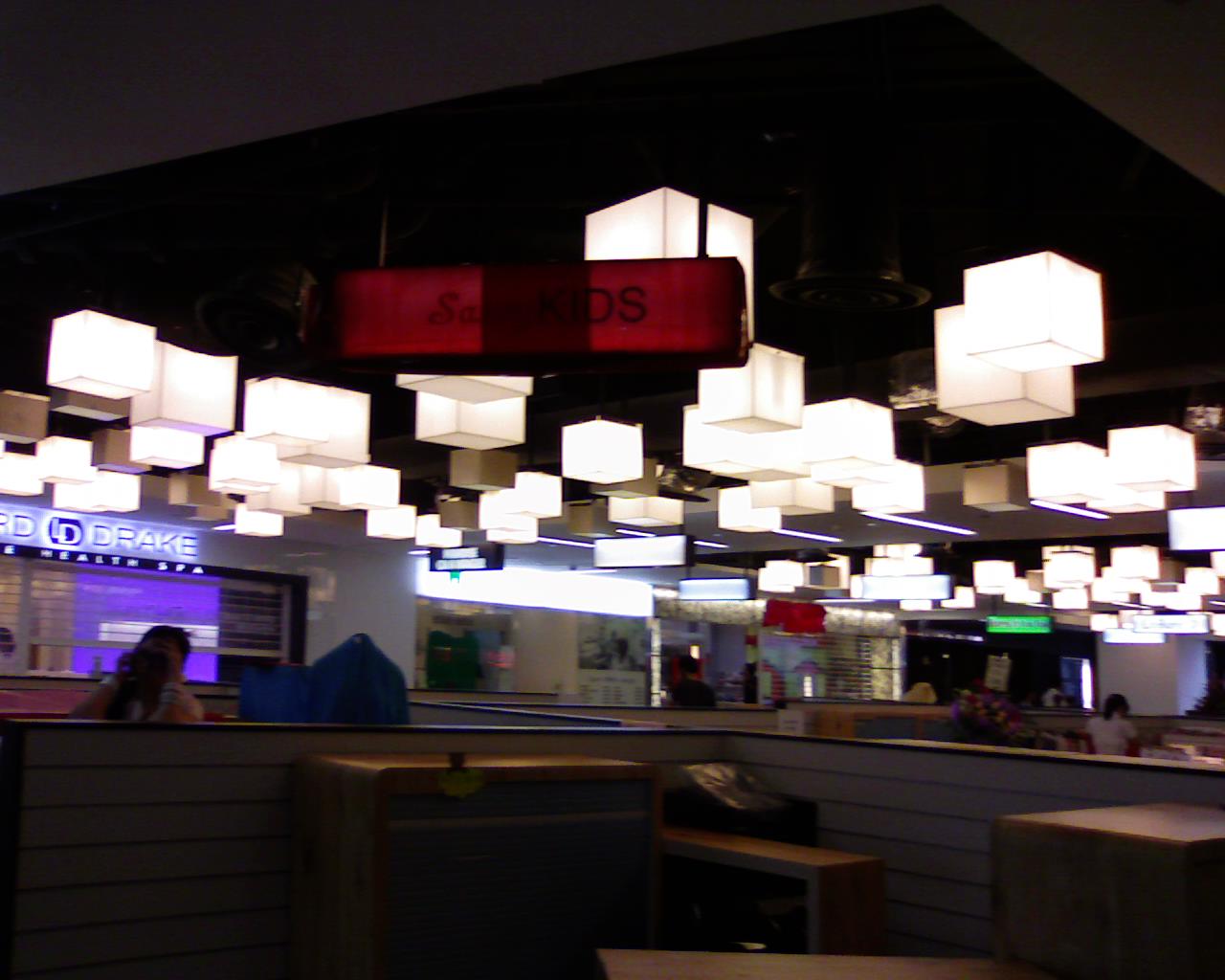
I apologize for the quality of the photos, which were taken in April 2020. At that time, phone cameras were not as advanced as they are now. As RED symbolises auspiciousness. Many shops cover their new signage with either red cloth or red paper prior to the opening of their shop. These photos were taken today at Singapore's newest North-East shopping icon: NEX.
-
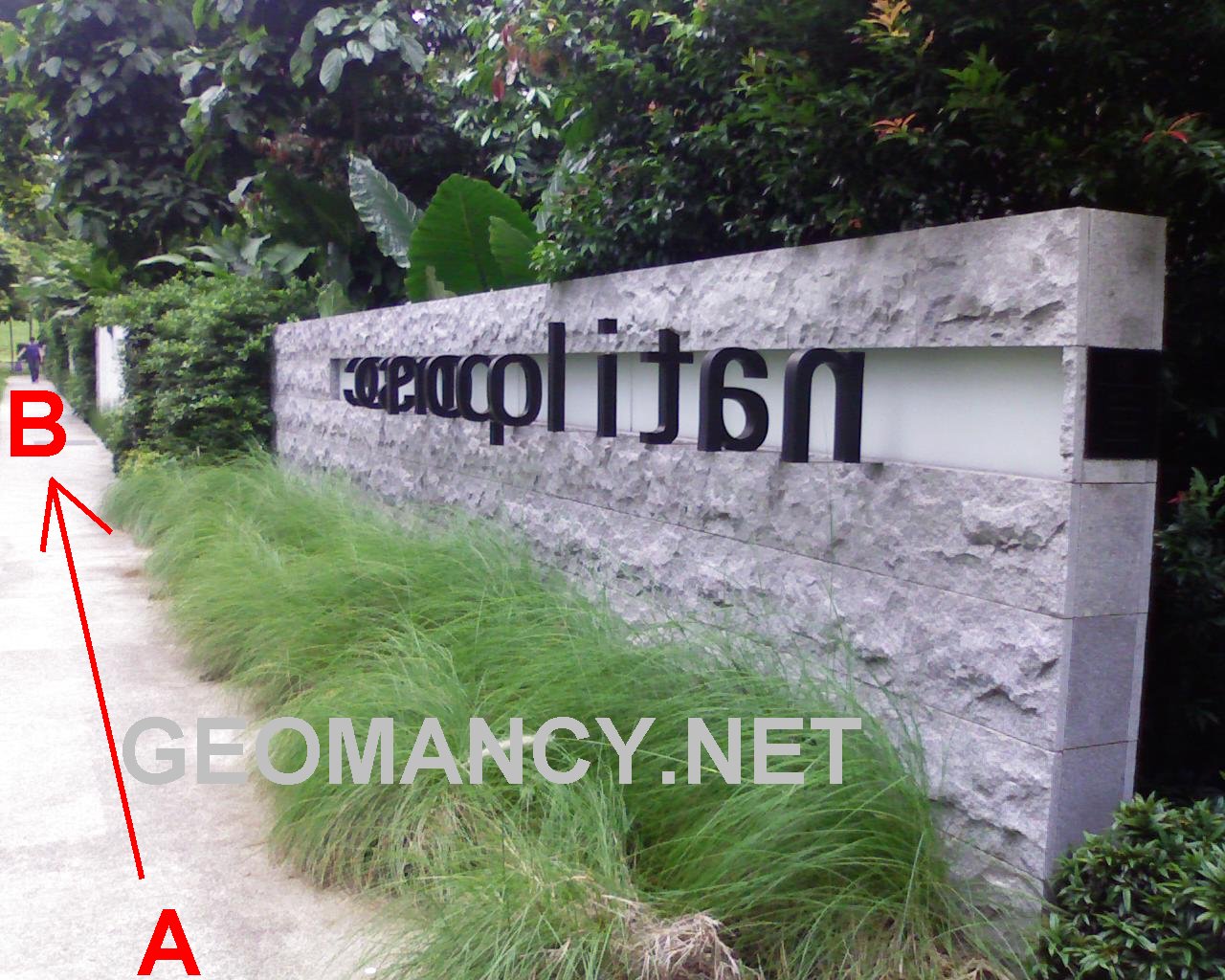
As mentioned, fortunately, the road leading towards this side of Kim Seng Road is only one way. And the one way is say from marking in red B to A. If one were to walk slowly from the pedestrian path from A to B; and new to the area, will need to ponder over the signage or look back!
-
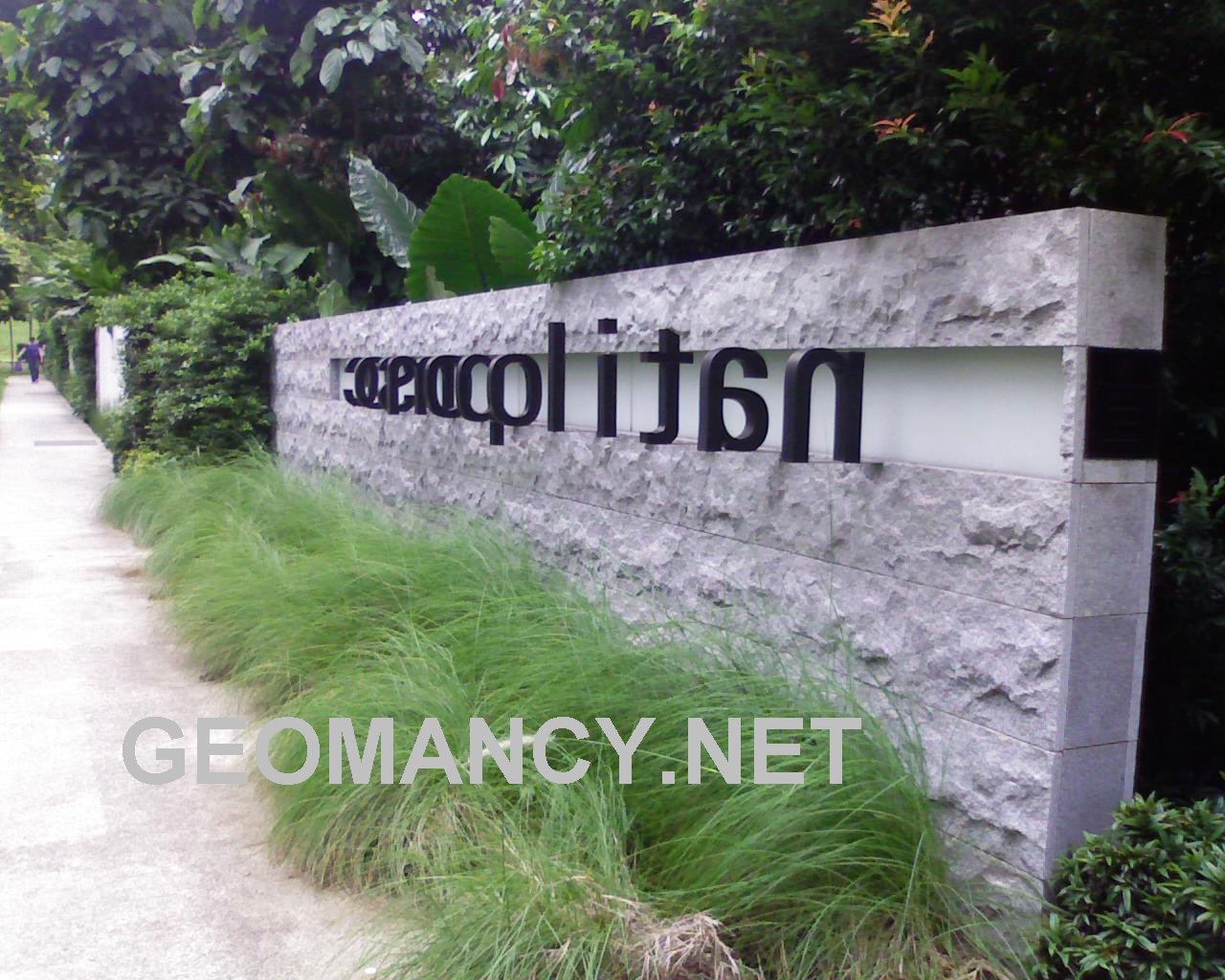
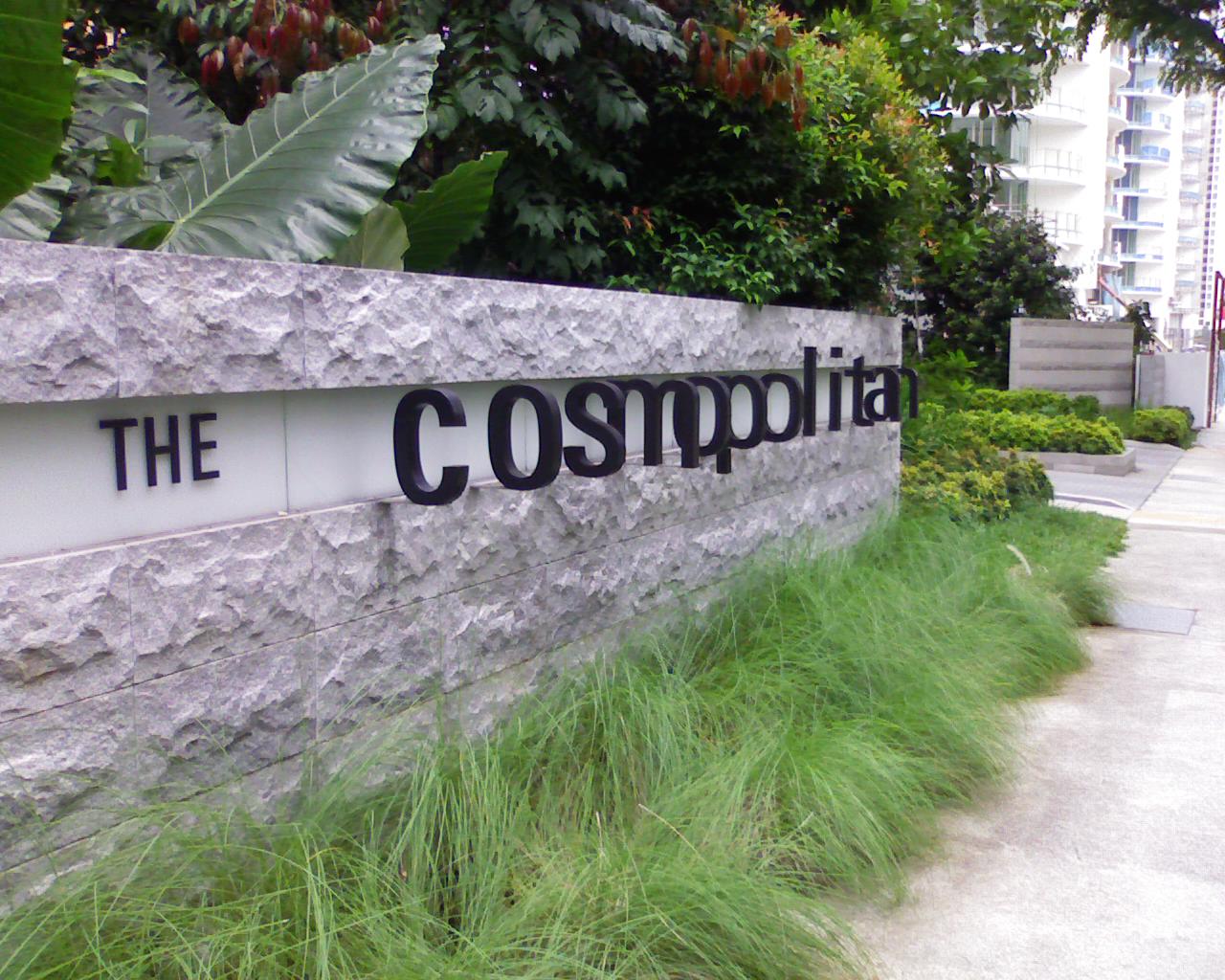
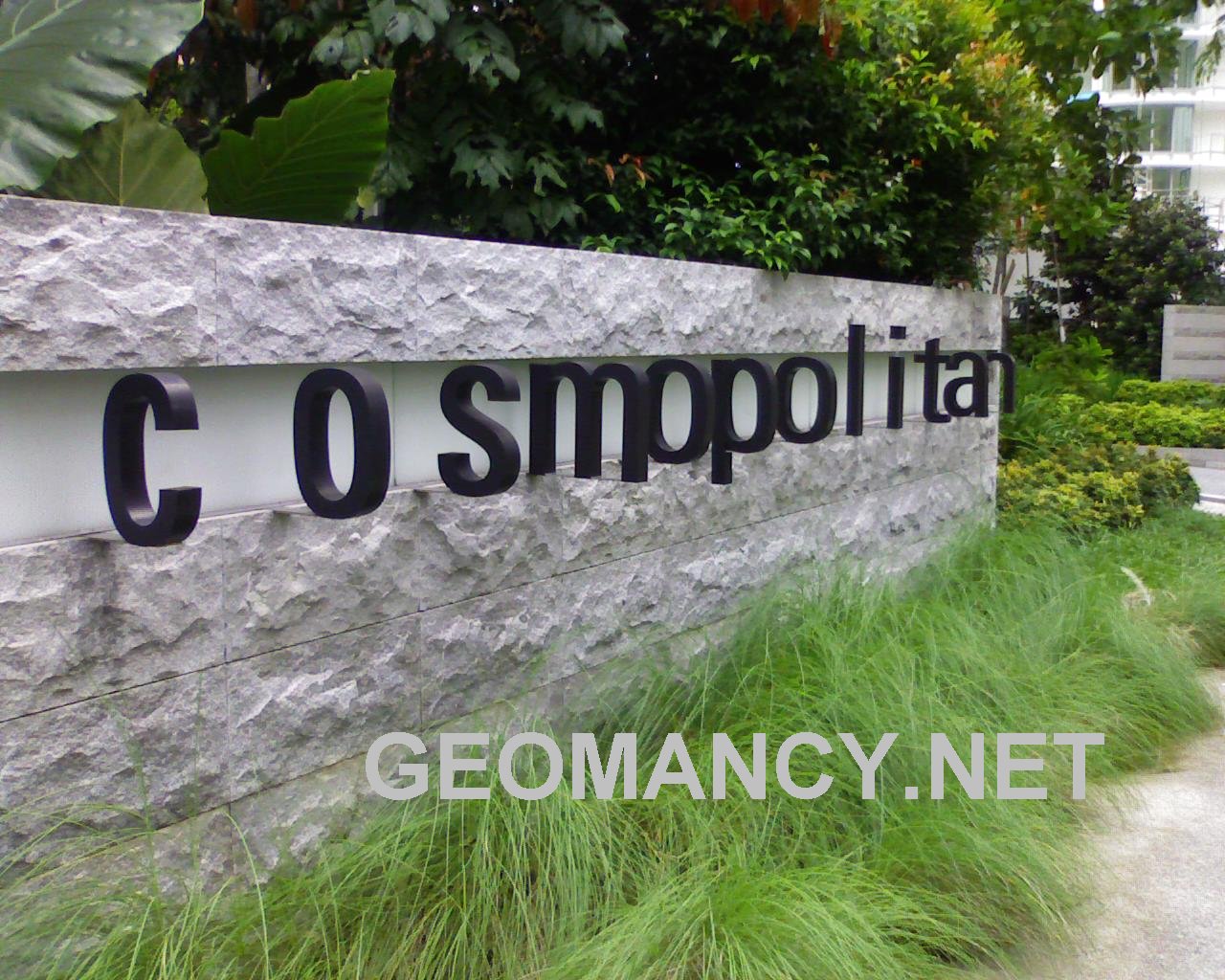
The Cosmopolitan consists oftwin towers. Afreehold condominium located at the junction of Kim Seng Road and River Valley Road. Attention to details like this unique signage outside the condominium to take advantage of readibility of it's sign at a junction! Take a look. And just imagine, that you were driving along Kim Seng Road cum River Valley Road.. in such a situation; the sign is so easy to read. Fortunately, this is a one way street. As such, imagine again, if you were to or could drive on the opposite side; you have a hard time figuring the sign!!
-
This could be another reason one can state in the divorce papers for separation & divorce!

-
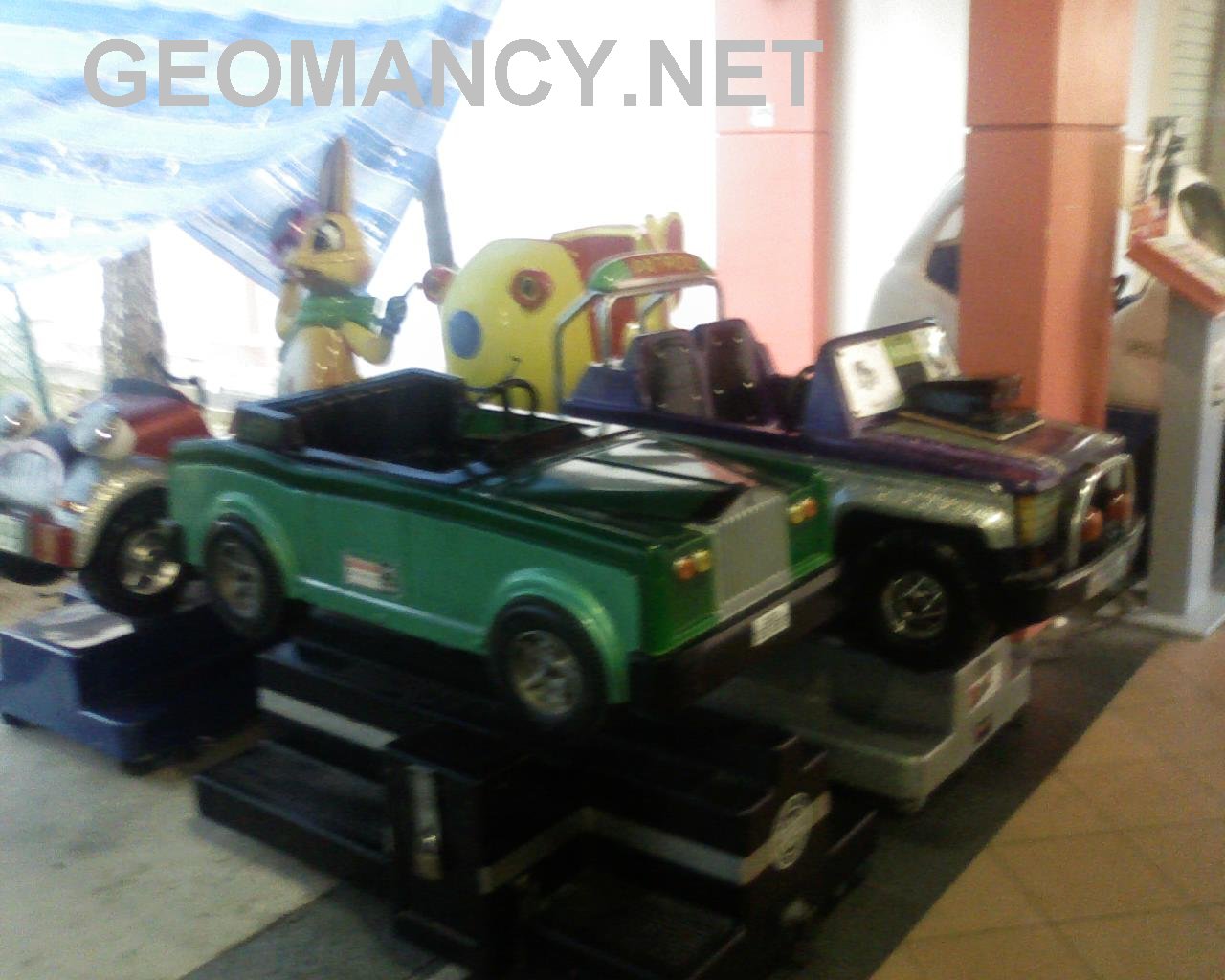
1. Many donkey years ago while serving my army reservist obligations; 2. I recall a business minded army clerk of mine. He is always looking into business opportunities. 3. He is not always successful. Throughout our "15 years" of reservist training; his fortunes would wane. 4. For example, I recalled in our 6th year of reservist training, he asked for a ride. As he claimed that (due to the condition of his feet) he was unable to drive. 5. But later, I found out that his business failed and he had to sell his car. 6. Till today, I was still amazed at his outlook and his powers of observation. He mentioned that he has even studied the feasibility of going into those child ride amusement machines (see attachment). 7. On his own, he has figured out what Professor Michael Porter theorised in his famous "Porter's Five Forces" concept. 8. Here, unlike other business, few people would ever think that such a business would work. 9. But for this clerk, he thinks out of the box. Rather than business that everyone aims to get into; he tries to find opportunities that others don't even give a second or third thought of ever venturing. 10. Here, he surmise that don't look down on his concept; where Michael Porter would coin it as something close to "higher barrier" of entry in a rough sense of it. Won't go rich, but in my opinion; it is like a small piggy bank...
-
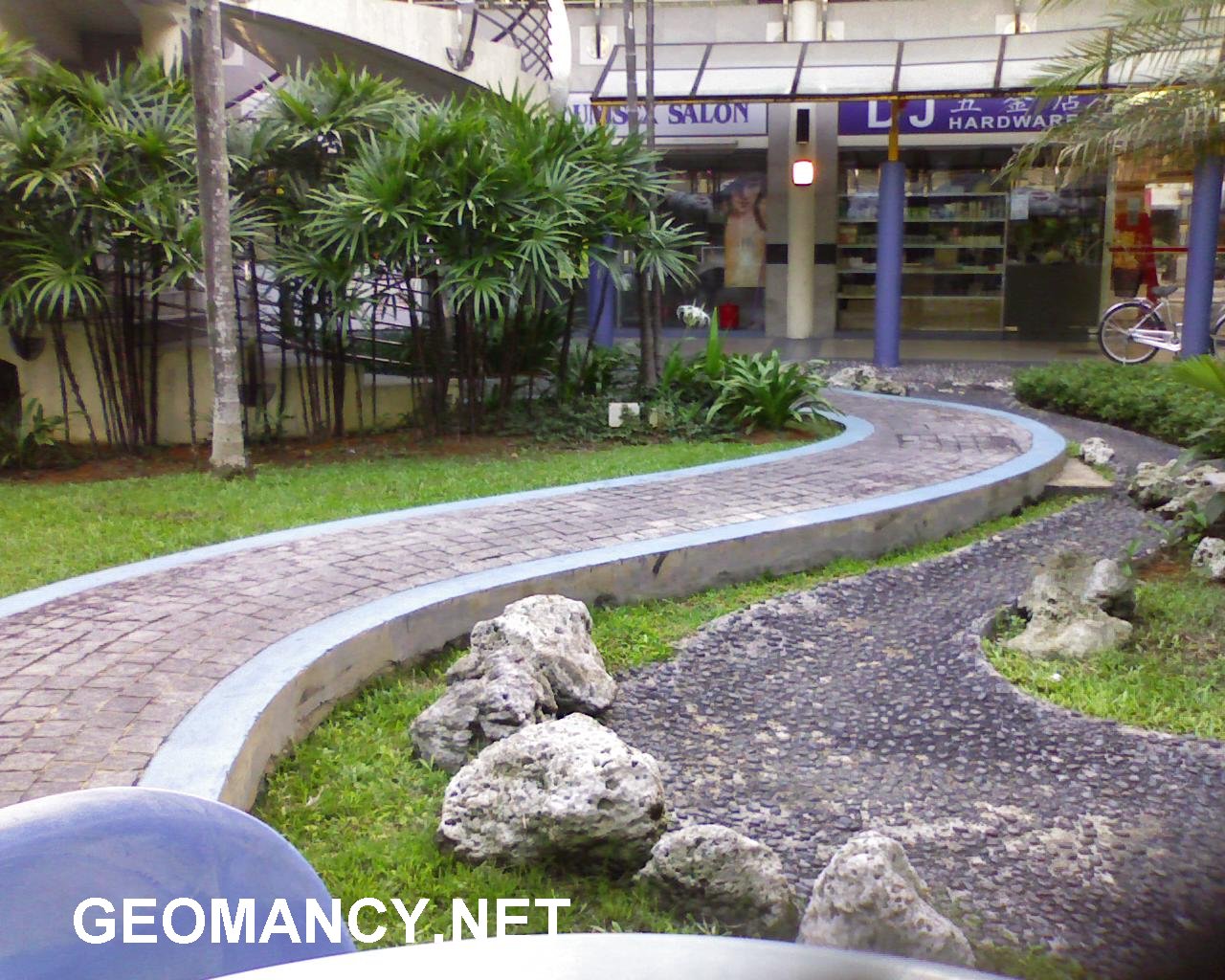
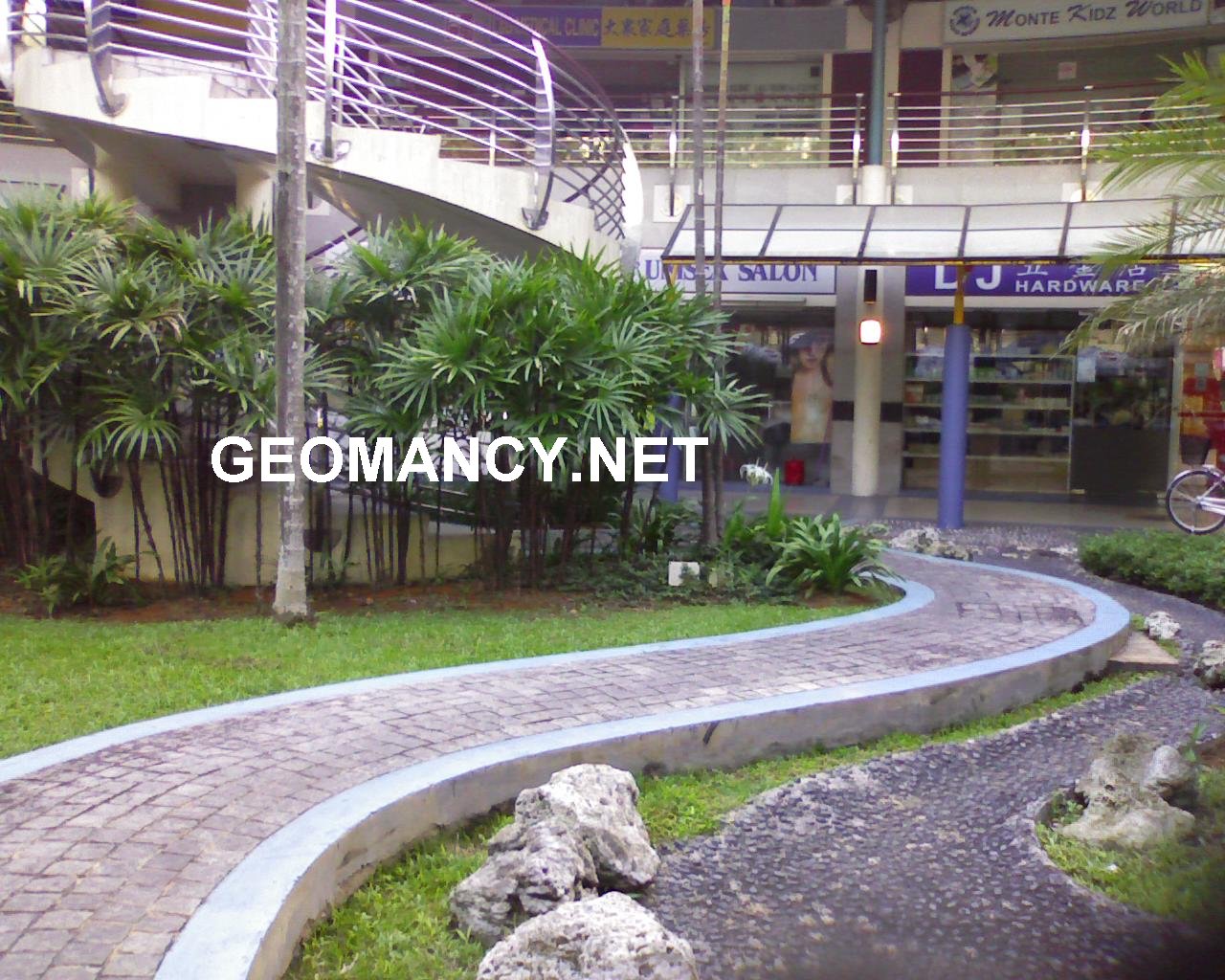
The winding path at Elias Mall, Pasir Ris, Elias Road, Singapore
-
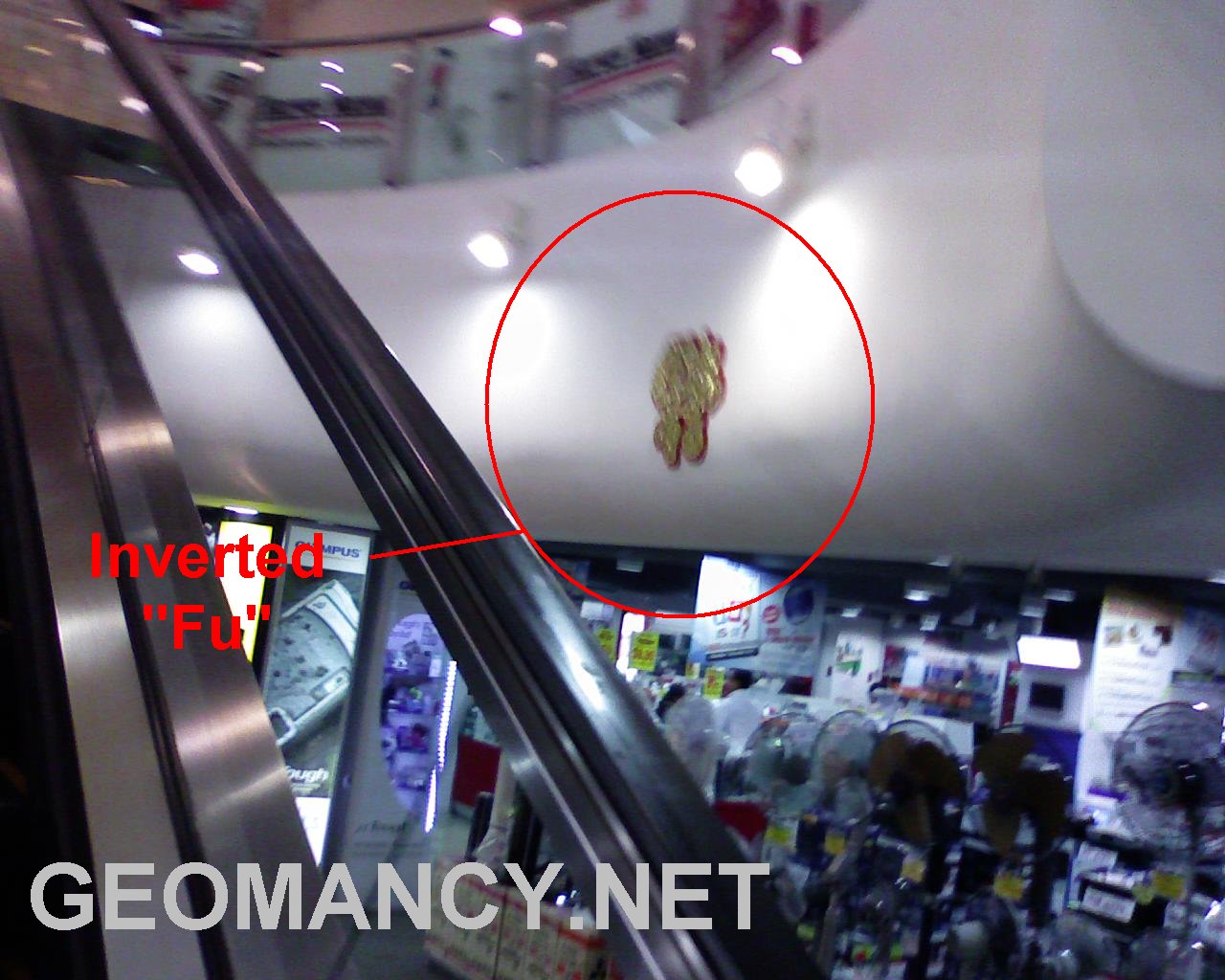
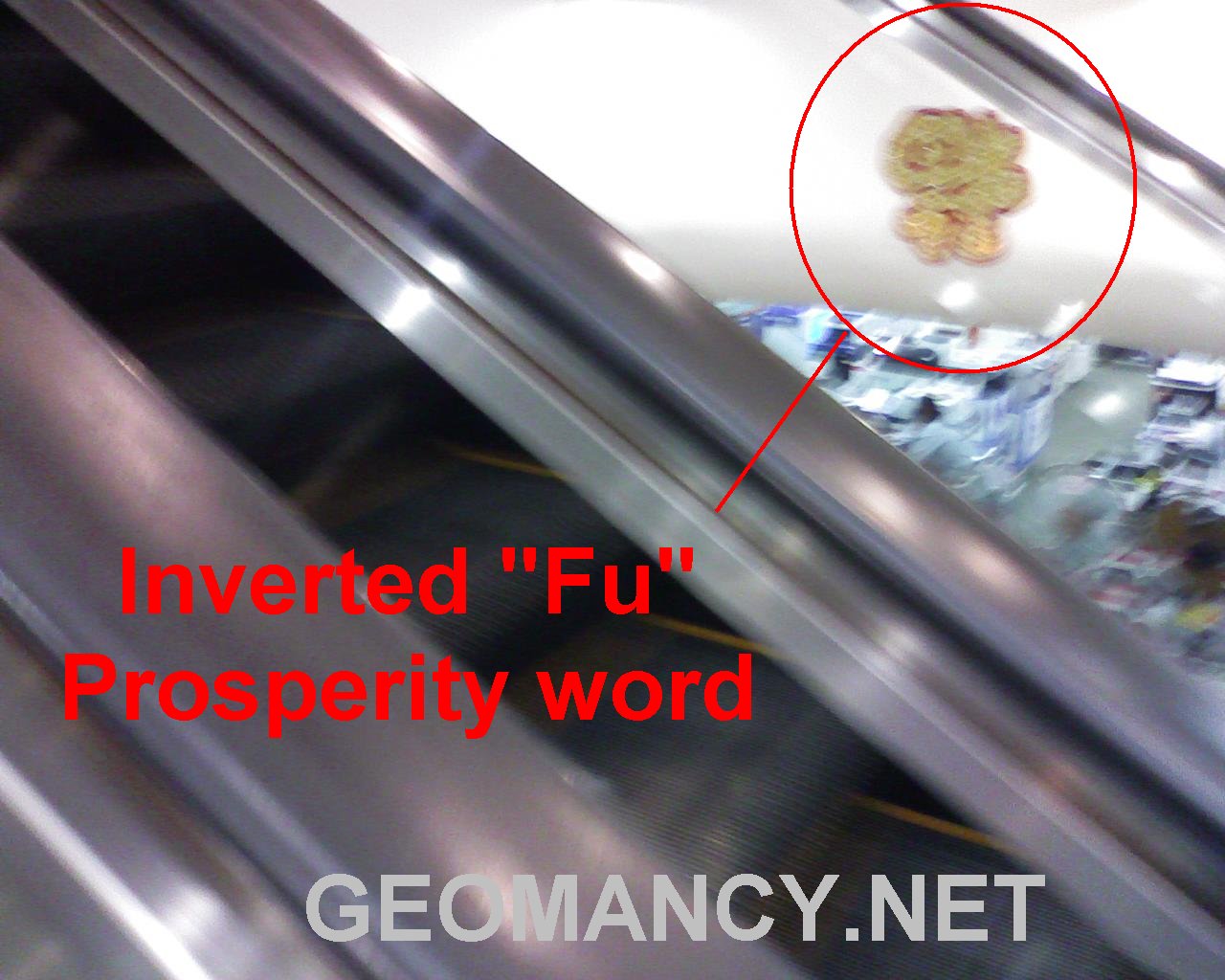
Another one of those inverted Fu's. This time, at Harvey Norman, Funan Centre, 2010.
-
More....
-
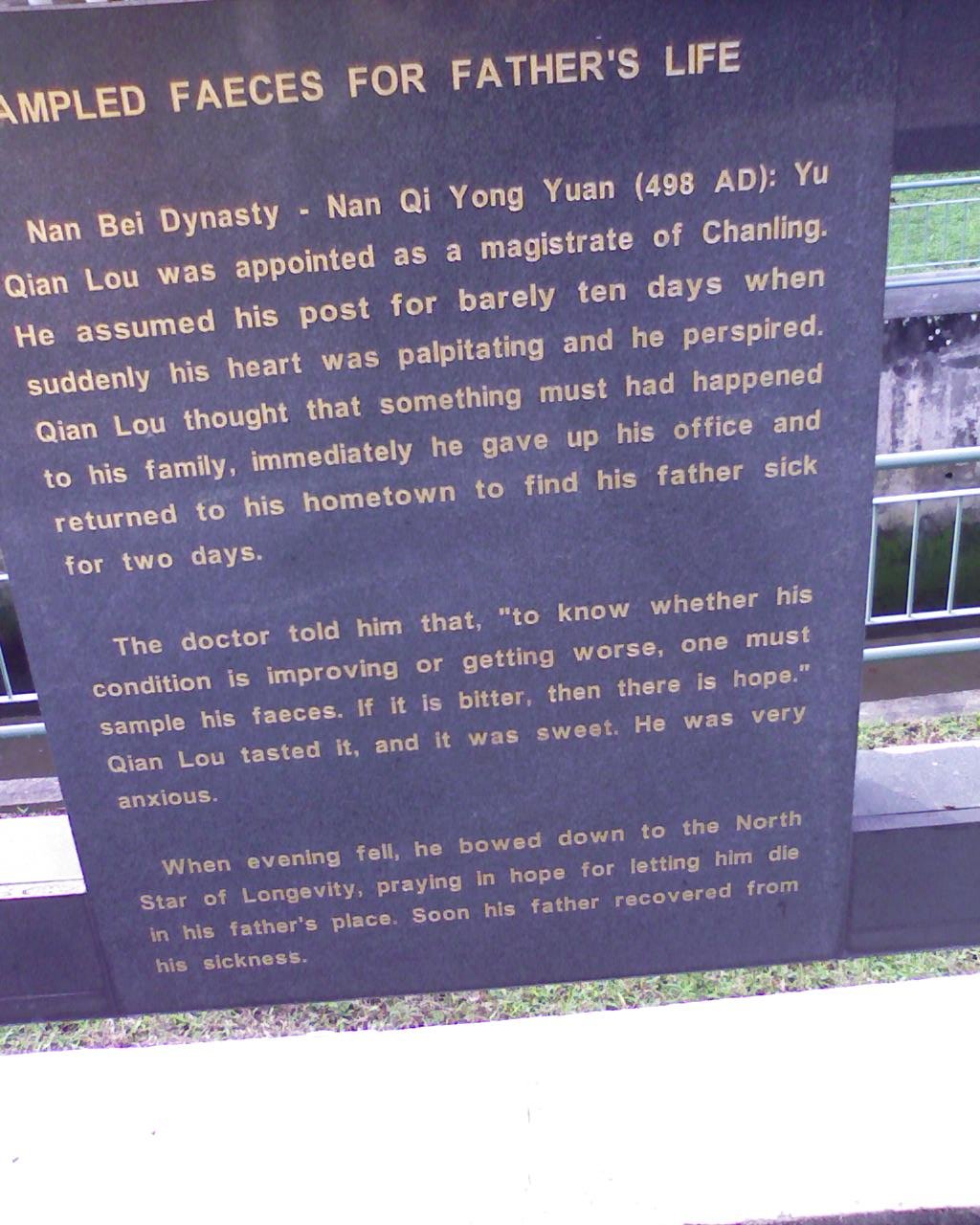
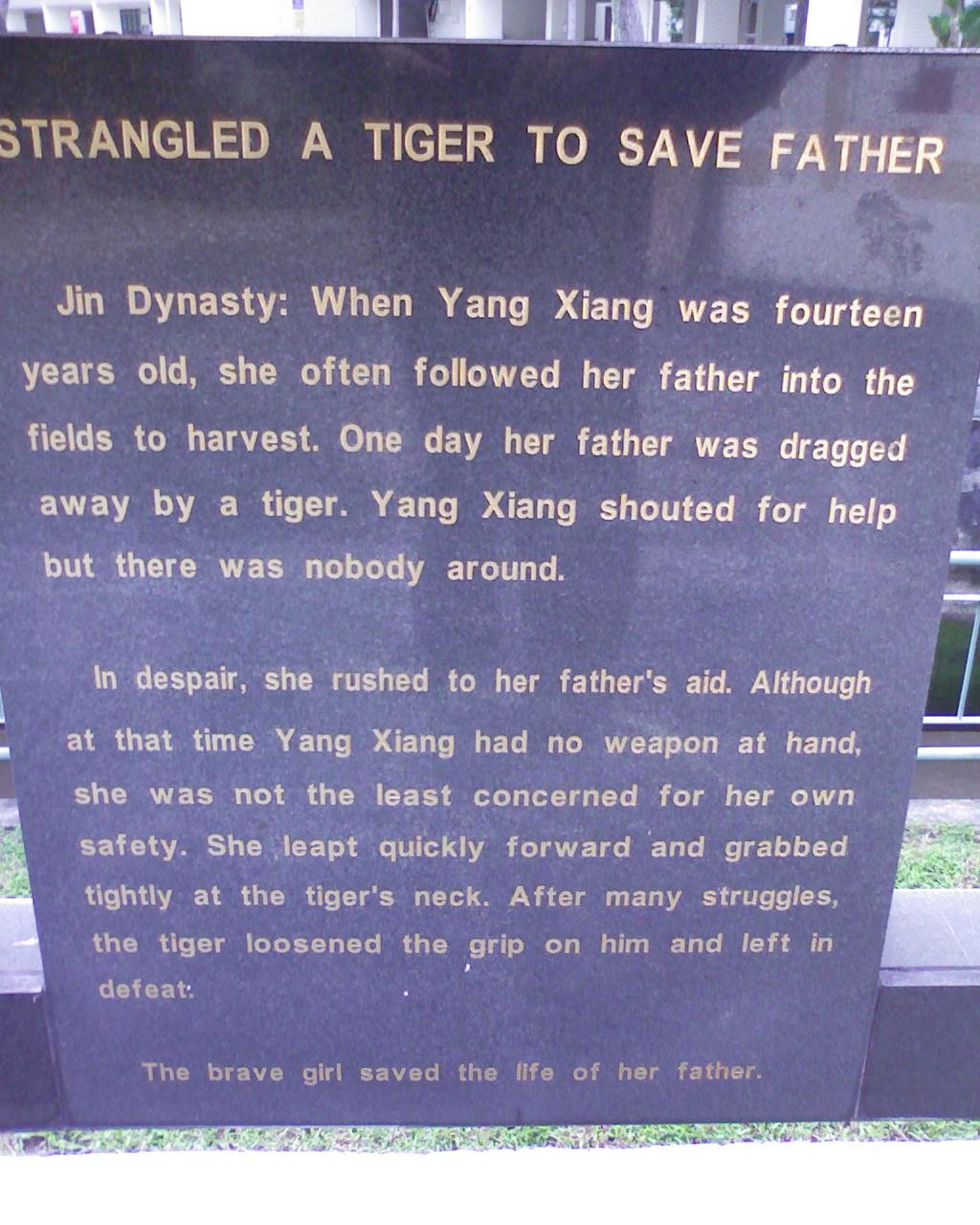
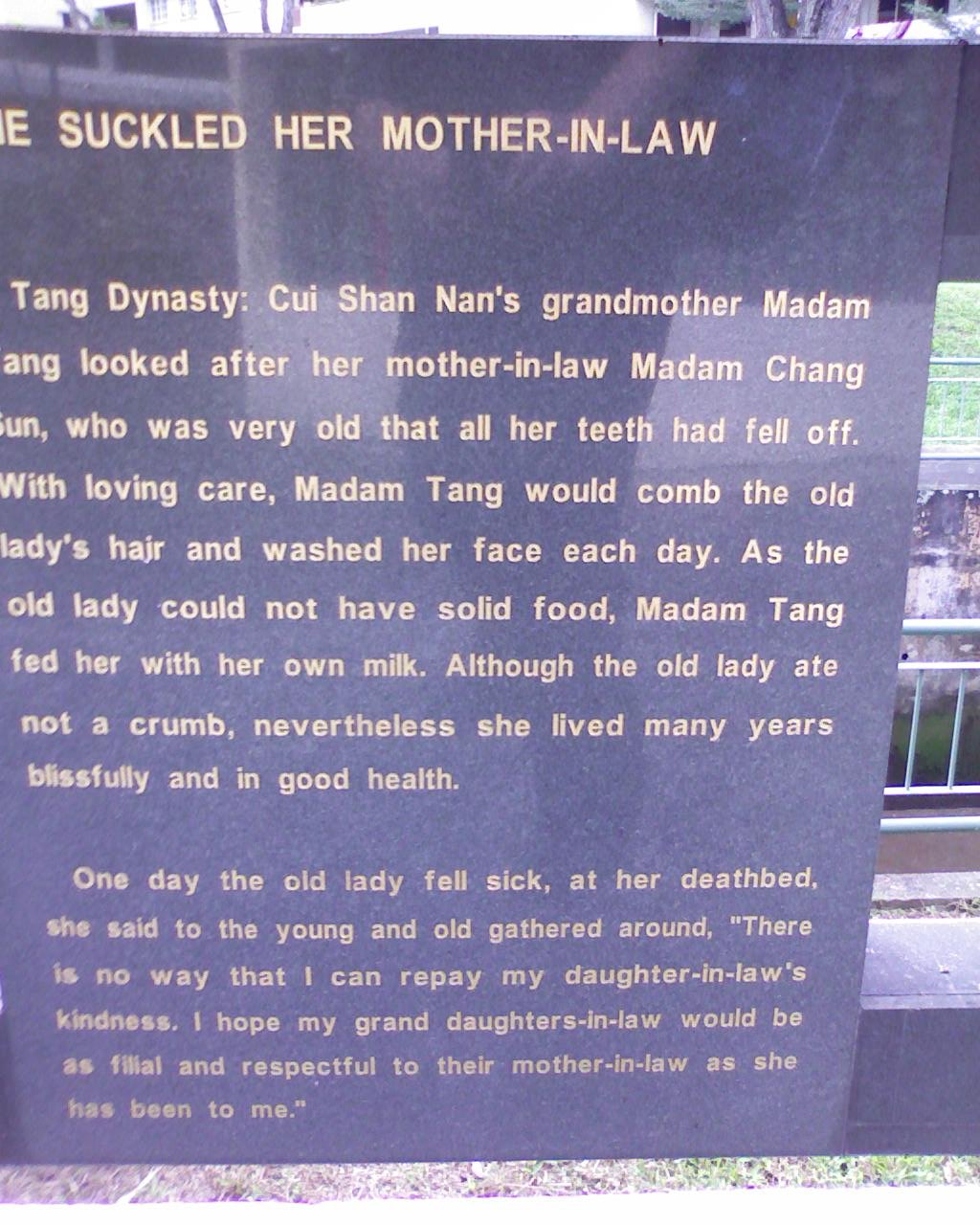
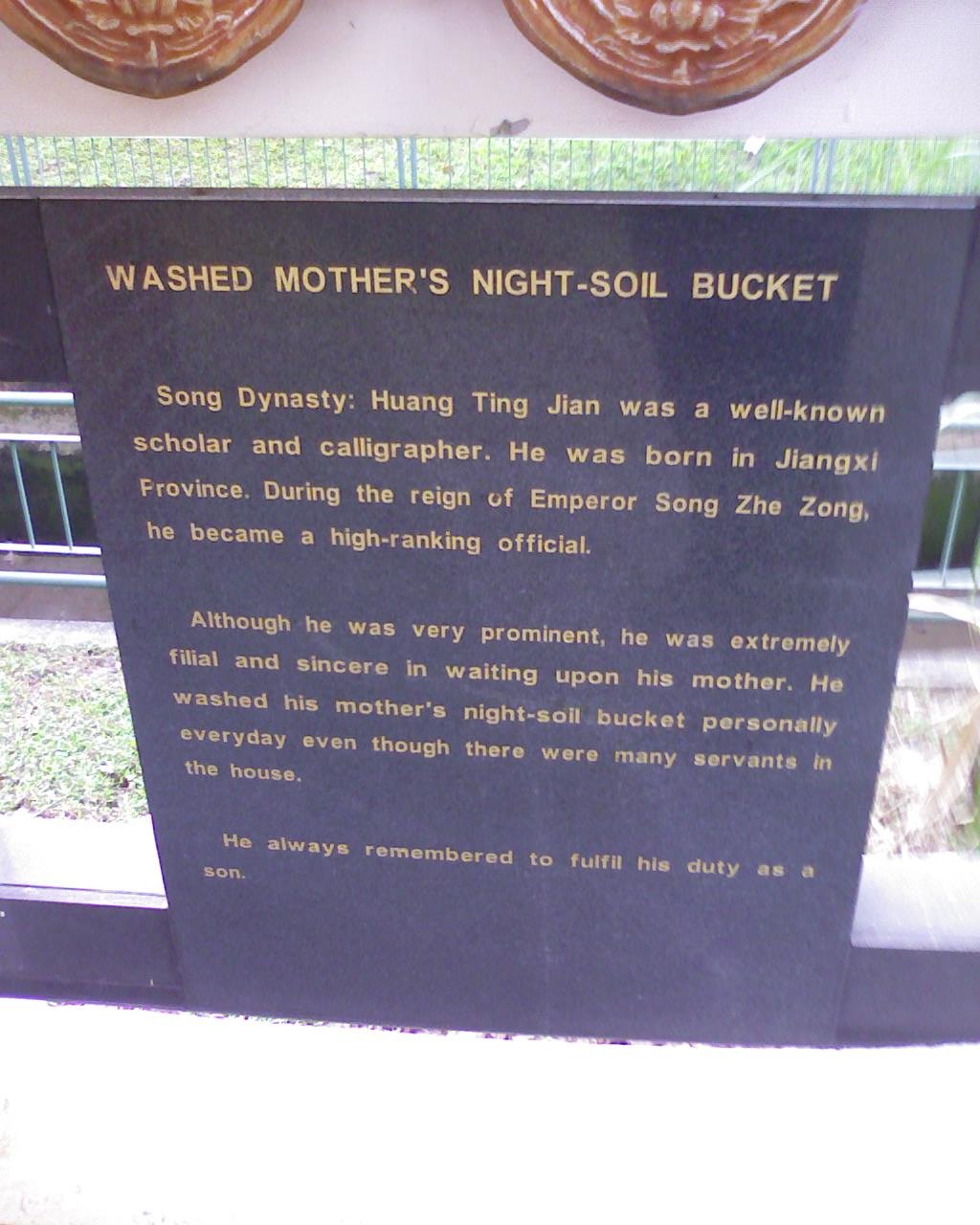
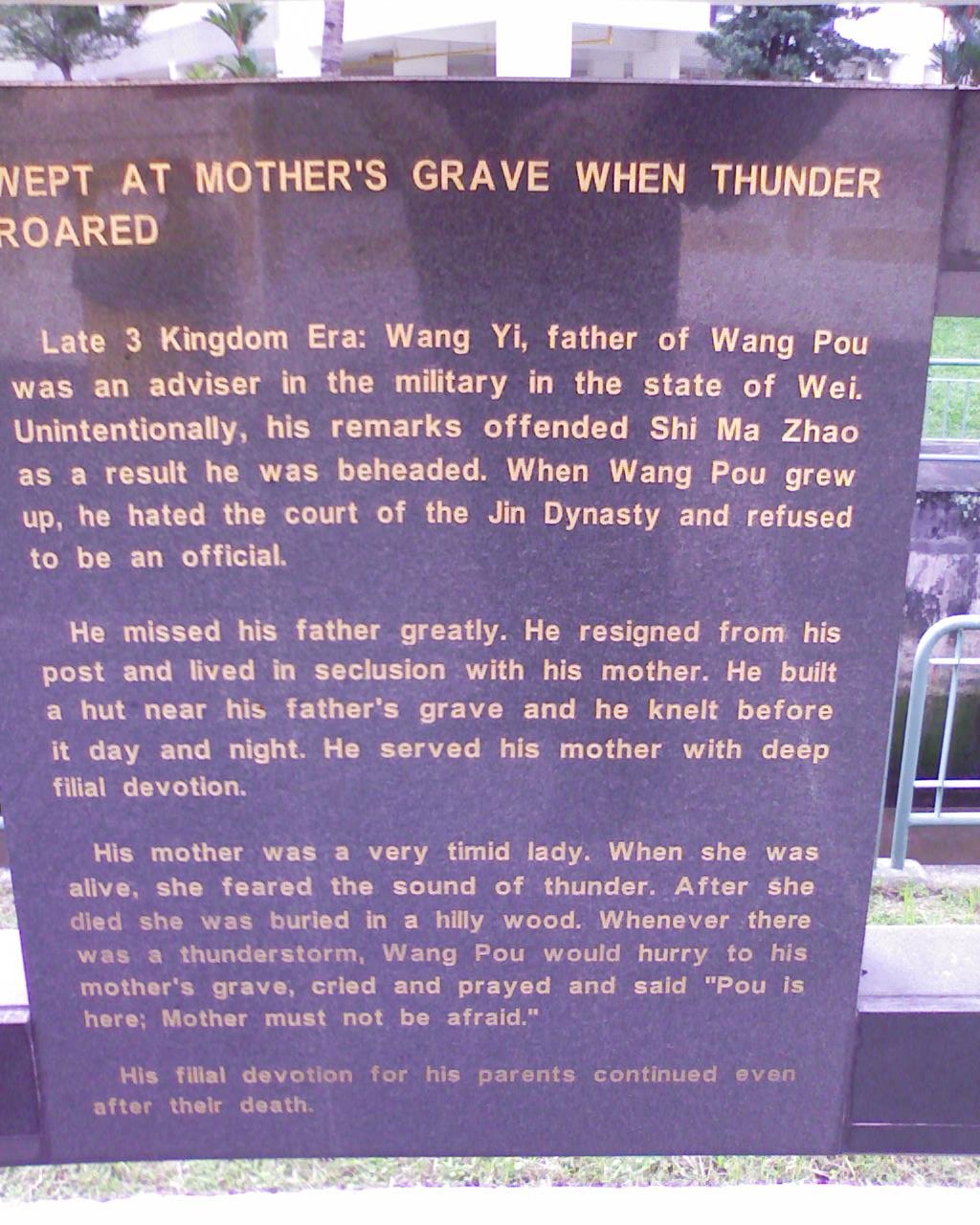
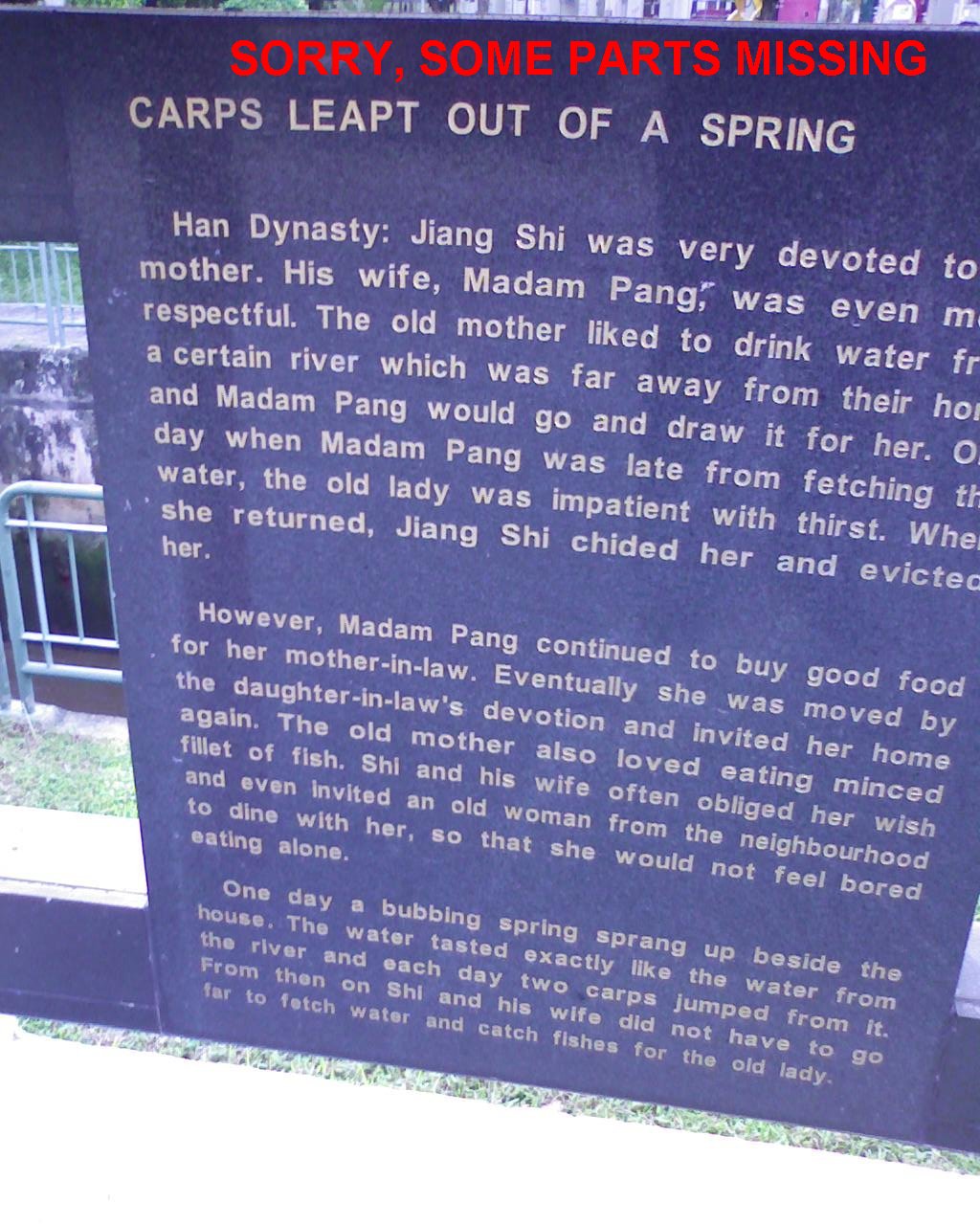
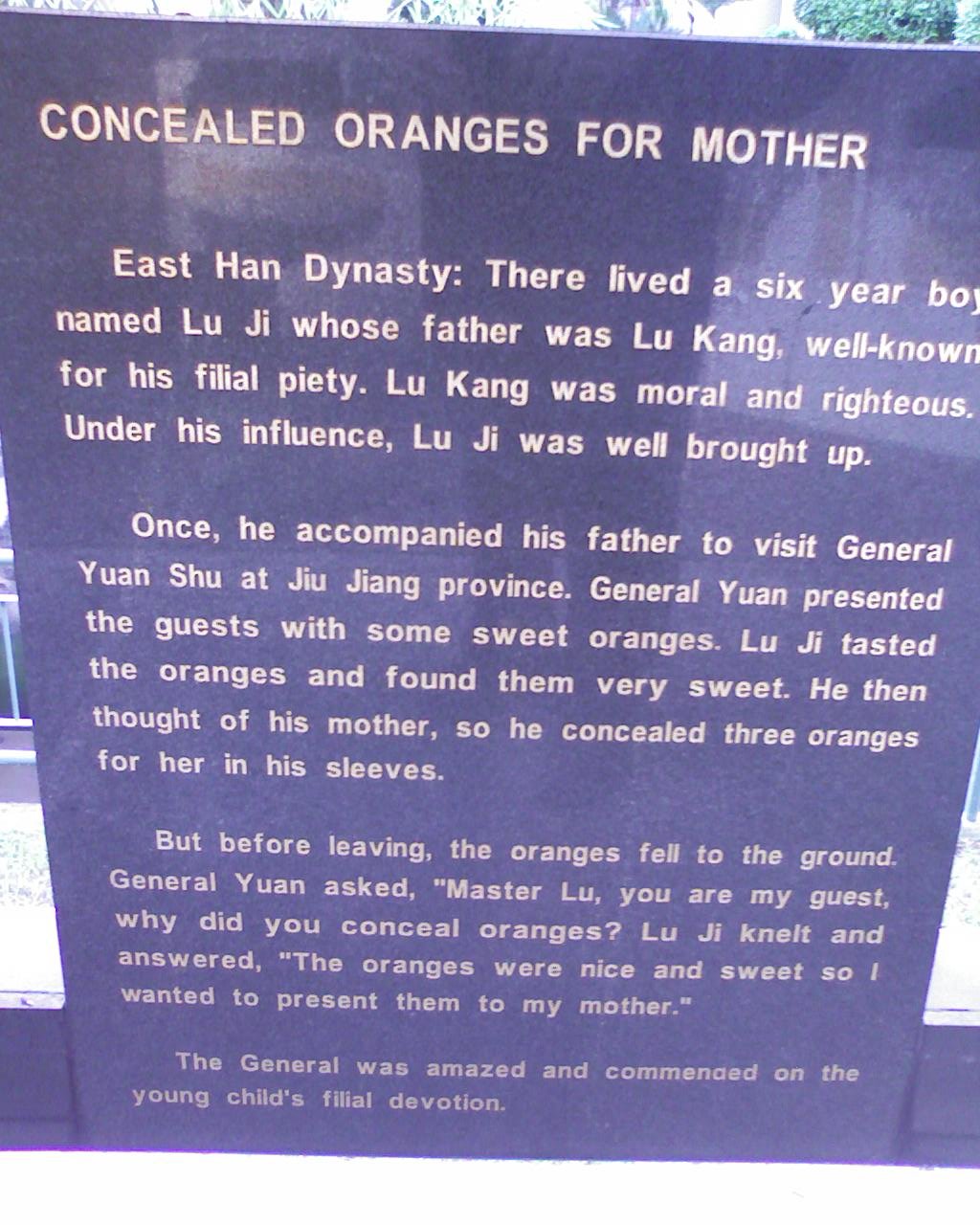
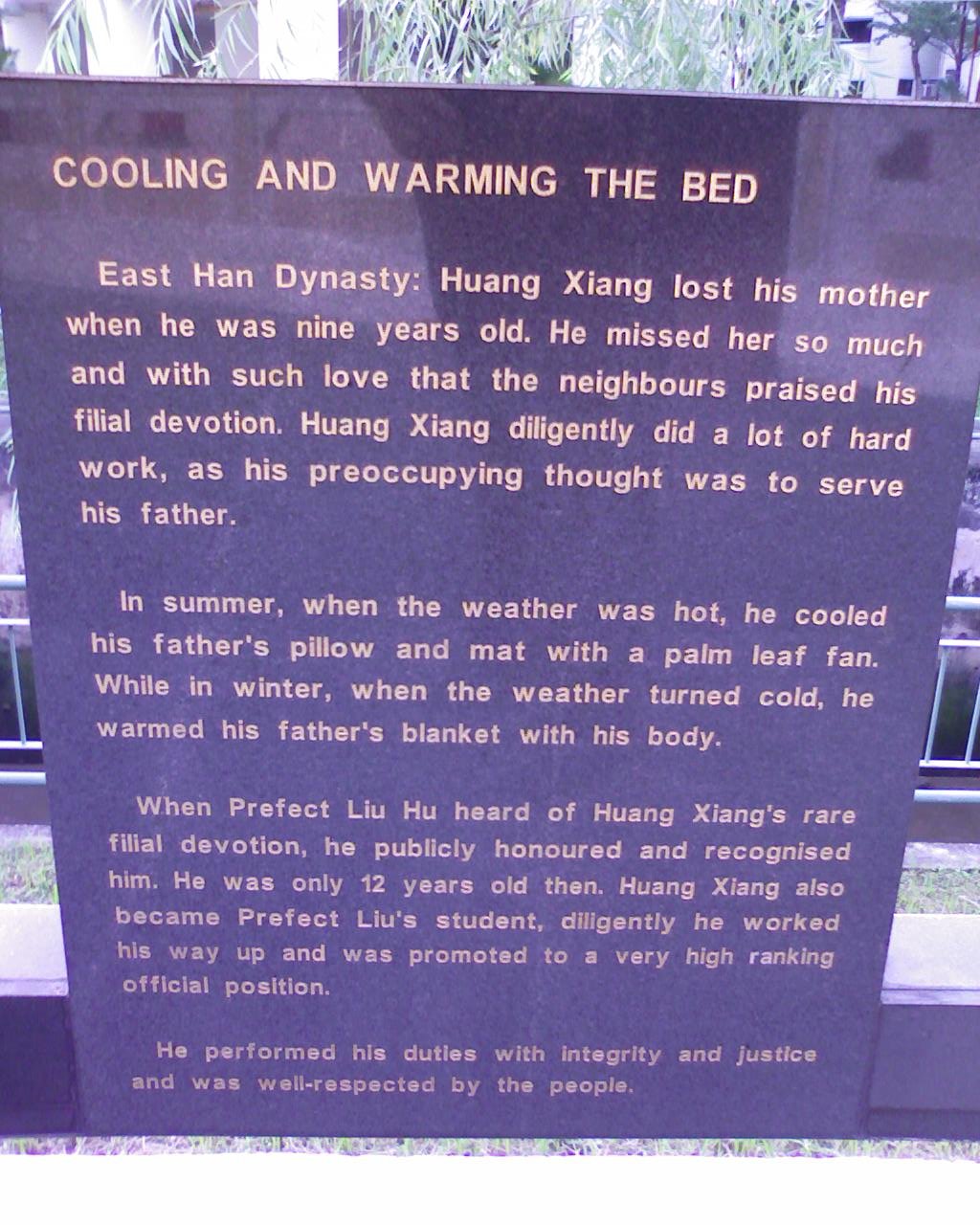
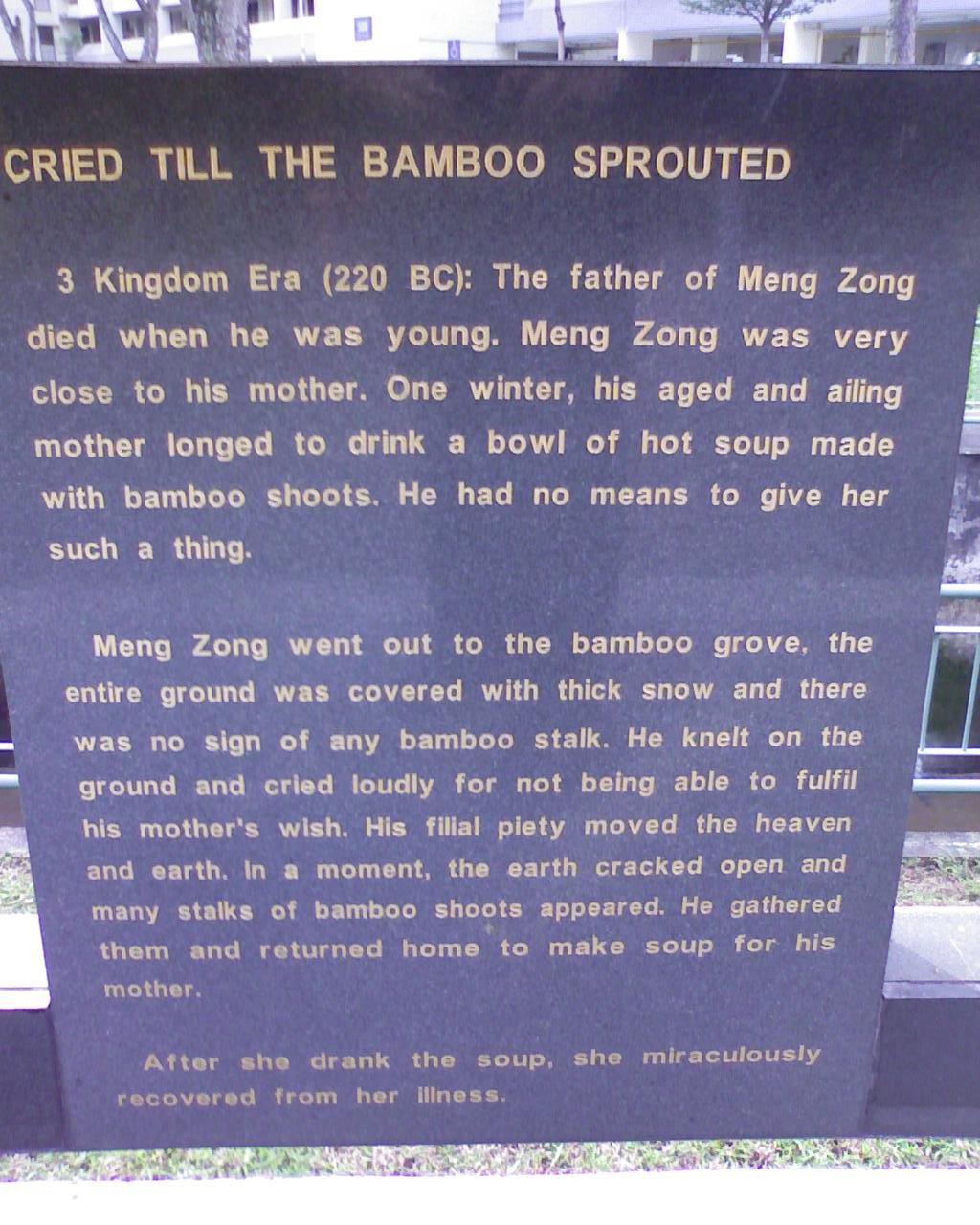
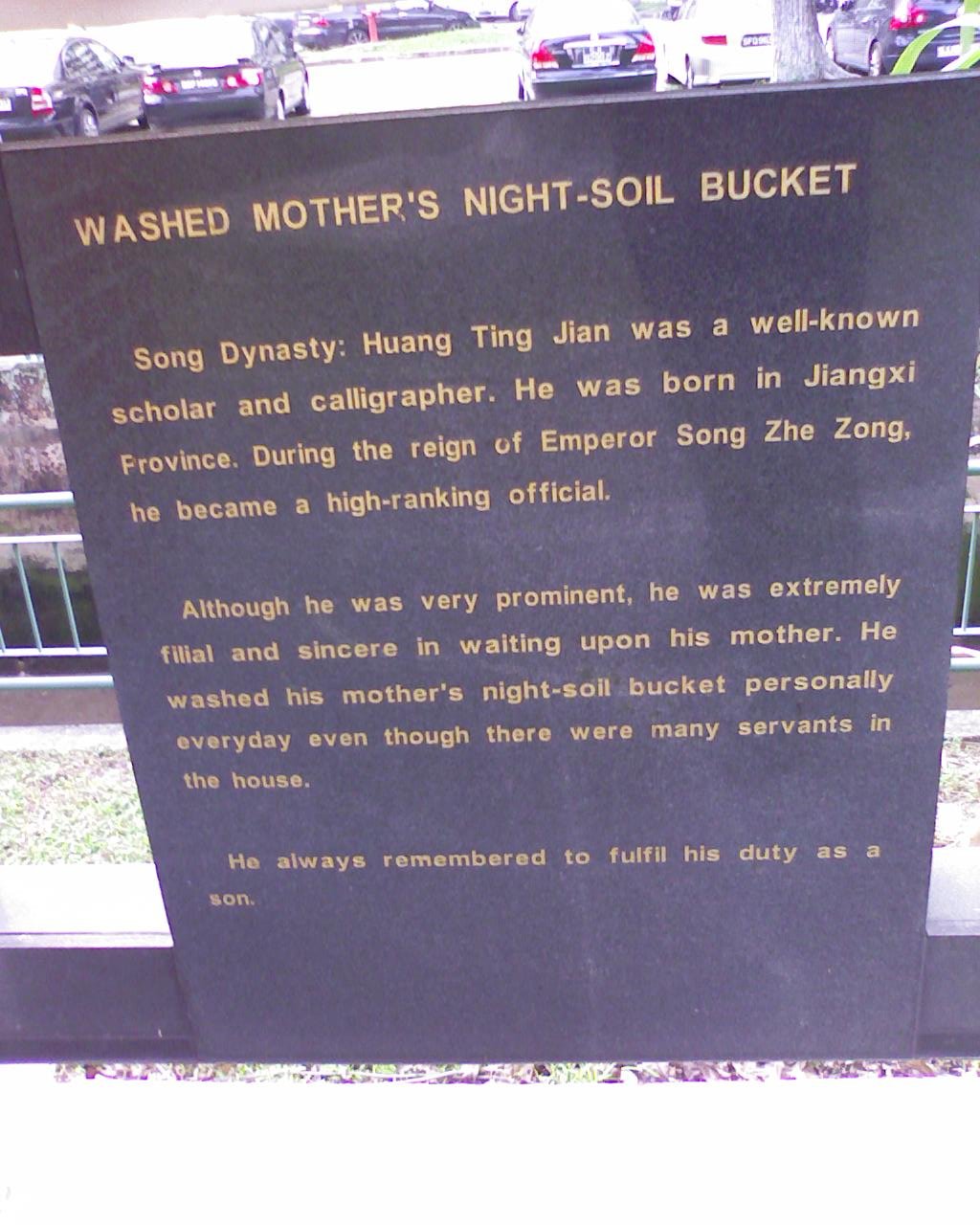
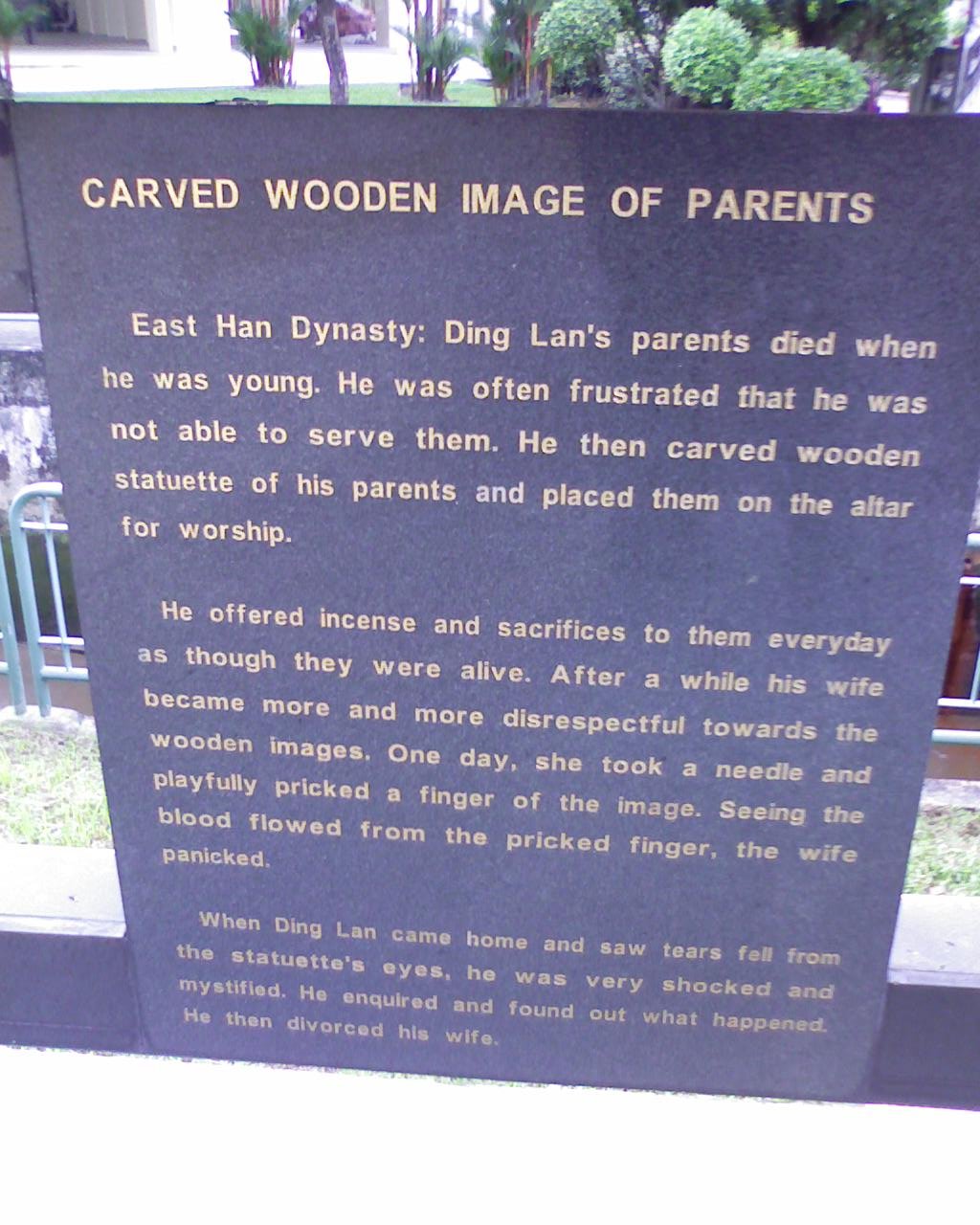
In this temple, there are 24 plagues with stories of filial piety stories... These are some of the complete legible photos that I had taken... unfortunately, the rest had partial missing photos of wordings...
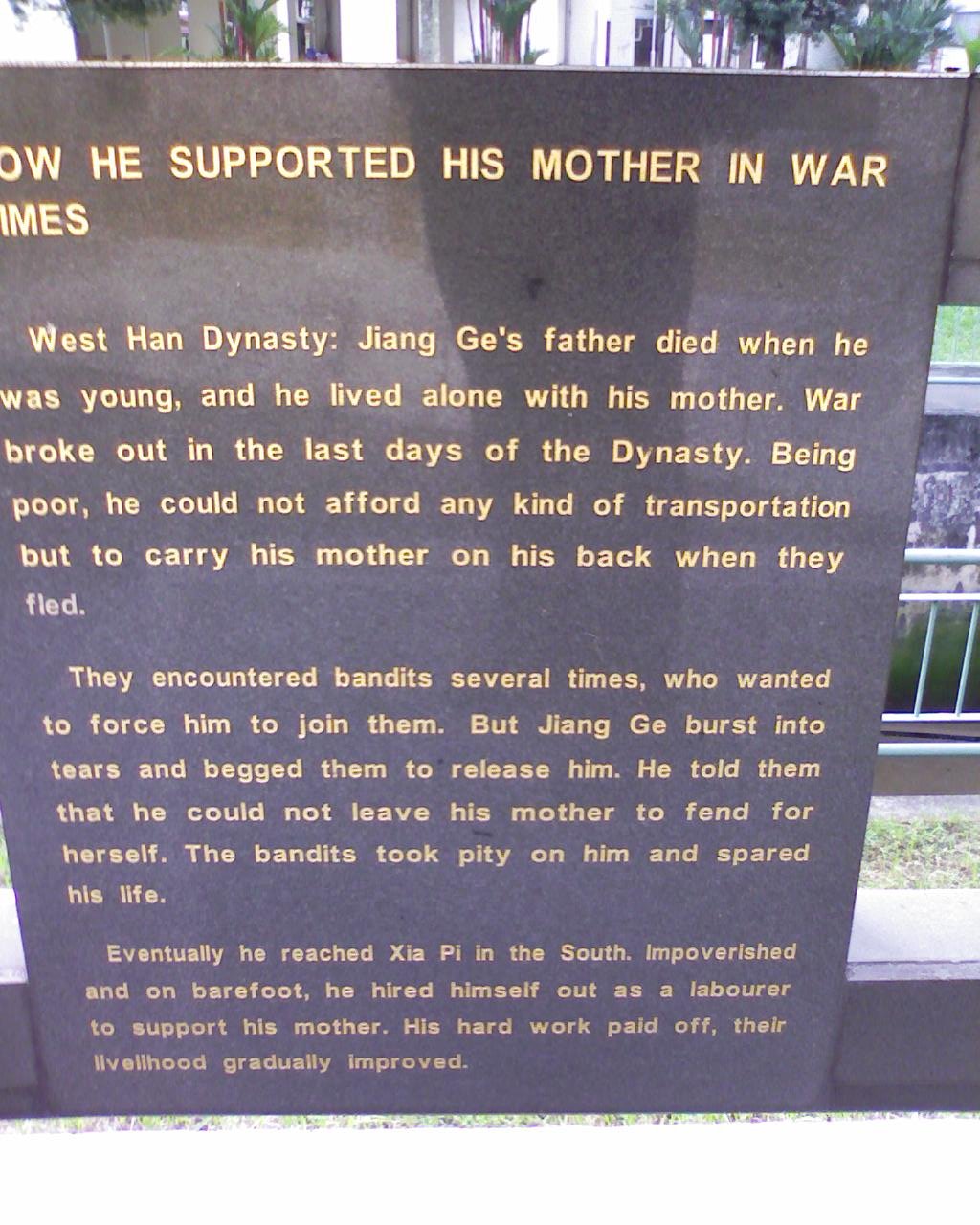
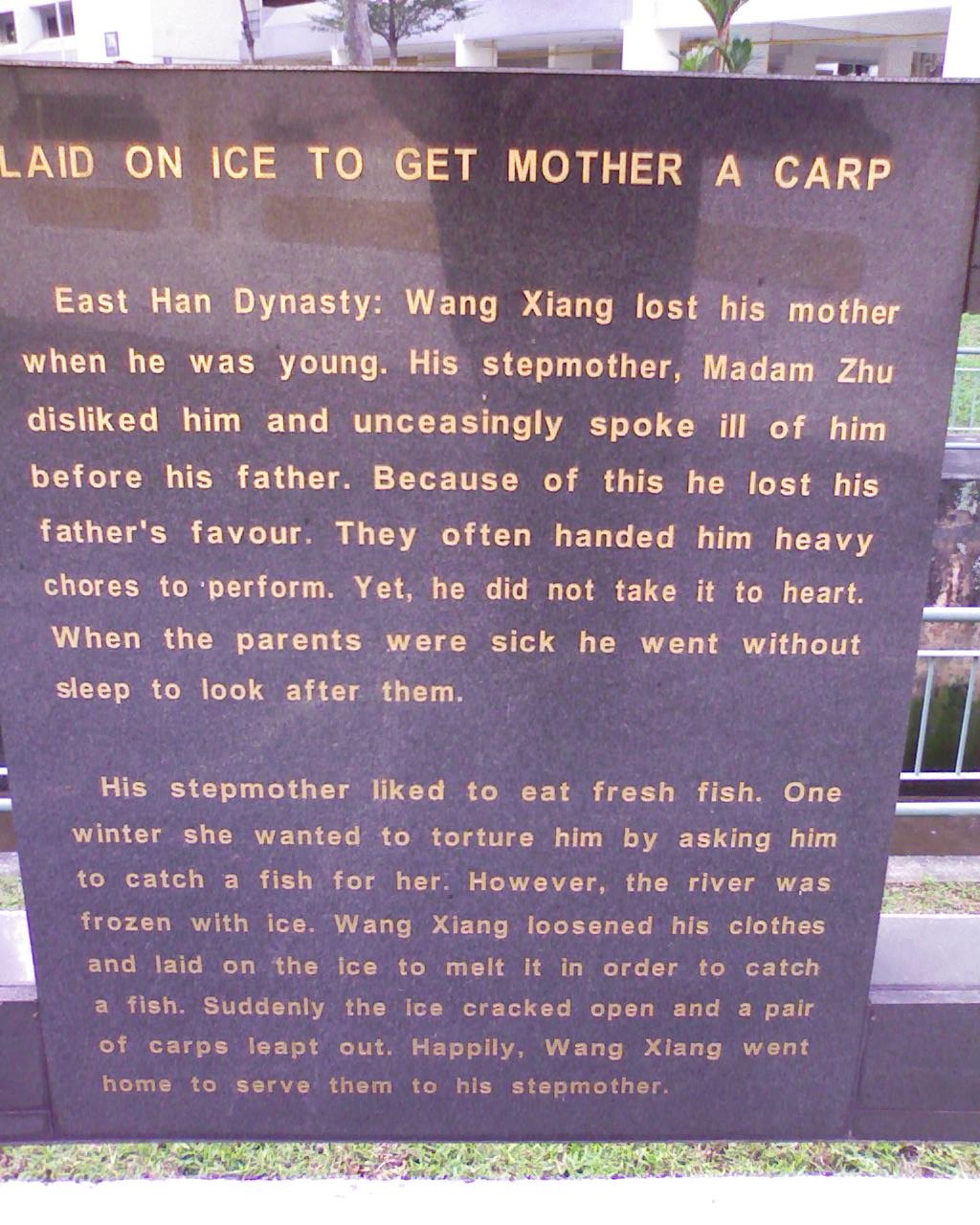
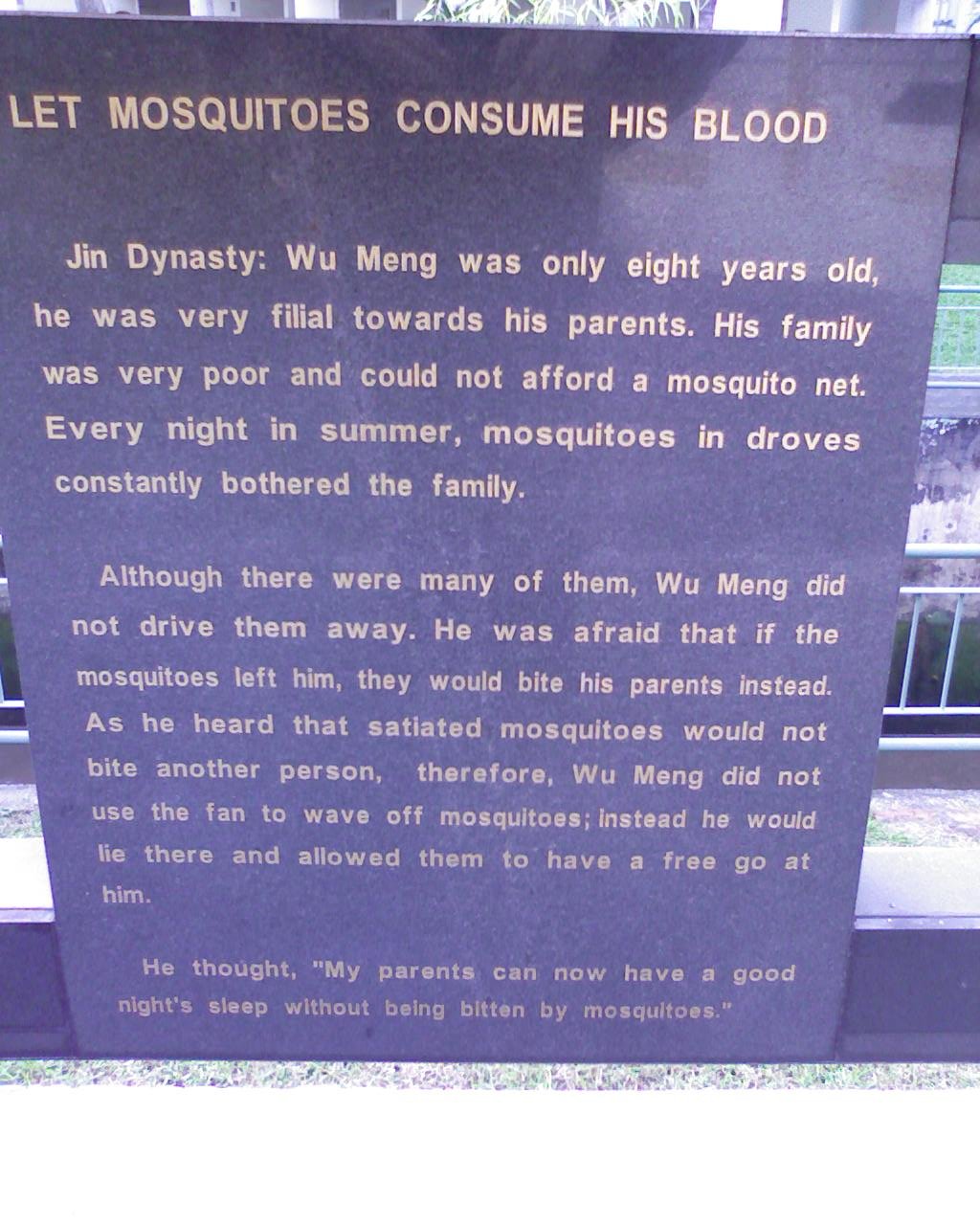
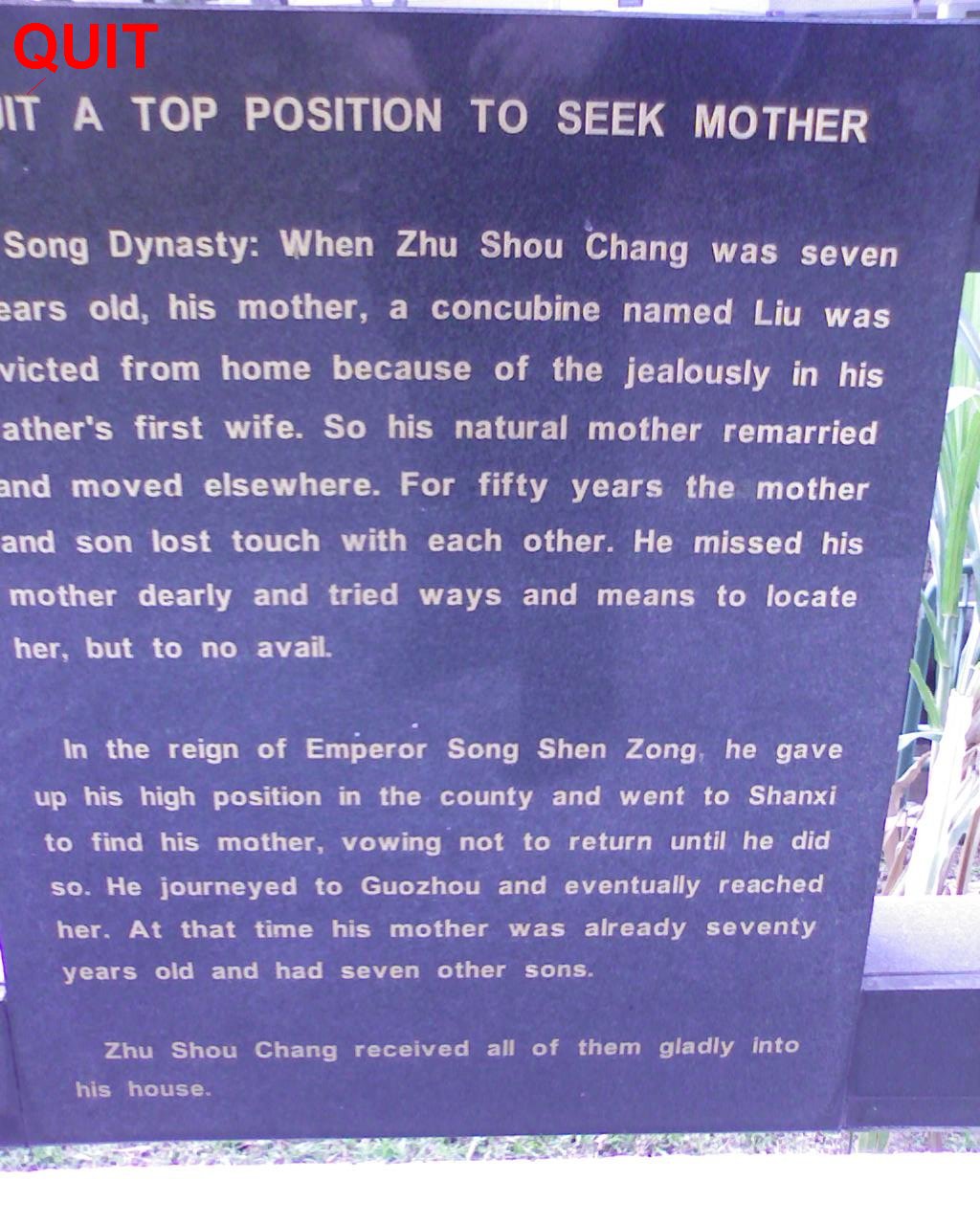
-
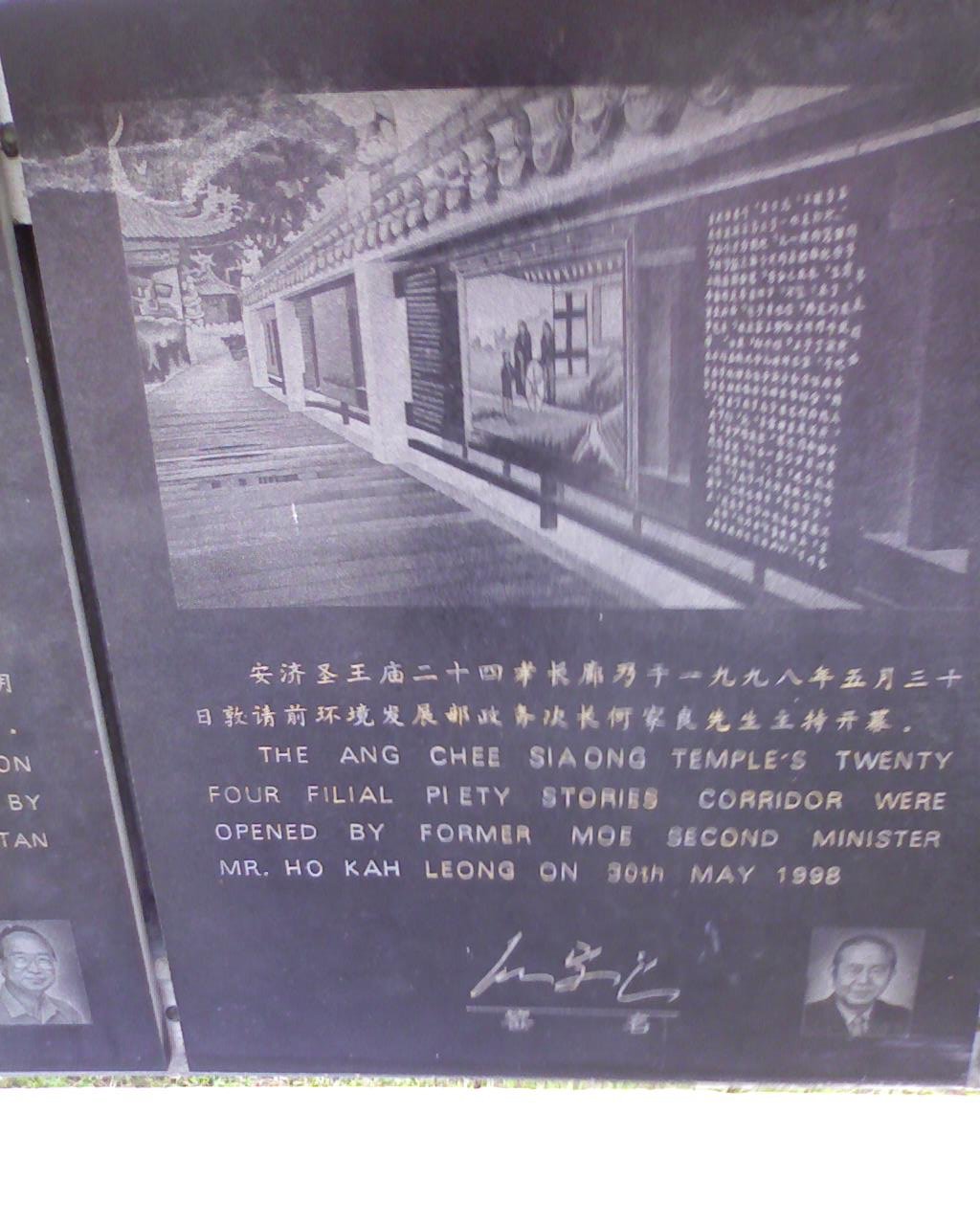
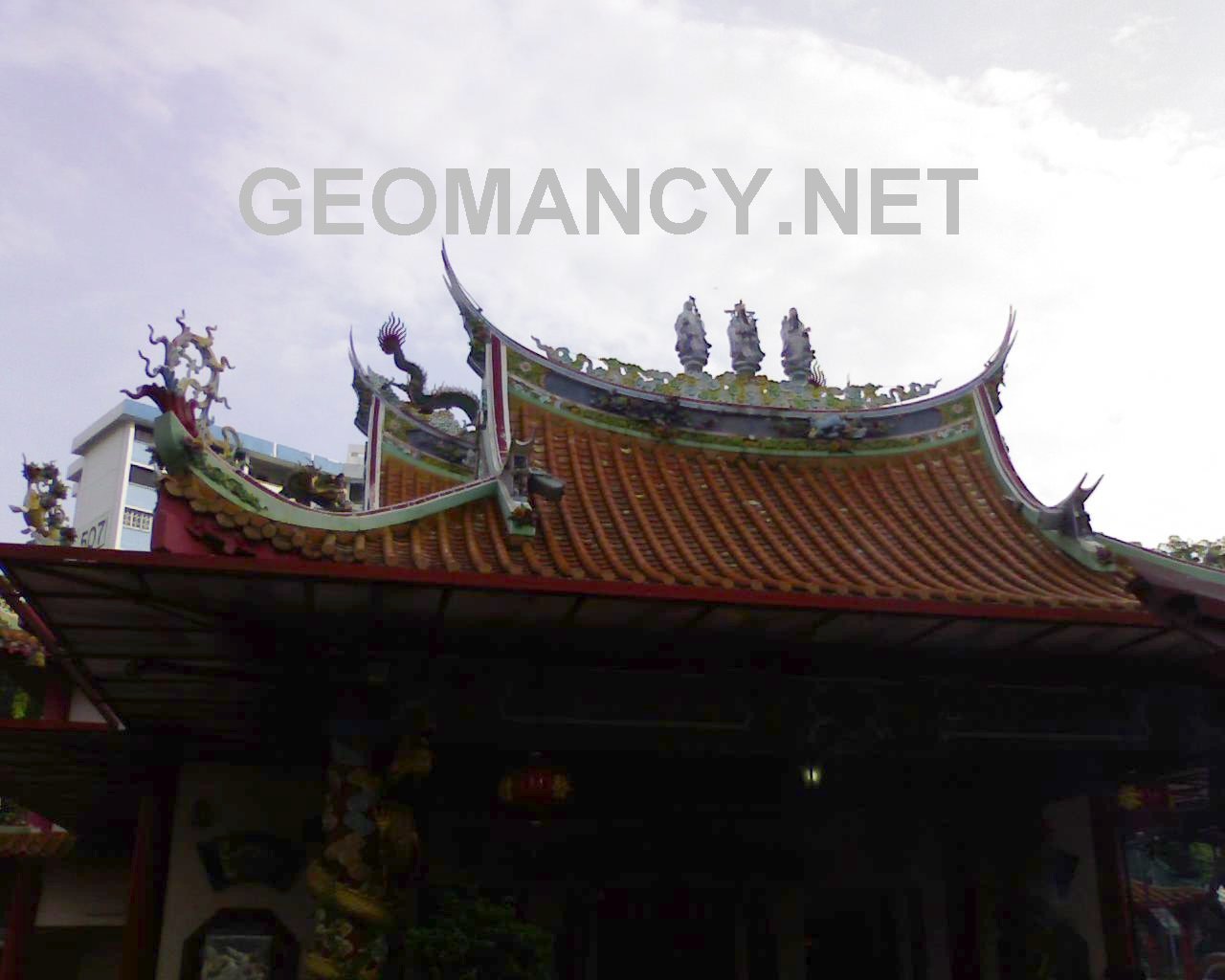
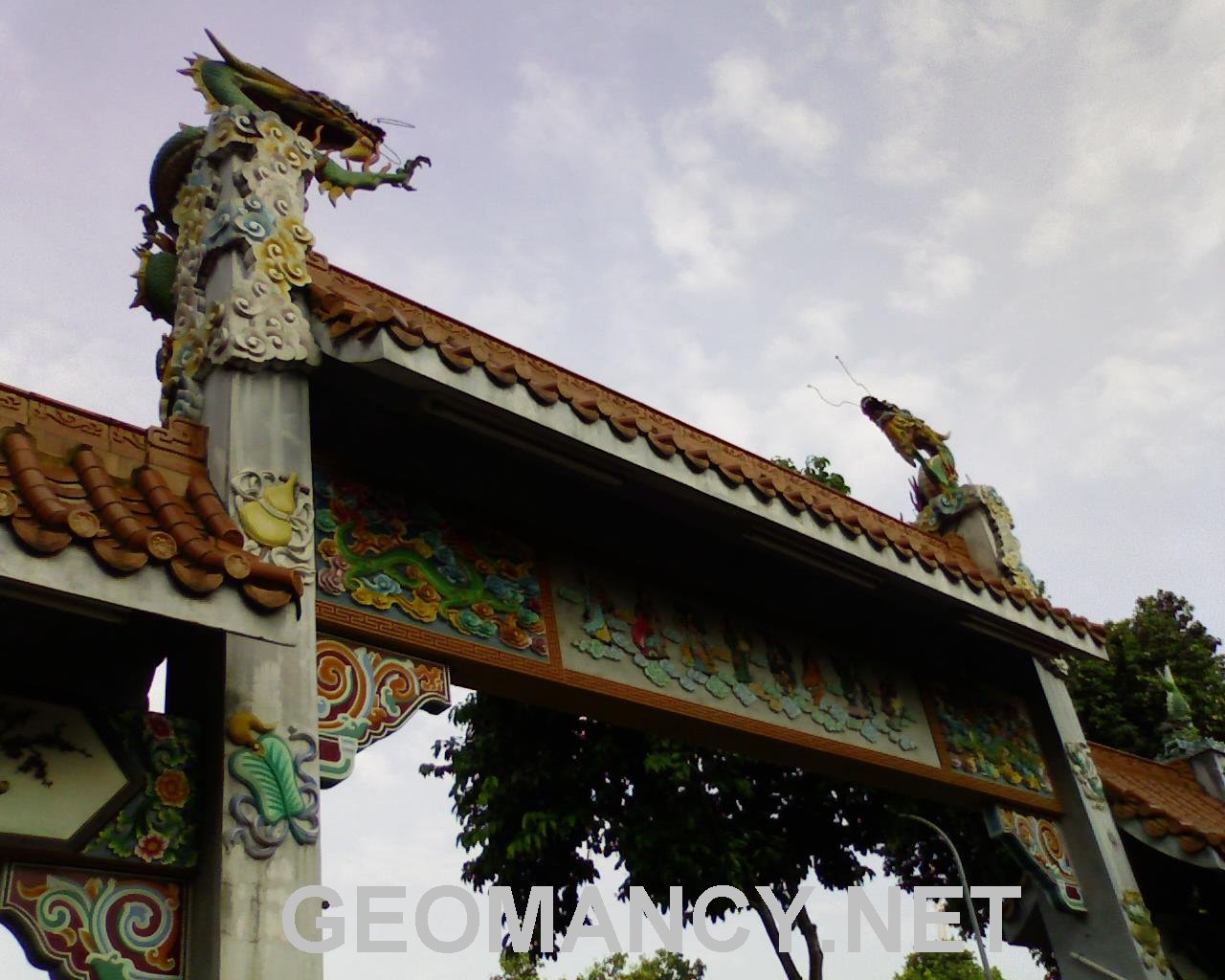
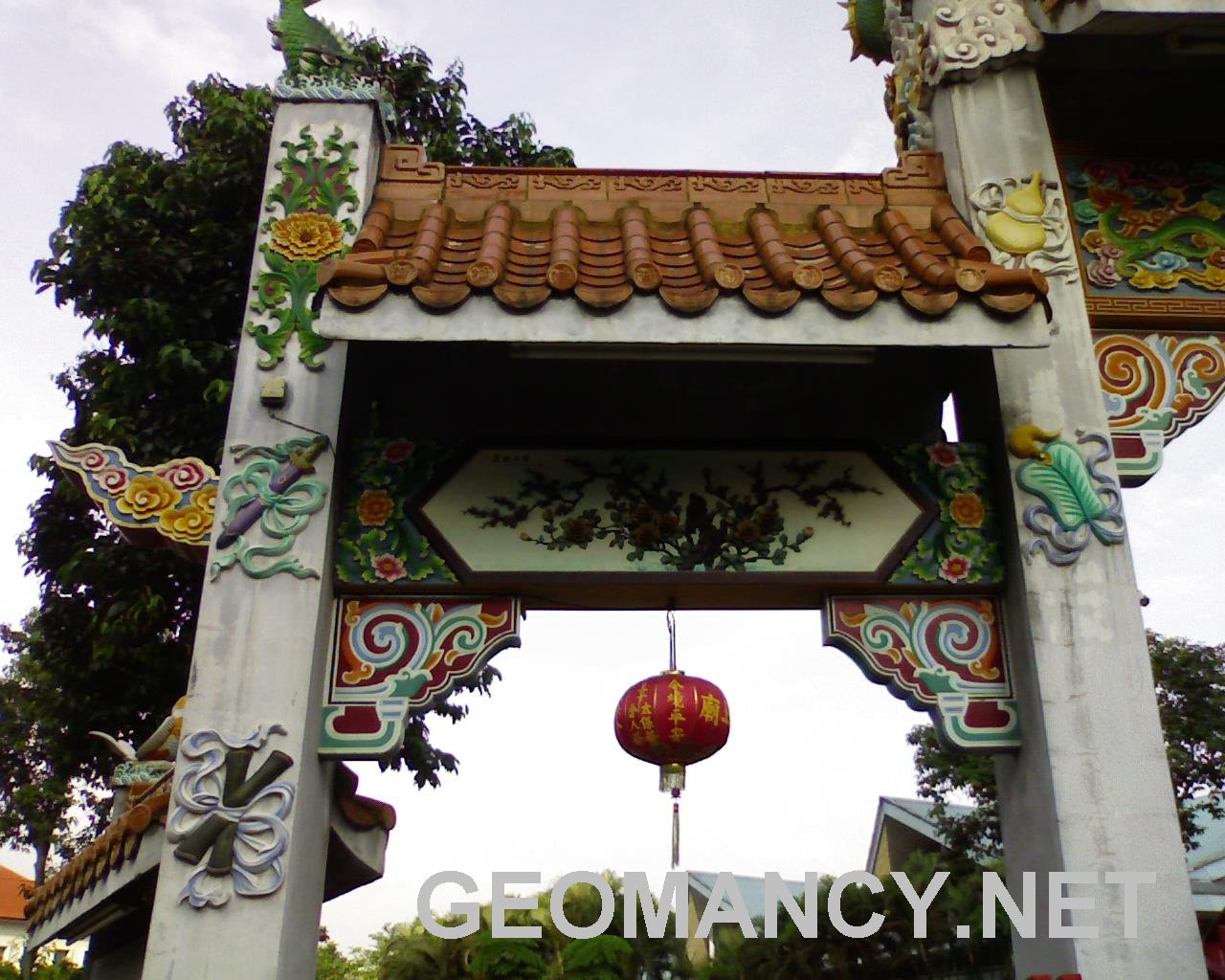
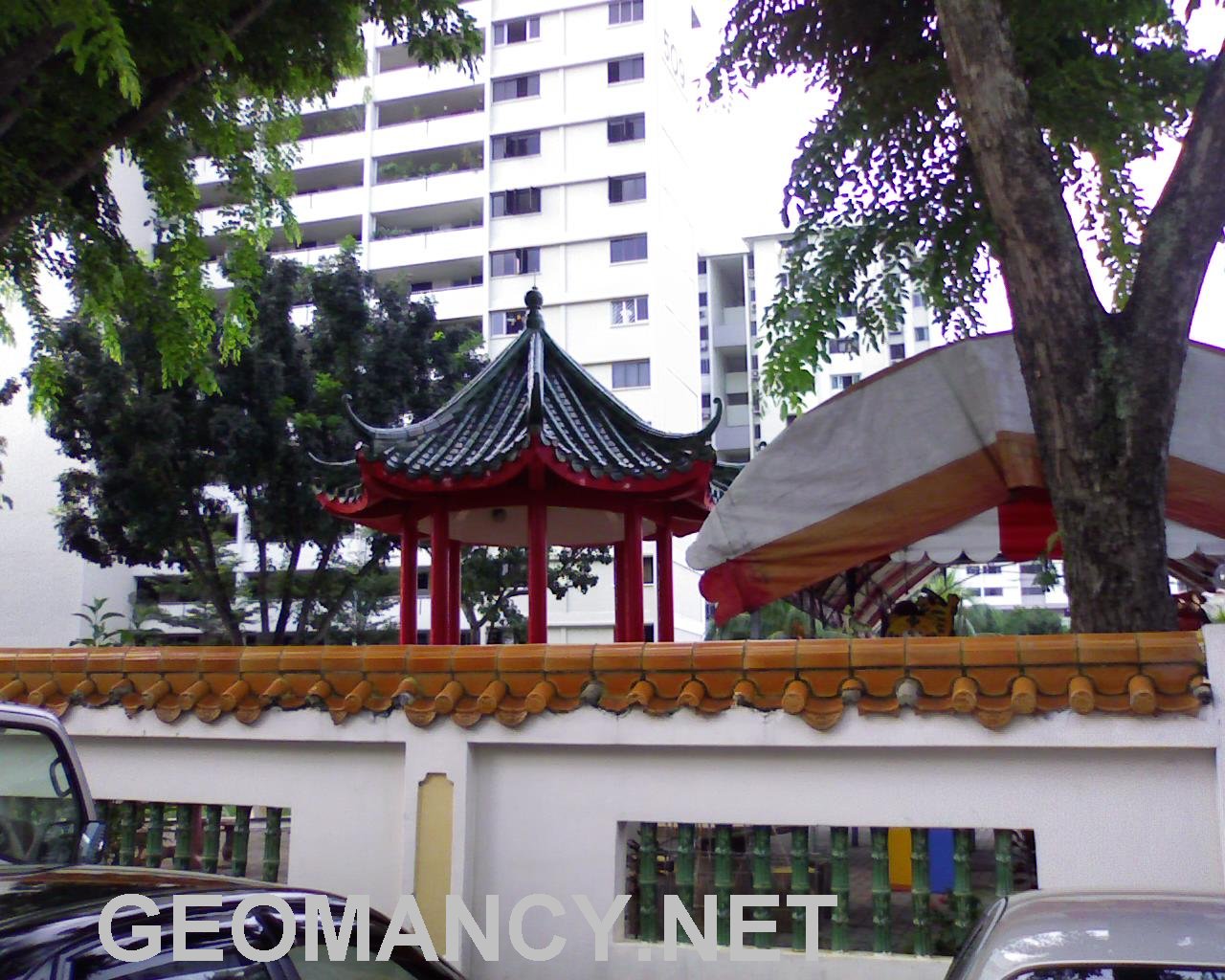
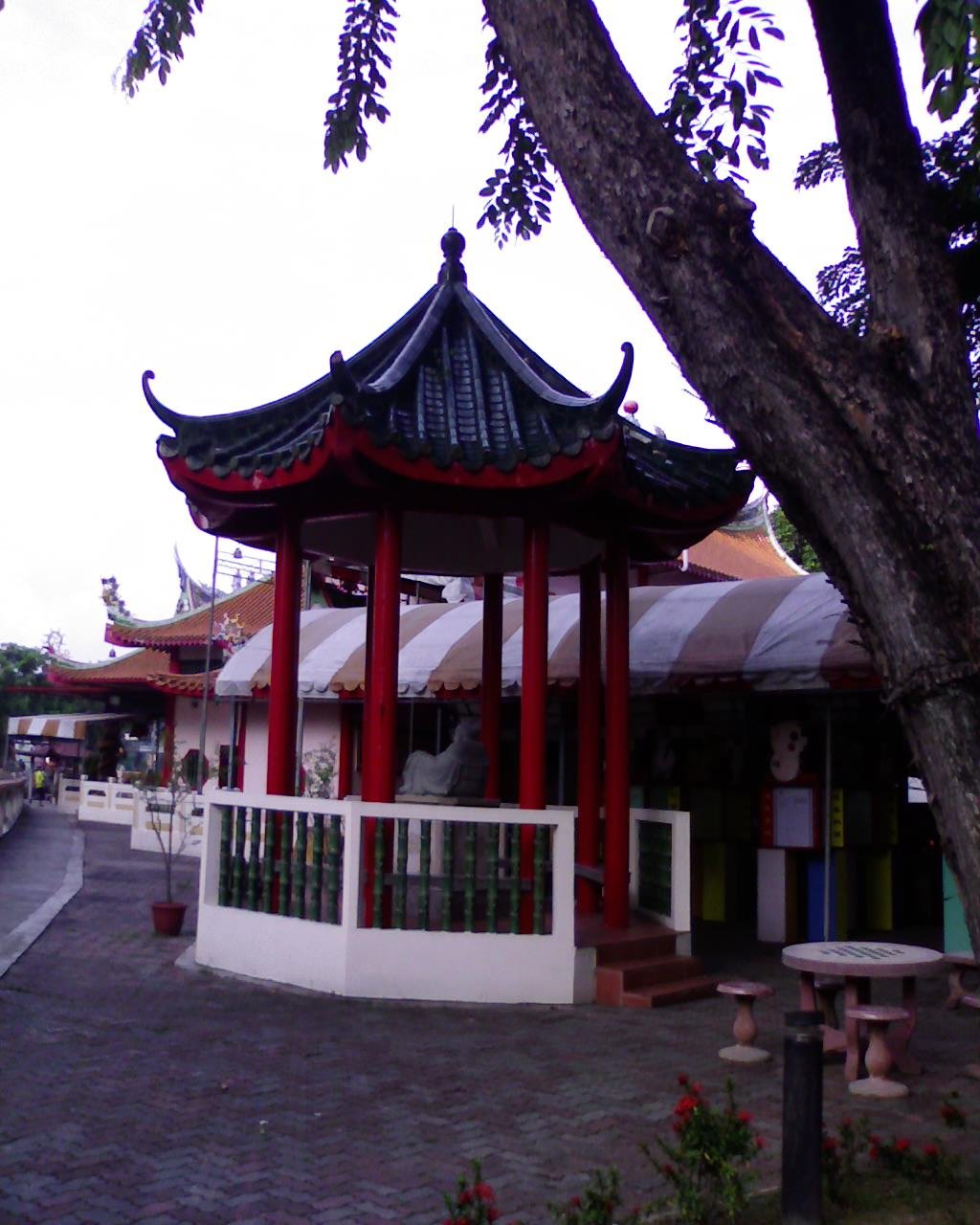
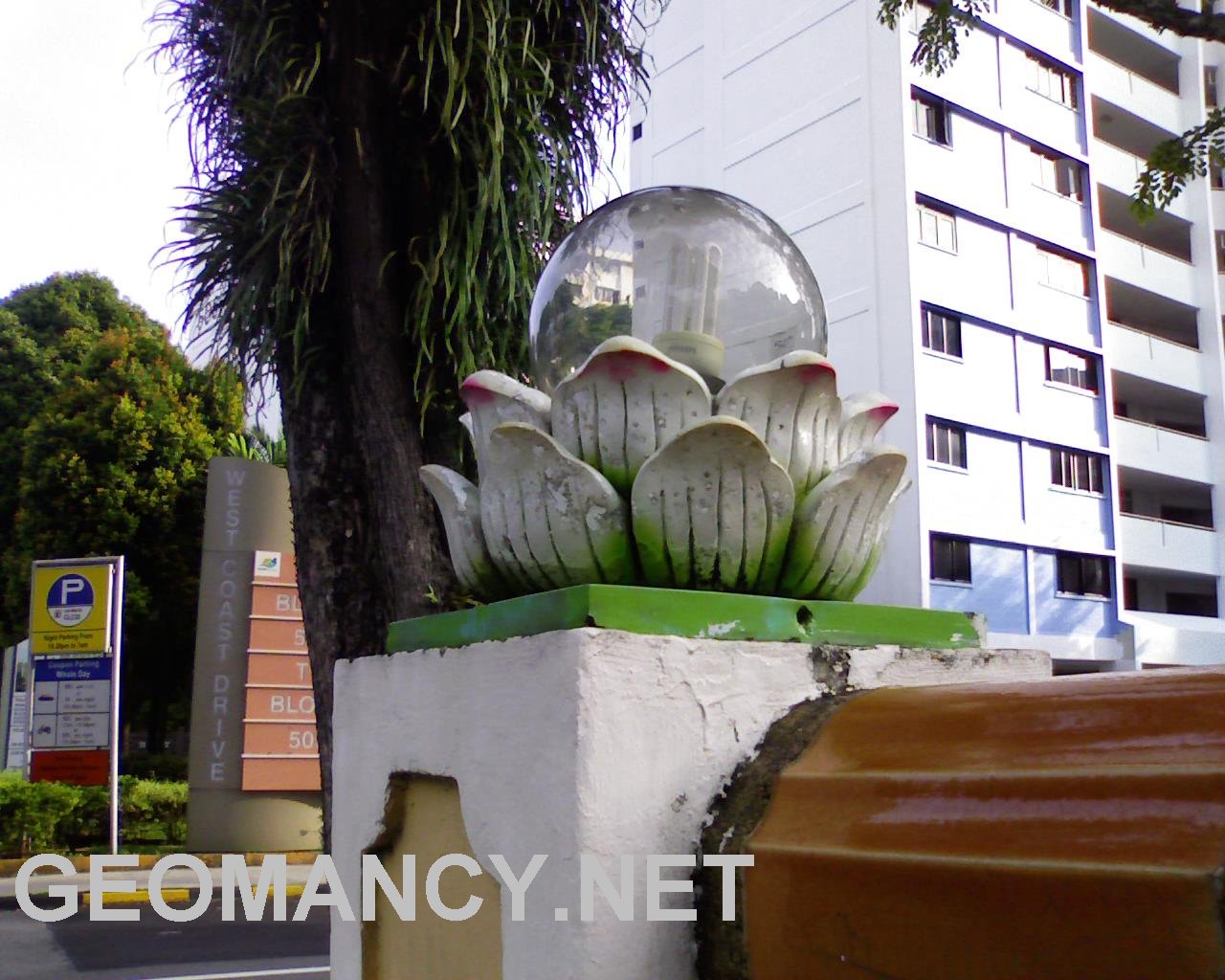
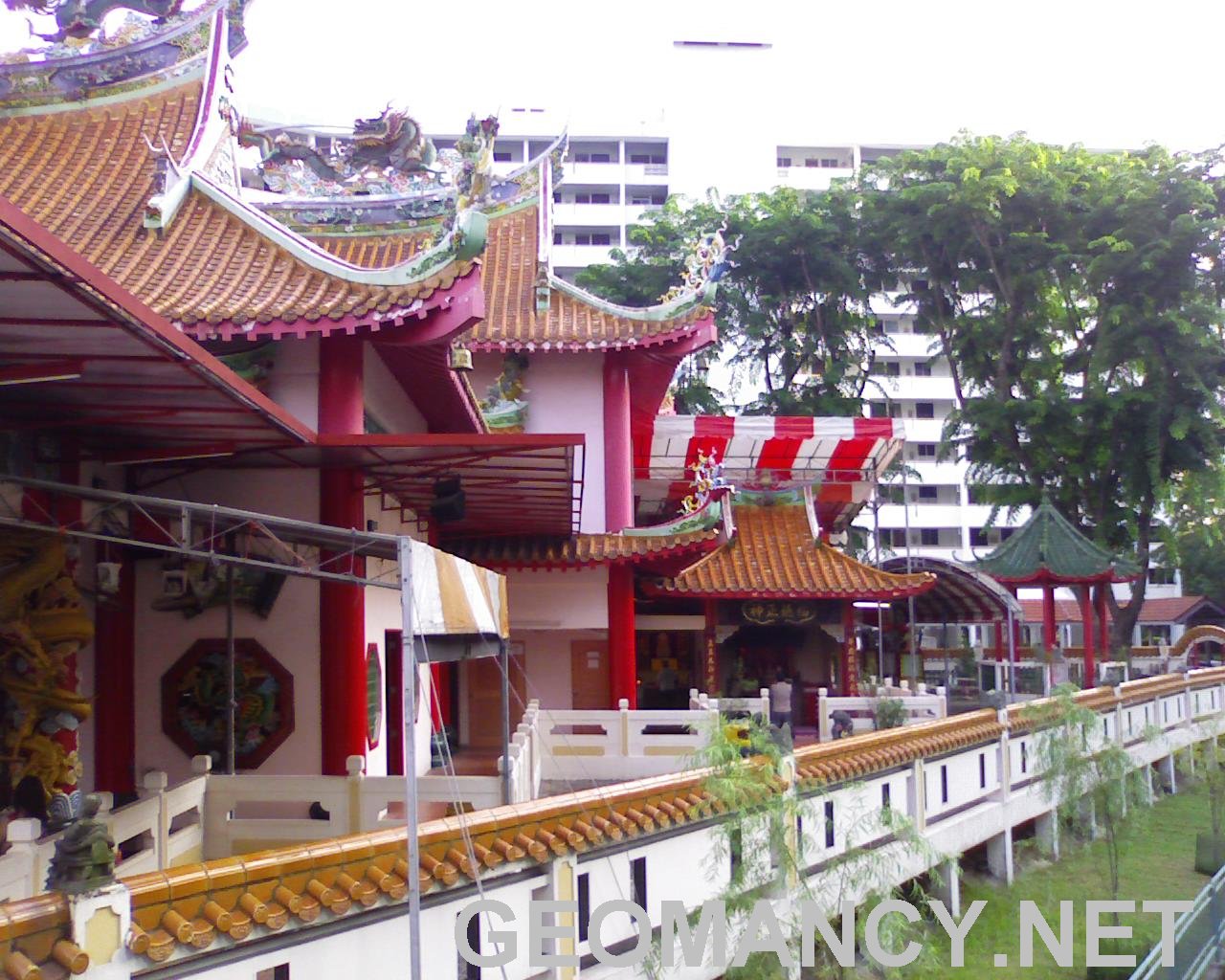
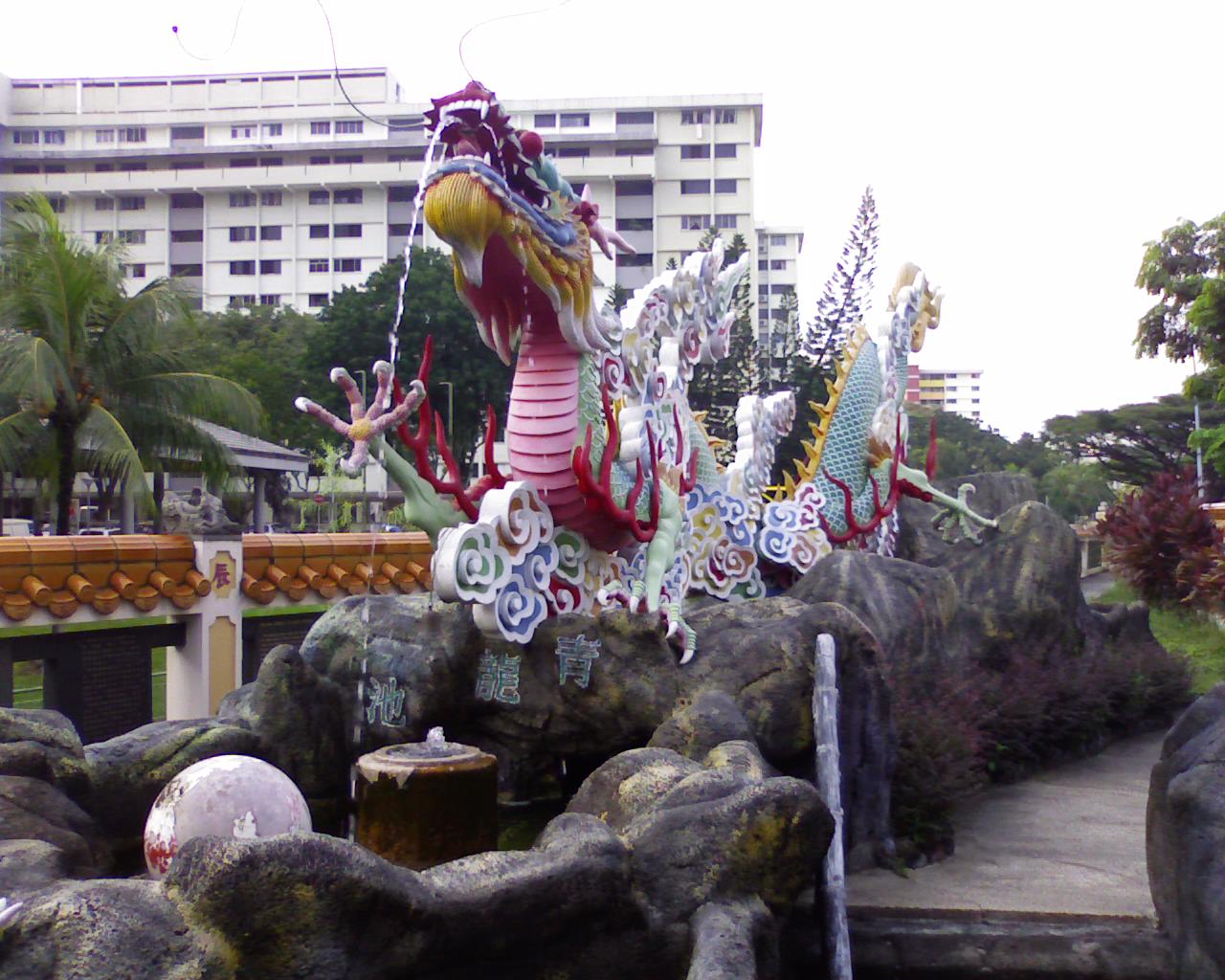
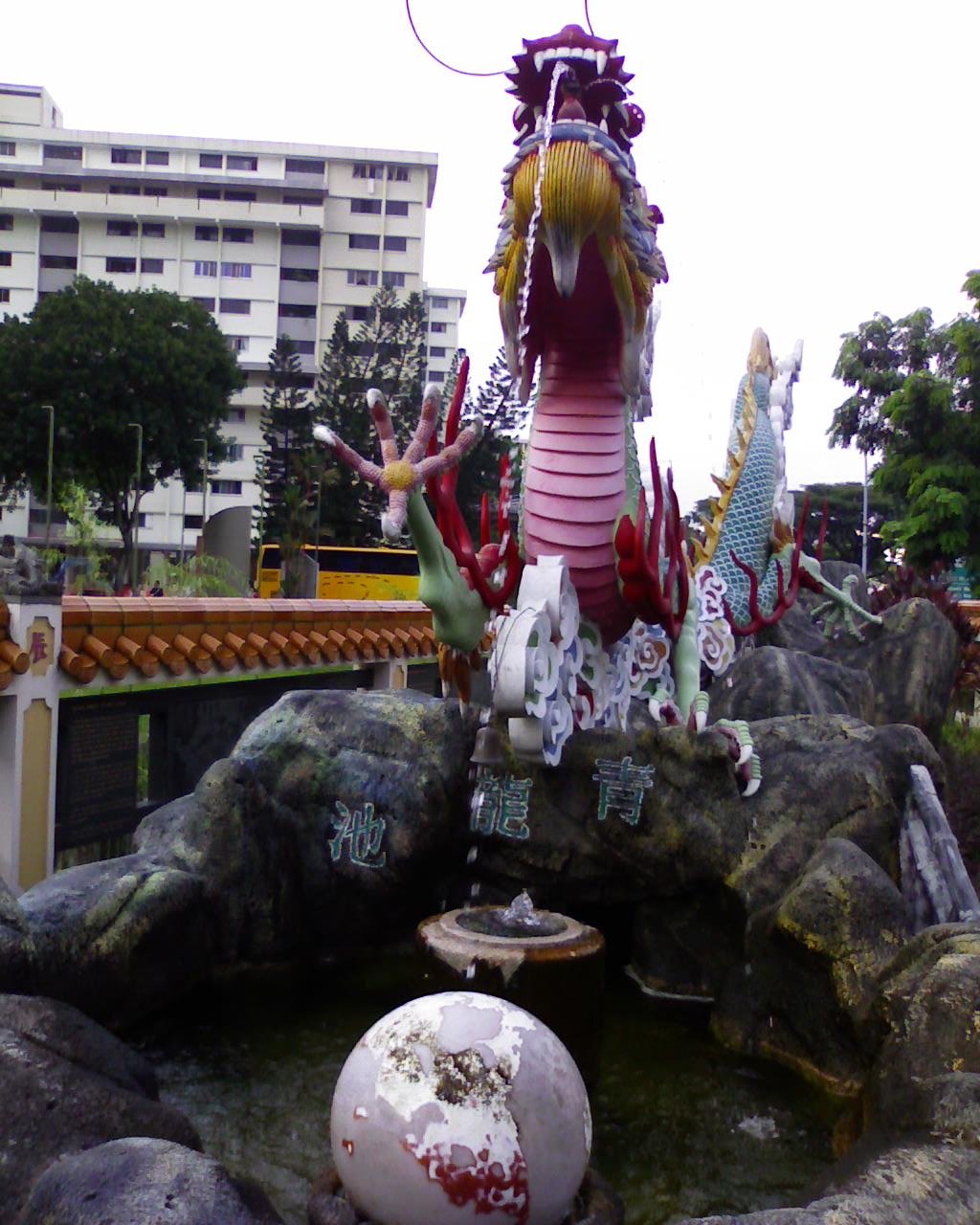
The Ang Chee Siao Ong Temple Amongst all the modern temples in Singapore; this has to be one of the most elaborate newer temple.
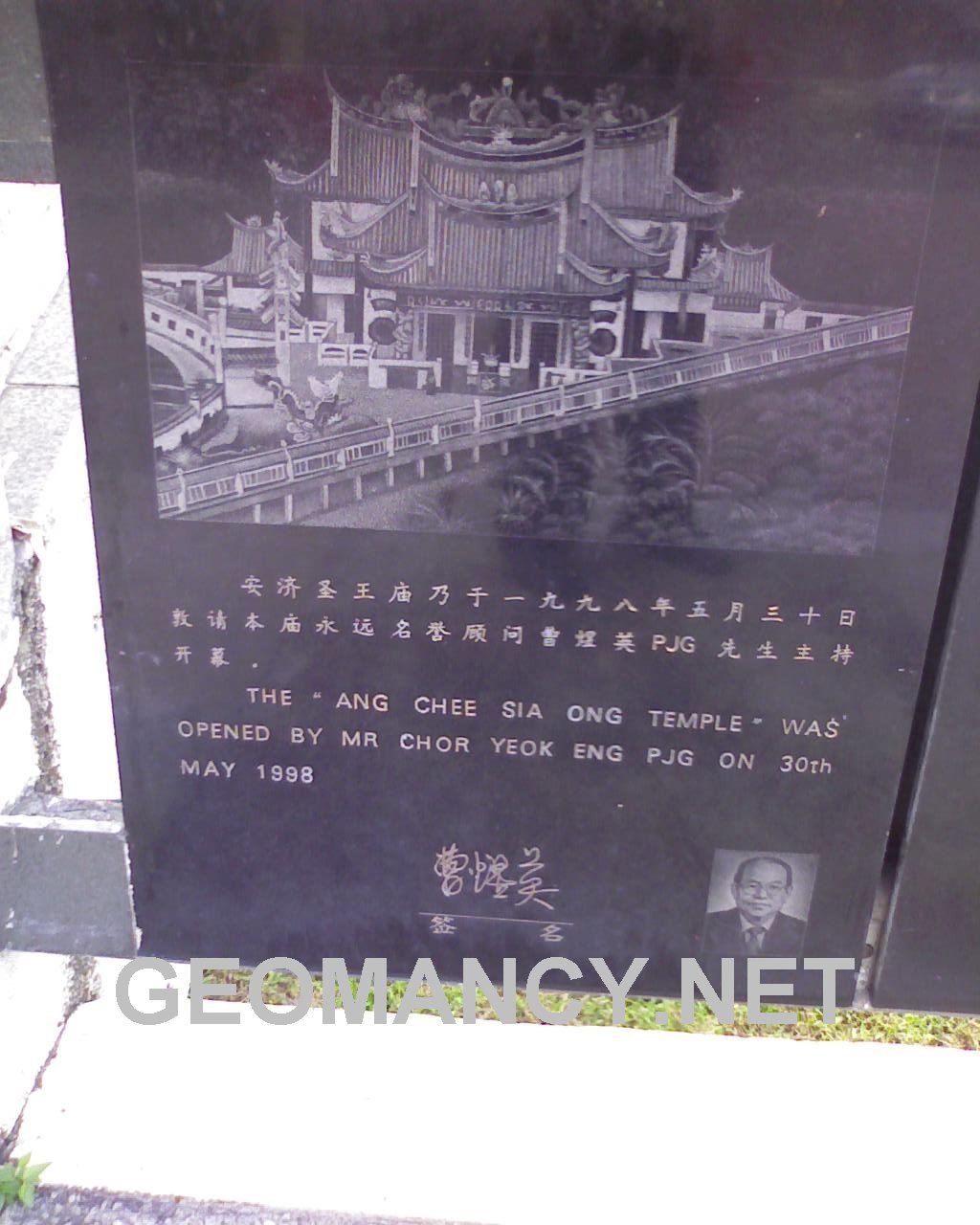
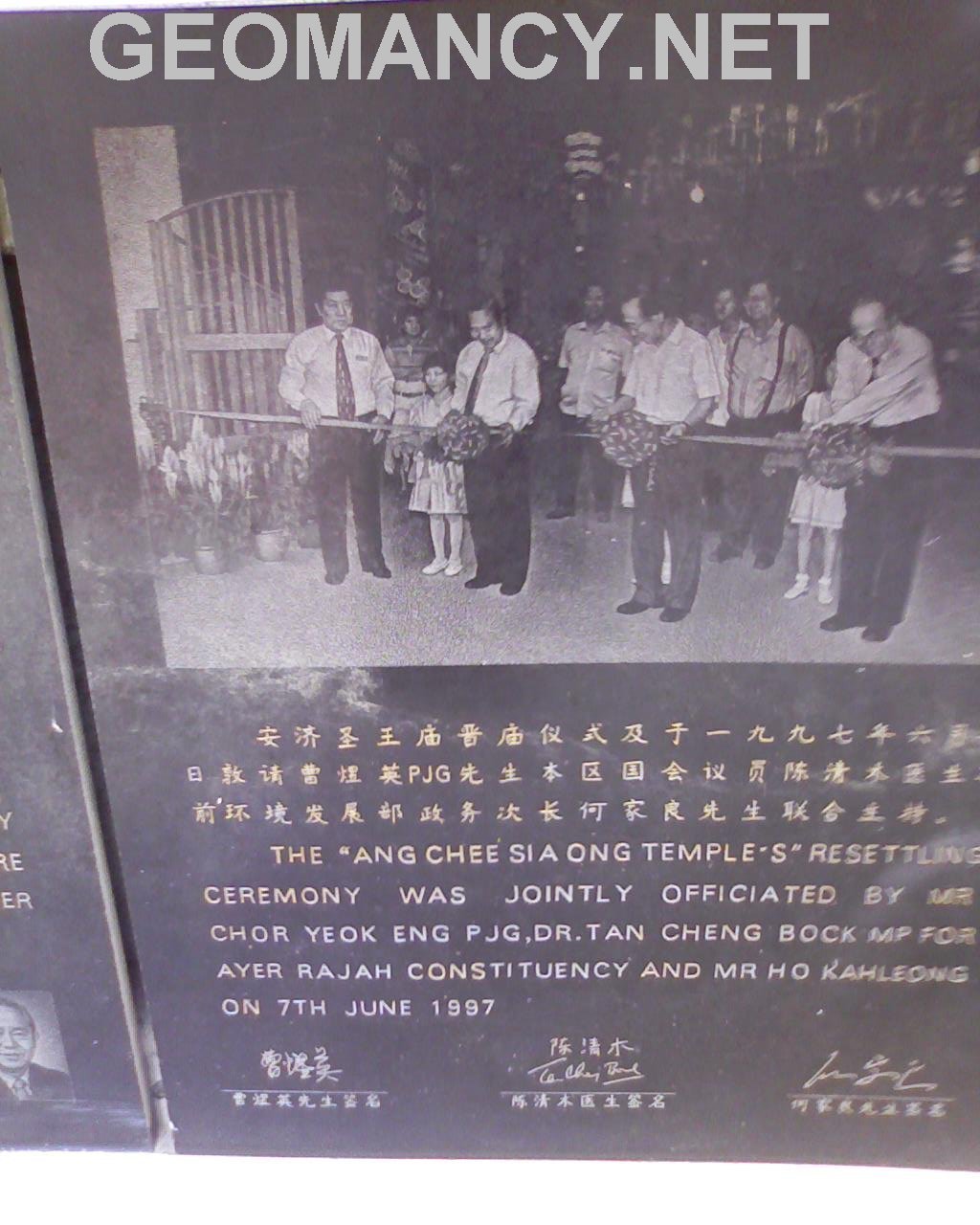
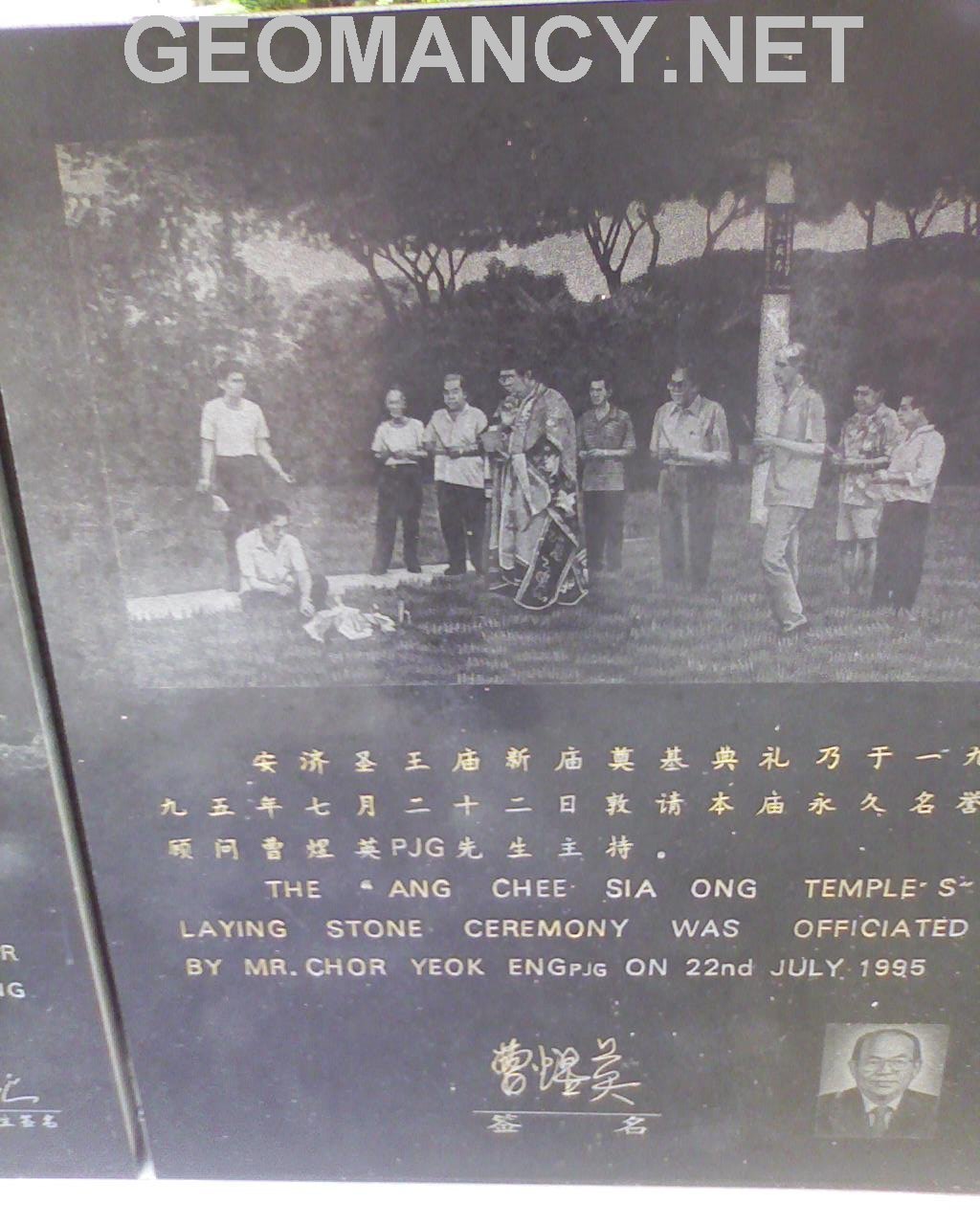
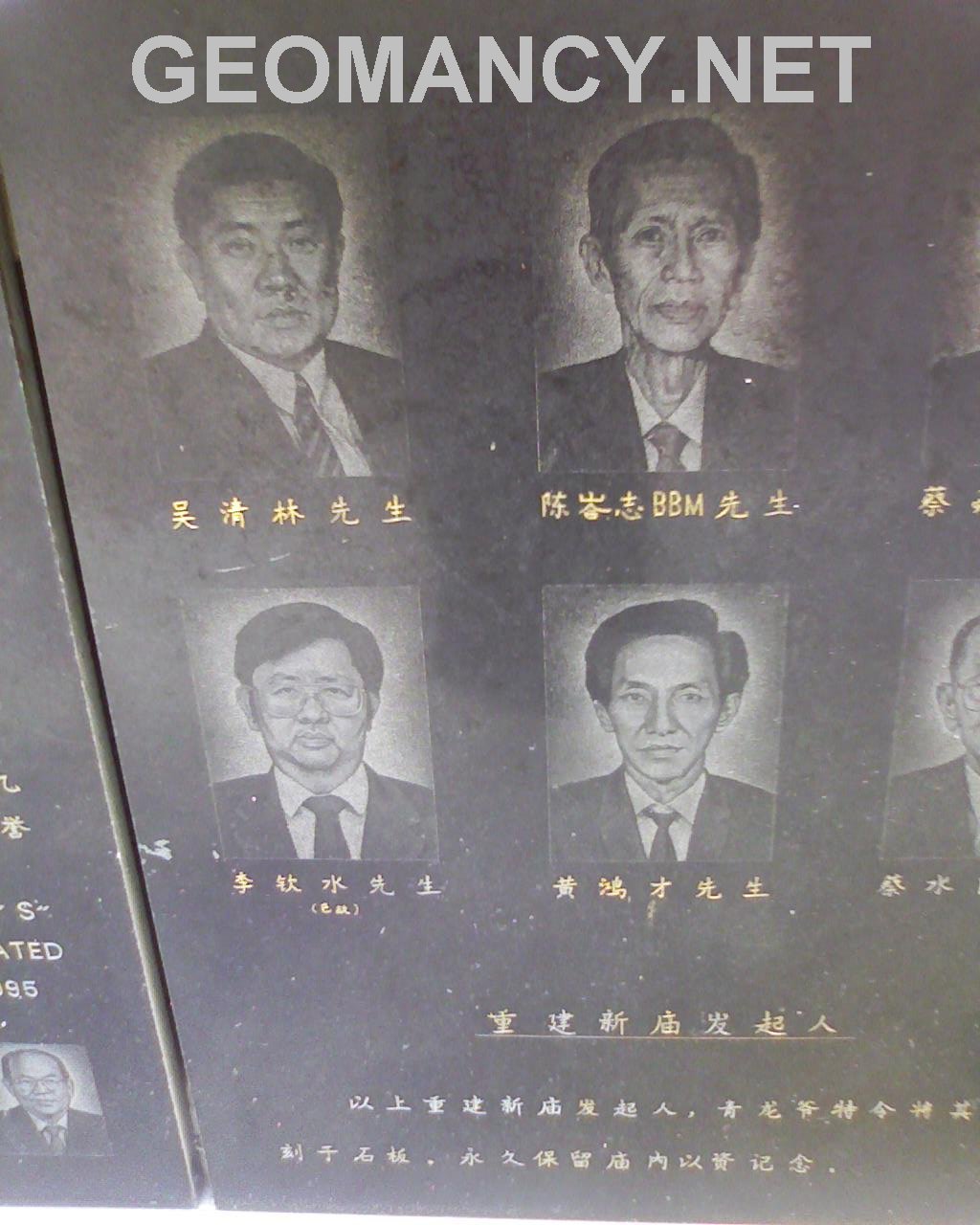
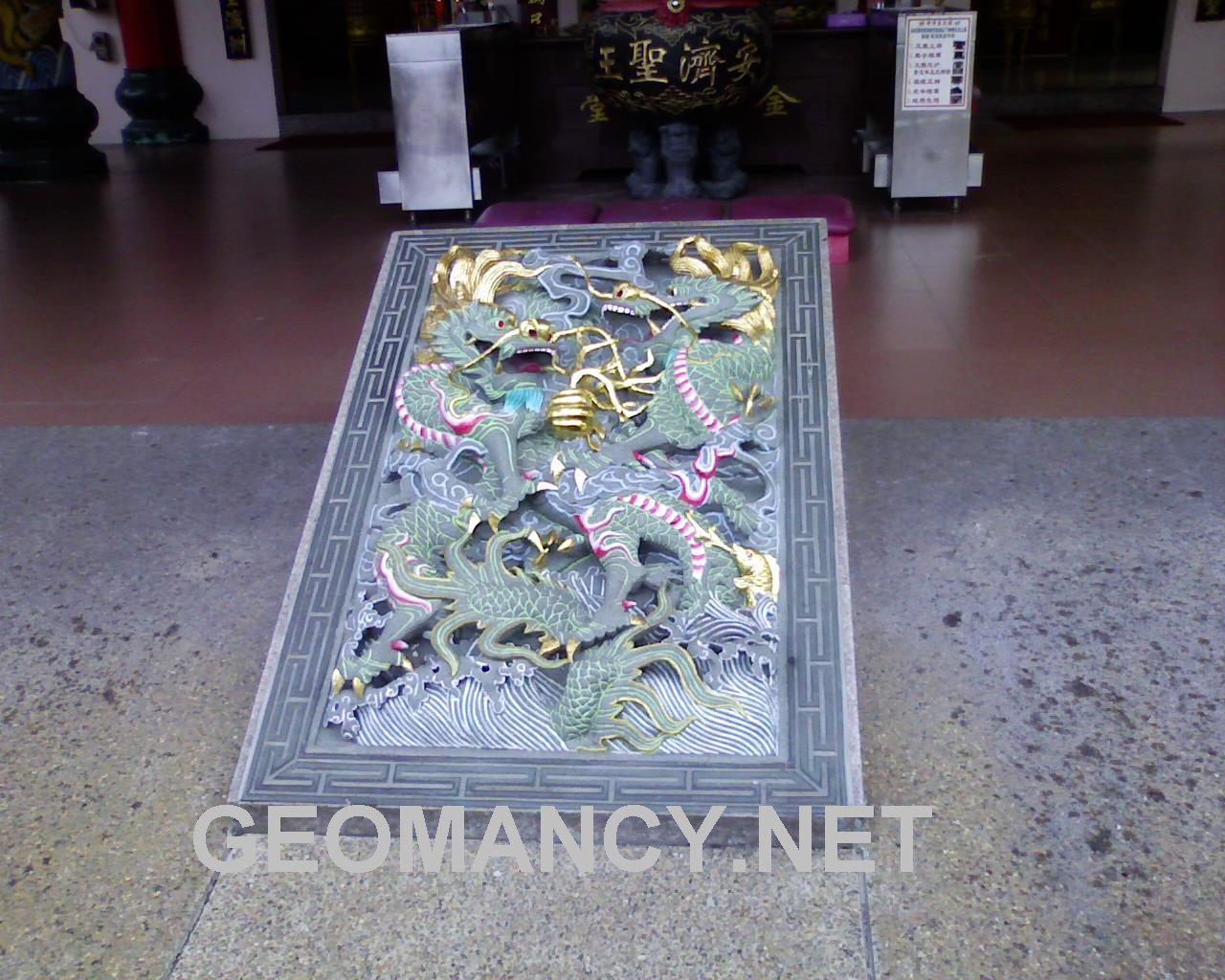
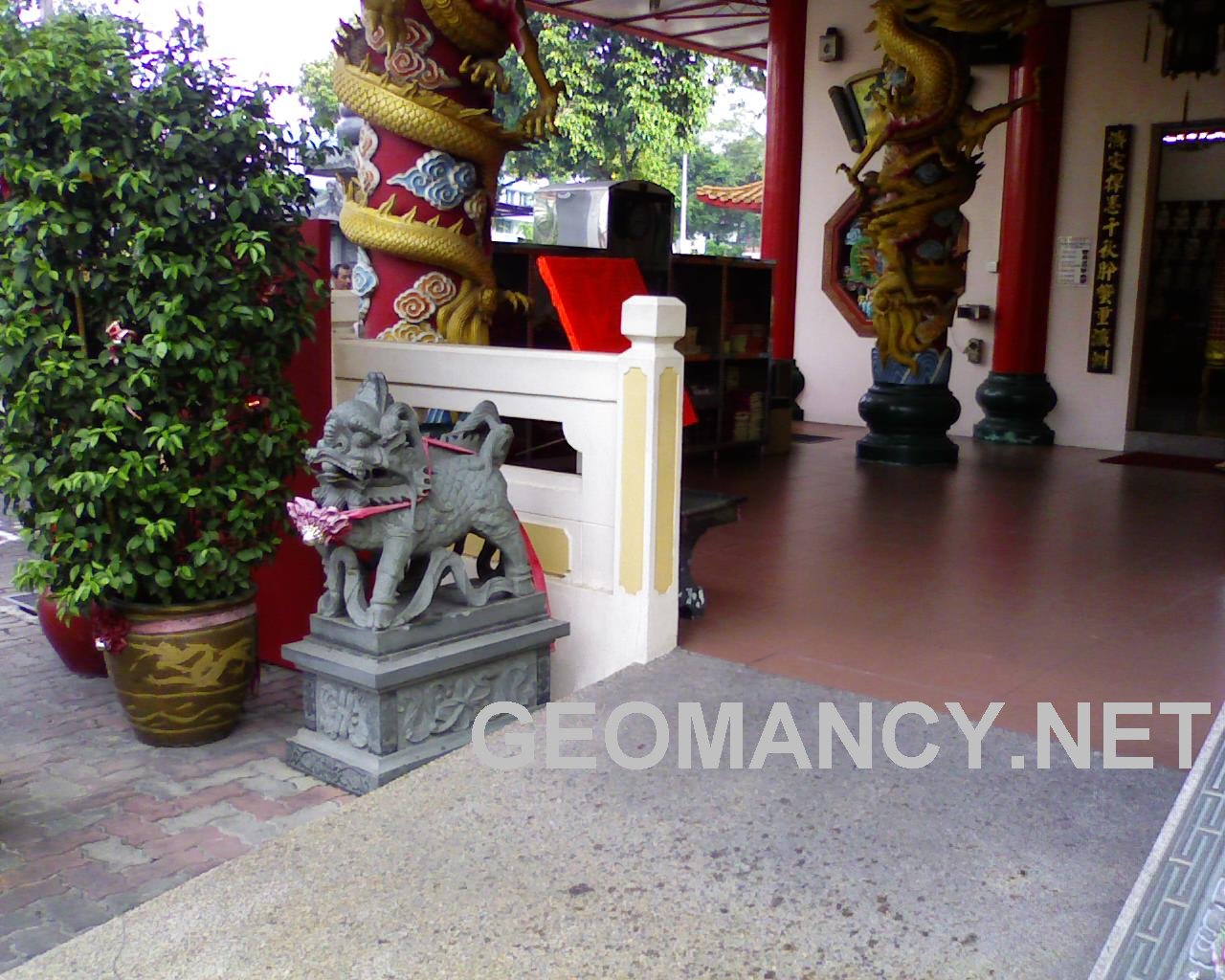
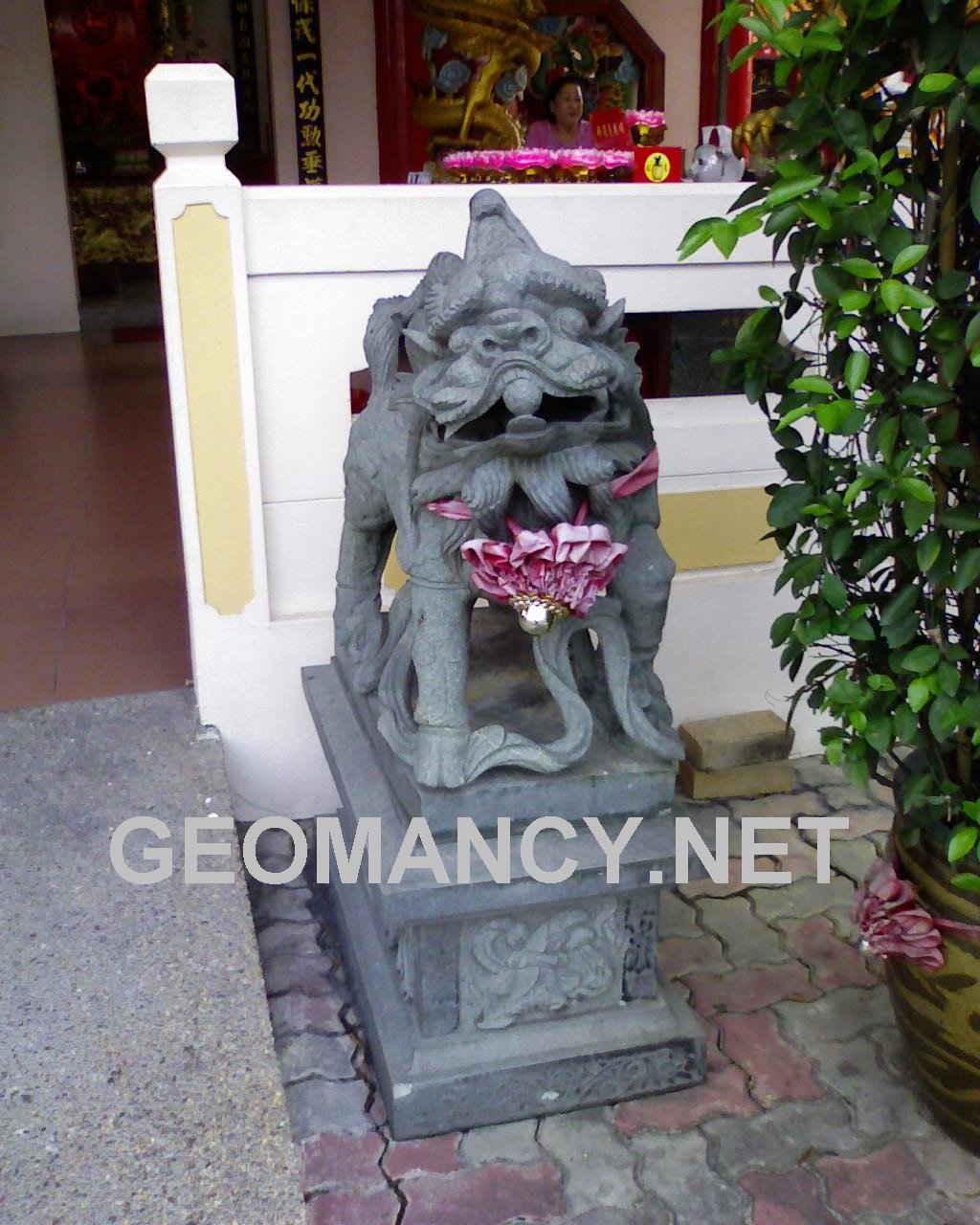
-
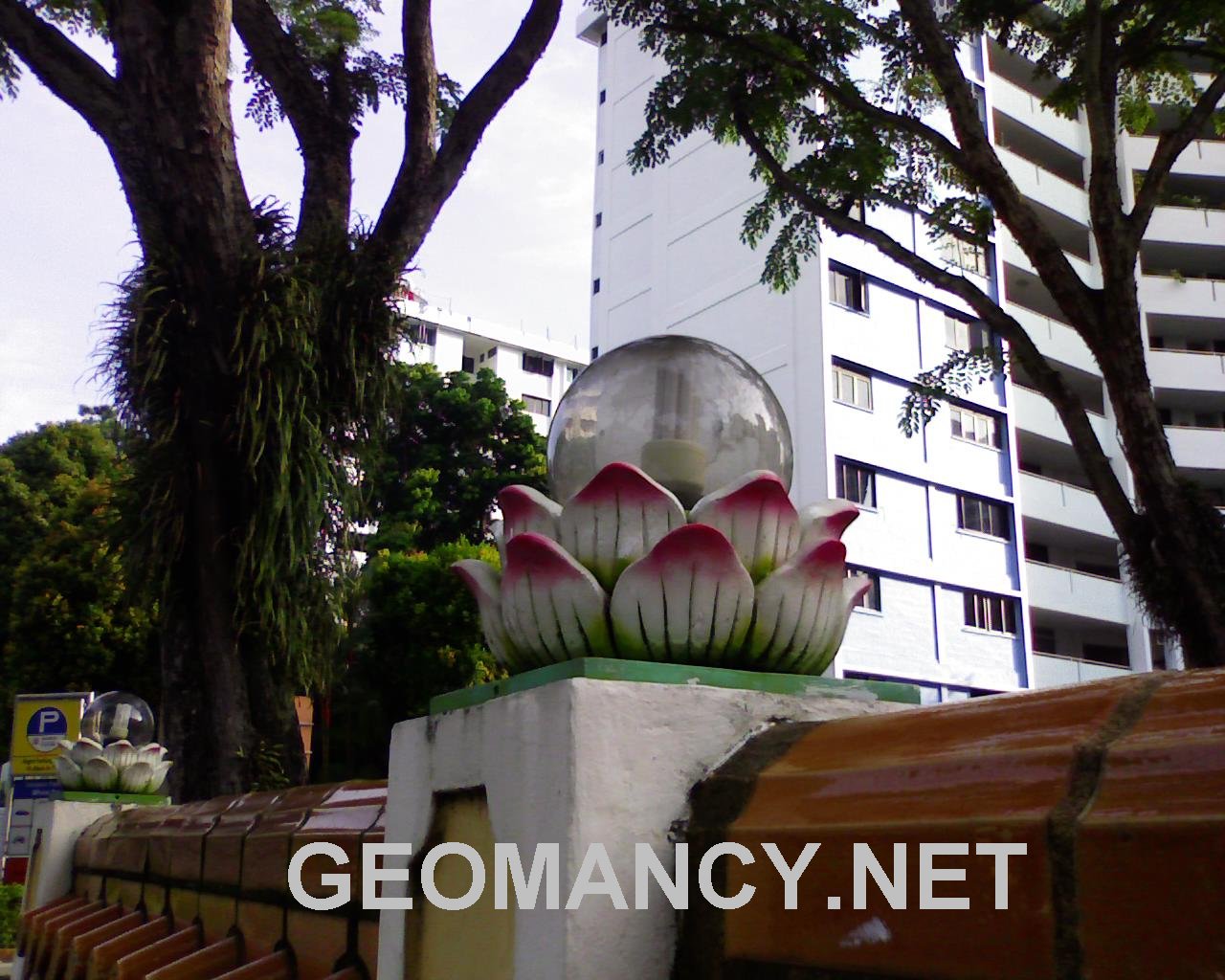
TheAng Chee Siao Ong Temple@West Coast Drive; more photos...
-
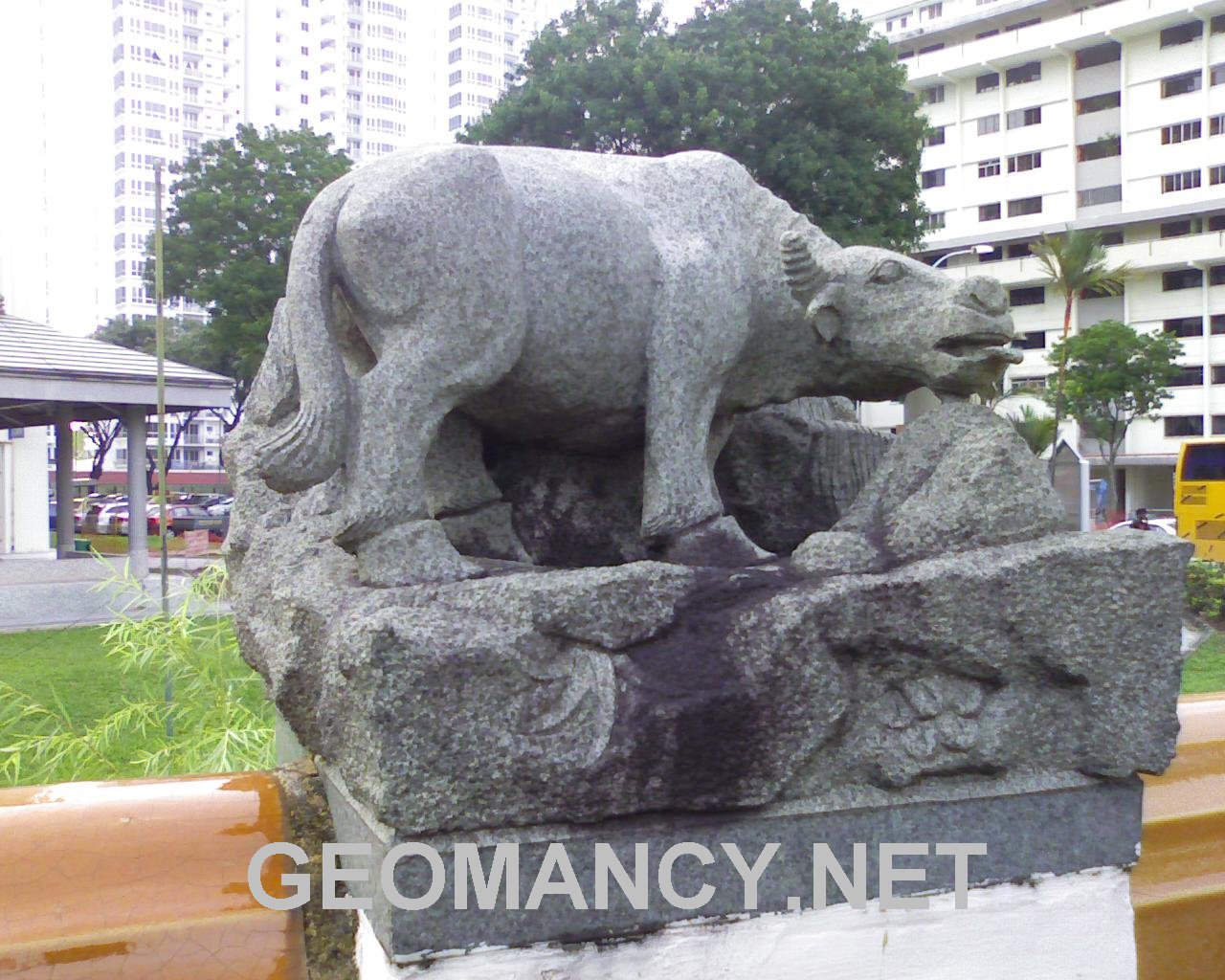
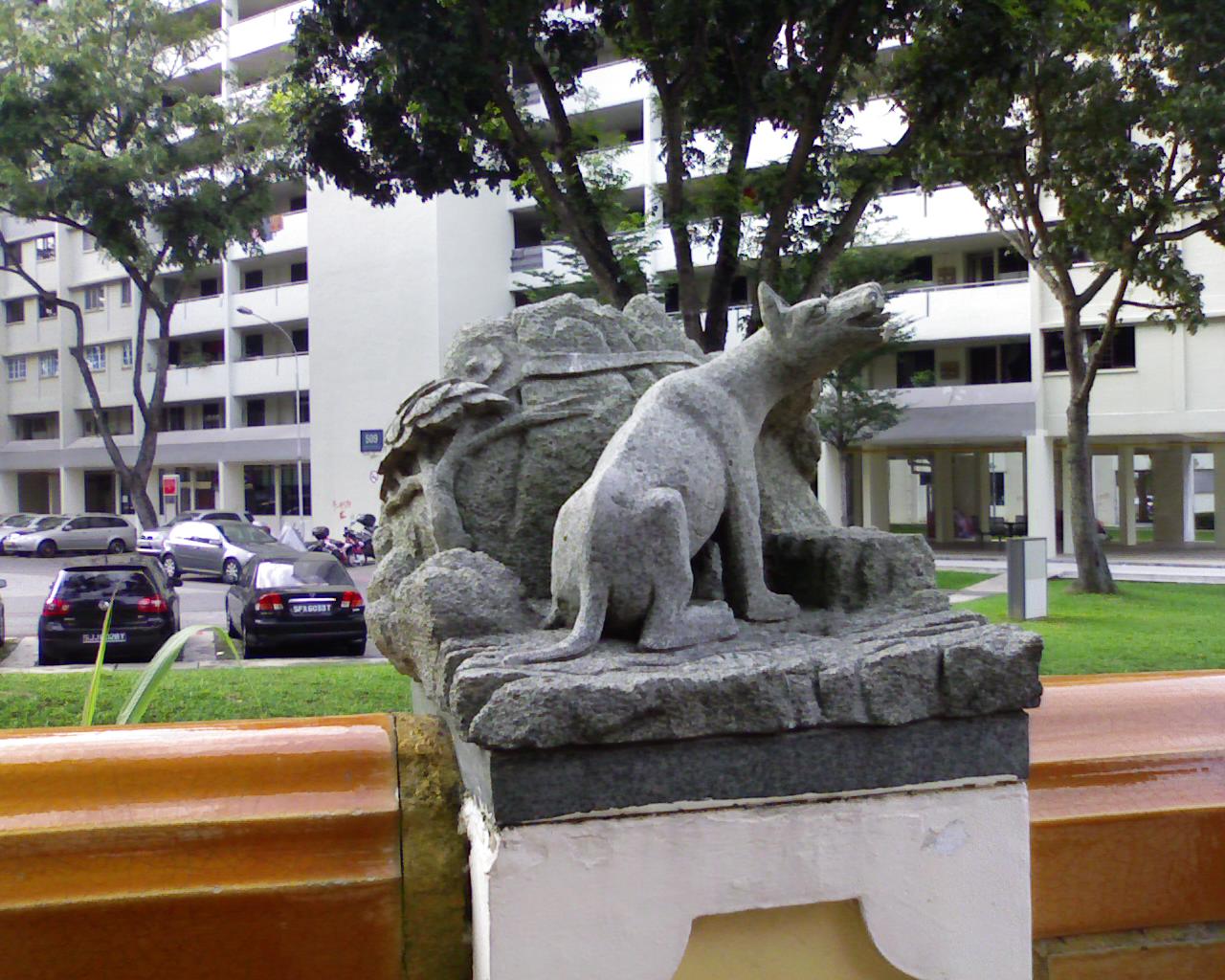
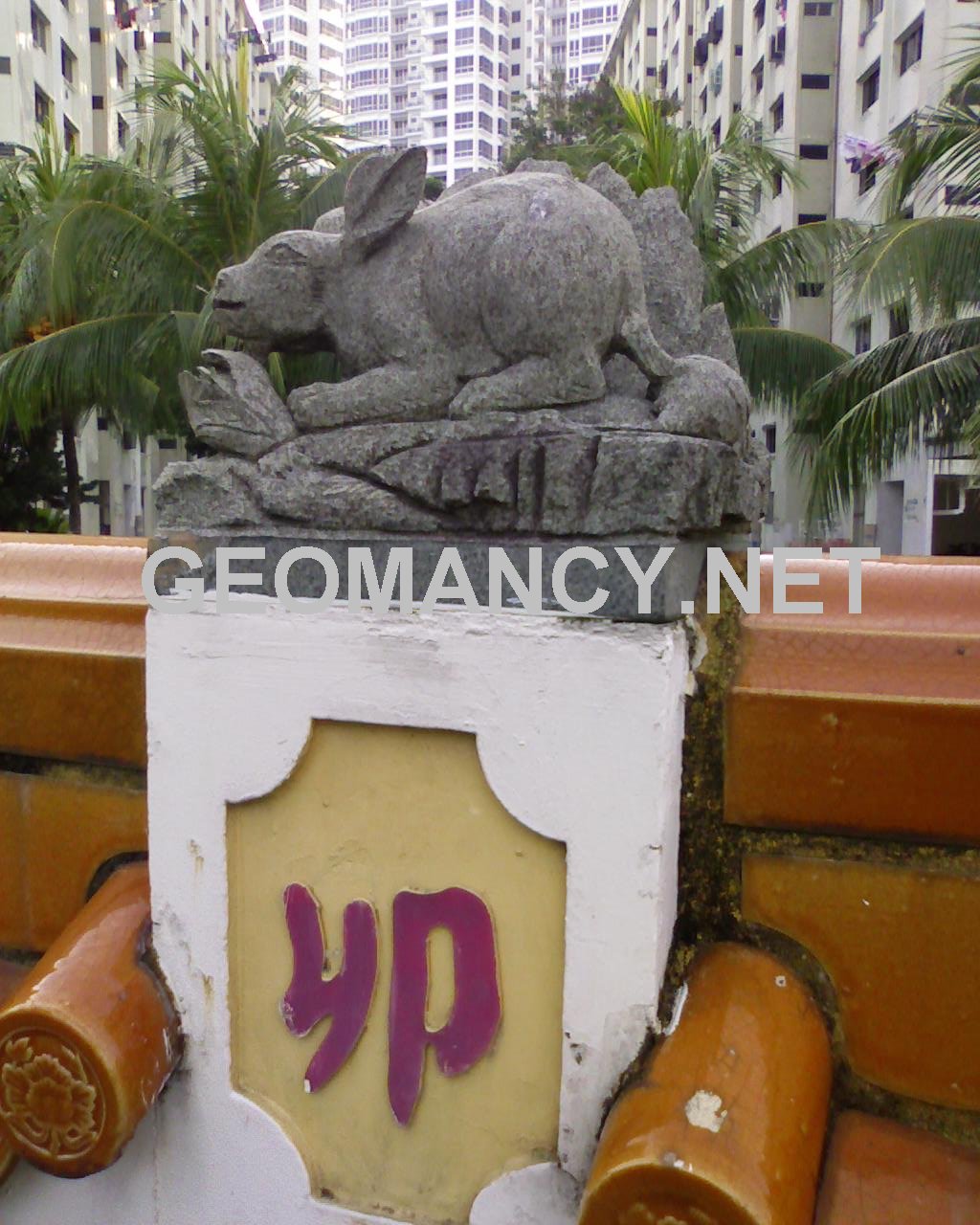
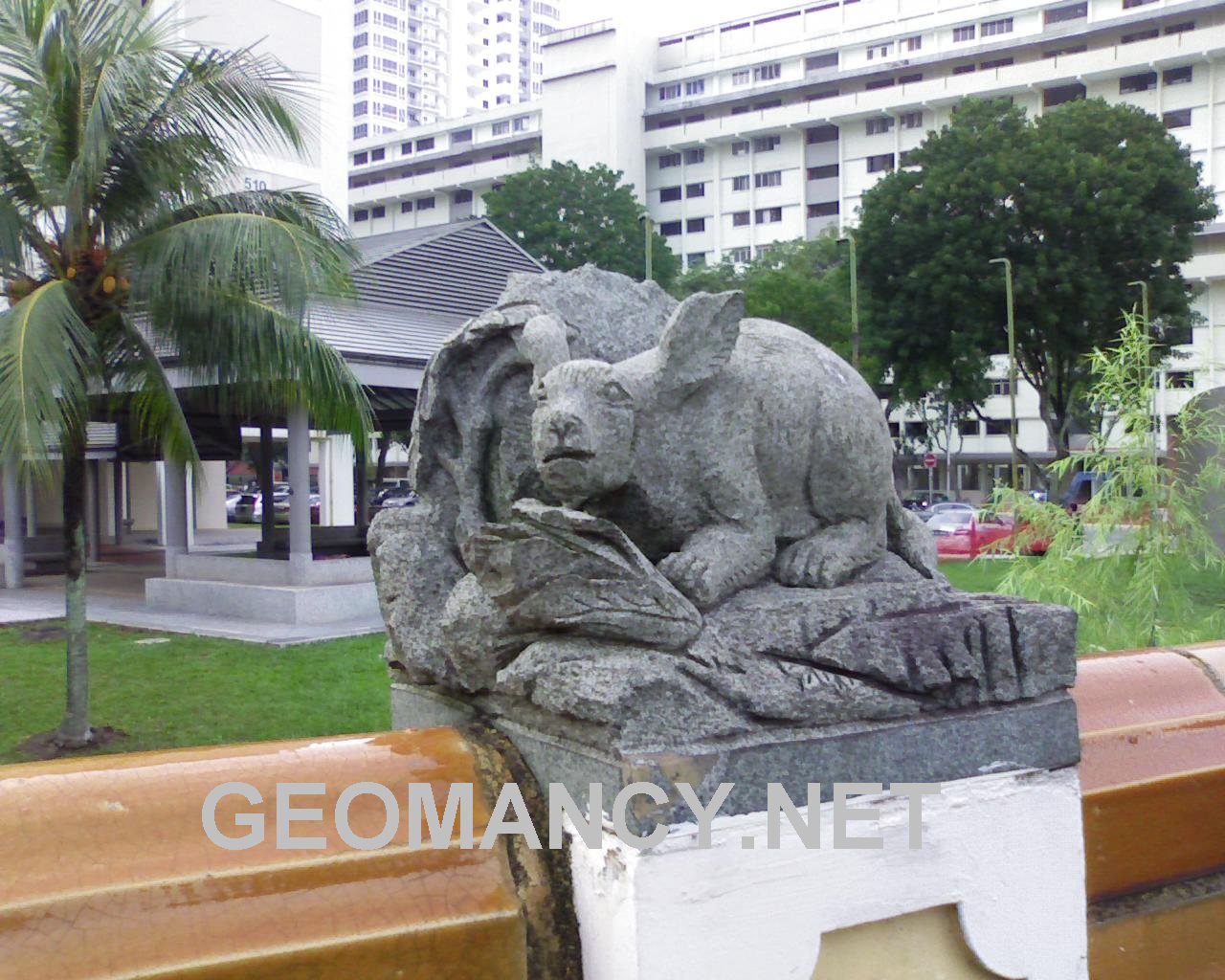
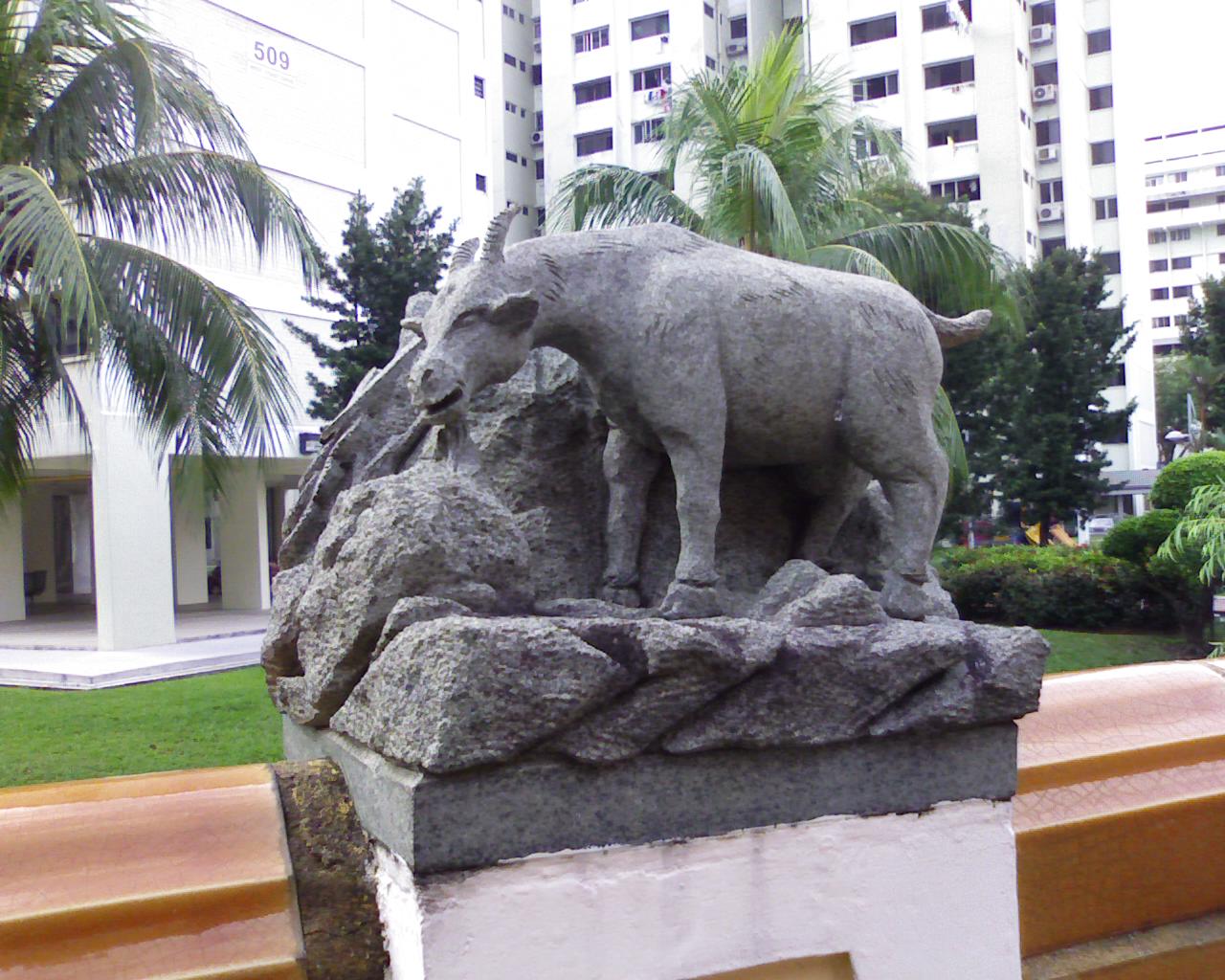
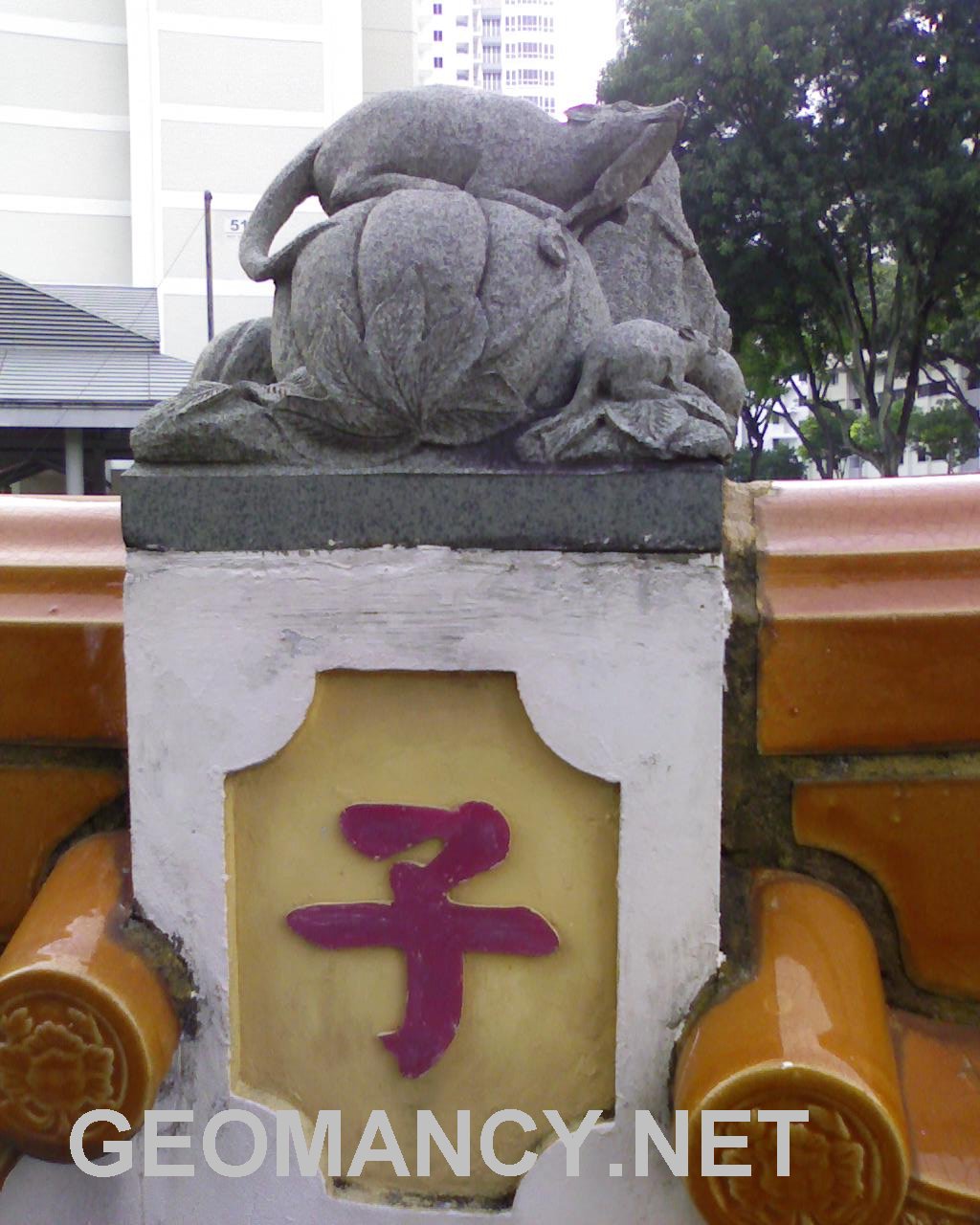
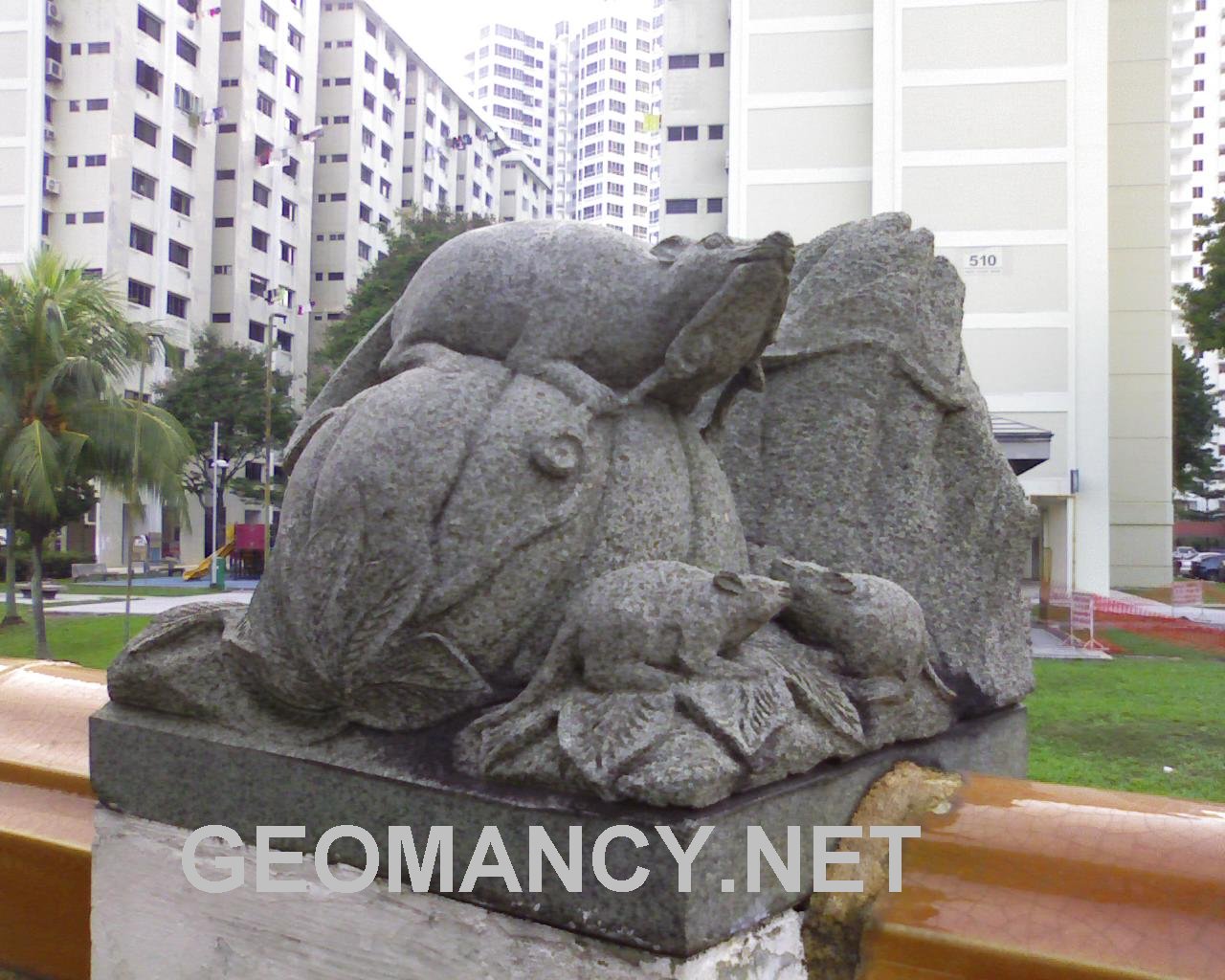
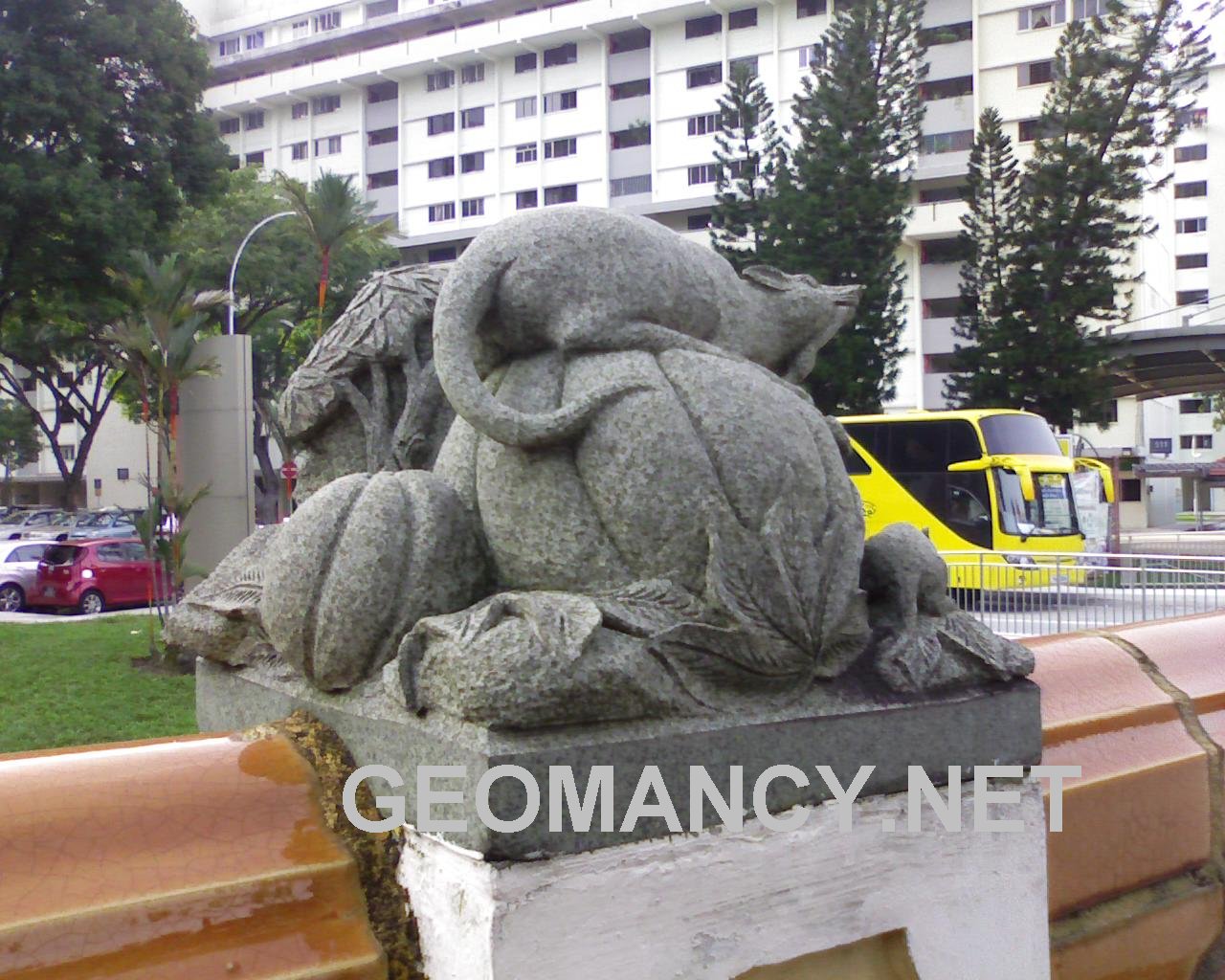
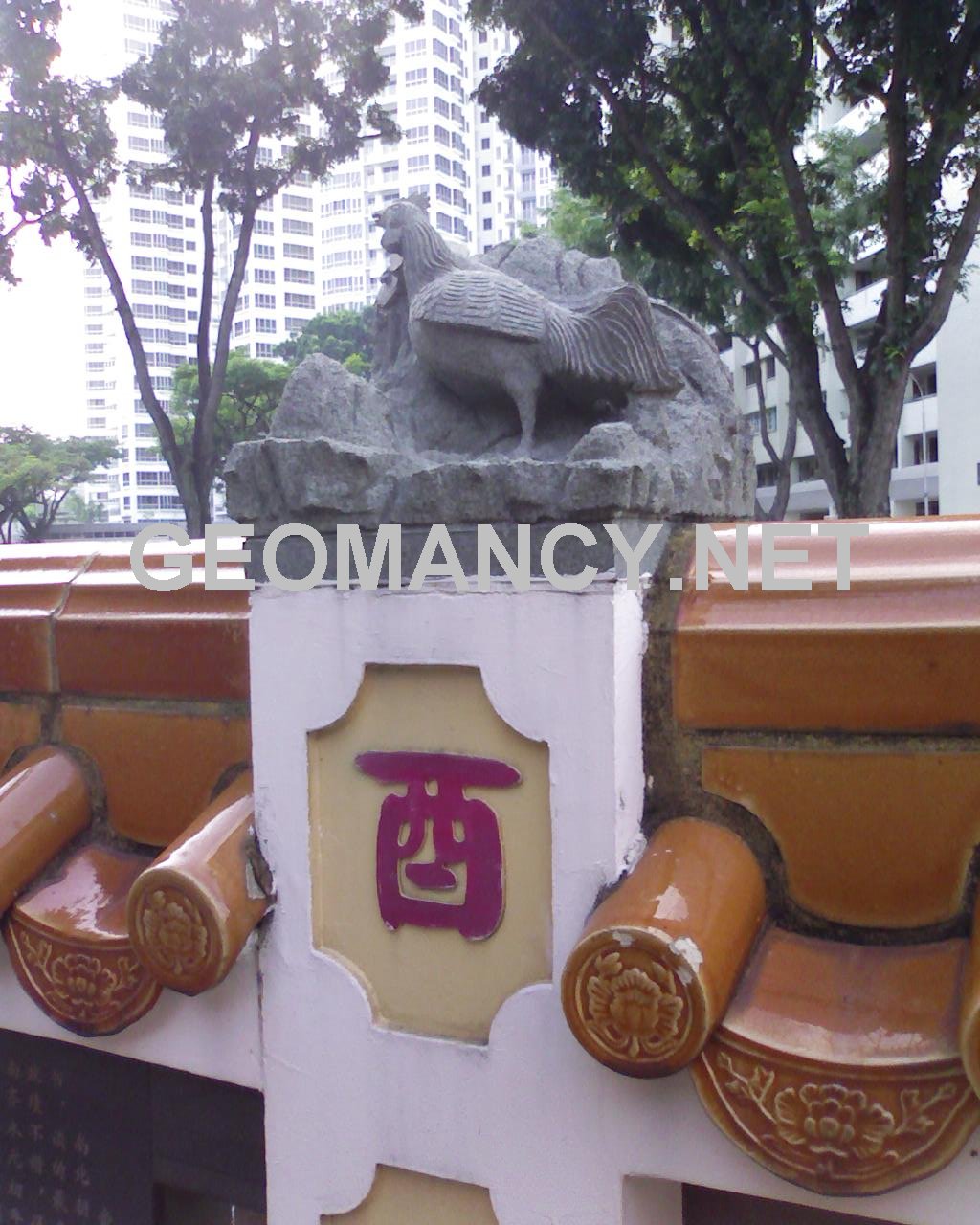
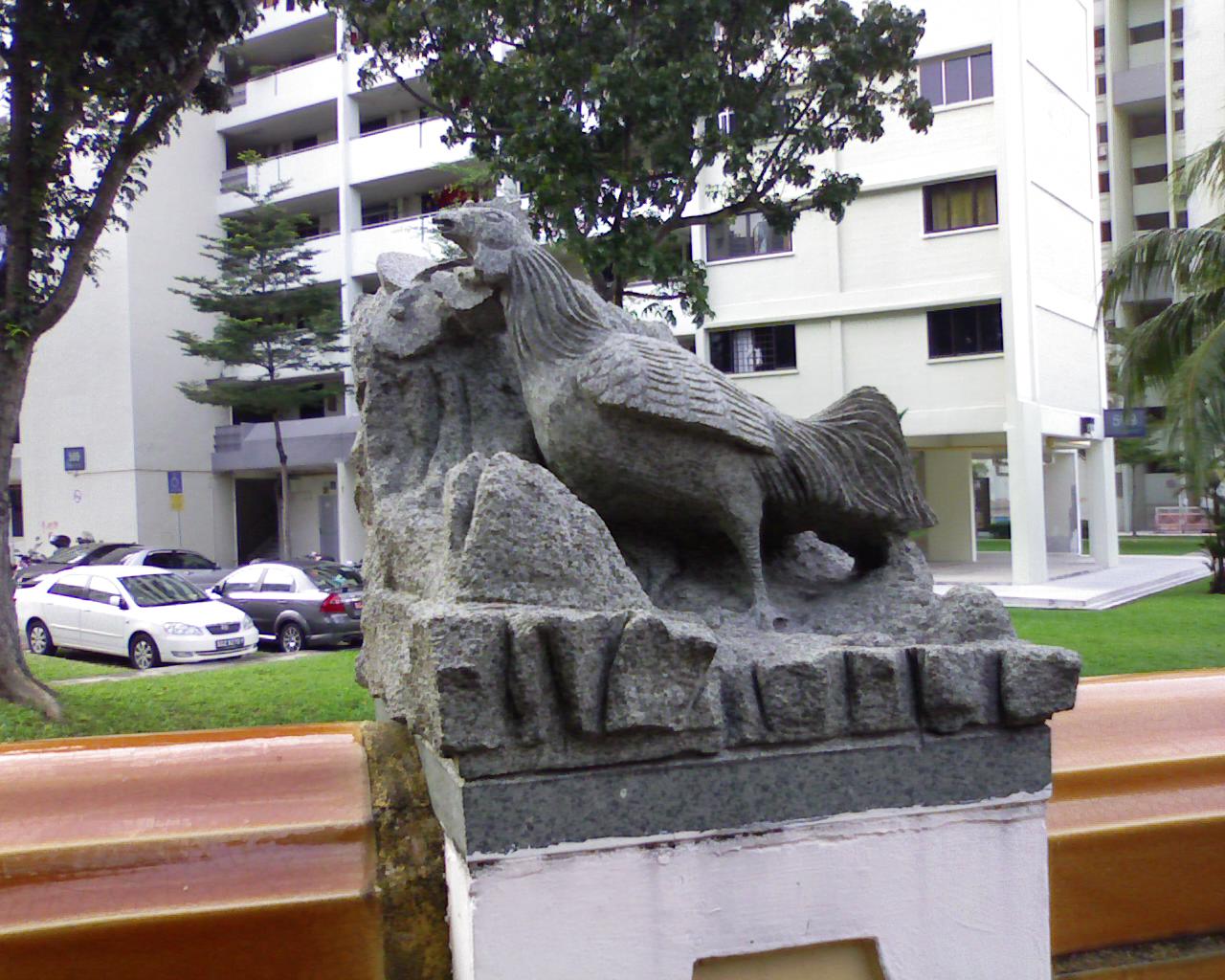
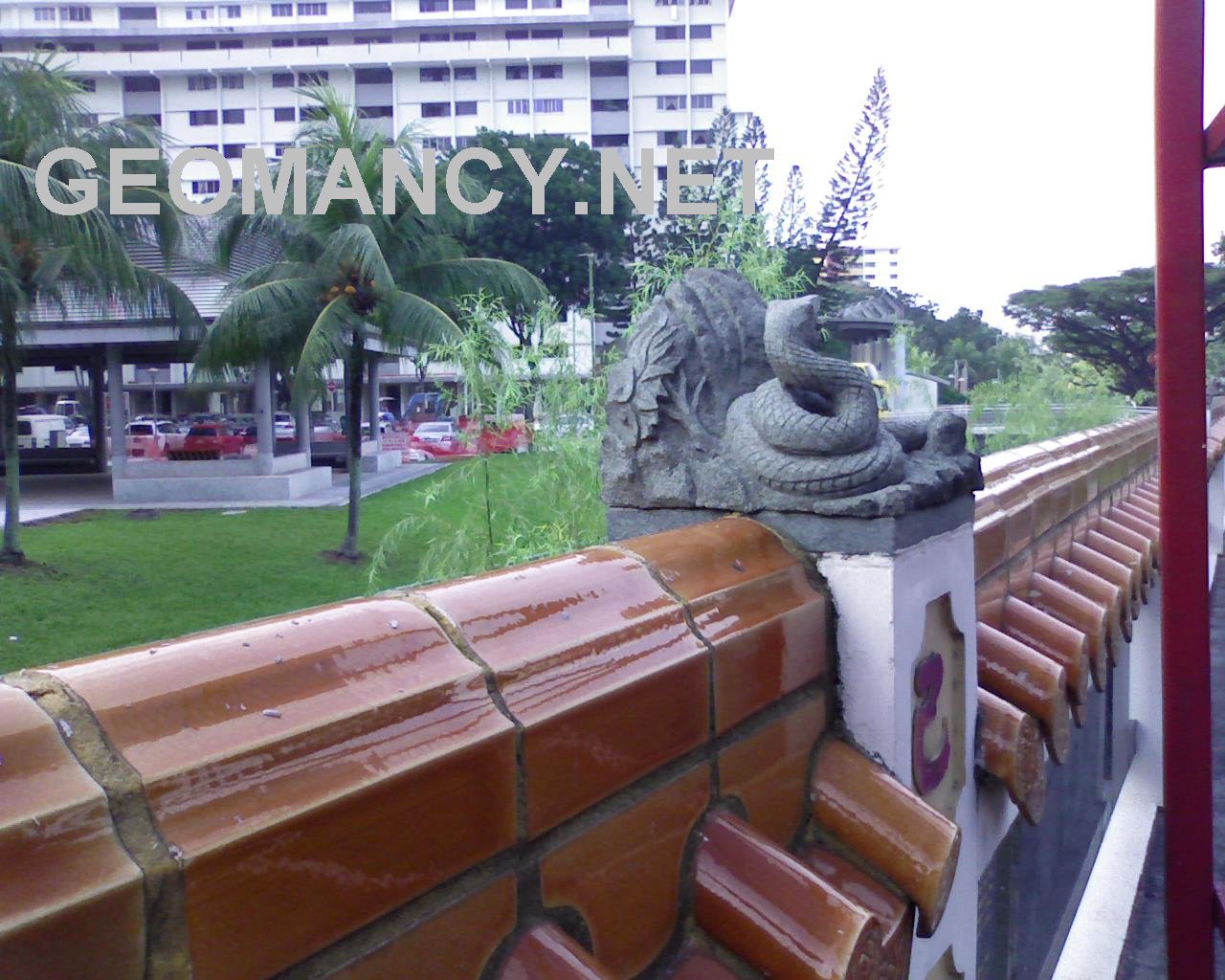
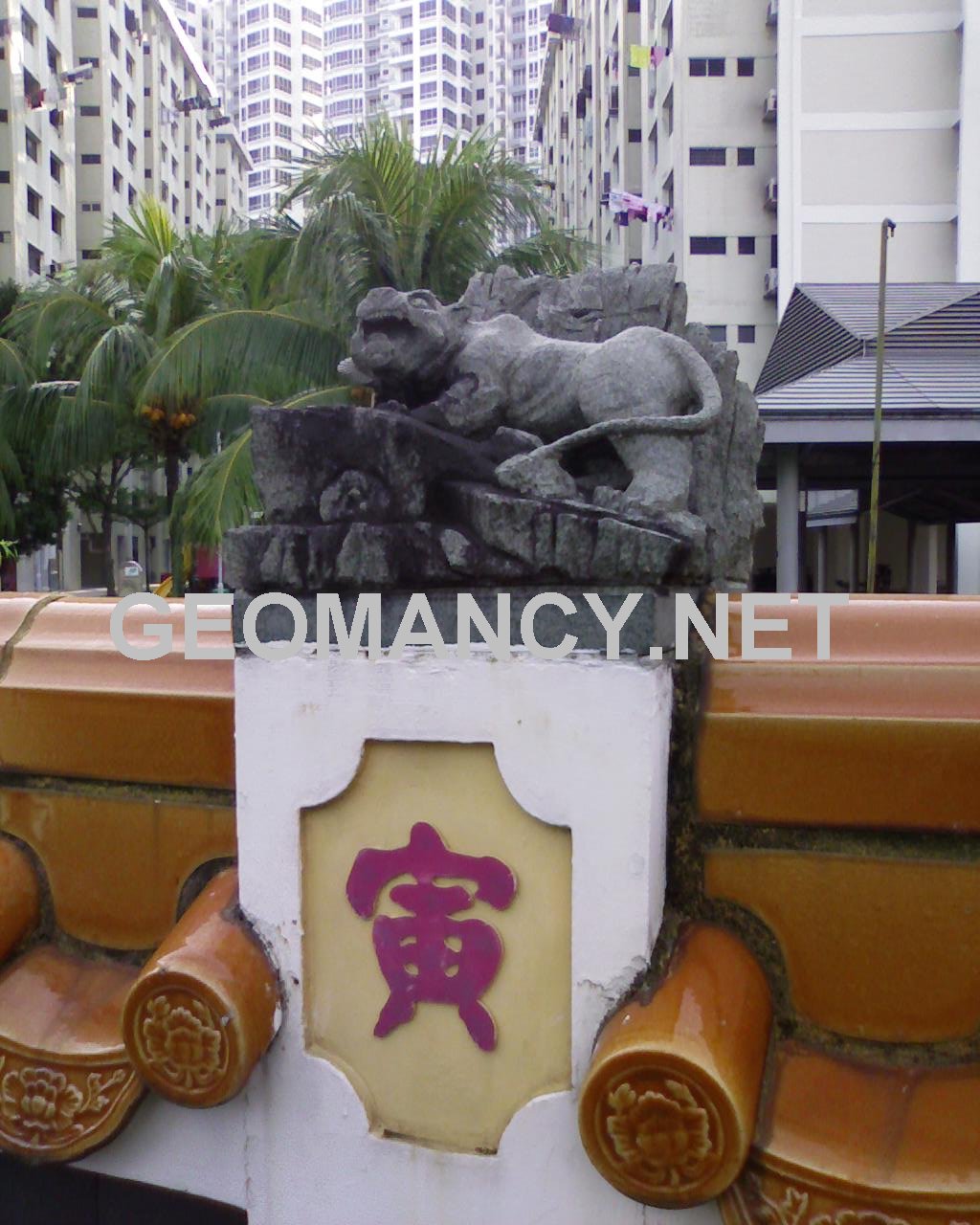
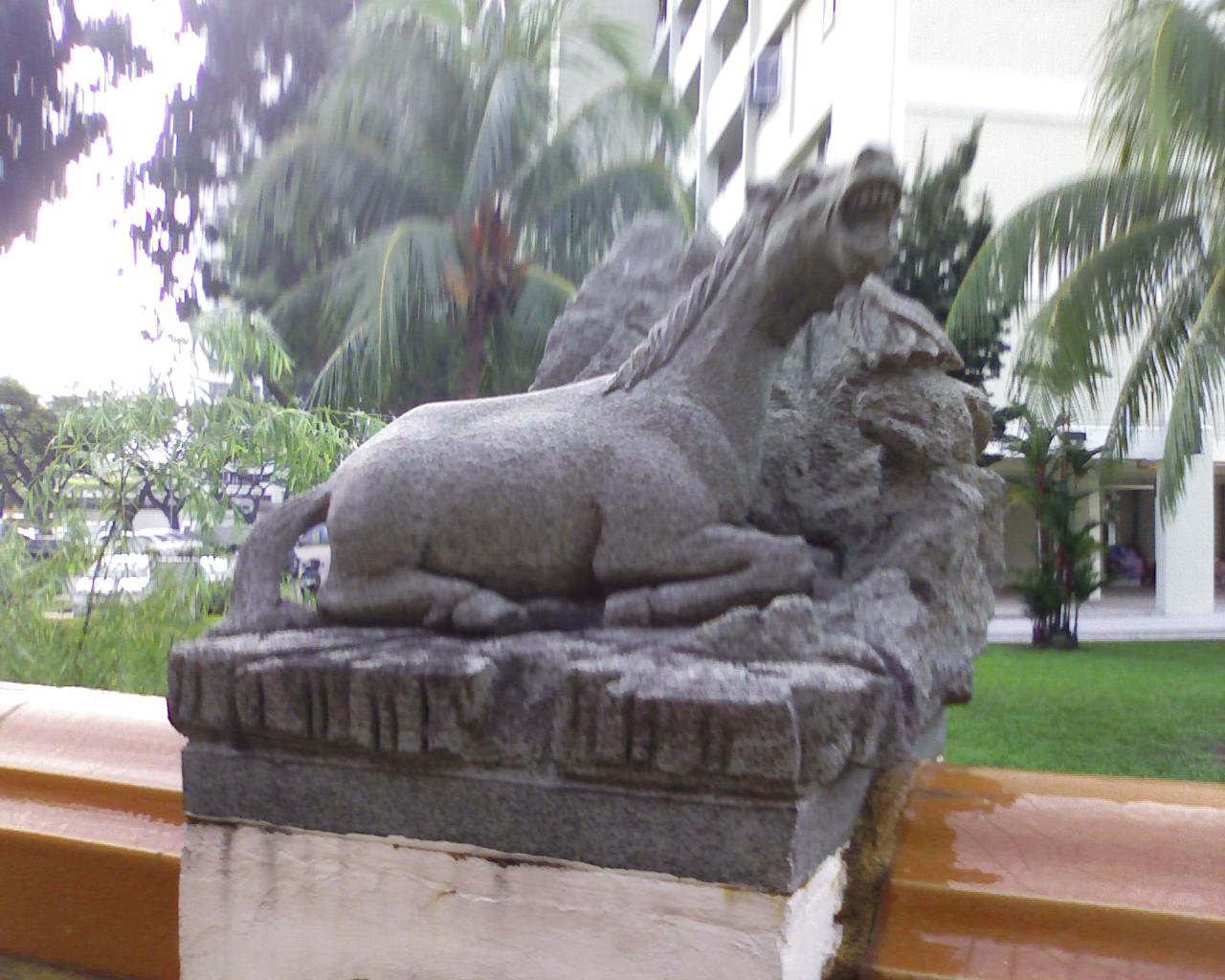
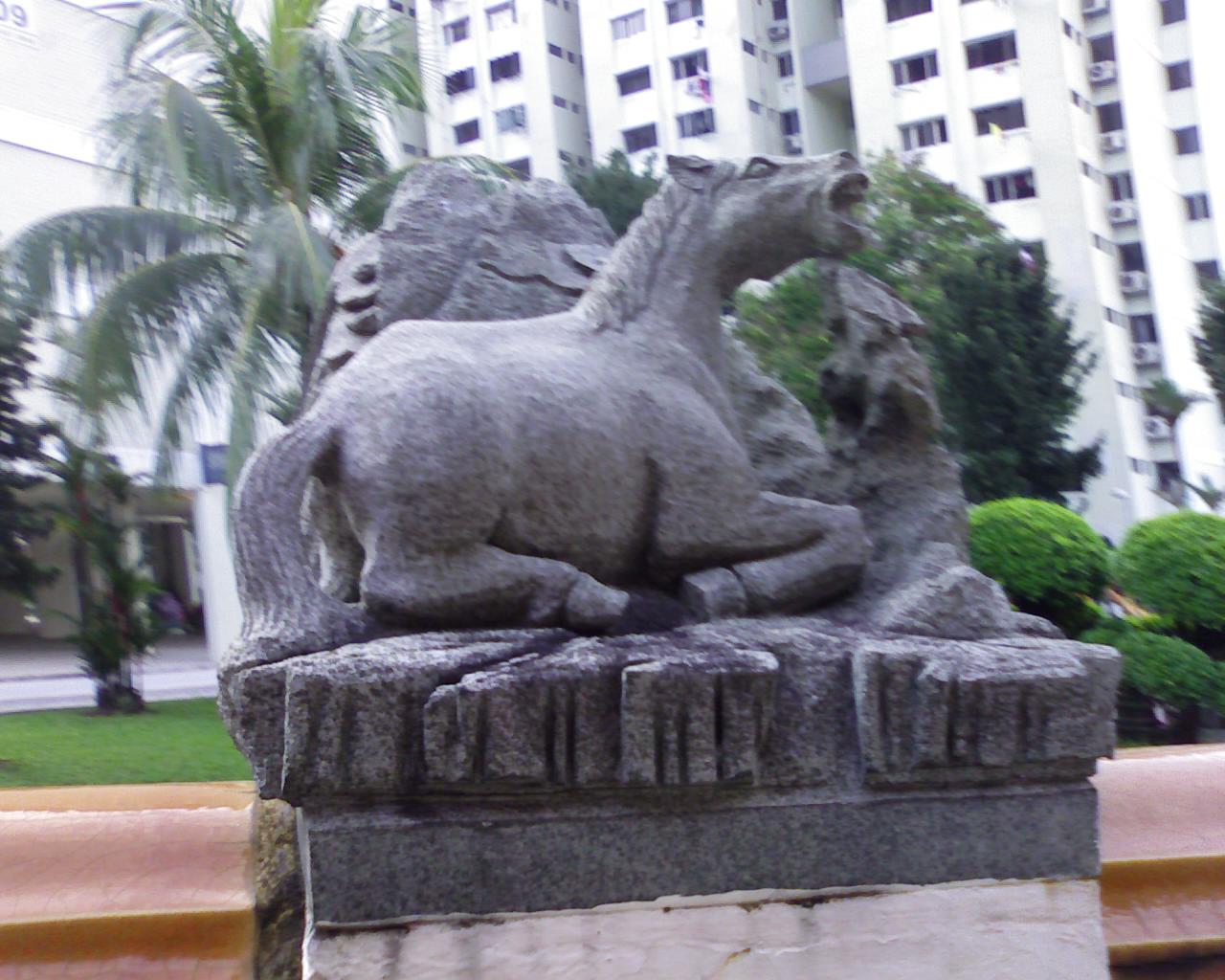
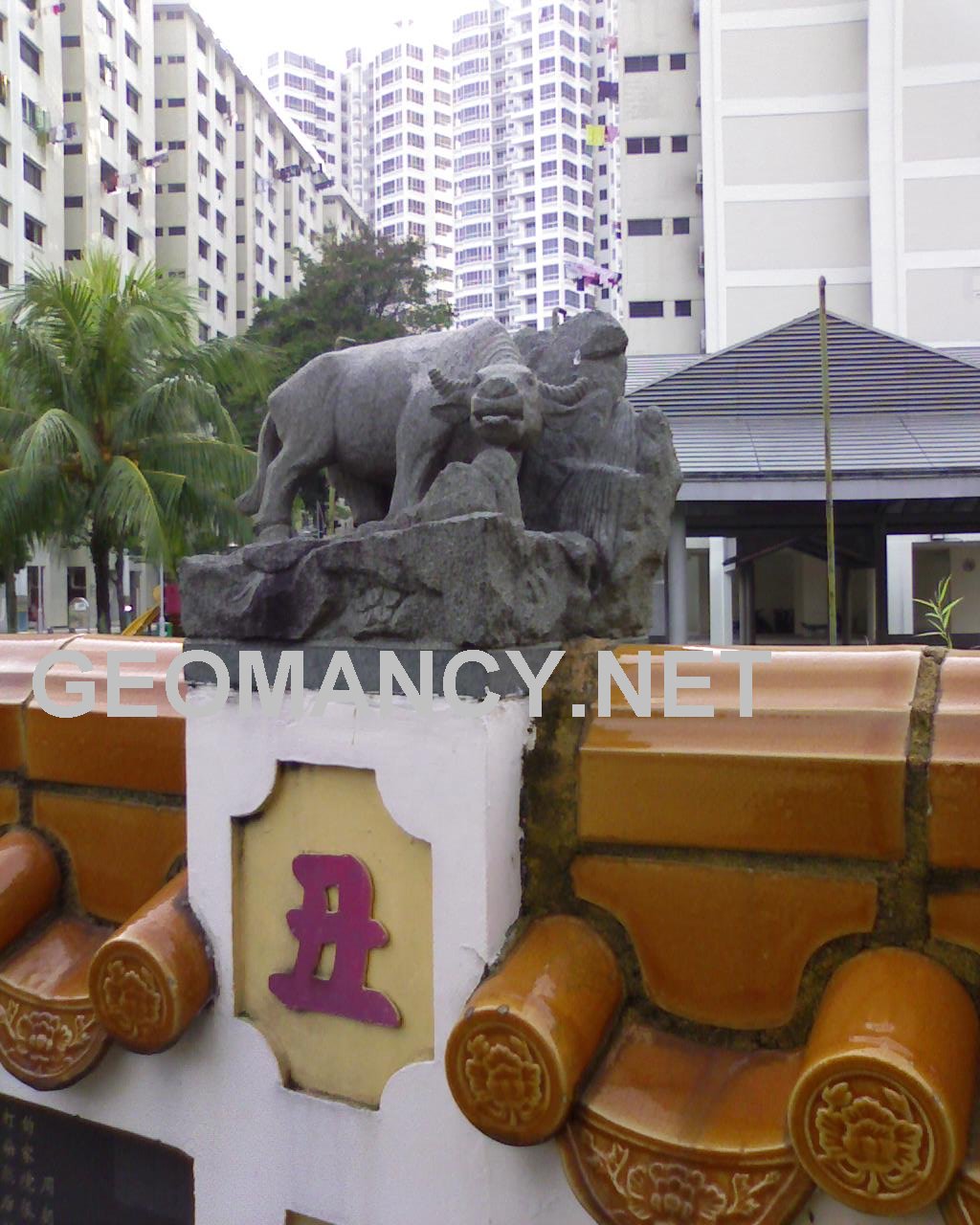
The 12 Chinese Zodiac signs found on the concrete wall of the temple....
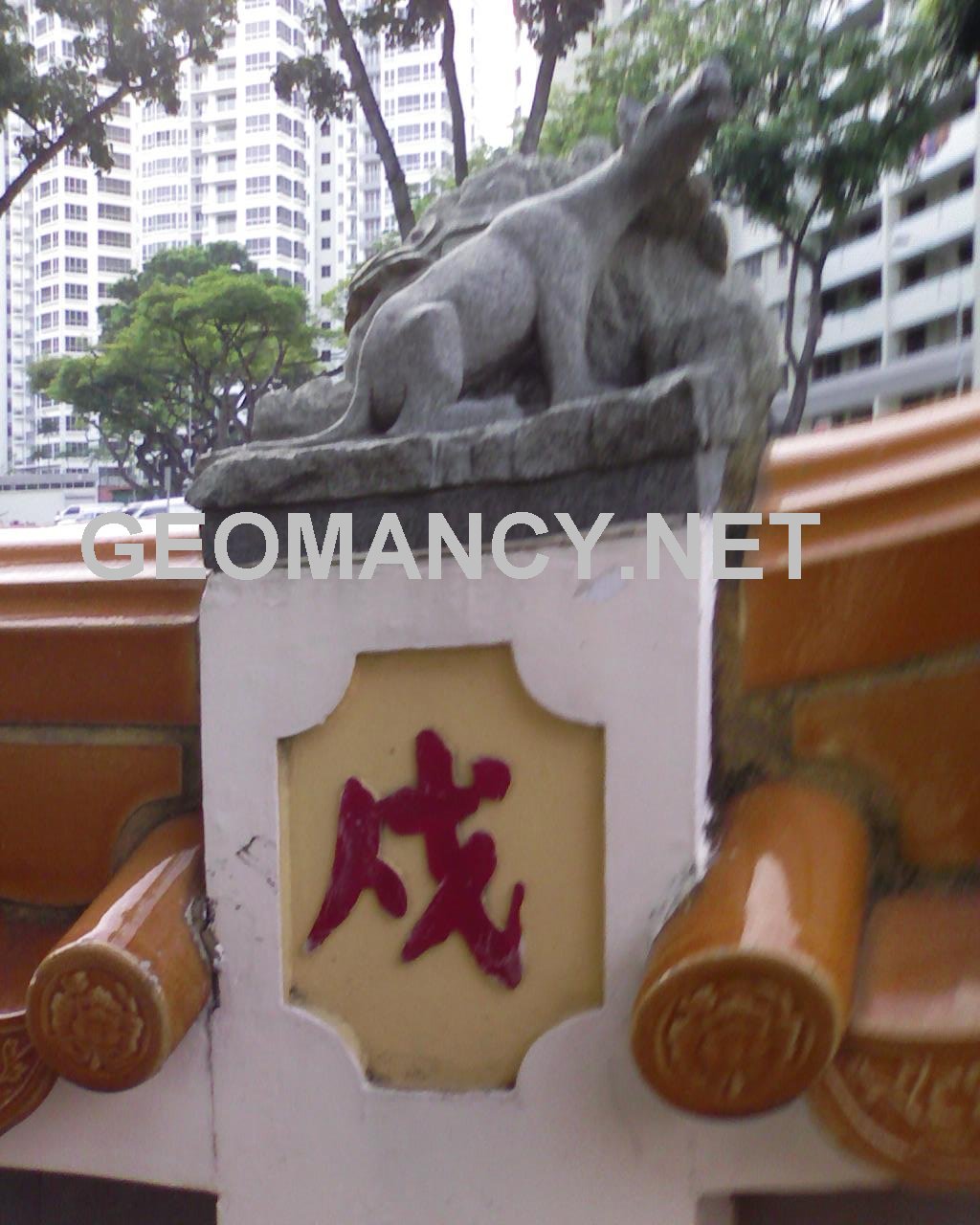
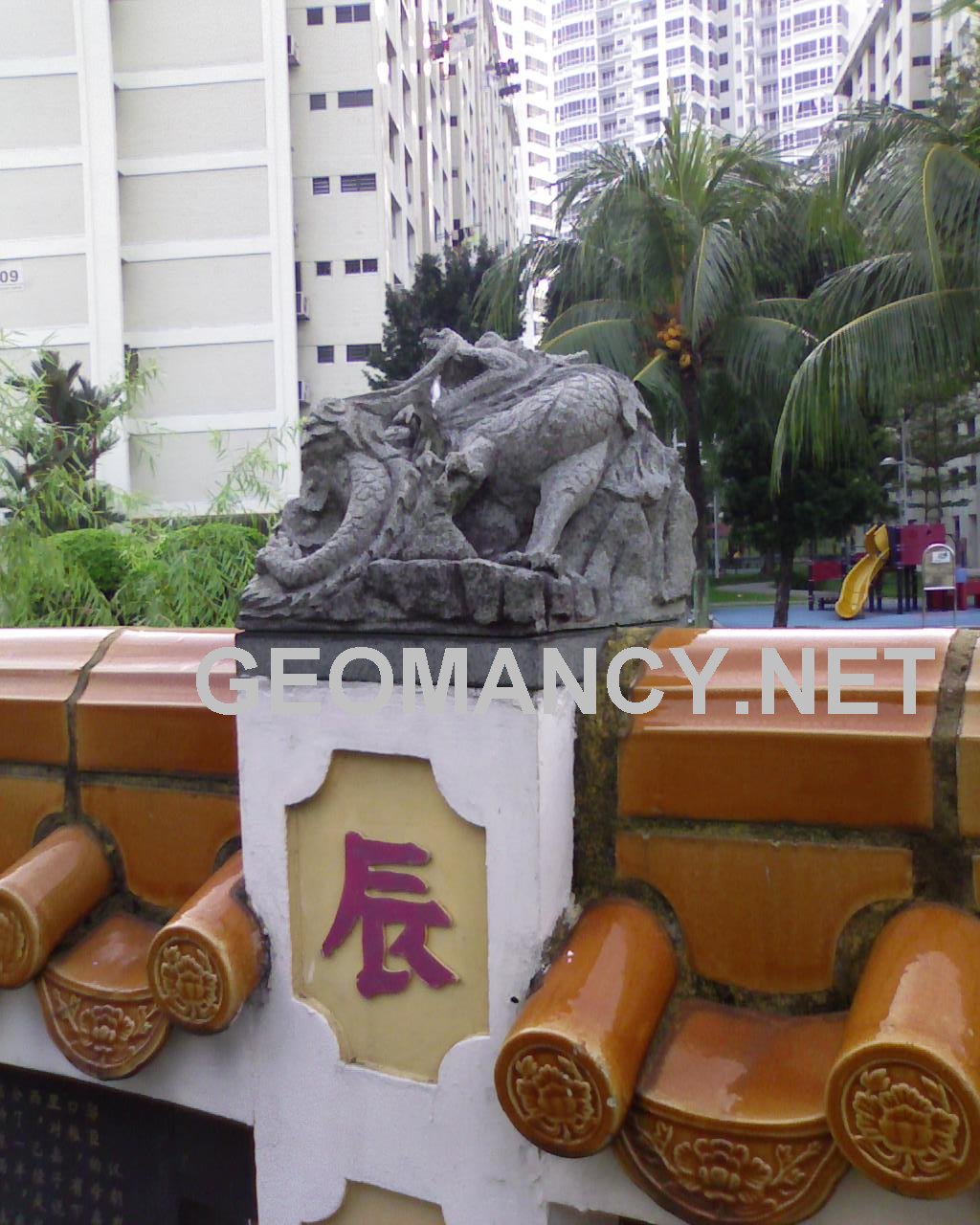
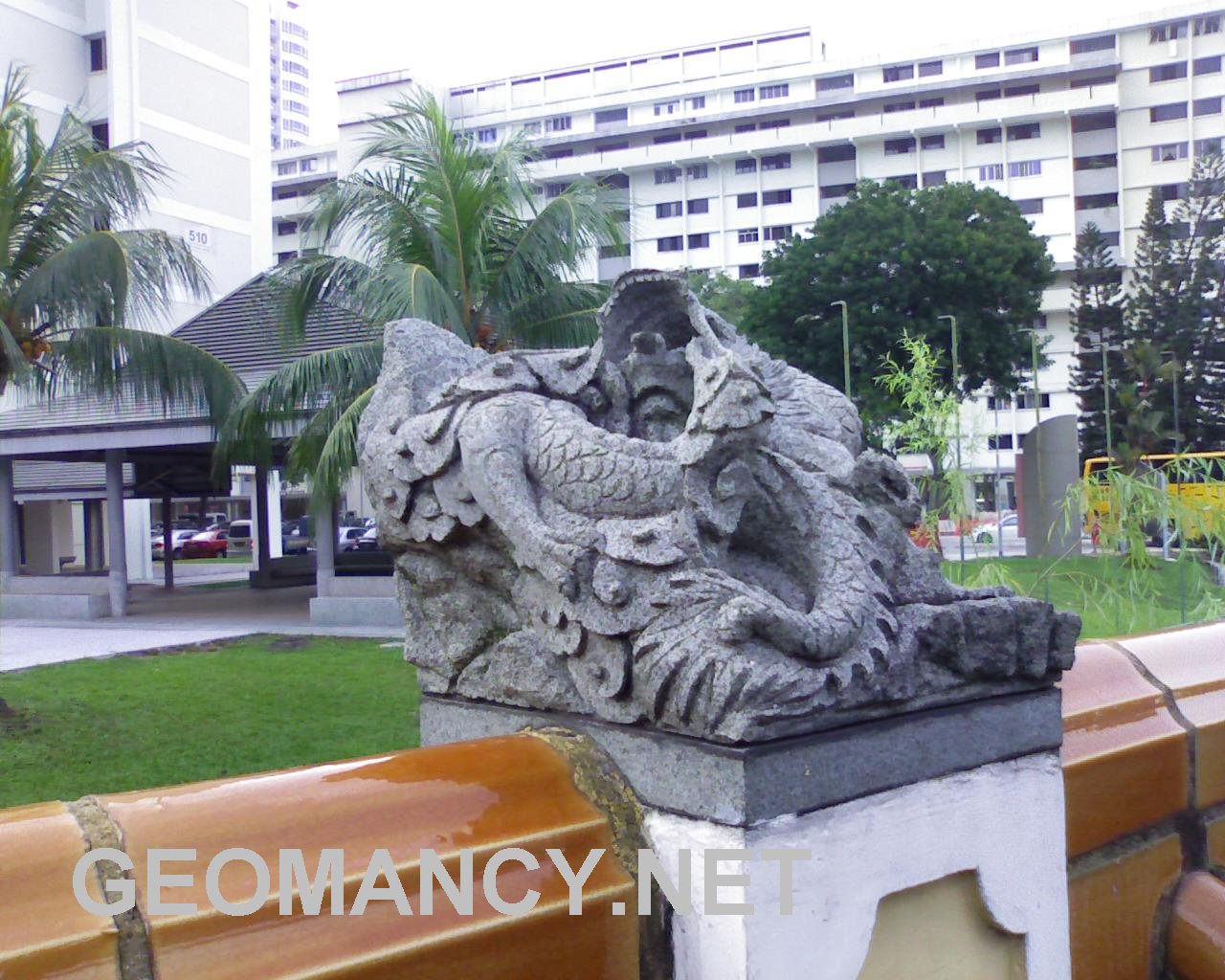
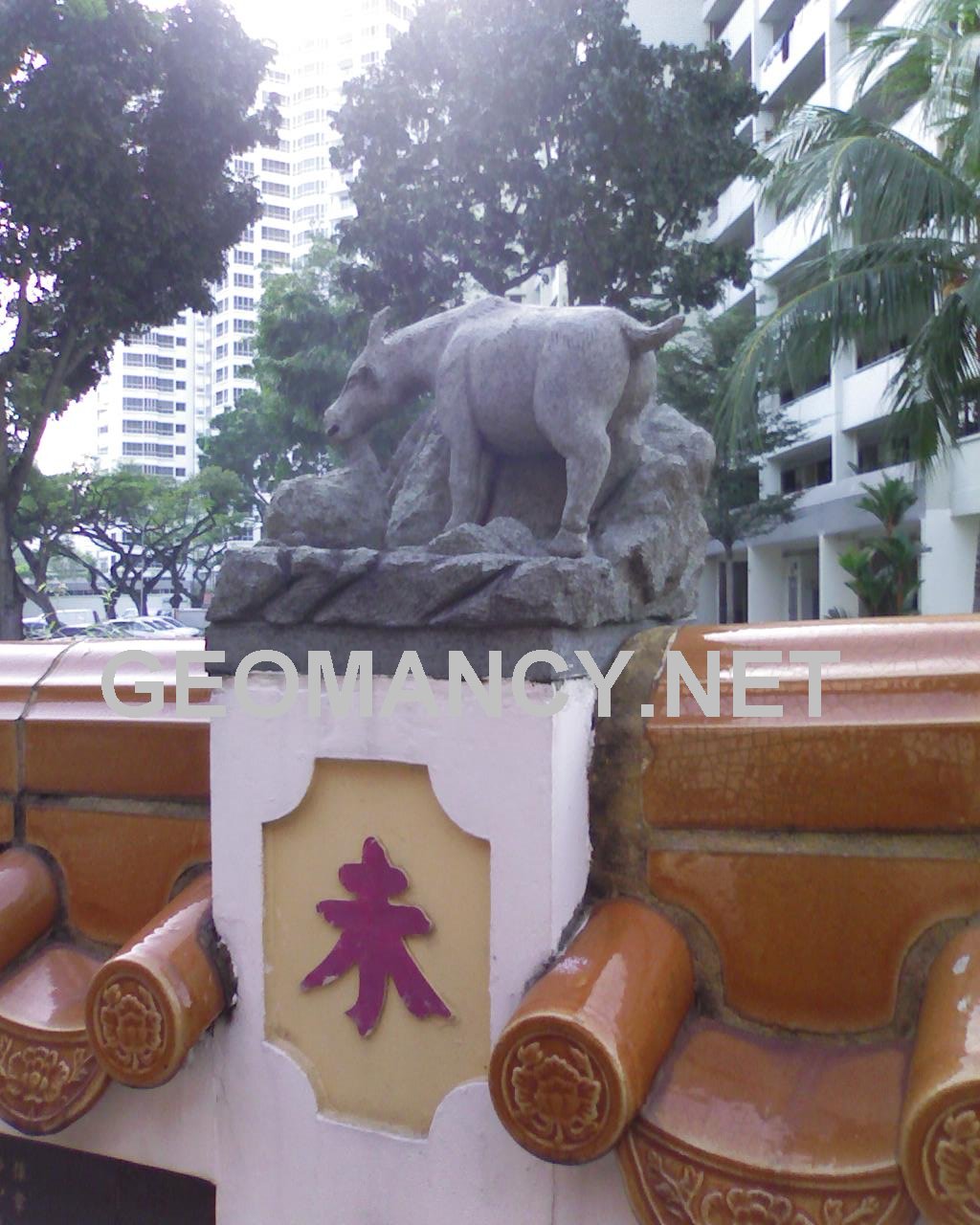
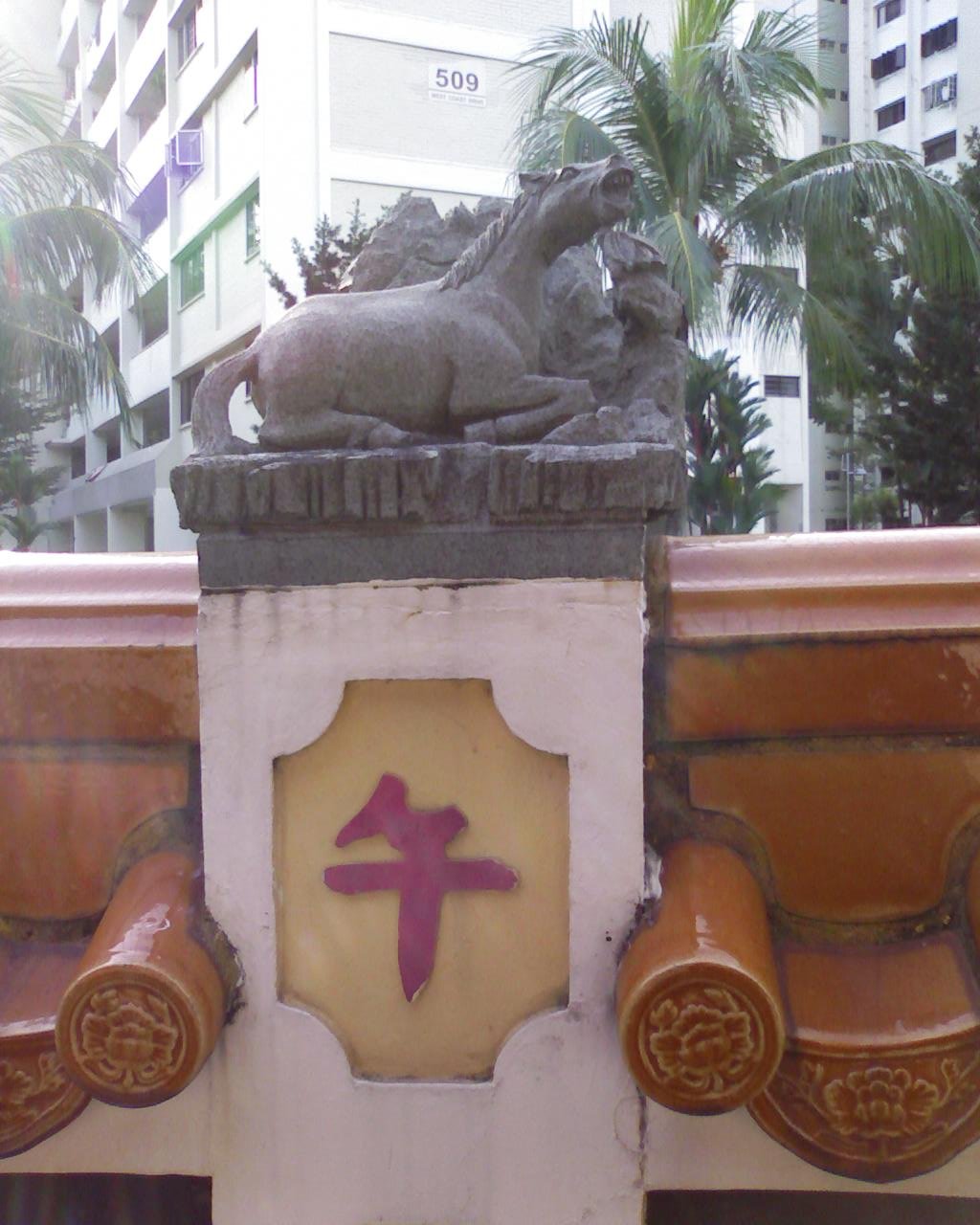
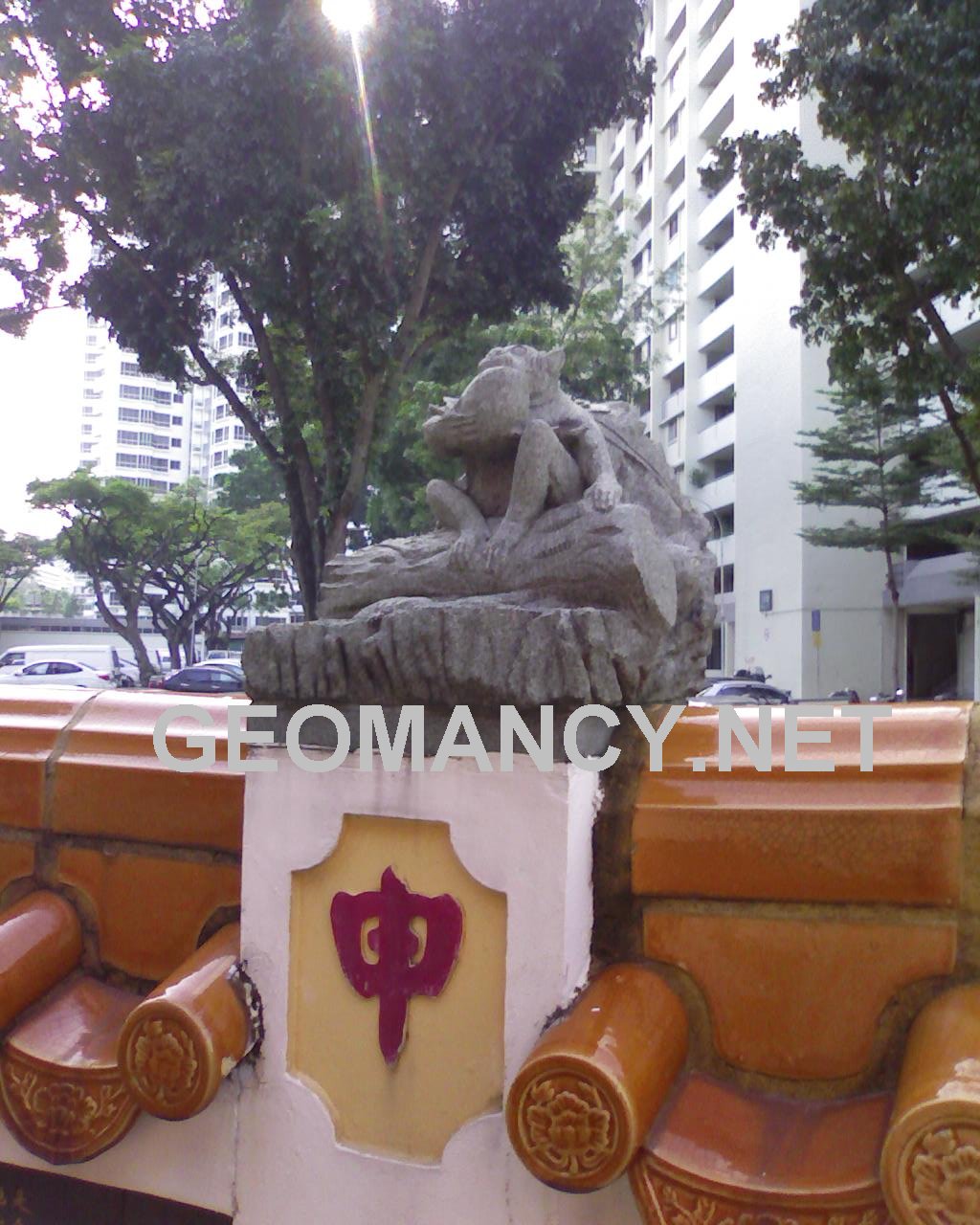
 DO YOU NEED A REASON TO DIVORCE YOUR WIFE? READ ON.... Carved Wooden Image of Parents East Han Dynasty: Ding Lan's parents died when he was young. He was often frustrated that he was not able to serve them. He then carved wooden statuette of his parents and placed them on the altar for worship. He ofttered incense and sacrifices to them everyday as though they were alive. After a while his wife became more and more disrespectful towards the wooden images. One day, she took a needle and playfully priced the finger of the image. Seeing the blood flowed from the pricked finger, the wife panicked. When Ding Lan came home and saw tears fell from the statuette's eyes, he was very shocked an mystified. He enquired and found out what happened. He then divorced his wife.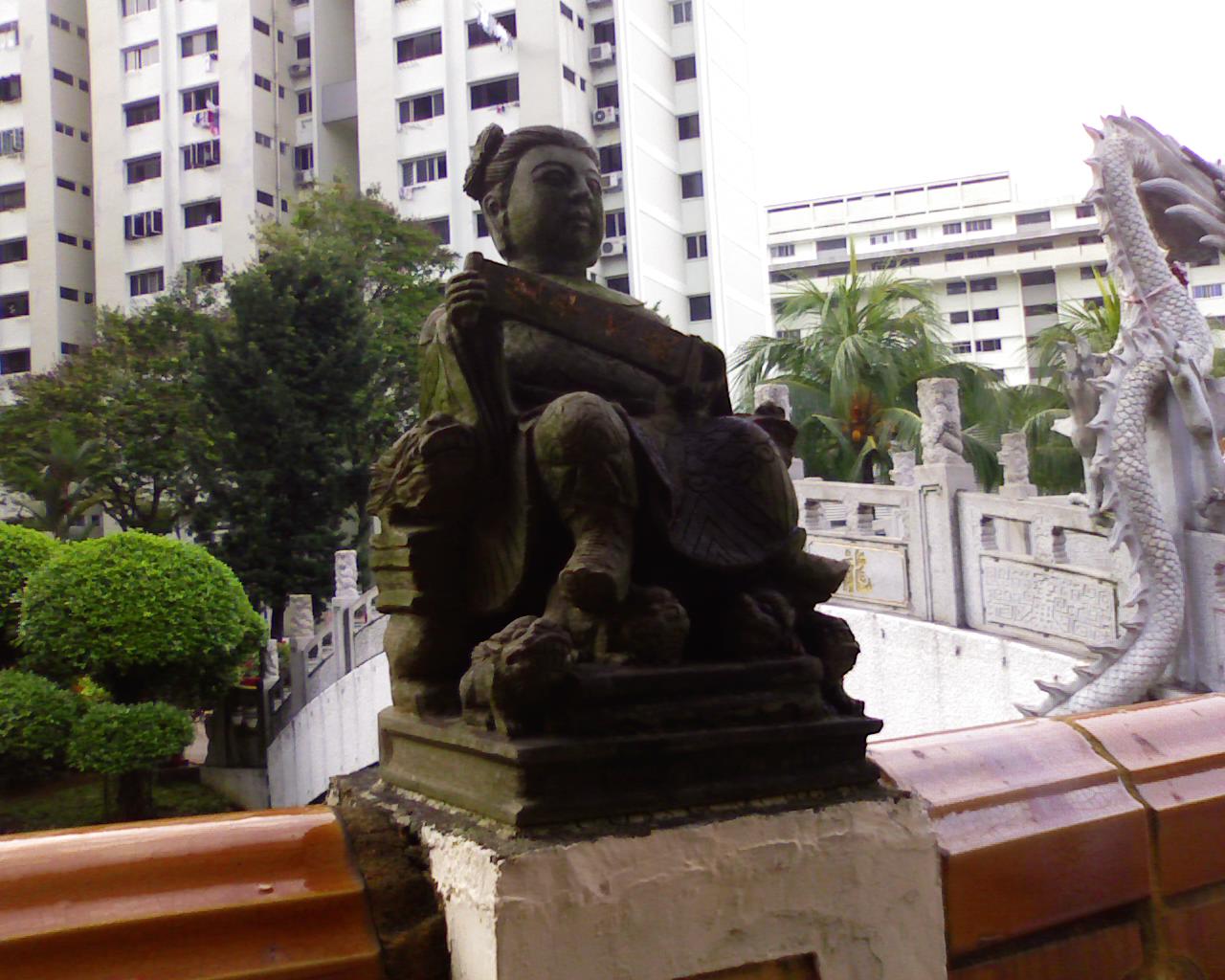
 More pictures of the dragon bridge....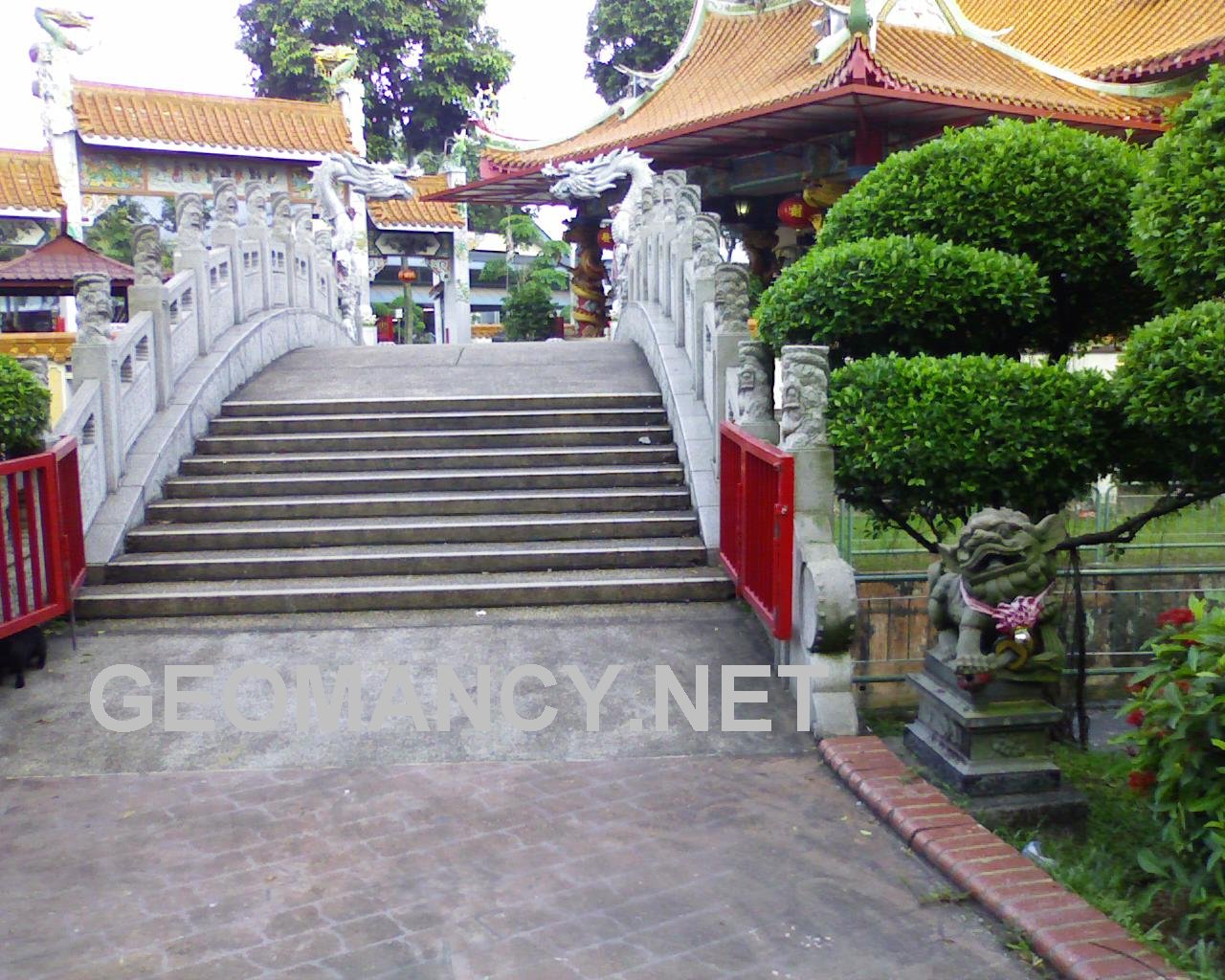
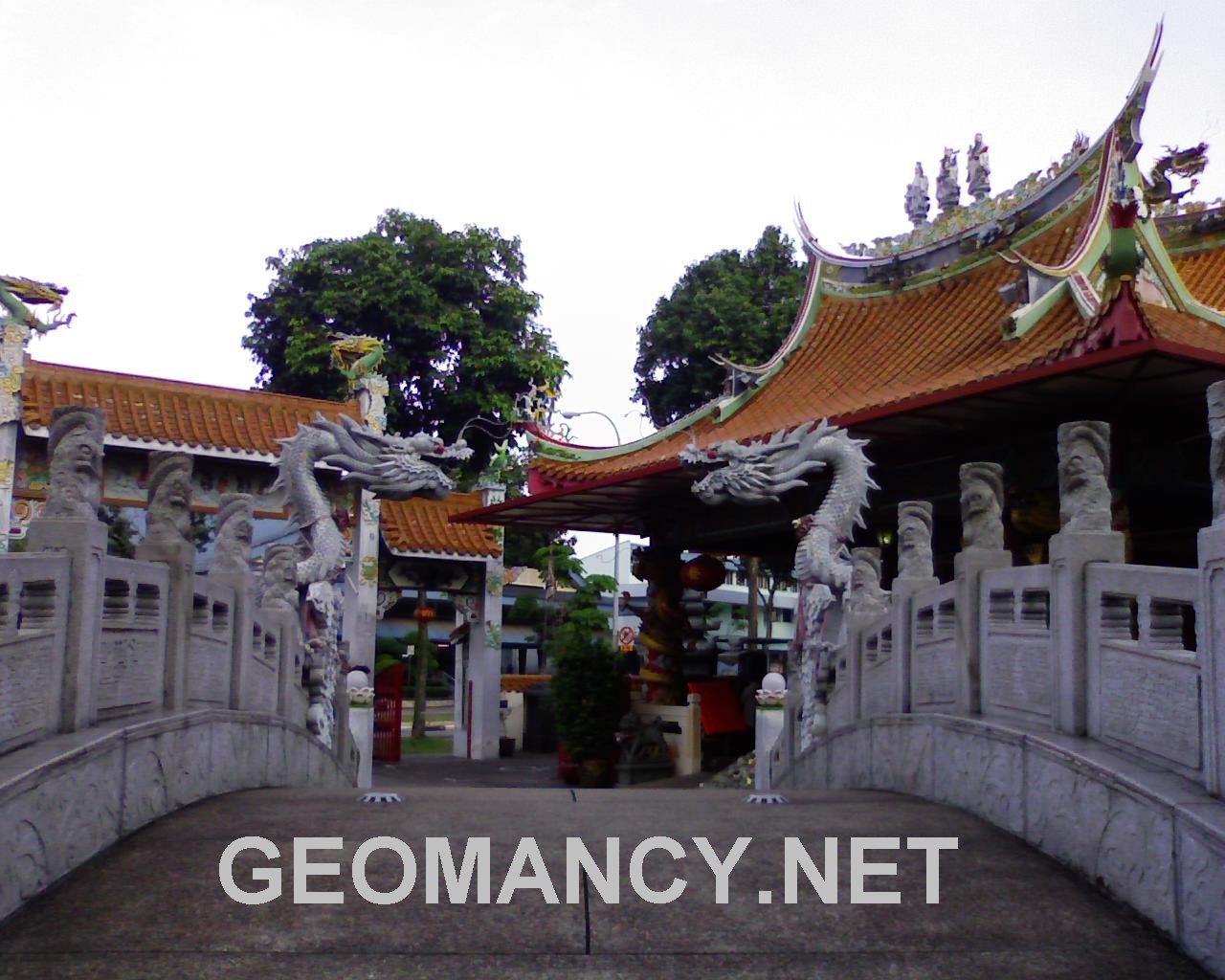
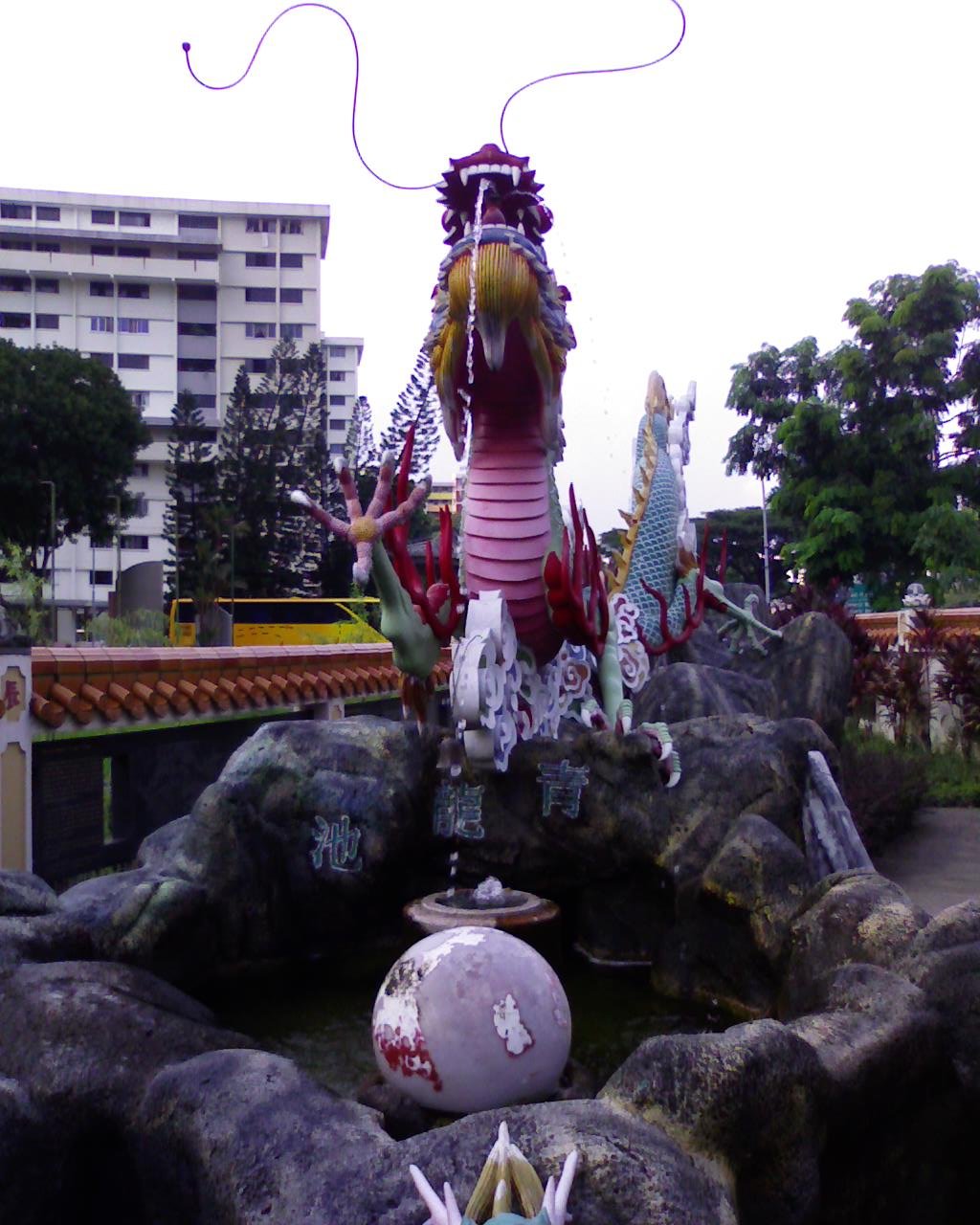
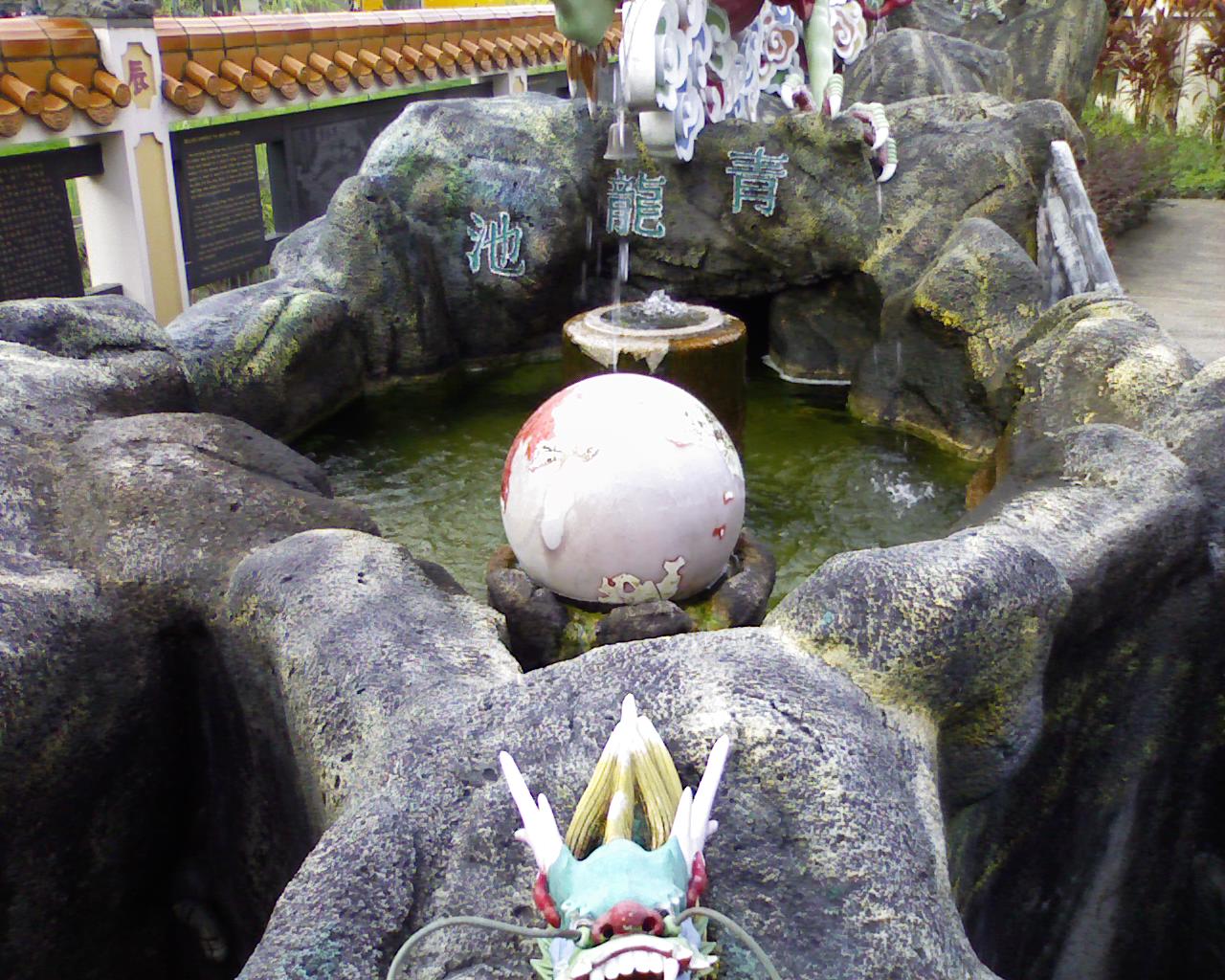
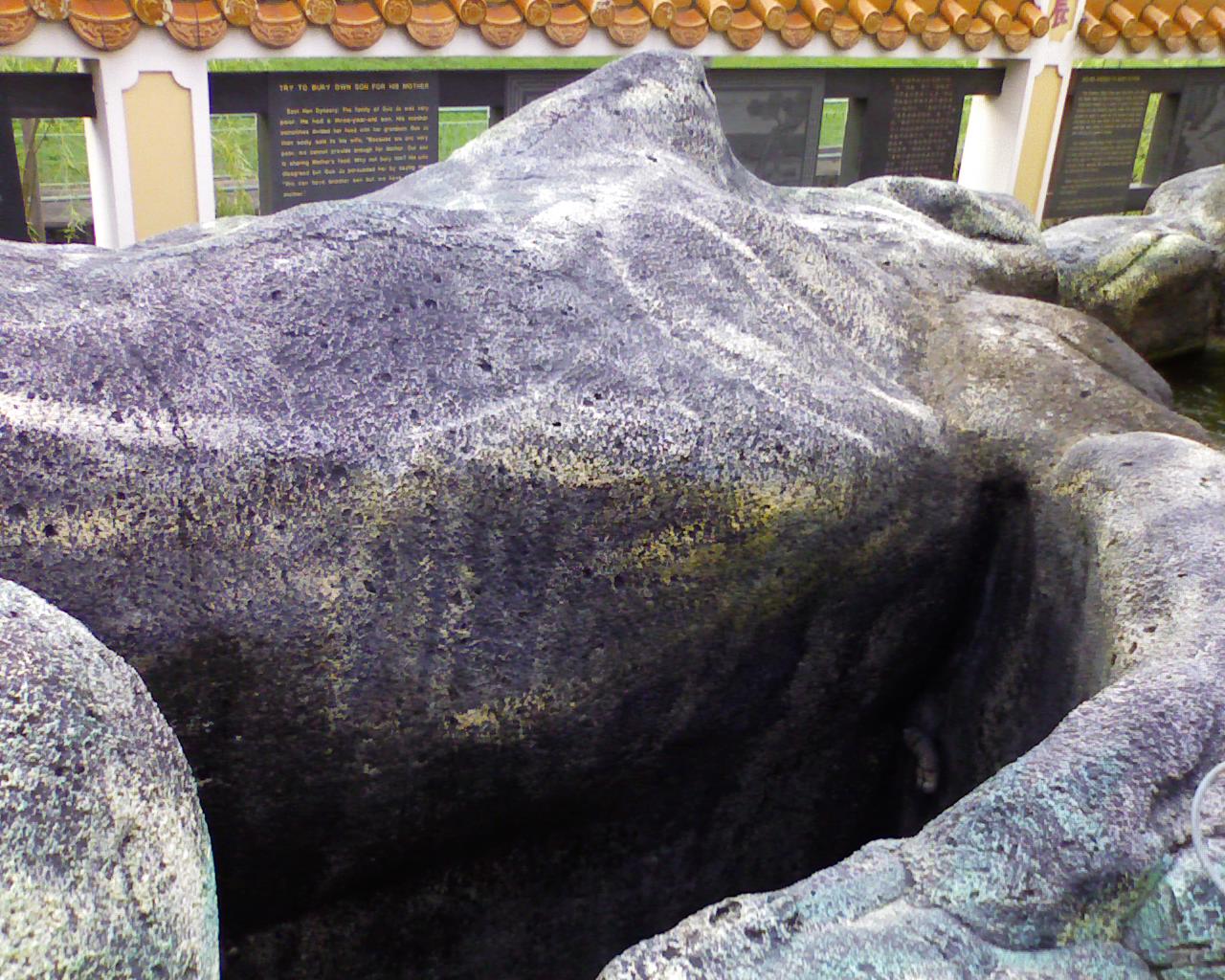
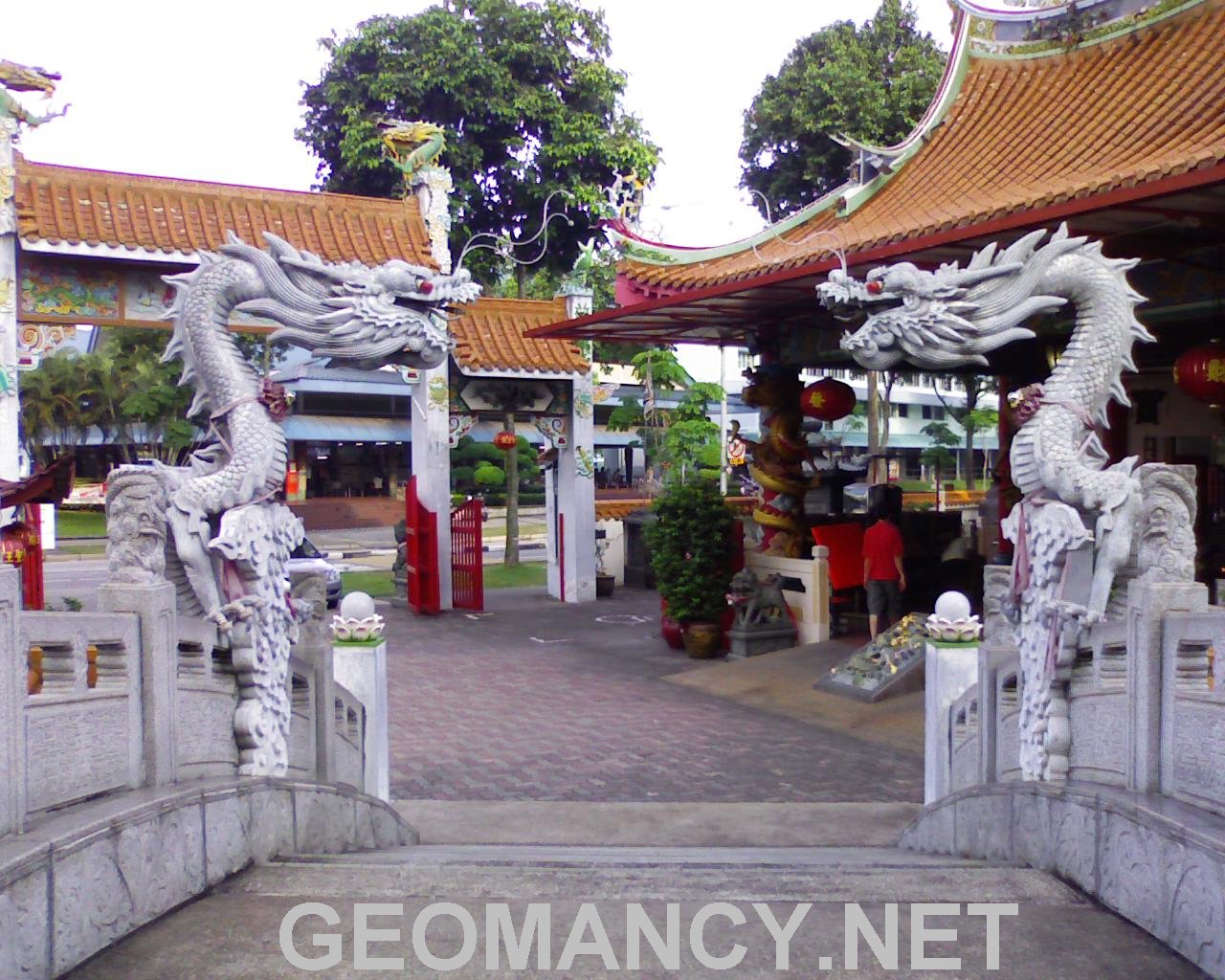 The temple has two ponds: One at the frontage of the temple. Please see photos, below of the front pond:-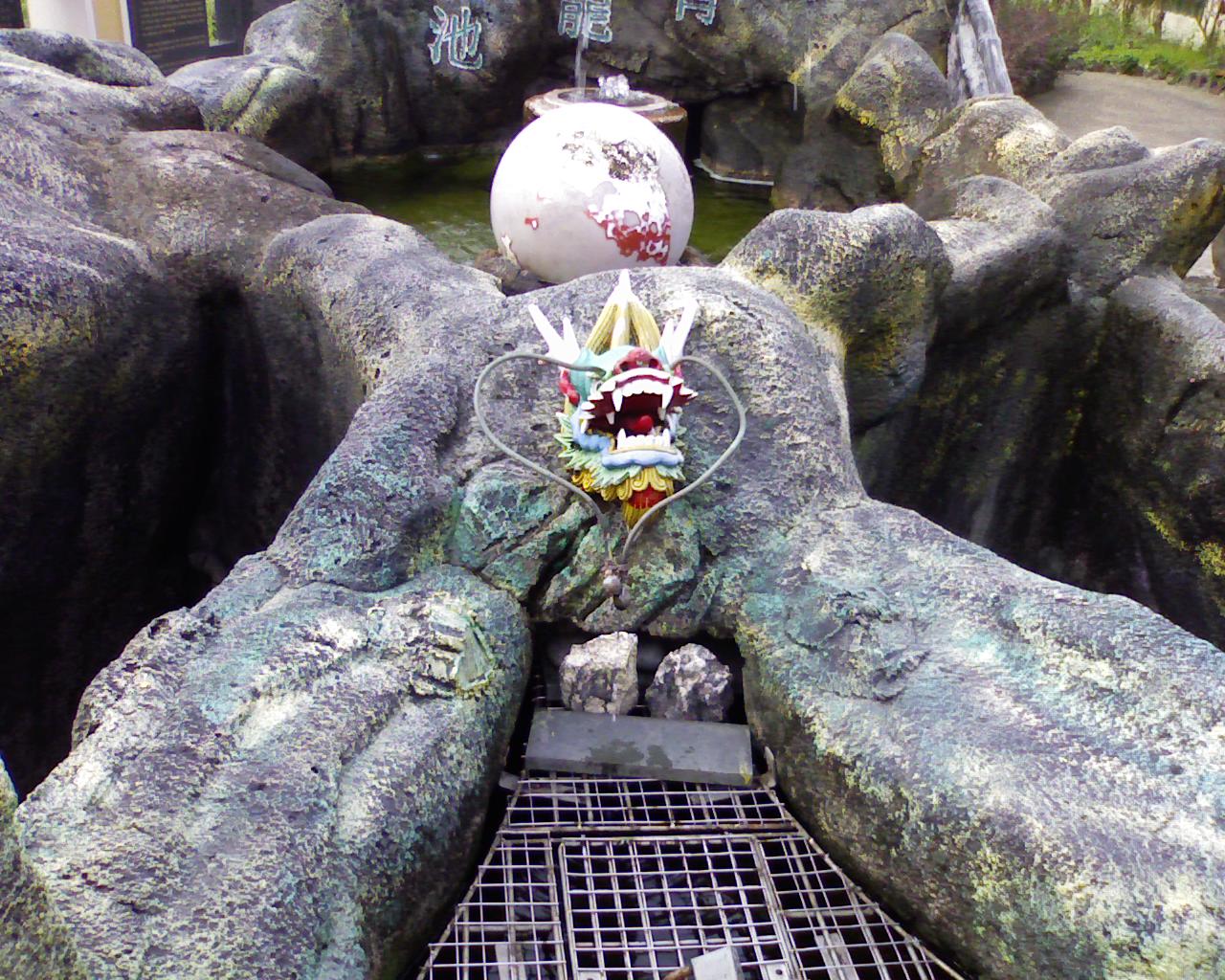
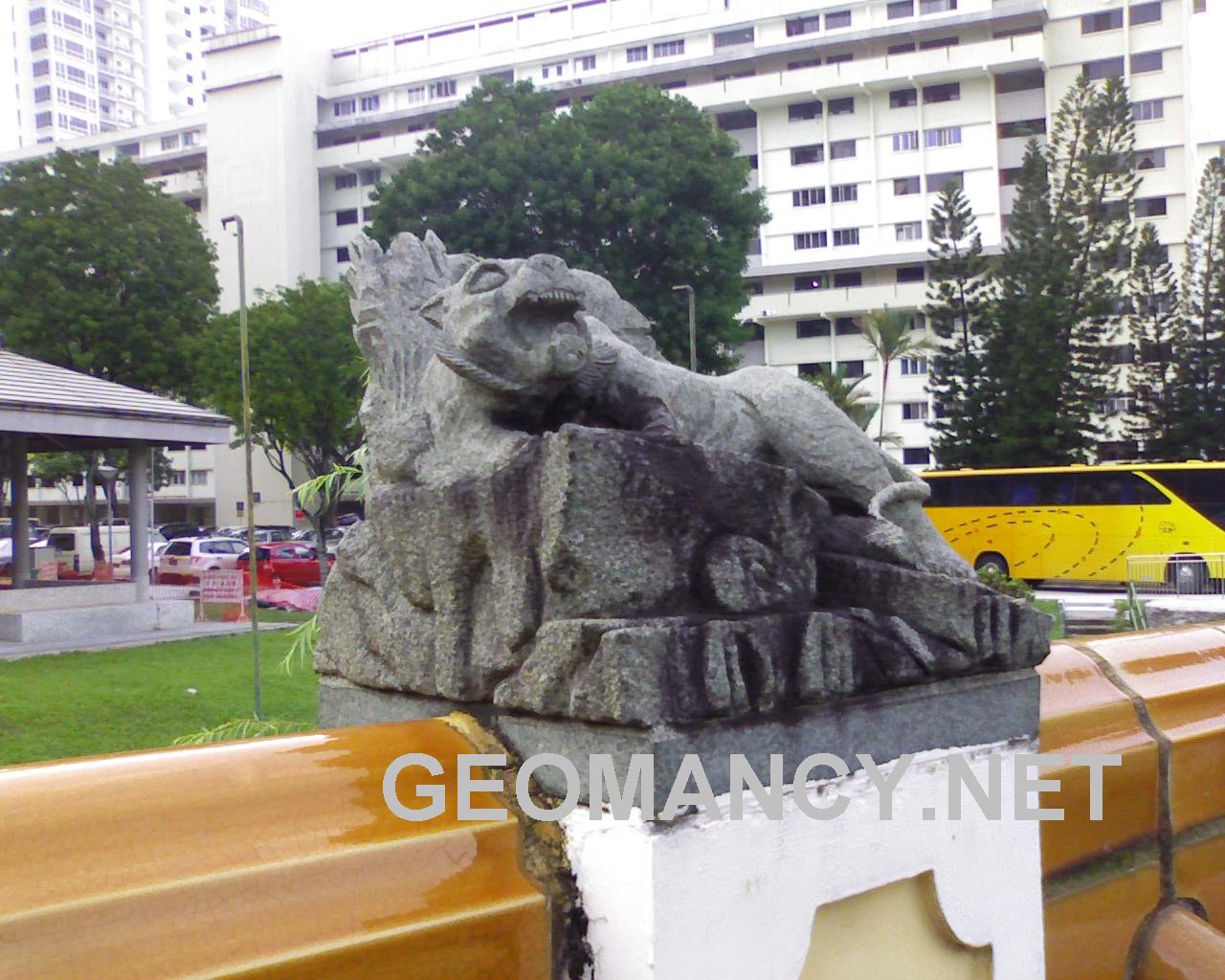
.jpg.ddcf0563f0b1b75b2f33423dd46254fa.jpg) More Zodiac animal figurines...
More Zodiac animal figurines...