


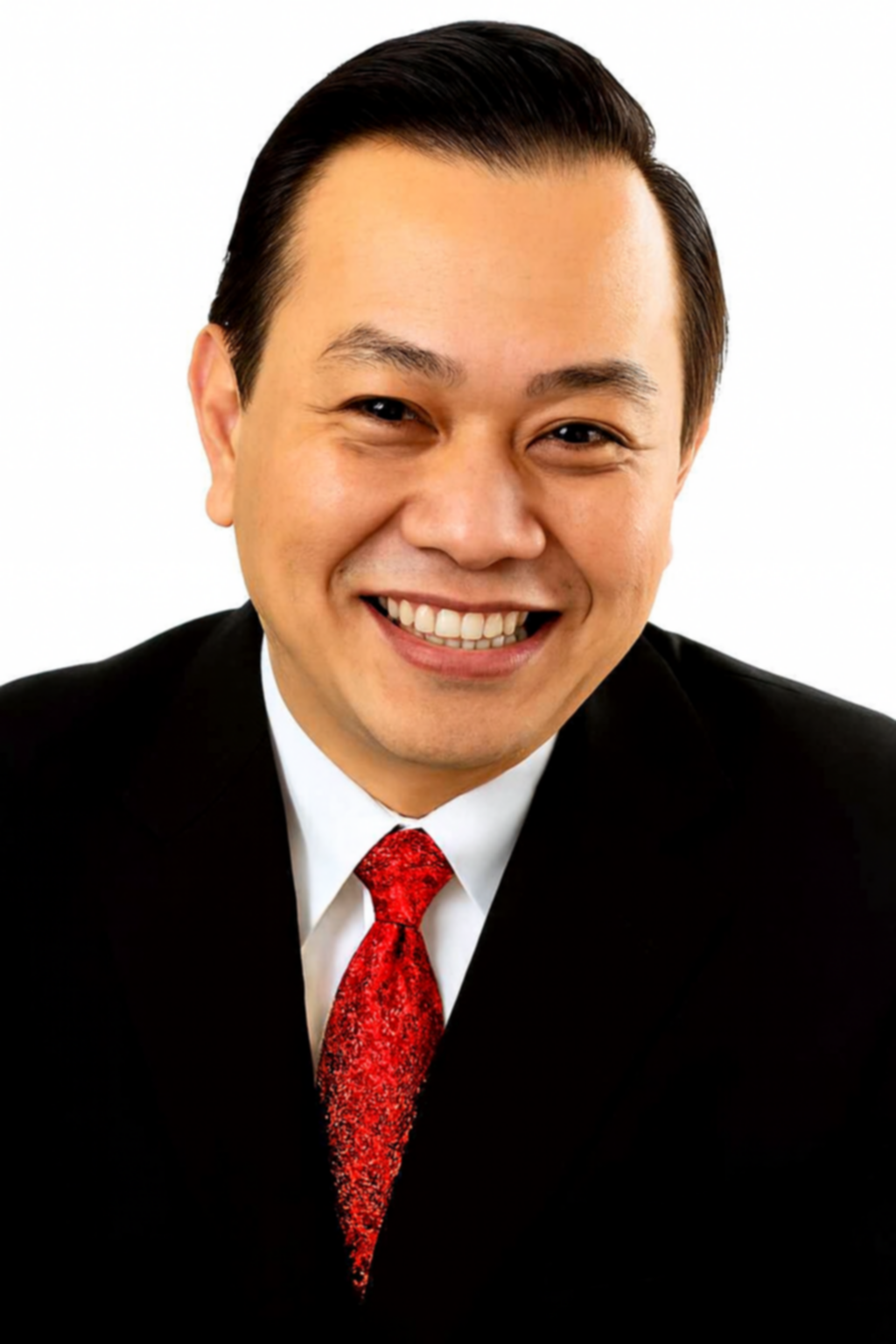
Cecil Lee
Staff
-
Joined
-
Last visited
Everything posted by Cecil Lee
-
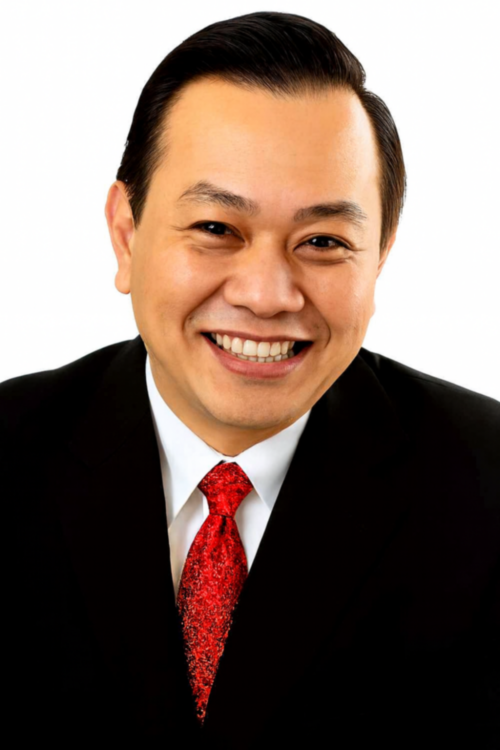
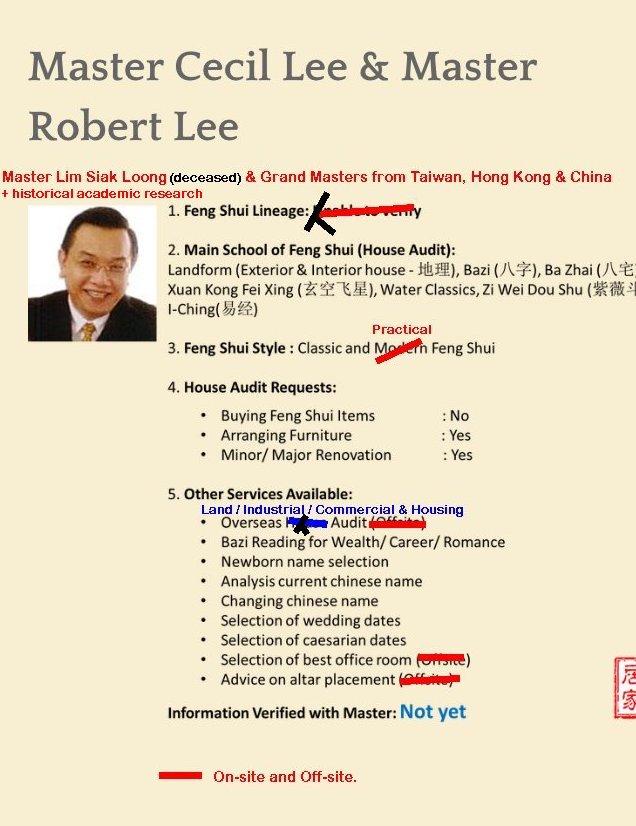
Mr Lim Siak Loong (deceased) 1. What was the identity of Master Lim Siak Loong (deceased) who was referenced in the Feng Shui Lineage provided above? Mr Lim Siak Loong (deceased) was a well-respected and much-admired figure in the community, known for his expertise in both banking and metaphysics. While he enjoyed a successful career in banking, his heart was truly in the study of Feng Shui and name selection. Many property developers in Singapore approached him for advice on their buildings because of his strong reputation and remarkable skill in these areas. After leaving the banking industry, he devoted himself fully to practicing Feng Shui, leaving a lasting and meaningful impact on the many people who sought his guidance. 2. Gangster with a pistol: In the past, he served as the Branch Manager at the bank’s South Bridge Road branch. He once shared a story about an incident where a gangster walked into the bank and insisted on seeing him. The gangster placed a pistol on his desk and demanded money. Mr Lim remained calm, picked up the phone, and made a call. After a short conversation, he passed the phone to the gangster. Almost immediately, the gangster apologized, took back the pistol, and left. 3. A victim of pickpocket? He once told me that many people knew about his unique ability to help them, and because of this, they often came to seek his assistance. All these victims needed to tell him was the place where they had lost their purse or wallet. He also mentioned that these groups were even able to identify who was responsible for the theft. Remarkably, he said that the missing items were always found and successfully returned, without exception. 4. Sample of his Feng Shui skills After UOB took over Chung Khiaw Bank, Mr Lim continued to work at the same branch, which then came under United Overseas Finance (UOF). He was expected to head the operations there, which meant he would have less time to focus on his other passions: Feng Shui, name selection, and in-depth metaphysics research. At the UOF Head Office on Robinson Road, there was an officer who recognized Mr Lim’s talent in Feng Shui and approached him for help. By following Mr Lim’s advice, this officer eventually rose to the position of Head of Operations at UOF. This also reflected Mr Lim’s own deep and continuous thirst for knowledge. 5. His thirst for knowledge Mr Lim was an avid reader with an impressive collection of books on a wide range of subjects, including Feng Shui, Kung Fu, and Acupuncture. During one visit to his home, I picked up one of his books and came across a fascinating story about a person with black fingernails, which were described as “dead.” Despite that, this person possessed extraordinary strength and could easily punch through wooden planks from a short distance. These memories of Mr Lim are precious and bring back many warm and pleasant recollections. He was different from other geomancers in Singapore because he focused on the true principles of Feng Shui, rather than mixing it with religious practices and commercial interests. Mr Lim Siak Loong was a pioneer in both banking and Feng Shui, making him an unsung hero in these areas. Even though he was not a full-time geomancer, his commitment and passion for Chinese metaphysics truly set him apart. 6. Rest in peace, Mr Lim Siak Loong. You are forever remembered! +++ Learn more about Master Cecil Lee Geomancy.net Since 1996

-
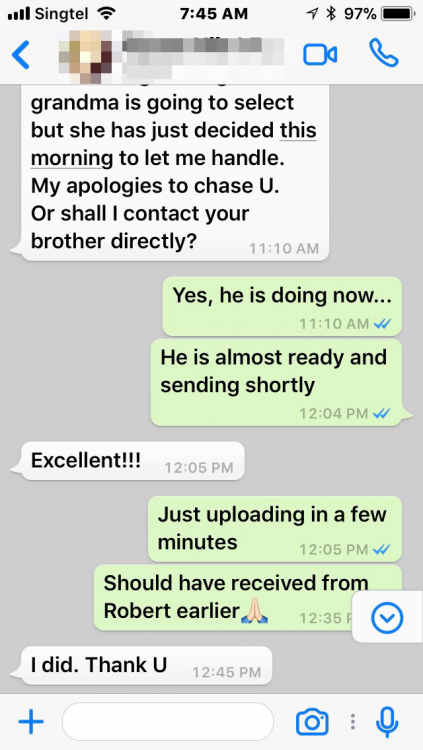
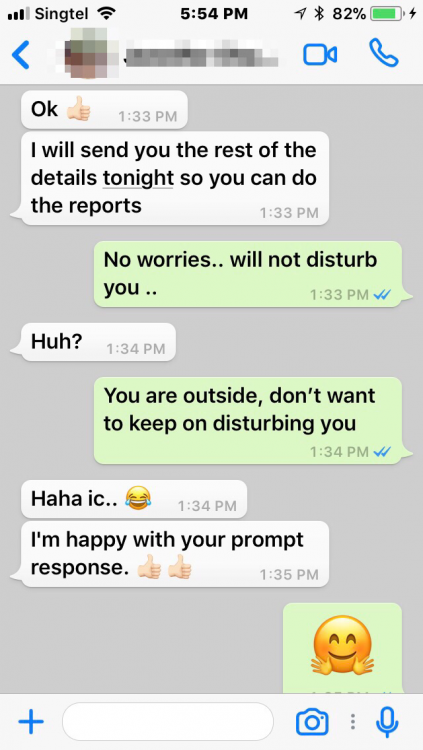
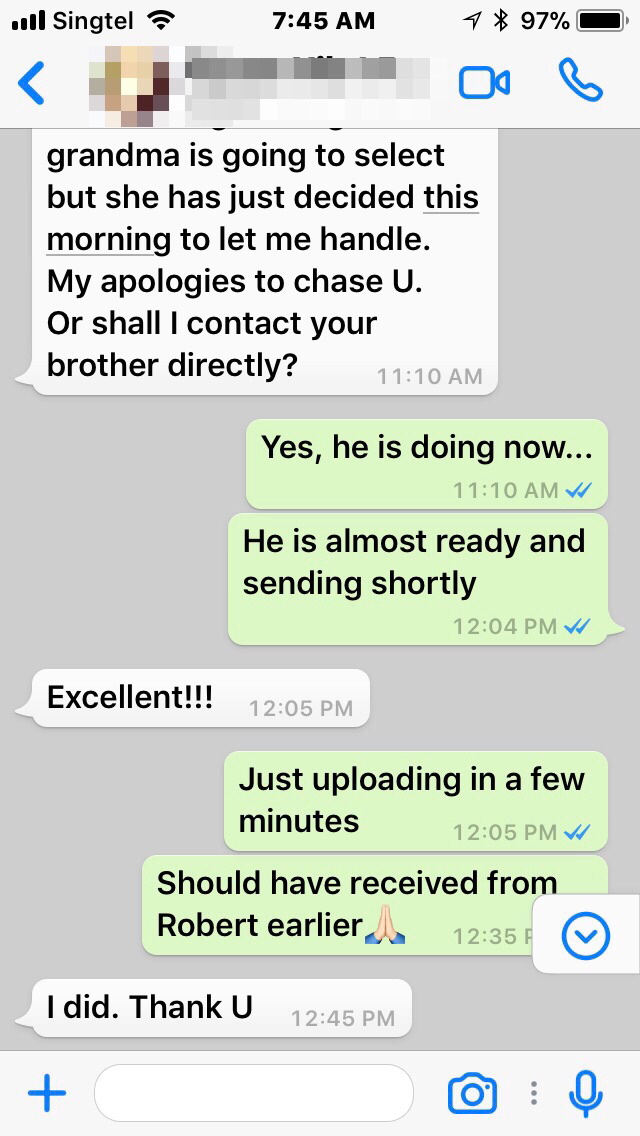
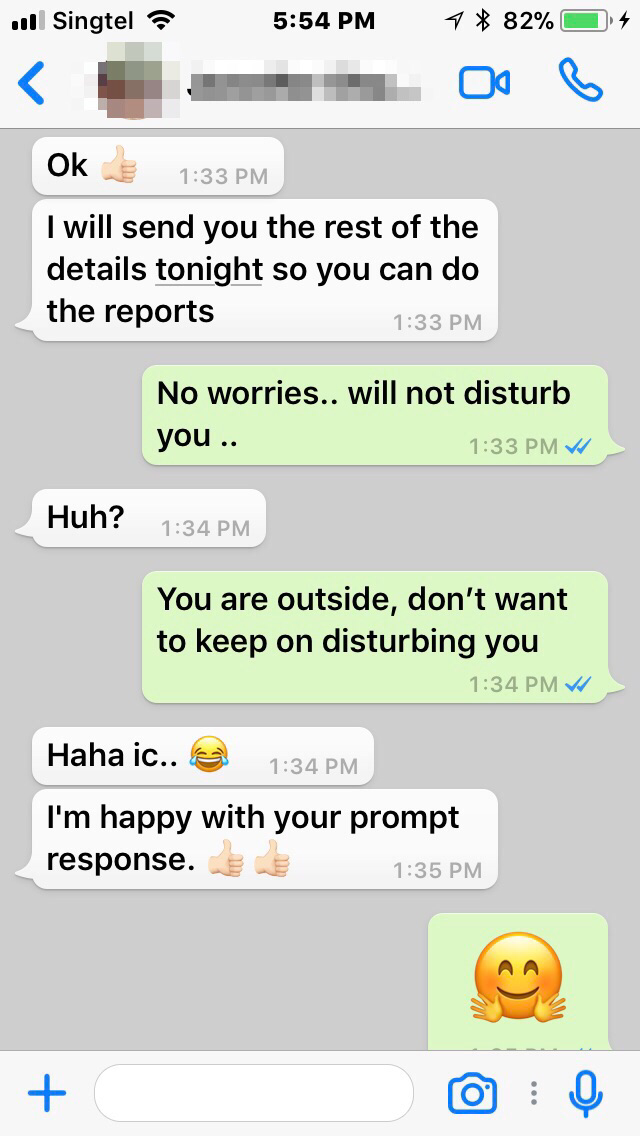
About this: A long-time client became a grand mother with a new born grandson. Originally, her grandma was going to select the baby's name. But last minute decided to let my client handle this case. She called me around 10am and said that she needs the name by 1.30pm. Robert Lee specialises in baby names. And he immediately got all the details and through sheer hardwork, he managed to get back to my client by 12pm. And this is an extract of the conversation:
-
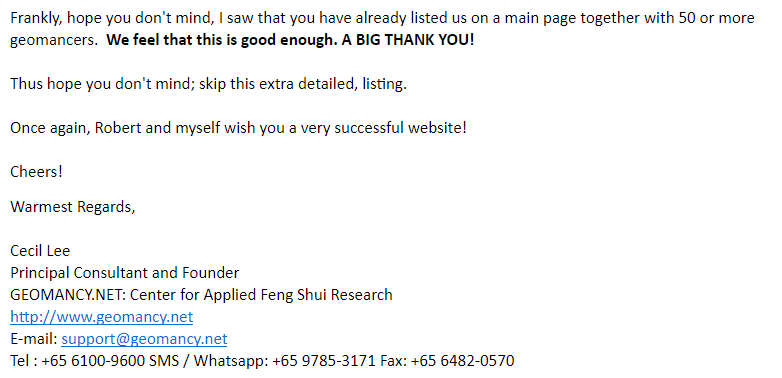
An Extract of our reply to his earlier request:
-
The Latest Update
 Case Study: Can it get worst or better off? It also depends, here:-
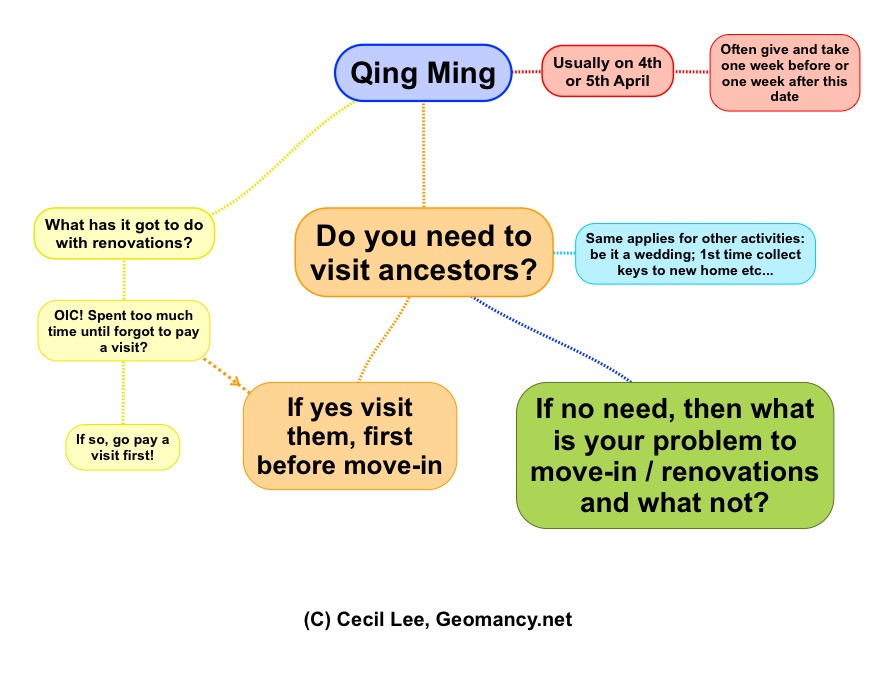
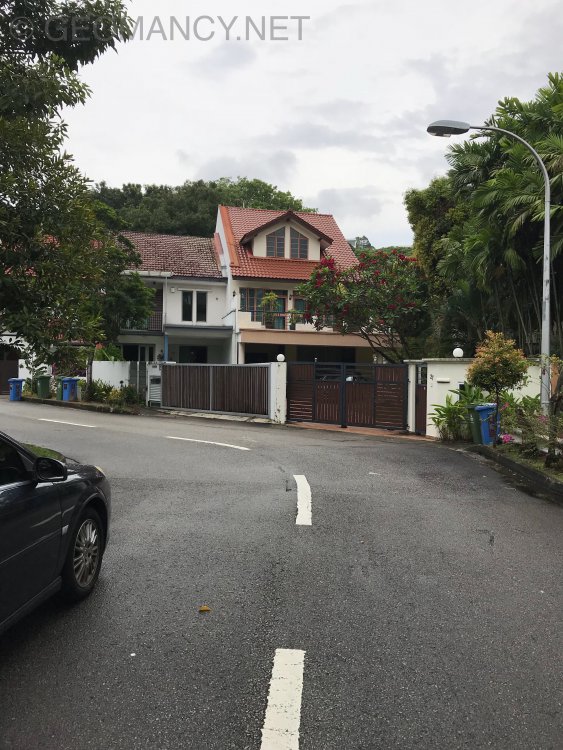
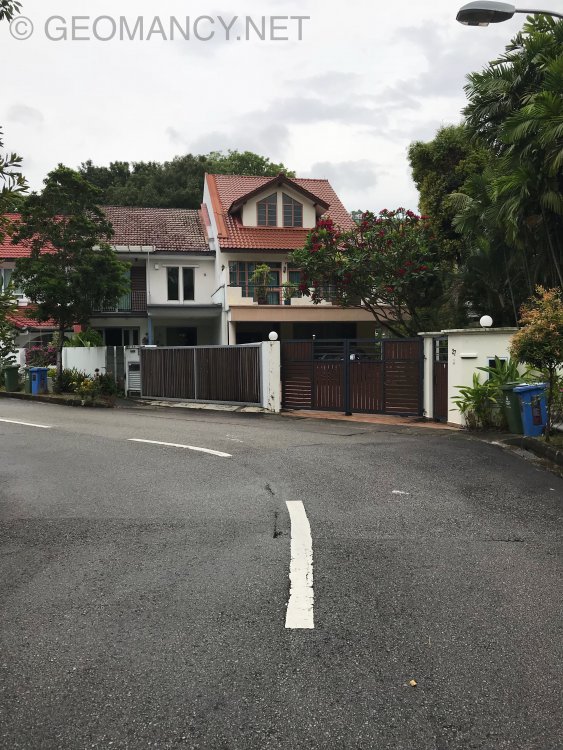
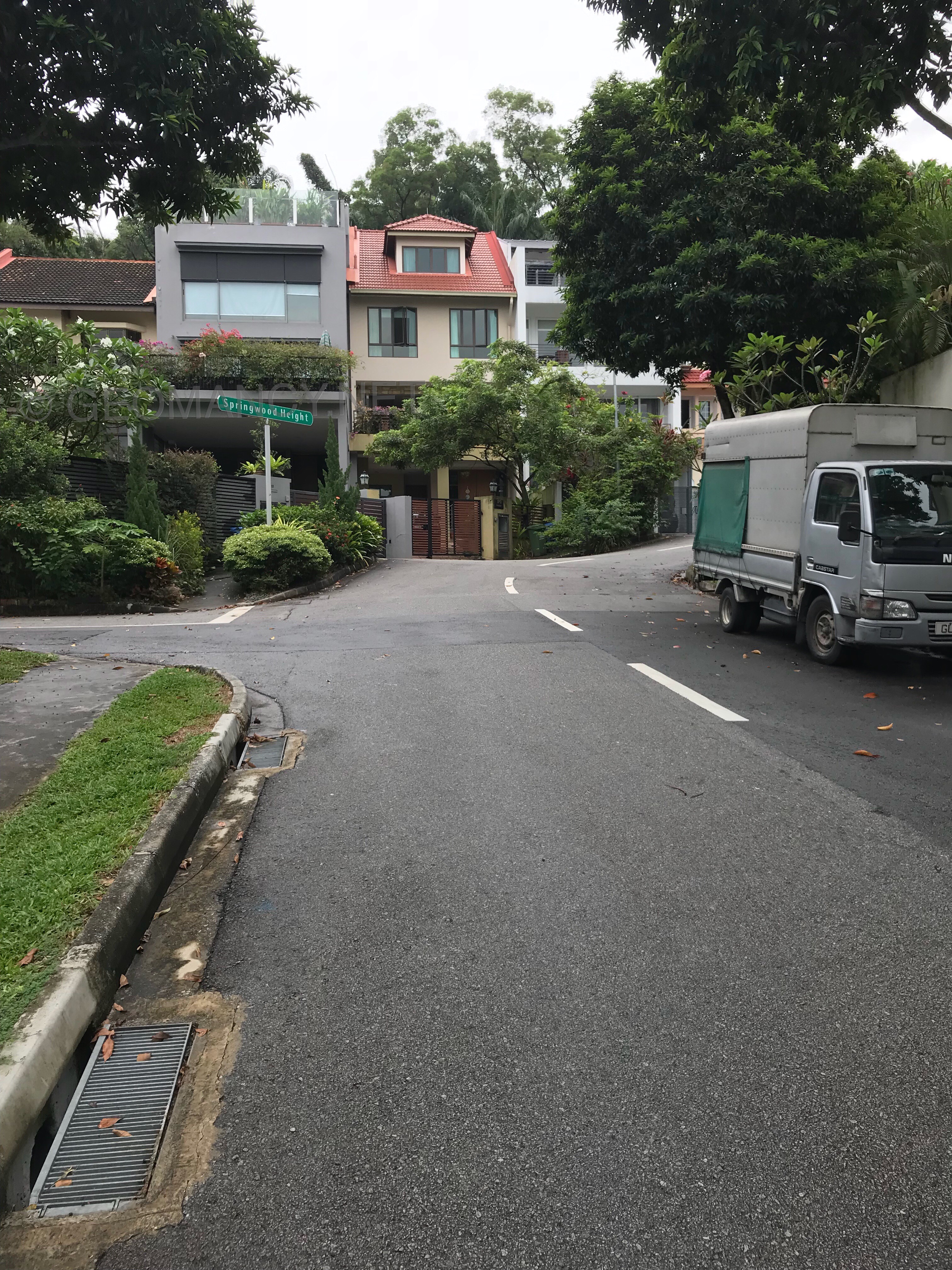
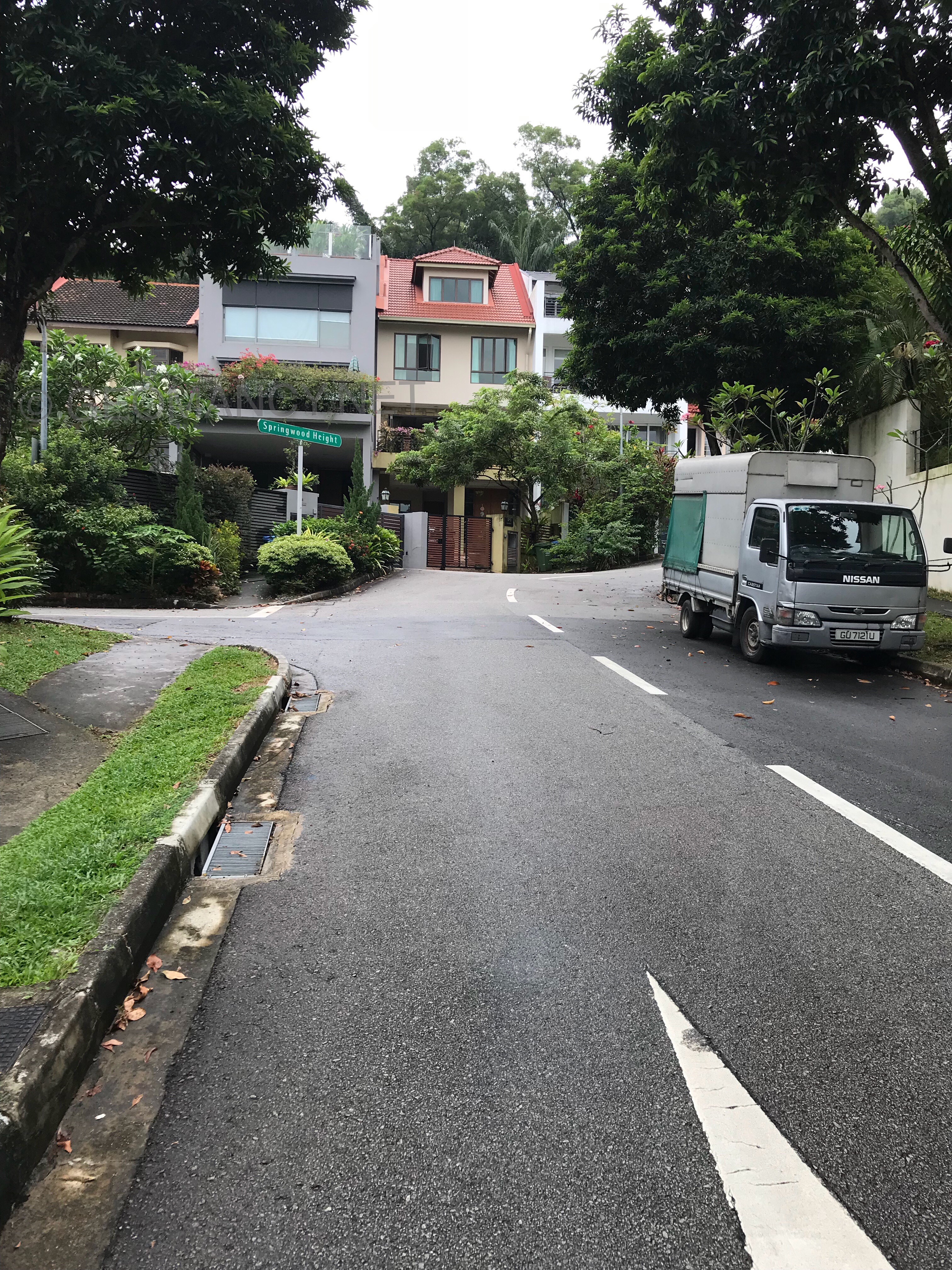
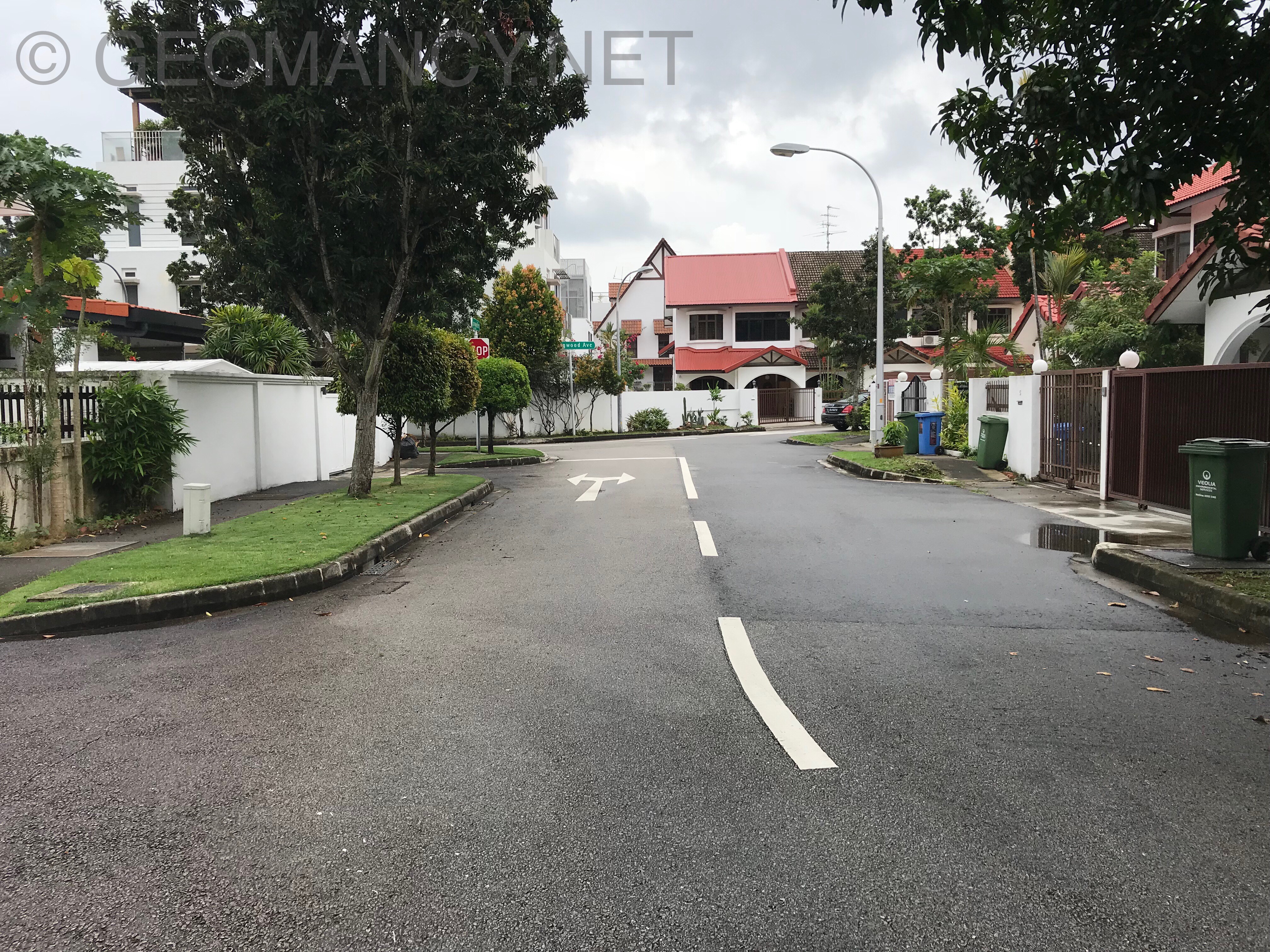
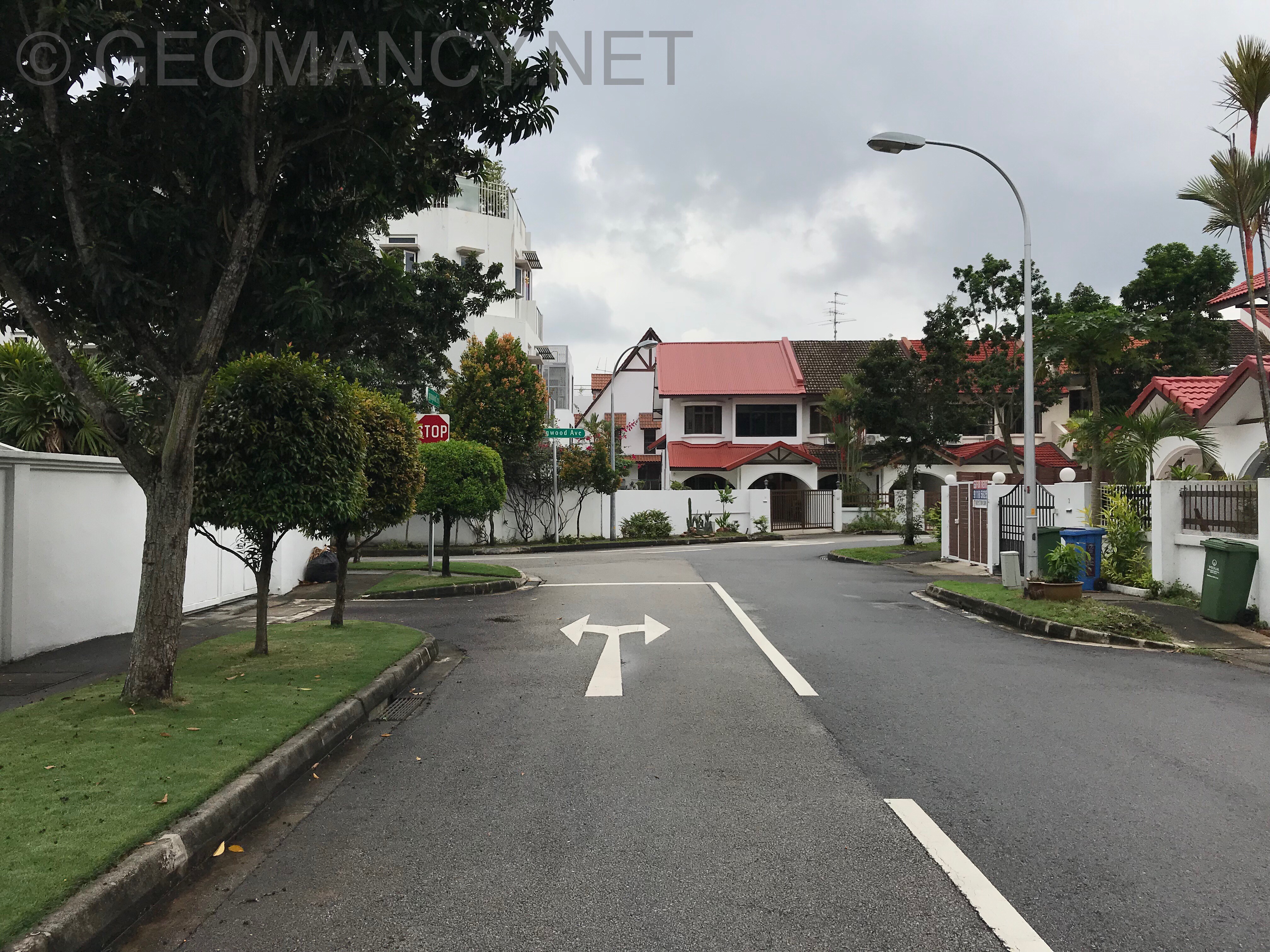
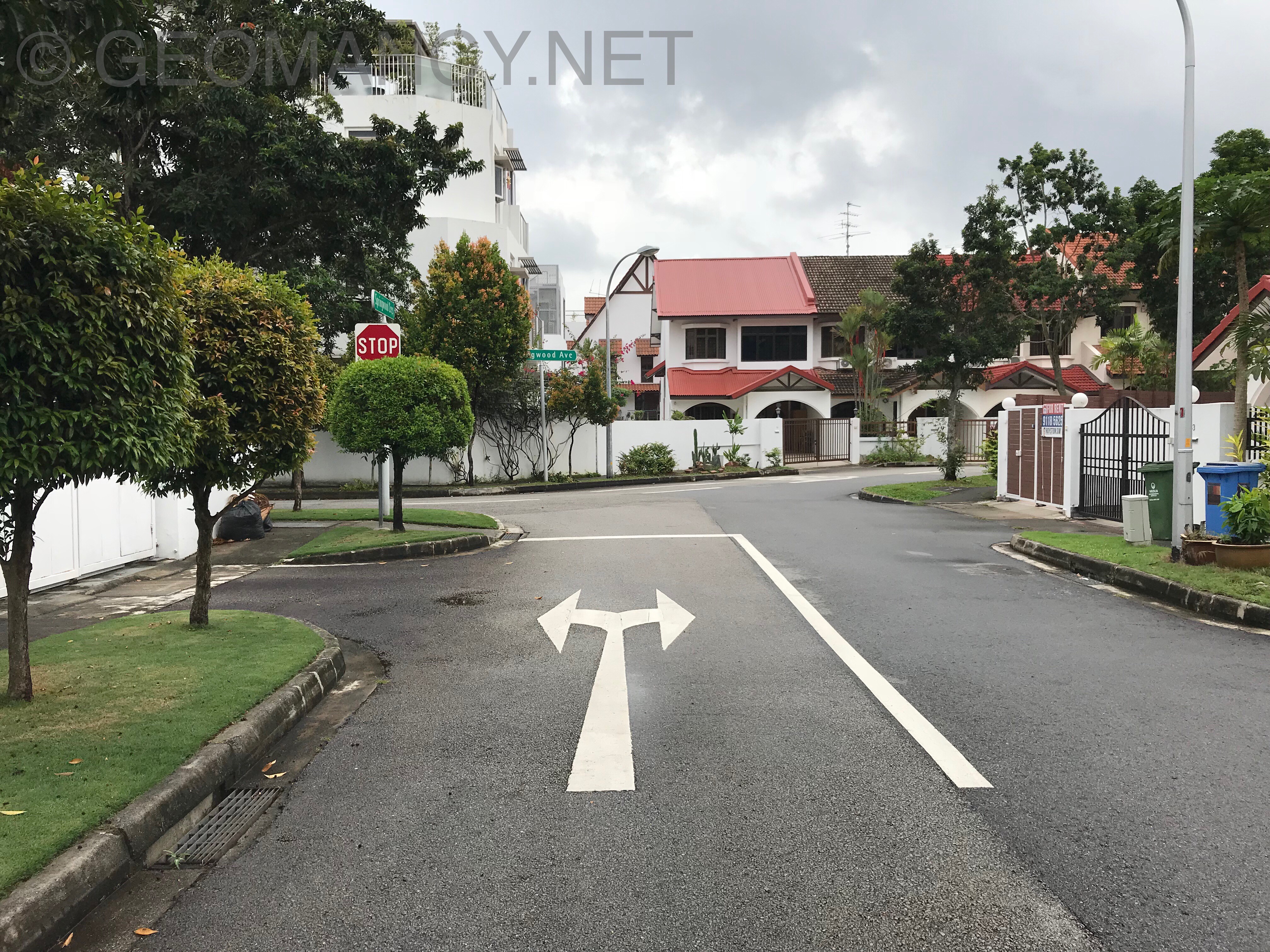
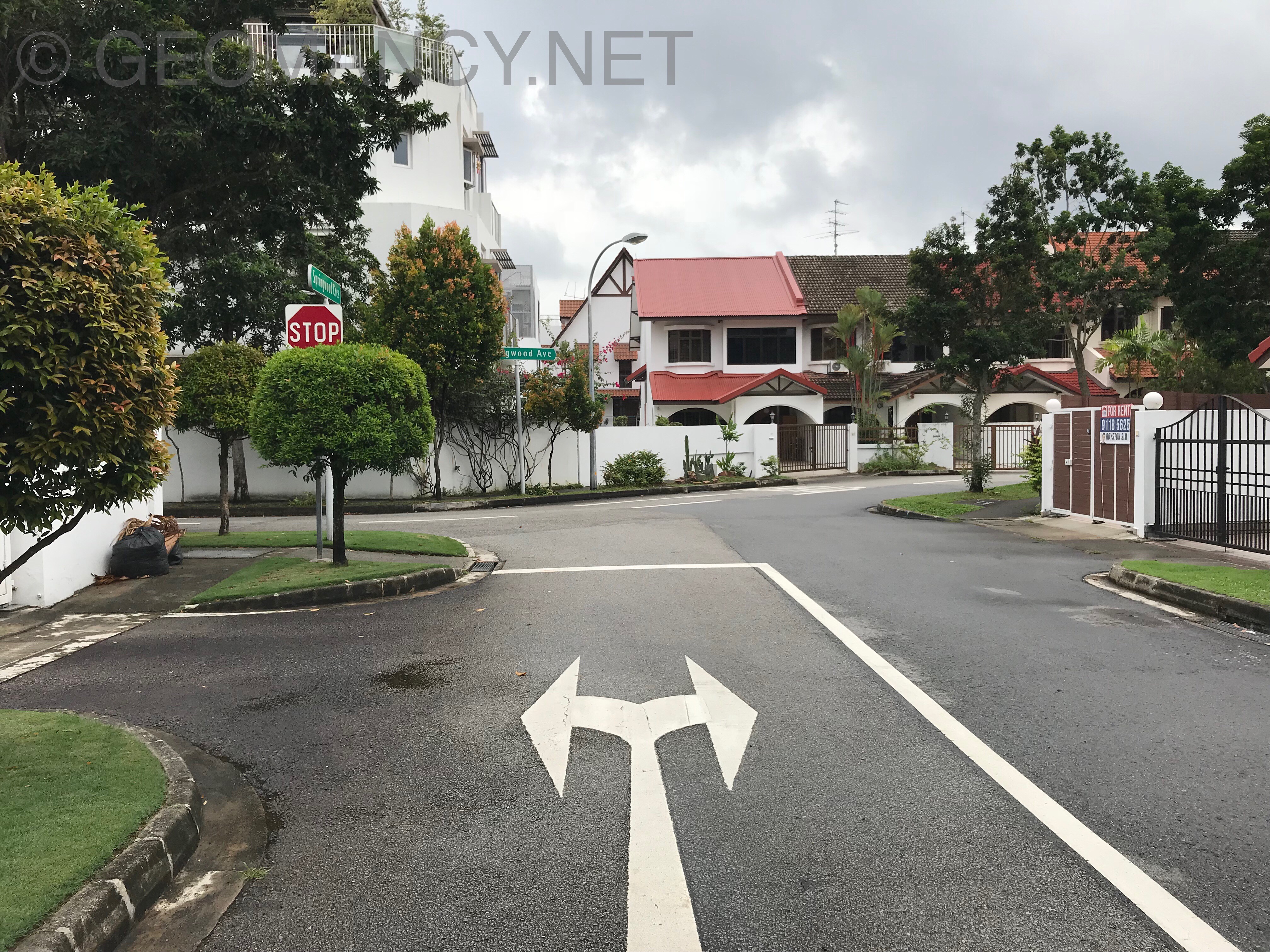
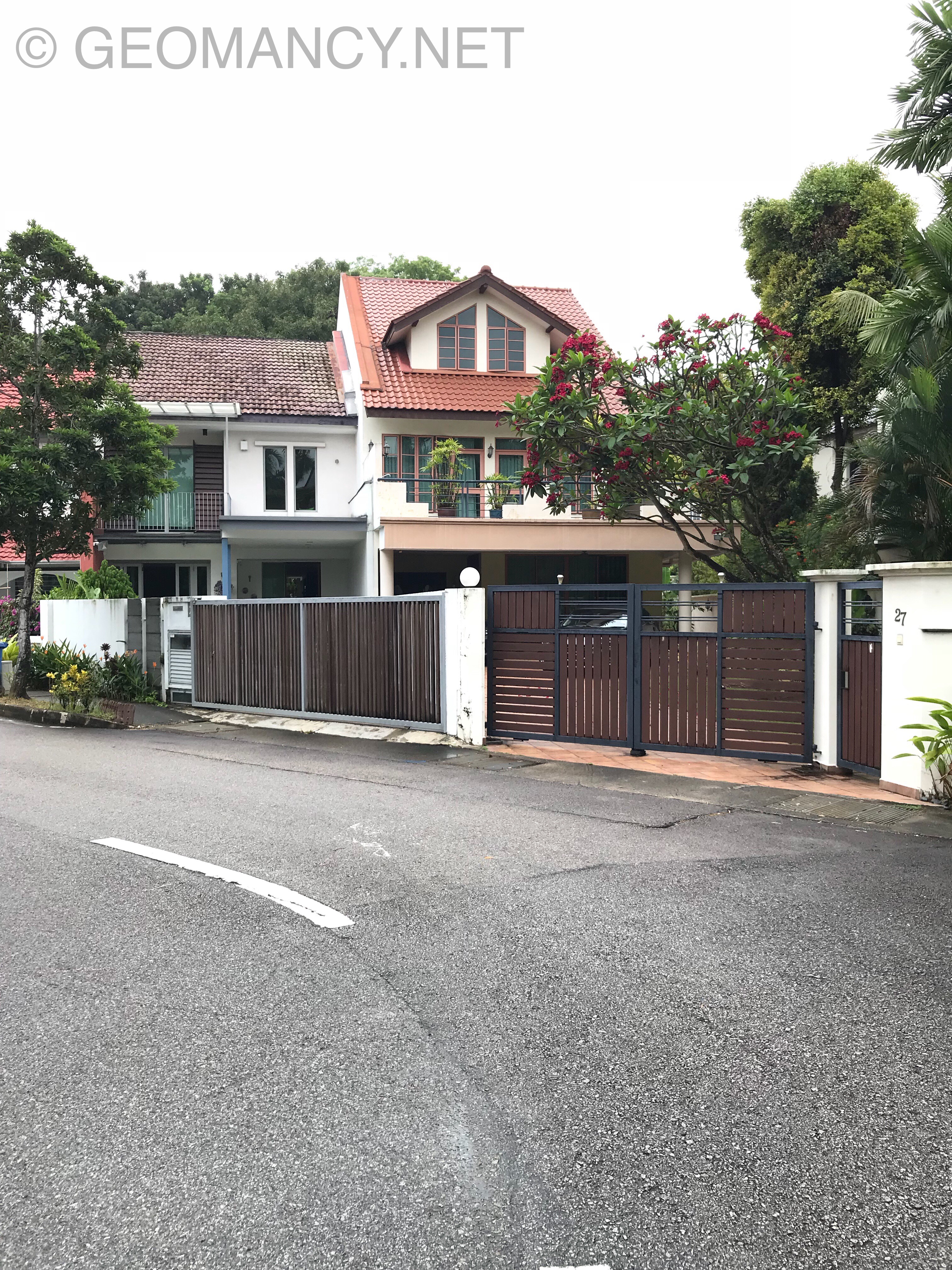
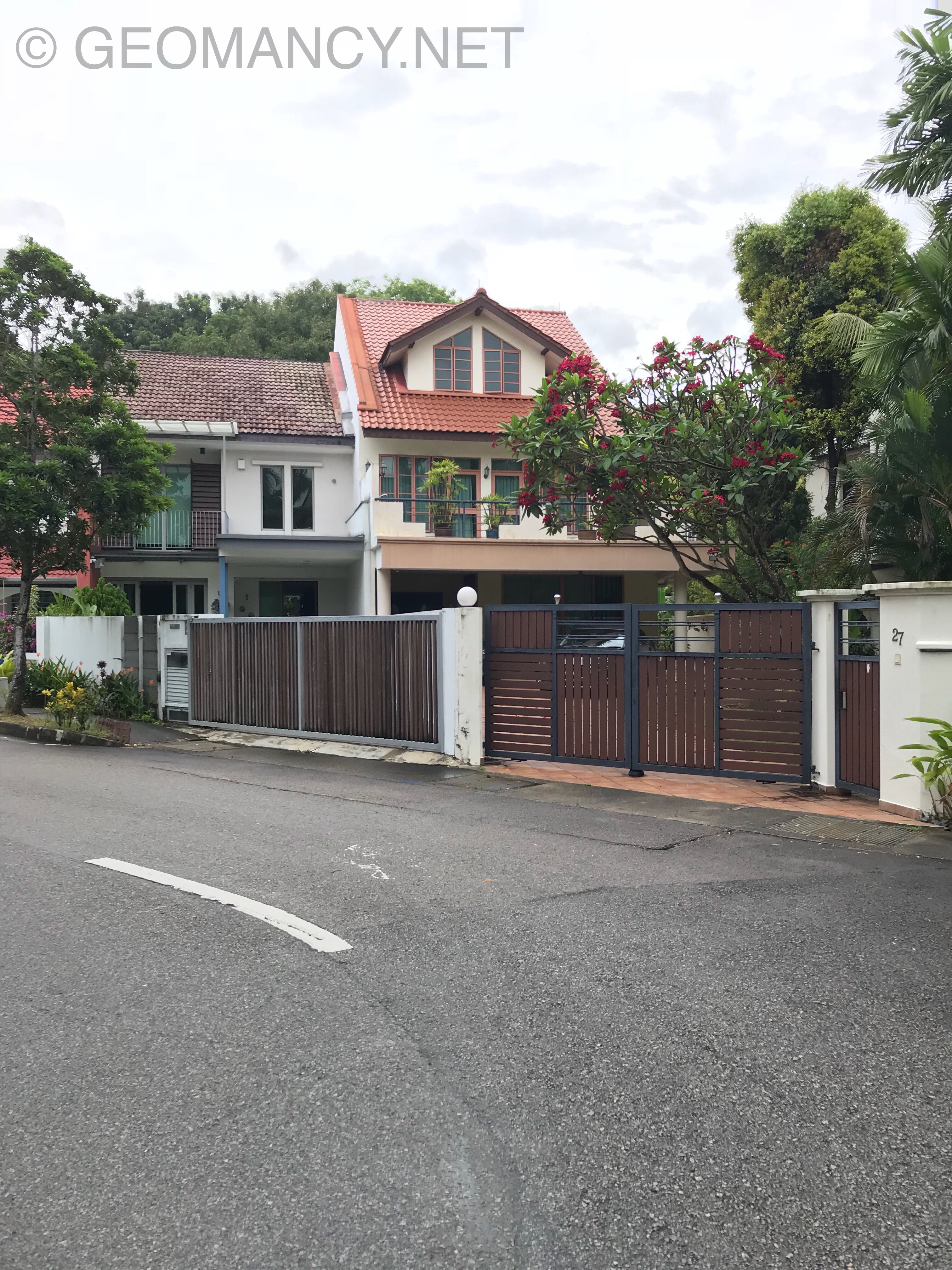
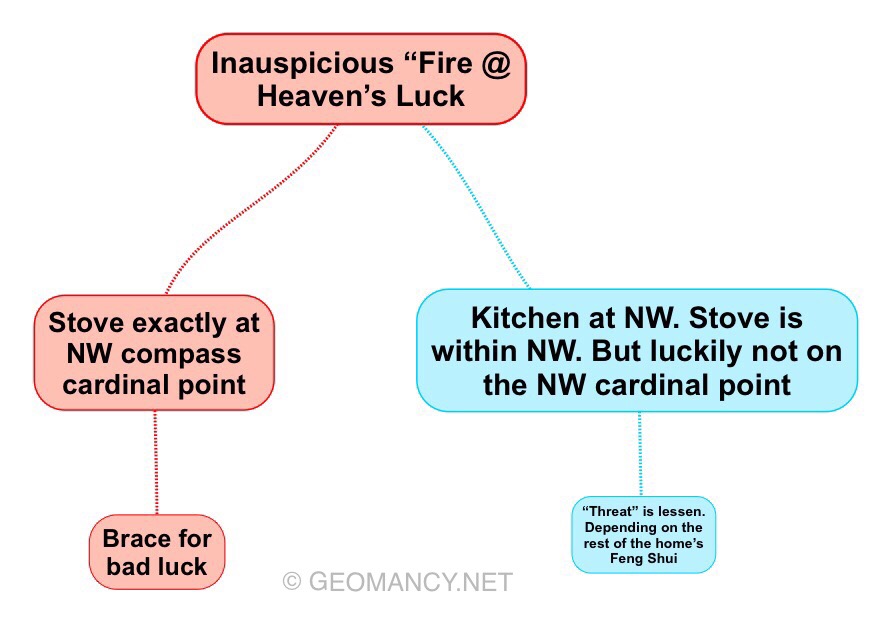 It is good that the breadwinner is not a male. However, under the Chinese Trigram, NW also belongs to the "Heaven". Thus whenever one uses the stove, this "Heaven" considered simply as Heaven Luck is burned. Therefore implies that Luck from heaven is burned = small luck! Although one is spared with a slap on the right cheek (not male-head breadwinner) but one still gets a slap on the left cheek! = Poor OVERALL luck! The consoliation is that no TWO (2) tight slaps. Just one tight slap! STILL. By this, often not so lucky in many areas: no lottery luck, career opportunities, relationships etc especially if stove is exactly on the NW CARDINAL point. Some look at Feng Shui to help improve this situation by concepts such as "Maximizing wealth luck"; fixing other "wealth leaks" or improvement of wealth luck.. etc..Case Study: I am unsure about the length of Qing Ming. Certain references indicate that it spans 10 days prior to and following the official date, whereas others mention "One week before and one week after." 1. This year, Qing Ming will occur on Thursday, April 5th, 2018. 2. Qing Ming can occur on either April 4th or April 5th in different years. 3. A logical reason for the complexity of Qing Ming is as follows: 3.1. Many people find it difficult to visit their ancestors on a weekday like Thursday due to practical reasons. 3.2. This difficulty may arise from work commitments or conflicting schedules with other family members. 3.3. For example, even if one family member can visit on that day, children may have school, a spouse may have work, or there may be childcare responsibilities. 4. Hence, a practical solution is to consider Qing Ming as a week before and a week after April 4th or 5th. Why? 4.1. By following this approach, individuals can plan visits to their ancestors a week earlier on weekends or the following weekend if they cannot do so on the actual date. 4.2. This explanation aims to clarify the reasoning behind the concept of "One week before and One week after Qing Ming." 5. It is recommended to refrain from proposing a month before or after Qing Ming, as it might be excessively cautious. This could result in unnecessary limitations and inconveniences.Again, I took these photos as I walked closer and closer to the home(s)...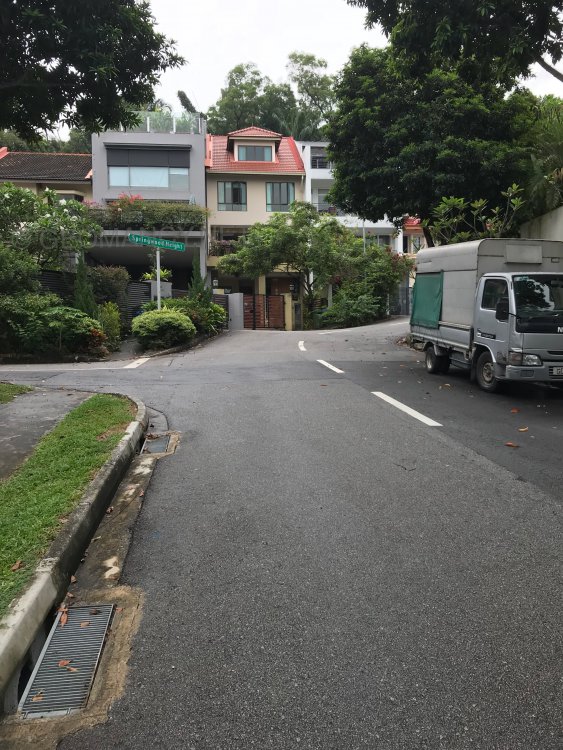
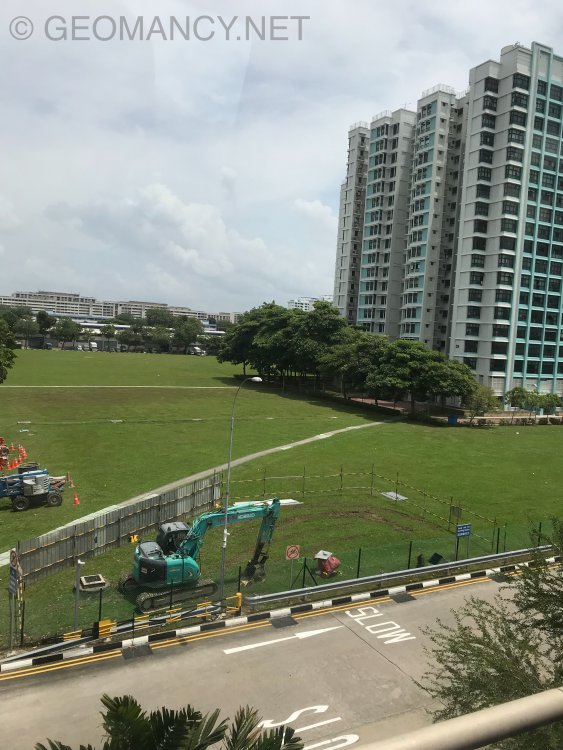
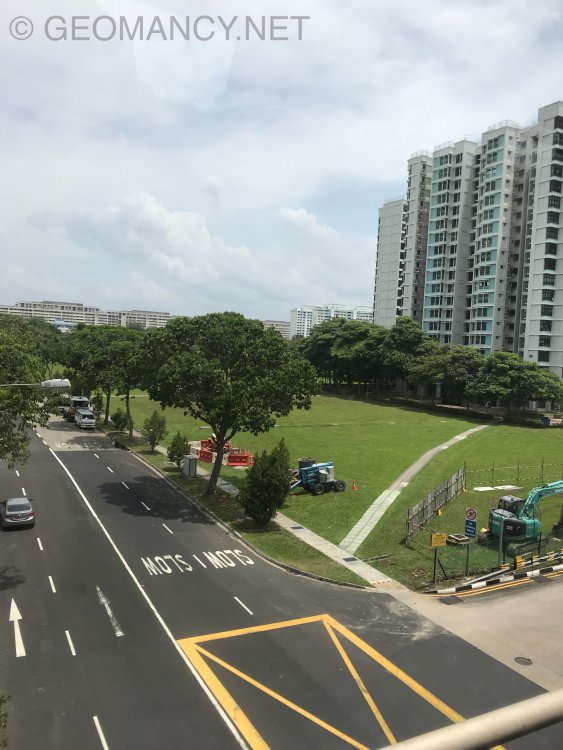
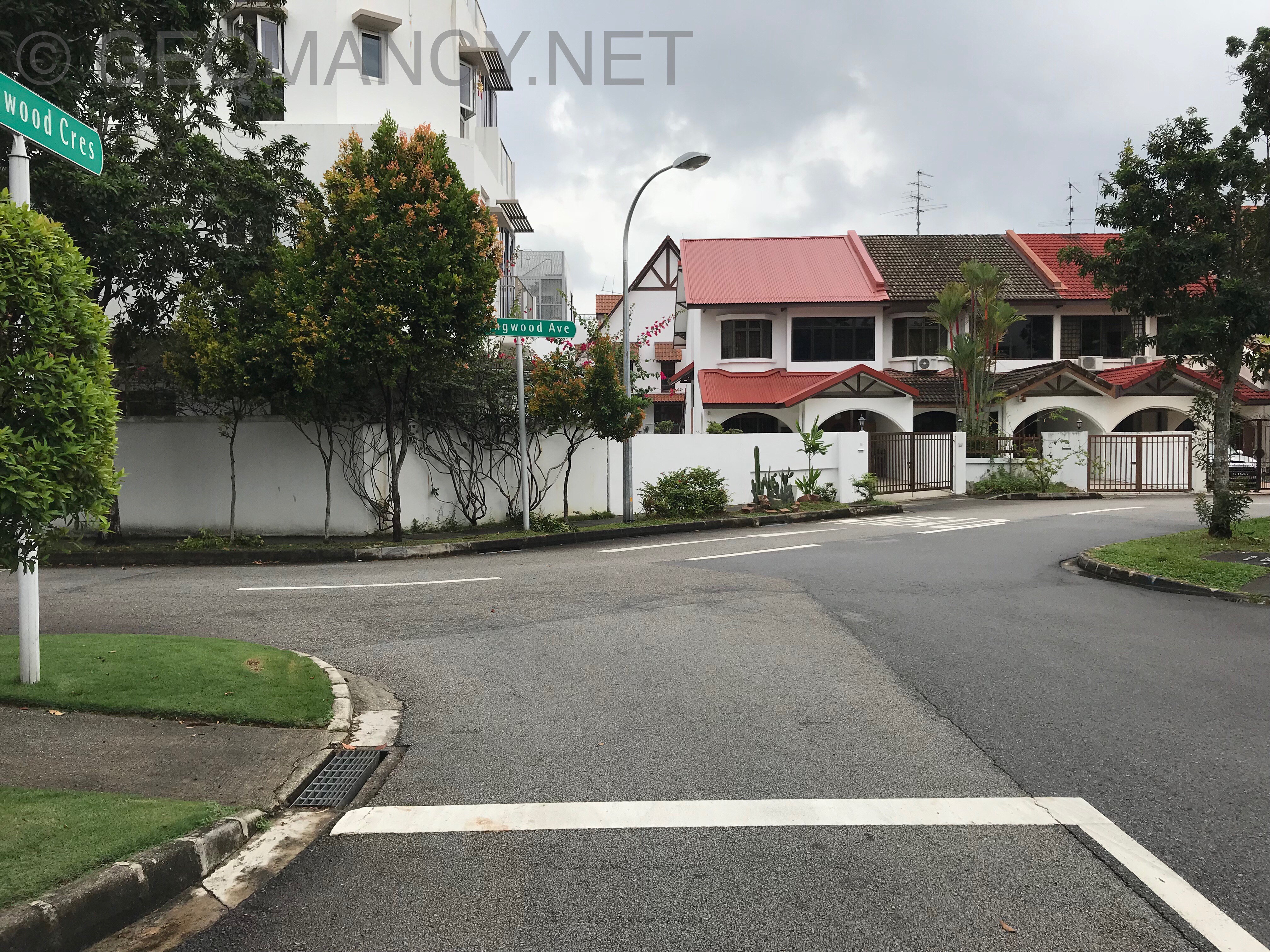
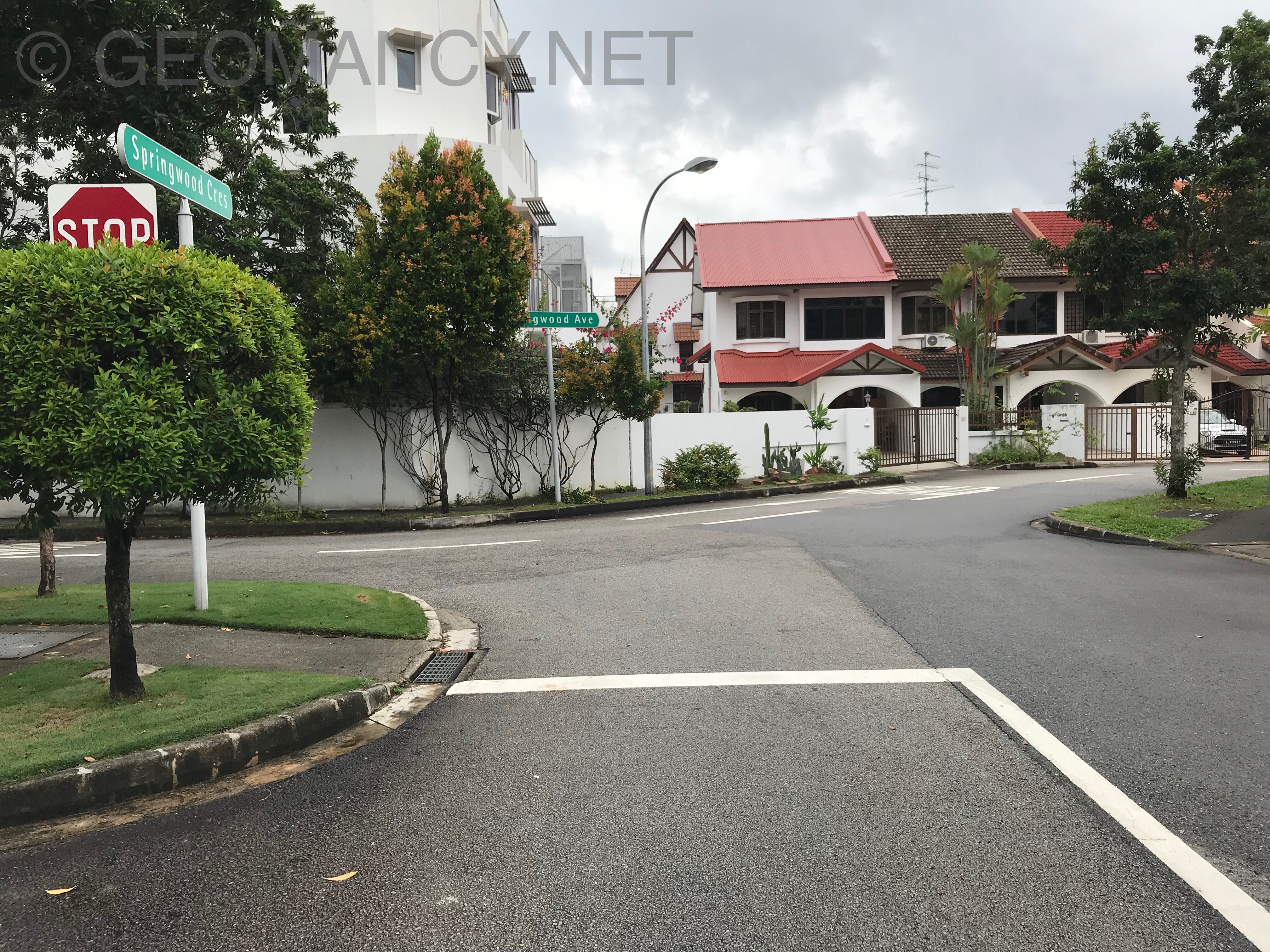
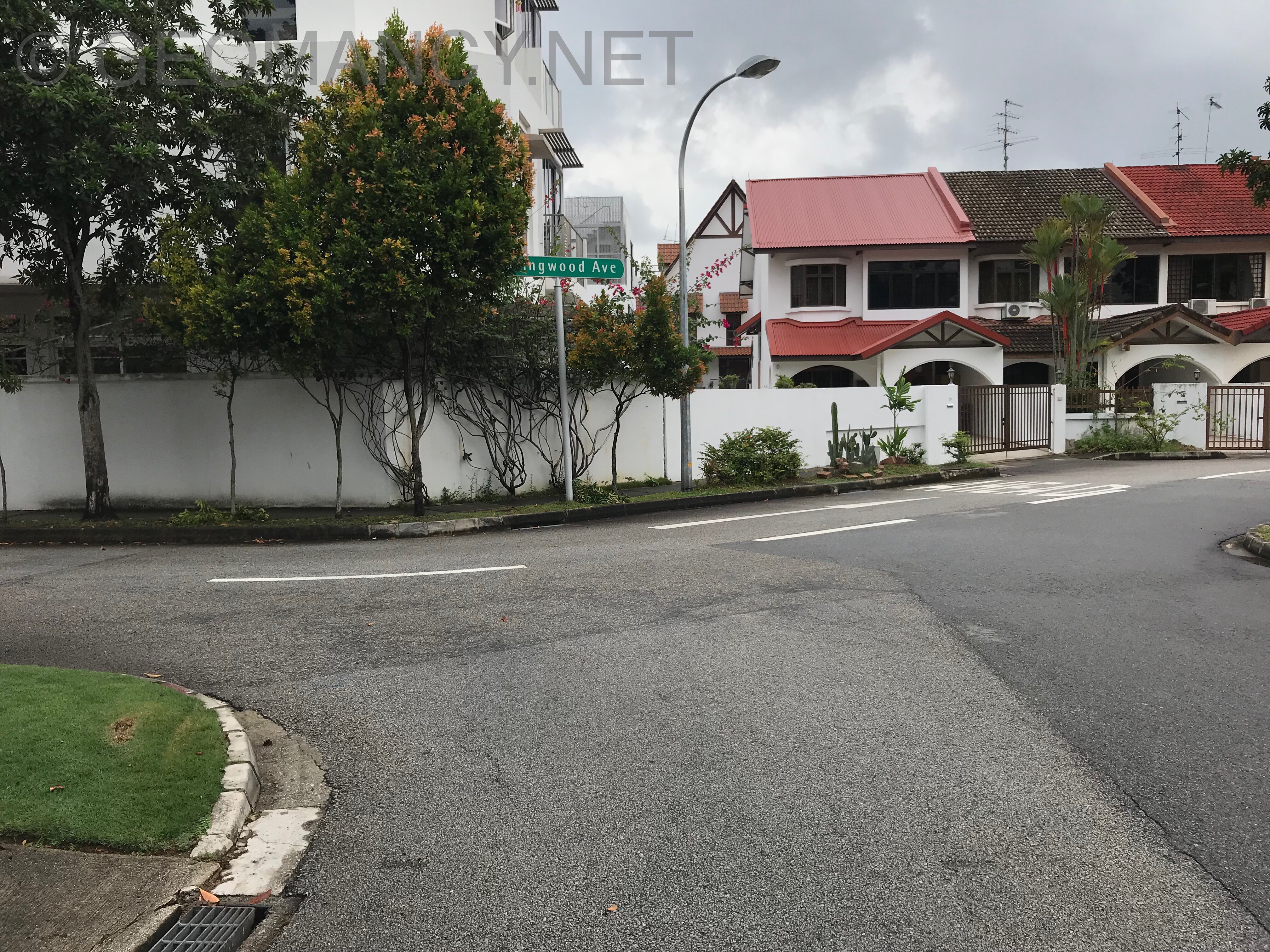
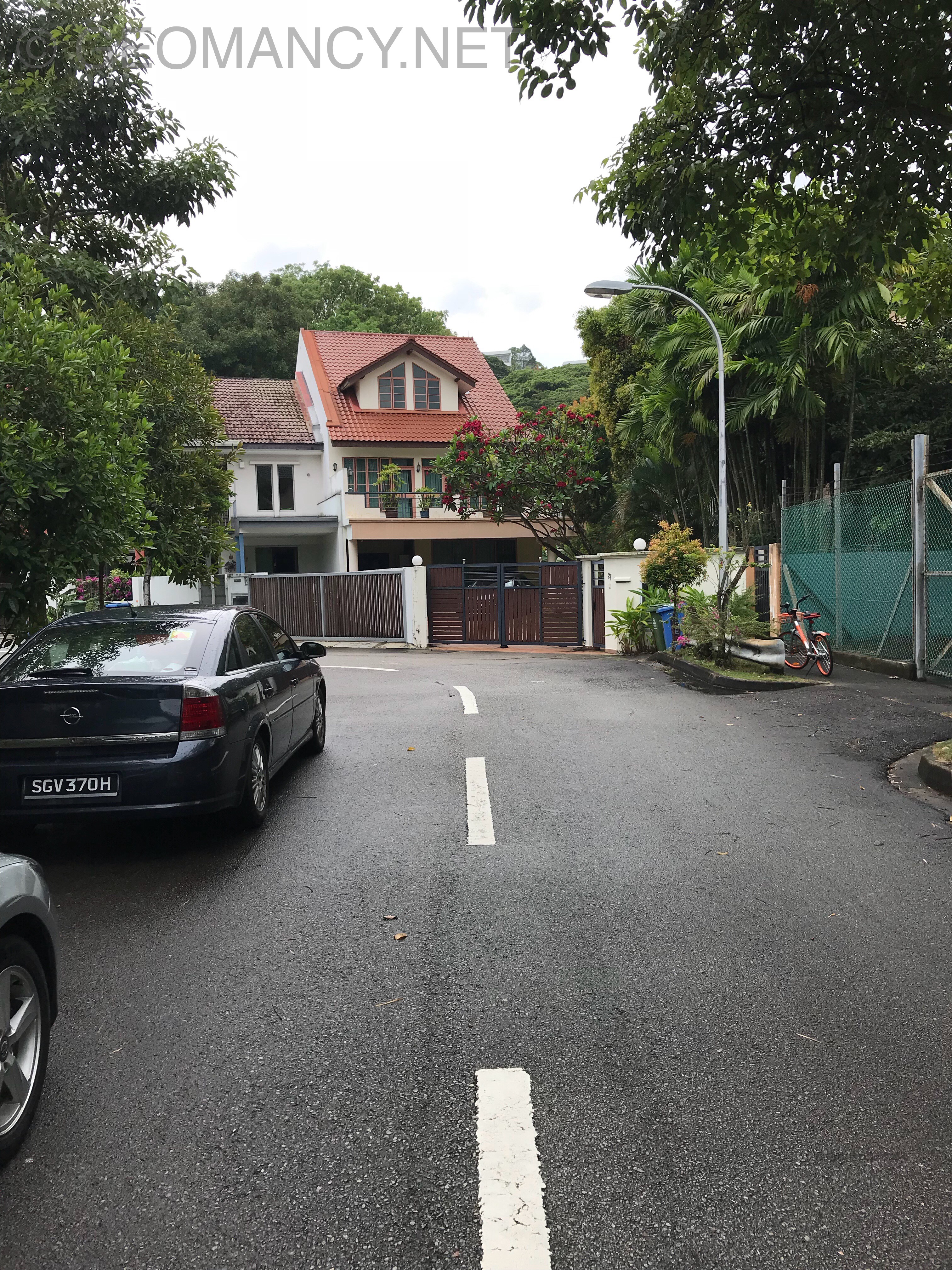
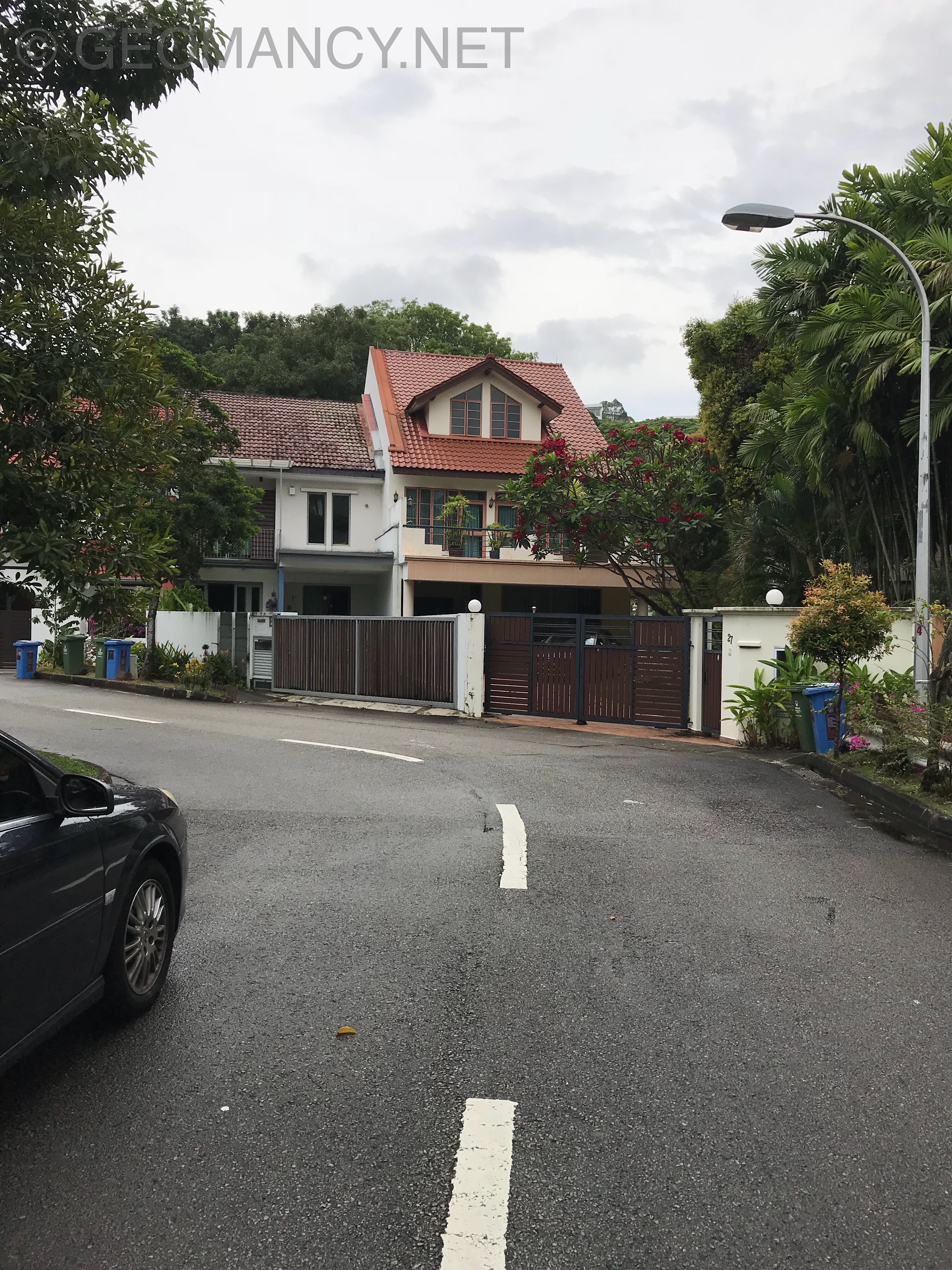
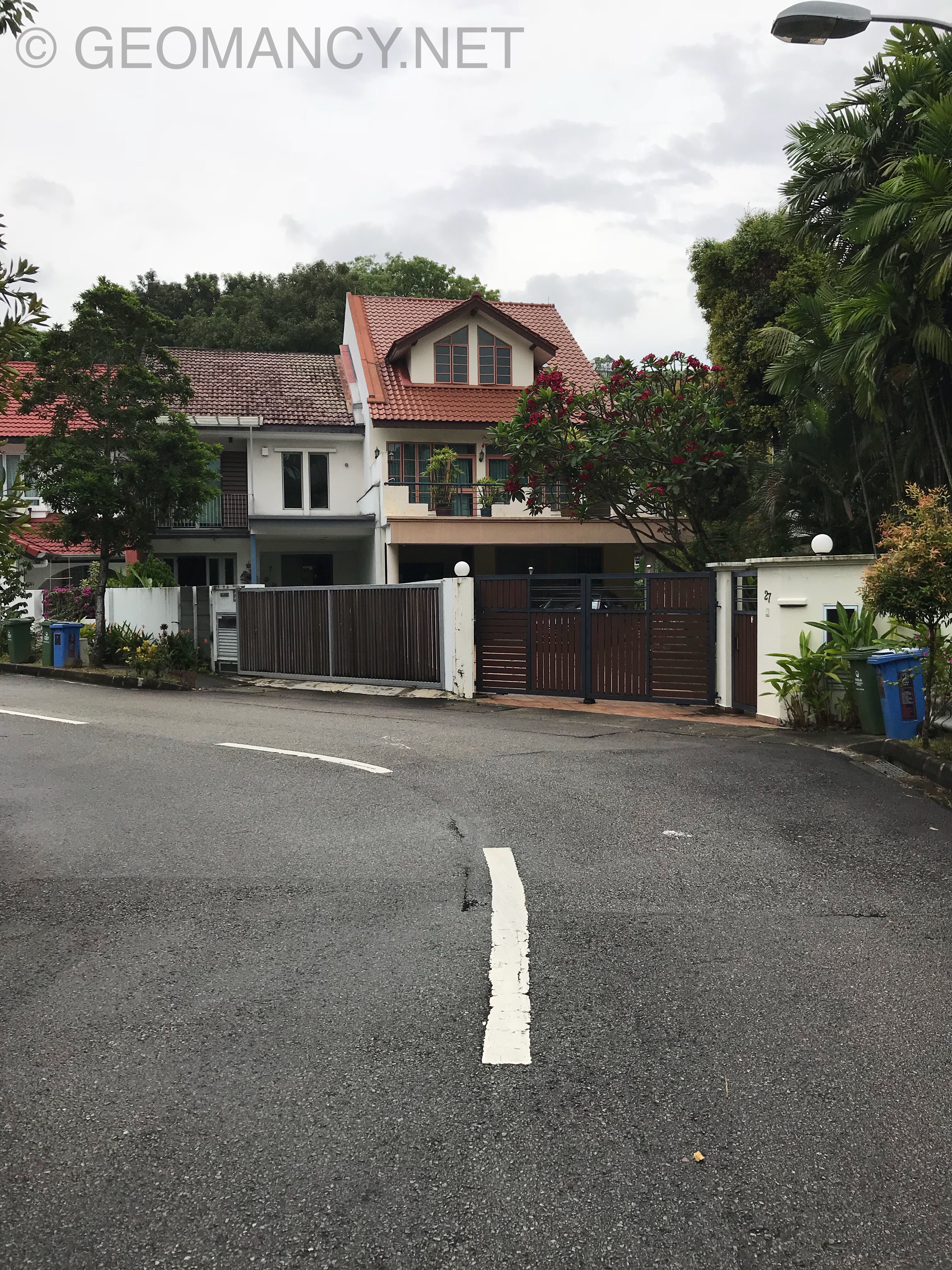
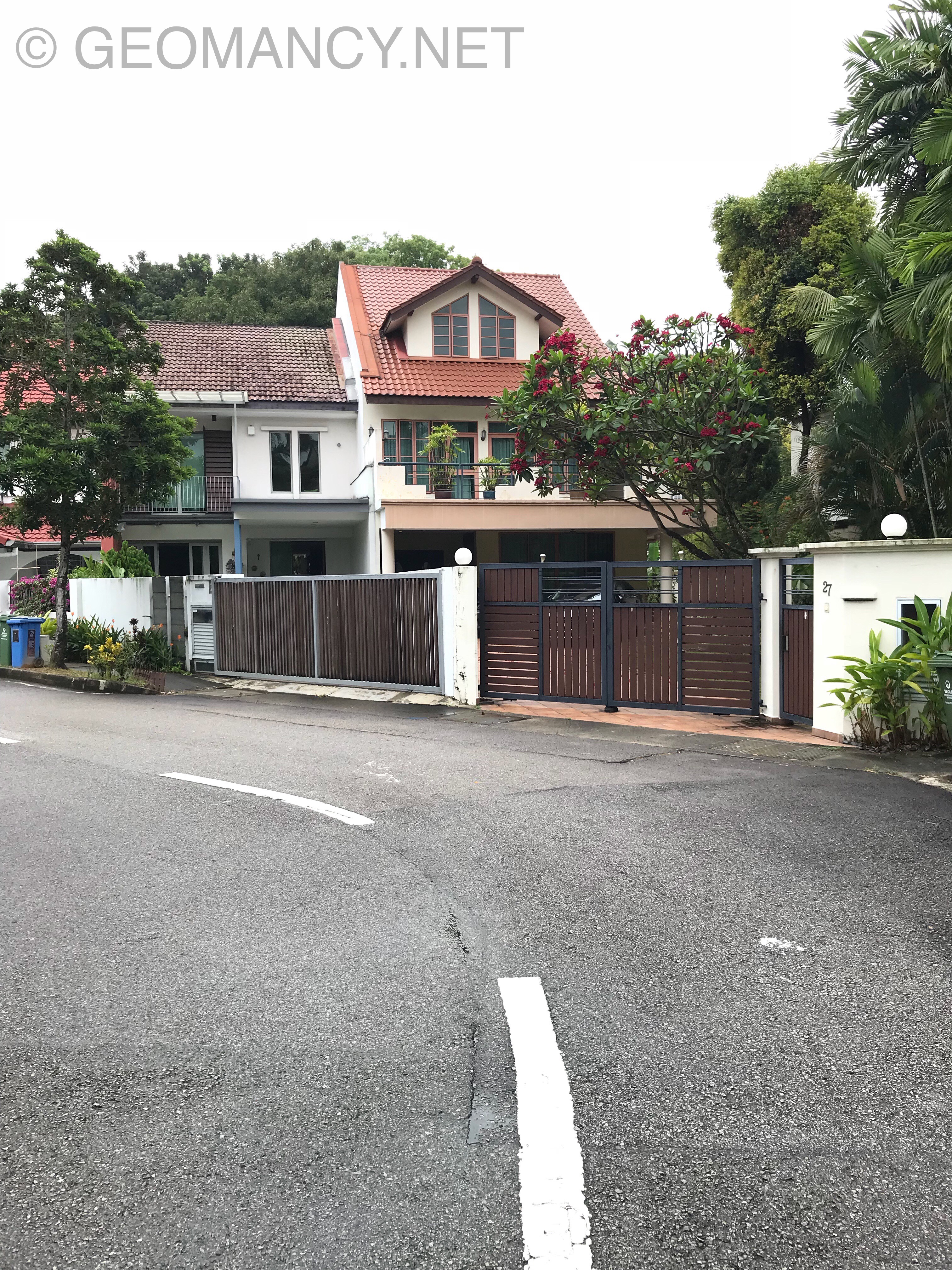
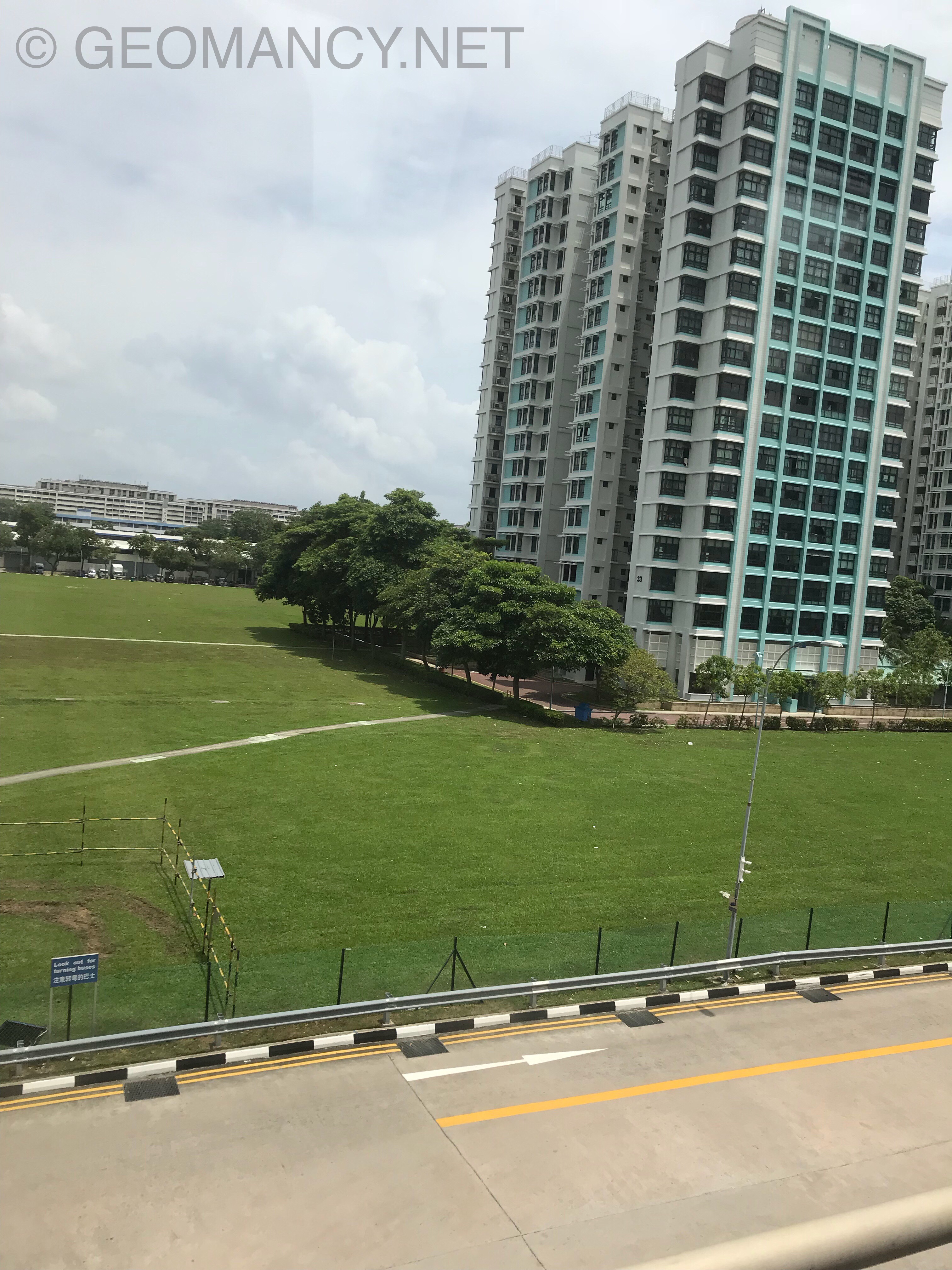
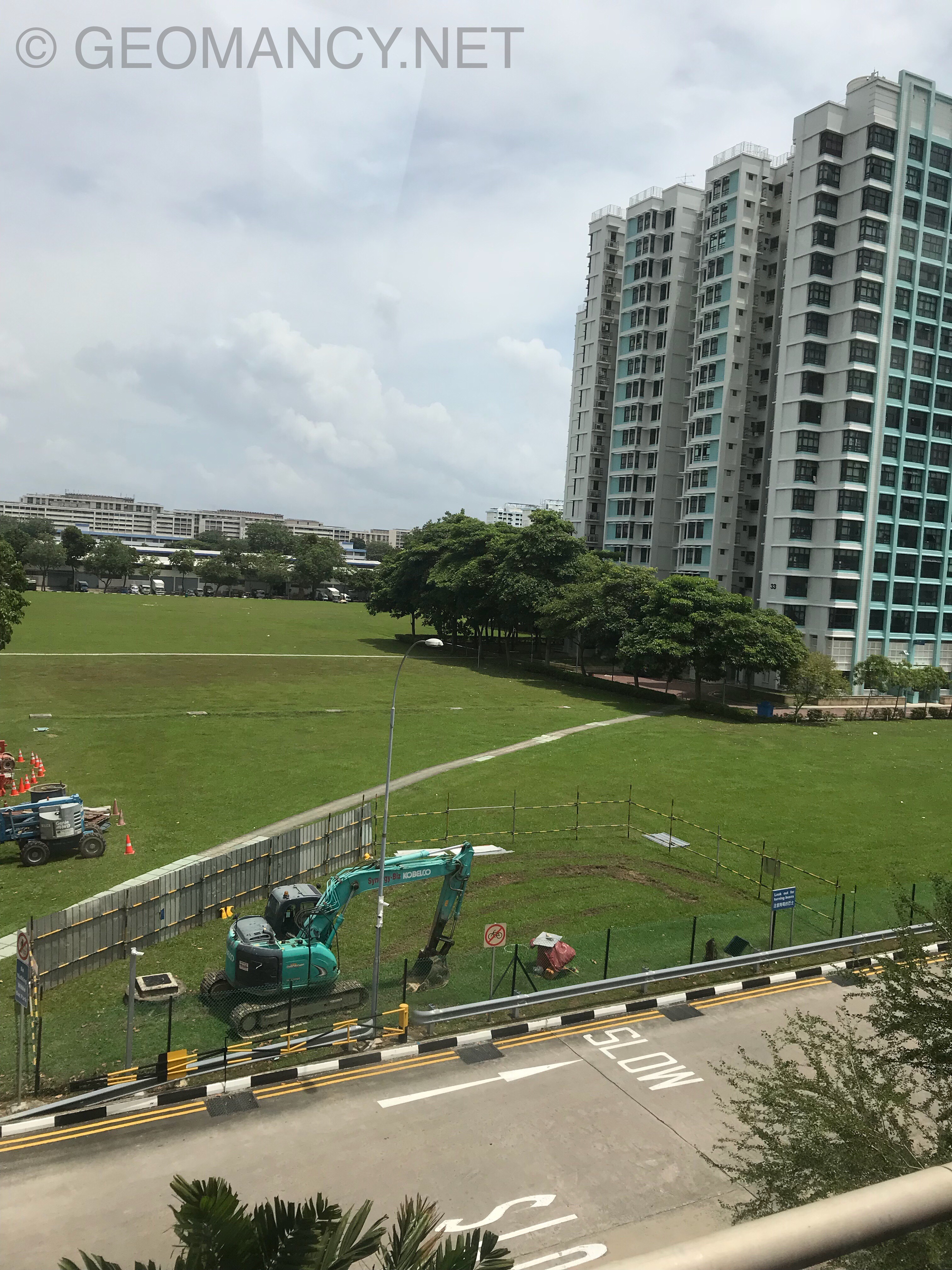
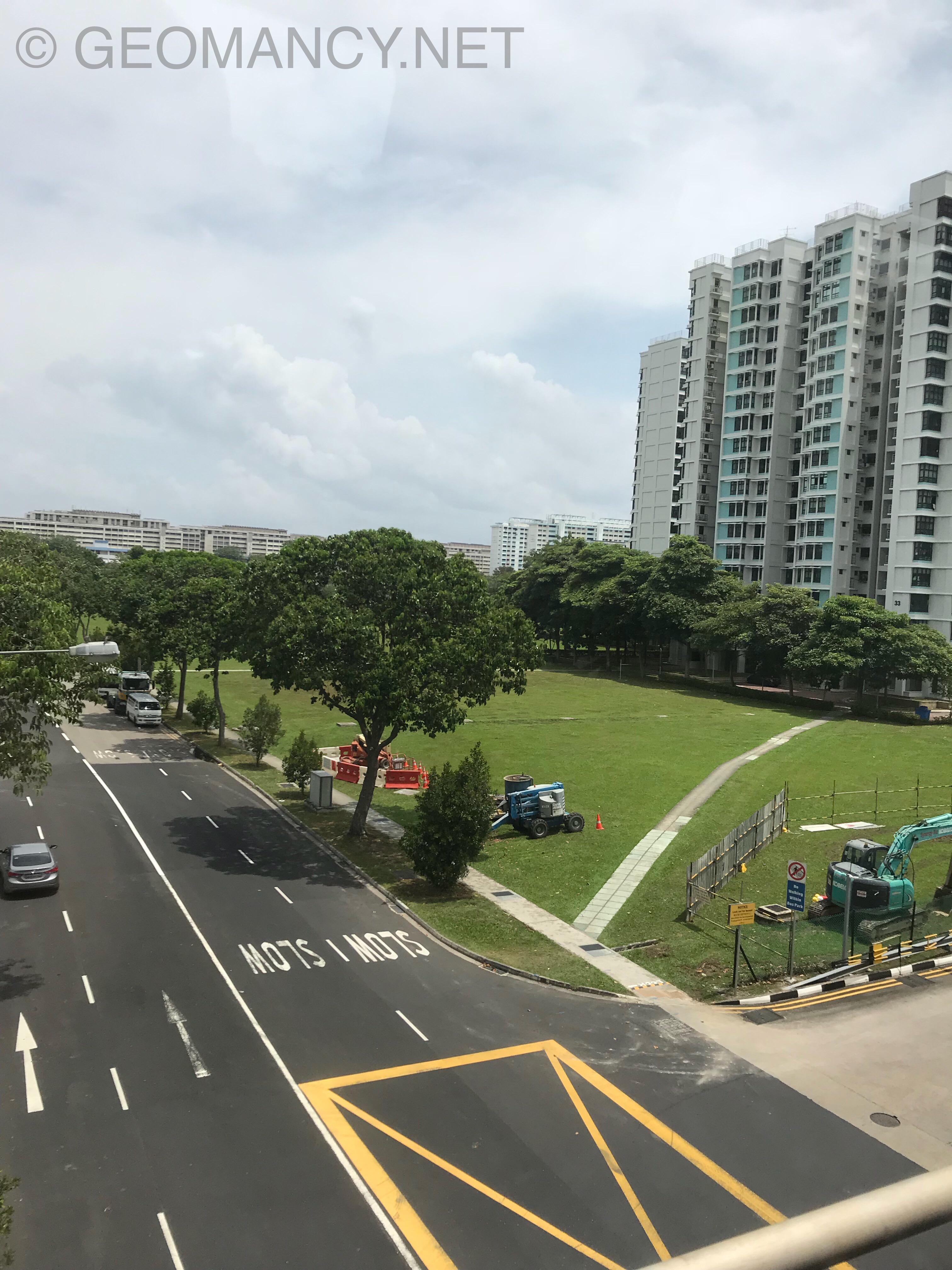
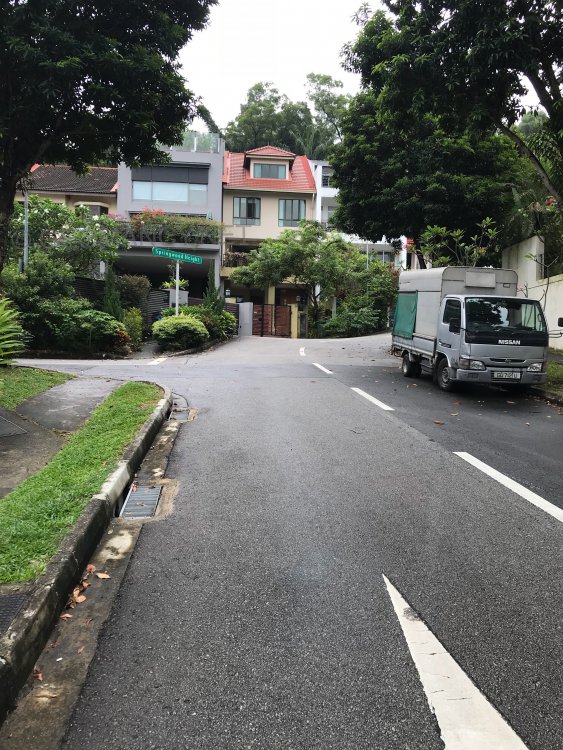 Case Study: I hope that you have the time to read the (above) earlier threads. As this time round, I am not going to write any comments. Sincerely hope that you can try to figure it for yourself! I am confident that you CAN! Here goes...imagine that you are walking towards the home. These Photos were taken as I walked towards this home: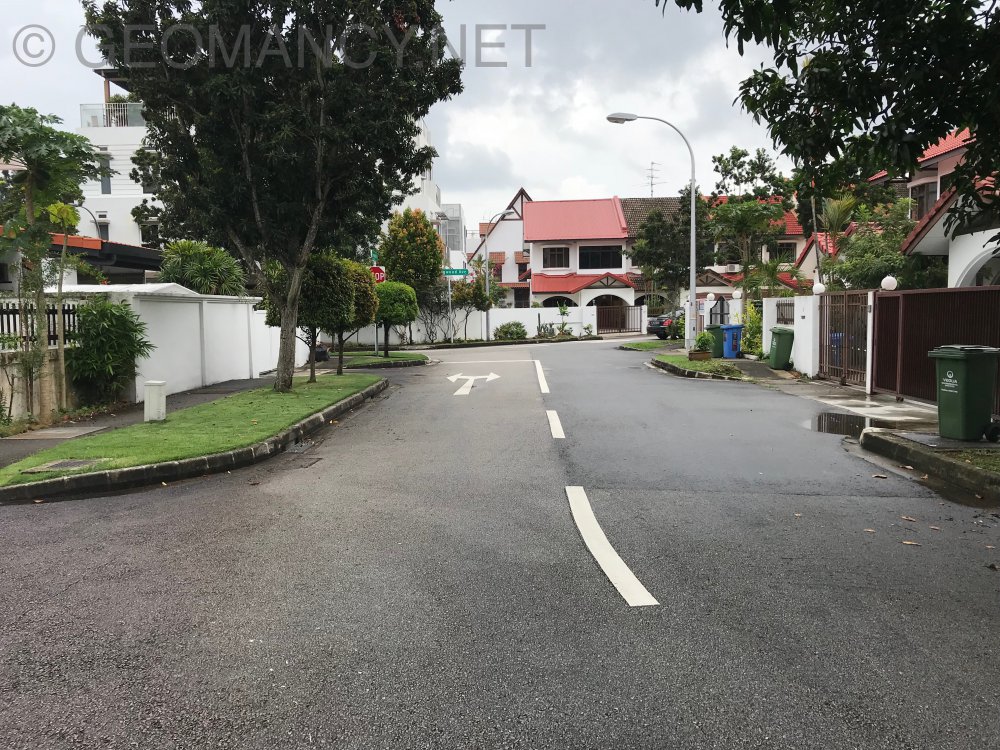
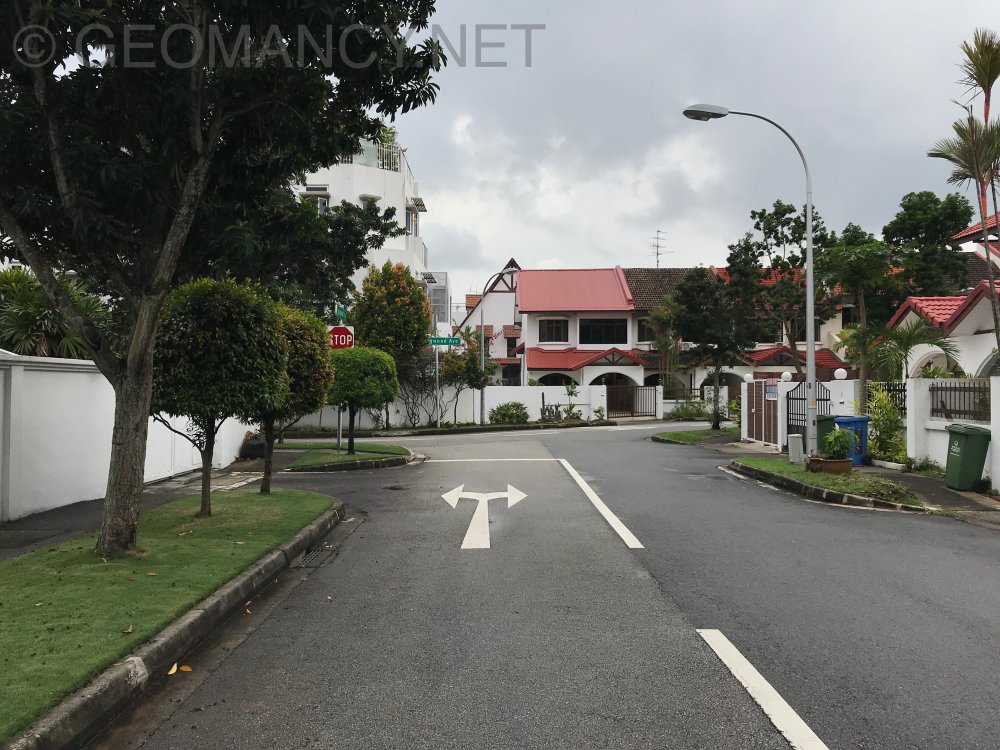
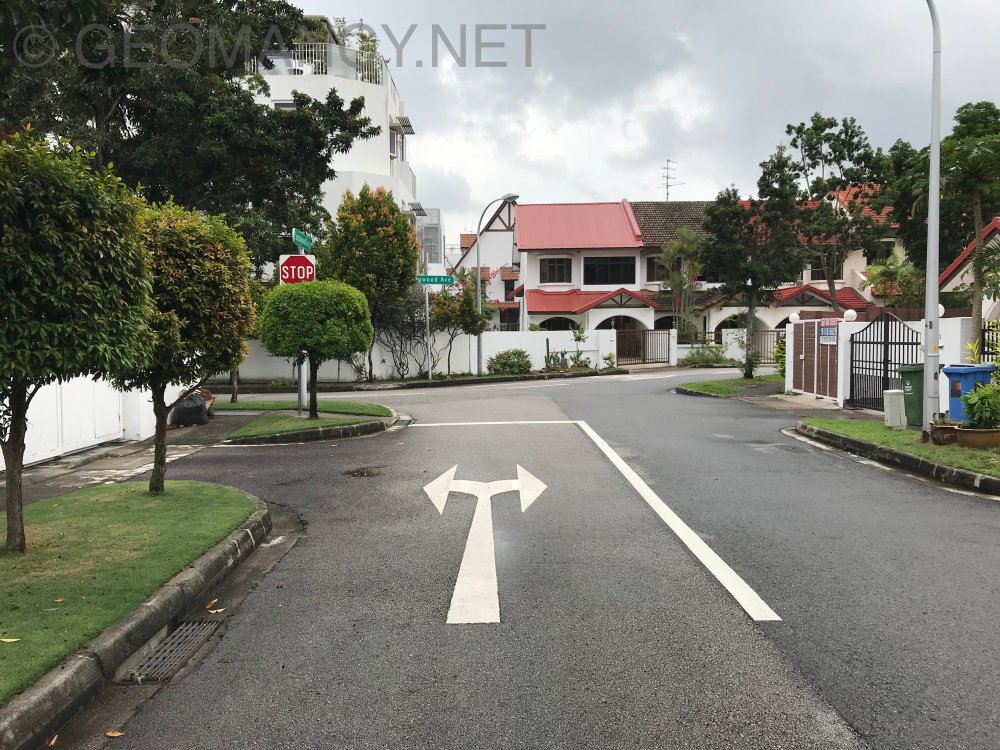
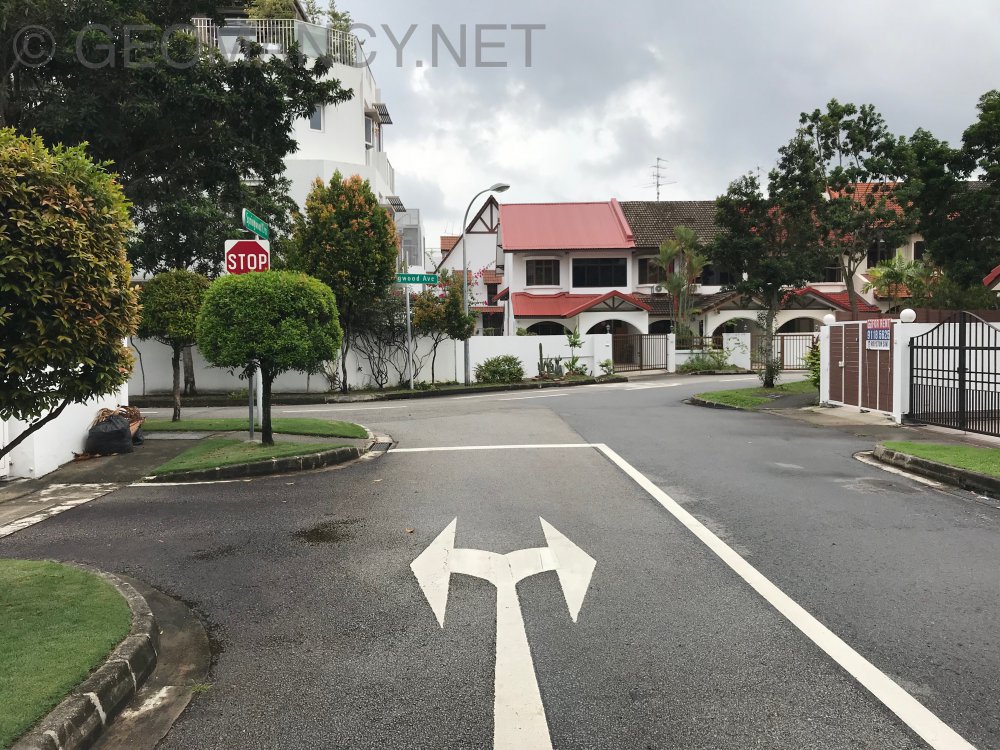
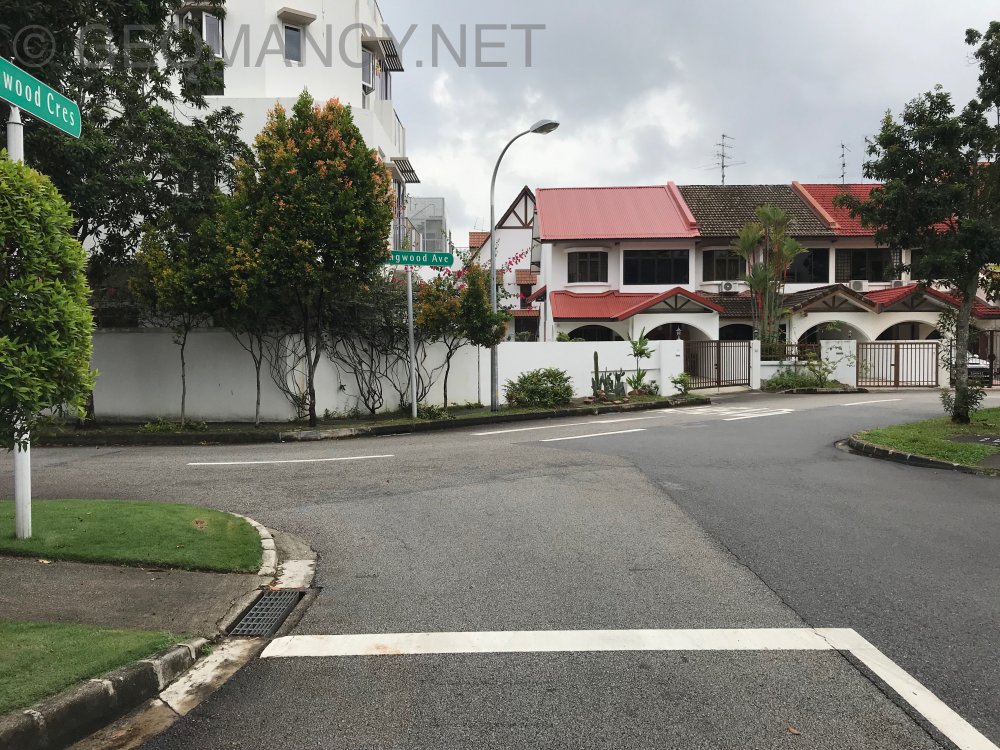
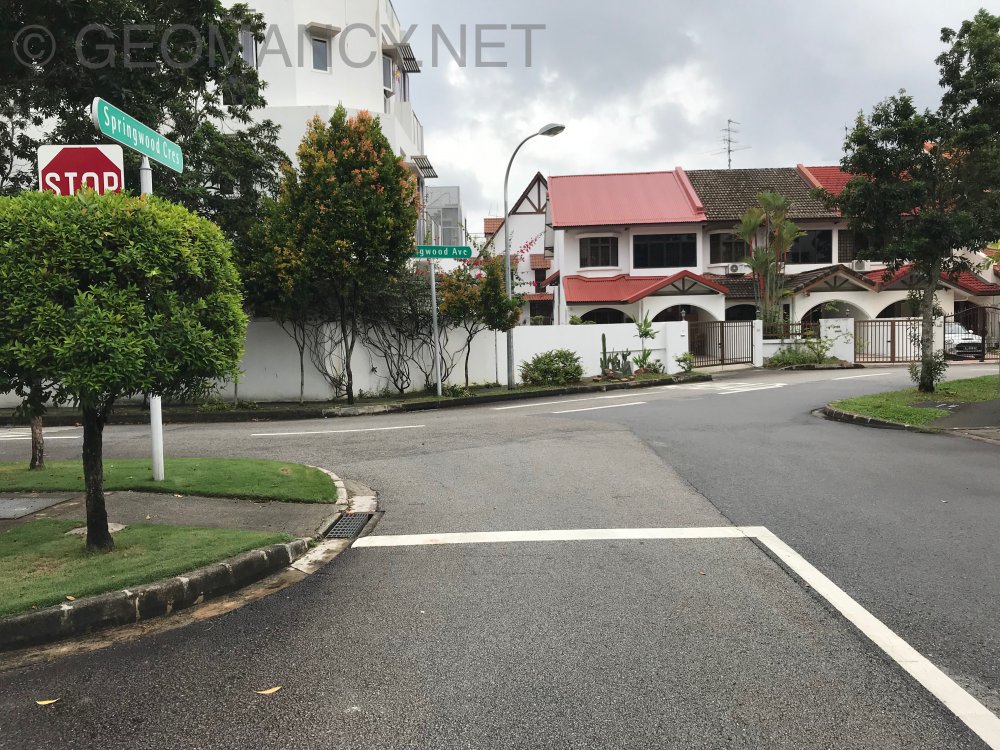
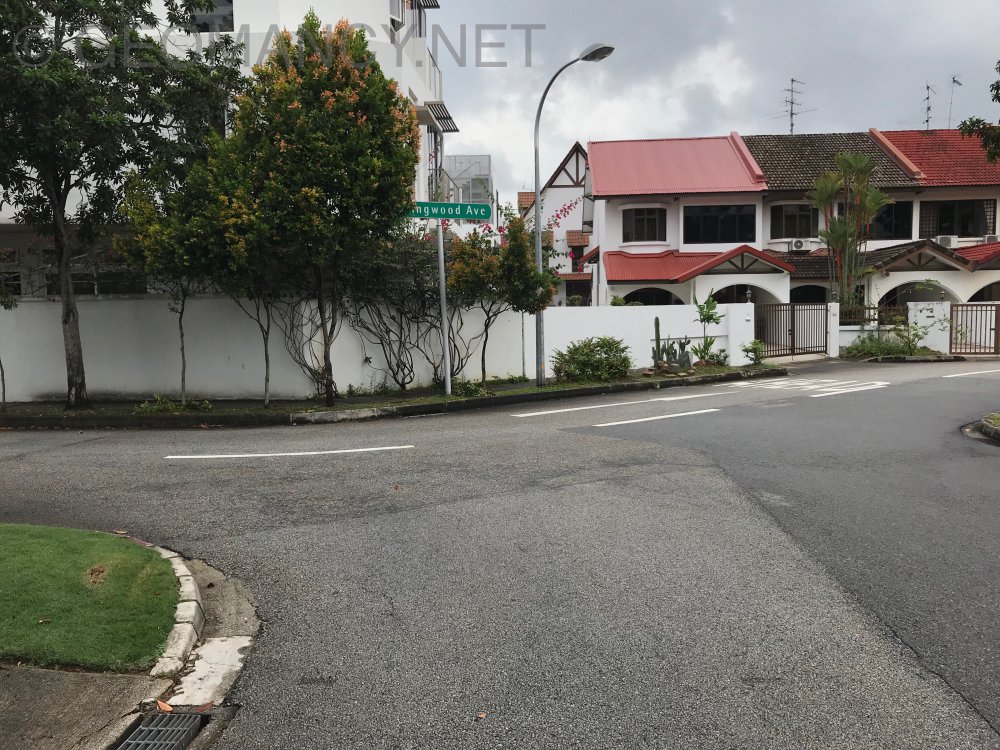 Derived from practical reasoning. I trust this information is beneficial.
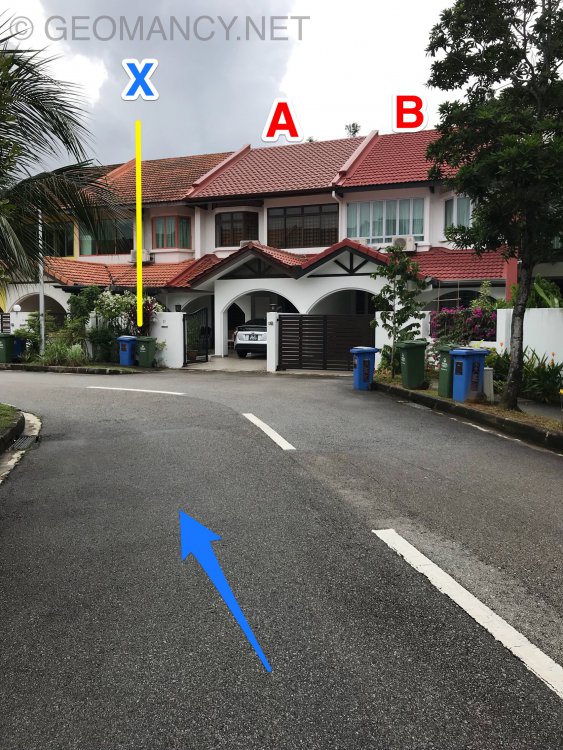
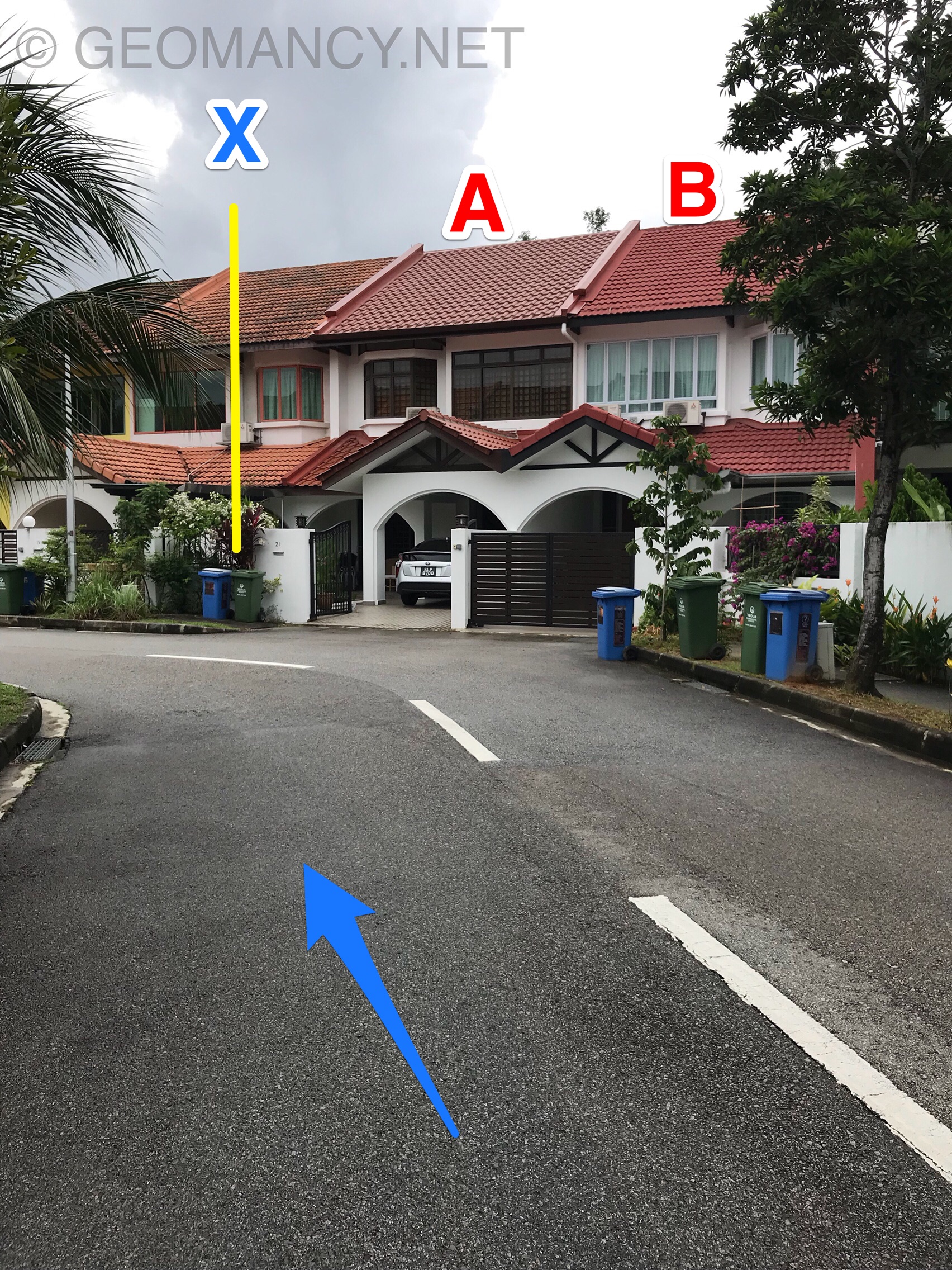
 Case Study: Question Guess which home is (may) be affected by Sha Qi from the service road? 1. If I were to approach this question: The first thing I often asked myself is: Which country is this? 1.1. If it is Singapore, then the clue is to look at movement of vehicles with RIGHT-HAND drive characteristics. 1.2. Thus in my opinion, the first thing one should look is the FLOW of traffic. 1.3. To visualise whether which house or where the most likelyhood of a "Sha Qi?" 1.4. One could use or visualise the "route" travelled by the blue arrow. 1.5. Ask yourself this question: In the unfortunate event of an accident. How does a vehicle travel. 1.5.1 The most likelyhood is that the most likely probability is that a drowsy driver or a tipsy (drunk) driver or even in the past.. some car makes and certain models were attributed to sudden acceleration.. and acceleration often is in a straigh-line. 1.5.2 Assuming a run-away (in a RIGHT hand drive country) if the vehicle plows uncontrolled in a straight line? Where will the most likely point of impact? 1.6 An estimated guess would be at location Marked as "X" or even smash into the wall or if really bad-luck ploughs into the gate of house "A". 1.7 Therefore, an educated guess is that on Singapore roads, house A is less safe then B. 2. What happens if this is in America or China or Korea or any other countries that use LEFT-hand drive cars. 2.1. A different conclusion is that as these cars also drive on the right side of the road, there is a higher chance that house B may instead be of risk!. These are various photos of myself walking towards these homes...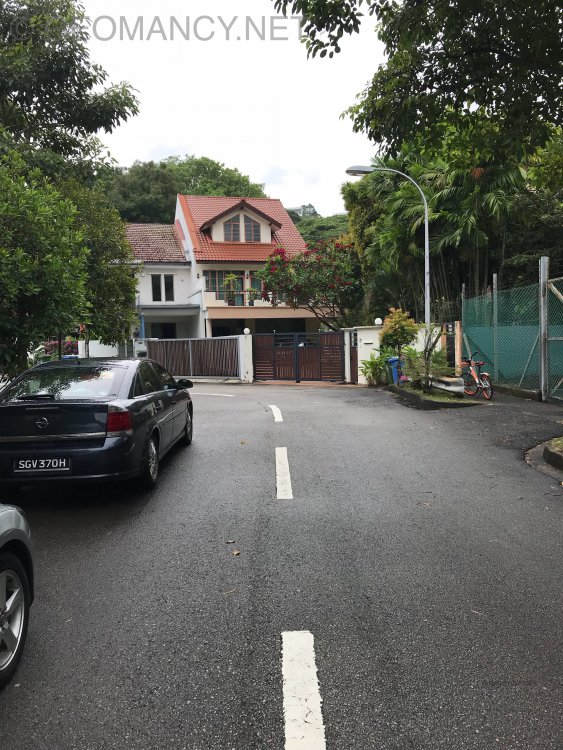
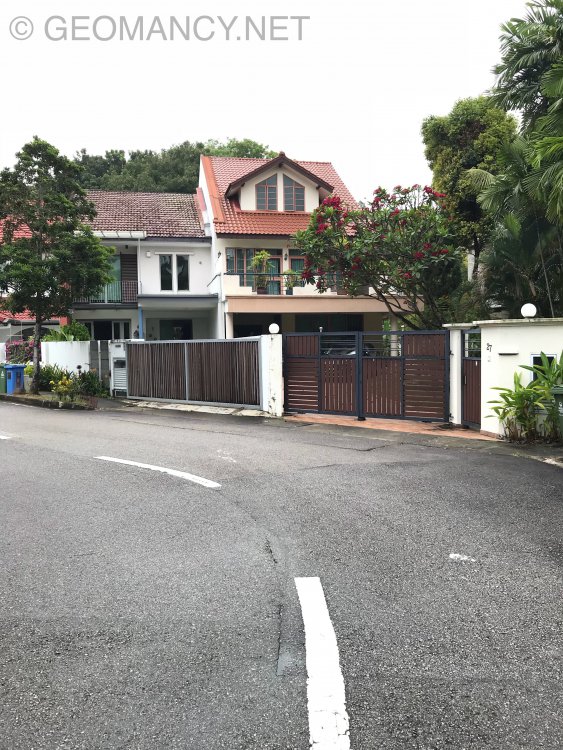
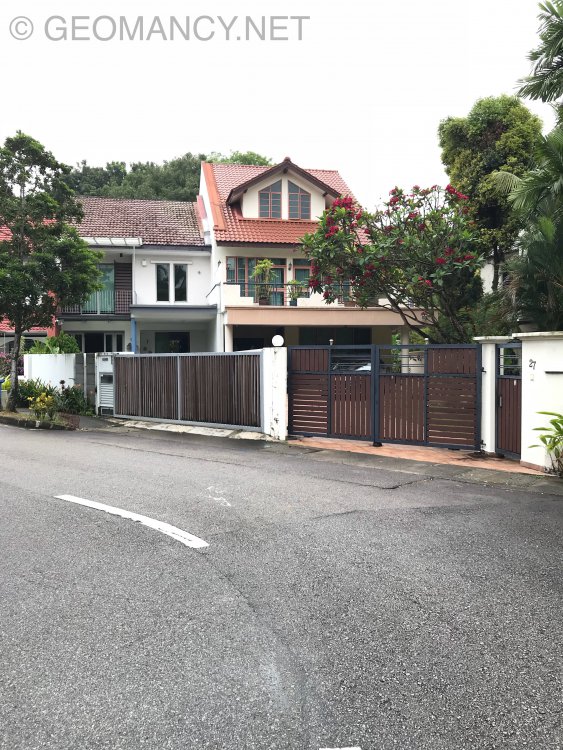
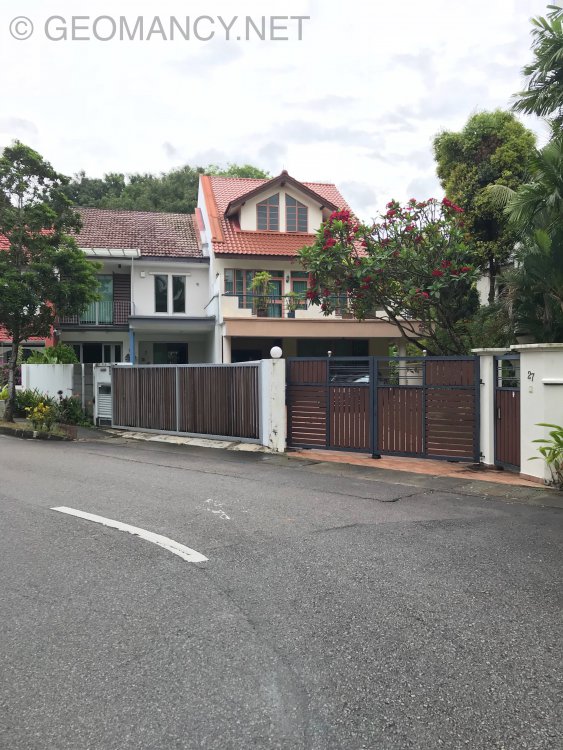
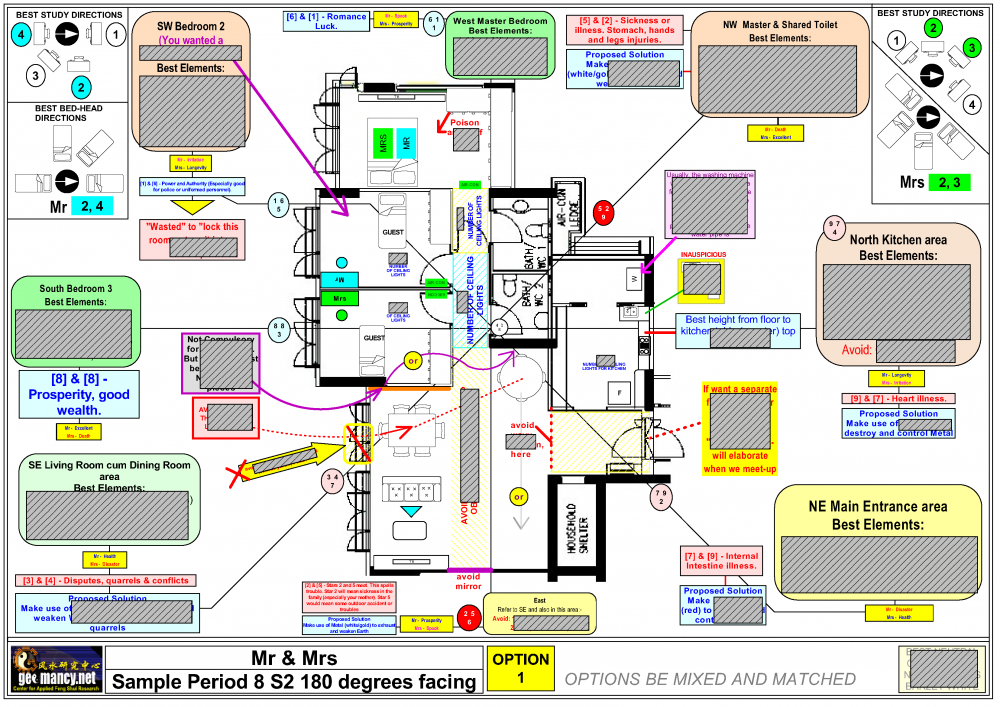
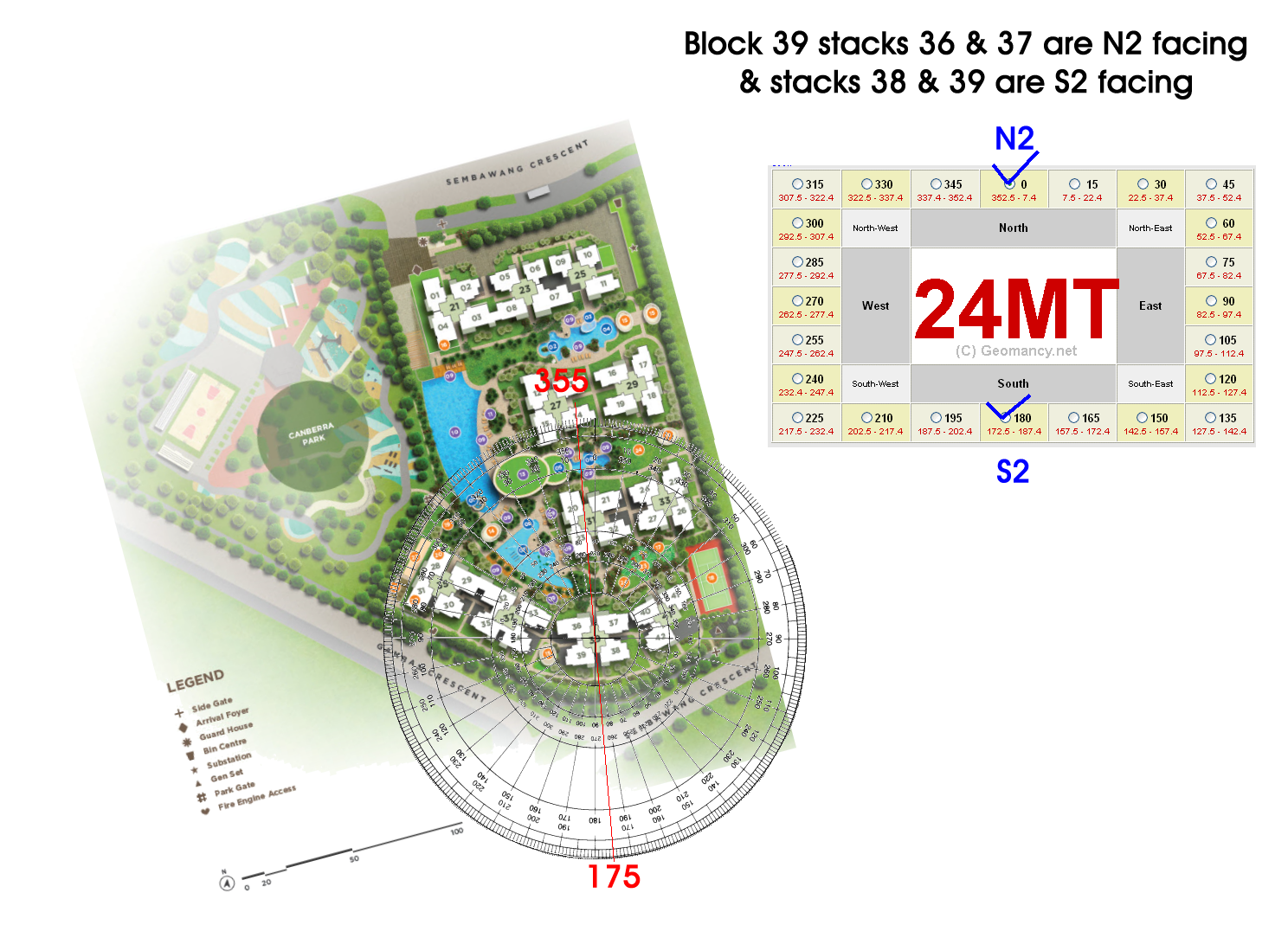
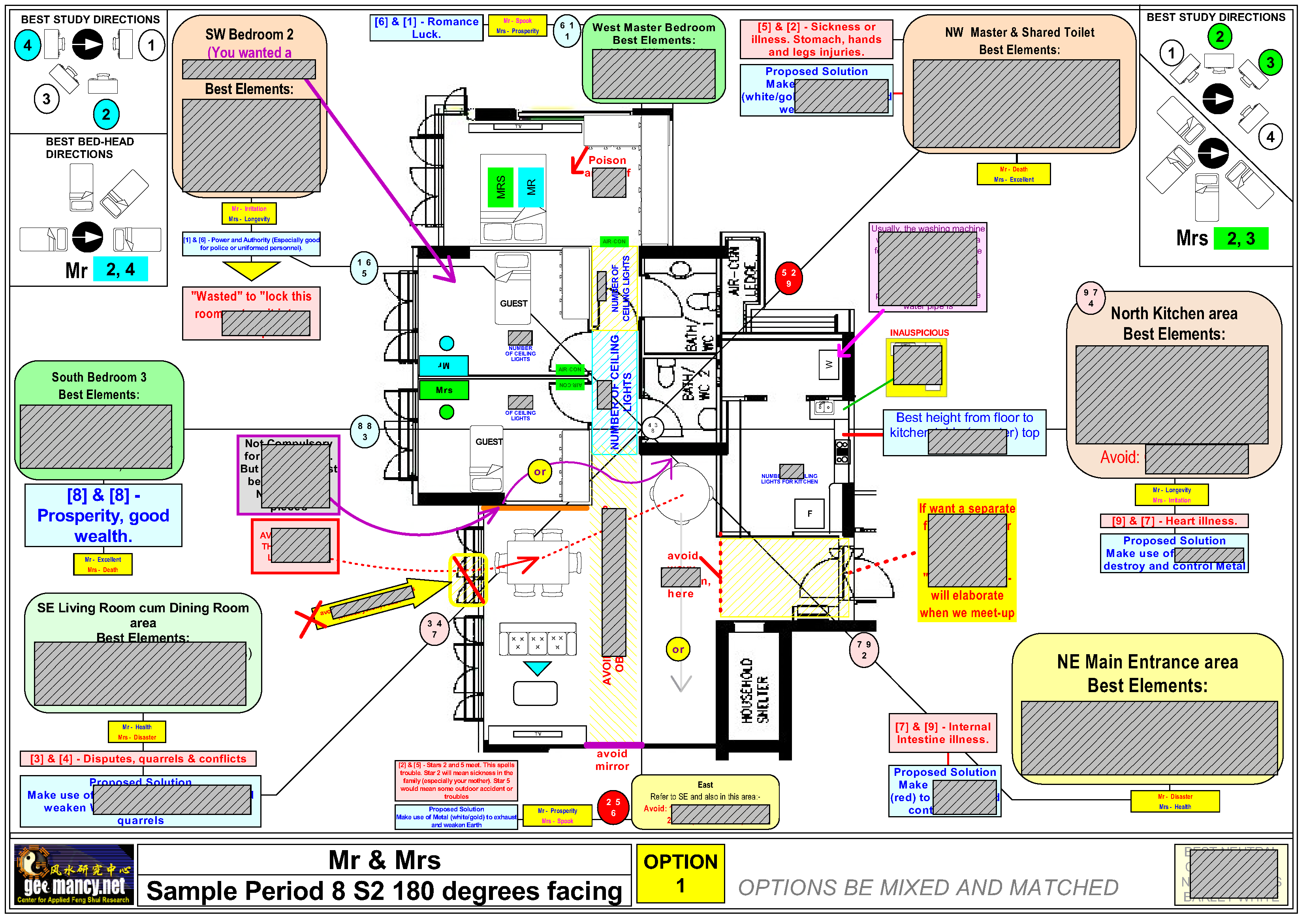
 Case Study: Block 39 Stack 38 under Flying Star Feng Shui is considered as P8 S2 facing unit 1. Based on my previous review, Block 39 and specifically stack 38 has a compass direction of 175 degrees (subject to site confirmation). 2. However, as a sector falls within 15 degrees, there is leeway for subsequent onsite check. And high confidence that stack 38 falls within the Period 8 S2 facing direction. 3. Please note that this is not a layout from Parc Life. This is simply an SAMPLE for illustration purposes. 4. To clarify, what I meant was that unlike a N2 facing unit; this S2 facing from now to 2023 has the double auspicious wealth luck #8's x 2 from now to 2023. (Usually, by 2021 the double #8's will be come past prosperity. 5. Yes, stacks 38 and 39 as S2 facing. Which is considered luckier than the N2 facing. As the N2 facing often has the kitchen and even worse as these #8's fall at the rear of the unit. And often the rear of the unit is the kitchen or yard area. 5.1. Thus in GENERAL, to your reply stack 38 and 39 is good. Subject to Para 7 (below) and other factors include suitability to ..... 6. Please note that what was written has more to do with Macro level outlook of these units. 7. In many other resources including "Reading between the lines of the Sales Brochure" I have also highlighed that S2 facing (MICRO Feng Shui) often either the kitchen or worse stove may be at the NW cardinal point or within NW sector. And the term " Fire at Heaven's Gate". If the kitchen at #38 or #39 is at NW then this is bad for the male breadwinner's careeer and affect "luck from heaven" which simply means poor luck for the male breadwinner. 8. Scientific Feng Shui: Can be used to help "fix-the-leaks (such leaks) and/or enhance and/or try to maximize wealth luck for those staying there. Reference Resource: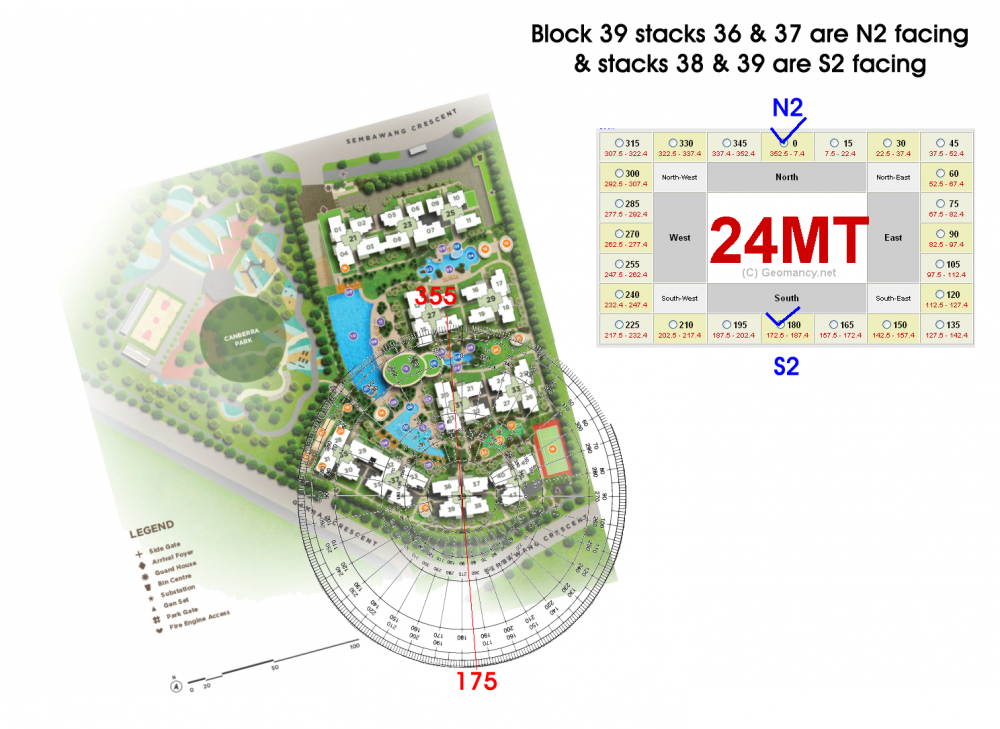
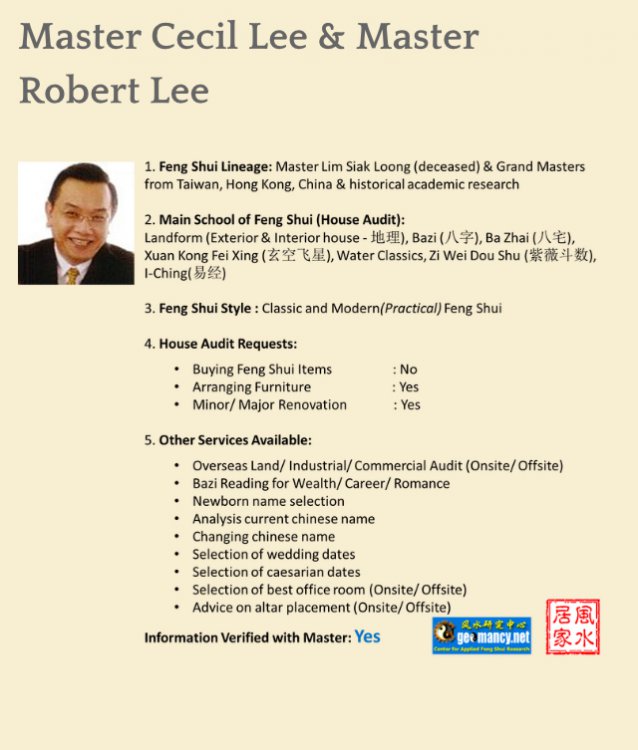
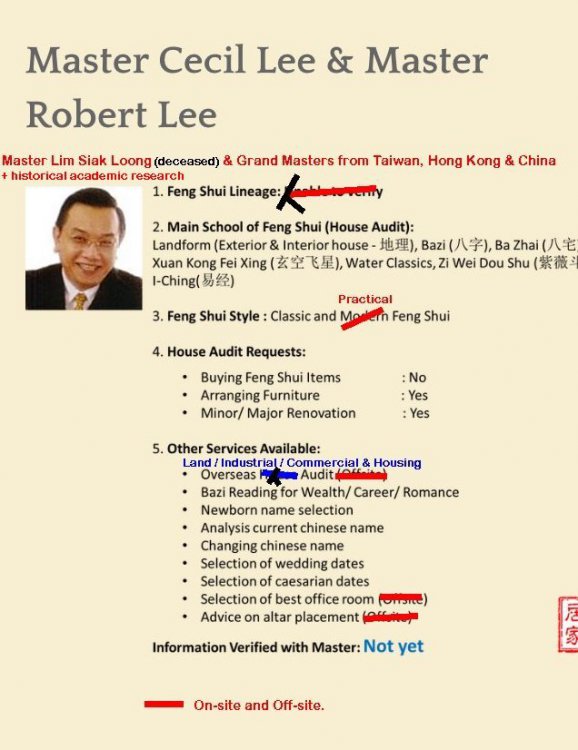
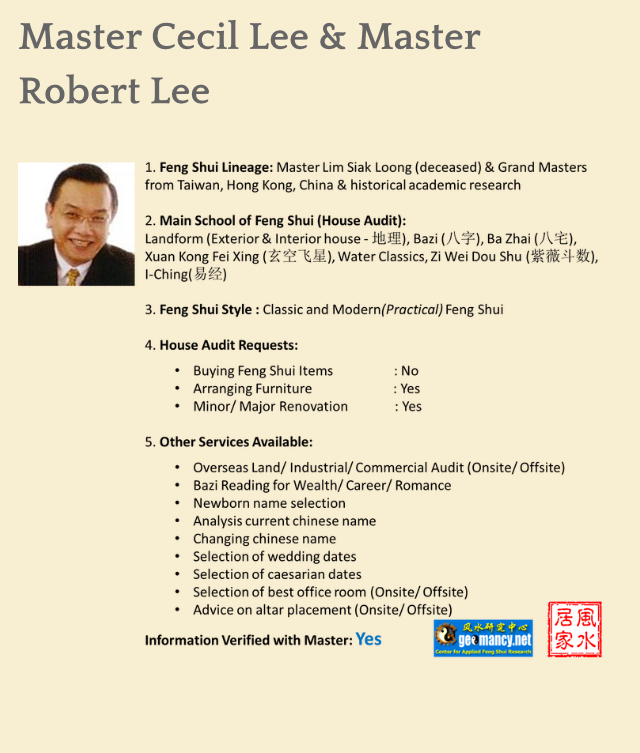
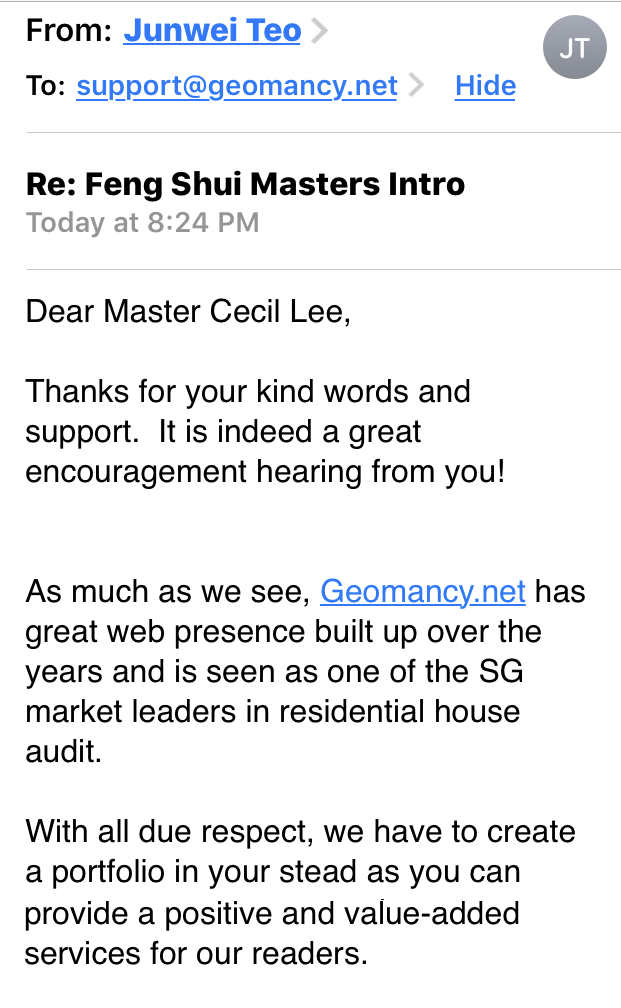
 Dear Master Cecil Lee, Thanks for your kind words and support. It is indeed a great encouragement hearing from you! As much as we see, Geomancy.net has great web presence built up over the years and is seen as one of the SG market leaders in residential house audit. With all due respect, we have to create a portfolio in your stead as you can provide a positive and value-added services for our readers. Lastly, appreciate if you can have a look to see if we missed out/ need to revise any information. * * End * * Extract from the actual email sent to us:-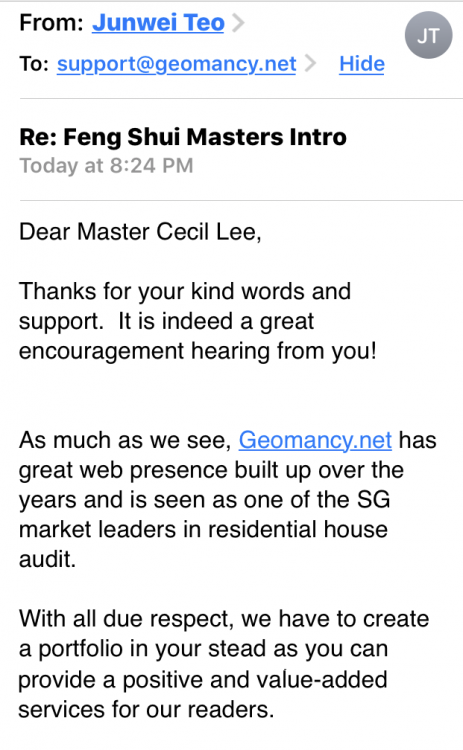
 A repeat customer.. bought a new home...
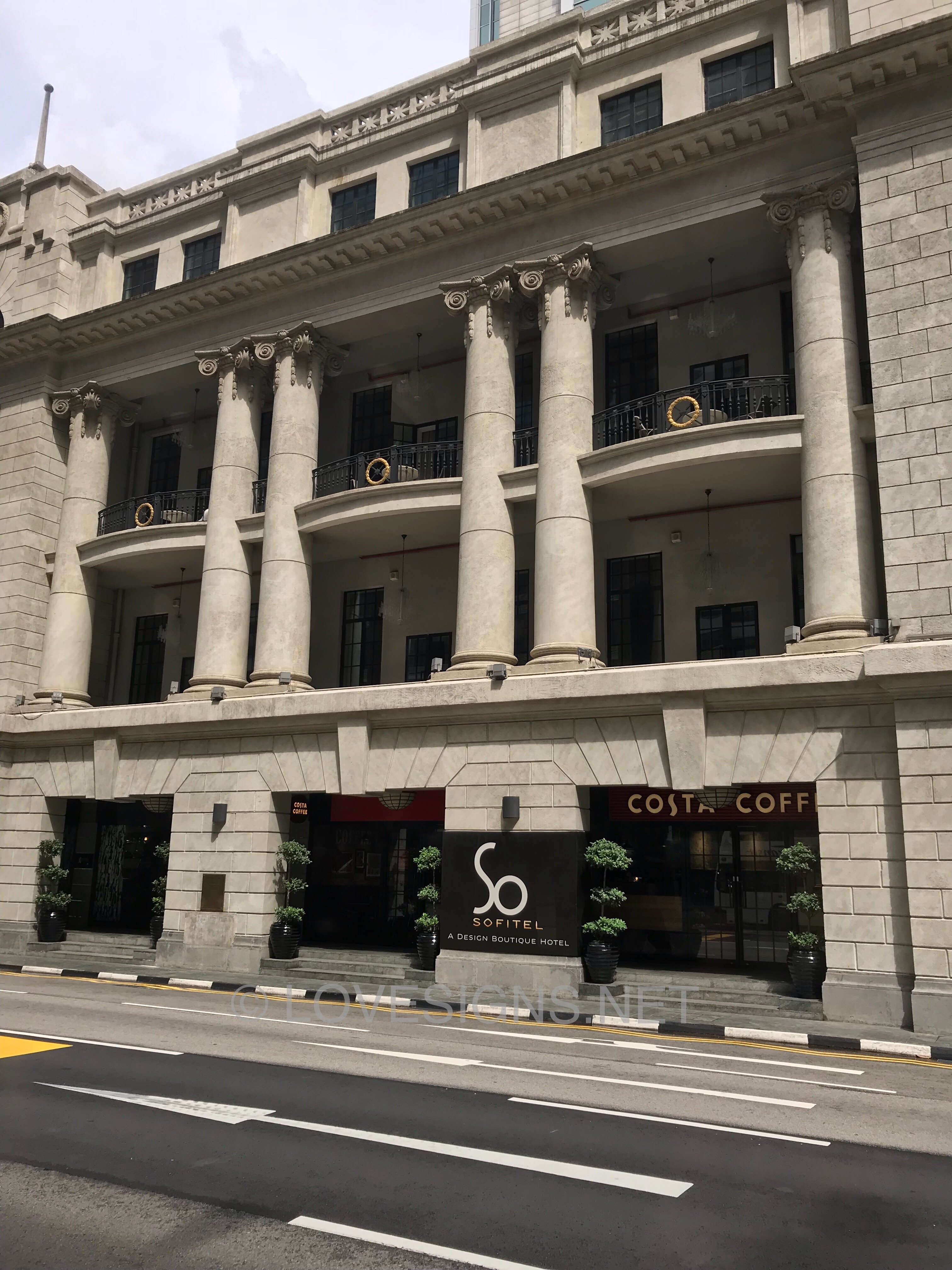
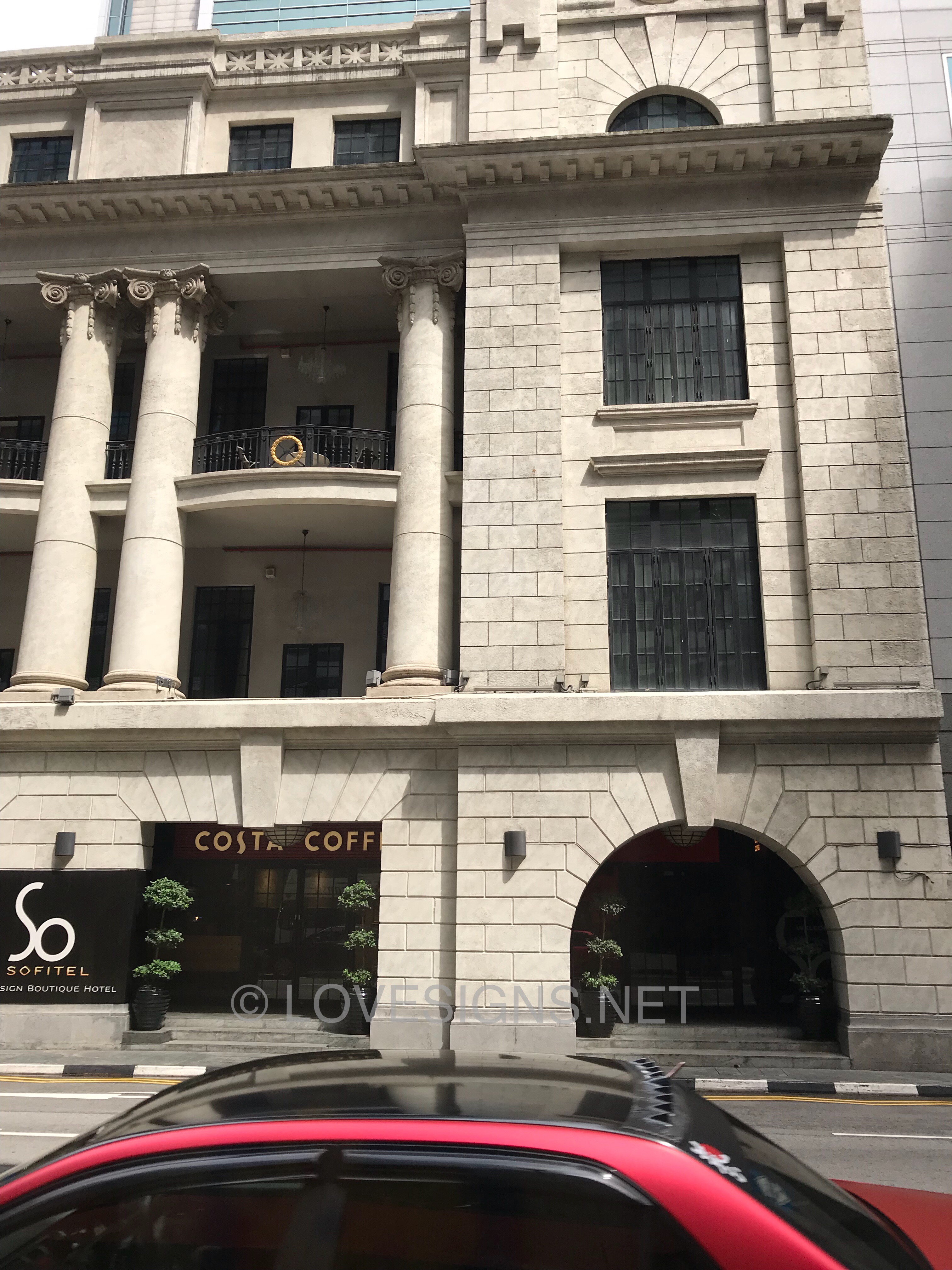
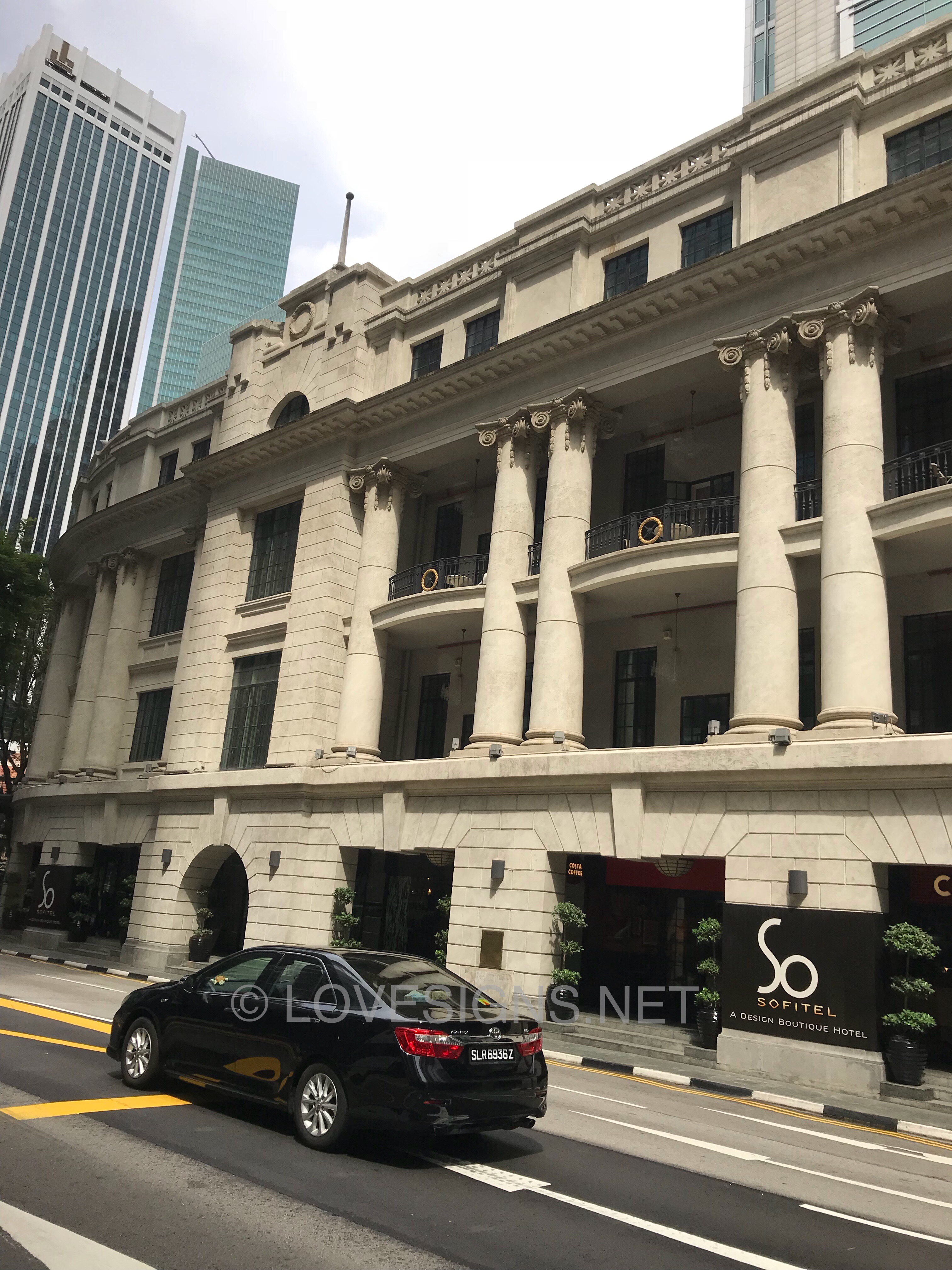
 Congratulations! A few of my clients will be getting their keys on the next two weeks! I will certainly have to pay many visits to this development..Nice colonial style building. Opposite Lau Pa Sat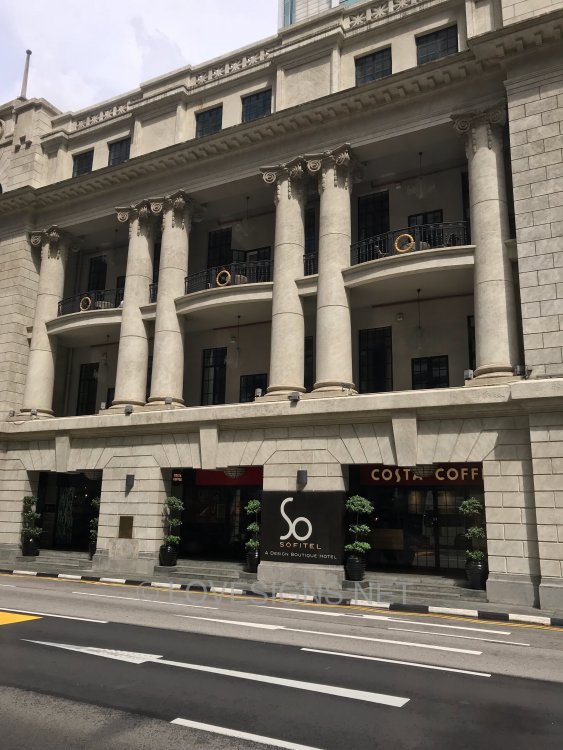
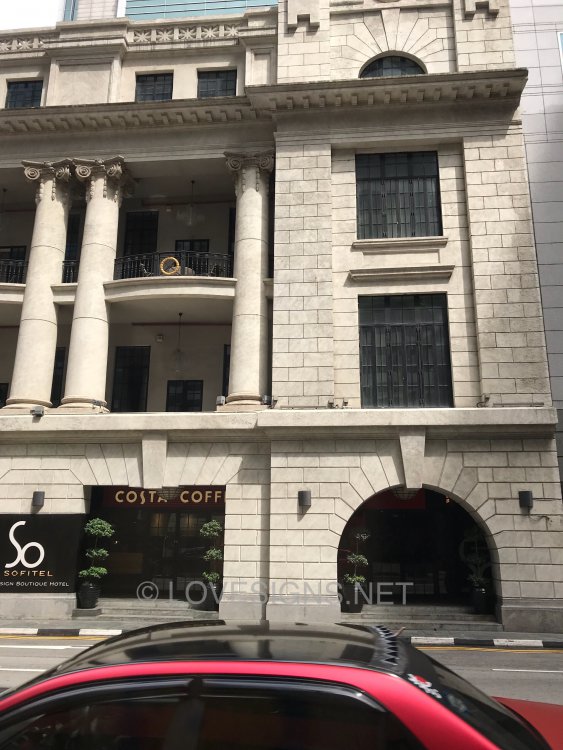
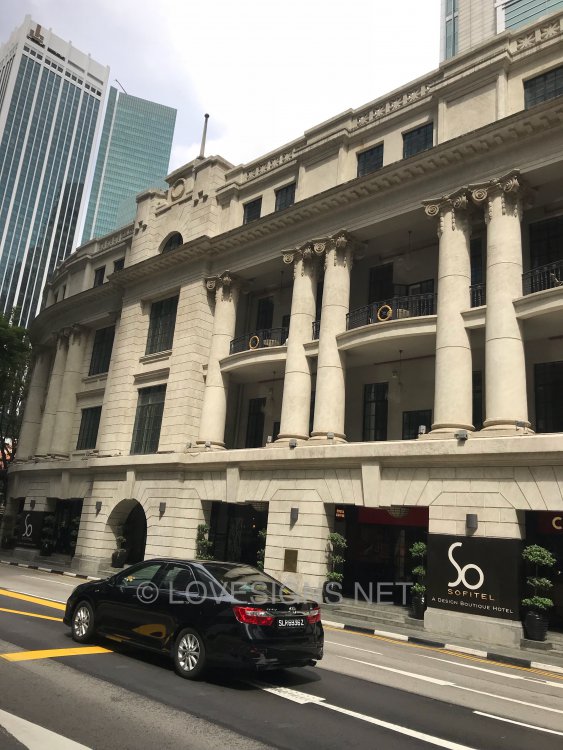 Images captured on 11 March 2018. It appears that there is minimal or no activity at this site as of now.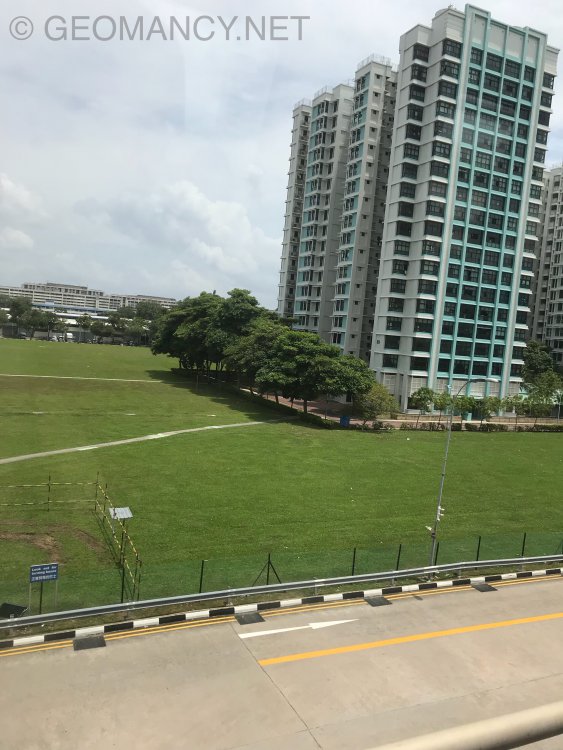
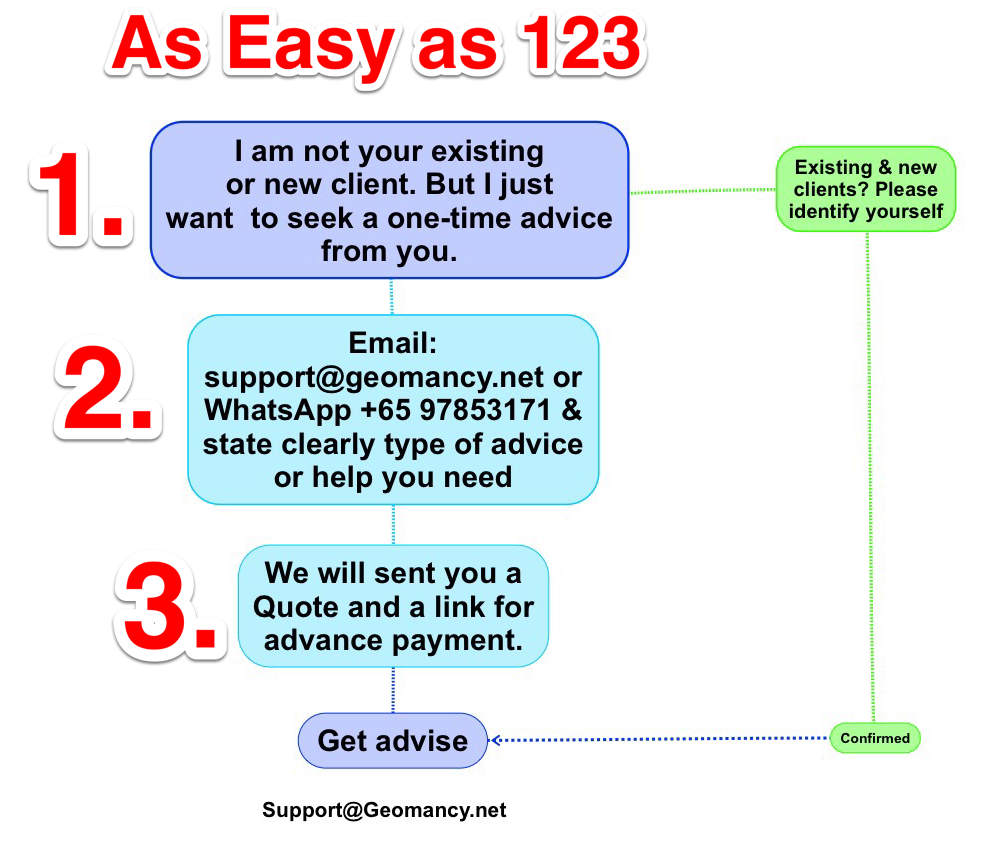
 Popular (Off-site): 1. $68 Combined auspicious dates for two 2. $68 to $88 Placement of an altar (e.g. Guan Yin) Need Help? Cecil Lee, +65 9785-3171 / support@geomancy.net
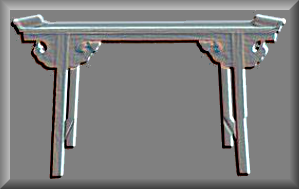
 Get Expert Help from Master Cecil Lee for your Altar Placement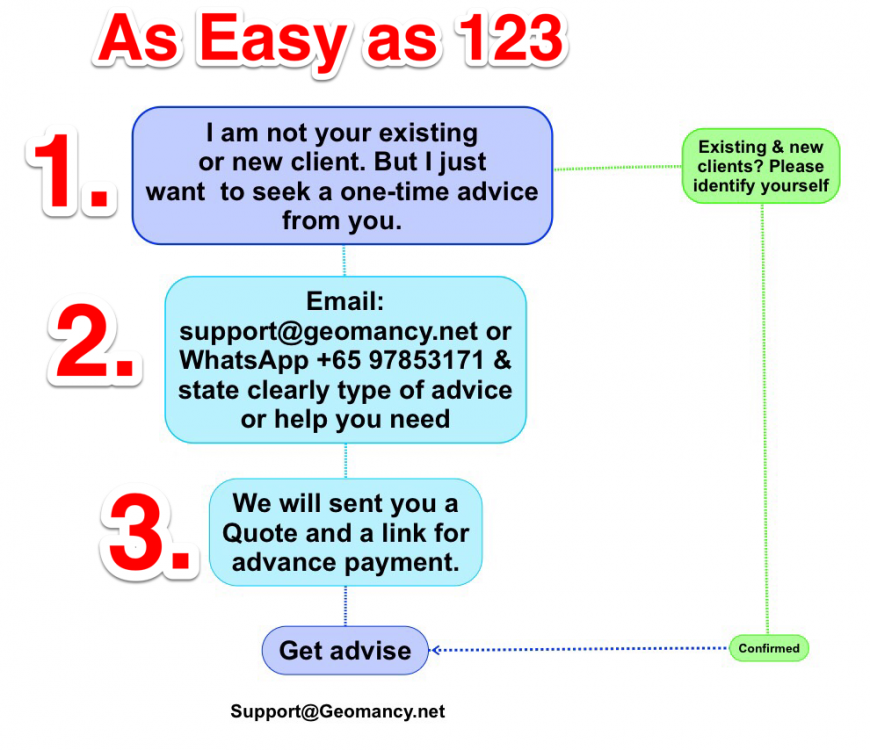
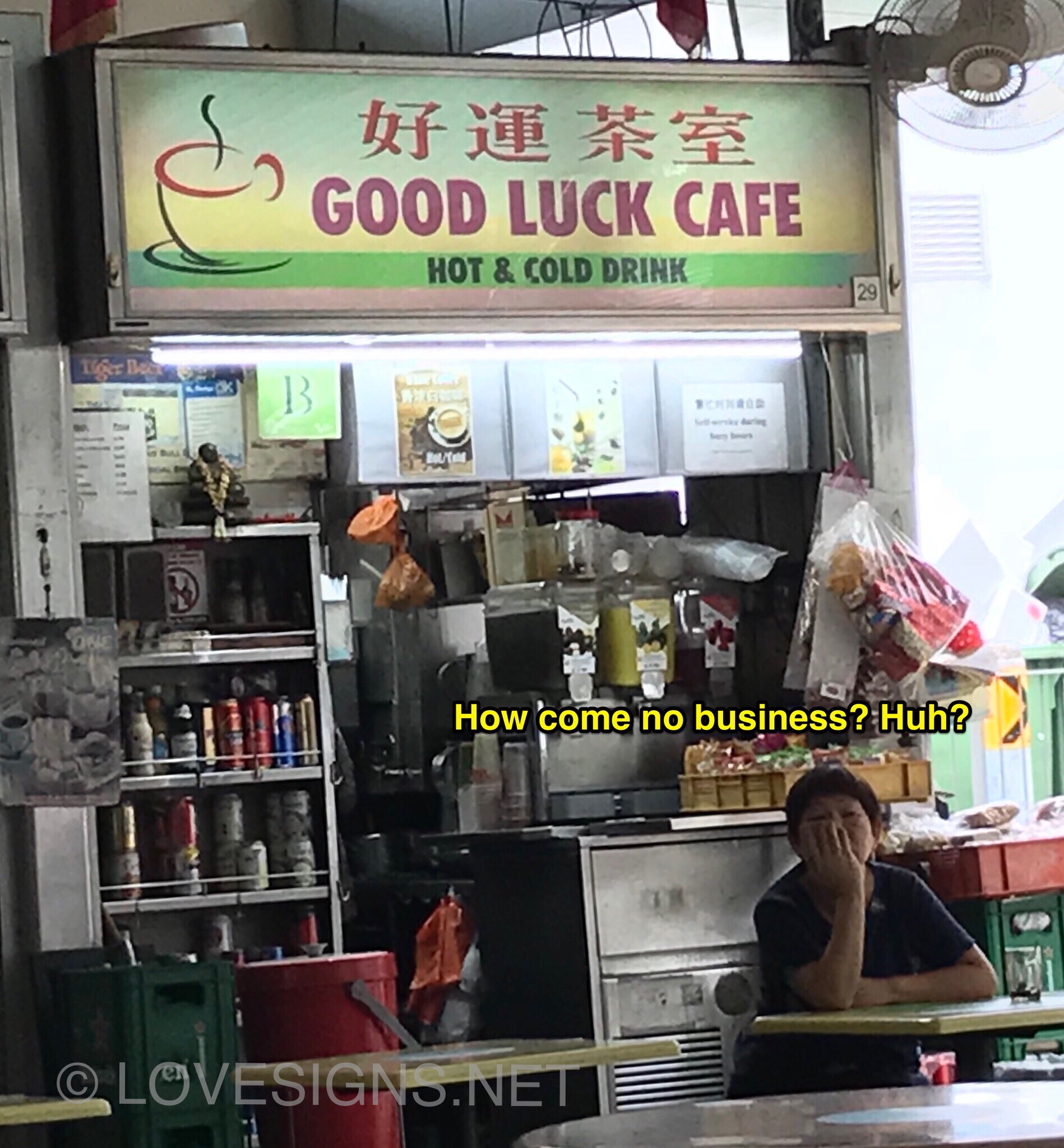
 A. In my opinion, this is based on perception! The key essence I believe is that it really: 1. It looks shiny 2. Silver on a shiny surface looks "metallic" Then of course, if we were to seek opinion; from not only just myself; but be it your friends or on the collective whole... I believe that many will echo that to them is metallic thus? METAL element. Frankly, there may be others who say that silver looks greyish. Thus to this group, perhaps they argue that because it looks greyish. To them it belongs to the WATER element. For a fridge: many fridge are spray painted silver + a glossy look. Thus, one can use this argument: Silver paint + GLOSS finsh and go for this argument. BUT, it is no point convincing those who have made up their mind and say otherwise. Thus even if "a person were to argue until the cows come home" how to convince some or any at all. It is just like GOLD. If one were to use curtains and some curtains may not be shiny.. instead of saying that GOLD = Metal. Some will argue that the curtain looks YELLOWISH. Thus to them Yellow = Earth Element. B. Please THINK OUTSIDE THE BOX! Let's say if one is half-hearted and sitting on a fence. Can't I say this: "Frankly, what is wrong if I argue that the car's paint belongs to a combination of METAL-WATER element?" C. For example in the Science and art of Strategic Management: And looking into works by Michael Porter of Harvard etc... There is such a thing as: 1. The Industry one is in. 2. My job specification in this industry. Thus if I work for BMW; and the car industry is in the manufacture of cars. This car manufacture core business is METAL element. And if I work as a Public Relations Manager in BMW: my core job specifications is considered as Fire element. Can you fault me if I say that my job has to do with METAL-Fire element? In Ba Zi: we have: 1. Career related to WEALTH 2. Career related to POWER and Authority 3. Carrers that are suitable but not fantastic. Can't I be in a career with WEALTH. And my wealth element is Fire? And even better! If the industry I am in is my POWER and AUTHORITY? = METAL?Need Help?Want to enjoy good luck? Lots of good luck! Drink-up! We serve you lots of GOOD LUCK! Location: Pasir Panjang Food Centre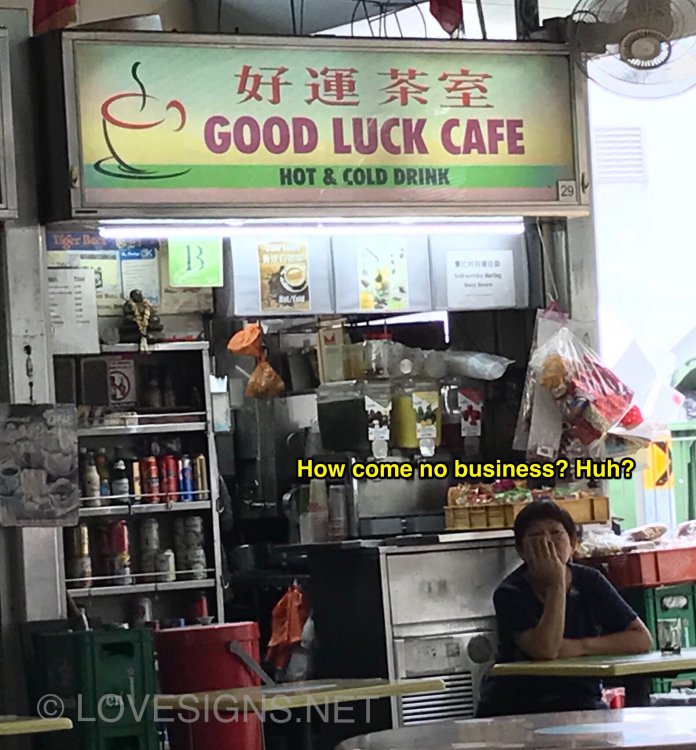

Background Picker
Account
Navigation
Search
Configure browser push notifications
Chrome (Android)
- Tap the lock icon next to the address bar.
- Tap Permissions → Notifications.
- Adjust your preference.
Chrome (Desktop)
- Click the padlock icon in the address bar.
- Select Site settings.
- Find Notifications and adjust your preference.
Safari (iOS 16.4+)
- Ensure the site is installed via Add to Home Screen.
- Open Settings App → Notifications.
- Find your app name and adjust your preference.
Safari (macOS)
- Go to Safari → Preferences.
- Click the Websites tab.
- Select Notifications in the sidebar.
- Find this website and adjust your preference.
Edge (Android)
- Tap the lock icon next to the address bar.
- Tap Permissions.
- Find Notifications and adjust your preference.
Edge (Desktop)
- Click the padlock icon in the address bar.
- Click Permissions for this site.
- Find Notifications and adjust your preference.
Firefox (Android)
- Go to Settings → Site permissions.
- Tap Notifications.
- Find this site in the list and adjust your preference.
Firefox (Desktop)
- Open Firefox Settings.
- Search for Notifications.
- Find this site in the list and adjust your preference.