


Cecil Lee
Staff
-
Joined
-
Last visited
Everything posted by Cecil Lee
-
If one has the time, can read this to have a better understanding of the Bell curve.
-
Ok, let me do a search in this forum for: Bell curve An interesting read.. if one has the time...

-
What is the Bell-curve? Does the Bell-curve apply in Feng Shui? Please do a SEARCH for "Bell curve" to find out more....

-
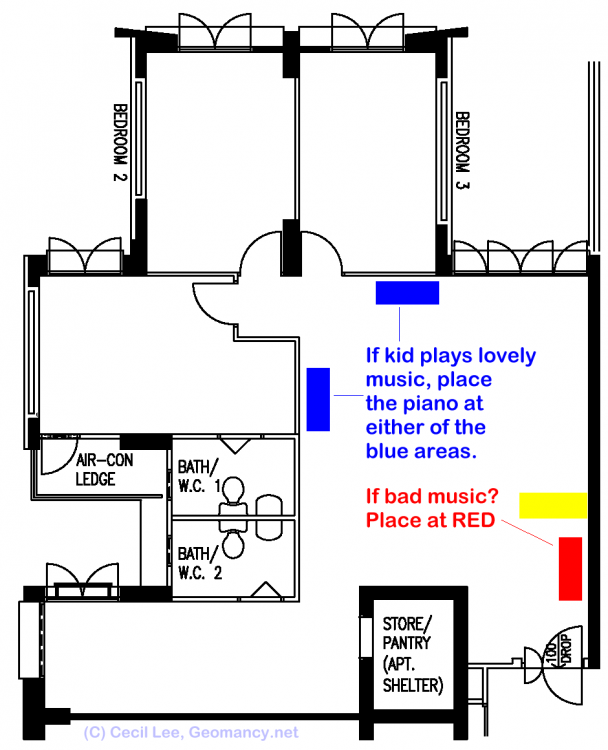
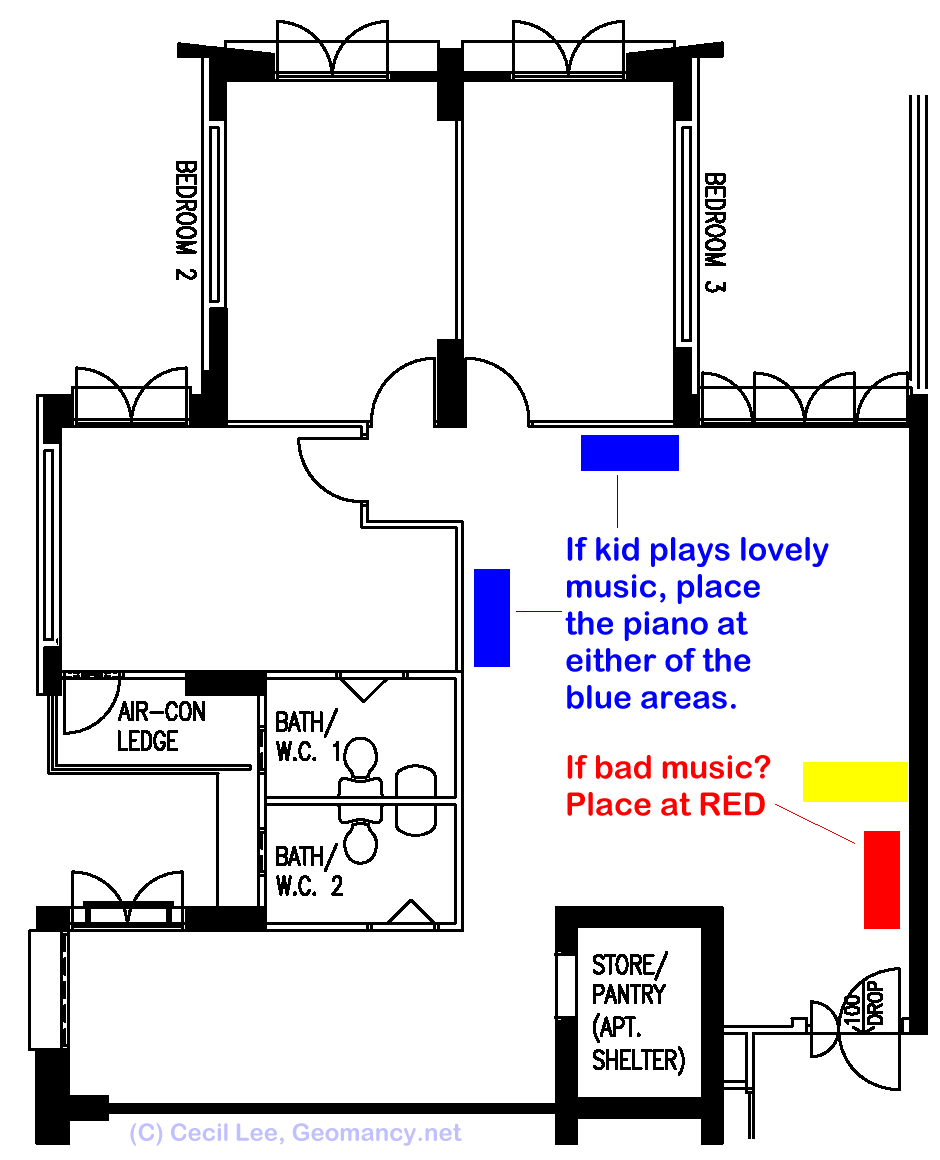
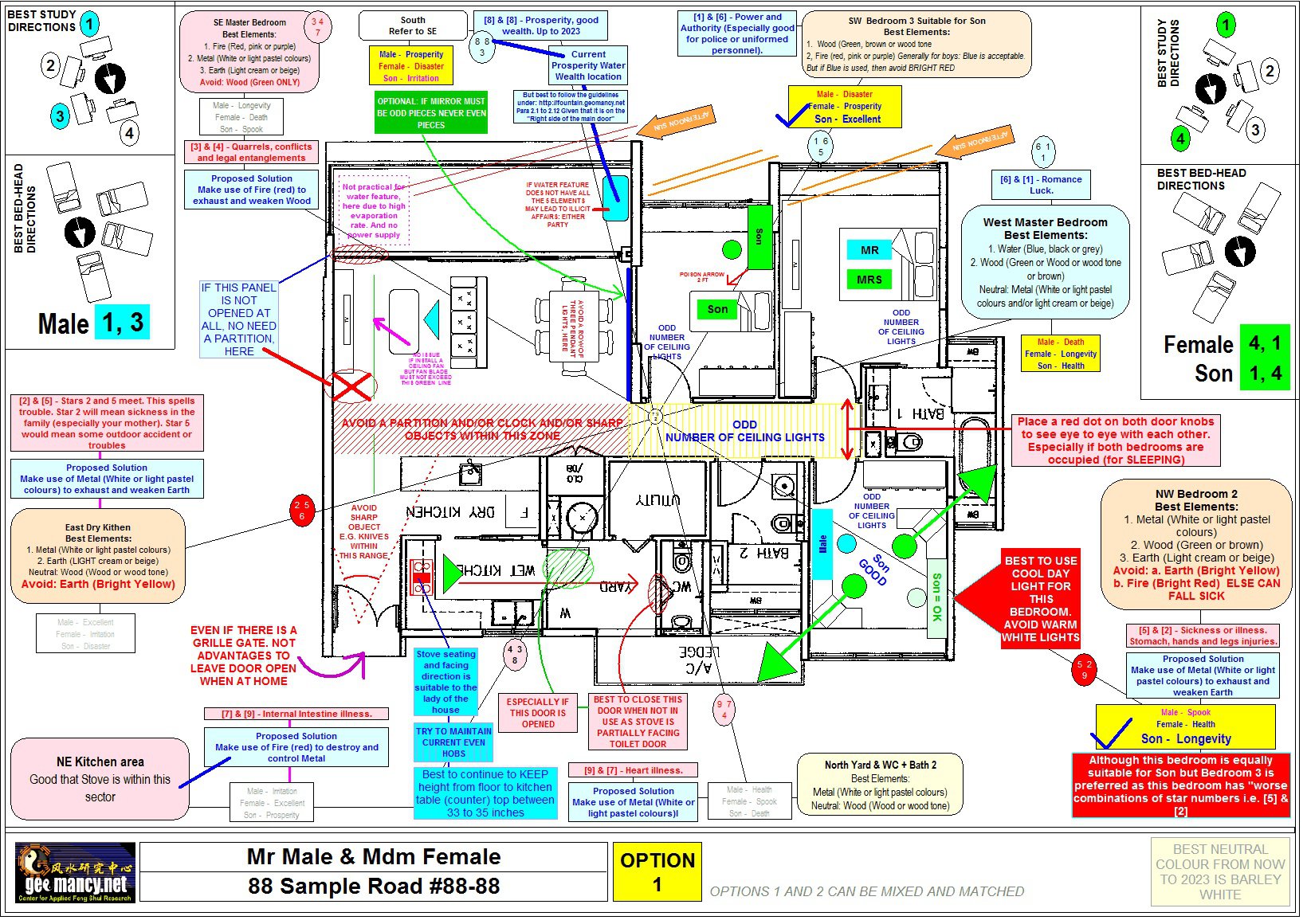
Question: Here is my layout. Where do you suggest I place my lovely piano? Attached is self-explanatory:- Question: What is that YELLOW area? Reply: Place a partition at the yellow area! Thus one can further reduce the "noise pollution" (or garbage sounds) coming out from the piano.. LOL A major requirement is that whenever the child plays the piano, open the main door. Not just open it. Open it fully! If child asks! Tell child! I am so proud of you. Therefore I must show off to your neighbour(s) that you play the piano. Question: What if my child asks me why the piano cannot be placed at either of the blue boxes? Reply: Give your child an excuse like: there is no power point to plug in the interior heater for the piano. This is because in Singapore, the weather is too humid and the heater is to vaporise the humid air.. to avoid damage to the interior of the piano. If child is still young and not so smart... tell the child.. "You won't want mushrooms to grow out of your piano, right?
-
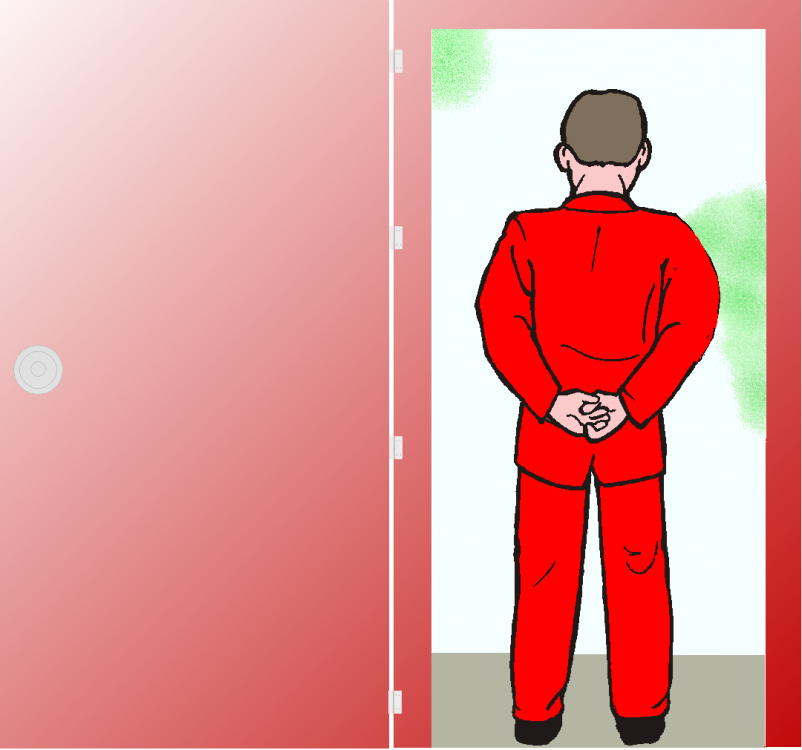
Ok! Here I am! The 70/30 rule: External Feng Shui accounts for a whopping 70% of the total luck. Interior? 30 percent! This is why I need to be standing at your main door and all windows: living room and bedrooms, service yard for any threat (if any)!
-
=============================== Note: This is purely fiction. Neither have I evaluated the pricing of each of the BTO ============================== Part 9: Is price a Feng Shui consideration? Daddy and mummy how come not Towner Crest? Daddy: Dear darling, you are still young to know that for certain locations especially mature estates and locations close-by or next to MRT stations, these flats are often sold at a premium! And unfortunately, I cannot afford these flats. Another reality check is: you know, your mum was retrenched and her job was stolen. Your daddy, also does not have an iron rice bowl. Daddy: In recent years, we had a wake-up call when the Minister of National Development announced that HDB flats have zero value when the lease is up. Daddy: So sorry; I know; nowadays Sengkang WEST LRT even with it's two trains is packed like sardines during peak-periods! Daddy: By the time we move-in; I will train your body to endure the potential squeeze in the trains. And prevent molestations. Or like some others.. hopefully.. the alternative is via bus. Daddy: Anyway, I got car what! I can be your Driver! Right! Darling baby! Sweet daughter: Daddy, by the time you collect your keys.. your car is already due for scrap! And you told me that by then you are forced to go without car! Remember! Sweet daughter: Nevermind... you are still my daddy and I love both of you very much! P.S. For condos and ECs units facing real water is often sold by the developer at higher premiums. Coincidentally, this perhaps coincide with the idea under Feng Shui that a home facing a pool of water is preferred. ==================================== Note: This is purely fiction. Neither have I evaluated the pricing of each of the BTO. BTW, Feng Shui does not look at the price! Yes! Please call this FAKE NEWS! Not REAL! ===================================

-
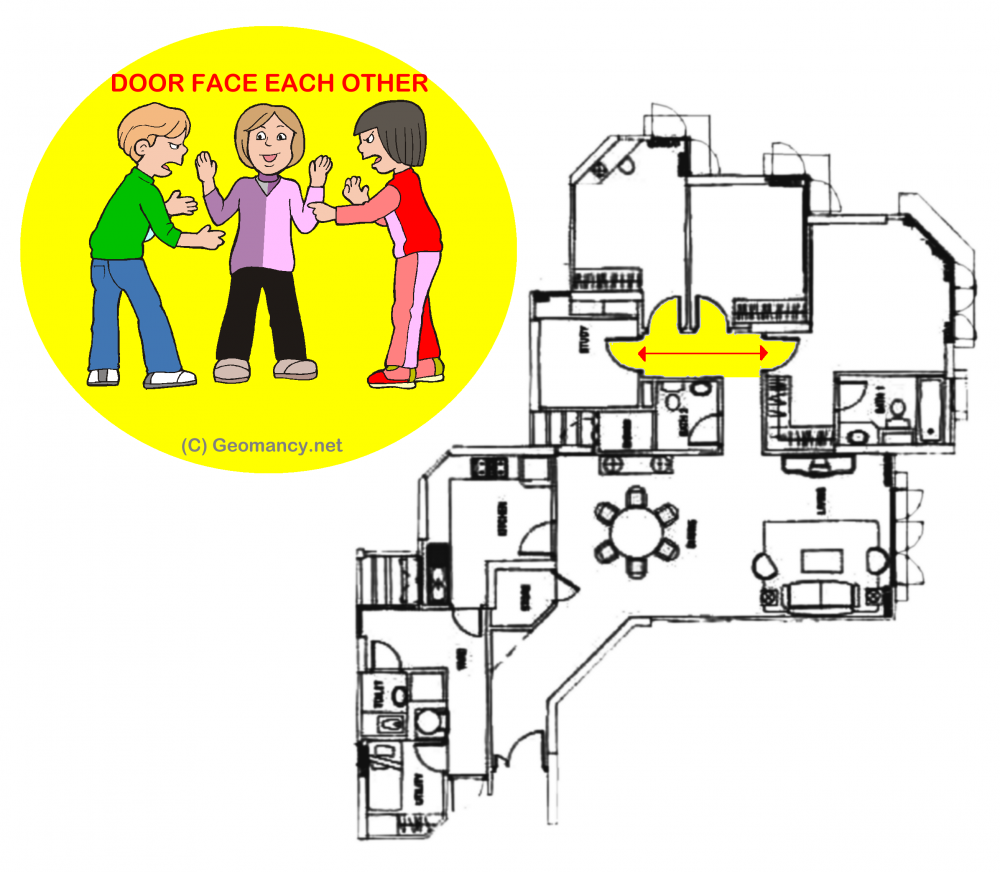
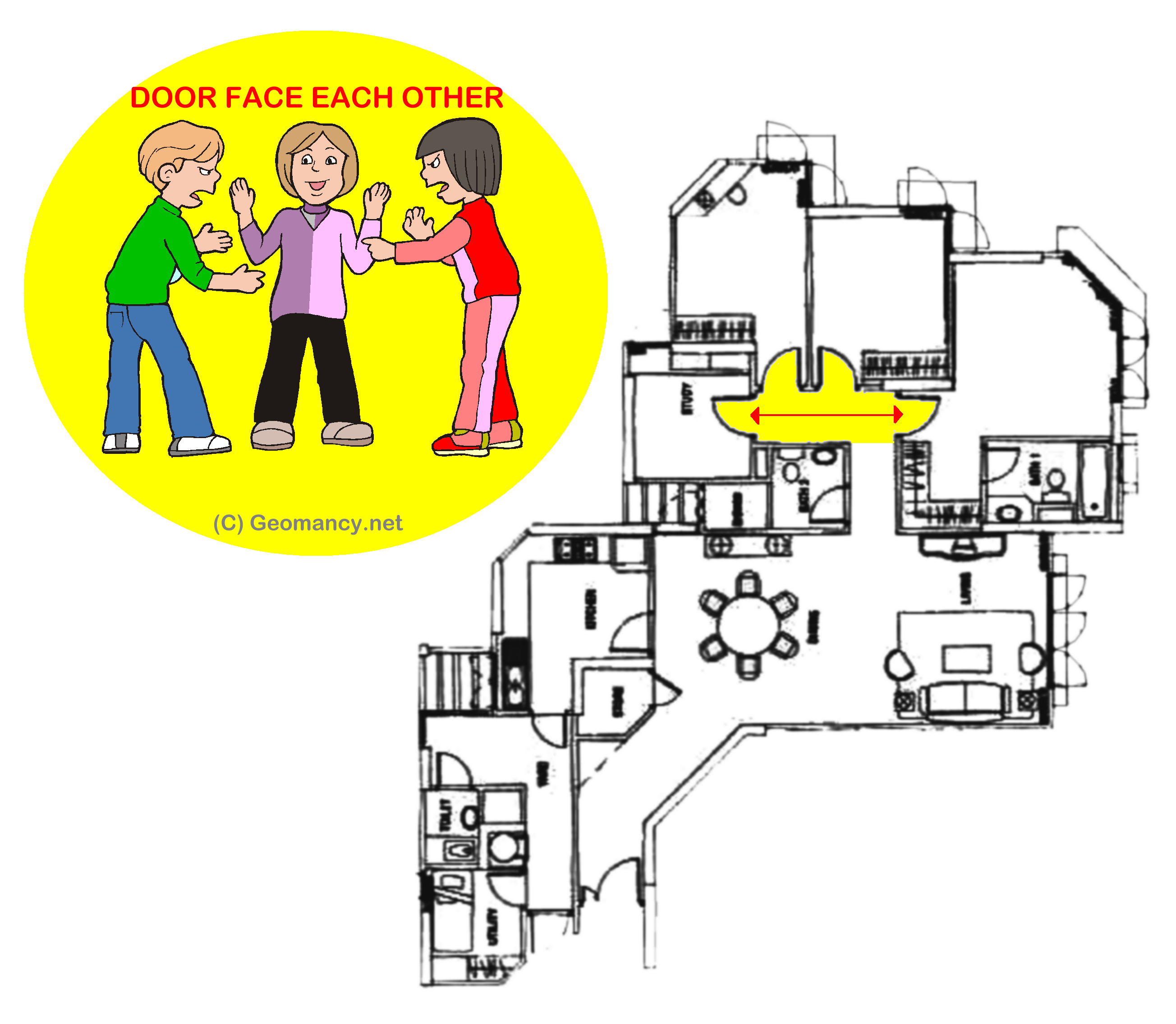
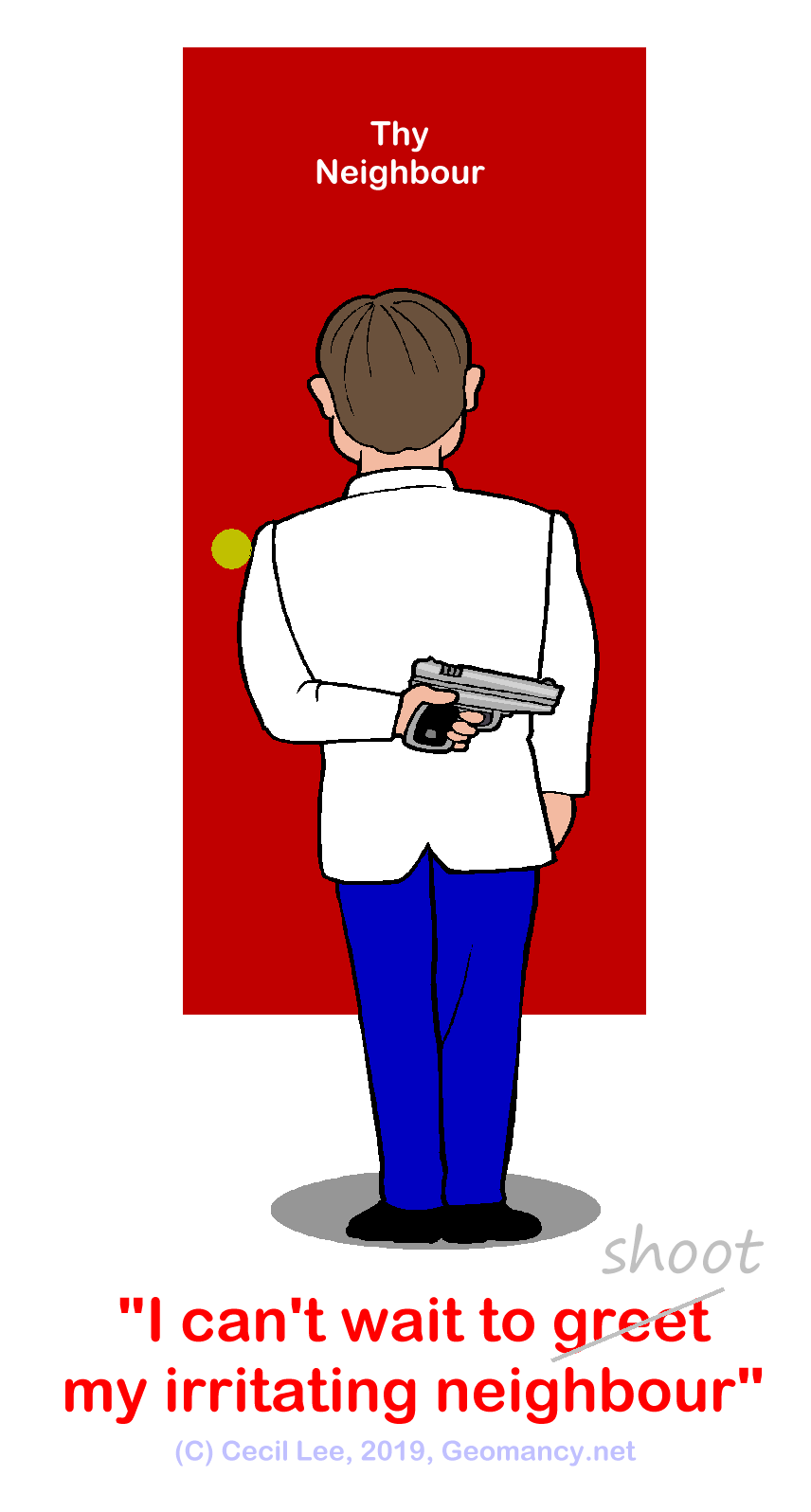
1. Frankly, in my opinion, #2 is based more on common sense or symbolism. This is the reason:- 1.1. In fact, many, many Condos and EC developments have this situtation. Can one see the similarity of this with a main door facing another neighbour's door. Here, there is more likely some interaction vs another neighbour's door that does not face your unit. Primarily this is based on pure common sense:- 1.2. In this example: it is a bedroom door facing another bedroom door. There are a few cures used by various Feng Shui Masters (FSMs). This is one of them... which consider this to be more practical and less inconspicuous... wait till you see some of the other recommendations by other FSMs.. LOL 1.3. Some other common sense reasons:There 1.3.1 Often if both neighbours leave their doors opened, if a neighbour's unit is pretty noisy, it can be quite irritation if equally you like leaving the door opened especially since this makes the unit breezy. But because of such "noise pollution"; one may thus have no choice but to close the door. Such as one has a baby .. etc... This link shows another technique of a protective curb place at the main door. But this is only possible for older generation HDB flats that are not wheel chair friendly 1.3.2 Sometimes the neighbour may encroach into "your common corridor" eg. extra large shoe cabinet(s) and or placing plants and/or hoarding items. Such items are such an eye-sore and irritation especially if you are the "neat and tidy" type. 1.3.3 Some neighbours threw their shoes and sandals all over and even spill over to your unit. 1.4 Sometimes, alternatively, it could be your neighbour got irritated with you and/or family members leading to bad blood spilling over each other.... ==================================================== 2. You wrote: "There are stacks with front doors either facing the staircase or are located next to the staircase;" 2.1. I have some resources where the main entrance (front doors) of units directly facing a staircase. Especially older generation HDB flats. Use Search feature for e.g. "Main door facing stairs". I have added a link to some of these resources = see below... 2.2. Under symbolism in Feng Shui, it is considered inauspicious for a main entrance to face a staircase that goes down to a lower floor. It symbolises wealth flowing downwards. 2.3. Frankly for new generation HDB flats such as Fernvale Vines; the good news is that "legally" all staircases must have at least half-hour rated fire doors. Plus all staircase doors must be CLOSED AT ALL TIMES! [This comes under: both common sense and SDCF Fire Safety code] 2.3.1. This has to do with common sense! If higher floor occupants need to evacuate.. such exit doors MUST BE able to CLOSE after people enter the stairs = are to prevent any smoke or fire going into the stairwell! 3. For the last reason under Para 2.3. If the stair-case door is always closed; then the concern you mentioned does not apply. But if someone keeps on leaving the door opened.. then this can be reported and in the end, the final verdict is that one can win the case - if so. 3.1 If one does a search in this forum can view several resouces on this subject. One of which is similar to this case: 4. Thank one's luck star that the Fernvale Vines is the newer generation flats else for older block designs..may have to resort to the.... 5. Don't want to place convex ba gua mirror? Possible?... Morale of this information: Please note that majority of Feng Shui considerations are based simply on pure common sense! Thus each time when I approach any subjected matter, I will always ask myself this: "Has common sense have to do with this?" You will be surprised! That not everything has its origin from/in Feng Shui! For example, my toes keep on laughing whenever I find the reasoning that one's bed should have four legs. And the explanation was: " To allow good qi to flow below the bed!" If you do come across a Feng Shui Master that says this.. please ignore the person like the plaque! Frankly, it has to do purely with common sense. With four legs, the area below the bed can easily be cleaned. (Dusty, dust mites etc.. ) If too lazy, one can even sent in a robot to clean that area!
-
By doing so, I am assured that both the exterior and interior of my new home is not compromised by bad Feng Shui Contrary to popular belief, Feng Shui is not just about enhancing luck! A Feng Shui Master will apply:- 1. Enhancing sectors with good qi and 2. Neutralising bad sectors. This is where "Watch your back" comes in... LOL
-
More:
-
When the buying Stops! the selling can!
-
Client: Sorry master. What if it is for master bedroom. If the fan is nearer to the bedhead is that ok? Reply: Some feel uneasy with the ceiling fan closer to the bed-head or directly above their stomach etc... Thus, it has more to do with the feel. But if the person's skin is thicker, no cares or worries... And if any kaypoh persons come to your house and comment on this.... not one but a few... Please don't have cold sweat... whatsapp me.. can already... But if one's skin is extra thick... go tell: Hey, this is my home.. MYOB ! (mind your own bloody business!) There is no issue ... even if the fan can fall down.. the blades are plastic or wood no longer metallic.. and before it falls, it can still be hung by wires...
-
Applying a practical approach to Feng Shui
-
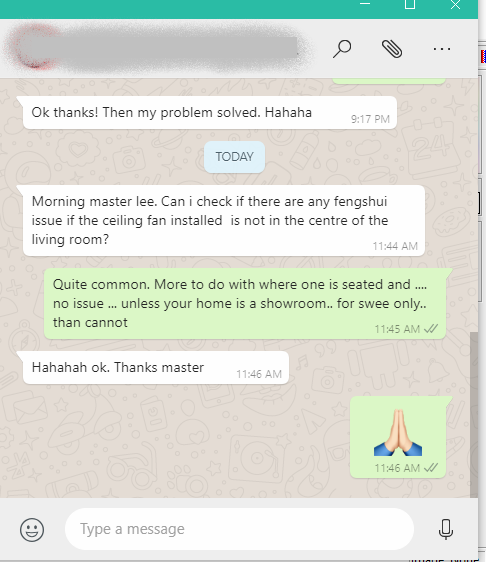
Client: Morning master lee. Can i check if there are any fengshui issue if the ceiling fan installed is not in the centre of the living room? Reply: Quite common. More to do with where one is seated and .... no issue ... unless your home is a showroom.. for swee only.. than cannot [swee means for beauty or for show only] Client: Hahahah ok. Thanks master
-
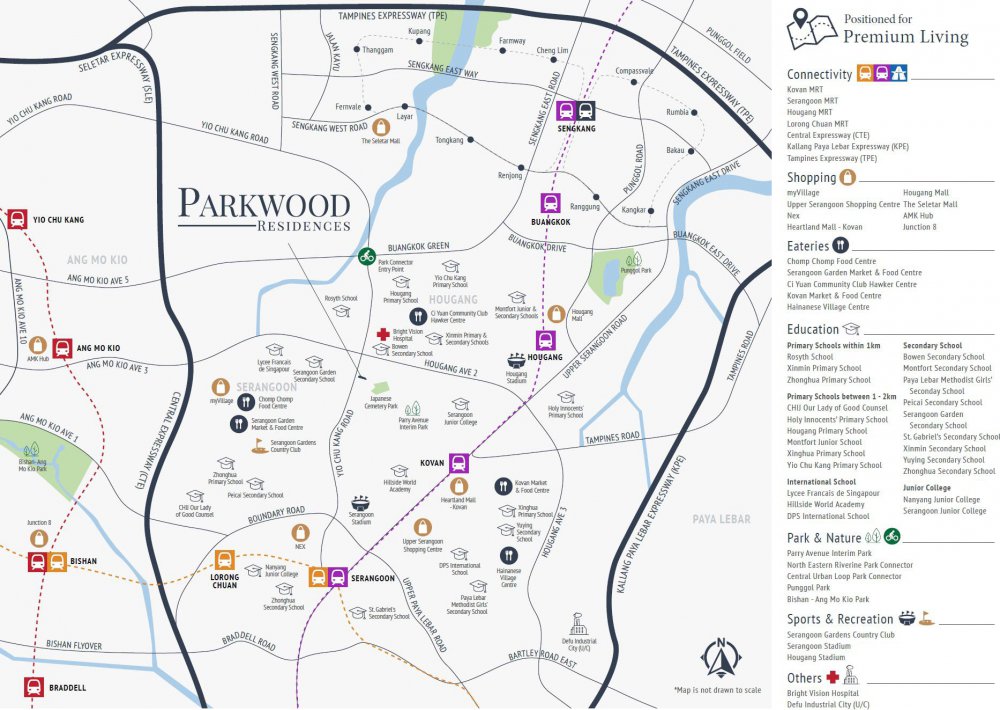
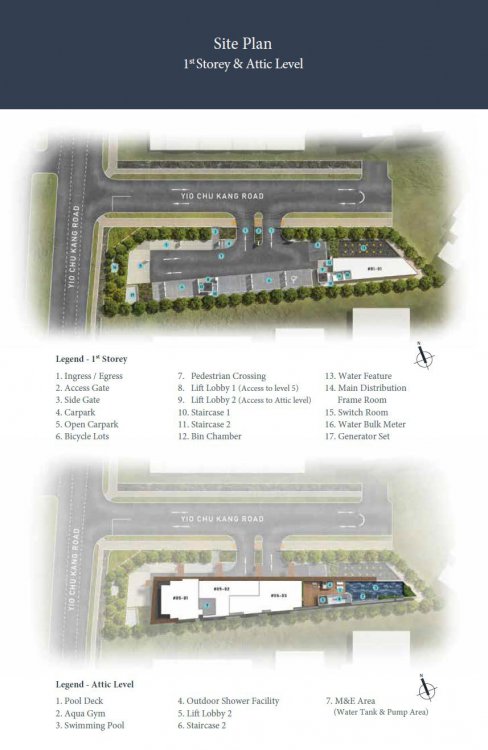
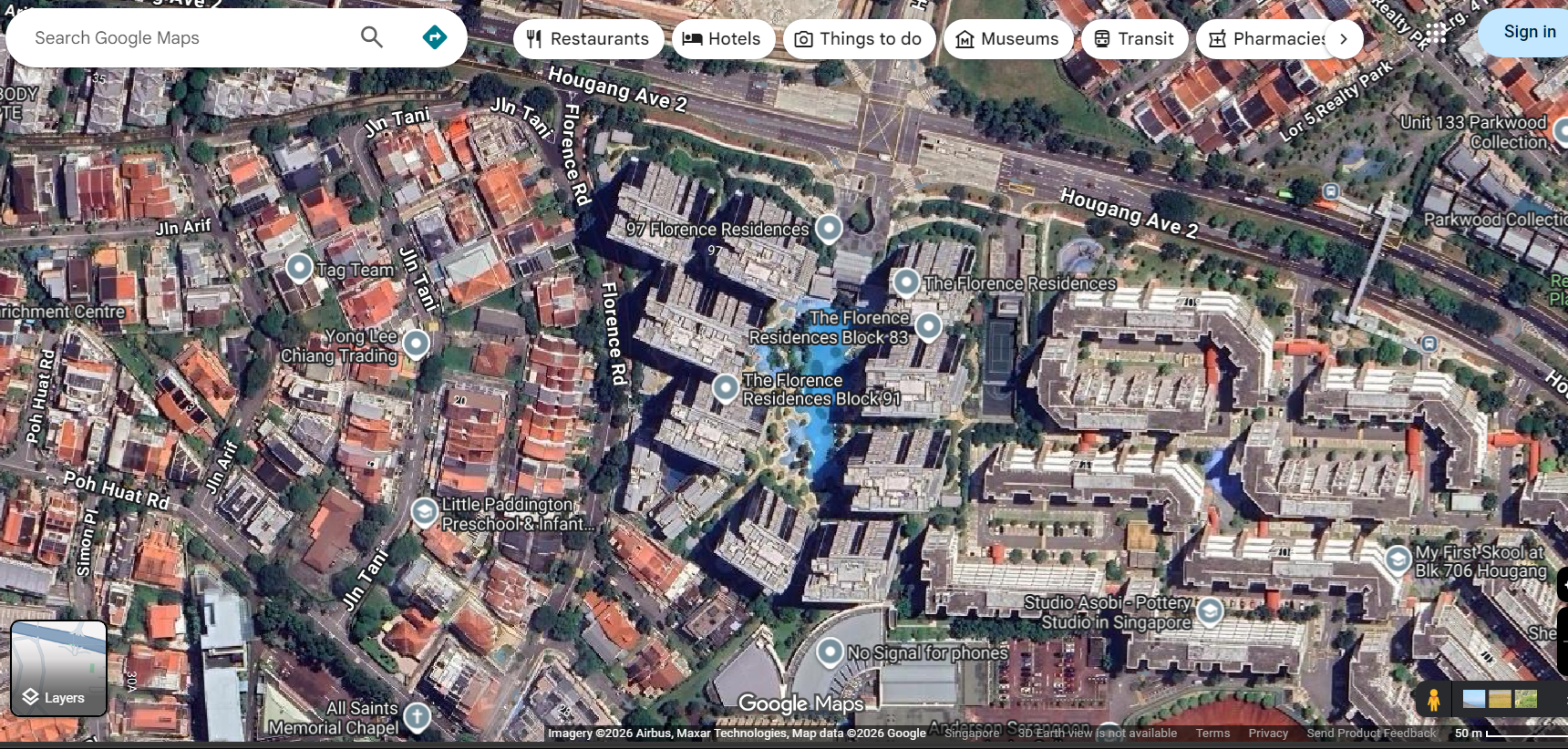
Site plan with the pencil thin layout plans
-
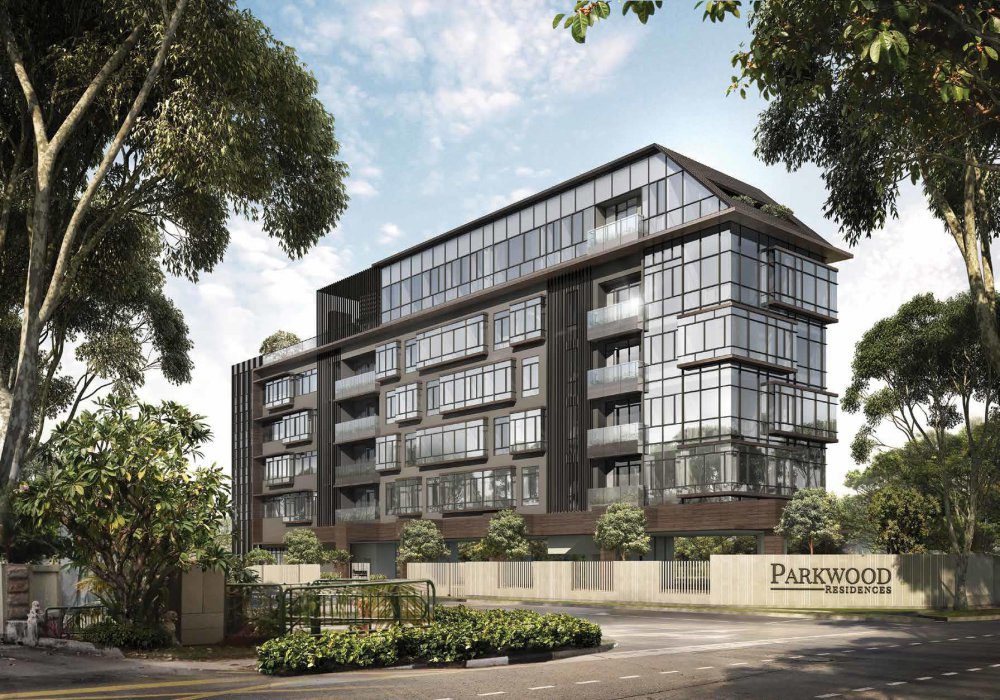
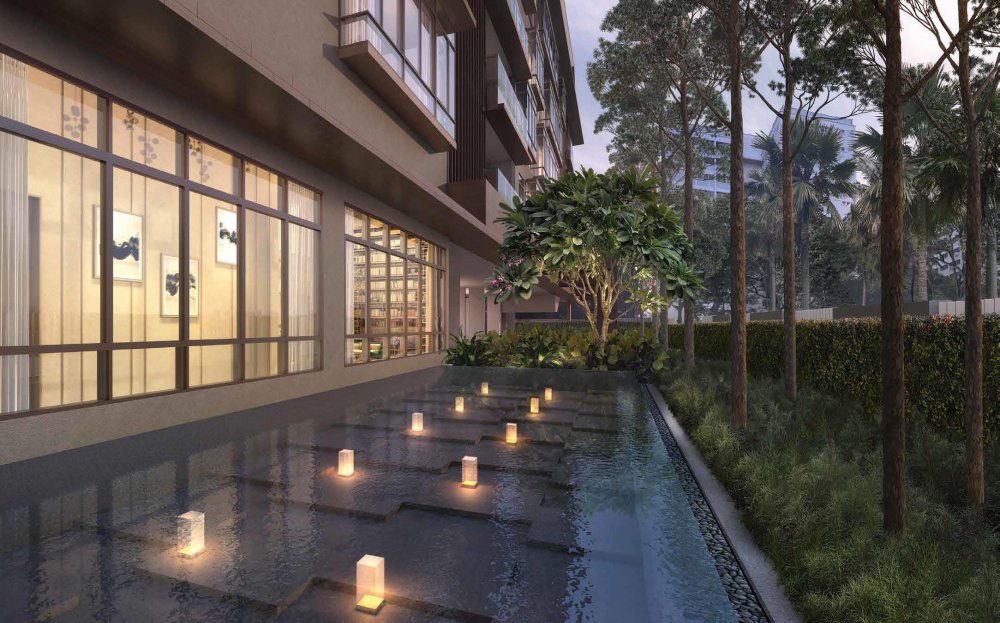
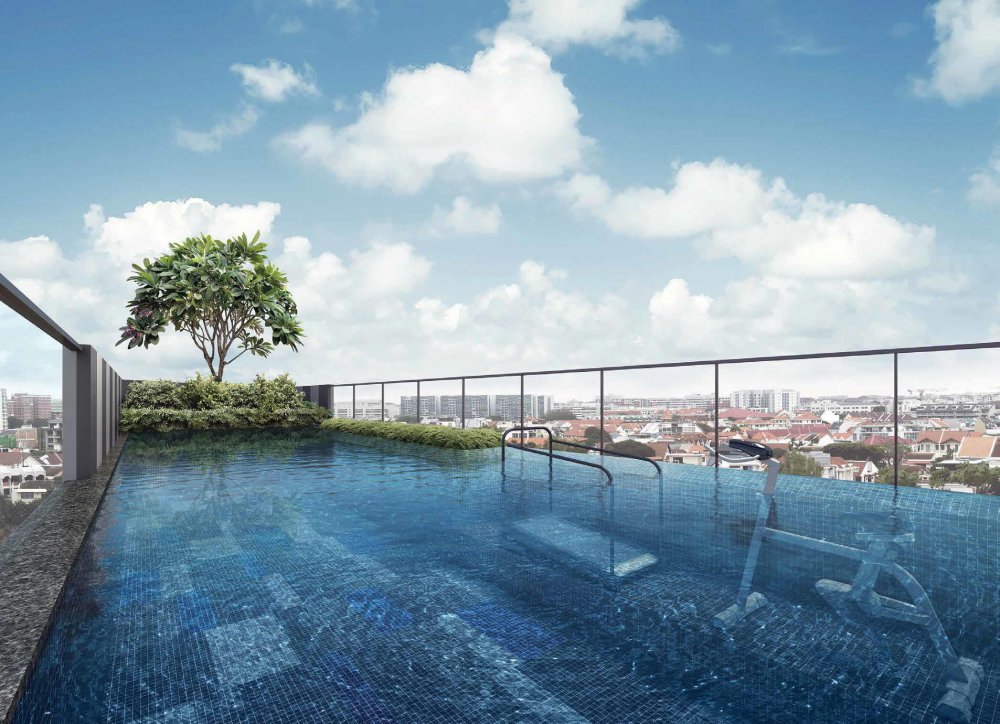
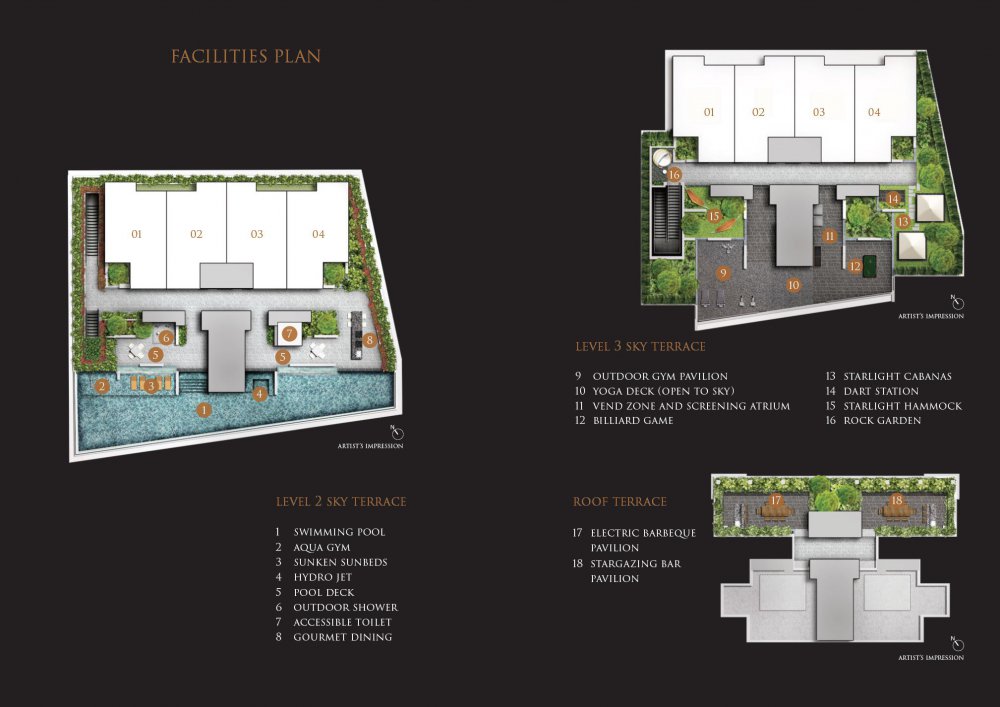
A single tower or point block. Generally, good overall qi flow. Layout plan is pretty conservative and relatively rectangular in shape... a plus under Shapes and Forms Feng Shui
-
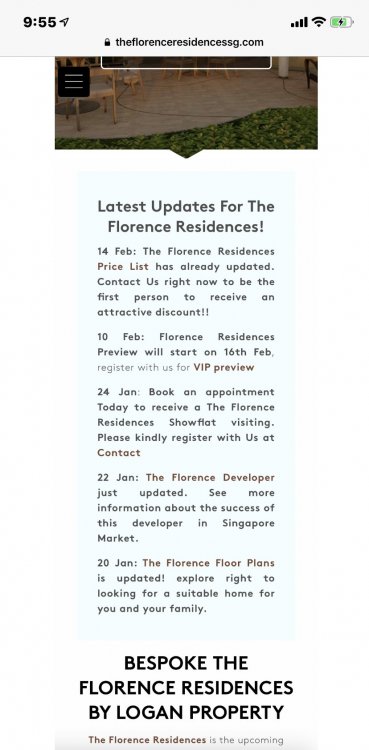
KIV for future review Yesterday morning (24th February) I was at Kovan Market & Food Centre and saw a few persons distributing it's flier...
-
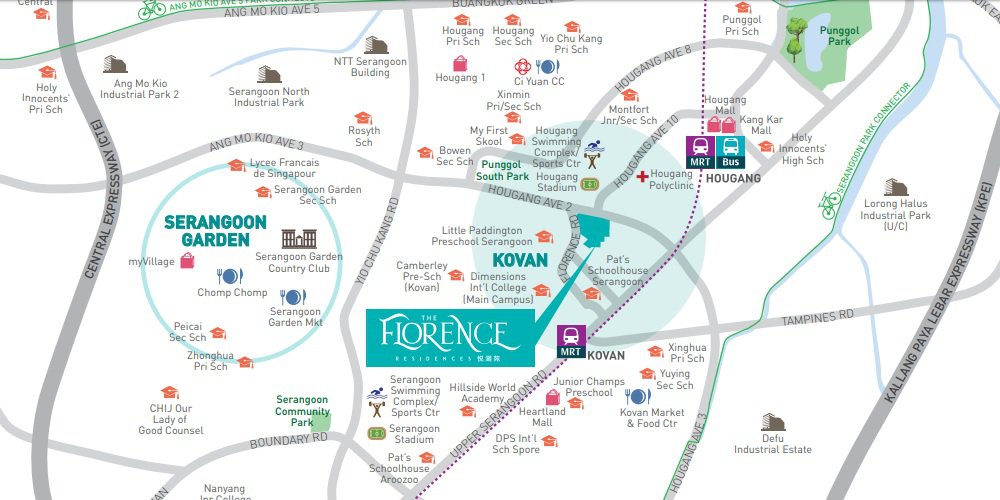
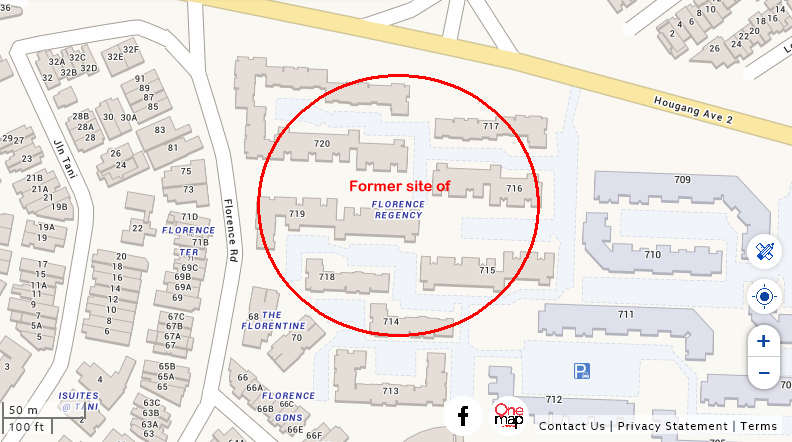
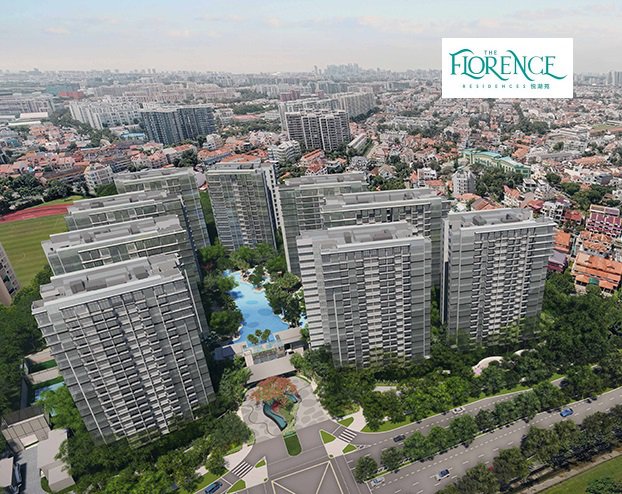
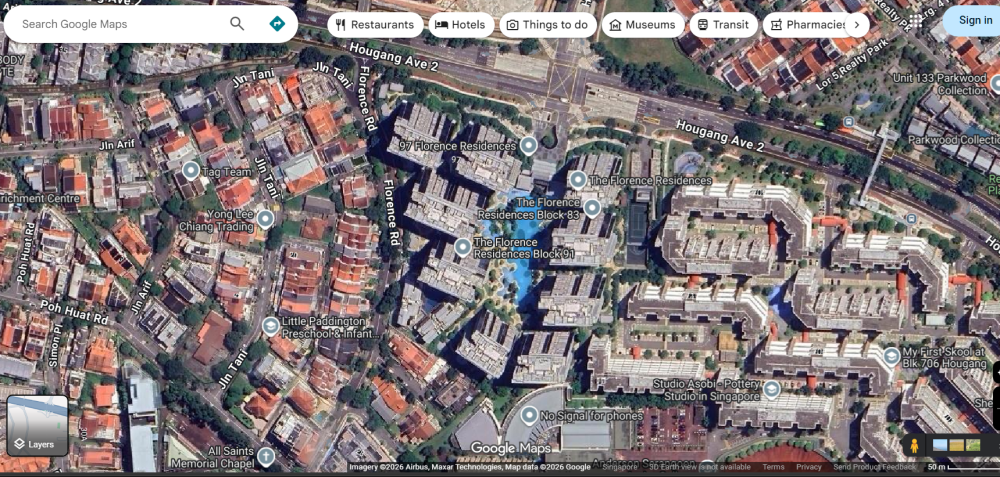
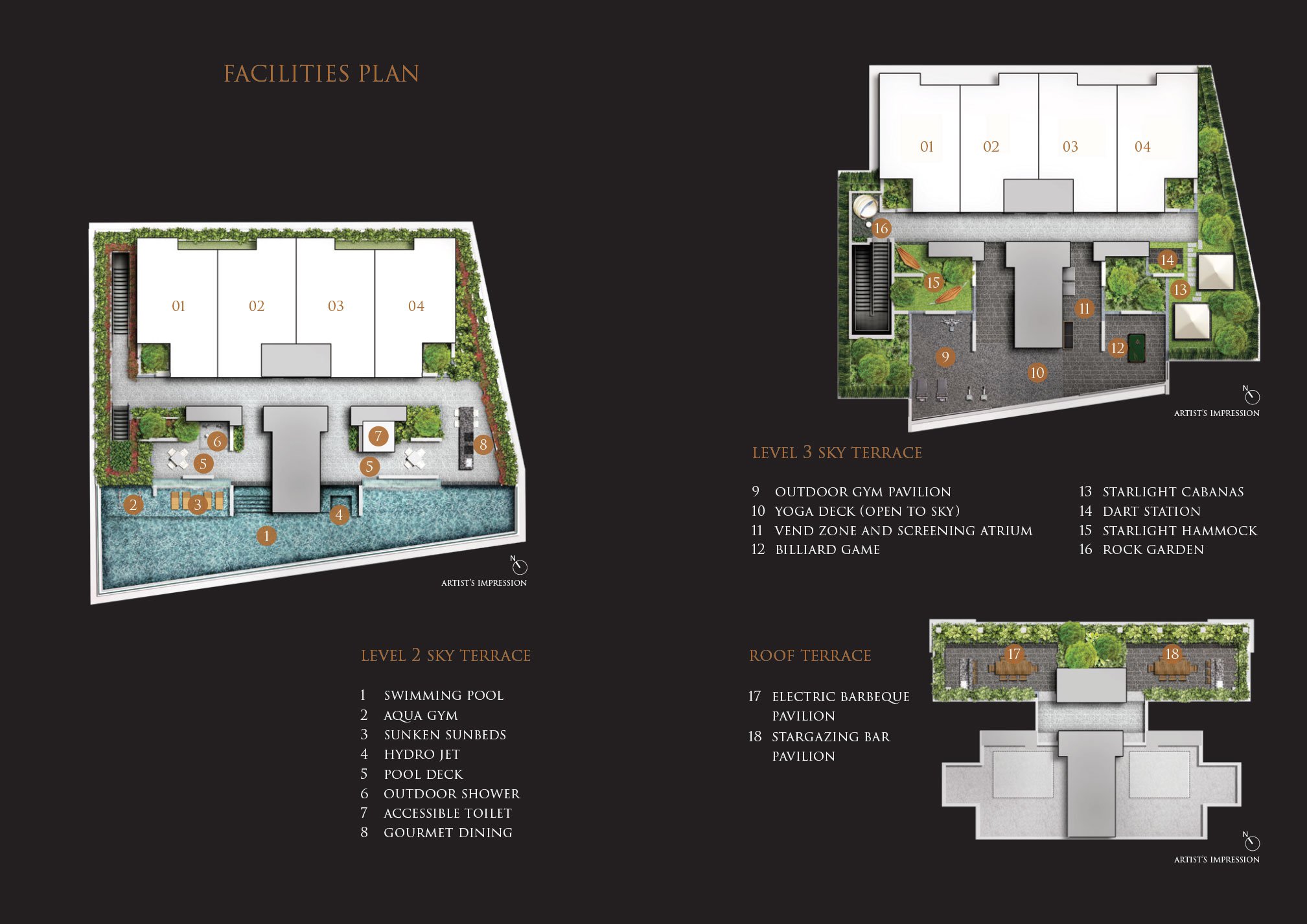
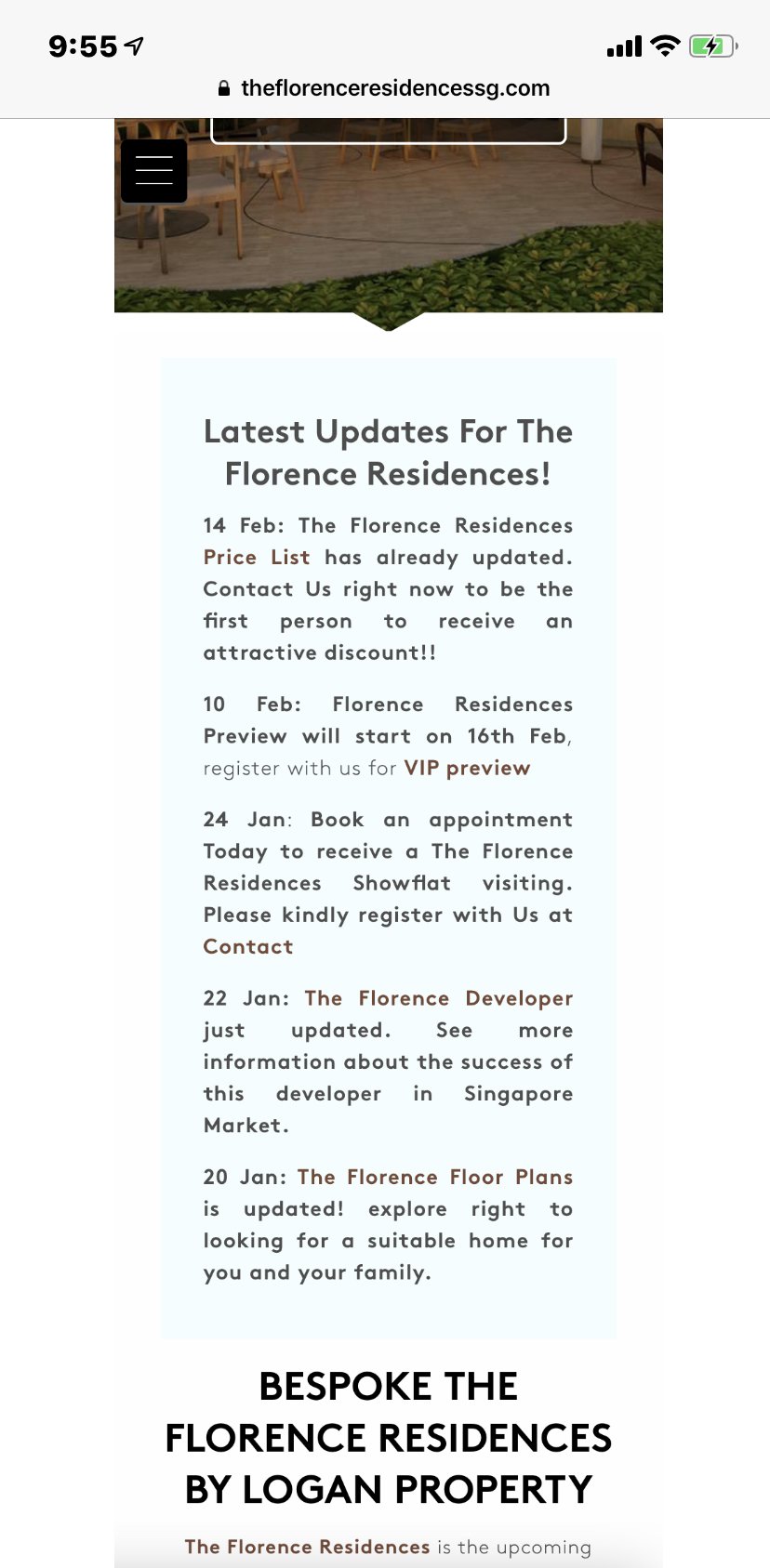
The Florence Residences by Logan is a 99 leasehold property. (Formerly en bloc site = Florence Regency) Consists of 9 blocks, 18 storeys high with 1,410 units. Expected TOP is within Period 8 at 31 March 2023. Florence Residence will have 128 Facilities and 12 Clubs “Club-Condo” living concept: Arrival Club The Clubhouse Island Club Wellness Club Hydrotherapy Club Gourmet Club Kid’s Play Club Kid’s Aqua Club Youth & Fitness Club Tranquility Club Passion Club Garden Club Bookings started...3/3/2019 \
-
Client: We have a little of a problem - my renovation is getting delayed. We were initially planned for Mar 14 move in. Now we are expecting to only be able to move in Mar 30/31 which is right smack into qin ming festival. Reply: Qing Ming is 5th April. Just make sure if you have any one to pray to go visit them first. If so, no worries about qing ming. If no one to pray to.. not affected Client: My grandmother’s (lunar) death anniversary is on Mar 31 – so we are not comfortable to do the move-in ceremony. Also our parents are making noise about qin ming. So do you suggest, i go pray to my grandmother on Mar 30 and move in on Mar 31 instead? her death anniversary is 03/23 but lunar is 02/26 Reply: Qing min means actually 5th April. And it does not always fall on a weekend. Thus often it is stretched to one week before 5th april. On other years is 4th april and one week after 4th april. If you are going by so happen to be on death anniversay... and if your parents are active in this management.. ask me also no use. You have to listen to them, right? Definition of QM is: Qing min means actually 5th April. And it does not always fall on a weekend. Thus often it is stretched to one week before 5th april. On other years is 4th april and one week after 4th april. Client: Noted Reply: Once you have an elder e.g. "a Matriach in control", then first thing is to listen to your elders.. No choice. Bo pian.. Client: So - technically speaking, I can go pray to my grandmother on Mar 30 and then move in officially on Mar 31 right? Reply: Technically this is correct. You have paid your respect to GM right. And after paying respect... TECHNICALLY who is going to fault you. If you had visited and NEED to move in. BUT your have a matriarch... clear with her first Client: Ok thank you! Morale of the story: "If there is an involved family member such as a "Matriach". Advice from others take second fiddle... unless one can talk sense or logic with her. If not, then no choice.. GO WITH THE FLOW...
-
Question: Hi Master Lee, I have to attend my friend's father wake tomorrow and this year pig year no good for me born in the yr of ?. Please help and advise me on what should I bring or take there. Thank you. Reply: 1. Place a gold coin or gold foil in your purse or handbag, if you have one. 2. Bring 2 or 3 lime leaves with you. As usual, remember to take a red string and discard the lime leaves before you reach home. Qn: Good morning, I only have a golden pig foil. Reply: Okay, can Qn: My friend told me to take 6 nails in pocket. Can work? Reply: Too fierce... already Qn: Ok ok. Then I better don't put. Reply: The most effective option is actually using a piece of gold. For men, the best place to keep it is in the back pocket. This allows others to see that the person is “sitting on gold.” For ladies, if wearing jeans and if possible, placing a gold piece works as well. Otherwise, use the method mentioned above.
-
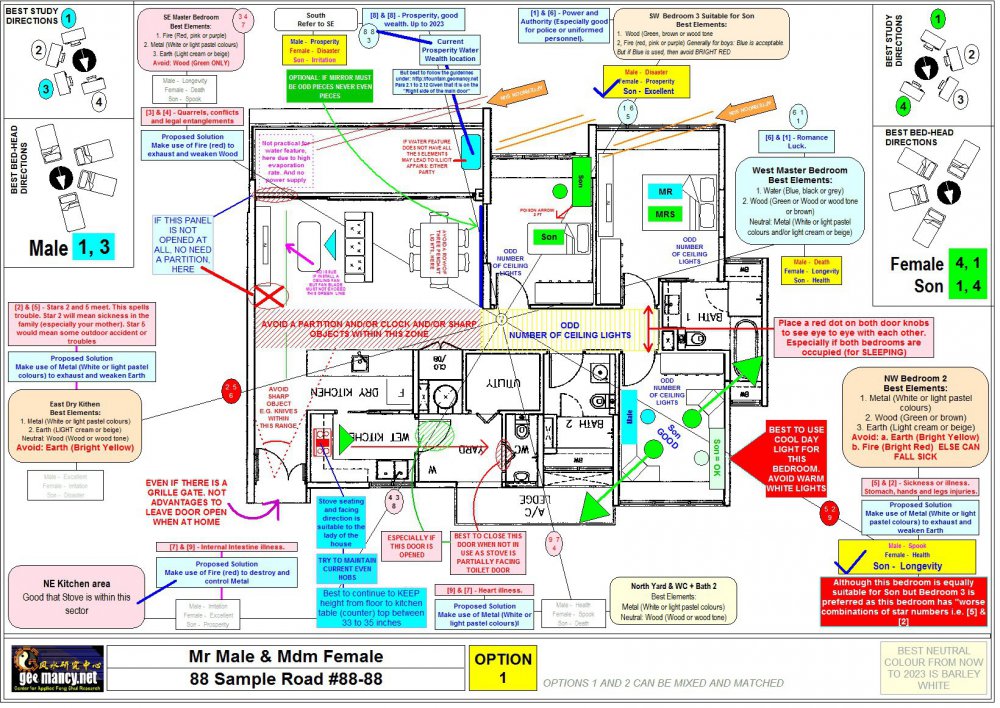
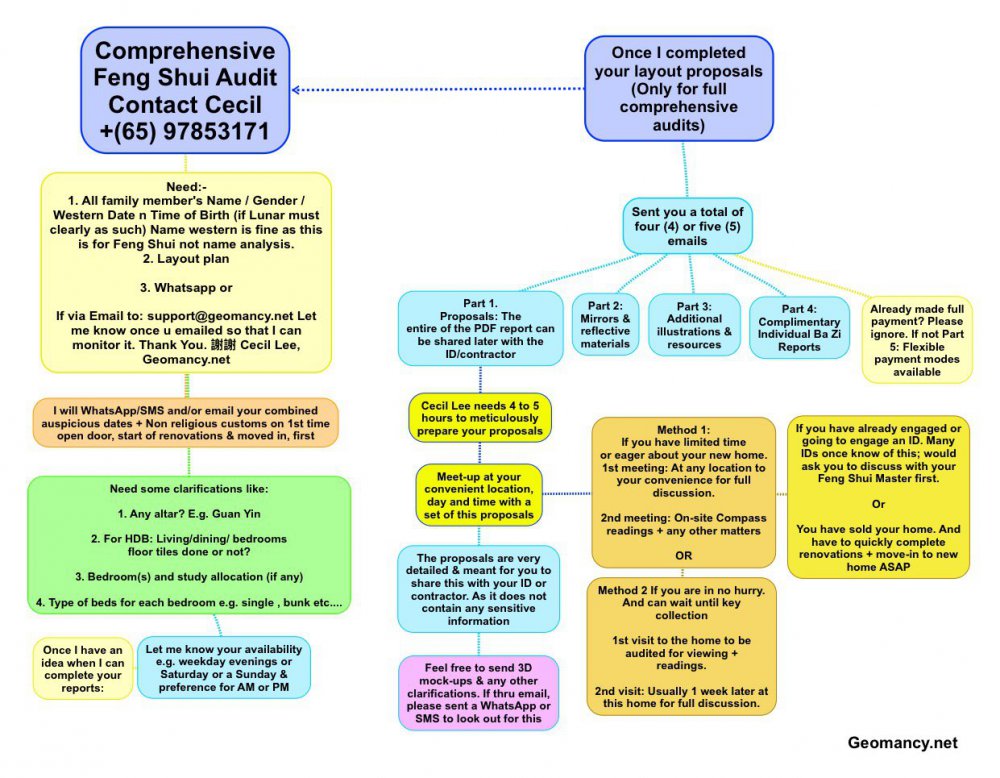
Assumption: The interior layout plan has been drawn. 1. 1st visit = site visit plus obtain all family member's personal particulars and a layout plan. And obtain a copy of the proposed layout plan since it is available. 2. 2nd visit = after analysing and preparing a detailed Feng Shui report as shown in the earlier sample. Meet up to discuss. 3. In between can use email or whatsapp to discuss revision(s). Or up to you to the client for the 3rd visit at anytime.
-
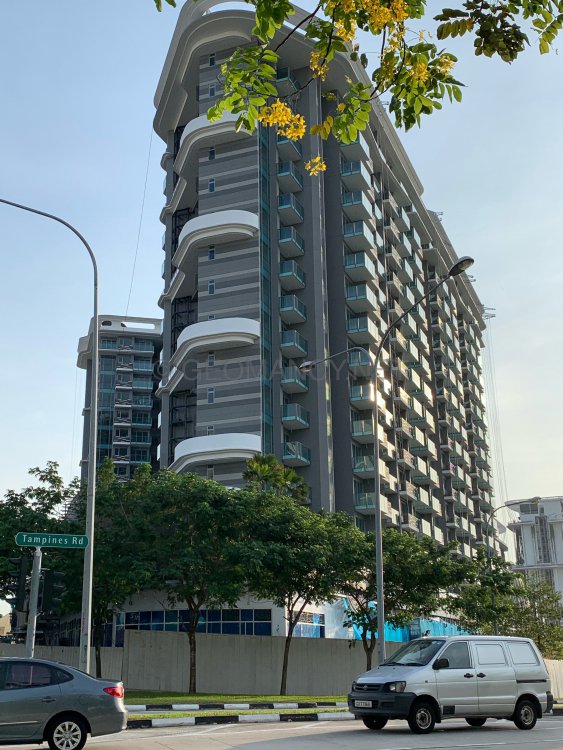
Almost there...
-
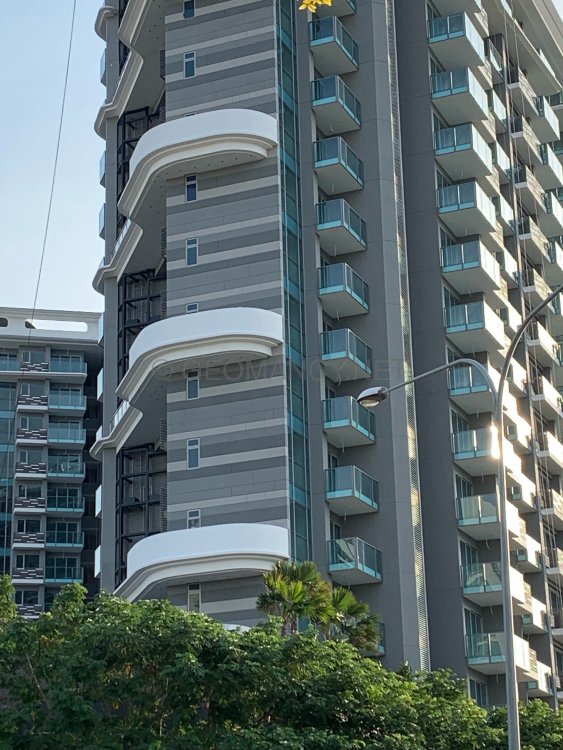
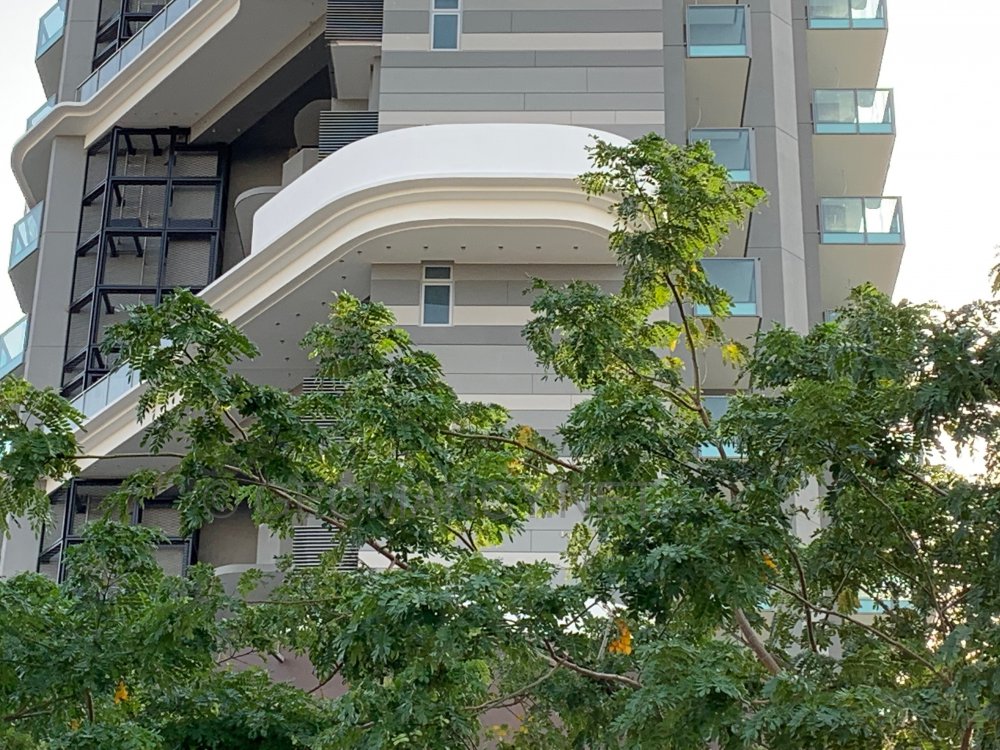
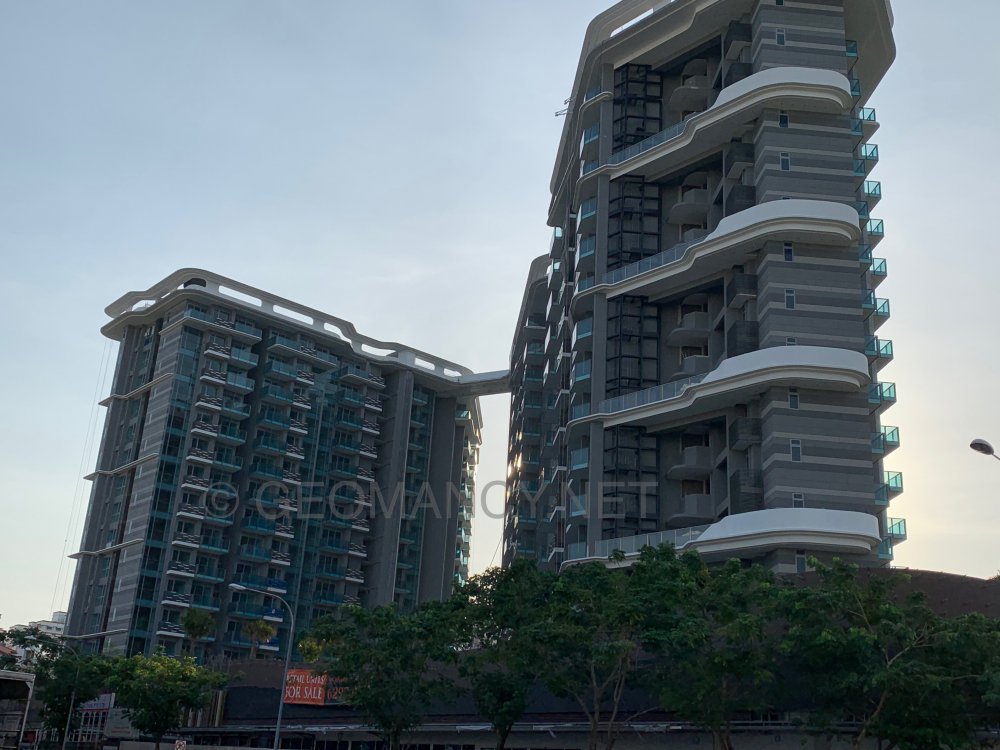
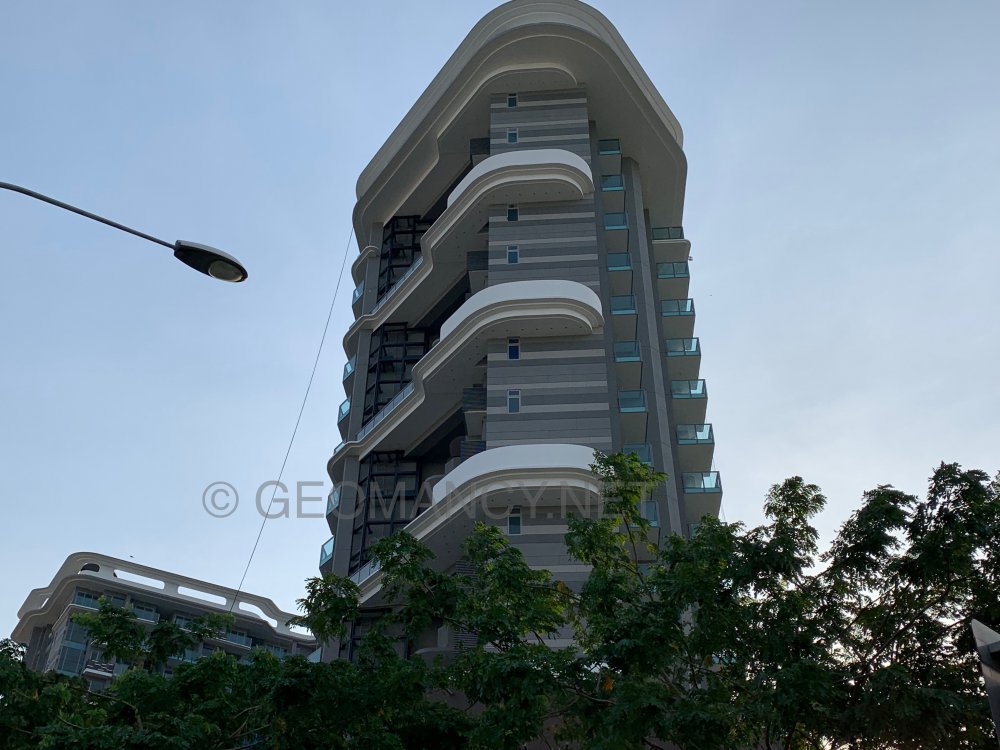
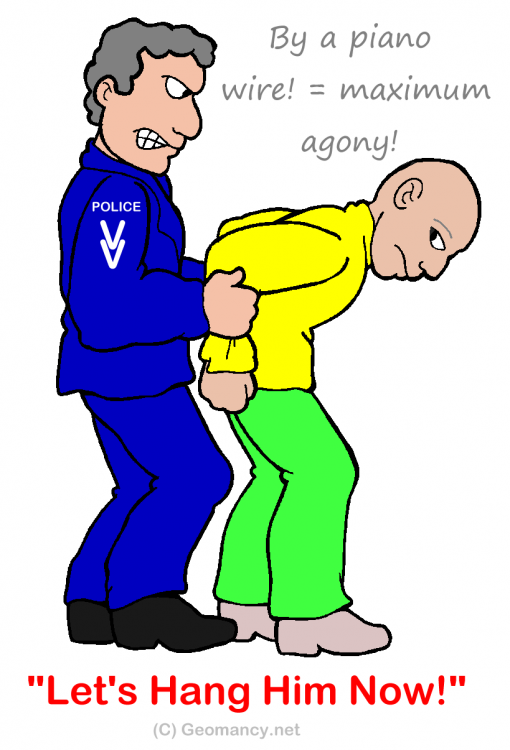
The Visionaire has been given TWO Singapore AWARDS: 1. 2018's award for the poorest landscape planning! 2. And another: The poorest landscaping in a decade! Just a wish...for the architect/landscape designer... "Ok, ok, I will be more careful next time! " Facts: Who is the developer of The Visionaire? Qingjian Realty..... +++ Summary of Feedback on Safety, Landscaping and Design at The Visionaire I am writing as a concerned resident/visitor to share some observations about safety, landscaping, and design at The Visionaire. My intention is not to criticise for the sake of it, but to highlight issues that I believe affect safety, day‑to‑day usability, and the long‑term value of the development, and to suggest practical improvements. 1. Pathways and Circulation Concerns - Several pathways are narrow with tight 90‑degree turns, which are not very safe for: - Young children (especially ages 2–5), and - Elderly residents or anyone with mobility challenges. - There are unlevel surfaces and “many unlevel pathways and tight turns,” which increase the risk of tripping. - Some paths are too curved, affecting visibility and making it harder to see oncoming pedestrians, bicycles, or children. Impact - In my view, some of these areas feel like an accident waiting to happen, especially for toddlers and young families. - This may discourage residents from using certain walkways or from allowing young children to walk independently within the estate. Suggestions - Widen or re‑align narrow pathways where possible, and reduce sharp 90‑degree turns. [Too late - do take note for future projects] - Regrade or repair uneven surfaces to reduce trip hazards. [Install railings] - Trim or re‑design planting so that no more than a small, safe margin extends into pedestrian pathways. - Where redesign is not immediately possible, consider **clear markings, warning signs, or speed‑control measures** (for bikes/scooters) to improve safety. 2. Dangerous Edges and Railings Concerns - There is an angled railing pointing towards the pathway, creating a risk that someone could: - Trip and fall directly onto the sharp edge. - Sustain serious injury (head, face, or body) from impact. - Some **metal rails are sticking out along a narrow path, which: - Are not child‑safe, and - Visually protrude like a sore thumb. - There is an area where a stainless steel railing is clearly needed; the current configuration is both an eyesore and a potential fall hazard. Impact - These elements are particularly dangerous for children, who may run or play near these areas. - They also reflect poorly on the overall design quality and may eventually affect the **perceived value** of the development to Subsidiary Proprietors. Suggestions - Re‑design or cap sharp edges so that no pointed or protruding elements face pedestrian paths. - Where protruding rails cannot be relocated, consider: - Adding protective guards or cushioning; or - Rerouting the pathway slightly to increase clearance. - Install proper stainless steel railings where fall risks exist, following common safety standards for residential developments. 3. Bollard Lights and Signage Concerns - The estate uses square bollard lights tilted at about 30 instead of the more common rounded bollards seen in many other developments. - Combined with workmanship issues, the current design creates sharp corners and edges at a height that could: - Easily come into contact with children’s faces and eyes. - Some block signage is very low (“ridiculously short”), making it: - Less visible and - Potentially confusing for visitors and delivery drivers. - There are locations where a yellow warning line should be drawn to alert residents to potential hazards, but this has yet to be done. Impact - The sharp edges on bollard lights present a physical safety risk, especially to toddlers and young children. - Poorly placed or undersized signage can lead to confusion, sudden stops, or near‑misses involving vehicles and pedestrians. Suggestions - Review bollard light design and consider: - Replacing them with rounded or fully capped designs, or - Adding rounded guards to existing fixtures to eliminate sharp edges. - Adjust the **height and placement of block signage** so that it is clear and visible from typical approach angles. - Add **yellow warning lines and/or hazard markings** at all key risk points (e.g., steps, sudden level changes, or tight corners). --- 4. Guardroom Orientation and Staff Comfort Concerns - The guardroom faces the afternoon sun, leading to: - Prolonged exposure to heat and direct sunlight for the guards. - Visible signs of suntanning and potential long‑term eye/skin issues. - There is a concern that this may contribute to **faster onset of cataracts** or other health problems over time. Impact - Security officers are an important part of the estate’s safety and image. - Working in uncomfortable and potentially harmful conditions is neither humane nor sustainable. Suggestions - Install additional shading, such as extended canopies, louvers, sun films, or screens to reduce direct sun exposure. - Improve ventilation and cooling (e.g., fans or air‑conditioning where appropriate). - Consider re‑orienting or partially reconfiguring the guardroom in any future upgrade or major works. 5. Overall Design and Planning Issues Concerns - Taken together, the above issues suggest weaknesses in overall landscape planning and detailing. - You could say The Visionaire almost qualifies for: - 2018’s worst landscape planning award; and - Worst landscaping in a decade. - Key problems: - Design is not sufficiently user‑friendly, especially for toddlers and families. - Ad‑hoc fixes (e.g., odd bollards, protruding rails) give parts of the estate a makeshift or non-premium** feel. - There is a concern that these issues: - Lower the perceived quality and enjoyment of the development. - May affect property values for Subsidiary Proprietors in the long run. Suggestions - Conduct a comprehensive safety and usability audit of the estate, focusing on: - Child safety, elderly accessibility, and everyday circulation patterns. - Engage a landscape architect and safety consultant to propose: - A coherent set of improvements rather than piecemeal fixes. - Where practical, involve residents in feedback sessions so future changes align with actual usage and needs. 6. Closing and Overall Intent I hope the above feedback will be received in the constructive spirit in which it is offered. My main goals are to: - Prevent accidents before they happen, especially involving young children. - Improve everyday safety and comfort for residents, visitors, and staff. - Protect and enhance the long‑term value and reputation of The Visionaire. I would appreciate it if you could review these points and consider incorporating them into your upcoming maintenance or improvement plans. I
.thumb.png.0785c8f50aac6e93f23f0862bed8415f.png)
.thumb.png.d127735cc1b6c2e0c439d080f0121444.png) Congratulations! Just T.O.P. Paying a visit, soon.
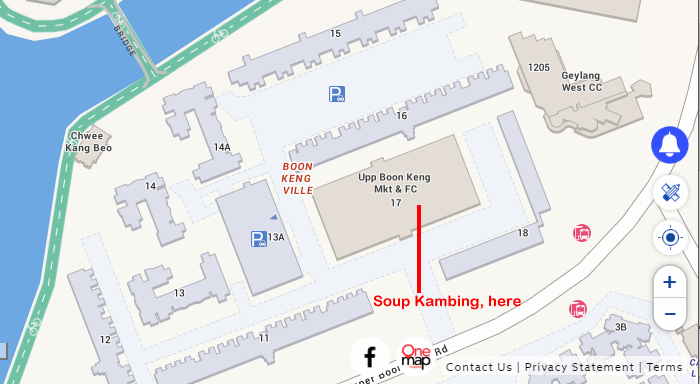
Congratulations! Just T.O.P. Paying a visit, soon.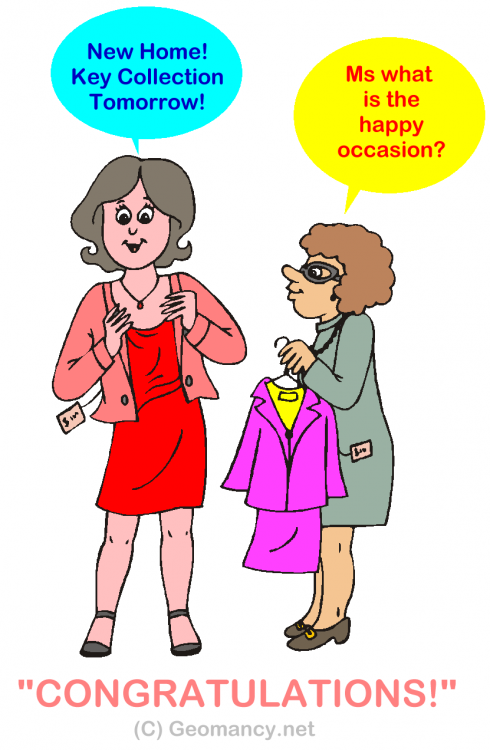 About HDB Kallang Breeze BTO As a reward, we are awarding you a year's supply of soup kambing! Clap, clap, clap! Where Ah? Come, come, just show your pass!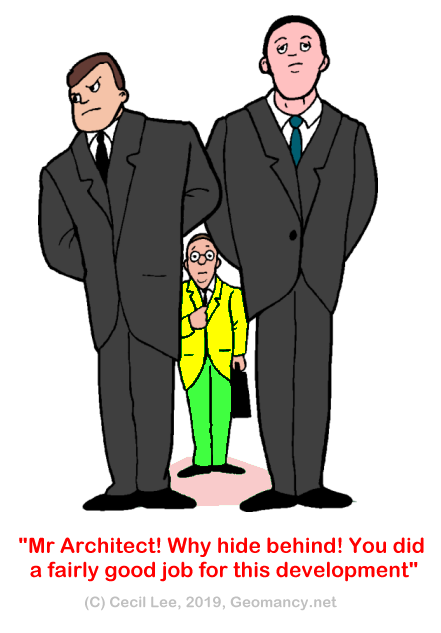

.png.faca9c3cdf295073f32e079f44870c8f.png)
.png.83ea1ab919258813e48232c60296d41f.png)